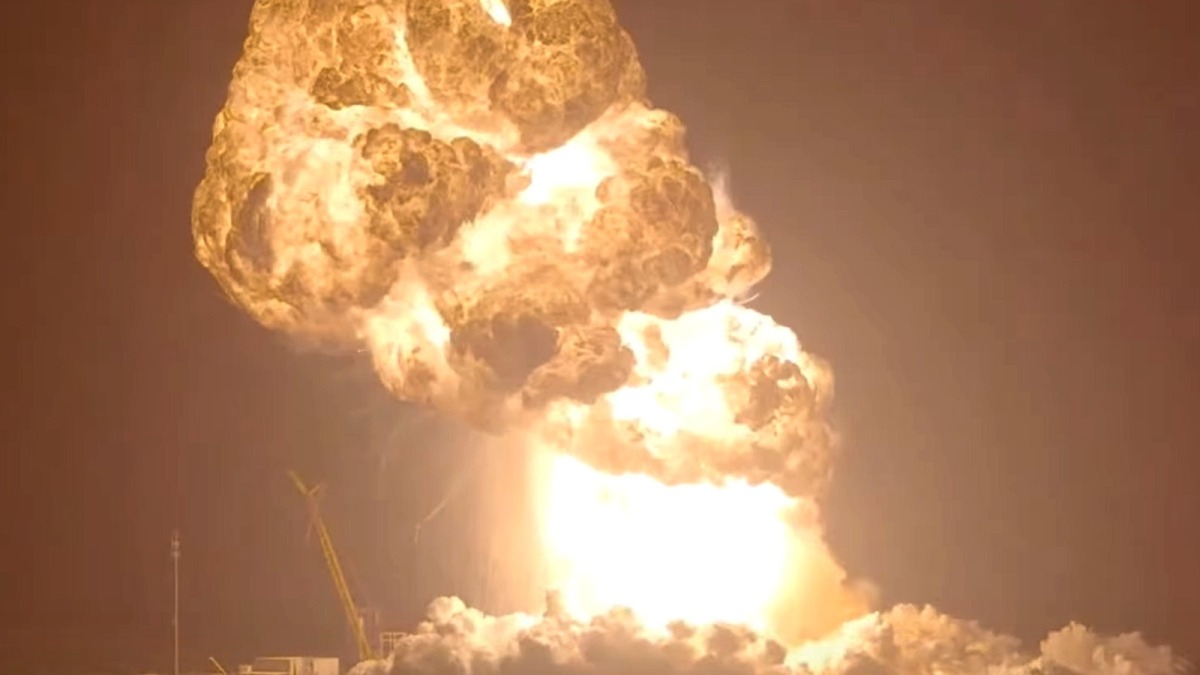
Despite its potential to transform spaceflight, SpaceX’s Starship has so far been a disaster. Not only did several of its prototypes explode during testing, but a majority of its official launches have ended with catastrophe—and unfortunately, SpaceX’s reputation isn’t the only thing to take the hit. Environmental activists in Mexico are accusing SpaceX’s Starbase (where Starship is launched) of harming marine ecosystems whenever one of its rockets blows up.
In the aftermath of Starship’s most recent failure on June 18, detritus rained onto the beaches of Tamaulipas, the Mexican state that borders Starship’s home city of Brownsville, Texas. Though it’s hardly been a week since the explosion, scientists and government officials have already identified nearly two tons of metal, rubber, and plastic pieces littering the shore. Two dolphins, a sea turtle, and nearly a thousand fish are believed to have died following the incident, in part because they’ve ingested small pieces of debris. Environmentalists have also found debris thought to be associated with Starship 36 in the Rio Grande and on farmlands across the Mexican city of Matamoros.
Meanwhile, SpaceX CEO Elon Musk described Starship 36’s explosion as “just a scratch.”
The fallout has triggered an investigation involving Mexico’s Navy, Secretariat of Environment and Natural Resources, Federal Attorney for Environmental Protection, National Commission of Natural Protected Areas, and a handful of state and municipal entities. Mexico President Claudia Sheinbaum is keeping a close eye on the process, with plans to sue SpaceX should investigators find the aerospace company in violation of international law.
Mexico’s mounting battle with SpaceX highlights the fact that even “isolated” aerospace activity, like rocket tests on US soil, doesn’t exist in a vacuum. In early May, the Federal Aviation Administration (FAA) gave SpaceX permission to bump its annual Starship launches from five per year to 25, ignoring objections from environmentalists who flagged the rocket’s impact on marine life, birds, and mammals. Now Mexico’s wildlife—and that which relies on the gulf—has to pay the price.