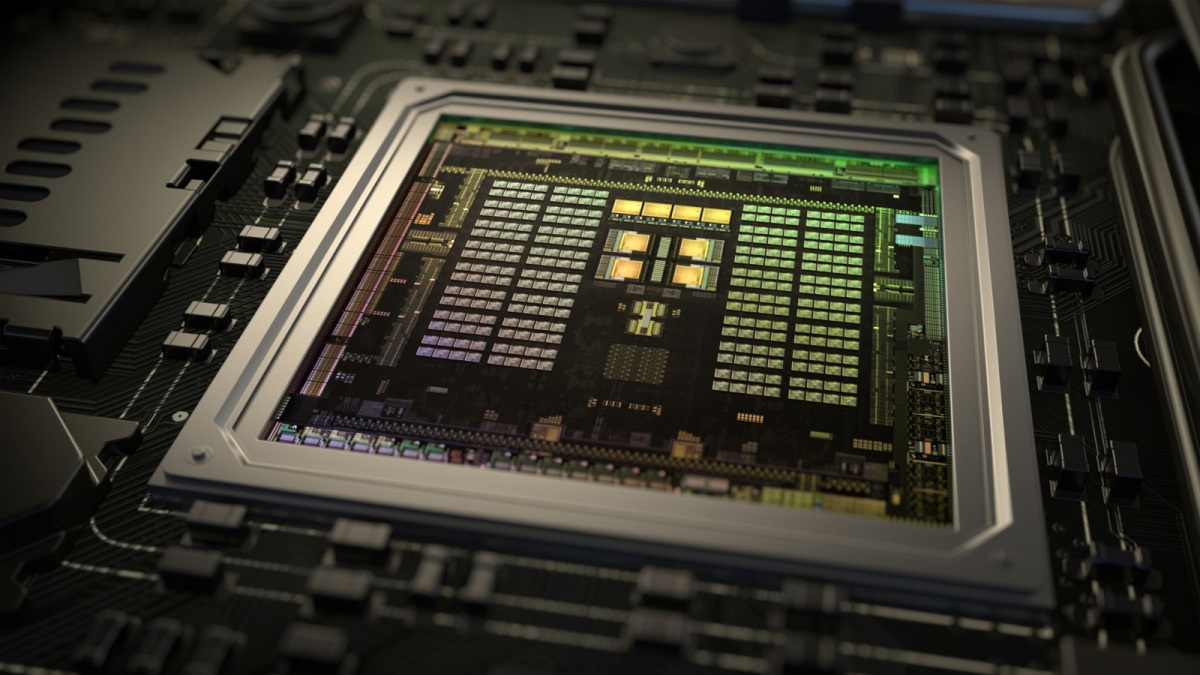
Nvidia’s ARM-based SoCs for laptops, known as the N1 and N1X, appear to be waiting now for Windows 12. That’s according to XDA, which points to a DigiTimes report about the development of the next generation of Windows—and the impact that’s having on Nvidia’s foray into laptop CPUs. The delay comes on the heels of concerns about development problems that could push N1 and N1X launches into late 2026.
It’s not clear when Windows 12 will be released. An update to Windows 11, known as Windows 11 version 25H2, is expected to arrive before the end of this year. It’s likely to show up in September or October, putting what are possibly the finishing touches on Windows 11 just as support finally ends for Windows 10. Interestingly, the 25H2 update may make Windows capable of helping you remove built-in Windows apps you might not want, like Calculator, Camera, Sound Recorder, and Xbox.
A report by Tom’s Hardware notes that, in addition to the possible Windows-related delay and development challenges for the N1 and N1X chips, weakening notebook demand could also be to blame for N1 delays. And demand could be at the root of Nvidia’s reported interest in giving commercial customers priority for systems running the upcoming chip.

Credit: Nvidia
The N1 and N1X chips are a collaboration between MediaTek and Nvidia. If the N1X is successful, it might be a strong ARM-based challenger to CPUs from AMD, Intel, and Qualcomm on Windows laptops. The chip didn’t make an appearance at Computex, surprising some eventgoers who had hoped to learn more about it. But the N1X popped up on Geekbench in June, providing solid scores and reigniting excitement about a new player in the market.
At the time, the N1X bested the Intel 285HX in single-threaded performance and looked good (though not quite as good) going up against AMD’s Ryzen AI Max+ 395. Geekbench also revealed that the chip appeared to have 20 threads, which could mean 20 physical cores. So far, very little is known about the N1 series, as Nvidia has been keeping details close to the vest during development.
Nvidia has said little about the N1X and nothing about the reported delays, so it’s hard to know for sure how Windows 12 plays a role in the N1X’s woes – if it even does. One possibility, according to MSN, is that Windows 12 could be better able to take advantage of the chip’s AI chops. It is rumored to be capable of 180 TOPS. In a fast-moving segment like mobile chips, delays aren’t welcome. But if MediaTek and Nvidia are waiting for the right moment to pull the trigger, that’s a different matter.