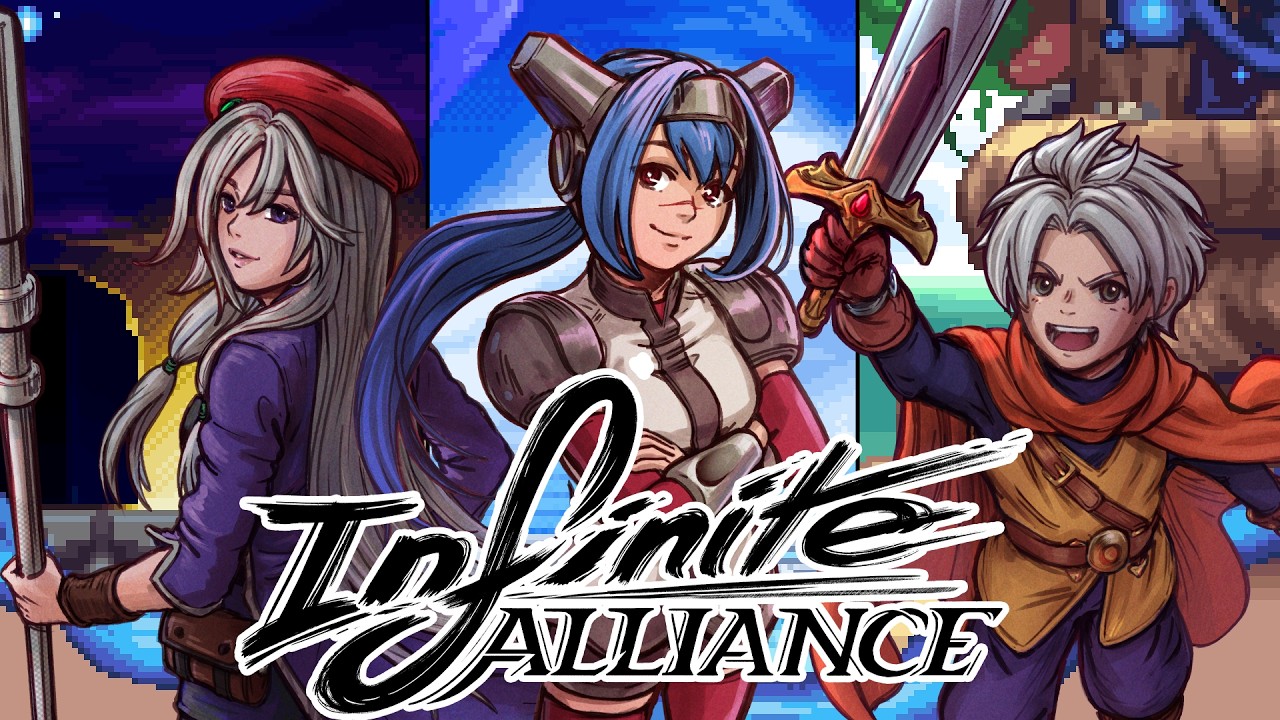
Infinite Alliance was already shaping up to be an unmissable crossover event for fans of JRPG-inspired games and it’s now become even more of an exciting proposition thanks to the inclusion of CrossCode, one of the best RPGs – or perhaps even one of the best games, period – of the decade.
For those out of the loop, Infinite Alliance is an upcoming free turn-based game that’s bashing together heroes and villains from a bunch of JRPG love letters. Genre favorites like Chained Echoes and Kingdom of the Dump were already part of the line-up alongside more under-the-radar gems, but publisher Electric Airship recently announced that CrossCode, Cosmic Star Heroine, and Seed of Nostalgia will also be included.
CrossCode, Seed of Nostalgia, & Cosmic Star Heroine join Infinite Alliance! (OFFICIAL TRAILER) – YouTube
While Infinite Alliance lets you toy around with nine playable characters, heroes from the newly-announced games will instead join the crossover event as optional superboss battles, another genre tradition that only makes me more excited for launch day.
Latest Videos From
“Due to console monetization requirements, the battles against Lea from CrossCode, Alyssa and Chahn from Cosmic Star Heroine, and Atilla from Seed of Nostalgia will require $1 optional purchases,” the publisher says.
“Every other aspect of the game is free, and the proceeds from these purchases will be donated to Doctors Without Borders. On PC, this content – and the entire game – will be completely free.” Very nice, indeed.
Infinite Alliance is the type of crossover you rarely see outside of the comic book world. Every live-service game from Fortnite to Overwatch has collab events, sure, but not very many of them come with deep narrative content – this, here, is a totally narrative-focused adventure re-contextualizing characters we already know in a fun, fan-servicey way, which is welcome in my books.
There’s no release date yet for Infinite Alliance, but it’ll be on PC and consoles for free sometime later this year.
Weekly digests, tales from the communities you love, and more
Say hello to the second Minecraft film—or as it’s now known, A Minecraft Movie Squared.
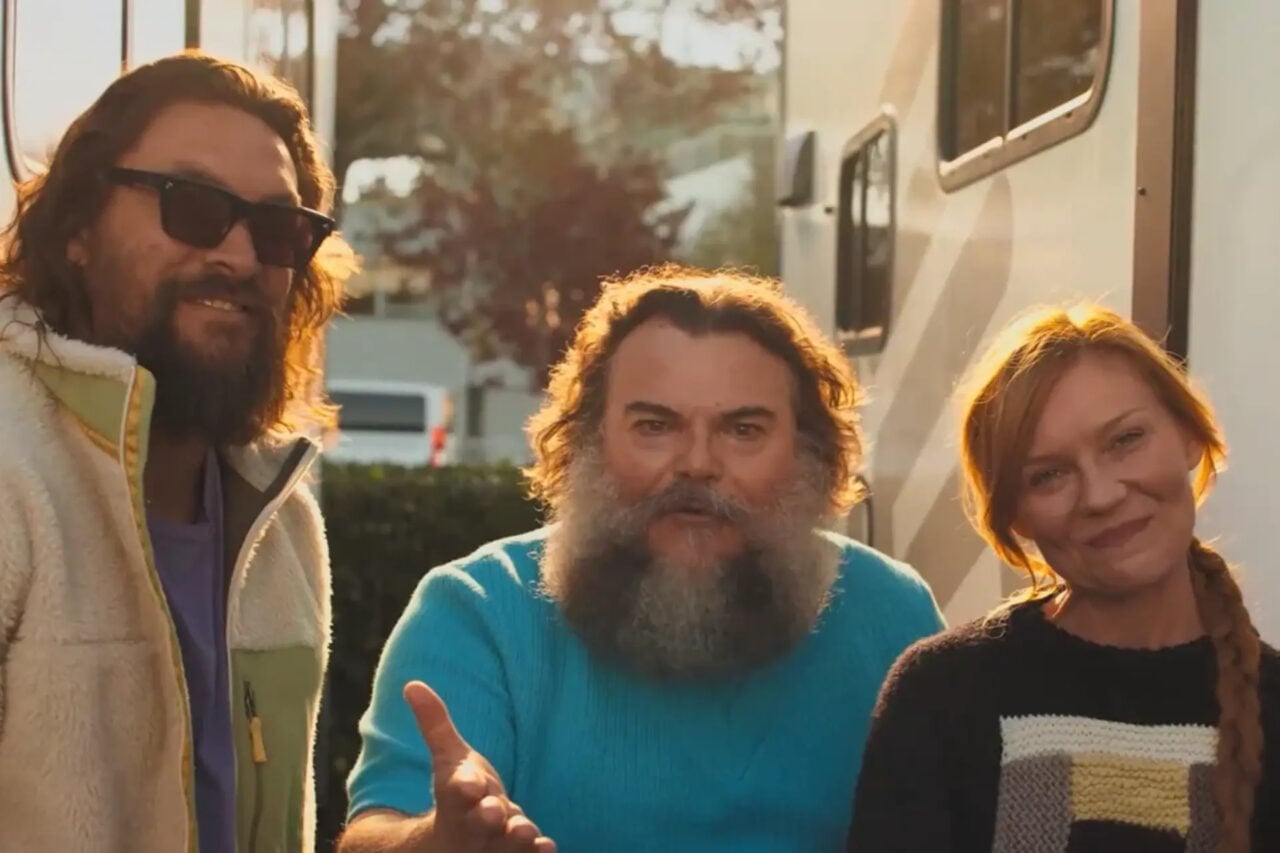
The new name was unveiled during the Minecraft Live event, which didn’t just stop at the official name. Production’s already underway in New Zealand, so director Jared Hess and the returning adult cast got on camera to hype up the sequel. Along with Kirsten Dunst as Alex—the female character option in the game—the next big new get is Matt Berry. While he voiced a Nitwit in the first movie, he’s a flesh-and-blood person in the sequel. The Fallout star didn’t say who he’ll be, but his outfit looks similar to Steve’s, leading fans to believe he’ll play an evil counterpart. (Possibly Herobrine, an urban legend amongst the game’s community.)
When the original A Minecraft Movie hit theaters last year, it became a tiny phenomenon. It made nearly a billion dollars and Jack Black’s “chicken jockey” line was such a moment (and briefly involved actual chickens) that he had to tell younger theatregoers to behave more properly. This new movie’s probably going to be even bigger, especially since there’s an in-game build challenge attached to it that could see the best player-made creation get featured in Squared’s end credits.
You can learn the details of that challenge here, while everyone else can expect A Minecraft Movie Squared to hit theaters on July 23, 2027.
Welcome to Disk Cleanup, our regular weekend feature delving into the PCs of PC gaming luminaries. Come back every weekend to read a new interview, digging into the important questions, like “How tidy is your desktop?” and “What game will you never uninstall?”
Publishers of the ’90s loved a boxed video game collection, which is why Nina Freeman’s earliest PC gaming memory is playing Rodent’s Revenge. Released in 1991 as part of Microsoft Entertainment Pack 2 Rodent’s Revenge was about a mouse pushing blocks around to trap cats. “I didn’t have a computer until I was 10, so I think I played this on my friend’s computer, or at school or the library,” says Freeman, a freelance game developer who has worked with developers like Fullbright and Don’t Nod Montreal. “I don’t remember how it works, but I remember playing it … it was sort of like a puzzle horror game, if you will.”
Freeman gained prominence in the games industry for her autobiographical video games such as Cibele and Last Call, exploring subjects like relationships and sexuality. She has also worked as a level designer on the first-person narrative adventures Tacoma and Open Roads, and was a writer and principal narrative designer on Lost Records: Bloom & Rage. Freeman is currently working on a new, unannounced project with Don’t Nod, as well as on an indie horror game called Size Zero with her husband and fellow game designer Jake Jeffries. “Progress is slow as a snail, but technically I have that on the back burner,” she says.
Freeman took a break from narrative design to guide me through the branching pathways of her PC and Steam Deck. Prepare yourself for a tale of deadly rollercoasters, forbidden Steam games, and one of the most ambitious visual novels in existence.
Latest Videos From
What game are you currently playing?
(Image credit: Analgesic Productions)
I am playing Angeline Era. It was one of the grand prize finalists at the IGF this year. I will say, disclaimer, the devs are friends of mine from way back. We started in the industry around the same time and knew each other when I lived in New York City. Melos and Marina, they’re amazing and I’ve actually worked with both of them.
I always get excited when they release a new game, because I feel like they’re some of the most prolific indie game developers out there. They’ve made so many games, and the scope of these games is big. They are really ambitious.
Melos and Marina have their own unique voice as game developers, and yet their games are often drawing on and inspired by mechanics you’re familiar with. Anodyne, their first game, felt like this Zelda-like game. You’re playing it and feeling that, but then it blossoms into its own thing … they take them in wild directions to the point where you can see the influence, but there’s so much more to it than that it’s mind-blowing.
And I’m saying that mechanically. Narratively, also, their stories are always really profound and interesting. You don’t get spoon fed the story. You have to work for it in a way that’s satisfying. They’re good at telling stories that are subtle and end up feeling profound and human, while often being in a fantasy setting.
Keep up to date with the most important stories and the best deals, as picked by the PC Gamer team.
What was the previous game you played, and is it still installed?
(Image credit: Black Tabby Games)
So I’ve been playing Angeline Era on Steam Deck, and it’s beautiful on Steam Deck … the last game I finished on the Steam Deck was Scarlet Hollow, and it is still installed. It’s a visual novel by Black Tabby Games, the incredible devs behind Slay the Princess.
I have to say that Scarlet Hollow is a masterpiece, and as a narrative designer, it’s the kind of game that I feel very nerdy about because it definitely has the most complex branching structure I’ve maybe ever played in a game. I honestly can’t think of anything that compares to it, except for maybe Christine Love’s work.
[It’s] the kind of game where you’re playing and there’s branching stuff, and you can tell when your choices are going to make a branch. But then there’s also a lot of variation that maybe you don’t notice the first time you play, in little lines and little scenes that varies up the moment to moment of the game, which I really appreciate. We tried to do as much of that as we could in Lost Records. There’s a lot of work that I put into subtle branching throughout scenes, where you might not notice it until a second playthrough.
Silent Hill F does a lot of this as well, which is another game I’m loving. Not on PC, but I’m just bringing it up as I feel this kind of branching narrative design with lots of subtle differences using all the player choices is becoming more of a thing.
What is the oldest game (by release date) currently installed on your PC?
I’m actually glad it’s this game, because I did play a lot of Rollercoaster Tycoon as a kid, and I think that’s probably why I picked it up as an adult in a sale or something, because I was feeling nostalgic.
As a kid, I built never ending rollercoasters. Rollercoaster Tycoon reminds me of The Sims in a way, where it tempts you to put the characters in danger, where you make really dangerous coasters just to see what happens. I remember doing that and just being very amused as a kid, similar to how I would play The Sims, and you would make a pool and delete the staircase to leave. I know I’m not the only little freak that did that.
The first game I actually bought on Steam was Magicka. That’s a throwback … I must have been a freshman in college, and that was the first time in my life I ever discovered what an indie game was, and I remember playing Flower and Magicka and a couple of other games.
It was one of those games I played because I had some friends that were also playing it, and they wanted to play co-op together. So I’ve definitely, my whole career, had a love for local or remote co-op games.
What is the highest number of hours you have in any given game, according to Steam?
(Image credit: Valve)
This is the first one I wanted to look up, because I’m sure everyone’s like “What’s my embarrassing [number]?”. Well, maybe not everyone has this reaction. I’m having this reaction because my most played game is Dota 2 by magnitudes.
I’ll tell you my number. Hours played, 2,101. My second-place game is Divinity: Original Sin 2, at only 241. I will say, though, that I played a lot of Overwatch before it was on Steam. And Final Fantasy 11, when I was a teenager, I was a seriously hardcore player of that game.
I started playing [Dota 2] in my early relationship with my now-husband, who also loves Dota 2. When he and I met, I was starting to fall off Overwatch, which I really loved, and I was looking for a new game to fill that competitive space in my free time. And Jake, also a game developer who I make games with, he was like, ‘Oh, I’ll teach you how to play Dota 2 if you’re curious.’
So Jake and I, as a couple, have played a lot of Dota 2. It’s almost been a date night game for a really long time until I had a kid, and now we don’t have any time to play it.
It has the most insane mechanical depth of maybe any game I’ve ever played, and I just love that aspect of it, like that complexity and how it all works together. Also side note, I think of Dota almost as like a folk game within digital games, because it came from a player-made space, and then obviously Valve took over and made it what it is now. But it has this almost folk game history, so I am just fascinated by Dota and its whole lifespan.
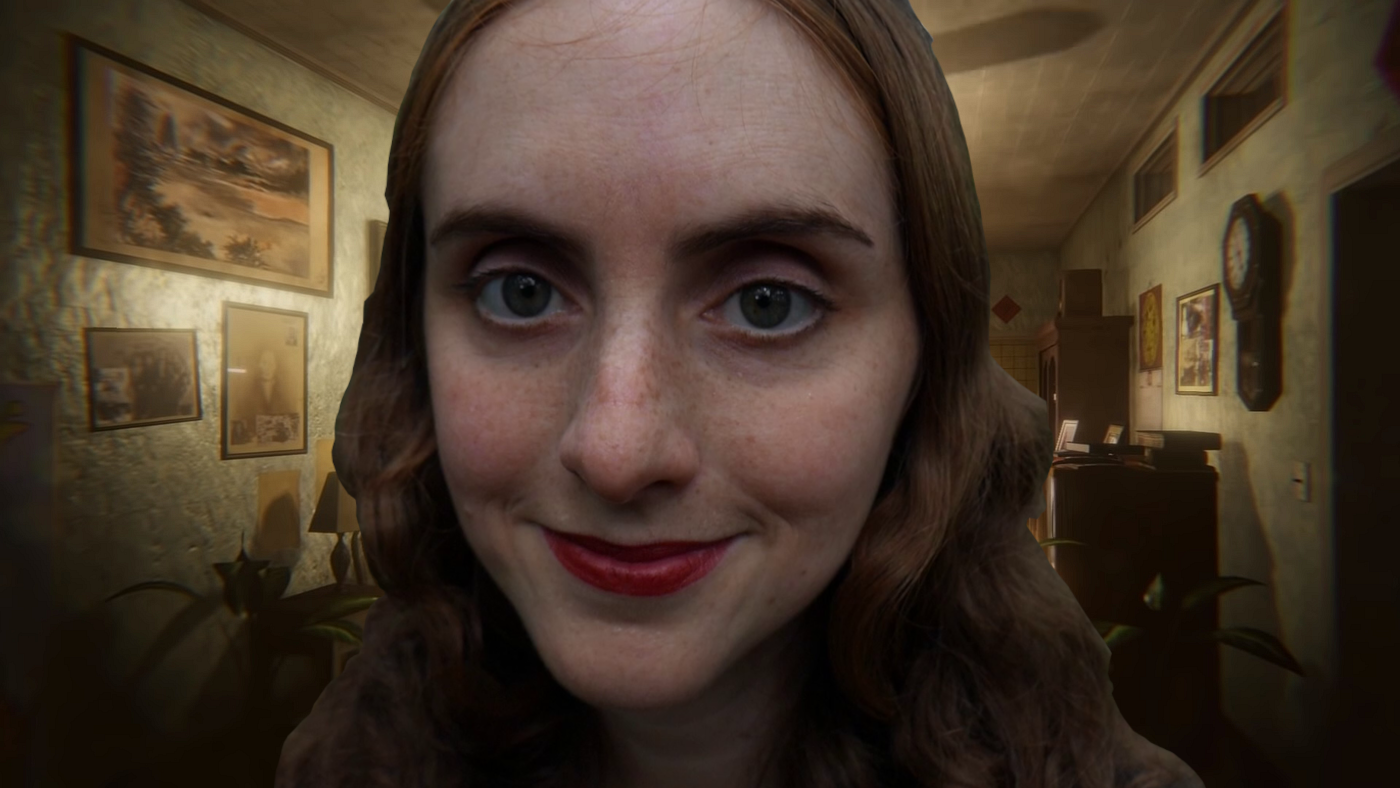
The backstory is what people always say first, but before I say it, it is one of my probably top five favourite games of all time. One of the best horror games ever made, in my opinion. It’s a game about a father, a family unit with a focus on the father and his relationship with his daughter, who is ill, and the family struggle that happens around this situation and his relationship to religion.
It’s so good, but the big-real life story of this game is that, when it came out, it was swiftly banned on Steam because there was a meme in it, that evidently was shipped by mistake, about the Chinese president, so it was very quickly banned. And it’s tragic because everyone should play this game.
So I’ll never remove it from my Steam library, because I’m probably one of the few people that even has it in their Steam library.
What’s a piece of non-gaming software installed on your PC that you simply couldn’t live without?
(Image credit: Future)
I’m not much of an apps user, but I do heavily rely on OBS because I am a game developer, but I also stream on Twitch, so I think probably OBS is the thing I use the most outside of my work stuff …. I use [it] a ton because of my stream, recording gameplay footage and whatnot. It’s a big part of my setup.
How tidy is your desktop screen?
It’s pretty tidy. I keep it clean. I have a two-monitor set up. I have my Sticky Note on one side, with my wallpaper of Auron from Final Fantasy 10. My main monitor is a wallpaper of one of my dogs, and I only have three columns of shortcuts. I regularly move stuff to one of my external hard drives, so I think I’m pretty organised, but I will say my external hard drives are a mess.
I have to keep my desktop clean because I stream, and sometimes my desktop will shop up on stream if I’m trying to show people something, so I can’t have private NDA stuff on my desktop ever. That’s a big deal. So I have to keep it clean for that reason.
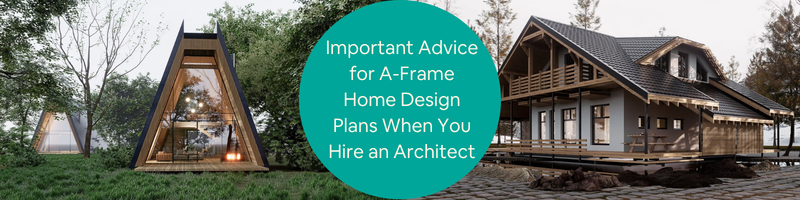
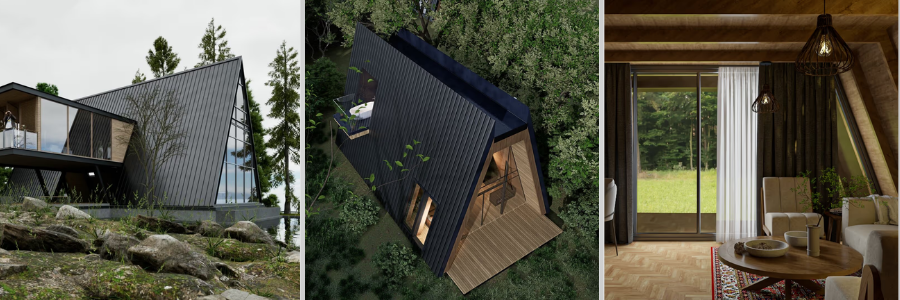
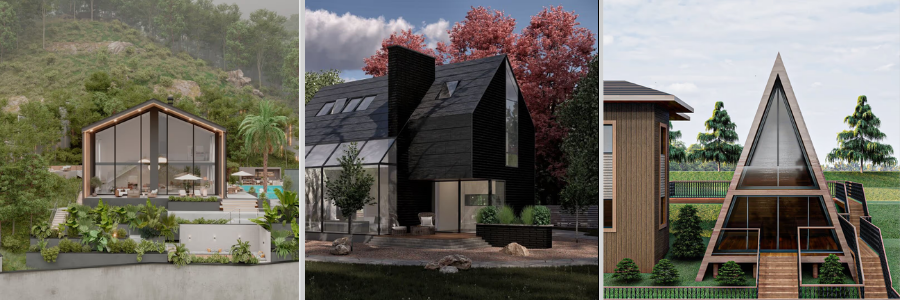
If you are not yet a fan of A-frame houses, then you are in for a big surprise. For those of you who might not be familiar with it, an A-Frame house is such a sun-blessed buddy who arrives at your summer barbecue wearing hiking boots, a luau shirt, and a big smile. The buddy may spill salsa on the picnic mat, but everyone just laughs. That is what A-Frames do. They are loudly unconventional, with their big roof lines and triangular shape that tips its hat to tradition.
They’re so popular because they whisper adventure and coziness simultaneously. It is half cabin retreat, half work of art, half snuggly reading den. If your fantasy is a secluded woods retreat, a lake house, or a show-stopping main home, an A-Frame guarantees personality. But before you can do any of that, you have to let your imagination run wild like a caffeine-fueled golden retriever; you need one crucial ingredient: a good architectural design firm that can make your triangle fantasy stand up on its own without overflowing like a stack of pancakes.
🚀 Table of contents
Choose a company that is on your vibe (and does not roll its eyes at your oddball ideas)
Hiring an architectural design firm is like selecting a trail companion. You don’t want to invite one who huffs and puffs, complains about the path, and calls your pack ugly. You want one who keeps up with you, encourages your wild ideas, and quietly prevents you from falling over the edge.
A-frames are personality statements. If your pulse quickens at cabin living unadorned, you require an agency that can tap into that excitement. If in your mind’s eye your dream home is a slim black triangle with floor-to-ceiling glass perched at the end of a cliff, don’t hire a company whose portfolio includes “grandpa’s ski lodge, 1978.”
Cad Crowd is a great place to begin. The site boasts freelance CAD designers and companies from around the globe. Surfing through their portfolios is window shopping for ideas, only the windows are lined with houses cooler than anything you’ve seen last weekend on HGTV. Cad Crowd’s diversity allows you to refine your own aesthetic and generates new concepts you could have never thought of.
You’ve been there: browsing Pinterest, you come across an A-Frame with ginormous cathedral windows, a deck that can fit an entire rock concert, and a hot tub on the roof. You pin it and breathe, “This is the one.” Then you sit down with an architect and discover your dream build costs about as much as a small island.
An older and wiser company will assist you in reconciling your vision with economic reality. Be honest about your budget. Otherwise, the disillusionment later on will be akin to discovering your fantasy getaway is really in your cousin’s backyard kiddie pool. Architects can come up with creative substitutions: smaller windows, locally procured materials, or a deck design that can be added upon later. Such compromises save dollars without scrimping on magic.
Fun pro tip: name your budget after your pet. Naming it “The Mighty Unicorn Fund” might make the discussions easier to digest.
The location test: Where will your triangle thrive
Your A-Frame isn’t a house. It’s tied to the land that includes it. Build on a slope, and you’ll probably require sophisticated foundations. Put it in a snow-prone area, and that swooping roofline suddenly is your best friend ever, with its ability to facilitate the snow sliding off. Build on the coast, and you’ll have to factor in salt air corrosion.
Good architectural planning and design firms will also address codes and zoning regulations. There is no mood killer like finding your ideal A-Frame breaks a height limit regulation or destroys your neighbor’s view. Cad Crowd designers’ network is well-versed in local codes. Their expertise can prevent headaches, penalties, or a bad experience with the neighbor whose view you inadvertently chopped down.
A-frame living: Make it comfortable year-round
A-Frames begin as a weekend retreat, and individuals soon discover they wish they lived there year-round. To make that a possibility, your design must cover insulation, heating, and ventilation. There’s something stunning about those vaulted ceilings, but they’ll retain heat where you don’t need it and lose it when you do.
Your company may recommend radiant ground heat or Energy Star windows. Ceiling fans create air movement, and strategically placed venting ensures the entire room is comfortable. Without a professional’s planning, you’ll be sweaters-deep in January or relocate your chair halfway across the room in July to avoid the sunbeam that feels like a magnifying glass.
Light: The drama queen of your A-frame
Light can break or build your A-Frame atmosphere. Big windows overwhelm the house with light, but too much will bleach your furniture or heat up the interior. A competent architectural design firm can recommend overhangs, exterior shutters, or landscaping stunts to balance natural light.
Inside, lighting design services are more important than you realize. Slanted ceilings can make a typical chandelier an afterthought. Pendant lights on long cords, basic track lighting, or unobtrusive LED strips can fill the bill without overwhelming it. Ask your designers to duplicate smart solutions they’ve utilized previously. A clever lighting plan can turn your A-Frame into a fairy-tale cabin at dusk.
Triangular walls are great to look at in photos, but they and furniture are not friends. Storage is the unsung hero that works behind the scenes to allow your home to be habitable. Under-stair cupboards, made-to-measure loft shelving, and multi-purpose pieces of furniture can be a savior.
Discuss openly with your design company your storage requirements. If you’re a weekend skier, biker, or board game aficionado, your house has to accommodate your lifestyle. A good company will design unobtrusive storage that hides clutter from view and makes your A-Frame appear like a clean minimalist magazine page, even though you’ve got seventeen blankets and five sets of snowshoes stored away.
Learn to love the quirks and laugh in the process
One of the joys of an A-Frame is its eccentricities. Angle walls encourage you to think creatively about where to place paintings or bookshelves. The loft bedroom can be cozy, but it necessitates the strategic placement of ladders or stairways. The dramatic steep roofline is beautiful, but it also complicates gutter cleaning.
Work with an organization that appreciates these idiosyncrasies rather than trying to battle them. Oftentimes, the answer is a one-of-a-kind piece of furniture or innovative design. Cad Crowd’s freelance architectural designers usually have worked with these quirky rooms before and can turn a constraint into a special characteristic.
Collaboration: The great design dance
Your A-Frame is a collaboration. You contribute the vision, the Pinterest dream, and the tales of that ideal cabin you experienced on a drive. The company contributes technical expertise, coding approval, and the means to avoid design catastrophes such as a front door opening into a restroom.
Hear them out. They may gently inform you that a 30-foot glass wall on the hurricane-exposed coast won’t work. The sorcery is in when both sides hear one another out. The collaboration should be a waltz, with the occasional chuckle and perhaps even the occasional spin when the design becomes reality.
Use 3D visualizations to steer clear of “Oops” moments
No one needs to look at a flat sketch and wonder how a room would be. Most companies now offer 3D plans or virtual tours. Those programs of software can expose the fact that a window would be too small, the railing in the loft is too low, or the deck would be better on the opposite side of the house.
Cad Crowd employs 3D model experts who specialize in creating stunning 3D models. Viewing your next home virtually is thrilling and can prevent costly mistakes. It is easier to adjust your ideal on-screen than to move the entire wall once construction starts.
Plan for the future, not just the weekend
A-frames never go out of style, but your life might. Perhaps you’re constructing a weekend cabin today, but someday down the road, you could use a larger common area for reunions or to rent it as a vacation rental property.
Discuss flexibility with your design company. Is a small loft usable as a future guest room? Will the foundation bear an expansion of the deck in the future? Planning ahead saves dollars and worries down the road.
The ultimate A-Frame is more than a tastefully styled dwelling. It has to be personal. Add that which is meaningful to you. Perhaps it is a front door of a rich green, which is your favorite color, or a reused window frame from your granddaddy’s barn. Perhaps it is a mural painted by a local artist or a whimsical weather vane in the shape of a fox.
By introducing these concepts early on, your architectural design and drafting firm can seamlessly integrate them. These small gestures incorporate your A-Frame from a fashionable home to turn it into a heartfelt home.
Cad Crowd: The treasure chest of talent
It is difficult to choose the right company, particularly if you are inexperienced in building a home. Cad Crowd makes it easier for you. Their platform presents you with architectural design companies and freelance professionals who understand A-Frame idiosyncrasies, budget restrictions, and innovative solutions.
You can go to portfolios, look at reviews, and even have design contests to see who has your vision. Cad Crowd’s pool of talent allows you to not be bound to local designers. You could just discover your perfect designer halfway across the globe who has your dream triangle in precisely your vision.
The joyful finish line
Constructing an A-Frame is more than a building project. It’s a process that combines imagination, functionality, and a shot of guts. You’re building a house where memories will accumulate: winter mornings curled up beside the window with coffee, summer evenings racing fireflies on the deck, and still moments when the boxy walls envelop you in a snug intimacy.
Select a company with the same level of enthusiasm, your same budget respect, and A-Frame simple joy and delight. Communicate openly, adopt 3D visualization, and expect storage, lighting, and growth. Above all, enjoy yourself. Laughter, minor mistakes, and thrilling moments of clarity are all part of the experience.
If you are willing to turn your A-Frame dream into reality, a beautiful home, seek the services of architectural design companies and freelance experts on Cad Crowd to assist you in turning your dream into reality. Your smiley triangle is worth it. Request a quote today.
MacKenzie Brown is the founder and CEO of Cad Crowd. With over 18 years of experience in launching and scaling platforms specializing in CAD services, product design, manufacturing, hardware, and software development, MacKenzie is a recognized authority in the engineering industry. Under his leadership, Cad Crowd serves esteemed clients like NASA, JPL, the U.S. Navy, and Fortune 500 companies, empowering innovators with access to high-quality design and engineering talent.
The new owner, Integrated Media Company, also owns Fandom, Gamespot and metacritic
A majority stake of the indie game publisher Playstack is being sold to an investment company called Integrated Media Company (IMG). As first reported by Game Developer, the owner of the publisher behind hits like Balatro and The Case of the Golden Idol is selling an 84.5 percent stake to a subsidiary of IMG called VantageCo Limited for £112.4 million, or around $151 million. Playstack also released a brief and vague statement from its founder and CEO, Harvey Elliott, that said this step represented “a change in ownership, rather than a change in who we are.”
The majority stake sale from TruFin to IMG values Playstack at around £125 million, or approximately $169 million. IMG’s portfolio didn’t previously include video game publishers but the company also owns the Fandom umbrella of brands, which includes Fandom, GameSpot, metacritic and more.
It’s hard to say what this acquisition means for the deck-building roguelite that won the hearts of the Engadget squad after its release in 2024. We’re hoping it doesn’t mean many changes for Balatro since Playstack is only the publisher and the anonymous developer, localthunk, likely has more influence on the actual gameplay. That being said, private equity firms have a reputation of salting the earth for anything they acquire in the pursuit of maximizing profits.
Looking for the most recent Strands answer? Click here for our daily Strands hints, as well as our daily answers and hints for The New York Times Mini Crossword, Wordle, Connections and Connections: Sports Edition puzzles.
Today’s NYT Strands puzzle was a bit challenging. Some of the answers are difficult to unscramble, so if you need hints and answers, read on.
If that doesn’t help you, here’s a clue: Travel time!
Clue words to unlock in-game hints
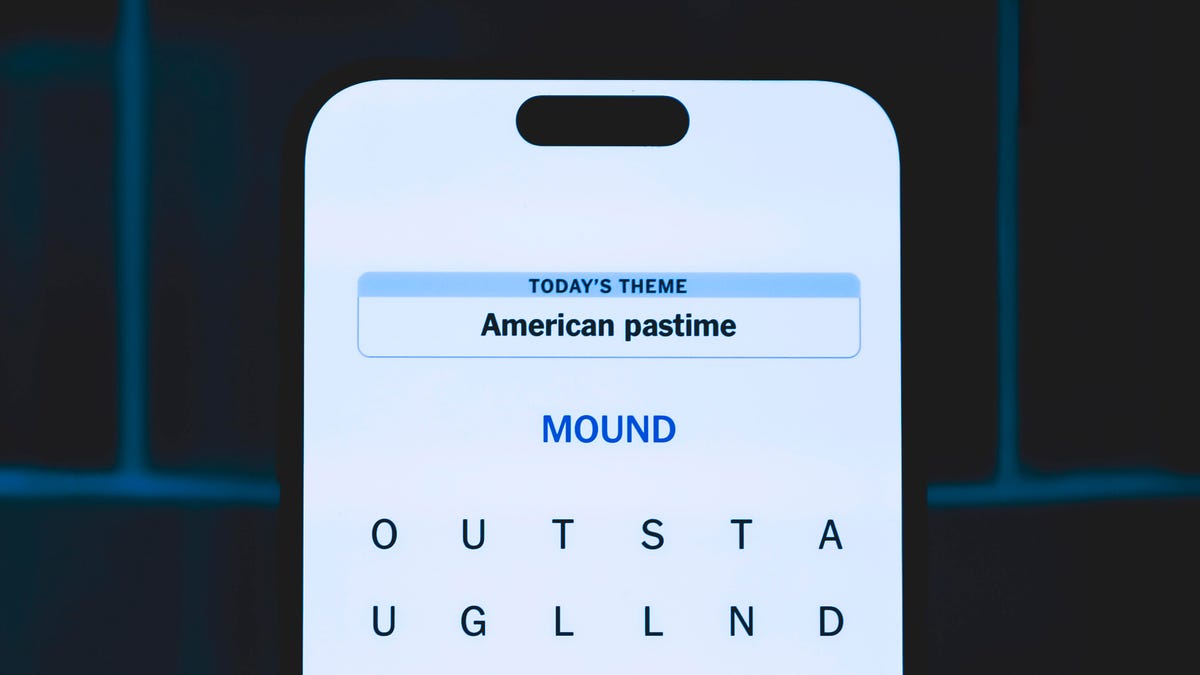
Your goal is to find hidden words that fit the puzzle’s theme. If you’re stuck, find any words you can. Every time you find three words of four letters or more, Strands will reveal one of the theme words. These are the words I used to get those hints but any words of four or more letters that you find will work:
These are the answers that tie into the theme. The goal of the puzzle is to find them all, including the spangram, a theme word that reaches from one side of the puzzle to the other. When you have all of them (I originally thought there were always eight but learned that the number can vary), every letter on the board will be used. Here are the nonspangram answers:
MUSEUM, BEACH, CASTLE, MARKET, MONUMENT, RESTAURANT
Today’s Strands spangram
The completed NYT Strands puzzle for May 31, 2026.
NYT/Screenshot by CNET
Today’s Strands spangram is TOURISM. To find it, start with the T that’s two letters down on the far-left vertical row, and wind down and then across.
During today’s Minecraft Live broadcast, Mojang dropped some small teasers about a new biome coming to the blocky sandbox game this fall.
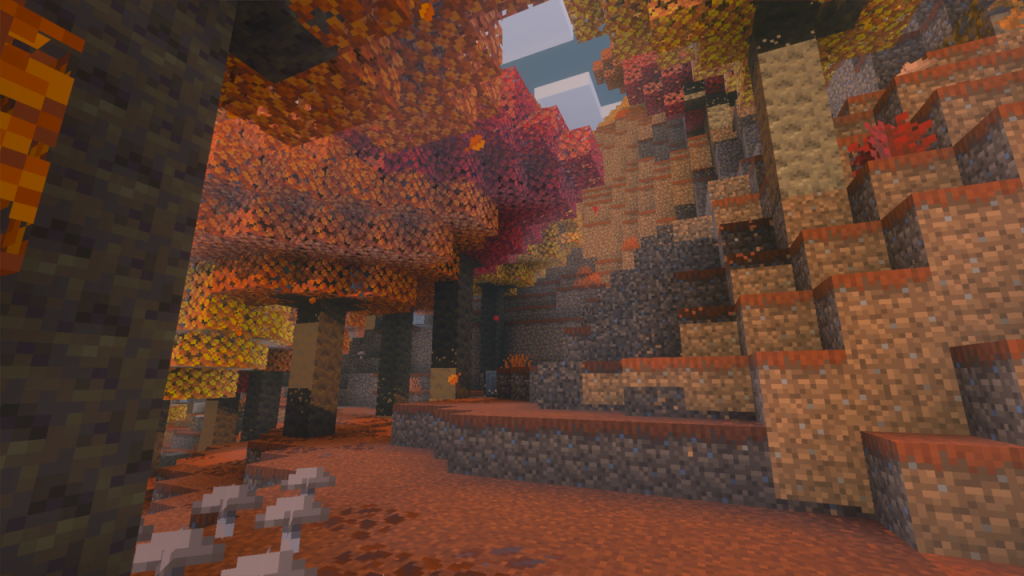
While the next Minecraft update, Chaos Cubed, is officially set for release on June 16, this fall sees the arrival of the Dappled Forest–a cozy red, green, and yellow forest environment that houses some new structures, new Poplar trees, and by extension, the Poplar wood blocks to construct with.
Minecraft’s new Dappled Forest biome.
Those structures, known as Abandoned Camps, are, well, abandoned camps. When you stumble across one of these in the wild there’ll be a handful of chests left behind by former explorers with some goodies inside.
Mojang didn’t mention what the rarity of those goodies might be, but with other forest structures, like the Woodland Mansions, you can often find diamond gear, rare music tracks, the Vex armor trim, and enchanted apples–all pretty sought-after stuff.
An Abandoned Camp in the Dappled Forest.
The drop will be focused on playing with friends, and given that Mojang recently added a direct peer-to-peer connection to its Java Snapshots feature, before removing it a few short days later, it seems likely this feature will be implemented in the fall drop. Mojang also says that the drop will focus on exploration and adventure, although it didn’t go into more detail on what that means.
If you’re already deep in the Minecraft, well, mines, check out our Minecraft guides hub for everything you need to know.
The YouTube-to-prestige-horror pipeline is looking very strong this weekend.
Taking the number one spot at the box office is “Backrooms,” a feature film expansion of Kane Parsons’ series of YouTube videos featuring eerie found footage of a mysterious office space (drawn from a 4chan thread) that defies physics.
Directed by Parsons, “Backrooms” made $38 million on Friday, and is expected to bring in a total of $80 million to $90 million at the domestic box office over this weekend alone. For indie studio A24, that’s its biggest opening by far — the previous record was held by “Civil War,” which made $25.7 in its first weekend of release.
The number two film, “Obsession,” is pulling off something that’s arguably even more impressive. True, it made a mere $8 million on Friday, with an estimated weekend haul of $28.5 million — but the movie (about a romantic wish gone nightmarishly wrong) already made more money in its second weekend than its first, and now its third weekend is set to grow another 19 percent.
For context, most wide release films normally fall between 50 to 70 percent in their second weekend; last year’s “Sinners” was considered an extraordinary word-of-mouth success because it fell less than 5 percent. Outside of Christmas releases (which have more staying power, thanks to the holidays), growing from weekend to weekend is unheard of — according to the Hollywood Reporter, “Obsession” is the first film since 1982 to grow on both its second and third weekends.
And like “Backrooms,” “Obsession” is a horror movie directed by filmmaker who first made his name on YouTube — Curry Barker, who released the hourlong found footage horror film “Milk & Serial” on YouTube in 2024. Barker has already shot his next film and is set to direct a new remake of “The Texas Chainsaw Massacre.
The two releases follow the surprise success of “Iron Lung,” a video game adaptation released earlier this year. Directed by Mark Fischbach — better known under his YouTube account name Markiplier — “Iron Lung” grossed nearly $41 million domestically.
In a New York Times article about the recent “YouTube-to-filmmaker boomlet,” Rutgers CInema general manager Mark DelVecchio noted that “lots of YouTubers have tried to make the leap to mainstream movies and come up short.” What sets Parsons, Barker, and Fischbach apart? DelVecchio said that despite their youth (Parsons is 20, Barker is 26), they all have “longevity.”
“At this point, some of them have been making videos for a very long time, and that’s how you develop a loyal audience that will follow you,” he added.
By the way, while I haven’t seen “Backrooms” yet (fingers crossed for tomorrow), I have seen “Obsession.” So I can confirm that it absolutely does not disappoint — I watched most of the second half with my fingers over my eyes, and I may even have screamed a few times.
When you purchase through links in our articles, we may earn a small commission. This doesn’t affect our editorial independence.
Photo credit: SpotOn. Letting your dog spend time outdoors is one of the simplest ways to boost their overall health and happiness.
Running a home-based business often means juggling multiple roles at once — answering client calls, managing operations, and staying focused on growing your business. For many entrepreneurs, a beloved dog is part of the family and the home office environment. However, letting your dog roam freely in the yard without a dog containment solution while you work can quickly become stressful. You’ll constantly worry about them escaping, chasing wildlife, or wandering into the neighbor’s property, which pulls your attention away from your business and interrupts your workflow.
FTC Disclosure: Products reviewed in this guide may have been submitted and provided to Home Business Magazine (HBM) at no cost for evaluation. Receiving products does not influence our editorial content, reviews, or opinions, which are based on independent testing and/or research. HBM does not have direct advertising or other financial relationships with product providers; who may have their own independent affiliate links. Any material connections are disclosed in accordance with FTC guidelines.
Letting your dog spend time outdoors is one of the simplest ways to boost their overall health and happiness. Regular outdoor access gives dogs the exercise they need to maintain a healthy weight, strengthen their muscles and joints, and support heart health. Your pup will also get mental stimulation through new smells, sights, and sounds, which helps prevent boredom and reduces problem behaviors like excessive chewing or barking during business calls in and around the home office.
Outdoor time is also great for your dog’s emotional well-being. Fresh air and natural light can improve their mood, while opportunities to explore or play help them feel more fulfilled and relaxed. A 2019 study on dog ownership and time spent in natural outdoor environments found clear links between more outdoor activity and healthier lifestyles.
It can be hard to find the time to stay outside and monitor your pup’s whereabouts when you need to run your business. Dog containment methods like putting a fence up or embedding an invisible fencing barrier might not be financially or physically feasible for the property. Additionally, tethering a dog to a fixed point in the yard can be unsafe for a dog, so this is not a good solution for allowing your dog time outside. So, what is a convenient, safe, and effective solution for managing your dog while running your business?
The Solution: A GPS Collar for Freedom of Movement
A reliable GPS collar offers the ideal dog containment solution for entrepreneurs who are also dog parents, providing wireless containment that gives your dog freedom to enjoy the outdoors while giving you peace of mind to focus on your work. You can also monitor your pup’s location right from your desk with a visual map on your smart device. Whether you work from home in the countryside or in a neighborhood, a GPS collar is a solution you can rely on and implement today.
Photo credit: SpotOn. Unlike basic GPS trackers or static invisible fences, SpotOn creates a virtual boundary using advanced satellite technology.
Introducing SpotOn
SpotOn is a cutting-edge GPS fence system designed specifically for dog owners who need dependable, high-tech dog containment without the hassle of traditional fencing or buried wires. Unlike basic GPS trackers or static invisible fences, SpotOn creates a virtual boundary using advanced satellite technology. It’s built for real-life, at-home use, offering precision and flexibility for suburban and rural properties where home businesses are commonly located.
SpotOn offers incredible peace of mind by backing their GPS collar with a comprehensive Five-Star Guarantee. You can try the system risk-free with a generous 90-day return policy, knowing that if your dog has an accident, they provide one-time accident forgiveness with help locating the collar and a refurbished replacement if needed. Plus, you get award-winning customer support, a full one-year warranty, and free professional dog training — so you can confidently let your dog enjoy the outdoors while you focus on work.
SpotOn Features
SpotOn stands out with its industry-leading technology. It features a dual-band, dual-feed active antenna and dual-band receiver, delivering superior accuracy even in challenging environments with trees or buildings. Its patented True Location™ GPS technology continuously tracks your dog’s motion and surroundings. It automatically boosts GPS sensitivity when needed while intelligently conserving battery life for up to 40 hours of use. One of its biggest advantages is the elimination of startup delay — your dog won’t be able to bolt past the boundary while the system connects.
Additional premium features include the ability to create unlimited custom fences and walkable boundaries, important if you run your business from multiple locations. Also, customizable “Keep Out Zones” protect gardens, pools, walking paths, a delivery person or mail carrier might use, or other off-limit areas. You can even personalize voice commands for your dog and receive audible tones and LED light prompts for clear communication.
Set up Within an Hour
Setting up and training with SpotOn is remarkably straightforward and time-efficient, which is a major plus for busy entrepreneurs. Most users can create their first dog containment custom fence in under an hour using the intuitive mobile app (Google Play and IOS). Simply walk the perimeter of your desired boundary while the collar records the path.
The training process uses a gentle, progressive approach with audible cues and vibration before any static correction, helping most dogs understand their new boundaries within a few short sessions. Because the system is wireless and portable, you don’t need to spend days installing physical fences or wires. For home business owners, this means you can set it up during a lunch break or between working sessions rather than sacrificing valuable work time.
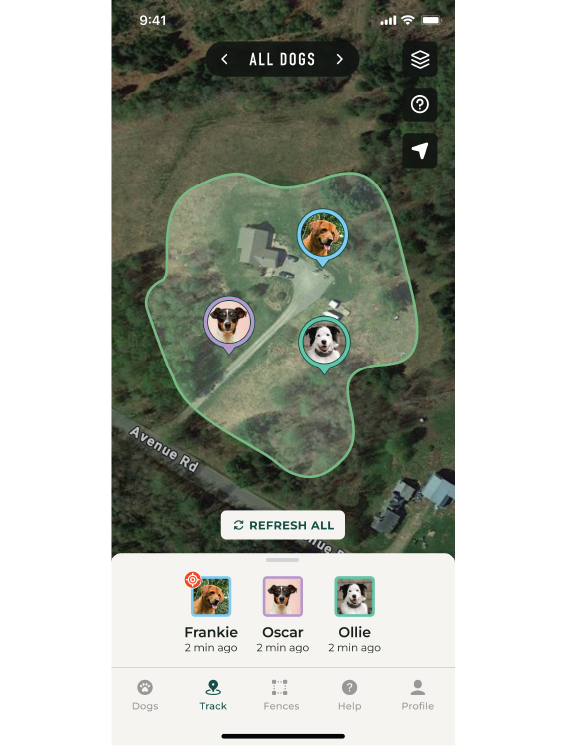
Photo credit: SpotOn. With the SpotOn app, you can track your dog in real-time from the comfort of your home office.
With SpotOn’s apps, you can easily create and save unlimited custom virtual fences anywhere, track your dog’s real-time location, get instant alerts if they leave a safe zone, and view their activity on helpful maps. The app also lets you manage training tones, vibration, and correction levels, making it convenient to keep your dog safe and happy right outside your home office.
The Impact of SpotOn’s Dog Containment Solution
Once implemented, the day-to-day impact of using the SpotOn collar is transformative. Entrepreneurs report being able to let their dogs outside for fresh air and exercise without constant supervision. You can stay focused on your home office tasks, knowing your dog is safely contained within your custom boundaries. The collar’s reliable performance reduces anxiety and distractions, allowing for deeper concentration during important projects or tele-marketing calls. Many users find their dogs are happier and more relaxed with consistent outdoor time, which often translates to calmer behavior indoors during work hours.
Key Benefits of Using a GPS Collar Like SpotOn for Home Office Entrepreneurs:
Increased Productivity: Eliminate the need to constantly check on your dog, allowing uninterrupted focus on revenue-generating activities.
Peace of Mind: Know your dog is safe within custom boundaries, reducing stress while you handle client calls and deadlines.
Flexibility: Easily create multiple fences for different areas of your property as your business or family needs change.
Time Savings: Quick setup and minimal daily maintenance free up hours that would otherwise be spent on traditional dog management.
Cost-Effective Long Term: No expensive physical fencing or recurring professional installation costs.
Improved Dog Well-being: More consistent outdoor access leads to better-behaved, happier dogs that are less likely to disrupt your workday.
No More Wire Damage: Stop worrying about contractors, landscapers, or construction crews cutting through buried wires, as SpotOn’s wireless GPS system has no physical fences or underground lines to damage.
Sophisticated & High-Tech Image: Impress clients and visitors to your home office with a sleek, modern GPS collar system that positions you as a forward-thinking entrepreneur who uses the latest technology for both business and pet care.
What’s More?
SpotOn offers incredible peace of mind by backing its GPS collar with a comprehensive Five-Star Guarantee. You can try the system risk-free with a generous 90-day return policy, knowing that if your dog has an accident, they provide one-time accident forgiveness with help locating the collar and a refurbished replacement if needed. Plus, you get award-winning customer support, a full one-year warranty, and free professional dog training — so you can confidently let your dog enjoy the outdoors while you focus on work.
Conclusion
In conclusion, for home-based entrepreneurs who value both their business success and their dog’s happiness, the SpotOn GPS collar represents a smart, modern investment. It solves one of the most common distractions in a work-from-home lifestyle — managing a dog safely outdoors — while requiring minimal time and effort to maintain. With its advanced dog containment technology, user-friendly setup, and reliable performance, SpotOn empowers business owners to create a more balanced and productive home office environment. If you’re tired of choosing between your dog’s freedom and your focus, SpotOn may be the solution that lets you have both.
Go from 4K resolution for Crimson Desert to 680Hz for Counter-Strike 2.
ginchang/Shutterstock
Gaming monitors that let you switch between two modes aren’t new, but MSI is pushing that even further with its OLED monitor can shift across three modes. For Computex 2026, MSI is claiming a world’s first with a 31.5-inch gaming monitor that can bounce between 4K resolution with a 360Hz refresh rate, 2K resolution with 520Hz and FHD resolution with 680Hz.
Officially named the MPG OLED 322URDX36, the monitor lets gamers go from maximum resolution for AAA titles that are graphically demanding to an ultra-fast refresh rate for more competitive games where split-second decisions matter. Along with MSI’s Triple Mode feature, the upcoming monitor also has its Penta Tandem technology that the company advertises as a five-layer stack of panels designed to reduce color fringing and make text more legible. MSI also equipped the Triple Mode monitor with a DarkArmor Film that’s supposed to boost black levels by 40 percent and increase scratch resistance.
Besides all of MSI’s included proprietary technologies, the upcoming monitor can hit a peak brightness of 1,500 nits and will have a DisplayPort 2.1a and a USB-C port. MSI didn’t reveal any pricing or release details, but said the MPG OLED 322URDX36 will be on display at its booth during Computex 2026, which kicks off on June 2.