
Why you can trust Android Central
Our expert reviewers spend hours testing and comparing products and services so you can choose the best for you. Find out more about how we test.
In recent years, Motorola’s Moto G Stylus has blurred the line between mid-range and high-end, offering the best of both worlds at a very attainable price. The Moto G Stylus 2026 attempts to continue this legacy by basically taking a popular Galaxy S26 Ultra feature and sticking it on a phone less than half the price.
That said, times are tough right now for the consumer electronics industry, and the ongoing RAM shortage is forcing companies to make certain concessions with their smartphones. We knew that budget and mid-range smartphones might feel the most pressure, and the Moto G Stylus 2026 feels like a clear example of how no one is immune to the effects of rising RAM costs.
|
Category |
Moto G Stylus 2026 |
|---|---|
|
OS |
Android 16 (Hello UX) |
|
Updates |
2 OS, 3 year of bi-monthly security updates |
|
Display |
6.7-inch Super HD (2712 x 1220), OLED, 120Hz, 5,000 nits |
|
Chipset |
Snapdragon 6 Gen 3 |
|
Memory |
8GB LPDDR5X |
|
Storage |
128GB/256GB, UFS 3.1, expandable |
|
Rear Camera 1 |
50MP wide, Sony – LYTIA 700C, f/1.8, OIS, 1μm (2μm with pixel binning) |
|
Rear Camera 2 |
13MP ultrawide+macro, f/2.2, 120° FOV, 1.12μm |
|
Front-facing Camera |
32MP wide, f/2.2, 0.7μm (1.4μm with pixel binning) |
|
Audio |
Dual stereo speakers, Dolby Atmos, 2 mics, FM radio |
|
Protection |
Gorilla Glass 3, IP68+IP69, MIL-STD-810H |
|
Battery & Charging |
5,200mAh, 68W wired charging, 15W wireless charging |
|
Connectivity |
5G (sub-6), Bluetooth 5.4, Wi-Fi, NFC |
|
Security |
Fingerprint sensor, face unlock |
|
Dimensions |
162.15 x 74.78 x 8.29mm |
|
Weight |
192.3g |
|
Colors |
Pantone Lavender Mist (as reviewed), Pantone Coal Smoke |
It’s clear Motorola was aiming to save on manufacturing costs as the design of the Stylus 2026 is more or less identical to its predecessor. The size, dimensions, buttons, and even the placements of the bottom speaker and mic are the same. The only difference is the slight change in the camera housing design, but even that is very subtle.
The Stylus 2026 differs from the Stylus 2025 in its rear texture. Motorola continues to use vegan leather on its phones, but the Stylus 2026 goes for a twill-inspired texture that both looks and feels quite nice. My unit is the Pantone Lavender Mist colorway, a pinkish-purple tone that really stands out and is the more interesting of the two color options.
Image 1 of 3
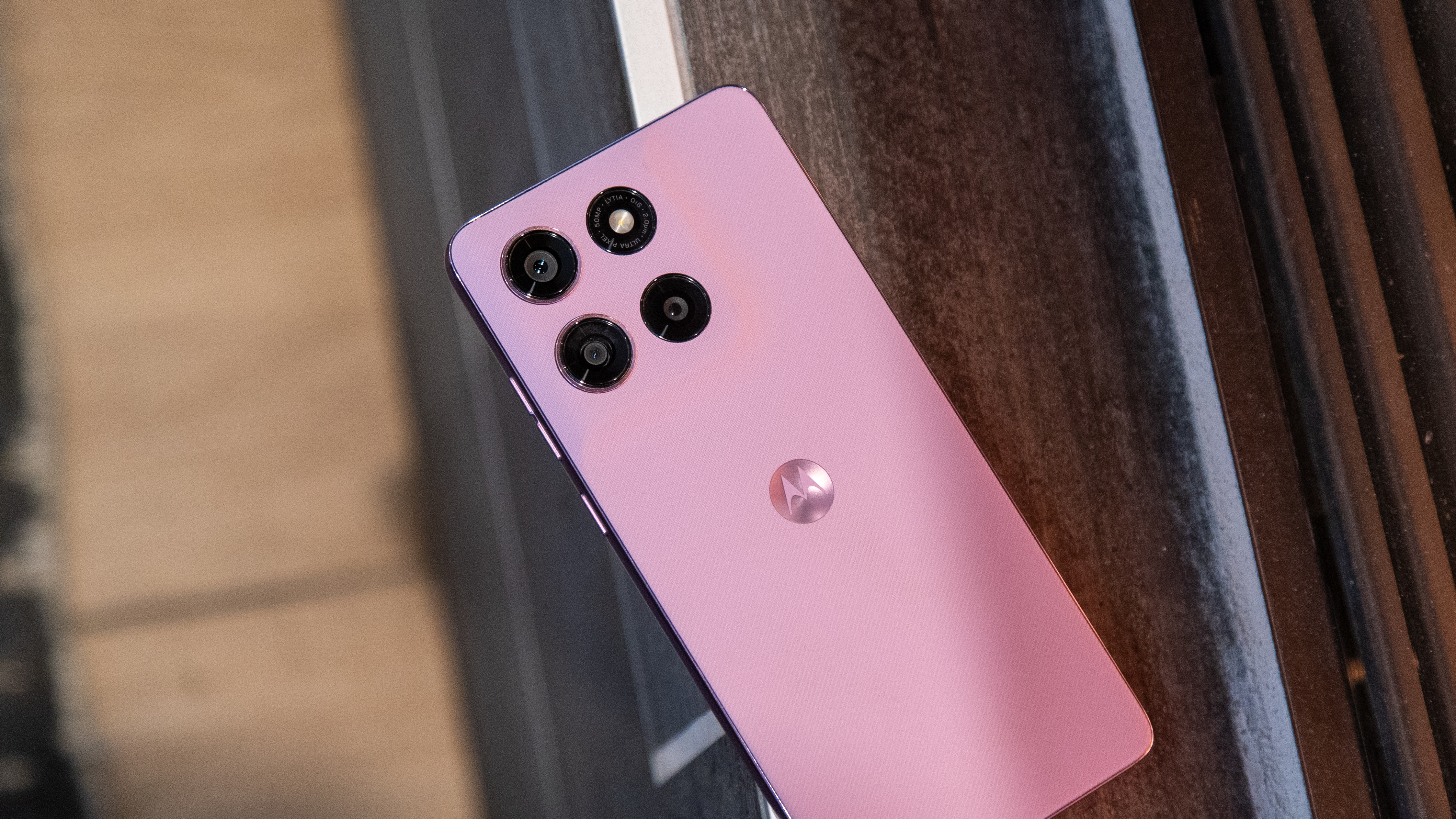
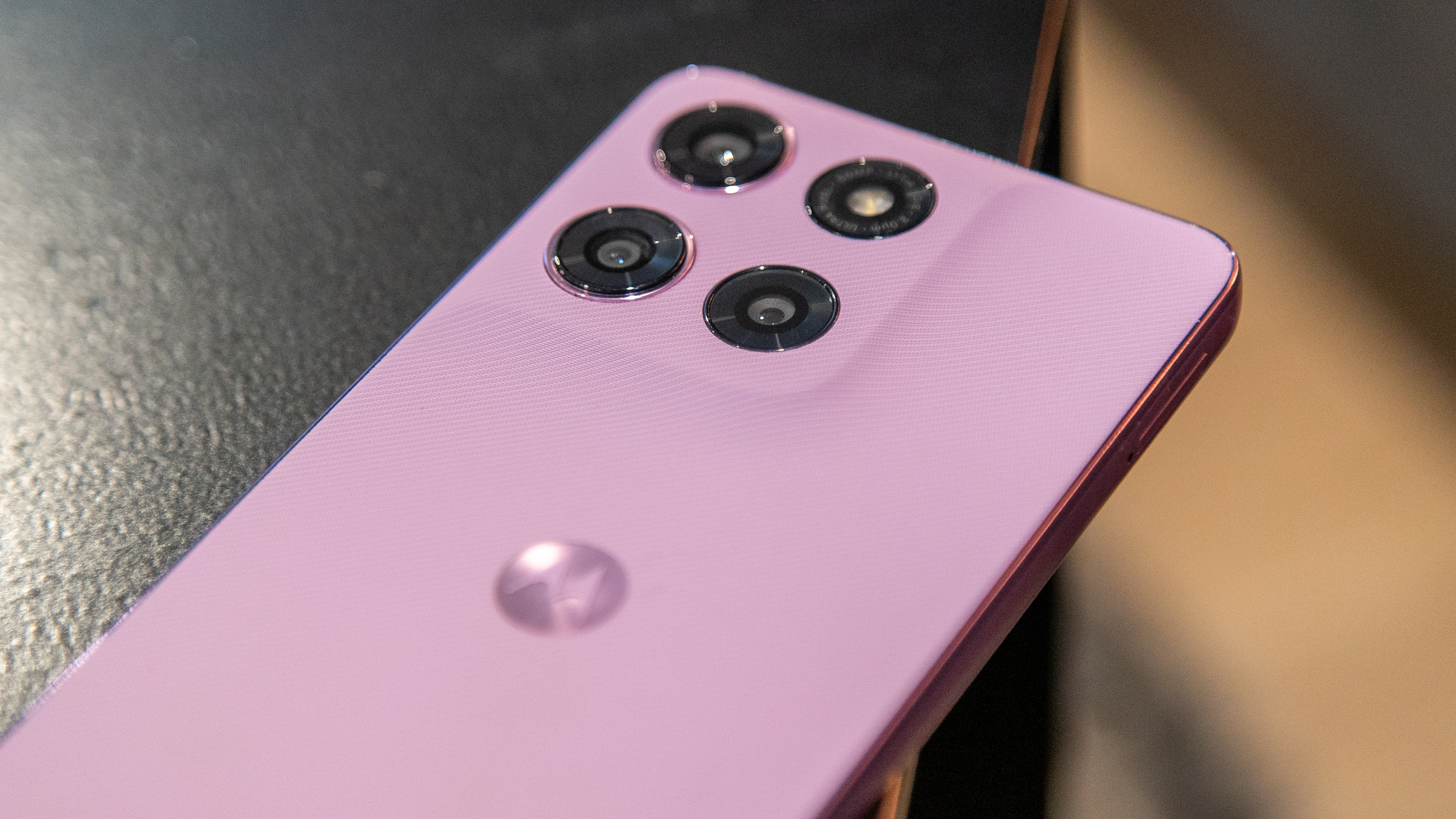
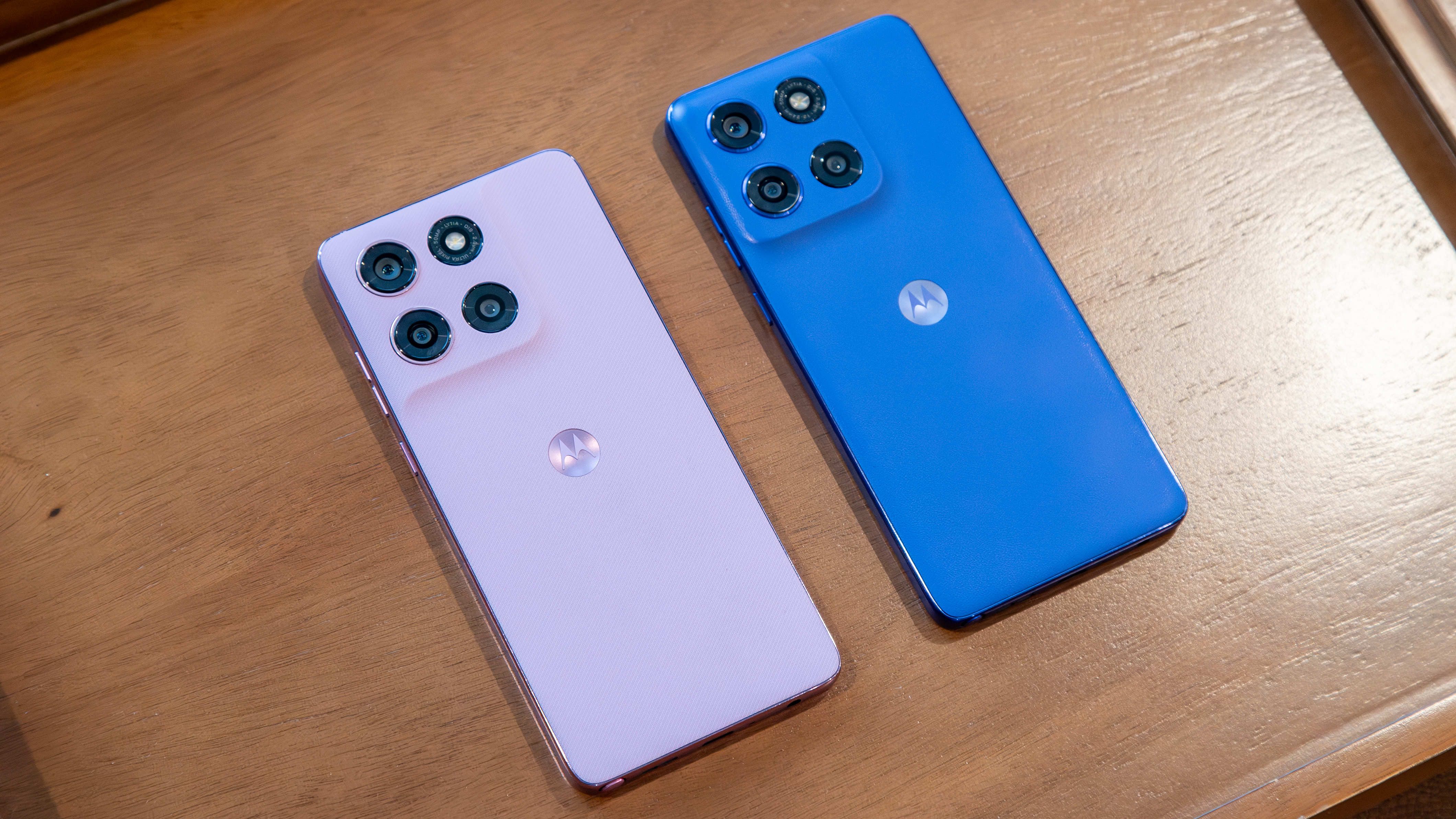
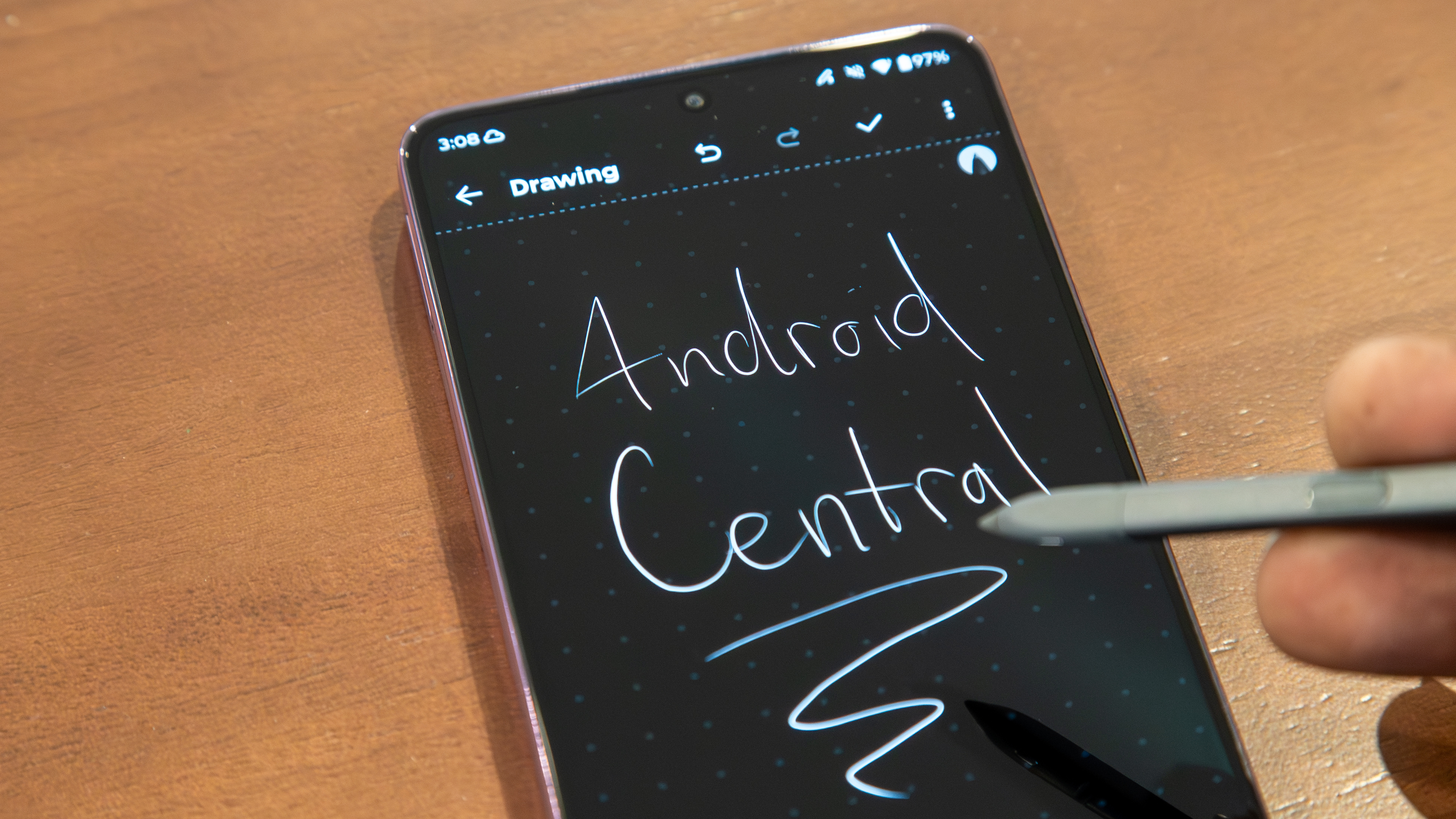
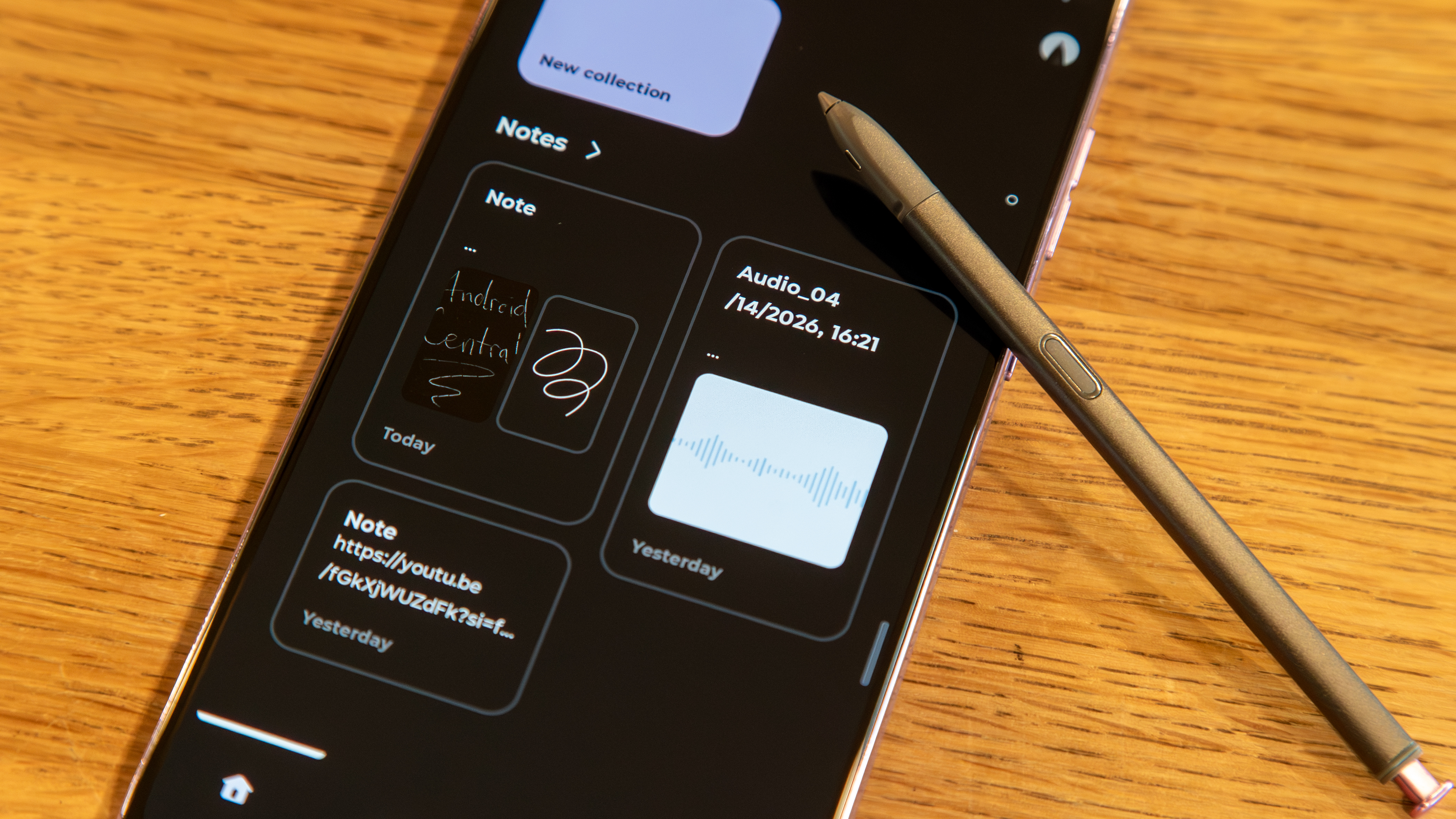
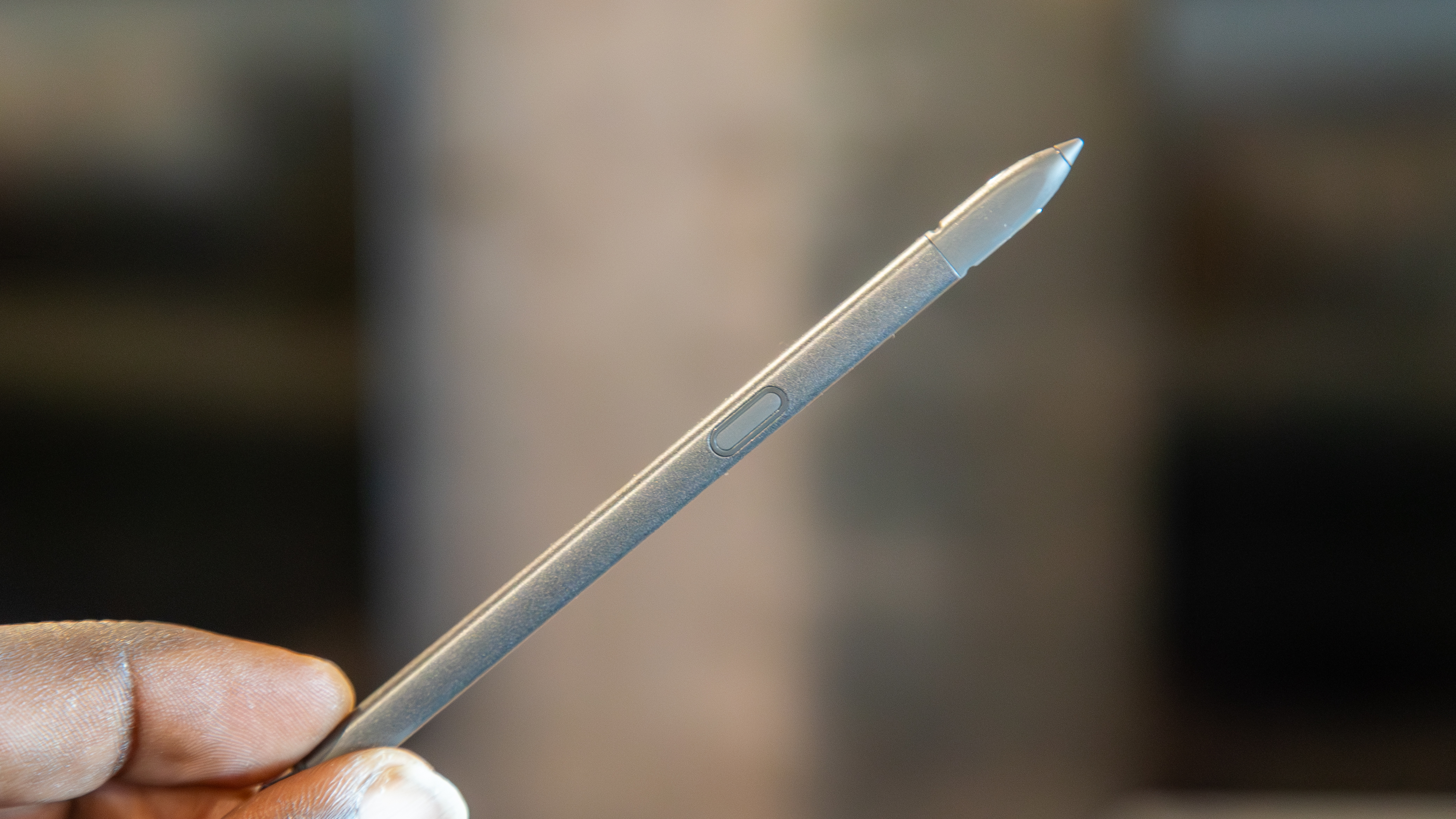
The marquee stylus is another change Motorola made, moving from a passive pen to an S Pen-like active one. That means the built-in stylus supports features like tilt detection and pressure sensitivity. There aren’t many apps that can take advantage of these features, but I found note-taking quite pleasant, and the pen itself is slightly thicker than previous versions, which makes it nice to hold.
When you take the stylus out of the phone, the screen is off or on the lock screen, it’ll automatically open the Notes app so you can start writing or drawing. Taking it out past the lock screen reveals a floating menu where you can start a new note (or add to one), annotate whatever’s on the display, start a screen recording, open Sketch to Image, or magnify text. Starting a new note opens the built-in Notes app, which is surprisingly capable and lets you combine various types of content, including text, photos, and transcribed recordings, and add notes to collections for easy management.
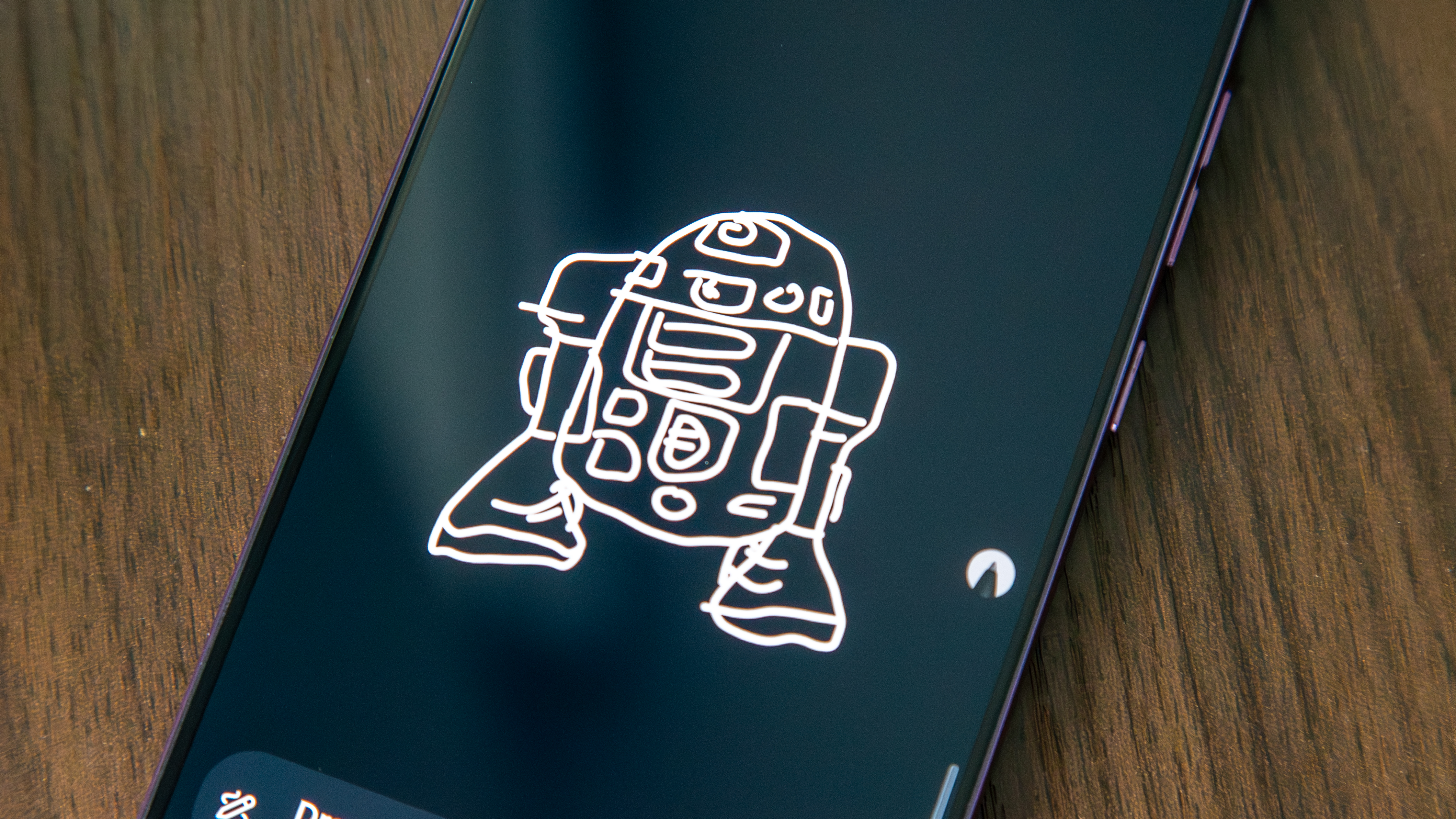
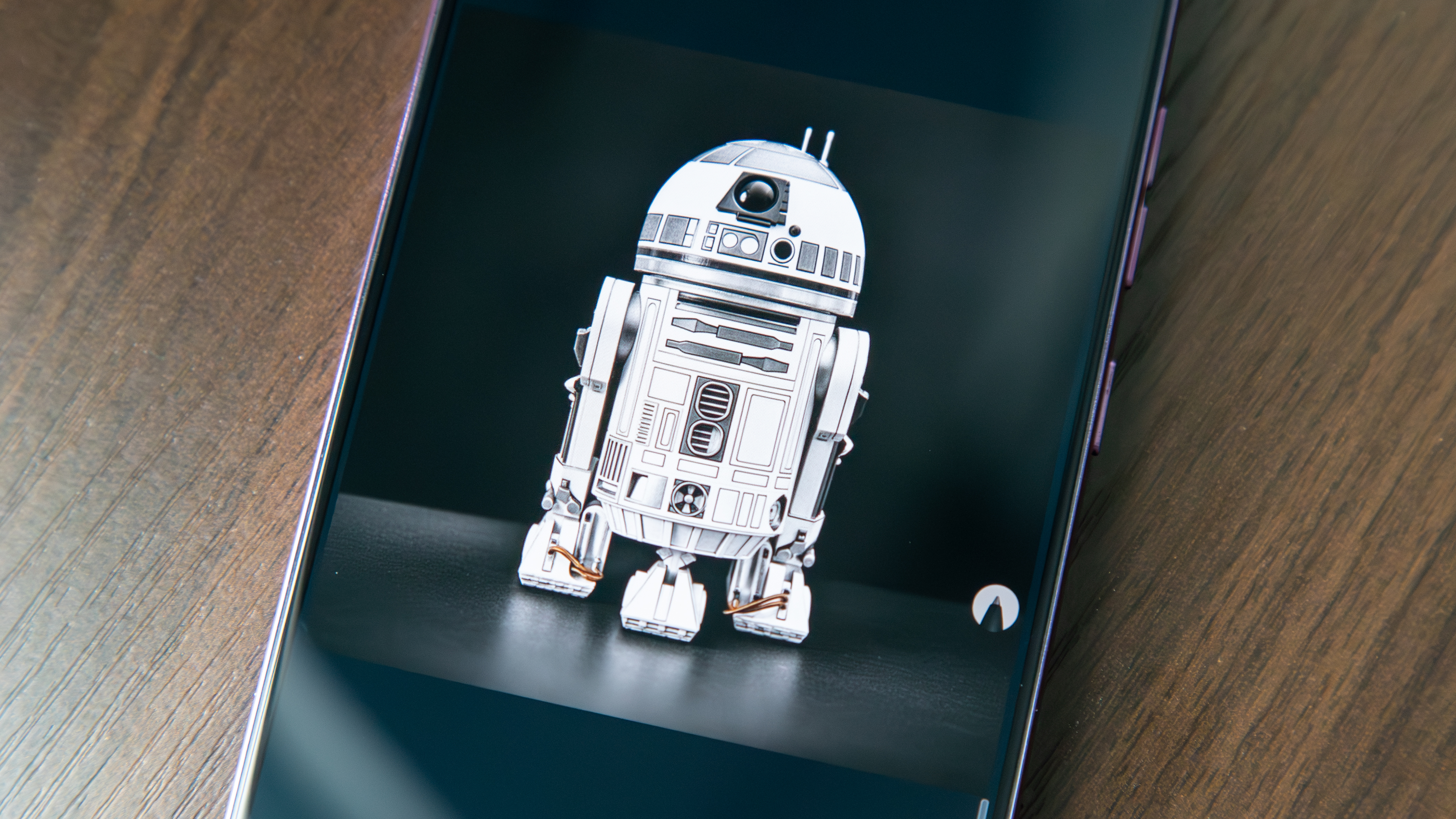
Sketch to Image is also supported in the Notes app, which uses AI to convert your drawings into images. You can use it to generate whole pieces of “art,” or you can use it to clean up your own drawings, although the results vary, as it seemed hesitant to correctly generate my badly-drawn R2-D2.
Image 1 of 5
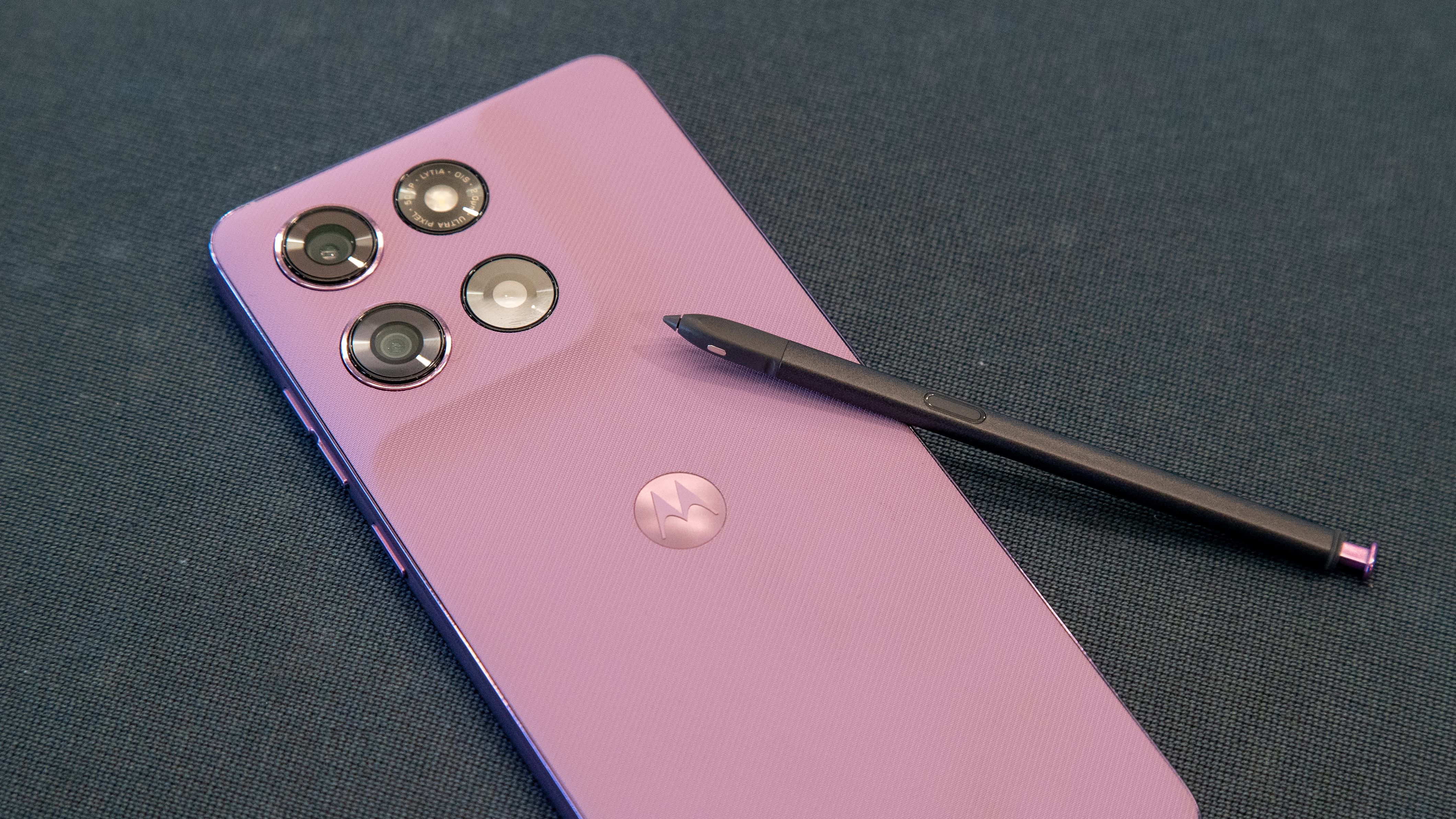
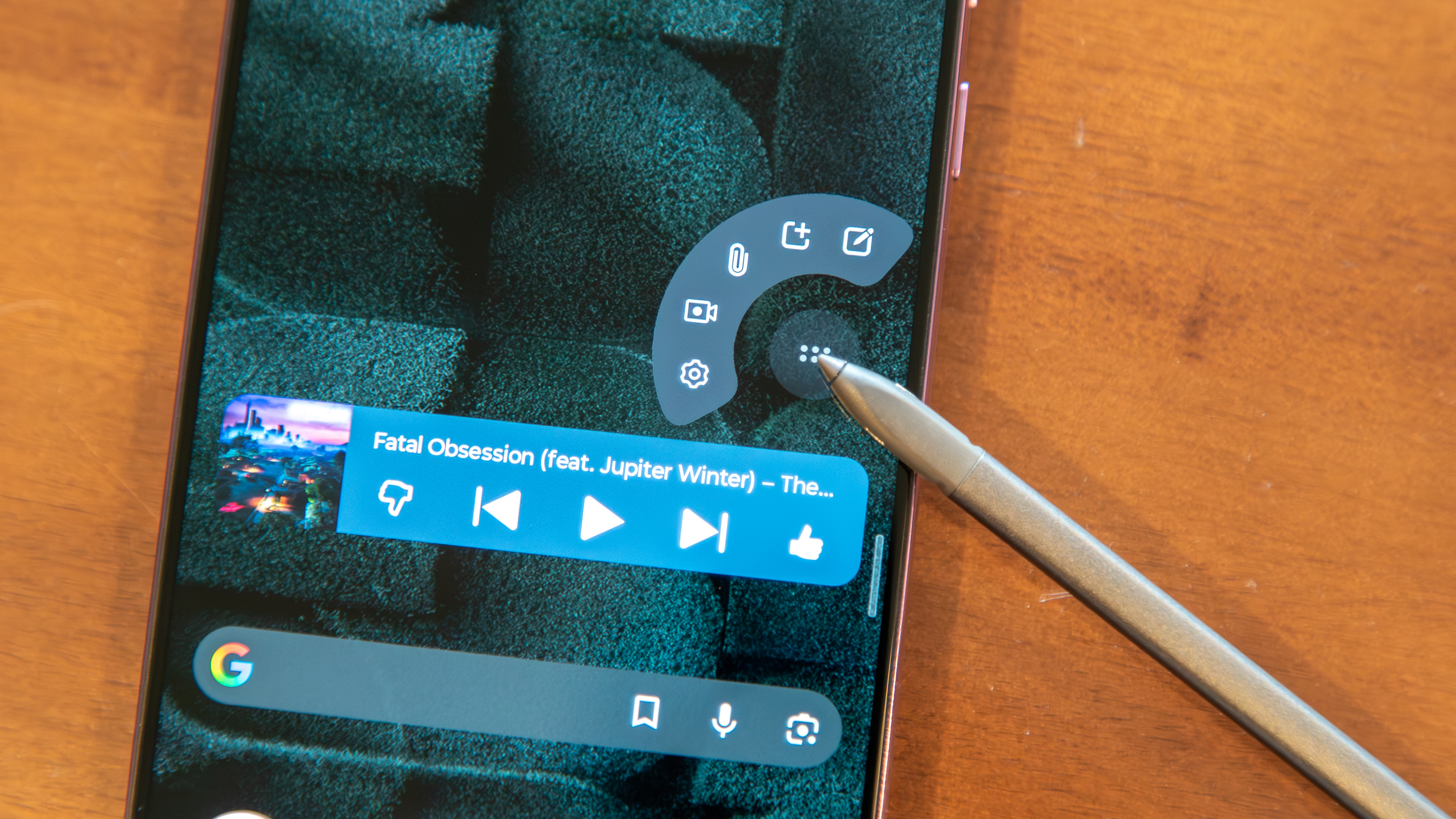
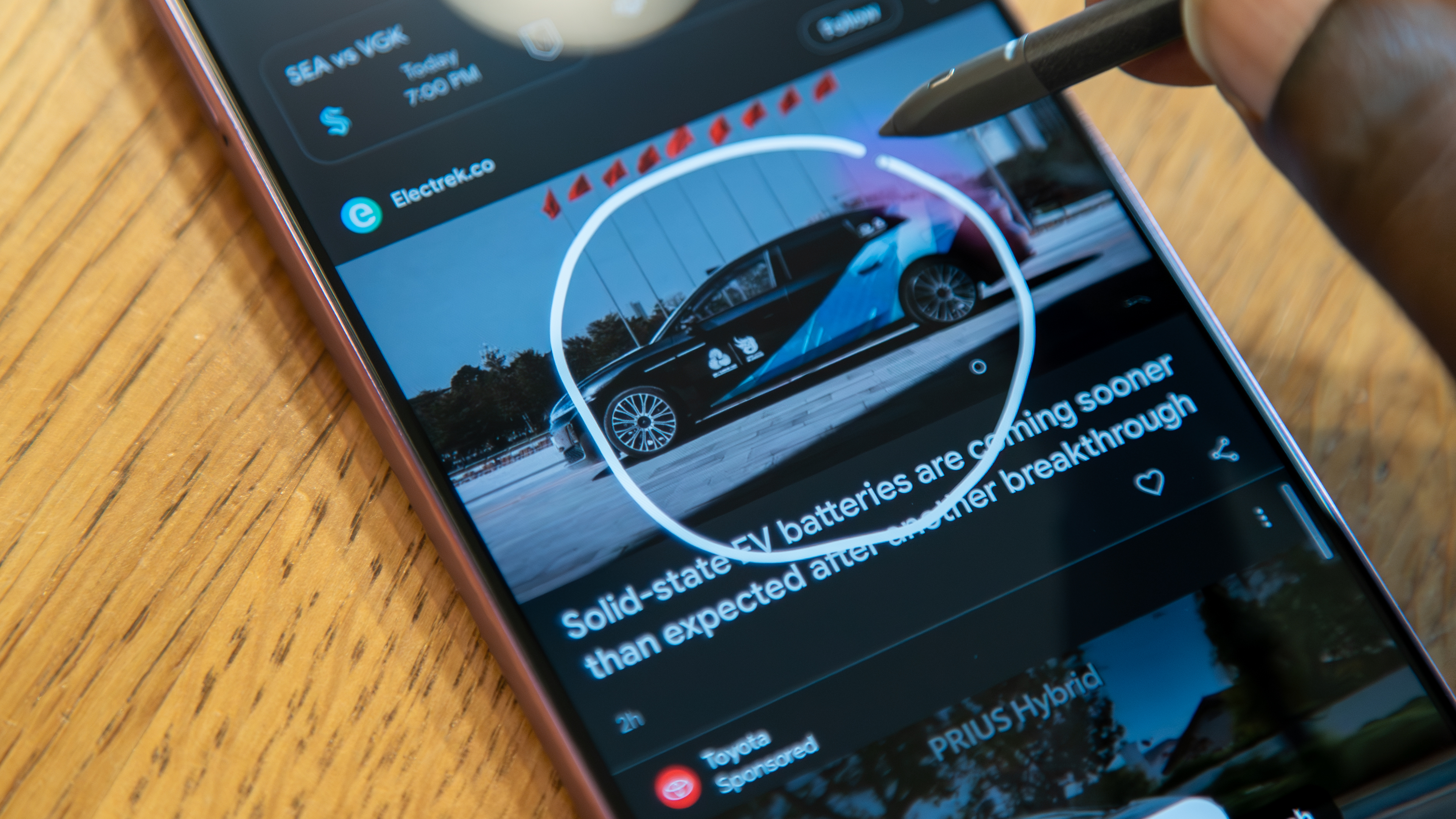
Hovering the pen over the display shows a pointer so you know exactly where it is interacting with the display. If you press the stylus button while hovering, you can activate Circle to Search, which seems very fitting for a stylus and is one of my favorite uses of the pen. That said, pressing the button when you’re not hovering does nothing, which is kind of an unfortunate limitation.
Like the Galaxy S26 Ultra, the stylus on the Moto G Stylus 2026 doesn’t support Bluetooth controls, so you can’t, for instance, use the Stylus as a remote shutter button for the camera, which feels like a missed opportunity. Still, for the price, I think this is one of the best stylus pens I’ve seen for a mid-range smartphone, and it’s quite a welcome upgrade from previous iterations.
Image 1 of 3
On that note, there are some other noteworthy upgrades worth mentioning. The display is still a Super HD AMOLED panel, which looks great, and with the brightness bumped to 5,000 nits peak, it’s plenty visible outdoors.
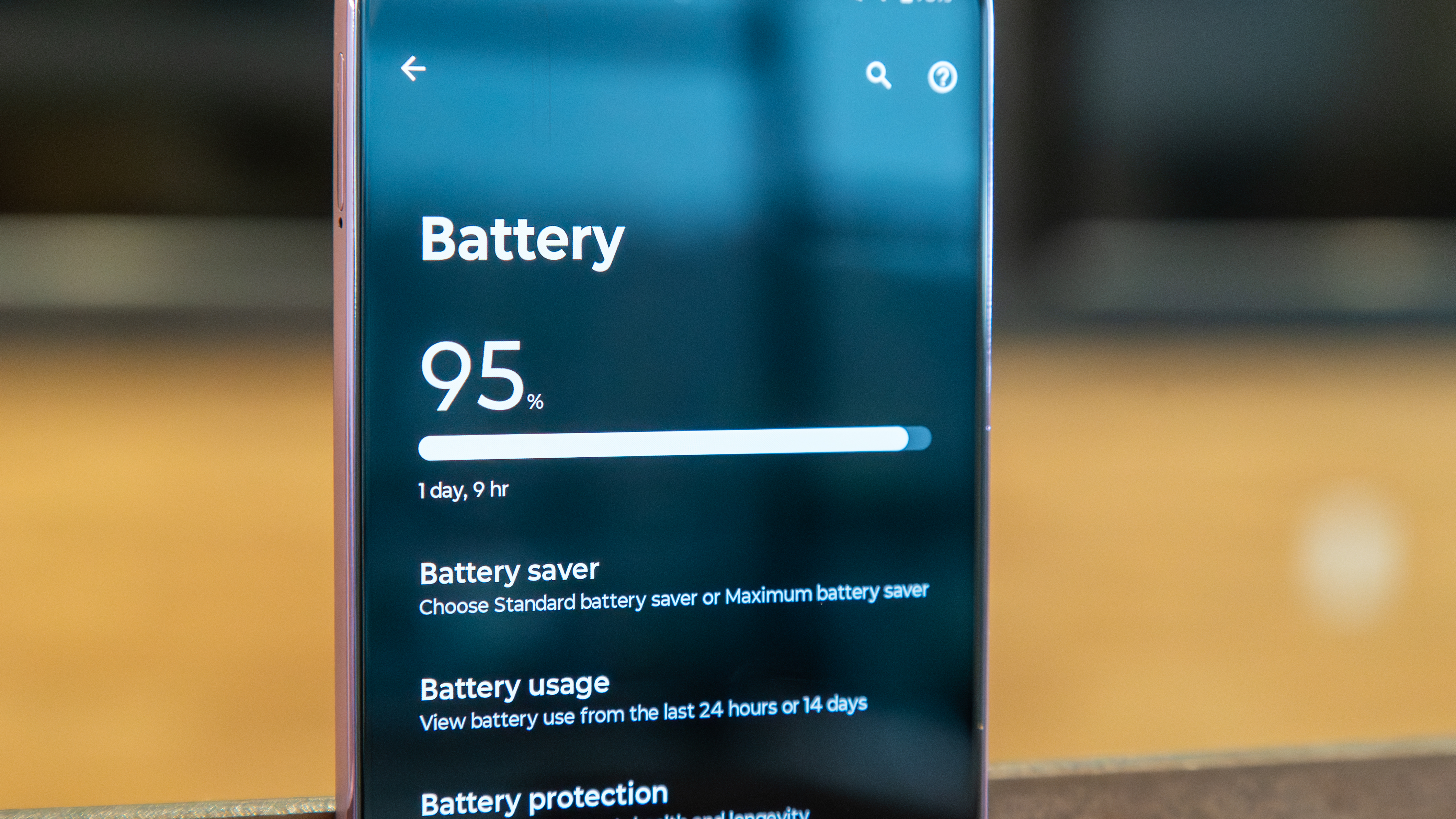
The battery capacity has also been increased, though by only a mere 200mAh. The Stylus 2025 already had an all-day battery and then some, so I’m not quite sure the small bump was worth it. I can get through an entire day without any battery anxiety, going from 7 a.m. to midnight with around 15% of battery, and depending on your use, you can probably achieve Motorola’s estimated 44 hours of battery life. That said, for a phone that’s already quite thick, it would’ve been nice to see Motorola take after the OnePlus Nord 6, which has a 9,000mAh battery.
Charging is still 68W, which is faster than even the Galaxy S26 Ultra, so that’s a major benefit, as is the 15W wireless charging.
Image 1 of 2
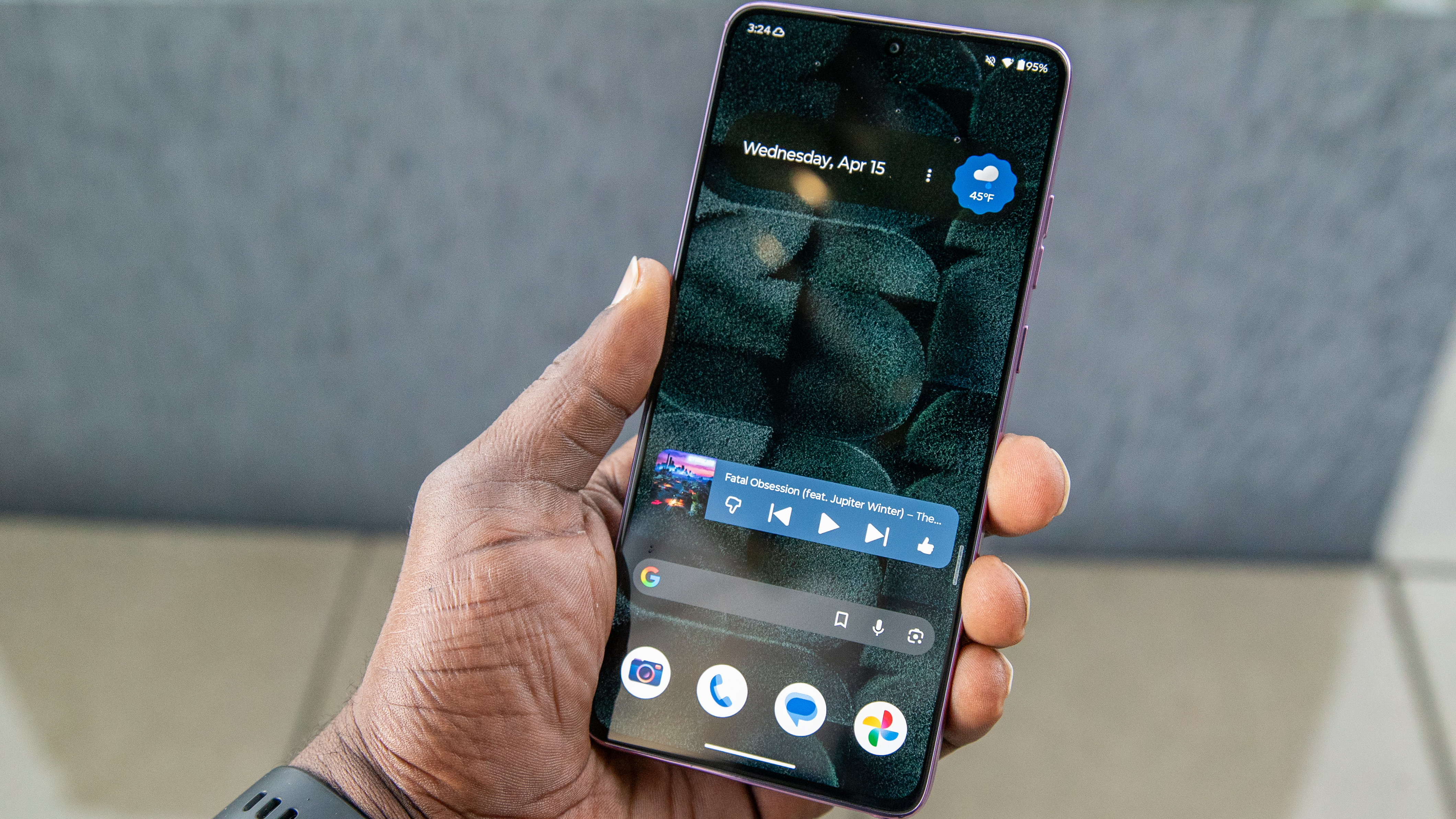
Unfortunately, performance is another area with virtually no change. That’s not to say the Moto G Stylus 2026 doesn’t perform well, but the Snapdragon 6 Gen 3 is the same chip used in last year’s model, and it would have been nice to see Motorola move to something more capable, like the Snapdragon 7 Gen 4.
On the one hand, I don’t have any problems opening or switching between apps, and the overall experience is just fine. However, gaming performance leaves a bit to be desired, and even while playing games like Honkai: Star Rail on medium settings, I noticed quite a few dropped frames. It doesn’t ruin my gaming experience, but if you’re a big mobile gamer, you likely won’t be pleased with the performance.

Another reason a chip upgrade would’ve been nice is AI. Motorola puts all of its AI eggs in its flagship baskets, so the Edge or Razr series, but given the growing presence of AI on midrange phones like the Nothing Phone 4a Pro, Motorola’s offerings here feel a bit lacking. Outside of the features found in the Notes app and Google’s Gemini offerings, there’s not much to play with here.
Moto AI isn’t the strongest AI suite, but I would’ve liked to see features like Catch Me Up or Remember This.

Fortunately, Motorola brings some of its AI to the camera, such as Action Shot, which adjusts the shutter speed to capture fast-moving objects. The cameras produce pretty good images for the most part; the quality is roughly the same as last year’s model, which isn’t a bad thing (until you zoom beyond 2x).
This year, Motorola introduced its Signature Style mode to the Stylus, which uses a “unique Moto color style” powered by AI. The outcome is generally photos with punched-up contrast and saturation, and it can be hit-or-miss depending on your preference.
Speaking of preference, you can also customize the Signature Style by uploading and adjusting photos of food, landscapes, and portraits so the AI can learn your tastes. That said, I often find it better to just stick with the normal camera mode, as it seems to get the job done just fine.
Image 1 of 14














But “just fine” is largely how I would describe the overall experience with the Moto G Stylus 2026. It keeps all the good things about its predecessor, but makes little effort to really improve on it. The new active S Pen-like stylus is a nice touch, for sure, but a built-in stylus is ultimately a niche, nice-to-have feature, not a reason to buy the phone.
The Moto G Stylus 2026 is a good phone, but at $499, Motorola is charging a $100 premium over its predecessor, and I’m not sure it’s worth it, especially given other phones like the Pixel 10a (or Pixel 9a) and Nothing Phone 4a. For the price, those phones feel more cohesive, with arguably better cameras and more robust AI offerings.
If you have the Moto G Stylus 2025, there’s no need to upgrade. The Stylus 2026 is harder to recommend at $499, but if you’re looking for an affordable alternative to the Galaxy S26 Ultra, this might hit the mark, especially if you can find a good deal.

Affordable S Pen
The Moto G Stylus 2026 is one of the few smartphones with a built-in stylus pen, and if you’re an artist or just prefer to write over typing, this might be the phone for you.