Narwal adds AI to its vacuum cleaners to monitor pets and find jewelry


Robot vacuum maker Narwal unveiled its new set of smart vacuum cleaners at the Consumer Electronics Show (CES) with AI-powered features such as monitoring pets, finding valuable objects, and notifying users about misplaced toys.

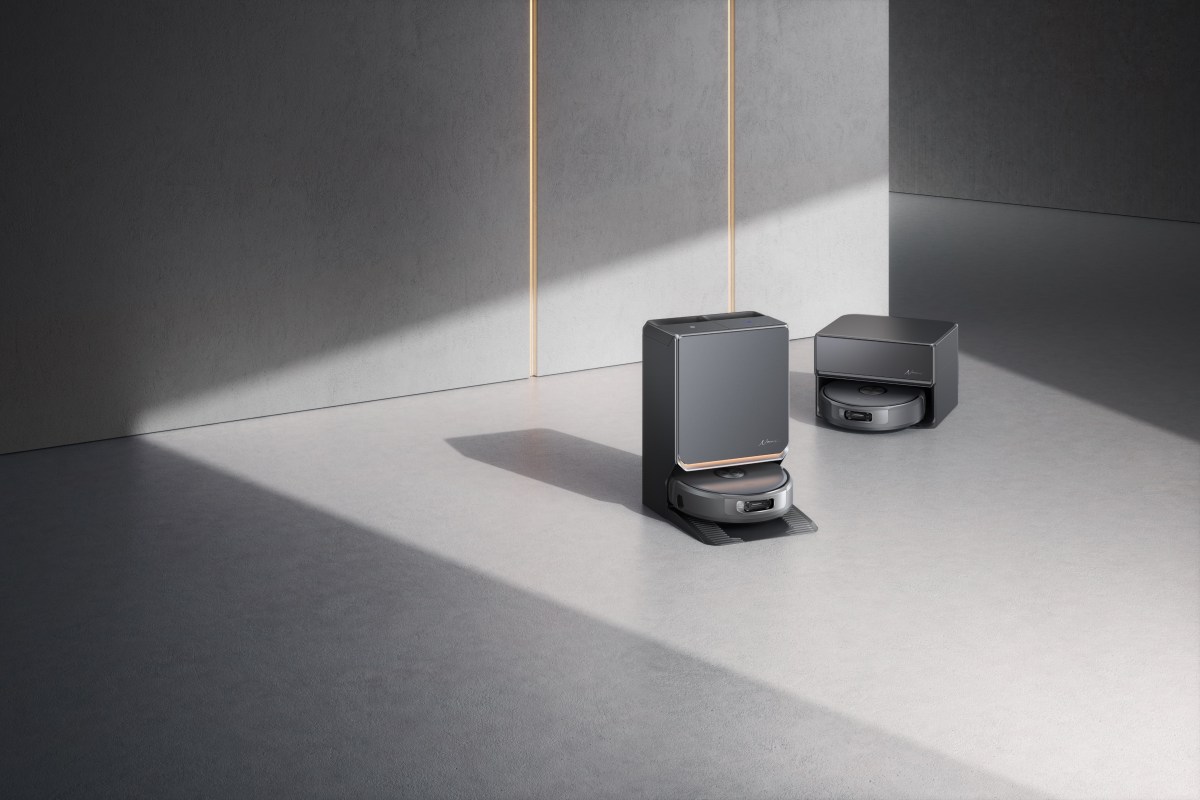
The company said that its new flagship Flow 2 robot vacuum has a rounded design and easy-lift tanks for better cleaning. The device uses two 1080p RGB cameras with a 136-degree field of view to map out the area and recognize different kinds of objects using AI models.

Narwal said that through this tech stack, the vacuum cleaner has the ability to identify an unlimited number of objects. The device first tries to identify an object locally, but in case there are no matches, it sends the data to the cloud for further processing.

Image Credits: Narwal

The Flow 2 has three key modes called pet care mode, baby care mode, and AI floor tag mode. With pet care mode, you can define zones where pets usually rest or hang out to clean them. Plus, it can monitor pets and also check in on your pets via two-way audio (there is no guarantee that they would listen to you, though). In the baby care mode, the vacuum switches to quiet mode near the crib and notifies you of misplaced toys. In the AI floor tag mode, the vacuum recognizes valuable items like jewelry, avoids them, and alerts you.

Narwal said that its newest vacuum cleaner has four cleaning modes that can identify different types of dirt. The device can also return to its base to wash the mop and then re-mop a certain area if it is dirty. The company noted that the Flow 2’s design allows for a higher hot water washing temperature for better cleaning.

Image Credits: Narwal

Along with the Flow 2, the company also showed off a handheld vacuum called the U50 that weighs 1.41kg (3.1 lbs) and has UV-C sterilization along with heat treatment for allergen removal. The company also demoed an unnamed cordless vacuum with a slim design, 360-degree swivel, and up to 50 minutes of run time. The cordless vacuum also has an auto-empty station that can support up to 60 days of dust disposal.

Sorry Tamagotchi Fans, It’s AI Time


When they said, “Nothing in this world is sacred,” they meant Tamagotchis, too, or at least Tamagotchi rip-offs. While you might remember your virtual pets of yore with all the analog goodness that the ’90s had to offer, this is the year of our lord 2026, and everything has to have AI. Yup, everything.

While the Sweekar, which I saw at CES 2026, isn’t actually a Tamagotchi, it pretty much is in everything but name, and, as you may have already guessed from the words above, it’s centered on AI.

What exactly is that AI doing? Ya know, just normal stuff that allows it to “feel your touch” and remember “your voice, your stories, and your quirks.” It’s time to go deeper with your virtual pets, people. Clicking a few buttons until they inevitably die from neglect isn’t enough. On a hardware level, there’s some cute stuff happening. The egg one kind of vibrates and shakes and grows, which is a fun tactile experience.

Sweekar
© James Pero / Gizmodo

As far as capabilities go, the Sweekar allegedly “needs your love, just like a real pet,” which also means it has moods like happy, angry, sleepy, and something that Takway.Ai, which makes this little toy, is calling “sneaky smile,” which is basically just mischievous? I think? I shudder to think what else it could mean.

Just like a Tamagotchi, the Sweekar has growth cycles that include an “egg stage,” a “baby stage,” a “teen stage,” and an “adult stage.” At each stage, the pet is supposed to gain certain abilities and continually grow and understand more about you and your personality.

More than anything, though, the Sweekar is centered around using AI for memory, so it can remember your name and your favorite color and that time you forgot its birthday. This Tamagotchi’s therapy bill is going to be sizable. The people at Takway.Ai tell me that it’s using a combination of Google’s Gemini and ChatGPT to do that, and that everything you tell the Sweekar is private, though I obviously cannot verify the data practices of a company selling an AI Tamagotchi at CES.

There’s also the whole issue with AI toys having a mind of their own, which means you may want to think twice before you give this little guy to a kid.

If an AI Tamagotchi is really high on your list of things that you absolutely must have then you can eventually throw money at Sweekar’s Kickstarter in March. While there’s no official price right now, the makers of this little virtual pet say it’ll likely debut for between $150 and $200.

Gizmodo is on the ground in Las Vegas all week bringing you everything you need to know about the tech unveiled at CES 2026. You can follow our CES live blog here and find all our coverage here.

PickPad addresses the chaos of restaurant takeout


There was a time when baristas just had to write a customer’s name on a cup and call it out. They wouldn’t always get the name right, but more often than not, it went to the right person.

The prospect of picking up takeout has, however, become considerably more dicey in this post-pandemic era dominated by the Uber Eats and DoorDashes of the world. Chicago-based hardware startup PickPad is aiming to address the issue with its little square device of the same name.

The product, which was showcased at CES 2025, is a small platform where coffee shops and restaurants place food and beverage when ready for takeout. The modular “smart pad” system connects directly to a restaurant’s P.O.S. system, automatically inputting customer names onto the base. The startup is currently piloting the technology with a Chicago-based café.

Founder and CEO Yaro Tsyhanenko told TechCrunch that the system will be offered as part of a hardware as a service (HaaS) package, at a price of $9 to $19 a month per pad. That includes support, software, and everything else a restaurant needs to get the system up and running. The exact price depends on how many pads a location adopts and whether they opt to pay annually or monthly.

At the moment, the pads are still pricey to produce, at a cost of around $100, per Tsyhanenko. That should drop a fair bit once PickPad begins scaling its manufacturing efforts. The company is also eying the creation of full shelves that can easily slot into an Ikea bookcase, creating an automated cubbyhole system for order pickup.

Check out more CES 2025 coverage, including…