Looking for the most recent Mini Crossword answer? Click here for today’s Mini Crossword hints, as well as our daily answers and hints for The New York Times Wordle, Strands, Connections and Connections: Sports Edition puzzles.
Need some help with today’s Mini Crossword? I started slow, because 1-Across stumped me, but the rest of the answers came quickly. Read on for all the answers. And if you could use some hints and guidance for daily solving, check out our Mini Crossword tips.
If you’re looking for today’s Wordle, Connections, Connections: Sports Edition and Strands answers, you can visit CNET’s NYT puzzle hints page.
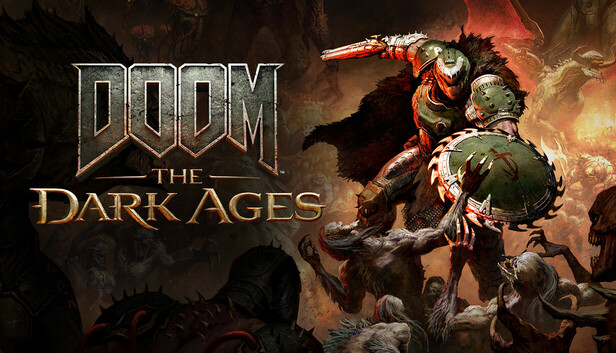
BECOME THE SLAYER IN A MEDIEVAL WAR AGAINST HELL DOOM: The Dark Ages is the prequel to the critically acclaimed DOOM (2016) and DOOM Eternal that tells an epic cinematic story worthy of the DOOM Slayer’s legend. In this third installment of the modern DOOM series, players will step into the blood-stained boots of the DOOM Slayer, in this never-before-seen dark and sinister medieval war against Hell.
DOOM: The Dark Ages is a dark fantasy/sci-fi single-player experience that delivers the searing combat and over-the-top visuals of the incomparable DOOM franchise, powered by the latest idTech engine.
REIGN IN HELL
As the super weapon of gods and kings, shred enemies with devastating favorites like the Super Shotgun while also wielding a variety of new bone-chewing weapons, including the versatile Shield Saw. Players will stand and fight on the demon-infested battlefields in the vicious, grounded combat the original DOOM is famous for.
STAND AND FIGHT
Experience an epic story of the DOOM Slayer’s rage in this cinematic and action-packed story. Bound to serve as the super weapon of gods and kings, the DOOM Slayer fends off demon hordes as their leader seeks to destroy the Slayer and become the only one that is feared. Witness the creation of a legend as the Slayer takes on all of Hell and turns the tide of the war. New Heights: Realistic Climbing and Bouldering
DISCOVER UNKNOWN REALMS
In his quest to crush the legions of Hell, the Slayer must take the fight to never-before-seen realms. Mystery, challenges, and rewards lurk in every shadow of ruined castles, epic battlefields, dark forests, ancient hellscapes, and worlds beyond. Armed with the viciously powerful Shield Saw, cut through a dark world of menace and secrets in id’s largest and most expansive levels to date.
Features and System Requirements:
DOOM: The Dark Ages Premium Edition delivers brutal demon-slaying in a dark medieval hellscape
Experience fast, aggressive combat with new weapons like the Shield Saw
Fight across massive battlefields with epic scale and savage intensity
Premium Edition includes DLC access, cosmetics, and digital extras
A bold reimagining of DOOM with raw power, metal vibes, and chaos
Screenshots
SystemRequirements
Minimum
OS *: Windows 10 64-Bit / Windows 11 64-Bit
Processor: AMD Zen 2 or Intel 10th Generation CPU @3.2Ghz with 8 cores / 16 threads or better (examples: AMD Ryzen 7 3700X or better, or Intel Core i7 10700K or better)
Memory: 16 GB RAM
Graphics: NVIDIA or AMD hardware Raytracing-capable GPU with 8GB dedicated VRAM or better (examples: NVIDIA RTX 2060 SUPER or better, AMD RX 6600 or better)
Storage: 100 GB available space
Support the game developers by purchasing the game on Steam
InstallationGuide
TurnOff Your Antivirus Before Installing Any Game
1 :: Download Game 2 :: Extract Game 3 :: Launch The Game 4 :: Have Fun 🙂
In 2026 AI is no longer a lab novelty; companies deploy models to automate customer service, document analysis and coding. Yet connecting models to tools and data remains messy. The Model Context Protocol (MCP) changes that by introducing a universal interface between language models and external systems, solving the messy NxM integration problem. MCP is open, vendor‑neutral and backed by growing community adoption. Rising cloud costs, outages and privacy laws further drive interest in flexible MCP deployments. This article provides an infrastructure‑oriented overview of MCP: its architecture, deployment options, operational patterns, cost and security considerations, troubleshooting and emerging trends. Along the way you’ll find simple frameworks and checklists to guide decisions, and examples of how Clarifai’s orchestration and Local Runners make it practical.
Why MCP Matters
Solving the integration mess. Before MCP, each AI model needed bespoke connectors to every tool—an N models × M tools explosion. MCP standardises how hosts discover tools, resources and prompts via JSON‑RPC. A host spawns a client for each MCP server; clients list available functions and call them, whether over local STDIO or HTTP. This dramatically reduces maintenance and accelerates integration across on‑prem and cloud. However, MCP doesn’t replace fine‑tuning or prompt engineering; it just makes tool access uniform.
When to use and avoid. MCP shines for agentic or multi‑step workflows where models need to call multiple services. For simple single‑API use cases, the overhead of running a server may not be worth it. MCP complements rather than competes with multi‑agent protocols like Agent‑to‑Agent; it handles vertical tool access while A2A handles horizontal coordination.
Takeaway. MCP solves the integration problem by standardising tool access. It’s open and widely adopted, but success still depends on prompt design and model quality.
Core MCP Architecture
Roles and layers. MCP distinguishes three actors: the host (your AI application), the client (a process that maintains a connection) and the server (which exposes tools, resources and prompts). A single host can connect to multiple servers simultaneously. The protocol has two layers: a data layer defining message types and the primitives, and a transport layer offering local STDIO or remote HTTP+SSE. This separation ensures interoperability across languages and environments.
Lifecycle. On startup, a client sends an initialize call specifying its supported version and capabilities; the server responds with its own capabilities. Once initialised, clients call tools/list to discover available functions. Tools include structured schemas for inputs and outputs, enabling generative engines to assemble calls safely. Notifications allow servers to add or remove tools dynamically.
Key design choices. Using JSON‑RPC keeps implementations language‑agnostic. STDIO transport offers low‑latency offline workflows; HTTP+SSE supports streaming and authentication for distributed systems. Always validate input schemas to prevent misuse and over‑exposure of sensitive data.
Takeaway. MCP’s host–client–server model and its data/transport layers decouple AI logic from tool implementations and allow safe negotiation of capabilities.
Deployment Topologies: SaaS, VPC and On‑Prem
Choosing the right environment. In early 2026, teams juggle cost pressures, latency needs and compliance. Deploying MCP servers and models across SaaS, Virtual Private Cloud (VPC) or on‑prem environments allows you to mix agility with control. Clarifai’s orchestration routes requests across nodepools representing these environments.
Deployment Suitability Matrix. Use this mental model: SaaS is best for prototyping and bursty workloads—pay‑per‑use with zero setup, but cold‑starts and price hikes. VPC suits moderately sensitive, predictable workloads—dedicated isolation and predictable performance with more network management. On‑prem serves highly regulated data or low‑latency needs—full sovereignty and predictable latency, but high capex and maintenance.
Guidance. Start in SaaS to test value, then migrate sensitive workloads to VPC or on‑prem. Use Clarifai’s policy‑based routing instead of hard‑coding environment logic. Monitor egress costs and right‑size on‑prem clusters.
Takeaway. Use the Deployment Suitability Matrix to map workloads to SaaS, VPC or on‑prem. Clarifai’s orchestration makes this transparent, letting you run the same server across multiple environments without code changes.
Hybrid and Multi‑Cloud Strategies
Why hybrid matters. Outages, vendor lock‑in and data‑residency rules push teams toward hybrid (mixing on‑prem and cloud) or multi‑cloud setups. European and Indian regulations require certain data to remain within national borders. Cloud providers raising prices also motivate diversification.
Hybrid MCP Playbook. To design resilient hybrid architectures:
Classify workloads. Bucket tasks by latency and data sensitivity and assign them to suitable environments.
Secure connectivity and residency. Use VPNs or private links to connect on‑prem clusters with cloud VPCs; configure routing and DNS, and shard vector stores so sensitive data stays local.
Plan failover. Set health checks and fallback policies; multi‑armed bandit routing shifts traffic when latency spikes.
Centralise observability. Aggregate logs and metrics across environments.
Cautions. Hybrid adds complexity—more networks and policies to manage. Don’t jump to multi‑cloud without clear value; unify observability to avoid blind spots.
Takeaway. A well‑designed hybrid strategy improves resilience and compliance. Use classification, secure connections, data sharding and failover, and rely on standards and orchestration to avoid fragmentation.
Rolling Out New Models and Tools
Learning from 2025 missteps. Many vendors in 2025 rushed to launch generic models, leading to hallucinations and user churn. Disciplined roll‑outs reduce risk and ensure new models meet expectations.
The Roll‑Out Ladder. Clarifai’s platform supports a progressive ladder: Pilot (fine‑tune a base model on domain data), Shadow (run the new model in parallel and compare outputs), Canary (serve a small slice of traffic and monitor), Bandit (allocate traffic based on performance using multi‑armed bandits) and Promotion (champion‑challenger rotation). Each stage offers an opportunity to detect issues early and adjust.
Guidance. Choose the appropriate rung based on risk: for low‑impact features, you might stop at canary; for regulated tasks, follow the full ladder. Always include human evaluation; automated metrics can’t fully capture user sentiment. Avoid skipping monitoring or pressing deadlines.
Takeaway. A structured roll‑out sequence—fine‑tuning, shadow testing, canaries, bandits and champion‑challenger—reduces failure risk and ensures models are battle‑tested before full release.
Cost and Performance Optimisation
Budget vs experience. Cloud price increases and budget constraints make cost optimisation crucial, but cost‑cutting cannot degrade user experience. Clarifai’s Cost Efficiency Calculator models compute, network and labour costs; techniques like autoscaling and batching can save money without compromising quality.
Levers.
Compute & storage. Track GPU/CPU hours and memory. On‑prem capex amortises over time; SaaS costs scale linearly. Use autoscaling to match capacity to demand and GPU fractioning to share GPUs across smaller models.
Batching and caching. Batch requests to improve throughput but keep latency acceptable. Cache embeddings and intermediate results.
Pruning & quantisation. Reduce model size for on‑prem or edge deployments.
Risks. Don’t over‑batch; added latency can harm adoption. Hidden fees like egress charges can erode savings. Use calculators to decide when to move workloads between environments.
Takeaway. Model total cost of ownership and use autoscaling, GPU fractioning, batching, caching and model compression to optimise cost and performance. Never sacrifice user experience for savings.
Security and Compliance
Threat landscape. Most AI breaches happen in the cloud; many SaaS integrations retain unnecessary privileges. Privacy laws (GDPR, HIPAA, AI Act) require strict controls. MCP orchestrates multiple services, so a single vulnerability can cascade.
Security posture. Apply the MCP Security Posture Checklist:
Enforce RBAC and least privilege using identity providers.
Segment networks with VPCs, subnets and VPNs; deny inbound traffic by default.
Encrypt data at rest and in transit; use Hardware Security Modules for key management.
Log every tool invocation and integrate with SIEMs.
Map workloads to regulations and ensure data residency; practice privacy by design.
Assess upstream providers; avoid tools with excessive privileges.
Pitfalls. Encryption alone doesn’t stop model inversion or prompt injection. Misconfigured VPCs remain a leading risk. On‑prem setups still need physical security and disaster recovery planning.
Takeaway. Enforce RBAC, segment networks, encrypt data, log everything, comply with laws, adopt privacy‑by‑design and vet third‑party tools. Security adds overhead but ignoring it is far costlier.
Diagnosing Failures
Why projects fail. Some MCP deployments underperform due to unrealistic expectations, generic models or cost surprises. A structured diagnostic process prevents random fixes and finger‑pointing.
Troubleshooting Tree. When something goes wrong:
Inaccurate outputs? Improve data quality and fine‑tuning.
Slow responses? Check compute placement, autoscaling and pre‑warming.
Cost overruns? Audit usage patterns and adjust batching or environment.
Compliance lapses? Audit access controls and data residency.
User drop‑off? Refine prompts and user experience.
Before launching, run through a Failure Readiness Checklist: verify data quality, fine‑tuning strategy, prompt design, cost model, scaling plan, compliance requirements, user testing and monitoring instrumentation.
Takeaway. A troubleshooting tree and readiness checklist help diagnose failures and prevent problems before deployment. Focus on data quality and fine‑tuning; don’t scale complexity until value is proven.
Emerging Trends and the Road Ahead
New paradigms. Clarifai’s 2026 MCP Trend Radar identifies three major forces reshaping deployments: agentic AI (multi‑agent workflows with memory and autonomy), retrieval‑augmented generation (integrating vector stores with LLMs) and sovereign clouds (hosting data in regulated jurisdictions). Hardware innovations like custom accelerators and dynamic GPU allocation will also change cost structures.
Preparing.
Prototype agentic workflows using MCP for tool access and protocols like A2A for coordination.
Plan for sovereign clouds by identifying data that must remain local; use Local Runners and on‑prem nodepools.
Monitor hardware trends and evaluate dynamic GPU allocation; Clarifai’s roadmap includes hardware‑agnostic scheduling.
Cautions. Resist chasing every hype cycle; adopt trends when they align with business needs. Agentic systems can increase complexity; sovereign clouds may limit flexibility. Focus on fundamentals first.
Takeaway. The near‑future of MCP involves agentic AI, RAG pipelines, sovereign clouds and custom hardware. Use the Trend Radar to prioritise investments and adopt new paradigms thoughtfully, focusing on core capabilities before chasing hype.
FAQs
Is MCP proprietary? No. It’s an open protocol supported by a community. Clarifai implements it but does not own it.
Can one server run everywhere? Yes. Package your MCP server once and deploy it across SaaS, VPC and on‑prem nodes using Clarifai’s routing policies.
How do retrieval‑augmented pipelines fit? Containerise both the vector store and the LLM as MCP servers; orchestrate them across environments; store sensitive vectors locally and run inference in the cloud.
What if the cloud goes down? Hybrid and multi‑cloud architectures with health‑based routing mitigate outages by shifting traffic to healthy nodepools.
Are there hidden costs? Yes. Data egress fees, idle on‑prem hardware and management overhead can offset savings; model and monitor total cost.
Conclusion
MCP has become the de facto standard for connecting AI models to tools and data, solving the NxM integration problem and enabling scalable agentic systems. Yet adopting MCP is only the start; success hinges on choosing the right deployment topology, designing hybrid architectures, rolling out models carefully, controlling costs and embedding security. Clarifai’s orchestration and Local Runners help deploy across SaaS, VPC and on‑prem with minimal friction. As trends like agentic AI, RAG pipelines and sovereign clouds take hold, these disciplines will be even more important. With sound engineering and thoughtful governance, infra teams can build reliable, compliant and cost‑efficient MCP deployments in 2026 and beyond.
On an average day about a dozen new games are released on Steam. And while we think that’s a good thing, it can be understandably hard to keep up with. Potentially exciting gems are sure to be lost in the deluge of new things to play unless you sort through every single game that is released on Steam. So that’s exactly what we’ve done. If nothing catches your fancy this week, we’ve gathered the best PC games you can play right now and a running list of the 2026 games that are launching this year.
Mama’s Sleeping Angels
Mama’s Sleeping Angels | Official Release Trailer – YouTube
Steam page Release: March 12 Developer: itamu
Mama’s Sleeping Angels is basically Lethal Company by way of Cruelty Squad, though the latter’s distinctive low-grade cyber-surrealism is replaced by a seasick Y2K nostalgia. Either alone or with up to three other players, you navigate an unpredictable dream world, killing threats and collecting “cursed objects” that provide “beneficial or bothersome powers” including, for example, the ability to jump very, very high. As you shoot, explore, and bear witness to countless uncanny atrocities across six maps, you’ll slowly learn why you’re trapped inside a nonsensical dream.
Article continues below
Lucid Blocks
Steam page Release: March 13 Developer: Lucy B. Locks
Lucid Blocks dares to ask: what if Minecraft except extremely odd, with an art style mixing “liminal spaces” with dreamlike misty voxel worlds? Like Minecraft, Lucid Blocks has infinite procedural generation, though it supports infinite vertical procedural generation too. In these worlds you’ll find “cities made of plastic, serene fields of grass, and massive abandoned warehouses”, but you’ll also be free to craft your own structures and expanses as well, all while surviving indescribable beasties. It looks surprisingly fleshed out for $10, and has over a thousand “overwhelmingly positive” reviews.
The State of Nowhere
The State of Nowhere | Latin American Games Showcase TGA 2025 – Trailer – YouTube
Steam page Release: March 12 Developer: Anomaly Works
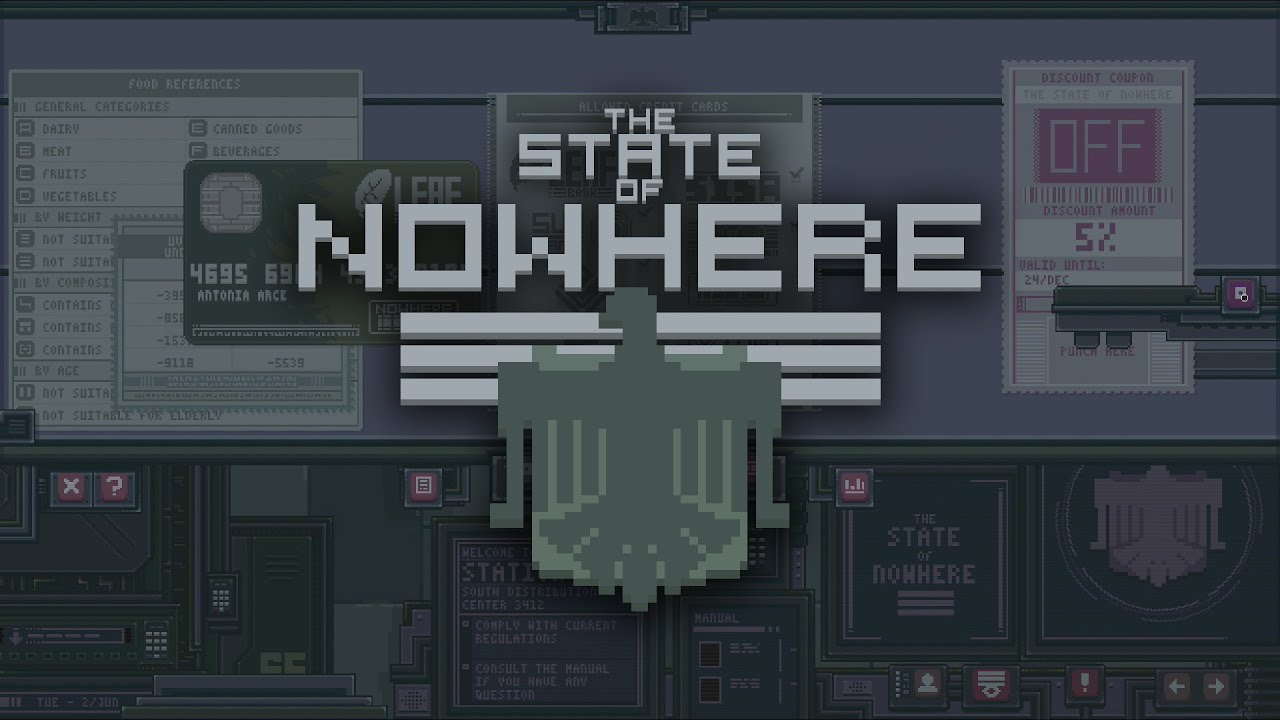
The State of Nowhere is very reminiscent of Papers, Please, but instead of deciding who gets to cross the border into a totalitarian state, you’re deciding who gets access to food in a totalitarian state. In other words, you’re deciding whether people live or die an agonising, hungry death, while also trying to avoid doling out more food to scammers. There are 46 endings to work towards and four distinct game modes, so there’s a fair bit to chew on here aside from debilitating moral uncertainty.
Keep up to date with the most important stories and the best deals, as picked by the PC Gamer team.
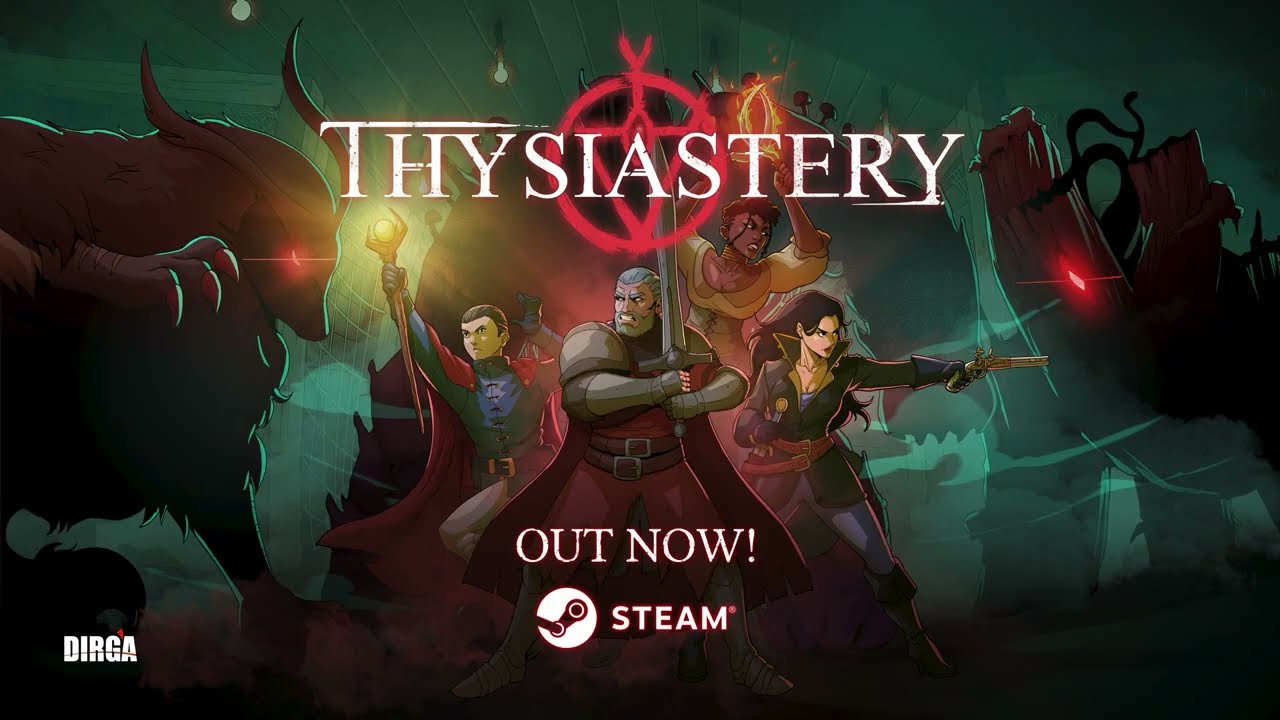
The first of two old school dungeon crawlers in this week’s column, Thysiastery is a very handsome pixel art blobber in a roguelike package. By dint of being branded, you’re fated to life in a huge, mysterious, shapeshifting Labyrinth. The objective is to get out, but naturally there are all manner of puzzles, enemies and obstacles in your path. Combat is turn-based, and there are apparently “a great number of skills” to find, which can be applied to the various party members you’ll find spread throughout the maze. If you’re loving the recent blobber renaissance, this is another one to stick on the wishlist.
Steam page Release: March 10 Developer: Siege Wizard Interactive
Another dungeon crawler, though this one takes the form of a roguelike deckbuilder, which is very much not a genre that excites me but: just look at this thing. It kinda looks like Eye of the Beholder by way of the Garbage Pail Kids, and I mean that as a massive compliment. You play as an imprisoned wizard who must break their shackles and escape a heinous dungeon, all the better to attend their niece’s birthday party. Expect eight playable characters, bizarre elemental synergies, at least one appalling mutant sloth, and lots of cards.
Our expert reviewers spend hours testing and comparing products and services so you can choose the best for you. Find out more about how we test.
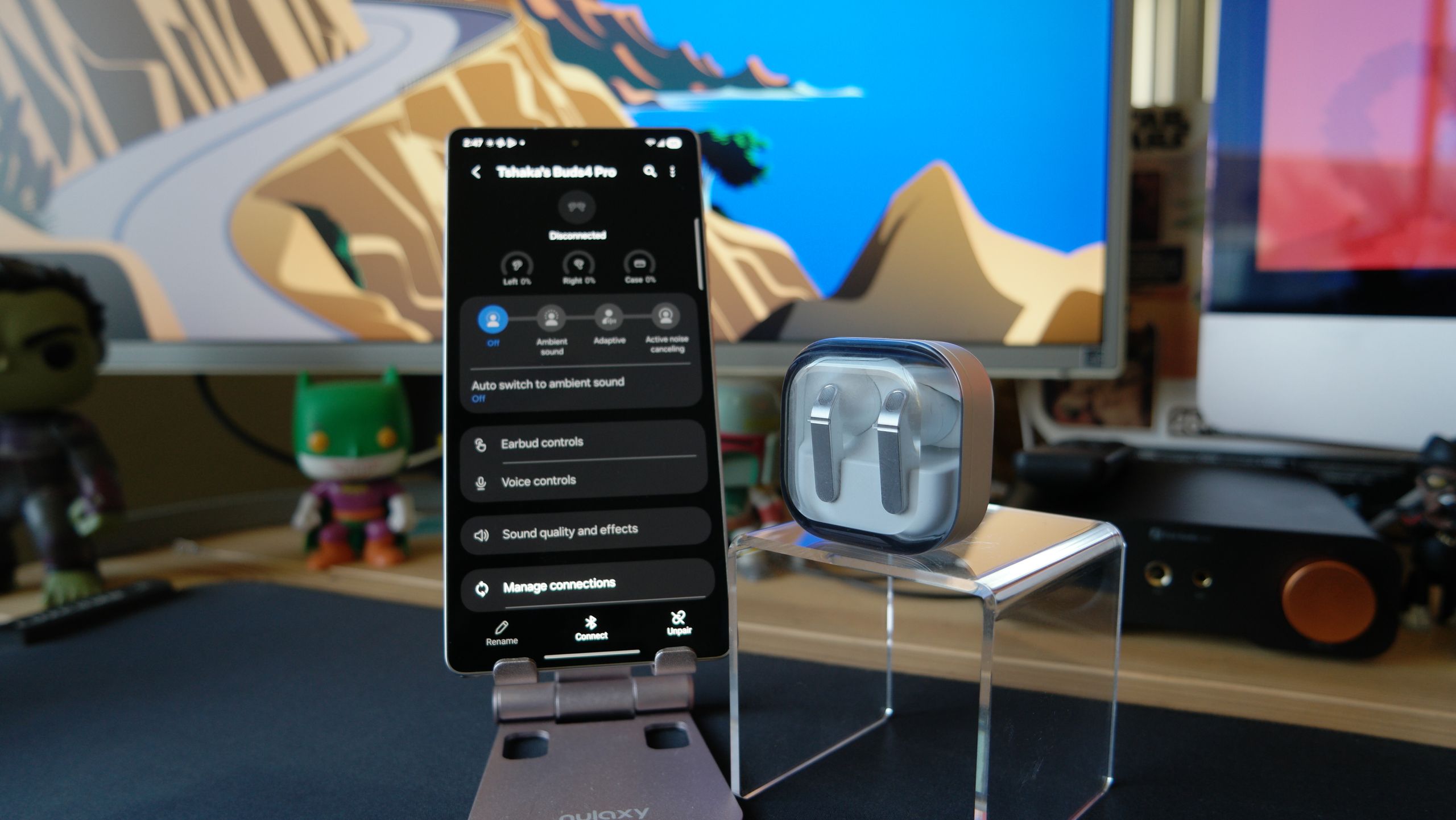
2024’s Galaxy Buds 3 Pro were quite impressive. With their two-driver configuration and the SSC codec, they produced audio with solid clarity and instrumentation, while also offering users some very well-implemented smart features for onboard voice and gesture controls. This year’s Galaxy Buds 4 Pro are, frankly, an iterative upgrade over last year’s, except for three key areas: sound quality, ANC, and durability.
The aesthetic refinements that build on 2024’s design are appreciable. Though I haven’t experienced this issue, some users have reported trouble with the charging contacts at the bottom of the Buds 3 Pro’s stems. This year’s new case design has you placing the buds horizontally in their case, with pogo pins on the stems contacting the charging surface, rather than vertically, with a metallic base on the stem that contacts the charging pins at the bottom of the case.
The case still has a transparent cover, but Samsung has slimmed it down a bit, and it still supports wireless and wired charging via USB-C. The way my jeans’ coin pockets are set up, I actually prefer the Buds 3 Pro’s case dimensions for carry, but I’m being nitpicky because both fit easily in my coin pockets. RIP, pennies.
Image 1 of 5
(Image credit: @tshakaarmstrong)
(Image credit: @tshakaarmstrong)
(Image credit: @tshakaarmstrong)
(Image credit: @tshakaarmstrong)
(Image credit: @tshakaarmstrong)
Swipe to scroll horizontally
Categories
Samsung Galaxy Buds 4 Pro
Conectivity
Bluetooth® 6.1, Auto Switch
Drive units
Enhanced 2-way (11mm Super Wide Woofer + 5.5mm Planar Tweeter)
Removing the buds from their case reveals shorter stems with metallic spines, sans the last generation’s light bar. I loved the light show and the blades, being a lover of edged weapons, so I’ll miss those two elements. That said, the metallic backs, though not as unique, still look great with their large mesh ports at the top. Very industrial-looking.
Galaxy Buds3 Pro on the left, Galaxy Buds 4 Pro on the right (Image credit: @tshakaarmstrong)
I hate the fit of stem-style earbuds in my ears because, no matter whether they’re Apple, Soundcore, or others, they never really fit well. Samsung changed that with the Buds 3 Pro, and the Buds 4 Pro fit just as snugly in my ears. When I’ve worn them during exercise, they’ve stayed locked in, even during dynamic movements like burpees.
The more you sweat, you may find yourself reseating them from time to time, a shortcoming of silicone eartips more than the angle of the earbuds. If I find it to be big enough a problem, I’ll pick up some Comply foam ear tips for the Buds 4 Pro (their website currently says “coming soon”).
(Image credit: @tshakaarmstrong)
One issue I found with workouts is that wet hands may interfere with touch functionality. After wiping sweat from my brow during a particularly sweaty HIIT workout, I’d run my finger over the volume slider (shown above), but it would be unresponsive. For folks who sweat profusely in the gym, that could be problematic.
Get the latest news from Android Central, your trusted companion in the world of Android
Even so, durability has been upgraded from IP53 to IP57, meaning they now have greater protection against dust ingress and can survive being pushed into a pool up to 3 feet deep.
The other controls should be mostly immune to sweaty hindrances and pool-party pranks, as the stems are pressure-sensitive like the Buds 3 Pro, so squeezing and squeeze-and-hold control all the other functions. You can customize many of them in the buds’ settings.
(Image credit: @tshakaarmstrong)
The biggest upgrades for the Buds 4 Pro are the sound and active noise cancelling. They still have two speakers inside, plus a planar tweeter. You get a new, wider woofer with nearly 20% more speaker area, all in a body that doesn’t look any larger than the Buds 3 Pro. That translates to an audibly superior sound this year.
Contributing to that is Samsung’s SSC UHQ codec, which plays back 24-bit/96kHz audio on compatible Samsung devices. If you don’t have that, you’re relegated to SBC, AAC, or LC3, depending on whether your phone supports it.
I thoroughly enjoyed the Boom Bap bass lovers’ listening experiences with KDot’s “Alright,” The Roots’ “Do You Want More?!!!?!?,” and Skrillex’s “Supersonic (My Existence).” Paul Simon’s “Diamonds on the Soles of Her Shoes” has a beautiful soundstage, with all the presence and reverb you’d want to hear with the 360 Audio feature enabled.
Various Rock music genres sound delightful, such as System of a Down’s “Chop Suey!”, which gives you guitars with weight to their sound, and the vocals are rendered beautifully.
Jazz is gloriously rhythmic and is reproduced with solid imaging, although listening to Charles Mingus’ frenetic rendition of the popular Jazz romp, “Moanin’,” is where you get to hear the cracks in the Galaxy Buds 4 Pro’s armor. The imaging is still solid, and while the track will put many headphones and earbuds through their paces, the Buds 4 Pro fares well through most of it, except for the busiest parts. During those moments, some sounds tend to blend rather than hold their space.
Ultimately, with almost any genre, you’re in a good place to customize the sound to your liking, since you have access to a 9-band equalizer in the Settings/Wearables app.
Image 1 of 4
(Image credit: @tshakaarmstrong)
(Image credit: @tshakaarmstrong)
(Image credit: @tshakaarmstrong)
(Image credit: @tshakaarmstrong)
ANC is fairly impressive, too. As I was working my way through my playlists, the active noise cancelling all but muted the gardener with the leaf blower outside my window, but wasn’t able to fully mute the clicks from my mechanical Razer Pro Type keyboard. ANC It won’t beat the Sony WF-1000XM6‘s, but the Buds 4 Pro are $80 cheaper, and this ANC is much better than the previous Buds Pro. It does an admirable job of softening the sounds of airplanes, restaurants, and traffic.
The auto-switch to ambient mode also works convincingly, just like it did on the Buds 3 Pro. When a siren is detected or when you start speaking, the noise cancelling is temporarily deactivated, then turns back on after five seconds of no siren or speech. You can also squeeze the stems to reinitiate ANC instead of waiting.
The six onboard mics do a very good job of keeping voices audible amid significant ambient urban street (70dB) and cafe noise (50dB). My voice was not only audible but also clear and not muddy, though there were times when I sounded like I wasn’t close to the microphones, a bit distant.
(Image credit: @tshakaarmstrong)
After about a week of testing, battery life is very promising, but I have more tests to run to confirm what I’m seeing so far. It looks like Samsung’s claims of seven hours without ANC and six hours with it may hold if you have advanced audio and enhanced ANC features deactivated. With some competitors getting around that much with ANC activated and others seeing closer to 8 hours, the Galaxy Buds 4 Pro are at least in the running on battery life.
Image 1 of 3
(Image credit: @tshakaarmstrong)
(Image credit: @tshakaarmstrong)
(Image credit: @tshakaarmstrong)
Some features aren’t new but are worth mentioning, in case you’re new to the Galaxy Buds Pro line. Neck-stretch reminders are great and help you be more mindful of staring down at your phone for long periods, which is bad for your spine/neck.
The on-board and offline voice controls are an exceptional way to interact with basic features like volume up/down, music play/pause, and track skipping. Head gestures are new this time around and work very reliably for calling functions, making them a great, hands-free way to interact with your earbuds and phone by nodding or shaking your head.
(Image credit: @tshakaarmstrong)
Live translation has also been refined since the Buds 3 Pro, allowing you to customize a pinch-and-hold option to activate Interpreter mode. Once the gesture activates the mode, the app opens on the Galaxy S25 Ultra I’m using. It worked perfectly the first time I tried it, playing an educational Spanish-language conversation on YouTube. When I tried a Russian-language video, it didn’t automatically recognize Russian, so I had to set the source language to Russian in the Interpreter app.
While the Spanish translation was solid, the Russian was mediocre. Not the buds’ problem, but worth noting. Also, it takes a couple of seconds to provide the audible translation, so I wouldn’t rely on it as a mission-critical translation offering.
(Image credit: @tshakaarmstrong)
Samsung wanted the buds to be compatible with other Android devices, so the Galaxy Wearables app provides many of the features even if you don’t have a Galaxy device, such as voice commands. Music sounds better with the LE codec activated, but the buds will disconnect from the Galaxy Wearables app. Otherwise, you’re using the AAC codec by default, and while it still sounds good, you don’t have the dynamic range that you do with LE, or, even more so, when connected to a Samsung phone using the SSC UHQ codec.
Ultimately, at $250, the Galaxy Buds 4 Pro are a considerable upgrade over the Buds 3 Pro, but not enough to justify upgrading if you just bought them. Overall, if you use Samsung devices, they’re tough to beat right now — better sound, better ANC, improved durability, and practical on-device controls make them easy to recommend.
In an unexpected twist, humans have taken some jobs back from AI. Embark Studios’ CEO Patrick Söderlund recently told GamesIndustry.biz that the studio “re-recorded” some of the AI-generated voice lines in Arc Raiders with human voices, only after its successful launch in October.
“There is a quality difference,” Söderlund told GamesIndustry.biz. “A real professional actor is better than AI; that’s just how it is.”
With Arc Raiders’ player count peaking at nearly half a million users on Steam, the game’s breakout success was still marred by its use of text-to-speech AI. While there was no generative AI used for the visuals of the extraction shooter, Embark Studios paid its actors for approval to license their voices for text-to-speech AI, according to Söderlund. Even though Söderlund said that the text-to-speech AI was reserved for lines “that aren’t as essential to the immersion of the experience,” many players weren’t happy with this creative decision.
Responding to the criticism, Embark Studios is seemingly reversing course and relying more on its voice actors. Söderlund said that the studio pays its voice actors for their time in the recording booth and will “continue to bring many of them back as we carry on updating the game.” However, it’s important to note that Söderlund told GamesIndustry.biz that “some” of the AI-generated lines were replaced by voice actors, which could indicate that the studio isn’t looking to completely ditch its text-to-speech AI anytime soon.
It’s rare that a game as old as the venerable Tomb Raider gets an update, and you’d think it’d be cause for celebration. Not necessarily so with the newest patch that came to Tomb Raider I-III Remastered last Thursday, which came bearing a new challenge mode and 10 new outfits that, well, just have a look for yourself:
They’re certainly rough around the edges, and the user reviews on Steam have not taken kindly to the free update. A review from Steam user Engram reads, “The new update broke the audio, broke a ton of visuals, broke the enemy AI, added what appears to be low-quality AI slop into the game and deleted all of my saves.” Another post from user Harry DuN’wah, who has nearly 200 hours sunk into the remaster, states “Keep AI out of Tomb Raider, Lara deserves better than this.”
I can’t strictly confirm if generative AI was used in the creation of the new assets, but PC Gamer has reached out for comment. Giovanni Lucca, the original lead artist on the remaster, posted about the update on X, saying “I was not involved in the art direction of this new patch with the Challenge Mode for Tomb Raider I-II-III Remastered. None of the original developers at Saber was involved in it.”
Article continues below
Two days later, he reposted a video showing the new outfits (which called the patch a “monstrosity”) with a clown emoji. That said, some of Lucca’s other posts just below those two are spent lamenting “activists and their woke shit,” so maybe take his particular brand of outrage with a grain of salt.
Still, it’s clear the patch is turning heads for all the wrong reasons. Concerns over AI usage are not new for Aspyr’s Tomb Raider remasters, as just last September a slew of “unauthorized” AI voice lines had to be patched out.
Keep up to date with the most important stories and the best deals, as picked by the PC Gamer team.
The Impact Of Virtual Reality On The Real Estate Industry
The state of Virtual Reality (VR) and Augmented Reality (AR) technologies in today’s real estate and gaming industry is booming. Besides, the entertainment industry is witnessing tremendous advantages using AR and VR-enabled applications.
E-commerce companies are also widely applying VR and AR-powered apps to offer the best virtual experiences to their customers in real time. IKEA Place mobile app is one of the best examples of AR/VR apps for Androidand iOS. It allows users to virtually place products in their spaces and make their purchasing decision smarter.
According to market research reports, the global value of augmented reality and virtual reality is expected to reach approximately $850 billion by the next decade. This huge demand will majorly derive from Real estate, Entertainment, manufacturing, and gaming businesses. A greater number of businesses across these industries are turning to AR and VR technologies to create a realistic virtual environment and deliver best-in-class digital experiences to their customers.
In this article, we would like to guide you on how VR and AR technologies are influencing the global real estate sector and what are the benefits of deploying VR apps for real estate operations. We hope that this information would be helpful for those real estate service providers who are in plans to augment their operations with modern and revolutionary technologies.
Let’s start our session with a brief introduction to VR/AR technology.
What Is Virtual Reality?
Virtual Reality is a computer technology that creates a virtual environment in real time. This intelligent technology helps people to interact with places, games, or other environments in creative three-dimensional virtual visuals.
There are majorly three types of virtual reality categories that help businesses deliver out-of-the-box realistic simulation experiences to their audience and augment brand services.
The Three Types Of Virtual Reality
Non-Immersive Virtual Reality is one of the top categories of VR technology that offers a computerized virtual environment and of course, the user will have control and sense their physical environment.
Semi-Immersive Virtual Reality is a category where users feel partial virtual experiences. It means that semi-immersive VR systems or devices will offer realistic virtual experiences using 3D graphical images. It is best for education and training industries to simulate the practices with real-world things.
Fully Immersive Virtual Reality Software is a type that offers 99.9% simulation and has a bright future in the gaming and entertainment industry.
Driven by its intellectual capabilities, the potential of VR technology in the future of manufacturing, real estate, entertainment, and education like the sector is unbelievable. Now, let’s move on to our main session what is the impact of VR on the Real Estate business.
As novel technologies are being introduced every day and transforming the aspect of industries, the real estate sector is also increasingly adopting VR technology to offer virtual tour services to its customers.
The real estate service providers or brokers are using VR applications and providing realistic virtual viewing of a site, a plot, or a house without visiting the physical location.
Let’s take a look at the top 5 applications of VR in real estate:
Top Use Cases Of VR In Real Estate
Here are the best use cases of virtual reality in real estate.
VR In Real Estate For Property View
It is one of the best uses of virtual reality in real estate. Customers will make their final decision about buying property after they visit the location. It is a time-taking process, but they will not make their investments on land or property without viewing the location with their eyes.
VR-powered software applications and systems are the best solutions that help customers virtually visit the locations from the convenience of their spaces. It saves the time of both customers and real estate agents.
Interactive virtual tours are the best example of this scenario. VR-powered 3D virtual tours are a trend in the global real estate industry. Customers can view a property in 360-degree view by using VR-enabled headsets.
VR In Real Estate For Virtual Inspection
The use of virtual reality applications or systems is also gaining popularity in real estate for virtually visualizing the final construction of a property. The potential of virtual reality for real estate marketing is incredible.
VR helps real estate companies to show the final structure of semi-constructed properties in attractive 3D visuals. Hence, buyers will view the final appearance of the external and internal design of the architecture. It augments virtual representation of an under-construction project, increase the lead conversions, and also optimize sales.
Here is another best use case of VR in real estate industry. Intelligent VR-based software tools and ai applications will help rea estate agents to effectively communicate with tenants. It has wide scope in the vacation rental industry.
Real Estate agents can offer VR-enabled 3D virtual home tours and assist tenants in viewing the property and neighbor spaces in high resolution. Hence, VR in real estate will help agents to record VR videos at once and prevent routine tasks like property explanation. Virtual agents can provide virtual instructions and offer personalized viewing experiences.
VR In Real Estate Ensures Better Communication
It is one of the benefits of using virtual reality applications and tools. VR apps aid instant communication between real estate agents and customers. Using virtual reality applications, real estate service providers can record or view the feedback sent by a customer on the go and improve their experiences. It will increase digital online communications and ensure assured sales.
VR IN Real Estate Sector Augments Traffic Of Site Visits
It is one of the top benefits of using VR for real estate agents. Just imagine, is it possible to guide or show your property or place to 100 customers at a time?
It’s an impossible task. But, VR applications can do this with ease. Hundreds of customers can view virtual videos of properties simultaneously. It will save the time, money (traveling expenses), and energy of real estate agents. With the help of interactive VR tools, customers can imagine themselves inside the house. Thanks to such developments in technology.
These are the top 5 applications of virtual reality technology for the real estate sector. If you’re looking to offer a truly virtual experience to your customers, let’s a partner with USM Business Systems – best mobile app development company. We are one of the leading AR/VR services and solutions providers in the USA, India, and UAE.
Ghost of Yotei‘s toughest optional boss kicked the butts of even the most seasoned hack and slashers among us, and the developers at Sucker Punch Productions loved watching every minute of it.
Ghost of Yotei’s lead combat designer, Theodore Fishman, talked to GamesRadar+ about the studio’s approach to boss battles in its open-world sequel during GDC 2026, cheekily explaining that anyone who encountered Takezo the Unrivalled “probably hate this guy with every fiber of your being.”
“The goal here [with Takezo] was we were going for a super boss,” Fishman explains. Super bosses are usually found in JRPGs and represent the biggest challenge a player could possibly take on, one that’s almost impossible without grabbing every other upgrade in the game first. “That was the most important thing we wanted to do. We hadn’t done it before.”
“We wanted to stretch ourselves and our players,” he adds. “You really feel like you’re build crafting, and there’s a challenge, literally, on top of the hill… I personally really enjoy watching people die to this. I love it so much. Seeing players’ reaction and seeing how they try to solve it. Was it perfect? No! But did it get a different emotional response and experience that players didn’t have from our game before? Yeah, it was great!”
Fishman also delved a little into “good old Saito,” the game’s real final boss, which he says are always hard to design “because there’s a lot of expectations about how many phases there are, what the challenge is, and then players are going to play the game in completely different ways.” For Saito, the team wanted to “lean into the feeling of the nightmare, the trauma within her family, to revisit it and get her revenge.” That’s where his four phases come from, and why Sucker Punch decided to give him “every weapon in the game” – to challenge the “journey of mastery” that you’ve just been on.
Stock selection that truly aligns with proven strategies demands a range of skills. Although it takes time to develop these skills, but it builds a long-term trading advantage. An effective list of stocks to watch begins with a clear understanding of current market conditions, the influence of market capitalization on price behavior, and the way sectors respond to catalysts.
Traders must also consider seasonality patterns, shifts in investor sentiment, and broader economic cycles. These elements help refine which stocks deserve attention on a daily, weekly, or monthly timeframe. This article outlines a step-by-step guide to create a list of stocks to watch this week.
Initial Step is to Screen for the Right Stocks
An effective list of stocks begins with a reliable screening process. Most trading platforms offer built-in screeners that allow filtering by market capitalization, average volume, price range, and sector. Narrowing the list to equities with average daily volume above one million shares ensures sufficient liquidity for entry and exit. Filtering by percentage price change over the prior week helps identify stocks with meaningful momentum.
The following criteria represent the four key filtering methods to apply during initial screening:
Volume Filter: Select stocks with consistent daily volume above one million shares to ensure liquid markets for execution.
Price Range Filter: Set a minimum price threshold, commonly above five dollars per share, to exclude low-float and speculative equities.
Sector Filter: Focus on two or three sectors per week to build contextual awareness and avoid spreading attention too thin.
Momentum Filter: Prioritize stocks that gained or held strong price levels during the prior week as evidence of active buyer interest.
Key Elements of a Strong List of Stocks
The screen itself depends on several components working together. Below are the four core elements that make a stock screen effective.
Price Action Clarity: Stocks that trade in clean, readable patterns provide more reliable signals for entry and exit decisions.
Volume Confirmation: Elevated volume relative to the 20-day average confirms institutional participation and adds weight to price movement.
Sector Strength Alignment: Stocks that operate within sectors showing broad strength tend to carry higher probabilities of continued momentum.
Chart Structure Quality: A stock forming a clear base, channel, or breakout pattern offers a well-defined setup with measurable reference points.
Earnings Timing Awareness: Stocks approaching scheduled earnings dates carry additional volatility, which affects position sizing and timing calculations.
Technical Analysis in List of Stocks Creation
Technical analysis forms the backbone of any effective trading strategy for beginners and experienced investors. Charts communicate price behavior, support levels, resistance zones, and trend direction without requiring access to insider information.
The 50-day and 200-day moving averages serve as reliable references for evaluating trend health for your list of stocks. Stocks trading above both moving averages demonstrate sustained buyer control over a meaningful period. Identifying these setups visually on a chart before adding a stock to the list strengthens the quality of each entry.
Prioritize Stocks on the Final Watchlist
After initial screening, ranking each candidate by setup quality improves weekly focus. Assigning each stock a tier based on chart clarity, volume strength, and sector position helps align selections with a defined trading strategy.
A stock with a clean breakout pattern, strong sector support, and above-average volume earns a top-tier placement in your list of stocks. Stocks that meet only two of three criteria move to a secondary tier for monitoring without immediate action. This tiered structure prevents overtrading and keeps investment decisions anchored to the strongest available setups.
Align the Watchlist with Weekly Market Context
Broader market conditions influence how aggressively to act on individual stock setups. When major indices trade above key moving averages with strong breadth, individual setups carry higher probability. A market showing distribution signals or declining breadth warrants a more selective approach to adding new positions. Reviewing the weekly chart of a broad market index before finalizing the watchlist adds essential context to trading strategies. This step ensures that individual stock decisions align with the prevailing directional bias of the overall market environment.
Maintain and Refresh the Watchlist Weekly
A list of stocks requires consistent updates to remain relevant and useful. Every weekend, removing stocks that broke down, triggered stops, or lost sector support keeps the list clean. Adding new candidates based on fresh screener results ensures the list reflects current market leadership. Keeping the final watchlist between 10 and 15 stocks prevents analysis paralysis and maintains focus. A disciplined weekly review process turns the watchlist into a reliable operational tool rather than a passive document.
Building a focused watchlist each week is one of the most practical steps an investor can take to improve consistency. Combining a structured screen, technical chart analysis, tier-based prioritization, and market context review produces a high-quality selection. Investors who refine their stocks to watch this week every weekend develop sharper pattern recognition over time. As an additional tip, keep a short written note on each stock explaining the specific reason for its inclusion. That practice accelerates analytical growth.