Aggression Doesn’t Usually Start With Aggression
Most owners can tell you the exact moment things got bad. Maybe it was a walk that turned into a barking, lunging scene in the middle of the street. Maybe it was a snap at a guest, or a growl that seemed to come out of nowhere.
But here’s the thing: aggression almost never shows up overnight.
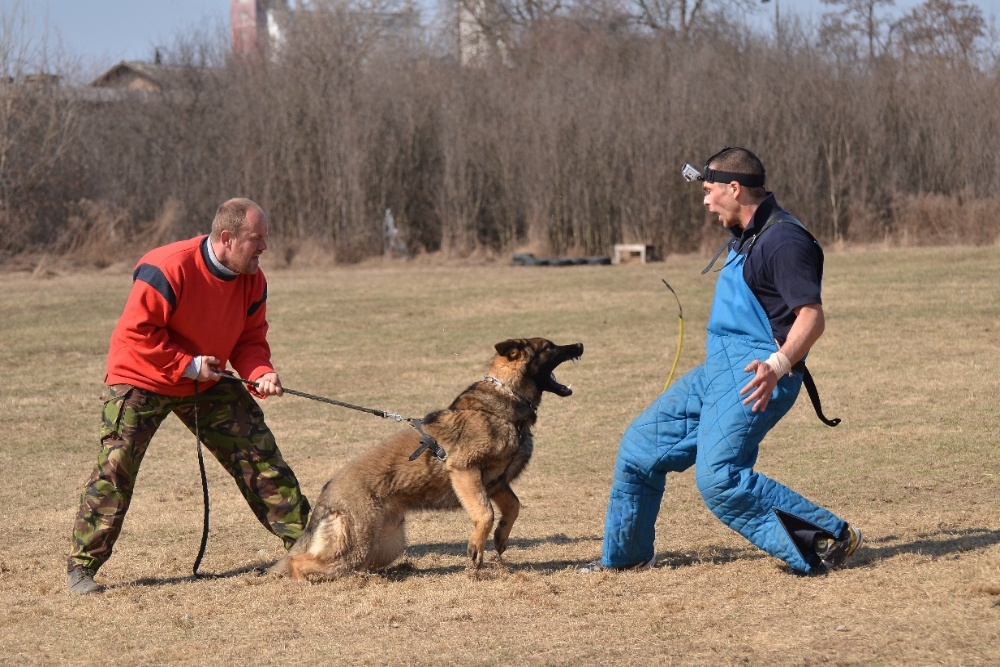
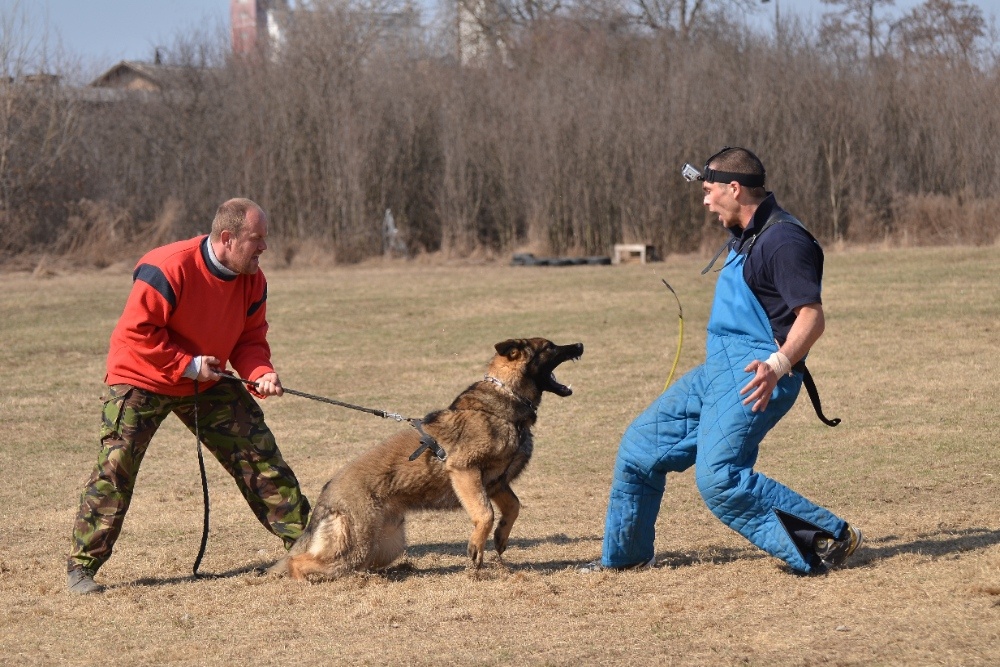
Long before the lunging and barking start, dogs are already talking. They look away. They tense up. They freeze. They fixate on something and won’t let go. And most of the time, those quieter signals get ignored, misread, or just plain missed.
So the dog learns something else that works better. A bigger reaction gets results. The stranger backs off. The other dog leaves. The scary thing goes away.
That’s why aggression usually isn’t about the behavior itself. It’s about what that behavior gets the dog.
“Training isn’t about teaching dogs our language. It’s about learning theirs,” says Savanna Tolley, professional dog trainer and owner of multiple The Dog Wizard locations. “When owners start recognizing what their dog is trying to communicate, everything changes. They stop reacting to the explosion and start addressing what causes it.”
Once aggression becomes part of the routine, every outing can feel like a gamble. Every visitor. Every unexpected encounter. All of it starts to feel like a problem waiting to happen.
The First Thing We Teach Isn’t What Most Owners Expect
When people call a trainer about aggression, they usually want one thing: a quick fix. Stop the barking. Stop the lunging. Let them walk their dog again without bracing for disaster.
So it surprises a lot of owners when the first step has nothing to do with the aggression itself.
Training usually starts with plain old obedience that helps aggressive dogs.
Not because “sit” and “stay” magically cure aggression. They don’t. But obedience gives dogs something a lot of aggressive dogs are missing: clarity.
Think about it. A dog that reacts to everything is making too many decisions on its own. Every passing dog, every stranger, every weird noise becomes the dog’s problem to solve. That’s a lot to carry around all day.
Commands like place, heel, sit, and down give a dog a different job. Instead of scanning the street for threats, the dog starts paying attention to the person on the other end of the leash. The dog learns somebody else has this handled.
And that shift is bigger than it sounds.
I’ve watched owners brush off obedience work as too basic for “real” behavior problems. Then those same basics turn out to be exactly what gets them through the hard moments later.
Why Structure Changes Everything
Dogs like clarity, plain and simple.
That doesn’t mean every minute of the day has to run on a schedule. But dogs do better when they know what’s coming. They want to know what’s expected of them. They want a clear way to succeed.
Aggressive dogs aren’t any different.
A lot of aggression cases come down to a dog that can’t handle uncertainty. The world feels unpredictable, so the dog tries to control it. Bark first. React first. Push the threat away before it gets too close.
From the outside, that can look like confidence. It usually isn’t.
A genuinely confident dog doesn’t feel the need to make a scene every time something unfamiliar shows up. The dogs throwing the biggest fits are often the ones who feel the most unsafe.
This is where structured obedience earns its keep. Not because it shuts behavior down, but because it gives the dog a framework. Instead of guessing what to do, the dog already knows.
The dog that used to charge the front door learns to go to place.
The dog that used to drag its owner down the sidewalk learns to walk in heel.
The dog that used to obsess over every little distraction learns to lock onto the person holding the leash.
None of that happens overnight. But it starts building a new pattern, one rep at a time.
The Real Goal Isn’t Perfect Obedience
Here’s a misconception that trips a lot of people up: they think the goal is a robot dog, one that follows every command without fail.
That’s not realistic. And honestly, it’s not even the point.
The real goal is decision-making.
Every aggressive dog hits moments where emotion takes over. Fear. Frustration. Anxiety. Excitement. The emotion changes, but the result is usually the same: the dog stops thinking and starts reacting.
Good obedience training for aggressive dogs helps and puts space between those two things.
Instead of exploding straight into a reaction, the dog learns to pause. That pause might only last a second or two at first. But it matters. It’s the difference between an impulsive decision and a chosen one.
That pause is where the real progress lives.
Savanna Tolley reminds owners that success isn’t about perfection.
“It’s easy to focus on what still needs work,” she says. “But when a dog that used to react every single time starts checking in with their owner before making a decision, that’s a huge win. Those small changes are often the beginning of lasting transformation.”
Why Owners Matter More Than They Think
A lot of people assume the trainer’s job is to fix the dog, period.
Ask any experienced trainer, and they’ll tell you that’s not how it works.
The trainer hands over the guidance, the education, the plan. But the owner is the one living with the dog every single day.
The real progress happens between sessions: on morning walks, when guests show up at the door, in the moments when the owner picks consistency over convenience.
And here’s something worth noting. The families who see the biggest changes usually aren’t the ones with the easiest dogs. They’re the ones who put in the work and follow through. They understand that obedience training helps aggressive dogs, but that training isn’t a one-hour appointment once a week. It lives in the everyday stuff.
That goes double for aggression cases.
Dogs learn by repeating things. Every good interaction builds a new habit. Every calm response makes that pattern a little stronger. Bit by bit, those new patterns start replacing the old ones that once felt impossible to break.
A Better Future Starts With Better Communication
Aggression can feel like too much when you’re in the thick of it. It messes with your routines, your relationships, your confidence. Some owners just start avoiding situations altogether, because managing the behavior feels easier than fixing it.
But avoidance doesn’t teach a dog anything. Training does.
Obedience training won’t erase a dog’s past, its personality, or its emotional wiring. What it can do is hand owners a way forward. Obedience training helps aggressive dogs develop the skills to handle hard situations better, and it gives owners the tools to guide them through the stuff that once felt impossible.
The best part of aggression rehab isn’t watching a dog nail a command. It’s watching a dog that used to feel completely out of control start making better choices on its own. It’s owners getting their confidence back. It’s a relationship that started in frustration turning into one built on trust.
For dogs working through aggression, that change rarely starts with punishment. It starts with communication, structure, and a clear path forward.
Find a Home-Based Business to Start-Up >>> Hundreds of Business Listings.