Counter-Strike player sucker punches opponent onstage, gets 10-year ban while rival jokes that he had ‘better aim than with the AWP’


As reported by IGN and DotEsports, German Counter-Strike 2 player MAUschine has been banned from the CAGGTUS Leipzig tournament for 10 years for striking his opponent, Fabian “Spidergum” Salomon, after a heated match.

Influencer Jake Lucky shared a video to X of the moment MAUschine socked Spidergum during the awards portion of the tournament: Spidergum’s glasses flew off, and MAUschine moved on to shake other players’ hands without missing a beat—the brass balls on this guy⁠—as the presenter quickly realized something was wrong.

Medusa Ransomware Gang Phishing Campaigns


medusa- ransomware- gang- phishing -campaignsmedusa- ransomware- gang- phishing -campaigns
freepik

Introduction

Ransomware threats continue to evolve, and one of the most concerning groups in recent cybersecurity news is the Medusa ransomware gang. Known for targeting businesses, government agencies, and critical infrastructure, this group has refined its tactics using phishing campaigns as a primary entry point. Once inside a system, attackers encrypt sensitive data and demand cryptocurrency payments in exchange for decryption keys. The rise of such attacks highlights the growing risks organisations face in today’s digital landscape. This article explains how Medusa operates, how phishing plays a central role in its attacks, and what individuals and businesses can do to protect themselves from becoming victims.

Quick Answer: How Does Medusa Ransomware Work?

Medusa ransomware typically begins with phishing emails that trick users into revealing credentials or downloading malware. Once inside a system, attackers encrypt files, exfiltrate data, and demand cryptocurrency payments to restore access.

Key Takeaways

  • Medusa ransomware uses phishing as a primary attack vector
  • Attackers encrypt and often steal sensitive data
  • Victims are pressured to pay ransom in cryptocurrency
  • Double extortion tactics are increasingly common
  • Human error remains a major vulnerability
  • Strong cybersecurity practices can significantly reduce risk

What Is Medusa Ransomware?

Medusa ransomware gang is a cybercriminal organization that specializes in ransomware attacks. Unlike early ransomware variants, Medusa employs sophisticated techniques that combine social engineering, data theft, and encryption.

The group targets organizations of all sizes, often focusing on sectors such as healthcare, education, finance, and government. Its operations are part of a broader trend where cybercriminals operate like businesses, complete with support teams and negotiation strategies.

How Medusa Uses Phishing Campaigns

Social Engineering Tactics

Phishing is the foundation of many Medusa attacks. Attackers send emails that appear legitimate, often impersonating trusted entities such as banks, colleagues, or IT departments.

These emails may include malicious links or attachments designed to trick users into taking action.

Credential Theft

In many cases, phishing emails direct victims to fake login pages. When users enter their credentials, attackers gain access to internal systems.

This allows the ransomware group to bypass traditional security measures.

Malware Delivery

Phishing emails often contain attachments that install malware when opened. This malware creates a backdoor, giving attackers remote access to the system.

Targeted Spear Phishing

Medusa campaigns often use targeted phishing, known as spear phishing. These attacks are tailored to specific individuals or organizations, making them more convincing and harder to detect.

The Attack Lifecycle: Step-by-Step

Step 1: Initial Access

Attackers gain entry through phishing emails or compromised credentials.

Step 2: Establishing Persistence

Once inside, they install tools to maintain access and avoid detection.

Step 3: Lateral Movement

Attackers move across the network to identify valuable data and systems.

Step 4: Data Exfiltration

Sensitive data is copied and transferred to external servers.

Step 5: Encryption

Files are encrypted, making them inaccessible to the victim.

Step 6: Ransom Demand

Victims receive a demand for payment, usually in cryptocurrency, along with threats of data leaks.

What Is Double Extortion?

Modern ransomware groups like Medusa ransomware gang use a tactic known as double extortion.

This means attackers not only encrypt data but also threaten to release stolen information if the ransom is not paid. This increases pressure on victims, especially organizations handling sensitive data.

Comparison Table: Traditional vs Modern Ransomware

Feature Traditional Ransomware Modern (Medusa-style)
Entry Method Basic malware Phishing + credential theft
Data Theft Rare Common
Extortion Type Single Double extortion
Targeting Broad Highly targeted
Payment Method Digital payments Cryptocurrency

Why Cryptocurrency Is Used

Ransomware groups demand payment in cryptocurrency because it offers a level of anonymity and is harder to trace than traditional financial systems.

Cryptocurrencies also enable fast cross-border transactions, making them ideal for cybercriminal operations.

Real-World Impact of Medusa Attacks

Business Disruption

Organizations often face downtime, lost productivity, and reputational damage after an attack.

Financial Losses

Costs include ransom payments, recovery expenses, legal fees, and regulatory penalties.

Data Breaches

Sensitive information such as customer data, financial records, and intellectual property may be exposed.

Expert Insights

Cybersecurity experts emphasize that ransomware attacks are becoming more organized and professional.

Groups like Medusa ransomware gang operate with structured workflows, making them highly effective.

Experts also note that human behavior remains the weakest link. Even advanced security systems can be compromised by a single phishing email.

Common Mistakes That Lead to Attacks

One of the biggest mistakes is failing to train employees on phishing awareness.

Another issue is weak password practices, which make credential theft easier.

Organizations also underestimate the importance of regular software updates and patch management.

Lack of backup systems can worsen the impact of ransomware attacks.

Best Practices to Prevent Medusa Ransomware Attacks

Employee Training

Regular training helps employees recognize phishing attempts and avoid malicious links.

Multi-Factor Authentication (MFA)

MFA adds an extra layer of security, making it harder for attackers to access systems.

Email Security Solutions

Advanced filtering can detect and block phishing emails before they reach users.

Regular Backups

Maintaining secure backups ensures data can be restored without paying ransom.

Network Monitoring

Continuous monitoring helps detect suspicious activity early.

Expert Tip

Always verify unexpected emails—especially those tied to tactics like Medusa ransomware gang phishing campaigns—that request urgent action or sensitive information. A few seconds of caution can prevent a major security breach.

The Future of Ransomware Threats

Ransomware is expected to become increasingly sophisticated, with attackers leveraging AI, automation, and advanced social engineering tactics—such as those seen in Medusa ransomware gang phishing campaigns—to enhance the effectiveness and scale of their attacks.

Phishing campaigns will likely become more personalized, making them harder to detect.

At the same time, governments and cybersecurity firms are increasing efforts to combat these threats through regulations, intelligence sharing, and advanced security technologies.

Conclusion

The rise of Medusa ransomware gang highlights the growing complexity of modern cyber threats. By leveraging phishing campaigns, attackers gain access to systems, encrypt data, and demand cryptocurrency payments, often using double extortion tactics to increase pressure.

For organizations and individuals, the key to defense lies in awareness, preparation, and proactive security measures—especially in the face of threats like Medusa ransomware gang phishing campaigns. As ransomware continues to evolve, staying informed and adopting best practices will be essential in protecting data and minimizing risk.

FAQs

1. What is Medusa ransomware?

Medusa ransomware is a cybercriminal operation that uses phishing and malware to encrypt data and demand cryptocurrency payments.

2. How does phishing help ransomware attacks?

Phishing tricks users into revealing credentials or downloading malware, giving attackers access to systems.

3. What is double extortion in ransomware?

Double extortion involves encrypting data and threatening to leak stolen information if the ransom is not paid.

4. Why do attackers demand cryptocurrency?

Cryptocurrency provides anonymity and allows fast, cross-border transactions, making it ideal for cybercriminals.

5. Can ransomware attacks be prevented?

Yes, through strong security practices such as employee training, MFA, backups, and monitoring systems.

6. What should you do if attacked?

Disconnect affected systems, report the incident, and consult cybersecurity professionals before taking action.

7. Who are the main targets of Medusa attacks?

Targets include businesses, government agencies, healthcare organizations, and educational institutions.

Find a Home-Based Business to Start-Up >>> Hundreds of Business Listings.

Redditor shares gaming PC build with cooling system that can only be described as ‘biblically accurate’


Obviously, gaming is a huge reason why I love all things PC hardware. However, my other love is folks doing completely improbable or impractical things with their gaming PC. As such, please give a warm welcome to a truly unique PC build the creator is considering dubbing ‘Seraphim’.

The build in question features an extremely extra, though apparently fully functional fan array which looks not unlike the aforementioned, many-winged angel. That’s coupled with many criss-crossing pipes of a water cooling system that is already giving me The Fear. It all took about four years to put together in the end.

Final boss of watercooling! from r/pcmasterrace

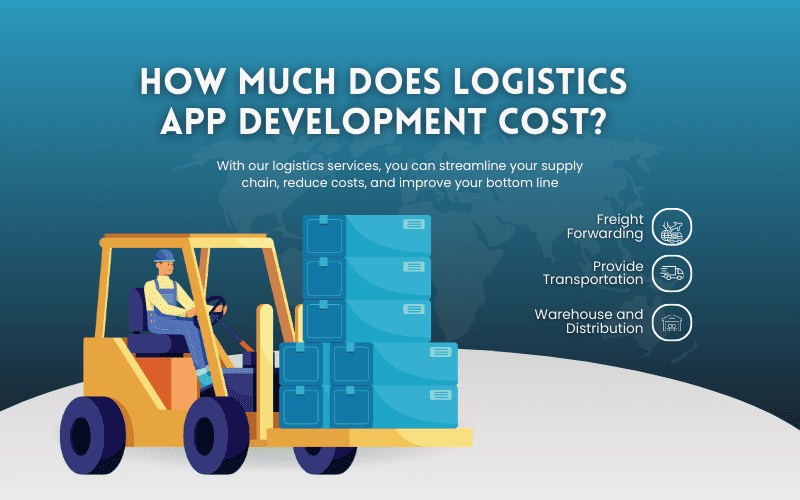
How Much Does Logistics App Development Cost?


How Much does Logistics App Development Cost?

How Much Does It Cost To Develop A Logistics and Supply Chain Management Application?

Warehouse management and streamlined logistics are core segments of product-based organizations. Starting from production and warehouse shipment to logistics and distribution, every phase needs to be monitored and better managed to ensure business effectiveness.

Unlike traditional manual tracking of logistics operations, organizations across manufacturing and retail are using advanced Artificial Intelligence (AI) based contemporary logistics and supply chain management applications.

Using the capabilities of automation technologies like AI, businesses are streamlining the value chain of logistics and supply-chain operations. Organizations can automatically monitor warehouses, inventories, shipments, and deliveries at the lowest operational costs. On top of all, the next-generation AI-based logistics and supply-chain apps make the entire process transparent and smooth.

Today, through this article, we would like to discuss the benefits of logistics and supply chain management solutions and how much it cost to develop AI-based supply chain management apps for Android/iOS/Windows.       

Significant Benefits Of Logistics and Supply-Chain Management Apps

An intelligent, collaborative, and easy-to-use logistics app reshapes the company’s warehouse management and logistics operations. Here are a few top benefits of supply chain management software that you must know if you have plans to develop AI-based logistics and supply-chain applications.

  • Streamlined Process & Cost Saving

It is one of the top benefits of implementing the logistics management software solution for better-organizing inventory and managing warehouse & distribution operations. Such an automated process will reduce the overall expenses on resources and warehouse maintenance.

  • Order Processing & Delivery Status Tracking

It is another top benefit of implementing customized AI-based supply-chain management solutions. Innovative AI apps automate client-to-brand interactions and make order processing virtual.

The order management feature of the logistics apps will mainly involve automating the order fulfillment process. Starting from product loading and shipment to temporary storage in a warehouse, order packaging and deliveries to logistics, intelligent supply chain management apps will handle smartly with high accuracy.

Further, order management functionality also plays a key role in properly maintaining inventory databases and order information. This information would be further processed to predict sales opportunities and improve business efficiency.

Here is another significant feature of an enterprise-centric supply-chain management Solution. Using machine learning and deep learning technologies, supply chain management apps with inventory tracking features allow organizations to better organize and manage their inventories as per the market demand. It helps the companies monitor stock levels and always stay on top of the demand.

  • Geolocation Tracking Of The Fleet or Vehicle Management

Internet-of-Things (IoT) plays a key role in tracking the fleets. Yes, AI, coupled with IoT technology will continuously monitor the live location of the fleet or goods carriers. Hence, by using intelligent supply-chain management solutions, companies can benefit from reliable logistics and deliveries on time.

Besides, by connecting multiple IoT sensors to the vehicle, organizations can monitor the fuel levels, and tire pressure, and get notifications on overall carrier performance reporting instantly. It will help companies to improve vehicle performance and ensure reliable deliveries to the distribution centers on scheduled time.

  • Scheduling Goods Delivery

Implementation of AI-based logistics and supply chain management solutions will help manufacturing and retail companies automatically process purchase orders from clients and schedule goods delivery rights from the app. It will help the logistics department to access the delivery information from anywhere at any time.

  • Orders History Management

By adopting supply chain and logistics management applications, organizations can completely reduce the burden of paperwork. Every order will be automatically stored in the application. Hence, using AI-based supply-chain management applications, businesses can maintain clean data records of order details and make accounting and auditing processes smooth.

  • Risk Analysis and Management

Risk analysis is one of the core and must-have functionality of a logistics application. The logistics software solutions can predict the risks by determining the data received from the IoT sensors located in the different parts of the fleet. For instance, suppliers will get instant notifications about freight accidents if any, and helps in taking immediate actions with no delay.

  • Centralize Customer Support Functions 

By integrating AI-based customer support chatbots or virtual assistants in supply-chain management apps, businesses can seamlessly interact with clients and resolve their issues in order taking, deliveries, or any other service-related concerns.

How Much does Logistics App Development Cost

Logistics app development costs in 2026 typically range from $20,000 to over $600,000 . The final price depends heavily on the complexity of features, the technology stack, and the geographic location of your development team.

Cost Breakdown by App Complexity

The more advanced the functionality—such as AI-driven route optimization or IoT integration—the higher the investment

Basic App (MVP): $20,000 – $30,000

      • Includes essential features like user registration, simple real-time tracking, and basic delivery scheduling .
      • Timeline: 3–4 months

Medium Complexity: $30,000 – $40,000

      • Adds automated scheduling, route optimization, barcode scanning, and multi-user access
      • Timeline: 5–7 months

Enterprise/Advanced Solution: $40,000 – $80,000+

      • Features cutting-edge tech like AI for predictive analytics, 5G-ready architecture, and deep integrations with existing ERP/WMS systems
      • Timeline: 8+ months


Development Stage Estimates

A typical project budget is often distributed across these core phases:

  • Planning & Discovery: $5,000 – $10,000 (Research and prototypes)
  • UI/UX Design: $10,000 – $30,000 (Wireframes and user flows)
  • Core Development: $40,000 – $60,000 (Frontend and backend coding)
  • Testing & Launch: $10,000 – $15,000 (QA and app store submission)

Conclusion

Intelligent supply chain and logistics management software streamlines the value chain of operations, including warehouse shipping, inventory management, order management, logistics management, and many more. Such an automated process improves business efficiency and optimizes the overall supply-chain operations.


Get a free quote for supply chain management app development!


New rumors suggest PS6 will massively out-perform the Steam Machine, but I’m not sure that’s what we need right now


Another leaker has been stirring the PS6 pot just a few days after Sony’s three-console next gen strategy started swirling around the rumor mill. This time we’re looking more at performance and less at price, though.

Kepler L2, a leaker generally considered fairly reliable, has posited that the PS6 will over performance gains at around 3.1x the PS5’s current ray-traced framerates, following from “AMD’s most optimistic estimate” that its new system will be able to deliver up to 10x the ray-traced power in Sony’s new device.

OpenAI’s existential questions | TechCrunch


OpenAI has been all over the news recently, whether that news is about acquisitions, competition with Anthropic, or bigger debates about AI’s impact on society.

On the latest episode of TechCrunch’s Equity podcast, Kirsten Korosec, Sean O’Kane, and I did our best to round up all the latest OpenAI news. While the company’s latest acquisitions seem to be classic acqui-hires, Sean suggested they also address “two big existential problems that OpenAI is trying to solve right now.”

First, with the team behind personal finance startup Hiro, the company may be hoping to  come up with a product that has “more hooks than just a chatbot, and maybe something worth paying more for.” And with new media startup TBPN, OpenAI could be looking to “better shape its image in the public eye, which lately has not been great.”

Read a preview of our conversation, edited for length and clarity below.

Anthony: [We have] two deals that are worth mentioning, one is that OpenAI acquired this personal finance startup called Hiro. And that comes after another deal that was literally announced when we were recording our last episode of Equity, so we didn’t get to talk about it: OpenAI had also acquired TBPN — a business talk show, like a new media company.

And I think both of these deals are pretty small compared to the scale of OpenAI. These are not things that people expect to really change the course of their business or anything like that, but they’re interesting because it suggests that there’s still this [attitude of,] “Let’s try out different things.”

Especially [with] the TBPN deal […] particularly at this time when it feels like OpenAI, from all the reporting we’re reading, is also trying to really refocus on making ChatGPT and its GPT models really competitive in an enterprise context with programmers.

Techcrunch event

San Francisco, CA
|
October 13-15, 2026

Is running a tech talk show, should that really be on the to-do list?

Kirsten: No, this should not be on the to-do list. That’s it. 

I do want to mention Hiro because to me, that’s an interesting one, because Julie Bort, our venture editor, super talented, she wrote about this and was I think the first to write about it. She dug in a little bit and basically this looks like an acqui-hire. The company is folding. They basically said, “By this date, you won’t be able to access this anymore.”

This is a personal finance startup. And they only launched two years ago. So this absolutely is about getting talent on board. So I’m very curious to see if OpenAI is going to be just absorbing them into the ether at OpenAI, or if they’re actually interested in some sort of personal finance product that they want to work on. To me, it’s not really clear.

Sean: I think you look at both of these as acqui-hires to a certain extent. I mean, the TBPN acquisition, allegedly they are going to retain their editorial independence on the show that they make every day. And all respect to those guys who’ve put that out there and gotten it off the ground so quickly and grown it into what it has become.

I think any person who follows the media should have a healthy dose of skepticism that when you acquire something like that and you put the people who make the show under the org of the public policy people and comms or marketing adjacent people higher up at the company making the acquisition, that you could have good questions about whether or not saying “editorial independence” is enough. It’s not an incantation that just works.

But you know, what’s interesting to me about these two, while they are similar in their acqui-hire-ness, I think they both represent two major problems that OpenAI is facing.

One is Hiro. OpenAI has a very successful product in ChatGPT. As far as whether or not that will actually ever make them enough money to become a sustainable business that’s not raising the largest private rounds in the world, ever, to keep things going, is a big question. And they also seem to be struggling to keep up on the enterprise side of things where the real money seems to be, so bringing in a team like this seems like taking a shot at, “What else can we do?” 

The guy who founded Hiro seems to have a serial entrepreneur streak of creating consumer apps, and so this seems to me like a bet on them being able to come up with something else that may have more hooks than just a chatbot, and maybe something worth paying more for.

And then TBPN is an acquisition made to help better represent what the company does and better shape its image in the public eye, which lately has not been great and certainly is under more questions now than just a few weeks ago, because Ronan Farrow just led a report at The New Yorker that dropped suspiciously right around the time that this and a couple other announcements from OpenAI came out last week. 

I think those are two big existential problems that OpenAI is trying to solve right now.

Kirsten: So the thing that you didn’t say is, there’s Anthropic kind of looming in — not in the shadows, I mean, they’re very much taking up a lot of space here — but they’re having a lot of success on the enterprise side of things.

It feels like these guys are competitors and they also feel like very different companies in a lot of ways. Anthony, I’m wondering if you see them as direct competition to OpenAI? Or [are they] just finding their stride in enterprise and in a way, these two companies are clearly going to coexist and they’re really not directly competing with each other — maybe on talent, but not necessarily as we initially thought of them?

Anthony: I think they’re directly competing with each other. There’s definitely a scenario where if AI as an industry, as a technology, is as successful as its proponents hope for, they could both be very successful companies, they could just be the one and two. And the success of one does not necessarily mean that the other will just fade into obscurity. 

And again, none of this is official, but there’s just been a lot of reporting around how it seems like OpenAI, more than anyone, is obsessed with and upset about Anthropic’s rise. 

Our reporter Lucas [Ropek], he did a great piece over the weekend about the HumanX conference, where he was talking to everyone there and they’re sort of like, “Yeah, ChatGPT is fine, too,” but like they were all about Claude Code. And I think that is exactly what OpenAI is worried about.

Because again, in theory, there could be many other opportunities for generative AI, but it feels like the big growth area, the area where the most money is and where they could at least see a path to having a sustainable business in the future, is in these enterprise and coding tools.

Zoom Partners With Sam Altman’s Iris-Scanning Company To Offer Callers Verifications of Humanness


Zoom “has partnered with World, Sam Altman’s iris-scanning identity company (previously known as Worldcoin), ” reports Digital Trends, “to add real-time human verification inside meetings.”

Zoom is now inviting organizations to join the beta version of the rollout, which Digital Trends says “lets hosts confirm that every face on the call belongs to a real person, not an AI-generated imposter. ”

For those wondering how World’s Deep Face technology works, it includes a three-step process. It cross-references a signed image from a user’s original Orb registration, a live face scan from the device, and the frame of the video that’s visible to the other participants in the meeting. Only when the three samples match does a “Verified Human” badge appear next to the user’s name…

Hosts can also make Deep Face verification mandatory for joining meetings, preventing unverified participants from joining entirely. Mid-call, on-the-spot checks are also possible…

Announced, Delayed, Disappeared: The Games Still In Limbo


The days of relatively short development cycles for big-budget AAA games feels like a distant memory, as it’s not uncommon for titles to spend many years in development. These days, a five-year production cycle isn’t uncommon at all, and some games take the better part of a decade to be released. Such lengthy waits aren’t intrinsically bad, as games like Crimson Desert and Doom 2016 were worth the wait.

But right now? Numerous studios have been toiling away on their respective projects, keeping out of the spotlight and offering little to no updates along the way. Some of them have undergone drastic overhauls behind the scenes, and others were announced way too early with slick teaser trailers that were designed to excite fans andrecruit people to the project. There’s a good chance that you might have forgotten about many of the games below, but if you’re looking to refresh your memory, you can check out our list below of the biggest games still trapped in development hell.

Beyond Good & Evil 2

  • First announced: 2008

We’re fast approaching the 20-year mark since Beyond Good & Evil 2 was first announced, and in the years since,, it has become the game industry’s Sasquatch–a creature of legend that we’re certain exists, but we have no real evidence to prove it. The game was re-announced, this time as an open-world prequel, in 2017, but we’ve only gotten occasional updates since then, and basically nothing of substance over the last several years.

So what’s the current state of this long-in-development project? Following the structural overhaul at Ubisoft, several games were outright canceled, but Beyond Good & Evil 2 has managed to survive that cull. Ubisoft creative director Fawzi Mesmar confirmed work is still proceeding on it, and as of late last year, Ubisoft was actually hiring for it.

The Wolf Among Us 2

  • First announced: 2017

In the years since The Wolf Among Us 2 was announced, the market for narrative-adventure games has changed substantially. Telltale Incorporated as we knew it folded in 2018 and was then relaunched as Telltale Games after LCG Entertainment acquired several key Telltale assets. The Wolf Among Us 2 was re-announced at the 2019 edition of The Game Awards, and since then, there have been sporadic updates on it. In late 2024, Telltale addressed rumors that the game was at risk of being shelved due to financial difficulties and internal pressure, following significant layoffs in September 2023 that affected most of the team working on it.

State of Decay 3

  • First announced: 2020

One of several Xbox projects that has been bubbling away for what feels like an eternity, State of Decay 3 is still in development. One of the more recent updates for the zombie-survival game came in January 2026, when Head of Xbox Game Studios Craig Duncan commented on its current state. “I have done several visits to that studio in the last six to eight months,” Duncan said. “I have sat and played the game with the team a bunch of times. It’s coming on really well. We’re very excited about the franchise and its potential. So I will certainly see a lot more of it in the coming year.”

With a busy 2026 ahead of it that includes games like Forza Horizon 6, Fable, Kiln, and Halo; Campaign Evolved, State of Decay 3 is likely being kept in reserve for 2027, but the good news is that we might be getting a new look at it soon. Undead Labs recently revealed that it’ll be holding playtests for State of Decay 3 throughout the year.

BioShock 4

  • First announced: 2019

The next BioShock game has been in development for a longtime, but it doesn’t look like it’s in danger of being canceled yet. Take-Two Interactive CEO Strauss Zelnick addressed the lengthy development cycle in November 2025, promising that it would eventually come out. Those comments came in the wake of BioShock 4 reportedly undergoing an overhaul and layoffs at developer Cloud Chamber that led to the departure of studio head Kelley Gilmore, with former Diablo boss Rod Fergusson taking over.

Star Wars: Eclipse

  • First announced: 2021

Star Wars: Eclipse was announced a long, long time ago, and since then, it has been nothing but radio silence from developer Quantic Dream. In 2025, Quantic Dream said the game was still on track, but recent reports suggest that its future might be uncertain. The future of the game might hinge on the studio’s upcoming free-to-play multiplayer title Spellcasters Chronicles, and progress has reportedly been slow on Eclipse. “Should Spellcasters fail commercially, NetEase is expected to reevaluate its commitment to the studio and could opt to discontinue further investment,” a source said to Insider Gaming recently.

It’s also worth noting that story elements for the game may have been intentionally leaked back in 2022, reportedly as a way to gauge interest in the title.

Star Wars: Knights of the Old Republic Remake

  • First announced: 2021

The Star Wars: Knights of the Old Republic remake has had a rocky development path ever since it was first announced. Back in 2025, it was claimed that developer Aspyr had been removed from the project and that Mad Head Games–the studio currently working on Hellraiser: Revival–was put in charge. That same report also claimed that a remake of Star Wars: Knights of the Old Republic 2 had been put in carbonite, but Saber’s chief creative officer Tim Willits recently offered a brief update on it. “Yes, it is still in development. That’s all I can say,” Willits said.

Beyond that, there hasn’t been a peep or even a leak of the game, as it remains more well-hidden than a Sith lord during the High Republic era.

Marvel’s Iron Man

  • First announced: 2022

EA once had several Marvel games in development, but last year saw one of them canceled. The Black Panther project came to a screeching halt following the closure of its developer, Cliffhanger Games, but what of EA Motive’s Iron Man game? Following EA’s announcement that it was selling itself for $55 billion to various investors and going private, many people were wondering if Iron Man and the mystery Marvel project were in jeopardy, but so far, there hasn’t been a peep from EA on their status.

The most recent update for the game came in April 2025, as a job listing revealed a few more details on the project. The listing called for a level-design expert with experience in single-player action-RPG games, and the project has reportedly made further development strides since then. Other than a teaser image for the game, not a single screenshot or teaser trailer for Iron Man has been released yet.

Marvel’s Blade

  • First announced: 2023

One of several Marvel games that were announced in the early 2020s, Marvel’s Blade was revealed with a flashy trailer in 2023. Since then, developer Arkane has kept quiet on the project, releasing the occasional screenshot that highlights how Blade will have to take on an army of Vampires that have invaded Paris. In December 2025, Arkane Lyon’s co-creative director said that the game is still in development and that the studio has high standards that it wants to reach for this release. Considering that Xbox’s new leadership has pushed forward with a gamer-centric direction, there’s still hope that Blade might finally see the light of day.

Marvel 1943: Rise of Hydra

  • First announced: 2021

With a photorealistic presentation, Marvel 1943: Rise of Hydra looks like it’ll push current console and PC gaming hardware to the bleeding edge of what’s possible. Set during World War II in Nazi-occupied Paris, the game has been hit with several delays since it was first announced, and its current release window suggests that it won’t be out for quite some time.

“Our goal is to deliver unforgettable, premium games that honor the characters and worlds we’re fortunate to work with. Marvel 1943: Rise of Hydra is an ambitious project, and we are committed to ensuring it meets the level of quality that our team, players, and fans expect,” Skydance Media said in 2025. “To fully realize our vision for Marvel 1943: Rise of Hydra, we’ve made the decision to shift our release window beyond early 2026.”

Ark 2

  • First announced: 2020

We don’t know when Ark 2 will be out exactly, but we do know that it’s making the wise choice to avoid being caught in the GTA 6 blast zone. Developer Studio Wildcard originally announced the sequel all the way back in 2020, and the new release date window for the game is a nebulous 2028. Ark 2 was originally scheduled to launch in 2023, but several delays saw Wildcard adopt a low profile as it continued to work on the project. The game blends the survival-crafting and dinosaur-taming action of the original with souls-like combat, and Vin Diesel is involved in the project as its president of creative convergence.

Splinter Cell remake

  • First announced: 2021

Five years have passed since the Splinter Cell remake was first announced, and since then, there have been some big organizational changes at Ubisoft. In January 2026, the company officially revealed how it had restructured into several different Creative Houses focused on certain franchises, with the Splinter Cell remake falling under Creative House 2 and developer Ubisoft Toronto, a division focused on competitive and cooperative shooter experiences that also led development on Splinter Cell Blacklist back in 2013. Worryingly, around 40 developers were laid off from the studio recently, but Ubisoft says that Splinter Cell hasn’t been canceled.

“The Toronto studio continues development on the Splinter Cell game and serves as a co-development partner on Rainbow Six, along with supporting additional co-development projects,” Ubisoft said.

Little Devil Inside

  • First announced: 2015

An action-adventure game that was successfully crowdfunded on Kickstarter over a decade ago, Little Devil Inside has been MIA for several years now. During the October 2021 PlayStation State of Play, a release date of 2022 was teased, but that launch window came and went. Recently, developer Neostream offered an apology to backers, explaining in a 2024 update that the team had undergone numerous changes over the years and that the studio is still aiming to finish Little Devil Inside. There’s no release date yet, but the studio did say at the time that it had “started discussions” regarding publishing.

Gang of Dragon

First announced: 2022

Things are looking dire for Nagoshi Studio and its debut game, Gang of Dragon. Yakuza and Like A Dragon veteran Toshihiro Nagoshi’s studio has been working on the game for several years now, but a recent report suggested that the future of both the game and the studio is at risk following NetEase’s decision to pull its funding. According to Bloomberg, the game still needs around $44 million in funding to be completed, and a deal with NetEase to cover the cost of the game assets already created has yet to be finalized.

The report also added that “NetEase is only open to negotiations if the studio can pay its way out,” and that it will be forced to pay “the corresponding costs if it wants to keep the assets or brand.”

Project Awakening

  • First announced: 2016

Whatever happened to Project Awakening? Originally announced in 2016 as a “high-end console game” in 2016 by Japanese studio Cygames, details on the project have slowly trickled out over the last decade. Following a short gameplay teaser seen behind closed doors at E3 2018, the game has been described as an open-world action-RPG set in a world of high fantasy and focused on combat, with some multiplayer elements thrown in for good measure.

Beyond that, a brief glimpse of Project Awakening was shown at a Cygames Tech Conference session in 2021, and it’s still listed as an in-development project according to financial documents from Cygames’ parent company, CyberAgent.

Plan 8

First announced: 2019

Yet another long-in-development game, Plan 8 was first revealed as an ambitious MMO shooter from Pearl Abyss. Development has continued over the years, but Plan 8’s sci-fi world of exosuits and mechanized threats has taken a backseat to other games, like that humble open-world action-RPG you might have heard about lately, called Crimson Desert.

Dokev

  • First announced: 2019

Speaking of Pearl Abyss games, Dokev was also one of the games announced during the G-Star 2019 conference in Busan, South Korea. Dokev was pitched as a collective MMORPG with colorful vibes, and with the release of Crimson Desert, Pearl Abyss has more developers available to work on the project. The studio estimates that “it will take about two to three years” for Dokev to finally see the light of day.

FairGame$

  • First announced: 2023

Sony’s grand plan to release several live-service games has hit multiple road bumps over the years. The company says it’s still committed to live-service games despite recent stumbles, but Fairgame$ was conspicuously absent from its Corporate Report for 2025. In production at Sony’s Haven Studios, the developer has lost key personnel like studio boss Jade Raymond and game director Daniel Drapeau over the years. As of September 2025, FairGame$ was said to be coming out in Spring 2026.

Mass Effect 5

  • First announced: 2020

Five years after a new Mass Effect game was first announced, BioWare is still staying mum on the project. The most recent update came during 2025’s N7 day–November 7–with executive producer Michael Gamble commenting that the next entry in the Mass Effect series remains in development. Gamble didn’t directly address recent rumors about BioWare potentially being shut down or sold off as part of EA’s $55 billion sale to an investor consortium led by Saudi Arabia.

“We have a lot of universe to cover, lots of features to build, and lots of romances to figure out. We’re excited by what we’re building, and we promise you: When we’re ready, it’ll be a lot of fun to show,” Gamble said.

Assassin’s Creed: Codename Hexe

  • First revealed: 2022

Four years on, Assassin’s Creed: Codename Hexe remains a mystery. Nothing about the game’s setting or characters has been officially revealed, and the project recently lost its creative director, Ubisoft veteran Clint Hocking. Described as “a very different” type of Assassin’s Creed, the game is reportedly focused on witchcraft and will allow players to possess a cat. In a 2026 update, Ubisoft said it was still committed to the project, and it teased fans with a “unique, darker, narrative-driven Assassin’s Creed experience,” set during a pivotal moment in history.

The Elder Scrolls 6

  • First announced: 2018

The Elder Scrolls 6 has become something of a meme at this point, as Bethesda isn’t in a rush to pump out a new chapter in its fantasy action-RPG series. Bethesda’s Todd Howard recently said that the company is focused on its current games and updates for them, and he jokingly said that fans should forget about that 2018 reveal entirely. Previously, Howard questioned if Bethesda should have announced The Elder Scrolls 6 so early, but he did tease that it could return to the classic roots of older Bethesda games.


The Ray-Ban Meta (Gen 1) smart glasses just scored a rare 25% discount at Amazon


Those in search of cheap smart glasses won’t find much, unless you’re cool waiting for a discount to hit or going last-generation. Luckily, Amazon is offering both by chopping 25% off the price of these first-gen Ray-Ban Meta smart glasses. While the 25% discount is available across lens and Wayfarer colors, the lowest price points come with just a few of the model options.

To be clear, these aren’t AR or XR glasses, so they don’t feature the built-in HUD displays that can be found on some of those models. They do include tons of AI features and a lot of great hands-free functions, however, and the Meta Gen 1 glasses are fairly similar to the newer-generation versions, albeit with a cheaper price tag.

smart glasses but you want to save money; you want a pair of smart glasses with lots of storage for photos and videos; you’d rather save money going last-gen than purchase the new second-gen version of these glasses.

❌Skip this deal if: you’d prefer to go with the Gen 2 Meta smart glasses for slightly improved battery life, a lighter overall build, and higher-quality video; you’re looking for XR glasses more so than traditional AI smart glasses; you’d rather go with a modular competitor to Meta’s smart glasses such as the Solos AirGo V or XR-focused ones like the Xreal 1S or RayNeo Air 3S Pros.

The first-generation Ray-Ban Meta smart glasses still have a lot to offer, from crisp, on-the-go video- and photo-taking, and the option for most prescriptions in each clear, polarized, and transitional lenses. While their battery life is not quite as long lasting as the Gen 2s, they’ll still offer up to 4 hours of battery per charge, or 30 minutes of live streaming. They’ll also charge to 50% battery in just 20 minutes, which tends to offer plenty of capacity for most casual or new users.

Still, the second-gen pair boasts a lighter build and longer battery life, plus higher-quality video. With that comes a higher price tag and fewer discounts, however, so choose carefully.

Samsung Galaxy S23 Ultra versus vivo X300 Ultra


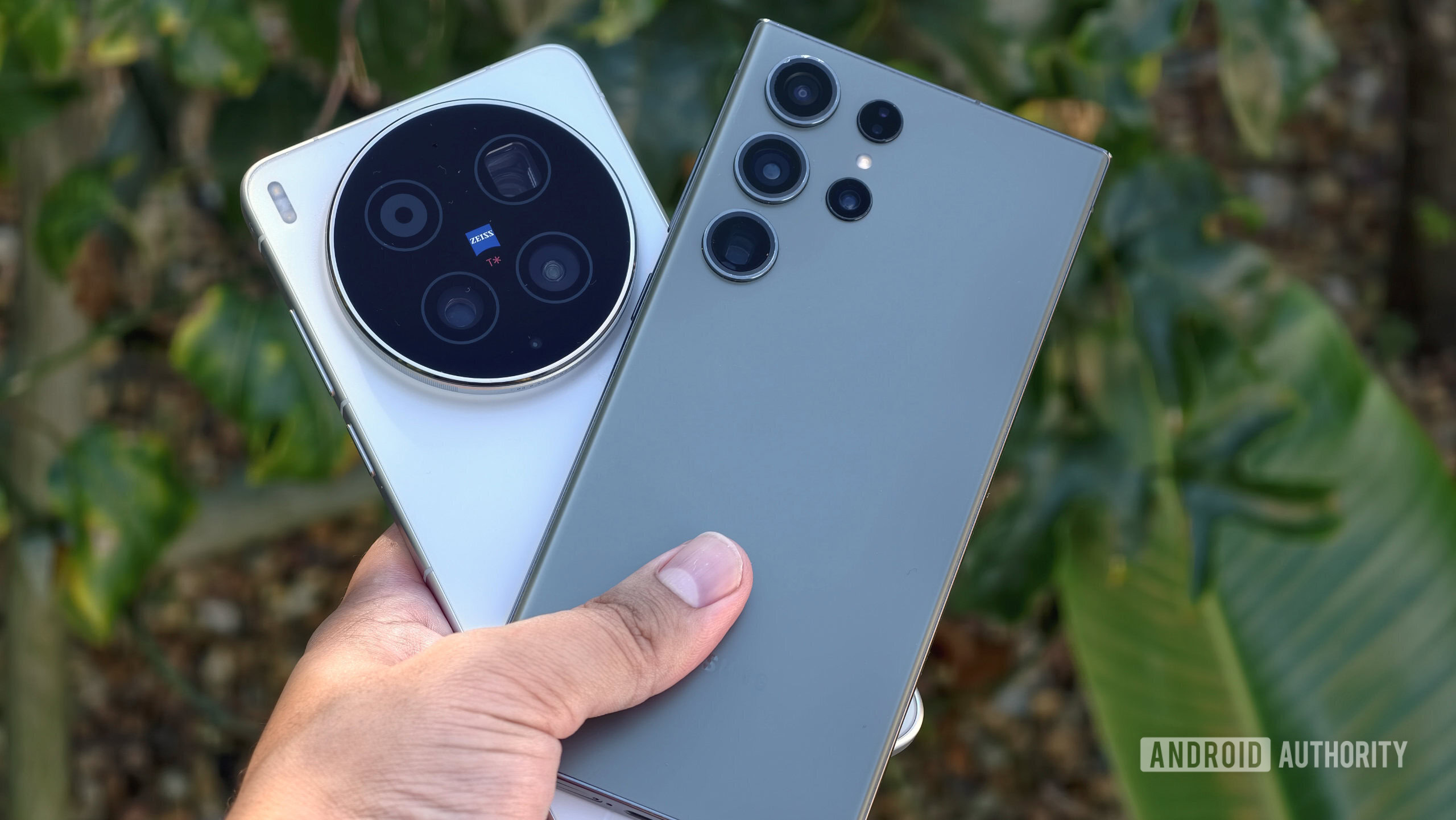
vivo X300 Ultra and Samsung Galaxy S23 Ultra

Hadlee Simons / Android Authority

Samsung was one of the first manufacturers to offer a 200MP camera when it launched the Galaxy S23 Ultra back in 2023. We’ve since seen many other brands adopt this tech for use on both primary and telephoto cameras.

We haven’t seen a major change in the sensor size of 200MP cameras, though. Until now, that is. The vivo X300 Ultra has just been released, and it offers a significantly larger 200MP main camera. But how does this fare in practice compared to the first-generation 200MP main camera on the Galaxy S23 Ultra? I put these two phones to the test in a 200MP camera shootout.

Have 200MP main cameras lived up to the hype?

102 votes

What to know about Samsung and vivo’s 200MP main cameras

Vivo X300 Ultra 200MP camera app

Hadlee Simons / Android Authority

The Galaxy S23 Ultra’s main camera features a 200MP Samsung ISOCELL HP2 sensor, which was cutting-edge at the time. This is a large, 1/1.3-inch sensor with tiny 0.6-micron pixels. But it also featured tricks like 16-in-one pixel binning (equivalent to a 12.5MP, 2.4-micron pixel camera) or conventional four-in-one binning (equivalent to a 50MP, 1.2-micron pixel camera). Other notable tricks include Super Quad Phase Detection autofocus, as well as dual-slope gain and Smart ISO Pro for improved dynamic range.

Don’t want to miss the best from Android Authority?

google preferred source badge light@2xgoogle preferred source badge dark@2x

Meanwhile, the vivo X300 Ultra’s main camera uses the Sony LYT-901 camera sensor. This is Sony’s first 200MP camera sensor, and the 1/1.12-inch sensor size makes it notably larger than Samsung’s 200MP cameras. The Sony sensor also offers 0.7-micron pixels, which are still small by the standards of other camera sensors, but larger than those in previous 200MP sensors. Bigger pixels mean greater light capture, which should lead to brighter, cleaner photos with less blur. Sony adds that the sensor offers all-pixel autofocus, DCG-HDR tech for improved single-frame HDR, and Hybrid-Frame HDR.

I approached this shootout by sticking with the Galaxy S23 Ultra’s regular camera settings, save for enabling the Quick Tap Shutter option. I also mostly used the X300 Ultra’s default settings, though I switched from the default Vivid color profile to the Authentic option for more realistic colors.

Galaxy S23 Ultra vs vivo X300 Ultra: Pixel-binned shots

Early 200MP cameras often took full-resolution photos with minimal processing compared to the pixel-binned snap. This meant that there was often a stark difference between the 200MP and 12.5MP photos. Nevertheless, the latest sensors offer more advanced HDR tricks, while today’s flagship processors offer multi-frame processing at 200MP. So how do the two phones and their camera sensors fare in a demanding, backlit scenario?

The difference between full-resolution and pixel-binned shots seems to be narrowing in 2026. vivo’s 200MP and 12.5MP images look very similar, featuring a washed-out appearance that’s ostensibly due to the more realistic color profile. However, the lower-resolution shot offers slightly lifted shadows and a brighter face, likely due to better HDR capabilities at 12.5MP.

There’s a massive difference between Samsung’s 12.5MP and 200MP photos, though. The pixel-binned snap offers an aggressive HDR treatment with very saturated colors, while the full-resolution shot features plenty of blown-out highlights (particularly in the background and around the subject’s head). What’s more concerning is that the Samsung phone’s 200MP photo has grid artifacts when zooming in. Take a closer look at the image below.

Samsung Galaxy S23 Ultra backlit photo 200MP grid crop

Hadlee Simons / Android Authority

It’s clear that vivo’s 200MP shot is the better full-resolution snap, owing to tamed highlights and a lack of grid artifacts. Neither 12.5MP shot was perfect, though, as I felt the ideal picture was somewhere in the middle. Nevertheless, both phones did a solid job of exposing the subject’s face.

I then switched to the standard 12.5MP mode and a more conventional scenario to see how the phone’s pixel-binning capabilities compare. It’s worth noting that the X300 Ultra’s main camera has a 35mm focal length, which is effectively equivalent to 1.5x of the Galaxy S23 Ultra’s 24mm focal length, as seen on the vast majority of smartphone cameras. Colleague Rob Triggs previously noted that he preferred a 35mm camera as he felt the 24mm perspective was too wide, especially when he already has an ultrawide camera on tap for wide shots. So this perspective comes down to your own preference. Check out the gallery below.

The Samsung phone opts for a more saturated shot, while vivo’s authentic color profile understandably delivers a colder, more washed-out look. However, a closer peek also reveals that the vivo handset offers far more detail and less smearing than the S23 Ultra. The 35mm focal length ostensibly works to vivo’s advantage here, but that doesn’t fully explain the gulf in detail.

What about low-light photography, though? Shooting a moving subject after dark is a tough challenge, so how did the two phones handle my cat in the dimly lit backyard? Check out the pixel-binned samples below.

I kept automatic night mode processing enabled on both phones. Needless to say, this scene required a few snaps on both devices, as my cat kept moving her head. Nevertheless, the Samsung phone clearly struggled compared to the vivo handset. Note how the fur in the Samsung photo is basically a noisy smear. The X300 Ultra’s main camera also delivered good subject separation, presumably due to the focal length and larger sensor.

I disabled the automatic low-light processing on both phones for this early morning scene of some flowers. This should give us a rough idea of how well each phone’s camera performs in terms of autofocus, light capture, and more. Unfortunately, neither phone captured truly sharp flowers. However, the Samsung photo has significant splotchiness upon closer inspection compared to the vivo’s cleaner, slightly brighter presentation. The X300 Ultra also delivers a shallower depth of field, helping the flowers stand out from the background.

What about 200MP photos?

I also took plenty of full-resolution 200MP photos during the shootout. The gallery above shows the Camps Bay beachfront in Cape Town, and both phones understandably offer plenty of detail at this resolution. There’s enough headroom here to crop in on either snap. But look closer, and you’ll see that the vivo handset does a much better job of capturing fine detail, which is especially important when it comes to people. By contrast, the people in Samsung’s shot look splotchy and feature color banding.

The vivo device also offers greater definition and detail for the scenery and buildings. Go back to the full scene and take a look at the white houses at the foot of the mountain, as well as the small building on the beach. There’s still some minor fringing in this scene, such as white buildings, as you might expect in the late afternoon. I’m also not a fan of the excess sharpening in some parts of the scene, such as the roofs of some buildings.

Moving on to the next comparison, conventional wisdom says you should stick with the pixel-binned 12.5MP mode when shooting in low-light scenarios. But I decided to shoot a few full-resolution photos at night to see how the first-generation and new-generation sensors perform. Check out the gallery below, showing my gaming shelf in a dimly lit room.

A close look at these 200MP crops reveals that the vivo handset delivers a cleaner, less washed-out rendition of the scene. The X300 Ultra image also offers sharper text, although I think the AI-assisted processing makes some characters look overly sharp and janky.

A trip to the local indoor market after dark also gives us a good full-resolution workout. The Samsung phone’s wider perspective and vivo’s more realistic color profile presumably account for the differences in exposure and white balance. More specifically, the Galaxy S23 Ultra lifted the shadows compared to the vivo shot while offering a warmer scene. Neither phone accurately captures the “Mojo Bar” lighting, though. The vivo rendition is just too dull while the Samsung snap has notable fringing.

Take a closer look at this scene, and it’s clear that the X300 Ultra delivers more resolvable detail. Text is significantly more legible on the bottles and beer taps compared to the Galaxy S23 Ultra shot. The light sources are also kept in check by the vivo handset’s ZEISS lens coatings. You can view the image comparison below for a closer look.

Want to pixel-peep our full-resolution photos? You can view and download all these snaps via our Google Drive folder.

How far have 200MP cameras progressed?

Samsung Galaxy Z Fold 7 camera app open showing new 200MP option

C. Scott Brown / Android Authority

I’m a big proponent of 200MP cameras for zoom, but I’ve otherwise been a 200MP skeptic for a few years now. The first 200MP cameras were capable of capturing decent detail at full resolution, but this was often undone by slow processing times, tiny pixels, and rudimentary processing. While these sensors could capture great pixel-binned snaps in most conditions, so could lower-resolution 50MP cameras with large sensors.

However, our comparison between the first 200MP cameras and the latest hardware suggests that these sensors are finally living up to the hype. Detail is far better, as is HDR and low-light performance, which really make high-resolution photography much more viable. I’m keen to see more phones with cutting-edge 200MP sensors like the Sony LYT-901. In fact, I’d love to see Samsung adopt a similarly large 200MP camera next year.

200MP photography is much more versatile on recent phones.

It’s also worth noting that other factors, such as chipsets and brand-specific camera tuning, can make a big difference. In fact, phones like the vivo X300 series and OPPO Find X9 series support multi-frame image processing at 200MP. This allows for full-resolution photos with improved noise and blur reduction, as well as 200MP portraits and night mode snaps. This was unthinkable just a couple of years ago. I’m therefore interested to see what else phone makers can do with these cameras in the future, thanks to these newfound processing capabilities.

Thank you for being part of our community. Read our Comment Policy before posting.