Fall is a beautiful season, full of God’s beauty everywhere. 🍁 Trees turning gorgeous colors like red (my favorite), orange, and yellow. Rain watering the grass and making it wet and glistening.
It’s not too cold like winter and not too hot like summer. It’s JUUUUUUST right. Perfect.
Enjoy your Fall season this year by grabbing your set of free printable Fall bookmarks!
There’s a few different choices to choose and you can use them yourself, for your kids, or gift them to friends! Everyone will love them!! ❤️
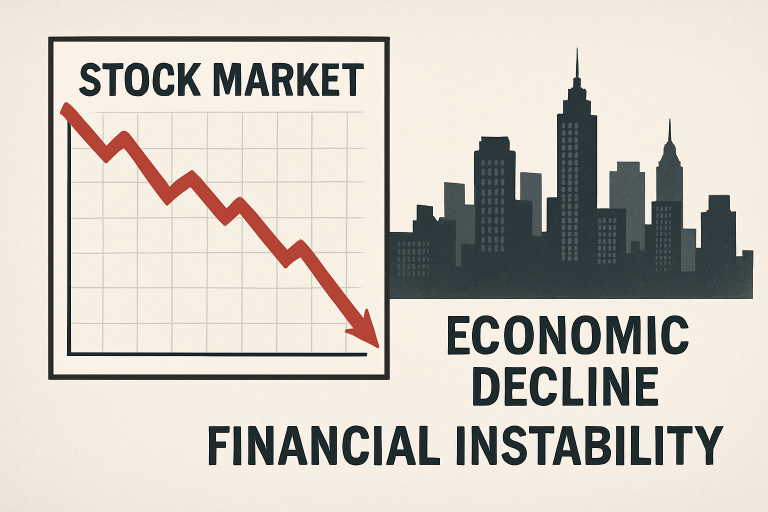
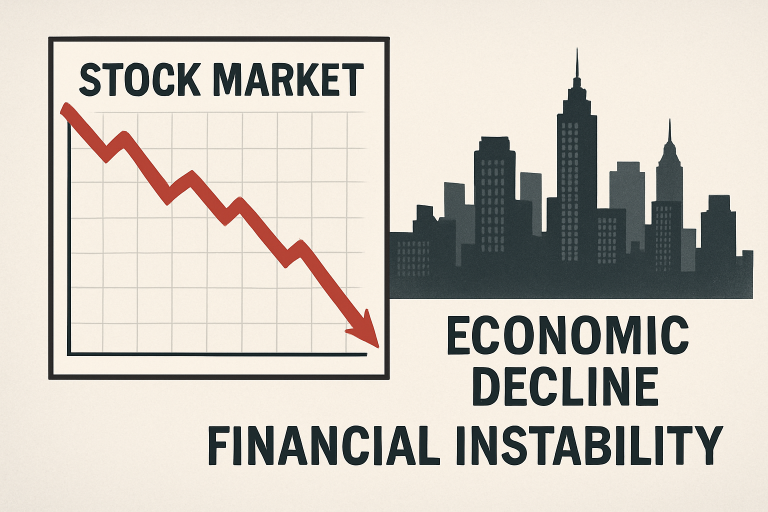
Understanding the causes and impacts of the 2008 financial crisis.
Exploring the role of government interventions in economic recovery.
Identifying strategies to mitigate future financial downturns.
Introduction
The 2008 financial crisis marked a watershed moment in modern economic history, sending shockwaves through financial systems worldwide. For policymakers, economists, and the public, understanding the critical events leading up to the crash offers important lessons for safeguarding our future. Closely examining in-depth interviews and analyses, such as those of Peter Orszag, can provide unique insights into the complexities of crisis management and economic recovery during turbulent times.
Global markets faltered as institutions failed, prompting governments and central banks to spark unprecedented rescue efforts. The ripple effects revealed vulnerabilities in even the most robust economies, underscoring the necessity for rigorous regulatory frameworks, risk management, and international cooperation.
Causes of the Financial Crisis
The underlying causes of the 2008 financial crisis were deeply intertwined, stemming from both macroeconomic trends and the decisions of individuals and institutions. Central to the meltdown was the proliferation of subprime mortgages—loans extended to borrowers with lower creditworthiness during a period of rapidly rising property values. As more Americans sought homeownership, banks and financial intermediaries began to bundle these risky mortgages into complex financial instruments called mortgage-backed securities (MBS) and collateralized debt obligations (CDOs).
Financial institutions underestimated the risks embedded in these securities, influenced by the belief that housing prices would continue to rise. Regulatory oversight lagged behind market innovation: gaps in the regulatory framework allowed excessive leverage and risky practices to go unchecked. The eventual bursting of the housing bubble triggered defaults, eroding investor confidence and leading to the collapse of key institutions like Lehman Brothers, freezing credit markets globally.
The financial crisis quickly transcended national borders, pushing the world economy into the deepest recession since the Great Depression. Global GDP contracted sharply, accompanied by double-digit unemployment rates in many countries. Plummeting asset values wiped out trillions in household and pension wealth, while confidence in the stability of banks eroded rapidly. Emerging economies, which relied heavily on exports and foreign investment, suffered severe economic shocks as global demand collapsed. Social systems faced mounting pressure as layoffs and foreclosures soared, emphasizing the human costs of financial instability.
The sudden halt in credit availability had profound ripple effects on sectors beyond finance, stalling growth in manufacturing, retail, and other major industries. These impacts were felt unevenly, but the crisis ultimately demonstrated how interconnected and fragile the global financial architecture had become. The International Monetary Fund (IMF) has published extensive research on how different countries were affected, further highlighting the crisis’s global reach.
Government Interventions
In response to the unfolding disaster, governments and central banks launched dramatic interventions to prevent total collapse. The United States, for instance, passed the Emergency Economic Stabilization Act, creating the Troubled Asset Relief Program (TARP) to inject capital into failing banks. The Federal Reserve slashed interest rates to near zero and implemented quantitative easing to promote liquidity and restore confidence in the markets.
Other advanced economies followed suit, designing stimulus packages and bank bailouts tailored to their specific circumstances. These efforts, while controversial, were credited with stopping the panic and averting an even more significant collapse. International bodies like the Group of Twenty (G20) gathered for rapid coordination to ensure a unified response, reflecting how global cooperation proved essential to stabilizing financial systems. To understand the scale and implications of these interventions, The Guardian details the policy measures and their impacts in their policy overview on the financial crisis.
Lessons Learned
Importance of Effective Regulation
The crisis revealed that unchecked financial innovation and insufficient supervision can sow seeds of systemic risk. Stricter lending standards, greater transparency in financial markets, and rigorous capital requirements have since become central to new regulatory regimes, including the Dodd-Frank Wall Street Reform and Consumer Protection Act in the U.S.
Dangers of Excessive Leverage
Financial institutions and households alike learned the perils of borrowing beyond their means. The collapse of overleveraged banks underscored the necessity of prudent balance sheet management at every level of the economy.
Global Interconnectedness
The speed and severity of contagion highlighted that risks in one country can quickly spill over to others. Governments and regulators now better appreciate the importance of cross-border financial oversight and crisis management protocols.
Strategies for Future Prevention
As economic actors and regulators reflect on the crisis, a number of strategies for mitigating future downturns have emerged. Chief among them is the continuous strengthening of national and international regulatory architecture to prevent the buildup of systemic risks. Enhancing risk management and stress testing within institutions helps identify vulnerabilities early. At the same time, comprehensive consumer protection laws ensure that households are not exposed to predatory lending or financial products they don’t fully understand.
Financial literacy must be promoted widely, empowering individuals to make sound decisions about borrowing, investing, and saving. At the governmental level, policies encouraging transparency—both in markets and in the structure of financial products—can further shield economies from the worst effects of inevitable downturns. As demonstrated in global summits and collaborative research from organizations such as the IMF, international cooperation remains essential in today’s interconnected world.
Conclusion
The 2008 financial crisis stands as a stark example of the complexities and vulnerabilities embedded in the modern global financial system. It serves as a reminder of the crucial importance of learning from past mistakes and implementing robust strategies to fortify economic structures against future shocks. By fostering an environment of transparency, responsible risk-taking, and international cooperation, we can lay the groundwork for lasting resilience and prosperity.
Integration of Artificial Intelligence (AI) is revolutionizing user interactions and personalization.
Progressive Web Apps (PWAs) are bridging the gap between web and mobile applications.
Voice search optimization is becoming essential due to the rise of voice-activated devices.
Augmented Reality (AR) and Virtual Reality (VR) are creating immersive web experiences.
Emphasis on cybersecurity is paramount to protect user data and build trust.
Introduction
The digital landscape is evolving rapidly, and businesses must stay current to attract and retain users. In 2024, cutting-edge advancements are redefining what customers expect from websites, making it critical for brands to focus on innovative solutions that foster loyalty and drive conversions. Whether you’re an entrepreneur or part of a large enterprise, understanding these changes can give you a clear advantage in crafting future-ready online experiences. For companies looking to thrive in this dynamic environment, integrating professional web design and internet marketing is more important than ever.
As more organizations compete for digital real estate, investing in the latest website development trends can boost engagement, streamline operations, and improve security. From AI-powered personalization to seamless progressive web apps, developers now focus on usability, speed, and safety. High customer expectations make staying ahead of tech trends essential.
The rise of smart devices and digital services increases pressure on companies to meet user demands, outperform competitors, protect data, and ensure accessibility. Trends like voice search and immersive reality are now active requirements for online success.
These changes impact not only startups but also all sectors. Adopting these trends helps brands meet market needs, build trust, and discover growth opportunities.
Artificial Intelligence Integration
Artificial Intelligence (AI) is leading a paradigm shift in web development by transforming how users interact with websites and access information. Through AI-powered tools such as chatbots, voice assistants, and smart recommendation engines, developers can provide highly tailored experiences that adapt to individual preferences in real-time. For instance, natural language processing and machine learning algorithms can analyze user behavior to deliver content, offers, and functionality that perfectly match unique needs.
AI is also automating routine tasks for both users and businesses—think intelligent search, content moderation, and predictive customer service. These improvements save time and reduce friction, empowering companies to boost satisfaction and engagement. According to Forbes, AI-driven websites are already outperforming static sites in everything from conversion rates to user retention metrics.
Progressive Web Apps (PWAs)
Progressive Web Apps (PWAs) are gaining prominence by offering users the advantages of native mobile applications within the browser. These apps can function seamlessly even when offline, load faster, and provide a consistent experience across devices. PWAs leverage features such as push notifications, background data syncing, and home screen icons to create user experiences that feel app-like and highly accessible.
For businesses, PWAs dramatically reduce the need to maintain separate codebases for web and mobile applications. This not only reduces website development costs but also accelerates updates and ensures that all users benefit from new features simultaneously. As outlined in a recent analysis by TechRadar, major brands adopting PWAs report improved engagement and increased conversion rates, underscoring the strategic value of this technology.
Voice Search Optimization
The meteoric rise of voice-controlled devices, such as Amazon Echo, Google Nest, and Apple HomePod, has dramatically changed user search behaviors. In 2024, websites that aren’t optimized for voice search risk being overlooked, especially as more consumers lean on conversational searches for speed and convenience. Effective voice search optimization involves using schema data, prioritizing mobile responsiveness, and reshaping content for natural, question-based queries.
This trend is influencing SEO strategies industry-wide, driving developers to create structured, succinct, and easily accessible information that voice assistants can “read” and serve up quickly. As referenced by Search Engine Land, voice search not only boosts website visibility but also ensures ongoing relevance in the evolving digital marketplace.
Augmented Reality (AR) and Virtual Reality (VR) are being increasingly integrated into mainstream websites, moving far beyond entertainment and gaming into sectors such as retail, education, and healthcare. In e-commerce, AR is revolutionizing product visualization, letting customers preview furniture in their homes or try on glasses virtually before buying. VR is empowering training simulations and immersive product tours, offering value-added experiences that captivate visitors and boost retention.
For example, IKEA’s AR-powered shopping tools exemplify how brands can offer interactive environments that reduce uncertainty and increase buyer confidence. As this technology becomes more cost-effective, small and mid-sized businesses are starting to integrate AR and VR features into their web strategies, signaling a wider adoption across the industry.
Enhanced Cybersecurity Measures
Cybersecurity remains a top priority as threats evolve and become more sophisticated. From phishing scams to data breaches, users expect strong protection when sharing personal information online. Modern websites are now built with robust security frameworks, including multi-factor authentication, SSL/TLS encryption, and advanced web application firewalls. Developers are also focusing on content security policies (CSP) to prevent cross-site scripting and other malicious attacks.
The adoption of these enhanced measures strengthens the brand’s reputation and builds user trust, especially as regulatory frameworks become stricter. Resources from organizations like the Cybersecurity and Infrastructure Security Agency offer evolving best practices, emphasizing that security is a non-negotiable cornerstone of all modern website development trends.
Conclusion
Staying ahead of website development trends is crucial for businesses aiming to deliver exceptional user experiences and safeguard their bottom line. Adopting artificial intelligence, deploying progressive web apps, optimizing for voice search, leveraging AR/VR, and implementing state-of-the-art security measures equip brands to excel in a digital-first marketplace. By transforming your online presence with these strategies, you’ll ensure your website remains both competitive and future-proof in today’s ever-changing environment.
I first stumbled across the Arise® Platform online. I had worked in food service for 25 years, but it became difficult to maneuver restaurant work around my daughter’s schedule. Having a small child, I wanted something more on my own terms.
I really enjoy the Food Service client. I like that there’s consistency, yet every day is different. I have such a long food service background, so supporting restaurant customers, I can understand their point of view. I love talking to people and I can always find a way to communicate and help them through any challenges. I get to enjoy all the positive parts of this industry without having to work in restaurants like I used to.
I’ve used other CX platforms, but with the Arise® Platform, I’ve had the most support for my business.
I had a blast creating these cute monster truck coloring pages images for you. They turned out so cute. I know you’re kids are going to love ’em! ❤️
Cute Monster Truck Coloring Pages
If your child loves big wheels, bold designs, and non-stop action, these cute monster truck coloring pages will be a huge hit! Perfect for a rainy day, long car ride, or a fun party monster truck-themed activity, there’s something here for every little fan.
Teachers and homeschooling parents will also love using these during lessons on vehicles!
Each free PDF printable features a unique, cartoon-style design…some even look like cool Hot Wheels trucks. From silly faces to off-road details, these easy coloring sheets are packed with fun touches to inspire your child’s imagination.
Ideal for preschoolers, kindergarteners, toddlers, and even older kids who love vehicles. These cute monster truck pages support fine motor skills while letting them explore color and creativity. Just grab some crayons or markers and let them create their own monster truck masterpiece.
They’re totally free, super easy to download and print, and perfect for kids who love off-road action, racing themes, or just coloring cool vehicles.
Scroll down to download your kids favorite cute monster truck printables and let the coloring fun begin! ❤️🎁🖍️
Managing your finances might not have the otherworldly intrigue of discovering alien intelligence, but the results can feel just as transformative. When you master the finance habits for investing with home loan repayments, you’re essentially decoding a complex system that most people find bewilderingly foreign. The truth is, effective financial management isn’t about restricting your lifestyle—it’s about creating a framework that allows your money to work harder for you while you sleep.
The connection between disciplined financial habits and long-term wealth creation is stronger than most people realize. Every dollar you save on home loan interest through smart planning is a dollar that can be redirected toward building your investment portfolio. Similarly, maintaining excellent credit habits doesn’t just open doors to better loan terms—it creates a ripple effect that touches every aspect of your financial life, from insurance premiums to rental applications.
Understanding Your Financial Profile
Before diving into specific strategies of finance habits for investing, you need a clear picture of where you stand financially. Think of this as creating a detailed map before embarking on a long journey—without it, you’re navigating blind.
Assess Your Income and Expenses
Start by documenting every source of income, including your primary salary, freelance work, rental income, and investment returns. This comprehensive view helps you understand your true earning capacity. Next, categorize your monthly expenses into three buckets: essentials (rent, utilities, groceries), discretionary (entertainment, dining out), and irregular costs (annual insurance premiums, car maintenance).
The magic happens when you identify gaps between earning and spending. Even small adjustments—like reducing discretionary spending by 10%—can free up substantial amounts for loan prepayments or investments. Most people are surprised to discover they’re spending 20-30% more than they realize on non-essential items.
Check Your Credit Score
Your credit score is the financial equivalent of a first impression, and it matters enormously when securing favorable home loan rates. Lenders use this three-digit number to assess your reliability as a borrower. A strong credit score can save you thousands in interest over the life of your loan.
One of the recommended finance habits for investing is using credit cards responsibly. This is one of the fastest ways to build or improve your score. This means paying bills on time, keeping credit utilization below 30%, and maintaining a diverse credit mix. Many free tools and apps now allow you to monitor your credit report regularly, alerting you to changes or potential fraud.
Evaluate Existing Debts
Create a comprehensive list of all your debts—personal loans, housing loans, credit card balances, and any other obligations. Seeing everything in one place can be sobering, but it’s essential for developing a realistic repayment strategy.
Prioritize high-interest debts first, as these cost you the most money over time. Credit card debt, often carrying interest rates of 15-25%, should typically take precedence over lower-interest housing loans. Develop a debt repayment schedule that’s aggressive enough to make progress but sustainable enough that you won’t burn out and abandon the plan.
Smart Credit Card Habits for Long-Term Savings
Credit cards are powerful financial tools that can either build or destroy your financial future. The key lies in understanding how to harness their benefits while avoiding their pitfalls.
Choosing the Right Credit Cards
Not all credit cards are created equal. Some offer low interest rates, others provide generous cashback or rewards programs, and premium cards may include valuable perks. If you travel frequently, you might want to discover credit cards with access to airport lounges at Singsaver, which can enhance your travel experience while providing tangible value.
Avoid accumulating multiple cards unless you have a specific strategy for managing them. More cards mean more due dates to track, more potential for missed payments, and more temptation to overspend.
Responsible Usage Strategies
The cardinal rule of credit card usage is simple: pay your full balance every month. When you carry a balance, you’re essentially borrowing at extraordinarily high interest rates—often 18% or more annually. This negates any benefits from rewards programs and creates a debt spiral that’s difficult to escape.
Use credit cards for planned purchases, not impulsive spending. Treat your credit card like a debit card with benefits—only charge what you can immediately afford to pay off. Track your rewards and points systematically, ensuring you’re extracting maximum value from every purchase.
Impact on Home Loan Applications
When you apply for a housing loan, lenders scrutinize your credit card usage patterns closely. Consistent, responsible credit card behavior demonstrates financial discipline and improves your creditworthiness. This can translate to lower interest rates and better loan terms, potentially saving you tens of thousands over the loan’s lifetime.
Conversely, maxed-out credit cards signal financial stress and reduce your borrowing potential. Lenders may interpret high credit utilization as a sign you’re overleveraged, leading to higher interest rates or loan rejection.
Planning and Managing Your Home Loan
Your home loan will likely be the largest financial commitment of your life, making it crucial to approach it with smart finance habits for investing, rather than simply accepting whatever terms your bank initially offers.
Types of Home Loans
Home loans generally fall into two categories: fixed-rate and floating-rate. Fixed-rate loans lock in your interest rate for a specified period, providing predictable monthly payments regardless of market fluctuations. This stability helps with budgeting but means you won’t benefit if interest rates drop.
Floating-rate loans, conversely, adjust with market conditions. When rates fall, your EMI decreases; when rates rise, you pay more. These loans typically start with lower rates than fixed options, making them attractive if you expect rates to remain stable or decline. The choice depends on your risk tolerance, market outlook, and how much you value payment predictability.
Determining Your Eligibility
Lenders evaluate several factors when determining your home loan eligibility. Your income level sets the upper limit of what you can borrow, while existing debts reduce the amount lenders are willing to extend. Your credit score acts as a multiplier—excellent credit opens doors to higher loan amounts at better rates.
Working with experienced brokers can streamline this process significantly. They understand lender requirements intimately and can match your profile with institutions most likely to offer favorable terms. Before committing, try using a housing loan calculator to understand how different interest rates and tenures affect your monthly payments and total interest costs.
Prepayment and EMI Optimization
One of the most powerful strategies for reducing home loan costs is making extra payments toward your principal whenever possible. Even modest additional payments—say, $100-$200 monthly—can shave years off your loan tenure and save substantial interest.
Consider directing windfalls like bonuses, tax refunds, or inheritance toward loan prepayment. Some borrowers use the “debt snowball” method, taking the amount they were paying on a cleared debt and adding it to their home loan payment. This accelerates payoff without requiring new funds from their budget.
Budgeting and Investment Strategies Alongside a Home Loan
Owning a home doesn’t mean abandoning other financial goals. With careful planning, you can service your loan while building wealth through investments.
Creating a Balanced Budget
An effective budget allocates funds across three critical areas: loan EMI, savings, and investments. A common framework is the 50-30-20 rule—50% of income toward necessities (including housing), 30% toward discretionary spending, and 20% toward savings and investments.
Maintain an emergency fund covering 3-6 months of expenses before aggressively pursuing investments. This buffer prevents you from defaulting on loan payments during unexpected job loss, medical emergencies, or economic downturns. Without this cushion, any financial shock could derail your entire plan.
Investing While Paying Off Loans
The question of whether to invest while carrying debt doesn’t have a one-size-fits-all answer—it depends on interest rates, risk tolerance, and time horizons. If your home loan carries 4% interest and you can reliably earn 8% through investments, continuing to invest while making regular loan payments makes mathematical sense.
For conservative investors, low-risk options like fixed deposits or government bonds provide steady returns without stomach-churning volatility. Those comfortable with more risk might allocate funds to index funds or diversified equity portfolios, which historically deliver higher long-term returns.
Dollar-cost averaging—investing a fixed amount regularly regardless of market conditions—is particularly effective when balancing loan payments with wealth building. This approach removes emotion from investment decisions and builds positions gradually over time.
Tax Planning Benefits
Home ownership offers significant tax advantages in many jurisdictions. You can typically deduct home loan interest from taxable income, effectively reducing your loan’s after-tax cost. Principal repayments may also qualify for tax deductions up to specified limits.
Strategic tax planning, guided by finance habits for investing, ensures you’re maximizing these benefits without jeopardizing loan repayments. Contributing to retirement accounts, health savings accounts, and other tax-advantaged vehicles can further reduce your tax burden, freeing up more money for loan prepayment or investments.
Mortgage brokers serve as intermediaries between borrowers and lenders, and their expertise can be invaluable when navigating the complex home loan landscape.
What Brokers Do
Professional brokers maintain relationships with dozens of lenders, giving them access to loan products and rates that may not be publicly advertised. They compare these options based on your specific financial profile, identifying opportunities for better rates, lower fees, or more flexible repayment terms.
Beyond just finding loans, brokers provide insights on market timing, help you understand fine print that might otherwise be confusing, and can negotiate on your behalf, leveraging finance habits for investing. Their experience means they’ve seen countless loan scenarios and know which strategies work best in different situations.
How to Select a Reliable Broker
Not all brokers operate with the same level of professionalism or integrity. Check credentials carefully—reputable brokers should be licensed and registered with relevant financial authorities. Read reviews from previous clients, and don’t hesitate to ask for references.
Transparency regarding fee structures is non-negotiable. Understand exactly how your broker is compensated—whether through lender commissions, borrower fees, or both. This helps you assess whether their recommendations serve your interests or theirs.
Cost vs. Benefit Analysis
While brokers charge fees (or receive commissions from lenders), these costs are typically small relative to the savings they can secure. A broker who negotiates even a 0.25% better interest rate on a $300,000 loan can save you thousands over the loan’s life—far exceeding their fees.
Brokers also save you considerable time and effort. Rather than approaching multiple lenders individually, filling out numerous applications, and comparing complex terms yourself, the broker handles this legwork. For busy professionals, this time savings alone can justify the cost.
Avoiding Common Mistakes
Many borrowers focus exclusively on the advertised interest rate while overlooking hidden fees—processing charges, prepayment penalties, administrative costs, and insurance requirements. These can add significantly to your loan’s true cost.
Another mistake is accepting the first loan offer without exploring alternatives. This is where home loan brokers in Adelaide or your local area can provide immense value, comparing multiple lenders to find options you might never discover independently.
Building Financial Discipline for Long-Term Wealth
Sustainable wealth isn’t built through occasional dramatic actions but through consistent, disciplined habits maintained over years and decades.
Regular Monitoring and Review
Financial fitness requires ongoing attention, not just annual check-ins. Review your credit card statements, loan balances, and investment performance quarterly. This regular monitoring helps you spot concerning trends before they become crises and identify opportunities for optimization.
As your income grows or expenses change, adjust your budget and repayment strategies accordingly. Life isn’t static—your financial plan shouldn’t be either.
Avoiding Impulsive Financial Decisions
Impulse spending is one of the greatest threats to financial security. Each unnecessary purchase represents money that could have reduced loan interest or grown through compound investment returns. Before making significant purchases, implement a 48-hour waiting period. This cooling-off period helps distinguish genuine needs from temporary wants.
Delayed gratification might feel unsatisfying in the moment, but it pays enormous dividends long-term. The discipline to consistently prioritize loan repayment and investment growth over immediate consumption separates those who build wealth from those who perpetually struggle financially.
Setting Clear Financial Goals
Effective financial planning requires specific, measurable goals across different time horizons. Short-term goals might include paying off high-interest credit card debt or building a three-month emergency fund. Medium-term objectives could focus on eliminating a significant portion of your home loan principal or saving for a child’s education.
Long-term goals, shaped by finance habits for investing, typically center on achieving financial independence—reaching a point where investment income covers living expenses, making work optional rather than necessary. Breaking this ultimate goal into smaller milestones makes it feel achievable rather than impossibly distant.
Strategies to Save on Home Loan Interest
Even small reductions in interest paid can translate to enormous savings over a 15-30 year loan term. Here are proven strategies for minimizing these costs.
Opting for Shorter Tenures (If Affordable)
Choosing a shorter loan tenure—say 15 years instead of 30—dramatically reduces total interest paid, though it increases your monthly EMI. If your budget can accommodate higher payments, this strategy builds equity faster and frees you from debt sooner.
Run the numbers carefully before committing, using finance habits for investing to guide you. A dramatically higher EMI might stretch your budget uncomfortably, leaving no room for emergencies or other financial goals. Balance ambition with pragmatism.
Consider Top-up Loans Carefully
Top-up loans allow you to borrow additional funds against your property, typically at rates slightly higher than your original home loan but lower than personal loans or credit cards. These can be smart financing tools for renovations that increase property value or for consolidating higher-interest debts.
However, top-up loans extend your debt burden and increase total interest paid. Compare rates carefully—using a broker can help ensure you’re getting competitive terms rather than accepting whatever your current lender offers by default.
Refinancing Opportunities
When market interest rates drop significantly below your current rate, refinancing can reduce your EMI or shorten your tenure while maintaining the same payment. Typically, refinancing makes sense when you can secure at least a 0.5-1% rate reduction and plan to stay in the property long enough to recoup closing costs.
Timing matters enormously with refinancing. Monitor interest rate trends and act when favorable conditions emerge. Waiting too long might mean missing optimal windows, while refinancing too frequently can rack up fees that negate savings.
Conclusion
Mastering your finances, through disciplined finance habits for investing, requires the same systematic approach as any complex skill—consistent practice, ongoing education, and willingness to adjust strategies as circumstances change. Responsible credit card usage strengthens your credit profile while reducing borrowing costs. Strategic home loan planning, particularly when leveraging professional brokers’ expertise, can save tens of thousands in interest over time. Balanced budgeting that accommodates both debt repayment and investment growth ensures you’re building wealth even while servicing loans.
I’ve been through a LOT of rough times. All throughout my life, you could literally just pick an age of my life and I could tell you the horrible things I’ve had to deal with.
Being bullied as a child, mocked, teased, picked on.
Watching my grandpa die in the hospital.
My mom trying to murder me when I was a child.
She ending up killing herself a few years ago.
And let’s not forget being homeless. That was a fun one. Going through my ex-husband abandoning us, him having affairs and babies with other women (yes, multiple women, multiple kids).
The time one of these women showed up at my door threatening to harm me.
Or the past several years dealing with ongoing challenges—someone lying about their feelings publicly while showing a completely different story in private. Trusting that God has shown me the path forward, waiting for clarity, resolution, and God’s perfect timing to clear up the mess and prove my innocence and integrity.
Trusting in the promises of God, waiting for His perfect timing to clear my good name to the world—that I’m NOT lying in the situation and, even more than that, that I’m not wrong.
Pick one, any one of them. 😊
The fact that I’m even still STANDING here is a testimony there IS a God.
And while I cannot (and will not) say that my faith is perfect or that I’ve come to perfect faith, as no one is perfect in any way here on Earth, I will say that I’m a lot better at having faith than I used to be. And I think that is the point!
50 Free Christian Journal Prompts to Strengthen Your Faith
I think God allows things in our lives, for multiple reasons, but for one reason to grow us in a more Christ-like image.
I’ve had PLENTY of practice training ground, I tell ya what! 😆
Faith is something that comes with refining you. You start out with this baby-sized faith, so to speak, and over time, you grow in the knowledge and understanding of the Lord and you acquire more faith as you go.
Strengthening your faith is super important because bad times come. They come all the time and they come for everyone (the rain falls on the saved and the unsaved – Matthew 5:45).
When those hard times come, we MUST strengthen our faith in God to get us through. To know that if He promises something, He WILL make it come to pass. Think of how long Abraham waited for his promise. Or David, how long HE waited to become king.
Strengthening our faith is so vital to our Christian walk. Without it, we crash and burn and fall away. We don’t want that!
So today, let’s look at some journal prompts that you can deep dive into and restore your faith!
When was a time in your life when Christ brought you through something you thought you’d never make it through? Describe what He did, what the situation was, how He helped, and how you got through it.
What is a Scripture verse that you can memorize right now that you can recite to yourself, in your mind, anytime you are feeling weak in your faith?
When you block out all the noise of the world, when you get completely alone, what is it that God is convicting your heart of right this moment?
When was the last time God took a bad situation in your life and turned it out for your good? What happened? How was it better in the end?
When do you feel the closest to God? What are you doing when you feel close to Him? Where are you at when you feel close?
What’s the one thing in Heaven you look forward to the most?
What is a good song that you can listen to on repeat that strengthens your faith? Here’s mine. 😊
Go to the Psalms in the Bible and find one that talks about peace or joy and read through it and make it your prayer for today.
What person in the Bible do you know of that strengthens your faith? Why do they strengthen your faith? How did THEY handle the situation they were called to have faith in?
Write a Scripture verse 10 times that makes you feel strong and courageous.
What do you think God wants you to learn through the trial that you’re going through now?
Is God asking you to change anything in your life right now?
What is your top priority to do today for the Kingdom of God?
What are you most thankful for today (3 things)?
Is God trying to get your attention about something right now?
What’s the number 1 struggle in your life that you want to overcome?
Is there a sermon you can listen to right now about strengthening your faith?
How about a book you can read on faith?
Pray that God will remove your unbelief and increase your faith.
What one thing can you focus on learning about God to deepen your knowledge of Him?
The joy of the Lord is…
What does it mean to be grounded in faith?
What is one thing you can do right now to encourage yourself?
Where does faith come from?
What is an animal God created that is strong and courageous? What traits does the animal have?
What one thing can you lift off yourself and set at the feet of Christ today?
Who can you ask to pray for you when you are weak in faith?
What is something positive that you love about your life?
I love it when my kids…
I love it when my husband…
What is a time in your life when God provided for you financially?
What is your favorite Bible verse? Why do you like it so much?
What’s something that scares you? How are you going to stop being afraid of it? Make a plan!
What is the best thing God has ever done for you?
How do you think God can use your current suffering situation to help strengthen someone else?
What is something you can do today to grow closer to God in?
What can you do today to increase your peace about a situation?
What are you most thankful for in your life?
What unexpected moment this month, turned out to be a blessing in disguise?
Who are you most thankful for?
What can you do today to let one thing out of your control and entrust it fully to Jesus?
Are you spending 30 minutes each day with God?
When was the last time you read your Bible, before today?
What are the 5 things you value most in your life?
What one person do you know of that has gone through a similar situation that you are facing today?
What is a way that you can get super alone and really listen intensely to the Holy Spirit convict you to have more faith?
What has been the biggest accomplishment in your life and how did God help you achieve it?
How has God asked you to get out of your comfort zone this year in order that He grow your faith?
What’s something you’ve been told was impossible but through God’s grace, you accomplished it?
What’s the best thing that has happened to you this week?
Fire safety and being prepared for a fire is not a luxury, nor is it a checklist of minimum requirements. In 2025, where insurance premiums are high and so too are safety expectations, it’s a big responsibility for every business to take fire safety seriously. Whether you’re a small office or a retail outlet, an orientation point for the public with clear fire assembly signage and well-coordinated evacuation procedures is a must. This guide looks at fire assembly point signs mandatory for facilities, along with evacuation and extinguishers.
What’s so important about fire assembly signs?
Fire assembly signs aren’t just about going through the motions of what’s normal in your industry. These are passive safety tools that create the focal point of your entire emergency response system – they’re the anchor.
So when evacuating a building, employees and visitors ought to know exactly where they want to congregate to in order to ensure that everyone has safely left the building (though, the “building” isn’t the only fire risk area, so make sure the outside evacuation space isn’t near flammable materials). It’s this clear fire assembly signage which will act as guardrails to shepherd people to the right area, else they’ll scatter like panicked marbles dropped on the floor.
The legal requirements surrounding these signs for being prepared for a fire are still important. Just don’t treat them as a minimum binary threshold. In fact, you could be in danger of being proactive about fire safety but still fall foul of the law, depending on the jurisdiction. Compliance is super important to make sure you’re covered by your insurance and will not have legal penalties for any accidents.
Creating an effective evacuation plan
But, of course, installing signs isn’t enough for being prepared for a fire, as this is passive. Next up is some more reactive strategy that you’re very much in control of, such as creating an evacuation plan. All plans begin with the same step, which is to walk around your facility conducting an assessment. Look for:
Once you’ve identified these risks, then work with a fire safety professional to develop an evacuation plan that accounts for your specific facility layout. This will take into account the bespoke layout of your building and outdoor area, and in particular hone in on problem areas which are furthest away from emergency exits.
The plan should include:
Clearly marked emergency exits
Adequate lighting in hallways and stairwells
Designated assembly points marked with fire assembly signs
Make sure the assembly point is easily far enough from the building to be safe from flying debris or structural collapse, all while being accessible for employees with mobility challenges. It’s not about making the location obvious in and of itself, but it should be easily identifiable from many angles and hallways.
The role of fire extinguishers in your safety strategy
The evacuation is always going to be the priority, but that doesn’t make extinguishers any less important – their accessibility on your premises can help prevent minor fires from becoming major incidents. Fire extinguishers are always going to be most effective when used by trained personnel, so having some trained staff strategically dotted around is a good idea. However, it’s important that all staff has some level of training and knows exactly where they are.
Now, if they forget where they’re placed, which is possible in the panic of a fire, their placement and signage become important. They should be in dotted evenly throughout the facility, but with particular focus on risky areas like server rooms. They need to be mounted at an appropriate height (e.g., not stored under desks).
Training and regular drills
Even the best-designed safety system will fall short without proper training and practice; muscle memory and repetition is super important for emergency situations where the mind can go blank. Schedule regular fire drills (at least annually) and onboarding for new staff should run them through the assembly point locations. For managers, don’t just go through the motions with training for being prepared for a fire. Check that all personnel are acting adequately and identify anyone who may need assistance.
Taking action today
Fire safety isn’t something to put off, for a few different reasons, but one is that employees are increasingly aware of their companies doing the bare minimum when it comes to safety.
Start by reviewing your current evacuation procedures and try to determine whether your facility has adequate fire assembly signage. If it lacks good signage, then this is the first place to start, and luckily it’s a cheap place to start too. Consult with fire safety experts, especially when it comes to evacuation plans, invest in quality safety equipment.
Your employees are always going to be the most valuable asset, and their productivity lives by their motivation; and their motivation lives by how much they feel valued. By preparing your business properly for potential fire emergencies, you’re demonstrating that you value their safety.
One of my favorite things to do is to just sit there, quietly, and contemplate the things of God.
I think about all the things He’s doing in my life and in the world, in the lives of my friends. I think about His precepts and all the promises He gives us. I think about how I can implement more of the Bible into my life, lining my life up to the Bible each and every day more and more. I think about how I can be a better daughter to Him, a pleasing aroma.
Why not up your hand lettering game (or start a fun new hobby!) while you’re taking that much needed daily quiet time with the Lord?! 🥰
Grab the 30 faith hand lettering practice sheets and doodle till your heart’s content, knowing that you’re writing His Word, His thoughts upon your heart and obeying JUST what the Bible tells us to do (Deuteronomy 6:5-9)! ❤️🤗
30 Faith Hand Lettering Practice Sheets
👉 Want all the PDF printables in one easy download? Click here!
If you’ve ever managed a construction project, you know one thing’s certain: no job goes exactly as planned. Clients can change their minds at any time, site conditions often throw surprises, and there will always be times when blueprints just won’t tell the whole story. That’s why change orders exist. They are the lifeline that keeps a project from turning into chaos when plans shift midstream.
Let’s break down what construction change orders are, when they are necessary, and how to use them with confidence.
What’s a Change Order?
A change order is an official amendment to the original construction contract. It usually includes:
A description of the change (materials, scope, schedule, etc.)
Adjustments to the costs (either an increase, a decrease, or even none)
Any changes to the timeline
Since it’s a written record, it’s hard to forget, misinterpret, or even dispute later. Keep in mind, however, that despite being common in construction, change orders often cause disputes between contractors and clients. Handle them right, and you come off as professional and trustworthy. Manage them poorly and you risk facing unpaid work, strained relationships, and even legal headaches.
One way to enhance your skills in working with change orders is to take a premium NC General Contractor License Renewal course from a top-rated provider like RocketCert. While such a continuing education course won’t offer direct guidelines, it helps you understand the important rules and guidelines in construction. That way, you know what should and shouldn’t be part of a change order.
When Should You Use a Change Order?
Not every little hiccup will need a change order, but there are times when it’s necessary. Here are such times:
1. When the Client Changes Their Mind
This is the most important one. Say, for instance, a homeowner decides halfway through the project that they want hardwood floors instead of carpet. It could also be that they suddenly want to expand the kitchen island. Don’t just agree verbally. Get it in writing.
Before the client signs the order, ensure that you clearly explain how the change will affect the cost and schedule. Transparency is always important in such cases to prevent the “But you never told me!” conversations later.
2. When the Scope Expands Unexpectedly
Sometimes, projects come with surprises like hidden water damage behind the drywall, old wiring that’s not up to code, or even soil that won’t support the foundation. These aren’t optional upgrades: they are crucial fixes. Still, they’ve changed the scope and thus should be covered by a change order.
3. When Design or Regulations Require Adjustments
It’s not uncommon for architects to update drawings or for inspectors to flag various issues. You may even encounter situations where suppliers run out of a specified material. Such situations force adjustments that weren’t in the original contract. A change order will bring everyone on the same page and protect you legally.
4. When There Are Timeline Adjustments
As a general contractor, the one thing you will quickly realise is that weather delays, permit holdups, and client-driven changes are more common than you’d initially have expected. Of course, such adjustments have a chain effect that more often than not pushes the project completion date. You’ll want to document the new timeline in a change order, as this sets realistic expectations and protects you from penalty claims later.
Learn to Use Change Orders More Effectively
You may view construction change orders as a headache at first, but they are actually your best friend when it comes to protecting your time and reputation. They also give your clients peace of mind as they guarantee transparency and security.
RocketCert’s CE courses help you use change orders more effectively by teaching you more about your field and the updated laws that guide it. That way, you will understand better how and where to use change orders.