Hard drives can’t compete with SSDs for speed, but they’re significantly less expensive—and that gap is widening quickly. Storage firm VDURA (via Blocks & Files) recently weighed in on the rapidly changing storage landscape, noting that a particular enterprise SSD has jumped in price by 257% in less than a year, while the lowly hard drive has seen a 35% bump.
VDURA also pointed out that customer quotes sometimes don’t even last a couple of months due to volatility. The company has a tool that helps customers price enterprise storage configurations. At this point, SSDs are so expensive that they can even be worth their weight in gold, according to Tom’s Hardware.
Building a mix of HDDs and SSDs makes for a (comparatively) more affordable storage setup, with performance being the tradeoff. Of course, hard drive stocks are under pressure, too, as our sibling publication, PCMag, recently noted.

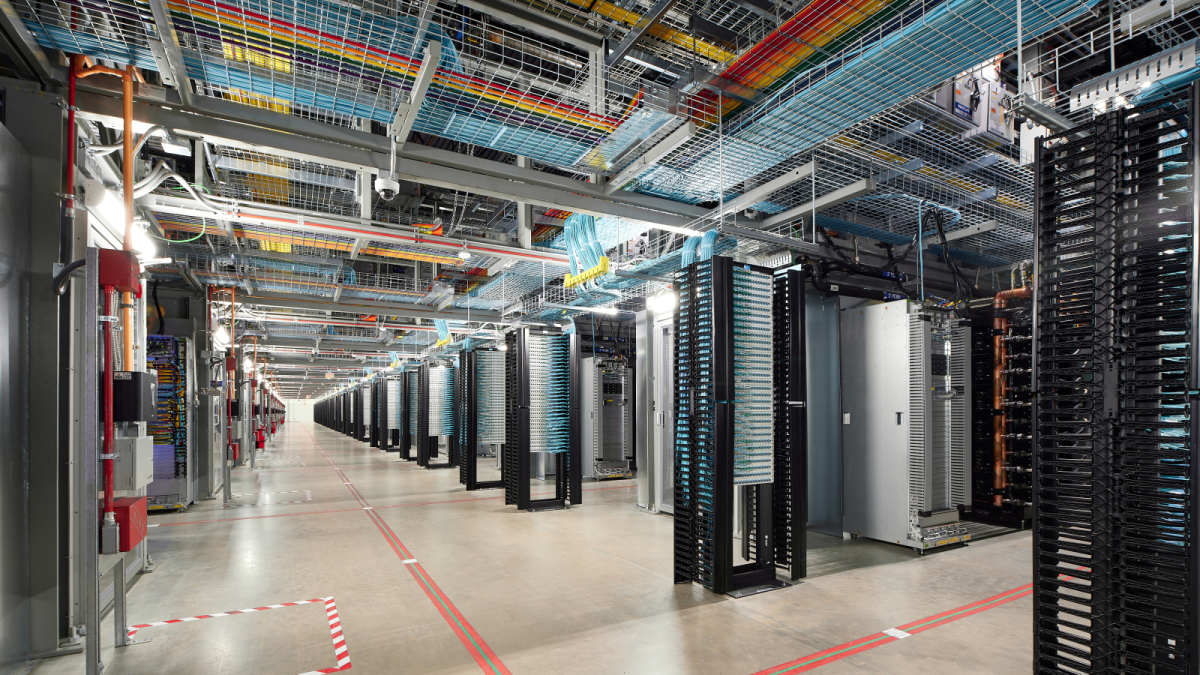
Credit: Microsoft
Still, a mixed SSD/HDD data center may be worth the decreased performance, simply because it’s (more) affordable. As Tom’s Hardware noted, the tool revealed that ownership of a sample SSD solution could run $25.20 million over three years, while running a mix of SSDs and HDDs could cost “just” $5.99 million (and we know how crazy that sounds).
This summer saw critics of the AI boom fret about a bubble, but major AI players have continued investing in data centers, driving chipmakers like TSMC to record profits. And manufacturers are bracing for the massive demand to continue over the next couple of years, at a minimum. Of course, there are plenty of analysts still watching for signs that the AI boom is weakening. As Reuters noted earlier this month, Bridgewater Associates co-founder Ray Dalio believes that AI could be entering a bubble, though he thinks it’s in the early stages.
The explosion of data center expansions (and new construction) is putting pressure on industries beyond Silicon Valley. Communities are discovering that having new AI data centers as neighbors can lead to serious growing pains, as the data centers gobble up local water and energy. The boom is good news for power utilities that can meet the demands of new data centers, but small power utilities sometimes aren’t equipped to provide the power required, occasionally leading to buildings sitting dormant while they wait for infrastructure to catch up.