Kill the Justice League Undid the Part About Killing the Justice League


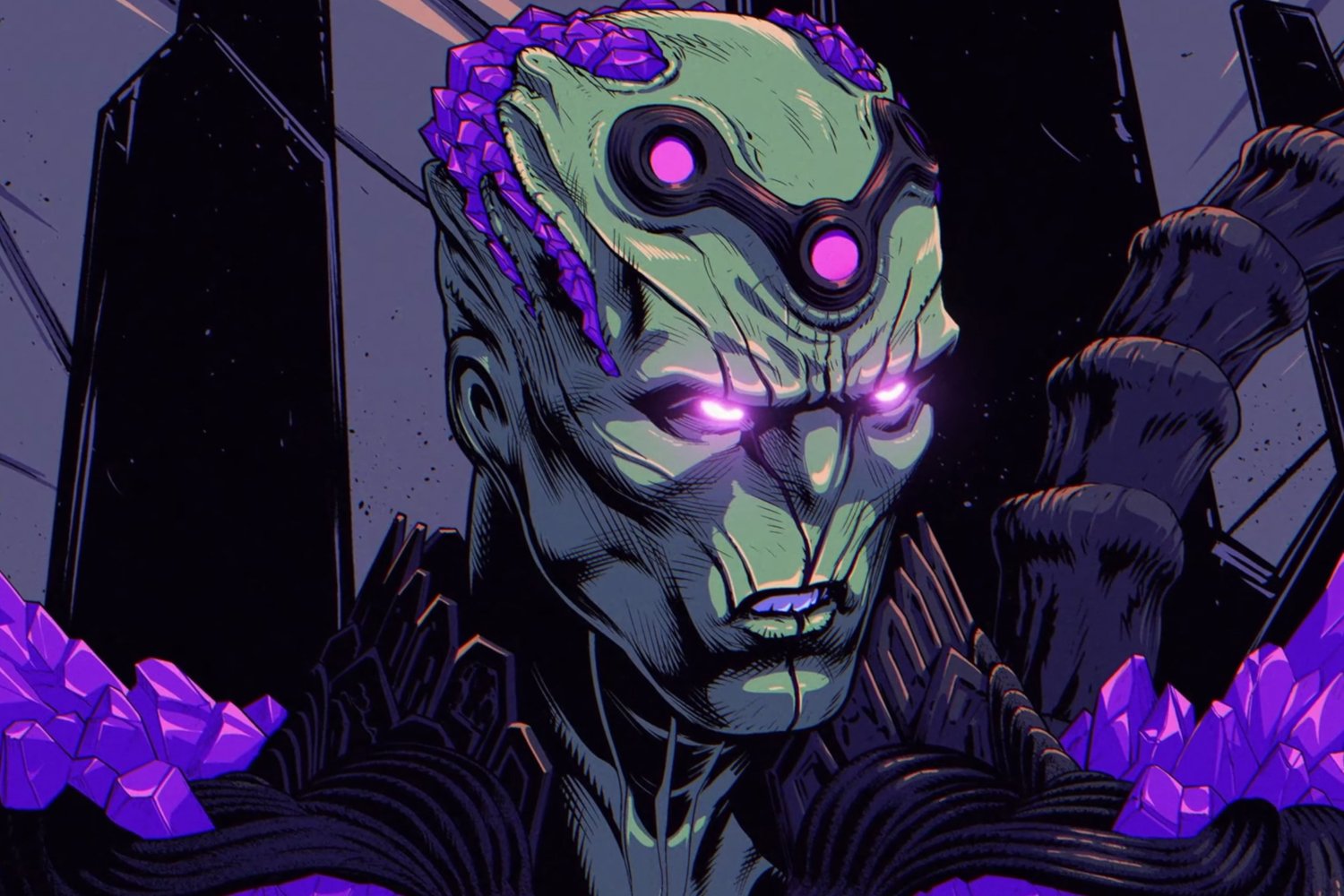
One of the boldest moves Rocksteady made when it unveiled its Suicide Squad game after years of rumors was its subtitle: this was going to be a game about you, as players, fighting and being forced to slaughter DC’s finest heroes, before Braniac could puppet them into being his own deadly occupation force. Then Suicide Squad: Kill the Justice League actually came out, and pretty much no one was happy. Now, weeks before its first anniversary, the live-service game is going out with… well, not really a bang, and barely even a whimper.

The base version of Kill the Justice League climaxed with the death of Superman and Wonder Woman alike, as the titular team braced themselves for Brainiac’s defeat and the realization that there were dozens upon dozens of alternate realities with their own Braniacs under threat for them to save, setting up the game’s live-service structure for months to come. But then Kill the Justice League faced a critical drubbing and dire sales, leaving Rocksteady scrambling to offer fixes alongside its planned rollout of future content—content that came to an end this week with the game’s eighth and final major update, just two weeks before the game would celebrate its first anniversary. That would already be not-great if Kill the Justice League stuck any kind of landing, but instead, its final story content revealed that the whole thing had been kind of a pointless hoodwink.

The story content of this week’s eighth episode ends with the defeat of the final Braniac variant in the multiverse at Taskforce X’s hands… with a little extra help from Superman and Batman, who it turned out hadn’t been killed during the events of the main game. Instead, those deaths—which sparked a sea of controversy at the time, when it was believed that Kevin Conroy’s portrayal of Batman in Kill the Justice League would be his final posthumously released performance as the Dark Knight—were that of clones.

On the one hand, players who actually stuck around shouldn’t be surprised—previous updates had seen Harley, Captain Boomerang, King Shark, and Deadshot already liberate Green Lantern and Flash from Braniac’s clutches after their own apparent deaths, traveling to alternate worlds and putting them in stasis, so the revelation that Batman and Superman were also clones is not that surprising. And yet, it means that players who’ve stood by Kill the Justice League at its lowest points have been rewarded with the realization that they never actually got to, well, kill the Justice League. The only casualty by the end of all this is actually Wonder Woman, who had avoided Braniac’s mind control in the initial game, only to be killed by (the newly revealed as a clone) Superman.

And so, Suicide Squad ends with Taskforce X and the Justice League going their separate ways: the League staying behind to atone for “their” crimes by monitoring the multiverse to finish off any lingering Braniac threats, and the Suicide Squad, freed from Amanda Waller’s embedded explosives, finding their own tiny pocket of the multiverse to go celebrate and hang out in. But to end it all this way—an animated slideshow cutscene and a casual, flippant explanation from Harley Quinn via voice over that covers the clone reveal in half a line—speaks to just what a miserable conclusion this all turned out to be, for what was meant to be the long-awaited future of the Batman Arkham universe.

At least there’s some heroes alive now that they can all carry on with, if that future ever arrives?

Want more io9 news? Check out when to expect the latest Marvel, Star Wars, and Star Trek releases, what’s next for the DC Universe on film and TV, and everything you need to know about the future of Doctor Who.
Miss Batman: The Animated Series? Try Justice League on Netflix


Nostalgia isn’t all it’s cracked up to be. This month’s Batman: The Caped Crusader was billed as the grownup version of beloved and groundbreaking ’90s show Batman: The Animated Series, made by B:TAS co-creator Bruce Timm, producers Matt Reeves and J.J. Abrams, liberated from Saturday morning cartoon censors, and backed by the talent of some all-time Batman comics writers.

And while the show certainly had the Animated Series look, it was neither a direct continuation nor a strong relaunch. Timm’s crew were free to say whatever they wanted, but didn’t have much to say in the end. Sometimes you just can’t go home again.

But what if I told you there’s already a more mature version of Batman: The Animated Series, with hour-long episodes like a live-action drama, multi-season plotting, and fresher animation than Caped Crusader. It’s episodic, but its characters keep a solid emotional continuity, and while its appropriate for kids, it’s got multiple layers and references for adult audiences to chew on.

If you’re looking for a better Batman: The Caped Crusader, you should watch Justice League and Justice League Unlimited, which are available right now on Netflix for your marathon pleasure.

Superman, Wonder Woman, and The Flash stand on the bridge of the Watchtower, with outer space behind them, in Justice League Unlimited.

Image: Warner Bros. Animation

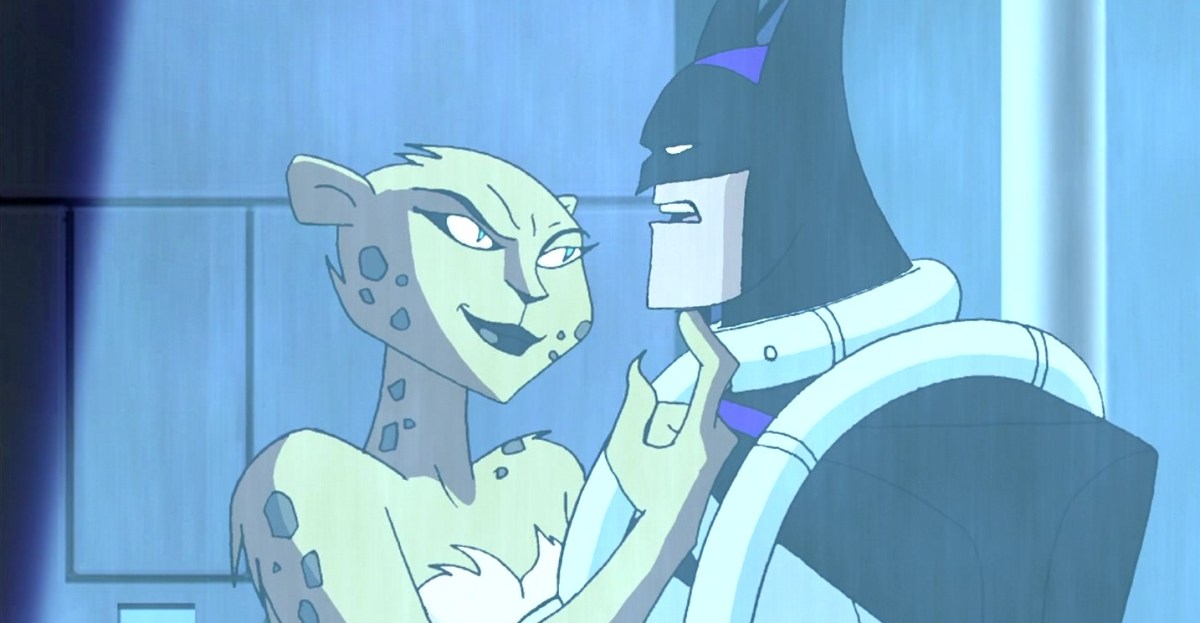
Premiering in 2001, Justice League was a direct continuation of the DC Animated Universe setting, which began with 1992’s Batman: The Animated Series and continued in Superman: The Animated Series, The New Batman Adventures, and Batman Beyond — and in large part, it had all the same talent working behind the scenes. Artist Bruce Timm, writer Paul Dini, producers Rich Fogel and Glen Murakami, voice actors Kevin Conroy, Mark Hamill, Clancy Brown, Ron Perlman, Arleen Sorkin, Michael Ironside, and Michael Dorn, all returned to reprise their various roles and duties.

But Justice League wasn’t a half hour, one-and-done episodic series hitting the waves at 9am on Saturday mornings. Airing in prime-time slots on Cartoon Network, every episode of the series was part of a two-part story — hacking the half-hour animated standard into an hour-long adventure series. The core cast began with Batman, Superman, Wonder Woman, Hawkgirl, the Martian Manhunter, Wally West’s Flash, and John Stewart’s Green Lantern, but two seasons into the show, Cartoon Network asked for a rebrand and expanded the mandate.

In Justice League Unlimited, the full breadth of DC Comics’ superhero roster was welcome on the Justice League, not just the founding seven. Episodes were knocked down to half hour slots again, but the show’s crew found a new way to think big. For the first and only time in the setting’s history, a DC Animated Universe show started delivering season-long story arcs; placing dominoes, foreshadowing reveals, and paying off setups from weeks before.

And while each episode was still appropriate for kids, the show writers were not immune to the thrill of including references that only adults would really pick up on — like 1950s gender and racial prejudice, a time-lost Martian Manhunter being brought before Nazi physician Josef Mengele for experimentation, or canonically establishing that the Flash is a more attentive lover than Lex Luthor.

Tala hangs on Lex Luthor’s shoulder in an intimate way, while he looks vaguely uncomfortable in Justice League Unlimited.

Image: Warner Bros. Animation

So if you want a Batman fix this weekend, queue up Justice League (2001) on Netflix. Now, you might have to give it a few episodes to get going, but if you can stick around through the early middle-weight stuff, the show will pay out dividends. Aquaman cutting his own hand off to save his infant son, an alt-timeline Superman who lobotomizes his opponents with laser vision, a collection of killer romantic subplots, the Batman of Justice League: Unlimited traveling through time and meeting the elderly Bruce Wayne and the future Batman of Batman Beyond, Lex Luthor’s season-long presidential campaign, and a direct adaptation of one of the greatest Superman stories ever told, “For the Man Who Has Everything.”

So maybe it’s not the spooky procedural that makes you feel just like you did when you watched Batman: The Animated Series for the first time. But, then again, neither is Batman: The Caped Crusader!