Javice found guilty of defrauding JPMorgan in $175M startup purchase


Charlie Javice, the founder of student loan application startup Frank that was purchased by JPMorgan for $175 million, was found guilty on Friday of defrauding the bank by greatly inflating the customer count.

After a five-week trial, the jury found Javice guilty, agreeing with prosecutors’ claims that she fabricated the vast majority of Frank’s customer list to deceive JPMorgan into acquiring her startup.

When JPMorgan bought Frank in 2021, the bank thought the startup had 4 million customers. The bank found out that the actual customer count was only 300,000 when it later sent test marketing emails to alleged Frank users and approximately 70% of those messages bounced back.

Javice allegedly hired a math professor to create fake customer data, which she submitted to JPMorgan when the bank was considering buying her company.

Defense attorneys argued that the suit was a result of buyer’s remorse due to a government change in the way financial aid forms are filled out. Javice pleaded not guilty and didn’t take the stand during the trial.

Javice, who is now 32, could be sentenced up to decades in prison. The sentencing is expected to take place in August, according to a CNBC report.

Javice founded Frank in 2017 when she was in her mid-20s. In 2019, she was named to the Forbes 30 Under 30 list.

Idiots Who Tried TikTok’s Viral ‘Free Money Glitch’ at ATMs Are Getting Reported for Fraud


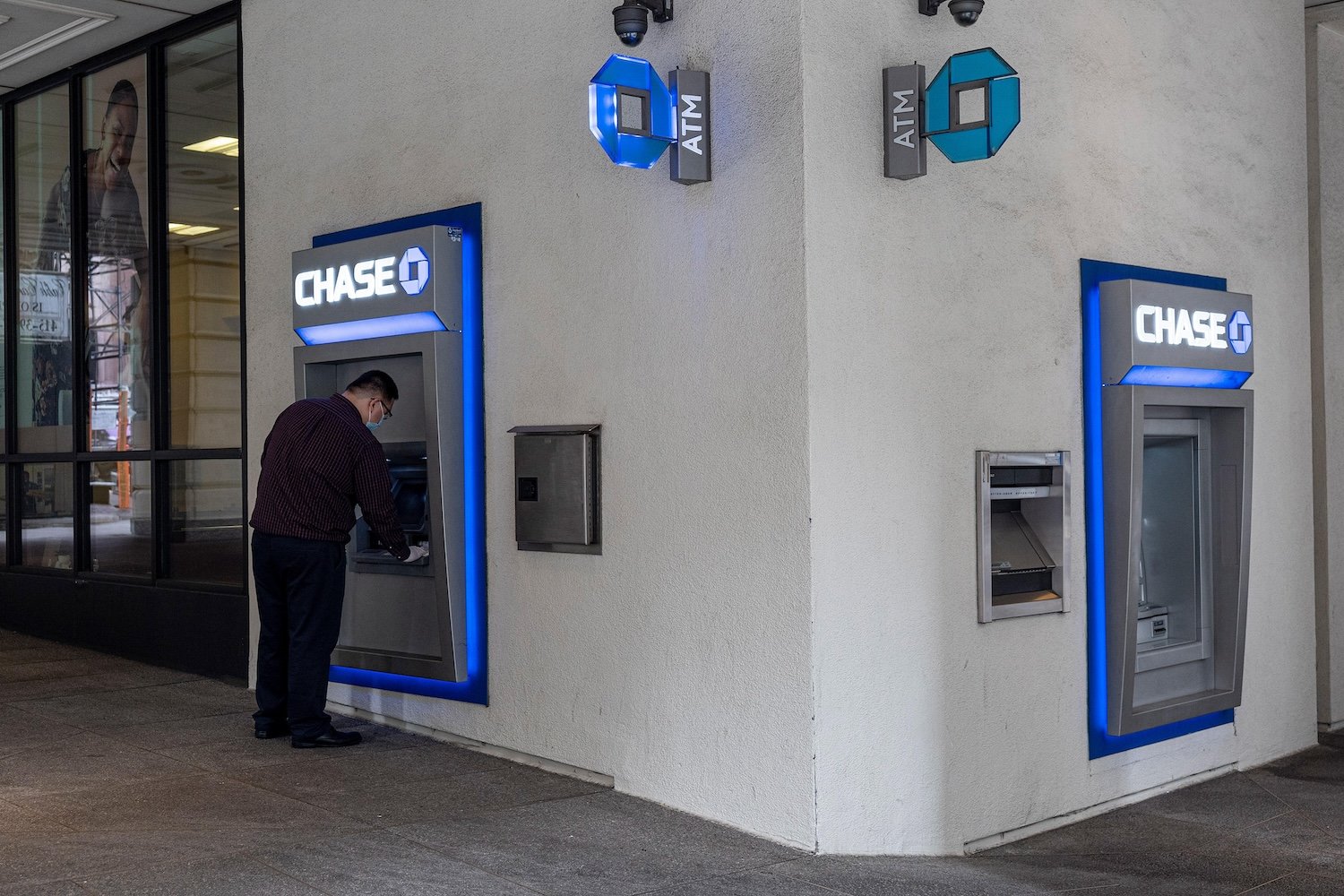
Last weekend, TikTok videos went viral that purported to show how to receive free money from Chase Bank ATMs across the country. The technique involved depositing a check for a large amount of money the user didn’t actually have and withdrawing a smaller but substantial amount before anything officially cleared. In reality, the “glitch” was better known as fraud. And now, JP Morgan Chase has confirmed the bank is reporting the people who committed the crimes to authorities.

“As with any fraud-related issue, we review internally and refer to law enforcement as appropriate,” a Chase spokesperson told the Wall Street Journal on Friday. “Regardless of what you see online, depositing a fraudulent check and withdrawing the funds from your account is fraud, plain and simple.”

It’s not entirely clear how many people may have tried this scheme, but the Journal describes it as “thousands.” The viral meme got so popular that tens of millions of people have watched TikTok videos about the “glitch” at this point, according to the Journal.

One popular video on TikTok features a woman on the phone trying to explain to her mother that they’re letting people get between $40,000 and $50,000 for nothing with this infinite money “glitch.” The mother is rightly skeptical and says she doesn’t want her bank account closed, while her daughter insists her account won’t be closed since it’s just a glitch.

Some videos on TikTok even showed people throwing money they’d ostensibly gotten through this method into the air in celebration. But Chase told the Journal they’ve frozen some accounts who tried it, though, again, the exact numbers haven’t been disclosed. And the bank is giving “surveillance footage and other information related to individuals” to police.

While there were far too many people who believed that this was a “glitch” that wouldn’t get them into any trouble, the tide has certainly turned at this point, with most new videos about the ATM scam ridiculing people who thought it was just a loophole rather than check fraud.

“Only TikTok would transform grand larceny into a ‘life hack’ and rename check fraud as ‘a glitch,’” one user on X wrote after the videos had started to go viral.

The U.S. Postal Inspection Service also tweeted “unlimited money glitch” with a monocle inspection emoji earlier this week, expressing skepticism.

“Don’t believe the TikTok trend, check fraud is a serious crime. You will be prosecuted. If it sounds too good to be true…” the account continued.