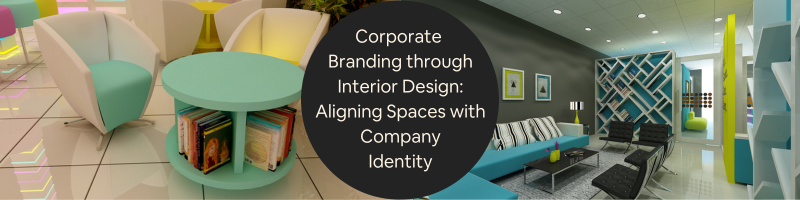
Go inside the headquarters of a Silicon Valley tech startup, and you may find yourself greeted with bean bags, writable walls, sparse decor, and splashes of color. Go inside a high-end New York City law firm, and you’ll probably encounter leather couches, polished marble countertops, and glass offices hidden behind closed doors.
These environments aren’t merely a matter of style – they’re conscious expressions of personality. For contemporary companies, interior design services from premier firms at Cad Crowd have become an effective corporate branding language, communicating discrete yet powerful messages to customers, staff, and stakeholders alike.
Shaping perception is the essence of branding. Branding, however, is not just limited to sites, logos, and business cards. It extends to the tangible space in which a company operates. Whether your business is design-driven, bank-driven, or healthcare-driven, your office is a narrative that speaks volumes about you. And how that story is told – and how well that story aligns with your purpose, values, and culture – is either going to make your brand stronger or sicker.
Why interior design matters for branding
Here’s a truth bomb: people make judgments within seconds of entering a space. From the waiting area to the break room, each square foot says something about your company. Interior design gets to shape that message. It’s not aesthetic – it’s about identity.
Visual signals such as colors, textures, and composition can also serve to reinforce brand values. A firm with a sustainability bent may choose reclaimed wood, lush greenery, and natural light to convey an eco-friendly attitude. A cybersecurity company may turn to darker colors and tech-heavy finishes to imply control, security, and innovation.
And it’s not merely about how customers perceive you. Employees are internal stakeholders who come into contact with your brand every day. A well-thought-out office can create loyalty, increase morale, and enhance a sense of belonging. When individuals feel that their work environment resonates with the company’s mission, they will become more involved. 3D interior rendering services and other similar tasks are becoming paramount.
RELATED: CAD services: Transforming hotel furniture designs for hospitality companies
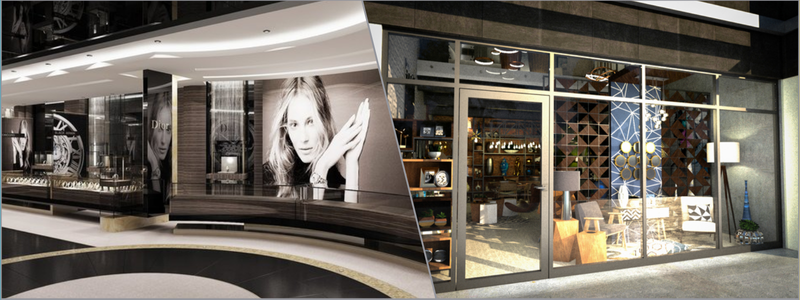
Key elements that reflect corporate identity
So, what can you adjust, create, or redo in your interior design to represent your brand? Let’s break it down:
Color palette and materials
Colors are not random – they trigger feelings and associations. Blue, for instance, is best for trust, serenity, and professionalism, which explains why it is the go-to color for finance and tech businesses. Red conveys energy and exigency, and it is best suited for creative agencies and startups. Earth tones enhance wellness and stability and are best suited for sustainability or lifestyle-oriented companies.
Materials have a story to tell as well, and glass conveys transparency. Steel and metal accents emit a sleek, no-frills feel. Wood can represent warmth, genuineness, or tradition. The key is to make decisions in harmony with your brand values, which architectural design firms can help you establish.
Layout and flow
A collaboration-focused company will have an entirely different design than one that is privacy- and concentration-focused. Open office spaces with shared tables, comfortable lounge spaces, and flexible workstations shout “agile and innovative.” Firms focused on confidentiality – like law firms or accounting firms – may use single offices, soundproof rooms, and controlled access zones.
How people flow through a space should reflect how your company operates.
Branding integration
From logo installations to wall murals, the possibilities for quietly or dramatically integrating your branding are endless. A reception area with good design could include a sculptural representation of your logo, your brand colors reflected in the furniture, or a digital display of your portfolio.
Branding isn’t about covering everything in your name – it’s about carefully designing touchpoints that support your story without overloading the space.
Furniture and fixtures
What type of chairs do your customers sit on? Are your conference tables industrial steel or solid walnut? Are your lighting fixtures sculptural or concealed? Each piece of furniture is a chance to reinforce the tone of your brand. You can rely on furniture design services to create bespoke pieces for your space.
Sleek, Scandinavian-style furniture could proclaim, “We’re efficient and design-savvy.” Bold, retro furniture could express creativity and willingness to take risks. Ergonomic arrangements convey to employees that you are invested in their health. These decisions are more than comfort – they’re communication tools.
Environmental graphics and art
Artwork, quotes, and custom murals can share your company’s story, values, and vision. Perhaps you wish to include images that tell your journey, highlight client success stories, or emphasize community impact.
Environmental graphics – such as directionals, typography, and info walls – can transform drab corridors into immersive brand experiences.
RELATED: Signs you need to outsource 3D rendering services to companies & 3D modeling experts
Collaborating with architects and designers: the strategic alliance
When branding in interior design, the alliance that you build with architects and designers becomes key. You’re not merely employing somebody to get an area to be aesthetically pleasing; you’re engaging an army to picture your company’s purpose.
And so, how do you bring on the appropriate partner?
Step 1: Know your why
Before you contact an architectural design expert or design firm, make it clear what your business is all about. What are your core values? What type of experience do you want to deliver to clients and employees? How are you unique compared to others?
Having a clear identity assists designers in moving from intangible concepts into tangible environments. It also conserves time and avoids expensive misalignments later.
Step 2: Look beyond portfolios
An elegant portfolio is fine – but don’t prioritize looks over substance. Question companies about their experience with integrating branding into previous projects. Do they have any idea how the physical space shapes culture? Are they able to articulate their design rationale?
Top firms ask smart questions and look at your brand as a whole. Find out who can close the gap between creative vision and business objectives.
Step 3: Ask about collaboration
Interior design is an iterative process. You need an expert interior designer who listens, iterates, and evolves. Seek out firms that keep you informed about the most critical decisions, ask for feedback, and offer visualization tools (such as 3D models or mood boards) to give you a sneak peek at how your brand will breathe life into the space.
A solid firm won’t only share beautiful pictures – they’ll tell you how the design enhances productivity, mood, and brand fit.
RELATED: Architectural detailing services: Top 31 sites to hire freelance architects & drafters
Branding pitfalls to avoid
As strong as interior design can be, it’s simple to get it wrong. Here are some of the most common mistakes to avoid:
Designing for trends, not identity
Trends have a shelf life. What’s trendy today may look dated in three years. Focus on elements that are timeless and speak to who you are, not what’s trendy.
For example, biophilic design (taking nature inside) is popular, but it only works if your brand emphasizes wellness, sustainability, or being outdoors. If not for you, forcing it on your office may come across as insincere.
Overbranding the space
Too many firms overdo logos, slogans, and color explosions of all things branded. It’s more like a theme park than an office. Subtlety is the name of the game – your brand is experienced, not yelled.
Plan to create “branded moments” in high-impact zones – such as the reception area, meeting rooms, or common spaces – while still leaving breathing space elsewhere. You can do this through lighting design services and other similar design options.
Forgetting employee experience
A gorgeously branded office that’s painful to work in is missing the point. The well-being of employees needs to be at the forefront of any design plan. Good lighting, acoustic balance, ergonomic furniture, and spatial diversity (for concentration and collaboration) are all important.
An office might be Instagram-pretty but hell to live in. Function must be balanced with form.
RELATED: How to hire the best freelance CAD designers: a services guide for companies
Changing spaces: branding in a hybrid work age
As hybrid and remote work arrangements take hold, the office’s role is changing. Rather than being the go-to workspace, offices are becoming brand destinations – where culture is amplified, collaboration occurs, and identity is lived in the real world.
Each trip to the office now becomes a brand experience. That requires design to be more deliberate than ever. Consider lounge-like collaboration areas, branded event areas, and interactive media walls that embody your brand narrative in motion.
Some companies are even designing to be “Instagrammable” – spaces people and customers wish to photograph and share, broadening brand visibility naturally through social media. You can use 3D architectural visualization services to help you visualize and plan around the space without having to break the bank trying to remodel an actual physical space.
RELATED: Using 3D visualization services to communicate design intent to clients and firms
The ROI of branded interior design
Branding in interior design is not merely about looks – its impact is quantifiable.
- Better client impression: An office that conveys your values instills confidence and credibility.
- Improved employee motivation: Individuals feel proud to come to work in an area that reflects their purpose.
- Attracting talent: Prospective employees tend to assess your office space during the decision-making process.
- Increased efficiency: Efficiently designed spaces minimize friction, facilitate collaboration, and aid in productivity.
In response, branded interiors aren’t merely for aesthetics. They’re a strategic asset.
Wrapping up
Interior design isn’t an afterthought anymore – it’s a branding tool, a culture-shaper, and a business strategy. When companies design on purpose, they don’t merely make. They make spaces that inspire, connect, and reflect who they are.
Whether you’re redesigning your headquarters, moving into a new space, or giving your office a refresh, remember this: every chair, color, light fixture, and corridor is an opportunity to reinforce your story. Don’t let it go to waste.
And when unsure, collaborate with the appropriate experts whom you can look up on the Cad Crowd platform – those who get it not just for what appears nice, but for what feels right for your brand. Because when identity and space get along, magic occurs. Get a quote today!