Keep your daily Wordle on track, and do it in your own way and at your own pace. We’ve got a few quick general tips if you need them, a juicy hint for the July 30 (1137) puzzle if you’d just like a little guidance, and the answer to today’s Wordle if you need to secure an instant win.
I had a heap of green and yellow letters right from the start of today’s Wordle, the only problem was working out exactly how they were supposed to fit together. Today the reshuffling didn’t take too long, but it definitely took one row longer than it had to, and I just know I’m going to feel sore about it all day.
Today’s Wordle hint
(Image credit: Josh Wardle)
Wordle today: A hint for Tuesday, July 30
Today’s answer describes something wild and animalistic. Think of the opposite of a cute, domesticated cat, something untamed.
Is there a double letter in Wordle today?
No, there is no double letter in today’s puzzle.
Wordle help: 3 tips for beating Wordle every day
Looking to extend your Wordle winning streak? Perhaps you’ve just started playing the popular daily puzzle game and are looking for some pointers. Whatever the reason you’re here, these quick tips can help push you in the right direction:
Start with a word that has a mix of common vowels and consonants.
The answer might repeat the same letter.
Try not to use guesses that include letters you’ve already eliminated.
There’s no racing against the clock with Wordle so you don’t need to rush for the answer. Treating the game like a casual newspaper crossword can be a good tactic; that way, you can come back to it later if you’re coming up blank. Stepping away for a while might mean the difference between a win and a line of grey squares.
Today’s Wordle answer
(Image credit: Future)
What is today’s Wordle answer?
Need a little push? The answer to the July 30 (1137) Wordle is FERAL.
Keep up to date with the most important stories and the best deals, as picked by the PC Gamer team.
Previous Wordle answers
The last 10 Wordle answers
Wordle solutions that have already been used can help eliminate answers for today’s Wordle or give you inspiration for guesses to help uncover more of those greens. They can also give you some inspired ideas for starting words that keep your daily puzzle-solving fresh.
Here are some recent Wordle answers:
July 29: SUPER
July 28: SMOCK
July 27: JUICE
July 26: AWASH
July 25: PORCH
July 24: FORTE
July 23: PRONG
July 22: CADET
July 21: SPECK
July 20: SHAFT
Learn more about Wordle
(Image credit: Nurphoto via Getty)
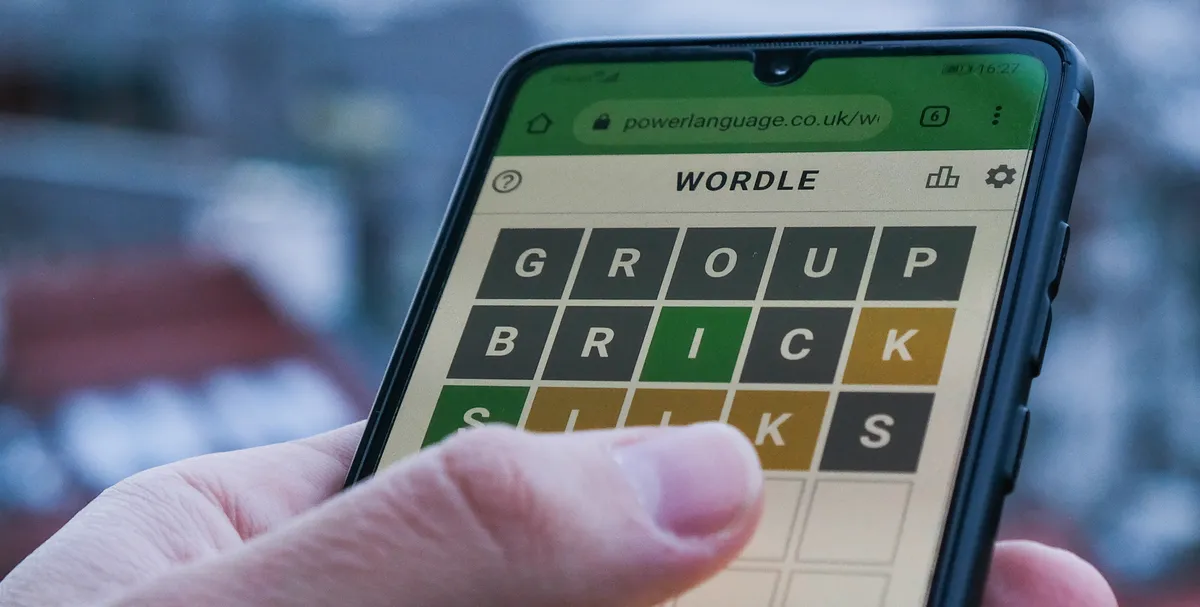
Wordle gives you six rows of five boxes each day, and it’s up to you to work out which five-letter word is hiding among them to win the popular daily puzzle.
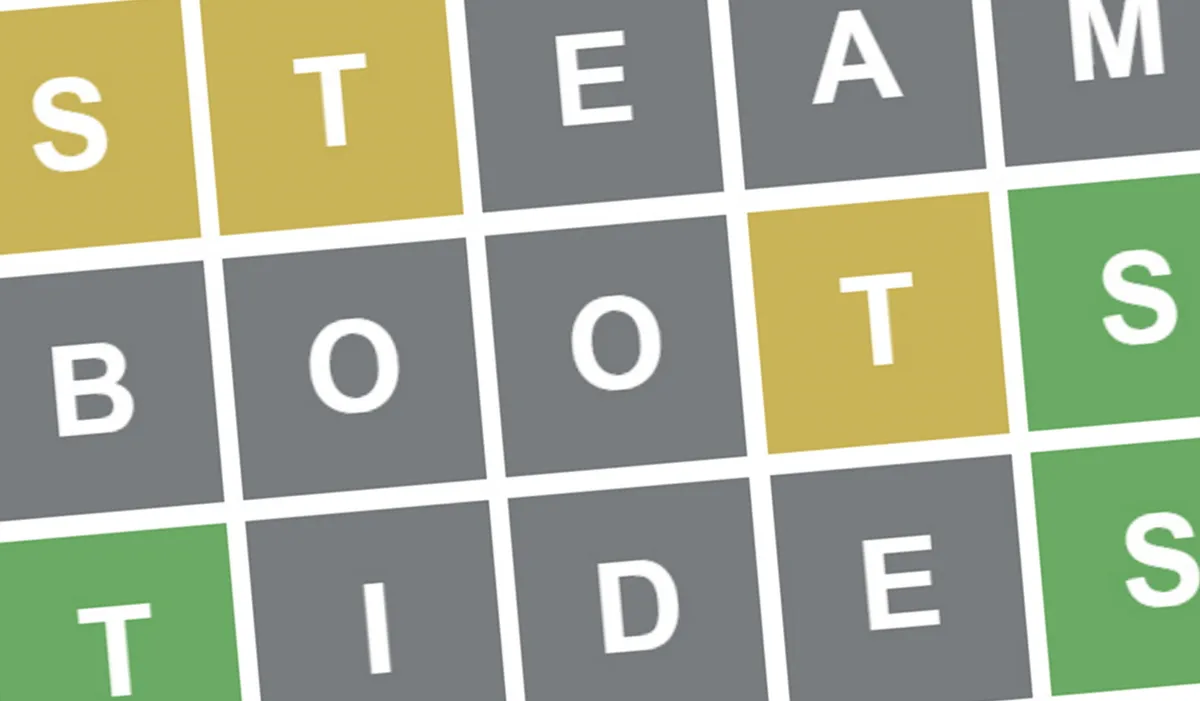
It’s usually a good plan to start with a strong word like ALERT—or any other word with a good mix of common consonants and multiple vowels—and you should be off to a flying start, with a little luck anyway. You should also avoid starting words with repeating letters, so you don’t waste the chance to confirm or eliminate an extra letter. Once you hit Enter, you’ll see which letters you’ve got right or wrong. If a box turns ⬛️, it means that letter isn’t in the secret word at all. 🟨 means the letter is in the word, but not in that position. 🟩 means you’ve got the right letter in the right spot.
Your second guess should compliment the first, using another “good” word to cover any common letters you might have missed on the first row—just don’t forget to leave out any letter you now know for a fact isn’t present in today’s answer. After that, it’s just a case of using what you’ve learned to narrow your guesses down to the correct word. You have six tries in total and can only use real words and don’t forget letters can repeat too (eg: BOOKS).
If you need any further advice feel free to check out our Wordle tips, and if you’d like to find out which words have already been used, you can scroll to the relevant section above.
Originally, Wordle was dreamed up by software engineer Josh Wardle, as a surprise for his partner who loves word games. From there it spread to his family, and finally got released to the public. The word puzzle game has since inspired tons of games like Wordle, refocusing the daily gimmick around music or math or geography. It wasn’t long before Wordle became so popular it was sold to the New York Times for seven figures. Surely it’s only a matter of time before we all solely communicate in tricolor boxes.
Paul Roetzer and Mike Kaput explore a future where AI could turn one cent of electricity into hundreds of dollars worth of top-tier professional work. Join our hosts as they unpack Carl Shulman’s provocative insights on superintelligence, explore the rising world of AI agents, and examine the importance of AI literacy for all. Plus, take a look into the latest from OpenAI, Google Gemini, Anthropic and more in our rapid fire section.
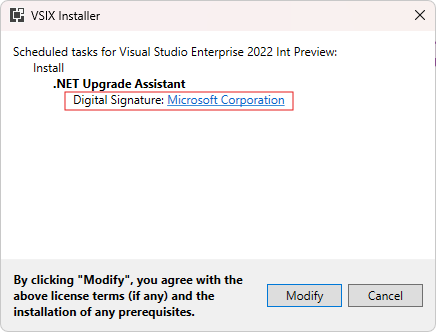
You can now leverage Sign CLI for a more secure, modern way to sign your Visual Studio extensions. Signing your VSIX packages improves security, prevents tampering, and builds trust with your users. This integration makes it easier and more convenient to sign your packages than ever before!
Sign CLI replaces the older VSIXSignTool with a modern, general purpose sign tool that’s actively maintained and kept up to date with the latest security standards. It supports cloud and local signing from a variety of sources and can also fit seamlessly into your CI pipeline for easy integration. Continue reading to learn how to enhance your extension publishing workflow by using Sign CLI!
Obtain a code signing certificate
To sign your VSIX, you’ll need a valid EV or standard certificate from a public certificate authority that utilizes SHA 256, SHA 384, or SHA 512 digest algorithms. Windows supports certificates from many popular certificate authorities, such as Certum, Comodo, DigiCert, GlobalSign, SSL.com, and more.
To start using Sign CLI to sign your extension packages, you’ll first need to install it. It’s available as a dotnet tool on the nuget.org Gallery. To install, open Visual Studio’s integrated terminal using View > Terminal (or use the Ctrl+` shortcut), then use the commands below. Note that if you’re working outside of Visual Studio, you can access the Developer PowerShell by selecting Start in Windows then typing in “developer PowerShell”.
Install Sign CLI
The Sign tool is still a prerelease version, so you’ll need to include the `–prerelease` flag when you install to get the latest:
dotnet tool install sign --prerelease --global
To install a specific version, visit the versions tab on the Sign CLI page on nuget.org to find the version you’re interested in and use the following syntax:
As you use Sign CLI to sign your extensions, please use the Issues tracker on the Sign CLI GitHub repo to report any issues or bugs you experience. If you want to provide general feedback on extension signing or to suggest additional features, please create a feedback ticket at the Visual Studio Developer Community.
We’re excited to hear from you!
Maia Kelner Senior Program Manager, Visual Studio Extensibility
Google has rolled out Android 15 beta 4.1 for Pixel devices enrolled in the Android Beta Program, including all models from the Pixel 6 and 6 Pro onwards.
This minor update, build number AP31.240617.010, addresses audio crash issues during calls.
The minor nature of this update suggests that Google is close to a public release of Android 15.
Earlier today, Google announced that it has rolled out Android 15 beta 4.1 for Pixel devices enrolled in the Android Beta Program. All enrolled Pixel devices, starting with the Pixel 6 and 6 Pro, are included in this rollout. This appears to be a minor update to Android 15 beta 4 and fixes certain issues that caused audio crashes during calls on Pixel devices. Given the nature of this rather minor update, it’s safe to assume that we’re pretty close to a public rollout of Android 15.
The Mountain View tech giant announced this via a Reddit post, where it directed users to navigate to the release notes for more details. The latest update has a build number of AP31.240617.010 and will ship with the July 2024 security patches. In the release notes, Google explains that this update will fix “various issues that sometimes caused device audio to crash while making or receiving calls.” Notably, the fixes are for Issue#354086106, Issue #354582492, Issue #354788692, Issue #355129314, and Issue #355024157. The release notes, however, state that other issues identified in beta 4 will remain in version 4.1 as well.
Eligible devices will receive an over-the-air (OTA) update to Android 15 beta 4.1. To check if this update is available to you, navigate to Settings > System > Software updates > System update > Check for update. If you don’t see it yet, verify that you’re actually enrolled in the Android Beta Program and that your device is eligible.
While there’s no word on when we can expect a stable release of Android 15, the tech giant might make this version public during its Made by Google event that is scheduled to take place on August 13, given that it has rolled out a fairly insignificant bug fix update, just days after launching beta 4.
Got a tip? Talk to us! Email our staff at news@androidauthority.com. You can stay anonymous or get credit for the info, it’s your choice.
Bandai Namco Entertainment revealed this week that Gundam Breaker 4 is getting an Open Network Test on July 19th.
This test will allow players to see how the Gunpla building and battling title performs without having to spend a dime on it (which is a very welcome thing in this day and age, especially after New Gundam Breaker failed to impress fans with its poor gameplay and derivative missions). A preload option will be available on July 18th, and the full testing dates are as follows:
Day 1, Friday 19th July:
Session 1 from 01:00 BST to 06:00 BST
Session 2 from 10:00 BST to 16:00 BST
Day 2 Saturday 20th July / Sunday 21st July:
Game available from 20th July at 03:00 BST to 21st July at 07:00 BST
Preorders are already live, but I’ll personally be waiting for this test to see whether this is a return to Gundam Breaker 3‘s form or a retread of New Gundam Breaker before I spend any money on the game.
Create your own ultimate Gundam in the newest Gundam Breaker game!
In Gundam Breaker 4 you will create and customize your own powerful Gunpla, and put it to the test in thrilling combat missions.
• BREAK
Use two different weapons at once in Gundam Breaker 4 and break off parts of your enemies to add them to your collection. It’s your loot – you get to keep it and use it!
• BUILD
Choose from over 250 base kits and combine their parts to build your perfect Gunpla. Customize it with paint, weathering, and decals to make it uniquely your own and display it in the new Diorama Mode. With multiple backgrounds and special effects to choose from, you can create epic, dynamic scenes to share online!
• BATTLE
Take your custom Gunpla in a variety of intense combat missions and put it to the test as you battle tough opponents in online or single player modes. Fight with your friends, equip new skills to gain an edge, and destroy your enemies!
Editor’s note: This post is part of the AI Decoded series, which demystifies AI by making the technology more accessible, and showcases new hardware, software, tools and accelerations for RTX PC users.
Adobe Creative Cloud applications, which tap NVIDIA RTX GPUs, are designed to enhance the creativity of users, empowering them to work faster and focus on their craft.
These tools seamlessly integrate into existing creator workflows, enabling greater productivity and delivering power and precision.
Look to the Light
Generative AI creates new data in forms such as images or text by learning from existing data. It effectively visualizes and generates content to match what a user describes and helps open up fresh avenues for creativity.
Adobe Firefly is Adobe’s family of creative generative AI models that offer new ways to ideate and create while assisting creative workflows using generative AI. They’re designed to be safe for commercial use and were trained, using NVIDIA GPUs, on licensed content, like Adobe Stock Images, and public domain content where copyright has expired.
Firefly features are integrated in Adobe’s most popular creative apps.
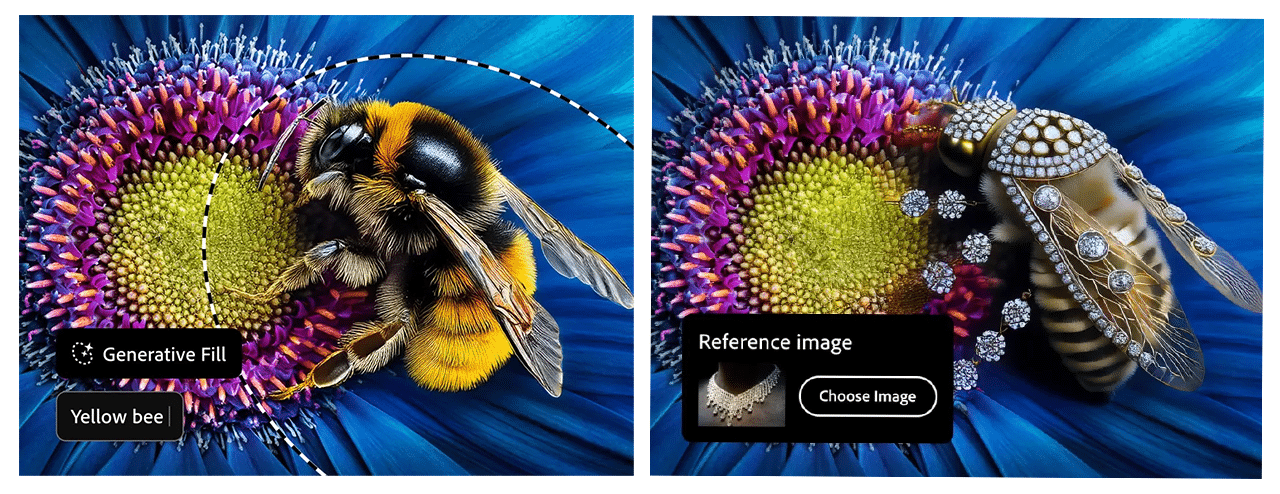
Adobe Photoshop features the Generative Fill tool, which uses simple description prompts to easily add content from images. With the latest Reference Image feature currently in beta, users can also upload a sample image to get image results closer to their desired output.
Use Generative Fill to add content and Reference Image to refine it.
Generative Expand allows artists to extend the border of their image with the Crop tool, filling in bigger canvases with new content that automatically blends in with the existing image.
Bigger canvas? Not a problem.
RTX-accelerated Neural Filters, such as Photo Restoration, enable complex adjustments such as colorizing black-and-white photos and performing style transfers using AI. The Smart Portrait filter, which allows non-destructive editing with filters, is based on work from NVIDIA Research.
The brand-new Generative Shape Fill (beta) in Adobe Illustrator, powered by the latest Adobe Firefly Vector Model, allows users to accelerate design workflows by quickly filling shapes with detail and color in their own styles. With Generative Shape Fill, designers can easily match the style and color of their own artwork to create a wide variety of editable and scalable vector graphic options.
Generative AI.
Adobe Illustrator’s Generative Recolor feature lets creators type in a text prompt to explore custom color palettes and themes for their vector artwork in seconds.
Color us impressed.
NVIDIA will continue working with Adobe to support advanced generative AI models, with a focus on deep integration into the apps the world’s leading creators use.
Making Moves on Video
Adobe Premiere Pro is one of the most popular and powerful video editing solutions.
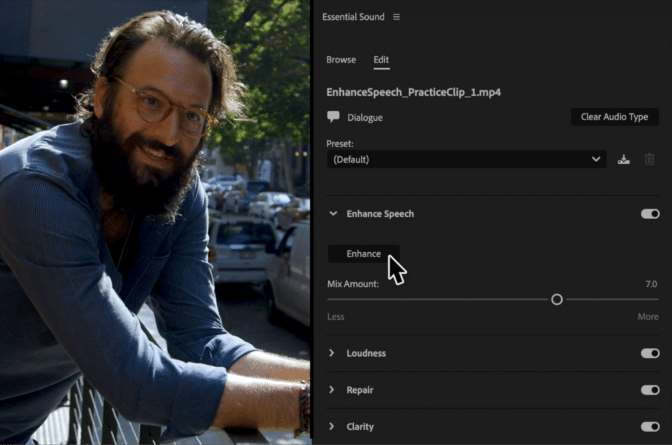
Its Enhance Speech tool, accelerated by RTX, uses AI to remove unwanted noise and improve the quality of dialogue clips so they sound professionally recorded. It’s up to 4.5x faster on RTX PCs.
Auto Reframe, another Adobe Premiere feature, uses GPU acceleration to identify and track the most relevant elements in a video, and intelligently reframes video content for different aspect ratios. Scene Edit Detection automatically finds the original edit points in a video, a necessary step before the video editing stage begins.
Visual Effects
Separating a foreground object from a background is a crucial step in many visual effects and compositing workflows.
Adobe After Effects has a new feature that uses a matte to isolate an object, enabling capabilities including background replacement and the selective application of effects to the foreground.
Using the Roto Brush tool, artists can draw strokes on representative areas of the foreground and background elements. After Effects uses that information to create a segmentation boundary between the foreground and background elements, delivering cleaner cutouts with fewer clicks.
Creating 3D Product Shots
The Substance 3D Collection is Adobe’s solution for 3D material authoring, texturing and rendering, enabling users to rapidly create stunningly photorealistic 3D content, including models, materials and lighting.
Visualizing products and designs in the context of a space is compelling, but it can be time-consuming to find the right environment for the objects to live in. Substance 3D Stager’s Generative Background feature, powered by Adobe Firefly, solves this issue by letting artists quickly explore generated backgrounds to composite 3D models.
Once an environment is selected, Stager can automatically match the perspective and lighting to the generated background.
Material Authoring With AI
Adobe Substance 3D Sampler, also part of the Substance 3D Collection, is designed to transform images of surfaces and objects into photorealistic physically based rendering (PBR) materials, 3D models and high-dynamic range environment lights. With the recent introduction of new generative workflows powered by Adobe Firefly, Sampler is making it easier than ever for artists to explore variations when creating materials for everything from product visualization projects to the latest AAA games.
Sampler’s Text-to-Texture feature allows users to generate tiled images from detailed text prompts. These generated images can then be edited and transformed into photorealistic PBR materials using the machine learning-powered Image-to-Material feature or any Sampler filter.
Image-to-Texture similarly enables the creation of tiled textures from reference images, providing an alternate way to prompt and generate variations from existing visual content.
Adobe 3D Sampler’s Image-to-Texture feature.
Sampler’s Text-to-Pattern feature uses text prompts to generate tiling patterns, which can be used as base colors or inputs for various filters, such as the Cloth Weave filter for creating original fabric materials.
All of these generative AI features in the Substance 3D Collection, supercharged with RTX GPUs, are designed to help 3D creators ideate and create faster.
Photo-tastic Features
Adobe Lightroom’s AI-powered Raw Details feature produces crisp detail and more accurate renditions of edges, improves color rendering and reduces artifacts, enhancing the image without changing its original resolution. This feature is handy for large displays and prints, where fine details are visible.
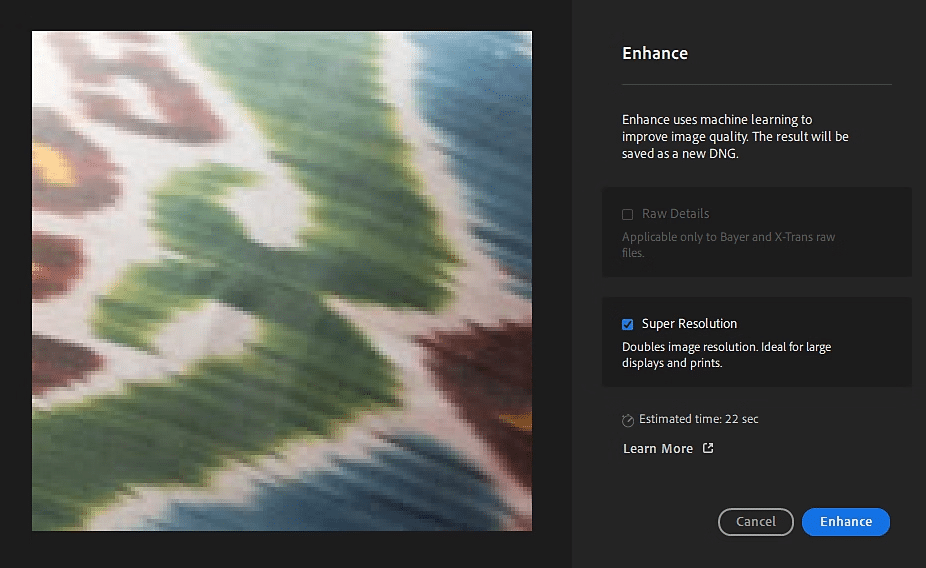
Enhance, enhance, enhance.
Super Resolution helps create an enhanced image with similar results as Raw Details but with 2x the linear resolution. This means that the enhanced image will have 2x the width and height of the original image — or 4x the total pixel count. This is especially useful for increasing the resolution of cropped imagery.
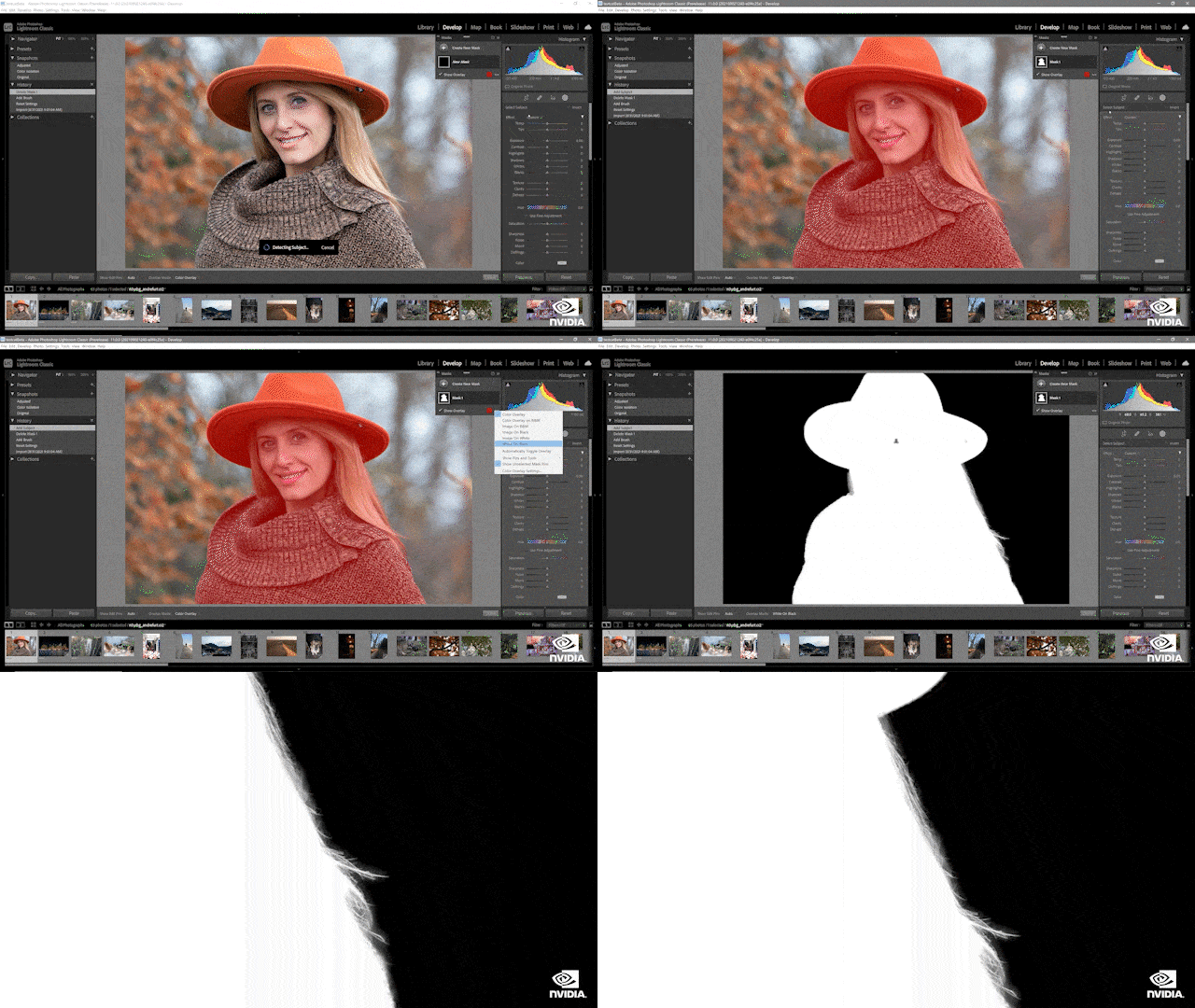
For faster editing, AI-powered, RTX-accelerated masking tools like Select Subject, which isolates people from an image, and Select Sky, which captures skies, enable users to create complex masks with the click of a button.
Visit Adobe’s AI features page for a complete list of AI features using RTX.
Looking for more AI-powered content creation apps? Consider NVIDIA Broadcast, which transforms any room into a home studio, free for RTX GPU owners.
Generative AI is transforming gaming, videoconferencing and interactive experiences of all kinds. Make sense of what’s new and what’s next by subscribing to the AI Decoded newsletter.
I’m trying to move my .sln Qt project to CMake using Visual Studio. Through the wizard I can get the three files CMakeLists.txt, CMakePresets.json and CMakeUserPresets.json allowing me to correctly compile my executable. However when I try to execute it thorugh Visual Studio and error informing me that runtime Qt dll libraries can not be found. Currently the only solution I found to allow execution from VS is to change the cmake files as follow:
This solution work but is very annoying cause the file CMakeUserPresets.json shuold not be committed since it contains the local system paths and every time something change (Qt version, compilation PC ad so on) it’s required to re-add the “windows-path” label on inherits section. Is there a different solution to get the same without change the CMakeUserPresets.json file every time? I tired to change the CMakePresets.json as follow:
but the Qt VS Tools plugin detect the change (the addtion of “inherits”: “windows-path”,) and reset the code to original one (which is another very annoying behavior)…
Thank you
Uber is rolling out concurrent rides in India, a feature that allows users to book up to three trips for any of their contacts, TechCrunch has exclusively learned and confirmed with the company.
The concurrent rides feature is the latest example of Uber developing products that will capture more customers, including those who don’t have the app or even a smartphone. In India, Uber even allows concurrent ride users to pay drivers directly with cash or via the app.
Uber quietly launched the concurrent rides last year in several global markets, including the United States. An Uber spokesperson confirmed the new feature is now available in India and will be rolled out in the country in a phased manner. The spokesperson would not confirm the exact details of the cities in which it is currently available.
“As we understand that one may need to book a ride for their loved one at the same time as they are in an Uber — we launched concurrent rides late last year globally. It allows riders to book and track up to three concurrent rides,” an Uber spokesperson said in a statement shared with TechCrunch.
Once a user books a ride for a guest, those trip details can be shared over WhatsApp or a text message. The message contains the driver’s full name, cab model and registration number, Uber’s contact number to reach the driver, a link to track the ride, and a four-digit PIN to start the ride. This eliminates the need for guests to use the Uber app.
The new feature could help Uber expand its market reach. Before the update, Uber was allowing only one ride booking at a time, and users had to request another vehicle after their current trip ends. It also pushes Uber ahead of rivals that were already offering customers to the ability to book concurrent rides.
Uber’s Indian competitor, Ola, which counts Softbank, Warburg Pincus and DST Global among its key investors, has allowed two concurrent rides for some time. However, the experience offered by Ola is limited as it does not allow users to make two bookings simultaneously using a single online payment method. You need to either choose two different online payment methods or pay for your concurrent rides via cash.
It’s a great way to make a living writing if you pitch the right publications. How about $500 or more per assignment?
If you’ve been cranking out magazine stories for $50 to $150 a pop, you may be wondering if that’s really even possible. That’s often the going rate for local, regional, or small-circulation magazines.
If you want to write for magazines, and have limited experience, these are great places to get some clips, and earn some money, but it shouldn’t be your last stop.
Many consumer and trade magazines pay $500 or more per assignment. And the pitching process is pretty much the same as smaller pubs:
Identify a magazine you want to write for
Study the submission guidelines
Develop a solid story idea
Do a little research and interview a source
Write a killer query letter, and pitch your story idea to an editor
Here’s an interesting fact about the magazine published for readers over age 50. AARP has the highest circulation of any magazine in the United States, with more than 35 million subscribers.
That also means it pays well, on average $1/word or $1,500 per assignment. Publishes news, features, how-tos, and essays about money, health and fitness, food, travel, relationships, and more for over-50 readers.
AARP may be a tough magazine to crack for newbies, but it’s not impossible. Smart networking efforts and a solid story idea helped Freelance Writers Den member Willi Morris land an assignment with AARP, one of her dream clients.
Not all in-flight magazines openly publish writer’s guidelines, but Alaska Beyond is one that does. About 75 percent of this magazine is written by freelancers. Best way to break in: Pitch a short piece for “The Feed” department. Then you’re a lot more likely to land higher paying assignments (up to $700) for travel, news, and feature stories.
If you want to write for The Atlantic, a magazine that covers news and analysis on politics, business, culture, technology, national, international and political life, read this by former Atlantic staffer Garance Franke-Ruta: “How (not) to pitch: A guide for freelance writers.”
FYI—The Atlantic is also open to working with new freelancers. It’s where Freelance Writers Den member Douglas Fitzpatrick landed his first magazine assignment as a newbie for a piece about the career trajectory of Donald Trump.
Want to write for The Atlantic? Study the magazine and pitch an idea with a query first. Pays $150 to $1,600 depending on assignment.
Chatelaine is a popular monthly women’s magazine in Canada that covers health and fitness, finance, social issues, fashion, beauty, food, and home decor. It’s target audience is active women ages 25 to 54.
“The Health section covers the latest news and studies, gives fitness and workout tips and explores hot-button issues,” says Managing Editor Laura Brown. Query with a story idea first. Pays an average of $1/word or $1,500 per assignment.
Hoof Beats is one of the world’s most popular harness racing magazines. Being 70 percent freelance written, they are always looking for new and exciting stories from high-quality writers with an interest in horses, particularly Standardbreds and harness racing. If you want to write for Hoof Beats, read their digital or print magazine and get to know their voice and their audience.
Discover is a science-based magazine that features stories about medical research, scientific breakthroughs, technology, physics, space travel, and even paleontology. Keep in mind it’s written for a lay audience, so academic language won’t get you an assignment.
Want to write for Discover? Here’s some advice from freelancer Susan Etchey: “The only way a new writer has a chance to get the attention of its editors is to have an explosive, compelling untold science story to tell.” Discover magazine’s rate is starting at $1/word.
From colonization to life in the mid-1800s, Early American Life magazine features stories about history, architecture, antiques, crafts, and travel destinations for people interested in early American life.
In the most recent issue, you’ll learn about rolling pins from the Colonial era, the evolution of the bald eagle as America’s mascot, brewing in the 1700s, and more.
Know how to dig up the bones to pitch a story about early American life? It’s worth the effort. This pub pays an average of $500 to $2,000 per assignment.
If you want to write for Earth Island Journal, follow the first rule of writing for any magazine. Read it. Study back issues.
This non-profit magazine is published in partnership with the Earth Island Institute, an environmental group founded in 1982 by David Brower. This magazine tells stories from around the world covering issues such as climate change, environmental justice, policy, environmental protection, animal rights and conservation, scientific innovation, and more.
Pays an average of $1,000 per assignment for stories about science, technology, the environment, and people making a difference.
Get in line at the grocery story, and you might see this magazine on the news stand. But it’s not just a magazine filled with recipes, photos of tasty food, and tips for healthy eating.
There’s a lot more “meat” in the pages of Eating Wellthat explains the science behind the taste, textures, and flavors that make food delicious. If you can combine smart storytelling with science and food, write a query letter and pitch an idea. Eating Well pays an average of $1/word.
Glamping, conservation efforts, fishing for a record-setting marlin, and a Canadian’s guide to the Louvre. Those are just a few of the the types of stories featured in Air Canad’s in-flight magazine enRoute.
“We engage our audience through intelligent writing, insight, humour and spot-on service journalism,” says Editor-in-chief Jean-François Légaré. Study the guidelines and back issues before pitching a story idea.
The Open Notebook is a science journalism online magazine founded in 2010. This non-profit’s goal is to provide resources and tools to help improve the skills of science journalists by publishing stories and interviews about the craft of science journalism. On their website, they share their vision of “a world in which journalists everywhere are fully empowered to tell impactful stories about science that contribute to a more informed and engaged society, combat misinformation, and enable communities to navigate the complexities of our ever-changing world.”
The Open Notebook pays competitive rates for 1,500-2,000 words at $1,500 for interviews and $2,200 for reported features.
Carol Tice spend over a decade writing about business, commerce, entrepreneurship, finance, and big businesses like Amazon and Microsoft. And it was the perfect proving ground for her to land a long-term gig writing for Forbes.
This business magazine is among the most recognized for publishing stories about the people, businesses, and trends in entrepreneurship, innovation, leadership, and more. And it’s good for freelancers. Forbes pays an average of $1/word and up.
Last year, Entrepreneur magazine launched GreenEntrepreneur.com, to give readers that latest news about entrepreneurship, business, technology and lifestyle aspects of the cannabis industry.
“Rarely does a new industry explode with the exponential success that the legal marijuana trade has experienced,” Entrepreneur Media President Bill Shaw, said in a press release.
If you want to write for Green Entrepreneur, study the guidelines and pitch a story idea about the cannabis industry. Pays up to $1.50/word.
Looking for story ideas? The latest buzz in Green Entrepreneur includes stories about a new weed vaporizor that may popularize smoking marijuana, a $400 million shopping spree spent on cannabis, the latest news about legalization, and more.
If you want to write about archaeology, ecology, biology, geology, and oceanography of marine coastal environments, take a closer look at Hakai magazine.
You’ve got the chops to write for this magazine that pays $1 to $1.55 CAD per word if you have solid journalism experience, research skills, and the ability to interview sources.
“We are interested in great stories and strong voices,” says Editor Jude Isabella. “We tilt toward science and environmental stories, but we’re also interested in people and communities and how they interact with coastal ecosystems.”
Pitch short news stories about coastal environmental topics (500 to 800 words), or an in-depth feature (1,000 to 5,000 words).
If you can provide video (five minutes or less) or content for an infographic, to go with your story, your chances of acceptance go up.
The United Airlines in-flight magazine, Hemispheres, happens to be one of two in-flight magazines listed in Writer’s Market listed with a $$$ pay rate.
Translation: This magazine pays freelancers an average of $750 to $1,500 per assignment. Publishes stories about global culture, adventure, business, entertainment, and sports.
Inside the current issue, you’ll find stories about must-see-and-do activities in Chicago, insights on life, career and relationships from actress Kristen Bell, moon-landing anniversary celebration tips, and more.
This is what the Wright Brothers inspired more than 100 years ago: build a plane from a kit, and fly it.
You might not think a highly-niche magazine with a small circulation (about 72,000 readers). But Kitplanes pays well enough to be included in this list, up to $1,000 per assignment.
Pitch story ideas about building and design, flight testing, construction techniques, personal experience, and features on the people and businesses who are involved in building personal aircraft.
Before you pitch a story idea to LiisBeth magazine that covers entrepreneurship, innovation, social issues, and the politics and policies of business, be sure to read the LiisBeth Manifesto.
If you can pitch a story idea that jives with that about people and businesses making a difference, you’re on your way landing an assignment that pays up to $2,000 U.S. Your best bet for a well-paid assignment…pitch a story idea for a profile, how-to, or investigative feature.
If science and technology writing for an educated lay audience is your niche, don’t waste another minute waiting to pitch Popular Science. It’s one of the oldest magazines still in existence with roots dating back to the late 1800s.
It’s got a circulation of about 1.5 million readers, and a healthy budget to pay freelancers. How about $2/word or $1,000-plus per assignment?
Need story ideas? In the current issue, you’ll read about new threats posed by the Zika virus, rapidly-evolving drone technology, a cookie-test kitchen in outer space, and more.
When Sierra magazine editor Jason Mark stepped into his new role a few years ago, he had just walked through Nevada’s Carson-Iceberg Wilderness, surrounded by massive wildfires. That solo experience shaped his mission to lead this magazine dedicated to causes to protect the planet, natural spaces, and outdoor recreation.
“I keep thinking about that trip to the Sierra, which seems emblematic of the challenges facing the environmental movement today,” says Mark. “We want to celebrate and enjoy the big, open spaces we love. At the same time, we have to be always on guard to protect those places.”
This is the magazine for Sierra Club members. Pitch story ideas about outdoor adventure, environmental issues, and people on a mission to “explore, enjoy, and protect the planet.” Pays $1/word and up per assignment.
Did you know the Smithsonian Institute includes 19 museums and galleries, the National Zoological Park, and 2.7 million square feet of indoor space? There’s a lot to know and a lot to learn about the past, present and future of science, technology, the environment, and even the universe.
And you can write about it for the Smithsonian magazine and get paid well. The Smithsonianpays freelancers $1-$3/per word, which means a $500 assignment is more than realistic. So how do you break into this magazine?
“There has to be something surprising and narratively interesting there,” says Senior Editor Jenny Rothenberg Gritz. “If the story is about the natural world, either the person you’re writing about has to be super charismatic and interesting, or something done about the issue has to be amazing.”
Here’s an interesting way to differentiate yourself as a news and literary magazine…no advertising. That’s TheSun‘s approach to focus on great writing.
This magazine has been around for 40-plus years, and is looking for essays, interviews, and story ideas about political and cultural issues. The Sun pays up to $2,000 per assignment.
“We’ve been described in many ways,” says Editor and Publisher Sy Safransky. “Celebratory, fierce, unflinching, thoughtful, truthful, dark, darkly funny, tender.”
If you’re looking for magazines that pay $500 or more per assignment, this isn’t even the tip of the iceberg. Lots of magazines pay pro rates.
Check Writer’s Market (print or online) for more. Skip over the magazines that pay low rates, and focus those that pay $1/word or more.
Get in touch with the editors at custom pubs and trade magazines. These mags frequently work with freelance writers and pay pro rates, but aren’t as easy to find as consumer pubs in Writer’s Market.
Keep on pitching. Then work through the process to study the magazine, develop a story idea, and write a killer query letter. If you can do this for magazines that pay lower-rates, you can do it for bigger magazines that pay top dollar.
When not on a writing deadline or catching up on emails, Evan Jensen is training to run another 100-mile ultra-marathon.
Zapp Electric Vehicles wants to turn its London-based electric two-wheeler brand into a global EV company. And India will be one of its launchpads, TechCrunch has exclusively learned.
The company will launch its first product — an urban electric two-wheeler called the i300 — in the UK as early as next month, followed by Thailand. The company is now adding India into the mix, a massive market that will provide a true test to its international global expansion strategy, Zapp founder and CEO Swin Chatsuwan told TechCrunch in an interview.
The Nasdaq-listed company advanced its plans for India after Chatsuwan noted the country’s potential. The world’s most populous country not only witnesses millions of two-wheeler sales annually, it’s also the second-biggest two-wheeler manufacturer worldwide after China.
“We thought India would be phase two for us when we did our research a few years ago, but we made a decision earlier this year that it can’t wait,” Chatsuwan said.
Zapp has named Indian electric two-wheeler maker Bounce Electric 1 as its contract manufacturer to produce and sell the i300 locally in the country. After completing the homologation process, sales are expected to begin in 2025. The British company aims to have a minimum capacity of 5,000 units per year in India as part of its broader global goal of 25,000 units by 2026.
Of the 17 million two-wheelers sold in India last year, Chatsuwan told TechCrunch that 2.8 million were high-speed vehicles, and 36% of those high-speed vehicles were heavy-weight cruiser motorcycles from the Chennai-based brand Royal Enfield. Zapp wants to duplicate Royal Enfield’s success with its step-through model, which was unveiled first in 2018.
“We’re not trying to conquer the world. We’re not trying to take half Royal Enfield’s market share and sell 500,000 bikes in India. We’re not. We would see that our quality and performance peer is BMW, particularly their CE 02 and CE 04 step-through electric scooters,” the executive told TechCrunch.
The India launch of Zapp’s i300 will help the company expand its total addressable market (TAM) of 60 million units annually by 25%. By adding India to the map, the TAM of its first phase of market debut has reached 30 million annually, the company said.
The early launch in India will help Zapp understand the “breadth, depth and quality” of the country’s supply chain, Chatsuwan stated. This may help export vehicles from India to global markets over time.
Unlike electric two-wheelers by key Indian manufacturers Ola Electric, TVS Motor and Ather Energy that sell between $1,000 and $1,800, Zapp’s i300 will be a pricey option. The two-wheeler will debut in Europe with a base price of $7,590, excluding taxes.
The India pricing is yet to be decided, though Chatsuwan said it wouldn’t be “more than a million rupees, but I doubt it will be lower than 500,000 rupees.”
The i300 is hitting the streets soon
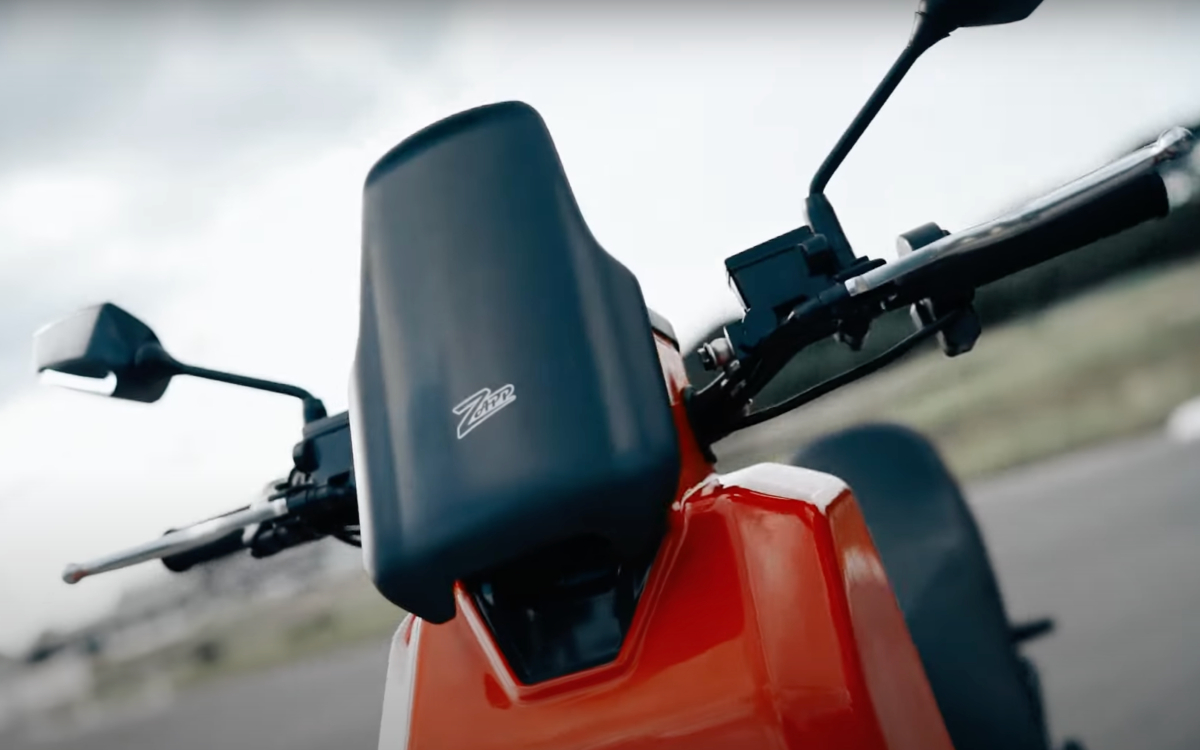
Zapp unveiled the i300 as its first two-wheeler in 2018. The vehicle comes with an aerospace-grade alloy load-bearing exoskeleton and a chrome-moly steel underbone design. It also carries an air-cooled electric motor with a peak power of 14kW and packs two portable batteries, each with 720Wh capacity.
The company started taking pre-orders for the i300 soon after its unveiling, charging a reservation fee of 100 euros. It promised to begin deliveries in the fourth quarter of 2019. However, the COVID-19 pandemic halted production and deliveries.
Image Credits: Zapp EV
Nonetheless, Zapp is set to start delivering the i300 in the U.K. in the next few weeks. It also plans to begin selling in Thailand this year through a facility in Bangkok.
Zapp set to become ‘complete motorcycle company’
“We’re not a one-hit wonder. We want to show the world that we’re a complete motorcycle company, but let’s begin with executing the first product first,” Chatsuwan told TechCrunch when asked whether Zapp looks to expand its product lineup.
The company also plans to stack up the i300 with “loads of” personalization options and accessories. It already offers the two-wheeler in four distinct versions and lets consumers customize its color and wheel design based on their preference and add accessories, including a hidden storage and fast charger.
Zapp plans to expand its market by entering Spain, Italy, Vietnam and Indonesia in phase two and expand to countries in the Middle East and South America over time.
“We want to be the 21st-century version of Triumph and Royal Enfield and Norton,” Chatsuwan said.