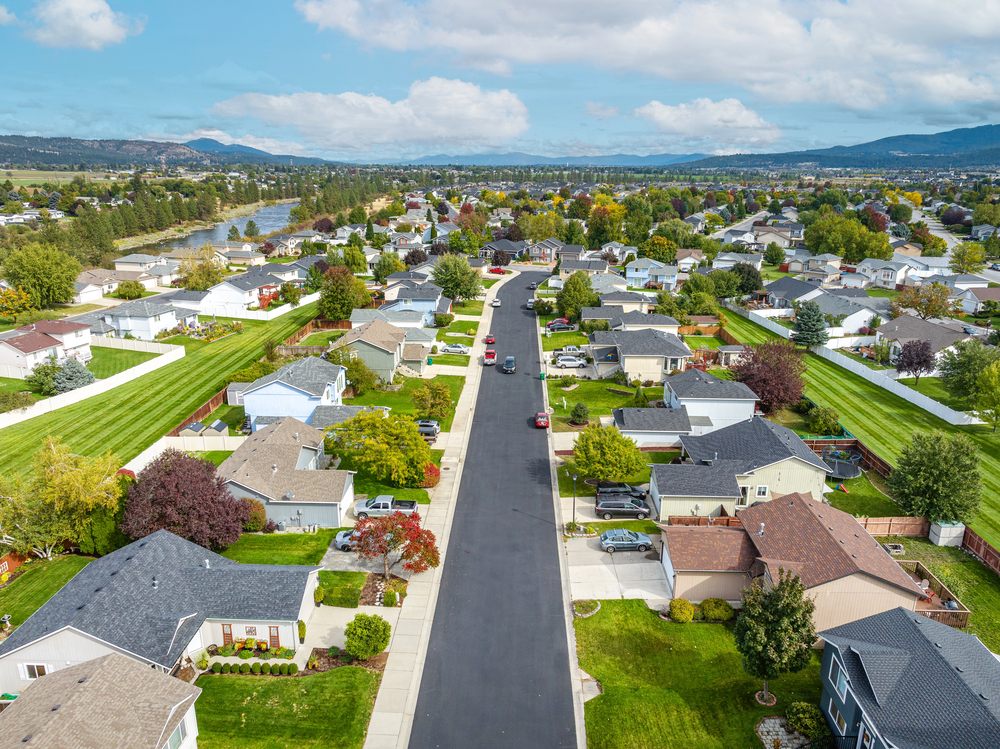
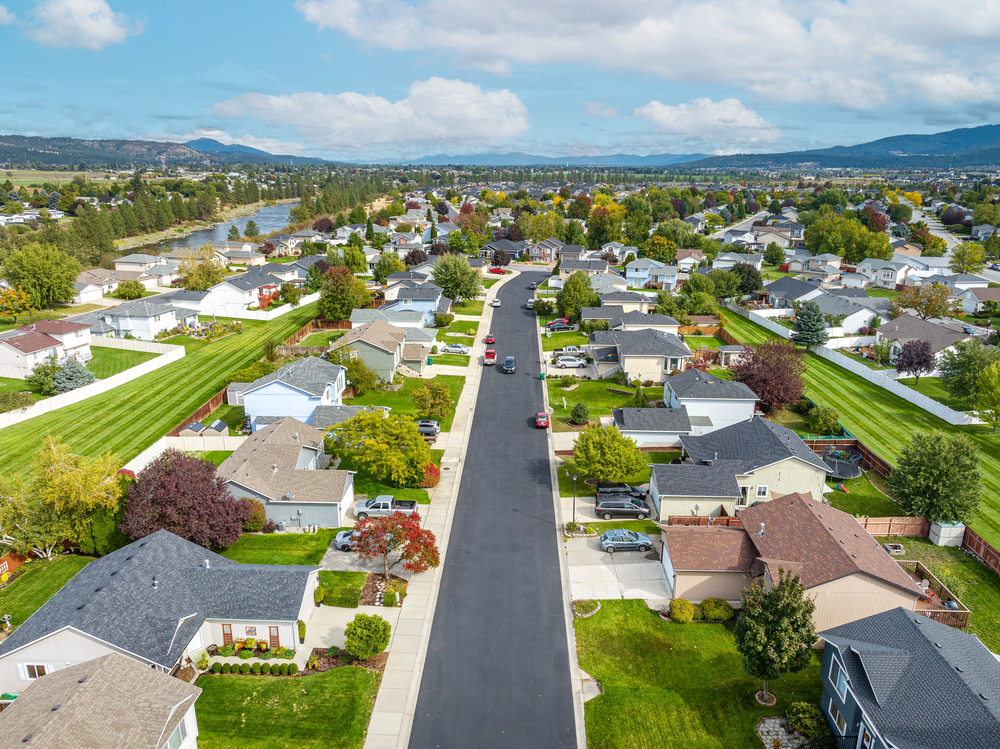
Spokane Valley has become one of the more appealing landing spots in the Pacific Northwest, offering a rare combination of suburban comfort, outdoor access, and a cost structure that looks genuinely reasonable next to coastal Washington and the broader West Coast. But “affordable relative to Seattle” is not the same as “cheap,” and the newcomers who settle in most comfortably are the ones who build a realistic budget before they arrive. Here is an honest, numbers-first look at what it actually costs to live in Spokane Valley in 2026.
Housing: The Biggest Line Item
Housing will be the largest part of your budget, and it is where Spokane Valley’s value shows up most clearly. As of early 2026, the median home price sits around $390,000 to $410,000. That is a fraction of what equivalent homes command in Seattle, where median values run well north of $750,000, but it is still a meaningful number that has climbed with steady demand and population growth.
There is good news for buyers right now, though. The market has shifted in a buyer-friendly direction, with rising inventory and homes averaging around 65 days on the market. That gives purchasers more leverage and less of the bidding-war pressure that defines hotter markets. Which end of the price range you land at depends heavily on the neighborhood, established family areas and newer builds near amenities command more, while emerging neighborhoods and older sections of the Valley offer lower entry points.
Renters have solid options too. Expect roughly $1,135 a month for a one-bedroom apartment, around $1,405 for a two-bedroom, and about $1,833 for a three-bedroom. Those figures are a stark contrast to coastal Washington, where equivalent spaces easily command double the price.
The Tax Picture: A Real Advantage
Here is where Spokane Valley, and Washington generally, delivers a genuine financial edge. Washington has no state income tax, which means higher take-home pay for most households compared to states that tax wages. For anyone relocating from a state with income tax, this is money that stays in your pocket every month.
Property taxes in the area run around 1 to 1.1% annually, which is moderate and predictable. Combined with the no-income-tax structure, the overall tax burden is one of Spokane Valley’s quiet selling points. Do note that Washington relies more heavily on sales tax to make up the difference, so factor that into your day-to-day spending, but the absence of income tax is a substantial net positive for most budgets.
Everyday Costs
Beyond housing and taxes, the broader cost of living rounds out the picture. The combined cost of housing, food, transportation, healthcare, and other essentials in Spokane Valley runs somewhat above the national average, roughly in the high single digits percentage-wise, but sits meaningfully below the Washington state average, which is pulled up sharply by the Seattle metro.
Utilities, groceries, and services are more reasonable than on the coast, though not bargain-basement. Healthcare is a significant budget category for many households, so factor in your insurance and any regular care needs. Transportation costs are shaped by the area’s car-dependent, spread-out layout, most errands require a vehicle, so budget for gas, insurance, and upkeep rather than assuming you can rely on transit.
The Costs Newcomers Forget
A few move-in and settling-in costs catch new residents off guard. If you are relocating from out of state, Washington requires you to transfer your driver’s license and register your vehicle after establishing residency, so budget for those fees in your first weeks. Renters should plan for security deposits, and buyers for closing costs, inspections, and the moving expenses themselves.
Winter is another line item worth anticipating. Eastern Washington has a more continental climate than the mild coast, with real snow, which means heating costs in the cold months and possibly gear or equipment you did not need in a milder climate. It is not a budget-breaker, but it is a genuine seasonal expense to plan for.
Putting a Realistic Budget Together
Adding it up, cost of living estimates for the Spokane valley area generally land around $2,400 or more per month for a single person and well over $5,000 per month for a family of four, depending heavily on your housing choice and lifestyle. Those figures move up or down significantly based on whether you rent or buy, which neighborhood you choose, and your household’s specific needs.
The practical takeaway: build your budget around your actual housing decision first, since it drives everything else, then layer in taxes (remembering the no-income-tax benefit), everyday essentials, and a cushion for the settling-in and seasonal costs most guides overlook. Newcomers who plan for the full picture rather than just the mortgage or rent tend to find Spokane Valley delivers real value without unpleasant surprises.
Planning the Move Itself
Once you have your budget mapped out, the move is the final piece, and it comes with its own costs and logistics, especially if you are relocating from the coast or out of state across the I-90 corridor. Winter weather over the mountain passes can affect timing, and the distance means real coordination. Working with experienced movers Spokane Valley residents rely on helps you plan the move accurately and avoid the last-minute costs that come from poor timing or scrambling for a crew during peak season.
The bottom line is that Spokane Valley offers a genuinely favorable cost of living for the Pacific Northwest, with affordable housing by regional standards, a strong tax advantage, and reasonable everyday expenses. It is not the cheapest place in the country, but for the lifestyle, the outdoor access, and the proximity to both Spokane and the Idaho border, the value is real. Run your numbers honestly, budget for the full picture, and you will settle into your new Spokane Valley home on solid financial footing.
Find a Home-Based Business to Start-Up >>> Hundreds of Business Listings.