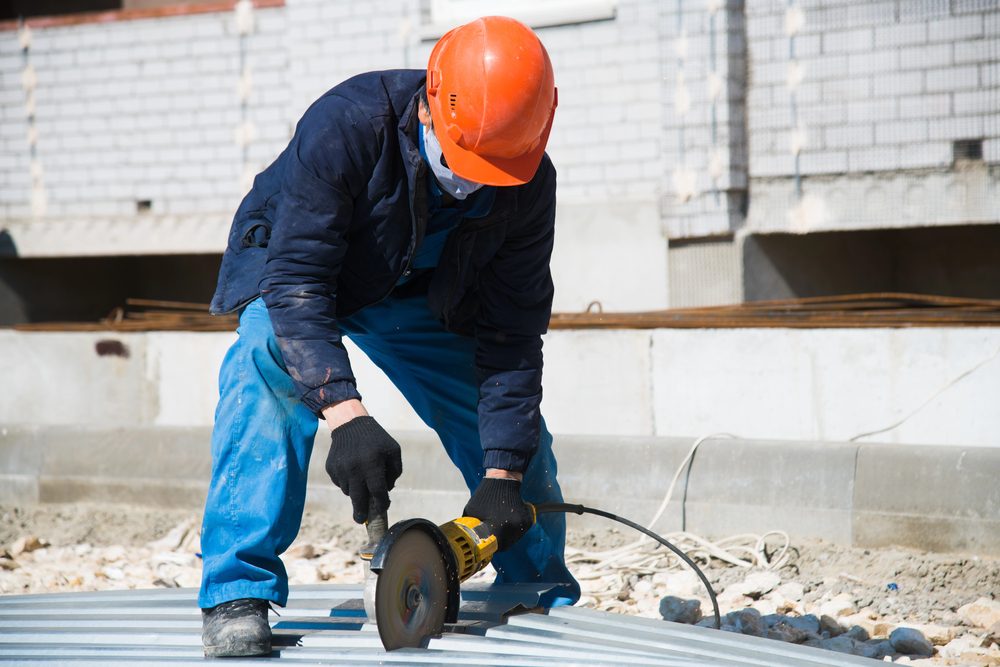

A worker getting hurt on a construction site can quickly become a serious situation for a small contracting business. Beyond helping the injured worker, the business may have to deal with insurance claims, workplace requirements, medical costs, and questions about who was responsible. Knowing when to get legal help can make it easier to understand these responsibilities and respond without making the situation more complicated. For a small contractor, having a clear process after an accident can help protect both the worker and the business.
Small Businesses Still Have Major Safety Responsibilities
Being a small contractor does not mean safety responsibilities disappear when a project gets busy or the crew is small. Employers still need to provide proper training, safe equipment, reasonable supervision, and a work environment where hazards are addressed. Taking these responsibilities seriously can help reduce accidents and prevent additional problems when someone gets hurt.
One Accident Can Create Multiple Legal Issues
A single construction accident can raise several questions about workers’ compensation, insurance coverage, and whether another party may share responsibility. The situation can become more complicated when multiple contractors, property owners, or equipment providers are involved on the same job site. Understanding each potential issue early can help the business respond carefully instead of overlooking an important responsibility.
Safety Violations Can Increase Exposure
Ignoring known hazards or failing to provide proper training can create additional problems for a contracting business after an accident. Missing safety measures may lead to questions about whether the business took reasonable steps to protect workers. Keeping safety practices consistent and addressing hazards promptly can help reduce unnecessary risks on the job site.
Documentation Can Become Extremely Important
After a job site accident, details can become difficult to remember, especially when several people were involved. Accident reports, photographs, training records, safety inspections, witness statements, and related communications can help establish what happened. Keeping these records organized gives the business a clearer account of the incident if questions or claims arise later.
Insurance Does Not Always Solve Everything
Having insurance can provide important protection, but it does not automatically make every injury claim simple or fully covered. Policy limits, exclusions, disputed coverage, and questions about responsibility can still create challenges for a small contractor. Reviewing the policy and understanding what it covers can help the business respond more carefully when an injury occurs.
Third Party Responsibility May Be Involved
Construction sites often have several businesses and individuals working together, so an injury may involve more than the injured worker and their employer. A property owner, general contractor, subcontractor, equipment provider, or another party may have contributed to the conditions that led to the accident. Identifying everyone involved can help clarify where responsibility may lie and what claims or protections could apply.
The Financial Impact Can Be Serious
A serious workplace injury can create costs that go well beyond the immediate medical expenses. A small contracting business may also face insurance issues, lost productivity, project delays, and legal expenses while the situation is being handled. These financial pressures can be especially difficult for a business with limited resources and a small operating budget.
What Contractors Should Do After an Injury
When a worker is injured, the first steps a contractor takes can affect both the worker’s well-being and how the situation is handled afterward.
Address Immediate Safety Concerns
Make sure the injured worker receives appropriate medical attention and that the immediate area is made safe. If a hazard contributed to the accident, address it before other workers are exposed to the same risk.
Report the Incident
Follow the required procedures for reporting the workplace injury to the appropriate parties. Prompt reporting can also create a clear record of when and how the accident occurred.
Document What Happened
Make sure to keep track of significant points at the earliest possible and do not let your memory get clouded by time. Photos of the area taken at the moment, pictures of involved tools, names of witnesses, and work conditions during the accident will all be helpful. Also, get accident reports, training records, and copies of related documents like inspections.
Preserve Relevant Evidence
Unless you have to do so for safety reasons (with say an exploded device), do not discard repair move or rearrange any equipment which could help you find out or reconstruct what happened. It is possible though that evidence should be preserved, if later people question what was the reason for the accident or who was responsible.
Communicate Carefully
When communicating about the accident with employees insurers subcontractors, or any other parties involved, make sure to keep to the facts that you know. Do not speculate on responsibility, nor promise about future outcome until all of the facts and circumstances are sufficiently verified.
Conclusion
A worker injury can create safety, financial, insurance, and legal challenges that a small contracting business may not be prepared to handle alone. Staying organized, documenting the incident, following proper procedures, and understanding who may be responsible can help the business navigate what comes next. When the situation becomes complicated, it may be worth taking steps to get legal help and better understand the options available.
Find a Home-Based Business to Start-Up >>> Hundreds of Business Listings.