FunderPro is one of the leading proprietary trading firms, offering traders the chance to get funded accounts after proving their skills through a trading challenge. Once traders pass the evaluation, they can trade with FunderPro’s capital and keep a share of the profits.
However, like most prop firms, joining FunderPro involves paying for an evaluation challenge, which can be expensive—especially for new traders or those testing multiple prop firms. Luckily, several trusted websites offer FunderPro coupon codes and promo deals to reduce these costs, making prop trading more accessible.
In this article, we’ll dive into the top 3 websites to find FunderPro coupons, so you can start your trading journey without overspending.
Why FunderPro is a Game Changer for Prop Traders
Unlike traditional trading firms, FunderPro allows retail traders to access large trading accounts without risking their own capital. Traders first go through a funded account challenge, where they must demonstrate:
Consistent profitability
Risk management
Adherence to trading rules
Once a trader successfully completes the challenge, FunderPro provides them with real capital to trade.
However, the evaluation fees can add up, especially if you’re taking multiple challenges or retrying after a failed attempt. That’s why FunderPro discount codes are valuable—they lower the cost of entry, allowing traders to participate in these opportunities for less.
Vetted Prop Firms is one of the most trusted sources for FunderPro discount codes. The platform is dedicated to prop trading, so it frequently lists:
Verified FunderPro promo codes
Seasonal promotions
Exclusive affiliate deals
Whether you’re trying FunderPro for the first time or looking for a retry discount, Vetted Prop Firms makes it easy to find reliable and active coupons, helping you reduce your upfront investment.
While ProxyCoupons started as a site for tech and privacy deals, it now features a growing section for prop trading firm discounts, including FunderPro. Traders can find:
FunderPro evaluation fee discounts
Special deals for multiple challenge entries
Offers on reset fees or retry programs
This site is a great option for traders looking to minimize costs while exploring various prop firms.
SaveMyCent is known for its flash deals and limited-time offers, and it’s become a go-to for traders searching for FunderPro coupons. You’ll find:
Short-term challenge discounts
Bundle offers (for traders signing up with multiple prop firms)
Early-bird promo codes during sales events
Whether you’re a first-time FunderPro user or an experienced trader looking for a cheaper retry, SaveMyCent makes it easier to find the best available deals.
Extra Tips to Find Exclusive FunderPro Coupons
Besides checking coupon sites, here are some additional ways to discover exclusive FunderPro discounts:
1. Affiliate Promo Codes
Many trading educators and influencers partner with FunderPro to offer unique affiliate discount codes. These often provide better rates than public offers and sometimes include extra perks like free retries or fee rebates.
2. Social Media Deals
Follow FunderPro on Twitter, Instagram, and LinkedIn, as well as prop trading YouTube channels and Discord communities. FunderPro occasionally shares exclusive codes and flash sales through these channels.
3. Sign Up for Newsletters
Joining FunderPro’s email list or subscribing to Vetted Prop Firms’ or ProxyCoupons’ newsletters often gives you early access to new promotions, especially around big trading events or holidays.
How to Maximize Your FunderPro Savings
Stack Your Discounts
Some sites allow stacking discounts for bundled services or multiple challenges, although FunderPro itself typically limits stacking. Check each site’s terms for combo deals.
Choose Multi-Challenge Packages
If you plan to take more than one challenge, consider multi-pack deals or prepaying for resets or retries at discounted rates.
Shop During Major Sales
Sales events like Black Friday, Cyber Monday, and New Year’s promotions are great times to find the biggest FunderPro discounts. These periods often offer the best savings on challenge fees.
Final Thoughts
Prop trading with FunderPro offers a great path to trade with funded capital, but evaluation fees can be costly. Using discount codes and promo offers is a smart way to reduce expenses. Stay alert for seasonal deals, affiliate codes, and special promotions to make your trading journey more affordable—so you can focus on trading, not fees.
There are over 600+ references to essential oils in the Bible and 33 oils are named.
This gives us a good jumping off ground to how oils were used in Bible times as well as how they can be used today!
But oils aren’t JUST for medicinal purposes or ritual cleansing, they also affect your emotions too, and the Bible speaks to that effect in:
Proverbs 27:9
Isaiah 61:3
Hebrews 1:9
Psalm 45:7-8
Oils are referred to as the oils of gladness. All of the mint and citrus oils have a joyful scent to them that affect your amygdala gland and make you HAPPY! Take that depression! 💣 Melissa and Deep Blue are also great for depression, but those two aren’t specifically listed in the Bible.
Essential Oils in the Bible That Starts with A – Z
God packed the Bible with beautiful, fragrant oils, and every single one has a purpose! 💧 From healing and using for medicinal purposes and using in your cooking to using in religious rituals or burials, these essential oils weren’t just nice-smelling extras…they were powerful tools used by God’s people to live a holy life.
Whether you’re curious about how they were used or looking for natural ways to incorporate them into your day, this A–Z list will inspire awe in both your heart and your senses. 💕
Be sure to check out my other A-Z lists too for more fun! 🥳
Let’s dive right in…
• Essential oils in the Bible that starts with A
Acacia (Isaiah 41:19 ESV)
Used for in the Bible: commodity/form of payment. The wood was used to create things such as the Ark of the Covenant, the Table of Showbread, the Altar of Incense, and the Tabernacle, as well as small lumber products and bowls. The oil from the acacia tree’s fruit was used to make soap and massage oil
Used for nowadays: perfume, moisturizing and soothing skin
Where to buy: none available from a trusted source
Aloes (Sandalwood) (Psalm 45:8 ESV)
Used for in the Bible: incense, embalming, preparing bodies for burial, religious rituals, healing, anointing, natural fragrance for the bedroom (Proverbs 7:17), used to set apart people and objects as holy
Used for nowadays: supports the cardiovascular system, acne, nervous tension, antidepressant, exhaustion, laryngitis, Alzheimer’s Disease, back pain, cartilage repair, confusion, exhaustion, moles, dry skin, vitiligo, circulation, hiccups, lymphatic system, menstrual problems tuberculosis, calms the mind
Used for in the Bible: anointing, healing, fragrance
Used for nowadays: ulcers, asthma, depression, headache, upset stomach, appetite stimulation, arthritis
Where to buy: none available from a trusted source
Cassia (Psalm 45:8 ESV, Exodus 30:24 ESV)
Used for in the Bible: domestic spice, colds, colic, nausea, healing, anointing, commodity/form of payment, fragrance, spiritual cleansing, purification
Used for nowadays: supports the cardiovascular system, circulation, thickens hair, arthritic pain, stress relief, bug repellent, immune support, self-assurance, courage, unashamed, shyness
Used for in the Bible: depression, weak heart, tranquilizer, healing, anointing, natural fragrance for the bedroom (Proverbs 7:17), skin conditions, commodity/form of payment
Used for nowadays: sexual stimulant, circulation, colds, digestion, exhaustion, flu, infections, warts, body acceptance, intimacy
Used for in the Bible: incense, religious rituals, medicinal, promotes reflection, skincare products, fragrance
Used for nowadays: fragrance, Lyme Disease, respiratory, digestive issues
Where to buy: none available from a trusted source
Coriander (Exodus 16:31 ESV)
Used for in the Bible: dysentery, measles, nausea, toothache, hernias, one of the bitter herbs designated to be eaten as Passover. Coriander has been found in Ancient Egyptian tombs along with other offerings such as mustard seeds, parsley, and lotus seeds
Used for nowadays: arthritic, colds, measles, migraine, flu, nausea, poor circulation, colic, gout, menstrual pain, true to self
Used for in the Bible: used in religious ceremonies, perfumes, used in the bridegroom’s garland at weddings. The Ancient Egyptians used roses in religious ceremonies, and roses have been found next to mummies in tombs
Used for in the Bible: spice, used for tithing, used in mummification practices
Used for nowadays: balanced zeal, considerate, respectful
Where to buy: none available from a trusted source
Cypress (Genesis 6:14 NIV; Isaiah 60:13 ESV)
Used for in the Bible: menstrual flow, urinary system, respiratory system, Noah’s Ark was made of “gopher” wood (which is a cypress tree), commodity/form of payment, supports the circulatory system
Used for nowadays: arthritis, bronchitis, cramps, hemorrhoids, insomnia, intestinal parasites, varicose veins, water retention, energy, fever, gallbladder, influenza, lung circulation, whooping cough, wounds, flexible, trusting, adaptable
Used for in the Bible: gift from the wise men to baby Jesus, incense, commodity/form of payment, medicinal, anointing, included in certain meat offerings, burnt offerings
Where to buy: none available from a trusted source (Spearmint: Amazon) (Peppermint: Amazon)
Mustard Seed (Matthew 17:20 ESV, Matthew 13:31 ESV)
Used for in the Bible: spice, condiment, medicinal. Mustard seeds were found in Ancient Egyptian tombs along with other offerings such as coriander, parsley, and lotus seeds
Used for nowadays: spice, condiment, flavoring, inhibits the growth of yeast/mold/bacteria, inflammation
Where to buy: none available from a trusted source
Used for in the Bible: healing, anointing, purification (Esther 2:12), gift from the wise men to baby Jesus, natural fragrance for the bedroom (Proverbs 7:17), embalming, incense
Used for nowadays: chapped/cracked skin, congestion, dysentery, gum disease, hyperthyroidism, infection, stretch marks, ulcers (duodenal), wounds, asthma, athlete’s foot, candida, cough, eczema, digestion, gingivitis, hemorrhoids, sore throats, ringworm, skin conditions, gives a sense of being safe in the world, healthy attachments, trusting, bonding, loved, nurtured, grounded
Used for in the Bible: anointing, healing, perfume, used in ritualistic ceremonies (circumcision, redemption of the firstborn). Myrtle branches were used to cover temporary booths during the Feast of Tabernacles and used to create wreaths for bridegrooms
Used for nowadays: skincare (oily skin), aromatherapy (soothing/calming), spice, flavoring, natural deodorant, used in wedding ceremonies
Where to buy: none available from a trusted source
• Essential oils in the Bible that starts with N
• Essential oils in the Bible that starts with O
Onycha (Exodus 30:34 ESV)
Used for in the Bible: anointing, incense, perfume, used in religious rituals
Used for nowadays: perfume, improve complexion and help nourish the skin, comforting and soothing
Where to buy: none available from a trusted source
• Essential oils in the Bible that starts with P
Pine (Isaiah 60:13 ESV, Isaiah 41:19 KJV)
Used for in the Bible: used in religious rituals. The wood was used in building (houses, ships, other structures), crafting (pine cones), and to make tools.
Used for nowadays: cleaning products, tea (high in vitamin c and good for respiratory system), wound healing, crafting (pine cones), food (pine nuts), firestarters (wood)
Used for in the Bible: used in religious ceremonies, perfumes, used in the bridegroom’s garland at weddings. The Ancient Egyptians used roses in religious ceremonies, and roses have been found next to mummies in tombs
Used for in the Bible: incense, religious rituals, medicinal, promotes reflection, skincare products, fragrance
Used for nowadays: stress, respiratory system, wound healing, ulcers, used in soaps (anti-aging), arthritis, menstrual cramps, to control bleeding
Where to buy: none available from a trusted source
Rue (Luke 11:42 ESV)
Used for in the Bible: garden herb, used for tithing, used in cooking, medicinal (it was believed to be an antidote for poison), used in sprinkling holy water
Used for nowadays: insect repellent, upset stomach, loss of appetite, muscle spasms, muscle cramps, heart problems, breathing issues, nervous system problems, aromatherapy, soaps, cosmetics
Where to buy: none available from a trusted source
*Rue essential oil is contraindicated during pregnancy due to its potential to induce uterine contractions and cause miscarriage.
• Essential oils in the Bible that starts with S
Saffron (Song of Solomon 4:14 ESV)
Used for in the Bible: spice, religious rituals, perfume, dye, used as offerings, incense, anointing
Used for nowadays: highly sought after spice, reduce hyperpigmentation, lighten skin tone, reduce acne and prevent breakouts, faster healing of wounds, cuts, and burns, hydrates and moisturizes the skin, stimulate hair growth, soothe irritated and itchy scalps, protect the body against damage from free radicals, PMS relief, improve mood, reduce anxiety, improve lung function and respiratory symptoms, helps suppress the appetite and promotes weight loss, slows down the progression of macular regeneration
Where to buy: none available from a trusted source
Sandalwood (Aloes) (Psalm 45:8)
Used for in the Bible: incense, embalming, preparing bodies for burial, religious rituals, healing, anointing, natural fragrance for the bedroom (Proverbs 7:17), used to set apart people and objects as holy
Used for nowadays: supports the cardiovascular system, acne, nervous tension, antidepressant, exhaustion, laryngitis, Alzheimer’s Disease, back pain, cartilage repair, confusion, exhaustion, moles, dry skin, vitiligo, circulation, hiccups, lymphatic system, menstrual problems, tuberculosis, calms the mind
Used for in the Bible: commodity/form of payment. The wood was used to create things such as the Ark of the Covenant, the Table of Showbread, the Altar of Incense, and the Tabernacle, as well as small lumber products and bowls. The oil from the shittah tree’s fruit was used to make soap and massage oil
Used for nowadays: perfume, moisturizing and soothing skin
Where to buy: none available from a trusted source
Spikenard (John 12:3 KJV)
Used for in the Bible: perfume, ointment, medicinal, preparing a body for burial, anointing, incense, used as a perfume in religious ceremonies
Used for nowadays: insomnia, nervousness, perfume, rashes, allergies, candida, migraine, nausea, stress, wounds, grateful, acceptance, content, peaceful
Used for in the Bible: medicinal, wine preservative, lamp fuel. Abraham met with the Lord by the terebinth trees and an angel appeared to Gideon under a Terebinth tree.
Used for nowadays: moisturize the skin, promote elasticity and firmness of the skin, wound healing, promote healthy hair, improve hair growth, aromatherapy (calming, stress-reducing), chronic bronchial infections, urinary infections, gallstones, arthritis, gout, sciatica, spice
Where to buy: none available from a trusted source
• Essential oils in the Bible that starts with U
• Essential oils in the Bible that starts with V
• Essential oils in the Bible that starts with W
Wormwood (Revelation 8:11 ESV)
Used for in the Bible: Jeremiah describes his sorrow as being filled with bitterness and made to drink wormwood.
Used for nowadays: stimulate digestion (bitterness), increase appetite, indigestion, bloating, dyspepsia, irritable bowel syndrome, intestinal parasites, joint pain, muscle pain, menstruation pain, supports liver function and health, aromatherapy (eases muscle tension)
Where to buy: none available from a trusted source
*Wormwood should not be used during pregnancy or breastfeeding.
• Essential oils in the Bible that starts with X
• Essential oils in the Bible that starts with Y
• Essential oils in the Bible that starts with Z
Other oils that were not mentioned in the Bible specifically, but have a notable presence in that time period of history:
Caraway – Ancient Egyptians used the spice in religious rituals and in cooking to make foods more digestible. Theophrastus recorded a recipe for oysters, eaten with caraway.
Cardamon – used in India as a spice and for medicinal purposes before Christ’s time. Greek philosopher Plutarch described how the Ancient Egyptians used it in their religious ceremonies and added it to their perfumes. They also used it as a diuretic and found it effective against epilepsy, spasms, paralysis, and rheumatic stiffness of joints. They added it to their wines to extract the therapeutic value of the seeds.
Chamomile – Chamomile was sacred to the Ancient Egyptians, according to Hippocrates, who dedicated it to the Sun because it cured agues (malaria).
Clove – Cloves were known to the Ancient Egyptians, Greeks, and Romans.
Fennel – Theophrastus and Pliny preferred fennel over anise. Dioscorides and Hippocrates both spoke of fennel as well. The Romans used it for its digestive properties. The Greeks believed fennel was a slimming herb, as it is slightly diuretic.
Ginger – The Ancient Egyptians grew ginger and used it in their cooking. The Greeks and Romans also used it, both medicinally and in their cooking.
Lavender – The Romans added lavender to their bath water. Dioscorides, Galen, and Pliny have all mentioned Lavender oil.
Lemon – Greeks and Romans used the peel to perfume clothes and to act as a pesticide.
Marjoram – Dioscorides made a pommade called ‘amaricimum’ with marjoram that was used for nervous disorders. Pliny prescribed it for stomach disorders.
Melissa – The name Melissa derives from the Greek word for bee because the plant is irresistible to bees. Theophrastus and Dioscorides wrote about it.
Oregano – Theophrastus, Aristotle, Hippocrates, Dioscorides, and Pliny revered oregano as a strong antiseptic for the respiratory system and for wounds, ulcers, and burns. They also believed it helped the digestion of food.
Parsley – The Ancient Egyptians and the Greeks used parsley and crowned victorious soldiers with wreaths of it. Pliny and Galen said that no sauce or salad should be without parsley.
Pepper – White and black pepper has been used in cooking and medicine for a long time. It was mentioned in old Sanskrit and Chinese texts in the tenth century BC. Pliny recorded that pepper was more expensive than gold.
Rosemary – The Ancient Egyptians favored Rosemary, and traces of it have been found in first dynasty tombs. To Greeks and Romans, it was a sacred plant. Theophrastus and Dioscorides recommended it as a powerful remedy for stomach and liver problems.
Thyme – It has been used by the Sumerians as long ago as 3,500 BC. The Ancient Egyptians used the plants in embalming. The Romans cooked with thyme and used it medicinally. Pliny recommended it as a remedy for epilepsy.
How were oils used in the Bible?
Oils were used to sanctify and purify people and objects. They were also used as fragrances and gifts. People made the essential oils and sold them to make money in the marketplace, so they were also a commodity of trade and bought and sold.
What oils was Jesus anointed with?
Spikenard oil (John 12:3)
Myrrh (John 19:39-40)
Aloes (Sandalwood) (John 19:39-40)
What were the three gifts given to Jesus?
Gold
Frankincense (essential oil)
Myrrh (essential oil)
What is the king of all the oils?
Frankincense – when in doubt, use Frankincense!
Fun Facts
Myrrh is mentioned in the Bible 156 times.
Cinnamon was often combined with myrrh. Solomon used the oils as a natural cologne, which makes sense because cinnamon is a sexual stimulant.
The word incense is mentioned 68 times.
Is it okay for Christians to use essential oils?
Wicca practices often incorporate essential oils for various purposes, including ritual, spell work, and creating a specific atmosphere for magical practices. Some Christians think that because it is used in those practices, we, as believers, cannot use them.
This is inerrant thinking. It would be like saying, “Well, non-Christians have sex, therefore, I cannot have sex.”
Non-believers will use the same products that we use. If a Wiccan uses binder paper to write on, does that mean we cannot use binder paper?
It’s absurd, right?! As long as you are not practicing magic (which is sin) or doing anything that the Bible condemns, you’re free to use essential oils as you please.
In fact, God has commanded some people in Scripture to use essential oils.
God commanded Moses to infuse oil with aromatic spices to make a sacred anointing oil for the priests in Exodus 30:22–38. God also commanded the priests to add scented oil to certain sacrifices to make them a food offering with a pleasing aroma to the Lord in Leviticus 2:1–2.
Does that mean that WE are commanded to use essential oils? No. We can use them, but we do not have to. It’s our choice. 😊
What are the 12 essential oils of the Bible?
Cassia
Galbanum
Myrrh
Myrtle
Spikenard
Onycha
Sandalwood
Frankincense
Hyssop
Cedar
Cistus
Cypress
As with any herbal remedy, it is advisable to consult with a healthcare professional before using them, particularly if you have any underlying health conditions or are taking medications.
In the conditions of the modern competitive market of floristic services, the formation of a unique author’s style becomes the main factor of professional development and commercial success. A recognizable style allows a specialist not only to stand out among many offers, but also to attract a target audience that shares his aesthetic values. For novice florists who have mastered basic techniques, the transition from craft reproduction to the creation of original works is a significant challenge. The relevance of the topic is due to the growing consumer demand for personalized, author’s products and services, as well as the need for new specialists to find their niche and build a sustainable personal brand. The purpose of this article is to analyze the theoretical foundations and practical strategies for forming a unique style in floristry, intended for novice professionals striving to develop their own creative identity.
Conceptualization of the Concept of “Style” In Floral Design
Style in floristry goes beyond following short-term trends or mastering specific techniques. It is a set of stable, recognizable characteristics of the author’s works, reflecting his individual vision, aesthetic preferences and philosophical approach. This is a consistent choice of certain materials, color palettes, compositional solutions, assembly techniques and even methods of presenting the work [1]. The formation of style is based on a solid foundation of technical skills and a deep understanding of the fundamental principles of design, such as balance, proportion, rhythm, contrast, harmony [2]. The uniqueness of the style does not come from the denial of these principles, but from their author’s interpretation and conscious choice of accents. Style is a visual expression of the florist’s personality and values, his dialogue with the material and the viewer.
Factors That Determine the Formation of Individual Style
The process of style development is multifaceted and influenced by various factors. The main one is the source of inspiration: nature, art (painting, sculpture, architecture), fashion, cultural traditions, works of other masters. Critically important is not direct copying, but analytical processing and transformation of borrowed ideas into one’s own visual language. The level of technical skill and readiness to experiment have a significant impact. Mastering a wide range of techniques and materials, as well as their non-trivial application, expands the expressive possibilities of the florist [5]. A deep understanding and conscious use of universal design principles [2] allows you to create not random, but thoughtful and harmonious compositions that form the basis of the style. An important role is played by the florist’s personal values, reflected in his or her work: commitment to environmental friendliness and sustainability (use of local seasonal materials), the desire to convey certain emotions, focus on certain types of events. Finally, the formation of a style is inextricably linked with the analysis of the market environment and the search for one’s unique niche.
Strategies and Methods for Developing a Unique Style
Developing your own style is a targeted iterative process that includes several key stages. First, a stage of immersion and analysis is necessary – studying the works of recognized masters of floristry, analyzing current trends (not for blind imitation, but for understanding the context), visiting exhibitions, studying specialized literature. Second, a phase of active experimentation is critically important. This includes working with a variety of materials, including non-traditional ones, trying out new techniques and assembly mechanics, exploring various compositional schemes and color palettes. The use of creative thinking techniques can stimulate the generation of non-trivial ideas [3]. Third, constant reflection and self-analysis are necessary: critically evaluating your own work, identifying recurring successful techniques, favorite materials or color combinations, determining what evokes the greatest response. Receiving constructive feedback from colleagues or mentors is useful. Based on analysis and experimentation, a gradual formation of “signature” elements occurs – techniques, methods, forms, color solutions or choice of materials that become recognizable markers of the author’s style.
Consistent and conscious application of these elements in various works contributes to the strengthening and recognizability of the style. The most important condition is continuous training and targeted practice aimed at improving both technical skills and conceptual vision [5].
Style as a Tool for Market Differentiation and Brand Building
In today’s experience and personalization economy, a unique signature style is a powerful tool for differentiation in the florist market. A clearly defined style allows you to attract a specific target audience that resonates with the florist’s aesthetics and values, and build a loyal customer base. This is especially important for small businesses and independent artists, where individuality is a key competitive advantage.
Consumers are increasingly looking for not just flowers, but a unique product or experience that reflects their own taste or status, and are willing to pay for a custom design. A recognizable style becomes the core of a florist’s personal brand [4]. Effective communication of style through a professional portfolio (including online), social networks, and studio or workshop design helps attract clients and build a reputation. Consistency in the visual presentation of work and the transmission of one’s values strengthens the perception of a florist as an author with their own vision.
Thus, the formation of a unique style for a novice florist is a complex but necessary process for professional growth and a successful career. This process includes mastering the theoretical foundations of design and floristic techniques, active experimentation, constant self-analysis and reflection, as well as strategic positioning in the market. Style does not arise spontaneously, but is the result of purposeful work, synthesis of knowledge, skills, personal preferences and values. It serves not only as a means of creative self-expression, but also as an important tool for differentiation, allowing you to build a recognizable brand and attract a loyal audience. Novice specialists are advised to pay attention not only to improving technical skills, but also to developing observation, critical thinking, the ability to experiment and the formation of their own vision. Investments in time and effort in developing a unique style are strategically important for long-term success in the floristry industry. The proposed approaches and strategies are applicable to florists working in various market segments, from creating individual bouquets to large-scale event decoration.
References
Lersch, G. Principles of Floral Design / G. Lersch. – San Diego : Floral Design Institute, 2009. – 351 p.
Lidwell, W. Universal Principles of Design : 125 Ways to Enhance Usability, Influence Perception, Increase Appeal, Make Better Design Decisions, and Teach through Design / W. Lidwell, K. Holden, J. Butler. – Revised and Updated edition. – Beverly, MA : Rockport Publishers, 2010. – 272 p.
Michalko, M. Thinkertoys : A Handbook of Creative-Thinking Techniques / M. Michalko. – 2nd edition. – Berkeley, CA : Ten Speed Press, 2006. – 416 p.
Grant, A. Originals : How Non-Conformists Move the World / A. Grant. – New York : Viking, 2016. – 336 p.
Ericsson, A. Peak : Secrets from the New Science of Expertise / A. Ericsson, R. Pool. – Boston ; New York : Houghton Mifflin Harcourt, 2016. – 336 p.
If you’re a budding home-based entrepreneur, we’re guessing you already have a lot on your plate. Scaling a business while staying afloat can be quite a challenge, which is why so many of your colleagues are looking into passive income.
Though the classics like affiliate marketing or renting a spare room are still viable ways to earn a buck, there’s a much simpler way – becoming a data contributor using nothing but the devices you already own.
is a decentralized AI platform where users can contribute data, such as audio, images, or video, to support the development of AI. Since it works by utilizing the blockchain, anyone with a smartphone can provide data in exchange for rewards, without complex infrastructures or barriers to entry.
If the prospect of forwarding the development of AI and making passive income from your home sounds appealing enough, we’ll show you how to get started with OORT in a few easy steps.
What Is a Decentralized Data Contributor?
In simple terms, a decentralized data contributor is an individual who gathers, shares, and validates data from their private devices through blockchain technology, earning cryptocurrency rewards for their contributions. This is a stark contrast to how traditional data collection works, where a central company maintains full control.
Because there’s no central company, there’s also no middleman. Decentralized data contributors share everything on marketplaces or P2P platforms, all the while receiving fair compensation and retaining ownership of the data they provided.
Traditional data collection can’t keep up with the demand imposed by sophisticated AI models, which is exactly what makes decentralized data contributors a crucial cog in the modern data collection machine. Their role is vital in the proliferation of secure and fair markets where privacy and fairness are front and center, ultimately helping all of us shake off the monopoly held by a handful of tech giants.
How Does The Data Contribution Work? A Simple Walkthrough
Providing data via blockchain seems super high tech, but it’s actually very simple and requires minimal Web3 knowledge. Case in point, the process with OORT DataHub looks like this:
1. Download and Install the DataHub App
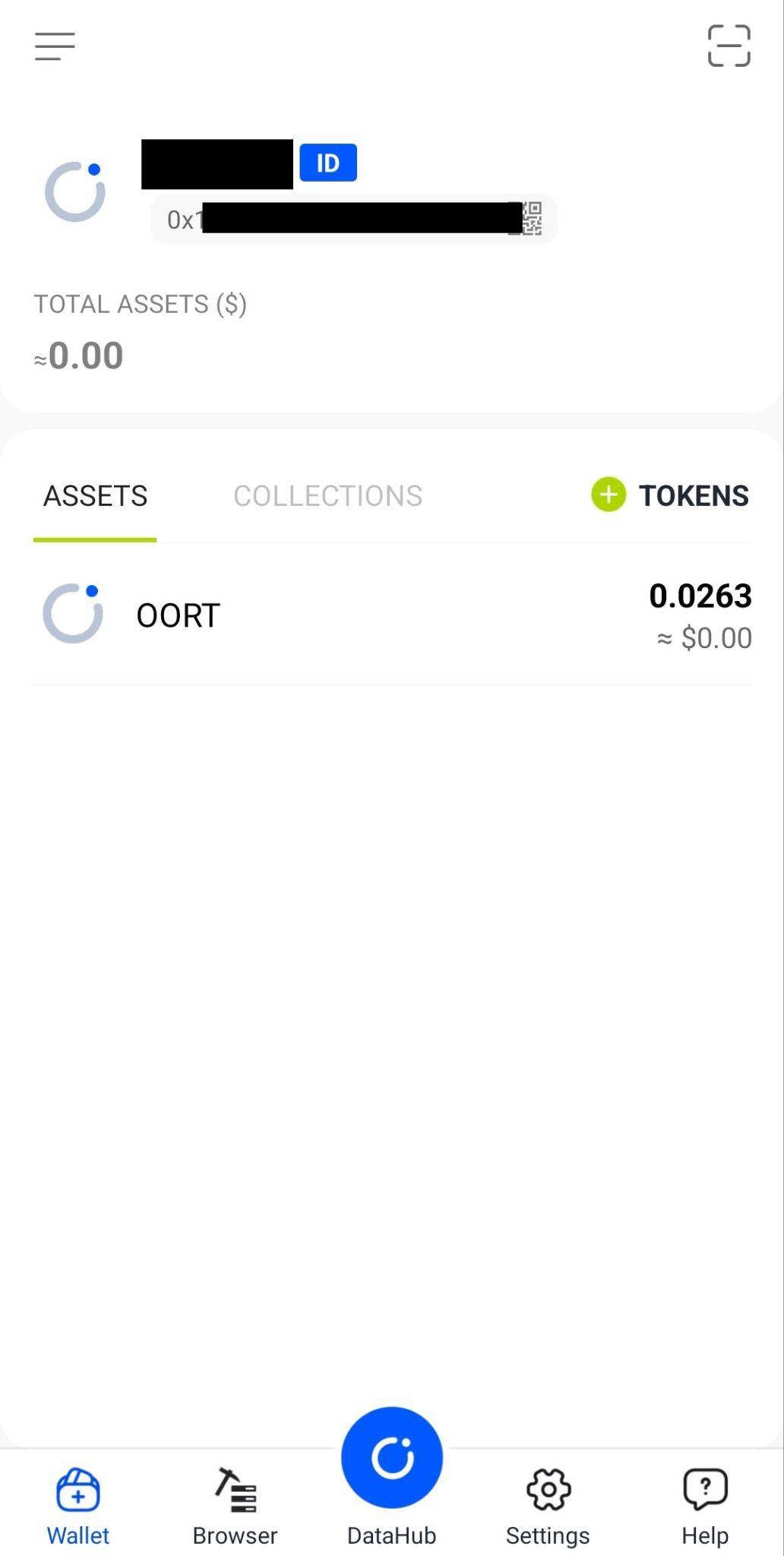
Download the OORT Wallet, which is currently available on Android and iOS. Create an account and add preferred networks (such as BNB Chain), simply follow the onscreen prompts to set up an account.
2. Opt in to Share Anonymized Device and Usage Metadata
You’ll have to consent to sharing your device metadata before you start earning. It may seem invasive, but you can actually opt out at any time, and everything you share is completely anonymized thanks to a zero-knowledge model.
3. Earn Tokens or Crypto Rewards for Completing Simple Tasks
From there on, you can complete individual tasks such as completing surveys that help with AI data labellign, or providing high-quality images of everyday objects, thus contributing to the advancement of AI while generating passive income in the form of cryptocurrency.
4. Withdraw or Trade Tokens for Cash or Other Cryptocurrencies
The main currency on the platform is $OORT, the native utility token. Once you amass enough of it by passively sharing data or validating and completing tasks), you can simply convert it to other cryptocurrencies or fiat via any decentralized or centralized exchange.
How to Choose the Right Platform?
There are plenty of decentralized projects, such as Ocean Protocol or Vana, that are reinventing the data collection game as we speak. However, although they provide earning opportunities to users and don’t require any external hardware, they’re not as easy to get into as OORT, primarily because marketplaces and liquidity pools bump up the complexity and require a more hands-on approach.
OORT’s aforementioned privacy-first design is also noteworthy, as anonymized data and the ability to opt in and out at any time are imperative, providing full control over your information and maintaining your privacy throughout the process.
Plus, OORT is famous for its referral and incentive programs, where you can complete tasks and invite friends to drastically increase your earnings if you ever find yourself strapped for cash.
Tips for Maximizing Your Passive Income as a Data Contributor
If you find that the rewards you receive from data sharing are simply not enough, nothing is stopping you from running the OORT app on multiple devices.
You can also increase your contribution uptime by making sure you keep all active devices connected to a reliable internet connection at all times.
If that still doesn’t do the trick, you can diversify your income streams by sharing your computing power through OORT, or even by pitching in your unused storage space to the community. The company is rolling out new features constantly, so keeping informed about all the latest additions can help you stay ahead of the curve, potentially earning exclusive awards along the way.
Finally, you can give other platforms a try, even if they may not be as user-friendly as OORT.
Potential Risks and What to Watch Out For
The Web3 industry is exciting, but you should be aware of the dangers that are the side effects of no regulatory oversight. There are plenty of unreliable and borderline scammy platforms out there that promise high rewards but are actually Ponzi schemes in disguise or may misuse your data and sell it to third parties.
This is why you should stick to the tried-and-tested platforms like OORT, which employs a transparent privacy model. If something sounds too good to be true, it probably is, and you should never share your personally identifiable information with a project that doesn’t have the community or the pedigree to back their claims up.
The New Era of Data Contribution Begins
Decentralized contribution is a straightforward way to kickstart a new side hustle without much risk, sure. And while earnings are certainly important, the main draws of community-sourced data are the faster development of new AI technologies and cutting the reliance on private companies.
Getting on board now allows you to become one of the early contributors to a brand new movement that aims to reinvent and democratize AI, which will ultimately benefit everyone.
Fortunately, projects like OORT erase all barriers through their intuitive interfaces, allowing everyone to just download and start contributing without much hassle.
How are your time management skills as a freelancer? If you’re struggling, you’ll be glad to know there are time management tools available to help freelance writers turn chaos into organizational prowess.
Without structure, days vanish in a haze of emails, social media, research, and task switching. This is a drain, delaying assignment delivery and potentially risking income!
Between client projects, deadlines, marketing and a never-ending to-do list, staying on top of the day to day may feel impossible. But it’s not! Keep reading to discover 15 strategies and tools to transform the daily grind into a productive, sustainable freelance workflow.
During a Freelance Writers Den discussion, members described struggles fitting in marketing while meeting deadlines, handling family duties and protecting self-care. Packed schedules often push marketing aside, causing freelancers to spend valuable time on repetitive tasks instead of growth strategies.
The Den group recommended project management features, collaboration tools and time tracking to organize manageable tasks, support team projects and deliver detailed reports.
Below, we’ve listed our favorites to help you measure progress and block our distractions so you can make more money writing.
Calendly
Calendly is a scheduling and time management tool that helps people manage scheduling meetings without the hassle of going back and forth in email. This productivity tool lets users share their availability, allowing clients and collaborators to book meetings during open time slots.
Calendly is a superb time management tool because it helps reduce time spent setting up meetings, helping writers focus on money-making activities. The intuitive interface and calendar integration of this solution improve team collaboration and task progress.
With features like setting reminders and managing multiple schedules, Calendly helps freelancers stay organized and on schedule across different time zones and projects. Available on mobile devices and desktops, it’s a valuable management tool for streamlining communication and keeping project progress on track.
Google Calendar
Google Calendar is a powerful time management tool that helps writers schedule interviews, set reminders and organize daily tasks with ease. This popular calendar app syncs with mobile devices and communication tools like Slack, providing timely notifications to keep writers on track.
With features like time blocking and color-coded events, Google Calendar helps prioritize important tasks to boost productivity. Integration with tools like Calendly further streamlines scheduling and team collaboration.
Google Calendar’s intuitive interface makes it easy to track progress on projects and stay focused on deadlines. It helps freelance writers and small teams manage their time entry and daily tasks effectively, ensuring valuable time is used efficiently across multiple projects.
Toggl Track
Toggl Track is a simple time tracking app that helps freelance writers and small teams log time spent on daily tasks and projects. With just a click of the play button, users can start tracking time on specific tasks and organize projects by client for streamlined and accurate project time tracking.
Toggl’s intuitive interface supports billable hours tracking and detailed timesheets, helping writers and project managers see how much time is spent on brainstorming, drafting and editing. The app’s reminders and time log features help avoid bad habits like forgetting to track time, improving time management and tracking task progress.
Integration with other productivity tools enhances team collaboration and project progress. Toggl’s detailed reports give in-depth insight into time spent, supporting better planning and tracking of important tasks.
SmartSuite
SmartSuite is a top time management tool for freelance writers and content teams. This all-in-one project management tool offers task management, project time tracking and time tracking software to help measure progress and manage daily tasks easily. The simple interface supports manageable tasks, Kanban boards and priority levels, helping writers organize their to-do list and stay focused.
SmartSuite’s native time tracking app automatically records time spent on billable hours and creates detailed timesheets and time logs, making it simple to separate billable from non-billable work. Team collaboration improves with built-in communication tools like group chats, task comments and @mentions, boosting team productivity.
Key features for project management include project phases, milestones, file attachments and version control, all supported by detailed reports and project progress dashboards. With unlimited users and mobile device support, SmartSuite helps small teams streamline workflows, block distracting websites and automate repetitive tasks—a user-friendly management tool for better employee time and task entry.
Trello
Trello is a versatile project management tool that helps freelance writers and small teams manage editorial workflows using Kanban boards. This time management tool organizes daily tasks visually with boards, lists, and cards, making it easy to monitor progress and focus on the most important tasks.
Trello’s beginner-friendly interface supports task management with customizable fields, to-do lists and priority levels. Writers can create manageable tasks, set reminders and use time tracking tools through Power-ups—integrations that improve project time tracking and automate repetitive tasks.
Collaboration tools enable real-time communication, note-taking and easy file attachments, boosting team productivity and supporting project progress. Trello connects with other apps such as Google Docs, Slack and Evernote to streamline workflows across desktop and mobile devices.
Trello’s flexible project management features include calendar, timeline and dashboard views, helping writers stay focused and block distracting websites.
Asana
Asana is a strong project management tool designed for medium to large editorial teams. This time management software combines task management, time tracking, and collaboration tools to keep project progress on track.
Writers and managers can use customizable templates to collect client info, detailed task lists with dependencies and time blocking to manage time spent on daily tasks. Asana’s project management features include work portfolios that organize multiple projects, showing a detailed view of content status, deadlines and milestones.
Team collaboration improves with task assignments, comments and integrations with popular apps like Slack, Dropbox and Google Calendar. Automatic tracking of billable hours and detailed reports help teams manage resources and avoid bad habits like losing track of repetitive tasks.
Asana’s intuitive interface works best for teams needing full control over task progress and employee time entry.
ClickUp
ClickUp is a flexible project management tool for large editorial teams that need a customizable interface to manage complex projects. This time management software combines task management, time tracking tools and collaboration features to boost team productivity and streamline workflows.
Writers can track project progress with Gantt charts, Kanban boards and calendar views. Custom fields, dependencies and task comments help manage important daily tasks and priority levels. ClickUp’s whiteboards provide a virtual space to plan workflows and map task progress.
Built-in time tracking apps support automatic tracking, time entry and detailed timesheets, making it easy to separate billable hours and track time spent on each task. With mobile device support and integrations with favorite productivity tools, teams can stay focused and manage employee time from anywhere.
ClickUp supports unlimited users and offers detailed reports, making it a user-friendly project management tool for automating repetitive tasks and keeping the bigger picture in view.
Todoist
Todoist is a straightforward task management tool perfect for freelance writers and small teams looking to organize daily tasks and improve productivity. The intuitive interface lets users create manageable tasks, set priority levels and build detailed to-do lists to track progress and focus on the most important tasks.
Features like due dates, reminders and task comments help avoid bad habits such as procrastination and multitasking. Integration with popular apps like Google Calendar, Gmail and Slack supports smooth communication and collaboration tools within team projects.
Available on mobile devices, desktops and web, Todoist supports time blocking and task scheduling, making time management easier. While it lacks additional features for project management, Todoist’s simplicity and extra productivity tools make it a favorite app for personal use and small teams.
Clockify
Clockify is a comprehensive time tracker that combines project management and team collaboration tools. It offers unlimited users, making it perfect for freelancers and small teams managing multiple client projects.
With Clockify, writers can track time spent on each project and task, organize daily tasks, and maintain detailed timesheets. The platform’s project time tracking and task management features help measure progress and billable hours accurately.
Clockify provides detailed reports and analytics that show how valuable time is allocated across projects, helping users avoid bad habits and focus on the most important tasks.
Notion
Notion is a flexible project management platform with a user-friendly interface, ideal for individual writers and small editorial teams. Notion’s customizable workspace combines task management, note-taking and collaboration tools to create a centralized hub for writing projects and educational resources.
Writers can organize daily tasks and to-do lists using Kanban boards, Gallery, List or Timeline views to track project progress and focus on the most important tasks. Notion’s native formulas and functions automate task updates, supporting smooth time blocking and project time tracking.
Collaboration tools boost team productivity with shared documents, tagging and feedback features, while detailed reports and time logs help monitor time spent and employee time entry. Integration with favorite apps enables seamless workflow management across mobile devices and desktops.
Monday.com
Monday.com is a comprehensive project management solution designed for writing teams seeking advanced reporting and customizable workflows. This platform combines managing tasks, tracking time and automation to help editorial teams plan resources, manage budgets and track project progress efficiently.
With a simple interface, Monday.com allows teams to break projects into manageable tasks, organize to-do lists and set priority levels. The no-code automation builder automates repetitive tasks, sends reminders and updates status in real time, boosting team productivity and helping writers stay focused on the most important tasks.
Portfolio management features provide a detailed view of multiple projects, enabling project managers to allocate employee time and monitor task progress through Gantt charts, Kanban boards and timeline views.
Custom feedback forms streamline communication between clients and writers, while integrations with popular productivity tools enhance collaboration and simplify workflow.
Wave Accounting
While not a time management tool per se, Wave Accounting helps freelancers and small teams organize invoices, expenses and payments efficiently. This user-friendly platform helps writers create professional invoices with custom logos and brand colors, making billing look polished and trustworthy.
With Wave’s mobile app, tracking expenses is easy—users can take pictures of receipts and keep detailed records for taxes and budgeting. The software supports managing billable hours, time entry and generating detailed reports, giving freelancers a full view of their finances and cash flow.
Wave Accounting helps freelance writers stay on top of their business tasks by streamlining invoicing and payment tracking, reducing time spent on repetitive financial tasks.
Google Docs
Google Docs is a user-friendly collaboration tool that helps writers and teams manage tasks and projects together. It allows easy note-taking, task lists and sharing documents with clients or team members.
With features like real-time comments and suggestions, Google Docs improves team collaboration and communication tools. The platform’s version history tracks task progress and lets users restore deleted content, keeping important work safe.
Google Docs supports managing daily tasks and smaller tasks with a highly intuitive interface accessible on mobile devices and desktops. It helps writers stay focused, organize valuable time and avoid bad habits like losing track of repetitive tasks.
Integrations with other favorite apps make it easy to connect workflows, manage time and track project progress efficiently.
Teamwork
Teamwork excels as a comprehensive project management solution combining time management with client operations, tailored for content marketing agencies and freelance writers managing multiple clients. This platform offers robust project management features alongside client onboarding, budget planning and time tracking to streamline workflows.
Writers and project managers benefit from collaboration tools such as built-in messaging, comments and mentions, which facilitate communication and client approvals. The intuitive interface supports task management, enabling teams to measure progress on daily tasks and manage important deadlines efficiently.
Teamwork’s time tracking app monitors billable hours and time spent, generating detailed timesheets and invoices directly within the platform. Project reporting features include burndown charts, profitability reports and resource allocation insights, helping teams maintain high productivity and avoid bad habits like losing track of repetitive tasks.
RescueTime
RescueTime is a time tracking tool that runs in the background on your computer and mobile device. It automatically tracks time spent on writing and other daily tasks, giving detailed reports on how time is used.
With this time management tool, writers can see how much time is spent on distractions like social media and set limits to block distractions. The app’s productivity scores and activity reports help track progress and improve time management.
This time tracking software makes it easy to monitor billable hours, avoid bad habits, and stay focused on important tasks. The simple interface and automatic tracking help freelancers and teams manage employee time and task entry more efficiently.
AppBlock
AppBlock is a productivity and time management tool that helps writers stay focused by blocking distracting websites and mobile apps during scheduled times. The user-friendly interface allows setting custom blocks, including strict modes that prevent uninstalling the app or bypassing restrictions, ideal for avoiding bad habits and staying on task.
By limiting access to social media and messaging apps, AppBlock supports time management and time blocking, helping freelance writers protect valuable time for important and daily tasks. The app’s schedule and reminder features keep users on track, improving task progress and overall project productivity.
Available on mobile devices, AppBlock works well for individuals who need help managing repetitive distractions and maintaining focus in both personal use and team projects.
How to manage your time as a writer
Just because you’ve got a new time management tool to play with doesn’t mean you’re automatically going to become a productive freelance writer. You’ve got to put some practices into place that go along with tech tools to get results. Here’s a list of helpful time-management tips from our Freelance Writers Den insiders.
Block time for important tasks
Use time blocking to schedule daily tasks like writing, pitching, marketing and client calls. Track time spent on each task to improve your estimates and build a manageable to-do list.
Turn off notifications
Minimize distractions by disabling alerts on your mobile device and computer. This helps you stay focused and avoid bad habits that reduce team productivity and personal output.
Use task management tools
Leverage project management solutions like Trello or Todoist to organize your task list, set priority levels and track task progress visually using Kanban boards or lists.
Work from dedicated spaces
Change your environment to increase focus. Consider co-working spaces or quiet cafes to separate work from home distractions, helping maintain valuable time and reduce interruptions.
Set reminders and deadlines
Utilize reminders in your time tracking app or calendar tools like Google Calendar to keep on top of daily tasks and prevent procrastination.
Track billable hours and time logs
Use time tracking software such as Toggl or Clockify to log billable hours and analyze how you spend your working day, improving future scheduling and project time tracking.
Automate repetitive tasks
Apply automation through platforms like SmartSuite or Monday.com to handle routine actions, saving time for creative work and improving team collaboration.
Prioritize smaller tasks
Break larger projects into smaller tasks and tackle the most important tasks first, ensuring steady project progress without feeling overwhelmed.
Use collaboration and communication tools
Stay connected with editors, clients or teammates via integrated communication tools to get quick feedback and keep all project updates centralized.
Review and adjust regularly
Analyze detailed reports from your time tracking tools to spot inefficiencies and refine your time management strategy continually. Also, consider using AI writing tools and proofreading tools to save even more time!
Work smarter, not harder
Mastering time management is essential for writers who want to boost productivity and meet deadlines consistently. Using the right project management solution and productivity tools helps streamline workflows, organize daily tasks and manage billable hours effectively.
Whether you prefer simple apps for managing tasks or advanced platforms with automation and detailed reports, the key is to find what fits your style and team size. Stay consistent, review your progress, and keep improving. By working smarter, not harder, with these tools and strategies, you’ll enhance your writing career and enjoy better control over your time and projects.
FAQs
What are the 5 Ps of time management?
The 5 Ps of time management include Prioritize, Plan, Prepare, Perform and Pause. These key features help writers and teams stay focused on important tasks by building a clear to-do list and managing daily tasks efficiently.
Prioritizing ensures manageable tasks receive attention first
Planning involves scheduling and using time-blocking techniques
Preparation readies resources
Perform focuses on executing tasks
Pause prevents burnout by managing valuable time
These principles support better management of tasks and improve overall project progress with the right tools.
What is the 7-8-9 rule for time management?
The 7-8-9 rule suggests allocating seven hours for work, eight hours for sleep and nine hours for personal time daily. This balance helps maintain productivity and avoid bad habits like overworking or multitasking. Using time management tools and a project management solution can help track time spent on tasks, ensuring the 7-8-9 balance is respected. By managing time and setting priority levels, writers can stay focused, improve team productivity and optimize their daily tasks effectively.
What is the 6-12-6 rule for time management?
The 6-12-6 rule breaks the day into three blocks: six hours for work, 12 hours for personal life and rest and six hours for sleep. This method promotes a healthy work-life balance, supporting better focus on the most important tasks during work hours. Freelancers can utilize time tracking apps and software to monitor time entry and time spent, ensuring that valuable time is not wasted on distractions. Integrating collaboration tools and task lists helps maintain project progress and manage repetitive tasks efficiently.
If you want to move up and earn more as a freelance writer, learning how to manage your time, set priorities and avoid distractions can dramatically improve your productivity and earning potential. Create a plan, use these time-management tools and get to work.
Evan Jensen is a past editor for Make a Living Writing. When he’s not on a writing deadline or catching up on emails, he’s training to run another 100-mile ultra-marathon.
This is an updated version of a story that was previously published. We update our posts as often as possible to ensure they’re useful for our readers.
Wondering how people seem to have the CUTEST fonts on all of their products? T-shirts, printables, courses, etc…
Well, guess what? You can have that too. 🙂
Check out these beautiful top font pairing inspirations!
Top Font Pairing Inspiration
If you take one look at the internet, different shops, or products, I am sure you’ll notice ALL of the different fonts people use. In your mind it may not register as, “Oh wow what a pretty font,” but you notice it right?
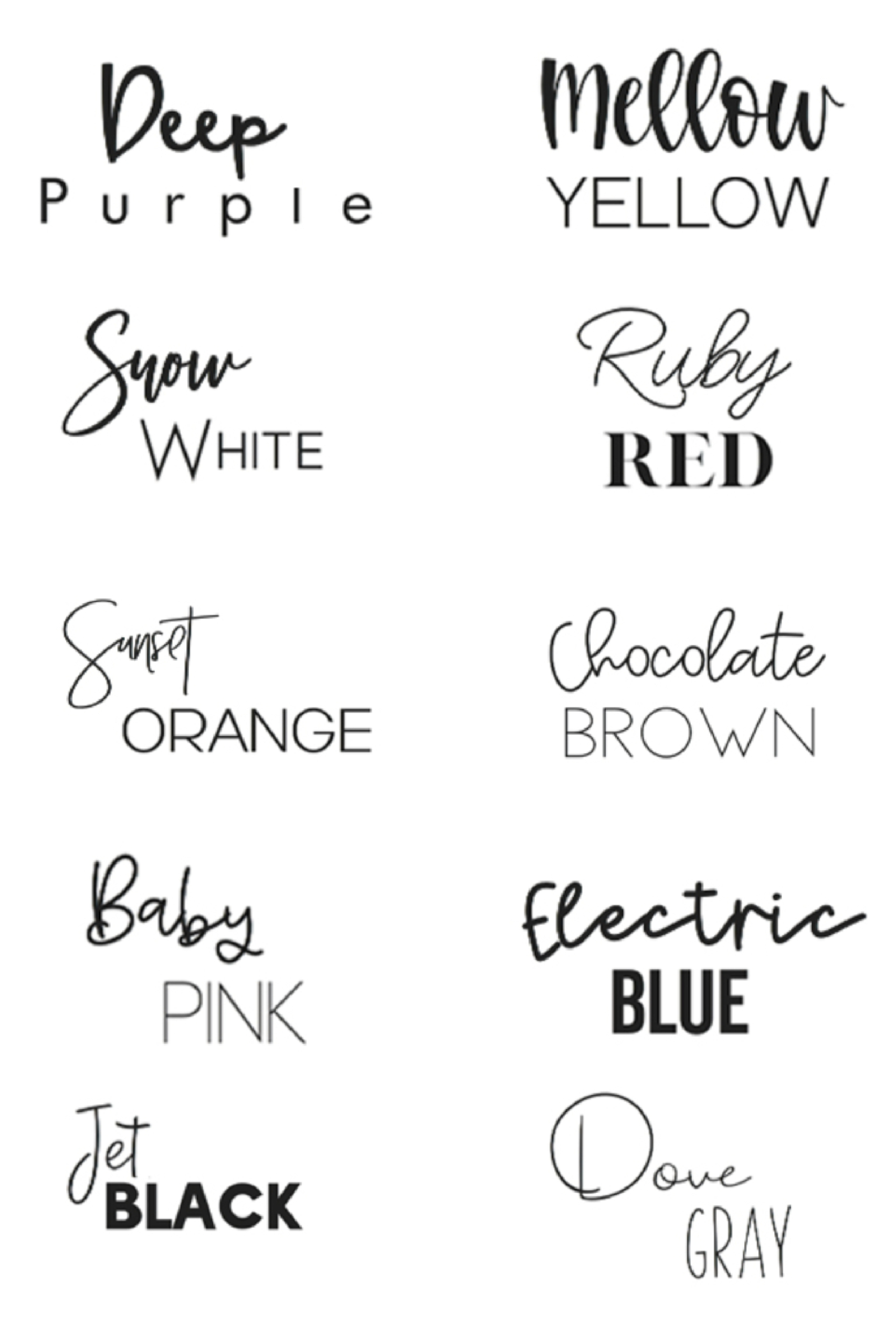
I have got 10 font pairings – that’s 20 different fonts – that you will absolutely love! These fonts are placed together in order to promote the most attractive and mindful pairing inspiration for you.
You’ve got tons of options deepening on the feeling/emotion you want to put out there with your products. The best part? They are totally free for you to download and use!
These fonts are STUNNING and are such an easy-to-read feminine font style. They will be perfect for digital products, physical products, branding, image creation, I mean you name it!
How much more likely are you to approach something that just looks nice? If you had the choice between a plain and boring scripted picture to click on, or one with gorgeous fonts and bright colors, what are you going to pick?? Exactly! The nicely designed one, right?
You don’t have to be super technical to use these fonts – you can definitely use them for your own personal projects as well, which we’ll get to. 🙂
All of the fonts on this list are currently good to use for:
Commercial Use
Unlimited Number of Projects
Unlimited End Products For Sale
Font words on the picture {Name of First Font} {Name of Second Font}
Creative Ways To Use These Fonts:
There are tons of super fun and creative ways to use these fonts! Here are a few suggestions for you…
Mix & Match
I mentioned these fonts are all paired and designed to be together for the most attractive look…but hey, everyone has their own opinion!
Feel free to mix and match these fonts as you see fit. You can even just use one or pair 2-3 instead.
It is totally up to you how to use these fonts, they are paired together as a guideline to help you get started. But once you download, you can totally arrange them however you like for maximum product engagement. 🙂
Use For Digital Products
Do you sell digital products online?
Maybe you are wanting a free and easy way to upgrade/create new digital products? Use these top fonts to enhance your online store! When paired together, these fonts hit the jackpot and will make your digital products POP! Set yourself apart and up your online selling game. 🙂
Some great digital product examples to use these fonts for:
Ebooks
Courses
Graphic design – logos, favicons, headers, etc.
Brand Kits
Marketing pages
Printables
Planners and eplanners
Binder pages
Use On Physical Products
These fonts would look absolutely beautiful on all of your physical products you have to sell! Maybe you have an online shop through your website or Etsy – either way, you can start adding these cute fonts to all of your physical products.
Some great physical product examples to use these fonts on:
Tumblers/Yeti cups
Clothing – T-shirts, sweatshirt, pants
Baby clothing & blankets
Mugs
Journals and notebooks
Planners and binders
These fonts are sure to up your selling game and set your products apart. 🙂
Personal Use
Don’t have any products to sell? These fonts are still for you!
Use them when creating your own personal projects on your cutting machine – scrapbook decor, T-shirts, cards, mugs, and tons more!
With these ADORABLE fonts, you won’t have to spend lots of money on premade items because you’ll have your own great tools! You could search for your own fonts online but it takes FOREVER to play with different fonts and come up with combinations that look GORgeous!
Whether you run your own online shop or just like to make crafts yourself, these top fonts will definitely help add a beautiful design element to anything you create! 🙂
Short-form video rose to popularity after the pandemic, when people were stuck at home browsing social media newsfeed. It was more than just a passing trend, however. The preference for bite-sized video content thrust TikTok into the spotlight – and Instagram Reels and YouTube Shorts along with it.
If you want to build your brand and tell a story, video is one of the best ways to do it. There’s a lot of craftsmanship that goes into engaging, concise, and impactful bite-sized videos, though, and here’s what you need to know.
The Power of Storytelling
In general, visual content captures attention more than the written word. However, there needs to be a story tying it all together. Visual appeal for the sake of it won’t hold an audience, no matter how beautiful your video is.
The right story paired with stunning visuals gives your content depth, shares your brand’s message, and humanizes your brand. This is not only more effective than content that’s strictly promotional, but also brings an emotional hook that builds trust with audiences.
Here are some benefits to storytelling in your bite-sized videos:
Attention Grabbing
Capturing the attention of a social media user is no easy feat. With tons of content crowding newsfeeds, it can be difficult to get a user to stop scrolling long enough to absorb a message. However, video content with storytelling can help you create an emotional hook that grabs attention and holds onto it.
Information Retention
Stories can be used to explain, move, educate, inspire, and much more. As a result, viewers are more likely to remember what they learned in a video compared to the written word. Just think of how easily most people recall critical moments from a movie, but not a book.
Brand Humanizing
People want to purchase from brands that align with their values. They want to support the human behind the brand, not a faceless corporation. Storytelling in video form can develop this deep connection and authenticity that helps your audience see the human that built your brand and the people who make it happen.
How to Use Storytelling in Short-Form Video
Short-form video can be powerful, but it has to be effective. Here are some tips to incorporate storytelling into your short-form video content:
Use the 4 Ps of Storytelling
The 4 Ps of storytelling are a framework to create a focused narrative that drives a message home:
Plot: The story you’re telling.
Purpose: The goal or purpose of the story and what you expect to inspire in the audience.
People: The characters and their relatable characteristics that audiences connect with.
Place: The location of the story and how it plays a role in the message.
Once you know your 4 Ps, you can craft your story to make an impact.
Have a Concise Message
Marketing messaging should always be concise and to the point. Your story is the same way, focusing on a single message at a time. This is especially important with shorter videos, as you don’t have the time to deliver multiple messages. If you try, you’ll have a chaotic, vague, and purposeless story.
The core message that your story is trying to tell should be tailored to your audience. Make sure you understand your different audience segments and their goals, challenges, problems, pain points, and aspirations, as well as how your products or services can offer value to them, to focus your message.
Craft the Structure and Story Arc
Stories have a beginning, middle, and end, no matter their format. Short-form videos present this arc in a much shorter time than a long-form video, so you have to think about every single detail to fit in all you want to say.
Most stories follow one of these arcs:
Three-act: These stories have a beginning that introduces the characters and the setting. Then, the conflict is introduced that the characters have to overcome, which could be the pain points that your customers have and the way your product helps.
Two-act: These stories introduce a problem and its solution. Two-act stories can be effective in short-form videos because they’re direct and maximize time, such as introducing the common problem customers have and highlighting your product or sharing a product demonstration.
Hero’s journey: The hero’s journey is a popular story structure that’s found in Hollywood films of all genres, featuring a hero and the challenge they face in a journey of transformation. You can modify the hero’s journey to your brand by using a relatable character and the challenge they must overcome.
Rely on Emotional Hooks
Emotions drive decision-making, just like logic. However, emotions can be especially powerful when it comes to memory. People tend to recall a video that inspired an emotional response, whether it’s sadness, anger, happiness, humor, or nostalgia.
For example, this Children’s Aid video highlights challenges faced by many children in the path to living their dreams and delivers a message of hope and perseverance. This video from the Nature Conservancy focuses on the drive to build urban forests, blending factual information with a sense of urgency to inspire action from the audience.
Include Micro-Stories
Some stories are simply too long to tell effectively in under a minute. In this case, you can break your story into micro-stories – smaller, digestible videos that connect with different audience segments and relate to the overall arc and narrative – that can be used in a video series.
For example, a “about us” video can start with the brand story and history, then an introduction to products and customer success stories. Industry news, employee highlights, or charitable initiatives also make for great micro-stories in your narrative.
Embrace Bite-Sized Videos to Tell Your Brand Story
Short-form video is a wildly popular option for marketing, capturing attention, building trust, and making an impact, especially when you include some storytelling. These tips should help you craft a story perfectly suited to short-form content.
Love travel and want to make money writing about it? Travel writing jobs offer freelance writers a fun way to share stories, tips and destinations with curious readers.
Whether you’re pitching articles to travel magazines or blogging from New York or Washington, travel writer jobs exist for every experience level.
Many editors of travel blogs accept pitches based on past journeys—no need to go live on location. From freelance assignments to full-time contracts, there are travel writing jobs for everything from exploring local culture to teaching travel history.
Ready to join the world of travel writing? Let’s talk next steps.
How much do travel writers get paid?
Pay for travel writing jobs depends on the outlet, topic and experience. Small blogs might offer $50–$200 per post, while print magazines, such as National Geographic or Lonely Planet, pay $0.50 to $1+ per word for feature articles.
Freelance writer rates also vary by assignment type. Writing web content, guidebooks or travel copy for clients can bring steady money, especially with an ongoing contract. New writers may start small, but quality stories, strong research and consistent performance help build trust (and additional assignments) with editors.
Some sites pay per article, others after completing multiple pieces. Remote work, volunteer writing and niche blogs help build a solid travel portfolio.
With time, feedback and networking, writers gain access to better-paying freelance writing jobs and exciting travel writer opportunities around the world.
How do you become a travel writer?
Becoming a travel writer doesn’t require a degree or years of experience, but it does take strong writing, curiosity and commitment. Many start by creating travel blogs or short articles about their hometown, weekend trips or unique cultural experiences. Those early stories help build a portfolio, teach what editors look for, and prepare you for working with paying clients later on.
Looking for a place to sharpen your skills and connect with others? Freelance Writers Den is a paid membership site packed with writing courses, expert interviews, pitch examples and a private forum where you can ask questions, get feedback and grow your freelance writing career. Whether you’re exploring this path or looking to become a full-time freelancer, this community helps you earn more from your writing.
Are travel writers in demand?
Travel writers remain in demand as the world reopens and readers crave fresh stories about destinations, cultures and journeys. With the rise of digital platforms, blogs and websites, editors constantly seek talented freelance writers who can deliver quality articles, engaging travel tips and unique perspectives.
Travel writing jobs include everything from creating content for travel writing magazines to writing web copy for travel brands. Demand also grows for writers who can combine storytelling with research and interviews, helping clients reach readers hungry for authentic travel experiences.
Building a strong portfolio and networking with editors boosts chances of landing paid gigs in this competitive but exciting career.
20+ travel writer jobs
Looking to join the world of travel writing? Below, you’ll find travel writer jobs offering paid opportunities for freelance writers at all levels.
These sites and publications accept pitches, assign stories, and provide chances to build a strong portfolio. Whether writing blogs, travel articles or web content, this list covers a variety of contracts and remote gigs to help you start or grow your career.
Dive in, explore new destinations through your writing, and take the next steps toward turning your passion into a fulfilling freelance career.
1. Backpacker
Backpacker offers freelance writing jobs focused on hiking, backpacking, and outdoor travel across North America. This print and digital magazine accepts pitches—no full articles. Writers get a real shot here, nearly half of the stories come from freelancers. Pay can hit $0.50 per word. Pitch short, strong stories with a clear takeaway. Editors look for passion, good research and voice. Want to grow your portfolio or writing career? This could be your next step.
2. Backroads USA
Backroads USA offers travel writer jobs for those into motorcycle touring and road trip adventures. This monthly mag wants freelance writing focused on hidden gems—quirky diners, odd attractions, cool destinations. Writers must send strong articles plus high-quality photos. Pay starts at $75. If your passion involves remote roads, local stories and exploring offbeat stuff, this opportunity might fit. Great for building your portfolio and reaching readers who love life on two wheels.
3. My Itchy Travel Feet
My Itchy Travel Feet welcomes original travel stories crafted for active Baby Boomers. Submissions must stay engaging and insightful, and reach at least 1,200 words with headings and helpful reference links. Provide high-quality photos with proper attribution. The payment gets negotiated and sent via PayPal upon publication. Timely delivery and professionalism remain essential.
4. Escapees Magazine
Escapees focuses on RV travel and lifestyle, making it perfect for freelance writers who love exploring the open road. They prefer well-researched, how-to and personal stories with photos. While member content gets the first look, the Escapees Magazine welcomes nonmember pitches. Pay ranges from $25 to $200 per story, plus assignment expenses sometimes covered. Writers with a passion for RV life, plain writing and good research will find this a great chance to build a portfolio and connect with readers who love adventure.
5. International Living
Want to write essays or personal stories about your life abroad? International Living pays for fresh content on retiring overseas, healthcare, cost of living and hidden gems around the world. They welcome submissions from content creators, freelance writers and expats with strong writing skills. Ideal for professional writers or those seeking freelance writing jobs with global appeal. If you can offer practical advice and inspiring stories, this is your chance to write for money on a well-known platform that values real experience. Payment varies per piece and includes pay for accepted photos.
6. Lonely Planet
Lonely Planet offers incredible freelance opportunities for professional writers, skilled writers and content creators with strong writing skills. Although currently closed to new pitches, it’s worth preparing for future openings. They look for well-written pieces with fresh content, from personal essays to researched features. Ideal for those seeking freelance writing jobs with a global audience, including social media posts and long-form travel writing. Topics include identity, nature, sustainability and cultural events. Rates range from $275 to $400+, depending on word count and expertise. A great fit if you’re passionate about storytelling and writing for top platforms.
7. Oregon Coast Magazine
Want to write essays or first-person adventures that capture the Pacific Northwest’s charm? Oregon Coast Magazine offers freelance writing jobs for skilled writers passionate about nature, history and community. They seek well-written, research-based stories with vivid details and a strong narrative voice. Typical topics include scenic drives, outdoor experiences, and notable coastal residents. Articles range from 450 to 3,000 words and pay $100 to $650. Payment depends on quality and length. They also accept photos—ideal for content creators with a visual eye. A great fit for those who want to write essays that inform and inspire.
8. Porthole Magazine
Porthole Cruise and Travel Magazine offers freelance comedy writing jobs, travel writing jobs and opportunities for content creators who can bring fresh content to cruise-focused stories. They’re looking for professional writers with sharp writing skills and a unique angle—think quirky onboard experiences, offbeat shore excursions, or train journeys tied to cruise ports. Avoid clichés and generic cruise reviews. Instead, write essays that include quotes, vivid detail and unusual anecdotes. Submissions must be cruise-passenger accessible. Payment is upon publication. A great platform for social media posts, blog-style storytelling or anyone looking to write essays with personality.
9. Rova
ROVA Magazine is a great place to write essays for money if you’re into RV adventures, scenic drives and offbeat U.S. destinations. They want personal, well-written papers with heart—think first-person essays or photo essays that spotlight life on the road. They’re especially interested in stories that feel authentic and grounded, so AI-generated content is a no-go. If accepted, you’ll earn $200 per piece and get published in a glossy, well-loved travel magazine. Ideal for skilled writers with a passion for storytelling and a love of the open road.
10. RVTravel
Are you a skilled writer with a passion for RV living, travel tips, or camping hacks? RV Life Network invites contributors to submit short articles, essays, tips, poems and press releases. If your piece is accepted, you could land a spot as a regular paid contributor or columnist. Articles can be up to 700 words, and you can include photos as well. Whether you’re offering road-tested advice or heartfelt stories from the road, this platform is a great option if you’re looking to write essays for money and connect with a wide RVing audience.
11. Transitions Abroad
Transitions Abroad welcomes travel writers eager to share inspiring travel articles and freelance travel writing jobs. Submit articles up to 2,000 words on cultural immersion, volunteering abroad or gap year adventures. We seek engaging stories that offer practical travel advice and fresh content for our global audience. All submissions should be original and tailored for our online platform. Whether you’re a seasoned travel writer or exploring freelance travel writing jobs, Transitions Abroad offers a great opportunity to grow your writing skills and connect with like-minded content creators.
12. Wanderlust
Wanderlust, a UK-based website and print publication, seeks travel writers and content creators to submit fresh content focused on unique, intriguing destinations worldwide. Ideal for freelance comedy writing jobs or travel writing assignments, topics include destination features, trip planner guides, travel advice plus short “pocket guide” and “dispatch” pieces. Payment averages around $0.25 per word. Writers with strong writing skills and a passion for storytelling can connect with a professional writer community and gain exposure on top online platforms, reaching engaged audiences.
13. Matador Network
Matador Network looks for unique stories with strong angles that haven’t been widely covered. Pitches must offer clear reasons for covering a destination, event or topic, focusing on travel, culture or outdoor experiences relevant to their audience. Stories should include practical tips to help readers engage with the subject. Avoid broad topics, promotional content or profiles. Submissions based on personal experience, niche communities or fresh cultural insights work well. Photo essays and family travel stories do not fit current needs. Wait until after trips to pitch destination-based stories. Transparency about press trips or affiliations is required.
14. Sustainable Travel International
Sustainable Travel International seeks experienced freelance writers to produce educational, high-quality blog content focused on sustainability, climate action, environmental science and tourism management. Writers craft articles of 1,000+ words based on provided briefs, emphasizing accuracy, engaging storytelling and SEO best practices. Compensation is per piece. Consistent contributors may earn regular assignments. This opportunity suits professional writers passionate about sustainable tourism, environmental impact, and responsible travel.
15. GoNOMAD
GoNOMAD invites professional travel writers, photographers, and researchers to submit unique, well-researched feature articles about cultural and natural destinations. Preferred topics include destination guides, local culture, museums, hotels and transport stories. Writers should provide detailed, accurate content with photos and captions, adhering to GoNOMAD’s style—short paragraphs, subheads and practical travel details. Articles typically run 1,700–2,200 words. Compensation and rights cover the first worldwide electronic rights with four-year archiving.
16. Canadian Geographic Magazine
Canadian Geographic seeks skilled freelance writers with strong writing skills and original ideas for feature stories, essays and travel content. Pitch proposals should reflect deep research, current topics, and alignment with editorial priorities. Writers must understand audience needs and magazine architecture to deliver quality pitches. Only written queries sent via email will be considered. Patience is essential due to limited publication slots and editorial timelines. Successful pitches contribute fresh perspectives, enhancing Canadian Geographic’s reputation as a professional writer’s platform.
17. WestJet Magazine
WestJet invites content creators and professional writers to submit original work for use on their online platforms. By sharing your content, you grant WestJet a non-exclusive, perpetual license to use, modify and publish your work worldwide. Submissions must be truthful and original, reflecting strong writing skills. WestJet retains all rights to materials and requires indemnity against claims.
18. Go World Travel Magazine
Go World Travel seeks passionate travel writers and content creators with strong writing skills to submit vivid, first-person stories exploring unique destinations and local culture. Articles (850–1,600 words) should offer fresh content and professional insight. Submit your pitch with photos to submissions@goworldtravel.com for freelance travel writing jobs and online publication.
19. In The Know Traveler
In The Know Traveler seeks first-person travel stories, photos, and videos (500–2,500 words) focused on culture, sustainable tourism, unique destinations and practical travel tips. Submit polished content to editor@intheknowtraveler.com. Contributors gain exposure, writing experience and credibility.
20. Hidden Compass
Hidden Compass invites passionate travel writers, photographers and content creators to submit original stories blending travel, culture, history and discovery. We seek vivid, well-researched narratives with strong storytelling and unique perspectives. Collaborate with us through editing, fact-checking and promotion. Share your true journeys, photo essays or artwork to inspire readers. Submit pitches or work to submissions@hiddencompass.net and join a community that values authentic, cinematic travel content.
21. Cruising World
Cruising World invites travel writers and photographers to share stories about sailing adventures and cruising life. Articles should be 1,500 to 2,500 words and include real travel experiences. Writers must send high-quality photos showing cruising scenes and beautiful places. Each submission needs boat details and a short author bio. Payment happens after publication, with All World Rights licensing. Stories should inspire and excite cruising fans with fresh content and honest travel tips. You can send your work anytime by email or file-sharing services.
22. HitTheRoad
HitTheRoad welcomes travel writers, photographers and videographers passionate about road trips across Australia, New Zealand, the USA and Canada. Stories should highlight adventures with rented campervans or motorhomes, focusing on the road journey itself. Contributors submit original drafts of up to 1,500 words with clear spelling, grammar and accurate facts. Photos or videos aren’t required inside drafts, but must be linked via personal accounts with usage rights confirmed. Accepted submissions earn $50 (USD) paid via PayPal after publication, plus a personal profile link. Due to volume, responses may take time and publication can’t be guaranteed.
23. World Nomads
World Nomads seeks experienced, professional travel writers to contribute fresh content with wellness tips, travel hacks and practical advice for smarter, safer and better-prepared travelers. Writers should provide first-hand expertise, incorporate humor and promote responsible travel. Payment averages AUD 0.70 per word for 800–1,200 words. Although not accepting pitches currently, writers should watch TravMedia for calls on online platforms to submit freelance comedy writing jobs and other travel-related articles.
Bonus: DesertUSA
DesertUSA offers a great platform for freelance writers passionate about desert travel, nature, history and lore. It’s perfect for writers who love exploring unique destinations and sharing personal stories. They accept travel articles, wildlife pieces, cultural history and adventure stories with photos. Sadly, no pay is offered, but your writing reaches 250,000 monthly web readers. It’s a solid step for building your portfolio, testing ideas, and joining a network of writers focused on desert life.
Start your travel writing career today!
If you’re ready to launch your career as a travel writer, dive right in with this list as your starting point. While competition for top travel magazines can be tough, pitching to lesser-known publications or online platforms gives you a better shot at success.
Sharpen your writing skills by starting with shorter articles, and always follow submission guidelines closely. Content creators, including comedy writers and professional writers, know that fresh content and clear pitches open doors. Freelance comedy writing jobs and social media posts show how versatile writing can be.
Study each client, research thoroughly, and keep submitting pitches. Persistence helps turn freelance writing jobs into a rewarding travel writing career.
FAQs
How much do travel writers make?
Pay varies widely in travel writing jobs. Freelance writers might earn anywhere from $50 per article for blogs to $1 per word for major magazines. Building a strong portfolio, focusing on quality, and networking with editors increases the chances of higher-paying gigs. Some writers supplement their income through contracts, web content and travel copywriting assignments.
Can you make money from travel writing?
Yes! Travel writing offers plenty of freelance writing jobs that pay for stories, tips and destination guides. Writers can get paid for articles, blogs, web content and contracts. Consistent quality, pitching the right editors and building a diverse portfolio help turn travel writing into a rewarding career.
Do travel writers get free trips?
Sometimes. Established travel writers may receive free trips from tourism boards or brands in exchange for stories, but most start with paid assignments that don’t include travel perks. Gaining trust through strong writing and completing quality assignments increases the chances of scoring sponsored trips or paid travel opportunities.
How do I start as a travel writer?
Begin by creating travel stories, blogs, or articles about local destinations to build your portfolio. Pitch ideas to editors, focusing on unique angles and strong research, and wait for them to respond before proceeding. Joining communities like Freelance Writers Den provides courses, pitch guidance and feedback to improve writing and connect with clients.
What degree do you need to be a travel writer?
No specific degree is required to become a travel writer. Strong writing skills, curiosity and dedication matter most. Many successful travel writers come from diverse educational backgrounds. Building a portfolio, networking with editors and completing freelance writing jobs lead to opportunities in this field.
How do I become a travel writer with no experience?
Start by writing for blogs or volunteering to create travel content. Build a portfolio by completing assignments and exploring different writing styles. Joining Freelance Writers Den can help with courses, feedback, and connecting to clients, accelerating the path from beginner to paid travel writer.
Is travel writing in demand?
Yes, travel writing remains in demand across magazines, websites and blogs. Editors seek writers with fresh ideas, quality stories, and a unique style. Freelance writing jobs related to travel, destinations and cultural experiences keep growing, offering chances to build a fulfilling career with remote and contract assignments.
Do travel writers make good money?
Travel writers can make good money, especially after building a strong portfolio and network. Combining articles, blogs, interviews and web content for clients increases income. Quality and consistency matter most. Some writers reach full-time careers with paid contracts, while others enjoy freelance writing jobs on the side.
Christin Nielsen is a freelance writer based in Virginia. She specializes in writing for digital and print publications as well as nonprofit organizations.
This is an updated version of a story that was previously published. We update our posts as often as possible to ensure they’re useful for our readers.
I’m always looking for tricks and tips to save money in my shopping budget, every dollar counts, especially when it comes to saving money on groceries. Not so much out of necessity, but more because I don’t like the idea of some fat cat millionaire having another expensive lunch on me! Let it be that I am wiser in keeping my hard earned money where it belongs…in my pocket! Are you ready to hear the one weird trick that saves me $125/m in groceries?
One Weird Trick Saves Me $125/m in Groceries
So, every month (or every other month, depending on how selfish I get 😛 ) our family likes to play a game called CHOPPED. Maybe you’ve heard of it. It’s a show on the Food Network, where the contestants take 4 mystery ingredients and try to make a meal out of it. The person who transformed the items the best, has the best presentation, and who’s food tastes the best WINS.
Usually in our pantry and fridge, there is a myriad of things that are left over, maybe things that I stocked up on when they were on sale, shelf stable things that I could use in a pinch, and so on.
One week out of the month, I forbid myself to go grocery shopping. I use only what is in the fridge, freezer, and pantry. No going to the store for anything! Not only does this save me a bit of gas, but it also saves me about $125-$200 on groceries without coupons! The kids and I love to get creative. Since they are still young and not old enough to cook, whoever comes up with the best IDEA wins. It’s a fun game with frugal living in mind, rather than a chore. And it gets rid of a lot of food that probably would have gone to waste if we didn’t do it!
I encourage you to try it. If you’re just starting out and you absolutely can’t do an entire week, start small. Try 3 or 4 days the first time and see how it works. I mean, don’t starve. Go to the store for pete’s sake, but if you have the food there, but just don’t WANT to do anything with it, that’s where I would encourage you.
Be sure to stock up on the things you absolutely need to be able to do this as well. For example, my kids have cereal every morning, so I know when I’m going to do this plan, I need to grab an extra milk jug to get us through. If there’s anything your family uses every day like that, be sure to have enough of that item, and supplement with all the other foods in your pantry and fridge.
Still aren’t motivated to try it? Think of it like this…If you do this once a month, every month for a year, you will have saved yourself, drumroll please…….$1,500-$2,400!
Do you know how many bills can be paid with those new-found funds!?!?!?!?! Simple tricks like this add up to HUGE savings throughout the year, and it’s how our family ‘beats the system.’ And if you’re looking for real life advice on how to get out of debt and become financially free, check out my new book here on Amazon!
Update:This post has become so popular, that the story was picked up by CBS and Rachael Ray! They asked me to be on the show. Check out my video here.
Want my recipes that were featured on Rachael Ray?
Chicken Pot Pie (as seen making on the show with things I already had in my pantry closet):
Ingredients:
1 can of corn and 1 can of string beans (I usually use 1/2 frozen bag of mixed veggies)
12.5 oz can of chicken (I usually use left over fresh chicken that I’ve diced and frozen to use later)
Add all ingredients to bowl, except for Bisquick and milk. Stir well and pour into a greased oblong Corningware dish. Make the biscuits according to the directions on the box of Bisquick and shape the biscuits into round circles. Place the biscuits on top of the mixture. Cover with aluminum foil (My favorite is Reynolds wrap) and bake for 30 minutes at 350 degrees. Uncover, add butter to the top of the biscuits (this will brown the tops of the biscuits and make the dish taste better) and continue baking for 15 minutes until biscuits are completely done.
The changing seasons in Pennsylvania can have severe impacts on commercial roofs. As a small business owner, you must stay ahead of damages caused by the winter snow and ice and the intense summer heat. If you don’t do maintenance regularly, leaks and structural problems can quickly follow. You can make a big difference by following simple steps like seasonal inspections and debris removal. Understanding these basics can help protect your property, minimize repair costs, and increase your roof’s durability.
Why Commercial Roof Maintenance Matters in Pennsylvania
If you run an Airbnb business or some other small enterprise in Pennsylvania, maintaining your commercial roof is vital for protecting your property, clients, and profits. Let’s take a closer look at the benefits of commercial roof maintenance:
Pennsylvania’s weather, be it snow, rain, or freezing temperatures, can wear out roofing materials. Eventually, it could cause long-term damage if not addressed.
If you ignore minor roof issues, it could lead to major repairs and even unplanned business closures.
If your roof is well-maintained, it will help safeguard your clients, equipment, and the safety of employees.
Common Roofing Issues Faced by Businesses
The weather and seasonal extremes in Pennsylvania can cause severe problems for commercial roofs, particularly flat ones. The following are four common issues you should watch out for:
Poor drainage can leave standing water. This could result in leaks and early material failure.
Cracked flashing and worn overlays would let moisture drip into your building.
Snow buildup and refreezing water often cause leaks and structural stress.
Summer heat dries and cracks roofing surfaces. This could raise energy costs and damage risk.
Roofing Maintenance Checklist for Property Owners
If you want to keep your commercial roof in good condition, particularly with Pennsylvania’s unpredictable climate, regular maintenance is key. Below are things every property owner should include in their routine:
Inspect your roof in spring and fall to detect winter damage or prepare for snow.
Gutter and Downspout Cleaning:
Clear out leaves and debris to avoid water buildup and ice dams.
Check seals around vents and HVAC units for cracks or wear. Then reseal when required.
Look inside for stains, musty smells, or damp spots. These may signal hidden leaks.
When to Call a Professional
Knowing the right time to contact a professional can save you time, money, and stress. Look below to know what to watch for and why choosing the right contractor matters.
Signs You Need Expert Help
Search for stains on ceilings, sagging areas, or any missing roofing material. Persistent leaks, pooling water, or moldy smells are red flags that it’s time to contact local roofing companies in PA for inspection.
Choosing the Right Contractor
Always pick a licensed and insured roofing company. Confirm they carry general liability and workers’ compensation coverage. Also, go through reviews and check references to ensure quality and safety.
Why Do Maintenance Plans Matter?
Registering for roofing maintenance services in Pennsylvania would help you prevent major repairs. Frequent inspections will help you detect small issues early, prolong the lifespan of your roof, and minimize unplanned downtime. Maintenance plans also offer predictable costs. This makes it easier to plan and safeguard your investment over time.
Extend the Life of Your Commercial Roof
A few smart habits help protect your commercial roof and prevent expensive repairs. Take a look at the tips we’ve provided below:
Coatings protect against UV, heat, and moisture. Applying them adds years to your roof’s life.
You must avoid unnecessary walking on your roof to prevent stress cracks and wear.
Document every repair and inspection to detect patterns, support warranties, and plan.
Tax Incentives and Insurance Benefits for Roofing Maintenance
Commercial roof maintenance goes beyond preventing damage. It can also support your finances. Check this out:
Well-maintained roofs lower risk. Frequent maintenance and good documentation can result in minimized premiums and fewer denied claims.
Endnote
You must practice regular roof maintenance. In Pennsylvania, unchecked roof damage may cause business interruptions, costly repairs, and insurance claim denials. The IRS allows deductions for routine upkeep, and insurers reward documented care, so it’s vital to be proactive, not reactive. The condition of your roof directly affects your safety, finances, and the stability of your business in the long run.