Intel’s latest earnings call comes at an inconvenient time for the chipmaker. New CEO Lip-Bu Tan hasn’t had time to make major changes to the company, and its flagship product, the vaunted 18A process, is still a ways from reaching customers. Unsurprisingly, Intel reported flat year-over-year revenue of 12.7 billion for the quarter. But, as Tom’s Hardware notes, Intel’s older 7nm chips are in high demand, suggesting that Intel’s new, AI-friendly chips might not be attracting as much as one would expect from new tech.
It’s tough to tell at this point whether customers are buying older chips because they’re not finding Intel’s AI processors appealing—or they’re sticking to older products for other reasons. Intel points to pricing as being the main issue.
“What we’re really seeing is much greater demand from our customers for N-1 and N-2 products so they can continue to deliver system price points that consumers are really demanding,” said Michelle Johnston Holthaus, CEO of Intel Products.

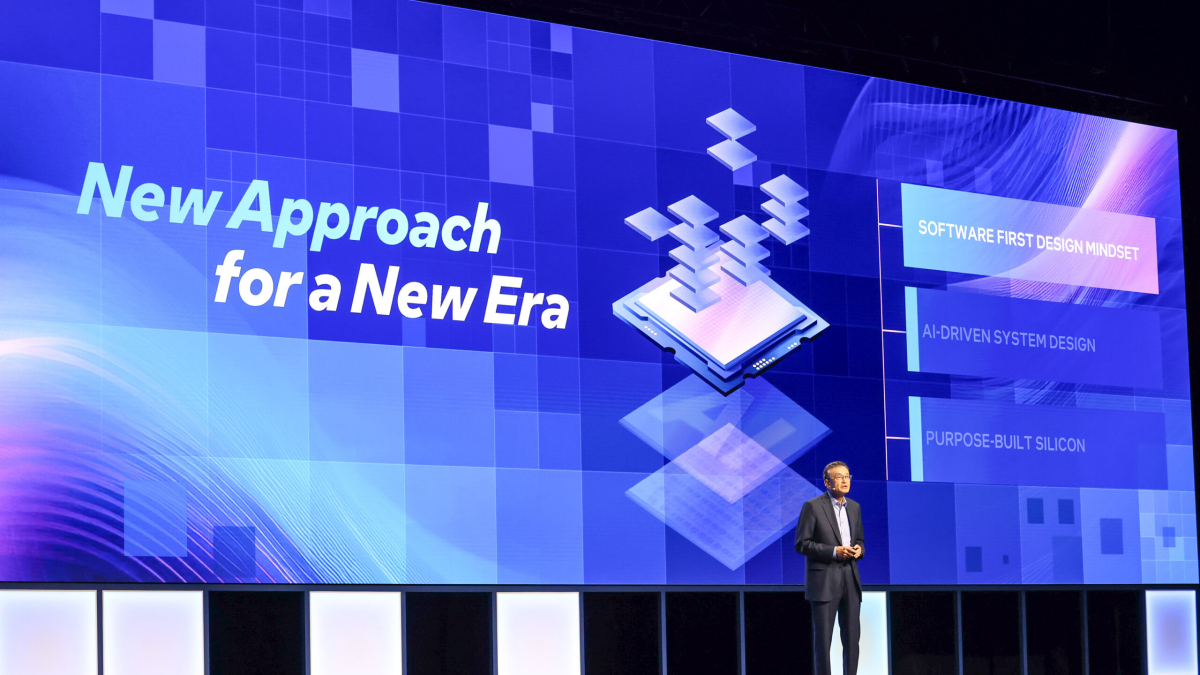
Intel CEO Lip-Bu Tan.
Credit: Intel
Holthaus also noted that the “macroeconomic concerns and tariffs have everybody kind of hedging their bets and what they need to have from an inventory perspective.” The possibility of tariffs holding customers back to Intel’s older chips is worrisome. It’s possible that the AI capabilities of the newer processors aren’t compelling enough to justify the price points (in the minds of customers). But demand elsewhere for AI chips has been strong—just ask Nvidia.
What we’re seeing from Intel now may not be what we see as the year progresses. As mentioned earlier, CEO Lip-Bu Tan has just begun reshaping Intel to match his vision, which he mentioned in his prepared remarks.
“The first quarter was a step in the right direction, but there are no quick fixes as we work to get back on a path to gaining market share and driving sustainable growth,” Tan said. “I am taking swift actions to drive better execution and operational efficiency while empowering our engineers to create great products. We are going back to basics by listening to our customers and making the changes needed to build the new Intel.”
Tan recently announced that Intel will reduce the size of its workforce as part of his efforts to turn the company’s fortunes around. Tan didn’t get into details, but it looks as though those layoffs may be significant. According to our colleagues at PCMag, more than 21,000 Intel employees could be fired as early as this week, meaning Intel may have grim news for its staff very soon.