From Blueprint to Reality: 3D Printing’s Impact on Architectural Design and Visualization for Companies and Freelancers


3D printing has completely changed the landscape of architecture. This is not a fad; its influence has transformed architects, designers, and engineers’ thoughts and approach toward designing a project. It is very good for companies and freelancers operating in the architecture sector to give unprecedented creativity, efficiency, and involvement with the client.


:rocket: Table of contents


Know about 3D printing in architecture

It refers to printing a three-dimensional object on a layer by layer fashion from a digital file. Currently, this is the area of additive manufacturing in architectures that has helped produce and model complex structures and full-scale prototypes. Today, building models come out in detailed dimensions, whole structures, or simply anything based on the architect’s creativity. This normally begins with a CAD file, or a blueprint for the printed model. This advanced software enables architects to draw precisely and in details to the extent that each unit within the building is improved.

Upon design, there will be a 3D printing that uses plastics, metals, and even concretes to print models. This way, aside from the fact that this is going to make everything much easier, it helps eliminate waste and cut materials for any business size-an exciting reason.

RELATED: What is 3D printing? A beginner’s guide
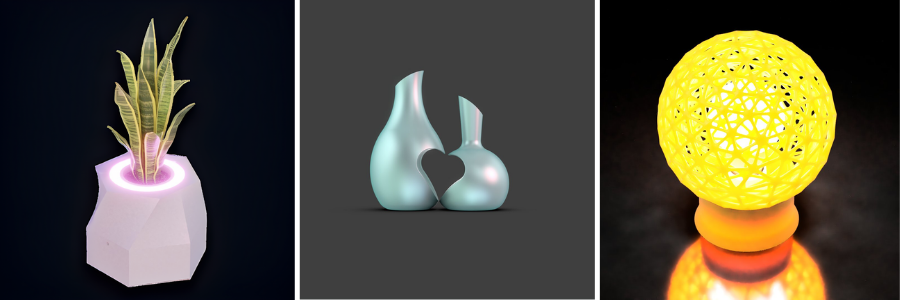
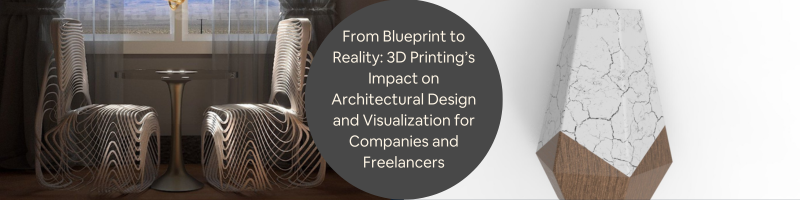
3D printed furniture and objects

Benefits of 3D printing for architectural design

Visualization

One of the effects 3D printing will impact on architectural design is seeing designs more concretely into realisation. Sometimes a set of sketches and the respective two dimensional drawings may not tell very much about a design in an almost authentic sense. That notwithstanding, through 3D printing, architects can visually project what they intend or are coming up with via making of physical models offering an authentic way of projection of a design.

These models can be used in client presentations, which allows the stakeholders to experience the design in ways that drawings cannot. It is possible for the client to get a close-up view of scale, proportions, and details about a project, thus providing better decision-making and increased satisfaction with the final product.

Rapid prototyping

Another important advantage of 3D printing, however is the speed at which one can produce models. It allows architects and designers to quickly come up with prototypes so that they may easily iterate much faster. The speed of production is pretty beneficial in the preliminary stages of a project. Indeed, the number of possible designs can be quite vast at this stage.

With several designs being released pretty fast, architects will try several concepts and use the data to determine material and aesthetic choices versus functional ability. This encourages more creativity but speeds up the total project timeline, the critical motivator in current high-speed construction environment.

Cost efficiency

Cost always goes to the front when an architectural project is to be undertaken. And also 3D printing really cuts expenses. In comparison with conventional prototyping, expensive materials and processes that consume labor usually find an application for prototyping. On the other hand, 3D printing is low waste because only the required quantities of materials are needed thus lowering cost production from waste.

Further, with the 3D printing technology, the models can be printed at a highly accurate level and, thus, less potential for costly errors in the on-site construction. This saving can work as a critical difference for freelancers and small firms that can enable them to be in a better position when competing with the bigger firms.

Customization and personalization

The ability to generate items with 3D printing makes customization easy as well as inexpensive, thereby making impossible things a matter of reality. In evidence is the case with architects who can design any style of facade, intricate detailing even customized interiors that cannot have been achieved with any known method.

This is very useful to freelancing architects because they spend much time developing their own solutions to clients. This capacity will ensure that freelancers develop unique designs, which will be the best way for them to stand out from other freelancers in a competitive market, thereby having stronger ties with the clients and establishing excellent reputations.

RELATED: 6 ways 3D printing will change the world

Applications of 3D printing in architectural design

Scale models

Architects have used scale models in the presentation of architecture for a long period of time. With 3D printing now available, models are so easy to make and also quite fast. The detailed accurate representation of the architect makes it possible for the clients to know the proportion and scale involved in a project.

These models can be printed with different materials such as PLA, ABS, and resin. Each has a different aesthetic and tactile quality. High-quality scale models can now be produced quickly, enabling the presentation of designs to be made more effectively and a real-time response to client feedback.

Facade elements

It also enables architects to design and produce intricate façade elements that can add an aesthetic value to a building. Additive manufacturing techniques allow one to get custom patterns, textures, and forms quite easily. This is helpful in modern architecture, where one demands extraordinary façade designs for a statement or functional objectives, such as energy efficiency and climate responsiveness.

Building elements

Some companies are studying the possibility of printing entire building elements like walls, columns, and structural elements with 3D printing. It does not have the intricacies associated with construction but gives free rein to innovative designs, which will not be tamed by existing architecture conventions. An example would be projects that actually created complex geometries via 3D-printed concrete, impossible to manufacture if produced conventionally. Thus, such a method can even diminish the construction time and human costs in labor without compromising structure.

Urban models for planning

Besides creating standalone structures, 3D printing can actually play an important role in urban design. The designers can build large neighborhood and district models showing how those developments are going to work in the place.

These models can even facilitate discussions with the city planners, stakeholders, and the community generally. They offer a physical reference to proposed changes. 3D printing makes ways to make developments relevant in the eyes of community need while increasing public involvement with planning activities.

RELATED: Redline & as-built drawings explained for construction companies and architects

Obstacles and issues

Despite its potential positives, introduction of 3D printing for architectural design still contains disadvantages.

Lack of materials

In addition, despite so many advancement opportunities, 3D printable materials available in the field of construction are really low if compared with building material kinds. The architects need to ensure that there is enough property in the strength, durability, and sustainability of materials in the process of designing for 3D printing.

Regulatory compliance

Regulatory compliance remains a great challenge with any new building construction method. Building codes and standards may not be updated to cover structures printed with 3D printing; hence the architect has to navigate a complex legal framework. This would push the acceptance of the project, and therefore the construction back.

Technical expertise

With regards to technical know-how, for 3D printing to be successfully put into action, architects must have technical know-how. This is through being well conversant with CAD software and having knowledge of how 3D printing is performed, in addition to the material properties. This would present a challenge to entry for freelancers or small firms that do not have dedicated technical teams.

Initial investment

A fairly significant initial investment in technology, a 3D printer requires of the firms desirous of getting a high quality one, and all the material that goes with it. To a small firm, the money may not easily run its course without seeing returns pretty soon.

RELATED: 8 tips companies use to simplify design manufacturing or design for manufacturing
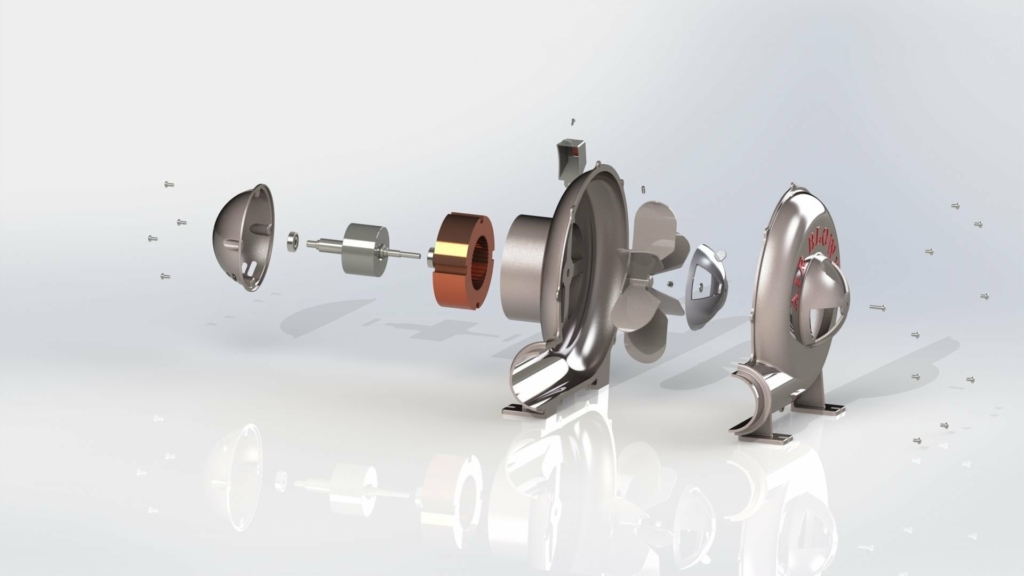
3d air blower prototyping

Future architecture of 3D printing

As technology advances, the future of 3D printing in architecture seems to be doing all right. Probably, next-generation materials will be biobased and recycled resources, which could further expand the potential for sustainable building practices and even more ambitious architectural projects through advancements in printing speeds and precision.

The integration of 3D printing with other technologies, like BIM and AR, would make design more effective, but the project workflow becomes more smooth. For example, through AR, architects can already see a 3D-printed model in place to be constructed so that some adjustments can be made even before the construction phase.

Wrapping it up

This means that it has fundamentally affected the way architectural designs and visualization are approached and will be concluded. It is a new step forward for companies and freelancers with rapid prototyping, designing down to a high degree of customization, and generation of detail models. In its further development, it will begin to shape innovative and efficient ways of leading the architecture to a sustainable future.

3D printing is not only giving life to plans for architects, but it is also making the architectural practice of the 21st century different and better. It will also bring architects to the game, helping them to be leaders in innovation and satisfying ever-evolving needs of the clients and communities around the world.

RELATED: Understanding the cost of prototyping for product design services and budgeting for your company

How Cad Crowd can help

Nobody would disagree with the huge impact of 3D printing on architectural design and visualization. For this reason, companies and freelancers must join the bandwagon of utilizing the new technology and harness it to gain an upper edge over their competitors. At Cad Crowd, we’ll ensure that you are working with experts in 3D printing who will turn your concepts into realities. Request for a quote today.

author avatar

MacKenzie Brown is the founder and CEO of Cad Crowd. With over 18 years of experience in launching and scaling platforms specializing in CAD services, product design, manufacturing, hardware, and software development, MacKenzie is a recognized authority in the engineering industry. Under his leadership, Cad Crowd serves esteemed clients like NASA, JPL, the U.S. Navy, and Fortune 500 companies, empowering innovators with access to high-quality design and engineering talent.

Connect with me: LinkedInXCad Crowd

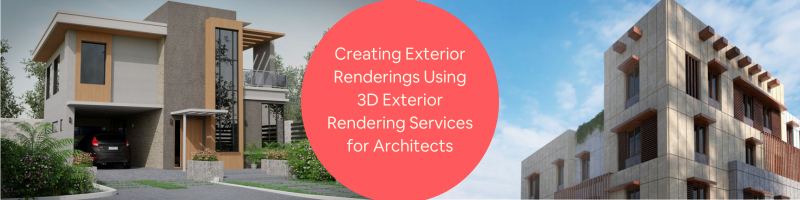
Creating Exterior Renderings Using 3D Exterior Rendering Services for Architects


Design isn’t only about what you see and feel on the surface. It is also about its function and purpose. This principle rings true in the architectural world. With the rising popularity of 3D exterior rendering services, architects have now discovered an exciting way to make their designs work on a whole new level. 

Today’s 3D exterior rendering services have changed the way architects, property marketers, and real estate developers alike present their projects and designs. These services help create immersive, detailed, and lifelike representations of spaces and buildings even before their actual construction begins. 

Professionals can also effectively communicate the design visions they have in mind with the help of 3D exterior rendering services. These services can also help improve marketing efforts and streamline the decision-making processes. 

This article talks about creating exterior renderings using 3D exterior rendering services for architects.


:rocket: Table of contents


What is 3D exterior rendering?

To put it simply, 3D exterior rendering is a special digital tool that developers and architects can use to envision their concepts and turn them into reality in a notably realistic, detailed, and vivid way.

The process harnesses the power of computer graphics to produce a photorealistic model of the exterior of a building. It includes all its architectural elements, natural lighting conditions, and surroundings. This also gives users a full understanding of the style and vision of the architect, making it more tangible and engaging. 

However, there is more to 3D exterior rendering than creating visually striking images alone. It is also an important tool for communication that bridges the gap between clients, architects, and the rest of the stakeholders involved in an architectural project. 

Offering a comprehensive and clear glimpse of the proposed design can also help everyone involved in the project gain a better understanding of the expected appearance of the finished product.

This improved clarity can also prevent any misunderstanding and make way for more educated decision-making. All of these will ultimately lead to successful outcomes for the project.

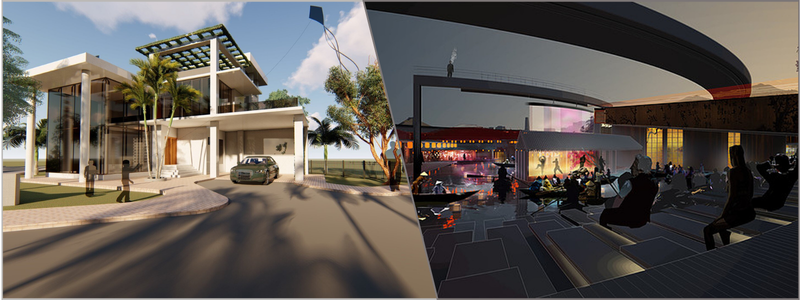
3D exterior of a posh building.

RELATED: 3D exterior rendering services for companies: 10 important factors that affect pricing

Importance of 3D exterior rendering services

Words are sometimes never enough to share your thoughts and visions. Most of the time, the right idea cannot be delivered clearly, creating a gap between two persons. It is where visual images come in handy, working as the best and easiest-to-understand form of communication. 

Whether you are an architect, a real estate agent, or a property developer, you surely want your designs to be communicated to your clients, and this is where 3D exterior rendering services become indispensable. 

The use of 3D visuals for exterior designs can give architects the chance to advertise a property and increase its likelihood of being sold off before its construction. Clients will come your way in a snap of a finger if your ideas are displayed using stunning visuals. With the help of 3D exterior rendering services, clients will get a clearer vision of the appearance of a property in reality, even before the completion of its construction process. 

These services also eliminate the need to wait for weeks or even months before getting to see the finished product. With the help of detailed 3D exterior rendering, architects can get the necessary planning approval for properties, address any flaws, and advertise the design while the construction is still underway. 

3D exterior rendering services are a great way to kickstart any marketing strategy instead of waiting for the full completion of the project. These services can produce 3D visuals that can be readily used for different marketing purposes and materials, including social media platforms, websites, brochures, and others.

RELATED: What are exterior 3D rendering costs for buildings & company service rates for houses?

How to create 3D exterior renderings

Creating exterior renderings using 3D exterior rendering services for architects is a complex journey that involves multiple steps and requires artistic vision and technical expertise. Below is a breakdown of the different steps involved in making 3D exterior renderings that are guaranteed to captivate all audiences:

  1. Gather important information 

The 3D exterior rendering process starts with gathering all important information and details regarding the project. These include blueprints, architectural plans, sketches, and specific requirements of the client. This step establishes the foundation for the rendering process in general.

  1. Build the 3D model 

The technical team will then use specialized software to build the 3D model according to the details and information provided. This is the time when it is imperative to maintain accurate proportions and scale to guarantee that the final render will be an accurate representation of the structure in real life. 

  1. Add materials and textures 

After building the 3D model, the third step is to add textures and materials. It can include pretty much everything, from the glass used for the windows to the brick that makes up the exterior of the building. At this particular stage, the detailing plays an important role in ensuring that the final render will be highly realistic. 

  1. Environment and lighting setup 

Lighting is among the most vital elements of 3D rendering. The lights used have a dramatic effect on the overall feel and mood of a rendered image. The specific lighting setup can also simulate different weather conditions and times of the day. 

Aside from lighting alone, the surrounding environment, which includes the trees, landscapes, and even people, can also be added to further enhance the sense of realism and overall visual appeal. 

  1. Rendering 

The actual process of 3D exterior rendering is where the different elements all come together. A reliable 3D software will calculate the colors, textures, shadows, and light reflections to produce an animation or static image. This tends to be a time-consuming process, which depends on the complexity of both the scene as well as the project in general. 

  1. Post-processing 

This is the last step, where the rendered image goes through post-processing changes and adjustments similar to photo editing. Small adjustments and tweaks can be made to achieve the expected outcome. 

These adjustments may include changing the brightness, saturation, and contrast. Background elements can also be added or certain details can be enhanced further. These changes can all bring the image much closer to the preferred outcome.

The process of creating 3D exterior renderings is intricate and blends technology and art. Every single step can change a simple and plain concept into an extremely stunning representation of true architectural brilliance.

3d exterior of a shopping complex

RELATED: 3D rendering costs & 3D visualization prices for firms: how to save money in the long run

Benefits of 3D exterior rendering

3D exterior rendering has a long list of benefits to offer in today’s highly competitive and fast-paced world of property development and architecture. Take a look at some of the major advantages that 3D exterior rendering can bring to the table:

  • Improved marketing materials 

Marketing materials used for property listings can be brought to life with the help of 3D exterior rendering services. Top-of-the-line 3D exterior renders can make a property look more stunning in the eyes of prospective buyers. 

These models can give them a clearer image of what exactly they are putting their precious money into. These attractive visuals can be used not only on online listings but also on print brochures, billboards, and social media, making them some of the most versatile marketing tools ever made to date. 

  • Guaranteed client satisfaction and increased rates of project approval

You can significantly increase the approval rates if you use 3D exterior rendered images during the presentation of your project proposal. These renders look very lifelike when showing the final product. They allow stakeholders to envision the project and simplify their decision-making process, leading to higher rates of project approval. 

3D exterior rendering services can also guarantee client satisfaction. Both developers and architects can invite their clients to be involved in the design process. The clients will be able to view their ideas in real life with the help of 3D renders. It ensures that the vision of the architect is perfectly aligned with the expectations of the client. 

Probably one of the most important benefits of 3D exterior rendering is none other than its ability to offer accurate representations of proposed structures and buildings. This allows developers and architects to showcase their designs in an incredibly realistic and visually appealing way. 

3D exterior rendering also makes way for the making of virtual tours that offer viewers a more immersive experience. Through virtual tours, clients can go on walkthroughs of the property way before its construction, for instance, to give them a better glimpse and understanding of the design features, layout, and space.

RELATED: What types of 3D rendering do architectural design studios & CAD freelancers use?

Who can benefit from 3D exterior rendering?

The benefits of 3D exterior rendering are not only limited to one group. Different industries and professionals can take advantage of this technology for their needs. Here are the people who can benefit the most from these services:

Architects can use 3D exterior rendering services to breathe life into their designs. 

3D exterior renderings are used by construction forms to coordinate and plan their projects more effectively. 

A property marketer can use 3D exterior rendering to come up with enticing marketing materials. 

Real estate developers use 3D exterior rendering for the most detailed and realistic way of showcasing their projects.

How Cad Crowd can help

Experience the best of 3D exterior rendering services at Cad Crowd. Contact us today for more information!

author avatar

MacKenzie Brown is the founder and CEO of Cad Crowd. With over 18 years of experience in launching and scaling platforms specializing in CAD services, product design, manufacturing, hardware, and software development, MacKenzie is a recognized authority in the engineering industry. Under his leadership, Cad Crowd serves esteemed clients like NASA, JPL, the U.S. Navy, and Fortune 500 companies, empowering innovators with access to high-quality design and engineering talent.

Connect with me: LinkedInXCad Crowd

How 3D Rendering Enhances Great Architectural Design Presentations for Companies


3D rendering services allow architects to present design ideas and visualize complex plans in an understandable, highly intuitive manner. The dynamic view offered by 3D rendering allows architects and designers to tangibly communicate their ideas and enhance their decision-making while enabling them to identify design flaws early in the process.

Using a variety of software programs, including 3dS Max, Revit, AutoCAD, Sketchup, or a combination of these, 3D renders enable next-level visualization of architectural and design projects: from 3D interiors to landscape design, it is now paramount that companies and architectural firms include 3D renders in their portfolio – and for soon-to-be home and business owners to take advantage of its benefits.


:rocket: Table of contents


The importance of 3D rendering in architectural design

Having the avenue to explore ideas even before construction begins is a great modern boon that makes it possible to cut costs while providing clarity and precision in the architectural workflow. It also provides an easy platform to facilitate collaboration between architects and stakeholders and allows them to speak on the same level amidst all the complex technical details.

What’s more, 3D rendering can accommodate many different styles and aesthetics. Even bespoke pieces of furniture can be modeled and planned for, and architects and designers can test out varying types of materials, weather conditions, lighting, and other effects that enhance the final render.

Additionally, while 3D rendering provides a platform for collaboration and testing ideas, it is also the perfect way to communicate these ideas to potential clients or customers for marketing and salespeople.

RELATED: Why 3D architectural renders resonate better with modern consumers

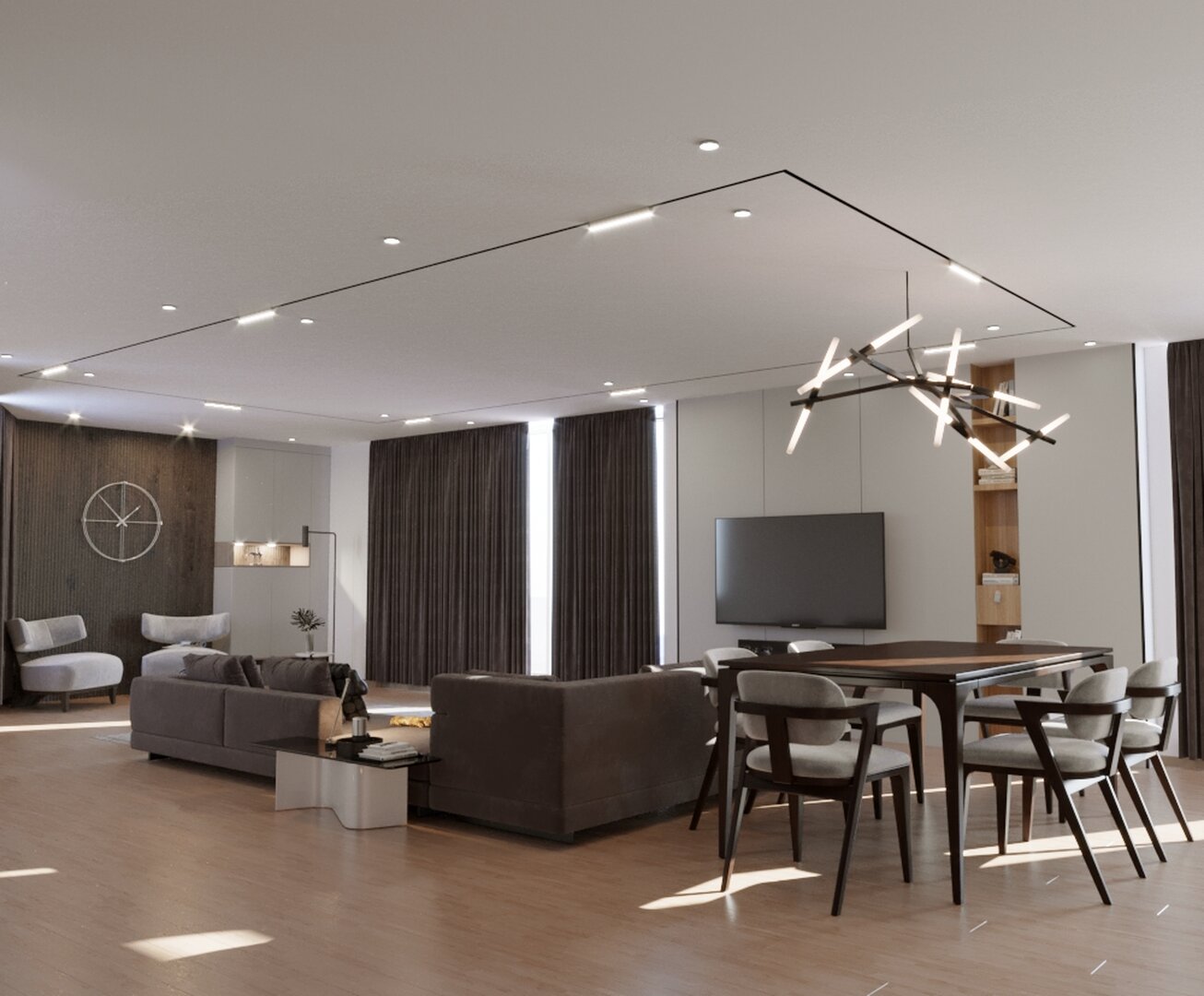
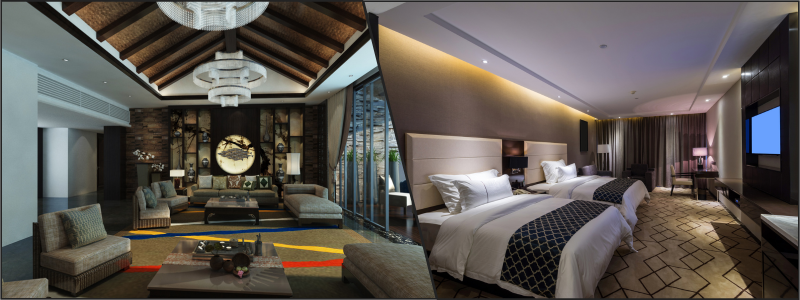
3d render of a living room interior

Presentation of the concept

In the world of architecture and interior design, first impressions are paramount. Any space that you’d like customers to consider should not only look good but ideally fit their narrative, preferences, and expectations.

As such, a good way to think about 3D architectural rendering is that the render itself is the main communicative material – with a presenter ready to answer questions and explain certain choices or background information regarding the render.

Let’s take a look at some of the specific ways 3D rendering can achieve that:

The proper use of light turns any scene into something true to life

Without proper lighting, the depth of objects and other elements inside an image may look flat and lifeless. To add to that, lighting itself sets the mood for a particular scene. It also goes without saying that the weather and natural lighting for the render should match the physical location’s patterns.

This type of accuracy when it comes to lighting is hard to achieve through traditional means and can quickly rack up costs, time, and resources making revisions to get it right.

Great 3D renderings clearly define space

3D renderings not only show the objects and furniture that may fill a space. Renderings should have a sense of space that can offer a sense of harmony, functionality, and dimensionality. In fact, any good designer will tell you that space (& negative space) affects the mood and overall effectiveness of certain spaces and will look to bake this philosophy into the design as a foundation.

RELATED: 3D architectural rendering: how your company shapes weather, mood, and season

3D renderings show realistic materials

Materials are important parts of the aesthetic, style, and ethos behind the planning and use of a space. Unlike mood boards, 3D interiors can showcase these materials realistically and depict many different kinds of objects in varying lighting conditions.

This makes it easier to make decisions about the finishes and help communicate the mood of the space better. For instance, glossy surfaces make for a more modern look. This also makes it easier to make changes and to adjust the design anytime.

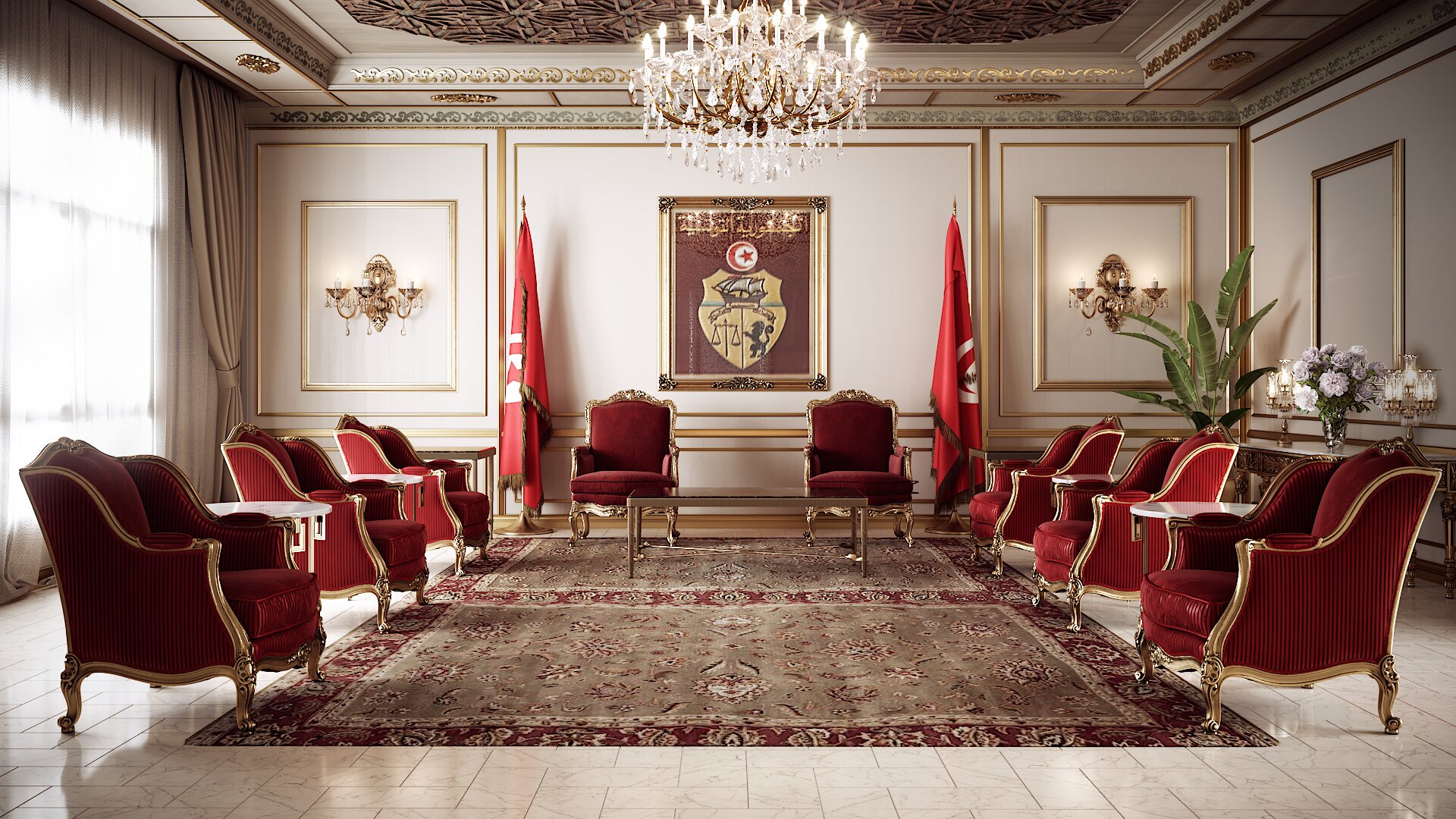
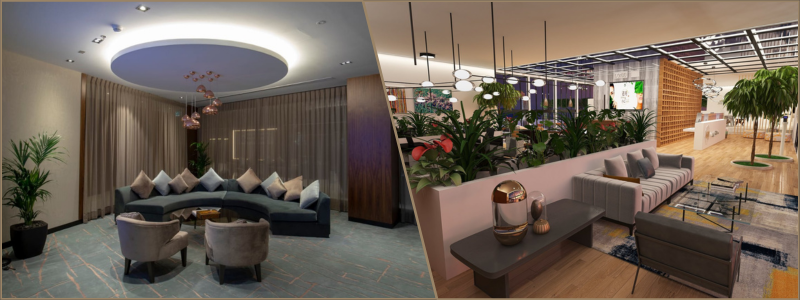
3D rendering Tunisian conference room

3D renderings depict the room’s features

3D renderings (and by extension, more advanced AR/VR stagings) are built not just to show how a room or space might look. It also gives an ardent showing of the features and functions built into that space such as dressers, convertible furniture, and even whimsical hidden rooms. Features include walkways, the ambiance, and even negative space.

The benefits of 3D rendering for architectural design presentations

3D renderings use lifelike imagery to help communicate complex architectural design concepts and make sure that the client and every stakeholder are on the same page regarding the design. It’s way easier to judge spatial relationships, design intent, and overall aesthetic when everything can be visually confirmed and adjusted with precision.

Making edits and changes with the client

Imagine having to discuss changes to design while trying to decipher a 2D drawing or mood-boards. Needless to say, it’s an uphill battle to coordinate very specific intentions and complex decisions without a visual aid.

Clients and architects can work together on the render almost in real-time, and make immediate changes when necessary – eliminating cost and time constraints. They can even be a bit more bold and experimental with their choices as they explore design options.

Improved Client Engagement

Clients are way happier and engaged when they can see their space unfolding and coming to life – even as a render. This gets them invested into the project way more. Especially for marketers and salespeople, 3D renders may be the kicker that makes a client decide to go for a purchase.

Early Error Detection and Design Optimization

It’s one thing for architects to make mistakes while planning and designing, but oftentimes mistakes and errors can come in many forms. Say a client mentioned a specific material to use for certain objects or furniture – many would be hard-pressed to find such analogs just to use for modeling. Plus, for simple audition purposes, such a method isn’t very cost-effective.

As such, 3D renders are an obvious advantage that allows architects to optimize the design according to a client’s specifications.

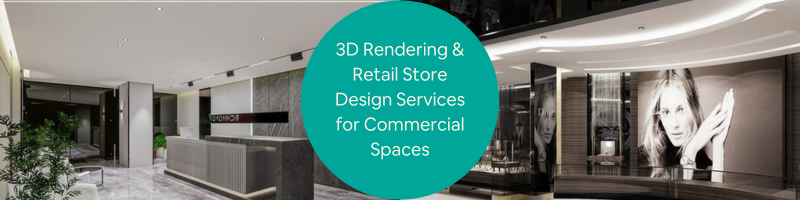
RELATED: Better 3D rendering and retail store design services for commercial spaces

How architectural design presentations are leveraged in other industries

Beyond architectural design, 3D renderings provide benefits to a number of other industries in similar ways. In fact, these renders are now so crucial that industries who have adopted its use have found themselves redefining their methods and practices.

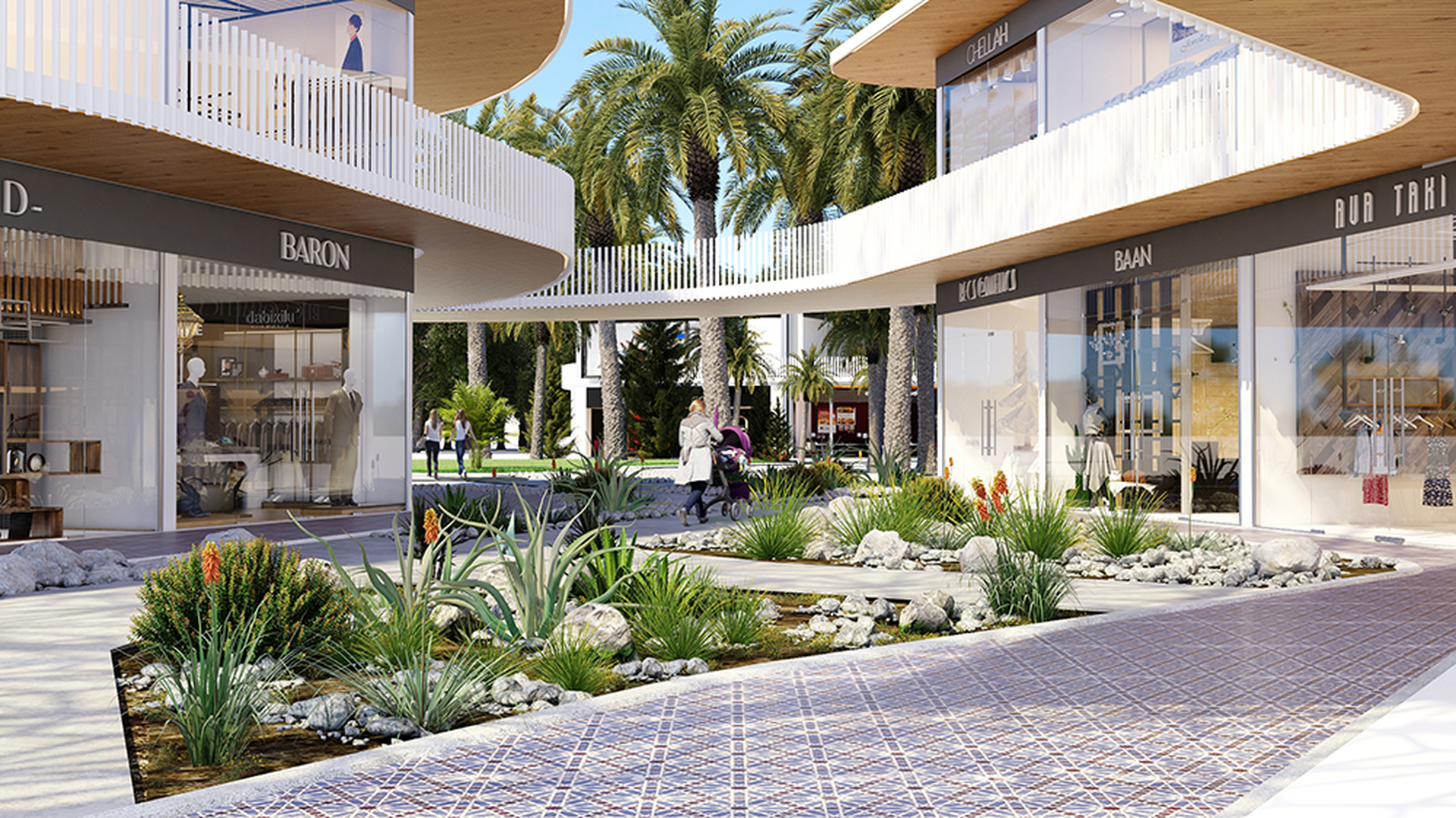
3D mall exterior

Real Estate and Construction: Real estate developers use 3D presentations to bolster their efforts in marketing and construction. Apart from being able to present to its potential clients and buyers, 3D renderings allow the industry to use its advantages to plan and optimize their designs.

Interior Design: 3D renderings allow interior designers to easily play around and manipulate design and element choices without breaking the wallet. They can switch up furniture, lighting, arrangement, and even change up materials easily or present different options for the client.

Product Design and Manufacturing: With 3D rendering, manufacturers can create virtual prototypes and iterate on it without having to do physical mock-ups. They can also visualize their products in bespoke environments and situations, allowing them to look beyond the manufacturing phase and make better decisions to refine their designs and streamline manufacturing methods.

Marketing and Advertising: Marketing campaigns and advertisements use 3D rendering, and its offshoot, 3D animation to create enticing marketing campaigns and draw consumers into the space or world they’ve created.

RELATED: All you need to know about interior and exterior 3D commercial rendering services

The possibilities for the future of 3D renderings

With the advent of VR/AR technologies, it’s not far off to see an enhanced version of 3D renderings where the tangible and intangible meet. Clients would be able to peruse each of the elements of a space while wandering its corners and spaces, interacting with each object as if it were in front of them.

This immersion is already well underway and while for right now, the full potential use of augmented and virtual realities is currently costly, the advent of games utilizing the technology is a great indicator of where its heading and the benefits it can bring to the industry.

It’s even possible to take this a step further by allowing the designers and architects themselves to reap the benefits of 3D renderings made alive through AR/VR, allowing them to make changes and make better decisions.

Choose Cad Crowd to elevate your beloved spaces

3D rendering undoubtedly can get you a step closer to your dream spaces. It enhances visualization and communication and allows you to move forward with your plans knowing that no stone was left unturned. To take advantage of the benefits of this, it’s essential to find the best designers and architects who are experts and can get behind your vision.

Cad Crowd’s years of experience working with the best architects, designers, and engineers give us deep insight into how to deliver projects in a timely, cost-effective manner. Get started today with a free quote.

author avatar

MacKenzie Brown is the founder and CEO of Cad Crowd. With over 18 years of experience in launching and scaling platforms specializing in CAD services, product design, manufacturing, hardware, and software development, MacKenzie is a recognized authority in the engineering industry. Under his leadership, Cad Crowd serves esteemed clients like NASA, JPL, the U.S. Navy, and Fortune 500 companies, empowering innovators with access to high-quality design and engineering talent.

Connect with me: LinkedInXCad Crowd

How to Include People in 3D Architectural CGI Projects: Benefits for Companies


This post tackles how to include people in 3D architectural CGI projects and its benefits for companies. Who can resist the real thing? Realism is one factor that architectural CGI can never do without. Visualization would be pointless if it doesn’t look real in the first place. Although it’s common to see CGI scenes that highlight a lone structure, an increasing number of companies have come to realize that their designs need to be realistic with a unique story to tell. How can you make these images look more lifelike, then? It’s where the human factor enters the scene. 

No scene will ever look and feel complete if there are no people in it, whether it is a fancy shopping mall or a cozy home. It only goes to show that your 3D architectural CGI projects should never be without humans. Adding people with the help of 3D architectural visualization experts will also make it easier for your viewers to engage with the environment, even if the first brick hasn’t even been laid yet. 


:rocket: Table of contents


RELATED: Strategies for incorporating human figures in your company’s 3D architectural renderings 

Why you need people in your architectural visualization

It’s not just because of style that you need to add people to your architectural visualization. It’s also an important element that will highlight the functional aspects and important features of any architectural project. Adding people is of utmost importance to any architectural CGI project because of the following reasons:

Composition and aesthetics 

Your archviz needs compositional elements, and people happen to be among them. Strategic placements of people will direct the eyes of the viewers to the right spots. It will also make your composition look more harmonious and pleasing to the eyes. 

Realism and context 

This right here is the main reason why the 3D visualization designer should add people to your architectural visualization. No matter what scenes you have, human figures can give users a sense or context of real life. They offer a visual narrative of how the space can be used and tell the unique story of the environment. Think of this as a way of unleashing the imagination of the viewers. Amazing? Yes! 

RELATED: Real estate marketing: advantages of 3D architectural rendering services & animation

Tapping into the emotions 

Including people can also give your archviz a sense of connection. Those human figures breathe life into your scenes. Emotional engagement is one of the most powerful tools for designers and architects alike. The project becomes more appealing and relatable thanks to this, much to the delight of all stakeholders and clients. 

Proportion and scale 

Adding people to your architectural CGI gives proportion and scale to your scenes. Those human figures function as the universal point of reference that will help your audience get an idea of how high or how big the architectural elements are. 

Culture and society 

Several architectural projects should have people present in the scene to communicate their significance in both culture and society. Think of Shanghai with a vibrant commercial center, Los Angeles with a thriving diversified community, and Saudi Arabia with its unique religious space. 

RELATED: How to enhance your company’s 3D architectural rendering with advanced techniques

3d architectural rendering studio

Types of human figures

Now that you’ve learned why your architectural CGI should have people in it, it’s time to learn the different types of human figures you can use. 

2D cutout people

2D cutout people are the most common types used by 3D architectural renderers you can add to your 3D architectural scenes. The cutouts are often used as flat objects in architectural visualizations. Though their depth may be a bit lacking, 2D cutouts are efficient and cost-effective to populate the scene with human figures. You can visit different resources and libraries where you can find a collection of cutout images that you can use in your designs. 

3D-modeled people

You can also use 3D architectural modeling services to create 3D-modeled people with different levels of detail, styles, and poses. You can add them to the scene where they can have an interaction with the environment. These figures can also be used to cast lifelike shadows and make your archviz look more realistic in general. While 3D-modeled people offer better realism and more flexibility, their effective integration requires more time and rendering power. 

RELATED: Premier architectural rendering blogs to elevate your firm’s visual design expertise 

AI-enhanced 3D people

AI technologies opened the doors to new possibilities in enhancing people used in 3D architectural CGI projects. Several tools are available to fine-tune the appearance of 3D people to achieve better integration and greater realism in the overall design. 

Artificial intelligence improves the model’s lighting to adjust facial expressions, tweak clothing, change the ethnicity or age of the characters, or match the scene. Thanks to this flexibility, 3D artists can come up with more contextually suitable and precise visual narratives for designers and architects. AI-enhanced 3D people also look more lifelike, even under intensive inspection. This makes them suitable for detailed shots or close-ups. 

Custom human figures

3D artists can also customize human figures if they can find the right people in their 3D or 2D libraries that will align with their specific requirements. It involves tweaking how 2D cutout images look or refining the facial expressions, clothing, and pose of the 3D models. Customization of human figures will also allow you to make them more relatable and relevant to the design. 

RELATED: Leveraging 3D architectural animation to attract new clients in real estate

Silhouettes

Silhouettes can be used to add more depth to the human figures in your archviz scenes. They are also a great option for scenes where the structure needs more emphasis. The use of silhouettes can add more human activities without compromising the visibility and clearness of the structure. 

3d visualization services

Renders without people

In some instances, less is more.  It might be better to not add any human figure at all. This is an effective approach if you want the viewers to focus their attention on your design or some of its elements with no unnecessary distractions. The omission of people in 3D architectural CGI scenes will allow viewers to concentrate exclusively on the design and architectural elements. It also offers an unhindered view of the spatial dynamics, materials, and textures. 

Techniques for including people in architectural CGI scenes 

Since you now have an idea of the different types of people you can add to your archviz, you should learn techniques on how to add these human figures like a real pro. 

RELATED: Comparing freelance 3D rendering options and photography for architectural projects 

Blend with the surroundings 

The 3D architectural animator should focus on key factors such as materials, lighting, and colors. People must look like they are part of the environment. Their appearance and clothing should go together with the design aesthetics, as well. 

Integrate the right context 

Factor in the specific context where you plan to include people in the architectural visualization. Do you want them to sit, walk, or just engage in the different activities available in the space? See to it that they fit cohesively with the planned use and function of the area.

Inclusivity and diversity

It’s important to ensure the diversity of the people in your CGI project to make it more reflective and inclusive of the real world. Highlight differences in ages, abilities, and ethnicities. 

RELATED: Lighting adjustments in 3D renders: essential tips for companies and services 

Shadows and lighting 

Shadows and lighting are two factors that you can never put to the side. You have to make sure that you cast lighting on your human figures in a way that aligns with the overall lighting conditions you used in the scene. The shadows that people cast remain consistent with the space. When the 3D visualizer company uses the correct shadow and lighting effects it will make the human figures seem that they truly belong in the area. 

Storytelling

Your 3D architectural CGI projects should tell a story. Adding people to the scene will turn them into characters of that story. Factor in their interaction not just with the environment but also with one another. This aspect of storytelling can add more depth to your archviz and allow viewers to form an emotional connection with it. 

Important considerations and challenges in including people in 3D architectural CGI

Although there’s no question that there are a lot of benefits you can get if you include people in your 3D architectural CGI project, it also has its own set of considerations and unique challenges. Don’t forget to take note of the following common issues you may encounter along the way:

RELATED: Mistakes to avoid when deciding an architectural visualization firm

Stay away from stereotypes

Be extra careful about the unintentional use of stereotypes when adding different human figures and characters to your archviz. Observe respect and authenticity when you represent different ages, abilities, and ethnicities. 

There are also ethical considerations to remember if you plan to add images of real people in your CGI scenes. Don’t forget to acquire the necessary licensing for the images you plan to use, even more so if the faces are recognizable or popular. 

Keep it consistent

The 3D designer should balance your architectural visualization scene. You might have a hard time balancing style and realism when adding human figures. You have the option to settle for a more stylized approach or choose a more photorealistic one. Consistency is and should always be your main goal here. 

RELATED: Architectural visualization services: a comprehensive guide to mood and atmosphere

Maintain a cohesive story

Pay close attention to the interactions and actions of the people in the scene. You have to make sure that they are present there for a reason, which is to improve the engagement of your narrative. Never use incoherent groups of people, though. If you want to put a street singer serenading in the square, for example, you can add a few audience rather than mere passersby. 

How Cad Crowd can help

Does your 3D architectural CGI project look and feel a bit lackluster? Cad Crowd has the top freelance talents that will add the most suitable human figures to your scenes that will capture the attention of your clients! 

author avatar

MacKenzie Brown is the founder and CEO of Cad Crowd. With over 18 years of experience in launching and scaling platforms specializing in CAD services, product design, manufacturing, hardware, and software development, MacKenzie is a recognized authority in the engineering industry. Under his leadership, Cad Crowd serves esteemed clients like NASA, JPL, the U.S. Navy, and Fortune 500 companies, empowering innovators with access to high-quality design and engineering talent.

Connect with me: LinkedInXCad Crowd

3D Modeling For Hospitality Design: 3D Modeling Services in the Hospitality Industry


The hospitality industry continues to face some serious challenges even if the world has switched back to its normal gears. While most resorts and hotels are already recouping from their losses during the COVID-19 pandemic, the competition has just gotten more ruthless. This makes it more difficult than ever for them to reach their targets. But owners who are in the know were lucky enough to survive and even thrive in this dog-eat-dog world. Where does their secret lie, then? It’s none other than virtual marketing. 

The big and renowned names in the hospitality industry took advantage of 3D modeling services during the lockdowns, and now that things have picked up once again, they continue to use those enticing 3D visuals to promote their destinations, including those that are still underway. This article talks about 3D modeling for hospitality design and how it helps resorts and hotels stay afloat and capture the interest of new guests. 

RELATED: How do 3D architectural modeling services perfect the art of atmospheric renderings?

Common uses and applications of 3D modeling for hospitality design 

The following are some of the most common applications and uses of 3D modeling services in the hospitality industry:

Amenities 

Hotels and resorts have designated spaces for different activities, including restaurants, bars, conference halls, gyms, swimming pools, spas, and the like. 3D designers and architects should highlight both the functional and aesthetic benefits of these facilities to make their project presentations more appealing. 3D modeling services help architects turn their concepts into tangible realities by showing visitors how they can use these areas.

3D models make it possible for investors to appreciate the value of a project and convince them to sign on the dotted line. 3D renders, for example, can showcase modern equipment and other facilities in spas, pools, and gyms. They can also highlight conference halls equipped with the most state of the art audio visual facilities, flexible seating arrangements, and other important conferencing amenities. 

RELATED: How 3D modeling has impacted the architecture and design industry throughout the last 30 years

Exterior 

The exterior or façade of a hotel or resort is the very first thing that guests lay their eyes on. That means that making a good first impression on clients means you have to show picture-perfect images of the outdoor areas during project pitches and presentations. 3D architectural modeling firms assist architects in showcasing the façade of a hotel or resort in all its glorious beauty. They can give clients a clear view of the amazing fantastic exterior design. It is almost as if they are right there standing in front of the resort or hotel. 

Photorealistic 3D models can present projects in full detail, from their materials to lighting, and colors, while also highlighting their key features. 3D renders can also allow clients to see how the exterior complements the brand image of the company and the values it upholds while appealing to potential guests. 

3d-architectural-design-company

Lobby 

The lobby is often dubbed as the heart of any hospitality facility, whether it is a resort or a hotel. This area sets the tone and mode for the experiences that the guests can expect to have throughout their stay. This is why during project pitches, it is critical to carefully convey the aesthetics of a lobby. Renders can present the design of the lobby in high-definition visuals with the help of lifelike 3D models. 3D architectural rendering services help architects present the lobby’s lighting options, furniture, color schemes, materials, and overall atmosphere.

RELATED: How 3D modeling, rendering, and CAD design helps architects create sustainable construction

This way, clients will know exactly what to expect after the construction phase is completed. A modern and sleek design, for instance, can use renders showcasing a lobby with minimalist furniture, neutral colors, and clean lines. A hotel targeting guests with more traditional tastes, on the other hand, can opt to use renders that highlight the ornate details, warm colors, and vintage furniture in the lobby. 

Rooms 

Guests tend to spend a lot of time in their rooms. Thus, creating and designing visually appealing, functional, and comfortable rooms is important to ensure the success of a hotel down the line. 3D design professionals allow design and architectural firms to work with different room layouts that cater to the specific preferences and needs of different guests. They help highlight the décor, size, and facilities of a room with high precision. 3D modeling services also use the references, wall elevations, and floor plans of an architect in their renders to accurately depict the furniture of a room following its dimensions in real life. 

3D renders also allow designers and architects to convey the comfort and beauty of a room with the help of realistic 3D models. This gives viewers a better insight into the quality of fixtures and furnishings and any other aspects of the décor in the interiors of a room. They also show different lighting choices to help designs pick what best suits a room and come up with a space that guests will surely love and enjoy. They also allow investors to see the rooms in the best light possible so they can get their design plans up and running in no time. 

RELATED: How to find the right architectural 3D visualization expert for your company or firm? 

Surroundings 

3D models give stakeholders a good idea of how the architecture of a hotel or resort blends with its environment. They present the vistas guests will see across various vantage points, proximity to tourist spots in the area, greenery, and so much more. 3D architectural visualization services can also help designers and architects display hotels and resorts throughout different climates, years, and times of the day. They showcase the versatility and functionality of a hotel or resort to help clients understand its full potential in generating income all year round. 

Benefits of 3D modeling for hospitality design

Although there’s no question that traditional photography continues to be of great value, it can only do so much as capture what exists in real life. However, it often has logistical and weather constraints. On the other hand, 3D modeling paints with pixels and light. 

3d-restaurant-rendering-services

Here are some of the benefits of 3D modeling for hospitality design:

1. Cost-effective investment

3D rendering offers a more cost-effective solution than the expense and logical complexities of professional photo shoots. After building the digital model, it’s possible to efficiently create variations in lighting, angles, and scenes to maximize return on investment. To make things better, the construction of a resort or hotel doesn’t even have to be completed. Provided that architectural design plans are in place, 3D artists can bring them to life using modern 3D rendering and modeling technology. 

RELATED: Leading home design & modeling 3D technology for builders, companies, and firms

2. Create perfect moments

Picture this: the sunrise bathes an oceanfront villa in golden colors, casting a shimmering reflection on the pool. 3D modeling services help showcase flawless staged scenes, ideal weather conditions, and facilities that are still under construction to give guests a good glimpse of what to expect during their stay in the future. 

3. Highlight uniqueness

Generic photographs tend to blend into the background, while 3D modeling lets you highlight the distinctive features of a hotel or resort. These unique features could be an enticing aqua park promising adventure and laughter, a lavish spa tucked in a tropical rainforest, or an amazing rooftop bar with scenic views of the city. 3D models let you highlight everything that sets a resort or hotel apart from others of its kind. Putting the spotlight on these unique features will lure more guests and help reach business goals. 

4. Tell a story 

Since 3D scenes are not just mere static images, these can also be woven into more captivating narratives. Think of a couple having a cozy romantic dinner during sunset on the beach, a group of friends sipping cocktails at the bar, or kids enjoying a good laugh while splashing in the pool. With 3D architectural animation services these vignettes can spark all sorts of emotions, creating a connection that lets prospective guests see themselves experiencing the magic of the space. 

RELATED: How to use 3D architectural design as visual storytelling

5. Unleash architectural prowess 

It’s important to showcase all the intricate details of the design of a hotel or resort. 3D modeling services can emphasize the lobby’s grandeur, the room’s intimate charm, or the lovely expanse of the pool all with artistic flair and on-the-spot accuracy. 

Benefits of 3D modeling services for developers, investors, and owners

3D modeling for hospitality design is not just a mere tool for marketing as it also provides benefits for all stakeholders in the chain. 

Developers

Secure funds and attract more investors by presenting the vision with enticing 3D presentations from architectural presentation designers of a proposed hotel or resort. Envision amenities even before they are constructed and refine the layouts to ensure guest satisfaction and maximize the existing space. 

RELATED: How has architectural visualization changed the way companies present projects

3D-architectural-visualization-services

Investors 

Get a clearer picture of the potential return on investment of a hotel or resort. 3D models let you estimate guest capacity, virtually test different pricing models, and evaluate the effect of different designs on revenue. 

Owners 

Virtually test layouts, traffic flow, and furniture arrangements before the construction starts to optimize operational efficiency. Pinpoint possible bottlenecks and make the necessary adjustments to cut down operational costs and boost guest experience. 

How Cad Crowd can help

Contact Cad Crowd to dive into the world of 3D modeling services in the hospitality industry to help you showcase the space and paint a picture of dreams that are soon to turn into reality one pixel at a time! Contact us for a free quote today.
3D Floor Plan Costs: Everything You Need To Know for Companies and Services


3D floor plans are essential for architectural design to enable the stakeholders (which includes you!) to view, dissect, and update floor plans with depth and vivid imagery.  Sure, two-dimensional floor plans can help you visualize the layout of your dream home or physical store – but 3D is the name of the game and takes the cake when it comes to precision and experience. 

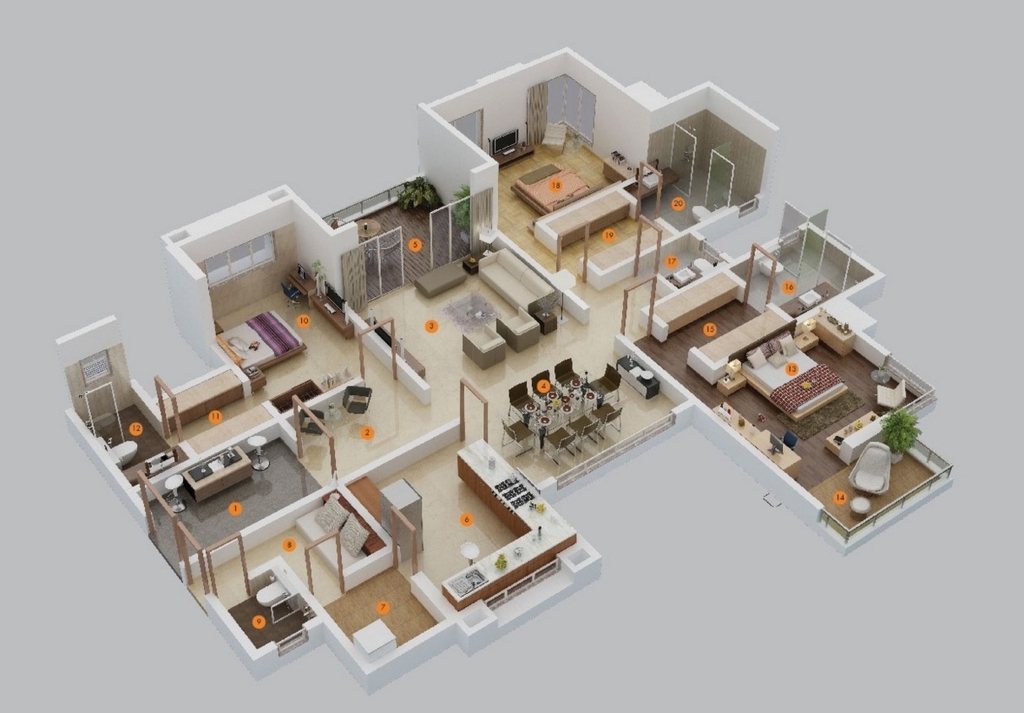
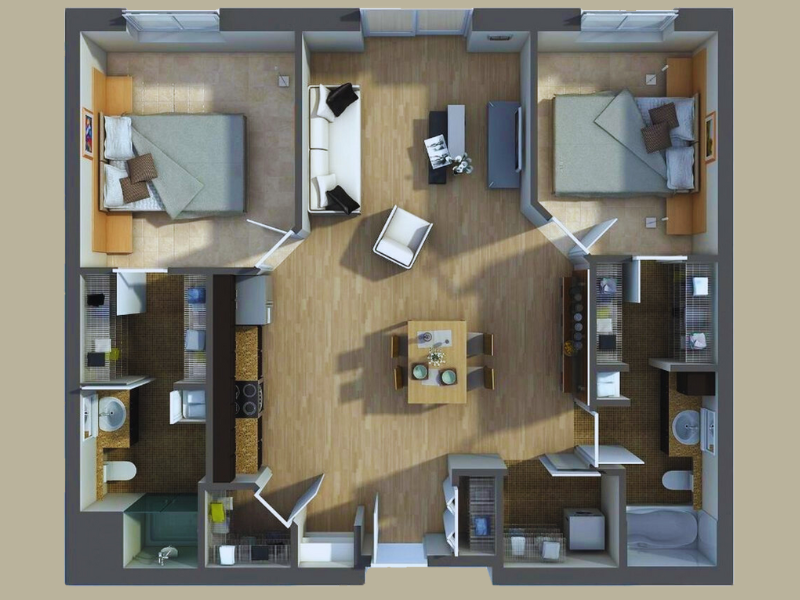
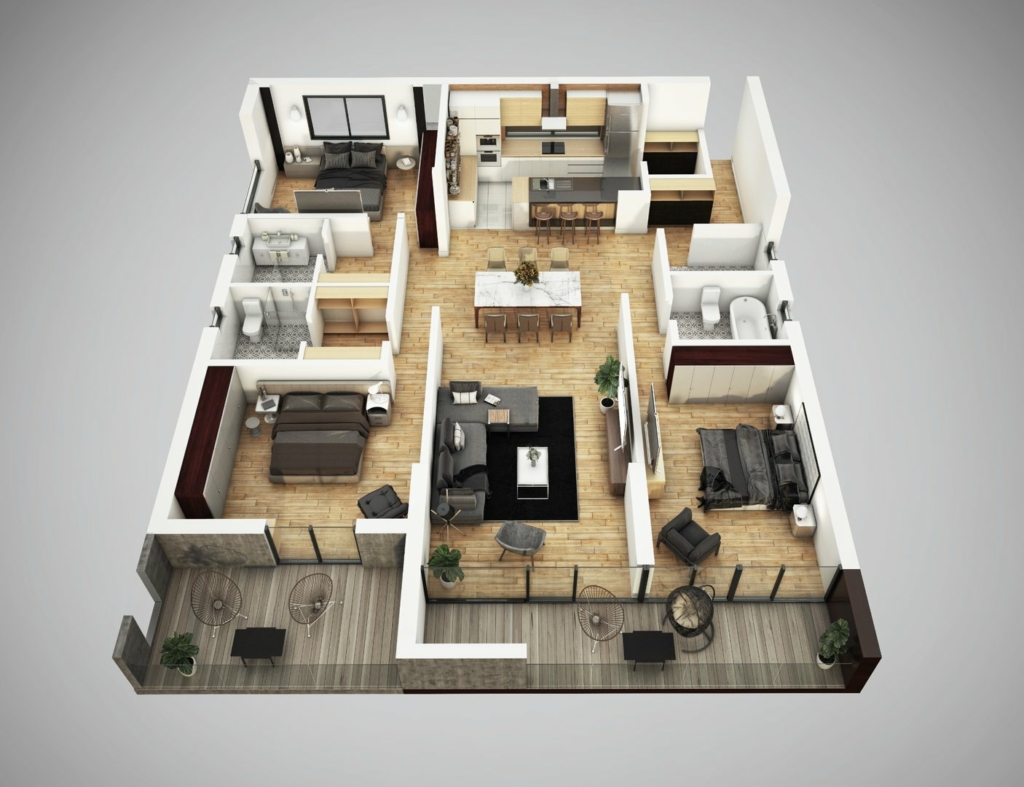
3D floor plans are photorealistic, bird’s-eye view of a particular floor’s layout. It includes realistic details regarding furnishings, flooring, walls, doors, appliances and, even carpetry. Similar to dollhouses (or the perspective in the popular game Sims), 3D floor plans aim to completely decorate and fill the spaces of each room according to your specifications and aesthetic sensibilities.

These three-dimensional floor plans will give you and any stakeholders the complete picture of the layout and interior design choices without the need to interpret architectural symbols, making them vastly superior to two-dimensional floor plans. 

It’s an immersive and exciting way to plan out any architectural design.


:rocket: Table of Contents 


3d floor plan example for a large home

Costs of 3D floor plan rendering

As a prerequisite, 3D rendering services are based on having a 2D blueprint or sketch. It doesn’t necessarily have to be a floor plan, but as these come hand-in-hand, it is prudent that you also have a 2D floor plan to serve as the foundation for your design.

Another thing to note is that like most creative services, costs for 3D floor plan renderings are dependent on the complexity of the design. Additionally, 2D and 3D floor plans are best handled by professionals such as architects, adding on to the cost. 

RELATED: How architectural companies design 3D floor plans for residential home design

Cost of 3D floor plan rendering services
Service Provider Cost Range Additional Notes
Architectural Firms $200 – $700 per floor Cost varies based on project complexity and size
Freelancers $100 – $450 (average cost per project) An affordable option with reasonable quality
Premade 3D Floor Plan Affordable (instant buy-and-use) Limited customization and potential reuse by the seller
Custom 3D Floor Plan Higher cost (offers total freedom and personalization) Consultation with an architect recommended

Still, while there is no standard pricing, you can expect to shell out $100 up to $1,000, depending on which of the two options you choose to work with below:

Costs of freelancers

For most architectural projects, such as for homes or small stores, freelancers are the go-to choice. In fact, it shouldn’t surprise you to learn that small-to-medium architectural firms commonly hire freelancers themselves, as these types of designers are typically specialized or have great expertise and experience.

Due to the nature of their specialty, freelancers commonly have their own collection or repository of 3D models that they can immediately use for your project. 

Freelance 3D floor plan designers represent the sweet spot, as these architectural rendering professionals are willing to complete conversion tasks for reasonable rates. 

As such, you get a balance of quality and affordability.

Again, there is no standard pricing, but most freelancers would charge by the project – with costs averaging between $100 and $600.

Cad Crowd is a marketplace that vets 3D architects and designers that specialize in this field. We make sure to get the most bang for your buck and help guide you towards finding the best freelancer that can translate your sensibilities in the most accurate way possible.

Costs of architecture firms

Obviously, when you hire an architectural firm, they are able to offer you the support of a team of 3D designers, including modelers and render artists. These professionals work together and collaborate on your project, allowing the process to run quickly. Also, firms with in-house designers are able to handle bigger, multifaceted projects.

You should expect to shell out anything from between $300 – $900 per floor, maybe more, depending on the firm. This can quickly escalate to thousands of dollars for a multi-story large home, as each and every floor should be represented by its own bespoke floor plans.

Should you lean towards customization?

For the most part, especially for less ambitious designs, 3D floor plans are only meant to help visualize the space and isn’t focused on truly capturing the final product. Of course, the closer you can get to your vision, the better, but if you want to stay within reasonable budget constraints, premade floor plans or – at the the very least – using stock 3D models in place of the objects can help you visualize without breaking the bank.

As a starting point, nothing beats a premade 3D floor plan. You can get them almost instantly, and to be honest, who’s checking if you actually use identical decorations in the first place? 

At the same time, maximizing your 3D floor plans is essential for more bespoke design approaches. Imagine you’re in a restaurant: tables and chairs are placed haphazardly. There’s no space for the staff to maneuver freely. The drapery and lighting is dull. It doesn’t sound like an enjoyable place.

It’s a bit of a stretch as an analogy, but you can see how you can create a more optimized, efficient and inviting space wherein food actually looks and feels delicious (apart from taste).

3d floor plan example for a medium-sized home

Other cost factors

Size

The overall dimensions of your floor plan will affect the final cost. As a guide, our research shows that a 1,600 square foot home is the median for a single family home. You should expect to pay at least a bit lower than average when hiring a freelancer, and significantly higher when you hire an architectural firm.

Details

You need to be clear about how much and how detailed the assets and objects you would like to utilize for your designs, as these may factor into the cost just as much as sizing. Some objects that you are adamant about will need a custom 3D render artist to work on the model, which can cost anywhere from $40 to $200 per design.

Timeframe

When it comes to freelancers, you have the flexibility to hire a person who either charges per hour or per project. Depending on what you want to achieve with your floor plan, you may want to opt for them to work on it per hour if you expect this to be cheaper for you.

If you need dedication and a bit more room for negotiation, you may choose to hire someone on a per project basis. Whatever you choose, Cad Crowd is the ultimate marketplace for vetted professionals. We’ll hold your hand through the whole process, and make sure you get the best out of your budget.

Why use a 3D floor plan instead of a 2D floor plan?

The best thing that 3D floor plans provide is plain and simple clarity. It provides a birds-eye perspective with visible spatial dimensions of the interior design, making it easier for anyone to comprehend small details like floor coverings, wall colors, and furniture placement. Moreover, it showcases the correlation or traffic flow between the rooms. Architects, engineers, and homeowners can benefit from realistic design visualization and architectural visualization.

Apart from understanding design ideas, 3D floor plans allow architects, designers and the construction team to communicate ideas and tasks effectively, allowing them to view the floor plan as a guidepost and to bridge the gap between technical understanding. Real estate developers may use 3D floor plans as marketing to showcase their designs as well.

Advantages of 3D Floor Plans:

  • Enhanced understandability and visualization compared to 2D floor plans
  • Explicit representation of room layouts, interior designs, and spatial flow
  • Practical communication tools between homeowners and professionals
  • The marketing potential for architects and real estate agents

In conclusion

In terms of specialization, value over price, and accessibility, freelancers have a significant advantage over architectural firms for most small-to-medium projects. If you have a more elaborate vision, then maybe shelling out more by hiring architectural firms to work on your project top-down would be the more cost-effective option.

For the most of us looking to build our own homes or stores however, freelancers are no doubt the best bang for your buck.

How Cad Crowd can assist

From detailed interior layouts to realistic textures and lighting, our expert team delivers exceptional quality; our professional 3D floor plan rendering services are poised to bring your architectural designs to life. Let us transform your vision into an immersive 3D experience that captivates your audience and sets your company apart. Visualize your dream spaces with a free quote today.

About the author

All you need to know about freelance architectural design services costs and prices


Architectural design services are essential whether you’re a soon-to-be-homeowner aiming to turn your dreams into reality, or a business looking to get established in the market with a physical store to offer your services from. Still, while the idea of hiring great talent may be simple, the most important consideration you would have to make has to do with budgets and costs.

So how much do freelance architectural services cost anyway?

By the end of this article, you’ll have a better gauge about how much money you should really put into a cost-effective architectural plan (and other related services) and understand why some options may be better for you.


What factors affect the costs for architectural services?

Depending on the size and, dare we say, ambition behind your vision, there are corresponding factors that will affect the final budget:

  • The software required to accomplish your project.
  • The complexity of your design choices
  • Skills and credentials possessed by the freelancer
  • Timetables.
  • The type of service that you’d like to avail.

Not all architectural services mean the same thing. You could want a 2D floor plan, a 3D render, a simple concept sketch, and many more. Since this is the case, before talking about costs, it would alleviate a lot of stress if you have clarity on the types of services you may need to accomplish your design goals.

Let’s break them down even further.

Breaking down the costs

As a guideline, here’s a simple table outlining architectural design services cost per hour, based on the experience of the freelancer:

Experience Level Approximate Cost
Freelance Student $18 – $30 p/hour
Freelance Professional $40 – $60 p/hour
Architectural Design Consulting Firm $150 up to $450 p/hour

As you can see, the hourly rate really can vary. 

Fortunately, the level of experience you need from a particular professional depends on what you need. If you require a simple 2D colored floor plan, then a freelance student is able to tackle it. However, the more complex the project, such as those involving BIM or a fully-fledged 3D rendering, requires additional expenses and a professional architect licensed in your state.

Here at Cad Crowd, we have pre-vetted professional architects offering various architectural design services that can work on your project from the bottom up, from the 2D floor plans to 3D renderings of your space. But if you find yourself having to need a specific service, then don’t fret, as we have the breakdown (and significance) of these services below.

RELATED: Architectural plans, CAD drawing costs & architect service pricing

3d floor plan architectural design

2D Drawings and Floor Plan Design Services

2D drawings and floor plans are essential elements of the architectural design process. Sure, 3D renderings sound flashy and are great tools to better inform you of how the final design will turn out, but it all starts with the basics.

In particular, 2D floor plans and blueprints are expected, especially in larger projects. They will inform not only the full design process but also enable efficient construction.

Even outside the design and construction process, 2D-floor plans are used to showcase to potential clients and as posterity for years to come.

Service Approximate cost
2D Floor Plan B&W $30
2D Floor Plan – 1000 sq ft $99 
2D Floor Plan – 2500 – 3000 sq ft $219.00
2D Floor Plan – 4000 – 4500 sq ft $309.00
2D Concept Designs $150.00

Architectural 3D Modeling

3D modeling is a widely used service and tool in the architectural design process. This covers a variety of individual services: from 3D exteriors to 360-degree models. Depending on your needs, you may even want several iterations, versions, or types to accurately depict your vision.

The prices for 3D architectural modeling services depends on how much detail you want, the software requirements, and as with any, adding more sophistication and elements will factor into the final costs. Here are some examples of 3D models you might want to utilize:

  • 360-degree models
  • Bird’s Eye view plans
  • 3D floor plans
  • 3D exteriors
Service Approximate Cost
3D Exteriors Residential $200-700
3D Exteriors Commercial $350-700
3D Interiors Residential $200-550
3D Interiors Commercial $275-1000
3D Floor Plans $100.00+ (per plan)
Multi-Drawing Package $500.00

These prices would usually include a single image, include a couple of edits, and comprise several different types of 3D renders. For multi-drawing packages, this would include different 3D models for specific purposes. For instance, you could ask to include interior and exterior shots and a 3D floor plan that accompanies it.

Software used for 3D architectural modeling are SolidWorks, CATIA, SketchUp, and many more.

Architectural BIM Services

Building Information Modelling is becoming an essential part of architectural design due to how effective it is in helping manage huge projects and its overall utility in the architectural and construction industries. BIM provides an accurate visual representation of construction tasks, going over the more minute details that would not be possible with traditional plans and drawings.

BIM also makes it easier for teams working on a project to collaborate across departments.

The pricing for BIM projects is heavily dependent on the complexity of the project. These projects are usually long-term and facilitate coordination between multiple teams. It can cost you hundreds of thousands of dollars for a single project requiring BIM services. It would be in your best interest to explore your options and ask for quotations before going all in.

However, most construction projects won’t need BIM for most of us, such as budding homeowners or small businesses.

Architectural Site Plans

While individual floor plans and 3D drawings are important, for more massive projects, whole architectural site plan designers are in demand. Site plans detail the whole layout of a construction site. For example, housing development projects inevitably have a large site that shows plotting, dimensions, landscaping, roadwork, and even landmarks. 

Architectural site plans are typically done in 2D and may include 3D elements few and far in between. However, they include details like scale, a key, and plot dimensions. The following are example costs of site plans:

Service Approximate Cost
Single site plan (i.e. 1 building etc.) $300.00+
Whole project site plan (i.e. a housing development) $1000.00+

3D AR/VR Architectural Services

Businesses now utilize 3D AR/VR architectural services today for architectural services. It definitely boosts customer immersion and allows any stakeholder to take a view of the project on a more tangible form. Real estate agents or property developers may hold virtual reality tours of their properties, for example.

As for the costs for 3D AR services  and 3D VR services cost, the following factors will affect your final budget:

  • Video output/resolution
  • Length of content
  • Recording quality

If you wished to have a 30-second 4K UHD virtual reality tour, the price would obviously be considerably costlier than a 30-second VR tour at 1080p. Here is a breakdown of the costs for 3D AR and 3D VR services:

Service Approximate Cost
Walkthrough animation $20.00 p/second
Walkthrough animation (1080p HD) $25.00+ p/second
3D VR Panorama $150.00+

Construction Drawings

Contractors, ground-workers, and other companies involved directly with the building of projects utilize construction drawings to inform and align them throughout the process. For example, ground-workers would use construction drawings to lay the foundations for buildings— such as the positioning of ground beams and concrete locations.

Construction drawings are usually drawn in black and white and contains measurements, and any other pertinent detail essential to construction such as the layouts of reinforcement bars.  Freelance construction designers usually offer these type of services. Oftentimes, freelancers do specialize in construction and offer services related specifically to the building phase, as opposed to design.

RELATED: CAD construction drawings: Modernizing your company’s 2D & 3D drafting process

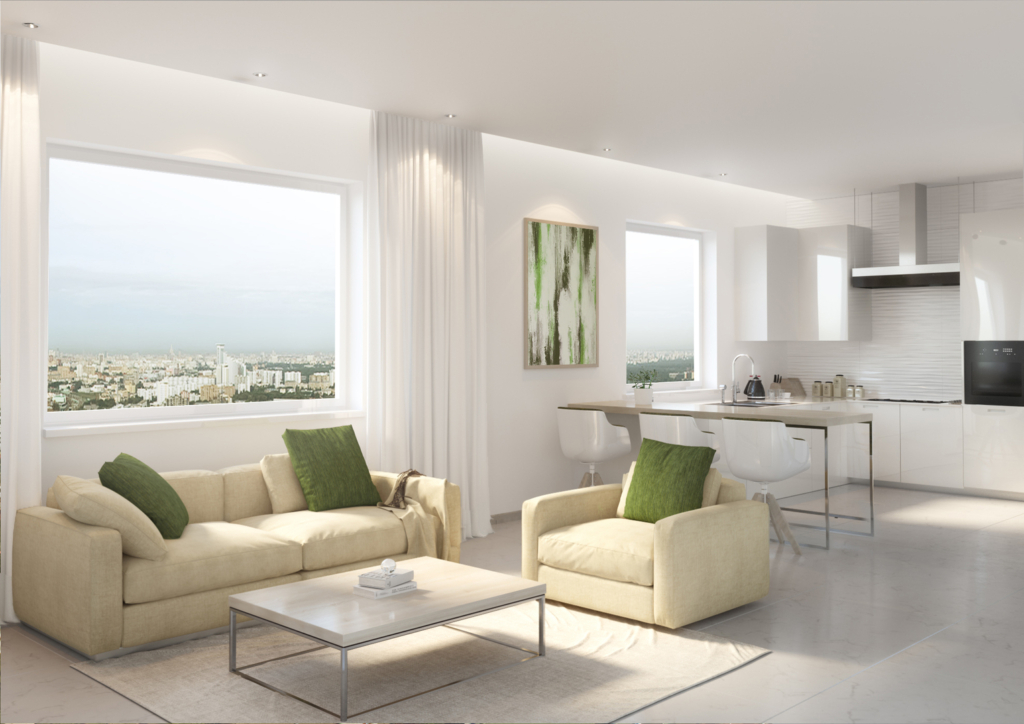
A 3D interior architectural design featuring soft greens and a skyline view.

Interior Design

Service Approximate Cost
Interior Design – Residential Properties $300-750
Interior Design – Commercial Properties $400-1500

Interior design provides realism and context to architectural plans through furnishings, decorations, lighting, and the use of space. Through creating photorealistic renders, architects and interior design services are able to flesh-out drawings and other design aspects that affect living spaces.

For example, 3D renders of a bedroom would include models of a bed, paintings, a dressing table, plus other accessories like curtains and light shades.

It’s best to coordinate with the interior designer for the best approach to your 3D renders. In many cases, you’ll want to start from scratch and it’d be helpful to have a catalog of furnishings, flooring, accessories, and even appliances. Most of the time, however, leaving it to the interior designer to flesh out your vision works best.

Landscape Design

Architectural design isn’t just concerned with buildings and properties. For ambitious projects or those who appreciate luscious greeneries and – they would want to consider landscaping (i.e. gardens and communal areas in large developments). Using 3D rendering software, designers can create realistic landscapes complete with weather effects, shadows, and lighting.

Apart from enhancing and previewing the appearance of a garden or similar landscapes, 3D landscaping will allow you to work with precision so that it does not look out of place. Landscape design is often included in 3D exterior design packages, but we have listed some examples costs below:

Service Approximate Cost
Landscaping Residential $300-750
Landscaping Commercial $500-1000
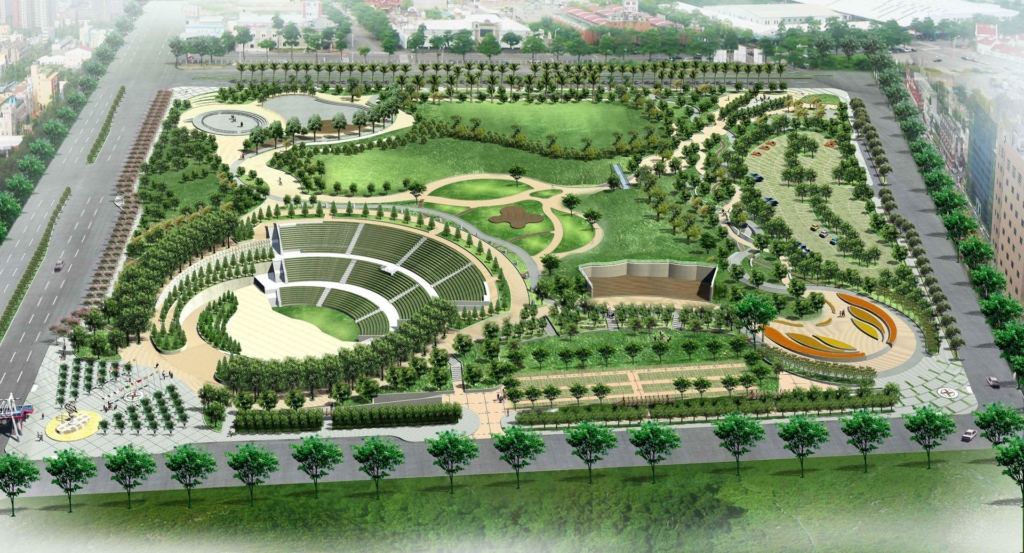
3d landscape architectural design featuring an amphitheater.

Benefits of Using Architectural Design Services

In modern business, the most effective and standard for most small-to-medium projects is to simply hire a freelancer who can finish the work without missing a beat and with a more forgiving price unless you were an architectural design firm. 

First of all, most projects work are ill-fated without a professional architect who worked and signed off on the designs. It’s not exactly a process you can simply skip (with a few exceptions) if you want to make your home or business location the best it can be.

Second, hiring a design freelancer simply costs less. Using our platform here at Cad Crowd, you can quickly receive a quote for your dream home and we hire an architectural designer for you right away. 

Third, it’s easier to find specialized freelancers tailored to your exact needs – as most professionals would have a particular field of expertise, this actually works in your favor. You’ll get the most out of the service while enjoying quality, professionalism and a personalized rapport and service.

RELATED: Why hire an architectural design service?

Get in touch with us and enjoy quality architectural design services

There really is no need to overthink as the type of service that’s relevant to you can be pretty clear-cut from the get-go as long as you understand what you want to achieve, and we here at Cad Crowd would love to help you figure out how to make the best use of your resources to bring your ideas to life.

It also helps to have as much detail provided as possible and be explicit about any considerations, the aesthetic you’re aiming for, or any suppliers or catalog that you may already have available to get the most accurate pricing.

At Cad Crowd, we can facilitate architectural design services. We work with a vetted professional architectural design firms and freelancers who provide the services you need within a respectable timeline. We invite you to get a free quote now or read more about how it works.

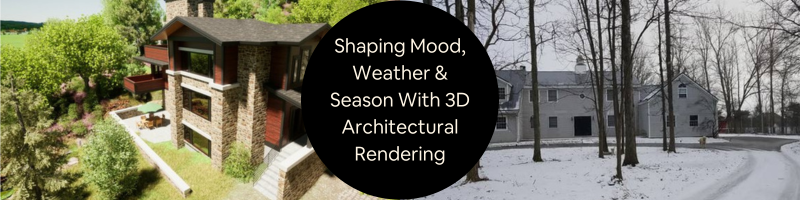
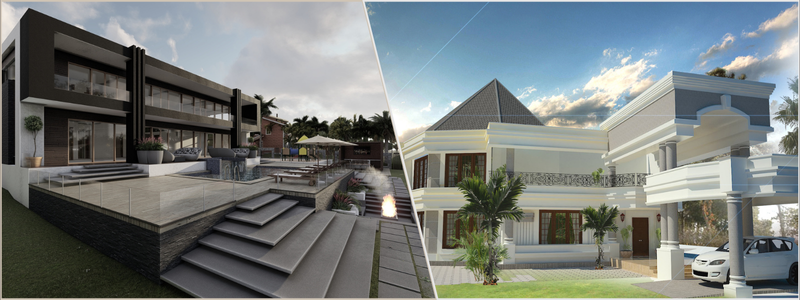
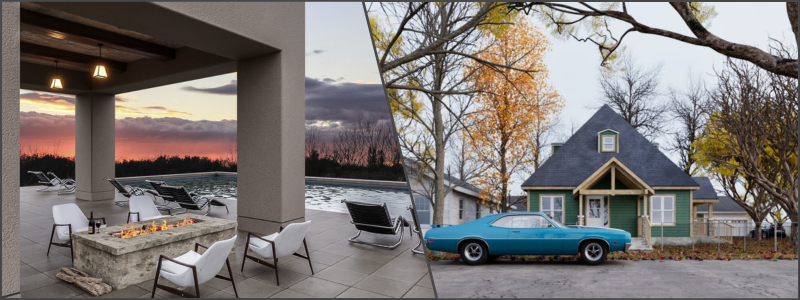
3D Architectural Rendering: How Your Company Shapes Mood, Weather, and Season


3D architectural rendering is a critical tool that generates visual representations of different designs. Thanks to this technology, designers can breathe life into their ideas and present them in a way closest to reality. Setting the right mood is one of the most important aspects of 3D architectural rendering services, which involves the use of the right weather and season.

These factors do significantly affect the overall feel and look of 3D architectural renders. These evoke emotions, propose a unique story, and set the overall mood. For instance, a blue-skied sunny day and lush green grass can create an inviting and cheerful ambiance. On the other hand, dark clouds on a stormy day can depict a sense of despair and gloom. The weather and season also play a critical role in establishing the specific time of day and substantially impact the shadows and lighting in the scene.

Weather and season can also be used to improve the scene’s design features. For instance, if the architectural design showcases a modern house with huge windows and clean lines, a clear sunny day will highlight these features by forming an airy and bright atmosphere. Meanwhile, if the design features a lovely rustic cabin in the middle of the woods, the warm and cozy atmosphere of the area is better emphasized during a snowy winter day.

RELATED: The benefits of 3D architectural rendering for companies in the real estate industry

How to choose the right weather and season for 3D architectural renders

Several factors must be considered when the architectural 3D architectural visualization expert determines the right weather and season for your 3D architectural renders. Would you like to produce an inviting and cheerful atmosphere or evoke a sense of intrigue and mystery instead? Different types of weather and seasons can help you create various moods. If you will be joining a competition for architectural design, for example, the top secret for persuading the jury is to use a sunny daytime view.

Think of the design features

The scene’s design features are vital in choosing the appropriate weather and season for your 3D architectural render. If a beach house with an outdoor patio and floor-to-ceiling windows is featured in the scene, blue skies during a sunny day and waves lapping on the shore can stimulate a welcoming and relaxing ambiance. If a Gothic castle featuring dark stone walls and towering spires is showcased in the scene, a stormy night with lightning in the background can portray danger and foreboding. However, remember that mood may vary in several situations, so be sure to keep it in mind.

RELATED: What is architectural visualization and why architectural rendering services use it

Consider the story

The message or story the scene wishes to convey is another essential factor to consider when deciding on the weather and season the 3D rendering designer will use for your 3D architectural render. For instance, if your scene shows a futuristic city that uses advanced technology and sleek, towering skyscrapers, the easiest way to emphasize the optimistic and bright future represented by the city is to use a sunny day with cloudless blue skies.

But if the scene presents a complete wasteland after the apocalypse with desolate landscapes and remnants of buildings, for example, a stormy day with the skies covered with dark clouds and strong winds might accentuate the dangerous and bleak setting.

3d-architectural-modeling-services

Different types of weather for 3D architectural renders

Since you now have an idea about the importance of weather and season in 3D architectural renders, it’s time to learn more about the different types of weather a 3D rendering company can use in your 3D architectural renders:

RELATED: How to enhance your company’s 3D architectural rendering with advanced techniques

1.  Cloudy

A cloud day features subdued shadows and diffused light to create an even and soft environment. This particular type of weather is recommended for interior architectural renderings since it will cut back the harsh shadows and improve the details. It also represents a contemplative and peaceful mood perfect for wellness or healthcare projects. On the other hand, most exterior architectural views feature a cloudy mood as this helps convey the supremacy of infusing feelings of the object’s power, as in the case of high-rise buildings.

2.  Foggy

The 3D visualization service can also use fog to set the atmosphere and mood of 3D architectural renders. Misty landscapes, diffused and soft light, and muted colors represent foggy weather best. The use of cool blue tones combined with a sense of distance helps stimulate a sense of intrigue and mystery. Fog is also one of the ideal options for scenes that highlight enchantment, fantasy, and magic.

RELATED: Exploring Pricing Models for Delivering 3D Architectural Rendering Services to Firms 

3.  Rainy

You can use rainy weather to create a sense of atmosphere and mood in 3D architectural rendering projects. Wet surfaces, puddles, and dark, stormy skies are common features that represent rain. The use of moody and dramatic lighting helps produce a sense of suspense and tension. The use of rain is ideal for scenes emphasizing drama, intrigue, and mystery.

4.  Snowy

3D architectural renders use a snowy day for holiday or winter-themed scenes. This particular weather features snow-covered surfaces, snowfall, and icicles that create a pristine yet cold atmosphere. Snowy weather also lends a layer of visual interest to the outdoor scenes that highlight the design’s details and create a sense of contrast and depth.

5.  Sunny

A sunny day is undoubtedly one of the most common weather conditions used by 3D architectural design experts. A sunny day with bright sunlight and clear blue skies produces a radiant atmosphere. This particular weather is perfect for outdoor architectural renderings that showcase the design’s details in full light. It also produces an optimistic and cheerful mood ideal for promoting your real estate listings and projects.

RELATED: Learn about the types of architectural rendering services available for your company

Different seasons for 3D architectural renders

3d-architectural-visualization-services-3

Aside from the different types of weather, seasons used for 3D architectural rendering projects also vary. These include the following:

1.  Fall

The fall season is a time of nostalgia, transformation, and change, making it an excellent option for scenes focusing on sentimentality, transition, and reflection. It is best represented in 3D architectural renders using leaves with changing colors, cool and crisp air, and misty mornings. The 3D architectural modeling professional uses deep, rich colors and warm golden light to help evoke a sense of comfort and coziness. Fall is also the best season to choose if indoor spaces such as kitchens, living rooms, and fireplaces are being showcased.

RELATED: What are the benefits of Vray technology for 3D architectural rendering companies?

2.  Spring

Being a season of growth and renewal, spring is a great choice for those scenes that focus on new beginnings, optimism, and freshness. Warm and soft light, greenery, and blooming flowers represent the spring season in 3D architectural rendering projects. Using a hazy and soft atmosphere combined with pastel colors can help produce a sense of peacefulness and serenity. Spring is also the best season to highlight outdoor areas like outdoor cafes, parks, and gardens.

3.  Summer

Summer is the season of vibrant colors, energy, and warmth, making it the most recommended pick for scenes that accentuate fun, joy, and excitement. Verdant green landscapes, blue waters, and bright sunny skies represent summer in 3D architectural renders. The 3D architectural rendering designer uses warm golden light to evoke a sense of enthusiasm and energy. Summer is also the ideal season to highlight outdoor spaces like backyard barbecues, pools, and beaches.

RELATED: 3D architectural rendering options: in-house, self-learning, or outsourcing services? 

4.  Winter

Winter is the season of contemplation, reflection, and stillness, making it a favorite choice for those scenes emphasizing quietness, solitude, and introspection. Using cool, muted hues, frosty, snowy landscapes, neutral tones, and diffused soft light can help induce a sense of stillness and calmness. Winter is also the best season for showcasing indoor spaces such as cozy cabins, bedrooms, and libraries.

The Bottom Line

At the end of the day, the specific type of weather and season the architectural visualization expert choose for the 3D architectural renders will always depend on your project and its specific needs, as well as the tone or mood you wish to convey. Ensure that the season and time, the overall context of your design, and the overall aesthetic you wish to achieve are considered before you make your final decision. As long as you choose the appropriate weather and season, designers can come up with 3D architectural renders that are not only visually appealing but are also emotionally impactful and engaging.

How Cad Crowd can help

Do you have a specific mood you want to use for your 3D architectural renders? Do you need clarification on choosing the right weather and season for your project? Don’t hesitate to reach out to the professionals at Cad Crowd, who are certified experts in using the right mood, weather, and season for 3D architectural rendering projects.

With their help, you can look forward to getting the most compelling and realistic 3D architectural renderings that will perfectly embody your projects.

Why 3D Rendering and Retail Store Design Services for Commercial Spaces are important


Now more than ever, retail stores can’t afford to be left behind by their rivals. With such cutthroat competition to gain more customers, your retail store’s design must capture interest and attention right from the get-go. So it’s a really good thing that 3D rendering firms and retail store design services are here to the rescue – and to help our businesses stand out. This blog delves into these services and how they can help transform commercial spaces in more ways than you can imagine.

Importance of a great retail design

These days, the importance of creating experiential and immersive spaces has become even more prominent. Marketers and designers alike are going beyond the limits of creativity to entice the public and take their shopping experience to the next level. With the rising expectations of modern consumers, retail stores are also forced to look for ways to set themselves apart from the rest without losing their connection with their main customers.

RELATED: Getting approval for retail projects with CGI and 3D rendered drawings

Gone are the days of uninspiring, bland, and boring layouts. Today, immersive environments have become the norm as these can tell stories and encourage better and deeper customer engagement. Pop-up shops and flagship stores are now focused on offering unforgettable and noteworthy moments and experiences to their customers that are way above simple transactions.

What are retail store design and 3D rendering services?

Retail store design and 3D architectural rendering services use computer-generated animations or images of interior design concepts. These services help you view and check the entire furniture layout, spaces, shopping areas, and other details of the design. Retail store 3D rendering often includes photorealistic representations of fixtures, furniture, and other retail environment elements. Every nook and corner is realistically lit, and all surfaces have photorealistic materials.

3D rendering of retail spaces can also feature cars, clothes, food, jewelry, or everything else you wish to showcase. These renderings can highlight the look and feel of a retail design before its implementation. Retail store 3D rendering and design help architects and designers envision what the finished project will look like in their spaces. They can also come in handy for marketing and advertising purposes.

RELATED: How the Metaverse will redefine retail and shopping experiences for companies

Why retail stores need quality 3D rendering and design services

3D renderings are imperative for businesses hoping to come up with visually enticing merchandising designs for their shops. These renderings are also useful if you plan to make significant updates to existing shop layouts and launch a new product line. This is made possible by letting 3D designers get an accurate visualization of how products will look within the shop environment. With the help of 3D renderings, stakeholders can also make their decisions according to solid evidence instead of just relying on guesswork alone.

retail-space-drawing-services

Retail store 3D rendering and design services can also help you understand how things will appear in real life and avoid the expensive mistakes of organizing structures, walls, and furniture. You will also see a more realistic view of the retail area before installing the first structure or wall. Photorealistic retail store 3D renderings and designs also effectively showcase to customers what to expect before they visit or shop at the store.

RELATED: How is 3D product rendering and visualization used by manufacturers and retailers?

Benefits of 3D rendering and retail store design services for commercial spaces

If you’re still unsure if utilizing 3D commercial rendering firms and retail store design services for commercial spaces are worth it, here are some benefits that will convince you to use them sooner rather than later:

Address mistakes before construction

It’s completely nightmarish for developers to realize that a design is simply impossible right in the middle of the construction. This can end up as a costly mistake, not to mention that it can also make the whole process last longer than necessary. This is why it’s essential for stakeholders to know how the shop will look. This will also ensure that the design caters to customers’ needs and demands. Without these services, the whole process will become too grueling for everyone involved.

In cases like this, 3D rendering and retail store design services can be a true lifesaver. Everything can be determined even before the start of the construction, and different layouts and designs can be tested to identify the best one. Flaws can also be detected and rectified in 3D, which can be used as a guide during space construction. Adjusting a retail store’s 3D rendering is more affordable compared to changing an entire shop mid-construction.

RELATED: Fashion industry: benefits of 3D design technology for product development services 

Save on costs

Since preliminary visualization services no longer require physical setups, retailers can save more on the costs of materials required for construction. It also cuts down the necessary labor for the setup and takedown processes.

Improve shopping experiences

With the upfront availability of virtual tours and photorealistic images, customers already know what exactly they will get into before they set foot in physical shops. It helps eliminate surprises the moment they arrive at the shops. This makes their overall shopping experience more seamless, more convenient, and more enjoyable than ever before.

More efficient

Since detailed 3D renderings are available upfront, designers do not need to make changes repeatedly, ultimately saving them money and time. This also reduces the energy costs required for changing existing structures or setting up physical mock-ups. You can just imagine what will happen if you use the wrong materials or install the wrong structures that don’t look the same as what you expected. Fixing this will cost you a fortune. However, with the help of retail store 3D photorealistic rendering professionals, you can prevent these costly mistakes.

retail-space-design-services

RELATED: What are the main types of commercial construction drawings used by companies?

Better visualization

With photorealistic 3D rendering and retail store design services, commercial spaces can more accurately represent the appearance of the different elements in a specific environment and improve their sense of how customers will perceive them. These 3D visualizations will help promote the space not just after construction but even before, as they help the installation team see how and where everything should be. Having a photorealistic render to refer to makes it easier to follow all the necessary details and materials.

Showcase multiple designs

It’s never easy to decide on a shop’s design because every key player will likely have a different preference. This will lead to needless delays in the construction and development process, resulting in unwanted frustrations that could have been avoided otherwise. Things get even more challenging if you use simple black-and-white drawings to make your design more convincing. With retail space drawing services and 3D design, you can showcase several options for the design of the exterior and interior spaces of the store in higher quality. This makes it easier to get everyone involved on the same page.

RELATED: Why are companies and firms moving from 2D to 3D CAD architectural renderings and models?

Present the store’s style, branding, and vibe easily

There’s no denying that some of the world’s most successful retail brands achieved their fame not just because of their products alone but also because of the ambiance in their physical stores. Many of these brands make significant investments down to the smallest details to achieve a store atmosphere that can create a good and long-lasting impression.

These fine details can also work wonders in simulating customers’ imaginations, helping them identify and connect better with your brand, which will ultimately convince them to buy and patronize your products. You cannot just rely on 2D drawings if you need to pitch this distinct vibe or atmosphere to stakeholders. After all, describing it with mere words isn’t easy at all.

This is where 3D architectural visualization companies and retail store design services can be a true godsend, as these are less consuming and more effective than traditional methods. You can further enhance the experience by adding people to the 3D rendering itself, helping stakeholders envision how prospective customers can connect with and relate to the brand.

RELATED: Why hire an architectural design service?

Create virtual showrooms

Photorealistic retail store 3D renderings can also serve as effective virtual showrooms where customers can browse online before they make their purchasing designs personally at the shop itself. You can come up with virtual tours or walkthroughs where people can navigate the space directly on their computers.

Tips for creating photorealistic 3D rendering and retail store design

Now that you’ve learned the benefits of photorealistic retail store 3D rendering and design for commercial spaces, here are a few tips on how to pull it off.

1. Use quality assets

When creating photorealistic retail store renders, always begin with quality assets that closely match your preferred output results. These may include detailed geometry for items present in the scene or high-resolution textures for area surfaces.

2. Collect fresh ideas

Keeping up with the latest trends is very important these days. There are numerous Pinterest boards, architectural catalogs, and other resources where you can look for the trendiest ideas and concepts on retail spaces, interior designs, and others.

RELATED: 3D Visualization: the future of architectural design

3. Use lights correctly

Lighting has an important role to play in creating realistic renders. Pick lighting solutions that closely match your desired result.

4. Use post-processing methods

To improve your renders, you might want to incorporate post-processing methods such as sharpening filters, color correction, and the like.

5. Use render settings

Different settings, such as ambient occlusion, global illumination, and anti-aliasing, can greatly affect your finished project, so be sure to familiarize yourself with these settings in advance to have better control over the results.

How Cad Crowd

Cad Crowd will connect you with the best 3D rendering and design services that will transform your retail store and commercial space! Contact us for a free quote today.
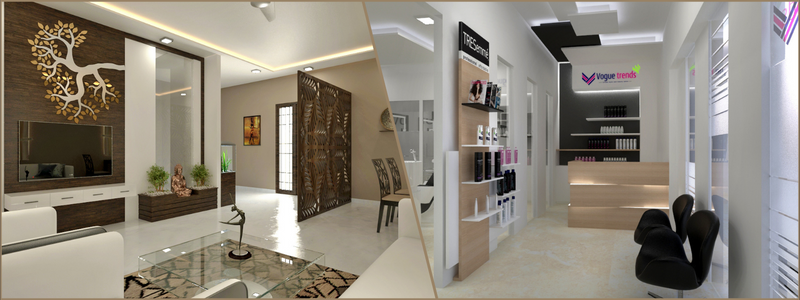
Why Do Architectural 3D Renders Resonate with Modern Consumers and Companies?


How often have you regretted buying something, and that feeling is made even worse because it’s expensive? Indeed, that’s no pleasant experience. You especially wouldn’t want to experience this regret in the architecture industry as it involves considerable money, time, and effort. This is why clients should consider architectural 3D renders where they can visualize architectural projects making costly investments. Read on below to learn why architectural 3D renders resonate with modern consumers and companies:

Modern consumers respect computer and animation work for architectural 3D renders

Architectural 3D rendering services are among the best things the architectural industry has ever seen. However, only a few understand and know how much effort and work an artist must go through to create 3D architectural visualizations. The average modern consumer with computer science knowledge knows the effort that is required to develop 3D architectural renderings. These are also the same individuals who appreciate the effort and hard work exerted on these projects. 

RELATED: Why hire an architectural design service?

Creating architectural 3D renders showcases an artist’s talent because it also calls for detailed, long work hours and a high level of expertise and knowledge to complete. Talent for coming up with breakthrough 3D architectural design ideas and the ability to turn them into a reality is a true 3D artist’s virtue, and consumers respect it and realize its value for their business. 

Modern consumers don’t have to exert effort for architectural 3D renders 

Modern consumers want to save time searching for solutions and answers. They prefer to have all answers to their questions in just a few clicks. Since only a select few people understand architecture and design, many will still search for answers by relying on modern digital solutions. Architectural 3D renders and the skilled 3D architectural design experts behind them are among the most critical assets to modern consumers who wish to invest their hard-earned money into interior design or real estate.

After they have shared their visions with the 3D architectural design expert, all they have to do is sit back and savor the rewards. Since minimal effort is required to outline architectural preferences, modern consumers can spend their precious time choosing the best renders of their concepts and picking the one that will give the best value for their investment. Without the need to go through many explanations and blueprints from the engineering design firms, they will be able to see things in live 3D tours instead without worrying a lot. 

RELATED: Best practices for architecture firms: residential and commercial architectural site planning

If this topic had been discussed three decades ago, many people would have thought of the idea as nonsense. But architectural 3D rendering technology has already shaped the world people live in today, with younger generations growing up in a society filled with unimaginable possibilities. 

Modern consumers are not required to understand architectural projects

Modern consumers don’t have to be architecture gurus because they will be more attracted to and invested in sensible ideas. Many investors these days search for and prefer dazzling projects despite not understanding the concepts and ideas behind them. If they can make money, many consumers will be more than willing to make a sizeable investment to make things a reality. 

Once they see potential profits behind a particular idea, many will be happy to accept an architectural 3D rendering designer’s vision and readily accept a proposal. Many will also set aside their inadequate industry knowledge and only think of the prospective profits that can add to their riches. 

RELATED: What is architectural visualization and why architectural rendering services use it

3d-rendering-company

Modern consumers see that they get the newest possible services 

Despite knowing the benefits that the virtual world offers, people are still surprised by the evolution of technology and its different options for architectural projects. Aside from the technical aspects, technology offers some of the finest entertainment ever, allowing consumers to sit back and make the most out of the thrilling ride. People who lack complex computer skills consider new technologies attractive, and informing them of their options during project presentations often results in realizing some of the finest projects ever imagined. 

If entrepreneurship is not your strength, consumers can connect the dots and determine the best method to monetize your vision. Most modern consumers need to understand architectural 3D renders and the potential they offer because they might have yet to learn how it will help their business. The newest architectural 3D visualization technology services shape many branches of the industry, and it’s up to intelligent entrepreneurs to know their options. 

RELATED: How to enhance your company’s 3D architectural rendering with advanced techniques

Modern consumers prefer visual representations and architectural presentation services

Projects without proper 3D visualization never stand the chance of finding modern consumers who will buy ideas and services. Suppose you want to succeed in today’s cut-throat architectural 3D rendering services market. In that case, you must identify the best means of presenting your talents to attract more clients and establish your name in the industry. This is where a professional business portfolio can help. Detailed and comprehensive portfolios will allow prospective clients to gain insight into an architectural design expert’s work and let them understand the different services offered.

After the initial step, 3D architectural presentation firms might also want to create a visual presentation of their past projects and achievements to help potential clients decide if they’re the right person for the project. Don’t forget that with the tough competition out there, architectural 3D rendering artists need to find a way to stand out from their competitors and highlight their strengths in the best way possible. They may offer architectural presentation services as a part of a 3D architectural rendering package.

RELATED: Why are 3D flythrough and 3D walkthrough services popular for real estate marketing?

Modern consumers love hyper-realistic architectural 3D renders

Now more than ever, people find it hard to tell real from fake online every time they browse simple sites searching for interior design or architectural solutions. Even people who have a trained eye will need help separating facts from fiction. The latest architectural 3D rendering technology allows animations and hyper-realistic images that helped shape the architectural industry and reinvent it for the modern day. 

Architectural 3D rendering technology has helped numerous skilled artists turn their visions to life, and it’s also expected to shape how people understand and perceive modern-day architecture. Aside from changing architecture for life, it also shaped how different industries, such as movie production, made fiction look and feel more natural for viewers. 

Modern consumers want to be involved in every stage of the project 

Thanks to architectural 3D rendering companies, investors can be there and take part right from the start of the project up to its completion. Even before the beginning of the projects, investors can already visualize the future construction, allowing them to make updates or propose tweaks they deem essential. Architectural 3D renders also allow modern consumers and companies to envision their future joy and pride and draw conclusions before it gets too late, and they must scrap the project and start all over again from the bottom.

RELATED: What are architectural animation costs, rates, & 3D design pricing for companies?

Consumers can also see and check different options before deciding on the one that best resonates with their visions. Architectural design experts need to meet the expectations of their clients every time they design projects, and ensuring they are on board right from day one will allow a less stressful execution. With the help of architectural 3D rendering software, the architectural designer can make small changes before the project is handed over to the experts, who will turn it into a tangible reality. Aside from cutting down the time, consumers can save more money in the long run. 

3d-architectural-visualization-company

Modern consumers can understand a project’s expected appearance

Modern consumers will never understand a project without seeing sketches and blueprints from architectural detailing professionals. You need to present something vivid and tangible for them to realize what they will be getting in the first place. Architectural 3D renders eliminate the guessing game because they can immediately view a simulation of a completed project. 

RELATED: 7 Types of architectural plans for your next design

Modern consumers love technology

It’s no surprise that modern consumers and companies love and live with technology everywhere they go. If you can create something cool and unique in the virtual world, everyday consumers will immediately notice you. Architectural 3D renders are among the hottest trends that have been catching the interest of today’s consumers. 

3D architectural rendering has already found its way to architecture. Based on the latest trends, it’s safe to assume that technology’s continuous development will further boost the popularity of architectural 3D renders and present them as one of the best methods to plan and execute even the most complex projects.

RELATED: Types of 3D visualization for architectural design and CGI projects

How Cad Crowd can help

Modern consumers and companies deserve the best. Cad Crowd is here to help you find the best architectural design artists specializing in architectural 3D renders that resonate with today’s younger crowd. They can also provide architectural presentation services that help clients envision architectural projects before completion.