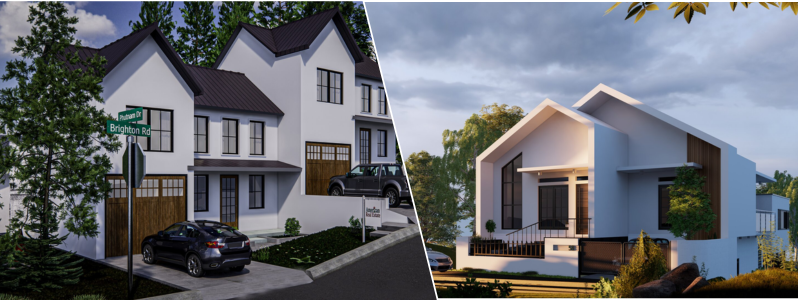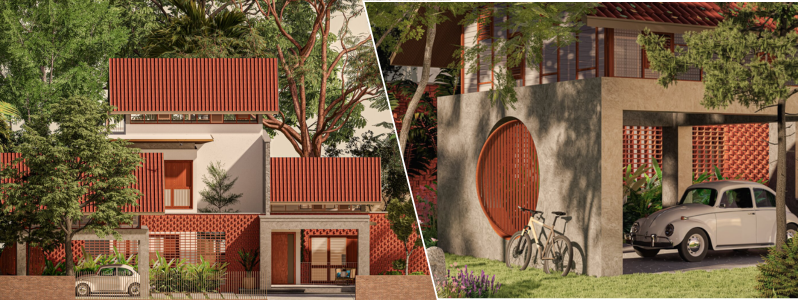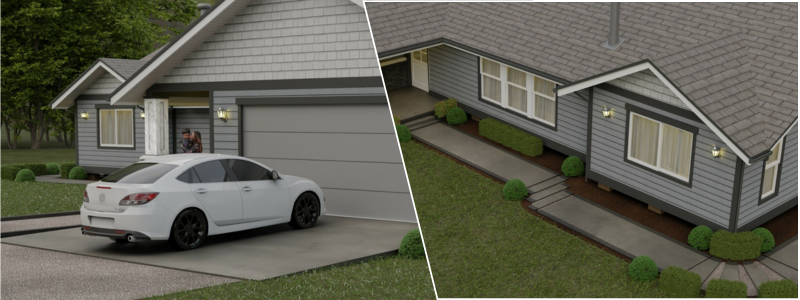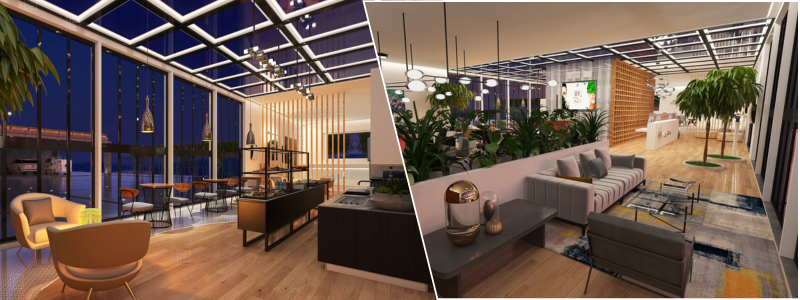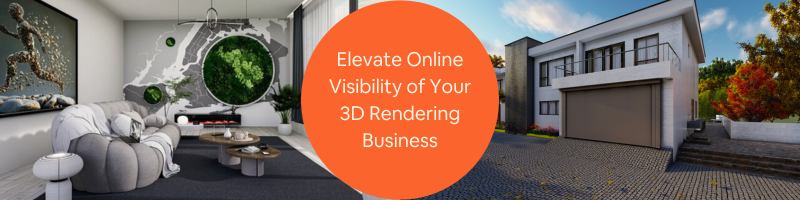
Elevating the Online Visibility of Your 3D Rendering Business for 3D Architects


The severe growth of the 3D rendering market has been observed to be rather incredible. This is why it is no longer a surprise that more and more businesses of all shapes and sizes find it appealing. As a result, the market has become more competitive by the day, and those not well-versed in marketing strategies may have difficulty landing clients despite their skills and talents. If you’re running a 3D rendering business, it’s easy to settle into the idea that it might take years to establish the credibility of your brand before you can start attracting all the right clients.

However, not all companies have the luxury of resources and time to perform trials and errors for several years in this high-stakes niche. But what if someone tells you that there is a way to elevate the online visibility of your 3D rendering business, save more money, and increase income simultaneously? This article explores tried and tested techniques that can work for your company so you can immediately put them to work. 

RELATED: 5 Reasons your architectural firm should use 3D rendering outsourcing

How 3D architects advertise their 3D rendering business

Most 3D architectural design services today continue to try numerous promotional strategies for their 3D rendering business, including 3D visualization marketing, paid advertising, networking, search engine optimization, campaigns, and so much more with combined results. Many of these strategies might work only for a limited time, and the results might also taper off when you halt promotions. However, this is not the case for search engine optimization. With the help of SEO, you might notice better gains after some time. This compounding effect is why SEO is among the more economically sustainable advertising choices available for 3D architects. 

For instance, getting several high-quality links with the help of skilled webmasters can cost a bit more than paid online ads initially. The main difference between these links and the usual ads is that you can expect a continuous and even higher boost in your online traffic after several years. It summarizes why SEO is among the best organic choices for promoting a 3D rendering business. But of course, implementing SEO methods of this kind can be tricky, especially if this is your first time trying to implement it. 

RELATED: Best practices for architecture firms: residential and commercial architectural site planning

Common 3D visualization marketing challenges

Marketing through 3D architectural visualization services is among the more in-demand and common advertising tactics most designers and architects love to use. This is an ideal way to increase potential leads, boost brand recall, and promote better engagement for your 3D rendering business. However, 3D visualization still has challenges that might be difficult to scale without serious effort. 

3D visualization marketing challenges include the following:

  • Even with the growing and continuous interest in the 3D rendering industry,  finding the right people who can be part of your dream team may be challenging. 
  • In global development, not everyone can access suitable tools that won’t impact performance. 
  • Managing an entire team of 3D visualization professionals is time and resource-intensive. 
  • Scaling up is a different difficulty, primarily when there are limited budgets. This can make it almost impossible to look for a more spacious working space, find the right tools and equipment, and more. 
  • Technology constantly changes, requiring users to continue evolving and learning simultaneously. 
  • The high prices can often reach 5-digit figures or sometimes even higher depending on how complex the designs or projects are. 

RELATED: What is architectural visualization and why architectural rendering services use it
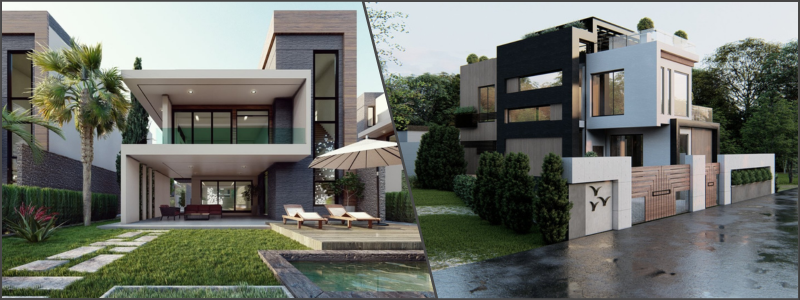
3d-exterior-rendering-services

SEO tips to boost your 3D rendering business’s online visibility 

At the core of all SEO methods is the essence of the ability to understand, know, and see the client beyond a superficial level. It can be challenging for businesses because you are trying to market to varied demographics of people with distinct needs. This may result in your 3D rendering business getting drowned out in all the online chaos. Check out the following tips for increasing the online visibility of your 3D rendering business: 

Increase the number of your landing pages

You can expect more conversions and engagement if you also have more landing pages for your 3D rendering business. The general guideline is to have a dedicated page for every service you provide and to ensure you optimize the content to appear higher in the page rankings, ideally on the first page of search engine results. To achieve this, apply the rest of the tips listed below. 

RELATED: How to render architecture: tips from an architectural rendering company, Los Angeles 

Diversity your landing pages

To continue on the point above, it is also highly recommended for 3D rendering businesses to create different and unique landing pages for every time of service they offer. For instance, you can dedicate a landing page for 3D commercial rendering services, 3D architectural modeling, etc. This is critical because it would be challenging to engage adequate traffic if you have a single main page where users would have to scroll through a complete list of all your offered services. 

For SEO optimization, having different pages that target various audiences would be worth your time. However, you still have to ensure that every page for your 3D rendering business offers authentic additional value and answers the users’ search intent. Remember to optimize every landing page for a particular keyword, such as URLs, meta tags, etc. 

Create keyword-aligned, high-quality 3D rendering business content 

Ensure your 3D architectural rendering business content aligns with potential clients’ search intent and contains keywords related to 3D rendering. This way, it will be easier for them to find your 3D rendering services during their online search. High-quality content is among the best means to entice more website visitors. Once you create keyword-aligned, high-quality content, you can expect increased engagement, more backlinks to your web pages, and higher exposure to your brand and 3D rendering business.

RELATED: 3D Visualization: the future of architectural design

This is also a great way to show and prove to the algorithm of search engines that you have informative, helpful, and valuable posts. Focus on content optimization, which involves using alt tags, meta descriptions, header tags, quality images, and more. You also have an appealing, logical content layout to increase retention and engagement. 

Seek help from the experts

This particular aspect of SEO emphasizes the importance of working with authors who will be exclusively suitable for your 3D architectural rendering blog and have publications in other places. They may include professional content creators with a solid social media presence. They can also be experts in their respective fields, such as talented 3D rendering designers, engineers, architects, coaches, etc. By featuring the works of these contributors, your 3D rendering business website can gain credibility as a platform hosting content from reliable specialists to become a reliable and trustworthy source. 
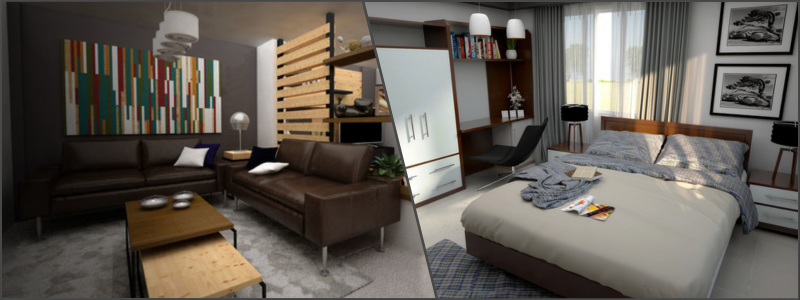
3d-interior-rendering-firm-1

RELATED: Is 3D modeling and rendering the future for architectural design firms?

Develop an adaptable 3D rendering business website

Users increasingly use smartphones and mobile devices to access the internet. You must ensure your 3D rendering business website can seamlessly adapt to different formats to boost your online visibility. Clients won’t be inclined to stay on a website that is not user-friendly, even if it offers valuable content. Thus, it is essential to make sure that you have a mobile-friendly and fully responsive website to engage and retain more visitors. This can substantially improve the page performance of your 3D rendering business for 3D architects

Boost website speed 

Google pays close attention to the loading speed of websites. The search engine giant constantly updates all its metrics to measure this. Thus, it is recommended that you highlight this aspect to your entire web development team. For instance, since many visuals are included on 3D rendering business websites, these should all be optimized in specific formats with a smaller file size without compromising quality. It is also important to prevent long redirect sequences and to use HTTP caching. You should also avoid overloading your website with different plugins. Instead, tasks should be performed manually whenever possible. 

RELATED: 5 Types of 3D visualization used by architectural design firms for CGI projects

Use quality visuals to showcase your skills

Potential clients will assess your expertise and quality of service according to the visuals they see on your content and 3D architectural modeling business website. Since these will influence their decisions, you should go all out to make the best first impression. Use designs, images, and other types of visual elements with the highest quality possible and ensure that they can capture your brand’s values while still conveying the right positive emotions. Ensure tags, descriptions, and alt texts are optimized with your keywords because images affect online visibility and search rankings. 

How Cad Crowd can help 

Cad Crowd can connect you with experts to provide 3D rendering services that will increase the online visibility of your 3D rendering business. Quality 3D renderings will attract prospective clients and make your website the top choice for clients. Contact us today!
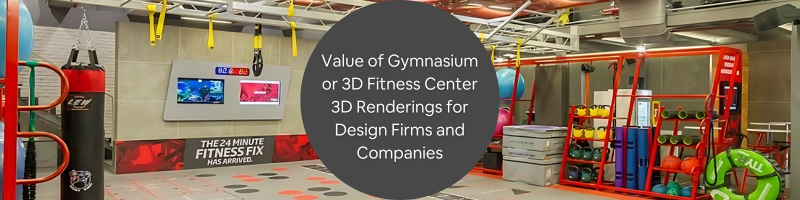
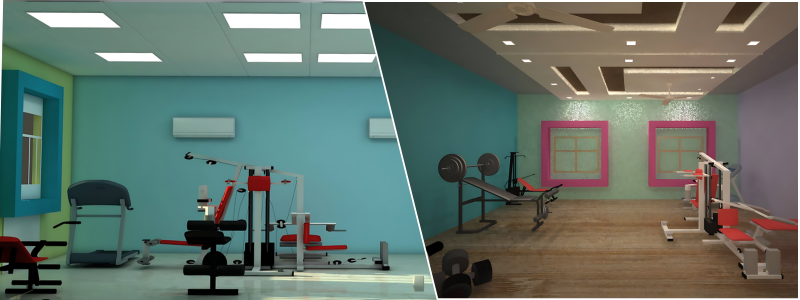
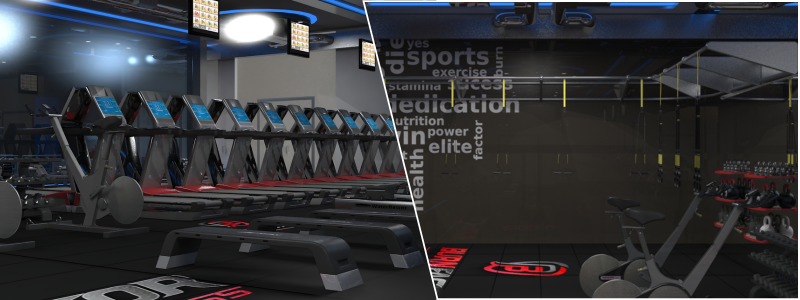
Value of Gymnasium or 3D Fitness Center 3D Renderings for Design Firms and Companies


These days, there is simply no excuse for being unhealthy. With all the diet programs available and the increasing number of gymnasiums and fitness centers, people have all the resources they need to stay healthy and fit. This demand favors designers who specialize in this particular industry.

This article explores the value of gymnasium or 3D fitness center 3d renderings for design firms and companies.

What are gymnasium or fitness center 3D renderings?

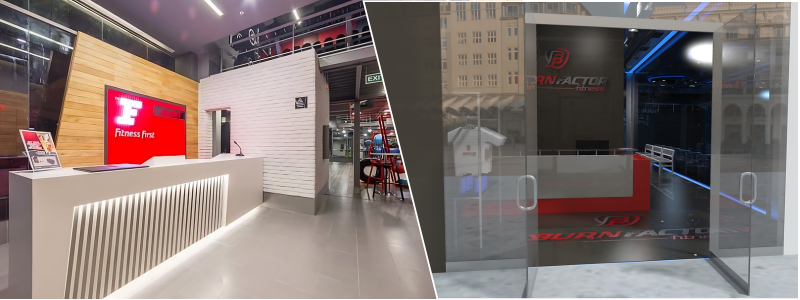
3D fitness center or gymnasium renderings are more than just creating images for gym scenes that clients often look for. They’re a unique process involving computer rendering tools combined with traditional hand-drawn methods. The setting of the gym or fitness center will depend on the client’s original design concepts. These renderings are carried out by professional 3D artists who provide exceptional renderings of gyms and fitness centers, offering a unique perspective and helping clients visualize their projects better.

Benefits of gymnasium or fitness center 3D renderings for clients

In this case, the clients refer to the owners of gyms and fitness centers. For one, it will be easier for owners to envision their project upon its completion as realistically as possible with the help of these renders. There are other reasons why fitness center and gym owners should consider using 3D rendering services. 3D renderings of fitness centers and gymnasiums empower owners to present their concepts clearly and precisely. Renderings provide a solution if they have ideas but need help to express them. Instead of relying on memory or rough sketches, renders enable them to develop and apply their ideas confidently and quickly.

Owners can also use renders to assess the practicality of their project concept. By visualizing the completed project, they can identify potential issues and mitigate risks during development and installation. This sense of security is invaluable in ensuring a smooth project execution. The renders can also help design the project’s exterior and interior areas. They will also determine the project’s success, including its likelihood of generating profit.

1 (2)

Fitness center and gymnasium renders can also help pinpoint weaknesses and problems so they can be fixed or repaired immediately. Although these projects often seem like simple architectural projects, it’s still essential to guarantee precision and safety during construction to get the most out of them. Owners can also choose a suitable source of materials. Using 3D renders, they can design and arrange fixtures and furnishings for their project.

It’s also worth noting that rendering artists use state-of-the-art tools to develop the project’s most realistic exterior and interior furniture. As a result, gym owners can identify the objects and materials that complement their original design concepts. Sooner or later, gymnasiums and fitness centers will become a location that welcomes people. For this reason, owners should be meticulous in choosing the right equipment and furniture for themselves and future clients using the area daily.

3D renders are a must for owners because they help them complete their projects and ensure their clients enjoy a comfortable time in the space. All of these can result in higher revenue in the long run. This is no doubt a win-win situation for owners.

RELATED: 3D Rendering Costs & 3D Visualization Prices for Firms

Benefits of gymnasium or fitness center 3D renderings for design firms and companies

The value of 3D fitness centers or gymnasium renderings for design firms and companies must be balanced. Here are some of the top benefits that these services can offer:

3D renders can boost the brand value of design companies and firms. This value is rooted in the design aspect. Fitness centers and gymnasiums are relatively easy undertakings. However, choosing user-friendly equipment, interior and exterior layout, and design still requires meticulous attention to detail. When design firms and companies utilize 3D renders, they can significantly reduce the time required to complete projects. This efficiency not only boosts client trust in the quality of their work but also alleviates the stress of meeting project deadlines, enhancing the overall value of their brand.

  • Generate more profit and revenue

3D gymnasium and fitness center renderings can also help design companies and firms increase their profits and generate more revenue. These establishments have become popular sites to build, most often a part of the construction of resorts, hotel complexes, condominiums, and apartment complexes. 3D renders will help ensure your company’s design process goes as smoothly as possible. When your clients find the rendering of their project satisfactory and up to their standards, this will help your firm generate additional design royalties. 3D rendering services can offer firms higher chances of earning revenue.

1
  • Attract a bigger clientele

3D renders can help design companies and firms attract more clients, mainly if they use these renders to complete projects in the past in various genres and styles. When clients are satisfied with your company’s project after they see the demonstration images, this will help you gain the trust of your customers and establish your credibility in terms of skill and quality in 3D architectural visualization services. The design of gymnasiums and fitness centers is critical to attracting and retaining clients, especially in a competitive wellness and fitness world.

Revisions of designs are standard during the planning stage. Thankfully, 3D renders can guarantee more cost-effective design revisions. The digital model can help visualize any changes or tweaks made, thus eliminating the need for extensive rework or physical models during construction. This can lead to substantial savings in resources and time, making it a wise financial choice for design firms and companies.

  • Flexible and customizable designs

Gymnasium and fitness center renderings can provide unmatched flexibility when customizing designs. The designers can easily tweak design themes, equipment configurations, and layouts to tailor the area to the client’s specific operational requirements and preferences.

  • Facilitate easier decision-making

3D renderings of fitness centers and gymnasiums also facilitate a more straightforward decision-making process as they help provide detailed and clear visuals of the planned design. All parties involved can make faster and more informed decisions with their help.

  • Efficient layout optimization and space planning

Optimization of the available space is critical in designing fitness centers and gymnasiums to ensure effective use of every available space and a seamless flow of movement. 3D rendering technology also helps with more precise space planning to ensure that the layout can support various fitness activities and maximize the comfort and utility of the space.

  • Improved communication with investors and clients

3D renders of fitness centers and gyms also enhance investor, client, and designer communication. These renders offer tangible representations of proposed designs. It can lead to a better understanding of the entire project, more educated decision-making, and alignment of expectations from all sides.

  • Enhanced presentations and marketing

High-quality 3D renders are excellent marketing tools for gymnasiums and fitness centers. They can be used as effective promotional materials to showcase the facilities and design of these establishments, attracting more potential members and improving their presence in the market.

  • Ensure accurate implementation

3D rendering helps ensure accuracy throughout the implementation stage. Detailed 3D renders offer clear-cut guidelines for builders and contractors to help cut down the risk of discrepancies and errors during construction.

1 (3)
  • Correct selection and combination of materials

Choosing the correct textures and materials is essential to designing an inviting and durable environment for gymnasiums and fitness centers. 3D renderings accurately represent how specific materials will look in the area. This helps in the selection process and ensures that the chosen materials are aesthetically pleasing and practical.

  • More realistic layout visualization

Gym and fitness center renderings offer a highly detailed and realistic depiction of proposed layouts, which include interior design elements, lighting, workout zones, and equipment placement. These meticulous visualizations allow stakeholders to envision the space and its potential to help develop a more attractive and functional environment.

  • Simulate the effects of lighting and the environment

Lighting is critical in setting the ambiance and mood of gyms and fitness centers. 3D rendering allows designers to simulate different lighting conditions to provide insights into how the space will look and function under various scenarios. It is essential to create a motivating and inviting workout environment. 3D gymnasium and fitness center renderings are changing the process of designing and constructing fitness spaces. They offer many benefits ranging from increased brand value to attracting a more extensive clientele to simulating the effects of lighting and the environment.

RELATED: What are Architectural 3D Visualization Costs, Service Fees & Rates for Companies?

How Cad Crowd can help

Cad Crowd is the number one resource for design firms and companies that need help developing 3D renders for their gymnasium and fitness center projects. Contact us today, and we’ll be more than happy to help!

Visualize Your Dream Home With 3D Architectural Visualization Company Services


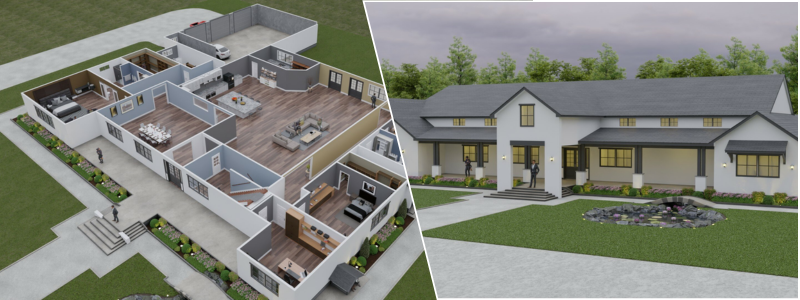
3D architectural visualization has now become a true game-changer in the world of homebuilding and architecture. A helpful tool that used to be exclusively available to professional designers and architects, the technology is critical for homeowners who want to turn their dream homes into reality. 3D architectural visualization services can significantly improve the homebuilding journey and make it an exciting discovery, exploration, and accomplishment process.

3D architectural visualization and rendering are all about bridging that once-large gap between reality and imagination. They focus on turning abstract ideas into concrete before laying a single brick. With the help of this tool, homeowners can envision their dream home, tinker with design concepts, and make well-informed decisions. All of these ensure that the final product will closely resemble what they have envisioned.

The 3D architectural visualization basics

At its very core, 3D architectural visualization is the process of generating non-photorealistic or realistic images from 3D models. The models made with the help of 3D modeling software include shading information, lighting, textures, viewpoints, and geometric data. The visualization process uses the data to produce 2D animation or images.

3D architectural visualization transforms design ideas and plans into virtual reality in home building. For example, if your plan includes a house with three bedrooms, a pool, and a patio, 3D architectural visualization can offer a vivid image of the possible appearance of your dream home, right down to your backyard landscaping, furniture style, and wall colors.

RELATED: What are Architectural 3D Visualization Costs, Service Fees & Rates for Companies?

Benefits of 3D architectural visualization company services for homeowners

1 (2)

3D architectural visualization company services help democratize the entire design process. Homeowners can now participate more actively in designing their dream house and reap all the benefits the tool offers.

  • Understand complicated architectural plans easily

Understanding complex architectural plans, especially those involving technical blueprints or drawings, can be challenging for most homeowners. This is where 3D architectural visualization shines, transforming these complex plans into relatable and understandable images. 3D architectural rendering services offer a meticulous view of the house’s interior and exterior in a way that is easier and simpler to understand. It also shows the connections among the spaces inside the house and how they flow. 3D renders also reveal how natural light filters in through the windows at various times of the day. Homeowners can also see how the house would look from different perspectives.

  • Better visualization of design concepts

The most important benefit of 3D architectural visualization is how it allows homeowners to envision the design concepts they have in mind. Being able to imagine how a roomy living room complete with a fireplace and high ceiling would look is an entirely different story from the ability to see it right on a screen complete with lighting, furniture layout, and exact dimensions. This kind of visualization evokes a sense of excitement, bringing homeowners a step closer to turning their dream homes into tangible realities. Seeing their design concepts come to life on a screen is thrilling.

  • Ability to explore different options for potential designs

3D architectural visualization offers virtually endless possibilities for exploring different design options. Just imagine what the living room will be like when designed with a contemporary minimalist style rather than a more traditional one. 3D architectural visualization allows homeowners to explore a wide range of design options. Whether visualizing the living room with different styles or experimenting with various kitchen finishes, this tool empowers homeowners to make well-informed decisions that align with their vision.

RELATED: What are Architectural Rendering Costs, Rates, and Pricing for Companies?

How to use 3D architectural visualization for building your dream house

1

Considering all its benefits, adding 3D architectural visualization into the homebuilding process is a wise decision. Below are several ways that homeowners can take advantage of 3D renders.

  • Collaborate with architects

One of the initial steps to homebuilding is working with an architect to create a design that aligns with your requirements, budget, and vision. Architects usually showcase their designs using 3D renders and excellent communication tools. Collaborating with architects using 3D architectural visualization provides a sense of security. You can view your future house from different angles, get a better feel for the space, and offer better feedback. Adjustments can be made in 3D models until you feel thoroughly contented, reducing the risk of time-consuming and expensive changes during construction.

  • Decide on interior design

3D architectural visualization is not only for architectural structures or exteriors but is also valuable in interior design. From choosing color schemes to deciding on the right furniture, planning the layout, or lighting fixtures, 3D architectural renders let you envision your options in full context. You will also see how unique elements design a harmonious, cohesive space to minimize design risks and mishaps.

RELATED: 3D Interior Design Costs, Modeling Pricing, and Rendering Rates for Buildings

  • Facilitate landscape design

There is more to a dream house than its four walls alone. The surrounding landscape is vital in shaping your property’s functionality and aesthetics. This is where 3D architectural visualization and landscape design services help envision various ideas for landscaping, whether it is a thriving patio area, an idyllic garden, a play area for kids, or a poolside deck. You can explore numerous lighting, outdoor furniture, plants, and more until you find the best fit.

  • Envision and choose colors and materials

The choices for finishes are virtually infinite, from roofing and exterior siding to countertops and flooring. It’s a bit tricky to use small samples to make these decisions. 3D architectural visualization can showcase all these materials in your dream home’s broader context, making imagining the final feel and look easier.

RELATED: 3D Landscape Design Services: Cost, Rates, and Pricing for Companies and Firms

DIY vs. hiring 3D architectural visualization experts

1 (3)

Now that you know the potential advantages that 3D architectural visualization can offer when building your dream house, you’re probably wondering if you should just take things with your own hands or pass them on to professionals. Both approaches have pros and cons; your comfort with technology, needs, and budget will ultimately determine your final choice.

DIY

Many user-friendly 3D architectural visualization software tools are available on the market now, especially made for homeowners. The tools range from sophisticated to simple, and most offer massive libraries of materials and premade objects to help you envision your home design. Going the DIY route might be more cost-effective as it gives you better control over the entire design process. This also allows instant visualization and real-time changes. However, it requires some learning curve, and the output quality needs to be at par with that of professionals. The most popular DIY 3D architectural visualization software programs are AutoCAD, SketchUp, Homestyler, and Lumi. Each has strengths and weaknesses, making it worth exploring and identifying the one that best suits your needs.

Professionals

Professional 3D architectural visualization company services can provide realistic, high-quality images that perfectly capture all the intricate design details. The professionals use state-of-the-art software, technical knowledge, and skill to create visually stunning and accurate renderings. They can help you save time and avoid common pitfalls if you try to do it yourself.

Just remember that professional services will come at a cost. Although prices may differ depending on the level of detail and complexity of the renderings and the project, it is a worthy investment, especially for more significant, more multifaceted projects.

RELATED: What Are AutoCAD Designer Rates, Drafting Costs & Services Company Pricing?

Wrapping it up

1 (4)

Building your dream house is one of the most exciting journeys, with discoveries and decisions. 3D architectural visualization company services are pivotal in this journey as they help you envision your ideas, make better decisions, and communicate more effectively with designers, architects, and builders.

Although the process might seem daunting, each step will bring you closer to the house you have always dreamed of. It means you need the best help to realize your vision. With 3D architectural visualization continuously getting better, it’s safe to say that the world can look forward to more interactive and immersive ways of visualizing dream homes. So, don’t hesitate to embrace the endless possibilities of this technology and allow it to serve as your guide as you build the house you can call your home.

How Cad Crowd can help

Cad Crowd is the best place to find and hire reliable 3D architectural visualization company services that will help you transform your dream home into reality.

Using a 3D Rendering and Photography Combination to Bolster Your Architectural Firm


Today’s architectural industry is enjoying a plethora of breakthrough innovations thanks to newly improved technology. Many architectural firms have also started to use numerous marketing tactics to enhance the quality of their campaigns and promotions and tap into a bigger audience and potential clientele. These firms have successfully integrated 3D rendering and photography into their marketing strategies, increasing client engagement and project visibility.

Together with these improvements came the introduction of different types of new rendering software, complete with a suite of complex tools. These tools help make architectural renders look more stunning and realistic than ever. But even with the rise of rendering and modeling programs, there’s no denying that photography continues to reign supreme among architectural companies.

This article explores the transformative potential of 3D rendering and photography when strategically combined, offering a fresh perspective on strengthening an architectural firm.

Photography and its role in architecture

Architecture and photography have this deep-rooted connection that has changed through the years. This connection has strengthened as more advanced technologies, including 3D rendering services, have developed. For a long time, architects have been using photography as an integral tool to document and capture their concepts and designs. This allows them to show and present their work to a bigger audience, helping to promote their architectural skills and prowess.

Photography in architecture plays a crucial role in preserving and archiving iconic landmarks, capturing their essence for future generations to see, admire, and be inspired by. However, architectural photography involves more than just showing the design itself. It also captures the built environment’s atmosphere, emotions, and essence. Skilled architectural photographers use perspective, composition, and lighting to express the intended story behind an architectural creation.

RELATED: Integrating 3D Rendering with Photography for Architectural Development Companies

3D rendering and architectural photography

The rise of 3D rendering has brought architectural visualization to a new level. With the help of 3D modeling services, architects can now create virtual representations of their ideas and designs. This technology is not just about creating realistic images; it also allows architects to offer a more immersive experience to investors, clients, and the general public. 3D rendering will enable architects to experiment easily with different spatial configurations, lighting conditions, and materials before construction starts.

Photography substantially impacts the aesthetic choices for 3D rendering models. Architectural photographers usually capture captivating images of completed buildings that inform and inspire the development of 3D-rendered settings. The perspectives, composition, and play of shadow and light captured in architectural photos guide 3D artists to create visually appealing and realistic renderings.

Combining site photos and 3D renders

traditional-house-exterior-3d-render

One of the most effective ways to bolster your architectural firm and make its designs captivate a more extensive audience is to use site photos and 3D renders together. This involves integrating digital 3D models with real-world photographic images to create realistic and visually compelling compositions, which, when executed correctly, can help boost your architectural promotion by creating an improved visual summary of your works. Most importantly, it enables you to understand your project’s direction better.

To achieve this, make sure that you capture the best and most appealing angles of your exterior or interior design and use them together with site photos to give your clients a better idea of the expected turnout of the project. You can also use site photos to develop more realistic backgrounds for your 3D renders.

Every time you present your work, it’s highly recommended to use several visual elements as much as possible to achieve the finest visual presentation of the work you can do. High-quality visuals not only captivate and engage your target audience, driving higher conversion rates and boosting brand recall but also enhance your firm’s reputation by showcasing professionalism and attention to detail, thereby facilitating client acquisition and fostering long-term business relationships. Look for the best final visuals of your project so that you can promote your architectural development much better than before.

RELATED: Integrating 3D Rendering with Photography for Architectural Development Companies

Showcase finished photos and 3D renders of your architectural projects

It’s somewhat easy to produce high-quality 3D renders, but it’s an entirely different store when it’s time for you to present them to the general public. Even though rendering and modeling require significant effort and time, it’s equally important to promote them in the best way possible. This is why finding a platform with a more extensive audience reach can be challenging while ensuring that your projects are still appropriately promoted.

Ensure you showcase your prowess and skills when you deliver the final results of every project. Your work’s visual presentation is the one thing that will convince and entice potential clients to choose your architectural firm over others. Always pay close attention to the details, eliminate irregularities, and improve your models.

Ensure your photos and 3D renders are displayed on platforms with a broad audience reach. When choosing a platform, consider factors such as the platform’s user demographics, engagement rates, compatibility with visual content, and industry relevance to ensure that your projects are effectively promoted to the right audience. If you only have a few followers on your Instagram page, look for other sites or platforms to advertise your projects better.

residential-exterior-day-and-night-3d-render

Use before and after images.

A proven marketing technique, using before-and-after images, is a powerful way to showcase the effort and time invested in a project. This demonstrates the transformation, dedication, and skill of the architectural firm.

Remember to take several snaps of the project’s start before you begin. Doing so will also help you understand your project better and set expectations for it. Since there’s always the possibility of hitting a dead end during the design process, you can refer to the before photos to develop an entirely new concept or idea.

These before and after images of the projects you’re working on can also help you capture the attention of prospective clients. They allow you to make your viewers see the reasons why they should pick you and your firm. Be sure to capture as many photos as possible from various angles to showcase the difference in the best possible light.

RELATED: Learn About Architectural Design Fee Schedules, Rates, and Pricing for Architect Firms’ Costs

Come up with stunning visuals using CGI.

modern-cafe-interior-3d-render

As computer-generated imagery (CGI) became a popular visual tool, it was used exclusively for cinematic purposes. However, CGI has already become a critical aspect of architectural programs. This technique involves creating highly detailed and realistic 3D models and environments through advanced software, enabling architects to visualize complex structures and spaces with incredible accuracy. CGI allows for the simulation of lighting, materials, and textures, providing a lifelike representation of the final build. With these capabilities, more and more designers are taking advantage of CGI to enhance their 3D renders, offering clients an immersive visual experience and a clearer understanding of the proposed architectural designs.

CGI technology can be used to produce various models. It also comes in handy for exterior and interior designs. You can even use CGI to produce stunning environmental elements to bring your renders to life and create a harmonious project presentation.

The only problem is that understanding CGI technology can be extremely tricky. Since there are tons of CGI rendering methods out there, it is recommended that you keep yourself informed as much as you can about this captivating visual tool and use it to promote your firm’s architectural projects and designs.

RELATED: CGI Design Costs, Freelancer Rates, and Designer Service Pricing for Your Company

Use photo-matching

The photo-matching technique involves using site photos with your 3D renders and combining them to make them appear more realistic. This technique is beneficial because [specific benefits of using the photo-matching technique]. But it’s essential to learn how to blend them in the best way possible to achieve a positive result at the end of the day.

People love to see realistic visuals of architectural projects, so incorporate as many organic elements as possible. Combining your models with site photos can help you offer viewers the most realistic visual experiences.

But while you’re at it, avoid using low-quality images on your site. The stark difference between low-quality photos and high-quality renders will only make the renders look sloppy. Be sure to use top-of-the-line equipment only every time you take photos of your building site.

contemporary-living-room-and-kitchen-3d-render

3D rendering, photography, and architecture in the future

As technology improves by the day, the relationship between 3D rendering, photography, and architecture will continue to evolve and improve. Interactive visualizations, real-time rendering, and sophisticated AI algorithms will further enhance the creative and collaborative potential of the three disciplines.

What does the future hold for them, then? The future undoubtedly holds endless possibilities for the groundbreaking integration of 3D rendering, photography, and architecture.

Photography has long been a critical element of architecture, and as 3D rendering improves, their connection becomes more profound.

The synergy between the three disciplines allows architects to present their designs, offer immersive visual experiences, and retain architectural heritage. In the future, the relationship between 3D rendering, photography, and architecture promises to inspire innovations, push boundaries, and redefine how the built environment can be experienced.

RELATED: 3D Rendering Costs & 3D Visualization Prices for Firms

How Cad Crowd can help

Don’t hesitate to contact Cad Crowd if you need the expertise of 3D rendering and photography professionals who can help grow your architectural firm and expand its reach. Contact us today, and let us connect you with the right talents for your projects!

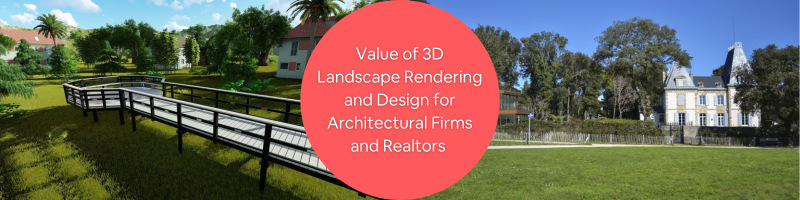
Value of 3D Landscape Rendering and Design for Architectural Firms and Realtors


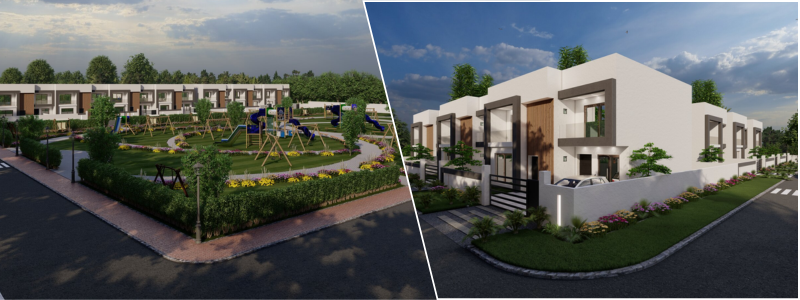
The modern real estate industry has realized the undeniable importance of 3D rendering and design. That’s why it’s unsurprising that the 3D rendering market is also growing as more industries discover that 3D rendering methods allow them to achieve all their advertising, marketing, and business goals. For instance, the Park Lane Residences project used 3D landscape rendering and design to visualize complex landscaping ideas and create immersive virtual tours, which significantly boosted their marketing efforts, increased pre-sales, and enhanced customer satisfaction by providing a realistic preview of the final product.

This article delves into the value of 3D landscape rendering and design for architectural firms and realtors.

Aesthetics made even better

Freelance 3D landscape design services let you develop photorealistic imagery and captivating 3D visual configurations with stunning aesthetics. This helps highlight the property in the best way possible, including its exterior and interior views. This tool also helps showcase the property in ways you probably didn’t imagine to attract the attention of your target clientele and increase your chances of closing a deal.

For an architectural project to succeed, it’s essential to detect any errors in structure and design before the actual construction. This will reduce the effort and time spent on the project while increasing customer satisfaction, making incorporating their ideas into ongoing projects easier. However, it’s important to note that the complexity and cost of high-quality 3D rendering software, as well as the need for skilled professionals to operate it, may pose potential challenges. These limitations can impact the overall efficiency and effectiveness of the process, especially for smaller firms or projects with limited budgets.

lakeside-estate-exterior-3d-render

3D landscape rendering and design also simplify shifting focus on the major highlights and features of the property. Unlike 2D images, advanced and modern 3D rendering imagery is so lifelike and realistic that it lets 3D artists highlight the most significant features of residential and commercial infrastructures. This is because 3D rendering captures intricate details, provides a sense of scale and spatial relationships, and allows for dynamic lighting and shadow effects, which give a more accurate representation of how the space will look and feel in reality. These capabilities justify its use by making presentations more compelling, facilitating better client communication, and enabling more precise planning and decision-making, ultimately leading to enhanced marketing effectiveness and increased sales potential.

This allows you to showcase the function and aesthetic features of the property’s exterior and interior spaces perfectly. Thanks to 3D landscape rendering and design, realtors can easily denote safe and comfortable living standards and emphasize layout, lighting, rooms, and others in the most appealing way possible.

RELATED: 3D Landscape Design Services: Cost, Rates, and Pricing for Companies and Firms

Better materials for marketing purposes

3D landscape rendering and design can also help you improve your existing and future marketing materials to offer your clients fantastic user and customer experience. Customer experience is the most effective tool in real estate marketing as it helps you approach clients more customer-centric and personalized and caters to their unique needs and requirements. This is an ideal way to help clients connect emotionally with the sold property. 3D landscape renders can present the property in a more user-friendly way that provides a complete user experience. This is almost similar to going on a real-life walkthrough.

Clients also connect with the property and establish connections with properties and realtors before visiting them in person. Aside from making your clients happy and satisfied, this can also increase your marketing ROI quickly. Realistic 3D landscape renders and designs can leave a strong positive first impression among clients. For example, animated walkthroughs of real estate properties are an ideal way to boost your marketing campaigns and materials and allow your clients to envision the appearance of their future homes. These renders are powerful marketing tools, and realtors can use them to promote their properties on various social media platforms, including Facebook, Instagram, YouTube, LinkedIn, and even TV.

modern-waterfront-house-3d-render

Enhanced property overview

3D landscape rendering and design help architects, engineers, constructors, and interior designers better understand the property. They offer a better and more detailed property overview. Then, everyone involved in the project can understand the property’s strengths and weaknesses and its best and worst features. They can also identify defects and errors and make the necessary changes on the fly without significantly increasing the property’s value.

After getting all parties on the same page, it becomes easier to save money and time while ensuring a safer and more accurate construction process. With this improved overview of the property, you won’t have to leave anything to chance, allowing you to add more value to it in the future. While creating 3D landscape renders and designs may initially require more time, the long-term benefits in terms of efficiency and accuracy can outweigh this initial investment.

3D landscape rendering services can help realtors close more deals by allowing people to envision the property before construction. They can use lifelike 3D landscape rendering and design to showcase every nook and corner of the property, significantly improving the chances of selling. This optimistic outlook can help realtors tap into a more significant number of customers, leading to increased revenues and sales down the road.

RELATED: What does it Cost to Hire a Landscape Design Architect Expert for your Company?

Customers love and appreciate new technologies

Businesses that want to appeal to and reach wider audiences should use new technologies. This will help them tap into more prospects by using their preferred communication channels when connecting with them. In addition to attracting more clients, these new technologies focus more on the customers. The same goes for 3D landscape rendering, which is immensely eye-catching and immersive.

Aside from helping attract more potential clients, these renders also allow realtors to make the most of new software tools and technologies. Despite the perception that they may require advanced technical skills, many 3D landscape rendering and design software are user-friendly and intuitive, making them accessible even for those without extensive design experience. Realtors can use them to craft more customer-centric marketing materials and advertising campaigns.

luxury-home-poolside-3d-render

3D landscape rendering and design also offer a pervasive array of 3D effects that are more engaging, immersive, and attention-grabbing compared to simple traditional 2D images. New rendering programs have advanced features that let realtors present the most realistic representations to clients that can breathe life into their concepts and ideas. With the help of software tools that offer AR, VR, and AI features, you can give your clients a chance to go on virtual tours around the properties to make an excellent first impression and persuade them. This is something you can’t achieve with just video presentations alone in this modern day.

RELATED: Architectural VR/AR 3D Rendering Costs, Rates & 3D Modeling Pricing for Design Firms

Demand for visual advertising

It’s been discovered that visual advertising makes customers more inclined to form a psychological connection with ads. Using visual advertising can even boost sales several notches. However, remember that you still need professional 3D landscape rendering and design to achieve this effect and leave a great impression on customers. Real estate professionals can use photorealistic renders to give stakeholders some freedom and let them experiment with the images when and as they want. 3D landscape rendering lets clients make changes even at the last minute if necessary.

The properties’ 3D visuals can also be resized to fit into the available space for your ads on different marketing channels. You can create gorgeous visual ads and scale them down or up to suit any advertising size. This lets you tap into specific markets and capture the interest of broader audiences by reaching out to them on a more personalized level.

With all the different advertising and marketing options you can use to your advantage, you can approach every market more precisely and ensure increased sales, revenues, and ROI. It can also work wonders for the visibility and presentation of your brand. Despite the initial investment, 3D landscape rendering and design can be a cost-effective solution in the long run. See that your visuals adhere to the proper scaling and sizing requirements, as these may vary from one channel to another.

Provide quotes easily

You must present more than just rough sketches, draughts, and 2D drawings and expect them to justify the cost of luxury properties. Comprehensive 3D landscape rendering makes it easier to give quotes and justify the high price tags. They also simplify the process of selling properties. 3D landscape rendering and design offer clients a complete overview of the property, helping them understand the factors and features that drive its high value.

3D landscape renders also offer invaluable education and knowledge about building materials, helping clients better understand the value of their investments. Meanwhile, realtors who want to sell a property must show the neighborhood’s beauty, location, and surrounding environment. This offers a holistic understanding of every unique feature, including fancy landscapes, nearby schools, underground parking, and distinct architecture. Once these elements are combined, it becomes easier for potential buyers to understand their future investments’ accurate price and value. Giving them the chance to see precisely what they will pay for makes it almost effortless to provide quotes. Rather than merely showing off the property and giving them a quote upfront, you can evoke genuine emotions in your clients that will help you get closer to closing the deal.

charming-garden-pergola-3d-render

Simplified storytelling

3D landscape rendering images can tell a story in ways most people can’t probably imagine. As far as real estate is concerned, these images help present your business’ mission. Modern homeowners and clients no longer enjoy listening to simple storytelling about your brand, goals, and others. They need and expect more than this.

Clients expect vivid visualizations that evoke real emotions and convey the message quickly. Each company has a story to tell that targets enticing a specific audience, with 3D landscape rendering making it easier for you to tell a story in a way that best resonates with your clients. This is a highly effective means of enticing them to your skills, potential, ads, and the like.

How Cad Crowd can help

Cad Crowd is the leading resource for the best 3D landscape rendering and design professionals who can help your architectural firm or real estate business get the much-needed boost in sales.

What Is 3D Architectural Rendering, and How Do Companies Benefit from Its Use?


3D architectural rendering has undoubtedly changed the game’s name despite all the tools available at the designers’ and architects’ disposal for doing their job. You can enhance your business’ profitability and performance by constantly presenting photorealistic 3D exterior and 3D interior space images to your clients. Whether you want to make the most out of your budget, improve communication, or attract new clients, 3D architectural rendering firms can boost your company in more ways than one. This piece discusses what 3D architectural rendering is all about and how companies can benefit from its use:

What is 3D architectural rendering? 

3D architectural rendering involves designing three-dimensional images to explain or visualize proposed architectural designs and concepts. 3D architectural rendering uses 3D software to compute all inputs to produce photorealistic two-dimensional images. The 3D images can range from the most basic shapes to highly intricate 3D models. 

RELATED: 3D Visualization: the future of architectural design

3D architectural rendering applications and types

The following are some of 3D architectural rendering’s most common types and applications:

Exterior 3D architectural renderings 

The vantage points of 3D exterior rendering services are the outside perimeters of real estate properties. This type of rendering involves the creation of alluring three-dimensional imagery of exterior design for residential and commercial properties. These 3D architectural renderings are perfect for builders and architects who wish to sell and present their new ideas for construction projects to potential clients and investors. These 3D renderings can also be simple and plain 3D models, while some may include more realistic elements in their design, such as streets, fences, foliage, and even people. 

3D architectural renderings

Interior 3D architectural renderings are 3D images that offer a realistic way to check the interior design and layout of a house or building. These renderings provide an exceptionally immersive experience that makes them handy tools at different stages, from pitching ideas to marketing real estate plans and properties. 

RELATED: 7 Benefits of 3D architectural rendering services for real estate

3D Aerial renderings 

With the help of 3D aerial rendering artists, companies can show the building or real estate structure from outside and above. 3D Aerial renderings generally include the nearby environment more, as this is used for visualizing how the structure and the surrounding buildings will blend. Aerial renderings also allow architects to decide on the features of the landscape and the suitable landscape orientation. 

Virtual tours and virtual staging for architecture

3D architectural renderings are ideal for real estate agents and architects because they allow potential clients and investors to experience what it is like inside the property, even if they don’t visit it in person. Virtual tours and virtual staging for architecture professionals offer immersive experiences that allow clients to see and check the space and visualize the features, layout, and overall look and feel. 3D rendering in virtual tours eliminates the risk of making mistakes during construction, which may result in more effort, time, and money to fix. 

RELATED: Virtual staging costs, service fees & architectural pricing for real estate companies

3d-interior-rendering-services

How companies benefit from 3D architectural rendering

Here’s how companies can benefit from using 3D architectural rendering on their future projects:

1. Get an accurate building site layout

3D architectural renderings can show the site’s overall layout, complete with different elements for the landscape, such as trees and other structures that exist or may exist within the vicinity. Companies can also use these renders to map out electrical and natural gas lines, water and wastewater piping, gutters, and more. It provides plumbers, electricians, and other workers with the correct details to do their job. These 3D architectural renderings also include the final positioning of elements, such as playground equipment and garden furniture, that should be fixed to the ground. 

2. Come up with realistic presentations

2D drawings and floor plan services, product descriptions, and catalogs are sometimes insufficient for client presentations and interoffice communication with designers and contractors. You must see what’s happening with a building to understand what clients want and how your team plans to achieve it. Realistic exterior and interior 3D architectural renderings provide the most precise presentation of colors, decorations, materials, and more. Renderings may include furniture and lighting fixtures for a more comprehensive design overview. 

RELATED: How to create a virtual tour of homes with 3D rendering services

3. Easy and quick changes

One of the most significant benefits of 3D architectural rendering is that it allows quick edits. You can speed up editing time compared to hand-generated drawings or physical photoshoots. 3D renderings are extra helpful for real estate staging. Realtors can ditch the physical shoot by editing the changes using the rendering software rather than returning to the property and redecorating its interior for another round of shoots. Architects, developers, and interior designers are other professionals who can take advantage of the quick editing process. 

4. Encourages communication 

All parties involved in a project can enjoy more accessible communication with the help of 3D architectural visualization companies. It saves architects more time because they no longer have to explain all of their designs’ technical aspects to project managers. For the most part, 3D renders are straightforward to understand. If the project needs any modification or change, 3D architectural renderers can update their renders and forward them to project developers or managers, no matter where they are. It ensures that all involved parties stay updated. 

RELATED: The best architectural rendering companies and 3D rendering services

Different professionals need to work as a single team for the vision of an architectural company to come to life. Various team members may have other tasks delegated to them, but everything is still related, which means they need to work together to breathe life into the project. Also, sharing 3D renders over the cloud further ensures that all team members are on the same page during construction. 

5. Options for customization 

Every client is unique, so you can only create a single presentation and expect it to work for some clients. Even if the exteriors of the complex you’re designing are similar or the units in the building are all the same, there will always be specific preferences for lighting fixtures, paint colors, furniture upholstery, or rug fabrics. Most 3D rendering service providers can come up with any exterior you like while considering the people, roads, landscaping, fences, parking lots, and other similar objects. 3D architectural renderings allow you to quickly change and update any image and tailor it to the client’s desires. 

RELATED: 3D Architectural rendering options: in-house, self-learning, or outsourcing services?

6. Exhibit value to stakeholders

With the explorable and fully detailed 3D architectural renderings, architects no longer have to leave things to the imagination. Investors and clients can get a comprehensive view of suggested designs to understand what the project will achieve and how the specifications and design are justified. Through this, companies can win the projects to which they submit their proposals. It also helps them improve collaboration and communication with clients. Project stakeholders can also get a more precise representation of what they will get before laying the first brick. 

3D visualization services are also excellent tools for projects that need community approval to show the general public how the project can improve the functionality and beauty of the community. People will also clearly visualize how they might interact with the area in their everyday lives and realize the value of their taxpayer investment. 

RELATED: Types of 3D visualization for architectural design and CGI projects

3d-architectural-rendering-services-3

7. Pinpoint problems not visible in architectural drawings

3D architectural rendering programs use more advanced algorithms to produce more realistic architectural render effects. The intensity and angle of the sunlight can also be simulated correctly and automatically modified in response to the time of day, surrounding vegetation, and the addition of cloud cover. Interiors aptly reflect lighting conditions like in real life, letting architects improve their designs for exposure to daylight. They can also spot if there is extremely weak or strong lighting that can cause issues with the energy efficiency and comfort of the occupants. 

Real-time renders produced by real-time ray tracing rendering experts, with their interactive quality, allow troubleshooting for other design aspects as well. Unlike standard drawings that might not indicate any problems, virtual walkthroughs might reveal that a layout may not work as well as expected or identify clashes that can cause severe disruption to the construction process. 

RELATED: Shaping architectural visualization: real-time ray tracing’s influence on companies 

8. Enhance project efficiency 

3D architectural rendering software programs within a CAD or BIM program allow architects to render while designing. This is the quickest and most efficient means to create, generate, visualize, and iterate different types of renderings. These renders can also offer a fuller picture than traditional drawings, allowing architects to fast-track decision-making for the project along the way. Contractors and stakeholders can also find evaluating and identifying what to do easier because they no longer need to envision the result. This system can significantly enhance the overall efficiency of the project. 

9. Reduce errors 

3D architectural rendering allows more precision and accuracy during the designing and building phases. It doesn’t matter if it’s a residential or commercial space; displays that feature static floor pans, diagrams, and 2D blueprints can never guarantee 100% accuracy. But 3D rendering artists can mitigate all these problems thanks to perfectly reproducing everything from scale to measurements and angles in 3D images and videos. 

RELATED: How various companies and industries embrace 3D rendering services and applications

How Cad Crowd can help 

Cad Crowd is a platform where companies can search for 3D architectural rendering professionals and experts who can help them bring projects to life. Contact us for a free quote today.

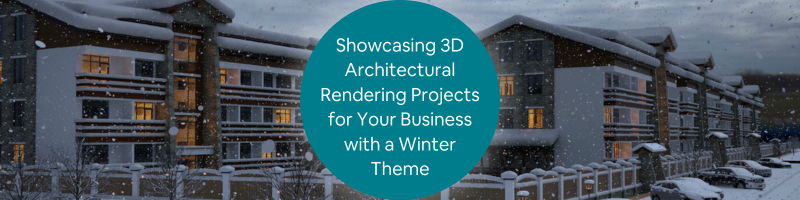
Showcasing 3D Architectural Rendering Projects for Your Business with a Winter Theme


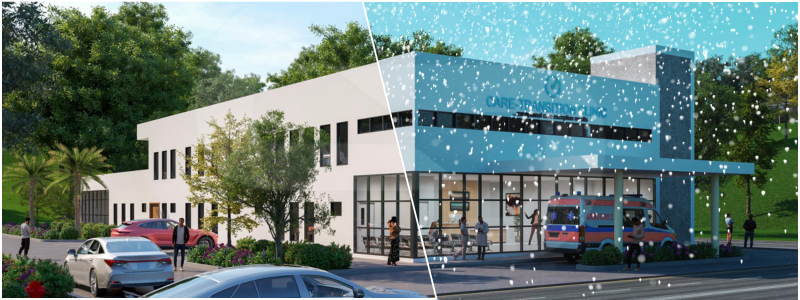
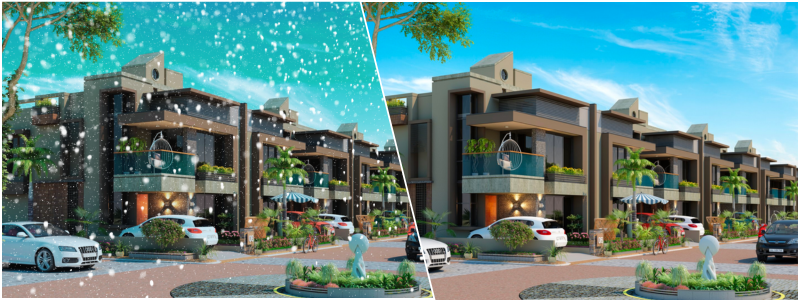
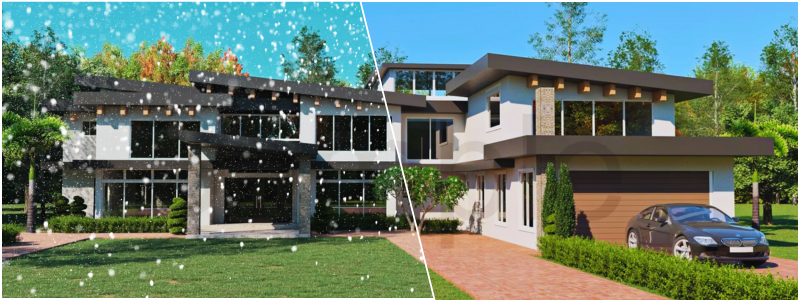
The frosty weather conditions during winter months exude a unique mood paired with a sense of magical wonder. The sparkling snow, the chilly breeze, and the glistening scenery create an enticing and gorgeous atmosphere. Showcasing 3D architectural rendering projects for your business with a winter theme lets you capture the mysticism of winter to elevate your design and offer your audience an immersive and visually stunning experience.

Art of texturing for snowy landscapes

One of the most critical aspects of coming up with an inspiring and authentic winter rendering is none other than the art of texturing snowy landscapes. The layered approach is the most popular choice, featuring footprints in the snow, tire tracks, and plants covered with snow growing from the clay-rendered ground plane. The method allows the 3D visualization firm to create other environments aside from winter landscapes, including fall, summer, and spring.

Blending mode techniques are used when texturing snowy landscapes to produce the preferred aesthetic for textures. This allows better control in creating 3D renders that depict various weather, environments, and seasons, such as winter. For example, you can include realistic details such as tire tracks or footprints in the snowy landscape to create a more engaging and immersive scene that draws your audience into the heart of your winter rendering.

RELATED: What are Architectural Rendering Costs, Rates, and Pricing for Companies?

Play of light in 3D winter scenery

Light has a critical role to play when it comes to defining the mood and atmosphere of winter scenes. Attractive angles, cooler color temperatures, and soft shadows characterize winter light that all contribute to achieving a pristine albeit cold atmosphere. The sun’s lower position in the sky during winter further enhances the effects, casting dramatic patterns of light and long shadows. All of these can make 3D architectural rendering projects more engaging and visually appealing to show the intent of your design during project presentations and for posts on your social media accounts.

Light in winter renderings can also be manipulated to replicate the atmospheric effects of winter by adjusting its elements during various times of the day. 3D rendering designers can showcase the exciting interplay of artificial and natural light. This creates a sense of reflection and stillness, emphasizing introspection and solitude. Techniques like flexible and variable lighting systems help achieve the desired winter mood in 3D architectural renderings that can bring contrast and depth to the project.

winter1

Spruce up 3D rendering with winter vegetation

Winter vegetation builds 3D renderings, adding a particular visual interest and mood to the landscape. Add broadleaf plants, shrubs, evergreen trees, and deciduous trees into your 3D renderings to achieve the desired mood in various environments. You should focus on capturing the elaborate details of frosts on plants to accurately depict frosty or frozen plants in winter rendering, such as the leaves covered with frost or the tantalizing ice crystals. You can also experiment with manipulating shadows and lighting to create a refreshing winter weather and atmosphere. Careful selection and adding freezing season vegetation into the background of your rendering’s initial planning can create an immersive and visually stunning winter landscape guaranteed to capture the audience.

Choice of textures and colors

The choice of textures and colors in winter renderings also significantly impacts your design’s overall atmosphere and mood. A winter palette is essential to achieve a visually realistic and appealing scene. With 3D virtual reality rendering services, it helps convey the rigidity of ice, the fragile condition of barren branches, and the delicate nature of snowflakes as they fall from the sky. Choosing suitable materials and color schemes for the winter palette can create engaging and captivating winter scenery depicting the magical season.

RELATED: 3D Rendering Costs & 3D Visualization Prices for Firms

Choices of materials for warmth

Choosing materials that emphasize comfort and warmth in winter settings is vital for the 3D architectural visualization designer to give your design an inviting and cozy atmosphere. Materials like soft textiles, stone, and wood can provide a relaxing comfort in winter scenes, making the space more tranquil and inviting. The addition of wood can give winter scenes a cozy and warm atmosphere. Meanwhile, adding stone elements offers a sense of stability and solidity. Soft textiles like curtains, cushions, and plush blankets can exude a feeling of peaceful comfort to create a sense of intimacy and coziness that entices the audience to envision themselves in the space. Choosing suitable materials for the frosty season can produce a rendering that evokes a sense of tranquility and comfort to make your design stand out.

winter2

Clever use of exciting colors

Variations of subtle colors in winter scenes are important to produce interest and depth while ensuring your design is balanced. Shades of warm white, grey, lavender, and blue can add more depth to your winter renderings. Composition with objects at various distances can also enhance depth perception further. Achieving the perfect balance between delicate and vibrant hues can help amplify the winter theme while ensuring that it doesn’t detract from the tranquil ambiance often linked with the cold season.

Seasonal props to set the right mood

Seasonal props are crucial in enhancing winter renders’ overall atmosphere and mood. These create a more engaging and immersive experience through different environments and seasons. 3D architectural rendering services can assist you in incorporating holiday decorations, animals, vehicles, and people into your projects. With these props, you can breathe life into your winter scenes, adding a sense of movement and activity to captivate your viewers.

RELATED: What are Architectural 3D Visualization Costs, Service Fees & Rates for Companies?

Add festive features

Adding holiday elements and decorations in winter renders can exude a cozy and festive atmosphere that creates a pleasant and cheerful holiday vibe, making designs more inviting and appealing. You can build a unique, warm mood with the help of different context elements such as festive outdoor decors, flocked foliage, tree figures, and twinkling glass lights. For instance, a house in the heart of the countryside, nature, or a city landscape can be depicted on architectural renders to achieve a visually enticing winter scene that captures the season’s spirit.

The 3D architectural modeling professional can showcase them during weather conditions, such as a pleasant and bright sunny day or a dark and rainy environment. Furthermore, depending on the specific features of the project, elements and weather conditions in specific surrounding environments and geographical locations can all be selected and adapted in 3D models accordingly. The artful selection and integration of thematic décor, like Christmas décor, into architectural renders can also establish the desired mood and give your architectural project that unique winter charm. This will enhance your design’s visual appeal and let your audience form a sense of connection with your project.

winter3

Life in winter wonderland

Adding a sense of life to your winter renders can be easily achieved by carefully placing vehicles, animals, and people. Incorporating such elements into your 3D renders helps you achieve a sense of motion and activity that makes the winter scene more engaging and relatable for the audience. You can also use props to convey different moods or tell a unique story, such as a deserted, snow-covered building or a cozy cabin with a warm fireplace.

Carefully choosing and placing props in winter scenes can help you produce a visually immersive and enticing environment that will draw in more audiences and capture their imaginations. It doesn’t matter if you’re trying to depict serene residences in the countryside or the bustling streets of the metro; the correct props can breathe life into your winter renders to create a sense of movement and activity that will mesmerize viewers.

Achieve emotional impact with weather effects

Weather effects are essential in stirring up certain moods and improving winter 3D renders and their overall atmosphere. The weather emotionally affects house, office, or city designs in renders. For example, the gentle snowfall can create a sense of tranquility, while the rain and howling wind can evoke feelings of desolation and isolation. Meanwhile, cheery sunny days with contrasting solid colors emphasize bright feelings, while dark background scenery can create overwhelming feelings. The mood in rainy environments can change to contemplation and introspection, demonstrating the weather’s power to shape emotions.

RELATED: The Benefits of 3D Architectural Rendering for Companies in the Real Estate Industry

Varied moods of snow

Snow creates a variety of moods in winter renders, from the melancholy and isolation of heavy snowfall to the pleasant tranquility of light flurries. Your choice of colors and lighting can influence the winter atmosphere and the specific depicted snow and weather conditions. For example, an untouched and fresh frosty scene during a bright sunny day exudes a magical sense that can transport the audience to a winter wonderland.

How Cad Crowd can help

Are you ready to use the winter theme to showcase your business’s 3D architectural rendering projects? Cad Crowd can connect you with experts adept at using different themes that will make your projects stand out from the competition.

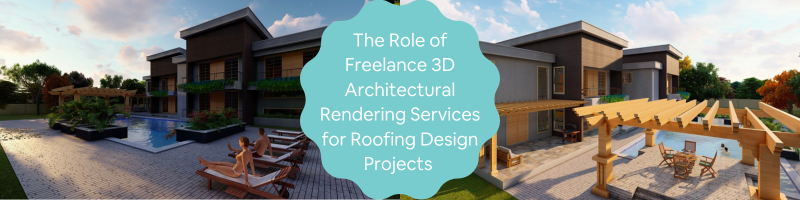
The Role of Freelance 3D Architectural Rendering Services for Roofing Design Projects


Every detail is significant in the captivating architectural realm, from the biggest elements to the smallest features. Often, designers focus on the importance of the structure’s crown, none other than the roof. The roof is an integral component that shelters people and properties from harsh environmental conditions. It also gives character to the building and significantly affects energy efficiency.

But the question is, what is the accurate way of visualizing roofing design projects that best complement the overall function and aesthetic of a building? This is where freelance 3D architectural rendering services enter the picture, transforming the roofing industry with their immersive and practical solutions.

In layman’s terms, 3D architectural rendering is the digital tool designers and architects use to develop realistic three-dimensional design representations. The technological marvel has made significant breakthroughs in changing how roofing design projects are approached to foster a seamless transition from mere abstract concepts to tangible reality. With all its exciting benefits, 3D rendering companies have also been proven to bring forth positive transformation in roof designs.

Roof designs were initially sidelined as something other than a functional requirement. But with the growing recognition of their potential for energy efficiency and aesthetic pleasingness, roofs are starting to garner their much-deserved attention. 3D architectural rendering is vital in this dynamic shift, allowing effective planning, better communication, and comprehensive visualization in roofing design projects.

RELATED: What are Architectural Rendering Costs, Rates, and Pricing for Companies?

Aids a more educated decision-making

Freelance 3D architectural rendering services play a pivotal role in the decision-making process. Every time homeowners invest in a new roof, they want to ensure that their selections, from the design to material, finish, and color, align with their needs and expectations. With 3D architectural rendering, no more gambles are involved in these decisions. For instance, roofing contractors could present clients with different roofing options with the help of 3D architectural modeling experts. The ability to explore different color schemes, materials, or designs in virtually constructed spaces can help homeowners make wiser choices that meet their preferences and the requirements of the building.

role2

Creates a visual language

Studying basic sketches or complex blueprints was a must to visualize roofing projects before the rise of 3D architectural rendering. It takes a lot of work for average individuals to understand these plans. 3D Architectural visualization firms can bridge this gap by creating a visual language everyone can easily comprehend. Hiring a skilled roofing contractor to bring your envisioned design to life is crucial to successful roofing projects. 3D architectural rendering makes it easier to effectively share design ideas with the roofing contractor to simplify discussions of concerns, additions, and modifications. The roofing contractor can then offer educated decisions according to the visualization to improve the project’s outcome.

Enhances energy efficiency and sustainability

In this modern world, where it is already mandatory to promote sustainability, it’s expected for roofs to contribute to the overall energy efficiency of a building. 3D architectural rendering supports this aspect by enabling simulations under different environmental conditions.

A roofing contractor, for example, can also use the technology to evaluate how a suggested roof design would work regarding solar heat absorption, water runoff, ventilation, and insulation. These insights can guide choosing materials and design, leading to an energy-efficient and aesthetically pleasing roof. It can also result in long-term cost savings and reduced environmental negative impact.

RELATED: 3D Rendering Costs & 3D Visualization Prices for Firms

Safety compliance and standards guaranteed

During the planning of roofing projects, it’s paramount to comply with safety standards and local building codes. Freelance 3D architectural rendering designers can help ensure that all these regulations will be met starting from the design phase. With the accurate visualization of the suggested structure, it’s easier to check the different design aspects for compliance, from the material and pitch of the roof to the placement of vents, gutters, and other elements. The proactive approach can help avoid regulatory roadblocks that may result in expensive rework and delays.

Architectural rendering also allows a thorough evaluation of safety conditions. For example, it’s easier to accurately evaluate the safety of skylights or solar panel installation, the stability of the structure under different weather conditions, and the location of fire escapes. It doesn’t matter if you’re working with a roofing contractor; ensuring that the design of the roof aligns with safety compliance and standards becomes more manageable thanks to 3D architectural rendering.

Unleashes creativity

Aside from being a practical tool, 3D architectural animation services also serve as a blank canvas for more creative exploration. By offering the ability to experiment with various features, colors, designs, and materials, homeowners and architects alike can let their creative juices flow without any financial or physical limitations. This level of freedom can result in more personalized and innovative roof designs that push the boundaries of roofing architecture’s possibilities.

RELATED: What are Architectural 3D Visualization Costs, Service Fees & Rates for Companies?

Explore color schemes and material options

3d rendering company

Aside from design alone, 3D architectural rendering offers a chance to explore different color schemes and material options for roofing projects. Whether choosing between tile roofing, metal roofing, or asphalt shingles, 3D architectural rendering offers a more realistic display of how every material will look after completion. On the same note, you can also experiment with a plethora of color schemes to identify the one that will best complement the overall aesthetic of your building. With this ability to try on different colors and materials virtually, you will have more confidence, knowing that your decisions will continue to be satisfactory.

Boosts property value

Considering the significant contribution of the roof to the curb appeal or the first impression a property makes, you can never think of this design as a mere afterthought. Freelance 3D rendering experts can come up with roof designs that are functional and aesthetically pleasing and can substantially enhance the overall value of your property. If you plan to lease or sell your property down the road, a carefully designed roof materialized through 3D architectural rendering is an excellent selling point. Potential tenants or buyers will be more inclined to appreciate a roof that looks good and performs well against environmental conditions simultaneously. This ability to impress potential buyers can help speed up the selling process.

Enhances collaboration

3D architectural rendering supports better collaboration among contractors, architects, and other specialists involved in the roofing project. All professionals will see, check, and understand the 3D model that simplifies the discussion of technical details, identify possible problems, and agree on possible solutions. This leads to a more efficient and harmonious working relationship that can positively impact the project’s outcome.

RELATED: The Benefits of 3D Architectural Rendering for Companies in the Real Estate Industry

Improves visualization and communication

Effective communication is critical during the planning of roofing projects. Although sketches and blueprints can offer a basic outline, these tools usually need to catch up when conveying the picture, especially to people new to technical drawings. This is where freelance 3D architectural designers transform complicated designs into interactive and understandable visual models. Thanks to these models, architects, contractors, and homeowners can be on the same page to make it simpler and easier to discuss the design’s additions, alterations, or elements.

For example, roofing contractors can use the rendered models to present clients with the appearance of their new roof from different angles, how it complements other parts of the structure, and the effect of the different times of the day or night on its appearance. Such interactive discussions can result in improved client satisfaction and better design results.

3d architectural rendering firm

Plans for future modifications

3D architectural rendering is not only applicable to new roof constructions. This is also instrumental to additions to existing roofs or planning renovations. With the ability to visualize the way new elements would integrate with an existing structure, it’s easier for homeowners to plan for future changes with greater accuracy and confidence.

Prevents material wastage

3D architectural modeling professionals help estimate materials by accurately representing the roof’s final specifications and appearance. This level of accuracy can prevent overestimation, which usually results in wasted excess materials. The 3D technology, as a result, can help contribute to both cost efficiency and environmental sustainability.

RELATED: Unlocking Visual Potential: The Strategic Edge of 3D Architectural Rendering for Businesses, Restaurants, and Bars

Promotes time and cost efficiency

Aside from aiding decision-making and visualization, 3D architectural rendering can significantly contribute to time and cost efficiency. The technology can help save on expensive adjustments throughout the construction stage by pinpointing possible problems with the design during the planning phase. Working with roofing contractors who use 3D architectural rendering paves the way for real-time changes to the design that minimize the possibilities of unexpected changes or issues during the construction stage. The project stays within the timeline and budget, reducing the stress for all involved parties.

Cad Crowd can connect you with freelance 3D architectural rendering services that can help with your roofing design projects.

Hiring a Freelance Landscape Design Architect Service: What Your Company Should Know


If you have a client who has been dreaming of a special outdoor barbecue setting where they can enjoy a few games and relax after a long day, hiring a freelance landscape design architect service might help your company develop the perfect outdoor space for a lower price, whether the area is 20 acres or 20 square feet. But before you decide to hire one, here are a few essential things you should know about these professionals to ensure you will get the best freelance landscape design architect with expertise, experience, and skills. 

What does a freelance landscape design architect service do?

A freelance landscape design architect service comprises trained professionals who have spent long years learning about architectural styles, design concepts, horticulture, and care for outdoor environments. Landscape designers develop plans resembling a site map or blueprint to guide professional contractors and landscapers to beautify or update an outdoor area. Landscape designs can range from simple hand-drawn sketches written on paper to a 3D model or CAD-designed rendering of an outdoor space. 

These freelance landscape designers usually charge fees ranging from $300 to $700 or higher for custom landscape designs. A full freelance landscape design architect service often provides landscape designs at a minimal to no cost, provided they will also handle the construction and labor, if not at least a section or phase of the entire design concept. 

RELATED: Landscape design and visualization considerations for company landscape projects 

The main job of landscape design services

Many landscape designers schedule an on-site meeting to assess the project personally and engage in a more detailed discussion of the landscape design project with you. The landscape designer can identify the best plants, solutions, and materials that work well with the yard. Once there, they will take photos, take measurements, and even collect soil samples sometimes to gather the critical details they need before they start the actual landscape design concept. 

Landscape designs always include a descriptive list of plants and outdoor or building materials and the specifics of what goes where and the amount that will go there. Some landscape design services will offer a bid for installation or other things that should be carried out, including site preparation work, remediation, tear-out yard grading, or demolition. 

RELATED: Why landscape rendering and visualization is important for company landscaping projects 

What does a freelance landscape design architect service need from you?

Like other home renovation projects, a vision marks the beginning of any landscape design, even if this vision is to make the space attractive. Almost everyone who consults an architectural planning and design service is interested in making their indoor or outdoor space more beautiful. However, since client preferences vary, it’s normal for landscape designs to feature various elements. For instance, a client may think that a neutral color palette and calming greenery can improve their backyard garden.

In contrast, another client may prefer a bountiful garden in the summer with herbs and veggies filling the planter boxes. Others opt for the ultimate oasis in their outdoor space, complete with an outdoor dining and kitchen area, fire feature, and showy exotic plants surrounding the pool. You can ask your client to jot down what the revamped new space will do for them on a piece of paper. This is where they can outline their budget and dream big. An experienced swimming pool design company can help with designing and drafting the swimming pool of your dreams.

RELATED: Why Companies Use 3D Rendering for Swimming Pool Design, Drafting, and Construction

3d-exterior-rendering-firm

Don’t forget the concept of landscape design is about coming up with the master plan for the outdoor area instead of something you need to fix or correct right away. If your client plans to have a patio space covered with a backyard pergola in the next several years, for example, be sure to inform the landscape designer so that they can allot a space for this in their drawing. It’s also important to consider maintenance and be ready for the recommendations and suggestions of the designer.

A reliable freelance landscape design architect service will guide you through selecting materials and plants that best suit your yard and the natural environment. The client can also share style inspiration or images they like with the 3d exterior rendering professional. They can browse Pinterest, Google, or Instagram to search for photos of outdoor living spaces, landscape designs, or yards they like.

Even an image or two can convey their personal aesthetic preferences that will influence the final design. The most popular terms or trends they can search for today include monochrome garden, backyard makeover, outdoor living room, low maintenance landscape, and pollinator garden. 

RELATED: The best landscape design rendering software available for architectural companies

What to expect from freelance landscape design architect services?

Getting custom landscape designs for a property is an intricate process that can last several weeks to months. First, you should meet with the landscape designer in person or virtually. After ensuring all the dimensions and details are in place, the design stage can often take days to several weeks before the service gets back to you. The timeline will depend on how many clients that landscape designer works with simultaneously. 

Also, landscape design professionals need enough time to research, brainstorm, and develop ideas that they will put onto paper later. Although several landscape designs might have more sense of artistry than others, these are outdoor living space blueprints that expert landscapers and homeowners can follow and refer to when working on the property. 

After the initial contact with the landscape design service, you can expect the first meeting within one to two weeks, or even longer, if you reach out during peak season. The first draft of the custom landscape design might be available for you to check within a few weeks to one more or longer, depending on the designer’s availability and the project’s timing.

RELATED: Hire a landscaping architect for CAD drafting & design work

One recommendation is to hire a 3d landscape rendering firm during winter or late fall. This is the least busy time of the year for landscape designers. This will also give you the best of both worlds: the designer gets more time to focus on your project, taking them less time since their schedule isn’t as full as during the summer months. In addition, many people don’t realize that they can start on most landscaping projects during the off-season. Some people recommend against tearing up the yard when it’s cold outside, but the truth is that many hardscaping projects could be constructed during winter, provided that the ground isn’t frozen.

Installing outdoor sound and lighting systems can also be done during the off-season. Retaining walls, gazebos, and pergolas can be installed at any time of the year. Planting hardy evergreens, shrubs, and trees during off-season periods is also possible. After the design and revisions are completed, the planning and installation process can start immediately. It’s also an excellent time for the client to look for outdoor furniture or accessories.

RELATED: How landscape design services can help companies with 3D landscape design projects

3d-landscape-rendering-professionals

Landscape design installation or construction 

After you and your client agree on the custom landscape design, it’s time for you to breathe life into this new vision. A trustworthy freelance 3D landscape rendering artist can work with the installation crew. Most landscape designs also have a competitive bid for every labor, plant, and material required to complete the project. It makes these services a one-stop shop for all things related to the outdoors. 

Although you might be tempted to do everything independently, it’s best to ensure that experts will deal with and install everything according to the plan to achieve the best results. It might mean going to a few nurseries to look for a particular plant or buying some equipment or tools as requested by your client. After that, your client can look forward to a time filled with fun and enjoyment. They will surely appreciate their new beautifully enhanced outdoor environment. They might just need the new patio to enjoy a hearty meal outdoors with their family and friends. 

RELATED: 3D landscape design services: cost, rates, and pricing for companies and firms

Once the plants mature, they will also see and realize why landscaping is one of the best home improvement projects they can take on. Just don’t forget to remind them that a freshly installed landscape might not be as gorgeous as a thriving and well-established landscape. The general consensus is to wait three years to allow the landscaped garden to take shape. 

How Cad Crowd can help

Plug & play digital platforms and virtual landscape designs continue to become popular. Companies will soon see the enormous value of working with a freelance landscape design architect service. Cad Crowd should top your list of options if you’re looking for expert freelance services to help you bring your clients’ landscape ideas to life. Search for freelance landscape designers who can instantly transform outdoor spaces into complete works of art for a fraction of the cost.

Top 3D Architectural Rendering Books, Magazines, and Blogs for Companies to Follow


If you think you already know everything there is to know about 3D architectural rendering services, you might want to think again. The thing about this unique field is that discoveries pop up daily, which means you also have new things to learn. Whether you want to brush up on your team’s existing knowledge or your company is poised for growth, here are some of the top 3D architectural rendering books, magazines, and blogs you should follow.

Brian M. Crisp’s Architectural Rendering with Mental Ray

Brian M. Crisp’s “Architectural Rendering with Mental Ray” is a book that covers almost everything that might interest you, from proper setup of lighting to texturing, rendering, and more, with lots of helpful tips on every page. This is the best 3D architectural rendering book for someone who wants to master using Mental Ray for 3DS Max or Maya architectural rendering.

Brian M. Crisp’s Architectural Rendering with V-Ray

This is another book by Brian M. Crisp, but V-Ray is its primary focus this time. This literature covers various topics, just like the first book on mental ray. The key difference is that it reviews more details on the capabilities and features of V-Ray that set it apart from its predecessor.

Sarah Jones and Michael Secrist’s Architectural Visualization: Its Relevance to the Unbuilt World

Sarah Jones and Michael Secrist’s book, published in 2018, is not a technical book written as a tutorial and guide for 3D architects, artists, or designers. Instead, this book delves into 3D architectural visualization services and their importance for any renovation or building project.

The authors explain how the success of a project is dependent on the communication between the 3D architectural rendering designers and architects. It also uncovers the secrets behind effective communication with CGI artists, making it a fantastic read that benefits architects and employers alike.

Readers of the book will better understand 3D architectural visualization and rendering and all the essential steps it involves. This way, architects lacking 3D architectural visualization proficiency can refer to this book to learn how to communicate more effectively with visualization companies to ensure a smoother project. Employers can also use the book to understand their projects better, learn why some things should happen, and participate in the process if needed.

RELATED: What are Architectural 3D Visualization Costs, Service Fees & Rates for Companies?

Light: Science and Magic

book1-1

Light: Science and Magic is mainly meant for professional photographers as it discusses a comprehensive analysis of various options for photographic lighting. But don’t worry because the book works wonders even for architects, particularly in 3D architectural rendering and 3D architectural visualization. The book captures the very essence of the effect of various lighting conditions on the quality of the final image. No matter how expensive the equipment you’re using might be, it won’t provide excellent results if you are not knowledgeable about appropriate lighting.

The same rule applies to 3D architectural rendering because even the most state-of-the-art tech software and advanced tools will never produce amazing 3D renders independently. You still need to have a certain level of expertise and knowledge, especially regarding lighting.

Adding this book to your must-read list can drastically increase the 3D modeling skills of an architect, which is critical to come up with eye-catching and appealing 3D renders. Whether your company is looking to elevate your team’s lighting proficiency or refine your architectural 3D modeling services to produce standout 3D renders, this book is a valuable resource not to be missed.

RELATED: What are Architectural Rendering Costs, Rates, and Pricing for Companies?

Real-Time Rendering

Real-Time Rendering is a collection of four editions and is an amalgamation of different experts who combined their forces and joined together to come up with this work. With three books already behind it, this newest edition delves into the most modern methods for exemplary results in rendering. The book is also written in a way that is easy to understand, complete with helpful examples and references to other examples.

You don’t need any prior 3D rendering knowledge to understand this book because it starts with the basics of mathematics and slowly progresses to more advanced techniques typically used in the finest quality games. While its primary focus is video game rendering, only a few architectural books can match this book as it details the 3D rendering field. All the methods that the book covers are universal and are also applicable to different rendering purposes.

Featuring 24 chapters, the book’s authors go into great detail as they describe every single step of the complicated process. After reading this book, you can expect to learn more about 3D rendering, transformation, processing, illumination, light, colors, texture, shading, AR, VR, and other elements. Real-time rendering is your best choice to learn more about detailed rendering.

book2

Eric Wing’s Revit 2020 for Architecture: No Experience Required

Revit 2020 for Architecture: No Experience Required is precisely what its title suggests. This is a must-read book for any beginner without experience using Revit for architecture. With Autodesk Revit considered the top architectural BIM software, it’s no surprise that many architects use it for 3D visualization. If you plan to use Autodesk for your 3D renders, this book, written by Eric Wing, a BIM Services Manager, is something you should read.

The book will guide you through the world of Revit and help you develop high-quality architectural renderings and visualizations. It opens with critical elements like familiarizing yourself with the interface of Revit and using its fundamental features as an example. It begins with model creation, progressing to door and window placement and various perspectives, views, plans, angles, and 3D perspectives. After you finish this book with 17 chapters alongside your project creation, you will soon master all the essential tools for high-quality and detailed 3D architectural renders.

RELATED: Architectural VR/AR 3D Rendering Costs, Rates & 3D Modeling Pricing for Design Firms

The RenderMan Companion: A Programmer’s Guide to Realistic Computer Graphics by Steve Upstill

Steve Upstill’s book covers everything, including the fundamentals of materials and lighting, to more advanced subjects like global illumination, motion blur, and depth of field. This also includes several chapters that discuss procedural modeling techniques and generating textures. The book is also a helpful resource for those who wish to learn and master techniques for computer graphics programming to create photorealistic images in different 3D applications such as Cinema 4D and Maya.

book3

Michael Brightman’s The SketchUp Workflow for Architecture

3D architects, 3D landscape architects, and 3D interior designers worldwide use the premier 3D design software SketchUp. Michael Brightman, the man behind this guide on SketchUp, is a successful architect and is now the Lead Instructor and President at a SketchUp Authorized Training Center based in Denver.
This book tackles modeling buildings, design visualizations, and developing construction documents using LayOut and SketchUp Pro. Published in 2013, this guide rose to popularity as one of the best books about software. The high demand for this book resulted in its recent update in 2018.

It also teaches field professionals how to harness the program’s power for all project sizes, types, and styles. It provides step-by-step guidelines on using the software at different stages of the architectural design process. Those who buy the volume will also gain access to tutorial videos on several advanced methods of architectural rendering. The guide teaches how architecture professionals can take advantage of SketchUp in different stages of their work.

RELATED: 3D Interior Design Costs, Modeling Pricing, and Rendering Rates for Buildings

CGarchitect

CGarchitect is an online open community that caters to enthusiasts and professionals in architectural rendering and visualization. This blog boasts a constantly growing showcase gallery of more than 100,000 renderings. They also regularly promote the newest job openings in the architectural visualization field.

The blog also features an impressive selection of articles that include insights from experts in the industry and the latest news about the constantly changing field of architectural rendering. You can also check out the bustling online forum where readers can share tips, raise questions, share their work, and ask for advice from other community members.

Enscape Blog

book4

The Enscape Blog, launched in 2017, has quickly become the leading blog on architecture and architectural rendering. It contains top-quality feature articles on various topics for AEC students and professionals and renders tips straight from visualization experts. It doesn’t matter if you’re an architect, 3D architectural rendering specialist, 3D designer, or just a 3D architectural visualization fan; this blog is something you should check out.

Ronen Bekerman Architectural Visualization Blog

The Ronen Bekerman Architectural Visualization Blog is directly relevant to people who work on architectural renditions. Aside from the available tutorials and resources to advance your skills in rendering, you can also explore different projects, showcase your work, and even follow weekly podcasts to learn the latest industry trends.

How Cad Crowd can help

Aside from these top 3D architectural rendering books, magazines, and blogs, Cad Crowd is another platform where you can find a blog section filled with helpful articles to gain more insights about the 3D architectural rendering industry.