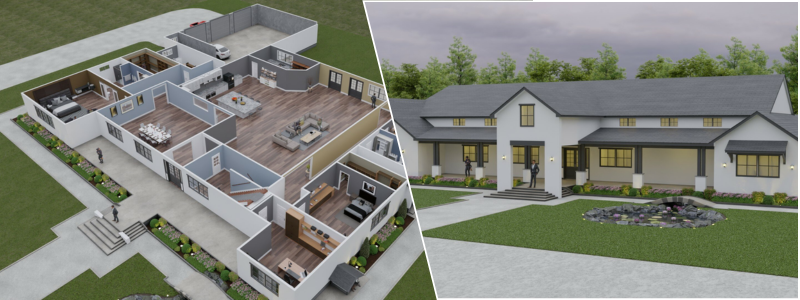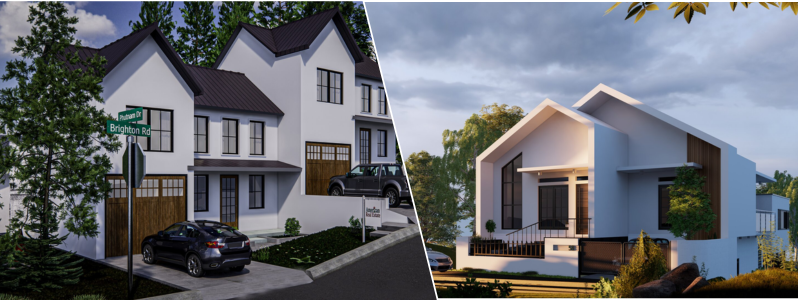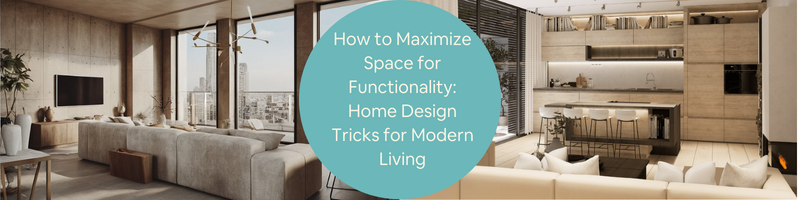
How to Maximize Space for Functionality: Home Design Tricks for Modern Living by Interior Design Firms


The modern home isn’t always sprawling, but that doesn’t mean it has to feel like a sardine tin. In fact, there’s something oddly satisfying about a space that just works – where every corner has purpose, every shelf is intentional, and you never feel like you’re walking through an obstacle course of clutter. Maximizing space for functionality isn’t about having less – it’s about doing more with what you already have. And no one’s doing that better right now than today’s sharpest interior design firms, who’ve basically become magicians when it comes to reimagining modern living.

Designing a home today is like playing a real-life version of Tetris, but with furniture, storage, and flow. The trick is knowing where to pull off the perfect twist or rotate that couch 90 degrees so the whole layout clicks into place. Whether you’re living in a sleek city condo or transforming an awkward guest room into a zen office, these tricks aren’t just trendy – they’re transformative. And with Cad Crowd leading the charge in custom interior and 3D home layout design, homeowners have never had more power to turn tight spots into stylish, streamlined sanctuaries.

So if you’re wondering how designers make it look effortless – keep reading. Spoiler: it’s not effortless, but it can be fun (and wildly rewarding).


🚀 Table of contents


Open concept, but smarter

The open concept isn’t a trend anymore-it’s practically a lifestyle. But the smartest homes don’t just knock down walls for the sake of it. Today’s modern layouts are embracing a more refined take: spatial layering. That means creating a sense of openness while still giving each area its own character. A kitchen might flow into a dining space, but that doesn’t mean it has to disappear into it. Thoughtful design ensures each zone has its moment.

Designers now treat zone definition like an art form. They use layered lighting to spotlight transitions, area rugs to anchor specific zones, and clever dividers-like see-through shelving or partial walls-to subtly signal a shift in function without cutting off the vibe. It’s not about segmenting; it’s about storytelling. Each space gets to say something unique, while still contributing to the bigger picture.

This is where Cad Crowd steps in. Their interior design pros don’t just sketch ideas-they craft entire spatial experiences. With custom CAD drawings and immersive 3D visualization services, they help homeowners strike the perfect balance between openness and purpose. Whether it’s defining a reading corner within a living room or giving your kitchen just enough edge to stand out, Cad Crowd’s experts turn open concept into a cohesive journey. It’s not just design-it’s choreography for your space.
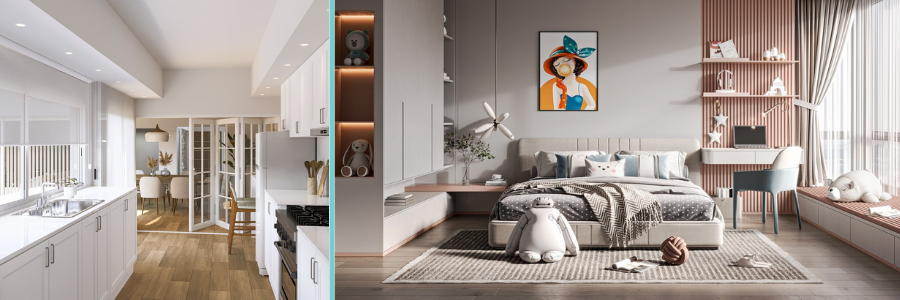
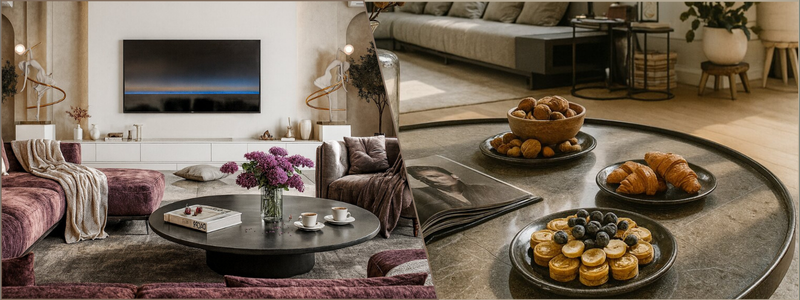
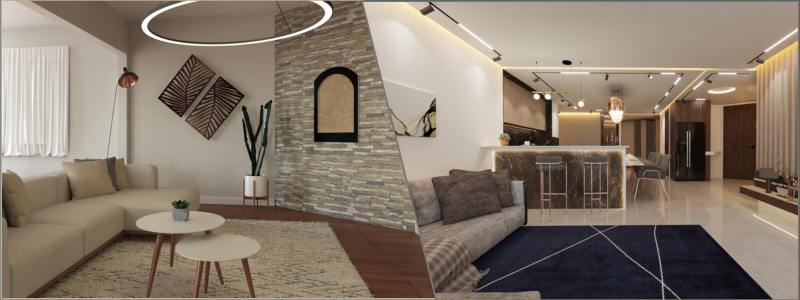
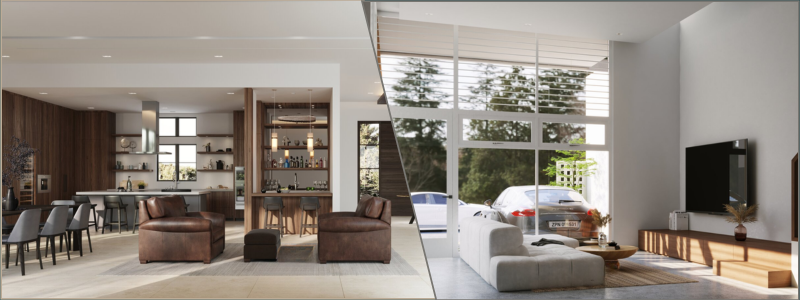
interior rendering design examples by Cad Crowd interior design expert freelancers

RELATED: Transforming institutional spaces: The power of interior design and 3D rendering services

Storage solutions that don’t scream “Storage”

Where do you stash all your stuff without making your living room feel like a warehouse? Welcome to the world of clever storage, where design doesn’t just meet function-it hides it in plain sight. Modern interiors have evolved past clunky cabinets and obvious bins. Today, storage is all about blending in, sometimes so seamlessly you might forget it’s even there.

Think floating sideboards that double as art pieces, under-bench drawers you’d never notice, and beds with hidden lift-up compartments worthy of a magician’s nod. Behind what looks like a simple mirror panel might lie a wall of shelves or even a closet. This isn’t just a trend-it’s the new standard for thoughtful design.

Interior designers are taking things up a notch with dual-purpose furniture. Ottomans secretly hoard your mess, staircases morph into drawer systems, and desks tuck away to become Murphy beds. Nothing is safe from a storage upgrade.

And if you’re dreaming beyond off-the-shelf options, Cad Crowd makes it real. Their freelance interior CAD designers are wizards at modeling customized solutions that fit your space and style like they were meant to be there all along. Want a walk-in pantry that vanishes into the wall? Or a bar that pops out from under the stairs like a Bond movie reveal? With Cad Crowd, your “what if” becomes a buildable plan.

Smart storage isn’t about hiding mess. It’s about designing smarter-and with the right help, you won’t have to sacrifice a single square foot of style.

Vertical space: The forgotten frontier in modern home design

Everyone seems fixated on floor plans and square footage, but the real unsung hero of small-space living is vertical space. When you can’t stretch out, it’s time to think tall. Interior design firms have caught on in a big way, and what used to be an afterthought – a tall bookshelf, maybe a wall-mounted TV – has evolved into an entire design philosophy.

Today, it’s all about going beyond the floor and into the stratosphere of your living room. Think lofted sleeping areas that free up ground-level real estate, mezzanines that turn dead space into functional square footage, vertical gardens that double as air purifiers, and wall-to-wall pegboard systems that serve as customizable storage stations. Even home offices are going sky-high with elevated workstations and ladder-access libraries.

Modern design is no longer content with a one-dimensional approach. You’ll find kitchens with full-height cabinets that use clever pull-down mechanics, or living rooms with modular shelves that transform based on your mood, your bike, or even your ever-growing vinyl collection.

But if you’re wondering how to bring this high-flying design concept into your own home, you don’t have to go it alone. Cad Crowd makes it easy to work with interior design pros who specialize in small-space and vertical CAD planning. With custom 3D rendering design services, you get a crystal-clear picture of how your ceiling-to-floor setup will look before you ever lift a hammer. No surprises. No regrets. Just smart, space-savvy design that makes the most of every inch – even the ones above your head.

Furniture that folds, slides, and transforms: The new standard in stylish living

Whoever said furniture has to be static clearly hasn’t seen what today’s designers are doing. Modern interior design is having a full-blown love affair with transformable furniture – and not in a quirky, college-dorm way. This is polished, Italian-engineered, multi-purpose brilliance. Imagine a coffee table that rises to become a dining table, a sectional sofa that splits into individual lounge chairs, or a wall-mounted desk that folds neatly away after your Zoom call. This isn’t just space-saving. It’s lifestyle-enhancing.

The appeal? Flexibility without sacrificing aesthetics. With square footage at a premium and hybrid lifestyles becoming the norm, interior designers are reimagining what a single room can do. Take the classic guest room. Instead of letting it sit unused 95% of the year, designers now outfit it with Murphy beds, closet-desk combos, and modular lighting so it easily transitions from guest suite to home office to quiet yoga studio.

Behind these elegant solutions is smart planning – and smart modeling. That’s where platforms like Cad Crowd come in. Homeowners can connect with CAD designers who specialize in custom furniture that moves with you. Want your kitchen island to convert into a workbench? Dreaming of a chic sofa that hides your treadmill? Cad Crowd’s professionals can model your vision and engineer it to fit your space like a glove.

Transformable furniture isn’t just a trend – it’s a mindset. It’s about making every square foot work harder, look sharper, and adapt beautifully to modern life.

RELATED: Boost client confidence with 3D architectural animation for real estate presentations

Light, mirrors, and illusion tactics: Interior designers’ secret to expanding space

Space isn’t just about square footage – it’s about how a room feels. Interior designers know this better than anyone, and they’ve long used clever visual tricks to make even the tightest spaces feel larger and lighter. One of their favorite tools? Mirrors. But not just any mirror stuck on the wall – today’s designs are all about placement, shape, and lighting.

Oversized round mirrors are especially popular, often teamed with soft, wall-washing LED strips. Together, they create a tranquil glow that expands the room visually, adding a sense of depth and calm. Glossy surfaces – think lacquered cabinets or polished stone – catch and reflect light in subtle ways, blurring edges and boosting brightness. Even a carefully chosen satin paint finish can help light bounce just enough to open up a space.

Natural light plays a starring role in the illusion of spaciousness. Designers often incorporate clerestory windows, hidden skylights, or narrow light wells to draw in daylight from unexpected angles. These features create a weightless, airy vibe without the need to knock down walls or add square footage.

For homeowners hesitant to make bold design moves, Cad Crowd offers a smart solution. With photorealistic 3D rendering services, it’s easy to preview exactly how light, mirrors, and materials will interact in your home. You can test that dramatic hallway mirror or a glossy white finish in your kitchen – all before lifting a hammer. It’s a game-changing way to design with confidence and clarity.

Outdoor spaces, reimagined: Tiny patios with big personality

Not all usable space is indoors – and modern design firms are getting seriously creative with small outdoor areas. From petite balconies to narrow side yards, these often-overlooked zones are being transformed into lush mini-retreats and alfresco extensions of the home. With the right design moves, even a six-foot-wide space can serve up big style and function.

Designers are embracing fold-away café tables, vertical herb gardens, and bench seating with built-in storage to make every square inch count. Textiles like outdoor rugs, layered lighting, and weather-resistant cushions add that extra layer of coziness, while planters provide privacy and greenery in one go.

Cad Crowd designers can render outdoor transformations in stunning 3D detail, helping you envision the perfect lounge-ready patio before you break out the power drill. From built-in seating with hidden coolers to compact outdoor kitchens, the right plan can make your outdoor square footage just as functional as what’s inside.

Hallways and transitional spaces: The most underrated design opportunities

Hallways, landings, and entryways often get treated like afterthoughts – but interior designers know these transitional zones are ripe for functionality and flair. With a little creativity, that awkward stretch of wall or pass-through can become a hardworking part of your home.

Design pros are outfitting hallways with narrow console tables that double as drop zones for keys and mail, gallery walls that add personality without bulk, and recessed shelving that turns dead space into book displays or utility storage. Even stair landings are seeing upgrades with built-in benches or quiet reading corners.

Cad Crowd makes these overlooked spots shine with precise CAD detailing. 3D interior rendering designers can model a hallway mudroom nook or floating shelf system with millimeter accuracy, ensuring your tight spaces look clean, intentional, and fully utilized. Transitional areas no longer need to be dull. With smart planning, they become the connective tissue that makes your home feel unified and complete.
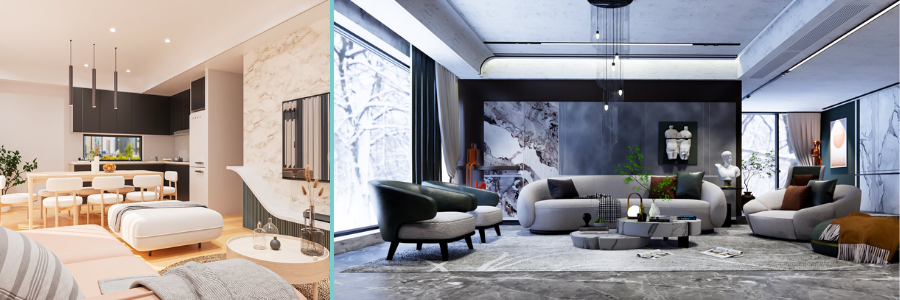
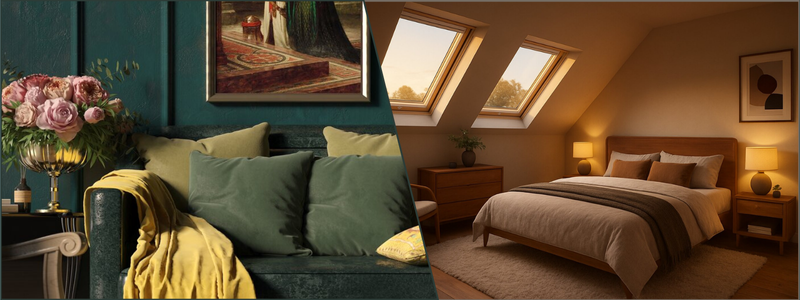
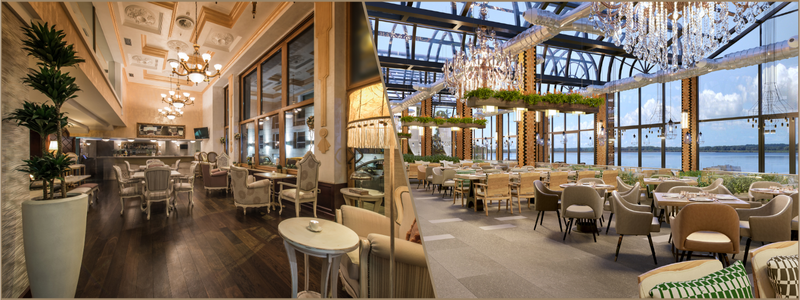
3d interior render examples by Cad Crowd interior designers

RELATED: How 3D interior rendering helps with real estate marketing for homebuilders & realtors

Ceiling design: Raising the bar on visual impact

Ceilings are often referred to as the “fifth wall” in a room – and modern interior designers are taking that idea and running with it. Whether you’re in a compact studio or a spacious home, a well-designed ceiling can change the entire feel of a space.

From coffered and tray designs to exposed beams and wood slats, ceilings add depth and texture without stealing floor space. Designers also experiment with paint to create optical illusions – a dark painted ceiling can add drama and coziness, while a soft blush or sky-blue hue can elevate the space and draw the eye upward.

Cad Crowd’s 3D renderings are invaluable for visualizing bold ceiling concepts before committing. Their design experts can test lighting interplay, map texture effects, and help you determine how much height you can visually “borrow” using clever finishes. When space is limited, the ceiling becomes the perfect place to play.

Nooks, crannies, and built-ins: Making the most of quirky architecture

Every home has its quirks – oddly shaped corners, uneven walls, or little recesses that seem impossible to furnish. But these are exactly the spots where custom design can shine. Interior firms are embracing the challenge, turning tricky architecture into design features with personality and function.

Sloped attic ceilings? Turn them into cozy reading nooks or slide-out closet systems. That tiny under-stair void? Perfect for a built-in dog bed, a compact wine rack, or even a powder room. And alcoves once considered unusable now host mini offices, floating desks, or art installations.

Cad Crowd’s freelance 3D interior rendering design talent thrives on challenges like these. Using CAD tools, they craft custom built-ins that honor the architecture instead of fighting it. These clever additions feel like they were always meant to be there – a true testament to the power of bespoke design thinking.

Textures and materials: Layering for depth in small spaces

When you can’t add more square footage, you can still add dimension – and that’s where textures and materials come in. Designers are layering different surfaces to add visual interest without overwhelming the room. In tight spaces, texture becomes a way to create a sensory experience that makes the area feel richer and more expansive.

Think smooth matte walls next to woven textiles, or polished wood set against raw concrete. Even a single accent material, like a fluted wood panel or ribbed glass, can create a focal point that draws the eye and adds sophistication. It’s subtle, smart, and space-savvy.

Cad Crowd’s 3D design process allows clients to play with textures digitally, so you can see how combinations will look and feel before committing. Want to see how a brushed gold faucet pairs with a terrazzo backsplash? Or how velvet cushions would contrast with a rattan headboard? With Cad Crowd, every texture decision becomes confident and intentional.

The psychology of space: Designing for flow and feeling

Interior design experts don’t just look at what you see – it’s about how you feel. Designers today are tuning into the emotional side of space planning, creating layouts that reduce stress, encourage movement, and support everyday habits. It’s part science, part art.

Clear circulation paths, for instance, can reduce anxiety and make a home feel more breathable. Thoughtfully placed furniture encourages social interaction or creates peaceful solitude, depending on what the room calls for. Colors, acoustics, and even furniture height play a role in how comfortable a room feels.

Cad Crowd designers apply psychological design principles in their CAD drawings, balancing visual harmony with ergonomic flow. Through immersive walkthroughs and precision modeling, homeowners can experience a space before it’s built – and make tweaks based on how it makes them feel, not just how it looks.

RELATED: Pricing factors for architectural visualization and hourly 3D renderings rates for your firm’s projects

Kitchens and bathrooms: The new frontier for functional luxury

The kitchen has come a long way from being just a place to prep dinner. It’s now the social hub of the home – a space where design meets lifestyle. Think of kitchens today as stylish living rooms that just happen to have a stove. Open shelving puts your personality on display, while ambient lighting creates a cozy glow for both late-night snacks and early-morning coffee runs. Multi-functional islands are doing more than ever: meal prep, homework stations, wine tastings, even serving as a backdrop for Zoom meetings.

Interior design are also paying attention to the unseen. Behind the sleek finishes lie smart layouts that make use of the classic work triangle – stove, sink, and fridge – ensuring that cooking feels intuitive. Small appliances? Hidden in custom cabinetry so countertops stay clutter-free and clean.

And bathrooms? They’re no longer forgotten corners of the home. These once-functional-only spaces are being reimagined as private sanctuaries. Floating vanities and frameless showers bring a sleek, modern vibe, while recessed wall niches and wall-hung toilets help you save space without sacrificing style. Even in smaller bathrooms, the right design can make it feel like a five-star spa through great use of home design services.

The key to pulling all of this off? Precision and customization. That’s where Cad Crowd comes in. Their freelance CAD designers can help tailor every inch of your kitchen or bathroom layout, from optimizing plumbing routes to ensuring cabinetry fits like a glove. You get high-end, tech-powered design expertise without the high-end price tag that traditional firms often demand. It’s the future of functional luxury – and it’s within reach.

Seamless tech integration: Living smarter, not just smaller

Modern living isn’t just about maximizing square footage – it’s about enhancing every inch with purpose. As cities get busier and homes become more compact, interior design is getting a high-tech upgrade. The smartest homes aren’t only stylish; they’re responsive, intuitive, and incredibly efficient. Technology has evolved from being an accessory to becoming the backbone of innovative home design.

Imagine walking into your home, and the lighting adjusts to your mood, the blinds tint automatically based on sunlight, and your favorite playlist flows gently from ceiling-mounted speakers you can’t even see. This isn’t a scene from the future. It’s happening now – and it’s all by design.

Design firms today are weaving tech right into the structure itself. Think voice-activated thermostats, smart mirrors that double as information hubs, and countertops with built-in wireless charging stations. Even window glass can shift from transparent to frosted with a single tap. It’s no longer about adding gadgets after the fact. It’s about embedding intelligence into the very walls, surfaces, and furniture.

Cad Crowd is one of the leaders at the forefront of this revolution with their home design freelance experts. They’re empowering homeowners and developers with custom CAD solutions that integrate smart technology directly into the design plans. Their experts model hidden charging docks in furniture, place pop-up outlets exactly where you need them, and ensure every IoT element fits perfectly into the aesthetic.

It’s not just about programming devices – it’s about programming the entire space. With Cad Crowd’s help, homes are becoming as thoughtful as they are beautiful, proving that with the right design partner, living smarter doesn’t mean sacrificing style.

Customized over cookie-cutter

When it comes to making the most of your home, there’s no magic formula or one-size-fits-all hack that works for everyone. The secret? It’s not a secret at all – it’s personalization. Every home has its quirks, and every homeowner has their own rhythm of life. That’s why top interior design firms are moving away from cookie-cutter solutions and embracing fully customized strategies that reflect real-life needs.

Think about it: a remote worker doesn’t need the same setup as a family of five. One might crave a quiet nook that doubles as a productivity powerhouse, while the other needs creative storage that hides toys, gear, and all the daily chaos. Great design isn’t about copying trends – it’s about listening to people and translating their lifestyle into a functional, beautiful space.

That’s where Cad Crowd shines brightest. Unlike platforms that spit out generic templates, Cad Crowd connects clients with expert freelance designers who treat your home like the one-of-a-kind canvas it is. Their team of CAD drafters, 3D modeling experts, and interior pros collaborate with you to capture your vision from the ground up.

Whether it’s a sleek AR walk-through, a detailed mood board, or a smart layout that solves ten problems at once, Cad Crowd turns the design process into something enjoyable, approachable, and refreshingly human. No gimmicks – just personalized, functional design that fits your life perfectly.

If you want a home that actually works for you, don’t settle for one-size-fits-all. Go custom. Go Cad Crowd.
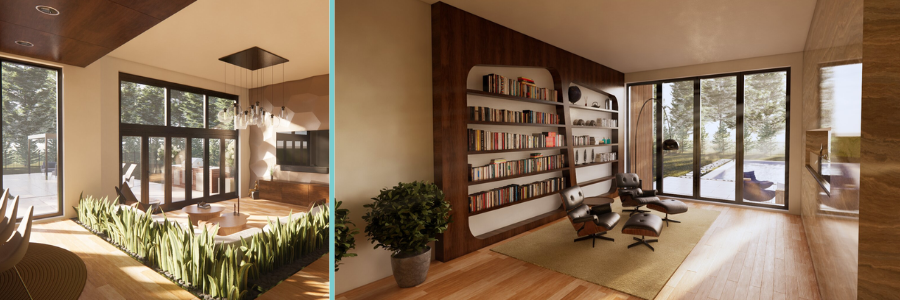
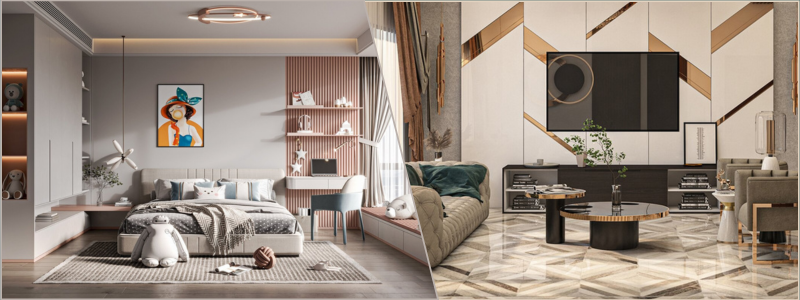
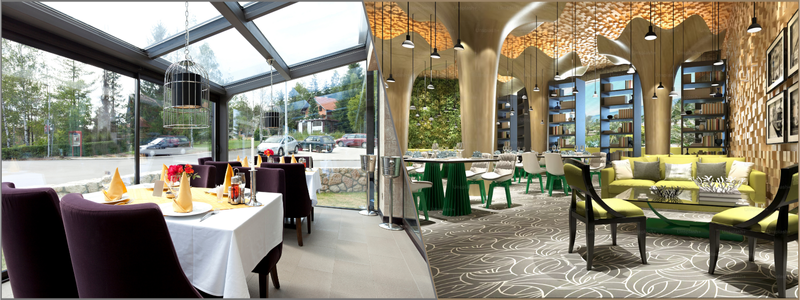
interior design rendering by Cad Crowd freelance experts

RELATED: Interior design drafting: Undeniable advantages of CAD drawings for design firms

Conclusion: Your home deserves to work as hard as you do

Modern living is fast-paced, multifaceted, and – let’s be honest – sometimes a little chaotic. Your home shouldn’t add to the chaos. It should calm it. Support it. Elevate it.

Maximizing space for functionality isn’t about sacrificing comfort or style – it’s about enhancing both. With the right tricks and the right team, even the smallest studio or the quirkiest split-level can become a highly efficient, incredibly livable, and downright gorgeous space.

Interior design firms have never had more tools or talent at their fingertips. But when you want truly custom solutions – built for the way you live – Cad Crowd is the name to trust. Their global network of CAD experts and designers can turn your Pinterest dreams into buildable plans faster than you can say “mid-century minimalist industrial farmhouse chic.”

So whether you’re rethinking your living room layout, eyeing a kitchen remodel, or finally tackling that weird hallway nook – don’t just wing it. Design it. And let the space you live in finally start working for you. Get a free quote today.

author avatar

MacKenzie Brown is the founder and CEO of Cad Crowd. With over 18 years of experience in launching and scaling platforms specializing in CAD services, product design, manufacturing, hardware, and software development, MacKenzie is a recognized authority in the engineering industry. Under his leadership, Cad Crowd serves esteemed clients like NASA, JPL, the U.S. Navy, and Fortune 500 companies, empowering innovators with access to high-quality design and engineering talent.

Connect with me: LinkedInXCad Crowd

How 3D Artists Elicit Emotions with Stunning Architectural Rendering & Visualization Services


Today’s post covers how 3D artists convey emotions with beautiful architectural rendering and visualization services. Architectural visualization has taken a huge leap forward with the proliferation of 3D rendering software capable of generating lifelike imagery of a building before even the first brick is put in place. However, an effective visualization shouldn’t just be a mere illustration of a structure. It needs to convey a story, deliver a message, and form a cohesive narrative that may evoke emotions from the audience. In the same way that a photograph can elicit memories, imaginations, and perhaps inspirations from the viewers, an architectural visualization has the power to grow a strong emotional connection between the project and the client.

For the visualization to trigger a positive impact on the viewer’s perception, a render artist has to explore all the multifaceted aspects of a CGI (computer-generated imagery), including but not limited to composition, perspective, artistry, and lighting. Strategic use of colors and such photography principles as the rule of thirds, negative spaces, and leading lines also matter a lot to influence the viewer’s impression of the imagery. All those elements must work together in harmony to produce an emotionally resonant visualization without undermining design clarity.

RELATED: The Benefits of 3D Architectural Rendering for Companies in Real Estate

Take, for example, using 3D interior rendering services for a home office – just because you want to highlight the presence of a massive desk right in the middle of the room, it doesn’t necessarily mean you have to direct all the lights toward the center and leave the corners unnaturally dark. It might work well as far as artistic expression is concerned, but the lack of balance in lighting makes the imagery ineffective for architectural visualization purposes. The article discusses the numerous factors that determine the efficacy of an architectural visualization, and the way a render artist can utilize them to foster or enhance communication among stakeholders.

Considering how the demand for photorealistic renderings has soared in the last few years, an in-depth understanding of those factors and a strong technical 3D CAD know-how are crucial skills in the trade. And for an unmatched expertise in architectural visualization, Cad Crowd is the one-stop shop where you can connect with the world’s most talented and experienced architectural render artists. The AEC-focused freelancing platform offers robust screening and a secure payment process to ensure that you receive nothing but the best for your money.

Storytelling with architectural visualization 

Technology has changed the way stakeholders and clients communicate in the architectural industry. The old methods of using physical scale models and two-dimensional illustrations are still around, but they’re slowly going away, partly thanks to the rapid development and adoption of 3D renderings. The market is getting more saturated by the day, with more CAD companies and CAD design professionals offering architectural services at sensible prices. Potential clients, including homebuyers and real estate developers, are always in search of comprehensive information about houses and building designs, whether for immediate purchase, renovation projects, or even brand-new constructions.

RELATED: The Impact of AI on 3D Architectural Rendering Services for Companies and Firms

With hundreds, if not thousands, of design agencies, firms, and freelancers competing in the market, one of the keys to establishing a place among the best 3D architectural rendering firms is to incorporate storytelling in the visualization. And of course, good storytelling is an effective way to elicit emotions. An architectural visualization isn’t just about showcasing the looks of a structure. It should convey a series of messages about design intent and purpose, be it efficiency, luxury, comfort, eco-friendliness, affordability, elegance, simplicity, and so forth. The narrative expressed by the imagery is expected to bridge a form of communication that surpasses conventional engagement and instead triggers positive emotional connections.

Storytelling can happen in a lot of ways. Apart from the conventional spoken and written forms, you can convey a meaningful narrative through signs, symbols, motions, expressions, fashion, or, in the case of architectural designs, lifelike visualizations. Using an immersive form of imagery where every visual element adds to important details, you can elevate an otherwise typical design presentation into an effective narrative tool that describes concepts, speaks values, and triggers emotional responses. The visualization from an expert visualization designer can then become a medium to bring about constructive communication among clients and stakeholders alike. Every single object and visual element visible in the imagery must serve as a building block to craft a compelling story.

When put together properly, you’ll be presenting not just a visualization, but a whole package of a virtual world in which the audience can immerse themselves, and potentially entertain the idea of living inside that world. In many cases, it all comes down to the atmosphere depicted in the 3D visualization, whether it is minimalistic, industrial, luxurious, practical, high-tech, or tranquil. And the visual elements have to become integral parts of the intended atmosphere. An architectural visualization has the potential to be both a technical exploration of ideas and a powerful narrative art, meaning it can deliver emotional resonance while still being an accurate depiction of the design. You want the audience to have the full imaginative experience of the building just by looking at the imagery, and you can do that by strategic use of the following elements.

3D architectural visualization studio

RELATED: 3D Architectural Rendering Projects for Your Business with a Winter Theme

Perspective and composition

Just like in photography, the world of 3D architectural visualization services has everything to do with composition. The arrangement and placement of objects within the frame create a specific look and feel that may guide the viewers’ eyes as they observe the visualization. Composition is intertwined with perspective; principles like the rule of thirds and depth of field are powerful tools to help the audience interpret the unspoken message the image tries to tell. How the objects relate to each other, where you put the focal point, what atmosphere is created by the color scheme, and the viewing angles play important roles in influencing individual interpretation, which ultimately leads to emotional responses.

The “rule of thirds” has been a prominent guiding principle in visual art for centuries, because it’s an effective method to keep the audience engaged. In general, you want the viewers to observe the image for quite a few moments so they can construct their opinions about it. Since the rule of thirds breaks down monotonous lines and symmetry in the frame, there’s an additional yet effortless tension to generate interest among the viewers. You don’t have to place the main object right in the center of the image, and instead let the viewers explore the asymmetrical composition to look for more details. Furthermore, you can enhance the impact by experimenting with perspectives such as linear, vanishing point, diminishing scale, or aerial views.

Every perspective offers a different kind of perception of the relationship between the objects in the image. With some exterior renderings, the exterior design expert uses an eye-level point of view for clarity. By putting the camera at a human’s eye level, the viewers can see the main object and everything else around it in a natural fashion. It offers a clear idea of the scale of things and is generally regarded as a comfortable perspective. Others use aerial views to showcase the dominance or the grandeur of a structure. The good thing about an aerial view is how it reveals details not normally visible from eye-level perspectives. An aerial view architectural rendering speaks not only about the structure itself, but also where it stands in the broader landscape.

RELATED: Progression of 3D Architectural Rendering Technology for Firms in the Business World

Let’s also not forget about “close-up” shots of objects. When you move the camera closer to a particular object or area, you may have to sacrifice (basically remove) quite a lot of useful elements from the scene. This is why close-up is most often used by interior rendering designers, where panoramic atmosphere isn’t a major concern. The good thing about close-up is that it allows you to focus on elements typically obscured in a wide shot, such as details on patterns and textures on fabrics, material finishes, furniture designs, functional ornaments, or any other intricate elements.

Details like the unique aesthetic of the granite kitchen countertop or the elaborate craftsmanship of the stained-glass window might be overlooked without close-up views to enhance the immersive visual experience. Regardless of the perspective in use, it’s crucial to incorporate guiding lines to lead the viewers’ attention back to the focal point. Guiding lines bind the composition and perspective together into unity to create the flow of a visual narrative, naturally taking the viewers to always circle back to the main object in the scene.

For design process

As mentioned earlier, architectural renderings can be an excellent medium for design exploration. In addition to showcasing the aesthetics and functionality of a structure, detailed visualization allows the architects, engineering designers, and designers to test various concepts on screen. It helps them identify design issues and implement changes early on in the design process. Changes might be as simple as wall paint and flooring materials or complex structural-related matters like window placement, solar panel installation, etc.

Clear graphics certainly help understand the design intent, especially for non-technical stakeholders (which may include homeowners and investors) in the project. Detailed visualization makes sure that everyone involved shares a common understanding and contributes to every design decision. 

RELATED: Real Estate Marketing: What Are The Proven Advantages of 3D Architectural Rendering Services & Animation?

Artistic input

An architectural rendering is a technical representation of a project as much as it is a visual art. It should convey the technical portion as well as the artistic expression of the design. If the rendering is only intended as a technical illustration, the visualization may come across only as a construction document that has little regard for emotional connections. At the same time, an architectural rendering that leans too heavily toward evocative purpose might not give technical accuracy enough consideration.

The 3D architectural designer must take both aspects into account, not just for the sake of balance, but also to make sure that whatever emotional responses are triggered by the imagery are authentic and have practical value. In other words, inaccurate architectural visualization may give a false impression. The good thing is that you can still incorporate some artistic inputs without compromising accuracy. It’s not impossible to introduce some touches of uniqueness that can actually improve (rather than diminish) the design visualization. Here are just a few examples.

3D interior rendering services

Motion Blur

In animated media like video games from the bygone decades, motion blur exists to hide imperfections by giving the perception of smooth frame-to-frame motion. When used (strategically) in static architectural rendering, it brings about a sense of subtle movement in an otherwise motionless image. For example, an interior rendering of a living room that features a large window, a motion blur on leaves or trees in the backyard can effectively introduce the idea of a relaxing space alongside nature. An exterior rendering of a commercial building may also feature motion blur for the traffic in the street to suggest a bustling activity in a place full of life. In general, motion blur can bring a touch of realism to a lot of different objects, such as doors, water, clouds, cars, toys, window blinds, paper, and more.

RELATED: Techniques for 3D Architectural Visualizations and Tips for Your Services Firm

Imperfections

The idea of a photograph is to capture an image or a moment and present an exact representation of how we saw and experienced it. Because the moment is captured within seconds (sometimes a fraction of a second), every single imperfection in the scene is also well-preserved. Imperfections come in all kinds of shapes and forms; clutter on the table, scattered pillows on the bed, dirty shoes, stains on porcelain tile, and so forth. Imperfections don’t make the photograph bad. On the contrary, they’re evidence of life and effective agents of storytelling. Photorealistic rendering services isn’t that much different from photography. The presence of a forgotten toy in the children’s room, droplets of water on the kitchen counter, leaves in a swimming pool, or scribbles on the desktop can be an excellent narrative tool.

Viewing angles

Finding the right point of view in architectural rendering is akin to choosing the right camera placement in photography. It determines what the viewers can see and therefore affects their emotional response. Ideally, you set the viewing angle in such a way that highlights the interplay between lights and shadows, the juxtaposition of patterns or textures, depth of field, motion blur, and imperfections. All those elements must be presented as naturally as possible, so the viewers aren’t overwhelmed by the bombardment of details. 

Keep in mind that every element carries information that contributes to the narrative. For example, if there are people in the scene, the types of clothing they wear and activities they do may suggest whether they’re in a relaxing home environment or in an office setting; the objects visible from windows can indicate if the building is located in an urban neighborhood or the outskirts of a town; a cup of hot coffee with visible plume of steam implies that someone is in the room, even when the person isn’t in the scene. All these visuals work together to build a context, and as an architectural modeling expert you can experiment with them to craft a coherent story revolving around the design, the location, or even the lifestyle associated with the structure. This “association” will, in turn, create an impression and invite emotional responses.

RELATED: 3D Architectural Visualization Services – How Project Deadlines Influence Rendering Quality

Context with colors

The notion of the psychological impacts of color shades may seem trivial, but it is important nonetheless. In its most basic form, warm hues like oranges and red evoke vibrancy or vigor, whereas cool tones such as green and purple imply serenity or calmness. Every good render artist needs to have a good grasp of the application of hue and understand how each color tone is associated with specific emotions. Many people think of colors as nothing more than a superficial aesthetic aspect of an object, even in real life. For example, a red balloon is no different in functionality and purpose from the green, black, or orange ones.

While this is true to some extent, especially when you see a color as an individual element, a mixture of two or more colors within the same scene may offer hints to the intended context of the image. Suppose you have two renderings of the same room with identical layout, composition, and viewing angle. They even have the same objects positioned at the same spots. The objects in one room have dark hues, whereas you see bright colors in the other. When you’re presented with such a direct comparison, what immediately comes to mind is that the room with bright colors is more playful and lively compared to its darker counterpart.

Pretty much the same practice applies to exterior rendering services, where a serene landscape is best pictured with muted soft hues to depict a sense of peace and quiet, while busy urban streets should use bold shades to illustrate exuberance. In short, a clever use of colors in architectural visualization helps create context that communicates the nature and story of the structure. 

Sometimes, the best way to achieve the correct color combination is by experimentation. Try using different shades of colors for the same visualization and see which version works better for the purpose. There’s no scientific formula to give you the right combination and ratio of colors, which means there’s no single best solution for every image. It all depends on how you want the viewers to emotionally connect with the visualization.

RELATED: How to Find the Right Architectural 3D Visualization Expert for Your Company or Firm?

3D interior visualization services

Weather and lighting

The most powerful narrative tool in visual art is lighting. Just about every other element in an architectural visualization is heavily influenced by the lighting effects you use. They contribute the most to the atmosphere of the scene and the expression of mood. Whether the cool glow of moonlight, the warmth of sunset, or the brightness of high noon, the lighting effects are of the utmost importance to set the stage for emotional resonance. Imagine an aerial rendering of an urban market square. In many instances, render artists opt for daytime visualization to showcase the liveliness of the structure populated by busy sellers and buyers.

The green trees around the main building, the white clouds, and the blue sky add to the narrative. Some may say that daytime rendering is preferable because of its clarity and inviting mood. But it doesn’t mean nighttime rendering can’t achieve similar results, or perhaps surpass the daytime ones. While the trees should at least partially appear dark and the sky isn’t going to contribute much to the narrative, nighttime rendering affords you the opportunity to experiment with artificial light sources. You can use various shades of light, be playful with neon signs, try different placements for the lamps and lanterns, etc.

Like lighting effects, weather conditions can dramatically change the whole atmosphere of an architectural visualization. Imagine an exterior rendering of a log cabin set during broad daylight in the summer. The front doors and windows are open to let the cool breeze flow through the structure, and natural light is reflected by the shiny floor. Trees look crisp against the backdrop of empty blue sky. Now, in another version of the same visualization, the weather is set to depict the height of winter during a snowy day.

RELATED: 5 Uses of 3D Architectural Animation for Marketing Your New Development Project

The open doors and windows don’t seem to be welcoming, and instead, they make the cabin look deserted. Each image evokes a different emotion. When the 3D architectural animation firm includes lighting and weather effects, it play major storytelling functions in the scene. You can even say that they lead the direction of the narrative and can somehow dictate the viewer’s perception. 

Takeaway

Every architectural visualization wants to tell a story, but whether or not the audience can capture and understand the concept is a different matter entirely. A great number of exterior and interior renderings out there are aesthetically pleasing and technically sophisticated, but the lack of artistic touch and ineffective use of perspectives diminishes their storytelling power. And when the audience fails to experience a connection of any sort with the visualization, they express no emotional connection and quickly move on to the next image without a second thought.  People want to see architectural renderings that awaken their imaginative mind, create a strong impression, and drive them to an envisioned life in or around the structure.

How Cad Crowd can help

An effective architectural visualization can connect with the audience on an emotional level. It takes a render artist skillful enough in optimizing the intersection between the various visual elements to produce a visualization that conveys a clear narrative and resonates with viewers. Cad Crowd is the place where you can discover and collaborate with the world’s most talented render artists experienced in residential, commercial, and industrial projects. Whether you need a rendering of a simple, straightforward exterior or a highly complex interior visualization with unmatched details, there’s always a professional on the platform ready to meet and exceed your expectations.

author avatar

MacKenzie Brown is the founder and CEO of Cad Crowd. With over 18 years of experience in launching and scaling platforms specializing in CAD services, product design, manufacturing, hardware, and software development, MacKenzie is a recognized authority in the engineering industry. Under his leadership, Cad Crowd serves esteemed clients like NASA, JPL, the U.S. Navy, and Fortune 500 companies, empowering innovators with access to high-quality design and engineering talent.

Connect with me: LinkedInXCad Crowd

Pet-Friendly Floor Plans for Homes When You Hire Architectural Design Companies


Designing the perfect home for both humans and your furry children doesn’t mean sacrificing sophistication and aesthetics, but it means thinking smart, planning ahead, and most importantly, hiring the right architectural design company to bring your fur-filled vision to life.

The leading platform Cad Crowd, houses over 94,000 3D design experts and 3D professionals ready to help you design that furr-ever home. The wish list for the ultimate home includes amenities such as in-unit dog baths, cat highways, and “woof-worthy” spaces that make tails wag and whiskers twitch.

So, let’s “paws” for a moment and dig into how architectural design companies can craft floor plans that are as fabulous as they are for you.

Why your pet is entitled to a voice in the floor plan

Pets are family, and we wouldn’t design a home that ignores your own comfort. That’s why you shouldn’t ignore your furry roommate either. Dogs, cats, birds, and even rabbits all have their own specific requirements when it comes to space, surfaces, noise, and flow.

Picture your German Shepherd struggling to make its way down a cramped hallway every time the doorbell rings, or your nervous rescue cat having absolutely nowhere to hide when visitors arrive. Not exactly ideal, right?

That’s where an architectural design firm with pet-friendly design experience comes in. They understand how to take those pain points and turn them into considerate perks—from bespoke feeding stations to paw-friendly walkways.

RELATED: How structural engineers improve custom home design when you hire Architects & design firms

pet-friendly living rooms designed by Cad Crowd interior design freelancers

Mudrooms: The MVP of pet entryways

If your canine has ever trundled inside after a wet walk and straight onto the sofa, you need no explanation about why the mudroom is the best friend. Dog-friendly mudrooms are half-garage and half-grooming salon with all the amenities and sanitation of a beauty parlor. Design strategies builders employ for dog-centered mudrooms include:

  • Pet-sized doors: A mini door within a door, or even an independent flap, so your pup or kitty can enter and exit without bringing in dirt to the rest of the house.
  • Pet showers or utility sinks: – Raised tubs with handheld sprayers—your back and your dog will appreciate it.
  • Accessories storage cubbies: – Leash, treat, and poop bag

When you hire a CAD design firm, they will usually recommend putting the mudroom next to the laundry space, so the messes can be addressed right away. And yes, they can even provide heated floors so paws remain warm after a winter walk.

Open concepts that keep eyes on the fur babies

Open-plan living is the default for contemporary residences, and it is fantastic in homes with pets. Why is that? Because it allows you to monitor your naughty golden retriever as he prowls around the kitchen countertop, or watch your parrot as it flaps against its playstand.

Architects can assist you in partitioning zones into the open plan through clever transitions such as

  • Flooring for pets – Consider slip-resistant flooring, bamboo, or luxury vinyl that can handle claws.
  • Room dividers or half-walls – These will close off spaces but not completely, ideal for training or quiet hours.
  • Dedicated gates that fit your style – Modern pet barriers, just like baby gates, can be decorative, sliding, or even discreet.

Bonus points if your architectural design expert incorporates cat perches or climbing walls into open-plan living spaces. It’s like an amusement park without the long lines.

The kitchen: Where human snacks live

The kitchen serves as the heart of every home, where families gather, meals are prepared, and (from your dog’s perspective) all the best snacks are stored. However, without proper planning, having pets in the kitchen can create chaos, safety hazards, and daily frustrations.

Smart kitchen solutions for pet owners

Professional pet-friendly design firms recommend these practical features:

  • Pull-out feeding stations: Hidden drawers that slide out at mealtime and disappear when not in use, eliminating trip hazards from floor bowls and creating a cleaner aesthetic.
  • Built-in pet retreat spaces: Cozy alcoves beneath kitchen islands or in corner nooks where dogs can rest comfortably while staying close to family activity.
  • Integrated treat and supply storage: Custom cabinetry with airtight compartments keeps pet food fresh, treats organized, and everything easily accessible yet out of sight.

Some architects go beyond basic functionality by designing dedicated pet pantries—walk-in storage spaces specifically for pet supplies, food, toys, and grooming essentials. This isn’t excessive; it’s thoughtful luxury that keeps your main kitchen clutter-free while ensuring everything your pet needs has its proper place. You may also look into pet product design services that may create functional items for your pets in the kitchen.

These design elements transform potential kitchen chaos into organized harmony, making daily routines smoother for both pets and their families.

Smart flow: Paths for pets and people

Ever seen a cat run across the living room like it’s trying out for a car commercial? Or a dog weaves around the couch like it’s practicing for a NASCAR race?

That’s why flow is important.

Architectural design firms can analyze the traffic pattern of your home and suggest layouts that will benefit both species. This involves:

  • Reducing sharp corners: Animals get excited. Excited animals slide. Rounded corners minimize accidents.
  • Placement of doorways: Having multiple entrances and exits can minimize bottlenecks during the morning rush, when it’s time for walkies.
  • Ease of access from outside: Key patio or dog run doors promote easier encouragement to exercise and a breath of fresh air for pets.

Interior design experts can even suggest hallways with enough width to fit the largest dog at rest across it like a speed bump. A small detail but big impact.

RELATED: Pros and cons of outsourcing 3D rendering services and visualization for your company

Built-in comfort zones for cats & dogs

Architectural design is not simply about building—it’s about experience. And if you’d like your pet to be secure and safe, you’ll require more than a local store dog bed. You’ll need nooks, crannies, and quiet areas that are specifically for them.

This is how designers accomplish it:

  • Under-stair dens: What’s normally a dead space becomes a doggy hideaway.
  • Window perches with views: Allow your cat to overlook the neighborhood like the appointed mayor they are.
  • Built-in crates or kennels: Installed within cabinetry or furniture to create a continuous look that does not yell “puppy jail.”

Design professionals tend to work with you in selecting spots dependent on your pet’s personality, as a social butterfly or peace-and-quiet purist.

Pet-friendly kitchen and living room interior by Cad Crowd architectural design experts

RELATED: Furniture business sales: Roles of 3D product rendering From CAD design services provider

Outdoor pet utopias (with indoor convenience)

Regardless of how amazing the interiors are, your pet will still require the great outdoors. Fortunately, architectural design and drafting companies can make it a seamless experience for both the pet and the human.

Some paws-itively wonderful features they suggest:

  • Professional dog runs with synthetic turf: Custom-designed exercise areas featuring built-in drainage systems that eliminate muddy paws, protect your natural lawn, and provide a dedicated space for pets to play and exercise year-round.
  • Modern security fencing: Stylish, durable barrier systems that blend seamlessly with your home’s architecture while keeping pets safely contained and protecting your landscaping investment.
  • Catios (cat patios): Enclosed outdoor spaces specifically designed for cats, featuring screened walls and roofing that allow fresh air and sunlight while protecting indoor cats from predators, traffic, and other outdoor dangers.

Designers can even install smart pet doors that connect to microchips or collars. It’s the kind of Star Trek-level tech your pet doesn’t know they need—but you’ll love.

Allergen-friendly materials & clean design

Living with pets naturally means dealing with dander, fur, and occasional accidents. However, smart architectural planning and material choices can significantly reduce allergens while maintaining a fresh, welcoming home environment.

Smart material choices for pet owners

Pet-savvy architectural home design firms recommend these practical solutions:

  • Non-porous flooring options: Hardwood, tile, and luxury vinyl plank are easy to clean, stain-resistant, and don’t trap odors or allergens like carpet.
  • Easy-maintenance surfaces: Smooth baseboards and washable wall finishes make it simple to remove pet hair and clean up unexpected messes.
  • Enhanced ventilation systems: Strategic placement of additional vents, exhaust fans, or built-in air purification systems keeps indoor air fresh and reduces allergens.

Storage for the craziness (and the adorableness)

Your furbabies come with stuff. Leashes. Toys. Blankets. Litter boxes. Scratching posts. That squeaky alligator your dog loves a little too much.

Rather than letting it all collect in a clump in a corner, designers can integrate storage into the home’s structure. Consider:

  • Disguised cabinets for grooming supplies
  • Slide-in litter box drawers in bathrooms or laundry rooms
  • Pet-height wall hooks
  • Tailor-made cubbies at entrances and exits

Good design preempts clutter and provides it a discreet, purpose-built home. Your visitors might not even notice a pet lives there—until they’re greeted by your friendly, wagging welcome committee.

Don’t forget the finishing touches

Even the most exemplary architectural floor plan service welcomes thoughtful finishing flourishes. A few additional ideas to add:

  • Noise control: Acoustic paneling and sound-absorbing materials may calm pets that get nervous at thunderstorms or loud noises.
  • Lighting: Motion-sensor lights for nighttime potty breaks are a godsend.
  • Color choices: Muted, earthy palettes don’t just hide fur—they create a calming environment for easily overstimulated pets.

And yes, some homeowners even request pet portrait walls or pet-shaped windows (think paw or bone cutouts). With the right design partner, anything’s possible.

RELATED: MEP shop drawing services: The secret weapon for freelancers and firms in successful building construction

Why an architectural design company is your best ally

You don’t have to sacrifice design aesthetics for pet functionality. Today’s pet-friendly materials and systems offer sophisticated looks that rival any design magazine while delivering the durability and cleanliness pet owners need. Modern pet-friendly homes prove you can have both Pinterest-worthy style and practical performance that works for the whole family, including the four-legged members.

Ready to build the purr-fect place?

Ready to design a home that’s perfect for both you and your furry family members? Stop settling for spaces that ignore your pet’s comfort and safety needs. Here at Cad Crowd, we can help you create thoughtful floor plans with mudrooms, built-in feeding stations, pet-friendly materials, and smart layouts that work for everyone. Call Cad Crowd today for your FREE quote and start building the purr-fect home where tails wag and whiskers twitch with joy.

author avatar

MacKenzie Brown is the founder and CEO of Cad Crowd. With over 18 years of experience in launching and scaling platforms specializing in CAD services, product design, manufacturing, hardware, and software development, MacKenzie is a recognized authority in the engineering industry. Under his leadership, Cad Crowd serves esteemed clients like NASA, JPL, the U.S. Navy, and Fortune 500 companies, empowering innovators with access to high-quality design and engineering talent.

Connect with me: LinkedInXCad Crowd

Best Tips For 3D Restaurant Rendering And CGI for Companies


Restaurant designs are always expected to use high-quality visuals for different purposes and applications, including presentations to investors and stakeholders to social media marketing. Thankfully, 3D restaurant rendering and CGI are here to offer the most efficient way of securing a steady flow of images that can cover these different needs. But how will you make sure that you will get top-of-the-line rendering just when you need it the most? This article shares some helpful 3D restaurant rendering and CGI tips for architectural design and hospitality companies to ensure superb projects!

3D Restaurant rendering and CGI tips for architectural design & hospitality companies

Request Multiple Views 

A single rendering alone is often not enough to show every single detail of a restaurant’s design and concept. You also need to show the interiors and exterior of the layout, and different zones, and present the general mood and ambiance of the space. Professional 3D architectural rendering firms and CGI services can make this cost-effective, fast, and easy. For starters, you can request several views to present every single aspect of your design and gather all the images you need within the deadline. Most of these extra rendering views are offered at a discount, as well. This is because artists don’t have to build everything from scratch in 3D every time. 

RELATED: Benefits of 3D architectural rendering and design for companies, restaurants & bars 

Take advantage of dynamic CGI formats 

Virtual tours, 3D animation, and other types of dynamic visualization formats can provide more exciting opportunities. For instance, animation can highlight the allure and value of a project by showcasing it in full motion. This helps acquire more engagement on social media platforms. Virtual tours created with 3D AR/VR architectural services on the other hand, take things to the next level with the introduction of interactive features. Imagine this: every time someone views the tour in an app or on your website, they can walk around your future restaurant as if it was completed and furnished already. 

These types of dynamic solutions will not just boost engagement as these can also facilitate a better appreciation and understanding of your restaurant design concepts. You will be able to present your vision in a clearer and more impactful way by integrating dynamic forms of rendering into your marketing materials and presentations. Interactive and dynamic CGI can make your projects stand out from the rest in the ever-competitive hospitality industry. 

RELATED: The 5 best companies for 3D architectural rendering services

Take advantage of atmospheric renderings

Being able to capture the ambiance of a restaurant design is important for successful marketing campaigns and presentations. Using 3D rendering companies and CGI images with detail shots, close-ups, and different lighting scenarios helps convey the proposed ambiance and atmosphere. These types of renders also make it easier for the audience to form an emotional connection with the space that will be built soon and make them want to visit once it’s completed. 

Outsource 3D restaurant rendering and CGI services

Most of the time, it is never enough to work with just in-house 3D artists. Maybe a prospective investor is requesting a photorealistic presentation on short notice; maybe you need to make several revisions to the concept as soon as possible; or your in-house 3D artist suddenly gets sick right in the middle of an important project. This is when it becomes a lifeline to outsource 3D restaurant rendering and CGI services to reliable freelancers. They can get started on your rendering immediately while adhering to quality standards and meeting your deadlines. 

RELATED: What is architectural visualization and why architectural rendering services use it

Work with a reliable and trusted 3D restaurant rendering and CGI services provider

Most 3D architechad design professionals out there do offer outstanding visuals. However, more often than not, it takes approximately two weeks before they can deliver quality renders. This particular timeframe might not fit your needs, especially if you require a faster turnaround. But worry not because there are now many freelance 3D restaurant rendering and CGI service providers equipped to offer faster project turnarounds so you can meet and even beat your deadlines. 

Problems related to quality instead of speed may pop up with some rendering and CGI service providers. These contractors may make repetitive mistakes or even take your preferences for granted. Others may just lack precision in following your brief. Professional freelance 3D restaurant rendering and CGI service providers organize their work in such a way that eliminates all these issues. They always double-check their quality control to deliver the best results at all times.

interior-design-firm

Benefits of 3D restaurant rendering and CGI services

While the quality and taste of the food items in a restaurant are important, the ambiance and design of the space are also equally critical, especially in today’s cut-throat world. Good thing that with the rise of state-of-the-art visualization technologies, 3D restaurant rendering and CGI services have now become indispensable for restaurateurs, interior designers, and architects alike when designing and remodeling dining spaces. 

RELATED: 5 Tips to get the most out of your interior design service

3D restaurant rendering and CGI is a technique that involves the development of meticulous 3D models of both the exterior and interior areas of restaurants. These services offer a long list of benefits that can improve the development and implementation of culinary spaces. These benefits include the following:

Cost-effective revisions of restaurant designs 

Revisions in designs are quite common in almost all restaurant projects and 3D rendering and CGI can cut down the costs of these revisions. The digital model can be used to visualize these changes. This eliminates the need for extensive rework during construction or physical models, resulting in more savings in terms of resources and time. 

Design flexibility and design

3D restaurant rendering and 3D visualizer firms offer unmatched flexibility when it comes to design customization. This allows designers and architects to experiment with different architectural styles, seating configurations, and interior themes to allow extensive customization. This level of flexibility guarantees the uniqueness of every restaurant design tailored to the establishment’s specific operational and branding needs. 

RELATED: What is a 3D visualizer?

Efficient optimization of layouts and planning of spaces

Space optimization is important in restaurant design to make sure that the guests will always remain comfortable and the overall operation is efficient. 3D restaurant rendering and CGI technology make way for precise planning of spaces. It also ensures that the layout will support a smooth flow of staff and guests alike, while making the most out of the comfort and utility of the different areas of the restaurant. 

Improved communication with stakeholders and clients 

No restaurant design process will ever be complete without effective communication. 3D restaurant rendering and CGI can significantly improve this communication by letting stakeholders and clients see a tangible depiction of the suggested design. This level of clarity can help set more realistic expectations and ensure that the design also accurately captures the vision of the client. 

Better presentations and marketing campaigns 

High-quality photorealistic rendering services and CGI images are also excellent marketing tools for restaurants. These can serve as effective promotional materials to show off both the ambiance and design of the restaurant. It helps attract more prospective customers and establish the market presence of the establishment. 

RELATED: The different types of CG visuals a 3D rendering service can make

Ensure accurate implementation

3D restaurant rendering and CGI help ensure accuracy throughout the implementation stage. Detailed renders offer precise guidelines for builders and contractors. It reduces the risk of discrepancies and errors throughout the construction phase. 

architectural-visualization-services

Facilitate a better decision-making process

Restaurant designs often require complex decision-making processes which include numerous stakeholders. 3D restaurant rendering can facilitate the whole process by offering detailed and clear visuals of the planned design. It enables faster and more educated decision-making for all the involved parties. 

Enhanced combination and selection of materials

Choosing the right textures and materials is important to create more inviting and enticing restaurant settings. 3D architectural visualization designers offer accurate depictions of how different finishes and materials will look once added to the space. This helps a lot in the process of selection and ensures that the chosen materials can boost the overall design theme. 

RELATED: Architectural 3D rendering styles and visualization techniques

Lifelike restaurant design visualization

3D restaurant rendering and CGI offer highly detailed and realistic depictions of suggested restaurant designs. It may include everything, such as the layout of the dining area, the bar setup, kitchen design, décor, and lighting. These detailed visualizations allow stakeholders to foresee the space to its fullest potential. It aids in the development of a restaurant that is aesthetically appealing and functional at the same time. 

Simulate environmental and lighting effects

Lighting plays an important role when it comes to setting the ambiance and mood of a restaurant. 3D restaurant rendering allows designers to simulate different lighting conditions. This provides insights into the possible function and appearance of the restaurant under various scenarios. This is important to give diners a cozy and welcoming atmosphere they will love and enjoy. 

The Bottom Line 

3D restaurant rendering and CGI is changing the design and construction of today’s culinary spaces. They offer numerous benefits that allow owners to cater to the different expectations and needs of modern diners. 

How Cad Crowd can help 

Looking for a trusted provider of 3D restaurant rendering and CGI for your architectural design and hospitality company? Contact Cad today and let us help you with your needs! 

Visualize Your Dream Home With 3D Architectural Visualization Company Services


3D architectural visualization has now become a true game-changer in the world of homebuilding and architecture. A helpful tool that used to be exclusively available to professional designers and architects, the technology is critical for homeowners who want to turn their dream homes into reality. 3D architectural visualization services can significantly improve the homebuilding journey and make it an exciting discovery, exploration, and accomplishment process.

3D architectural visualization and rendering are all about bridging that once-large gap between reality and imagination. They focus on turning abstract ideas into concrete before laying a single brick. With the help of this tool, homeowners can envision their dream home, tinker with design concepts, and make well-informed decisions. All of these ensure that the final product will closely resemble what they have envisioned.

The 3D architectural visualization basics

At its very core, 3D architectural visualization is the process of generating non-photorealistic or realistic images from 3D models. The models made with the help of 3D modeling software include shading information, lighting, textures, viewpoints, and geometric data. The visualization process uses the data to produce 2D animation or images.

3D architectural visualization transforms design ideas and plans into virtual reality in home building. For example, if your plan includes a house with three bedrooms, a pool, and a patio, 3D architectural visualization can offer a vivid image of the possible appearance of your dream home, right down to your backyard landscaping, furniture style, and wall colors.

RELATED: What are Architectural 3D Visualization Costs, Service Fees & Rates for Companies?

Benefits of 3D architectural visualization company services for homeowners

1 (2)

3D architectural visualization company services help democratize the entire design process. Homeowners can now participate more actively in designing their dream house and reap all the benefits the tool offers.

  • Understand complicated architectural plans easily

Understanding complex architectural plans, especially those involving technical blueprints or drawings, can be challenging for most homeowners. This is where 3D architectural visualization shines, transforming these complex plans into relatable and understandable images. 3D architectural rendering services offer a meticulous view of the house’s interior and exterior in a way that is easier and simpler to understand. It also shows the connections among the spaces inside the house and how they flow. 3D renders also reveal how natural light filters in through the windows at various times of the day. Homeowners can also see how the house would look from different perspectives.

  • Better visualization of design concepts

The most important benefit of 3D architectural visualization is how it allows homeowners to envision the design concepts they have in mind. Being able to imagine how a roomy living room complete with a fireplace and high ceiling would look is an entirely different story from the ability to see it right on a screen complete with lighting, furniture layout, and exact dimensions. This kind of visualization evokes a sense of excitement, bringing homeowners a step closer to turning their dream homes into tangible realities. Seeing their design concepts come to life on a screen is thrilling.

  • Ability to explore different options for potential designs

3D architectural visualization offers virtually endless possibilities for exploring different design options. Just imagine what the living room will be like when designed with a contemporary minimalist style rather than a more traditional one. 3D architectural visualization allows homeowners to explore a wide range of design options. Whether visualizing the living room with different styles or experimenting with various kitchen finishes, this tool empowers homeowners to make well-informed decisions that align with their vision.

RELATED: What are Architectural Rendering Costs, Rates, and Pricing for Companies?

How to use 3D architectural visualization for building your dream house

1

Considering all its benefits, adding 3D architectural visualization into the homebuilding process is a wise decision. Below are several ways that homeowners can take advantage of 3D renders.

  • Collaborate with architects

One of the initial steps to homebuilding is working with an architect to create a design that aligns with your requirements, budget, and vision. Architects usually showcase their designs using 3D renders and excellent communication tools. Collaborating with architects using 3D architectural visualization provides a sense of security. You can view your future house from different angles, get a better feel for the space, and offer better feedback. Adjustments can be made in 3D models until you feel thoroughly contented, reducing the risk of time-consuming and expensive changes during construction.

  • Decide on interior design

3D architectural visualization is not only for architectural structures or exteriors but is also valuable in interior design. From choosing color schemes to deciding on the right furniture, planning the layout, or lighting fixtures, 3D architectural renders let you envision your options in full context. You will also see how unique elements design a harmonious, cohesive space to minimize design risks and mishaps.

RELATED: 3D Interior Design Costs, Modeling Pricing, and Rendering Rates for Buildings

  • Facilitate landscape design

There is more to a dream house than its four walls alone. The surrounding landscape is vital in shaping your property’s functionality and aesthetics. This is where 3D architectural visualization and landscape design services help envision various ideas for landscaping, whether it is a thriving patio area, an idyllic garden, a play area for kids, or a poolside deck. You can explore numerous lighting, outdoor furniture, plants, and more until you find the best fit.

  • Envision and choose colors and materials

The choices for finishes are virtually infinite, from roofing and exterior siding to countertops and flooring. It’s a bit tricky to use small samples to make these decisions. 3D architectural visualization can showcase all these materials in your dream home’s broader context, making imagining the final feel and look easier.

RELATED: 3D Landscape Design Services: Cost, Rates, and Pricing for Companies and Firms

DIY vs. hiring 3D architectural visualization experts

1 (3)

Now that you know the potential advantages that 3D architectural visualization can offer when building your dream house, you’re probably wondering if you should just take things with your own hands or pass them on to professionals. Both approaches have pros and cons; your comfort with technology, needs, and budget will ultimately determine your final choice.

DIY

Many user-friendly 3D architectural visualization software tools are available on the market now, especially made for homeowners. The tools range from sophisticated to simple, and most offer massive libraries of materials and premade objects to help you envision your home design. Going the DIY route might be more cost-effective as it gives you better control over the entire design process. This also allows instant visualization and real-time changes. However, it requires some learning curve, and the output quality needs to be at par with that of professionals. The most popular DIY 3D architectural visualization software programs are AutoCAD, SketchUp, Homestyler, and Lumi. Each has strengths and weaknesses, making it worth exploring and identifying the one that best suits your needs.

Professionals

Professional 3D architectural visualization company services can provide realistic, high-quality images that perfectly capture all the intricate design details. The professionals use state-of-the-art software, technical knowledge, and skill to create visually stunning and accurate renderings. They can help you save time and avoid common pitfalls if you try to do it yourself.

Just remember that professional services will come at a cost. Although prices may differ depending on the level of detail and complexity of the renderings and the project, it is a worthy investment, especially for more significant, more multifaceted projects.

RELATED: What Are AutoCAD Designer Rates, Drafting Costs & Services Company Pricing?

Wrapping it up

1 (4)

Building your dream house is one of the most exciting journeys, with discoveries and decisions. 3D architectural visualization company services are pivotal in this journey as they help you envision your ideas, make better decisions, and communicate more effectively with designers, architects, and builders.

Although the process might seem daunting, each step will bring you closer to the house you have always dreamed of. It means you need the best help to realize your vision. With 3D architectural visualization continuously getting better, it’s safe to say that the world can look forward to more interactive and immersive ways of visualizing dream homes. So, don’t hesitate to embrace the endless possibilities of this technology and allow it to serve as your guide as you build the house you can call your home.

How Cad Crowd can help

Cad Crowd is the best place to find and hire reliable 3D architectural visualization company services that will help you transform your dream home into reality.