Understanding Architect Fees and Hiring Options for Your Firm with Cad Crowd


In case you haven’t noticed, an architect is one of the few professions legally qualified to design a built environment. Today’s post helps you understand architect fees and hiring options for your firm at Cad Crowd. Related professions, such as engineers, designers, and contractors, are likely more involved in the construction process, but everything they do must be based on plans prepared and approved by an architect. Producing an architectural plan may seem like a simple, one-phase task, but it entails significant technical and aesthetic challenges.

In addition to structural integrity, an architect must consider safety, environmental impacts, project timeline, and cost efficiency, among other constraints. Not every project requires an architect. That said, hiring one is almost a guarantee of a durable, aesthetically pleasing structure with a highly functional layout. It is certainly possible to undertake an architectural project (whether a new construction or renovation) without involving an architect.

However, this also means that the project is running without their expertise in design, building regulations, construction management, and budget estimation. Hiring an architect doesn’t have to be prohibitively expensive. AEC-specialized freelancing platform Cad Crowd can help you connect with hundreds of licensed architects from all over the world to handle your residential, commercial, industrial, and civil projects at an affordable cost.

RELATED: 3 Steps to Hiring a Reliable Architecture Firm & Freelance Services Architects

Architect fee structures

With most professions, the cost for hiring their services is typically determined by the scope of work, complexity of the tasks, and the time required to do the job. Architects are no different for the most part. Broadly speaking, architects may calculate their fees using any of the following three methods.

Percentage of construction cost

Think of this percentage-based fee as a sliding scale that puts the size and complexity of a project in direct relationship with the estimated total construction (as opposed to project) cost. As the cost slide moves up, the architect’s fee increases accordingly. The most common percentage is anywhere between 8% and 20% of the cost. Say a renovation project has a construction budget of $80,000, and the architect’s fee is set at 15%. Remember that the percentage isn’t subtracted from the construction cost; it’s added to it. This means the actual project cost will be the sum of $80,000 plus $12,000 (15% of the amount) for a total of $92,000.

Architectural designers are more likely to use percentage-based fees when they’re hired to provide full architectural services, which typically entail five phases, including schematic, design development, construction documentation, bidding and negotiation, and contract administration (construction). Keep in mind that the percentage is calculated based on the definitive construction cost instead of the initial estimate. If, at the end of the project, the construction cost exceeded the estimate, the architect’s fee would be the same percentage of the adjusted cost (rather than the initial estimate).

RELATED: Architectural Plans, CAD Drawing Costs & Architect Service Pricing: Full Breakdown

For clients, a percentage-based fee is ideal when the project is reasonably large, but the scope of work isn’t clearly defined. It allows them to secure the architect’s fee early on, yet still leaves room for negotiation later on as the specifics become known. It’s worth noting that a percentage-based method may be used to include or exclude additional project-related services and consultant fees, such as structural and MEP (mechanical, electrical, and plumbing) engineering.

Lump sum

As simple as it can get, a lump sum is a fixed fee. It’s a practical way to compensate an architectural drafting expert for the services provided, as you don’t have to handle percentage calculations, cost adjustments, or additional expenses that may arise during construction. However, you must understand that architects are only willing to use the fee structure if the scope of work is clearly defined. In other words, they will not throw around a fixed fee unless they’ve already calculated the work hours, construction timeline, the design complexity, and other variables with a reasonable degree of accuracy – not to mention the knowledge that major changes are highly unlikely during the project.

In the rare instances of major changes to project parameters beyond the architect’s control, the “fixed” fee must be adjusted to reflect any additional services rendered. Clients like the lump sum method because it’s straightforward. Following a negotiation at the very beginning of a project to determine the architect’s fee, the amount that both parties agree to is (in the vast majority of cases) the money the client ends up paying to the architect when the project concludes. At the same time, the method feels somewhat reassuring because it may incentivize the architect to work as efficiently as possible, since the pay is fixed regardless of the number of hours they spend on the project.

RELATED: How Much Does an Architect or Architectural Firm Cost for Home Design?

Of course, the biggest challenge with a lump sum for a client is that you cannot afford to have any hint of uncertainty about what the project requires. It’s important to know what CAD drafting and design services you need, how long the project should be, all the expenses, and the overall construction budget; otherwise, you might not be able to negotiate the fee effectively. 
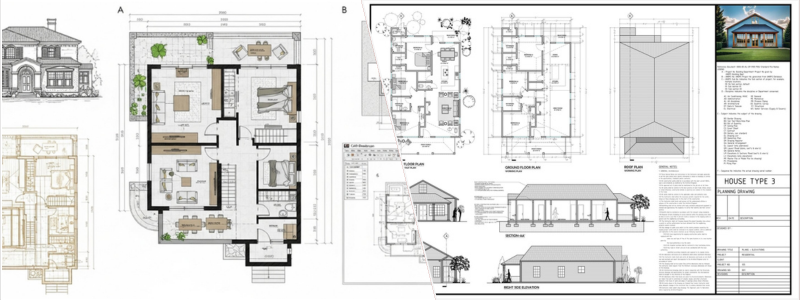
architect fees explained

Hourly rate

Among the most common fee structures across professions is the hourly rate. As the name implies, the fee is calculated by multiplying the base “fee per hour rate” by the total number of work hours an architect spent on a project. Bear in mind that the base rate may vary significantly depending on such factors as the architect’s experience, project complexity, and location. In the United States, for example, architects’ rates range from $80 to $250 per hour. It’s admittedly a massive gap, but it’s true nonetheless: high-profile architects in big cities with a higher cost of living may warrant rates at the upper end of the spectrum.

Some people even consider that an hourly rate between $175 and $250 perfectly acceptable. For the client, the biggest advantage of an hourly rate is flexibility. If you have only the slightest idea of what architectural plans design services the project requires, the hourly rate affords you the freedom to adjust or amend the scope of work without fee renegotiation. On the other hand, flexibility comes with uncertainty; the open-ended nature of the fee structure makes it a good practice to ask the architect for an accurate estimate of how much time they need to finish every stage of the project.

RELATED: Hiring an Architect for New Construction & Renovation? Ask These Questions First

In any case, an hourly rate makes sense for architectural services that are not well-specified, conceptual design, small-scale renovation projects, specialist expertise (design consultant, analysis, etc.), or anything else that requires only a little involvement of an architect, such as representation with permit-issuing authorities.

Hybrid structure

It’s not uncommon for architects to use a combination of multiple fee structures rather than a single method of compensation throughout an entire project. This makes sense because different stages of a construction project are best served by different payment models as well; the idea is to offer the utmost cost efficiency to the client without sacrificing a healthy rate for the architectural detailing expert. For instance, during the process of acquiring building permits from the authority, the scope of work might be indeterminate in terms of complexity, but with a pretty clear timeline, which makes an hourly rate a sensible choice. As the project moves along and reaches the documentation stage, a fixed fee is ideal as it comes with a very specific scope of work.

Hiring options from Cad Crowd

Things are very different when you hire an architect through a freelancing marketplace. There are dozens of platforms you can use, but Cad Crowd sets a fine example of how to bridge a collaboration between clients and architectural planning and design professionals in ways that benefit both. Unlike the more generalized platforms, Cad Crowd specializes in the AEC industry with more than 15 years of experience connecting architects, engineers, and construction professionals with clients from all over the world. Cad Crowd offers three primary hiring models as follows:

RELATED: Complete Billable Rates for Architect Design Services, Architectural Costs & Hourly Fees

Direct hire

Presumably, the most straightforward way to hire an architect on the platform, the direct hire model, is the closest you can get to the hourly rate fee structure. You start the process by posting a project, which can be as broad or specific as you want, and get matched with the most qualified architect for the job. For example, the brief may say “create a permit-ready floor plan and convert it into a 3D visualization” or simply “build an architectural plan for a residential home.”

Once Cad Crowd identifies several qualified candidates, you can discuss the project further with the architectural drafting experts regarding the rate. When you’re ready to start the project, you can purchase a block of 10 hours at the agreed-upon hourly rate. While the entire “price negotiation” matter is basically the same everywhere, Cad Crowd plays the role of a hub here to help filter through hundreds of available candidates, making the process much quicker.

Managed services

A small yet notable difference between Direct Hire (Hourly Services) and Managed Services is the scope of work. Cad Crowd makes this distinction that Managed Services are reserved for short-term projects with well-defined scope and budget. Also, any project under this service is completely confidential, meaning only you and the pre-qualified expert get to see the project brief and deliverables. Everything else is pretty much the same between the two hiring options. You can communicate directly with the architect via email, Skype, or TeamViewer.

RELATED: Architectural Detailing Services: Top 31 Sites to Hire Freelance Architects & Drafters

Contest

Built on the idea of crowdsourcing, a design contest is excellent for conceptual, ideation, styling, or visualization phases. It’s also a great idea in case you need to hire a design engineering expert to help solving an engineering problem. As usual, you start by posting a project brief that best describes the services and the deliverables you need. You must set a prize money this time to attract the experts; a bigger prize attracts a bigger crowd. Although the platform offers private and invite-only contests where the project is visible only to select architects, it’s best to have it publicly accessible to try to receive as many submissions as possible. Pick the best design and give the reward to the winner.

How Cad Crowd can help

Cad Crowd gives you the peace of mind that the architect you end up hiring is indeed the best you can get for the project and the money. There might be some additional cost involved, such as the 3% platform fee and the 20% service fee for hourly and fixed-rate projects, but you get a guarantee of quality in addition to the 24/7 support team. Considering that Cad Crowd has some of the world’s most experienced and talented architects in the network, the quality of both the work and the service is worth every penny you spend. Contact us for a quote.


author avatar

MacKenzie Brown is the founder and CEO of Cad Crowd. With over 18 years of experience in launching and scaling platforms specializing in CAD services, product design, manufacturing, hardware, and software development, MacKenzie is a recognized authority in the engineering industry. Under his leadership, Cad Crowd serves esteemed clients like NASA, JPL, the U.S. Navy, and Fortune 500 companies, empowering innovators with access to high-quality design and engineering talent.

Connect with me: LinkedInXCad Crowd

What to Look for in Residential Architect Freelancers & Hiring Services Companies


Among the many advantages of working with a residential freelance architect, as opposed to a major architectural firm, is the possibility to attain a higher level of personal service. Freelancers will typically describe their endeavor as a small business, hire a few professionals to help with the operation, and work on behalf of a limited number of clients as well. They don’t have too many things on their plate at any given time, allowing them to focus better on every single task at hand. In many cases, freelancers might not even be able to delegate essential tasks to employees simply because they can’t afford to hire a full team of professionals to begin with. 

Choosing the right architect for a residential project can be quite cumbersome, and even more so if you’re looking to hire a freelancer rather than an architectural firm. Depending on the particulars of the project, it might mean entering a months-long relationship, if not more. Not only does Cad Crowd give you the option to choose from hundreds of freelance architects that suit your style and preferences, but it also offers the kind of affordability that homeowners everywhere can appreciate as the leading agency in providing professional services from freelancers, including architectural drafting services.


🚀 Table of contents


What to look for

Of course, not every single residential freelance architect provides an equal level of services. With a little due diligence, however, you have every chance to work with the best Cad Crowd can deliver for a reasonable price. Everyone has their own preferences and expectations, and you have to make sure that the architect you hire can meet and probably exceed those expectations.

License

Don’t get ahead of yourself and think that, because the architect offers the services as a freelancer, a license is unnecessary. Every architect, whether a freelancer or any other kind, needs to be licensed by the state where they practice professionally. Also, there isn’t an all-inclusive license because each state has its own requirements. You’ll be surprised to know there are plenty of home designers who advertise similar services as architects; the services might sound more or less the same, but the people behind them are not at all similarly qualified. A licensed architect has undergone rigorous education and a series of examinations specific to the profession. It also means that a licensed architect has the experience and knowledge that home designers simply do not have. There’s a big gap in training, expertise, and mastery of the trade between the licensed and the unlicensed ones, so be sure to look for freelancers offering 3D modeling services.

RELATED: How much do architectural design services cost for freelance design service firms?

3D software

In an architectural firm or studio, it’s standard practice that at least somebody in the firm has a knack for 3D modeling software or perhaps BIM. Now, this person might not be the head architect, but the important thing is that they can communicate the design with you through clear visualization. It wouldn’t be particularly strange to see a firm having another person or two to handle other business matters, such as building codes and regulations, as well. On the other hand, a freelance residential architect probably doesn’t have the luxury of hiring a team of professionals to take care of all of those. Instead, the architect often opts to take a hands-on approach to everything, including the design visualization tasks.

Proficiency in such design software as SketchUp and AutoCAD is an essential skill for a freelancing architect. Bear in mind that visualization is much more than a presentation of design ideas because it also demonstrates how well the architect understands local building regulations and functions as an action plan to help avoid issues with the construction process down the line. Visualizations, especially those kept in the portfolio, also function as documentation of past projects to tell you the kind of quality you can expect to receive, should you decide to hire the freelancer, including BIM services.

Local is preferable

Residential Architect Freelancers & Hiring Services Companies

RELATED: How to choose the best freelance architecture visualization services and designers

We don’t suggest limiting your search to your local city, but a freelance architect based in the same area as the project doesn’t sound like a bad idea, either. If you’re looking far and long enough, chances are you’ll find quite a lot of competent architects from every city and state who offer their services at competitive rates. That being said, hiring a local freelancer means you have easy access to the office and that the architect likely has established a record with the city officials in charge of issuing the necessary building permits. An architect who understands the local permitting process will be a huge advantage, as the person already knows the zoning code requirements without additional research; fewer tasks save money.

Direct point of contact

Effective communication plays a major role in determining how well the project goes. An in-person meeting should help you gauge the architect’s communication skills, but this might not be possible if you’re doing the search online. Freelancing sites typically allow you to engage in a discussion with an architect through their built-in messaging feature. It won’t be as insightful as a direct conversation, but at least you don’t have to make the hiring decision right away, either. But if the architect is local, you always have the option to schedule an in-person follow-up. 

Don’t take the issue with communication skills lightly; working with a freelance architect means you’ll be talking directly to the person in charge of the project most of the time. The architect will be your point of contact for the sake of simplifying workflow. In a larger architectural firm, you’ll probably end up talking with a project manager instead of the actual architect designing your home. With a freelancer, you know that the person answering all your questions is indeed the architect offering interior design services.

RELATED: Best practices for architecture firms: Residential and commercial architectural site planning

Aligned Aesthetic Taste

This is a pretty obvious one, and true whether you’re hiring a freelance architect or a firm. In any kind of residential project, you want the architect to have a somewhat similar aesthetic taste as you do. There can be many challenges throughout a project–not just technical hurdles but design issues as well. Technical issues are not uncommon, and yet a good architect will usually find a good workaround to every problem. Differences in aesthetic taste, on the other hand, have every possibility of putting a project to a grinding halt. A design preference conflict between the architect and the client can be a big problem; the best way to deal with the conflict is to prevent it from ever coming up in the first place.

A big architectural firm probably has two or more architects ready to take on any upcoming residential project. This doesn’t mean a group of architects will work on the same tasks, but at least the firm can offer different perspectives while approaching your choice of design. If one opinion doesn’t seem to align with your taste, there’s another ready to jump in. Once again, a freelance architect probably doesn’t have the benefit of getting thorough professional advice from a peer unless an additional fee is involved, so consider freelancers offering concept design services. You should be able to get an idea of the architect’s aesthetic style preference by looking at the design visualization samples and past projects. If you don’t like what you see or have any objections to the designs, raise your concerns clearly.

RELATED: Best 50 sites to hire freelance architects and architectural designers for remote services experts

Professional profile

It’s not a good idea to pick any freelance architects solely based on the appearance of their websites or online profiles. Still, how they manage their online presence can be a good indicator of their quality of service. The non-professionals probably don’t care much about industry news and current architectural trends, but the good ones will want to follow industry trends and the latest updates on technology to stay ahead of the competition. It’s also a sign that the freelancer is passionate about the profession and well-engaged with how the industry develops. An active, properly-maintained online presence often includes some documentation of recent projects as well.

If possible, get in touch with current and past clients to talk about their experience working with the architect. While you probably won’t get a detailed explanation about every single thing, it will at least help you make an informed decision. Don’t hesitate to ask about the architect’s communication style, how the person handles issues with construction, what happens when revisions are necessary, and whether the client is involved in the entire design process.

To get a better understanding of the design process, ask the architect to take you to an ongoing project, if possible. Visiting a project that’s still under construction will give the architect a chance to walk you through the design process. It would be an ideal place to ask questions about concept development, who else is involved in the project, engineering matters, final plans, and so forth. At the same time, you can gauge how flexible the architect is when it comes to accommodating changes and how collaborative the process will be—so look for freelancers offering structural engineering services.

Experience

Residential Architect Freelancers & Hiring Services Companies

RELATED: Hiring an expert freelance landscape design architect service: What your company should know

A lot of freelance residential architects choose to work in their local areas. Because they don’t usually have a full team of professionals to assist with the jobs, they mostly work on small-scale projects. With that in mind, it only makes sense to hire an experienced freelance architect, even if it will cost you a bit more money. Armed with extensive experience in the business, you can expect the freelancer to know their way around managing every task in the project well, including residential planning, architectural detailing, dealing with contractors, and getting the jobs done on time, so look for freelancers offering new residential design.

How can Cad Crowd help?

When hiring residential architect freelancers, it’s crucial to prioritize licensed professionals skilled in 3D software and familiar with regulatory standards. The ideal candidate should demonstrate clear communication, aligned aesthetics, and proven residential experience. Freelancers not only offer competitive rates but also deliver personalized service and direct involvement throughout your project.

Challenges are inevitable, but working closely with your architect ensures smoother outcomes. Cad Crowd connects homeowners with qualified freelance architects who provide professional expertise and personal attention, ensuring your vision comes to life efficiently. Get a free quote today —post your project and receive tailored proposals from top architects!

author avatar

MacKenzie Brown is the founder and CEO of Cad Crowd. With over 18 years of experience in launching and scaling platforms specializing in CAD services, product design, manufacturing, hardware, and software development, MacKenzie is a recognized authority in the engineering industry. Under his leadership, Cad Crowd serves esteemed clients like NASA, JPL, the U.S. Navy, and Fortune 500 companies, empowering innovators with access to high-quality design and engineering talent.

Connect with me: LinkedInXCad Crowd