Design Strategies for Radar Enclosures with Electronics Enclosure Design Companies


Radar enclosure design is like superhero armor design. It has to be streamlined to the eye, function flawlessly, and hold off the forces of darkness (i.e., the weather). And, as a bonus, it has to keep the delicate electronics inside from getting crushed. While Iron Man armor, though, covers the red carpet, radar shelters are hidden, like above the beach, above airports, above bases, and above rolling weather stations, keeping sensitive radar parts safe from whatever life has planned.

And if you’ve ever wondered how these structures are designed in the first place, you’re not alone. Electronics enclosure design firms from the top platform Cad Crowd, with over 104,600 experts and professionals, can help you refine these radars, striking a balance between brutal environmental resistance and whisper-light signal transparency. It’s a feat of contemporary engineering. So, let’s explore the amazing world of radar enclosure design strategies.


🚀 Table of contents


What’s a radar enclosure?

A radar enclosure, or radome, is more than a hunk of plastic that looks out of this world. It’s actually the technological cover-up specifically engineered to envelop sensitive radar equipment, and it’s got a lot more to do than sit around and pretty itself up. It’s constructed from the most advanced composite material used today, engineered with aerodynamic accuracy and internal geometries that enable radar systems to function at their best.

That’s the magic: radar equipment sends out electromagnetic waves to detect and follow objects, so the shield has to keep the gear safe from bad weather, debris, UV radiation, and even curious birds, without distorting the radar waves themselves. The material and build have to be tough enough to survive the worst the weather can dish out, like hurricane wind, and yet so thin and radar-transparent that the radar hardly knows it’s there. It’s a high-tech fortress, camouflage, and cover.

Strategy #1: Don’t block the signal – material matters

The hardest part of radar enclosure design for engineering design firms is that the material needs to effectively act as if it weren’t there. Consider it the same as designing a window for radio waves—you would have the radar to see through the enclosure, as well as it would see through unconfined space.

Low-loss dielectrics are the first choice. These could be composite resins or specially formulated plastics that enable radar waves to pass through with near or no signal loss. Fiberglass-epoxy, PTFE composites, and tuned thermoplastics are all contenders on the short list. The buzzword in this case is transparency to RF (radio frequency).

But it’s not just a case of selecting the right material. Material thickness, resin weight, and fiberglass fiber weave each have some influence on signal performance. Electronics enclosure design firms typically perform sophisticated simulation and field testing to fine-tune just the right combination.

Strategy #2: It’s a war out there – weather resistance

Imagine a radar sitting atop the Swiss Alps. Imagine the same radar used in a tropical rainforest in Southeast Asia. Two environments with one problem in common: the enclosure must be able to withstand the most challenging climates while maintaining the highest levels of performance.

Electronics enclosures are attained by radio frequency engineering and design firms through multi-layer composite walls, UV-stabilized finishes, and hydrophobic surfaces. They can also be equipped with integrated heaters to avoid snow or ice buildup. In deserts? Sand-resistant finishes and thermal expansion joints to avoid extreme heat.

Resistance to corrosion is also a consideration. That is why certain radar enclosures shun exposed metal unless it is treated aluminum or stainless steel. The enclosure could be an empty dome or box, but beneath the exterior, a fortress.

Strategy #3: Special shapes for special purposes

Radar equipment is special, and so are the enclosures. There are geodesic domes, bullet-shaped casings, cube sanctuaries, and low-profile cases, each tailored to a particular operational need.

  • Radar air traffic control is required for wide, high-altitude coverage, which is why their enclosures look like big golf balls.
  • Coastal and marine radars require weather- and corrosion-resistant constructions with minimal wind resistance.
  • Military radar systems? These require camouflaged, modular enclosures deployed in an instant and concealed in an instant.

Form follows function. Enclosure design companies frequently employ 3D CAD modeling design services and simulation software to define enclosure forms to the optimal point. Even minor variations in the curvature of domes can optimize signal performance or minimize wind drag.

Strategy #4: Keep it cool – thermal management

Within that protected housing, radar electronics may become very hot. To the extent of a great deal of heat, indeed, from high-frequency transmissions, processors, and power amps. And unless managed to some degree, it can all cause failure.

Enter: thermal management design.

Which typically consists of:

  • Passive ventilation systems with air baffles to restrict airflow and heat sinks to dissipate heat.
  • Active cooling, such as integrated fans or HVAC systems.
  • Intelligent layout strategies that position heat-generating components away from critical sensors.

A few enclosure designers take it a step further by incorporating phase-change materials (PCMs), which release and absorb heat slowly, or thermoelectric cooling modules. It’s literally air conditioning the circuit, but in a cool enclosure.

Strategy #5: Security and shielding

Don’t forget about the human element. Radar enclosures often hold very sensitive or classified tech, so they require physical protection and electromagnetic shielding.

In government or military systems, enclosure design companies may:

  • Employ Faraday cages to guard against external interference (or internal emissions from escaping).
  • Employ anti-tamper features, CCTV, or biometric authentication.
  • Employ ruggedized lock doors and tamper-evident lids.

Even civilian radar equipment made through electronics design services (i.e., for predicting the weather or tracking sea) can include lightning protection, grounding, and EMP shielding integrated for worst-case use. You wouldn’t mind that bolt out of the blue burning up your radar system—or at worst, having some jerk slip in there and blow it up.
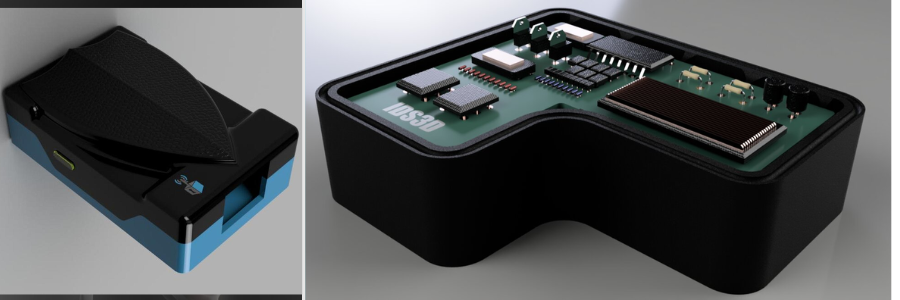
radar and RF receivers and transmitters by Cad Crowd enclosure design experts

Strategy #6: Portability and modularity

Why do radar systems have to be stationary installations?

Increasingly, radar is being placed on wheels—on trucks, ships, or deployable tents that can be deployed in haste. These applications require enclosures that are light, transportable, and easy to install quickly.

Mobility design typically entails:

  • Panelized construction optimization, where walls bolt or latch together.
  • The addition of lift eyes, forklift pockets, or tow hooks.
  • Staging the enclosure to be stackable or collapsible for shipping.

Some electronics enclosure design experts even offer specialized deployment kits, whereby an entire radar shelter can be set up in less than an hour in any environmental condition, including rain or shine, desert or tundra.

Strategy #7: Seismic, shock, and vibration safety

Radar equipment is fragile, such as your new, high-quality espresso machine that shatters if you bump it too hard. Therefore, when designing enclosures, cushioning and isolating the contents inside is a requirement.

Enclosure design firms usually:

  • Shock mounts mount to cancel out vibrations.
  • Under seismic bracing or shock-resistant subframes.
  • Foam-lined or elastomer-dampened walls in sensitive electronics bays.

If your radar is headed toward a ship, train, or airplane, these types of problems are twice as significant. Otherwise, one pothole—or wave—would shake your whole system into an expensive paperweight.

Strategy #8: Maintenance ease

Radar systems must be inspected periodically. Therefore, freelance engineering design experts take maintainability into consideration when designing the enclosure.

This includes:

  • Weather-sealed doors or panels that can be accessed.
  • Embedded platforms, ladders, or retractable.
  • Diagnosis-friendly wiring paths and easily identifiable components.

Smart enclosures may even provide remote condition monitoring and diagnostics, so technicians can track performance without even stepping on-site. It’s telemedicine for your radar.

Bonus strategy: The camouflage art of invisibility

This is radar stealth nuts. In some military or surveillance uses, radar enclosures need to be camouflaged. These introduce camouflage coatings, low-profile shapes, and visual illusions.

Some enclosures are camouflaged to resemble:

  • Ordinary utility sheds
  • Huge boulders
  • Roof-top air conditioners

In a city, radar systems can be hidden in building features, such as church steeples or water towers. It’s hi-tech hide-and-seek, and enclosure designers are the game masters.

Collaboration: Why enclosure design companies are indispensable

Radar equipment is very high-tech equipment with literally tons of moving parts—literally, as well as conceptually. And that is precisely why engineering design experts prefer to work with enclosure design companies. These guys aren’t just assembling boxes; they’re assembling a serious package of material science skills, mechanical engineering services, thermodynamics, and RF transparency. That is, they know how to house your radar without throwing a wrench into its signal.

It’s far more than technical competence. They’re familiar with regulatory standards as well as MIL-STD-810 for military, for example, or IEC approvals for commercial equipment. They’re familiar with using environmental testing and weathering the difficulties of rough real-world use.

When you’re not only bringing on board a company with decades of history in enclosure design but setting the stage for success tomorrow, whatever location you’re deploying your radar system to, that’s what the right partnership is all about.

Conclusion: Putting it all together

Radar enclosure design is not a cookie-cutter exercise in electronics device engineering. It’s an equilibrated mixture of art and science tied together in fiberglass, resin, and weather-resistant coatings.

From shape, material, to thermal control and security, each detail plays a role in performance. When you have the right electronics enclosure design company at your side? You’re not just protecting your radar, you’re amplifying its potential.

How Cad Crowd can help?

The next time you catch sight of a dome-crowned tower or look up to see a radar dish perched on the hilltop, remember: there’s an entirely different world of strategy behind those appearances. It’s more complex and smarter than it seems. Cad Crowd is the best platform to find freelance engineering, architectural, and product design for the most unique projects.

Don’t miss out on the opportunity to elevate your understanding—contact Cad Crowd for a personalized, no-obligation quote today!

author avatar

MacKenzie Brown is the founder and CEO of Cad Crowd. With over 18 years of experience in launching and scaling platforms specializing in CAD services, product design, manufacturing, hardware, and software development, MacKenzie is a recognized authority in the engineering industry. Under his leadership, Cad Crowd serves esteemed clients like NASA, JPL, the U.S. Navy, and Fortune 500 companies, empowering innovators with access to high-quality design and engineering talent.

Connect with me: LinkedInXCad Crowd

What to Consider in Developing the Enclosure Design of Your Company’s Electronic Products


For the post today, you will learn about what to consider when developing the enclosure design of your company’s electronic products. When developing electronic products, the enclosure design plays a crucial role in ensuring the product’s success.

The enclosure is more than just a protective shell; it’s a critical component that influences the product’s durability, usability, aesthetics, and overall market appeal. A well-designed enclosure can make the difference between a product that thrives in the market and one that struggles to gain traction.

Cad Crowd is an industry leader in connecting engineering and design companies with the best designers and engineers. Here are key considerations when looking for the best electronic enclosure design service to develop your company’s electronic products to ensure that you will be getting the results you’re after.


🚀 Table of contents


Material selection

The choice of materials for the enclosure is foundational. The material must provide adequate protection for the internal components while also meeting aesthetic and ergonomic requirements. Common materials used by product design companies include:

Widely used for their versatility, plastics like ABS, polycarbonate, and polypropylene offer good impact resistance, flexibility in design, and cost-effectiveness. However, considerations around thermal management and electromagnetic interference (EMI) shielding must be addressed when using plastics.

Aluminum and stainless steel are two major types of metals that are popular for their strength, durability, and superior heat dissipation properties. They are often used in products that require robust protection against external forces or that generate significant heat during operation.

Composite materials combine the benefits of plastics and metals, offering strength, lightness, and thermal management properties. They are ideal for products that require a balance of strength and weight.

When selecting materials, engineering firms consider factors such as the product’s operating environment, regulatory requirements, and cost constraints. For example, a product intended for outdoor use may require UV-resistant materials, while a medical device may need to meet strict regulatory standards for biocompatibility.

RELATED: What are the costs for new hardware product design, PCB prototyping rates, and services pricing?

Thermal management

Effective thermal management is crucial to ensure the reliable operation of electronic components. Excessive heat can lead to component failure, reduced performance, and shortened product lifespan. The enclosure design must facilitate heat dissipation through natural or forced convection, conduction, or radiation.

Incorporating heat sinks, vents, and fans into the enclosure can enhance airflow and heat dissipation. The placement of these features should be carefully planned to avoid dust ingress or moisture, which could compromise the product’s performance.

The material’s thermal conductivity plays a vital role in heat management. Metals like aluminum are excellent conductors of heat and can help in dissipating heat from internal components. Plastics, on the other hand, are poor conductors and may require additional thermal management solutions.

Utilizing thermal simulation tools during the design phase can help predict how the enclosure will manage heat. This allows for the optimization of design features by design engineering professionals before moving into the prototyping stage, saving time and costs.

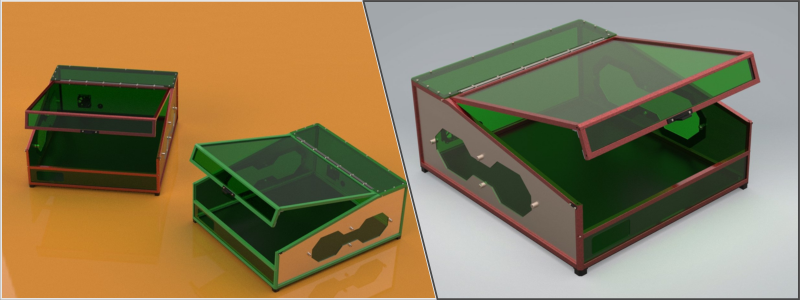
laser enclosure examples

Ergonomics and usability

The enclosure design should enhance the product’s usability and user experience. Ergonomics is a critical consideration, especially for handheld or wearable devices. The concept design service should take into account how the product will be used, who will use it, and under what conditions.

The size, shape, and weight of the enclosure should be designed for comfort and ease of use. For example, a handheld device should have a form factor that fits comfortably in the user’s hand, with controls that are easy to reach and operate.

Consider how the enclosure will be assembled and disassembled, particularly for products that require regular maintenance or battery replacement. Features like snap-fits, screws, and latches should be designed for easy access without compromising the enclosure’s integrity.

  • User interface integration

If the product includes buttons, screens, or other interface elements, the enclosure must be designed to accommodate these components seamlessly. The placement and tactile feedback of buttons, as well as the visibility and durability of screens, should be carefully considered.

RELATED: Guide to new electronics prototyping for hardware startups & design companies

Aesthetics and branding

A well-designed enclosure contributes significantly to the product’s visual appeal and brand identity. The enclosure is often the first thing a customer notices, so it should reflect the brand’s values and target market.

The enclosure design should align with the brand’s design language, whether that’s sleek and modern, rugged and industrial, or minimalist and elegant. Consistency in design across different products helps reinforce brand recognition and loyalty, as any consumer product expert designers would attest.

The choice of color and finish can affect the product’s perception. Matte finishes, glossy surfaces, or textured coatings can all convey different messages about the product’s quality and intended use. Color choices should also consider the product’s use environment; for instance, bright colors might be preferred for safety equipment to enhance visibility.

Incorporating logos, trademarks, or other branding elements into the enclosure design can enhance the product’s marketability. Techniques such as laser engraving, pad printing, or embossing can be used to add these elements to the enclosure.

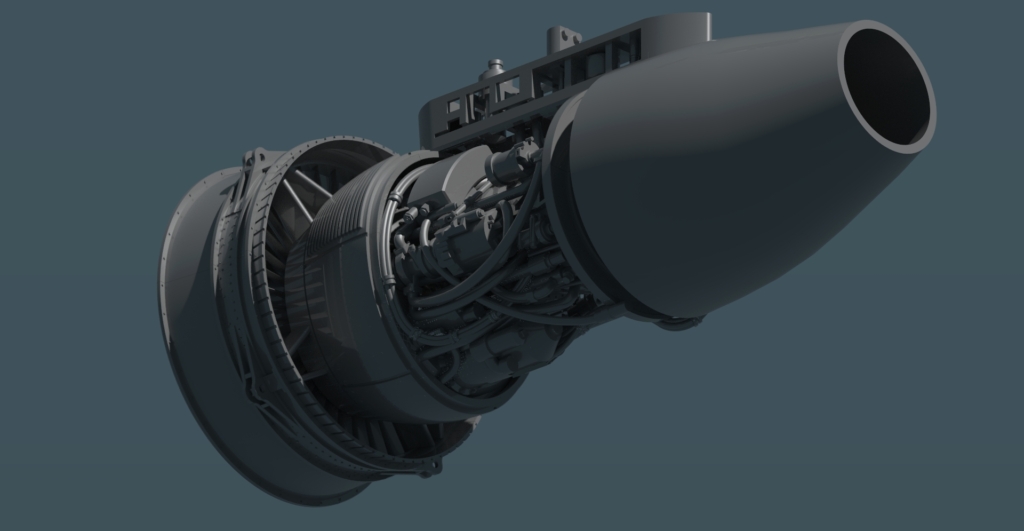
jet engine enclosure examples

Durability and protection

The enclosure must protect the internal components from environmental factors such as dust, moisture, and physical impact. Durability is particularly important for products used in harsh environments, such as industrial or outdoor settings.

  • Ingress protection (IP) rating

The IP rating system measures the enclosure’s ability to resist dust and water ingress. Products intended for outdoor or industrial use may require a high IP rating to ensure they are protected from environmental hazards.

  • Shock and vibration resistance

The enclosure should be designed to absorb shock and vibration, which can damage sensitive electronic components. Materials like rubber or foam padding can be used inside the enclosure to cushion components and reduce the impact of shocks.

In some applications, the enclosure may be exposed to chemicals or corrosive substances. In such cases, the engineering firm should determine the material chosen for its chemical resistance properties to prevent degradation over time.

RELATED: How to develop a new electronic hardware prototype & products for your company

Regulatory compliance

Electronic products are subject to various regulatory standards, depending on their intended use and market. The product design firm must comply with these regulations to ensure the product can be legally sold and used.

The enclosure should be designed to minimize electromagnetic interference or EMI and ensure electromagnetic compatibility or EMC. This often involves the use of shielding materials, grounding, and careful placement of components within the enclosure.

Depending on the product’s application, it may need to comply with safety standards such as UL Underwriters Laboratories, CE, or Conformité Européenne. These standards often include requirements for the enclosure’s material, design, and labeling.

  • Environmental regulations

Products sold in certain markets may need to comply with environmental regulations, such as RoHS or Restriction of Hazardous Substances or WEEE or Waste Electrical and Electronic Equipment. These regulations may limit the use of certain materials or require specific labeling and recycling instructions.

Manufacturability and cost efficiency

The enclosure design should be optimized for manufacturability to ensure it can be produced efficiently and cost-effectively. Consideration should be given to the manufacturing process, tooling costs, and material waste.

  • Design for manufacturing (DFM)

DFM principles should be applied during the design phase to simplify the manufacturing process. This includes minimizing the number of parts, using standard components where possible, and designing for easy assembly.

  • Tooling and production costs

The choice of materials and manufacturing processes will impact the tooling and production costs. For example, injection molding requires an upfront investment in tooling but is cost-effective for high-volume production. CNC machining, on the other hand, maybe more suitable for low-volume or custom production runs.

The enclosure design should aim to minimize material waste during production. This can be achieved by optimizing the design for the chosen manufacturing process, such as minimizing the number of cuts or using nesting techniques to reduce material waste in sheet metal fabrication.

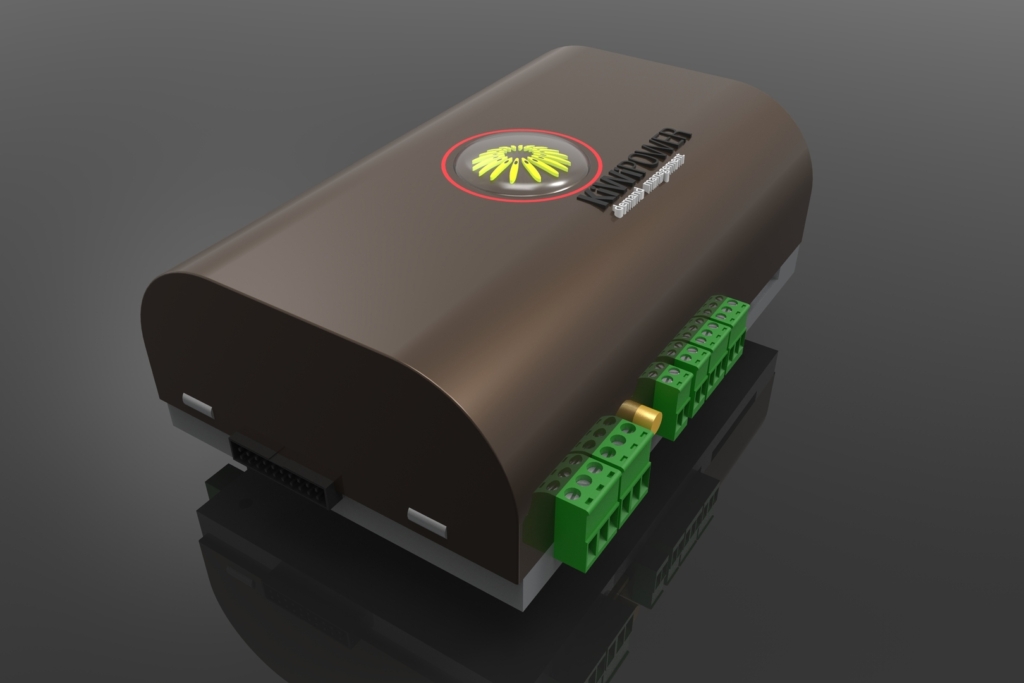
enclosure example

RELATED: Consumer electronic product design services: All you need to know about costs, rates, and prices for freelancers

Prototyping and testing

Before moving to full-scale production, it’s essential to prototype and test the enclosure design. Prototyping allows for the validation of design assumptions, identification of potential issues, and refinement of the design.

3D printing services are excellent tools for rapid prototyping, allowing for the creation of physical models to test fit, form, and function. This can be done quickly and cost-effectively, enabling iterative design improvements.

The prototype should undergo functional testing to ensure it meets all performance requirements. This includes testing for thermal management, durability, ingress protection, and user interface functionality.

Involving end-users in the testing process can provide valuable feedback on the product’s usability and ergonomics. This feedback can be used to make design adjustments before finalizing the enclosure design.

The enclosure design of your company’s electronic products is a critical factor in determining their success. Through a proper and careful consideration of material selection, thermal management, ergonomics, aesthetics, durability, regulatory compliance, manufacturability, and prototyping, you can develop enclosures that not only protect and enhance your products but also contribute to their market appeal and user satisfaction. Investing time and resources in the enclosure design process will pay off in the form of a more robust, user-friendly, and competitive product.

How Cad Crowd can help

Do you want to take your enclosure design to a whole new level this time? Don’t hesitate to get in touch with Cad Crowd today to request a quote and find out how we can connect you with expert designers who can help you create the perfect enclosure for your electronic products. We have over 14 years of experience as an industry leader that can help you find the right talent for your project today. Contact us for a free quote.

author avatar

MacKenzie Brown is the founder and CEO of Cad Crowd. With over 18 years of experience in launching and scaling platforms specializing in CAD services, product design, manufacturing, hardware, and software development, MacKenzie is a recognized authority in the engineering industry. Under his leadership, Cad Crowd serves esteemed clients like NASA, JPL, the U.S. Navy, and Fortune 500 companies, empowering innovators with access to high-quality design and engineering talent.

Connect with me: LinkedInXCad Crowd