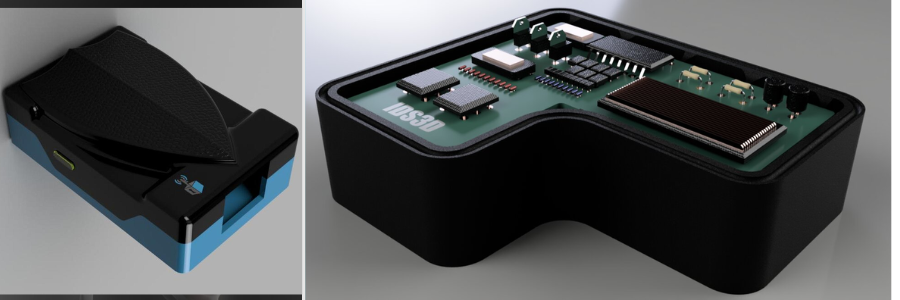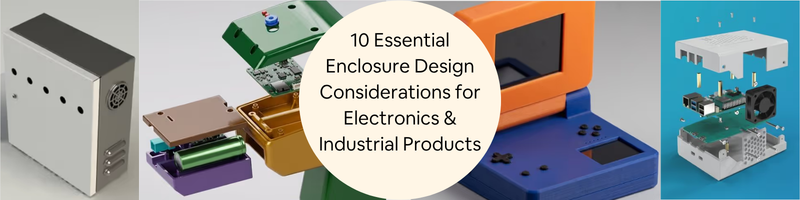
In the world of electronics and industrial systems, electronics enclosure design services are really vital as it plays a big role in more than just putting all the components inside a container or a box. Enclosure is more than just keeping it; it acts as a protection to prevent all the dirt and dust from getting into the tool. Keeping it safe from everything that can make it not work ensures that the tools and equipment are working properly. Think of the enclosed tool as something that is not designed well; it will be an easy access for all the dirt, such as dust and mites, to go in. It can affect the overall performance of the product, such as damaged components, overheating, and sometimes damage that is hard to repair or more costly. It is crucial that enclosed designs are not just built; they should be carefully planned and consider many factors.
Overlooking even just one factor could cause issues. In this blog, you can learn the 10 essential enclosure design considerations in a simple and more understandable way. It can help you have clear information and knowledge, even if you are still new in the field of electronics and industrial projects. Before diving into the 10 essential enclosure designs, let us first know what “enclose” means in the world of electronics or industrial. Enclosure is when we are putting or placing all the components inside a box that gives protection. The use of enclosing is that it guarantees safety and also organizes. It secures items that are valuable. Enclosures are needed and are functional in everyday life as well as in the context of electronics and industry.
The following are the 10 essential enclosure design considerations for electronics and industrial applications.
1. Environmental protection
As an enclosure design expert, knowing where your enclosure should be used is a must. You should be able to consider the different environments that can affect your electronics and may cause hazards and risks. In a certain environment, it can expose your tools to chemicals, dust, rain, or even temperatures that are not expected. It can really have a big impact on your product. Consider environments such as outdoor, industrial, or indoor. In an outdoor environment, it is more likely to be prone to rain, wind, extreme temperatures, and sunlight. When you are planning to have it in an industrial environment, it is more likely to have dust, dirt, and even oil spillage and chemical reactions that could be harmful.
When you pick the indoor environment, compared to the outdoor and industrial, indoor is more likely to be much cleaner, yet it can have moisture and dampness that could still be a cause of why your electronics would not be working. One example of choosing the right environment is when your box needs to be secure from all the oils and dirt. You should think about what would happen if exposure occurs. Internal parts and components might fail if the enclosure is unable to withstand the environment.
2. Material selection
It is vital to be picky when choosing a material for electronics design services. You must know what to consider, such as whether it fades, or if it is absorbent to heat or water. A material that is well chosen can result in an overall performance that stays and lasts long. Good material should withstand any challenges that could occur, because it shows that it is durable. When choosing a material, think of how it will benefit and help your enclosure. For example, when plastic material is used, yes, it is lightweight, which is suitable for indoor use as it does not easily rust over time. When stainless steel is an option, think of the possibilities because it is good for a wet and corrosive environment.
Metal or steel is also a better choice of material because it is durable and can withstand harsh environments outdoors. An example of this is that a metal enclosure is more suitable in a factory because it prevents exposure to chemicals. But, if you are just at home, a plastic enclosure is already fine to use. A material plays a big role because it also prevents them from harm and risks that could have happened. When wrong materials are chosen, it will lead to something that is hard to fix over time. It can have cracks, rust, and it may fade over time, which we do not want to happen.
3. Thermal management
When it comes to electronic product design, heat control should be included in the plans that are being made. Electronics do produce heat over time. When heat is trapped inside and there are no passageways for it to go out, it can be a big problem. It can damage the parts and components, and the prolonged use of the product will shorten its lifespan. In order to manage the heat and to mitigate the errors that could happen, electronics and industrial design companies should know how it affects the product. If heat is felt, add a vent to allow the air to flow. Fans are also a good use because they make cooling active, which can lessen the heat. You can also opt to have heat sinks installed in order for heat to be absorbed and released. When too much heat occurs, it can cause the system to fail, where performance is affected and disturbs the progress.
4. Space and size planning
A flow where the enclosure can move freely within the space being involved, it can be a relief as it avoids harm from occurring. A good space is one where all components and parts are being safely stored without being overcrowded in one area. It is a must to allocate space for the wires and airflow, as they sometimes tend to consume space. As time passes by, technology advances, and resources grow, plan for any upgrades. An upgrade allows you to be in the competitive market, where it gives you the chance to improve your system and make the product perform well. When a cramped enclosure is being utilized, it makes maintenance hard to perform because there are a lot of things going on. This leads to more heat building up that can really harm and cause errors, which sometimes can be too difficult to solve.
RELATED: Electronics Enclosures Design: 8 Powerful Tips for Companies and Firms Hiring Freelancers
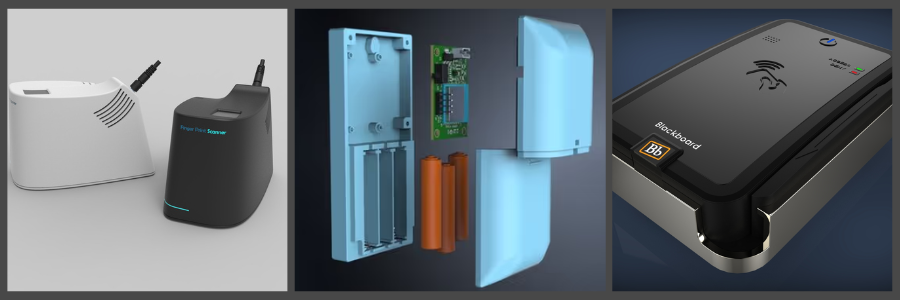
5. Ingress protection (IP rating)
Ingress Protection, also known as the IP rating, explains how an enclosure must ensure that no dust or water can enter it, which can be harmful to it. It must be followed as it is a standard that is being utilized to guarantee that your tool is being secured and safe from any dirt that enters. An IP rating should look like IP65 or IP67; founders or clients should know what codes must be used so that it guarantees that the protection is working. IP usually has two numbers, the first number is utilized to protect from any solid objects such as dust, and the second number tends to protect from any liquid such as water. If zero (0) is used, it means that no protection is used.
IP rating must be used correctly because it surely gives assurance that no harm or risks are being made. When one chooses the wrong rating, it can lead to something such as dust that can easily enter and cause damage to all the circuits, which will lead to equipment that is no longer functioning. When an IP rating is used in an enclosure that happens outdoors, the rain might cause damage because it will enter and then destroy the electronics inside the enclosure. A higher IP rating means that it is leaning towards higher cost, less airflow, which usually affects the cooling, and more sealing. That is why it is necessary that balance and stability are among the matters that should be seen because it allows prevention to be consistent throughout, which cannot affect the equipment. Lastly, you should be able to choose an IP rating based on your environment and not because the numbers are high.
6. Ease of access and maintenance
Although you wanted protection for all of the equipment, it is necessary that all of the enclosures you have should be easy to open. For consumer design services, when an enclosure is made with hard access, it will be more costly and can require a lot of time to repair, which clients do not want. Make sure that the enclosure is created with removable covers so that it will be easy to access. As well as parts that are considered important should be easily accessible because they might delay when they are needed quickly. Have a design that is inclined with only its function, it must be able to withstand alone when repairs are needed, and does not affect all the parts.
7. Cable management
When things are fixed properly, it will be much easier to find the things needed. It is preferred to have all the cables organized based on their function and use to keep everything safe. Use ducts or cable ties to organize and avoid the cables from being bent tightly because it might have an effect. A well-cleaned and organized cable would just mean that things can be clearly seen without having to make a mess. When cables are fixed, problems are also fixed. Messy wiring can be a problem in the long run because it might damage the cables and cause confusion.
RELATED: Design Strategies for Radar Enclosures with Electronics Enclosure Design Companies
8. Mounting and installation
Mounting and Installation tackles how to mount and where an enclosure should be properly placed. It is vital because it ensures that parts and components are placed together. Even if the design engineer produce the most lit and well-designed enclosure, if it is not installed properly, it would cause damage or harm. Mounting matters because all enclosures must be stable, consistent, and protected from all locations. If not installed properly, wires may be damaged, and then the components will loosen, which is unsafe. Poor installation can lead to accidents or equipment damage.
9. Safety and compliance
All of the protocols being upheld by the local or even the national government must be followed. It does protect people and all of the equipment to be able to work and function. Enclosure standards and protocols must be followed to avoid injuries and legal problems, which can be a costly matter when they happen. Utilize materials that are resistant to fire, and standards such as IEC or UL must be followed. Being able to follow will mean that hazards are mitigated.
10. Aesthetics and labeling
A well-lit and clean label will mean that usability is being created and is made without confusing anyone. It is necessary that all labels are correctly made so that it will avoid any harm that might happen, such as when you pick a switch that is not made for that function. Make packaging designs that are simple, easy to comprehend, and readable. In addition, have a layout that is organized because it will just make the work more efficient when all labels and wires are properly created for its usage. A good enclosure design would prioritize the safety and protection of all the equipment. It will keep it cool, and having an enclosure that is easy to maintain will mean that it is made for its intended purpose.
It is necessary to consider the environment because it will lead you to make the equipment safe, and proper installation must also be adhered to. Moreover, it will guarantee that the system will work for a long time and be reliable. Cad Crowd plays a vital role in solving problems that arise in the way of designing enclosures. It cannot be denied that problems are sometimes unavoidable, which leads to projects that are failures, yet with every failure being experienced, new things are learned, and it can be used in making a product that can be improved. A lot of projects tend to fail because of not knowing how to plan, the lack of expertise, as well as a lot of errors and product specifications that are not used to make the product better.
Cad Crowd has made a name for itself in the platform; not only does it allow partnerships, but it also offers a lot of specialised services, like new concept design & product development services that any client would not be disappointed with. They have a massive pool of global talents and experts who are assured that they make the best output with all of their knowledge and expertise. A challenge when making an enclosure design is that the environment’s understanding of where it will be utilized. It is crucial that proper knowledge and understanding be applied because it makes the enclosure withstand any challenge. Cad Crowd ensures that the specific enclosure is suitable for an environment, which can mitigate failures from happening.
RELATED: Cost to Design a New Electronic Product, Develop PCB Hardware & Prototype Rates at Firms
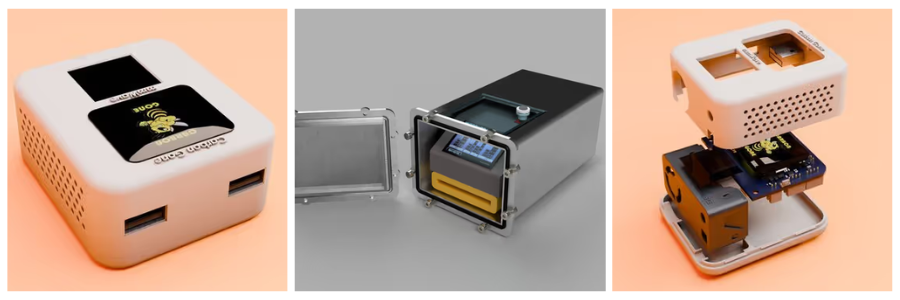
One problem is that when choosing materials, some may choose those that are weak and cannot function properly, suited to the goal set by the founders or the owners. Sometimes, when choosing materials, it may be too expensive and not the right material for an environment that can harm the situation. Cad Crowd vetted professionals assist the clients in choosing the right materials that must instill usability, durability, and cost-efficiency, which guarantees practical solutions and balance. Through CAD modeling design and analysis, Cad Crowd professionals and talents can create a design that functions properly in terms of ventilation, which can solve any problem in terms of overheating.
Prevention is better than cure, as they say, the aid of Cad Crowd professionals and experts can help a lot in making sure that there is enough airflow or ventilation. Poor planning is also a problem that any Cad Crowd professional can fix. When spaces are not being utilized properly, enclosures are cramped, which leads to wires that are tangled, which is not good, as it may cause damage. Cad Crowd professionals who are experts in designing can make an in-depth, detailed 3D model that shows how the spaces should be used, which guarantees the wiring is in the best shape. Having 3D professionals who can design well can help any founder or client avoid redesigning.
On the other hand, there is the presence of Cad Crowd engineers who are knowledgeable and skilled at making enclosures that are rightly suited to all of the parts and components. With the right seals and closures to meet the IP ratings requirements, it guarantees that reliability happens and can withstand the challenging environmental conditions. Cad Crowd assists in creating enclosures that are accessible and usable and have points so that technicians can carry out maintenance and repairs quickly. A messy thing can make the person messy in terms of thinking. It will lead to confusion; sometimes, it can be so overwhelming that they tend to make mistakes because of it.
It can interfere with the safety hazards, and with that, risks might happen. The help that a Cad Crowd product design professional can give is that they can plan and clean, prioritizing the layouts for the organization of the cables, which can have a direct impact on the performance and safety. Incidents and risks may lead to legal problems, and they can arise from standard violations. Cad Crowd ensures that designs adhere to necessary safety requirements from the start by working with professionals who are knowledgeable about industry laws.
RELATED: Top 38 Platforms to Hire Electronic Enclosure Design Freelancers and Electronics Engineers
They make it possible that no other laws are being violated. In addition, Cad Crowd is really an aid in electronics and industrial contexts, especially in enclosure design. It can be a help, especially in those companies that have no internal team that specializes in CAD or design. The following are what Cad Crowd can offer:
1. Skilled and Specialized Designers
Cad Crowd lets you have a partnership that you can have depending on what field or service you need, whether it be in engineering or in designing. They can specialize in IoT devices or even in machinery covers. It is more than just basic CAD modeling, but it’s about the service that lets you protect what the product aims for.
2. Custom CAD & 3D modeling
The help that a Cad Crowd professional provides is really an answer to any preparation that is needed. With the use of SolidWorks engineering designers, you can have a 3D model for the enclosure. You can also have the exact and precise measurements and fits for the wires, connectors, and batteries, which enables you to have functional equipment. There are also designs that are already ready, so that when time is shortened, it will still be suited to the one that is required.
3. Integration with electronics
The experts found in Cad Crowd are not just based locally but also globally, which means they tend to have a lot of various experiences in making a plan a success. Cad Crowd PCB designers are able to design such PCB layouts, the mounting points, and standoffs that are sometimes needed in installation. In addition, they have a specialization in routing with cables. Having their knowledge can avoid problems like bent wires, ports that are misaligning, and internal layouts that are so full that they can lead to confusion because all are crammed into one storage.
4. Supports on prototyping
There are a lot of professionals, talents, experts, as well as freelancers who can really guide you in making the dream work. They can help in rapid prototyping such as 3D printing services, a prototype is usually created to be able to see the final design viewed in 3D to make sure that there are no flaws anymore, as well as if there are things that need improvement, they are taken into note. By having a prototype, it bridges the gap between ideas and real-life actions already. Right before mass production takes place, it is a must to ensure that nothing is forgotten. All are up to date, and so, by having to check all of it, it is already being processed for manufacturers to start and make progress.
RELATED: What to Consider in Developing the Enclosure Design of Your Company’s Electronic Products
5. Flexible cost structure
Hiring an internal team and an in-house team is costly. Think of them as something that you only need for a project that does not usually happen. It can really be a waste of resources. With the use of Cad Crowd, you are able to have professionals, freelancers who are experts in their own field of specialization, based on the project you are working on. You can just post about your project or the service you need on the platform, and these freelancers and experts will be the ones to give you the quotes regarding the post. You can also choose depending on your own budget, whether you only have a few or you want to splurge and invest in a service that can really help you with the project. Over time, there are services that you won’t need anymore. With that, you can just scale the work when needed or down when it is not. By doing so, it will be a great aid in saving resources, which can be used for other plans or projects.
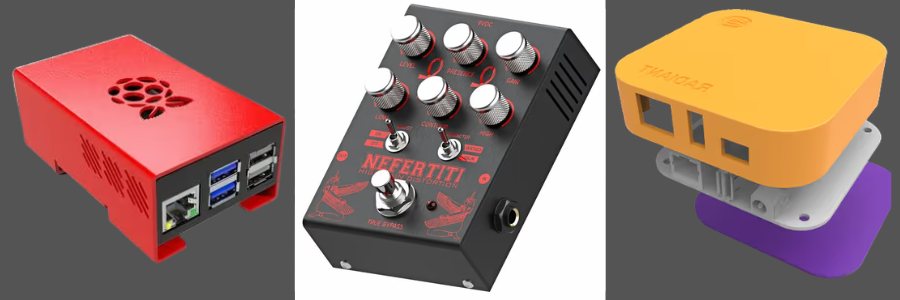
6.Thermal & structural considerations
A good enclosure is not just about the aesthetics or the appeal in the visuals. It can be a help, but it is not necessary when the functions are being forgotten and disregarded. Due to this, designers that can be found in Cad Crowd can add additional functions and use that are necessary. They can add ventilation to avoid overheating, and they can reinforce the weak points that are required for durability. This is a must and a crucial point, especially in industrial environments or electronics. Cad Crowd is really a great help, especially for those who are still starting up, as you won’t need a lot of staff or a team that might be costly. Cad Crowd has the expertise that can help the company if it consists of an engineering design team that lacks expertise.
Conclusion
Cad Crowd is a strong resource where one can get the help they need, especially in the field of electronics and industrial enclosure designs. It aids a lot in making sure that all of the products and equipment are stored properly and with safety precautions. By providing and having access to all of the vetted professionals who not only offer their services but also guidance and support, it keeps the passion in pursuing the goal and objectives alive.
Rather than having a problem and wasting time and resources on trial and error, Cad Crowd professionals save the day: you get a well-planned and efficient team that makes all of your dreams come true, while complying with technical and environmental requirements. Longevity and durability are the outcome when this platform is utilized. Cad Crowd is a crucial platform as it can move a project from ideas to a prototype. Contact us for a free quote.