Inclusive Design for Corporate Offices and Creating Accessible Workspaces with Engineering Firms


A corporate office of the modern age is not all about glass walls polished to a mirror finish, slim lighting, or the latest gadgets installed. It’s about who can be effective in that space. Forward-looking companies today understand that an accessible workplace isn’t complete until everyone—be they of ability, age, neurodiversity, or with sensory needs—is welcome there. Inclusive design is not just a catch-all term; it’s a root change in the way we construct spaces for real people with actual differences.

The test? Too many organizations still settle for de minimis compliance instead of real accessibility. But architects and engineering firms from Cad Crowd who grasp inclusive design can lead businesses to design offices that are not just ADA-compliant, but truly inviting, usable, and empowering for every worker. So, how does that happen? And how do engineering and architecture firms help facilitate this shift?

Let’s explore how inclusive design revolutionizes office culture—and how to find the right partners to make it happen.

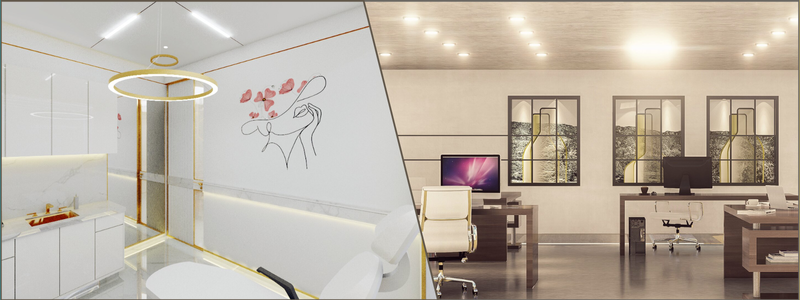
inclusive design of a dental clinic and office space

RELATED: Ten questions to ask a structural engineer before hiring an architectural design firm

Inclusive design vs. accessibility: Why the difference matters

Accessibility is usually perceived in terms of legal compliance—putting in ramps, having doorways that are wide enough for wheelchairs, and having elevators in buildings that are more than one story high. While these elements are unquestionably important, they are only the building blocks of making a space accessible.

Inclusive design transcends compliance and enters the human, thoughtful experience space. It starts with a set of broader questions that acknowledge the entire range of human diversity. For instance, can a neurodivergent worker have access to a quiet area to concentrate undisturbed? Can signs and visual symbols be read by a person with dyslexia or low vision? Can a person with arthritis easily work doors or change their desk without exacerbating the condition? Do restrooms reflect the dignity and needs of non-binary people? Is navigating an area intuitive to a person who has cognitive limitations?

Inclusive design is proactive, not reactive. It plans for a range of needs at the planning stage, not rushing to make changes afterwards. This creates spaces that are not just functional but also empowering, respectful, and inclusive to all—irrespective of ability, identity, or situation. Simply put, inclusive design is not merely about compliance; it’s about setting higher standards for all.

The role of engineering and architecture firms

When businesses plan to construct or rebuild their office buildings, they tend to seek firms with stunning portfolios, celebrity clients, or revolutionary designs. Aesthetics and innovation are important, but inclusive design demands a firm that puts function, empathy, and teamwork first.

This is where bringing in the right firm truly makes a dramatic impact. Architecture and engineering teams are not simply constructors—they’re translators of human need. Their decisions in layout, material, lighting, acoustics, HVAC systems, and digital infrastructure determine how individuals experience the space on a daily basis.

Here’s how they can incorporate inclusive design from the ground up:

Collaborative discovery and visioning

Rather than jumping into design specs, seasoned companies start by learning how individuals occupy the space. Inclusive companies will hold discovery sessions with employees from different departments and abilities. They may bring in HR, DEI teams, neurodivergent staff, and facilities managers into these initial workshops.

These sessions not only chart technical requirements. They also assist the company in getting to know company culture, workflow tastes, areas of pain, and aspirations for the future. A finance department may require more quiet pods, whereas a creative team might ask for dynamic, mobile furniture. An inclusive design spirit soaks up all this input and starts to interpret it as spatial solutions.

Design for a spectrum of needs

Engineering companies using inclusive concepts look beyond dichotomies such as “able-bodied” or “disabled.” They see spectrums—mobility, sensory processing, mental well-being, eyesight, hearing, and even introversion or extroversion.

Take, for example, open offices that were formerly admired for their cooperation. Nowadays, they’re synonymous with distraction. Inclusive workplaces find middle ground by providing varying workspaces: private focus pods, communal lounges, variable standing desks, and peaceful, dimmed rooms for unwinding.

Designers would advise:

  • Employee-controllable tunable lighting systems
  • Tactile navigation features for low-vision users
  • Acoustic stress-reducing sound-absorbing materials
  • Armrested and height-variable seating for physical access
  • Height-adjustable conference room tables for wheelchair access
  • Flooring and sign color contrast to support visual clarity

RELATED: The impact of photorealistic rendering on design services: 10 key benefits for firms & 3D freelancers

Smart tech meets human-centered design

Inclusive design is not low-tech; it’s smart and flexible. Engineering companies can incorporate assistive technologies that seamlessly integrate into the workplace.

Consider sensor-controlled doors, real-time captioning in remote meetings, voice-recognized smart elevators, or indoor navigation apps for individuals with visual impairments.

Notably, inclusive design is not only good for people with disabilities. Flexible lighting, clear wayfinding, and quiet spaces enhance productivity and well-being for all.

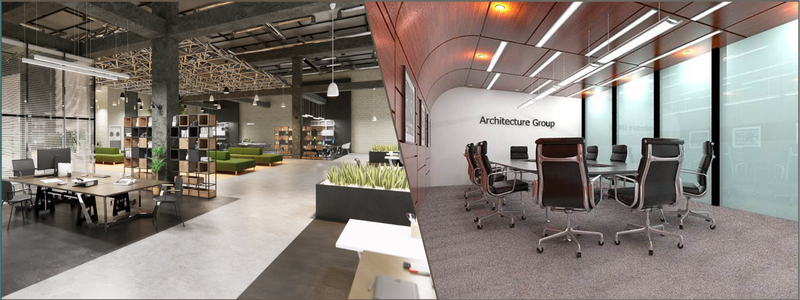
3D rendering of an office space and studio

How to select an inclusive design company: More than the portfolio

Let’s say you’re a workplace leader ready to take action. You’ve got the budget and the vision. Now what?

Finding a firm aligned with inclusive values means digging beyond their website.

Step 1: Look for evidence of empathy, not just expertise

Sure, a firm can dazzle with gorgeous renders. But do they highlight inclusive projects? Do they mention collaborating with accessibility consultants or universal design experts?

Inquire about inclusive project experiences in the past. A good firm should describe how it addressed complex issues, such as inclusive bathroom design or sensory-sensitive areas.

Step 2: Prioritize firms with strong listening cultures

Engineering and architecture is not just about drawing—it’s about listening. During your initial consultation, take note of how much they ask you. Are they really interested in your company culture and employees’ needs? Or are they leaping into their own concepts right away?

You need a team that doesn’t view inclusive design as a to-do list but as a conversation.

Step 3: Inspect their process for co-design

The top companies integrate users into the design. That could be regular employee input sessions at each design stage or physical mock-ups to test out layouts. Co-design means the final users—you, your employees—are not simply consulted once but actively involved at all stages.

RELATED: Why architects outsource 3D modeling services and the benefits for your design company

Real-world design features: What inclusive offices get right

Let’s talk specifics. These are some of the design features commonly included in well-considered inclusive corporate offices:

Entrances and navigation

  • Automatic, wide doors with push-button or sensor opening
  • Non-slip, low-pile carpet or flooring with contrasting colors
  • Clearly marked paths with braille and large, high-contrast signage
  • Adequate turning radius for mobility aids

Workstations and meeting areas

  • Adjustable desks (height and tilt)
  • Multiple types of seating (stools, task chairs, lounge)
  • Rooms with voice-activated tech for those with limited mobility
  • Smartboards with tactile controls

Lighting and acoustics

  • Daylight-optimized layouts that reduce glare
  • Circadian lighting systems
  • Acoustic panels and carpet tiles to absorb sound
  • White noise machines in high-traffic areas

Restrooms and wellness areas

  • Family-accessible and all-gender restrooms
  • Private areas for prayer or nursing with adjustable lighting
  • Mental health breaks in wellness rooms
  • Quiet decompression areas for sensory regulation

Digital access and remote inclusivity

  • Real-time captioning conference rooms that are hybrid-friendly
  • Infrastructure to support work-from-home
  • Screen readers and multilingual interfaces on digital kiosks
Blog post images Elize 2 24

RELATED: How 3D product modeling helps furniture companies cut marketing costs with design firms

The ROI of inclusive office design

Here’s the bottom line—accessible workspaces aren’t a cost center. They’re a talent magnet.

A 2020 Accenture study discovered that disability-inclusive leaders experienced 28% higher revenue, 30% greater economic profit margins, and twice the net income of their competitors.

Why? Because diverse, high-performing talent is drawn to inclusive environments. They decrease turnover, enhance morale, and improve productivity. They demonstrate to your customers and partners that you practice what you preach.

And the best organizations in this field don’t wait for a law—they set the example.

Partnering for change: Your next steps

Building an inclusive corporate office isn’t a solo flight. It’s a collaboration between your leadership, employees, and an engineering or architecture firm that believes good design belongs to all.

Here’s where to begin:

  • Measure your current space. What’s effective? What isn’t? Are there complaints or covert barriers?
  • Engage with your people. Particularly those with disabilities, caregiving needs, or mental health concerns. Their feedback is gold.
  • Have a diverse shortlist committee. Include HR, DEI leaders, and employees representing various departments to assist in choosing your company.
  • Shortlist inclusive design companies. Find those with a track record of accessibility expertise and human-centric core values.
  • Invest in continuous feedback. Design is never complete. Establish mechanisms for assessing and improving your space regularly.

Conclusion: Designing for all isn’t just good—It’s brilliant

One-third of our lives are spent working. That building should make us better, not push out or wear us down. A building designed with inclusive values doesn’t just comply with codes—it encourages teamwork, creativity, and relaxation.

Engineering and architecture firms who belong to the esteemed Cad Crowd platform have the power to help companies transform not just their spaces, but their culture. And as the demand for inclusive work environments grows, it’s the businesses that prioritize people-first design that will lead the charge.

So, next time you’re planning that office renovation or new HQ build-out, don’t just ask: “How will it look?”

Ask: “Who will thrive here?”

Because when everyone can thrive, everything changes.

Get a free quote for your design today.

author avatar

MacKenzie Brown is the founder and CEO of Cad Crowd. With over 18 years of experience in launching and scaling platforms specializing in CAD services, product design, manufacturing, hardware, and software development, MacKenzie is a recognized authority in the engineering industry. Under his leadership, Cad Crowd serves esteemed clients like NASA, JPL, the U.S. Navy, and Fortune 500 companies, empowering innovators with access to high-quality design and engineering talent.

Connect with me: LinkedInXCad Crowd

Living Room 3D Rendering: 10 Benefits for Creating Inviting Spaces with House Design Services


Picture this: you walk into a house, and the living room is warm the second you lay eyes on it. The layout moves well, the colors work well together, and the lighting accentuates every aspect. What if we were to inform you that this was not left up to chance—and that it started on a screen?

Welcome to 3D rendering land, living room territory where your fantasy interiors begin coming together without one piece of furniture being moved or a drop of paint being swished. From working with house design services to architect hiring or simply imagining the ideal visualization of your future home, 3D rendering services offered by industry leader platform Cad Crowd have been nothing short of game-changing. It’s not pretty pictures alone—it’s a smart, strategic tool that fills fuzzy ideas with rich texture.

Here’s how 3D rendering services for homes are transforming the way we create warm, efficient rooms—with 10 valuable benefits you’ll want to know.

See the big picture—before breaking ground

One of the greatest advantages of 3D rendering is that it’s transparent. Instead of attempting to read confusing blueprints or having to use your own imagination to fill in the gaps, you are able to view a photorealistic image of your future living room.

You’ll see how the furniture interacts with the room, how daylight flows in the windows throughout the day, and how colors manifest in real life. This visual sensitivity allows clients and architects to speak the same language—and avoid miscommunication.

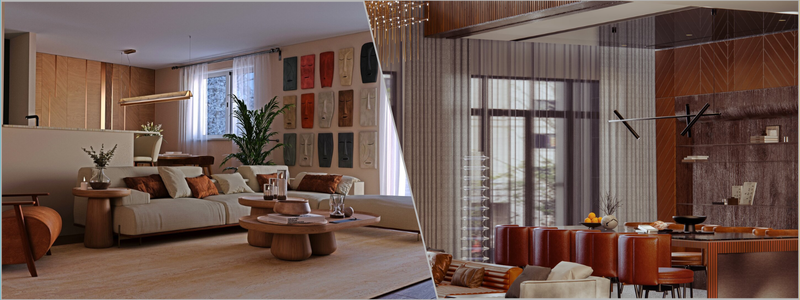
living room 3D rendering examples

RELATED: How 3D rendering helps collaboration between clients and design services companies

Test without risk

Love the idea of a minimalist Scandinavian look, but still interested in a moody, art-deco? With 3D rendering, there is no need to make an uneducated decision.

You can try out a range of styles, types, and finishes without ever spending money on actual materials. A designer or home design service can easily swap out different wall colors, flooring, ornaments, and even the lighting fixtures. The result? You design an appearance that’s truly “you” without regrets.

Better communication with designers and architects

If you’ve ever ordered a “warm gray” to view a cold, sterile one splattered on your wall, you know the aggravation. Verbal descriptions can’t cut it. 3D images can.

When your design group can view precisely what you have in mind with a “cozy,” “open-concept,” or “inviting,” collaboration becomes easier and faster decisions are made, since everyone’s on board day one.

Steer clear of costly mistakes

It’s simple to have second thoughts once building breaks ground. Moving a wall, redrawing electrical blueprints, or buying new flooring because the original peeled away—these changes are costly, even through cheaper interior design services.

3D rendering helps you catch design issues in the early days. Maybe your L-shaped sofa obstructs your window light, or that black ceiling paint makes it cave-like. You will notice these things in advance and change them, saving money and headaches down the road.

Spatial planning accuracy

Living rooms are multi-purposed—movie nights, family gatherings, hosting visitors. You want to get the floor plan correct.

With 3D rendering, you can try out different arrangements of seating, storage, and accessories to optimize flow. Where is the TV optimally placed to avoid glare? Will the new sectional give us enough room to move around? These spatial puzzles are easier to solve when you can “walk through” the space virtually.

Lighting simulation for real-life ambiance

Lighting is what will save or destroy a space. Too much overhead lighting is debilitating. Not enough? Your hip living room is now a cave. This is where lighting design services come in.

Rendering software allows design groups to simulate natural and artificial light at different times of day and night. You can experiment with pendant lights, wall sconces, dimmers and see exactly how they impact mood and visibility. It’s not aesthetics—it’s atmosphere, and it matters more than most people think.

Personalized customization

Maybe you’d like to showcase travel souvenirs or innovate based on your favorite piece of art. Prepackaged plans rarely permit individualization.

3D rendering lets your personality shine. Whether it’s incorporating a reading nook, a statement fireplace, or built-in shelves for your vinyl collection, you’ll get a visual of how these custom elements integrate with the rest of the space. House design services love this flexibility because it creates homes that reflect real lifestyles, not just showroom styles.

Easy approvals and permits

This one’s more behind the scenes, but hugely important if you’re doing major renovations. 3D renderings, especially when paired with architectural drawing services, can help speed up planning approvals, permits, and HOA reviews.

Officials love having a clear, accurate picture of what’s proposed. A well-rendered visual often answers more questions than pages of paperwork ever could.

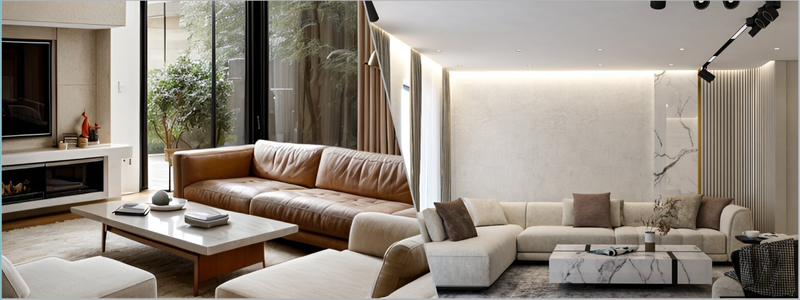
luxury living room design service examples

RELATED: CAD services: Transforming hotel furniture designs for hospitality companies

Elevated marketing for property sales

If you’re building or renovating a home with the goal of selling, 3D rendering is your new best friend.

Real estate developers and agents increasingly use photorealistic visuals to attract buyers even before the home is built. A beautifully rendered living room tells a story—it invites people to imagine their life in that space. And it works. Listings with high-quality visuals get more clicks, more engagement, and more offers.

Confidence in every decision

Let’s be honest—designing a living room can feel overwhelming. There are so many choices: furniture styles, flooring types, lighting fixtures, paint colors, tech integration… it’s a lot.

3D rendering takes the guesswork out of it. You’re not just hoping something will look good—you know it will, because you’ve already seen it. That kind of confidence turns the design process from stressful to exciting.

How to begin with a living room rendering project

Okay, you’re sold on the idea of a 3D interior rendering. Whether your dream is for a cozy refresh, a clean rebuild, or a dramatic overhaul, a well-designed rendering can take you through all the details before making any costly alterations. Now, though, what? Step two is taking that vision and turning it into an actual plan—and that starts with finding the right design partner to help you make it happen.

Here’s a closer examination of the way the process usually works:

Get clear about your intentions

Take some time to become clear about what you’re after prior to contacting any professionals. Are you simply doing a cosmetic makeover with new paint, furniture, and trim, or are you considering more extensive renovations—such as removing a wall, adding built-in storage, or relocating lighting fixtures?

Also, think about whether you’re starting from a blank slate or working off what already is. Do you need help with furniture layout, lighting design, material specification, or all four? The better your goals are defined, the better you’ll be able to choose the perfect professional and see if your rendering reflects your vision.

Choose a design partner

You don’t have to pay for a high-end architecture firm to obtain a top-notch rendering. In reality, there are plenty of boutique design studios and freelance CAD designers who specialize in photorealistic visualizations and can provide a more personalized and cost-effective experience. The most important thing is to find someone who fits your project and your communication style.

Here’s what to search for:

  • A strong portfolio with interior renderings, ideally of living rooms or similar residential spaces.
  • A good sense of your style, be it Scandinavian minimalism, mid-century modern, or something else entirely eclectic.
  • A willingness to offer revisions, because let’s be honest—you’ll probably want to make a few tweaks once you see the first draft.
  • Good and prompt communication, so you’re always in the know about what’s happening with your project.

Take the time to browse their work, read reviews, and ask questions. Don’t be afraid to set up a consultation before committing.

Share inspiration and details

Once you’ve chosen your CAD design partner, it’s time to get collaborative. This is your opportunity to share everything that defines your vision. Pinterest boards, Houzz idea books, magazine clippings, fabric swatches, color palettes, and even selfies in your current living room—all of it helps.

You’ll also want to provide practical details, like room dimensions, existing architectural elements, furniture that’s staying, and any functional priorities (like accommodating a home office corner or maximizing seating).

The more context your designer has, the more accurate—and exciting—your rendering will be. Think of it as setting the stage for creativity to flourish.

Starting a living room rendering project can be a rewarding and fun process if one approaches it with clarity, the right partner, and a willing mind. With some foresight and some old-fashioned honesty, you’ll be staring at an amazing 3D image of your new room in no time.

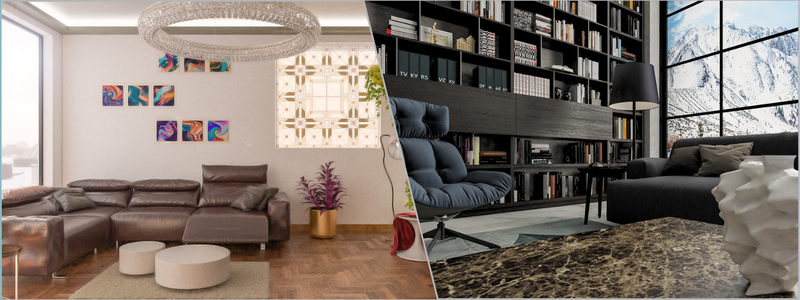
living room examples with decoration and fixtures such as bookshelves and artwork

RELATED: How to hire the best freelance CAD designers: A services guide for companies

3D rendering vs. traditional sketches: Why it matters

There is nothing necessarily wrong with hand-drawn sketches or floor plan design services. But in the living room—the hub of your home—rendering does more. It delivers emotional impact. You don’t merely see dimensions; you feel the space.

Traditional plans tell you where to put stuff. 3D renderings instruct you about what it’s like to live there. That is powerful, especially when the task is designing a place that people gather, relax, and bond.

Wrapping up: Your living room, reimagined

At its best, a living room is like a warm welcome—a place that reveals who you are and welcomes all who come in. With 3D rendering, that vision becomes clearer, wiser, and more within reach.

Whether you are renovating your ideal house, constructing a vacation home, or just shopping for a better space, working with a house design firm that offers living room 3D rendering can save you money, time, and headaches—while enjoying joy, style, and personalization.

Ready to turn your dream living room into a reality? A great rendering is more than a computer image. It’s your future, in images. Contact Cad Crowd and receive a complimentary quote for your living room 3D rendering!

author avatar

MacKenzie Brown is the founder and CEO of Cad Crowd. With over 18 years of experience in launching and scaling platforms specializing in CAD services, product design, manufacturing, hardware, and software development, MacKenzie is a recognized authority in the engineering industry. Under his leadership, Cad Crowd serves esteemed clients like NASA, JPL, the U.S. Navy, and Fortune 500 companies, empowering innovators with access to high-quality design and engineering talent.

Connect with me: LinkedInXCad Crowd

Furniture Business Sales: Roles of 3D Product Rendering From Cad Design Services Provider


The furniture design industry has been going through a rapid transformation due to technology. One of the techniques leading this transformation is the use of 3D furniture rendering services. This technique has already revolutionized the development, launching, and promotion of new products.

Because of this, companies need different types of prototypes for marketing purposes to boost their sales. There’s no better way to get diverse visual materials than 3D Rendering. With these, companies don’t have to invest big budgets in producing samples and arranging photo and video shoots. They just send a 3D rendering studio a project brief and get realistic images in just a few days.

If you don’t know where to find a 3D rendering studio, Cad Crowd might be the one for you. Cad Crowd is the leading agency that can help you connect with 3D rendering experts to upgrade your furniture catalog. Consisting of over 94,000 freelancers, Cad Crowd is known to give reasonable service rates while still exceeding your highest standards. Whether you’re looking for innovative solutions, new concept design, strategic insights, or top-tier execution, Cad Crowd has the expertise and the talent to bring your vision to life.


🚀 Table of contents


What is 3D rendering for furniture business?

There are different advantages of 3D rendering, depending on your business. Let’s take a look at how furniture businesses benefit from using 3D rendering services.

Design flexibility during the product development stage

Companies and manufacturers that produce furniture go through excruciating trial and error and long periods of gathering ideas before a product concept is made. In the early days, they had to request a new sample each time an alteration was made. It is essential to observe the change in the furniture and what it looks like in person. Now, with emerging 3D technology, 3D rendering has changed how furniture is seen before it becomes an actual product. Experts and artists can develop and modify 3D furniture product models with the use of advanced rendering software. In this way, the whole development of furniture from creativity, concept, and modification has been a lot easier and more flexible.

RELATED: 6 industries revolutionized by 3D rendering freelancers & design services companies

Different types of images for product testing

A common practice is that before launching any product, especially furniture, the company has to do market research that identifies the trends and needs of the customers. Like in IKEA, product testing helps companies understand their preferences, such as colors, design, and materials.

Where does 3D rendering come into play? This allows companies to generate multiple images of product designs without the need to pay a ton of money for prototyping and studio shoots used in marketing. 3D rendering also enables product design companies to save money and prioritize other projects.

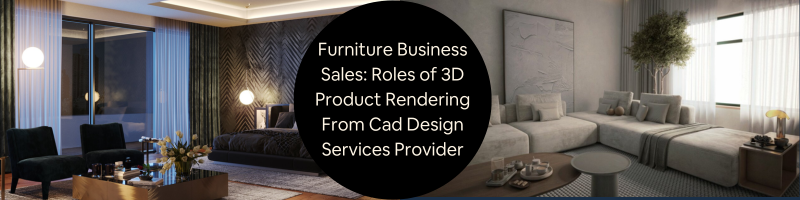
3D product renderings of furnitures in modern luxury homes

Promotion of furniture products using pre-order marketing

Companies are aware that a pre-launch is essential to get people talking about their furniture products. This means that even if there is no physical product available yet, promotion must start. Most of the time, sales specialists of companies require high-quality images for promotion campaigns, pre-order sales, and even social media advertisements.

3D rendering is used in this situation to develop stunning furniture promotion images needed for the pre-launch. Just like the 3D rendering artists of Cad Crowd, they are able to develop any model using 3D software, whether it is furniture in a house setting, furniture for your office, or mood and lighting effects. Cad Crowd artists can do it for you.

Once the 3D furniture rendering is done, companies can use it to promote social engagement, offer pre-orders, and advertise their furniture products.

Online and offline marketing promotions

There are several types of marketing channels a company can leverage in advertising its furniture products. Each of them has its use and must be appropriately used to maximize product marketing.

Online

From the word itself, “online” means utilizing social media campaigns, website advertisements, email marketing, and other things that all require eye-catching visuals to be noticed. Most of the time, companies need various high-quality 3D visuals and renderings of their furniture products, such as lifestyle images, close-up views, cut-outs, or even a 360° room tour to engage the audience. On the other hand, a study showed that customers preferred furniture products with a story through 3D animation services and guidelines on how to assemble them during promotions.

Using 3D-rendered furniture products allows companies to showcase their furniture products and increase visibility across digital platforms.

RELATED: Using 3D visualization services to communicate design intent to clients and firms

Offline

Outdoor advertising uses physical visualizations such as city lights, posters, billboards, transit posters, etc. This marketing channel requires high-resolution images that can do justice to the image in large formats. With the use of 3D rendering, companies can have high-quality furniture images of any size, depending on their needs.

Additionally, offline marketing needs to hold a physical event where a furniture company has a chance to showcase its products. Therefore, there is a need for a lot of items, such as catalogs, leaflets, banners, brochures, business cards, PR kits, and giveaways. Companies don’t need to spend a lot of money on photo shoots when a 3D rendering is possible to produce all that.

Easier rebranding process

Every business needs to upgrade and keep up with the trends to be able to last long in the industry. If an interior design company decides to rebrand a furniture product when the sales aren’t that good, they have the flexibility to improve the design of the furniture and enhance the features. This flexibility and accessibility featured in 3D renderings are shown to have effectively won back their customers by allowing them to follow customers’ preferences and new furniture trends.

This method is much easier and less energy-consuming when modifying furniture products due to the fact that no actual prototypes are needed to do this rebranding–just high-quality images and eye-catching visuals.

How can 3D furniture rendering boost your furniture sales?

Realistic visualization at its finest

One notable feature of current 3D furniture design services is the option to produce realistic visualization of furniture products. This allows customers to check the product’s features, whether it’s the texture, dimension, or other things that will look like it’s in front of you. This is where the gap between online and offline shopping experiences becomes a blur.

Customization capability

Today’s consumers usually prefer personalized products. With the help of 3D rendering, they are able to modify furniture to fit their style and preferences. This not only satisfies their style but also makes them feel connected to the product of their choice.

RELATED: Boost your social media impact with architectural visualization services for marketing companies

Reduced product returns and higher customer satisfaction

Furniture returns can really be a big problem and hassle for both customers and businesses. That’s why 3D rendering is essential at this point, because it will give them a clearer understanding of the furniture product. The more they are immersed in their choice, the less likely product returns are, which then give results to happier customers, boosted sales, and a stronger brand reputation.

Attractive marketing visuals

As previously stated earlier, 3D rendering and CAD design services can produce high-quality images that can boost your marketing strategies. Using advanced and stunning visuals can contribute to social media engagements through websites, social media posts, and other advertising platforms. Creating unique and eye-catching visuals catches the attention of people who will later be your customers. Sometimes, producing classy and elegant visuals can also convey the brand and quality of your product, which some people think of when choosing a perfect company for their desired furniture product.

Efficient prototyping and design modifications

Aside from boosting furniture sales, 3D rendering software can also make your life easier when you decide to modify a design or develop its existing features. By creating these prototypes, new adjustments and designs are possible before actual production. This increases your company’s rate of product innovation.

3D product design of a high quality office desk and luxury king sized bed

Other ways you can effectively sell furniture using 3D product rendering

Showcase furniture in festive settings

There are a lot of festivities in a year, so align your concept scene design and highlight the appropriate furniture product. Your furniture sales will likely boost accordingly. Picture your furniture in an enchanting winter setting – dining tables with festive centerpieces, living rooms with good-looking, comfortable couches with string lights, and cozy bedrooms. These realistic visuals will highlight your product and will more likely trigger the emotional warmth of holidays, reunions, and comfort. Integrating product offerings into different festivities produces genuine stories that customers like and encourages them to choose your furniture as part of their celebration.

Create dynamic social media content

Nowadays, producing dynamic content and engaging content that captures the attention of the customers, especially those with short attention spans, is the key to creating successful marketing campaigns for consumer product companies. With 3D rendering, you can produce interactive posts and realistic graphics that also highlight the furniture products in action – whether it’s the holiday season, Halloween, or New Year, there will always be a perfect furniture.

You can also maximize the potential of your marketing campaigns by creating interactive content, virtual contests, and virtual decorations featuring your furniture. Increase your audience reach by using catchy hashtags.

RELATED: What are costs for floor plan design blueprints, CAD designer rates and company services pricing?

Conclusion

3D technology, especially 3D rendering, can achieve a wide range of possibilities. When maximized appropriately, it can boost your furniture brand’s building and sales. It offers limitless possibilities and ensures high visual quality and consistency, whether online or offline. By taking advantage of these features, your furniture company can stand out and achieve greater success.

How can Cad Crowd help?

Only the best companies are able to last longer in this tight competition of the furniture business. That’s why you can never go wrong with utilizing 3D rendering in your marketing strategy to boost sales. Here at Cad Crowd, we can help you connect with 3D rendering experts who will make your marketing visuals better than ever. We are industry leaders in helping companies find the best 3D design and engineering talent for their projects.

Don’t hesitate to give us a call. Request a quote today!

author avatar

MacKenzie Brown is the founder and CEO of Cad Crowd. With over 18 years of experience in launching and scaling platforms specializing in CAD services, product design, manufacturing, hardware, and software development, MacKenzie is a recognized authority in the engineering industry. Under his leadership, Cad Crowd serves esteemed clients like NASA, JPL, the U.S. Navy, and Fortune 500 companies, empowering innovators with access to high-quality design and engineering talent.

Connect with me: LinkedInXCad Crowd

RB Design Brings Interiors to Life With AutoCAD | AutoCAD Blog


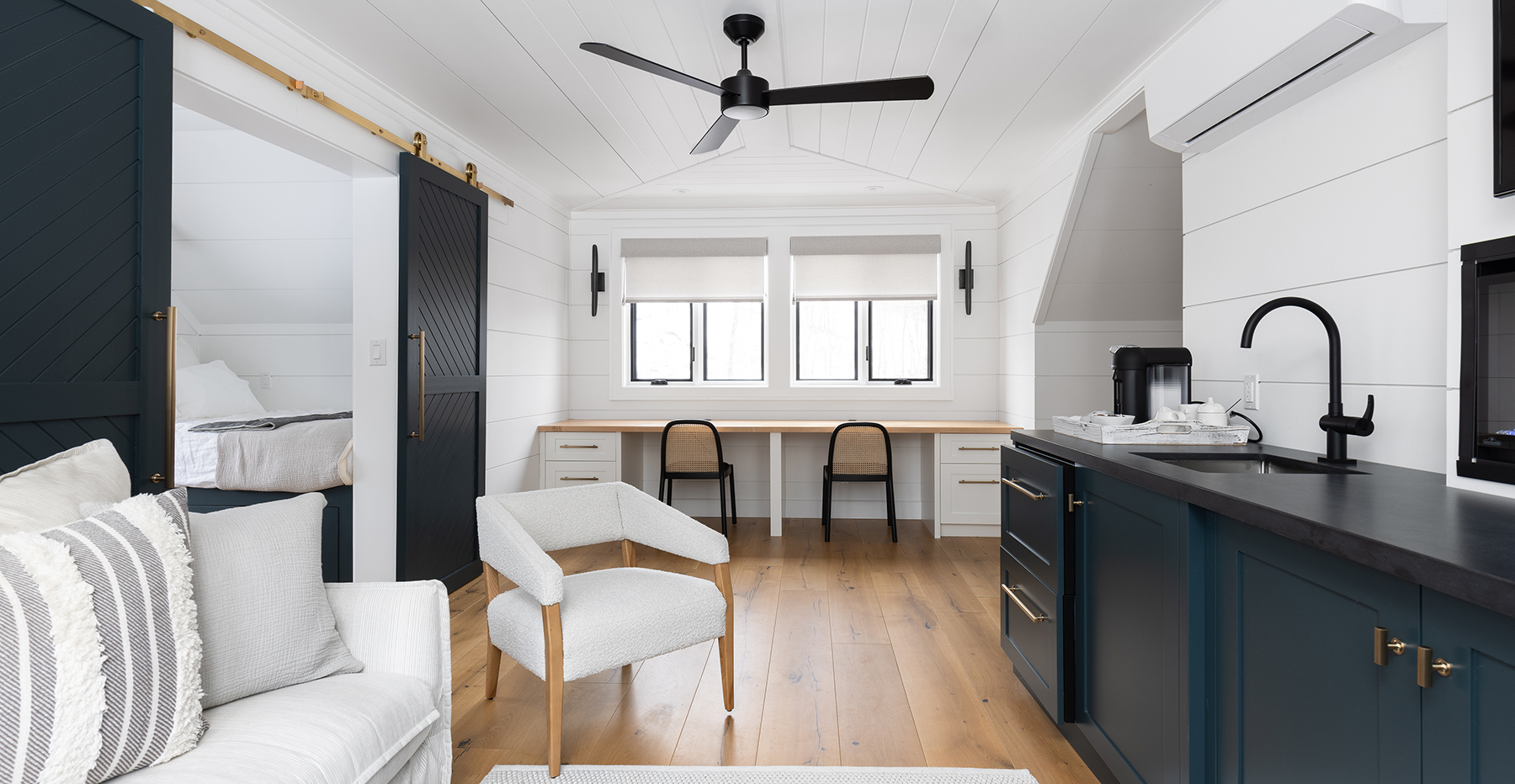
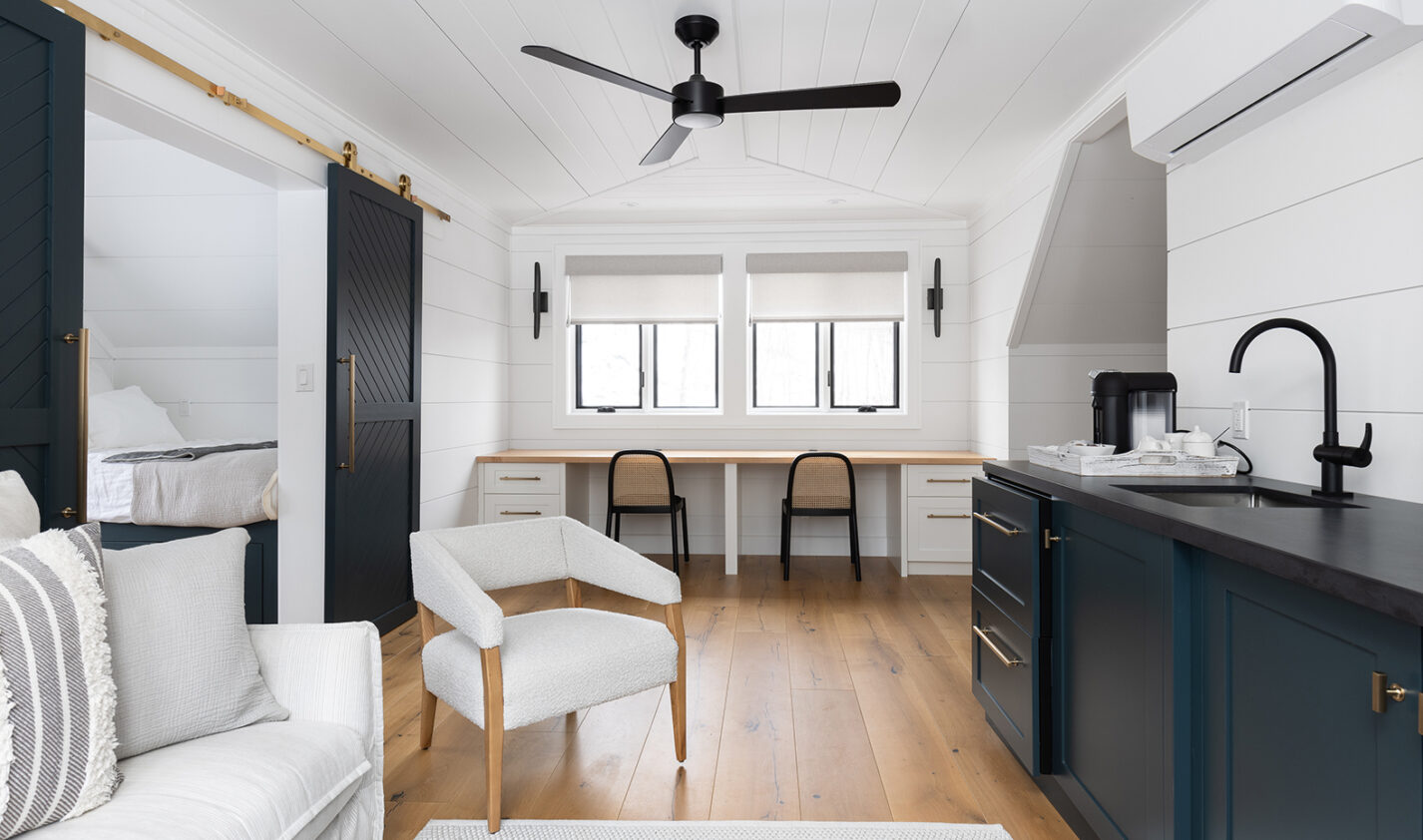
Based in Port Carling, Ontario, Canada with clients primarily in Muskoka and Toronto, RB Design has grown from a small interior design firm with a brick-and-mortar store to one now taking on major renovations and a recently expanded retail location. With AutoCAD, the team can design and deliver any number of projects—whether it’s renovating kitchens and bathrooms from top to bottom, a complete remodel of a lakeside cabin, or transforming a garage into a unique living space.

Sparking creativity—and accuracy—with AutoCAD

Once RB Design owner Amanda McLennan meets with clients to begin forming the design and style, she brings in designers and drafters Nicole Wilson and Marina Keola Ramalho Rodrigues to discuss the layouts and begin translating everything into AutoCAD with exact measurements.

“We may do a little hand sketching at first because there is just that connection I have personally and creatively with hand to paper,” McLennan says. “AutoCAD brings the professionalism and consistency. There is far less room for error. We can have the precision required to capture the details that can’t be sketched by hand.”

When the initial design is done, the team begins sharing it with the client for feedback. “Clients can change their minds so quickly,” Rodrigues says. “When you’re able to update those changes in AutoCAD right away, it makes everything easier and the company more successful.”

Taking on an entire lakeside cabin renovation

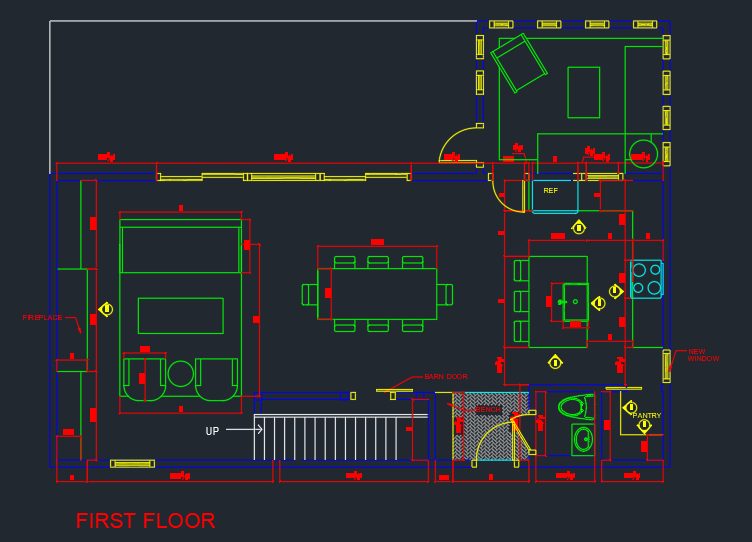
Recently, RB Design completed the renovation of an 1,800 square-foot lakeside cabin in Muskoka, transforming the home from three bedrooms to four bedrooms with an en suite bathroom. They removed wasted space from a laundry room and created an open space with the living room, dining room, and kitchen all flowing together. A new balcony delivers stunning views of the lake.

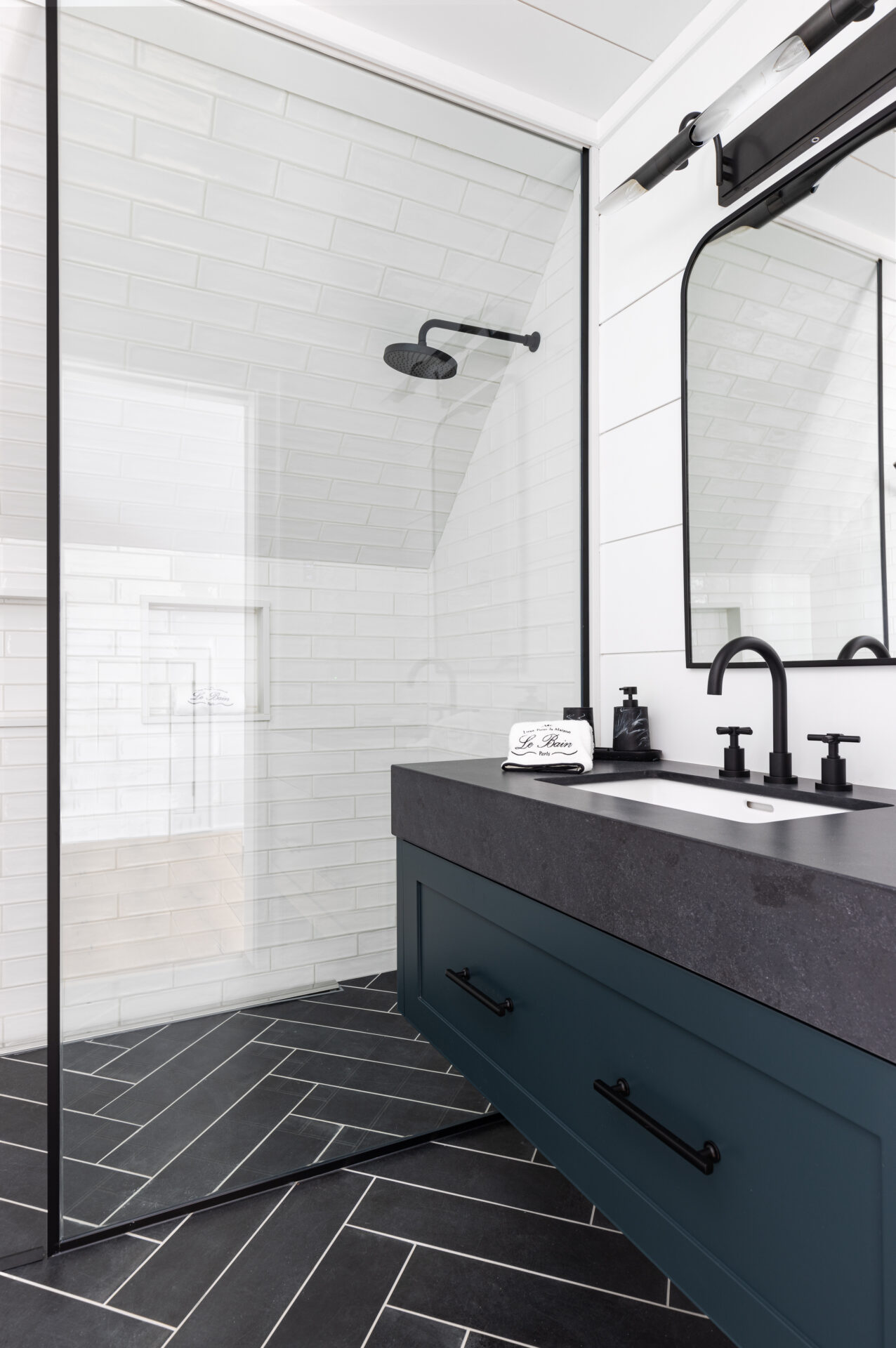
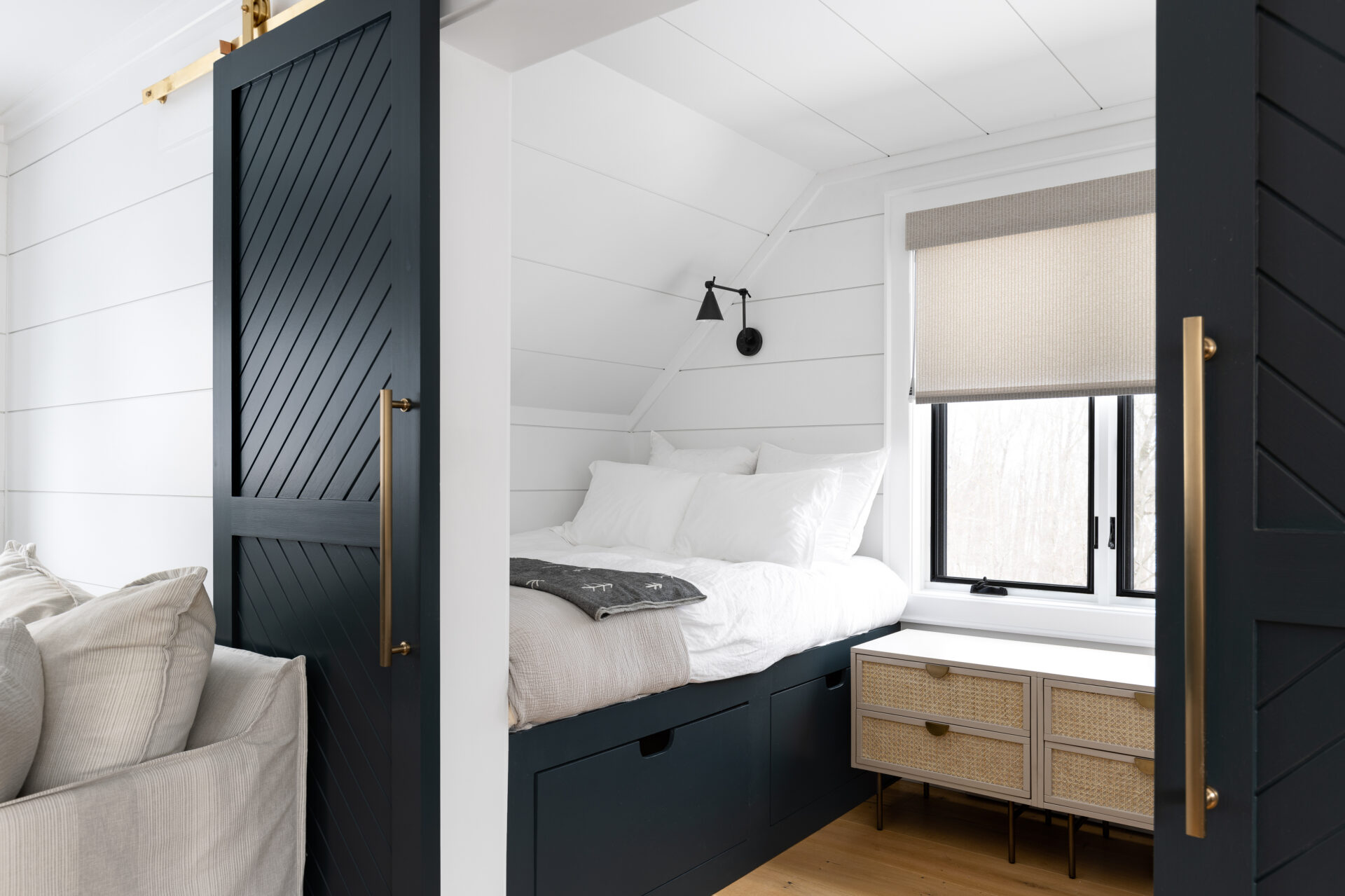
With AutoCAD, the team created custom touches throughout the design—from cabinet millwork to vanities, the pantry, and a small mudroom. To accommodate the client’s desire for additional sleeping arrangements, they designed custom bunk beds as well.

“As RB Design has grown, we could scale our use of AutoCAD right along with us. We’re now using it more for design-build and not just basic layouts with furniture plans. It’s great because AutoCAD has allowed us to grow into new, more complex projects.”

Amanda McLennan, Owner, RB Design

Learn More

Read more about RB Design and their approach to interior design with the help of AutoCAD.