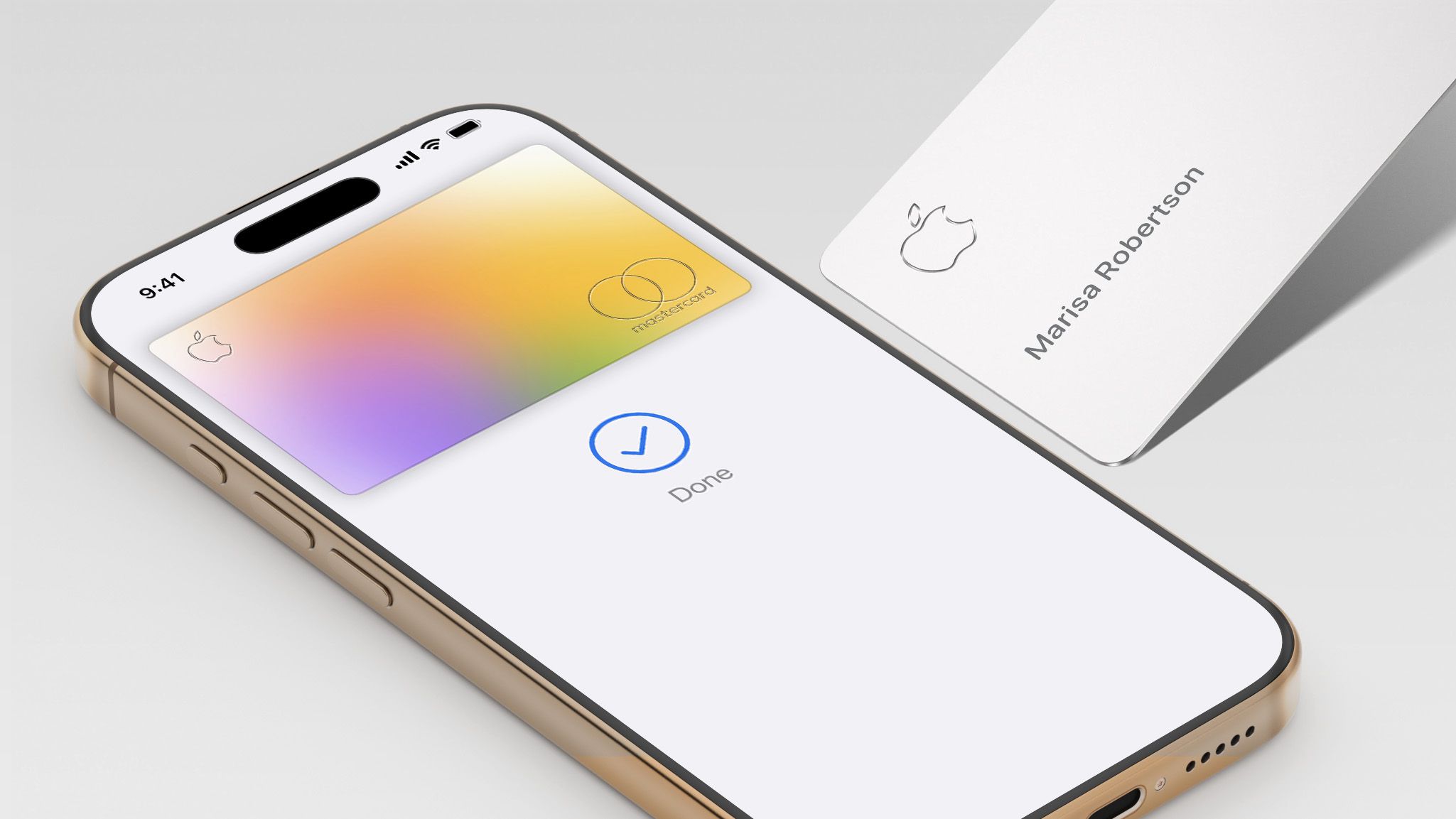
Now through September 30, get 5% Daily Cash when you use the Apple Card via Apple Pay for purchases across the Uber and Uber Eats apps and websites.
5% Daily Cash is limited to $500 in combined Uber and Uber Eats purchases, meaning that the maximum cash back that you can receive from this offer is $25.
Ordinarily, the Apple Card offers 3% Daily Cash for Uber and Uber Eats purchases.
In addition, Apple Card users can continue to receive a six-month free trial of Uber One, by signing up with this link using the Apple Card via Apple Pay. Uber One provides savings and other benefits for both Uber rides and Uber Eats deliveries.
Apple’s credit card is available in the U.S. only.
Popular Stories
New iPhone 17 Pro Details: Brighter Display, Best Battery Life, and More
Apple’s iPhone 17 Pro and iPhone 17 Pro Max models will feature a number of significant display, thermal, and battery improvements, according to new late-stage rumors. According to the Weibo leaker known as “Instant Digital,” the iPhone 17 Pro models will feature displays with higher brightness, making it more suitable for use in direct sunlight for prolonged periods. The iPhone 16 Pro and…
iPhone 17 and iPhone 17 Pro: Release Date and Pre-Orders
Apple will be holding its annual iPhone event on Tuesday, September 9, to unveil the iPhone 17, iPhone 17 Air, iPhone 17 Pro, and iPhone 17 Pro Max. Assuming that Apple sticks to its familiar pattern, the iPhone 17 series should be available to pre-order starting Friday, September 12 at 5 a.m. Pacific Time / 8 a.m. Eastern Time. The release date for the devices should be one week later, on Fr…
Apple Watch Ultra 3 Coming Next Week: Eight Reasons to Upgrade
We’re only days away from Apple’s “Awe dropping” fall event scheduled to take place on Tuesday, September 9 – and along with the new iPhone 17 series, we’re going to get a new version of the Apple Watch Ultra for the first time since 2023. By the time the Ultra 3 is unveiled, it will have been two years since the previous model arrived. The intervening period has left plenty of room for…
iOS 26’s New Battery Life Mode is Limited to These iPhone Models
iOS 26 introduces an Adaptive Power Mode on the iPhone, alongside the existing Low Power Mode. Apple says Adaptive Power Mode can make “performance adjustments” when necessary to extend an iPhone’s battery life, including slightly lowering the display brightness, allowing some activities to “take longer,” and automatically turning on Low Power Mode when the iPhone’s remaining battery life…
iPhone 17 Pro’s Biggest Design Mystery is Finally Solved
Apple is set to unveil the iPhone 17 series in just four days from now, and the biggest design mystery surrounding the Pro models has finally been solved. In a report outlining his expectations for Apple’s event next week, Bloomberg’s Mark Gurman said the iPhone 17 Pro models will have “a new cutout area on the bottom two-thirds of the phone that doubles as the wireless charging area.”…
iPhone 17 Air Could Start at $1,099 With 256GB Storage, 1TB for $1,499
Apple’s upcoming iPhone 17 Air will have a $1,099 starting price providing 256GB of base storage and will max out at $1,499 with a 1TB option, according to the latest TrendForce report. Apple will offer three price/storage tiers for the all-new ultra-thin iPhone 17 model, which replaces last year’s iPhone 16 Plus in the lineup. Here’s how TrendForce sees them breaking down: 256GB — $1099…
iPhone 17 and iPhone 17 Pro Prices Estimated Ahead of Apple Event Next Week
Just one week before Apple is expected to unveil the iPhone 17 series, an analyst has shared new price estimates for the devices. Here are J.P. Morgan analyst Samik Chatterjee’s price estimates for the iPhone 17 series in the United States, according to 9to5Mac: Model Starting Price Model Starting Price Change iPhone 16 $799 iPhone 17 …


