Thank you all in advance. I have an AWS account with a Visual Studio app that I haven’t touched in a while, and I’m finally getting back around to working on it after updating Windows to Windows 10 and Visual Studio to 2022.
The problem: I can no longer test uploading PDFs, and the AWS Toolkit does not appear on the Tools dropdown, because the app is no longer connected to AWS. To do the prerequisite setup before “Start the Modernization Journey”, I’ve done:
manually entering the credentials and using the credentials file in .aws, which is accepted, but the Run Setup fails;
changing the AWS user with the qualified roles to “default” name;
adding administrator privileges to the AWS user just as a test;
ensuring my Windows user has administrator access; and
checking the Cloud Formation stack, which shows nothing recent;
The output window says “Failed to get status of CloudFormation stack”, but the error message is the rather unhelpful “Cause of failure: Unknown error occurred.” If anyone has any ideas to help, please let me know!
Finding the perfect gift for a mompreneur means celebrating her drive, hustle, and love. Whether she’s managing meetings or playdates, the right gift can support her goals and show your appreciation for all that she does each day for her business and family. These thoughtful ideas below will celebrate the hardworking momprenuer in your life.
Sugar Plum Tea Tyme Treats Gift Box
Surprise Mom with the Tea Tyme Collection treat box. It features 9 savory and sweet treats: Linzer Tarts, Pistachios, Cashews, Gummy Flowers, Cranberry Nut Mix, Soothing Herbal Teas, Gummy Lips (for fun), Rice Crackers, and Peach Hearts. Beautifully packaged, it’s the perfect way to say “I love you” this Mother’s Day. Whether she’s relaxing with tea or enjoying a quiet moment, this thoughtful gift brings a little joy to every bite. $54.95 on Amazon.
Gift for the New Mom: Feltman Brothers Velour Hand Smocked Romper With Bonnet
Another timeless piece from Feltman Brothers – vintage-style coupled with that heirloom quality you know and love! This warm, velour romper set will keep your little one cozy this season without sacrificing on style! Includes matching bonnet and available in three soft colors. $69.95 at www.feltmanbrothers.com
Manta SILK Mask
This is a great Mother’s Day gift! Mom works so hard each day and needs to get proper sleep at night. She will get the most rejuvenating sleep ever with this premium sleep mask that combines skin-protecting silk with the deep-sleep-boosting power of true 100% blackout. Manta SILK Mask is the only anti-aging mask optimized for deep sleep. Made with lustrous and durable 22 momme silk that prevents wrinkles and refreshes skin cells, Manta SILK Sleep provides the anti-aging benefits of deep sleep and the anti-aging benefits of silk at the same time. The luxe Manta SILK Mask retails for $69 on Amazon.
Modular Closet System by Modular Closets
Made in the USA, Modular Closets are DIY organizational units that you can order online and custom mix and match to meet your exact organizational needs for a space, room or closet. A Modular Closet System by Modular Closets will help you keep your closet well-organized and decluttered! Modular Closets’s high-quality closet systems will help transform your living space and lifestyle by helping you maximize your storage capabilities. Retails for $249.99+ modularclosets.com
Alpha Skin Hydration Renewal Kit
The Alpha Skin Hydration Renewal Kit offers a complete routine for glowing, revitalized skin. The Renewal Body Lotion with 12% Glycolic AHA hydrates and exfoliates for soft, smooth skin. The Refreshing Face Wash, featuring Citric AHA, gently removes makeup, dirt, and oils without soap. The Essential Facial Moisturizer, enriched with Hyaluronic Acid, Vitamins B, E, and Aloe Vera, nourishes and locks in moisture, ideal for layering under makeup. The Intensive Renewal Serum, with 14% Glycolic AHA, lifts away dead cells, revealing fresh skin. Perfect for hydration, exfoliation, and a radiant glow from head to toe. $60 at www.alphaskin.com
While Netflix seemingly led the way for other streaming networks to create compelling original programming, Hulu actually beat them all to the punch. In 2011, a year before Netflix’s Lilyhammer and two years before the arrival of House of Cards, the burgeoning streamer premiered The Morning After, a pop-culture-focused news show that ran for 800 episodes over three years.
Hulu has continued to make TV history in the years since, most notably in 2017 when it became the first streamer to win an Emmy Award for Outstanding Drama Series with The Handmaid’s Tale (which just dropped its long-awaited final season). In the years since, the streamer has continued to match—and often exceed—that high bar for quality entertainment with shows like The Bear, which took home 11 Emmys in 2024, and Shōgun, which recently set an Emmy record with 18 wins in a single season.
While more competition has popped up since Hulu started gaining critical credibility, the network has continued to stand out for its carefully curated selection of original series and network partnerships that make it the home of FX series and more. Below are some of our favorite shows streaming on Hulu right now.
If you buy something using links in our stories, we may earn a commission. This helps support our journalism.Learn more.
Dying for Sex
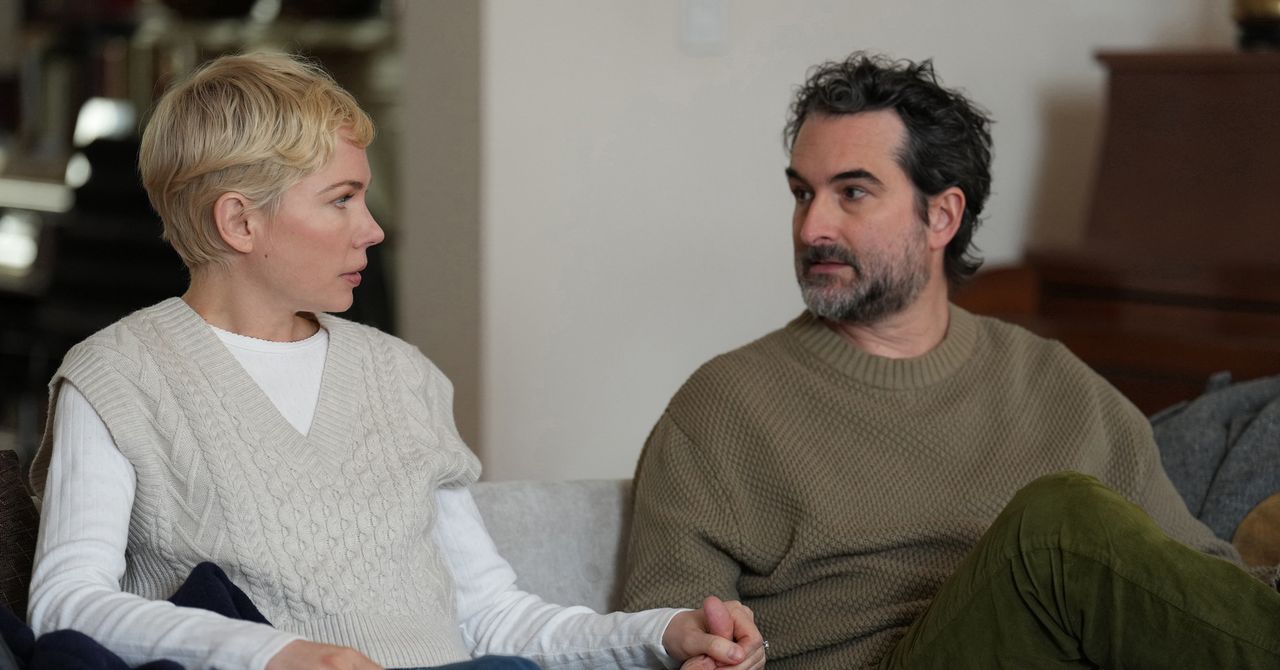
Five-time Oscar nominee Michelle Williams plays Molly Kochan, a young woman trapped in a loveless marriage who learns that she has terminal stage IV breast cancer. After revealing that she has never had an orgasm with another person, it becomes apparent to Molly and everyone caring for her that this should be at the top of her bucket list. Realizing she doesn’t have much time left, Molly leaves her husband and, with the help of her best friend Nikki (Jenny Slate), sets out to achieve the sexual satisfaction that has eluded her all her life—with unexpected consequences. New Girl creator Liz Meriwether teamed up with Kim Rosenstock (Only Murders in the Building) to create this hit new series, which is based on the life of the real Molly Kochan, creator of the Dying for Sex podcast, which launched in 2020.
The Handmaid’s Tale
When Margaret Atwood wrote The Handmaid’s Tale in 1985, little did she know that its television adaptation would revolutionize the still-nascent world of original streaming content. And she may not have anticipated just how many parallels her dystopian classic would share with the real world at the time it was adapted into an award-winning television series. It’s set in an unnamed time in what is presumably the very near future, when the United States has been taken over by a fundamentalist group known as Gilead, under whose regime women are considered property and stripped of any personal rights. The most valuable women are those who are fertile, as infertility has become an epidemic, and they are kept as handmaids who are forced to take part in sexual rituals with high-ranking couples in order to bear their children. Recognizing the power she wields, Offred, aka June Osborne (Elisabeth Moss), is not content to remain enslaved and sets about changing the rules as she seeks to reunite with her lost husband and daughter. It’s been a while since we’ve seen any new episodes of The Handmaid’s Tale, but its sixth, and final, season arrived on April 8.
Big Boys
Creator Jack Rooke won a well-deserved BAFTA Award in 2024 for this semi-autobiographical dramedy about a closeted 19-year-old—also named Jack (Dylan Llewellyn)—who, after a year of mourning the death of his father at home with his overprotective mom, leaves for university. There, he’s paired up with Danny (Jon Pointing), a 25-year-old more interested in meeting women than studying, as his roommate. As Jack struggles to become comfortable with his sexuality, he also comes to understand the truth behind Danny’s seemingly extroverted personality. Yes, it’s a coming-of-age story and one in which opposites attract (on a purely platonic level). But it’s also a laugh-out-loud funny series that shows there is life after death.
Deli Boys
Pakistani American brothers Mir (Asif Ali) and Raj (Saagar Shaikh) Dar have spent their entire lives wanting for nothing, thanks to the hard work of their father, who owns a chain of convenience stores. But after a freak accident kills dear old dad, the brothers are expected to take on the family business which, unbeknownst to them, is actually a front for a drug smuggling empire. While their antics are undoubtedly hilarious, the series does attempt to paint a truthful portrait of the immigrant experience—even if it’s often through an absurdist lens.
A Thousand Blows
If Netflix’s Adolescence has you seeking out more of Stephen Graham’s work, check out Steven Knight’s A Thousand Blows—the Peaky Blinders creator’s newest British historical drama in which crime and violence collide. In this case it’s an all-female crime syndicate, the Forty Elephants, who are at the center of the action, with Mary Carr (Erin Doherty) as their leader. When Mary’s crew crosses notorious kingpin Sugar Goodson (Graham), she turns to Hezekiah Moscow (Malachi Kirby) and Alec Munroe (Francis Lovehall), two young men who have recently emigrated from Jamaica in order to make a better life for themselves, to help her escape Goodson’s wrath.
Devil in the Family: The Fall of Ruby Franke
In 2015, thirtysomething Mormon mom of six Ruby Franke became one of YouTube’s most popular mommy vloggers with her channel, 8 Passengers. But as Franke’s popularity grew, so too did questions surrounding her punishment-prone style of parenting. Eight years later, Franke’s 12-year-old son showed up at a stranger’s door—looking emaciated and covered in open wounds and duct tape—asking the man to call the police as he was being abused. Franke’s roller-coaster ride from “perfect” mom to child abuser has been making headlines for years, but this three-part docuseries goes behind the scenes with exclusive interviews and footage that shed new light on the truth behind the tragedy.
Paradise
This Is Us creator Dan Fogelman reteams with that award-winning series’ star, Sterling K. Brown, for an intricate political thriller which plays with time to slowly reveal the details of a secret service agent (Brown) tasked with protecting the president (James Marsden) who ultimately becomes a suspect in the POTUS’ death. Expect many twists—including a massive one to kick off the series in episode 1. A second season is already in the works.
Scamanda
“Why would somebody fake cancer?” That’s the question asked—and that ABC News attempts to answer—in this true crime docuseries based on the podcast of the same name. The four-part special recounts the life and lies of Amanda C. Riley, a wife, mother, churchgoer, and popular mommy blogger who was celebrated for sharing her fight against Hodgkin’s lymphoma with the world … only to have it all blow up in her face.
Accused
Like a reverse engineered version of Law & Order, Accused—adapted by Homeland cocreator Howard Gordon from the acclaimed British series of the same name—follows the justice system from the perspective of the accused. Each episode begins with the defendant in the courtroom and recounts (via flashbacks) the circumstances that led them there. Like Dick Wolf’s iconic crime series, each episode is full of familiar faces, from Whitney Cummings and Wendell Pierce to Molly Parker and Margo Martindale.
Say Nothing
Fact and fiction combine in this historical drama based on Patrick Radden Keefe’s novel that follows the lives of a group of people growing up in Belfast during the Troubles and their dealings with the Provisional IRA. Much of the story focuses on the Disappeared—a group of 16 people who went missing during the Troubles and were believed to have been kidnapped and murdered. Jean McConville was one of these individuals, both the only woman among them and the only Irish Catholic convert. Nearly 50 years later, many questions remain about these individuals. While Say Nothing doesn’t attempt to answer all of these questions, it does add fascinating context to the events.
Interior Chinatown
Willis Wu (Jimmy O. Yang) is a waiter who attempts to escape his humdrum life by imagining that he is a background actor in a Law & Order-esque TV show called Black & White. After Wu witnesses a kidnapping, police detective Lana Lee (Chloe Bennet) enlists him to help investigate and take down the local gangs in Chinatown—where he discovers something about his own family in the process. Nothing is what it seems in this meta comedy-crime series, which Charles Yu adapted from his own National Book Award–winning novel. The Daily Show’s Ronny Chieng ups the comedy as Wu’s coworker/BFF Fatty Choi, and Taika Waititi (one of the show’s executive producers) directs the pilot.
What We Do in the Shadows
If you are in need of a laugh-out-loud comedy (and don’t mind if it’s of the sometimes R-rated kind), there are few better than What We Do in the Shadows. In 2014, Jemaine Clement and Taika Waititi cowrote, codirected, and costarred in a feature of the same name—a funny mockumentary featuring a group of vampires who share a home. This series, which premiered in 2019, moved the vampire action from New Zealand to Staten Island and brought in a whole new group of vampires—who struggle to even get up off the couch, let alone take over all of New York City (as they’ve been instructed to). After several years, they finally seem ready to get around to the task. All six seasons of the series, which wrapped up its run in December, are available for streaming.
La Máquina
Gael García Bernal and Diego Luna have been close friends since childhood, and it shows in the work they’ve done together—most famously in Alfonso Cuarón’s Oscar-nominated Y Tu Mamá También (2001). More than two decades later, their onscreen chemistry is still potent, as evidenced by this Spanish-language boxing drama. Esteban (Bernal) is an aging boxer whose manager/BFF Andy (Luna) persuades him to step into the ring one last time before he officially retires. But as the match looms closer, the criminal underbelly of the sport rears its head—forcing Esteban to determine what parts of his life he’s willing to sacrifice. With just six episodes in all, La Máquina moves fast. Don’t flinch.
How to Die Alone
Former Saturday Night Live and Insecure writer Natasha Rothwell—whom you might know from her Emmy-nominated turn as spa manager Belinda in seasons 1 and 3 of The White Lotus—created and stars in this eight-episode series. Mel (Rothwell) is an employee at New York City’s JFK Airport who is content with the uneventful life she has built for herself. But when she has a sudden brush with death, she decides to take her life into her own hands. While it’s not the first series to explore matters of life and death, it does so in a way that is both beautifully nuanced and laugh-out-loud funny—all of it anchored by Rothwell’s performance. On February 4, Hulu announced that it had canceled the series after one season—a move that has Rothwell “baffled” and looking for a new network to produce season 2.
English Teacher
Television audiences are hardly lacking in high school–set comedies, or in really great high school–set comedies, and/or really great high school–set comedies that focus on the teacher perspective (see: Abbott Elementary). English Teacher fits into that elite niche. Brian Jordan Alvarez—who was behind the award-winning 2016 web series The Gay and Wondrous Life of Caleb Gallo—both created and stars in the show, in which he portrays an English teacher in Austin, Texas, who is dedicated to making an impact on his students, even if he sometimes needs to depend on their teenage wisdom to figure out the right way to do that. While it doesn’t shy away from the politics that exist in the teaching profession, the series—which has already been renewed for another season—also presents the “adults” as often just as lost as the kids they teach.
Only Murders in the Building
Steve Martin, Martin Short, and Selena Gomez make for a delightful trio of true-crime-obsessed podcast fans who, in season 1 of this original Hulu series, decide to join forces and create their own podcast while attempting to solve the mysterious death of a fellow resident of their Manhattan apartment building. From the very beginning of their odd alliance, it’s been clear that all is not what it seems, and everyone is keeping secrets. Now they’ve upped the ante on guest stars, too; the third season saw Paul Rudd and Meryl Streep join in the fun. Streep returned for the show’s fourth season, and was joined by Eugene Levy, Kumail Nanjiani, Tina Fey, Melissa McCarthy, Zach Galifianakis, and Eva Longoria. Season 5 is already in the works, with Renée Zellweger, Christoph Waltz, and Keegan-Michael Key among the already-confirmed guest stars.
Solar Opposites
This animated sci-fi comedy, which premiered in 2020, is about a family of aliens from the planet Shlorp who crash-land on Earth—for better or worse. The show is rooted in the idea that humans are, well, weird. Which seems appropriate given this current moment in time. Yet, in between the laughs and occasional threat to humanity, it maintains a positive outlook on the world and the people who inhabit it. Which is something we could probably all use right about now. The show’s sixth season, which is expected to premiere in the fall, will also be its last.
Futurama
Following a decade-long hiatus, Futurama—Matt Groening and David X. Cohen’s animated sci-fi comedy—made a triumphant return in 2023, complete with gags about Twilight Zone and “Momazon” drone deliveries. Now is the perfect time to dive back in—or watch it all for the first time. All 12 seasons of the series are currently available for streaming and Hulu has confirmed that at least two more seasons are on the way (with the next one tentatively scheduled to premiere as early as July).
We Were the Lucky Ones
In Radom, Poland, the Kurcs are a loving family who seem to have it all—until the horrors of the Holocaust invade the serenity of their everyday lives. As World War II arrives on their doorstep, the family is separated—escaping to France, Brazil, West Africa, and Russia. Some are in hiding, others in concentration camps. But they’re all focused on one goal: surviving the war and reuniting with each other.
The Bear
Carmen “Carmy” Berzatto (Jeremy Allen White) is a superstar of the fine dining world who has returned to his hometown of Chicago to save his family’s struggling sandwich shop after his brother’s death by suicide. While Carmy initially struggles to acclimate himself to being home and to his inherited kitchen’s back-to-basics style, he eventually realizes that it’s not too late to change both himself and the restaurant. Anyone who has ever worked in a busy kitchen knows the stress that comes with it, and The Bear does an excellent job of making that tension palpable—as evidenced by its slew of aforementioned Emmy Awards. While the plot sounds simple enough, much of Carmy’s previous life is a bit of a mystery, and it’s doled out in amuse-bouche-sized bits throughout the series with top-tier guest stars you may not have seen coming (fact: Jamie Lee Curtis has never been better, as evidenced by her recent—and very first—Emmy win). Prepare to feast.
Queenie
Queenie Jenkins (Dionne Brown) is a Jamaican-British twentysomething whose world is thrown into an upheaval following an ugly breakup with her boyfriend. That messiness follows Queenie into the next chapter in her life, when she attempts to pick up the pieces of her failed relationship while frequently butting heads with her family and trying to reconcile her dual cultures. Candice Carty-Williams adapts her own bestselling novel to create a poignant dramedy that’s ultimately about trauma and healing.
Black Twitter: A People’s History
In the late 2000s—back when Elon Musk was just that car-and-spaceship billionaire—Twitter was more than a social media network. It was a genuine gathering place for people to find their people, whether that was Film Twitter or Cat Twitter. For Black Twitter, it was a lot more. This three-part docuseries, based on WIRED senior writer Jason Parham’s 2021 cover story, recounts the most important moments and movements that helped solidify the Black Twitter community’s place as a cultural force in the world, from politics and beyond.
Under the Bridge
Riley Keough and Lily Gladstone (who earned an Emmy nomination for her work in the show) make a formidable duo as an author and a police officer, respectively, investigating the brutal murder of a 14-year-old girl in a small town in Canada. The limited series is based on Rebecca Godfrey’s award-winning 2005 book of the same name (with Keough portraying Godfrey), and is a haunting reminder of what human beings are capable of.
Shōgun
Game of Thrones fans still lamenting the loss of one of television’s great epics have found their new favorite binge-watch in Shōgun, which took home a record 18 Emmys (with 25 nods altogether) in 2024. This 10-episode series, based on James Clavell’s beloved novel (which was first adapted into a miniseries in 1980), is a brilliant and sweeping tale of political rivalry in feudal Japan where Lord Yoshii Toranaga (Hiroyuki Sanada), a powerful warrior, has a target put on his back by his political rivals in the Council of Regents. Fortunately for Toranaga, he’s got Toda Mariko (Anna Sawai), a talented translator and fiercely loyal samurai, by his side. Though it was originally positioned as a one-and-done limited series, FX and Hulu have already confirmed that both seasons two and three are in the works.
Such Brave Girls
Comedian/actress Kat Sadler created and stars in this deeply messy, darkly funny story of a totally dysfunctional family—mom Deb (Sherlock’s Louise Brealey) and daughters Josie (Sadler) and Billie (Lizzie Davidson, Sadler’s real-life sister)—attempting to pick up the pieces after their husband/father leaves them. It’s cringe-comedy at its finest, and the kind that will appeal to fans of Fleabag. A second season is in the works, and expected to premiere later this year.
Abbott Elementary
Quinta Brunson created and stars in this hit series, which follows the daily lives—in and out of the classroom—of a group of teachers at what is widely considered one of the worst public schools in America. Despite a lack of funding for even basic educational necessities, and school district leaders who only care about the barest minimum standards, these educators are united by their drive to surpass expectations and encourage their students to do the same. The series concluded its fourth season on April 16, with season 5 already confirmed.
Fargo
Noah Hawley’s anthology series isn’t the first attempt to adapt the Coen brothers’ Oscar-winning crime-comedy to the small screen (Edie Falco starred in a previous version, which was a more straightforward adaptation of the movie), but his approach was clearly the smarter move. Fans of the Coens in general will find lots to love about the many nods to the filmmakers’ entire filmography, with each season covering a different crime and time period. Though the seasons do share connections, each one is a total one-off, and the show might boast the most talented group of actors ever assembled: Billy Bob Thornton, Martin Freeman, Bob Odenkirk, Oliver Platt, Ted Danson, Patrick Wilson, Nick Offerman, Kirsten Dunst, Jesse Plemons, Ewan McGregor, Michael Stuhlbarg, Carrie Coon, Scoot McNairy, Chris Rock, Jason Schwartzman, Timothy Olyphant, and Ben Whishaw are just a few of the names who’ve found a home in Fargo. The fantastic fifth season—featuring Juno Temple, Jon Hamm, Jennifer Jason Leigh, Joe Keery, and Lamorne Morris (who won an Emmy for his role)—continued this tradition of exceptional acting, with all episodes streaming now.
A Murder at the End of the World
Darby Hart (Emma Corrin) is a talented hacker and armchair detective who is one of eight guests invited to spend a few days at the stunning yet remote home of a mysterious billionaire (Clive Owen). When one of the guests ends up dead, Darby must work quickly to prove that it was murder—and who did it—before the bodies start piling up. Fans of twisty true crime will appreciate this limited series, which comes from the minds of Brit Marling (who costars) and Zal Batmanglij—cocreators of the equally mind-bending The OA.
Moonlighting
While Die Hard turned Bruce Willis into one of Hollywood’s biggest action stars, he was far from producers’ first choice for the role of John McClane. That’s largely because he was seen as the funny guy from Moonlighting, the Emmy-winning ’80s dramedy that centers around the Blue Moon Detective Agency and its two often-bickering owners, David Addison (Willis) and Maddie Hayes (Cybill Shepherd). Over the course of its five seasons, the series racked up some serious critical acclaim and wasn’t afraid to experiment with the sitcom format.
The Other Black Girl
Sinclair Daniel shines as Nella Rogers, an up-and-coming book editor—and the only Black employee at the publishing house where she works. While Nella is initially thrilled when another young woman of color, Hazel-May McCall (Ashleigh Murray), is hired as an assistant, she can’t help but notice that a series of bizarre events seems to follow. As Nella tries to suss out exactly what is going on, she uncovers some pretty damn disturbing skeletons in her employer’s closet. While horror-comedies are an increasingly popular movie genre, we don’t see them on the small screen quite as often—which, if this clever series is any indication, is a real shame. Also unfortunate: One season is all we’ll get of The Other Black Girl.
The Full Monty
Twenty-six years after a low-budget British comedy blew up at the box office, scored an Oscar, and introduced “the Full Monty” into the popular lexicon, the Regular Joes turned strippers from Sheffield are back to face largely the same issues they were lamenting in the original feature film (which is also streaming on Hulu). Much of the main cast reassembled for this follow-up to Peter Cattaneo’s hit 1997 movie, including two-time Oscar nominee Tom Wilkinson, who passed away in late December. Stripping is involved, as are other inevitables in life, including breakups, reconciliations, and death. For fans of the original movie—or the Broadway musical and stage play that followed—it’s a fun check-in with the characters who bared it all.
The Office (UK)
Years before there was Jim and Pam and Dwight and Michael, there were Tim and Dawn and Gareth and David. For lovers of cringe, it’s hard to do better than Ricky Gervais and Stephen Merchant’s workplace comedy. David Brent (Gervais) is the original boss from hell, whose office antics will have you covering your eyes and laughing out loud at the same time. Like many British series, there are just two seasons—each consisting of a mere six episodes—plus a two-part Christmas special. Don’t be surprised if you sit down to watch a single episode and binge it all in one go.
Cheers
In the 1980s, NBC was the channel to watch on Thursday nights—in large part thanks to Cheers. The bar where everybody knows your name is where the action happens in this award-winning sitcom about a former Red Sox player (Ted Danson) and the lovable employees and patrons who treat his bar like a second home. If you can look past (or, even better, embrace) the questionable ’80s fashion and sometimes-sexist storylines that wouldn’t necessarily fly on TV today, you’ll find what is arguably one of the smartest sitcoms ever written. More than 40 years after its original premiere, the jokes still stand up and the characters are some of television’s most memorable (and beloved) for a reason.
Dopesick
Back in 2021, Hulu went where Netflix’s Painkiller went in 2023: to the late ’90s and early 2000s, aka the beginning of America’s opioid crisis. Danny Strong created this retelling of the lengths to which Richard Sackler (played here by the always excellent Michael Stuhlbarg) and Purdue Pharma would go to sell doctors on the powers of OxyContin—all with the promise of no addiction. Michael Keaton won an Emmy for his portrayal of a widowed doctor in Appalachia who buys into the lies, and eventually becomes a victim of them.
Reservation Dogs
Taika Waititi and Sterlin Harjo cocreated this Peabody Award–winning series, which made history as the first mainstream TV show created by, starring, and crewed by an almost entirely Indigenous American team. It tells the story of four bored teens who are desperate to escape their lives on a reservation in Oklahoma. They decide that California is where they want to be and commit to a life of mostly petty crimes in order to save up enough money to leave. The full three seasons are available to watch now, including the brilliant series sendoff.
The Great
Elle Fanning and Nicholas Hoult shine in this witty, fast-paced, comedic retelling (but not really) of Catherine the Great’s rise to power. Created by Tony McNamara, who earned Oscar nominations for his writing work on both The Favourite and Poor Things, The Great offers the same combination of lush costumes and scenery mixed with a biting commentary on the world, and a woman’s place in it. A story that rings as true today as it did in the 18th century, when Catherine the Great became empress of Russia and brought about the Age of Enlightenment, this show chips away at notions of class, propriety, and monarchical rule in a way few others do. If it’s historical accuracy you’re after, look elsewhere; the series’ creators describe it as decidedly “anti-historical” (which is part of the fun). All three seasons are available to stream.
Tiny Beautiful Things
The reason to watch this eight-part limited series can be summed up in two words: Kathryn Hahn. A comedic juggernaut, Hahn can switch from funny to dramatic in the same scene, if not the same sentence. This talent is on display in Tiny Beautiful Things, where she plays Claire, a writer who takes up an advice column and pours all the traumas of her life into responding to her readers. Based on Wild author Cheryl Strayed’s collection of “Dear Sugar” columns, the vignettes here may be a bit out of sorts, but Hahn pulls them together.
Dave
Dave Burd is a comedian and rapper who goes by the stage name Lil Dicky. In Dave, Burd plays a rapper who goes by the stage name Lil Dicky and is attempting to raise his profile and make a much bigger name for himself. If only his many neuroses didn’t keep getting in the way. While Dave could have easily turned into some mediocre experiment in meta storytelling, Burd—who cocreated the series, stars in it, and has written several episodes—grapples with some surprisingly touchy topics, including mental illness. And he does it all with a level of sensitivity and honesty that you might not expect from a guy named Lil Dicky. Despite the show’s popularity and critical acclaim, the three seasons currently streaming may be all we get of Dave. In early 2024, Burd announced that he’d be pressing “pause” on the series in order to explore other creative ventures. (But never say never.)
Atlanta
Donald Glover proved himself to be a quadruple threat of an actor, writer, musician, and comedian with this highly acclaimed FX series about Earnest “Earn” Marks (Glover), an aspiring music manager who is trying to help his cousin Alfred Miles, aka Paper Boi (Brian Tyree Henry), kick off his musical career. They’re surrounded by a supportive crew of friends, including Alfred’s BFF, Darius (LaKeith Stanfield), and Van (Zazie Beetz), Earn’s close friend and the mother of his child. This makes it all sound like a fairly straightforward buddy comedy, but Atlanta is so much more. Even better: It’s weird. Glover is not afraid to experiment with storytelling, which is part of what makes the show so compelling.
Baskets
Zach Galifianakis stars alongside Zach Galifianakis as twin brothers Chip and Dale Baskets in this unexpectedly moving family comedy about an aspiring clown (Chip) who fails to graduate from a fancy clowning school in Paris and is forced to return home to Bakersfield, California, where he lives with his mother (the late Louie Anderson) and is constantly belittled by his higher-achieving brother (Dale). Between the dual role for Galifianakis and Anderson as the mom, it may sound like a cheap bit of stunt casting that can’t sustain more than an episode, let alone multiple character arcs. But if you’re a fan of absurdist comedy, Baskets truly ranks among the best of them. And Anderson, who won his first and only Emmy for his role as Costco-loving Christine, is absolutely transcendent. While it received a fair amount of critical acclaim, Baskets could rightly be considered one of the most underseen and underappreciated series in recent memory.
The Dropout
Amanda Seyfried won a much deserved Outstanding Lead Actress Emmy for her portrayal of the notorious Stanford dropout turned health care technology maven Elizabeth Holmes, who tricked some of the world’s savviest business minds into investing in her company, Theranos. While Holmes’ goal was altruistic enough—making health care more accessible to the masses via a device that could detect any number of diseases with little more than a single finger prick of blood—the technology wasn’t able to catch up. Rather than admit defeat, she kept pushing, making business deals and promises she could never fulfill.
It’s Always Sunny in Philadelphia
If you thought the characters on Seinfeld were terrible people, wait until you meet the gang from Paddy’s Pub. For nearly 20 years, Dennis (Glenn Howerton), Mac (Robert McElhenney), Charlie (Charlie Day), Sweet Dee (Kaitlin Olson), and Frank (Danny DeVito) have unapologetically plotted against each other and total strangers in a series of completely self-centered schemes with absolutely no regard for the rules of civility. The show follows the “no hugging and no learning” rule Larry David established for Seinfeld, but elevates it to a new level of sociopathy. “Dennis and Dee Go on Welfare,” “Sweet Dee Has a Heart Attack,” “How Mac Got Fat,” “Dennis Looks Like a Registered Sex Offender,” “The Gang Turns Black,” and “The Gang Goes to a Water Park” are just some of the offbeat adventures awaiting viewers. In 2021, Sunny became the longest-running live-action sitcom in the history of television, and it shows no signs of slowing down—or taking it easy on its characters. It also happens to be one of the easiest shows to binge: Pop an episode on and, without even realizing it, you’ll be on to another season. Its 16th (!!) wrapped up in 2023—but there are at least two more on the way, with the next one set to arrive in June.
Letterkenny
What began as a web series is now a Hulu original that wrapped up its eleventh season in December. The show is a portrait of small-town Canada (the fictional Letterkenny of the title) and focuses on siblings Wayne (cocreator Jared Keeso) and Katy (Michelle Mylett), who run a produce stand with help from friends Daryl (Nathan Dales) and Squirrely Dan (K. Trevor Wilson). As is often the case in small-town series, many of the residents fall into specific categories—in Letterkenny, you could be a gym rat, a hick, a skid (their word for a drug addict), or a “native” (a member of the nearby First Nation reservation). But in contrast to many small-town series, these groups—and the individuals who comprise them—aren’t reduced to meaningless stereotypes.
Pen15
Mining the awkwardness of one’s middle school years is hardly a new comedy concept. But being in your early thirties and playing yourself as a junior high school student and then surrounding yourself with age-appropriate actors who are actually going through that hellish rite of passage brings a whole new layer of cringe and humor. This is exactly what cocreators/stars Maya Erskine and Anna Konkle did for Pen15.
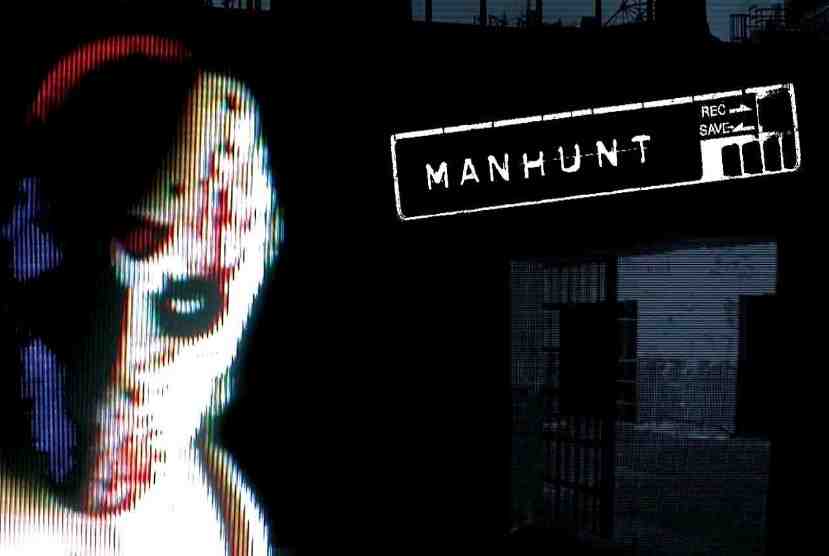
They just killed Cash. Now, they want to kill him again. America is full of run down, broken rust-belt towns where nobody cares and anything goes. In Carcer City, nothing matters anymore and all that’s left are cheap thrills. The ultimate rush is the power to grant life and take it away, for sport. This time James Earl Cash, you are the sport. They gave you your life back. Now, they are going to hunt you down. You awake to the sound of your own panicked breath. You must run, hide and fight to survive. If you can stay alive long enough, you may find out who did this to you. This is a brutal blood sport. I really enjoyed this game and i do recommend it, i just completed it today and it was really good. Badlands Crew
However, this is a bad port of a game and has tons of glitches and bugs and made me crash at one checkpoint a couple of times. So i would recommend that you get a patcher/fixer which i did and it works perfectly fine now and is very easy to do. if you can be happy with using a fan patch its a good shout however like bully, the warriors and manhunt rockstar needs to actually fix them or stop selling them. Also i heard this game makes anyone under the age of 18 into a trained serial killer than is basically a sleeper agent and then just go one a spree just from seeing the main menu.
Features and System Requirements:
Players must rely on stealth and cunning to eliminate enemies quietly.
A variety of brutal execution animations tied to weapon type and timing add to the tension.
Everyday objects become deadly tools (e.g., plastic bags, shards of glass, crowbars).
Weapons vary in execution style depending on how long the player holds the attack button before striking.
Screenshots
System Requirements
Recommended
Processor: 2GHz Intel Pentium 4 or AMD Athlon XP 2000+ processor (or better) or equivalent
Memory: 512MB RAM
Graphics: 64MB 3D card
Sound Card: DirectX 8.1 compatible sound card with hardware positional sound
Support the game developers by purchasing the game on Steam
Installation Guide
Turn Off Your Antivirus Before Installing Any Game
1 :: Download Game 2 :: Extract Game 3 :: Launch The Game 4 :: Have Fun 🙂
Agentic AI is redefining the cybersecurity landscape — introducing new opportunities that demand rethinking how to secure AI while offering the keys to addressing those challenges.
Unlike standard AI systems, AI agents can take autonomous actions — interacting with tools, environments, other agents and sensitive data. This provides new opportunities for defenders but also introduces new classes of risks. Enterprises must now take a dual approach: defend both with and against agentic AI.
Building Cybersecurity Defense With Agentic AI
Cybersecurity teams are increasingly overwhelmed by talent shortages and growing alert volume. Agentic AI offers new ways to bolster threat detection, response and AI security — and requires a fundamental pivot in the foundations of the cybersecurity ecosystem.
Agentic AI systems can perceive, reason and act autonomously to solve complex problems. They can also serve as intelligent collaborators for cyber experts to safeguard digital assets, mitigate risks in enterprise environments and boost efficiency in security operations centers. This frees up cybersecurity teams to focus on high-impact decisions, helping them scale their expertise while potentially reducing workforce burnout.
For example, AI agents can cut the time needed to respond to software security vulnerabilities by investigating the risk of a new common vulnerability or exposure in just seconds. They can search external resources, evaluate environments and summarize and prioritize findings so human analysts can take swift, informed action.
Leading organizations like Deloitte are using the NVIDIA AI Blueprint for vulnerability analysis, NVIDIA NIM and NVIDIA Morpheus to enable their customers to accelerate software patching and vulnerability management. AWS also collaborated with NVIDIA to build an open-source reference architecture using this NVIDIA AI Blueprint for software security patching on AWS cloud environments.
AI agents can also improve security alert triaging. Most security operations centers face an overwhelming number of alerts every day, and sorting critical signals from noise is slow, repetitive and dependent on institutional knowledge and experience.
Top security providers are using NVIDIA AI software to advance agentic AI in cybersecurity, including CrowdStrike and Trend Micro. CrowdStrike’s Charlotte AI Detection Triage delivers 2x faster detection triage with 50% less compute, cutting alert fatigue and optimizing security operation center efficiency.
Agentic systems can help accelerate the entire workflow, analyzing alerts, gathering context from tools, reasoning about root causes and acting on findings — all in real time. They can even help onboard new analysts by capturing expert knowledge from experienced analysts and turning it into action.
Enterprises can build alert triage agents using the NVIDIA AI-Q Blueprint for connecting AI agents to enterprise data and the NVIDIA Agent Intelligence toolkit — an open-source library that accelerates AI agent development and optimizes workflows.
Protecting Agentic AI Applications
Agentic AI systems don’t just analyze information — they reason and act on it. This introduces new security challenges: agents may access tools, generate outputs that trigger downstream effects or interact with sensitive data in real time. To ensure they behave safely and predictably, organizations need both pre-deployment testing and runtime controls.
Red teaming and testing help identify weaknesses in how agents interpret prompts, use tools or handle unexpected inputs — before they go into production. This also includes probing how well agents follow constraints, recover from failures and resist manipulative or adversarial attacks.
Garak, a large language model vulnerability scanner, enables automated testing of LLM-based agents by simulating adversarial behavior such as prompt injection, tool misuse and reasoning errors.
Runtime guardrails provide a way to enforce policy boundaries, limit unsafe behaviors and swiftly align agent outputs with enterprise goals. NVIDIA NeMo Guardrails software enables developers to easily define, deploy and rapidly update rules governing what AI agents can say and do. This low-cost, low-effort adaptability ensures quick and effective response when issues are detected, keeping agent behavior consistent and safe in production.
Leading companies such as Amdocs, Cerence AI and Palo Alto Networks are tapping into NeMo Guardrails to deliver trusted agentic experiences to their customers.
Runtime protections help safeguard sensitive data and agent actions during execution, ensuring secure and trustworthy operations. NVIDIA Confidential Computing helps protect data while it’s being processed at runtime, aka protecting data in use. This reduces the risk of exposure during training and inference for AI models of every size.
NVIDIA Confidential Computing is available from major service providers globally, including Google Cloud and Microsoft Azure, with availability from other cloud service providers to come.
The foundation for any agentic AI application is the set of software tools, libraries and services used to build the inferencing stack. The NVIDIA AI Enterprise software platform is produced using a software lifecycle process that maintains application programming interface stability while addressing vulnerabilities throughout the lifecycle of the software. This includes regular code scans and timely publication of security patches or mitigations.
Authenticity and integrity of AI components in the supply chain is critical for scaling trust across agentic AI systems. The NVIDIA AI Enterprise software stack includes container signatures, model signing and a software bill of materials to enable verification of these components.
Each of these technologies provides additional layers of security to protect critical data and valuable models across multiple deployment environments, from on premises to the cloud.
Securing Agentic Infrastructure
As agentic AI systems become more autonomous and integrated into enterprise workflows, the infrastructure they rely on becomes a critical part of the security equation. Whether deployed in a data center, at the edge or on a factory floor, agentic AI needs infrastructure that can enforce isolation, visibility and control — by design.
Agentic systems, by design, operate with significant autonomy, enabling them to perform impactful actions that can be both beneficial or potentially harmful. This inherent autonomy requires protecting runtime workloads, operational monitoring and strict enforcement of zero-trust principles to secure these systems effectively.
NVIDIA BlueField DPUs, combined with NVIDIA DOCA Argus, provides a framework that enables applications to access comprehensive, real-time visibility into agent workload behavior and accurately pinpoint threats through advanced memory forensics. Deploying security controls directly onto BlueField DPUs, rather than server CPUs, further isolates threats at the infrastructure level, substantially reducing the blast radius of potential compromises and reinforcing a comprehensive, security-everywhere architecture.
Integrators also use NVIDIA Confidential Computing to strengthen security foundations for agentic infrastructure. For example, EQTYLab developed a new cryptographic certificate system that provides the first on-silicon governance to ensure AI agents are compliant at runtime. It will be featured at RSA this week as a top 10 RSA Innovation Sandbox recipient.
NVIDIA Confidential Computing is supported on NVIDIA Hopper and NVIDIA Blackwell GPUs, so isolation technologies can now be extended to the confidential virtual machine when users are moving from a single GPU to multi-GPUs.
Secure AI is provided by Protected PCIe and builds upon NVIDIA Confidential Computing, allowing customers to scale workloads from a single GPU to eight GPUs. This lets companies adapt to their agentic AI needs while delivering security in the most performant way.
These infrastructure components support both local and remote attestation, enabling customers to verify the integrity of the platform before deploying sensitive workloads.
These security capabilities are especially important in environments like AI factories — where agentic systems are beginning to power automation, monitoring and real-world decision-making. Cisco is pioneering secure AI infrastructure by integrating NVIDIA BlueField DPUs, forming the foundation of the Cisco Secure AI Factory with NVIDIA to deliver scalable, secure and efficient AI deployments for enterprises.
Extending agentic AI to cyber-physical systems heightens the stakes, as compromises can directly impact uptime, safety and the integrity of physical operations. Leading partners like Armis, Check Point, CrowdStrike, Deloitte, Forescout, Nozomi Networks and World Wide Technology are integrating NVIDIA’s full-stack cybersecurity AI technologies to help customers bolster critical infrastructure against cyber threats across industries such as energy, utilities and manufacturing.
Building Trust as AI Takes Action
Every enterprise today must ensure their investments in cybersecurity are incorporating AI to protect the workflows of the future. Every workload must be accelerated to finally give defenders the tools to operate at the speed of AI.
NVIDIA is building AI and security capabilities into technological foundations for ecosystem partners to deliver AI-powered cybersecurity solutions. This new ecosystem will allow enterprises to build secure, scalable agentic AI systems.
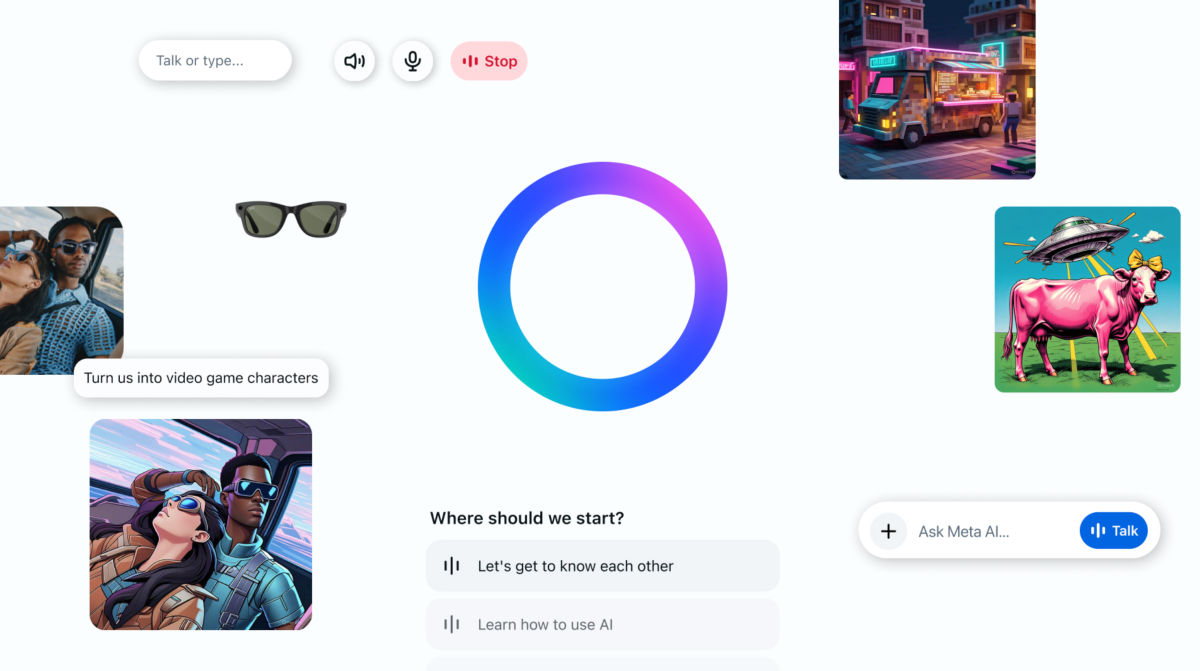
After integrating Meta AI into WhatsApp, Instagram, Facebook, and Messenger, Meta is rolling out a standalone AI app. Unveiled at Meta’s LlamaCon event on Tuesday, this app allows users to access Meta AI in a standalone app, similar to the ChatGPT app and other AI assistant apps.
To win over users, Meta is trying to leverage what makes it different from companies like OpenAI and Anthropic — Meta already has a sense of who you are, what you like, and who you hang out with based on years of data that you’ve likely shared on Facebook or Instagram.
Meta’s AI app can differentiate itself from existing AI assistants because it can “[draw] on information you’ve already chosen to share on Meta products,” the company said, such as your profile and the content you engage with. So far, these personalized responses will be available in the US and Canada.
You can also give Meta more information about you to remember for future conversations with its AI — for example, you can tell the AI that you are lactose intolerant, which it could remember before recommending that you go to a wine and cheese tasting on your next vacation.
As with any AI product, users should be aware of how Meta may use the data that they share with its chatbots. Meta relies on its wealth of user data to power its targeted advertising business, which makes up the bulk of its revenue.
Image Credits:Meta
Meta’s AI app also introduces a Discover feed, where you can share how you’re using AI with your friends — in a mockup image, Meta shows someone asking the AI to describe them in 3 emojis, which they then shared with their friends. A user’s interactions with Meta AI will only be shared to the feed if they choose to do so.
This feed might amplify certain generative AI trends, like the recent trend in which people tried to make themselves look like Barbie dolls or Studio Ghibli characters. But then again, not every app needs to have a social feed — we’re looking at you, Venmo.
Last year, TikTok had been taken over by the Bird Buddy—a smart bird feeder with a built-in camera which could capture stunning photos and videos of your local birds. Using AI trained on real bird visits, the smart feeder is able to recognize exactly what species of bird stopped by for a visit. This product understandably took off and even landed itself on TIME’s best inventions list of 2023.
Well, the team behind Bird Buddy has more than just birds in their sights. Early Monday morning, Bird Buddy Inc. unveiled Wonder Blocks—a smart modular habitat system built to help bees, butterflies, hummingbirds, and other pollinators prosper—now available for pre-order on Kickstarter.
The Wonder Block system comprises of a freestanding planter with a bee sanctuary built into its base and magnetic trellis which can be built upon with key habitat modules and accessories. The Frame as it’s called can be used to anchor butterfly feeders, hummingbird feeders, shelters, and more.
As a bee habitat, Wonder Blocks provides safe, essential shelter for solitary bees. As effective as they may be, solitary bees represent some of our most vulnerable pollinators.
Healthy ecosystems rely on pollinators like bees, butterflies, and hummingbirds. However, populations of these helpful critters is on the decline thanks to climate change, pesticides, and habitat loss. The battle for conservation isn’t just about rainforests many of us will never see in our lives. The frontline is our own backyards, gardens, and balconies. And Wonder Blocks can be how individuals make a difference, fighting the good fight for a better Earth.
Smart Nature Observatory
The real star of Wonder Blocks setting it apart from other habitats on the market is Petal—an AI-powered camera trained on over 2,000 species of pollinators, birds, and native plants.
The 12MP camera is capable of recording in 4K, an enhancement over the 5MP camera on the Bird Buddy which only records up to 2K. Its colors and design mimic that of a flower to attract birds and insects.
You can mount the camera in a number of ways. Its universal clip lets you adhere it to the edge of a planter. It can be hung, pointed downward from a branch or the flexible stem can be wrapped around a pole like a vine.
The Petal Smart Camera can operate autonomously for 1.5 to 2 weeks on a single charge, and up to one month with solar support. Each Petal as a standard feature included a special small form factor solar panel which, in most environments, will extend the battery life of the camera indefinitely.
Swappable lenses let you choose between a wide angle lens and a macro lens to best capture the tiny visitors to your habitat.
For nature enthusiasts, bird watchers, and big bug heads, Petal uses machine learning to ID the different species of pollinators that come into view so you know exactly who you’re helping. AI is used even further to take the videos you record in your Wonder Blocks habitat and add in augmented voice over narration of their activity. You can play back recordings of the birds and insects in your garden like they are your own personal nature documentary.
“Wonder Blocks is about more than just observing nature — it’s about understanding it,” said Franci Zidar, co-founder and CEO of Bird Buddy. “Wonder Blocks support the pollinators our ecosystems depend on, and Petal lets you see and hear their stories unfold. This is conservation made accessible, emotional, and intelligent.”
The smart AI camera can even detect behavioral patterns and changes to the environments—whether that is nesting, plant stress, or something else—and then alert you of what’s been observed.
The Wonder Planter is the base habitat, capable of self-watering and equipped with an integrated Bee Habitat module. Modularity is at the forefront of its design as the planter can function either as a standalone smart habitat or be added as another piece to the Wonder Blocks system.
The outer edge of the Wonder Planter comprises a built-in micro water feature—The Stream—where helpful pollinators can stop by for some critical hydration.
Wonder Blocks represent the core modular habitat. It adds in the observation pole and are designed for dynamic pollinator support and the Petal camera system.
The Wonder BlocksHero is the full-featured setup—replacing the observation pole for a full frame which adds full Petal camera integration along with support for several feeders and shelters. You get a butterfly shelter to keep them safe from harsh weather and both a butterfly feeder and hummingbird feeder to keep them satisfied.
Wondering Where to Buy?
Your journey toward leaving a positive impact on our planet starts right now as pre-orders are available today at Kickstarter!
The Wonder Planter habitat system on its own costs $149. The Wonder Blocks set which adds in the Petal camera and observation pole is priced at $299. Wonder Blocks Hero gives you the base habitat, two Petal cameras and the three attachments for butterflies and hummingbirds. That is available for $499. The Petal camera is available to purchase separately so you can integrate it into your existing garden or habitat system. You’ll be able to pick up the standalone Petal camera starting at $129.
Both Wonder Blocks and Petal are planned to begin shipping mid-2026 to the US, Canada, EU, United Kingdom, Norway, and Switzerland.
Bird Buddy, Inc. has hinted at future integration between the Bird Buddy, Petal, and Wonder Blocks as part of a broader nature tech ecosystem along with confirming a smartphone app is in development.
There’s just something special about an Xbox pad. The feel, the look, those clicky buttons. We at PC Gamer like it a lot, and it’s been reported that three new prototypes are being worked on, so it seems like there’s going to be a lot of choice in the future. The next generation of Xbox controller also reportedly has cloud gaming at the heart of its very design, though I really hope it gets some quality of life improvements like Hall effect sticks.
In the Xbox-focused podcast, Xbox Two (via Notebook Check), Windows Central’s Jez Corden revealed that there are “currently three Xbox controller prototypes” in the works. Corden has been reporting on everything Xbox for some time, and is generally well regarded when it comes to insider Microsoft information.
The first controller prototype talked about in the latest podcast “is a basic, cheaper controller like the standard one we have now.” The basic Xbox Wireless Controller is currently our choice for the best controller for PC gaming, thanks to a great feel and an affordable price point. However, looking at the rest of the market, it now noticeably lacks modern features, such as Hall effect or TMR joysticks to stop stick drift. Corden says the new basic controller has “some next-gen enhancements”, but gives no word on what that specifically means.
The mid-range choice of the three controller prototypes is codenamed Sebile, and it leaked way back in 2023. Not much information was given here, but it is suggested to take up a similar price point to the Xbox Elite Core.
Corden then says there will be an “elite, elite, elite” controller, which will be the cream of the crop, pricewise. This is effectively the Xbox Elite Series 3, but once again, there was no further information on the specifics.
Notably, the most interesting inclusion in this report is Xbox’s straight-to-Wi-Fi cloud support for two of these controller prototypes, which could make cloud gaming more viable for some, especially for latency sensitive games.
“Instead of connecting your controller via Bluetooth,” says Corden, “then your phone sending your controller signal up to the cloud, which adds a few milliseconds of latency, your controller will directly connect to your router as a wifi connection.”
Keep up to date with the most important stories and the best deals, as picked by the PC Gamer team.
(Image credit: Future)
Google Stadia (RIP) used this same straight-to-Wi-Fi tech, and it’s how Google’s cloud gaming platform managed to get its latency as low as it could. Now, years after the closure of Stadia, Xbox seems to be learning from it.
We heard about the idea of a direct-to-cloud Xbox controller back in the original Sebile leaks, but we didn’t get a better idea of how exactly that would work until now. The original Sebile leak also suggested it would have a lift to wake on function, and modular thumbsticks, but we don’t know if that has stuck around.
Late last year, Microsoft unveiled the ‘This is an Xbox‘ advert, showing off Xbox cloud streaming on a TV, Laptop, Steam Deck, phone and more. This is part of a grander push to get Xbox gamers on non-Xbox devices, and the push towards cloud streaming on controllers feels very intentional in light of that. Xbox Game Pass Ultimate allows subscribers to stream games directly to their phone, monitor, or TV, though the available library is pretty limited right now.
Corden says the basic controller doesn’t have the Wi-Fi cloud streaming option, but the two other controllers do. As well as this, the two more expensive controllers reportedly have switches to quickly switch from Bluetooth to Wi-Fi connection.
Corden does, however, clarify that this is still early on and lacking a lot of information: “This is something I share on a podcast, but not necessarily something I’m willing to put into a report yet, because I don’t have a huge amount of information on this stuff. So, take it with a pinch of salt.”
Not only could any part of this chain of information be inaccurate, but it is also subject to change as Microsoft continues to develop its controllers. It’s a good sign for what we may see, but we won’t know what tech the controllers have until they’re in our hands.
As someone who has spent a significant amount of time with many different controllers, I still love the feel and look of the Xbox controller. It’s hard not to feel like I’m missing out, though, with competitors launching with TMR or Hall effect to deal with stick drift.
I’m on my second Xbox controller since buying my Xbox Series X at launch, and my third PlayStation 5 controller. Cloud gaming compatibility is a nice feature, but I don’t want to put all that money down for an Xbox Elite controller if the ever-looming threat of stick drift hovers just around the corner.
Picture this: you walk into a house, and the living room is warm the second you lay eyes on it. The layout moves well, the colors work well together, and the lighting accentuates every aspect. What if we were to inform you that this was not left up to chance—and that it started on a screen?
Welcome to 3D rendering land, living room territory where your fantasy interiors begin coming together without one piece of furniture being moved or a drop of paint being swished. From working with house design services to architect hiring or simply imagining the ideal visualization of your future home, 3D rendering services offered by industry leader platform Cad Crowd have been nothing short of game-changing. It’s not pretty pictures alone—it’s a smart, strategic tool that fills fuzzy ideas with rich texture.
Here’s how 3D rendering services for homes are transforming the way we create warm, efficient rooms—with 10 valuable benefits you’ll want to know.
See the big picture—before breaking ground
One of the greatest advantages of 3D rendering is that it’s transparent. Instead of attempting to read confusing blueprints or having to use your own imagination to fill in the gaps, you are able to view a photorealistic image of your future living room.
You’ll see how the furniture interacts with the room, how daylight flows in the windows throughout the day, and how colors manifest in real life. This visual sensitivity allows clients and architects to speak the same language—and avoid miscommunication.
Love the idea of a minimalist Scandinavian look, but still interested in a moody, art-deco? With 3D rendering, there is no need to make an uneducated decision.
You can try out a range of styles, types, and finishes without ever spending money on actual materials. A designer or home design service can easily swap out different wall colors, flooring, ornaments, and even the lighting fixtures. The result? You design an appearance that’s truly “you” without regrets.
Better communication with designers and architects
If you’ve ever ordered a “warm gray” to view a cold, sterile one splattered on your wall, you know the aggravation. Verbal descriptions can’t cut it. 3D images can.
When your design group can view precisely what you have in mind with a “cozy,” “open-concept,” or “inviting,” collaboration becomes easier and faster decisions are made, since everyone’s on board day one.
Steer clear of costly mistakes
It’s simple to have second thoughts once building breaks ground. Moving a wall, redrawing electrical blueprints, or buying new flooring because the original peeled away—these changes are costly, even through cheaper interior design services.
3D rendering helps you catch design issues in the early days. Maybe your L-shaped sofa obstructs your window light, or that black ceiling paint makes it cave-like. You will notice these things in advance and change them, saving money and headaches down the road.
Spatial planning accuracy
Living rooms are multi-purposed—movie nights, family gatherings, hosting visitors. You want to get the floor plan correct.
With 3D rendering, you can try out different arrangements of seating, storage, and accessories to optimize flow. Where is the TV optimally placed to avoid glare? Will the new sectional give us enough room to move around? These spatial puzzles are easier to solve when you can “walk through” the space virtually.
Lighting simulation for real-life ambiance
Lighting is what will save or destroy a space. Too much overhead lighting is debilitating. Not enough? Your hip living room is now a cave. This is where lighting design services come in.
Rendering software allows design groups to simulate natural and artificial light at different times of day and night. You can experiment with pendant lights, wall sconces, dimmers and see exactly how they impact mood and visibility. It’s not aesthetics—it’s atmosphere, and it matters more than most people think.
Personalized customization
Maybe you’d like to showcase travel souvenirs or innovate based on your favorite piece of art. Prepackaged plans rarely permit individualization.
3D rendering lets your personality shine. Whether it’s incorporating a reading nook, a statement fireplace, or built-in shelves for your vinyl collection, you’ll get a visual of how these custom elements integrate with the rest of the space. House design services love this flexibility because it creates homes that reflect real lifestyles, not just showroom styles.
Easy approvals and permits
This one’s more behind the scenes, but hugely important if you’re doing major renovations. 3D renderings, especially when paired with architectural drawing services, can help speed up planning approvals, permits, and HOA reviews.
Officials love having a clear, accurate picture of what’s proposed. A well-rendered visual often answers more questions than pages of paperwork ever could.
If you’re building or renovating a home with the goal of selling, 3D rendering is your new best friend.
Real estate developers and agents increasingly use photorealistic visuals to attract buyers even before the home is built. A beautifully rendered living room tells a story—it invites people to imagine their life in that space. And it works. Listings with high-quality visuals get more clicks, more engagement, and more offers.
Confidence in every decision
Let’s be honest—designing a living room can feel overwhelming. There are so many choices: furniture styles, flooring types, lighting fixtures, paint colors, tech integration… it’s a lot.
3D rendering takes the guesswork out of it. You’re not just hoping something will look good—you know it will, because you’ve already seen it. That kind of confidence turns the design process from stressful to exciting.
How to begin with a living room rendering project
Okay, you’re sold on the idea of a 3D interior rendering. Whether your dream is for a cozy refresh, a clean rebuild, or a dramatic overhaul, a well-designed rendering can take you through all the details before making any costly alterations. Now, though, what? Step two is taking that vision and turning it into an actual plan—and that starts with finding the right design partner to help you make it happen.
Here’s a closer examination of the way the process usually works:
Get clear about your intentions
Take some time to become clear about what you’re after prior to contacting any professionals. Are you simply doing a cosmetic makeover with new paint, furniture, and trim, or are you considering more extensive renovations—such as removing a wall, adding built-in storage, or relocating lighting fixtures?
Also, think about whether you’re starting from a blank slate or working off what already is. Do you need help with furniture layout, lighting design, material specification, or all four? The better your goals are defined, the better you’ll be able to choose the perfect professional and see if your rendering reflects your vision.
Choose a design partner
You don’t have to pay for a high-end architecture firm to obtain a top-notch rendering. In reality, there are plenty of boutique design studios and freelance CAD designers who specialize in photorealistic visualizations and can provide a more personalized and cost-effective experience. The most important thing is to find someone who fits your project and your communication style.
Here’s what to search for:
A strong portfolio with interior renderings, ideally of living rooms or similar residential spaces.
A good sense of your style, be it Scandinavian minimalism, mid-century modern, or something else entirely eclectic.
A willingness to offer revisions, because let’s be honest—you’ll probably want to make a few tweaks once you see the first draft.
Good and prompt communication, so you’re always in the know about what’s happening with your project.
Take the time to browse their work, read reviews, and ask questions. Don’t be afraid to set up a consultation before committing.
Share inspiration and details
Once you’ve chosen your CAD design partner, it’s time to get collaborative. This is your opportunity to share everything that defines your vision. Pinterest boards, Houzz idea books, magazine clippings, fabric swatches, color palettes, and even selfies in your current living room—all of it helps.
You’ll also want to provide practical details, like room dimensions, existing architectural elements, furniture that’s staying, and any functional priorities (like accommodating a home office corner or maximizing seating).
The more context your designer has, the more accurate—and exciting—your rendering will be. Think of it as setting the stage for creativity to flourish.
Starting a living room rendering project can be a rewarding and fun process if one approaches it with clarity, the right partner, and a willing mind. With some foresight and some old-fashioned honesty, you’ll be staring at an amazing 3D image of your new room in no time.
3D rendering vs. traditional sketches: Why it matters
There is nothing necessarily wrong with hand-drawn sketches or floor plan design services. But in the living room—the hub of your home—rendering does more. It delivers emotional impact. You don’t merely see dimensions; you feel the space.
Traditional plans tell you where to put stuff. 3D renderings instruct you about what it’s like to live there. That is powerful, especially when the task is designing a place that people gather, relax, and bond.
Wrapping up: Your living room, reimagined
At its best, a living room is like a warm welcome—a place that reveals who you are and welcomes all who come in. With 3D rendering, that vision becomes clearer, wiser, and more within reach.
Whether you are renovating your ideal house, constructing a vacation home, or just shopping for a better space, working with a house design firm that offers living room 3D rendering can save you money, time, and headaches—while enjoying joy, style, and personalization.
MacKenzie Brown is the founder and CEO of Cad Crowd. With over 18 years of experience in launching and scaling platforms specializing in CAD services, product design, manufacturing, hardware, and software development, MacKenzie is a recognized authority in the engineering industry. Under his leadership, Cad Crowd serves esteemed clients like NASA, JPL, the U.S. Navy, and Fortune 500 companies, empowering innovators with access to high-quality design and engineering talent.