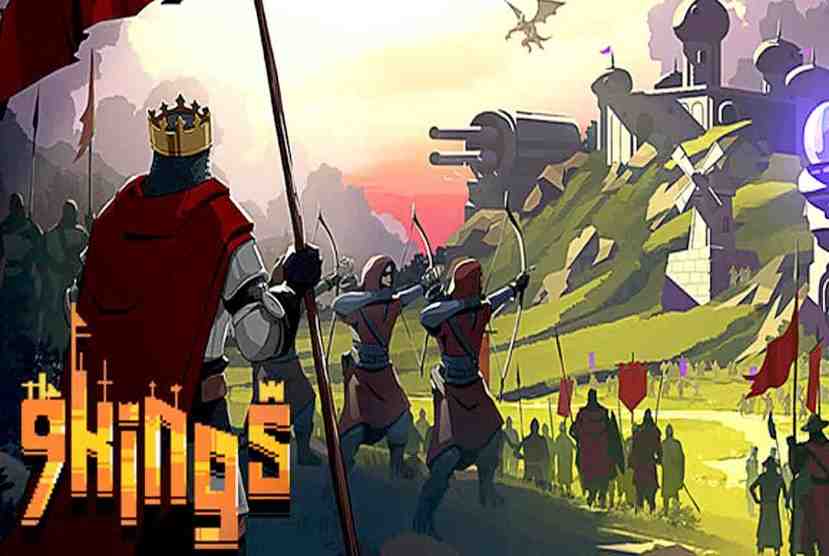
Build your city into the most powerful of all kingdoms through endless combinations of buildings, units, spells, and positioning. Take advantage of chaotic combos and powerful perks to break the game and become overpowered. Grow your kingdom in strategic ways, prepare for dozens of unique events, and show the world your kingdom can outlast all others. From humble village to massive citadel, your capital recruits your units and grows their power. Expand your kingdom strategically over time and build it to survive decades of war and strife. From sturdy knights and warlocks, to glass cannon wizards and bombers, to hordes of fiendish imps and sentient mushrooms, there are dozens of units to lead and fight. Tales of Seikyu
Stockpile gold to hire thousands of mercenaries to your cause, use dark magic to raise the dead, and harness nature itself to bring down your enemies! Each of the kings has a different starting deck of buildings, troops, and spells, but you can loot the rival kings who attack your lands to access cards from their unique decks. Make peace with those whose units don’t fit your playstyle, and declare war against kings with the powers and units you covet, deploying the tools acquired from your enemy to unlock countless combinations of stacking buffs and modifiers to build an invincible army.
Features and System Requirements:
Collect and combine hundreds of unique cards representing buildings, troops, and spells to create diverse and powerful strategies.
Engage in massive battles against rival kings, utilizing your deck and strategic positioning to overcome challenges.
Each of the nine rival kings possesses a distinct starting deck, offering varied challenges and opportunities for players to adapt and strategize.
Defeat rival kings to access and incorporate cards from their unique decks into your own, expanding your strategic options.
Screenshots
System Requirements
Recommended
Requires a 64-bit processor and operating system
OS: Windows® 10 (64-bit)
Processor: Intel® Core™ i5-3570 (quad-core) / AMD® FX-Series™ FX-8300 (quad-core)
Memory: 8 GB RAM
Graphics: NVIDIA® GeForce® GTX 650 (2 GB) / AMD® Radeon™ HD 7750 (2 GB)
DirectX: Version 12
Storage: 500 MB available space
Support the game developers by purchasing the game on Steam
Installation Guide
Turn Off Your Antivirus Before Installing Any Game
1 :: Download Game 2 :: Extract Game 3 :: Launch The Game 4 :: Have Fun 🙂
The Global CTO of a Top-10 accounting firm said this to me last week.
“The gimmick of ‘co-pilot’ is coming unstuck. You have solved the emerging problem.”
So what is the emerging problem?
Being able to leverage the best attributes of Generative AI to generate outcomes which are not just accurate and hallucination free but 100% explainable.
While everyone is focused on extracting value from Generative AI, most are battling with the issues of accuracy, explainability and trust.
There is massive value to be had if we can leverage Generative AI in ways that:
can handle detailed context
deliver accurate answers
are grounded by your own knowledge
are 100% explainable
Generative AI alone cannot deliver this because Large Language Models (LLMs) cannot evaluate problems logically and in context, nor produce answers that come with a logical chain of reasoning.
Check out this clip from Yann Lecun, one of the “Godfathers” of AI and head of AI at Meta. Yann points out that regardless of whether you ask a LLM a simple question, a complex question or even an impossible question — the amount of computing power expended to create each block of generated content — or token — is the same.
This is not the way real world reasoning works. When humans are presented with complex problems we apply more effort to reasoning over that complexity.
With LLMs alone, the information generated may look convincing but could also be completely false and demand that the user then spends lots of time checking the veracity of the output.
When Air Canada’s chatbot gave incorrect information to a traveller, the airline argued its chatbot was “responsible for its own actions” but quickly lost its case, making it clear that organisations cannot hide behind AI-powered chatbots that make mistakes.
What’s going wrong is clear.
Generative AI is a machine learning technology that creates compelling predictions, but is not capable of human-like reasoning and cannot provide logical explanations for its generated outputs.
To act on a prediction we need to incorporate judgement.
And while many remain dazzled by the bright lights of Generative AI, those who are working with it in anger are understanding that it is best leveraged as one piece of a bigger architecture.
One architecture that has gained momentum is that of Retrieval Augmented Generation (RAG). It uses well understood mathematical techniques to compare the question being asked with similar looking snippets from a reference source of documents, and then injects those snippets of text into an LLM to help inform an output.
Although RAG still risks hallucinations and lacks explainability, it has the advantage of being able to make content predictions over targeted document sources and can point at the parts of the document that it used when generating its predicted outputs.
However, RAG is inherently limited by its exploratory nature, which focuses on accumulating knowledge or facts that are then summarised, without a deep understanding of the context or any ability to provide logical reasoning.
You can see a video example of RAR in action here.
Other architectures are being explored to try and further improve performance of LLMs including Retrieval Augmented Thought (RAT) to pull in external data, Semantic Rails to try and keep LLMs on topic and Prompt Chaining to turn LLM outputs into new LLM inputs.
All of these are designed to diminish these risks, but by their nature cannot eliminate them.
But a new architecture is taking hold pioneered by Rainbird, that of Retrieval Augmented Reasoning (RAR), an innovative approach that transcends the limitations of RAG by integrating a more sophisticated method of interaction with information sources.
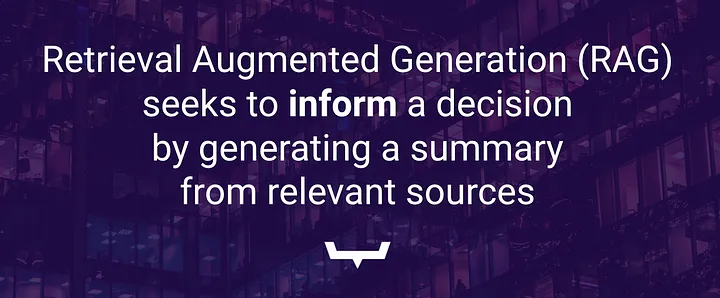
Unlike RAG, RAR doesn’t just seek to inform a decision by generating text. Instead it actively and logically reasons like a human would, engaging in an interactive dialogue with the logic contained in the document sources themselves, as well as with human users.
This approach enables the AI to gather context, and then employ logical reasoning to produce answers that are accompanied by a logical rationale — something LLMs alone cannot do.
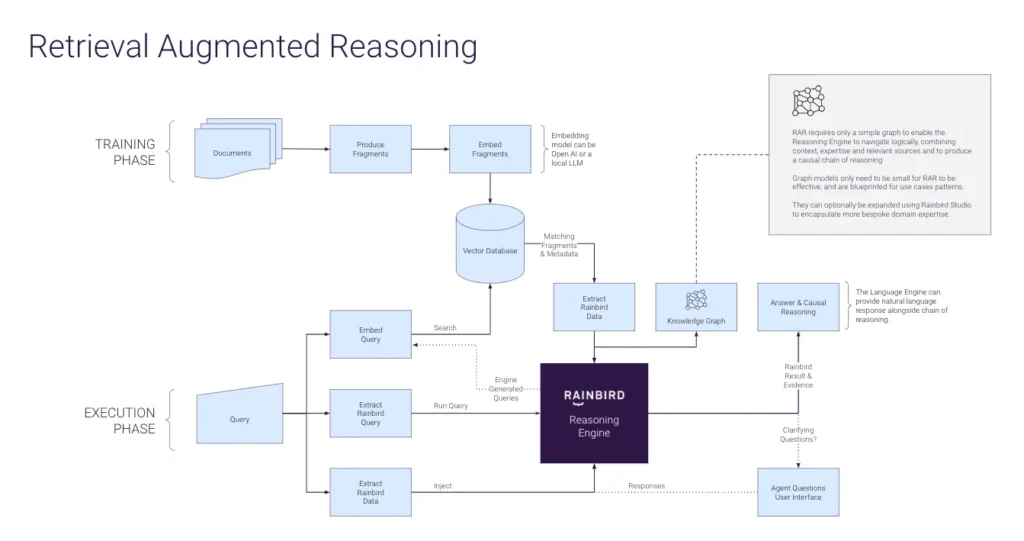
The RAR architecture requires a powerful symbolic reasoning engine to work, something Rainbird has developed and been using in symbolic AI projects for over a decade. With RAR, that reasoning engine uses a very high level knowledge graph to ground and drive the reasoning process over the document sources.
The distinction between RAG and RAR is not merely a technical one. It fundamentally changes how AI systems can be applied to solve real-world problems. You can RAR models much more nuanced questions and get results that are comprehensive, accurate and represent the ultimate in guard-railing. They cannot hallucinate.
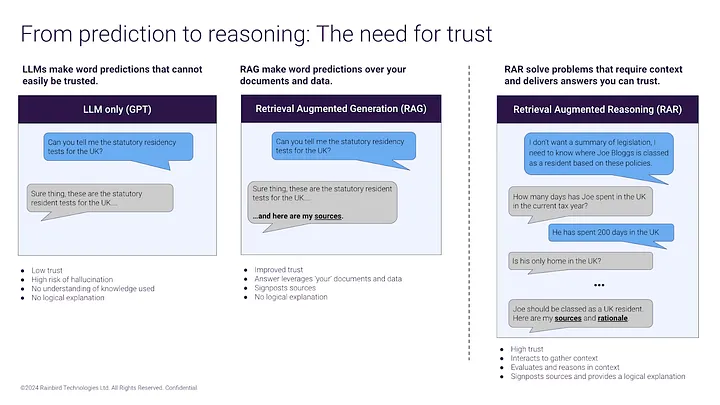
Let’s look at how these methods compare:
LLMs alone produce answers based on their training from the public internet. Risks of hallucination are high and the lack of explainability is a serious problem.
RAG’s approach, while useful for exploratory queries, falls short when faced with the need to understand the nuances of specific situations or to provide answers that are not only accurate but also logically sound and fully explainable. While it can point to sources for its predictions, it can still hallucinate and cannot explain its reasoning.
RAR however addresses all these challenges head-on by enabling a more interactive and iterative process of knowledge retrieval, consultation, and causal reasoning.
For example, RAR can:
Enable lawyers to interact with legislation and complex case law in the context of their case, and obtain a causal chain of reasoning for worked answers.
Power tax solutions, reasoning over large amounts of regulation to find appropriate tax treatments at a transaction level.
Take natural language medical notes and accurately apply medical codes.
These use cases all represent the ability to reason in a way that is contextually relevant, free from hallucination, and backed by clear chains of reasoning.
The RAR approach is sector agnostic and enables the rapid creation of digital assistants in any domain.
But there is yet another benefit of the RAR architecture.
Because it uses a symbolic reasoning engine and a knowledge graph to navigate document sources, the RAR model can be extended to incorporate any amount of human expertise by adding that knowledge to the graph itself, complete with weights and certainties.
This enables RAR models to leverage both documented regulation, policy or operating procedure and human tribal knowledge, enhancing contextual decision-making capabilities to new heights.
So where does this matter most?
RAR is particularly valuable in regulated markets, where the ability to create evidence-based rationales is crucial to trust and therefore to adoption.
By providing answers that come with source references and logical explanations of how those answers were achieved, RAR fosters a level of trust and transparency that is essential in today’s increasingly regulated world.
RAG remains a valuable tool in the AI toolkit, but the advent of RAR represents a significant leap forward in the ability to harness the power of AI for complex decision-making.
By offering nuanced answers that are grounded in logical reasoning and contextual understanding, RAR opens up new possibilities for AI applications that require a high degree of trust and explainability.
As we continue to navigate the challenges and opportunities presented by AI, approaches like RAR will be instrumental in ensuring that our technology not only answers our questions but does so in a way that we can understand and trust.
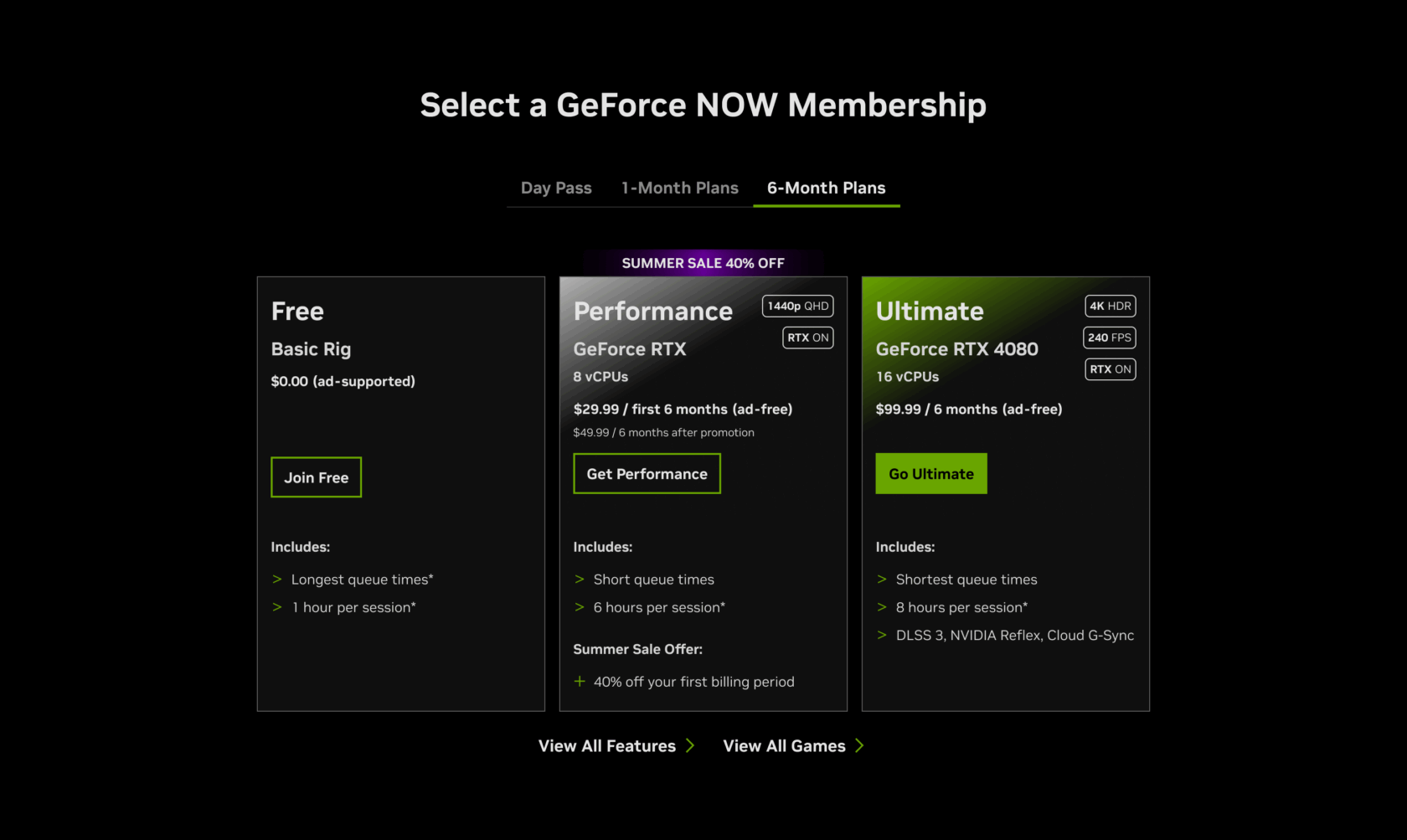
GeForce NOW is turning up the heat this summer with a hot new deal. For a limited time, save 40% on six-month Performance memberships and enjoy premium GeForce RTX-powered gaming for half a year.
Members can jump into all the action this summer, whether traveling or staying cool at home. Eleven new games join the cloud this week, headlined by the highly anticipated launch of Capcom’s Onimusha 2 and Netmarble’s Game of Thrones: Kingsroad.
That’s not all — Honkai Star Rail’s latest update is available to play in the cloud this week.
Level Up for Summer
With the Performance membership, gamers can stream at up to 1440p resolution, experience ultrawide support and play in sessions of up to six hours — all without the need for the latest hardware. For a limited time, gamers can get all of these premium features for just $29.99 when signing up for a six-month Performance membership.
Let’s make a deal.
Dive into an ever-expanding library of over 2,000 games, with ray-tracing and NVIDIA DLSS technologies in supported titles. Stream top titles such as Elder Scrolls IV: Oblivion Remastered, DOOM: The Dark Ages, Clair Obscur: Expedition 33 and more. Stream across any device, whether PCs, Macs, mobile devices, SHIELD TVs or Samsung and LG smart TVs.
The deal is available through Sunday, July 6 — first come, first served — so don’t miss out on the chance to upgrade to the cloud at a fraction of the price.
Sharpen the Blade
Slash first, ask questions later.
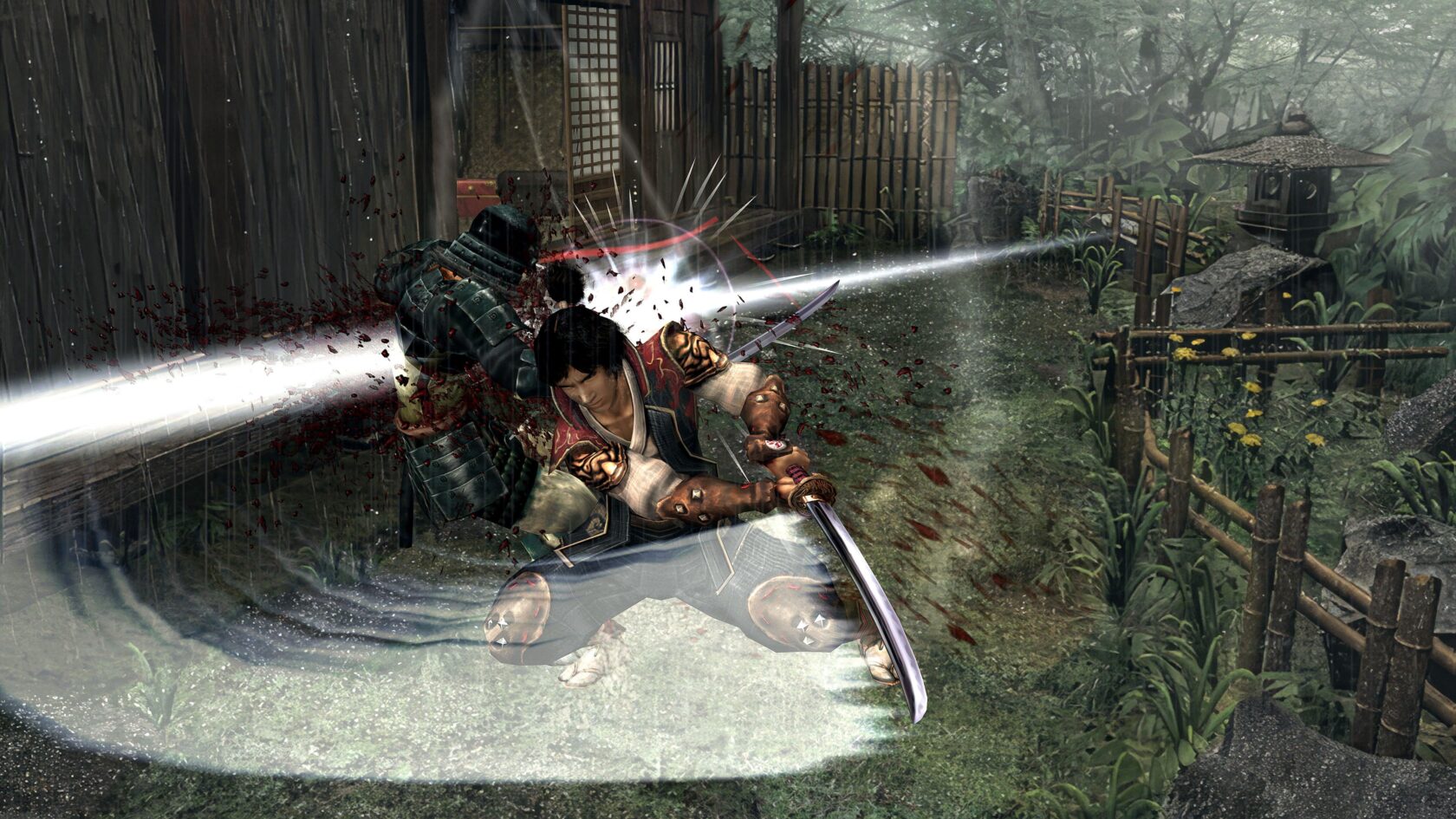
Onimusha 2: Samurai’s Destiny returns with high-definition graphics and modernized controls for even more vivid counterattacks and intense swordplay. Play as Jubei Yagyu and battle through feudal Japan with allies.
Dive into the epic, demon-slaying adventure with GeForce NOW — no downloads or high-end hardware required. Enjoy crisp visuals and ultra-responsive controls, and stream the pure samurai action across devices.
Remember to Zigzag
Game of Thrones: Kingsroad is Netmarble’s action-adventure role-playing game licensed by Warner Bros. Interactive Entertainment on behalf of HBO.
The king’s road leads to the throne for those bold enough to seize it.
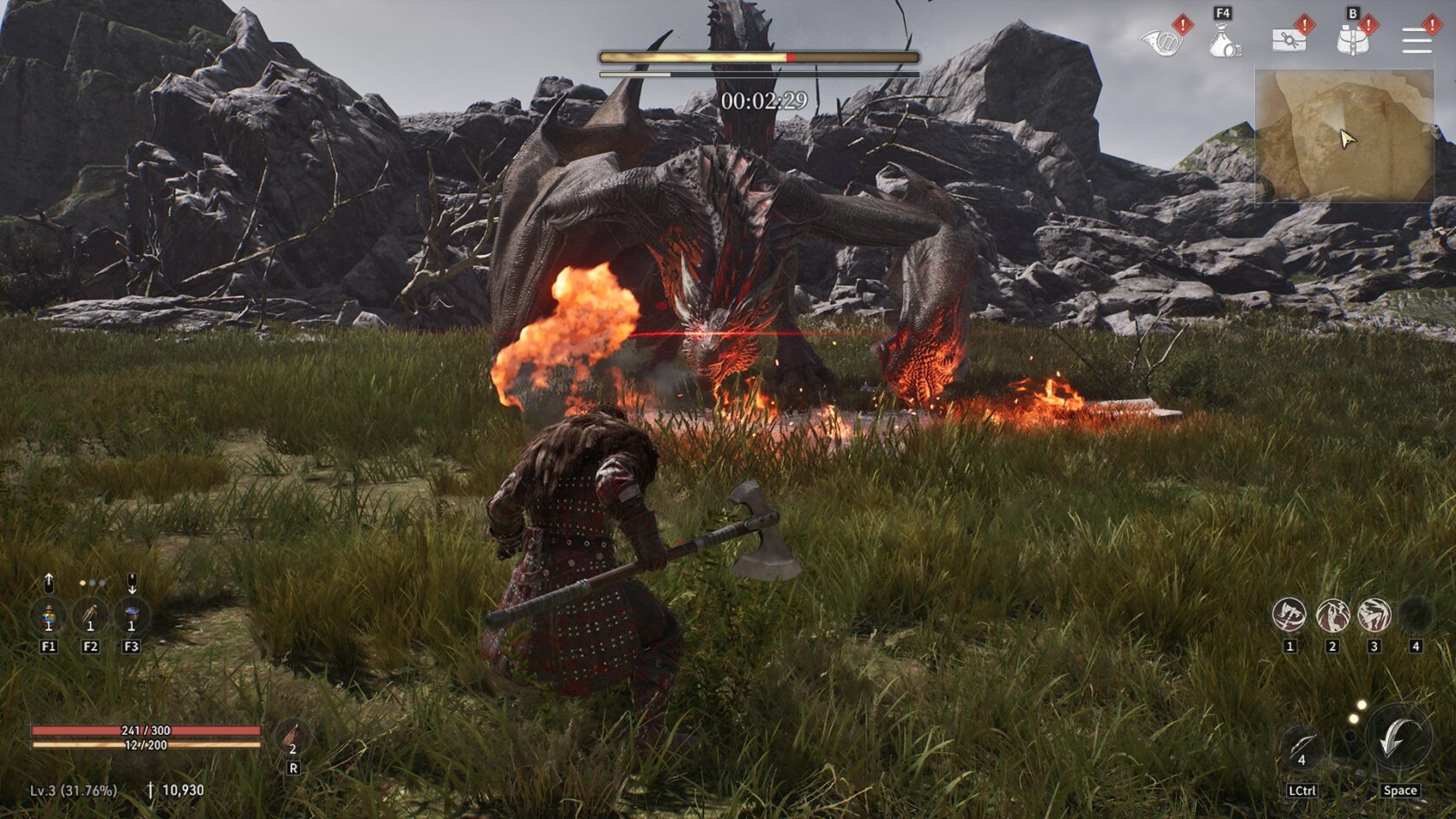
The game brings the continent of Westeros to life with remarkable detail and scale. Encounter familiar characters from the TV series and freely roam iconic regions on an immersive journey through Westeros, including King’s Landing — the continent’s capital — the Castle Black stronghold and the massive icy Wall, which stretches along the northern border.
Players must navigate the complex power struggles between the noble houses of Westeros as they embark on a mission to restore their family’s former glory — all while aiding the Night’s Watch for the final confrontation with the White Walkers and the army of the dead that awaits beyond the Wall.
Choose the cloud gaming house that fits best: a GeForce NOW Performance or Ultimate membership. Premium members command longer gaming sessions, higher resolutions and ultra-low latency over free members, and Ultimate members get the mightiest graphics streaming capabilities: up to 4K resolution and 120 frames per second. Join today — because the North remembers, and only those who seize the moment rule the game.
Hammer Time
Praise the emperor — and the discounts.
The Warhammer Skulls Festival is the ultimate annual celebration of Warhammer video games. GeForce NOW members can join the festivities with weeklong discounts on a wide selection of Warhammer titles, all available to stream instantly via the cloud:
Warhammer 40,000: Space Marine 2
Warhammer 40,000: Darktide
Warhammer 40,000: Rogue Trader
Warhammer 40,000: Boltgun
Warhammer: Vermintide 2
Total War: Warhammer III
Blood Bowl 3
Warhammer Battlesector
Warhammer 40,000: Chaos Gate – Daemonhunters
Warhammer 40,000: Gladius
Whether a veteran or new to the Warhammer universe, gamers can experience these iconic titles on GeForce NOW at a fraction of the usual price during the Warhammer Skulls Festival.
More Games, More Glory
Just another day in space.
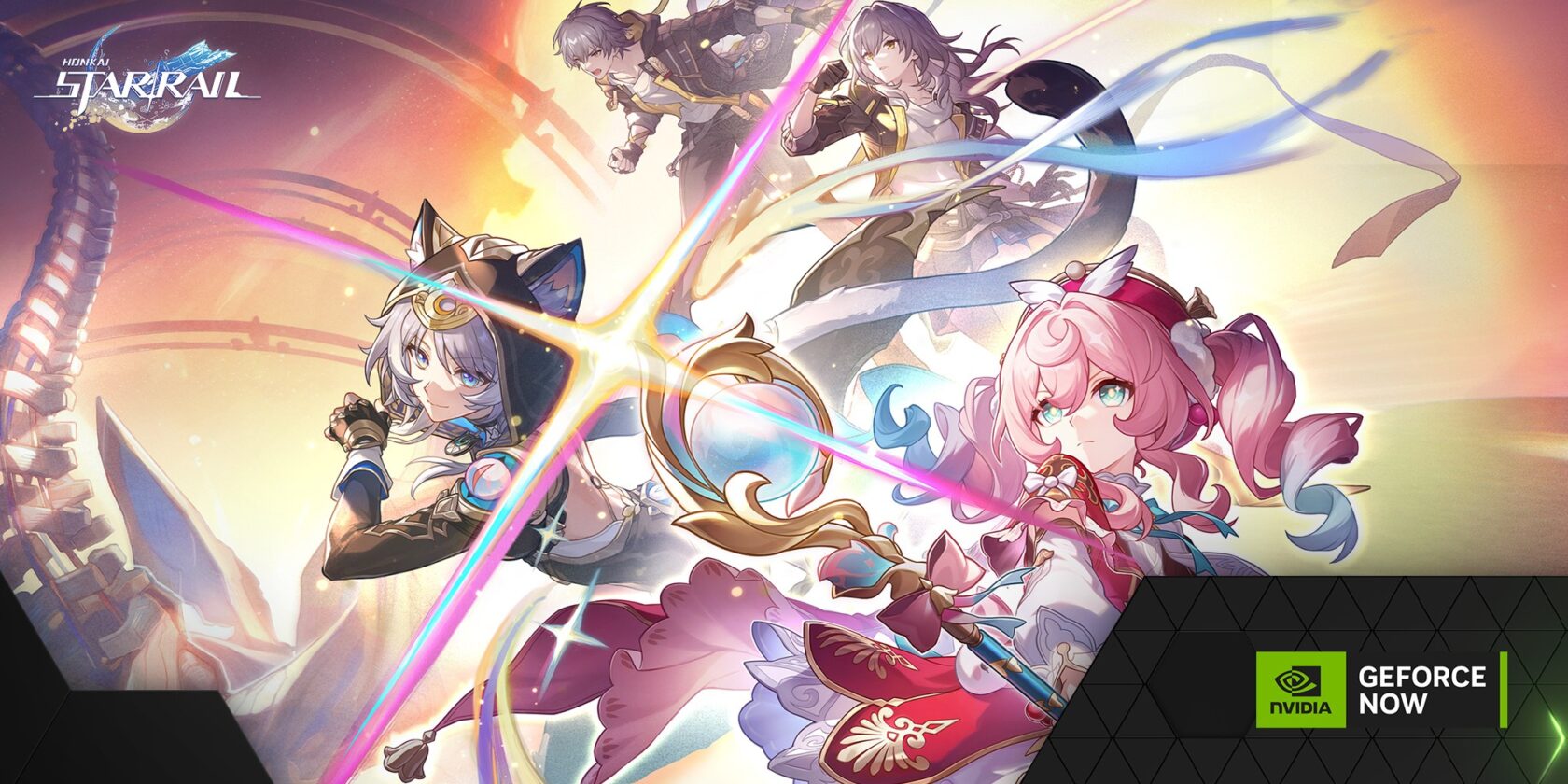
Honkai: Star Rail version 3.3, “The Fall at Dawn’s Rise,” is now available for members to stream. The update features an epic finale to the Flame-Chase Journey as Trailblazers and the Chrysos Heirs face off against the legendary Sky Titan named Aquila. Players can also see two new five-star characters: Hyacine, a compassionate healer with a knack for keeping the team alive, and Cipher, a cunning debuffer who turns enemy strength against them. Fan-favorite characters The Herta and Aglaea also return. Plus, players can dive into fresh limited-time events like the high-speed Penacony Speed Cup and a quirky baseball mini game.
Look for the following games available to stream in the cloud this week:
Ever since artificial intelligence entered the mainstream, scientists have been eager to unleash it on weather forecasting. The forecasts we get from our smartphones, TVs, and smart speakers take a lot of processing power—and therefore time and money—to generate. Even then, they’re fairly zoomed out, or “coarse resolution,” making it difficult to predict how a small-scale weather event might impact a precise geographical area.
Theoretically, AI could make the forecasting process cheaper and more efficient by looking at millions of hours of historical data and making multiple intertwined calculations, rather than doing the math separately and squishing its answers together. But an AI weather model’s predictions must be accurate for that to happen. Otherwise, the whole effort falls apart, and entire communities are put in harm’s way.
Microsoft claims it has struck the delicate balance between speed, cost efficiency, and accuracy. In a research paper and accompanying blog post, Microsoft Research describes Aurora, a new AI weather model that it says can predict “air quality, ocean waves, tropical cyclone tracks, and high-resolution weather, all at orders of magnitude lower computational cost” than conventional methods.
Hurricane Florence as seen by ESA astronaut Alexander Gerst aboard the ISS. Credit: Alexander Gerst/Wikimedia Commons
According to Microsoft, Aurora was originally built as a foundation model that can be fine-tuned to various downstream tasks—trained on “over one million hours of data derived from satellites, radar and weather stations, simulations, and forecasts.” From there, the model can be asked to map out air quality, wave height, typhoon patterns, and more. The results take only seconds, while conventional weather forecasting methods can take hours to make a prediction.
In the research paper, Microsoft claims Aurora “outperforms operational forecasts” by delivering smaller-resolution and more precise predictions. The model has performed so well that Microsoft has since incorporated it into its own MSN Weather service and made Aurora’s source code and model weights publicly available. One startup has already used the model to map renewable energy markets, according to The New York Times.
Both traditional and AI-powered weather forecasts are reviewed and delivered by human meteorologists. This means the overall weather prediction process would likely remain unchanged, should AI models usurp their predecessors. But AI weather models were considered unreliable and impractical just a few years ago, leaving some meteorologists unconvinced of Aurora’s promise.
“We’re all in the hype right now,” Amy McGovern, a computer scientist and meteorologist who wasn’t involved in the making or testing of Aurora, told the NYT. “AI weather is amazing. But I think there’s still a long way to go.”
What exactly does it take to turn a small startup into a global player in the most competitive business niche on the market? Vision, guts, and a whole lot of patience. Soft2Bet didn’t start with a massive budget or a primed audience. It began from an idea and a founder who knew what he wanted and spotted opportunities where others saw roadblocks. He is Uri Poliavich, a sharp-minded entrepreneur with a bold vision for building something entirely out of the box and using iGaming profits for good. Today, Soft2Bet is one of the most prominent players in the iGaming market, and today we’re going to explore how Uri Poliavich took Soft2Bet from a startup to the top of the list of online gambling companies.
Story Behind a Visionary
Uri was born in Soviet Ukraine in 1981. Having a very modest start to his life, Uri explains: “I remember the feeling of hunger the most. Not just the physical hunger I felt as a kid, but the deep hunger to change my life. I wanted to escape the grayness that surrounded me, to replace it with something bright, meaningful, and full of color and purpose”. At 14, he relocated to Israel, where he completed his education and served in the Israeli army, gaining much-needed leadership experience. In pursuit of higher education, Poliavich graduated from Bar-Ilan University with a law degree and at first pursued his legal career. His business spirit drove him to Central Asia, where he was responsible for multiple operations that led to his ventures in the iGaming sector.
Working in Asia is thought to have sparked his passion for iGaming, culminating in the founding of Soft2Bet in 2016. Upon launching, Soft2Bet was just a small startup run from tiny offices in Malta. Today, Soft2Bet boasts 19 international licences in 12 countries, including, but not limited to, Ontario (Canada), Denmark, Greece, Ireland, Italy, Malta, Mexico, Romania, Spain, and Sweden. The company’s highly specced out headquarters are located in the iGaming capital Malta and research and development offices are in Cyprus.
In addition to such explosive growth, Soft2Bet also developed a proprietary gamification platform, MEGA (Motivational Engineering Gaming Application), that was awarded “Product Launch of the Year” at Global Gaming Awards EMEA in 2025. On the first day of ICE Barcelona, Uri was also awarded “Executive of the Year” and is listed among the top 50 most influential Jews globally.
Soft2Bet: Success and Giving Back
Soft2Bet offers a portfolio of over 12,500 games from hundreds of providers and sports betting for over 60 different sports. More than 1 million live events are held annually and in over 20 languages. Soft2Bet’s success is evident in the launch of its popular brands like Betinia, Yoyocasino, Campobet, Quickcasino, and Don.ro. Each one of the brands is tailored explicitly for markets such as Denmark, Sweden, Mexico, and Romania. For operators just entering the iGaming market, Soft2Bet’s turnkey solutions provide a fully built package to kickstart their operations.
In 2024, Soft2Bet decided it was time to do more than lead the iGaming industry — it was time to fuel it. That’s when they rolled out Soft2Bet Invest, a €52 million fund with a clear mission:
To offer funding between €500,000 and €1 million per project.
To help ambitious startups and scale-ups in the iGaming or casual gaming space.
To look for projects with innovative tech, such as AI-powered tools, user experience analytics, or scalable gaming platforms.
To support founders who are building the next generation of gaming technology.
To give a chance to grow with one of the most forward-thinking companies in iGaming.
With such an inspiring beginning and making bold moves in tech, design, and investment, Soft2Bet under Uri’s leadership isn’t slowing down anytime soon. So if you’re watching Soft2Bet’s next moves, don’t blink – the next chapter is already written and will be worth reading
Memorial Day always falls on the last Monday of May. This year, it is on Monday, May 26, 2025. However, many retailers started sales a few weeks ahead of the holiday.
Is Memorial Day a federal holiday?
Yes, Memorial Day is one of 11 federal holidays recognized nationwide in the US. It is celebrated on the last Monday of May annually. Typically, schools, businesses, and government offices are closed during Memorial Day. Essential institutions like hospitals, airports, police stations, and more do not close for Memorial Day.
Is Amazon having a Memorial Day sale?
Amazon is having a Memorial Day sale and plenty of items discounted. In fact, the retailer has a Memorial Day sales landing page up, but Amazon typically doesn’t heavily advertise for the event like it does for Amazon Prime Day. Other retailers like Best Buy started sales as early as May 15, so Amazon will likely feature similar discounts on products during the same period.
What other retailers are having Memorial Day sales?
Here are some important dates across several retailers to keep in mind if you’re planning on shopping deals this Memorial Day. Historically, the Friday to Sunday before Memorial Day is usually when you’ll see the most retailers offering savings.
Target Memorial Day Sale: Target’s Hello Summer Sale usually kicks off the brand’s Memorial Day savings about a week before the holiday. On May 15, Target confirmed the return of their Hello Summer Sale, which will overlap with Memorial Day, running from May 18 – May 26.
Walmart Memorial Day Sale: Walmart hasn’t officially confirmed any dates for a specific sale, but the retailer is sure to offer savings comparable to those of its top competitors as the holiday approaches.
How did we choose these Memorial Day deals?
ZDNET only writes about deals we want to buy — devices and products we desire, need, or would recommend. Our experts looked for deals that were at least 20% off (or are hardly ever on sale), using established price comparison tools and trackers to determine whether the deal is on sale and how frequently it drops.
We also reviewed customer reviews to find out what matters to real people who already own and use the deals we recommend. Our recommendations may also be based on our testing — in addition to extensive research and comparison shopping. The goal is to deliver the most accurate advice to help you shop smarter.
Are there any products on sale that won a ZDNET Editor’s Choice award?
First launched in April 2025, The ZDNET Editors’ Choice badge represents our highest endorsement for a technology product or service. It’s a distinction awarded exclusively by our seasoned team of expert editors, analysts, and reviewers. Though the majority of the product deals listed on this page are ZDNET-tested, they all aren’t Editors’ Choice winners. That’s because that badge isn’t handed out lightly. However, lucky for you there are a few winning products on sale ahead of Memorial Day 2025, like the Asus Zenbook A14, the OnePlus 13, and the Google Pixel 9 Pro Fold.
As a commerce and advice editor, I can recommend a few things to help you maximize Memorial Day sales. I always recommend preparing to shop by researching and planning potential purchases, listing want and need items, and setting a budget before sales. It’s also great to use verified price tracking tools like CamelCamelCamel or Google Shopping, which make it easy to locate the best price. It’s always good to remember the perks offered if you’re a member of a program like Target Circle 360, Amazon Prime or Walmart+. Often, these memberships offer services like free pickup or delivery, free shipping, exclusive early access, and more, and those extras are good to remember when every retailer starts matching prices on products to compete for the sale.
Should I wait for Prime Day deals instead?
It depends. If you’re shopping for seasonal-specific items like patio furniture, outdoor gear, and more, I would not wait to shop for these deals. Prime Day likely won’t roll around until mid-July, and two months is a long time to hold out for an item if you’re purchasing a product with the intent of enjoying it this season.
But if you’re not in the market for select spring and summer items, it may be worth waiting to shop Prime Day offers, especially on flagship Amazon products. Historically, the best prices on devices like the Echo Dot, Fire Stick, and more are offered during Amazon’s exclusive Prime Day events.
What are the tariffs in the US?
The shifting US tariffs on imports from countries like China, Vietnam, and India aim to boost domestic manufacturing but are likely to drive up prices on consumer electronics. Products like smartphones, laptops, and TVs may become more expensive as companies rethink global supply chains and weigh the cost of shifting production.
The tariffs could also lead to delays in product launches or shifts in where and how phones are made, forcing companies to diversify production to countries with more favorable trade conditions.
What are the best Memorial Day 2025 deals?
ZDNET’s experts are searching through Memorial Day deals across retailers to find the best discounts by category. These are the best deals so far:
Looking for the next best product? Get expert reviews and editor favorites with ZDNET Recommends.
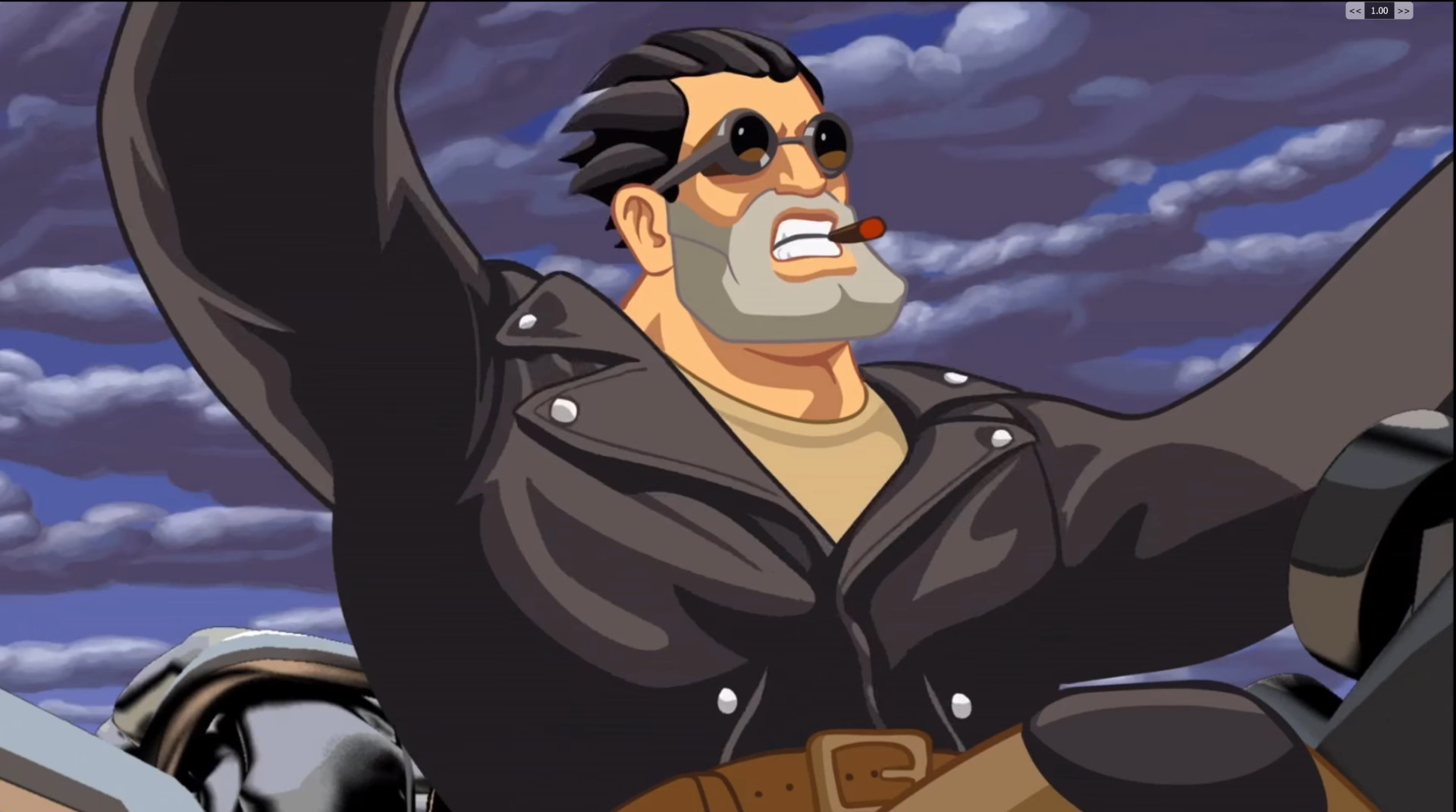
LucasArts adventure gaming classic Full Throttle recently celebrated its 30th birthday. Exactly how recently, you ask? Well, that’s the question. During birthday preparations for Tim Schafer’s beloved motorcycle odyssey, Schafer’s studio Double Fine Productions realised it didn’t know the precise date of Full Throttle’s initial release.
Consequently, Double Fine’s Customer Support Specialist and amateur sleuth Peter Silk (which is a perfectdetective name, by the way) launched an investigation to discover the true release date. He detailed this enquiry in a thoroughly engrossing article on the Double Fine website.
Silk begins by outlining the problem, which is that, according to the Internet, Full Throttle has numerous original release dates. “IMDb and the unofficial LucasArts Fandom.com site both say April 30th, 1995. But then there are the ones that say April 20th, meanwhile Wikipedia says May 19th. Google likes to give any of these three answers, depending on how it feels on the day.”
Double Fine itself considers April 30, 1995 to be the release date. But Silk notes that there is no reliable source for this date, Moreover, April 30 landed on a Sunday in 1995, an unlikely day to release a game given shops were typically closed on Sundays in the nineties.
Suspicious, Silk checked the files on the original release disc, and discovered they were still being modified as late as May 2nd, 1995, meaning the game could not have been on shelves before that date. “Our official anniversary date was simply impossible. So what’s the truth?” Silk writes. “Perhaps the best 30th birthday present I could give Full Throttle was a real birthday.”
Silk’s initial research took him to Scotland, or at least, an advert in Scottish newspaper The Daily Record from defunct high-street retailer Dixons. This advertised Full Throttle as available for £39.99 on Friday, May 19, 1995.
It seems like a slam dunk. However, as Silk notes “In the mid-90s it was extremely common for games to be released in Europe later than in the US, and stores frequently got dates wrong, because they weren’t as widely known and communicated in the time before digital releases.”
Keep up to date with the most important stories and the best deals, as picked by the PC Gamer team.
Silk then goes on to check “every newspaper clipping in every country I could find,” but none of them feature the game’s actual release date. Even the full-page Full Throttle ad splashed across videogame magazines of the era didn’t have the actual release date on it, instead stating “Call 1800-STARWARS for availability”.
Silk’s investigation then hits a further snag, as he discovers that retailer CompUSA was expecting copies of Full Throttle as early as May 5th. But this delivery was delayed, with CompUSA not receiving copies until at least May 18. Given the delay, Silk theorises “this might mean that the game didn’t strictly have one street date, but that stores started selling it as and when they got their delayed copies delivered.”
In other words, Full Throttle’s formal release date is elusive because it may never have had one in the first place. Unsatisfied with this answer, Silk comes up with an ingenious solution. Instead of looking for when the game started coming out in stores, he checks when players started asking for hints and tips for the game online. “Before May 19th, 1995, nobody was asking forFull Throttlehints,” Silk observes. “However, after that date, they started to flood in.”
In their requests for assistance, these bewildered gamers help pinpoint May 19, 1995 as the day Full Throttle was properly released. “Can it really be said that an adventure game truly exists in the hearts and minds of the public until that moment?” Silk asks. Truer words were never spoken.
The hotel lobby is the first point of contact between the guests and the establishment, so it plays a very important role in the overall guest experience. It’s not just the area where one gets checked in or waits but it is key in communicating the brand, its values, and the overall style of luxury of that hotel.
With extensive usage of advanced tools such as 3D design software and CAD interior architectural detailing services, modern interior designers and architects guarantee the lobby looks pleasant and functional and also welcomes all the visitors; it helps achieve all detailed designs to ensure a level of precision, and enables a hotel to realize its vision of being functional while achieving optimal planning.
Cad Crowd has been a leader in providing the best freelance 3D CAD interior detailing professionals to design firms and architectural companies for over 15 years. This article focuses on five crucial aspects of hotel lobby 3D design and CAD interior detailing services, which play an important role in designing the ideal lobby.
🚀 Table of contents
Space planning and layout optimization
One of the most crucial design elements in a hotel lobby’s space planning would probably be how space is distributed for different functionalities and amenities in this space. A good design must facilitate the flow through the space while giving guests an uninterrupted experience from entry through waiting, resting, and the like. This means aesthetic appeal should come hand in hand with optimized usage of space.
Main considerations when doing space planning in hotel lobbies:
Guest circulation: The lobby should be designed to allow easy movement without feeling overcrowded or cramped. Proper space allocation ensures that guests can comfortably move between areas like the check-in desk, waiting lounges, and elevators.
Zones: A good hotel lobby will have different zones, such as the front desk where guests check-in, the sitting areas, and possibly a bar or a café. All these areas must be designed to have a functional flow while each area serves its purpose.
Functional access: Utilize design characteristics, such as a doorway, place of furniture, and ease of accessible services, which will be used for the purpose that space will adhere to the accessibility specifications of all guests.
Role of 3D design and CAD interior detailing: Architectural design firms can test various layouts and configurations to move walls, furniture, and partitions around using 3D design software. Virtual mockups will ensure the space is fully utilized. CAD detailing ensures precise measurements so that furniture and fixtures fit into the space without gaps.
This is where all the guest experience is set. Starting from the colors used, the textiles, and the lighting to the furniture and décor, everything that is chosen should have been considered in relation to hotel brands and themes. Whether the style is luxurious, modern, minimalist, or bohemian, the hotel should show that particular style in the lobby design.
Main aspects of aesthetic design:
Color palette: Colors can affect emotions and, in a way, the mood of a place. Luxury hotels might opt for deep tones such as gold, navy, or burgundy. A boutique hotel would opt for something more vibrant and eclectic.
Materials and textures: These aspects give the space a sensory feel. A hotel design has to use materials that give an incomplete look and feel, which are not only durable but also easy to maintain.
Lighting: One of the most influencing elements in ambiance creation is lighting. The designers use natural light as well as artificial lighting to draw attention to architectural features, evoke a mood, and make guests feel comfortable and welcome.
Decorative elements: Art, sculptures, plants, and even furniture style must align with the theme and purpose of the space.
3D design and CAD interior detailing: A designer can get a real-time view of effects from various color schemes, textures, and lighting schemes using 3D rendering services. They can play with many different configurations to get a feel of how the individual elements work in conjunction with one another before ever having to physically make changes. In CAD detailing, a designer can draw furniture and fixtures with precision and accuracy so that everything will be proportionally correct to the space.
Lighting design: Creating the proper mood
Lighting design professionals are integral to the hospitality lobby and dramatically affects the environment. In the right lighting, architectural detail can be more pronounced; warm ambient light can give a sense of welcome, or the overall appearance of the property can be even more beautiful. In any hotel lobby, lighting must provide a strategic presentation of key space elements, which include the front desk, lounge furniture, and visual interest.
Key considerations for lighting design include:
Layered lighting: Layered lighting often comes through several defined layers – ambient lighting, task lighting, and accent lighting. Ambient lighting helps to illuminate the space overall, task lighting directs focus to specific areas such as a check-in desk, and accent lighting lights up artwork or architectural features.
Natural lighting: Natural light can be brought into the lobby through large windows or glass walls and has been scientifically proven to raise mood and a welcoming ambiance for the guests.
Energy efficiency: The hotel lobbies are indeed areas of frequent visitation that demand extended operating hours. Lighting solutions that may be considered “green,” for example, LED, will reduce energy consumption without negatively affecting the look.
It is through 3D design and drafting services and CAD interior detailing that designers will have an opportunity to see within their virtual space how materials and furniture react to light. Lighting angles, colors, and intensity may now be tweaked in order to achieve the kind of mood desired. On the other hand, with CAD detailing, the placement of lighting fixtures to be used will be easier to identify so that they can be applied accurately and have a means for illuminating the desired areas.
Sustainability has become a key factor for hoteliers when designing lobbies. Designing such lobbies that are not only eco-friendly but minimize the implications on the environment without compromising luxury and style. This feature has not only proved to be an environmental signifier but also a marketer’s tool for targeting smart travelers. Architectural detailing services should take this into consideration.
Key considerations for sustainable design:
Sustainable materials for selection: Material selection in a lobby design is also one that can include reusing reclaimed wood, recycled metal, or stones sourced locally, which not only helps reduce its carbon footprint but also adds the unique character that such materials introduce to the room.
Energy efficient features: Other energy-saving features can be incorporated besides the LED lighting system, such as energy-efficient heating, ventilation, and air-conditioning systems, in addition to light automation and natural ventilation systems.
Indoor air quality: The use of low-VOC paints, sustainable fabrics, and natural cleaning products will ensure better quality indoor air for guests and staff.
Role of 3D design and CAD interior detailing: 3D design tools allow designers to experiment with green materials and their visual impact, as well as how they come together with the rest of the design. CAD detailing ensures that the materials used are correctly specified for production; hence, it would be easier for a designer to source sustainable options and take good care of the intent behind the design.
Technology in the hotel lobby is no longer a luxury but a necessity to provide a modern, seamless guest experience. From automated check-in kiosks to interactive displays and smart lighting, technology is increasingly playing a role in hotel interior design services.
Check-in kiosks: The guest self-service kiosk for check-in and check-out should be the easiest and most straightforward, with absolutely no human interface. Such kiosks are a great feature for the lobby as well as an aesthetically pleasing way of presenting these self-service stations.
Interactive displays: Interactive digital displays may show the hotel services, the points of attraction of the location, or even the weather forecast. It should be located at the optimal viewing and access point.
Smart lighting and climate control: Automated systems that adjust lighting and temperature according to occupancy can provide a more personalized experience for guests and improve energy efficiency.
Role of 3D design and CAD interior detailing: The technology integration in the lobby can be simulated using 3D design software, so how the tech elements will interact with the space. CAD detailing helps to specify the electrical and technological infrastructure that will be required for features like interactive displays, kiosks, and smart lighting.
Conclusion
Hotel lobby 3D designers and CAD interior detailing services have really changed the design of hotel interiors. It has been enhanced with advanced tools in terms of space planning, aesthetic design, lighting, sustainability, and technology integration, through which the final output of the hotel will be designed in a manner that will serve the functional requirements and branding aspirations of the hotel.
As hotel lobbies become multi-functional spaces that host guests with various needs, these five essential elements remain integral parts of the designs to be visually compelling while functionally working and inviting.
It might be an over-the-top luxury five-star hotel or an on-trend boutique property; nevertheless, splurge on professional 3D design and CAD detailing services so that the lobby will always be well-thought-out, giving a lifetime first impression to everyone who goes there. Cad Crowd has years of experience to connect you with the top services that enable you to bring your dream into reality. Request a quote today.
MacKenzie Brown is the founder and CEO of Cad Crowd. With over 18 years of experience in launching and scaling platforms specializing in CAD services, product design, manufacturing, hardware, and software development, MacKenzie is a recognized authority in the engineering industry. Under his leadership, Cad Crowd serves esteemed clients like NASA, JPL, the U.S. Navy, and Fortune 500 companies, empowering innovators with access to high-quality design and engineering talent.
The Witcher games are one of the clearest examples of improvement over a series in videogame history. No backsliding here: The Witcher was a mess, The Witcher 2 was genuinely quite decent, and The Witcher 3: Wild Hunt was a masterpiece. The Witcher 3’s success put CD Projekt Red on Sony’s speed-dial, but it had other consequences as well.
The Witcher 3 at 10
(Image credit: CD Projekt RED)
To celebrate its 10th anniversary, all this week we’re looking back on The Witcher 3—and looking ahead to its upcoming sequel, too. Keep checking back for more features and retrospectives, as well as in-depth interviews with the developers who brought the game to life.
“It gave us confidence that we can deliver a truly ambitious and engrossing RPG of a big scale,” says Michał Nowakowski, joint CEO and member of the board, speaking to PC Gamer’s Joshua Wolens. “And that we can punch above our weight and we can get head to head with the big ones. I remember, I was like, really, really afraid of the standard that Dragon Age: Inquisition’s going to set,” Nowakowski recalls.
While the two did duke it out for RPG of the Year awards (“I thought it was a fantastic game,” Nowakowski says of the competitor), The Witcher 3 was such a smash it changed expectations at CD Projekt Red. “That gave us confidence,” Nowakowski says. “Maybe in many ways even too much confidence looking back, to be honest, because I think that was the beginning of a bit of magical thinking for the company, which only stopped after Cyberpunk.”
Or as Adam Badowski, CD Projekt Red’s other joint CEO and member of the board puts it, “We turn from underdog to the company that is visible in the industry.”
The idea of magical thinking brings to mind BioWare magic, the idea that a troubled videogame will inevitably come together during the final stage of development because that’s what happened last time. And while the concept’s been torn apart repeatedly, it persisted because so many videogames do come together at the last moment. Even a classic like Thief: The Dark Project wasn’t fun to play until it was almost finished.
“I do remember, for The Witcher 3 specifically, seeing a version of the game that was put together, I think it was like February, 2015?” Nowakowski recalls. “I remember I walked up to Adam and said, ‘How are we in a good shape? Because that looks really not that great.’ You know, like, ‘Don’t worry. We’re gonna make the final push with the patch. That’s gonna be a day-zero patch.’ I remember talking to some of the key tech people, and they were tired—exhausted, to be honest—but it’s OK. We’re gonna make it happen. And they did. Of course there were a lot of patches afterwards, but the whole thing was like a force of nature. Lots of chaos, and a lot of final-moment efforts over there, without I think proper planning.”
(Image credit: CD Projekt Red)
The fact The Witcher 3 came together in that final push didn’t help the way the studio thought about things. “Everybody felt I think for a few moments that whenever something’s going on, we’re gonna have a magic fairy at the end that’s gonna come down and sprinkle some dust, and things are gonna be OK,” Nowakowski says. “I’m of course exaggerating, but there is some truth in that. So that’s a negative change. The positive change was that confidence, which I think helped us to build the ambition, which I still think is a big value of the company.”
Keep up to date with the most important stories and the best deals, as picked by the PC Gamer team.
Cyberpunk 2077’s development demonstrated both the benefits of ambition, and the risks of overconfidence. Even as the studio got bigger, Nowakowski says, “A lot of things were developed in almost isolation, as weird as it may sound, so we sometimes didn’t see the actual effects of how it actually interacts until it was put together.” If those things developed in isolation don’t magically come together, you end up with a game full of disconnected systems, and sidequests that feel like they don’t mesh with the main questline. Which is to say, you end up with Cyberpunk 2077.
The Witcher games were developed in a similar way, Nowakowski says, but the issues that resulted were easier to fix. “It was probably never fine,” he says, “but it worked when the scope of the games were smaller. Like for Witcher 1 and 2. But I think at The Witcher 3, we could already hear the boat is creaking a little bit.”
(Image credit: CD Projekt)
Following the launch of Cyberpunk 2077, the studio worked to tear down that isolation. “I don’t want it to sound like it was all chaos, you know, burning cart on fire, because that would also not be true,” Nowakowski says. “We had great producers, and there was a lot of planning involved that made sense.” But the processes at CD Projekt Red in need of addressing finally were, “and that’s a big change that happened after Cyberpunk.”
When you’re spending $81 million to make a game like The Witcher 3, and $320 million on Cyberpunk 2077’s launch version, you don’t get to be the underdog any more. It can be hard to let go of the idea you’re the upstart rebels disrupting an industry and approach work more responsibly, though. “It was cool to be underdog,” says Michał Platkow-Gilewski, VP of PR and communication. “Yeah, it’s sexier.”
In today’s unpredictable business landscape, companies—especially in the insurance industry—are under increasing pressure to stay agile, control costs, and make smart hiring decisions. Finding experienced, reliable talent can be a real challenge. That’s where WAHVE comes in.
WAHVE offers a smarter way to build your team—with seasoned professionals on a contract basis who are ready to contribute from day one, without the long ramp-up or risk of traditional hiring.
WAHVE matches retiring, experienced professionals—often with 25+ years of industry-specific experience—to insurance businesses based on your exact job requirements. These are “pretiring” experts who work remotely and bring both knowledge and professionalism, helping you stay productive, cost-effective, and resilient in any market conditions.
Who WAHVE Supports
WAHVE works across the entire insurance spectrum, serving:
Carriers
Retail agents and brokers
Wholesale brokers, MGAs, MGUs
Insurance industry service providers
Wahves fill roles in underwriting, claims, policy admin, accounting, and support—on a full-time, part-time basis.
Why Organizations Choose WAHVE
Vast Experience:
WAHVE professionals average 25+ years in the insurance industry. They bring hands-on expertise and institutional knowledge, with minimum training required.
Tailored Matching:
Through a detailed screening process, WAHVE ensures candidates are the right fit—technically and culturally—for each client.
Flexibility & Scalability:
Whether part-time or full-time, WAHVE allows you to scale your team up or down efficiently and cost-effectively.
Cost Savings & Continuity:
Avoid recruiting, onboarding, and turnover costs while maintaining expert-level support. WAHVE delivers talent with lower overhead and reduced risk at or below typical market rate.
Long-Term Support Without Long-Term Commitment:
Get dedicated professionals who deliver long-term value—without the long-term hiring obligation.
Experience the WAHVE Difference
In a time of uncertainty, WAHVE offers insurance firms a smart, stable, and strategic staffing solution. Turn unpredictability into opportunity—with experts ready to help you move forward.