Look, I’m not saying I’m not amazed that games have reached this era of visual hyperrealism where I can count the individual hairs in your character’s nose. It’s an impressive feat, no doubt. But I’m still one of those people firmly in the camp of stylized and exaggerated over indistinguishably lifelike and authentic.
More quizzes!
(Image credit: Future)
Want to keep testing your knowledge of gaming trivia? We’ve got loads more PC Gamer quizzes, on everything from healthbars to weird currencies to absurd patch notes.
I’m far more interested in a game’s art direction—think the elegant brushstrokes of Okami, the striking impressionism of Disco Elysium, or almost any RPG from gaming’s 16-bit era. That last one is my real weakness, though. Secret of Mana rewired my brain.
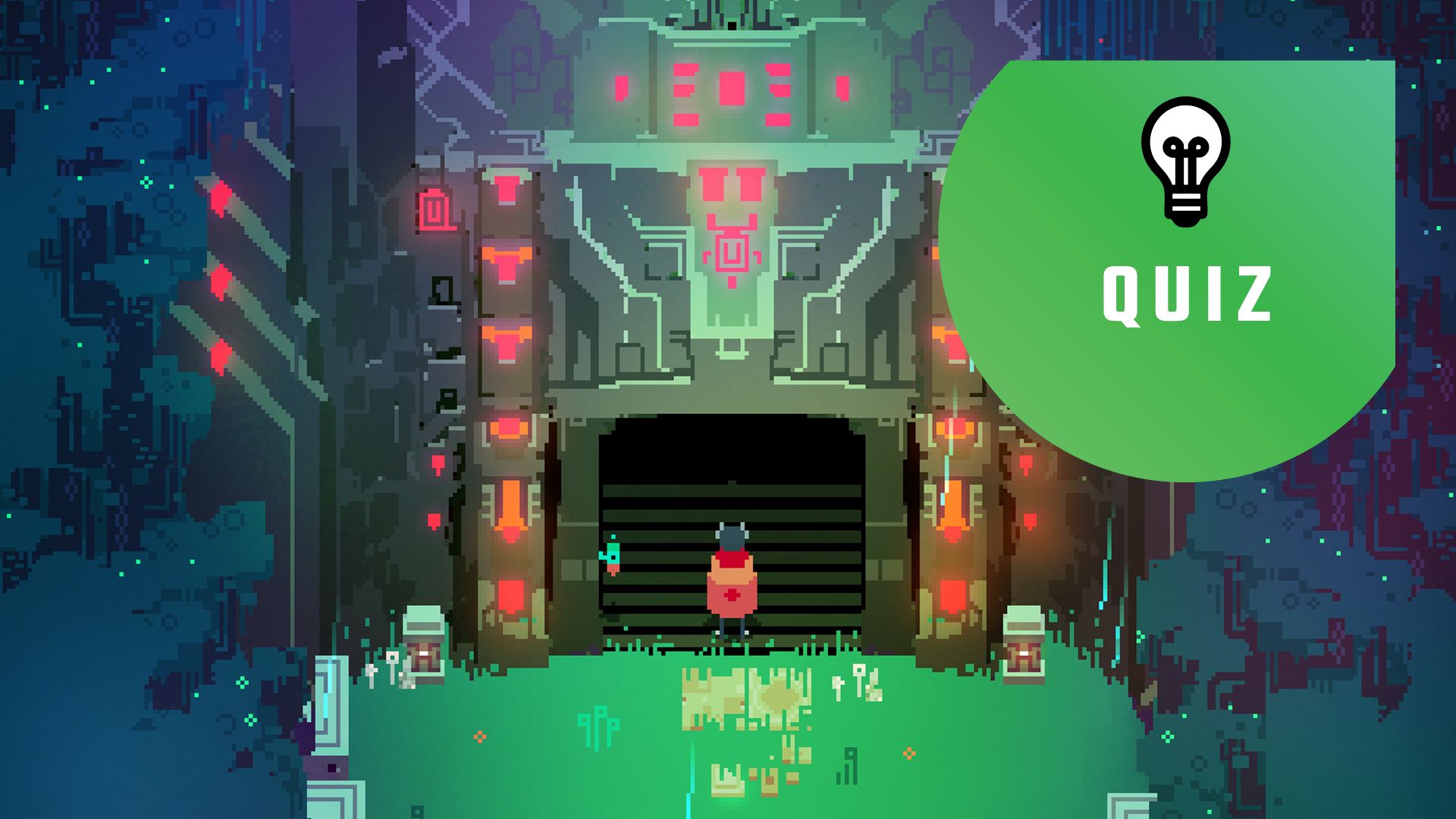
And like so many of you, an adoration for the pixely visuals of 8-bit, 16-bit, and even 32-bit games has followed me into adulthood. Modern releases channeling those aesthetics may no longer be limited by the machines they’re running on, but I’m still floored by the detailed pixel-work in games like Hyper Light Drifter or Replaced.
That’s why I’ve dedicated today’s quiz to games with striking pixel art styles. Some of them are far more traditional than others, staying true to their 8- or 16-bit aesthetics, while others are more inspired by the era. You’ve got 10 minutes to name all 15 games based on a single, cropped screenshot.
Good luck, and when you’re done, let me know your score and some of your favorite pixel art games. I’ve got a long list of games I haven’t used stored away for future quizzes, so maybe you’ll see your favorite included next time.
Keep up to date with the most important stories and the best deals, as picked by the PC Gamer team.
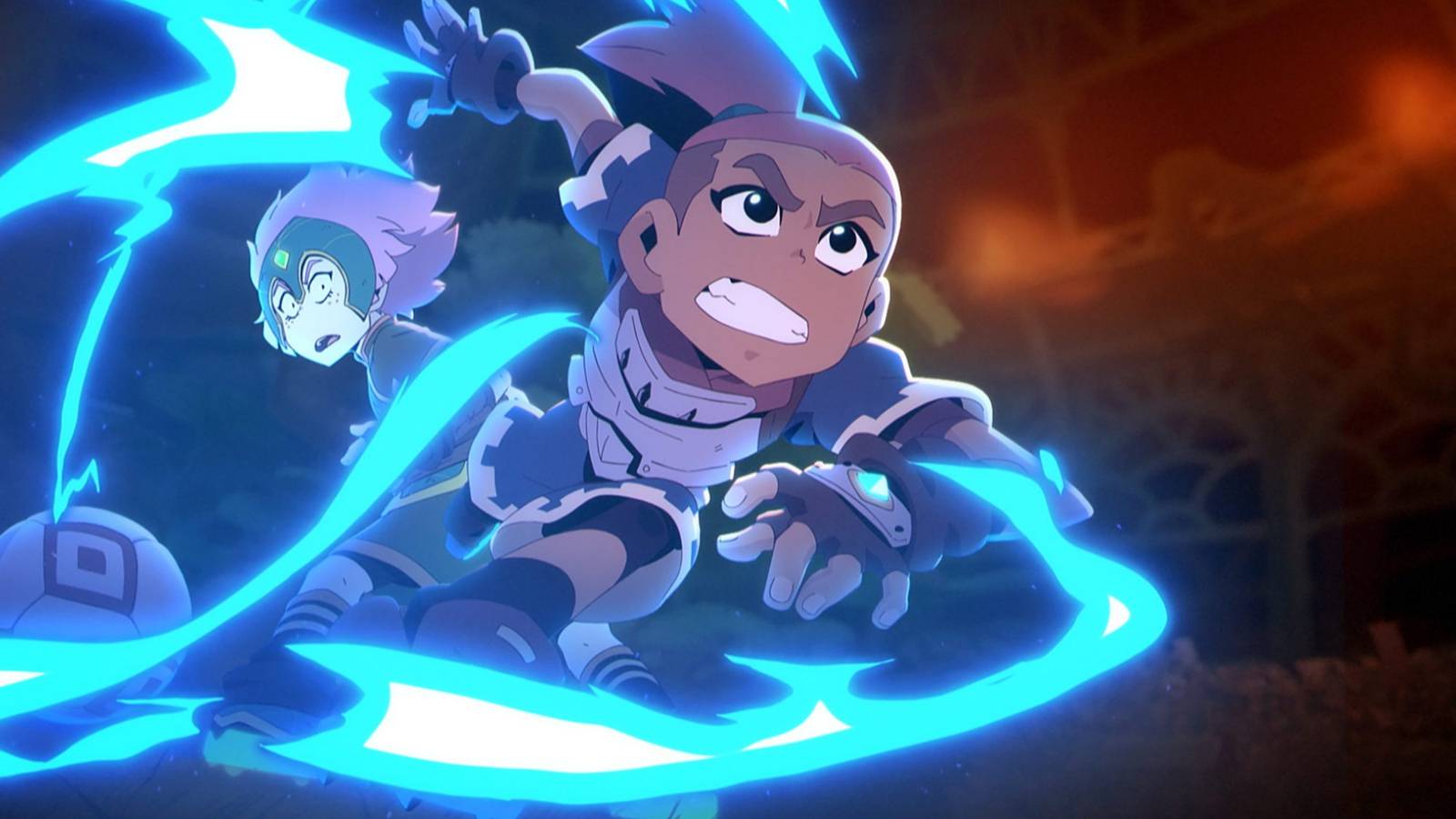
Dragon Striker quietly premiered on Disney Plus in June, and it’s one of the easiest recommendations I’ll make all year. Disney barely marketed the fantasy sports series to its Lilo & Stitch-enamored mainstream audience, but without exaggerating, it deserves to be mentioned alongside the best family animation on television.
Produced by Paris-based Chouette Studios, it’s a gorgeous blend of Eastern and Western storytelling sensibilities, pairing stunning 2D animation with a coming-of-age fantasy that feels like Avatar: The Last Airbender colliding with Harry Potter, My Hero Academia, and… the global obsession with soccer? Yes, somehow it’s also perfect for World Cup season.
If you needed an excuse to finally watch it, Disney just supplied one. During the 2026 Anime Expo, the company announced Dragon Striker will return for a second season in early 2027 on Disney XD and Disney Plus, giving one of the streamer’s most impressive original animated series the chance to build a much bigger audience.
If enough people watch Dragon Striker, it can achieve the true milestone of success: endless discourse over whether it’s technically an naime or not! And as we know, it doesn’t really matter. Chouette was founded by artists who grew up dreaming of making Japanese-style animation, and that passion comes through in every frame. What a joy to see expressive, fantastical animation produced by Disney, which invests most of its money at this point in live-actionifying so much of its legacy of beauty.
Dragon Striker season 2 first lookImage: Disney Plus
Dragon Striker follows Key Nagatatsu, a farm boy who dreams of attending Kal Asterock, an academy where students compete in gorotama, a magical sport that’s basically soccer. When Key accidentally awakens the legendary Dragon tama—a power once wielded by his late mother—he joins an abandoned banner called the Knights alongside his version of the Aang Gang. What begins as an underdog sports story gradually becomes something much larger, as the team’s tournament run obviously uncovers ancient conspiracies and unsettling truths about Key’s family. No spoilers for the end of season 1.
While Dragon Striker isn’t chasing the spiritual weight of Avatar, every character’s tama ability feels thoughtfully designed and the world has the cozy-but-epic feel of a classic RPG like Chrono Trigger — one of the creators’ stated inspirations. I am, if it’s not clear, delighted.
It’s a bit like if Kazuya Mishima and friends were reimagined by late-’90s Cartoon Network
According to the news out of Anime Expo, season 2 will see the Knights contend with broken friendships, buried secrets, and an ancient evil as they fight to reach the Banner’s Helm final. Akshay Kumar, Rebecca LaChance, Yeukayi Ushe, Waylon Jacobs, and Evanna Lynch all return, alongside another soaring score from composer Kevin Penkin. If Disney gives the new season a bigger spotlight than the first, Dragon Striker has everything it needs to become its next great animated obsession.
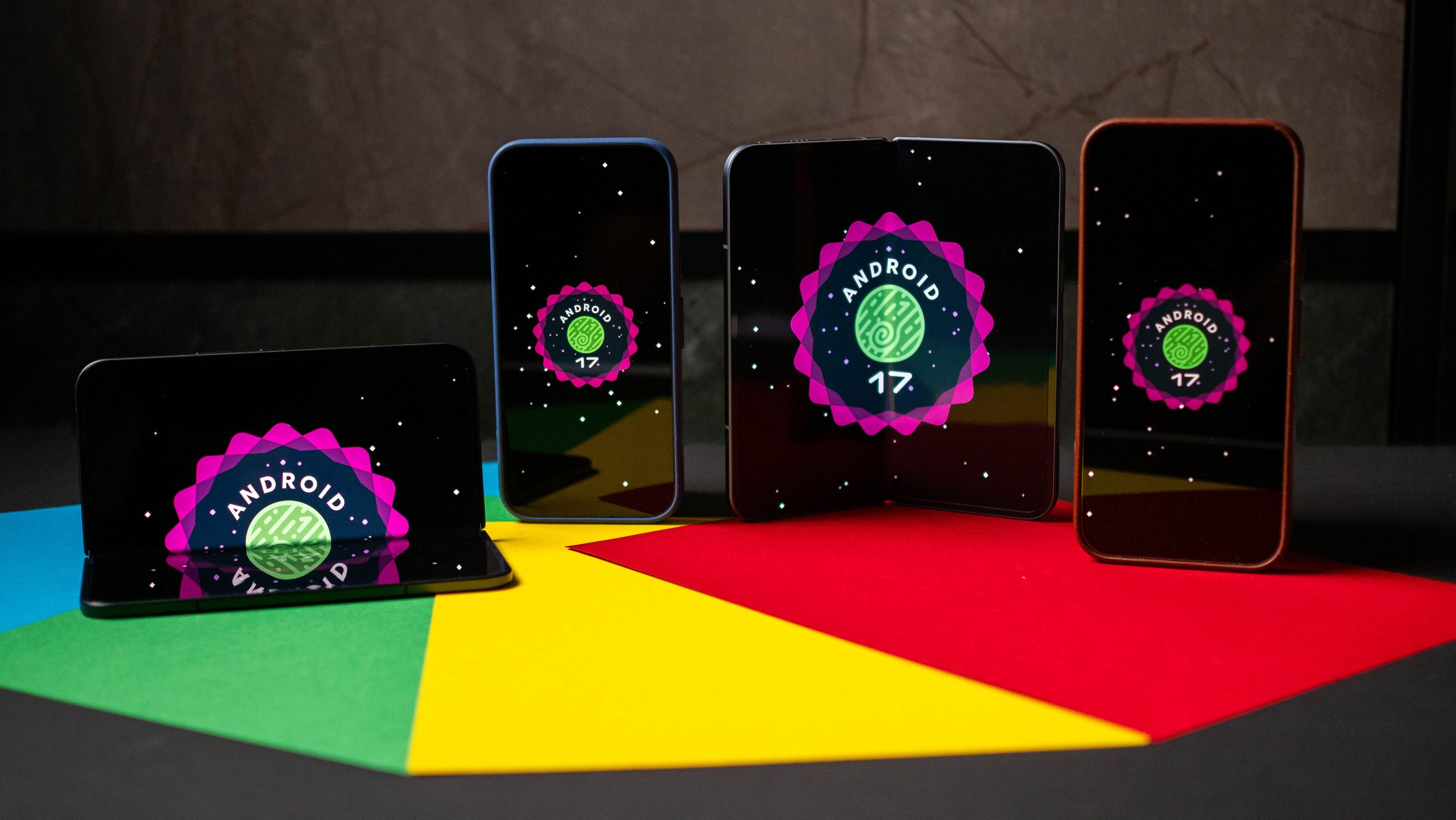
Google announced Android 17 QPR1 Beta 6 is rolling out for enrolled Pixel testers a week after Beta 5 dropped.
The patch is lighter, focused mostly on fixing issues Pixel testers have been reporting on the Issue Tracker.
Beta 5 carried a significant number of fixes for Pixel users, such as solutions for vanishing widgets, the Game Dashboard, and more.
The next beta for Android 17’s first quarterly update has crossed a major developmental hurdle. Here’s everything Pixel testers can expect to find.
Google announced that Android 17 QPR1 Beta 6 is rolling out now for enrolled Pixel users. As vCP31.260618.005 rolls out to Pixel 6 and new phones, Google states Beta 6 means the quarterly update has reached Platform Stability. This is a key milestone, as Google looks to begin preparations for a wider (stable) launch for phones. This latest beta is a bit lighter. Google only appears to have a few bugs it’s looking to squash ahead of more testing.
The company states it’s rolling out a visual glitch when “rapidly swiping through the media carousel.” Google says users experienced this in the Quick Settings layout and settings icons. Another fix rolling in is the result of several reports across three Issue Tracker threads following Beta 5. Pressing the volume buttons was reportedly producing an unintended result in the Clock app.
Latest Videos From
The remainder of the changelog is as follows:
Users were unable to select multiple spell checker languages
An issue in WindowManagerGlobal that resulted in app crashes
Enabling the Wi-Fi hotspot displayed a generic default SSID instead of the user’s saved custom name
The work continues
(Image credit: Nicholas Sutrich / Android Central)
Android Central’s Take
I wonder if Google is moving too fast. There are still so many pressing issues affecting users with Android 17, and other glaring problems for Pixels in general. Google has acknowledged some, but others have been happening for months now with no clear solution. I’d hate to see things get out of hand more than they are.
Beta 6 has stunned Pixel testers. It’s only been a week since QPR1 Beta 5 rolled out, and that patch carried a significant number of bug fixes. The last beta rolled out a fix for an Android 17 problem stable Pixel users encountered: vanishing widgets. So, while Google has acknowledged and seemingly already solved this problem, Pixel users still have a while to wait before it hits their phones (unless they’re in the beta). On the other hand, Google rolled out fixes for the Game Dashboard, a screen freeze with the Always-On Display, and more.
Android 17 QPR1 hitting Platform Stability early in July probably shouldn’t surprise us. Google rolled out Android 16 QPR2 Beta 1 in August last year, shortly after the Pixel 10 launched. Google’s been quickening its development process and trying to work through bugs at the same time. There’s a chance we’ll see something similar take place this year, too.
Get the latest news from Android Central, your trusted companion in the world of Android
A voluntary potato chip recall has been classified as a Class I recall by the Food and Drug Administration due to possible salmonella contamination. Class I is considered the health agency’s most serious recall level and means there’s a “reasonable probability” that the item “will cause serious adverse health consequences or death.”
Utz Quality Foods announced the voluntary recall in early May after discovering that a seasoning powder used in the chips, supplied by a third party, may have been contaminated with salmonella. The recalled chips were distributed nationwide, but no illnesses have been reported to date.
A representative for Utz Quality Foods did not immediately respond to a request for comment.
What items are recalled?
The following flavors of Zapp’s chips have been recalled:
Everyone, look how open-minded I am: I’m spotlighting a demo for a game I’m not personally interested in. Nobel Peace Prizes, FIFA Peace Prizes, Pepsi sponsorships, surely all mine now that I’ve pointed out Flask – a darkly comedic deckbuilding autobattler, with scratchy hand-drawn art by Danish pencil warlock John Kenn Mortensen – has a playable preview on Steam.
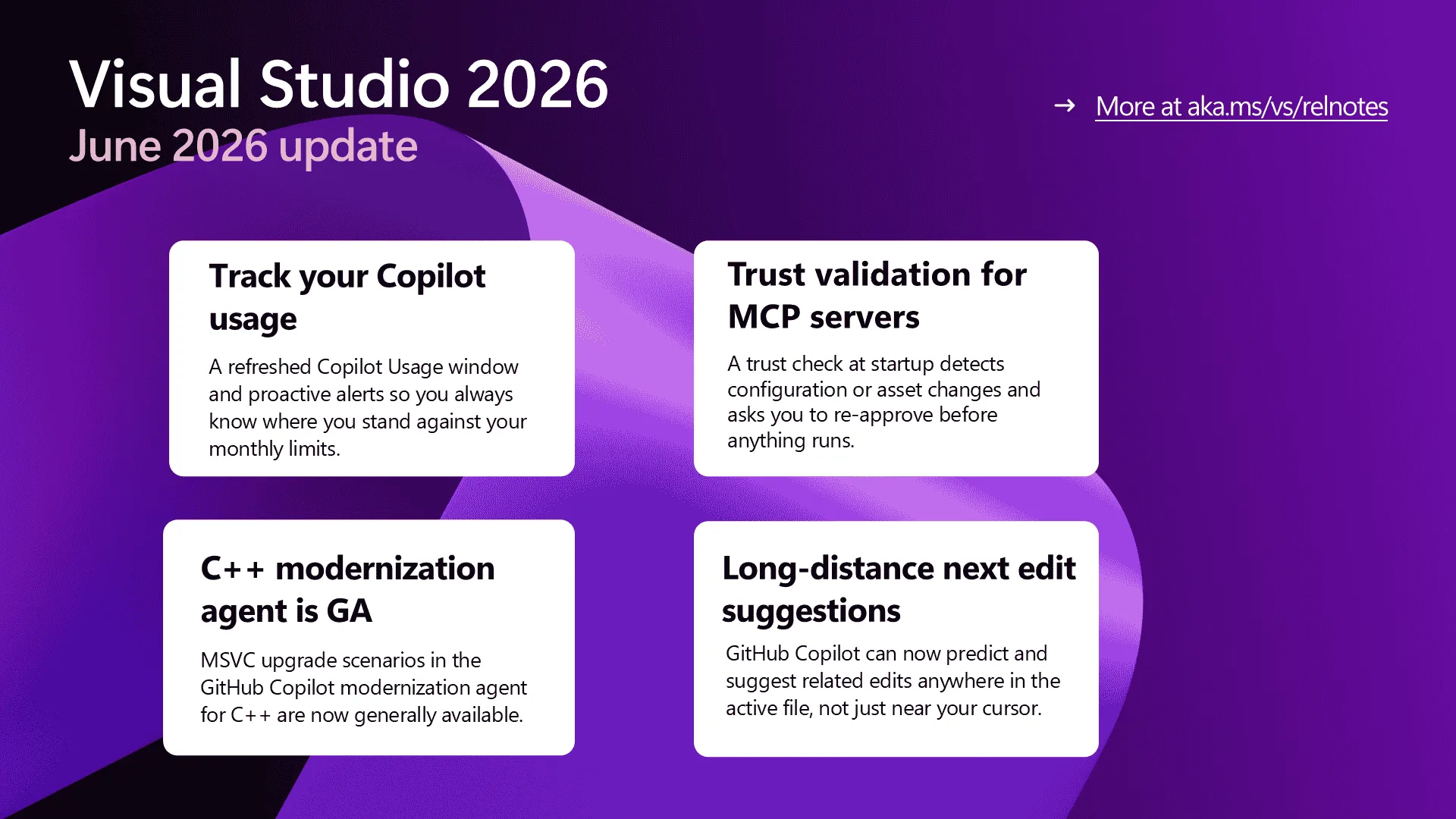
Visual Studio works best when you can see what’s happening and trust the tools you’ve added to your workflow. The June update is built around both. The Copilot Usage window gets a refresh with proactive alerts as you approach your limits, MCP servers now get a trust check before they run anything new, and the GitHub Copilot modernization agent for C++ graduates to general availability for MSVC upgrades.
We’ve also extended next edit suggestions across the entire active file and brought full-color emojis everywhere the editor renders text. Install the June Stable Channel update when you’re ready, then take a look at what’s new below.
Copilot usage tracking and alerts
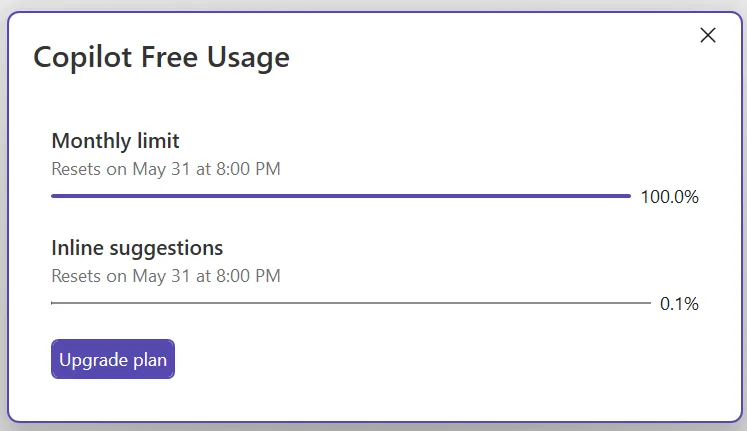
GitHub Copilot usage is now calculated based on token consumption rather than by request, as part of its usage-based billing model. The refreshed Copilot Usage window in Visual Studio gives you a clearer view of where you stand against that model, with real-time updates as you work. Open it any time from the Copilot badge menu > Copilot Usage.
You’ll also see proactive alerts as you approach a limit, when you hit it, and when additional usage (overages) activates. The quota warning threshold is configurable, so you can decide how early you want the heads-up.
This is the start of a broader investment in Copilot usage visibility. Expect more in upcoming releases, and let us know on Developer Community what would help most.
Trust validation for MCP servers
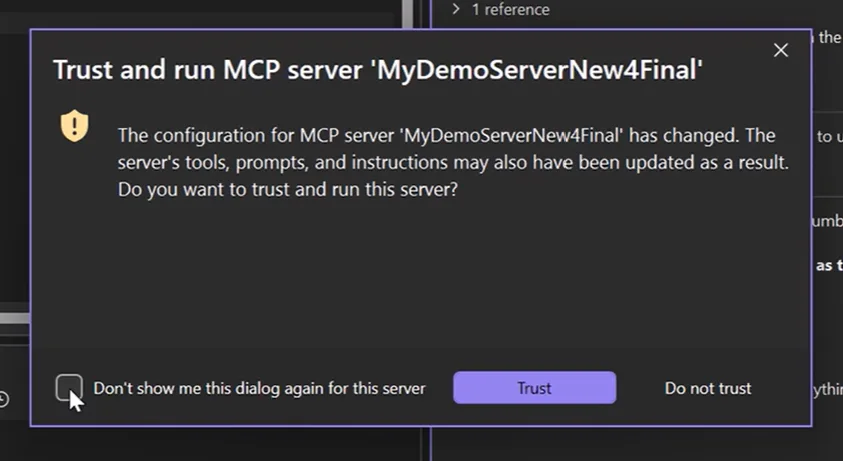
MCP servers extend Copilot’s reach, and as more of your day-to-day workflow runs through them, the question of whether they’ve quietly changed underneath you becomes worth asking. Visual Studio now validates MCP server trust in two places during startup. Before the server process starts, the current configuration is compared against a previously trusted baseline. After it starts, the fingerprint of its tools, prompts, resources, and instructions is compared to the last-trusted fingerprint. If anything has diverged, a trust dialog asks you to review the changes before the server is allowed to run.
From the dialog you can accept the changes (which updates the baseline), check Don’t show me this dialog again for this server and pick Trust to always trust the server going forward, or pick Do not trust to reject the changes and abort startup. First-time connections are implicitly trusted and seed the initial baseline. Built-in servers, servers under a RegistryOnly policy, and any server you’ve explicitly set to always-trust skip the prompt entirely.
Trust validation is on by default. You can manage it at Tools > Options > GitHub > Copilot > Copilot Chat > Show trust dialog before running tools from an updated MCP server.
GitHub Copilot modernization agent for C++
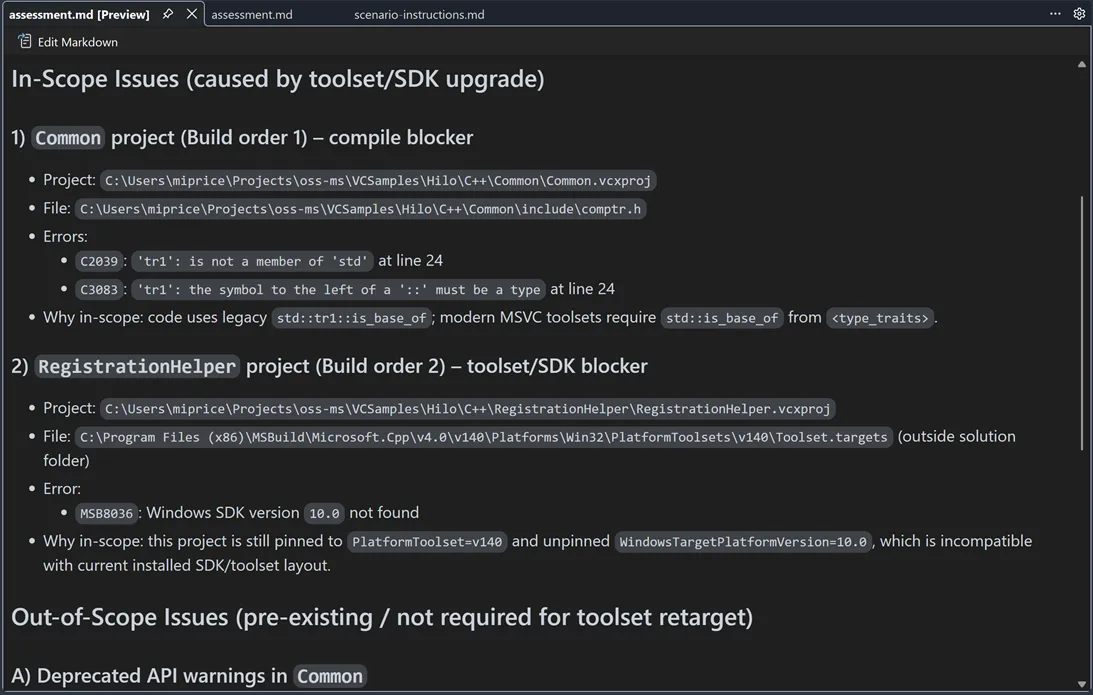
The first C++ scenarios for the GitHub Copilot modernization agent are now generally available. These are the flows that upgrade your C++ projects to the latest version of the Microsoft C++ (MSVC) Build Tools, where the new features, performance improvements, and security updates live.
The agent analyzes your project, identifies compatibility issues, and lays out an upgrade plan. Run it in Automated mode to let it carry out the upgrade end to end, or in Guided mode to review and approve the assessment, plan, and execution steps before each one runs. Right-click a solution or project in Solution Explorer and pick Modernize, or open Copilot Chat and type @Modernize followed by your upgrade request.
Thanks to the developers who put the preview through its paces on real C++ projects — your feedback shaped where this landed. Let us know which C++ modernization scenarios you want next on the C++ Developer Community.
Long-distance next edit suggestions
Make a change in one place, and you usually know there are related edits to make further down the same file. GitHub Copilot’s next edit suggestions (NES) have always anticipated the next change, but until now they were limited to the area immediately around your cursor. That’s often not where the related edits actually are.
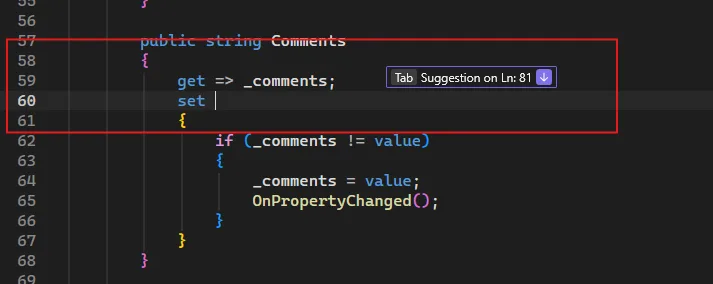
Long-distance next edit suggestions extends NES across the full active file. Copilot can predict and propose edits anywhere in the current file, helping you keep related code in sync without manually hopping between sections.
The feature is off by default for now. Turn it on under Tools > Options > Text Editor > Inline Suggestions by checking Enable extended range suggestions. The deep dive on the model training and evaluation behind long-distance NES is worth a read if you want the back story. Give it a try and tell us how it lands.
Color emojis
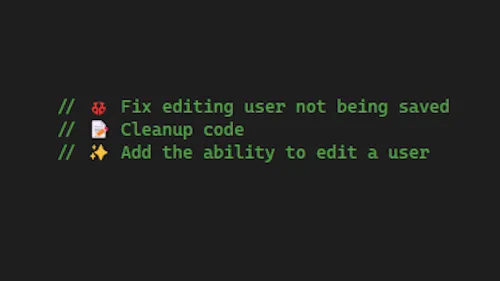
Emojis are now rendered in full color across Visual Studio. The same emoji you use to flag a bug, mark a section header, or highlight a TODO shows up with its real colors in the editor, in markdown previews, in GitHub Copilot Chat, in build output, and in Solution Explorer.
A red ❌ stands out as a warning, and a green ✅ reads as confirmation. The rendering uses modern font technologies, so what you see matches what your teammates see regardless of which Windows version they’re on.
From our entire team, thank you for choosing Visual Studio! For the latest updates, resources, and news, check out the Visual Studio Hub and stay in touch.
Hybrid working is now the norm—but for many UK and Ireland organisations, supporting it securely and cost-effectively is getting harder. IT teams are under pressure to modernise legacy VDI and on-prem environments while managing tighter budgets, increasing cyber risk, and limited internal resources.
The reality? Most organisations can’t afford a full rip-and-replace. They need a practical way to evolve.
In this session, you’ll explore how IT teams are taking a phased, cloud-first approach to digital workspaces—using technologies like Azure Virtual Desktop and Windows 365 to modernise at their own pace, without disrupting users or overloading operations.
See experts from Nerdio as they share real-world strategies for balancing cost, control, and user experience in hybrid environments.
In this webinar you’ll learn:
Why many organisations are reassessing legacy VDI in today’s economic and security climate
Practical approaches to moving users to cloud desktops with minimal disruption
How to manage hybrid environments without increasing operational complexity
Ways to reduce IT overhead through automation and smarter cost management
How to build a sustainable operating model beyond the initial migration
Download to see how businesses are preparing for the next wave of AI-driven communication.
Sam Altman is in talks with the US government in a bid to clear political hurdles, says the Financial Times.
Andrew Harnik/Getty Images
OpenAI’s Sam Altman has reportedly been in talks with the US government to ensure his company’s path towards achieving its goals remains free of political hurdles. According to the Financial Times, Altman has suggested giving the government a five percent stake in the company, in order to share the spoils of the AI boom with the public. But his idea doesn’t only involve OpenAI: Under his proposal, other top AI companies like Google, Anthropic, xAI and Meta would have to agree to give the government a similar stake in their businesses.
AI companies like Anthropic and OpenAI have recently encountered roadblocks from the US government when it came to releasing their latest AI models. Anthropic had to block all access to its Mythos and Fable cybersecurity models after being ordered to do so by the Trump administration. It was only recently granted permission to restore users’ access to them. Meanwhile, OpenAI had to roll out a limited preview of its GPT-5.6 model to government-approved partners, as requested by the administration, as well.
In June, Trump had signed a scaled-back executive order, which asks AI companies to share their most powerful models for voluntary government review 30 days before making them available to the public. Politicians, including Trump’s allies, as well as organizations like the UN, however, are calling for more stringent AI policies.
As the Times notes, giving the government part ownership worked for another firm before. President Trump used to call for Intel CEO Lip-Bu Tan to resign until his administration took a 10 percent stake in the chipmaker. Trump even recently boasted that “America’s stake [in Intel] is now over 60 billion dollars” from $8.9 billion in 2025.
Altman and other OpenAI executives reportedly floated the idea of having leading AI developers give a five percent equity to sovereign funds, such as the Alaska Permanent Fund, which pays dividends to the state government and residents. Talks between OpenAI and the government are in their very early stages, though, and the Times says any deal would still require Congress approval.
Do you think of tools such as OpenAI’s Codex or Anthropic’s Claude Code as developer tools, built only for writing software? Not the case. A recent project at SmarterX shows how these tools can be repurposed for one of the most common (and tedious) marketing tasks: making sense of messy data. Continue reading “This Is How Marketers Can Use AI Agents for Data Analysis”
Finding the best partner to help you bring your ideas to life is really one of the most important yet challenging parts when starting to develop a physical product. Many startups and businesses struggle to understand the difference between a design agency and an end-to-end product development partner. Although both provide support in product creation, they differ in many ways, especially in the services they offer, the level of technical involvement, and the extent to which they can handle the development process. And when you choose the wrong option, it’s most likely to lead to communication gaps, delays, or additional costs later on.
It is very important to have a better understanding of all these differences regardless of what kind of product you plan to create, whether it be a medical device, industrial equipment, consumer product, or any other type of physical product. This article provides you with the differences between design agencies and end-to-end product development partners, helping you understand their limitations, strengths, and situations where each might be a better choice. Platforms like Cad Crowd help businesses connect with experienced product designers, engineering professionals, and CAD experts who best fit every project’s needs.
Physical product development is the process of transforming a concept or idea into a real and manufacturable product that people can purchase and use. It involves several stages before a product idea becomes a finished physical item and is released to the market. It is a process that is commonly used for products like industrial equipment, medical devices, household items, and other types of physical products.
It usually begins with concept design, where ideas are explored through brainstorming, sketches, and initial planning. In this stage, designers place greater emphasis on the product, its overall appearance, functionality, user experience, and the product’s overall purpose. When the concept is finalized, they move into engineering and CAD development, where details such as materials, product dimensions, technical specifications, and internal components are designed to ensure proper function. After the design and engineering stage, they create prototypes to test how the product would look, feel, and perform in the real world. Prototyping helps in identifying potential issues early on before they occur. Testing and validation are also important, as they help ensure the product meets the required quality standards.
The final stage is what we call manufacturing preparation process. It is where the product design is being optimized for production. This mainly includes selecting materials, refining their designs, preparing the technical drawings, and coordinating with the manufacturers. The goal is to make sure that every product is efficient to produce, cost-effective, and of consistent quality. Physical product development requires clear collaboration between engineers, CAD specialists, industrial designers, manufacturers, and prototype developers. By following a specific development process, businesses can consistently reduce errors and improve product quality, while ensuring products are delivered to market successfully.
A design agency is a company that specializes in the creative and visual aspects of product development. Its main role is helping businesses in turning their ideas into visually appealing, user-friendly, and, of course, marketable product concepts. In physical product development, design agencies are primarily responsible for shaping how a product looks, feels, and connects with real users. These agencies often specialize in areas such as concept development, industrial design, branding, packaging design, and product visualization.
They focus more on aesthetics, creativity, and user experience in creating products that are more visually appealing and competitive in the market. Design agencies are often involved in the early stages of product development, where concept sketches, brainstorming, and product appearance are very important. While some agencies provide only limited technical support, they focus more on the visual and creative side rather than on full engineering and manufacturing development.
Services offered by design agencies
Industrial design
Industrial design centers on creating products that are not just visually appealing but also easy to use. Design agencies put so much work into the product’s appearance, ergonomics, shape, and the entire user experience. Their main goal is to ensure the product not only looks good but also provides comfort and practicality for all types of users in real-world applications. This process usually includes studying how people interact with the specific product, selecting suitable materials, and improving its functionality, all while maintaining a strong visual design. Having a strong industrial design makes the product stand out in the market and offers a better user experience.
Concept development
Concept development is one of the early stages of product creation. In this stage, design agencies brainstorm ideas, draw sketches, and explore different design directions to follow clients’ visions, goals, and target markets. At this stage, businesses can visualize how they want their product to look and function before moving to the next step. Designers prepare mood boards, concept sketches, and layouts to present possible ideas that refine the product’s direction early in the project.
Design agencies also offer 3D modeling and rendering services for creating realistic digital representations of physical products. Using CAD and visualization software, designers can develop detailed 3D models that showcase a product’s colors, size, materials, shape, and overall appearance. These realistic visuals are significantly useful, especially for product presentations, marketing materials, design reviews, and, importantly, investor pitches. It helps businesses gain a better understanding of what the final product will actually look like before they invest in manufacturing or prototyping.
Branding and packaging design
A lot of design agencies also assist inbranding and packaging design for physical products. These include creating labels, logos, packaging layouts, and visual elements that perfectly match the brand identity of the specific business. It is important to have an appropriate packaging design since it significantly affects customers’ perception of the product. Making sure it is attractively designed and professional can greatly improve brand recognition, increase market appeal, and help it stand out on store shelves or even in online marketplaces.
Strengths of working with a design agency
Strong focus on creativity and aesthetics
One of the major strengths of a design agency is having a strong focus on creativity and visual appeal. The teams behind its success are highly skilled individuals who develop products that really look modern, attractive, and ready for the market. They are very keen on details, especially its color, shape, form, and everything about its style, to ensure it really visually stands out. Design agencies also help in building strong branding for the product. It includes making a consistent visual identity that reflects its purpose and target audience. A well-designed product not only functions well, but also creates a lasting impression and strong appeal to the customers since it is very important, especially in a competitive market.
Design agencies are very keen on user experience, always making sure that every product is not just visually appealing, but also creates enjoyment and comfort for any user. They mainly consider how customers would interact with it in real-life applications and aim to improve its comfort, usability, and overall user satisfaction. By focusing not just on form but also on function from the user’s perspective, design agencies help create products that are attractive to customers. Focusing on this creates a better user experience and, most likely, leads to stronger market appeal, improved product success, and higher customer satisfaction once it is launched.
Ideal for early-stage product concepts
Design agencies are mostly useful, especially during the early stages of development. It’s when ideas are still in the process of exploration and refinement. Businesses and startups usually hire agencies to turn their rough ideas into a clear visual concept so they can be easily understood and presented. They help create sketches, product visualizations, and 3D renderings process, all of which are very important for pitching ideas to business partners, inventors, and stakeholders. This makes communication easier because the product vision is clearly communicated before engineering or manufacturing begins. For most startups, this early stage of support is a fundamental phase in shaping a strong and marketable product.
What is an end-to-end product development partner?
An end-to-end product development partner is a team or company that handles the entire product development process, from the very beginning to the very end. They don’t focus on just one creative design; instead, they provide full-service support, covering the entire development process from initial concept through manufacturing preparation. Its main goal is to provide help in turning product ideas into a fully functional and ready-for-production physical product. An end-to-end product development partner is involved in every stage of the product development process.
It begins with concept planning and industrial design, where they specifically focus on the product’s appearance, user experience, and functionality. After that, they move into engineering and CAD development, where they place strong emphasis on technical details, materials, dimensions, and internal components, carefully designed to ensure the product functions properly and is ready for manufacturing. Prototypes are made in order to test the product’s performance, find possible issues, and improve the design before they start the production. Testing helps ensure that the product meets the quality standards, functionality, and safety.
In the final stage, this is where the manufacturing preparation happens, which is also known as design for manufacturing or DFM stage. In this phase, the product is optimized for production by selecting appropriate materials, refining designs, and preparing all technical drawings to coordinate with manufacturers. Through this, production issues are being avoided, and unnecessary costs are being prevented, ensuring that the product is completely ready for mass manufacturing. The fact that all stages are handled by a single team or by a company-end-to-end product development partner usually provides better coordination between engineering, manufacturing, and design. This helps businesses in reducing delays, improving workflow efficiency, and simplifying the entire process of product development.
Industrial design specializes in the product’s visual appearance, usability, and entire user experience. End-to-end product development partners with businesses to help them create designs that look good, are functional, and provide comfort to users. In this stage, you can see concept sketches, material selection, ergonomics, and refinements of the overall look and feel of the specific product.
Mechanical engineering
Mechanical engineering involves developing the technical and functional aspects of a product. Engineers focus on internal structures, durability, material strength, moving parts, and how each component differs from one another but works as one together. Your main goal is to make sure that the product performs properly, meets safety standards accordingly, and can be manufactured efficiently.
CAD modeling and prototyping
CAD modeling specifically uses computer-aided design software in order to create detailed and precise 3D digital models of the product. These models are very essential in visualizing the design, refining dimensions, and preparing the product for production. After the CAD design, prototypes are created to test the product physically and identify potential design improvements before proceeding to manufacturing.
Design for manufacturing (DFM)
Design for manufacturing is the process of optimizing a product design to be manufactured cost-effectively and efficiently. It includes simplifying designs, choosing materials that fit them, reducing complexity, and making sure that the product can be produced consistently at any scale. DFM helps in minimizing manufacturing issues and reducing unnecessary costs of production.
Testing and validation service specifically help ensure that the product functions as intended, meets quality standards, and performs correctly and safely in real-world applications. In this stage, durability testing, user testing, performance simulations, and the identification of potential design weaknesses are involved. Making adjustments while testing helps avoid costly problems later.
Manufacturing support
Manufacturing support mainly involves preparing the product for production and working with the manufacturers throughout the process. It includes creating technical documentation, assembly instructions, and production files, and assisting with sourcing appropriate materials or coordinating with factories. Manufacturing support helps ensure the final product is accurately and efficiently produced.
Strengths of end-to-end product development partners
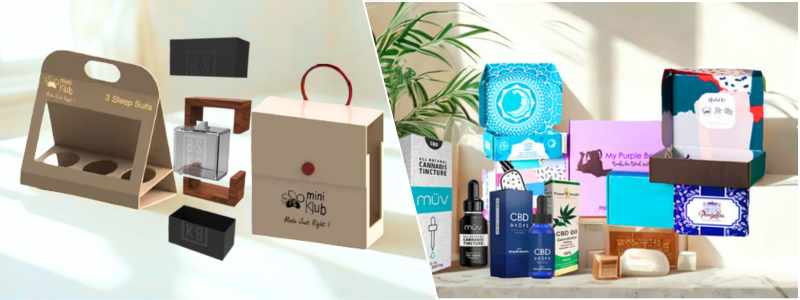
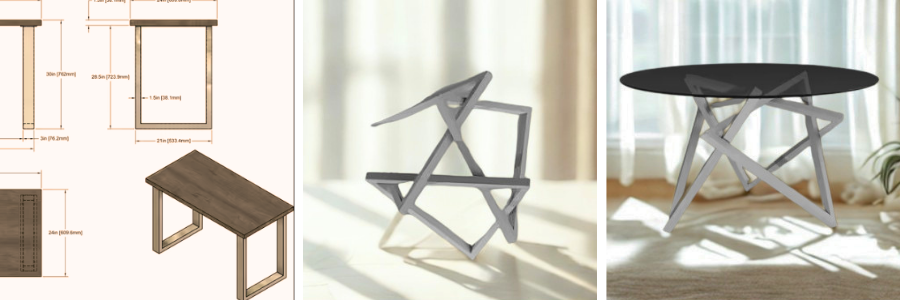
Design sketch and tangle table final product visualization
Complete product development support
One of the major advantages of working with an end-to-end product development partner is that you get complete support throughout the entire product development process. Instead of just hiring specific teams for each part, like in engineering, designing, prototyping, and manufacturing, businesses can just manage all these by partnering with just one company or an integrated team. And this way, the workflow would become more organized since all stages of development are being handled by one system. It also helps save time, simplify project management, and reduce the stress of coordinating with many vendors throughout the project.
Better coordination between design and engineering
End-to-end product development partners usually provide stronger coordination between engineering and design teams. Since bothtechnical engineers and creative designers work closely together, communication is more efficient, and decisions can easily be reviewed from both visual and functional perspectives during the early process. Through this collaboration, misunderstandings would be minimized and reduced, and there would be a high chance of creating designs that don’t just look good but are also easy to manufacture. Having good coordination really leads to smoother workflows and lessens potential technical issues along the process.
Another major advantage of end-to-end development partners is that they have a strong focus on manufacturability. They don’t just deliver products that are visually appealing, but also functional, practical, and ready for efficient production. They greatly consider important factors like production methods, assembly process, materials used, and manufacturing costs during product development. They design with production feasibility in mind so that businesses can prevent costly manufacturing problems and improve the overall quality of the final product outcome.
Reduced risk of redesigns and delays
Since every stage of the development is interconnected within one workflow, end-to-end product development partners guarantee to help in reducing the risk of major redesigns and project delays. They always make sure that problems are identified and solved earlier during the design process and engineering stages, right before they proceed to production. Through integrated workflows, communication and decision-making are properly handled, and the potential errors are prevented since there will no longer be a transfer of work between various vendors. Through it, businesses can complete projects in a reliable and efficient way, all while making sure to minimize any unnecessary delays, revisions, and added costs.
Key differences between design agencies and end-to-end product development partners
Scope of services
One of the major differences between design agencies and end-to-end product development partners is their scope of services. Design agencies specifically focus on the creative and visual aspects of product development, like concept creation, product appearance, branding, and industrial design firm. Its main goal is to create products that look good and are user-friendly. While end-to-end product development partners focus on providing complete support throughout the overall development process. They also provide prototyping, testing, manufacturing preparation, engineering, and production support. This option makes it more suitable for businesses that are seeking both creative and technical product development services.
Design agencies usually have limited involvement in technical engineering, although there are some agencies that provide basic engineering support, but the main focus is commonly on aesthetics, concept visualization, and user experience rather than in a more in-depth and detailed technical development. While end-to-end product development partners surely have a lot of dedicated engineering teams that work on internal structures, product durability, functionality, material selection, and manufacturing feasibility. Having a stronger engineering involvement really helps ensure that the product doesn’t just look good, but is also practical, functional, and ready for production.
Manufacturing preparation
Another difference between the two is how they handle manufacturing preparation. Design agencies provide visually appealing product concepts, but still need additional engineering work before they can manufacture the product. Businesses still need to hire another engineer or manufacturing consultant just to prepare the design for production. End-to-end product development partners already have design for manufacturing (DFM) as part of the services they offer. They optimize products for production by considering the materials used, production costs, assembly methods, and manufacturing limitations during the early stages of development. These help in reducing production issues and improving the manufacturing process efficiently.
Project management and workflow
Working with a design agency often requires businesses to coordinate more with various vendors throughout the project. For example, one company handles the design while another team of engineers, manufacturers, and prototype developers handles the production and technical stages. This can really make communication and project workflow more complex since you get to coordinate with a lot of people all at once. On the other hand, working with end-to-end product development partners, businesses can manage the overall process through a single integrated team, since they already handle everything from design and engineering to prototyping and manufacturing preparation. So communication is better and properly handled since workflows are more organized and efficient.
Cost structure
Design engineers often appear more affordable at the start since they focus on the design portion of the project alone. However, businesses still need to spend additional money on hiring separate teams that would do the testing, prototyping, engineering, and manufacturing support. While end-to-end product development partners really require a higher upfront investment since they provide all the necessary resources for the product development. However, this integrated approach can be better since they offer long-term value by reducing redesigns, minimizing potential issues, and improving the overall project efficiency throughout the process.
Yes, many businesses choose to work with both at different stages of product creation. There are cases where companies first hire a design agency to focus more on the creative side of their product development, such as concept sketches, visual presentations, product appearance, and branding. This is especially common for businesses that are just starting or want to refine their ideas and create more appealing product visuals before proceeding to technical development.
Once the concept is finalized, they then look for an end-to-end product development partner to handle prototyping process, engineering, testing, and manufacturing preparation for their product. This approach allows businesses to benefit from both, since having a design agency as a partner delivers high-quality, strong creative design. And with end-to-end product development, they are guaranteed to have a more advanced technical development throughout the entire project.
Collaborative product development approaches
There are some projects that benefit more from using specialized teams for specific parts of the product development process. Design agencies may deliver expertise in branding, aesthetics, and user experience, while end-to-end development focuses on its functionality, production support, and manufacturability. When both of these are combined, businesses can achieve a balance between a product’s visual appeal and technical performance. Having a collaborative product development approach can lead to a more flexible flow, especially for complex products that require expertise from multiple areas. However, its success really depends on proper communication, organized workflows, and clear coordination among all the teams involved in the project.
Choosing the right product development partner is crucial to the overall success of a physical product. The company or team you work with can significantly affect the product’s quality, development costs, production readiness, and even its market reach. An experienced partner helps in ensuring that the product is properly designed, well-functioning, and can be efficiently manufactured without any unnecessary complications.
Conclusion
It can be challenging to choose between a design agency and an end-to-end product development partner, but it would be a lot easier to choose which one to hire when you already have a better understanding of what your product goals are and how far along you are with your development process. Although both have their own strengths and value, choosing the right one guarantees better results, prevents delays, and ensures smoother production.
If you are looking for experienced and skilled professionals in industrial design, engineering, CAD modeling, or overall physical product development, Cad Crowd is the right deal for you. It’s a platform that connects you with vetted experts who support and meet your project needs at any stage. Explore Cad Crowd now to find the right talent and turn your product idea into a reality with the confidence and efficiency you need.
Working with the right experts makes the dream work. Having clear communication and collaboration is a step toward making a product successful. With suitable and right deliberation, communication, and support, any simple idea can be turned into a fully made product that customers will trust and be happy to buy. Contact Cad Crowd today and start bringing your ideas to life with a free quote.
MacKenzie Brown is the founder and CEO of Cad Crowd. With over 18 years of experience in launching and scaling platforms specializing in CAD services, product design, manufacturing, hardware, and software development, MacKenzie is a recognized authority in the engineering industry. Under his leadership, Cad Crowd serves esteemed clients like NASA, JPL, the U.S. Navy, and Fortune 500 companies, empowering innovators with access to high-quality design and engineering talent.