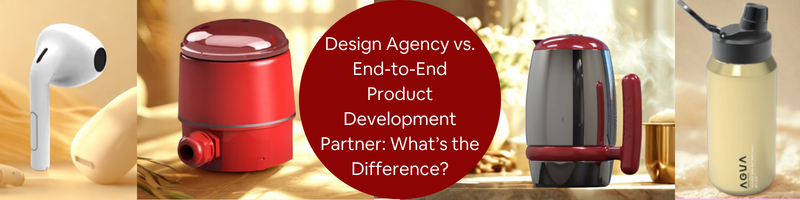
Design Agency vs. End-to-End Product Development Partner for Successful Products


Finding the best partner to help you bring your ideas to life is really one of the most important yet challenging parts when starting to develop a physical product. Many startups and businesses struggle to understand the difference between a design agency and an end-to-end product development partner. Although both provide support in product creation, they differ in many ways, especially in the services they offer, the level of technical involvement, and the extent to which they can handle the development process. And when you choose the wrong option, it’s most likely to lead to communication gaps, delays, or additional costs later on.

​It is very important to have a better understanding of all these differences regardless of what kind of product you plan to create, whether it be a medical device, industrial equipment, consumer product, or any other type of physical product. This article provides you with the differences between design agencies and end-to-end product development partners, helping you understand their limitations, strengths, and situations where each might be a better choice. Platforms like Cad Crowd help businesses connect with experienced product designers, engineering professionals, and CAD experts who best fit every project’s needs.

RELATED: How to Improve Product Development For Your Company with Engineering Firms & Design Consultants


🚀 Table of contents


What is physical product development?

Physical product development is the process of transforming a concept or idea into a real and manufacturable product that people can purchase and use. It involves several stages before a product idea becomes a finished physical item and is released to the market. It is a process that is commonly used for products like industrial equipment, medical devices, household items, and other types of physical products.

It usually begins with concept design, where ideas are explored through brainstorming, sketches, and initial planning. In this stage, designers place greater emphasis on the product, its overall appearance, functionality, user experience, and the product’s overall purpose. When the concept is finalized, they move into engineering and CAD development, where details such as materials, product dimensions, technical specifications, and internal components are designed to ensure proper function. After the design and engineering stage, they create prototypes to test how the product would look, feel, and perform in the real world. Prototyping helps in identifying potential issues early on before they occur. Testing and validation are also important, as they help ensure the product meets the required quality standards.

The final stage is what we call manufacturing preparation process. It is where the product design is being optimized for production. This mainly includes selecting materials, refining their designs, preparing the technical drawings, and coordinating with the manufacturers. The goal is to make sure that every product is efficient to produce, cost-effective, and of consistent quality. Physical product development requires clear collaboration between engineers, CAD specialists, industrial designers, manufacturers, and prototype developers. By following a specific development process, businesses can consistently reduce errors and improve product quality, while ensuring products are delivered to market successfully.

RELATED: Guide to New Product Design and Development: Bring Your Concept Prototype to Market

What is a design agency?

A design agency is a company that specializes in the creative and visual aspects of product development. Its main role is helping businesses in turning their ideas into visually appealing, user-friendly, and, of course, marketable product concepts. In physical product development, design agencies are primarily responsible for shaping how a product looks, feels, and connects with real users. These agencies often specialize in areas such as concept development, industrial design, branding, packaging design, and product visualization.

They focus more on aesthetics, creativity, and user experience in creating products that are more visually appealing and competitive in the market. Design agencies are often involved in the early stages of product development, where concept sketches, brainstorming, and product appearance are very important. While some agencies provide only limited technical support, they focus more on the visual and creative side rather than on full engineering and manufacturing development.

Services offered by design agencies

Industrial design

Industrial design centers on creating products that are not just visually appealing but also easy to use. Design agencies put so much work into the product’s appearance, ergonomics, shape, and the entire user experience. Their main goal is to ensure the product not only looks good but also provides comfort and practicality for all types of users in real-world applications. This process usually includes studying how people interact with the specific product, selecting suitable materials, and improving its functionality, all while maintaining a strong visual design. Having a strong industrial design makes the product stand out in the market and offers a better user experience.

Concept development

Concept development is one of the early stages of product creation. In this stage, design agencies brainstorm ideas, draw sketches, and explore different design directions to follow clients’ visions, goals, and target markets. At this stage, businesses can visualize how they want their product to look and function before moving to the next step. Designers prepare mood boards, concept sketches, and layouts to present possible ideas that refine the product’s direction early in the project.

RELATED: How Object Modeling Cuts Design and Prototyping Costs with Product Development Companies

3D modeling and rendering

Design agencies also offer 3D modeling and rendering services for creating realistic digital representations of physical products. Using CAD and visualization software, designers can develop detailed 3D models that showcase a product’s colors, size, materials, shape, and overall appearance. These realistic visuals are significantly useful, especially for product presentations, marketing materials, design reviews, and, importantly, investor pitches. It helps businesses gain a better understanding of what the final product will actually look like before they invest in manufacturing or prototyping.

Branding and packaging design

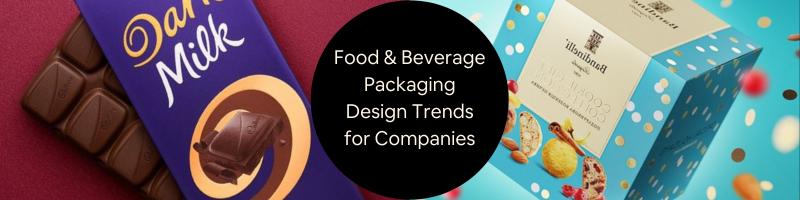
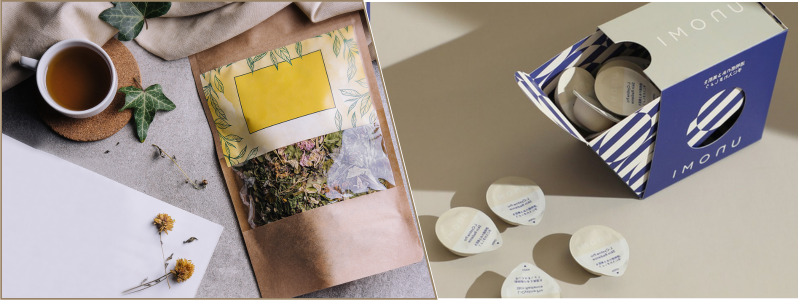
A lot of design agencies also assist in branding and packaging design for physical products. These include creating labels, logos, packaging layouts, and visual elements that perfectly match the brand identity of the specific business. It is important to have an appropriate packaging design since it significantly affects customers’ perception of the product. Making sure it is attractively designed and professional can greatly improve brand recognition, increase market appeal, and help it stand out on store shelves or even in online marketplaces.
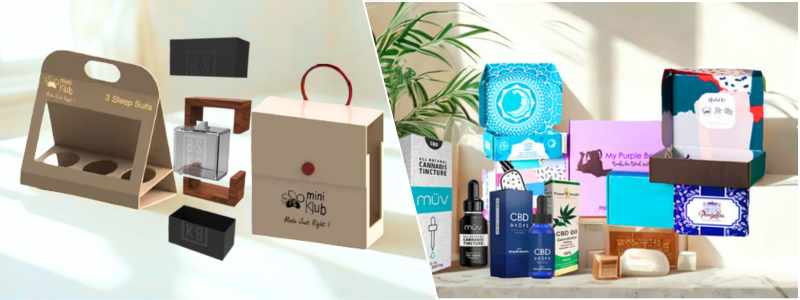
Evaluating-design-agencies-versus-development-partners-effectively

Strengths of working with a design agency

Strong focus on creativity and aesthetics

One of the major strengths of a design agency is having a strong focus on creativity and visual appeal. The teams behind its success are highly skilled individuals who develop products that really look modern, attractive, and ready for the market. They are very keen on details, especially its color, shape, form, and everything about its style, to ensure it really visually stands out. Design agencies also help in building strong branding for the product. It includes making a consistent visual identity that reflects its purpose and target audience. A well-designed product not only functions well, but also creates a lasting impression and strong appeal to the customers since it is very important, especially in a competitive market.

RELATED: From Sketch to Prototype with Product Design Services for Companies at Cad Crowd

User experience and product appeal

Design agencies are very keen on user experience, always making sure that every product is not just visually appealing, but also creates enjoyment and comfort for any user. They mainly consider how customers would interact with it in real-life applications and aim to improve its comfort, usability, and overall user satisfaction. By focusing not just on form but also on function from the user’s perspective, design agencies help create products that are attractive to customers. Focusing on this creates a better user experience and, most likely, leads to stronger market appeal, improved product success, and higher customer satisfaction once it is launched.

Ideal for early-stage product concepts

Design agencies are mostly useful, especially during the early stages of development. It’s when ideas are still in the process of exploration and refinement. Businesses and startups usually hire agencies to turn their rough ideas into a clear visual concept so they can be easily understood and presented. They help create sketches, product visualizations, and 3D renderings process, all of which are very important for pitching ideas to business partners, inventors, and stakeholders. This makes communication easier because the product vision is clearly communicated before engineering or manufacturing begins. For most startups, this early stage of support is a fundamental phase in shaping a strong and marketable product.

What is an end-to-end product development partner?

An end-to-end product development partner is a team or company that handles the entire product development process, from the very beginning to the very end. They don’t focus on just one creative design; instead, they provide full-service support, covering the entire development process from initial concept through manufacturing preparation. Its main goal is to provide help in turning product ideas into a fully functional and ready-for-production physical product. An end-to-end product development partner is involved in every stage of the product development process.

It begins with concept planning and industrial design, where they specifically focus on the product’s appearance, user experience, and functionality. After that, they move into engineering and CAD development, where they place strong emphasis on technical details, materials, dimensions, and internal components, carefully designed to ensure the product functions properly and is ready for manufacturing. Prototypes are made in order to test the product’s performance, find possible issues, and improve the design before they start the production. Testing helps ensure that the product meets the quality standards, functionality, and safety.

In the final stage, this is where the manufacturing preparation happens, which is also known as design for manufacturing or DFM stage. In this phase, the product is optimized for production by selecting appropriate materials, refining designs, and preparing all technical drawings to coordinate with manufacturers. Through this, production issues are being avoided, and unnecessary costs are being prevented, ensuring that the product is completely ready for mass manufacturing. The fact that all stages are handled by a single team or by a company-end-to-end product development partner usually provides better coordination between engineering, manufacturing, and design. This helps businesses in reducing delays, improving workflow efficiency, and simplifying the entire process of product development.

RELATED: How Successful Companies Use Industrial Design Services for Product Development & CAD Design

Services typically offered

Industrial design

Industrial design specializes in the product’s visual appearance, usability, and entire user experience. End-to-end product development partners with businesses to help them create designs that look good, are functional, and provide comfort to users. In this stage, you can see concept sketches, material selection, ergonomics, and refinements of the overall look and feel of the specific product.

Mechanical engineering

Mechanical engineering involves developing the technical and functional aspects of a product. Engineers focus on internal structures, durability, material strength, moving parts, and how each component differs from one another but works as one together. Your main goal is to make sure that the product performs properly, meets safety standards accordingly, and can be manufactured efficiently.​

CAD modeling and prototyping

CAD modeling specifically uses computer-aided design software in order to create detailed and precise 3D digital models of the product. These models are very essential in visualizing the design, refining dimensions, and preparing the product for production. After the CAD design, prototypes are created to test the product physically and identify potential design improvements before proceeding to manufacturing.

Design for manufacturing (DFM)

Design for manufacturing is the process of optimizing a product design to be manufactured cost-effectively and efficiently. It includes simplifying designs, choosing materials that fit them, reducing complexity, and making sure that the product can be produced consistently at any scale. DFM helps in minimizing manufacturing issues and reducing unnecessary costs of production.

RELATED: Innovation is Ongoing: Next-Gen Product Design Strategies with Industrial Design Firms

Testing and validation

Testing and validation service specifically help ensure that the product functions as intended, meets quality standards, and performs correctly and safely in real-world applications. In this stage, durability testing, user testing, performance simulations, and the identification of potential design weaknesses are involved. Making adjustments while testing helps avoid costly problems later.

Manufacturing support

Manufacturing support mainly involves preparing the product for production and working with the manufacturers throughout the process. It includes creating technical documentation, assembly instructions, and production files, and assisting with sourcing appropriate materials or coordinating with factories. Manufacturing support helps ensure the final product is accurately and efficiently produced.​

Strengths of end-to-end product development partners
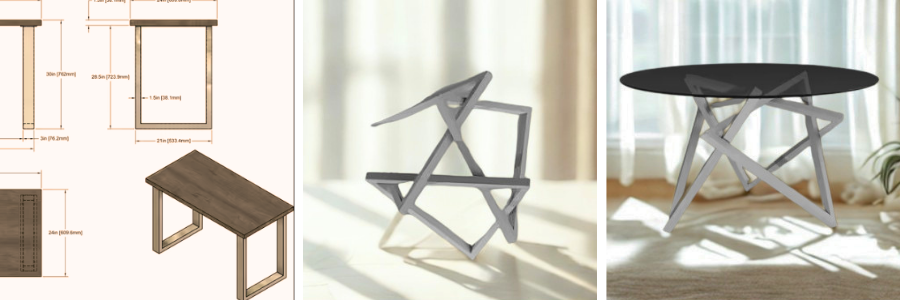
Product-development-stages-from-concept-to-manufacturing
Design sketch and tangle table final product visualization

Complete product development support

One of the major advantages of working with an end-to-end product development partner is that you get complete support throughout the entire product development process. Instead of just hiring specific teams for each part, like in engineering, designing, prototyping, and manufacturing, businesses can just manage all these by partnering with just one company or an integrated team. And this way, the workflow would become more organized since all stages of development are being handled by one system. It also helps save time, simplify project management, and reduce the stress of coordinating with many vendors throughout the project.

Better coordination between design and engineering

End-to-end product development partners usually provide stronger coordination between engineering and design teams. Since both technical engineers and creative designers work closely together, communication is more efficient, and decisions can easily be reviewed from both visual and functional perspectives during the early process. Through this collaboration, misunderstandings would be minimized and reduced, and there would be a high chance of creating designs that don’t just look good but are also easy to manufacture. Having good coordination really leads to smoother workflows and lessens potential technical issues along the process.

RELATED: A Guide to Concept Design with Product Design & Engineering Companies

Manufacturing-focused development

Another major advantage of end-to-end development partners is that they have a strong focus on manufacturability. They don’t just deliver products that are visually appealing, but also functional, practical, and ready for efficient production. They greatly consider important factors like production methods, assembly process, materials used, and manufacturing costs during product development. They design with production feasibility in mind so that businesses can prevent costly manufacturing problems and improve the overall quality of the final product outcome.

Reduced risk of redesigns and delays

Since every stage of the development is interconnected within one workflow, end-to-end product development partners guarantee to help in reducing the risk of major redesigns and project delays. They always make sure that problems are identified and solved earlier during the design process and engineering stages, right before they proceed to production. Through integrated workflows, communication and decision-making are properly handled, and the potential errors are prevented since there will no longer be a transfer of work between various vendors. Through it, businesses can complete projects in a reliable and efficient way, all while making sure to minimize any unnecessary delays, revisions, and added costs.

Key differences between design agencies and end-to-end product development partners

Scope of services

One of the major differences between design agencies and end-to-end product development partners is their scope of services. Design agencies specifically focus on the creative and visual aspects of product development, like concept creation, product appearance, branding, and industrial design firm. Its main goal is to create products that look good and are user-friendly. While end-to-end product development partners focus on providing complete support throughout the overall development process. They also provide prototyping, testing, manufacturing preparation, engineering, and production support. This option makes it more suitable for businesses that are seeking both creative and technical product development services.

RELATED: How CAD Modernizes Product Concept Design at Industrial Design Services Companies

Technical engineering involvement

Design agencies usually have limited involvement in technical engineering, although there are some agencies that provide basic engineering support, but the main focus is commonly on aesthetics, concept visualization, and user experience rather than in a more in-depth and detailed technical development. While end-to-end product development partners surely have a lot of dedicated engineering teams that work on internal structures, product durability, functionality, material selection, and manufacturing feasibility. Having a stronger engineering involvement really helps ensure that the product doesn’t just look good, but is also practical, functional, and ready for production.

Manufacturing preparation

Another difference between the two is how they handle manufacturing preparation. Design agencies provide visually appealing product concepts, but still need additional engineering work before they can manufacture the product. Businesses still need to hire another engineer or manufacturing consultant just to prepare the design for production. End-to-end product development partners already have design for manufacturing (DFM) as part of the services they offer. They optimize products for production by considering the materials used, production costs, assembly methods, and manufacturing limitations during the early stages of development. These help in reducing production issues and improving the manufacturing process efficiently.

Project management and workflow

Working with a design agency often requires businesses to coordinate more with various vendors throughout the project. For example, one company handles the design while another team of engineers, manufacturers, and prototype developers handles the production and technical stages. This can really make communication and project workflow more complex since you get to coordinate with a lot of people all at once. On the other hand, working with end-to-end product development partners, businesses can manage the overall process through a single integrated team, since they already handle everything from design and engineering to prototyping and manufacturing preparation. So communication is better and properly handled since workflows are more organized and efficient.

Cost structure

Design engineers often appear more affordable at the start since they focus on the design portion of the project alone. However, businesses still need to spend additional money on hiring separate teams that would do the testing, prototyping, engineering, and manufacturing support. While end-to-end product development partners really require a higher upfront investment since they provide all the necessary resources for the product development. However, this integrated approach can be better since they offer long-term value by reducing redesigns, minimizing potential issues, and improving the overall project efficiency throughout the process.

RELATED: All You Need To Know About Elevating Your Company Using CAD Product Design Services During Product Development

Can businesses use both?

Yes, many businesses choose to work with both at different stages of product creation. There are cases where companies first hire a design agency to focus more on the creative side of their product development, such as concept sketches, visual presentations, product appearance, and branding. This is especially common for businesses that are just starting or want to refine their ideas and create more appealing product visuals before proceeding to technical development.

Once the concept is finalized, they then look for an end-to-end product development partner to handle prototyping process, engineering, testing, and manufacturing preparation for their product. This approach allows businesses to benefit from both, since having a design agency as a partner delivers high-quality, strong creative design. And with end-to-end product development, they are guaranteed to have a more advanced technical development throughout the entire project.

Collaborative product development approaches
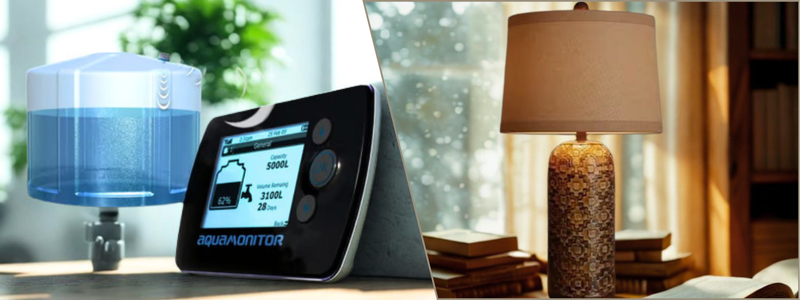
Understanding-end-to-end-development-partners-guide

There are some projects that benefit more from using specialized teams for specific parts of the product development process. Design agencies may deliver expertise in branding, aesthetics, and user experience, while end-to-end development focuses on its functionality, production support, and manufacturability. When both of these are combined, businesses can achieve a balance between a product’s visual appeal and technical performance. Having a collaborative product development approach can lead to a more flexible flow, especially for complex products that require expertise from multiple areas. However, its success really depends on proper communication, organized workflows, and clear coordination among all the teams involved in the project.

RELATED: How Object Modeling Cuts Design and Prototyping Costs with Product Development Companies

Why choosing the right partner matters

Choosing the right product development partner is crucial to the overall success of a physical product. The company or team you work with can significantly affect the product’s quality, development costs, production readiness, and even its market reach. An experienced partner helps in ensuring that the product is properly designed, well-functioning, and can be efficiently manufactured without any unnecessary complications.

Conclusion

It can be challenging to choose between a design agency and an end-to-end product development partner, but it would be a lot easier to choose which one to hire when you already have a better understanding of what your product goals are and how far along you are with your development process.  Although both have their own strengths and value, choosing the right one guarantees better results, prevents delays, and ensures smoother production.

If you are looking for experienced and skilled professionals in industrial design, engineering, CAD modeling, or overall physical product development, Cad Crowd is the right deal for you. It’s a platform that connects you with vetted experts who support and meet your project needs at any stage. Explore Cad Crowd now to find the right talent and turn your product idea into a reality with the confidence and efficiency you need.

RELATED: Speeding Up Product Development with New Product Design Services Companies

How Cad Crowd can help

Working with the right experts makes the dream work. Having clear communication and collaboration is a step toward making a product successful. With suitable and right deliberation, communication, and support, any simple idea can be turned into a fully made product that customers will trust and be happy to buy. Contact Cad Crowd today and start bringing your ideas to life with a free quote.

author avatar

MacKenzie Brown is the founder and CEO of Cad Crowd. With over 18 years of experience in launching and scaling platforms specializing in CAD services, product design, manufacturing, hardware, and software development, MacKenzie is a recognized authority in the engineering industry. Under his leadership, Cad Crowd serves esteemed clients like NASA, JPL, the U.S. Navy, and Fortune 500 companies, empowering innovators with access to high-quality design and engineering talent.

Connect with me: LinkedInXCad Crowd

How Innovative Design Techniques Can Supercharge Your New Product Concept


You just had a flash of inspiration for a new product that will change your game. It feels new, exciting, and like it could change the game. But then reality sets in: how do you turn that idea into something real that people will want to buy?

Most new ideas die in this space between a great idea and a successful product. The idea stays stuck in planning meetings that never lead to action.

Product design service innovation techniques fill in the gaps by providing structured ways to transform raw ideas into products that customers actively seek and purchase.

The Cad Crowd professionals’ innovative design isn’t just about how something looks or seems cool. As the number one freelance design marketplace, its experts possess a tactical force that combines creativity, technology, consumer knowledge, and smart problem-solving to turn a simple idea into a game-changing product. Think of it as a magic sauce that turns your idea from “just another idea” into something that people can’t imagine living without.


🚀 Table of contents


Human-centered design

Let’s talk about the real magic behind successful product design that puts people first. Think about this: trying to make something without knowing who will use it. Doesn’t that sound like a recipe for disaster? That’s exactly what innovative design wants to do by putting users in the spotlight.

Designing with people in mind is more than just making something that works well. It’s about really getting to know the users, what they need, what frustrates them, what makes them tick, and even the little things they might not even be aware of. The goal is to make things that not only work but also feel like they were made just for the user.

Consider a fitness tracker, for instance. A product design expert team may, at first glance, home in on technical aspects such as heart rate monitoring sensors, GPS precision, or battery endurance. But a people-first strategy challenges them to dig deeper. When exactly do people really want to check their numbers? What truly drives them to get going? How can the device slide into their daily habits seamlessly without being an annoyance?

By putting themselves in the user’s shoes, designers gain insights that result in smarter, more intuitive products. The outcome? Solutions that not only solve problems but also build emotional connections. And those connections? They’re what drive loyal customers who return again and again—not just for the tech, but for the experience.

To innovate in a way that truly connects with people, human-centered design is essential, not just good practice.

Rapid prototyping: Fail fast, learn faster

Remember the traditional school days when developing a product prototype was costly tooling, waiting for ages, and much guesswork? Innovation turned the tables by adopting rapid prototyping methods. Now, with developments in 3D printing design services, computer-aided design (CAD), and virtual reality (VR), designers are able to iterate designs in days or hours rather than months.

Rapid prototyping changes everything because it facilitates experimentation and early failure, which may not seem intuitive but is the ultimate path to winning. When you can rapidly flesh out sketches in three dimensions, try them on real people, and get reactions, you’re learning what’s going to succeed and what’s not nearly as you go along. It’s as if providing your product idea with a speeded-up option of trial and error.

This back-and-forth cycle tends to create breakthrough innovations. Perhaps that flexible piece you didn’t think you needed ends up being the key to user comfort. Or that small adjustment in the user interface makes the product instinctively easy to use. Without quick prototyping, these observations may never surface until it’s too late.

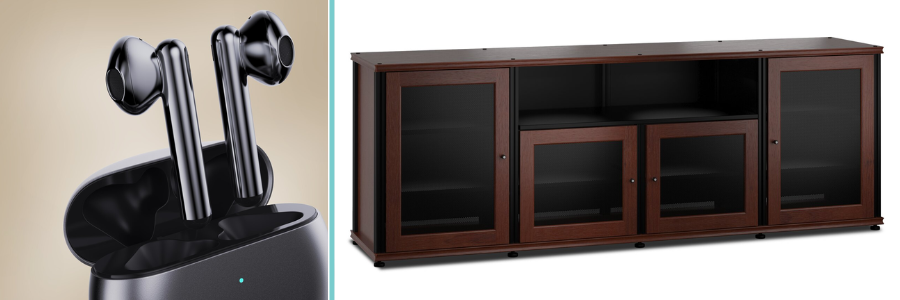
Cad Crowd design of a wireless earphone system and large TV stand by professional prduct designers

RELATED: Why most products fail and proven tips for success with new product design services firms

Taking advantage of cross-disciplinary collaboration

Think of innovation as a special sauce, and one of the things that makes it so powerful is when people from different fields work together. There was a time when teams worked separately, each in their own bubble. To really bring a new product idea to life, you need a wide range of skills, including designers, engineers, marketers, psychologists, and sometimes even artists, all working together.

What makes it so strong? Real innovation often occurs where these areas intersect. A designer might come up with a great design, but without engineering design services, it may not be possible to bring it to life, or it may be too costly to produce. Engineers can build something that works but doesn’t connect with users. Marketers tell us what customers really want, and psychologists help us understand how people think and feel.

From the start, teams can identify problems early, generate new ideas, and create products that the market loves, not just ones that work. Working together is what makes the difference.

Embracing digital tools and data-driven design

Welcome to the product development era of the digital age, where data and innovative tools are not niceties but necessary ones. Next-generation design leverages the capabilities of analytics, artificial intelligence (AI), and simulation software to build smarter products and smarter development processes.

Data-driven design lets you avoid using your gut or assumptions. Rather, you are able to dissect user behavior, preferences, and feedback at a very detailed level. For instance, by observing how users engage with an early prototype of an app or device, you will be able to discern pain points and areas for optimization.

AI-based systems can create several design options, optimizing for considerations such as cost, performance, or user comfort. Simulation software can simulate how a product will react under varying conditions without creating a physical prototype through prototype engineering services. This minimizes risk, reduces costs, and accelerates time-to-market.

In addition, digital solutions facilitate more engaging presentations to customers and stakeholders. Virtual and augmented reality allow individuals to try out a product idea before it is even made, creating buzz and insights that can guide its development in the right direction.

RELATED: From sketch to prototype with product design services for companies at Cad Crowd

Sustainable and responsible design: The future-proof strategy

Innovation these days is not about being flash or high-tech; it is about being responsible. Shoppers and regulators are themselves demanding products that have less environmental footprint and give back to the planet.

Having sustainable design methods integrated at an early stage can boost your product by aligning it with these expanding expectations. That could be selecting green materials, making products for simple disassembly and recyclability, or developing products that use less power.

Innovative design also means considering the whole product life cycle. How is it made? How long will it last? What happens after its useful life is over? This kind of thinking tends to create breakthroughs, such as modular designs where users can replace parts rather than the entire product, or packaging design services that minimize waste.

A product built with sustainability has the potential to build a strong brand story that deeply resonates with consumers and differentiates you from competitors.

Storytelling through design

Let’s discuss a hidden ingredient in wonderful products that most people miss: storytelling. Every product, regardless of how mundane, has a story to share. And clever, innovative design is the ideal method to tell that story in a manner that captures attention and resonates emotionally with your audience.

A great design has so much to say without having to say one word. A product’s form, color, texture, and even the manner in which an individual uses one all combine to tell a narrative. This narrative communicates what a product represents and how it needs to make individuals feel.

Consider legendary brands such as Apple and Tesla. Apple’s minimalist, sleek design communicates a tale of simplicity and refinement, whereas Tesla’s futuristic, bold design conveys innovation and eco-friendliness. Your product’s design can be just as compelling—a visual language that tells your story and makes your product resonate deeply with customers.

Thinking beyond the product: service and experience design

Yes! The smartest product innovation services no longer just care about creating a great product; they think much further ahead. It’s all about the whole experience, from the first time someone sees the product to how it fits into their life. This means that product design and service design must work together.

Consider how challenging it is for customers to receive assistance when they need it. Can customers customize the product to make it their own? There may be an app or extra feature that makes the product even better. All of these elements work together to ensure that customers return, providing them with a smooth and pleasant experience.

When you create something with the entire journey in mind, you open up new ways to sell it and build a larger ecosystem around it. That’s where real loyalty and innovation happen.

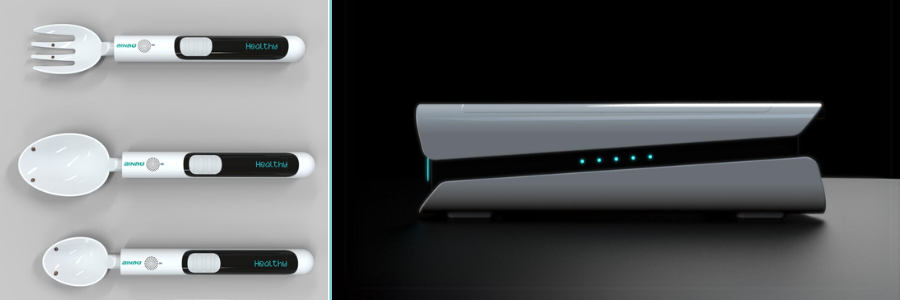
Cad Crowd design of medical devices by Cad Crowd design experts

RELATED: The simple secret to unlocking new product innovation at design services companies

A culture of innovation: the ongoing engine

Innovative design isn’t just a one-time thing; it’s a way of life and a way of thinking. Companies that push their products forward are the ones that make innovation a part of their DNA. This is making a culture where people can share their ideas, learn from their mistakes, and let their curiosity guide their decisions. It means putting money into learning new things, trying out new technologies, and always putting the customer first.

When you make innovation a habit, your new product ideas turn into a stream of new products that keep you ahead of the competition. What does all of this have to do with your new product idea? Design is not an extra step or an afterthought; it is the very heart of innovation. You can turn your idea into a product that people love, connect with, and last by using human-centered principles, rapid prototyping design services, cross-disciplinary teamwork, data-driven methods, sustainable innovation, storytelling, end-to-end experience design, and a culture of continuous innovation.

Cad Crowd is here to help!

Are you ready to supercharge your new product idea? Cad Crowd is the best freelance marketplace to find the best product, architectural, and engineering talent. Think of design not just as a way to beautify, but as a strategic engine that drives every phase of your product’s journey. Transforming your innovative idea into a market sensation. Contact us at Cad Crowd today for a complimentary quote, and let’s bring your vision to life!

author avatar

MacKenzie Brown is the founder and CEO of Cad Crowd. With over 18 years of experience in launching and scaling platforms specializing in CAD services, product design, manufacturing, hardware, and software development, MacKenzie is a recognized authority in the engineering industry. Under his leadership, Cad Crowd serves esteemed clients like NASA, JPL, the U.S. Navy, and Fortune 500 companies, empowering innovators with access to high-quality design and engineering talent.

Connect with me: LinkedInXCad Crowd

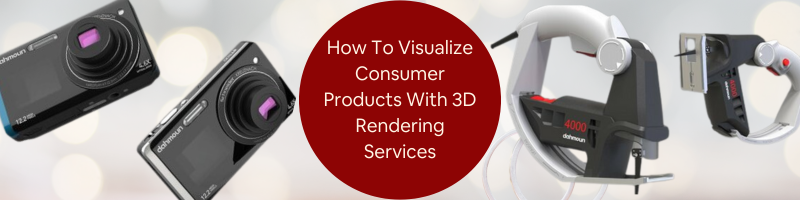
How To Visualize Consumer Products Using 3D Rendering Services For Your Company and Firm


Picture yourself presenting a new product concept to a client, stakeholder, or prospective buyer. You pull out a PowerPoint, toss in some sketches, perhaps even a CAD screenshot, and try your best to get them fired up. But what if you could turn your laptop around and present the product, fully rendered, photo-realistic, with sharp textures and ideal lighting, as if it were already on the table?

Welcome to the world of Cad Crowd and its top 3D product rendering services, where your company’s ideas leap off the page and into visual reality. Whether you’re developing a new line of smartwatches, Bluetooth speakers, custom packaging, or even kitchen gadgets shaped like octopuses (hey, you never know!), 3D rendering transforms abstract concepts into tangible visual stories. This is about making smarter business decisions, marketing with purpose, and earning customer trust.

Let’s walk through how you can actually picture consumer products using 3D rendering for your business or firm. Buckle up, we’re going deep, but we assure you, it’s going to be fun.

RELATED: Speeding Up Product Development with New Product Design Services Companies

What is 3D product rendering?

3D product rendering is the computer-generated creation of realistic images of products with specialized software. You have a 3D model (which can be created from scratch or derived from a CAD file), add materials, set lighting, position it in a scene or on a white background as a result you now have a high-fidelity picture or animation that displays your product as if it was photographed in real life. No shipping of physical samples necessary. No white umbrella and avocado toast catering photo shoots necessary. Just clean, crisp images made up of pixels and polygons.

4 Reasons your company needs 3D rendering now

1. You get to market faster

Prototypes cost time. Production costs time. Shipping prototypes worldwide costs even more time (not to mention customs issues). But a 3D model? That can be done in days or hours with the help of a 3D modeling designer. This allows you to begin creating marketing collateral, gauging ads, or even pre-selling before the first unit ever leaves the factory floor.

2. Complete creative control

Want to change the color? Click. Need a sunset lighting atmosphere? Boom. Want to place the product in a snowy mountain landscape or a modern, marble kitchen? You got it. 3D rendering services allow your team endless creativity to play with looks, all without requiring a physical studio or prop budget.

RELATED: Top 50 Consumer Product Design Service Companies, Agencies & Design Firms in the US 

3. More bang for your buck

Hiring a photographer, studio rental, scheduling coordination, and shipping prototypes can be really expensive, and it sometimes exceeds your budget, accidentally. However, with 3D rendering, you pay the service fee once, then reuse the assets everywhere, including product pages, ads, catalogs, investor presentations, etc.

4. Consumer trust through realism

Today’s consumers are finicky. They zoom in, they flip the product around (in their minds), and they demand precision. Top-notch 3D renders from 3D design professionals deliver that. With hyper-realistic lighting and textures, customers can get a good sense of what they’re purchasing, even if it doesn’t yet exist.

product design and development firm

Types of 3D rendering services you can use

Not all renders are equal. Based on your product, business, and marketing requirements, your firm or company may pursue various forms of 3D product rendering services:

1. Photorealistic still images

The tried-and-true original. These photos created by photorealistic rendering professionals mimic the way the product will appear in the flesh, which is perfect for product descriptions, eCommerce websites, and print catalogs.

RELATED: How to Design a Product People Want: Designing for the Consumer

2. 360-Degree rotations

Let customers spin the product around like it’s on a digital Lazy Susan. Perfect for showing off shape, texture, and detail. If you’re selling tech, furniture, footwear, or anything tactile, this is gold.

3. Exploded views

A favorite in tech and design engineering services. These renders pull apart the product (virtually, of course) to show how it’s assembled. Great for demonstrating quality and innovation.

4. AR and VR Integration

Have a mobile shopping app or interactive buying experience? AR-ready renders enable customers to place your item in their environment—be it a couch on the living room floor or a toaster on their kitchen counter.

5. Animation and motion graphics

Set a story. Demonstrate how your item opens, recharges, clicks, changes, or even simply resides there in splendor with atmospheric lighting. Animated 3D renderings are essential for product launch films and commercials.

RELATED: Consumer Electronics Show (CES) Recap 2024: Las Vegas Inventors and Design Firms Recap

The 3D rendering process (it’s easier than you think)

Suppose your business is interested in making a 3D product rendering of a new slim electric toothbrush. Here’s what generally goes down:

Step 1: concept & references

You send over sketches, CAD documents, specs, mood boards—anything to provide context for the 3D artist so they know what they’re making.

Step 2: modeling

A 3D model is constructed from the ground up or from supplied files. This is where shape and structure are determined.

Step 3: texturing

Artists add materials and textures such as metallics, plastics, rubber, and glass, which adds visual identity to the product using professional software.

Step 4: lighting & environment

Virtual light sources illuminate the scene with virtual staging for architecture services. Whether studio lights, natural lighting, or an atmospheric noir environment, this drastically influences the end feel.

RELATED: 3D Product Visualization: Elevating Your Online Shopping Experience and Service for Modern Consumers

Step 5: rendering

The program processes all the information and creates a high-resolution image or animation. Depending on complexity, this may take minutes or hours.

Step 6: revisions & final touches

3D rendering can also help you visualize your project by adjusting angles, colors, and textures, with no expense required. Once complete, the image is yours to use on all platforms.

3d product rendering services

How to choose the right 3D rendering services for your business

Not all 3D rendering companies are alike. Some specialize in consumer electronics, while others do furniture or cosmetics. When selecting a partner, keep the following in mind:

1. Portfolio & specialization

Do they have experience in your product type? A crew that excels at rendering clothes is not likely to be perfect for electronics or packaging.

2. Turnaround Time

How quickly can they get it done? You don’t want to be left waiting while your marketing campaign is already running.

RELATED: How AI Innovations Transform Modern Consumer Product Design at Agencies & Companies

3. Communication

Do they make good team players? 3D rendering is a give-and-take process, that’s why it’s important to look for 3D visualization teams that quickly respond, listen, and provide intelligent suggestions.

4. Pricing Structure

Some charge by image, others by hour or project. Ask about their inclusions, or additional fees for multiple angles or revisions?

Tips to maximize the impact of your 3D renders

After obtaining your 3D render, far too many companies use renders as a one-off asset, throwing them up on a product page and leaving them there. Don’t be that company. These images are liquid gold, and with some clever thinking, you can wring every ounce of value from them.

Use them across your entire funnel

Your render isn’t just in a corner of your marketing universe. Look beyond the product page. Share it within email campaigns, spread it onto Instagram reels, amp it on Facebook ads, and embed it on your YouTube explainers. Heck, your investor pitch deck even needs it. The intent? Consistency and exposure. Have that render light up anywhere your audience arrives.

RELATED: Wearable Product Development: 6 Key Challenges for Product Development Companies

A/B test like a pro

3D renders are computerized, so you can experiment, test, and do it all over again without spending a fortune. Experiment by changing backgrounds, lighting, or providing color alternatives. Then check which one inspires more clicks, saves, or conversions. Once you have the data, you’ll know what images your people actually react to.

Get festive without manufacturing

Another oft-overlooked hack? Seasonal twists. Need a festive Christmas-vibes version of your product? Or perhaps a summer-y tropical twist? No need to print a physical inventory. With the help of a 3D product design expert, you can doll up your product for any season or occasion and have a refreshed content calendar all year round.

Plan for speed and scale

Lastly, create a digital asset library. Organize renders by angle, color, and format so your team isn’t forced to dig through folders. When you have a sudden need for a quick asset on a last-minute campaign, it’s there, ready to fly. With a little strategy, your 3D renders can be your most flexible marketing tool. Are you taking full advantage of them?

RELATED: Choosing the Right Manufacturing Materials

Real-world example: from sketch to shelf

Suppose your business creates ergonomic office accessories. You have an awesome idea for a modular desk organizer. With the help of a 3D product rendering designer, you are able to:

  • Preview the organizer in several colors and finishes before settling on final materials.
  • Make lifestyle renders depicting it in home offices, coworking environments, and even coffee shops.
  • Make a 360-degree interactive render for your Shopify store.
  • Make an animation depicting how it expands and clicks into position.

All of this occurs before manufacturing even starts, when the final product reaches the shelves? Your customers are already familiar with it as they’ve seen it, explored it, and visually fallen for it.

Don’t wait for reality to sell your product—render it first

3D product rendering has revolutionized how companies visualize and market consumer products, offering unprecedented speed, flexibility, and cost-effectiveness. By transforming concepts into photorealistic visuals before physical production begins, businesses can accelerate time-to-market, reduce prototyping costs, and build consumer trust through compelling imagery.

From static renders to interactive 360-degree rendering and AR integration, these services provide the creative control needed to showcase products across multiple marketing channels. Smart companies leverage 3D rendering not just as a one-time asset, but as a strategic tool that drives engagement, enables A/B testing, and creates seasonal variations without additional manufacturing costs. 

RELATED: How Brand Consistency Enhances Product Design and Insights from CAD Services Firms

Ready to transform your product vision? Cad Crowd can help

Don’t let your brilliant ideas remain trapped in sketches and CAD files. Transform your concepts into stunning, photorealistic visuals that captivate customers and accelerate sales. Experience the power of professional 3D product rendering services today. Contact Cad Crowd for your free quote and bring your products to life before they hit the shelf!

author avatar

MacKenzie Brown is the founder and CEO of Cad Crowd. With over 18 years of experience in launching and scaling platforms specializing in CAD services, product design, manufacturing, hardware, and software development, MacKenzie is a recognized authority in the engineering industry. Under his leadership, Cad Crowd serves esteemed clients like NASA, JPL, the U.S. Navy, and Fortune 500 companies, empowering innovators with access to high-quality design and engineering talent.

Connect with me: LinkedInXCad Crowd

Top 50 Consumer Product Design Service Companies, Agencies & Design Firms in the US


If creating successful consumer products were a sport, these 50 businesses are your all-star roster. Some are little scrappy boutiques pumping out great ideas from Brooklyn’s sunlit lofts or Portland’s factory floors. Others are innovation giants with international operations and patent portfolios that would make Edison blush. Whether it’s a sleek kitchen gadget, a smart wearable device, or a package that gets someone to say, “I want that,” these product design companies have been behind the scenes sketching, prototyping, testing, blowing it, fixing it, and ultimately getting it right.

Ideo

1. IDEO – San Francisco, CA (and everywhere else, too)

IDEO isn’t a design company, but the name that comes up when a person wins a design thinking award or delivers a TED talk, culminating in “Now go create something meaningful.” From inventing the first Apple mouse to redesigning healthcare experiences, IDEO’s imprint is all over the contemporary consumer product world. They combine anthropology and engineering. Whether it’s a child’s toothbrush or a medical device that’s not medieval torture, IDEO injects that precious human focus that transforms ideas into movements.

Ideo.com

Frog Design

2. Frog Design – Brooklyn, NY / Austin, TX / Worldwide

Frog is referred to as the Miles Davis of product design—fashionable, creative, and continually evolving. Hatched in Germany, this legendary firm has expanded as an international powerhouse with significant U.S. locations. Their fingerprints can be found from the Sony Walkman to the newest smart home devices. What differentiates Frog isn’t design—it’s feeling. They are the go-to for clients such as Disney, Lufthansa, and Dolby for an experience that resonates more deeply. Renowned for industrial sleekness and systems thinking, Frog expertly integrates hardware, software, and UX. Its soulful design always redefines what a product should feel like.

Frog.co

RKS Design

3. RKS Design – Thousand Oaks, CA

RKS is the result of bringing cutting-edge innovation together with fearless, rockstar looks. They’re not your typical design agency—nay, they employ something referred to as “Psycho-Aesthetics,” an original model that melds emotion, psychology, and design thinking. It’s the way they’ve designed legendary products such as Harman Kardon audio systems, sexy Logitech devices, and otherworldly kitchen gadgets that wouldn’t be out of place on a spaceship. RKS delves deeply into user needs and market understanding to create products that people not only use but also desire. Their design resonates on an emotional level, showing that when form and feeling are combined, you don’t get just functionality, you get desire.

Rksdesign.in

RELATED: Top 101 Female Inventions that Changed the World & Women’s Innovation History

Altitudeinc-logo

4. Altitude (Part of Accenture) – Boston, MA

Altitude might fly under the Accenture banner these days, but their culture of boots-on-the-ground innovation remains as strong as ever. From Boston, this group has developed a reputation for creating sophisticated, functional consumer products that reach the market. They’re not merely concerned with looks, usability, and manufacturability are infused into everything they do. For startups pursuing retail ambitions and hoping to hit shelves at Best Buy, Altitude is the partner of choice. From initial sketches to production in full gear, they know how to go fast without going cheap. It’s product development with purpose, precision, and undeniable panache.

Accenture.com

Tangerine

5. Tangerine – London, UK / San Francisco, CA

Breaking the rules for a second, Tangerine completely needs to be included on any design behemoth list, regardless of it being UK-based. Why? One word: Apple. Prior to Jony Ive revolutionizing tech design at Apple, he was creating bags at Tangerine. That alone is reason to investigate further. Now, this unsung studio crafts everything from cool consumer electronics to cutting-edge travel products, even high-tech toilets. What makes them unique is their dedication to merging stunning looks with the practical needs of real-world manufacturing. No gimmicks. No flair. Just careful, useful design that humbly drives some of the world’s most refined and surprising everyday items.

Tangerine.net

MNML

6. MNML – Chicago, IL

MNML—Minimal for short—celebrates minimalism with a fearless edge. Their design is clean, intentful, and provocatively modern, yet never sterile. Started by Scott Wilson, the company became famous when his LunaTik watch band escalated a modest Kickstarter into a multimillion-dollar phenomenon. Wilson infuses high-design skills into mainstream tech, wearables, and smart home devices. MNML collaborates with scrappy startups and industry behemoths alike, turning visionary ideas into gorgeous, market-ready gear. Imagine Apple’s beauty married to Bauhaus simplicity, topped with a spoonful of indie cool. MNML doesn’t only design products—they make cult-worthy icons with attitude and purpose.

Mnml.com

Matter Supply Co

7. Matter – Portland, OR

If Portland is known for anything other than its passion for coffee and bicycles, it’s a passionate love of craft, and that vibe is alive and kicking at Matter. This diminutive but mighty studio has made a name in sustainable product design, and they are go-tos for up-and-coming brands with bold concepts. Circular design, creative materials, and lovingly crafted products are their niche. Whether it’s a prize-winning water filter or smooth, sustainable electronics, Matter demonstrates that amazing design can be gorgeous and sustainable. No mass-produced plastic, just well-considered objects crafted with care, intention, and a keen attention to detail. It’s Portland innovation at its finest.

Mattersupply.com

Priority Designs

8. Priority Designs – Columbus, OH

Columbus might not be the first place that comes to mind for top-tier product development, but Priority Designs is changing that perception fast. Tucked away in the Midwest, this powerhouse blends serious engineering know-how with sharp industrial design. Their massive prototyping lab turns concepts into reality, and their client list, like Nike, Scotts, and Whirlpool, speaks volumes. What distinguishes Smart Design isn’t so much technical prowess; it’s their profound understanding of how everyday people actually use products in everyday life. Their approach hits the exact balance between hard facts and visionary imagination, so they are one of the region’s most compelling creative talents.

Prioritydesigns.com

RELATED: Top 100 Electronics Design Companies to Create Prototypes for Hardware Startups

Smart Design

9. Smart Design – New York, NY / London, UK

Smart Design really is smart. They’re the creative geniuses who created the original OXO Good Grips, a line of kitchen tools that revolutionized the category with their ergonomic, user-friendly handles. That groundbreaking design wasn’t just smart, it was rooted in understanding how actual consumers live and interact with products. Smart Design applies that same consumer-centric sensibility to everything from wearables to medical devices to high-technology products today. Their design is notable because it’s uncomplicated, readable, and ridiculously useful. If a product feels natural and welcoming, smart money says Smart Design was involved in making the experience happen.

Smartdesignworldwide.com

Pensa

10. Pensa – Brooklyn, NY

Pensa is where industrial cool meets street smarts in the best possible way. This Brooklyn design studio makes everything from drones and bike locks to sophisticated home technology, always with a practical, get-your-hands-on-it attitude. Their office overlooks the Brooklyn Navy Yard, giving prototypes an opportunity to encounter the real world before hitting the market. Pensa integrates R&D, strategic design, and rapid prototyping into one razor-sharp, innovative hub. They’re also the brains behind Street Charge, those solar-powered charging stations popping up in parks and public spaces. For Pensa, awesome design isn’t only clever, it’s street-tested, fashionable, and designed to keep pace with life.

Pensa.co

Whipsaw

11. Whipsaw – San Jose, CA

Whipsaw is the Hollywood of product design, sleek, visionary, and perpetually a bit ahead of its moment. Headquartered in the center of Silicon Valley, Whipsaw has served more than 800 customers in consumer electronics, robotics, medical devices, and more. Founder Dan Harden and his design team have created some of the most recognizable smart home devices, such as the original Google OnHub router and Arlo cameras. What makes them unique? They merge art, usability, and innovation into designs that appear futuristic but feel instinctively familiar. It’s no wonder they’ve accumulated over 300 design awards.

Whipsaw.com

Enlisted Design

12. Enlisted Design – Oakland, CA / Salt Lake City, UT

Enlisted is effortlessly cool, a self-assured friend every startup wants on speed dial. Whether it’s stylish home technology or tough outdoor equipment, this team is able to bring a brand to life through product design. Their collaborations with brands such as Allbirds, Stance, and Nestlé are evidence that they are not only designing functional products but also creating experiences that tap into emotions. What truly sets them apart? They take their industrial design and carry it over seamlessly into packaging and brand strategy. The outcome is more than a product; it’s an integrated, memorable experience from shelf to unboxing. That’s the Enlisted signature.

Enlisteddesign.com

Momentum Design Lab

13. Momentum Design Lab – San Mateo, CA

Where UX/UI comes together with physical products, Momentum excels, which is why they’re a perfect fit for businesses creating smart, connected devices. From app-enabled air purifiers to cutting-edge fitness devices and easy-to-use baby monitors, they’re experts in hardware-software integration that simply feels natural and seamless.

Their design-first approach has them developing the user experience early, before they have any hardware in the works, resulting in a product that’s both delightful to interact with and functional. For brands walking the tricky tightrope between digital interactions and physical-world experiences, Momentum provides buttery-smooth transitions that almost feel otherworldly. It’s not about design—it’s an end-to-end product experience, designed from the inside out.

Momentumdesignlab.com

Baren-Boym

14. Baren-Boym – New York, NY

Baren-Boym is unique in the world of design as a studio that is just as comfortable creating beautiful curves as it is working with complex engineering specs. From baby monitors to sophisticated luxury cosmetics packaging and cutting-edge kitchen appliances, their client list is astonishingly varied. With studios in New York, they offer a no-nonsense, practical approach where function never takes a backseat to form. All of their projects are based on thorough research, user testing, and astute manufacturing practices. It’s this balanced, reflective process that brings Fortune 500 titans and nimble DTC disruptors back time and time again. When you require design that actually delivers, Baren-Boym is usually already at the table.

Barem-boym.com

THRIVE

15. THRIVE – Atlanta, GA

Atlanta’s THRIVE is one of the South’s most interesting design agencies in this national light. Their secret? A strategy-first approach that establishes the tone for all they do. Before diving into design, they invest in consumer insights, behavioral tendencies, and market trends. That groundwork powers a creative process leading to crisp, scalable industrial design. Whether connected health devices or performance athletic equipment, THRIVE produces work that’s functional and eye-catching. Industry giants like Coca-Cola, Philips, and Samsung have taken advantage of their skills, showing that well-considered design strategy isn’t only wise, it’s necessary.

Thrivethinking.com

Astro Studios

16. Astro Studios – San Francisco, CA

Remember the Xbox 360? Astro Studios had a hand in shaping its iconic look. This San Francisco-based design firm has also collaborated with heavyweights like Nike, HP, and Beats by Dre. What sets Astro apart is its focus on creating products that drive culture, not just follow trends. Their design is aggressive, expressive, and willing to push boundaries, but never at the cost of usability. Every decision they make comes back to strategic branding and the way people really use the product. From wearables to gaming products, Astro creates the types of products that start conversations and make an impression.

Astrostudios.com

RELATED: Top 101 3D Design Firms & 3D Modeling Companies for Services in USA and Worldwide

Nuvation Engineering

17. Nuvation Engineering – Sunnyvale, CA

If consumer electronics are your passion, Nuvation is the behind-the-scenes powerhouse. In contrast to design-led aesthetic companies, Nuvation goes all-in on engineering and it’s their secret ingredient to high-tech success. They do the hard stuff like PCB layout and embedded systems, so your product is not only sexy but bulletproof where it matters most. Their work may not see the light of day for end users, but it’s crucial to functionality and scalability. They’re the behind-the-scenes geniuses who ensure all the flashy devices actually function. In a cool tech world, Nuvation is the engineering foundation that holds it all together.

Nuvation.com

Tactile Inc

18. Tactile – Seattle, WA

Seattle’s Tactile excels at its hands-on, detail-oriented process of product design. From creating smart fitness wear to experimenting with AR/VR technology, the team infuses highly technical products with a distinctly human touch. Their studio lives and breathes prototyping—imagine physical models, back-and-forth sketches, and ongoing user testing. This culture of ongoing refinement has each design naturally develop from real-world feedback. The payoff? Products that are intuitive, personal, and refined. With clients such as Microsoft, Panasonic, and Intel on their roster, it’s obvious that Tactile’s systematic creativity isn’t only respected, it’s sought after throughout the tech industry.

Tactileinc.com

Veryday

19. Veryday (Now part of McKinsey Design) – New York, NY / Stockholm, Sweden

Veryday is yet another globally born star that’s making waves within the American design community. Historically grounded in Scandinavians’ tradition of insightful and compassionate design, they’ve come to be an integral component of McKinsey Design’s global face. You may recognize them as the force behind the legendary BabyBjörn, but their portfolio now extends well beyond baby accessories. Now they focus on healthcare, lifestyle, and wellness products that have a human touch, such as home fitness equipment and medical devices with a gentle, user-friendly hand. Their skill is taking complicated products and making them feel accessible, so design always begins with the person using the product.

Mckinsey.com

Cre8 Design

20. Cre8 Design – Salt Lake City, UT

Cre8 is an agile, innovative industrial design force that consistently produces sleek, upscale products. From kitchen appliances and beauty gadgets to home tech and amazing DTC packaging, they assist emerging brands in creating a distinctive visual identity. The best thing about Cre8 is that they are able to transform raw, nascent ideas into production-ready designs that are desirable from the get-go. Their work exudes emotional draw, imagine flowing curves, tempting textures, and that leaping-from-your-eyes thing when a product simply clicks. It’s not design, it’s the creative process of getting people to fall in love with something they never realized they wanted.

Cre8-design.com

RKS Design

21. RKS Design – Thousand Oaks, CA

RKS is one of those veteran shops that never gets complacent. They’ve got a portfolio that goes back to the 1980s, having launched everything from electric shavers to intelligent water bottles. What differentiates RKS is its dedication to “Psycho-Aesthetics®,” a patented approach fusing emotional connection with visual design. Sounds high-brow, but essentially: RKS does not simply design the appearance of a product, they design the way it makes you feel. Whether bridging an emotional connection for a wellness company or crafting high-impact consumer electronics, they’ve got personal connection down to a science.

Rksdesign.in

Nonfiction

22. Nonfiction – San Francisco, CA

A female-founded studio crafting a more beautiful future? Yep. Nonfiction is remaking the tech sector, prioritizing deep-tech and wellness technologies. Their catalog features cutting-edge wearables, intelligent medical devices, and sophisticated equipment for health enthusiasts and biohackers. From breath-training devices for top athletes to relaxing devices that might be mistaken as NASA prototypes, each piece of work feels futuristic, cautiously crafted with empathy and an element of sci-fi. Their clients are pioneers in biohacking, mental health, and climate-resilient technology. It’s not just product design, it’s future-forward innovation crafted to improve lives and push boundaries in some of the world’s most vital sectors.

Nonfiction.design

MNML

23. MNML (Minimal) – Chicago, IL

Ever noticed how some gadgets just look like the future? MNML might be why. Started by former Nike designer Scott Wilson, this Chicago design firm is responsible for some of the coolest fitness trackers, drones, and e-bikes out there. Their clean design hides some serious tech, and elegance meets innovation. They initially shook things up with LunaTik, turning the iPod Nano into a proto-smartwatch before Apple even got in on the action. Since then, they’ve contributed to powering design for industry titans like Peloton, Samsung, and YETI. The outcome? Products that are effortless, inevitable, and always a step ahead of what you thought you were going to need.

Mnml.com

Bresslergroup logo

24. Bresslergroup – Philadelphia, PA

Having joined Delve, Bresslergroup applies decades of experience translating human-centered research into award-winning consumer products. Their true area of strength is networked devices, smart thermostats, security systems, and pet technology that just works. They distinguish themselves through their fixation on usability. Their work sits in the background, integrating into life with such naturalness that you barely even see it. And that’s the idea. Bresslergroup doesn’t seek to be noticed; rather, their creations glow by refining mundane habits. It’s design for the sake of design and done with a demure confidence that advances the product—and not the designer—into the high-profile position where it should be.

Delve.com

RELATED: Top 100 Famous Inventions and Greatest Ideas of All Time

DDSTUDIO logo

25. DDSTUDIO – Carlsbad, CA

Down in SoCal sunshine, DDSTUDIO is making waves with some simply exquisite work in healthcare and lifestyle design. Though they’ve built a reputation in med-tech, their portfolio extends far beyond, marrying beauty and function in consumer products where wellness and innovation intersect. They refer to themselves as an “innovation studio,” but they’re really so much more than just designers—they’re early-stage partners. Their group of researchers, engineers, and creatives immerses itself in the ideation process to craft solutions that intuitively feel, humanely feel, and even feel joyful. With a talent for distilling complexity into its most essential elements, DDSTUDIO shows that great design not only works but can also feel good.

Ddsstudio.co

Pushstart

26. Pushstart Creative – Austin, TX

Taking Frog Design’s place is Pushstart Creative, an Austin gem that’s been working in the background to assist consumer tech and lifestyle brands with making big design strides. They’re a small crew with lots of energy, most famous for turning high-level napkin sketch ideas into producible, marketable products. Whatever it is—smart kitchen appliances, wearables, or IoT products—Pushstart infuses every project with a contagious maker spirit. Their prototypes are neurotically spotless, their interfaces elegantly minimalist, and their packaging? Simply charming. And they work in close partnership with startups, so if you’re early stage and growth-hungry, they’re a great launchpad.

Pushstartcreative.com

Carbon Design Group

27. Carbon Design Group – Seattle, WA

Prior to Oculus acquiring them, Carbon Design Group was already making waves in product design circles. Renowned for their clean design, impeccable engineering, and user-centric innovation, they established a legacy that prepped them perfectly for what would eventually be Meta Reality Labs. And today, their DNA continues to infuse some of the most cutting-edge VR and AR hardware available. Whether you’re crafting headsets, smart glasses, or next-gen controllers, Carbon’s legacy provides a masterclass in considerate design. It’s not so much about creating awesome tech, it’s about making it smart, lovely, and designed for actual people.

Carbondesign.com

Worrell

28. Worrell – Minneapolis, MN

Worrell is one of those companies that strikes the perfect balance between consumer appeal and medical-grade innovation. Their sweet spot? Lifestyle and wellness devices, hydration-monitoring wearables, intelligent yoga mats, and therapy tools that feel spa rather than hospital. Their design language tilts clean and Scandinavian, prioritizing clarity and simplicity. But it’s not all about being pretty; Worrell is passionate about inclusive design, ensuring that their products function for everyone across all ages and abilities. Subtle yet powerful, they’re a best bet for businesses looking for functional, accessible solutions that enhance health tech without sacrificing style or usability.

Veranex.com

studiored logo

29. Studio Red – San Jose, CA

Studio Red is the type of straight-shooting Silicon Valley company that takes crazy ideas and turns them into clean, producible prototypes quickly. From robotic vacuums, wireless speakers, to smart doorbells, they’ve helped bring to life some seriously awesome consumer technology. They’re renowned for their extremely iterative approach to design, and thus a startup favorite in a world where time is of the essence. They may take a leading role in engineering, but never at the expense of aesthetics, making each product both functional and stunning. If you’re planning a Kickstarter-ready launch and require something that is as elegant as it is efficient, Studio Red is your go-to team. Brevity is a hallmark of all they produce.

Studiored.com

Design Partners

30. Design Partners – Dublin, Ireland / San Francisco, CA

Ireland-based Design Partners has been making serious ripples with US brands, designing incredible products for Logitech, Beats, and HP. Their secret? An intimate knowledge of user behavior and smooth, emotionally intuitive design. From ergonomic equipment to fashionable kitchen devices and high-spec gaming equipment, they infuse every product with a considered, intuitive feel. Their products not only look great, but they also feel instinctive. Rooted in a studio firmly based in California, they’re ideally placed to tap into the furious pace of Silicon Valley while holding fast to their European design heritage at the forefront.

Designpartners.com

whipsaw logo

31. Whipsaw – San Jose, CA

Few studios ride the razor-thin line between elegant design and cutting-edge engineering like Whipsaw. These guys have worked on consumer products you’ve likely already touched—from Arlo security cameras to Brita water filtration pitchers. They’re designing Swiss Army knives: one day working on a smart medical device, the next refining a streaming remote for the next-gen couch potato. Everything they do screams precision. Their design aesthetic is clean, intelligent, and quietly futuristic—no splash, lots of functionality. If Whipsaw were human, it’d be the fashionably dressed engineer who just happens to be strangely skilled at interior design.

Whipsaw.com

RELATED: Top 30 CAD Design Companies for Product Development and Prototype Services in Los Angeles

Y Studios

32. Y Studios – San Francisco, CA

Y Studios is where East and West meet in a collision of intelligent design and poetic storytelling. Founded by Taiwanese-American designer Wai-Loong Lim, this studio brings cross-cultural richness to consumer product design. From stylish kitchen appliances to digital devices and beauty tech, their work is always infused with a signature element that is understated but profoundly human. Their approach to design is not just about more than function; it engages the way things feel, physically and emotionally. Through an emphasis on the material and psychology of use, each item communicates to the senses. “Designing with soul” is not a slogan—it’s the pulse of all they do.

Ystudios.com

Smart Design

33. Smart Design – New York, NY

Smart Design created the “design thinking” way before everyone else caught on to the bandwagon. Recall those OXO Good Grips your mom still adores? That was them making kitchen staples ergonomic in order to turn them into icons. Since then, they’ve continued innovating, putting their energy into inclusive design for consumer products and health & wellness. Whether a high-tech bathroom mirror or a precision-fit toothbrush, they’re all about designing products that simply make sense. No flashy gizmos, no exclusivity, just intelligent, intuitive design for regular people. Behind everything is a simple conviction: great design should work for everyone, not just the tech-savvy.

Smartdesignworldwide.com

Prime studio

34. Prime Studio – New York, NY

Hidden away in Manhattan’s Flatiron District, Prime Studio is a tiny squad with an enormous impact. Their products appear modestly on Target and Sephora shelves, as well as REI streamlined packaging, clever dispensers, and small electronics that simply feel right. Chances are you’ve already used their designs without ever knowing it. That’s the sorcery: products that appear effortless but are crafted with compulsive attention to detail. They marry beauty with functionality, forming concepts into things that individuals truly want to hold, use, and buy. Though small in number, Prime Studio’s design presence spans the retail world, evidence that great impact does not necessarily result from great companies.

Primestudio.com

Ammunition Group Industrial Design

35. Ammunition – San Francisco, CA

Led by former Apple design mastermind Robert Brunner, Ammunition is the chic elder statesman of consumer product design. They’re most famous for designing the legendary Beats by Dre headphones, but their influence doesn’t end there. Ammunition combines chic industrial design with intelligent branding, producing products that don’t merely perform beautifully, they look like they were born to inhabit your world. From stylish health-monitoring rings to cutting-edge kitchen devices, their work is always visionary and emotionally stimulating. It’s the type of design that has people saying, “I need that,” without ever even knowing what it does. That’s the Ammunition magic.

Ammunitiongroup.com

Altitudeinc-logo

36. Altitude (Part of Accenture) – Somerville, MA

Altitude was a quick, clever studio based out of Boston that was acquired by Accenture. But don’t be fooled by the corporate parent; basically, they’ve still got boutique innovation mojo. Altitude excels when the product problem is nebulous and requires macro-level strategy and user understanding. They specialize in consumer wearables, smart home appliances, and connected health devices. They create clean, engineered, and scalable designs, which is why Bose and P&G bring them in when they want it done correctly.

Accenture.com

Tool

37. Tool – Boston, MA

Tool doesn’t design products. They create them. With a strong focus on research and in-depth collaboration, Tool assembles industrial designers, engineers, and UI/UX thinkers to create an idea think tank. Their work varies from beauty gadgets to home technology and everything in between. They have a reputation for functional minimalism, a sort of Scandinavian-American hybrid aesthetic, but above all, Tool applies an inventor’s sense of curiosity to consumer goods. They excel at bringing to the surface user issues that really matter and solving them cleverly.

Toolinc.com

CleverCreative

38. CleverCreative – Los Angeles, CA

Fewer than a handful of agencies can merge industrial design with narrative as well as CleverCreative. Though most famous for packaging and branding, they’ve been getting their toes wet more and more in physical product design, particularly in personal care, food & beverage, and boutique lifestyle sectors. If your consumer good must be utterly Instagram-look-attractive, then CleverCreative is the studio for you. They specialize in designing for experience rather than function and are geniuses at crafting product ranges that feel and look like a live brand.

Clevercreative.com

Morrama

39. Morrama – London, UK

Crossing the pond again for an excellent reason, Morrama. This UK female-led studio creates award-winning consumer goods for health, fitness, grooming, and wellness markets. Consider razors that have the feel of sculpture, vitamins that appear like designer sweets, and yoga blocks with uses other than on the mat. Morrama’s look is inescapably chic, but sustainable design and circularity are its true powers. All material, texture, and mechanism selection is based on longevity and emotional connection. For companies that desire products that stop traffic while minimizing waste, Morrama is a design partner you’d like to have in your corner.

Morrama.com

TEAMS design

40. TEAMS Design – Chicago, IL (with offices worldwide)

A worldwide design firm with a Chicago presence, TEAMS makes waves in the consumer products industry, particularly where engineering intersects with design at scale. Founded in Germany, their organized, near-Bauhaus-type thinking comes through in their approach. From appliances to power tools to personal health devices, they create for durability, not tricks. TEAMS shines in products that are intuitive in feel, even when technically complex, making it a darling for multi-functional kitchen and personal care products.

Teamsdesign.com

mindtribe-e

41. Mindtribe (Part of Accenture Industry X) – San Francisco, CA

Mindtribe, now a part of Accenture, is one of those behind-the-scenes giants of hardware creativity. Though they may be occasional invisible players, their impact is gigantic. They are experts at the nexus of hardware, firmware, and design, so for intelligent devices, networked appliances, or wearables, they’re top problem-solvers. They’re the design thinkers engineers adore and the engineers design firms envy. Their capacity to take a prototype to production is unmatched in Silicon Valley.

Accenture.com

RELATED: Inventors’ Complete Guide to Using Physical Prototype Design Services for Product Innovation

Enlisted Design

42. Enlisted Design – Oakland, CA

Enlisted Design balances beauty and strategy with ease. This is the group responsible for some of the most cutting-edge packaging and hardware design in Target, Amazon, and big box retailers nationwide. They assist young brands in punching above their weight and large brands in feeling boutique. They work with Allbirds, Arlo, and Native, and they do a great job of making sustainable, sophisticated products. Bonus: Their branding and photography are so sleek, it’s practically cruel. They’ll make your toothbrush appear as though it should be in a high-end hotel.

Enlisteddesign.com

Echo

43. Echo Product Development – Indianapolis, IN

Echo is a top-notch, from-start-to-finish product development company. They couple engineering prowess with industrial design for real-world outcomes, particularly in the home and kitchen market. You’ll usually find them in the trenches working out the real-world manufacturability: How do you make this safer? More cost-effective? Simpler to use? If you’re racing the clock to get a physical product to market and need cutting-edge design that won’t disintegrate during production, Echo’s your team.

Echosupply.com

Mako Design + Invent logo

44. Mako Design + Invent – Austin, TX

Mako has established itself as the go-to launch partner for inventors and startups. Their expertise is in taking crazy napkin concepts and turning them into producible, crowdfundable, shippable consumer products. From Bluetooth devices to lifestyle products and pet technology, they guide you from concept design through prototyping and then some. Their founder, Kevin Mako, is an advocate of inventor-driven innovation, so they’re accessible even without a million-dollar VC cheque behind your back.

Makodesign.com

Ideo industrial design

45. IDEO – Palo Alto, CA (Worldwide)

How to discuss consumer product design without genuflecting at the altar of IDEO? The pioneering design thinking behemoth requires little introduction. Though they apply their considerable skills in many sectors, their influence on consumer products is enormous, ranging from child-friendly toothbrushes to game-changing medical equipment. IDEO doesn’t simply design products; they design systems, services, and customer experiences. Their impact is intellectual, aesthetic, and cultural. If you desire your product to address actual human issues and be a part of something greater than yourself, this is your cathedral.

Ideo.com

Lunar

46. Lunar (Acquired by McKinsey) – San Francisco, CA

Lunar was once an independent force in Silicon Valley before being acquired by McKinsey. Today, they’re a hybrid creature of design innovation and management consulting size. They have a deep history of clean, compelling consumer design electronics, home goods, and their multidisciplinary process means each product is seen from 360 degrees: user need, market opportunity, business effect. Their industrial design is always clean, tactile, and quietly opulent.

Mckinsey.com

Layer Design

47. Layer Design – London, UK

Yes, we’re closing with another heavy hitter from across the Atlantic. Layer, led by the prolific Benjamin Hubert, is where future-forward industrial design meets user-focused experience. Their work in consumer electronics, smart furniture, wellness tech, and sustainable goods is nothing short of jaw-dropping. Consider headphones that adjust to your surroundings, chairs that recognize your posture, and bags that travel as if they belong to you. Layer isn’t inexpensive, but if you’re looking for the type of product that’ll have people whispering “Where did you get that?” they’re your ticket.

Layerdesign.com

Tangerine

48. Tangerine – London, UK (Co-founded by Apple’s Jony Ive) 

You know Jony Ive, the design minimalist genius who created the iPhone. But prior to Apple, he co-founded Tangerine. Although Jony’s long since departed, the company still retains that heritage of incisive, reductionist design thinking. Precision, elegance, and form following profound user logic are their hallmarks. Their work extends to consumer electronics, intelligent transportation, and, more recently, home and lifestyle technology. Tangerine is small-firm in feel but world-class in attitude.

If you desire Apple-quality design without Apple prices, they’re the ones to call.

Tangerine.net

RELATED: 101 Inventions That Changed the World in the Last 100 Years

studiored logo

49. StudioRed – San Jose, CA 

StudioRed is a nimble design and engineering team in the center of Silicon Valley. They’ve made a reputation assisting health-tech startup companies and consumer electronics companies go from napkin to shelf. What separates them is their prototyping lab and iterative design skills; they’re fast, and they’re even faster, plus they ensure that what you ship is exactly what you truly wanted to create.

From smart water bottles to home health products, they assist clients in designing intuitive, visually clean, and scalable consumer technology.

Studiored.com

RKS Design

50. RKS Design – Thousand Oaks, CA

We conclude with RKS Design, perhaps the most strategically oriented design company in the nation. This team pioneered the idea of “Psycho-Aesthetics,” a philosophy that combines psychology and emotional narrative with physical design. Their client list includes consumer electronics, packaging, and personal health. If you desire your product to engage with users on an emotional, not merely functional, level, this is the place. RKS is the unusual marriage of art, business strategy, and profound human understanding.

Rksdesign.com

The Bottom Line

From sea to shining sea and yes, a few mythic stops overseas, these 50 product design studios are more than ad agencies. They’re the ones creating the next wave of objects we live with, work with, and lug around in our daily lives. Whether you’re a scrappy startup with a bold idea or a seasoned company looking to reinvent your product line, there’s a firm on this list ready to elevate your vision with empathy, precision, and a splash of wow.

So go ahead and favorite your favorites, contact us with that sketch or pitch deck, and let’s get to work on making your product idea come to life in a tangible, stunning, and globally ready form. Because in great consumer product design, the right partner matters.

How Cad Crowd can help

Cadcrowd has access to a network of skilled consumer product design firms and freelance designers. No matter how big or small your project, they are more than able to assist. Contact us for a free quote.

author avatar

MacKenzie Brown is the founder and CEO of Cad Crowd. With over 18 years of experience in launching and scaling platforms specializing in CAD services, product design, manufacturing, hardware, and software development, MacKenzie is a recognized authority in the engineering industry. Under his leadership, Cad Crowd serves esteemed clients like NASA, JPL, the U.S. Navy, and Fortune 500 companies, empowering innovators with access to high-quality design and engineering talent.

Connect with me: LinkedInXCad Crowd

Latest Food and Beverage Packaging Design Trends for Companies and Firms


The industry of food and beverage packaging design evolves and improves every single day, driven by technological advancements and the ever-changing preferences of modern consumers. The packaging landscape is gearing up for yet another significant transformation this year. It is more critical than ever for companies and firms to stay on top of these developments to thrive and succeed in the cutthroat and fiercely competitive market.

This article explores food and beverage packaging design trends for companies and firms right now:

Adoption of digital print

Digital finishing and print continue reshaping food and beverage packaging design services as they revolutionize packaging production. An increasing number of brands have now opted to use digital print from the beginning because of its top-notch print quality and indisputable advantages to the supply chain. These benefits include flexible quantities of orders, reduced waste, and faster lead time, which are challenging to deliver for traditional methods of production with a similar agility level.

RELATED: New product packaging design & why it’s important for product designers

More and more brands are expected to take advantage of web-to-print, digital print, and other digital tools to improve their strategy for custom packaging sourcing. Brands with an established presence in retail avenues that help boost brand identity and awareness are expected to switch to digital print if they haven’t done so yet. In a modern market crowded with products, quick-to-market and stunning packaging can be inexpensively customized to a particular audience to help brands stay ahead of their competition. In such cases, digital print is the perfect solution.

Packaging makers continue investing resources in digital finishing and print. Those who lack financial means outsource new concept design & product development services to cater to the growing demand. It strongly indicates that digital print is expected to continue dominating the market soon.

E-commerce-first approach

Most brands today are born online, catering to e-commerce customers right from the get-go. For this reason, e-commerce packaging shouldn’t be a mere add-on afterthought. Instead, it should be the first format that any brand that wishes to succeed online must develop. Online shopping is projected to continue driving demand for specialized solutions for e-commerce packaging, which include poly bags, custom inserts, custom mailers, various void fill solutions, and more. A big chunk of retail purchases are anticipated to happen online. Since consumers have gotten used to shopping without stepping outside their houses, it is expected to be the new normal soon.

RELATED: Top 20 packaging design blogs for freelance product designers

Handling of returns is among the most critical aspects of e-commerce. As an important facet of the online shopping experience, online brands must also consider returns as a great opportunity. Formats of e-commerce shipping boxes that simplify the return process for consumers, particularly for apparel items and fashion design companies, can help improve customer loyalty and satisfaction. Online shoppers will favor brands that adopt a robust strategy for e-commerce packaging.

Consumer-centric packaging design

Before you start designing your food and beverage packaging, you must truly understand what your target audience is looking for. Do you need to consider some distinct visual cues? What are the most appealing colorways for your consumers? Should you follow an instructional or informational route for your packaging? These questions can help you understand the best design that will connect the most with your target audience. Solid insight and knowledge of consumers can help you produce some of the finest design work.

Blindly following trends, hoping that something will stick, will only put you at risk of getting lost in the crowd or not even connecting with the target audience. Make sure you do your research first, though, to understand who you are making the design for. Using this information will help the packaging concept design firm create packaging that will resonate with consumers.

RELATED: Effective cosmetic packaging design tips for new cosmetic products companies & firms

custom-packaging-design-services-1

Unique shapes to the rescue

Packaging with customized shapes is expected to become a powerful tool for making your brand easily recognizable and different from others in the market. Distinct geometric shapes, eye-catching patterns, and intricate cut-outs on labels are and will continue to capture consumers’ interest and attention. Remember that attention is the newest currency. If your brand recognizes this, you should invest more in packaging that will make your products stand out even on overcrowded offline and online shelves.

However, there is more to the trend of packaging with unique shapes than aesthetics alone. It also serves as a tangible way of conveying the values and identity of your brand. It’s not just about vivid colors or compelling typography. Brands should use the packaging itself to tell a unique story. While other brands use fonts and colors to stand out, packaging designers using shapes as decorative elements are guaranteed to create longer-lasting and stronger impressions compared to their direct competitors.

Go eco-friendly

Most consumers today prefer brands that advocate sustainability. As a result, companies and firms are under increasing pressure to cater to this, which explains the traction of so-called green packaging. However, only a small percentage of consumers shop from such brands. Although eco-friendly product packaging is popular, it might not always be realistic. Even with broadcasted media’s prevalent environmental awareness, such as Blue Planet, many people still don’t actively contribute to reducing their carbon footprint.

RELATED: Benefits of product label and packaging designs for companies and Amazon sellers

However, it’s expected that consumers will continue to have new expectations when it comes to packaging. Consumers just feel that they can’t act as eco-friendly as they like to because the best practices leave them baffled. It’s important to consider how to simplify and clarify recycling communications as much as possible. Some brands, for example, are using color-coded packaging that aligns with the designated recycling bins to reduce consumers’ cognitive effort.

Eco-friendly and consumer-first packaging might not overlap easily in terms of design. An excessive focus on consumers may lead to ego-driven design briefs. On the other hand, consumers might feel alienated if the design focuses more on the environment. To prevent these issues, consumer research is critical. Solid research will help you achieve the right balance and develop a packaging design that is environmentally conscious and appeals to your target market.

AI-aided packaging design

The past year has seen the undeniable impact of artificial intelligence (AI) in almost all industries. In the food and beverage packaging design industry, AI is also making significant changes in the design process as designs aided by AI technology continue to rise. With AI tools now easily incorporated into professional software platforms, they are expected to be used further by structural and graphic designers to offer more efficient means of refining and ideating packaging concepts. This will also pave the way for the creation of production-ready graphics.

RELATED: Functional and creative packaging designs for new and existing products for companies 

In the next years, AI will revolutionize not just packaging design but also other areas of packaging management, including automation, supply chain management, and manufacturing. AI may soon be used to manage inventory levels, cut down shipping costs, estimate demand, and search for ways to streamline different business operations. Food and beverage brands embracing the use of AI tools are poised to perform better than those that don’t.

Immersive experience

Offering immersive experiences for customers through packaging now significantly impacts overall brand experiences. The next few years will likely witness the combination of packaging and technology quickly gaining momentum. NFC tags, QR codes, and the services of augmented reality experts are becoming increasingly popular in interactive packaging. Scanning these allows consumers to access brand-exclusive offers, special promotions, or additional information. Aside from creating a more memorable and engaging consumer experience, it also helps differentiate your brand from the rest.

Packaging designs will eventually be seen as purely existing in the digital sphere. The designs might be exclusively featured online to lure buyers to make a purchase. After ordering the product, it will then arrive inside a standardized cardboard box. This is an innovative means to strike the right balance between making a visual impact that doesn’t compromise sustainability. As overconsumption becomes a serious issue, your brand will surely stand out more if you show a proactive approach that doesn’t jeopardize product experience or quality.

RELATED: Cosmetic packaging design & package design services costs and pricing

product-design-company-1

Sustainable materials

Sustainable materials are now a central point in the packaging industry, and the trend is expected to grow further in the coming years. As consumers become increasingly aware of the impact of packaging on the planet, demand for environmentally friendly packaging solutions will continue to rise. These solutions are made from recycled materials and are compostable and biodegradable.

Recent years have witnessed a dramatic increase in the number of companies and firms that embrace sustainable initiatives, and the trend will gain further traction in the coming years. Companies now recognize the essence of aligning with eco-conscious consumers as they define their ESG goals and work to cut down their carbon emissions to support the United Nations’ sustainable development goals.

How Cad Crowd can help

Keeping up with the food and beverage packaging design trends for companies and firms is the secret to selling more products, satisfying customers, and increasing market share. Cad Crowd can connect you with the best packaging designers who will help you stay ahead of your competition.

How is Finite Element Analysis (FEA) Used for Company Projects in Industry?


Finite Element Analysis (FEA) services offer a platform of virtual simulations used for analyzing the effects of predictable forces on a design. The mathematical-based analysis visualizes when or how a design can fail, materials will deform, assemblies might disintegrate, and a structure can collapse. FEA is ideally implemented during the design phase of a fabricated product to discover rooms for improvement and modify it as necessary. While different industries resort to FEA for various specific purposes, they share the same goals of finding the perfect combination of performance, build quality, and cost.

Consumer goods

Product design companies and engineers in the consumer goods industry utilize FEA to predict components’ future performance and structural behavior before developing physical prototypes. Consumer goods might be built from various materials, such as aluminum, cast iron, steel, metal alloy, thermoplastics, fabrics, and leather, to name a few. FEA works for all materials as long as the user understands their physical properties and characteristics.

RELATED: Sustainable product design and product development principles for firms to consider

Many consumer products can be subjected to FEA simulation. For example, electronics need thorough analysis to determine waterproofing and thermal qualities; furniture pieces require repeated tests to see the load-bearing capacity; shoes and wearable items must meet ergonomic requirements; and children’s toys must be checked for durability and shock-resistance properties. Regardless of the products, FEA can determine whether their designs can withstand physical damage under regular use.

The design for additive manufacturing firms can make well-informed changes if the analysis demonstrates product failures under non-extraordinary loads. Virtual modeling and analysis processes help companies reduce production costs, shorten design cycles, and boost productivity while improving ROI. An FEA simulation of consumer goods is often inseparable from life sciences, especially if the products involve direct human engagement during usage. The simulation might include comfort, stress distribution, support, and fatigue models.

electronic-device-design-company

Example case: Foam Bed Optimization

A simulation of a foam bed in an FEA interface helps visualize how the product affects sleep quality. There are at least three variables to consider, including the user’s body measurement, foam material, and foam density. Detailed structural analysis is required to define the ideal thickness and firmness without diminishing comfort. The foam must support the body well enough but remain reasonably soft for a restful sleep. Because the body exerts pressure on the foam, the material must return to its original shape. Based on the design requirements, the manufacturer makes the necessary adjustments per FEA results.

RELATED: Product design guide for freelancers developing an invention

Athletic training

Based on the same user-product interaction principle, design engineering services use advanced FEA software can also simulate the human body to see the effects of specific training programs on muscles and bones. The analysis might also include simulations to measure the effects of repetitive movements—under certain conditions—on soft tissues and joints.

Example case: Elliptical Trainer Linkages Design 

One of the main points of an elliptical trainer is to provide the same exercise routines as walking, running, and stair-climbing without the typical excessive pressure on the joints. That said, not every cross-trainer is created equal. Optimization in machine exercise should be based on how it impacts the human body during usage. Suppose a cross trainer is designed for people with knee injuries to stay fit. Unlike most machine exercises, the purpose-built training equipment must accommodate users’ disadvantages.

For instance, the engineering design services company may design better fluidity and lightweight rotational movement on the machine’s linkage. FEA helps determine the exact extent of pressure and force required to utilize the equipment properly without causing further harm to users.A similar method is possibly applied to applications like physiotherapy. FEA-based human body simulations might greatly assist doctors and physical trainers in planning an effective exercise routine to treat patients still recovering from injuries.

RELATED: How to hire a product design engineer: top 3 considerations for your business

new-concept-design-product-development-services

Medical research

Although the design process of training equipment might be listed under the medical research category, they are intended for devices or products outside the human body. On the other hand, the following applications highlight the practicality and usefulness of FEA for designing models meant to replicate actual organs.

Example case: Knee Biomechanics

Direct interoperability with CAD software used by medical device design & development services allows FEA tools to analyze objects of any source, including models generated from a CT scanning process. A three-dimensional reconstruction of a CT-scanned image makes for a comprehensive reference to study the prosthesis design. For example, a reconstructed scanned model of an injured knee clearly visualizes the organ’s musculoskeletal biomechanics.

Surgeons can use FEA simulation to determine the correct motion range of the femoral component. If TKA (Total Knee Arthroplasty) surgery is deemed necessary following the simulation, the prosthesis can be designed for individual patients based on their activity level, weight, age, and general health.

RELATED: Medical device design: a guide to service pricing, costs, and rates for companies 

medical-device-designers

Example case: Dental Implants

In dentistry applications, FEA provides an in-depth look into dental implants’ surface structure and geometry. The simulation helps companies understand the material properties of an implant and how living bone tissues will respond to the applied mechanical force. Detailed geometrical analysis can predict adhesive strength and determine the optimum tightening torque to improve the success rate.

Example case: The Living Heart Project

In collaboration with the FDA, Dassault Systèmes and a massive group of leading cardiovascular researchers are on a shared mission to develop a simulated 3D heart model. The project is at the cutting edge of medical research, with a massive potential to deliver a groundbreaking study in developing new cardiovascular treatments and devices. A highly accurate simulation of a living heart aims to reduce the number of risky real-world clinical trials when designing a cardiovascular device while still ensuring efficacy and safety. 

RELATED: Product simulation and analysis: why it’s worthwhile

External medical devices

External medical devices’ design and manufacturing processes also benefit significantly from FEA. Such devices are much less sophisticated than implants or pacemakers but equally applicable to improve patients’ comfort during treatments and recoveries. Among the common examples include:

Wheelchairs

As simple as a wheelchair may seem, the equipment should be an over engineered design piece. The engineering design expert must keep in mind that it needs to be durable and comfortable, but also practical and easily maneuverable. Throughout its helpful lifetime, a hospital wheelchair is quite possibly used by hundreds of people with varying weights, heights, and health conditions. An FEA analysis of the material and mechanism will lead to a versatile and heavy-duty design.

RELATED: Exploring medical prototype design factors for companies: costs, rates, and pricing

medical-device-design-engineering-firm

Transfusion machines

FEA simulation of blood flow through a pipe assembly is used as the basis for the design of platelet separators or transfusion machines of all sorts. In a typical simulated analysis, engineers perform an A/B study to examine the mechanism of two pipe assemblies and determine the most effective configurations to prevent blood clots, undesired flow rates, and turbulence. In addition to structural analysis, the simulation involves the computation of fluid dynamics.

EMS cots

The primary design considerations for an emergency service cot are load-carrying capability and lightweight components. While materials like carbon fiber and titanium are known to have the two characteristics, they are still too expensive for most emergency services. A cot is not designed by finite element analysis experts to be carried or lifted but is intended to help transport patients from one point to another; apart from material considerations, the locking mechanism should also be easily deployed and released. FEA simulation is expected to lead to the development of a reliable, affordable solution.

RELATED: Product testing and validation: the role of CAD simulation services for companies

In each case, virtual prototyping and simulated performance/usability tests open the doors for medical device manufacturers to design products that improve patients’ comfort and health. Thanks to CAD and FEA, minimum development costs may translate to affordable yet quality devices in the future.

Automotive industry

Automotive design & engineering services design a modern car to be equipped with numerous advanced electronics and moving components. It is also made of many materials constantly exerting forces on each other. Since every assembly requires a thorough assessment for reliability, performance, and quality in a cost-efficient fashion, FEA finds it one of the most significant applications in the automotive industry.

Solid and rigid materials deliver a durable design, whereas lightweight assembly can improve speed and performance. At the same time, the higher-performance engine often generates noise and vibration that might compromise comfort. Modern combustion engines rely heavily on liquid coolant and air to keep the temperatures within a safe range and maintain ideal working conditions. Nearly everything about FEA, from structural and thermal analysis to buckling and computational fluid dynamics, is fundamental in the development of a car design.

automotive-design-engineering-services

RELATED: Automotive design & engineering services, costs, rates pricing for companies

FEA also plays a vital role in determining a vehicle’s crashworthiness. A simulation of a crash—or impacts from multiple directions—can help engineers build a dependable safety system, including harnesses and airbags, to minimize the risk of injuries to occupants in the event of accidents. 

Civil and architectural industries

Commercial & residential architects and engineers utilize 3D CAD modeling and FEA analysis to create building plans. In addition to ensuring a safe construction process, the simulation tells the architects and engineers whether the finished project can withstand various environmental conditions and topographical issues in the future. Detailed analysis can predict deterioration and the extent of damages to a building’s components under given conditions; based on the information, the building owner or management should be able to set a maintenance schedule to prevent expensive repairs.

RELATED: Civil engineering services rates, budget breakdown & costs for companies

How Cad Crowd can assist 

Discover the intricacies and potential of Finite Element Analysis (FEA) as it redefines project management and outcomes in the industry. Delve deep into the transformative capabilities of FEA, reshaping how companies tackle complex projects and ensuring optimal results. Equip yourself for the future now and gain an edge over your competitors. Contact us for a free quote, and let Cad Crowd assist you in mastering FEA for your industry ventures.