Design Agency vs. End-to-End Product Development Partner for Successful Products


Finding the best partner to help you bring your ideas to life is really one of the most important yet challenging parts when starting to develop a physical product. Many startups and businesses struggle to understand the difference between a design agency and an end-to-end product development partner. Although both provide support in product creation, they differ in many ways, especially in the services they offer, the level of technical involvement, and the extent to which they can handle the development process. And when you choose the wrong option, it’s most likely to lead to communication gaps, delays, or additional costs later on.

​It is very important to have a better understanding of all these differences regardless of what kind of product you plan to create, whether it be a medical device, industrial equipment, consumer product, or any other type of physical product. This article provides you with the differences between design agencies and end-to-end product development partners, helping you understand their limitations, strengths, and situations where each might be a better choice. Platforms like Cad Crowd help businesses connect with experienced product designers, engineering professionals, and CAD experts who best fit every project’s needs.

RELATED: How to Improve Product Development For Your Company with Engineering Firms & Design Consultants


🚀 Table of contents


What is physical product development?

Physical product development is the process of transforming a concept or idea into a real and manufacturable product that people can purchase and use. It involves several stages before a product idea becomes a finished physical item and is released to the market. It is a process that is commonly used for products like industrial equipment, medical devices, household items, and other types of physical products.

It usually begins with concept design, where ideas are explored through brainstorming, sketches, and initial planning. In this stage, designers place greater emphasis on the product, its overall appearance, functionality, user experience, and the product’s overall purpose. When the concept is finalized, they move into engineering and CAD development, where details such as materials, product dimensions, technical specifications, and internal components are designed to ensure proper function. After the design and engineering stage, they create prototypes to test how the product would look, feel, and perform in the real world. Prototyping helps in identifying potential issues early on before they occur. Testing and validation are also important, as they help ensure the product meets the required quality standards.

The final stage is what we call manufacturing preparation process. It is where the product design is being optimized for production. This mainly includes selecting materials, refining their designs, preparing the technical drawings, and coordinating with the manufacturers. The goal is to make sure that every product is efficient to produce, cost-effective, and of consistent quality. Physical product development requires clear collaboration between engineers, CAD specialists, industrial designers, manufacturers, and prototype developers. By following a specific development process, businesses can consistently reduce errors and improve product quality, while ensuring products are delivered to market successfully.

RELATED: Guide to New Product Design and Development: Bring Your Concept Prototype to Market

What is a design agency?

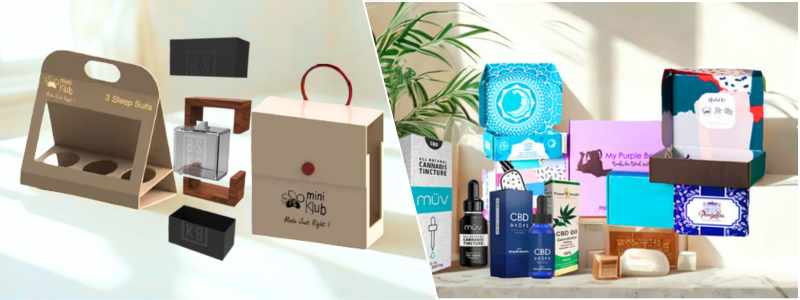
A design agency is a company that specializes in the creative and visual aspects of product development. Its main role is helping businesses in turning their ideas into visually appealing, user-friendly, and, of course, marketable product concepts. In physical product development, design agencies are primarily responsible for shaping how a product looks, feels, and connects with real users. These agencies often specialize in areas such as concept development, industrial design, branding, packaging design, and product visualization.

They focus more on aesthetics, creativity, and user experience in creating products that are more visually appealing and competitive in the market. Design agencies are often involved in the early stages of product development, where concept sketches, brainstorming, and product appearance are very important. While some agencies provide only limited technical support, they focus more on the visual and creative side rather than on full engineering and manufacturing development.

Services offered by design agencies

Industrial design

Industrial design centers on creating products that are not just visually appealing but also easy to use. Design agencies put so much work into the product’s appearance, ergonomics, shape, and the entire user experience. Their main goal is to ensure the product not only looks good but also provides comfort and practicality for all types of users in real-world applications. This process usually includes studying how people interact with the specific product, selecting suitable materials, and improving its functionality, all while maintaining a strong visual design. Having a strong industrial design makes the product stand out in the market and offers a better user experience.

Concept development

Concept development is one of the early stages of product creation. In this stage, design agencies brainstorm ideas, draw sketches, and explore different design directions to follow clients’ visions, goals, and target markets. At this stage, businesses can visualize how they want their product to look and function before moving to the next step. Designers prepare mood boards, concept sketches, and layouts to present possible ideas that refine the product’s direction early in the project.

RELATED: How Object Modeling Cuts Design and Prototyping Costs with Product Development Companies

3D modeling and rendering

Design agencies also offer 3D modeling and rendering services for creating realistic digital representations of physical products. Using CAD and visualization software, designers can develop detailed 3D models that showcase a product’s colors, size, materials, shape, and overall appearance. These realistic visuals are significantly useful, especially for product presentations, marketing materials, design reviews, and, importantly, investor pitches. It helps businesses gain a better understanding of what the final product will actually look like before they invest in manufacturing or prototyping.

Branding and packaging design

A lot of design agencies also assist in branding and packaging design for physical products. These include creating labels, logos, packaging layouts, and visual elements that perfectly match the brand identity of the specific business. It is important to have an appropriate packaging design since it significantly affects customers’ perception of the product. Making sure it is attractively designed and professional can greatly improve brand recognition, increase market appeal, and help it stand out on store shelves or even in online marketplaces.

Evaluating-design-agencies-versus-development-partners-effectively

Strengths of working with a design agency

Strong focus on creativity and aesthetics

One of the major strengths of a design agency is having a strong focus on creativity and visual appeal. The teams behind its success are highly skilled individuals who develop products that really look modern, attractive, and ready for the market. They are very keen on details, especially its color, shape, form, and everything about its style, to ensure it really visually stands out. Design agencies also help in building strong branding for the product. It includes making a consistent visual identity that reflects its purpose and target audience. A well-designed product not only functions well, but also creates a lasting impression and strong appeal to the customers since it is very important, especially in a competitive market.

RELATED: From Sketch to Prototype with Product Design Services for Companies at Cad Crowd

User experience and product appeal

Design agencies are very keen on user experience, always making sure that every product is not just visually appealing, but also creates enjoyment and comfort for any user. They mainly consider how customers would interact with it in real-life applications and aim to improve its comfort, usability, and overall user satisfaction. By focusing not just on form but also on function from the user’s perspective, design agencies help create products that are attractive to customers. Focusing on this creates a better user experience and, most likely, leads to stronger market appeal, improved product success, and higher customer satisfaction once it is launched.

Ideal for early-stage product concepts

Design agencies are mostly useful, especially during the early stages of development. It’s when ideas are still in the process of exploration and refinement. Businesses and startups usually hire agencies to turn their rough ideas into a clear visual concept so they can be easily understood and presented. They help create sketches, product visualizations, and 3D renderings process, all of which are very important for pitching ideas to business partners, inventors, and stakeholders. This makes communication easier because the product vision is clearly communicated before engineering or manufacturing begins. For most startups, this early stage of support is a fundamental phase in shaping a strong and marketable product.

What is an end-to-end product development partner?

An end-to-end product development partner is a team or company that handles the entire product development process, from the very beginning to the very end. They don’t focus on just one creative design; instead, they provide full-service support, covering the entire development process from initial concept through manufacturing preparation. Its main goal is to provide help in turning product ideas into a fully functional and ready-for-production physical product. An end-to-end product development partner is involved in every stage of the product development process.

It begins with concept planning and industrial design, where they specifically focus on the product’s appearance, user experience, and functionality. After that, they move into engineering and CAD development, where they place strong emphasis on technical details, materials, dimensions, and internal components, carefully designed to ensure the product functions properly and is ready for manufacturing. Prototypes are made in order to test the product’s performance, find possible issues, and improve the design before they start the production. Testing helps ensure that the product meets the quality standards, functionality, and safety.

In the final stage, this is where the manufacturing preparation happens, which is also known as design for manufacturing or DFM stage. In this phase, the product is optimized for production by selecting appropriate materials, refining designs, and preparing all technical drawings to coordinate with manufacturers. Through this, production issues are being avoided, and unnecessary costs are being prevented, ensuring that the product is completely ready for mass manufacturing. The fact that all stages are handled by a single team or by a company-end-to-end product development partner usually provides better coordination between engineering, manufacturing, and design. This helps businesses in reducing delays, improving workflow efficiency, and simplifying the entire process of product development.

RELATED: How Successful Companies Use Industrial Design Services for Product Development & CAD Design

Services typically offered

Industrial design

Industrial design specializes in the product’s visual appearance, usability, and entire user experience. End-to-end product development partners with businesses to help them create designs that look good, are functional, and provide comfort to users. In this stage, you can see concept sketches, material selection, ergonomics, and refinements of the overall look and feel of the specific product.

Mechanical engineering

Mechanical engineering involves developing the technical and functional aspects of a product. Engineers focus on internal structures, durability, material strength, moving parts, and how each component differs from one another but works as one together. Your main goal is to make sure that the product performs properly, meets safety standards accordingly, and can be manufactured efficiently.​

CAD modeling and prototyping

CAD modeling specifically uses computer-aided design software in order to create detailed and precise 3D digital models of the product. These models are very essential in visualizing the design, refining dimensions, and preparing the product for production. After the CAD design, prototypes are created to test the product physically and identify potential design improvements before proceeding to manufacturing.

Design for manufacturing (DFM)

Design for manufacturing is the process of optimizing a product design to be manufactured cost-effectively and efficiently. It includes simplifying designs, choosing materials that fit them, reducing complexity, and making sure that the product can be produced consistently at any scale. DFM helps in minimizing manufacturing issues and reducing unnecessary costs of production.

RELATED: Innovation is Ongoing: Next-Gen Product Design Strategies with Industrial Design Firms

Testing and validation

Testing and validation service specifically help ensure that the product functions as intended, meets quality standards, and performs correctly and safely in real-world applications. In this stage, durability testing, user testing, performance simulations, and the identification of potential design weaknesses are involved. Making adjustments while testing helps avoid costly problems later.

Manufacturing support

Manufacturing support mainly involves preparing the product for production and working with the manufacturers throughout the process. It includes creating technical documentation, assembly instructions, and production files, and assisting with sourcing appropriate materials or coordinating with factories. Manufacturing support helps ensure the final product is accurately and efficiently produced.​

Strengths of end-to-end product development partners

Product-development-stages-from-concept-to-manufacturing
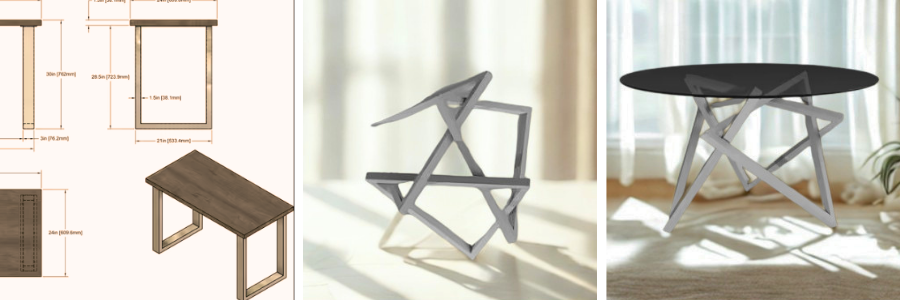
Design sketch and tangle table final product visualization

Complete product development support

One of the major advantages of working with an end-to-end product development partner is that you get complete support throughout the entire product development process. Instead of just hiring specific teams for each part, like in engineering, designing, prototyping, and manufacturing, businesses can just manage all these by partnering with just one company or an integrated team. And this way, the workflow would become more organized since all stages of development are being handled by one system. It also helps save time, simplify project management, and reduce the stress of coordinating with many vendors throughout the project.

Better coordination between design and engineering

End-to-end product development partners usually provide stronger coordination between engineering and design teams. Since both technical engineers and creative designers work closely together, communication is more efficient, and decisions can easily be reviewed from both visual and functional perspectives during the early process. Through this collaboration, misunderstandings would be minimized and reduced, and there would be a high chance of creating designs that don’t just look good but are also easy to manufacture. Having good coordination really leads to smoother workflows and lessens potential technical issues along the process.

RELATED: A Guide to Concept Design with Product Design & Engineering Companies

Manufacturing-focused development

Another major advantage of end-to-end development partners is that they have a strong focus on manufacturability. They don’t just deliver products that are visually appealing, but also functional, practical, and ready for efficient production. They greatly consider important factors like production methods, assembly process, materials used, and manufacturing costs during product development. They design with production feasibility in mind so that businesses can prevent costly manufacturing problems and improve the overall quality of the final product outcome.

Reduced risk of redesigns and delays

Since every stage of the development is interconnected within one workflow, end-to-end product development partners guarantee to help in reducing the risk of major redesigns and project delays. They always make sure that problems are identified and solved earlier during the design process and engineering stages, right before they proceed to production. Through integrated workflows, communication and decision-making are properly handled, and the potential errors are prevented since there will no longer be a transfer of work between various vendors. Through it, businesses can complete projects in a reliable and efficient way, all while making sure to minimize any unnecessary delays, revisions, and added costs.

Key differences between design agencies and end-to-end product development partners

Scope of services

One of the major differences between design agencies and end-to-end product development partners is their scope of services. Design agencies specifically focus on the creative and visual aspects of product development, like concept creation, product appearance, branding, and industrial design firm. Its main goal is to create products that look good and are user-friendly. While end-to-end product development partners focus on providing complete support throughout the overall development process. They also provide prototyping, testing, manufacturing preparation, engineering, and production support. This option makes it more suitable for businesses that are seeking both creative and technical product development services.

RELATED: How CAD Modernizes Product Concept Design at Industrial Design Services Companies

Technical engineering involvement

Design agencies usually have limited involvement in technical engineering, although there are some agencies that provide basic engineering support, but the main focus is commonly on aesthetics, concept visualization, and user experience rather than in a more in-depth and detailed technical development. While end-to-end product development partners surely have a lot of dedicated engineering teams that work on internal structures, product durability, functionality, material selection, and manufacturing feasibility. Having a stronger engineering involvement really helps ensure that the product doesn’t just look good, but is also practical, functional, and ready for production.

Manufacturing preparation

Another difference between the two is how they handle manufacturing preparation. Design agencies provide visually appealing product concepts, but still need additional engineering work before they can manufacture the product. Businesses still need to hire another engineer or manufacturing consultant just to prepare the design for production. End-to-end product development partners already have design for manufacturing (DFM) as part of the services they offer. They optimize products for production by considering the materials used, production costs, assembly methods, and manufacturing limitations during the early stages of development. These help in reducing production issues and improving the manufacturing process efficiently.

Project management and workflow

Working with a design agency often requires businesses to coordinate more with various vendors throughout the project. For example, one company handles the design while another team of engineers, manufacturers, and prototype developers handles the production and technical stages. This can really make communication and project workflow more complex since you get to coordinate with a lot of people all at once. On the other hand, working with end-to-end product development partners, businesses can manage the overall process through a single integrated team, since they already handle everything from design and engineering to prototyping and manufacturing preparation. So communication is better and properly handled since workflows are more organized and efficient.

Cost structure

Design engineers often appear more affordable at the start since they focus on the design portion of the project alone. However, businesses still need to spend additional money on hiring separate teams that would do the testing, prototyping, engineering, and manufacturing support. While end-to-end product development partners really require a higher upfront investment since they provide all the necessary resources for the product development. However, this integrated approach can be better since they offer long-term value by reducing redesigns, minimizing potential issues, and improving the overall project efficiency throughout the process.

RELATED: All You Need To Know About Elevating Your Company Using CAD Product Design Services During Product Development

Can businesses use both?

Yes, many businesses choose to work with both at different stages of product creation. There are cases where companies first hire a design agency to focus more on the creative side of their product development, such as concept sketches, visual presentations, product appearance, and branding. This is especially common for businesses that are just starting or want to refine their ideas and create more appealing product visuals before proceeding to technical development.

Once the concept is finalized, they then look for an end-to-end product development partner to handle prototyping process, engineering, testing, and manufacturing preparation for their product. This approach allows businesses to benefit from both, since having a design agency as a partner delivers high-quality, strong creative design. And with end-to-end product development, they are guaranteed to have a more advanced technical development throughout the entire project.

Collaborative product development approaches

Understanding-end-to-end-development-partners-guide

There are some projects that benefit more from using specialized teams for specific parts of the product development process. Design agencies may deliver expertise in branding, aesthetics, and user experience, while end-to-end development focuses on its functionality, production support, and manufacturability. When both of these are combined, businesses can achieve a balance between a product’s visual appeal and technical performance. Having a collaborative product development approach can lead to a more flexible flow, especially for complex products that require expertise from multiple areas. However, its success really depends on proper communication, organized workflows, and clear coordination among all the teams involved in the project.

RELATED: How Object Modeling Cuts Design and Prototyping Costs with Product Development Companies

Why choosing the right partner matters

Choosing the right product development partner is crucial to the overall success of a physical product. The company or team you work with can significantly affect the product’s quality, development costs, production readiness, and even its market reach. An experienced partner helps in ensuring that the product is properly designed, well-functioning, and can be efficiently manufactured without any unnecessary complications.

Conclusion

It can be challenging to choose between a design agency and an end-to-end product development partner, but it would be a lot easier to choose which one to hire when you already have a better understanding of what your product goals are and how far along you are with your development process.  Although both have their own strengths and value, choosing the right one guarantees better results, prevents delays, and ensures smoother production.

If you are looking for experienced and skilled professionals in industrial design, engineering, CAD modeling, or overall physical product development, Cad Crowd is the right deal for you. It’s a platform that connects you with vetted experts who support and meet your project needs at any stage. Explore Cad Crowd now to find the right talent and turn your product idea into a reality with the confidence and efficiency you need.

RELATED: Speeding Up Product Development with New Product Design Services Companies

How Cad Crowd can help

Working with the right experts makes the dream work. Having clear communication and collaboration is a step toward making a product successful. With suitable and right deliberation, communication, and support, any simple idea can be turned into a fully made product that customers will trust and be happy to buy. Contact Cad Crowd today and start bringing your ideas to life with a free quote.

author avatar

MacKenzie Brown is the founder and CEO of Cad Crowd. With over 18 years of experience in launching and scaling platforms specializing in CAD services, product design, manufacturing, hardware, and software development, MacKenzie is a recognized authority in the engineering industry. Under his leadership, Cad Crowd serves esteemed clients like NASA, JPL, the U.S. Navy, and Fortune 500 companies, empowering innovators with access to high-quality design and engineering talent.

Connect with me: LinkedInXCad Crowd

How Innovative Design Techniques Can Supercharge Your New Product Concept


You just had a flash of inspiration for a new product that will change your game. It feels new, exciting, and like it could change the game. But then reality sets in: how do you turn that idea into something real that people will want to buy?

Most new ideas die in this space between a great idea and a successful product. The idea stays stuck in planning meetings that never lead to action.

Product design service innovation techniques fill in the gaps by providing structured ways to transform raw ideas into products that customers actively seek and purchase.

The Cad Crowd professionals’ innovative design isn’t just about how something looks or seems cool. As the number one freelance design marketplace, its experts possess a tactical force that combines creativity, technology, consumer knowledge, and smart problem-solving to turn a simple idea into a game-changing product. Think of it as a magic sauce that turns your idea from “just another idea” into something that people can’t imagine living without.


🚀 Table of contents


Human-centered design

Let’s talk about the real magic behind successful product design that puts people first. Think about this: trying to make something without knowing who will use it. Doesn’t that sound like a recipe for disaster? That’s exactly what innovative design wants to do by putting users in the spotlight.

Designing with people in mind is more than just making something that works well. It’s about really getting to know the users, what they need, what frustrates them, what makes them tick, and even the little things they might not even be aware of. The goal is to make things that not only work but also feel like they were made just for the user.

Consider a fitness tracker, for instance. A product design expert team may, at first glance, home in on technical aspects such as heart rate monitoring sensors, GPS precision, or battery endurance. But a people-first strategy challenges them to dig deeper. When exactly do people really want to check their numbers? What truly drives them to get going? How can the device slide into their daily habits seamlessly without being an annoyance?

By putting themselves in the user’s shoes, designers gain insights that result in smarter, more intuitive products. The outcome? Solutions that not only solve problems but also build emotional connections. And those connections? They’re what drive loyal customers who return again and again—not just for the tech, but for the experience.

To innovate in a way that truly connects with people, human-centered design is essential, not just good practice.

Rapid prototyping: Fail fast, learn faster

Remember the traditional school days when developing a product prototype was costly tooling, waiting for ages, and much guesswork? Innovation turned the tables by adopting rapid prototyping methods. Now, with developments in 3D printing design services, computer-aided design (CAD), and virtual reality (VR), designers are able to iterate designs in days or hours rather than months.

Rapid prototyping changes everything because it facilitates experimentation and early failure, which may not seem intuitive but is the ultimate path to winning. When you can rapidly flesh out sketches in three dimensions, try them on real people, and get reactions, you’re learning what’s going to succeed and what’s not nearly as you go along. It’s as if providing your product idea with a speeded-up option of trial and error.

This back-and-forth cycle tends to create breakthrough innovations. Perhaps that flexible piece you didn’t think you needed ends up being the key to user comfort. Or that small adjustment in the user interface makes the product instinctively easy to use. Without quick prototyping, these observations may never surface until it’s too late.

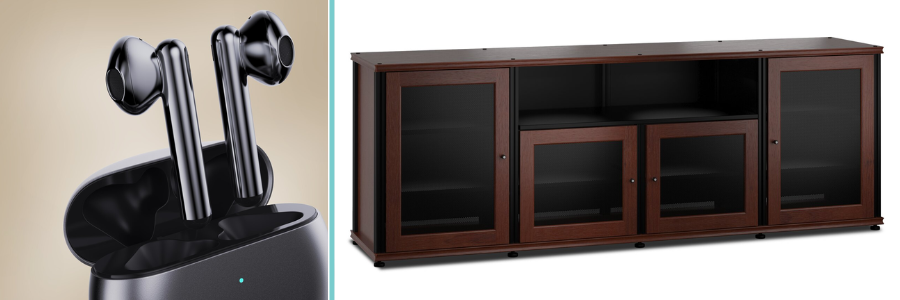
Cad Crowd design of a wireless earphone system and large TV stand by professional prduct designers

RELATED: Why most products fail and proven tips for success with new product design services firms

Taking advantage of cross-disciplinary collaboration

Think of innovation as a special sauce, and one of the things that makes it so powerful is when people from different fields work together. There was a time when teams worked separately, each in their own bubble. To really bring a new product idea to life, you need a wide range of skills, including designers, engineers, marketers, psychologists, and sometimes even artists, all working together.

What makes it so strong? Real innovation often occurs where these areas intersect. A designer might come up with a great design, but without engineering design services, it may not be possible to bring it to life, or it may be too costly to produce. Engineers can build something that works but doesn’t connect with users. Marketers tell us what customers really want, and psychologists help us understand how people think and feel.

From the start, teams can identify problems early, generate new ideas, and create products that the market loves, not just ones that work. Working together is what makes the difference.

Embracing digital tools and data-driven design

Welcome to the product development era of the digital age, where data and innovative tools are not niceties but necessary ones. Next-generation design leverages the capabilities of analytics, artificial intelligence (AI), and simulation software to build smarter products and smarter development processes.

Data-driven design lets you avoid using your gut or assumptions. Rather, you are able to dissect user behavior, preferences, and feedback at a very detailed level. For instance, by observing how users engage with an early prototype of an app or device, you will be able to discern pain points and areas for optimization.

AI-based systems can create several design options, optimizing for considerations such as cost, performance, or user comfort. Simulation software can simulate how a product will react under varying conditions without creating a physical prototype through prototype engineering services. This minimizes risk, reduces costs, and accelerates time-to-market.

In addition, digital solutions facilitate more engaging presentations to customers and stakeholders. Virtual and augmented reality allow individuals to try out a product idea before it is even made, creating buzz and insights that can guide its development in the right direction.

RELATED: From sketch to prototype with product design services for companies at Cad Crowd

Sustainable and responsible design: The future-proof strategy

Innovation these days is not about being flash or high-tech; it is about being responsible. Shoppers and regulators are themselves demanding products that have less environmental footprint and give back to the planet.

Having sustainable design methods integrated at an early stage can boost your product by aligning it with these expanding expectations. That could be selecting green materials, making products for simple disassembly and recyclability, or developing products that use less power.

Innovative design also means considering the whole product life cycle. How is it made? How long will it last? What happens after its useful life is over? This kind of thinking tends to create breakthroughs, such as modular designs where users can replace parts rather than the entire product, or packaging design services that minimize waste.

A product built with sustainability has the potential to build a strong brand story that deeply resonates with consumers and differentiates you from competitors.

Storytelling through design

Let’s discuss a hidden ingredient in wonderful products that most people miss: storytelling. Every product, regardless of how mundane, has a story to share. And clever, innovative design is the ideal method to tell that story in a manner that captures attention and resonates emotionally with your audience.

A great design has so much to say without having to say one word. A product’s form, color, texture, and even the manner in which an individual uses one all combine to tell a narrative. This narrative communicates what a product represents and how it needs to make individuals feel.

Consider legendary brands such as Apple and Tesla. Apple’s minimalist, sleek design communicates a tale of simplicity and refinement, whereas Tesla’s futuristic, bold design conveys innovation and eco-friendliness. Your product’s design can be just as compelling—a visual language that tells your story and makes your product resonate deeply with customers.

Thinking beyond the product: service and experience design

Yes! The smartest product innovation services no longer just care about creating a great product; they think much further ahead. It’s all about the whole experience, from the first time someone sees the product to how it fits into their life. This means that product design and service design must work together.

Consider how challenging it is for customers to receive assistance when they need it. Can customers customize the product to make it their own? There may be an app or extra feature that makes the product even better. All of these elements work together to ensure that customers return, providing them with a smooth and pleasant experience.

When you create something with the entire journey in mind, you open up new ways to sell it and build a larger ecosystem around it. That’s where real loyalty and innovation happen.

Cad Crowd design of medical devices by Cad Crowd design experts

RELATED: The simple secret to unlocking new product innovation at design services companies

A culture of innovation: the ongoing engine

Innovative design isn’t just a one-time thing; it’s a way of life and a way of thinking. Companies that push their products forward are the ones that make innovation a part of their DNA. This is making a culture where people can share their ideas, learn from their mistakes, and let their curiosity guide their decisions. It means putting money into learning new things, trying out new technologies, and always putting the customer first.

When you make innovation a habit, your new product ideas turn into a stream of new products that keep you ahead of the competition. What does all of this have to do with your new product idea? Design is not an extra step or an afterthought; it is the very heart of innovation. You can turn your idea into a product that people love, connect with, and last by using human-centered principles, rapid prototyping design services, cross-disciplinary teamwork, data-driven methods, sustainable innovation, storytelling, end-to-end experience design, and a culture of continuous innovation.

Cad Crowd is here to help!

Are you ready to supercharge your new product idea? Cad Crowd is the best freelance marketplace to find the best product, architectural, and engineering talent. Think of design not just as a way to beautify, but as a strategic engine that drives every phase of your product’s journey. Transforming your innovative idea into a market sensation. Contact us at Cad Crowd today for a complimentary quote, and let’s bring your vision to life!

author avatar

MacKenzie Brown is the founder and CEO of Cad Crowd. With over 18 years of experience in launching and scaling platforms specializing in CAD services, product design, manufacturing, hardware, and software development, MacKenzie is a recognized authority in the engineering industry. Under his leadership, Cad Crowd serves esteemed clients like NASA, JPL, the U.S. Navy, and Fortune 500 companies, empowering innovators with access to high-quality design and engineering talent.

Connect with me: LinkedInXCad Crowd

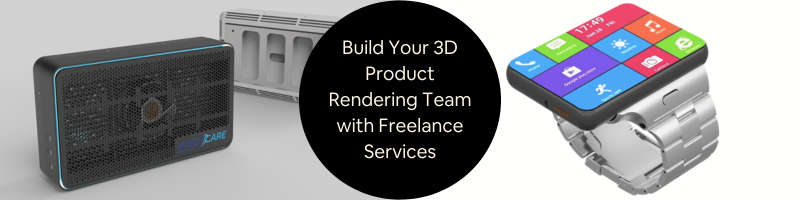
Build Your 3D Product Rendering Team with Freelance Service Experts & Design Companies


Having an effective 3D product rendering staff is critical to companies that must present their designs appropriately and fairly. Professional visuals bring products to life, making them more desirable to customers and investors alike. For the needs of online marketing, business, or prototyping, high-resolution 3D rendering gets down to the details. Employing freelance CAD professionals via websites like Cad Crowd provides businesses with access to a broad range of skilled designers, providing them with flexibility, value for money, and skills. With the right team in place, businesses can turn ideas into stunning, industry-standard pictures that inspire imagination in any marketplace.

Creating stunning 3D product renderings is no longer a luxury but a necessity. Whether you’re a furniture store, consumer electronics company, or technology company designing new equipment, being able to acquire an engaging visual rendition of your products can mean success or failure in winning customer interest. So, how do you build the ideal team to bring it to you?

Most firms must choose between using in-house designers, outsourcing to a firm of 3D renderers, or hiring freelance experts on contract. Each option has its own benefits, but the strongest one is the assembly of a dynamic, hybrid team through the merger of both firm-based experts and individual freelancers.


🚀 Table of contents


Why not just hire an in-house team?

On product 3D rendering and design services, an in-house team seems like just the ticket, one with direct access to the workflow, brand consistency, and instant communication. The truth is otherwise. An in-house team will definitely provide a consistent shape, but one that is costly and restrictive to boot. Payroll, licensing fees for the software, purchases of hardware, and training programmes on an ongoing basis all have a way of adding up very fast. Then there is scalability to consider.

At their peak production level, your in-house staff will never be able to maintain the pace and will likely have backlogs or crisis work. When you are not generating at lower levels, you might be spending money on idle skill sets, and inefficiencies and wasted resources follow. For cost- and quality-conscious companies, a hybrid solution hiring a combination of in-house talent and freelance specialists, as well as top-level 3D rendering companies, is a game-saver. This solution enables you to access specialist talent when needed, without compromising the lean and agile nature of your core team.

RELATED: The simple secret to unlocking new product innovation at design services companies

The core team: Who you need on board

To produce top-quality 3D product renders, you need a combination of different skill sets. Though some firms prefer to have all these roles on the same floor, others prefer to hire external expertise on a job-by-job basis. Below is an overview of the most essential roles in a top-end 3D rendering department and how a combination-and-mixture solution can benefit you:

3D modelers

  • They are responsible for creating accurate 3D models of your product. All the curves, textures, and parts must be modeled precisely in order to deliver realism and accuracy.
  • Freelance 3D modelers can be a great choice for peak hours or for stand-alone, complex assets with specialized information.

Rendering artists

  • Once your model is established, your rendering artists bring it to life with lighting, materials, and photorealistic textures. They render your product as close to real life as possible.
  • Rendering firms possess cross-industry-experienced artists, meaning they can produce visuals that conform to market trends and branding requirements.

Texture & material experts

  • They perform UV mapping, shaders, and photorealistic surface duplication, so textures look natural under any light.
  • Freelance experts with PBR (Physically Based Rendering) expertise can bring your photos nearly unnoticeably close to reality photography.

3D Animators (If Necessary)

  • If your project requires animated scenes, like rotating product views, assembly presentation, or interactive presentations, an in-house professional animator is required.
  • Freelance animators are particularly convenient for just one project, without the expense of an internal animation division.

Post-processing & compositing artists

  • Post-processing artists tidy up final render images when a render completes. Background composite, colour grade, and others clean up to make a shiny, high-end shine are a few.
  • Some 3D rendering firms have their own specialist post-production teams to help your imagery achieve a cinematic look.

Project managers

  • Managing a group of freelancers or outsourcing to an external render house demands top-notch project management.
  • A good project manager ensures timely completion, tracks revisions, and ensures that the end product is according to your imagination.
Cad Crowd product design of a digital clock and high quality razor

RELATED: Cost-effective methods for new product design & development services for your company

Hiring the right freelance professionals

Freelancers are the convenience and talented expertise that a one-stop rendering business cannot possibly deliver at all times. Yet, the correct choice must be achieved with a measured approach. Websites like Cad Crowd can be excellent hunting grounds to find the crème of the crop practitioners. This is how you can ensure that you acquire the best of the best:

Define clearly your needs

Before hiring, specify what you need:

  • High-poly or low-poly models?
  • Are the renders for marketing, AR apps, or e-commerce?
  • How much realism and detail do you need?

Clear specifications guarantee that product development freelancers know what you need ahead of time, avoiding revisions and miscommunications.

Inspect portfolios in depth

  • Inspect for consistency, detail, and versatility to other art styles.
  • Ask for breakdowns of past projects to be able to view their workflow and technical expertise.
  • Place emphasis on those applicants who have experience in your field, as they will better understand the design trends and customer requirements.

A small test project

  • To test the freelancer’s ability, communication, and punctual delivery, prior to taking on a big project, provide a small paid trial.
  • It can help identify issues in advance and find out if they are a good match for your workflow.

Smart collaboration tools

Good communication is very important in teamwork among far-flung freelancers. Tools that help collaboration include some of the following:

  • Trello or Asana – For monitoring the projects and deadlines.
  • Slack or Discord – For instant messaging and quick conversation.
  • Google Drive or Frame.io – For simple file sharing and commenting.

Hiring a 3D rendering company

Freelancers suit one-time tasks, but in the event you need continuous assistance, consistency, and improvement, then having a 3D rendering firm work for you will be the ideal choice. The following are what you need to watch out for when you’re looking for a good product design firm:

Industry specialization

  • Some render studios specialize in rendering furniture, whereas others specialize in rendering cars or fashion clothing. Ensure their area of specialization is a good match for your company.

Pipeline efficiency

  • How do changes get handled? Can they offer live previews? A productive pipeline keeps the work flowing and keeps going without hesitation.

Technological edge

  • Get rendering firms that use the best rendering engines like V-Ray, Unreal Engine, or KeyShot to create cutting-edge visualizations.

Client interaction & support

  • Experienced account managers and efficient lines of communication result in smooth interaction.

The hybrid solution: Greatest cost & greatest efficiency

The perfect team brings the best of both worlds together into a cohesive model:

  • Freelancers offer flexibility, creativity, and specialist expertise.
  • Rendering companies give stability, facilities, and a proven process.
  • In-house handling provides brand control of quality and communication efficiency.
When to use freelancers When to hire a company When to outsource work
For high delivery speed for product launch. On very big projects with consistency on lots of SKUs. For highly confidential work where IP protection is most crucial.

For a one-time or finite project with specialist knowledge. When its high-stakes customers, where quality is a fact of life. While committed to developing custom product designs involving substantial internal coordination.
When testing something new in rendering, but not the whole hog on a job. When you have repetitive support, like monthly catalogs.

RELATED: Key factors to consider when vetting engineering firms for design & consulting services

Implementing AI & automation to 3D rendering

New technology, with the use of AI-driven rendering software is revolutionizing the business. Machine learning algorithms can render textures automatically, optimize lighting setups, and even suggest ideal camera angles to display products in an ideal manner.

Rendering firms and freelancers using AI in their workflow are able to cut down on production time by far, with industry-leading quality for consumer product design firms.

Product packaging design for whiskey

Last thoughts: Creating a future-proof rendering team

In a time when the content of images drives buying decisions, paying for a world-class 3D rendering team is not an option. By merging the skill of freelance experts and the disciplined process of well-established rendering companies, you have an agile, scalable, and affordable solution designed to meet your company’s requirements.

Whether you are an online shopper wanting to increase your conversion rates, a new product launch for a startup, or a manufacturer streamlining your prototyping, having the right team is going to put you ahead in the game of 3D product visualization.

Cad Crowd is here to help

They are a highly skilled 3D product rendering team that turns your imagination into reality with precision and authority. Businesses are now able to leverage the best of the best talent without the cost of an in-house team by engaging freelance talent. Cad Crowd offers businesses access to top-end freelance CAD designers who specialize in high-end 3D renderings, with the guarantee that every detail is in line with your imagination.

Regardless of whether you need photorealism for marketing or high-precision technical drawings for product design, your chosen professional is available to get it done. Request your free quote today and begin taking the first step towards amazing 3D product visualization.

author avatar

MacKenzie Brown is the founder and CEO of Cad Crowd. With over 18 years of experience in launching and scaling platforms specializing in CAD services, product design, manufacturing, hardware, and software development, MacKenzie is a recognized authority in the engineering industry. Under his leadership, Cad Crowd serves esteemed clients like NASA, JPL, the U.S. Navy, and Fortune 500 companies, empowering innovators with access to high-quality design and engineering talent.

Connect with me: LinkedInXCad Crowd

3D Product Rendering Styles that Elevate Marketing with Design Companies & Freelance Services


Do you see one flawless product picture,  one that’s almost too good to be true? Spoiler alert: it is. No expensive photoshoot, no lighting setup in a studio, and definitely no renting a warehouse-sized backdrop. That’s the charm of 3D product rendering services ,  not merely a fad, but a visualization behemoth for marketing departments, design firms, and freelance providers eager to woo customers before they click. Those experts are now all at everyone’s fingertips on Cad Crowd, a qualified industry leader. 

Whether you’re selling luxury watches, cutting-edge smart tech, artisanal furniture, or sustainable packaging, choosing the right 3D product rendering style is the secret sauce. Each style sets a different tone, tells a different story, and appeals to a specific type of customer. Let’s walk through the major 3D product rendering styles that are redefining marketing visuals and how companies and freelancers use them to spark conversions and brand loyalty.

RELATED: Speeding Up Product Development with New Product Design Services Companies

1. Photorealistic rendering: the trust-builder

We begin with the rock star of them all. The photorealistic rendering style is often mistaken for high-end photography. Each reflection, shadow, surface texture, and material finish is crafted with precise attention to reproduce reality, at times even more precisely than a real-life photoshoot might have been able to provide.

Use Case: Luxury brands, auto products, technology gadgets, real estate visualizations, and cosmetic packaging. If your marketing campaign requires polish and perfection, this is your go-to.

Why it works: It establishes trust. Customers are more willing to add to cart or ask for a quote when they can see all the details. 3D design firms invest in this type of rendering for flagship releases and catalog photography, while freelancers utilize it to provide affordable, bespoke imagery for budget-conscious indie brands.

RELATED: Best 50+ Drafting Companies & CAD Design Services Firms in the US

2. White background rendering: the minimalist’s favorite

Also known as “eCommerce-style rendering,” this minimalist one reduces all the fuss. The product sits against a minimalist, white (or slightly shaded) background, with no distractions.

Use Case: Online stores such as Amazon, Shopify stores, product catalogs, package mockups, and dropshipping stores.

Why it works: White background rendering removes visual noise. It’s scalable to large catalogs, emphasizes form and function, and is commonly the first step in creating a 3D asset library. Many freelance renderers provide this as a starter service for businesses that require bulk product images in a hurry.

Pro tip: Use this style for A/B testing thumbnails, you’ll be surprised how much conversion rates hinge on tiny lighting or angle changes.

RELATED: How is Product Design Different From Industrial Design Services Companies?

3. Cutaway rendering: anatomy of a product

You’ve seen this with high-end watches, electric vehicles, or smart home devices,  a product sliced open to reveal its internal structure, like gears, batteries, or tech components. Cutaway rendering makes the invisible visible.

Use Case: Engineering devices, electronics, intricate mechanical goods, health equipment, and learning materials.

Why it works: Purchasers are great fans of transparency, particularly for those products that perform and innovate. Firms utilize cutaway renders in pitch decks, investor collateral, and marketing efforts to emphasize craftsmanship and in-house engineering capabilities. CAD background freelancers tend to specialize in these technical, layered renderings.

new concept design product development firms

4. Exploded view rendering: engineering meets art

This style elevates it to a whole new level. An exploded view disassembles a product piece by piece to show the interconnections between them. Picture a phone where the display, circuitry, screws, and casing dangle in a symmetrical arrangement, all of which are visible but not yet put together.

Use Case: Assembly instructions, product development, marketing, B2B catalogs, and investor demos.

RELATED: Top 50 Websites to Hire AutoCAD Design Freelancers for CAD Design & 3D Modeling Services 

Why it works: It’s a combination of storytelling and simplicity. For industrial brands or engineering clients that collaborate with design companies, exploded views are often used to present complex information in a clear and digestible manner. Freelance technical 3D renderers often prefer this format for showcasing portfolio pieces and case studies to clients.

5. Lifestyle rendering: setting the scene

Picture a sofa in a light-filled Scandinavian living room or a kitchen gadget in a modern loft. That’s an example of lifestyle rendering, which combines product visualization with interior design services to create a desired living that the product is a part of.

Use Case: Furniture, home decor, consumer electronics, and wellness brands.

Why it works: It taps into aspiration. Consumers don’t merely wish to know what something looks like; they want to see where it fits into their lives. Ad agencies use this style for advertising campaigns and lookbooks, freelance 3D artists provide lifestyle packs for real estate developers, online brands, and DTC campaigns.

Tip: The secret of terrific lifestyle shooting is convincing context — natural lighting, accurate proportions, and adjunctive props.

RELATED: Top 50 Consumer Product Design Service Companies, Agencies & Design Firms in the US

6. Conceptual rendering: the art of imagination

At times, reality falls short. You need something extraordinary. Conceptual rendering sets aside traditional approaches. It features imagined scenes like surreal vistas, impossible perspectives, futuristic cities, and enchanting materials. Products appear to levitate or spin within digital waveforms and bursts of particles.

Use Case: Tech startups, AR/VR products, branding campaigns, and teaser ads.

Why it works: It’s eye-catching. Ideal for social media, campaign launches, and products still under development. While companies tend to work with product design studios for concept work, independent artists who speak digital sculpting and stylization can also create top-notch renders that go viral.

7. Animation rendering: bringing it to life

Still images are wonderful, but occasionally motion conveys more. Animation rendering transforms a fixed product into a 3D film, turning views, feature spotlights, packaging unveilings, and even step-by-step assembly walkthroughs.

Use Case: Website hero sections, YouTube commercials, trade show booths, and onboarding tools.

Why it works: Video drives engagement. Freelancers may make product explainers or looping animations for cheap, while 3D visualization design companies sometimes include animation in product launch packages. Use your imagination and incorporate moving exploded views, dynamic text callouts, or even films that are suitable for augmented reality.

RELATED: Turning Concepts Into Stunning 3D Renderings with Architectural Visualization at Your Services Firm

electronic device design services

8. Wireframe rendering: blueprint aesthetic

Rendering in a wireframe style pays homage to the digital skeleton, the building block of all models. It has an oddly attractive aesthetic quality while being technical and unrefined. Ideal for companies whose products need to showcase technical sophistication, code, or “under-the-hood” knowledge.

Use Case: Software and hardware launches, developer tools, CAD product design, and data visualizations.

Why it works: It adds credibility. Buyers get to see behind the scenes, and companies can point out their design process subtly. Freelancers adept at CAD and parametric 3D modeling usually include wireframe or hybrid renders in branding decks and case studies.

Aligning the style to the brand

So, how do you select a suitable 3D product rendering style for your project? Here are a few tips:

Brand Personality: Is your product sophisticated and modern, earthy and artisanal, or aggressive and high-tech? Each aesthetic fits a different personality.

Target Audience: Technical purchasers enjoy detail-dense cutaways. Lifestyle shoppers desire a warm context. TikTok consumers may adore dreamlike conceptual imagery.

Marketing Channel: Web? Print? Social media? Email campaigns? Align the style of rendering with the platform’s strengths.

Budget: Photorealistic animation and rendering firms tend to be more expensive but provide more returns. Freelance work may provide modular costs or per-render deals.

Product Stage: Conceptual renders play well pre-launch. Photorealistic and lifestyle imagery excels post-launch.

RELATED: How 3D Animation Helps Deliver Immersive Marketing Campaigns & Company Services

How design firms & freelancers work together

Design firms typically operate at scale, managing multiple products and deliverables while ensuring continuity across campaigns. Their strengths are:

  • Art direction
  • Brand alignment
  • Multi-platform asset creation
  • Cross-team coordination
  • Freelancers contribute
  • Agility and speed
  • Niche specialization (medical, jewelry, packaging, etc.)
  • Budget flexibility
  • One-on-one collaboration

Most successful campaigns end up doing a combination of both. A studio might be engaged on a flagship campaign by a company, but freelancers might be hired for secondary renders, social media content, or quick prototyping renders. Through resources such as Cad Crowd, Behance, or Dribbble, brands are able to reach freelance 3D artists worldwide specializing in precisely the rendering style required.

Why 3D product rendering isn’t optional anymore

The use of three-dimensional models to depict products isn’t only a passing trend in modern interior design. That’s a selling point. Customers nowadays want more than just photos that are spot on. Before making a purchase, they want assurance, personalization, and transparency. Here is where 3D rendering comes into play, both in terms of appearance and performance.

RELATED: The 30 Best 3D Rendering Services Studios & Companies in Los Angeles in 2025

Take time-to-market into account. Product photography in the old days involved sending prototypes, scheduling studio time, and crossing fingers for sunny skies. All that delay goes away when you use 3D rendering designers. All you need is a fast, scalable visual pipeline; no props or weather are required. And then there’s the sales effect. Beautiful renderings get noticed, engage shoppers, and most crucially convert. The better the image, the more assured the buyer.

It also lessens returns. Why? Because 3D imagery can demonstrate products from any angle, any color, and texture, consumers get a more realistic idea of what they’re purchasing. Looking to personalize? Sure thing. The ability to change textures or colors is at their fingertips. Also, 3D assets are quite versatile, making them ideal for multichannel marketing efforts that incorporate social media, online stores, catalogs, and even augmented reality.

Regardless of whether you are a startup with an ambitious idea or a legacy brand with an entirely new product line, smart rendering isn’t a choice. It is the visual engine that drives contemporary product storytelling.

RELATED: 12 Important Hiring Tips for 3D Rendering Freelancers & 3D Modeling Service Companies 

Conclusion

The future of product marketing is centered around hyper-visual strategies. Brands that excel don’t merely showcase; they captivate, inspire, and resonate with consumers. By grasping 3D product rendering techniques and collaborating with the right design firm or freelance expert, you’re not just promoting a product, you’re creating an emotion, an experience, and ultimately, a sale.

Cad Crowd is here to help

Are you ready to elevate your visuals to new heights? Start your journey toward your next bestselling campaign with a stunning render! Contact Cad Crowd today for your free quote and watch your vision come to life! Don’t wait, transform your ideas into reality now!

author avatar

MacKenzie Brown is the founder and CEO of Cad Crowd. With over 18 years of experience in launching and scaling platforms specializing in CAD services, product design, manufacturing, hardware, and software development, MacKenzie is a recognized authority in the engineering industry. Under his leadership, Cad Crowd serves esteemed clients like NASA, JPL, the U.S. Navy, and Fortune 500 companies, empowering innovators with access to high-quality design and engineering talent.

Connect with me: LinkedInXCad Crowd

What You Need to Know When Hiring a Product Design Firm & Designer for New Prototypes


So, you’ve got an idea. A product idea. Maybe it’s a game-changing kitchen gadget, a smart wearable for pets, or a sleek piece of exercise gear that folds into your coffee table. Whatever it is, one thing’s clear: you can’t build it alone. That’s where a product design firm or a skilled freelance product designer from the industry leader Cad Crowd comes in. But finding the right one? That’s kind of like dating. There’s chemistry, there’s trust, there’s the first awkward meetings, and hopefully no heartbreak.

It’s not about creating something that “looks good.” It’s about bringing your idea to life, making it manufacturable, functional, and desirable. It’s a path from sketchbook to prototype, and then on to something that sits on a shelf (or finds its way onto a TikTok shopping haul).

But don’t worry. You don’t have to be an engineer, an artist, or a Silicon Valley visionary. You just need to know what to look for. Here’s your whole guide to hiring a product design team that won’t ghost you after the first render.


🚀 Table of contents


Why you can’t skip the pro team

Product prototyping isn’t about cobbling things together with hot glue and prayer. It may be tempting to rely on a tech-savvy uncle who has a 3D printer, but there is a huge gap between a homemade mockup and a professionally designed prototype that can really sell. That’s where an experienced product design company comes in—and why bypassing them can be more expensive in the long term.

The pros bring more than just tools. They bring a multi-disciplinary team: industrial designers who focus on aesthetics and usability, mechanical engineers who obsess over structure and durability, CAD specialists who translate ideas into manufacturable models, and materials experts who know exactly what will work (and what will melt under pressure). If your idea includes electronics, electrical engineers are often part of the lineup, too.

But the greatest value isn’t merely technical expertise. It’s the critical thought that goes into each choice. An expert team understands how to ask the proper questions: Will this work in the real world? Is it safe? Can it be produced at scale and economically? And perhaps most importantly, will it delight users?

Collaborating with a professional product design company isn’t about delegating your concept; it’s about getting it right the first time. Since the journey from idea to reality is riddled with make-or-break moments, you want individuals in your corner who have successfully traveled that path and who know exactly where the potholes lie.

RELATED: How is product design different from industrial design services companies?

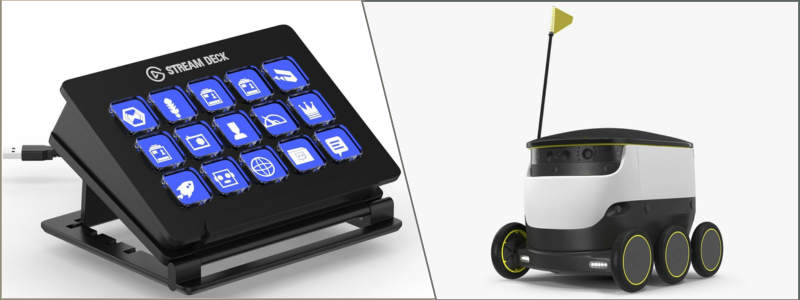
Product design of a elgato steam deck and robotized delivery machine by Cad Crowd product engineering experts

The big questions you should ask before you sign anything

Imagine this: you’re in a modern conference room, with an espresso cup nearby, surrounded by pristine sketches, polished prototypes, and excited designers who are obviously proud of what they’ve made. It’s easy to jump in headfirst, give the go-ahead on the project, and envision your product launch going viral. But before you become carried away with the euphoria, it’s time to put on the brakes and demand the hard questions, especially the ones that can make or break your project later on.

Q1. Have you developed products similar to mine?

Experience in your particular category of products is not a plus; it’s a necessity. Creating a smart wearable device is different from creating a new chair or kitchen gadget, even for product design firms. If your product has electronics, wearables, moving pieces, or has to meet exacting safety requirements, you need a partner who’s already familiar with that landscape. Request examples. Case studies. War stories, even. A team that has “been there, built that” will keep you out of expensive side roads.

Q2. Do you do everything in-house?

Not all design companies are equal. Some provide full-service solutions from ideation and sketching through prototyping and factory-ready files. Others might subcontract work such as CAD modeling or prototyping to outside vendors. That’s not necessarily a bad thing, but it’s important to know who’s actually performing the work. You don’t want to find halfway through a project that your prototype is being sent half around the world, or that essential design files are handled by some nameless freelancer. Transparency is essential.

Q3. What’s your prototyping process?

This question says a great deal about the company’s technical ability and how seriously they are taking your vision. Are they handing you 3D prints glued together with super glue, or are they giving you high-fidelity prototypes that closely represent the final product? If your project is being presented to investors or you are going for crowdfunding, appearance and function count big time. A professional prototype created with CNC-machined aluminum or molded plastics says you mean business.

Q4. Can I own the IP?

You’d be amazed how many business people sweep this one under the rug. Intellectual property is everything. Your name on the patent application, your brand on the design, and your rights locked in black and white. Contracts must be cut-and-dried: you own all IP created under the project. No gray language. No co-ownership. No “we retain rights on particular components” provisions. If the design company resists this, it’s a warning sign.

Q5. What is the DFM (Design for Manufacturing) plan?

A gorgeous prototype is only half the journey. The real magic happens when that design is ready to roll off the production line efficiently and cost-effectively. That’s where DFM services come in. If the design team can’t explain how your product will be manufactured at scale, or worse, they haven’t thought about it at all, they’re not building a business; they’re building a one-off model. Ask how they handle production constraints, material choices, and supplier communication.

Short and sweet, enthusiasm is wonderful, but preparation makes it perfect. Ask these questions, make notes, and don’t accept vague replies. Your product and your company deserve clarity and competence from the beginning.

RELATED: Key factors to consider when vetting engineering firms for design & consulting services

Behind the scenes: What product design firms actually do

When someone hears “product design firm,” they might envision a group of creatives rolling up their sleeves and batting out chic 3D drawings and presenting them with a flourish. That may be the superficial tip of the iceberg, but what actually goes on behind the scenes is an awful lot more complex, strategic, and team-based. A product design company doesn’t merely make things look nice; it assists in shaping ideas into producible, marketable products. Here’s a greater insight into what the entire process actually entails.

Phase 1: Discovery & concept development

This is the time your idea gets to take its first breath. You arrive with sketches, inspiration boards, or perhaps just a rough idea in your head. The concept design service team has its own weaponry, which includes whiteboards, post-its, coffee-fueled ideating, and lots of curiosity. The intent here is to understand user requirements, market voids, and product objectives. Don’t worry if your original concept gets remolded or questioned. The whole point of this phase is exploring and distilling down a vision that’s innovative and realistic.

Phase 2: Industrial Design

And now the party starts. This is when the visual identity of your product comes into being. Designers consider ergonomics, aesthetics, user interface, and visual effect. They create concept illustrations, create mood boards, and start modeling initial designs in CAD. But it’s not merely creating something pretty; however, it needs to be right and act naturally for the end user. It’s where form and function come together in an explicitly intentional and user-oriented manner.

Phase 3: CAD modeling & engineering

Design concepts are passed on and developed into precise 3D models. Engineers come aboard to sort out the nuts and bolts: materials, component location, load tolerances, and mechanical systems. CAD packages become the collaboration language of first resort. All the way down to screw holes and cable run, everything is carefully specified. This is the stage where the design team begins to answer the essential question: Can this even be built?

Phase 4: Prototyping

Now that the digital work is complete, it’s time to go physical. With additive manufacturing services, CNC machining, and other rapid prototyping tools, the product begins taking form in the physical world. This isn’t for display purposes alone—prototypes are examined for feel, fit, strength, and usability. Can the hinge withstand repeated use? Does the button provide proper tactile feedback? It’s all about checking the design and identifying what needs to be corrected before proceeding.

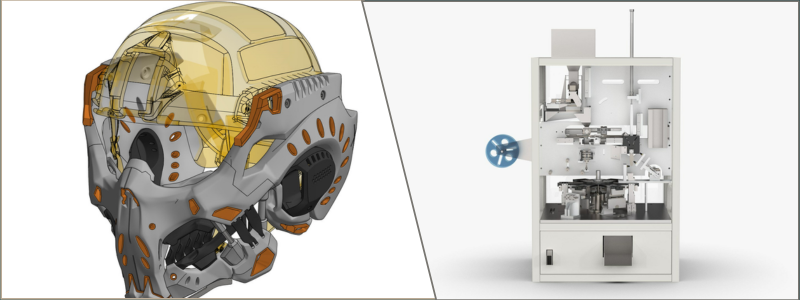
3D product rendering of an airsoft mask and tea bag automated packager by Cad Crowd product design engineers

Phase 5: Refinement & pre-production

Prototype is followed by a cycle of feedback and revision. Perhaps the material selection must be tailored, or the transformation could be more ergonomic. The team makes product refinements based on field testing and stakeholder feedback. Engineers validate that the design is suitable for mass manufacturing, streamlining assemblies, minimizing components, and maintaining cost-effectiveness while preserving performance.

Phase 6: Handoff to manufacturing

Lastly, the design is ready to face the world. Detailed CAD files, production drawings, and bills of material (BOM) are complete. Some companies even help with finding manufacturing design companies or taking orders from vendors. Everything is now ready to go smoothly from the design studio to the shop floor.

So no, it’s not all about fancy renders. It’s an intense development process, significant collaboration, and an infinite number of iterations all to create a product the correct way.

Red flags that shout “Run!” when selecting a product design agency

A beautiful portfolio or crisp website can be extremely convincing, but remember, do not be seduced. Even the most professional-looking design agencies can be a bad fit when you look beyond the surface. Before you sign the contract, here are some serious red flags that should make you reconsider the arrangement.

Number one: no physical prototyping abilities. Great digital renders, perhaps, but if a company can’t create and test physical prototypes, how will it determine true-world usability, longevity, or fit? A design that exists solely on a screen isn’t very helpful once consumers hold it.

Then there’s the abhorred one-size-fits-all strategy. Your product is specialized if it’s a niche or combination design, such as a smart lock with a skateboard attachment. If a company appears to be using the same process with each client, it probably means they’re not customizing for you.

Another dealbreaker is the lack of understanding of production. A stunning concept, in the minds of some designers, is the last step in their work. But if production is too expensive or impossible, then the design serves no use. From the very beginning, the top product engineering design companies think about production limits.

Listen to what they say, too. If every other sentence is full of industry jargon but you still don’t have a clue what they’re talking about, that’s an issue. Clean communication is important. If they can’t describe their process in simple English, then they probably don’t even know it well themselves.

Lastly, ambiguous pricing and schedules should cause you to pause. Experienced firms know how to estimate costs and timelines. If everything seems fuzzy or TBD, that’s a big red flag that they’re not yet prepared or inclined to commit.

Bottom line: trust your gut. If it doesn’t feel right, it likely isn’t.

RELATED: A guide to electronic product design for manufacturing with PCB design firms & engineers

How much does this actually cost?

Yes, the money talk. It’s not really anyone’s favorite subject matter, but if you’re truly determined to introduce a new product, you can’t afford to brush it under the rug. So, how much does product design and prototyping really cost?

If you’re creating a simple consumer product, like a kitchen appliance or a simple plastic box, the costs usually range between $15,000 and $50,000. That usually covers everything from preliminary concept drawings to a functional prototype. But it gets a little more serious (and costly) when you enter into complicated territory.

Products that encompass embedded electronics, specialty materials, or rigorous safety protocols, such as medical devices or wearable smart things, can easily drive the price to $75,000 to $150,000, and even higher at times. These are not merely frilly figures. They represent the broad engineering, prototype design engineering service, and regulatory hurdles involved.

Now, sure, freelancers tend to hit the market at more affordable price points. If you’re a startup struggling to get traction on a shoestring budget, you may see quotes ranging from $5,000 to $10,000. Sounding pretty good, right? Well, here’s the problem: that $5,000 design may never actually be produced. If it can’t be manufactured, or it doesn’t work when put to use in real-world applications, you’ve pretty much wasted money with nothing to show for it.

So what are you actually paying for? Not just doodles. It’s about expertise, productivity, and problem-solving. An experienced team understands how to avoid the types of errors that kill a project several months into the process. And where each delay costs more than dollars, time, opportunity, and momentum, it will become apparent that wise investment early on often translates to better returns down the line.

Short answer: Cost is important. But the value is more.

Should you hire a firm or a freelancer?

It’s a typical dilemma for anyone creating something new: do you hire a full-fledged design agency or a lean freelancer? The response isn’t one-size-fits-all. It actually depends on the scope of your project and how involved you want (or need) to get.

Design companies send a whole team along. Consider industrial design experts, CAD specialists, mechanical engineers, prototypers, and sometimes even supply chain experts. If your item is complicated or if you need someone to guide it from the first sketch to full production, this one-stop shop experience can be a big winner. You receive organization, accountability, and often an efficient process.

Freelancers, on the other hand, provide a concentrated and flexible solution. Perhaps you only require CAD drawings. Or a nice product rendering. Or an outside opinion on a mechanism that’s been stumping your team. Freelancers tend to be cheaper, and they typically are quicker to get up to speed. The catch? You’ll be responsible for coordinating other aspects of the project, such as electrical engineering, procurement, or end prototyping.

The third option is à la carte services, where you can access their expertise without purchasing the entire ticket. Need just a prototype? Or want a design audit before you invest in tooling? These companies can step in at a halfway point and provide specific support holes.

Ultimately, it’s all about connecting the right talent with the right point in your product journey. Whether that’s the power of a firm or the flexibility of a freelancer is a matter of what you’re building and how you want to build it.

RELATED: How to reduce painful product development costs for your company

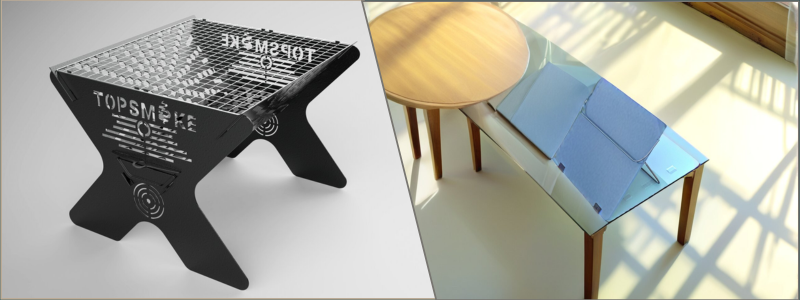
Product design rendering of a portable firepit and laptop table by Cad Crowd engineering experts

What great designers and firms have in common

When you’re in the market for a design partner, whether it’s a freelance pro or a full-fledged consumer product design firm, it’s easy to get distracted by beautiful mockups and slick presentations. But great design isn’t just about looks. It’s about working with someone who truly gets what you’re building, why it matters, and how to make it real.

One thing that distinguishes good designers from great ones?

  • Curiosity: Great designers won’t simply nod and agree with anything you propose. They’ll ask intelligent questions regarding your users, your business objectives, and even your competition. That’s how they adapt solutions to what you really need, rather than what you believe you do.
  • Candor: If your idea has a hole in it, you want someone who’s honest enough to say so and skilled enough to offer better alternatives. No sugarcoating. No unnecessary flattery. Just useful, constructive feedback.
  • Collaboration: A good designer understands that this isn’t a one-and-done deal. They’ll listen attentively, articulate their decisions clearly, and shift their strategy as your project unfolds. It’s a two-way conversation, and the best ones ride with you each step of the way. Just as crucial is a production mentality. A design that appears stunning on the screen but is prohibitively expensive to produce is a dead end. Great designers know how things work in production and design accordingly.

Lastly, the results are not simply nice shots, but products in the real world, rave reviews, and case studies that speak to their effect. Specific client testimonials can say more than any portfolio ever could.

Bottom line: Brilliant designers pose intelligent questions, provide frank responses, collaborate like teammates, and realize your ideas in style and function.

How long does it take?

How long do products actually take to design? If you were thinking of getting it all done in a few weeks, think again. A full product design process from your first concept to production files is typically 3 to 9 months, and sometimes more. The timing depends on complexity, especially in the case of electronic device design firms.

For instance, a straightforward plastic product can be done in 3 or 4 months. But if you’re working on something more complex, such as a wearable device with electronics or several user interfaces, then you’re talking about 6 to 12 months or even longer. This is not a rush project; it’s about accuracy, testing, and polish.

After all, you’re not simply drawing a nice thing; you’re creating something that people will actually use, maybe on a daily basis. Taking the extra time to get it right the first time will save you from expensive errors later on. In product design, patience isn’t a virtue; it’s essential to success.

Working with a design firm: Tips for a smoother ride

Want to be a dream client? Here’s how to steer clear of the bumps.

  • Come with clarity. You don’t need a complete spec sheet, but have a sense of your objectives. What are you solving? Who’s your user? What’s your vision?
  • Be flexible. Your idea can shift. That’s not a failure, it’s evolution.
  • Provide good feedback. “I don’t like it” doesn’t tell us much. “It feels too heavy for a kid’s hand.
  • Patience is polite. Respect the process. Good design is iterative. Anticipate several rounds and expect some twists along the way.
  • Prototype planning. Budget and time must be allocated for not only one, but possibly several prototypes. It’s part of figuring out what works.

RELATED: What are industrial design rates & costs at product design services firms?

Design is where magic meets mechanics

There’s something thrilling about witnessing your product evolve from sketch to shelf. The best product design firm isn’t merely a team; you need to find your co-pilots on this wild journey. The process will test your patience, challenge your assumptions, and potentially reshape your initial idea through open innovation services.

But with the right partners, you’ll gain more than just a prototype. You’ll have a product ready to face the real world, with every curve, button, and detail meticulously considered by people who live and breathe design.

Cad Crowd is here to help!

So, don’t rush! Take your time to ask the tough questions and look beneath the surface. When it comes to bringing your idea to life, hiring an excellent product design team from Cad Crowd is not just the first step; it’s the most crucial one in transforming that “what if” into a “wow.” Don’t wait any longer—get in touch with us today for your free consultation and discover how we can help you turn your vision into reality! Request your FREE quote now!

author avatar

MacKenzie Brown is the founder and CEO of Cad Crowd. With over 18 years of experience in launching and scaling platforms specializing in CAD services, product design, manufacturing, hardware, and software development, MacKenzie is a recognized authority in the engineering industry. Under his leadership, Cad Crowd serves esteemed clients like NASA, JPL, the U.S. Navy, and Fortune 500 companies, empowering innovators with access to high-quality design and engineering talent.

Connect with me: LinkedInXCad Crowd

How to Reduce Costs on 3D Product Development with Remote CAD Experts for Companies


In order to stay competitive in today’s market, businesses are always seeking ways to reduce expenses and increase production speed. One affordable approach is to use freelancing websites to discover CAD professionals who can work remotely. By contracting out 3D product design, businesses may potentially cut costs on salaries, software licensing, and employee training. In addition to tapping into global expertise, they may tailor their resource allocation to match the unique requirements of each project.

Cutting expenses without sacrificing quality is becoming more of a need as competition in product development heats up. Having in-house skills, particularly for specialized fields like 3D and CAD modeling, may be rather costly. Companies now have a state-of-the-art option for outsourcing the employment of remote CAD professionals thanks to the proliferation of dispersed work, even as freelance platforms continue to grow in popularity. You may acquire the results you need without breaking the bank by utilizing their services instead of recruiting full-time employees or big corporations.

Cad Crowd is an excellent platform that can put you in touch with freelance professionals in 3D product design and CAD solutions. It is also one of the most reliable and easy-to-use websites for locating reliable freelance CAD experts. Their product development processes may be streamlined, and they can save a ton of money with the help of remote CAD experts. This article takes a look at several tried-and-true ways for cutting costs when working with remote CAD specialists, and how platforms like Cad Crowd may be an integral part of your strategy.


🚀 Table of contents


Understanding the need for cost reduction in 3D product development

Before discussing the strategies, let’s understand why cost-saving during 3D product development is important. Conventional product development costs can be high, especially for organizations involved in areas such as consumer electronics, automobiles, or furniture design, where design intricacy is high and product development time windows are short.

Traditional in-house development challenges

  • Salaries and benefits: Paying the entire CAD staff on a full-time basis has fixed benefits, salaries, and long-term liabilities for product design companies. These turn out to be extremely expensive for organizations that need expert talent for a short term or just a single project.
  • Training and maintenance: CAD software is continually updated. To accommodate this, in-house personnel require regular training, which is both expensive and time-consuming.
  • Overhead costs: Maintaining an in-house team incurs significant costs, including office space, machinery, software licenses, and other administrative expenses. These costs are compounded in those firms that have large, full-time design teams.

By utilizing remote CAD experts, these firms can eliminate these problems and have a less costly alternative to 3D product development.

Product design of camera lenses and wireless phone charger by Cad Crowd product development designers

RELATED: A guide to electronic product design for manufacturing with PCB design firms & engineers

Cost-saving strategies utilizing remote CAD experts

In today’s rapidly evolving and competitive corporate world, businesses are constantly seeking cost-reduction methods without compromising on output quality. One area where this holds true is in product development for businesses that are CAD-intensive. Utilizing remote CAD experts has tremendous potential for cost savings and improved project outcomes. By utilizing the services of freelance websites and remote working, companies can access superior talent without incurring the costs associated with traditional recruiting. The following are some methods that companies can use to reduce costs by hiring remote CAD experts.

Utilize freelance websites as a pool of global talent

The most effective method of reducing the cost of product development is by utilizing freelance platforms like Cad Crowd. The websites fill the gap between companies and a worldwide community of specialists to whom they might outsource and assign work on their projects. Through these locations, companies can hire 3D CAD design services of various skill levels and experience, and thereby have the option to select experts whose certification precisely matches the project requirements. This reluctance to flexibility reduces the dangers of unnecessary fixed costs of staff.

  • Expertise in reserve: Rather than employing generalists, companies can have the appropriate CAD professionals with the proper skills for every phase of the project in reserve. To perform tasks such as prototyping, high-level design, or testing, the appropriate specialist can be employed.
  • Pay-as-you-go model: Freelancers are compensated on a project-by-project basis, allowing the company to scale up or down resources based on project demands. It is much less expensive than paying an employee’s full-time salary, which might not be required in the long term.
  • World talent pool: Freelance platforms provide the opportunity to hire experts from around the world. Most often, experts from countries with lower living costs can offer competitive prices without compromising quality.

By accessing this large pool of talent worldwide, companies can be confident they are obtaining the maximum value for the exact skills they require. By doing so, they can cut costs without sacrificing quality.

Streamline project scopes and timelines

One benefit of employing remote CAD professionals is that resources can be quickly scaled to meet the precise requirements of a given project. A remote specialist works on specific steps in a product development cycle, thus avoiding wasteful costs for consumer product design companies. For instance, a firm may need the services of a CAD professional during the conceptual design or prototyping stage, but not for the entire process.

How to make the most out of scopes?

  • Split projects into stages: Breaking the whole product development process into phases, such as creating ideas, elaborately designing, and prototyping, enables companies to hire freelancers to outsource easily for the specific phases where they are needed.
  • Specify specific project milestones: Clearly defined project milestones for all stages enable distant CAD professionals to work in unison and deliver results on time, eliminating opportunities for delays that can lead to additional costs.
  • Limit project scope: Avoid broadening the project scope. Once firms accomplish what needs to be done to push the product ahead, they can acquire laborers specifically for such projects and avoid unnecessary expenses.

The remote work nature enables businesses to take a project-based approach, where they only pay for the work that must be done, without over-scaling resources.

Minimize software and equipment costs

CAD hardware and software may be quite costly, especially when purchasing licenses and hosting software for an in-house staff. Remote CAD professionals typically own their own subscription for commercial software such as AutoCAD, SolidWorks, or Rhino. Thus, product engineering companies don’t need to make regular payments for software subscriptions and hardware upgrades, which could be extremely costly in the long run.

Benefits of freelancers’ tools

  • Software license costs saved: Freelancers have their own licenses for software, and thus, companies are able to save on the exorbitant initial expenditure of purchasing and maintaining licenses for costly CAD software.
  • Upgraded tools: Freelance CAD professionals are generally keen to update their tools to the latest versions, enabling them to utilize the best available tools for creating high-quality designs.
  • Tailor Your Skills: The majority of freelancers choose tools based on their working style. Therefore, companies are working with individuals who can provide the majority of the productivity through tools they are familiar with and have mastered. Even some freelancers utilize open-source CAD packages or specialty equipment to reduce costs. Enjoying the benefit of it, companies can cut even more from their equipment and software expenses.

RELATED: How 3D CAD modeling is transforming design and manufacturing industries at design companies

Reduce overhead with remote work infrastructure

One of the most significant benefits of outsourcing remote CAD experts is avoiding the overheads associated with maintaining an office setup. With remote work, organizations can avoid the expense of expensive real estate, office space, and office supplies. Remote work also enables organizations to recruit specialists from regions with lower living expenses, allowing them to hire top professionals without incurring a premium.

3D product rendering of an advanced scout and vital tracker and a gaming mouse

Points of relevance for cost minimization

  • No office space: Freelance CAD engineers work from their respective locations, thus avoiding the expense of office space, utility bills, and office equipment, which are very high recurring expenses.
  • Lower administrative costs: Working remotely means companies do not need to bear costs on HR personnel, office management, and physical equipment. This results in lean operations with less overhead expense.
  • Lower-cost-of-living locations: Remote employment enables your company to hire CAD professionals outside your home country. This represents a savings in labor costs without compromising quality and expertise.

The ability to hire anywhere provides companies with the flexibility to strategically reduce operating expenses, enabling them to offer competitive pricing without compromising on design quality.

Take advantage of collaboration and communication tools

Advances in project management software and virtual communications technology have enabled remote work to be easier and more efficient than ever. Ease of collaboration despite different time zones is facilitated by tools like Slack, Zoom, Trello, and Google Drive, which ensure instant communication, feedback, and file exchange. Proper utilization of these instruments ensures that companies can ensure their remote workers are collaborating effectively, thereby providing faster project timelines and lower costs for design engineering companies.

Proper utilization of tools

  • Slack and Zoom: Communication and regular check-ins are easy with these tools, keeping remote CAD experts on the same page with objectives and project timelines.
  • Trello and Asana: Project management applications keep projects well-organized, tasks assigned with clarity, and deadlines respected, without unnecessary delays or misunderstandings.
  • Version control and file sharing: Cloud programs like Google Drive, Dropbox, and GitHub provide a straightforward method for storing, sharing, and versioning project files. Such programs have the capacity to monitor changes and recover the most recent version of a project at any time.

By utilizing these collaboration and communication tools effectively, businesses can enhance productivity and minimize time wastage due to delays, making the remote working process more cost-effective and efficient.

Take advantage of expertise with minimum commitment

One of the greatest advantages of using web-based services such as Cad Crowd is that organizations are able to tap into the services of experts without necessarily committing to having long-term in-house staff. This kind of flexibility in human resources enables organizations to hire the services of 3D product design experts for short-term projects or specific endeavors without committing to full-time employment.

Benefits to organizations

  • Flexibility: Businesses can hire freelancers on a project-by-project basis, tailored to the level of work and specific needs. This maintains the expenses associated with a full-time in-house team at a minimum.
  • On-demand talent: Offsite CAD professionals have high levels of experience and specialisation, so businesses can tap into the talent they need without losing time to conduct lengthy recruitment processes.
  • Cost predictability: With freelancers, businesses have a clear upfront cost because they are only paying for the work that has been completed. This eliminates the need to budget for employees’ wages, benefits, or other long-term costs.

This flexibility is particularly useful for companies with project requirements that vary or require specialized skill sets on an ad-hoc basis. The capability of accessing remote specialists on an ad-hoc basis enables the company to pay for what they consume, with variable costs kept to a minimum and in check.

Having CAD professionals at their disposal remotely provides companies with multiple options to reduce their payments without compromising the quality of the design. By utilizing freelance sites, reducing project scope, minimizing software and equipment costs, reducing overhead, and leveraging collaboration tools, businesses can achieve significant savings.

Secondly, having the ability to hire on-demand talent also enables businesses to remain flexible through open innovation services and not make long-term commitments, which remote working makes all the more appealing in today’s competitive age. By embracing these tactics, businesses can streamline operations, reduce costs, and access the best talent at every stage of product development.

RELATED: 10 design principles for product development & industrial design services teams

Why Cad Crowd is the best tool for reducing costs in 3D product development

In 3D product design, it is not always quite so easy to balance quality and cost. Cad Crowd is very convenient in such situations, as it is the first port of call for companies that want to cut costs without sacrificing quality. Cad Crowd provides companies with access to a worldwide pool of highly skilled freelance CAD experts, making it easy to find the best skill set for the task at hand.

Most valuable, perhaps of all, is the pre-screened talent pool of Cad Crowd. Every freelancer on the platform is thoroughly screened and assessed to ensure they possess the proper qualifications and experience required to complete the job. This cuts down on the time wasted by businesses poring over dozens of resumes or portfolios—Cad Crowd has done the legwork for you, so it is easier to find the correct person to do the job in front of you. If you need help from seasoned 3D modeling experts, prototypers, or design-for-manufacturing experts, Cad Crowd can provide that assistance.

The second reason businesses employ Cad Crowd is that it provides an affordable price option. With worldwide access to top talent, companies can recruit exceptional candidates at a lower cost than they can through local hiring or traditional recruitment agencies. This makes businesses accessible because they receive high-quality work, which is crucial in today’s economy.

Cad Crowd also offers convenience in collaboration. The website features built-in communication, file transfer, and project management facilities, enabling companies and freelancers to collaborate seamlessly. Such an effective process not only saves time but also reduces the risk of delays, ensuring the project remains on track and within budget.

In brief, whether you need an expert for one job or long-term cooperation, Cad Crowd makes it possible to get the best CAD expert to fulfill your requirement easily and save money and gain more.

Product design of an electric cigarette and wicker chair

RELATED: How much does NPD cost? Rates & pricing for services at top design companies

Conclusion

Reducing the cost of 3D product rendering and design services is not a matter of compromise; it is a question of creative financial management and leveraging the benefits of the flexibility and expertise offered by independent specialists. With the types of services that exist, such as Cad Crowd, companies can now access the best CAD brains at an affordable price, which is often too costly with the in-house option.

Either by utilizing flexible staffing, efficient software, or by being able to ramp up resources independently, remote CAD professionals offer a cost-effective solution for companies to stay competitive in this fast-paced economy.

With the right strategies in place, such as best-practice project scoping, the smart application of collaboration tools, and the controlled deployment of freelance resources, companies can save a significant amount of money without sacrificing the quality and operational efficiency required to successfully deliver 3D product design.

Cad Crowd is here to help

Collaboration with technologies such as CadCrowd exposes firms to the best freelance CAD engineers and designers in the market, who offer sector-specialized expertise and customized solutions. Whether you’re a new start-up that must get a new product out to market quickly or an established company looking to streamline your design process, working with experienced professionals ensures you receive high-quality work at a small fraction of what it would cost to have in-house personnel on the payroll.

For more information on how Cad Crowd can assist with your 3D product design and to receive a personalized quote, contact our dedicated experts who are committed to making your dreams a reality. Get your free quote today!

author avatar

MacKenzie Brown is the founder and CEO of Cad Crowd. With over 18 years of experience in launching and scaling platforms specializing in CAD services, product design, manufacturing, hardware, and software development, MacKenzie is a recognized authority in the engineering industry. Under his leadership, Cad Crowd serves esteemed clients like NASA, JPL, the U.S. Navy, and Fortune 500 companies, empowering innovators with access to high-quality design and engineering talent.

Connect with me: LinkedInXCad Crowd