Elevating Your Company’s Product Designs Through User-Centered Design Principles


Success in today’s highly competitive marketplace very directly depends on how well a product meets the needs and expectations of its users. Companies are pinning more hopes on producing products that would give the best experiences to the users, and this is why user-centered design, or UCD, principles have become important components in the development process of business products for product design companies.

Cad Crowd is an industry leader in providing vetted outsourced product design services for businesses around the world.

Integrating UCD principles into the business process can quite significantly contribute to improvements in usability, accessibility, and overall user satisfaction, which translates into higher customer retention and revenue streams. This article analyzes how the use of user-centered design principles can improve your company’s designs for products, with insights from various industry leaders.


🚀 Table of contents


User-centered design definition

User-centered design (UCD) is a philosophy of design that is concerned with putting users at the center of product development services. The idea behind UCD is that design must be based upon a deep and profound understanding of what users are, what users need, how users think, and their goals. UCD is not just about functionality, but also with much emphasis on the emotional connection to the product, ensuring products are intuitive, easy to use, and engaging.

Unlike the traditional design approach, in which the product or technology is at the center of focus, UCD places the user at the center of the design process. This requires research, collection of feedback, and iteration throughout the design process to ensure that the final product satisfies the needs of the intended users.

According to experts, user-centered design is a design process in which the needs, wants, and limitations of the end-user are given extensive attention at every stage of the design process. This can be used even for physical products or digital products like applications and websites.

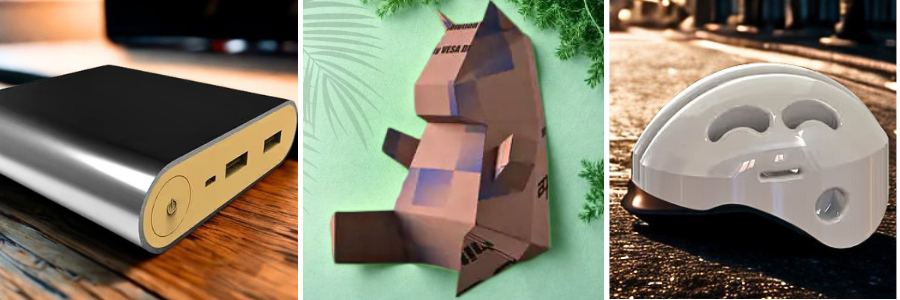
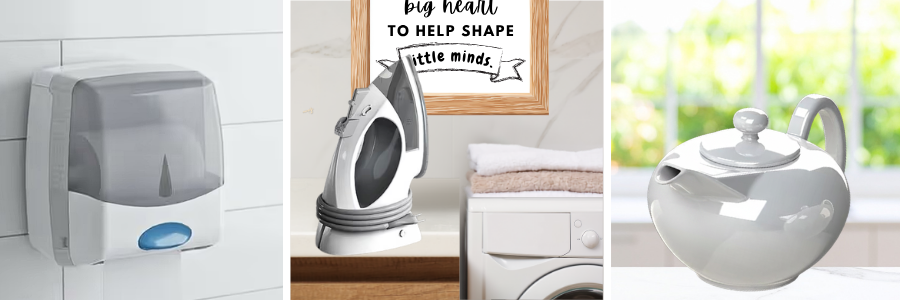
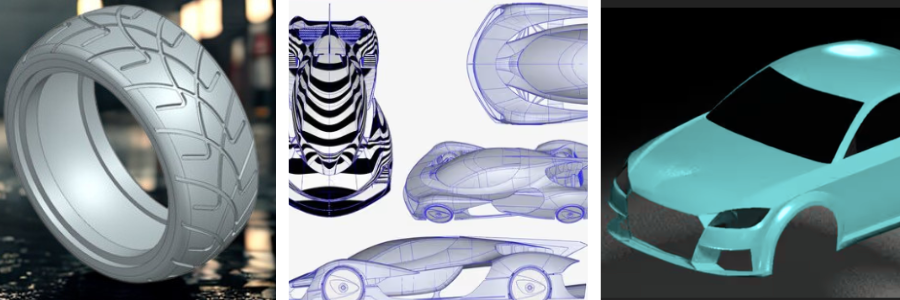
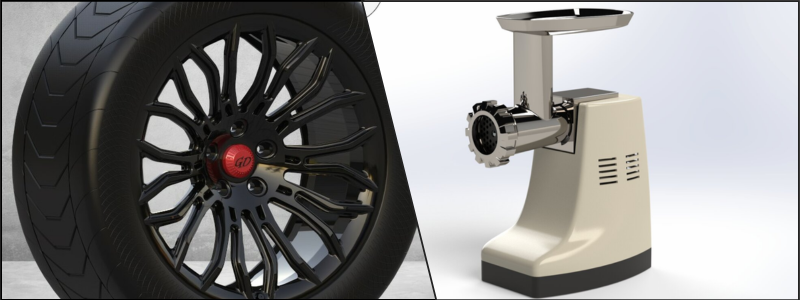
cad design example of a mag-wheel and meat grinder

RELATED: Designing for visual impact with your product design services company

Key principles of user-centered design

In order to maximize the potential of user-centered design, consumer product companies need to include guiding principles while they are in the process of creating their products. These will ensure that the users know every step they take in the design phase is based on their liking. Which always results in a more effective product.

Below are the principles that will elevate your product design.

Focus on the user’s needs and goals

The first and most crucial principle of user-centered design is understanding your users’ needs, goals, and pain points. Without this understanding, it is impossible to create a product that will resonate with users.

A user-centric approach would begin by doing extensive research, including some level of interview with the users, a survey, and sometimes usability testing, to understand their behavior, preferences, and problems. This consequently guides the real design considerations so that the final product meets the users’ real-world needs.

For instance, in the case of a fitness tracking mobile app, having an understanding of your target audience’s fitness goals, how they track their progress, and what motivates them will inform features and functionality design aimed directly at addressing these needs. You may also want to consider wearable design services in the case of smart workout apparel. If a product addresses a user’s needs, it will more probably find favor and gain success.

Include users in the design process

One of the most compelling features of user-centered design is the active involvement of users throughout the design process. This involves involving the users at every step of product development, from its earliest idea to initial testing and launch.

Involving users at each stage can deliver feedback so that your product is always going in a direction that would generally meet the expectations of the user. Through usability testing, focus groups, or beta testing, ongoing user input allows you to iterate on your design and make informed adjustments.

One good example is Apple, in which the iterative approach of its design always involved rigorous testing with feedback loops from users. Through an iterative approach, Apple can refine its products to result in a seamless and user-friendly experience for its customers.

Iterative design and testing

Design, therefore, is not one-time; rather, it is iterative, meaning it always requires constant refinement and assessment. Improving designs for products is done most effectively through continuous testing and refinement. An iterative process of design means a cycle in which your product moves through cycles of design, testing, gathering feedback, product engineering services, and subsequent improvement. Through this, a problem with the design is identified as early as possible while allowing designers to experiment with different features and functionalities to see what resonates more with users.

Companies can test these variations with customers using tools like A/B testing, usability testing, or prototypes, and determine which way would best be taken based on the results. This cycle allows repetition to continue, fine-tuning the company’s designs until they reach the most effective version of the product.

RELATED: How innovative design techniques can supercharge your new product concept

Emphasis on usability

Usability is one of the cornerstones of user-centered design. A product will only be as good as its ease of use. If the users can’t navigate it or can’t understand how to use it, frustration and abandonment will be the result. Usability, therefore, refers to making products simple, intuitive, and accessible.

The overall goal is to make it painlessly simple for a user to do anything they want to do within the application with minimal effort and frustration. This would involve such aspects as clear navigation, readable typography, responsive design, and an overall easy-to-use interface. Usability testing involves identifying weaknesses and fixing them to ensure that the design meets users’ needs.

For instance, some product development experts elaborate on how user-centered design impacts the usability of websites and digital products. A clear call-to-action button, a simple layout, and easy navigation-all these factors make your design user-friendly. All these factors will help users interact with the product easily, which increases user satisfaction and retention.

Design for accessibility

Accessibility is yet another critical principle of user-centered design. A usable design should make it possible for people with all abilities and disabilities to use the product. This involves making sure that any product is usable for people with visual, auditory, motor, or cognitive impairments.

Accessibility built into your product design means thinking of how users interact with technology. For example, providing text alternatives for the images (alt text), designing with color contrast in mind, and ensuring your website or app is accessible by a keyboard or screen reader, to name a few, are ways of creating an inclusive product.

Experts emphasize the point that accessibility and inclusive design are not actually about checking compliance, but all about product design experts building a product that everybody can use as much as possible, and gives a meaningful experience to everyone. In essence, your focus on accessibility demonstrates to your users that you really care for them and ensure that everyone has an equal, fair chance.

Consistency across the product

Consistency is a must for managing to make the user experience both harmonious and intuitive. When users are dealing with a product, they must feel that they know how it works from one screen or feature to the next. Consistent design fosters trust and comfort in the system, therefore allowing users to navigate the product without confusion.

Consistency encompasses both visual-design-level elements (color, fonts, and layout) as well as functional elements (button placement, icons, and actions). Maintaining a consistent design language across your product will make it so much easier for users to understand how to interact with your product and predict what will happen when taking particular actions.

Contextual understanding

Contextual design is basically a cornerstone of user-centered design. Context refers to the entire circumstances of a user interacting with any product, which would include their environment, goals, and mindset. By understanding the context, new concept design experts can come up with products that could more relevantly and usefully suit the specific contexts of users.

For instance, an app for drivers would require designing with high-speed, easy-to-read interfaces that do not distract their attention from the activity of driving. A fitness app may be imperative to be very simple and user-friendly when users are working out or in motion. The context in which your product is used means that users can use it with ease in their daily lives.

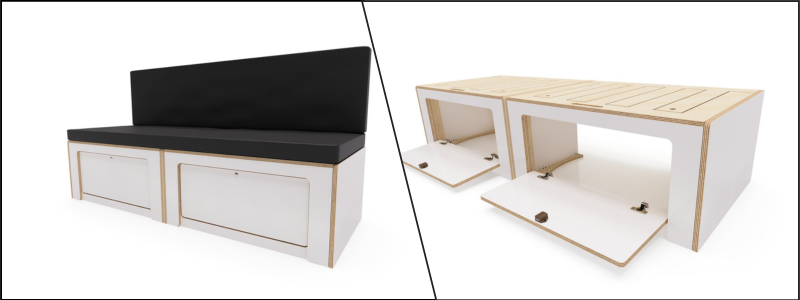
product design of a convertible bed and couch

RELATED: Why design for manufacturability (DfM) is essential for product success when hiring a design firm

Benefits of using the user-centered design approach

The use of user-centered design principles in your products and business will highly impact your product and industrial design firm; hence, the following represent some of the key benefits.

Enhanced user satisfaction

When designing products with users in mind, it would most probably meet user expectations and needs for the first time. Such a product would mean that there is very high satisfaction, and users would be more likely to continue using it or recommend it to friends.

Higher conversion rates

A good user experience will have an immediate effect on conversion rates. For digital products, this could mean more people signing up for your service, purchasing a product, or taking the desired action. By reducing user journey friction points and streamlining it, companies see measurable increases in conversions.

Lower support costs

The more intuitive the product is, the less likely users are to experience confusion or frustration. This limits the calls to technical support and complaints and reduces customer support costs; therefore, it enhances customer satisfaction.

Higher customer retention

The loyalty of customers is rooted in their good user experience. Thus, by applying the principles of user-centered design, you as a company are actually ensuring that your products hold the user’s attention for a long period of time, long enough to keep them satisfied. This results in an increased number of customer loyalty.

Conclusion

Applying the principles of user-centered design to your product design and throughout the development cycle, including the use of prototype design services to hone in on user needs, is a type of strategic play to produce products that promote the user’s needs in a saturated market of advertising. Put the need to understand the users’ demands as a priority and let them interact at every point of the design process. Their feedback is an important voice that will give you the basis for reiteration.

Product design continues to evolve every year, and adapting to these changes and embracing user-centered design will definitely help you and your company stay ahead of the competition while still delivering products that delight users.

RELATED: The importance of iteration in product development & working with product design companies

How Cad Crowd can help

Whether it is an app, website, or actual product, long-term growth and customer satisfaction can be achieved by considering the user experience in every product design. Here at Cad Crowd, we will make it easier for you through the entire process. Contact us today and request a free quote.

author avatar

MacKenzie Brown is the founder and CEO of Cad Crowd. With over 18 years of experience in launching and scaling platforms specializing in CAD services, product design, manufacturing, hardware, and software development, MacKenzie is a recognized authority in the engineering industry. Under his leadership, Cad Crowd serves esteemed clients like NASA, JPL, the U.S. Navy, and Fortune 500 companies, empowering innovators with access to high-quality design and engineering talent.

Connect with me: LinkedInXCad Crowd

How Innovative Design Techniques Can Supercharge Your New Product Concept


You just had a flash of inspiration for a new product that will change your game. It feels new, exciting, and like it could change the game. But then reality sets in: how do you turn that idea into something real that people will want to buy?

Most new ideas die in this space between a great idea and a successful product. The idea stays stuck in planning meetings that never lead to action.

Product design service innovation techniques fill in the gaps by providing structured ways to transform raw ideas into products that customers actively seek and purchase.

The Cad Crowd professionals’ innovative design isn’t just about how something looks or seems cool. As the number one freelance design marketplace, its experts possess a tactical force that combines creativity, technology, consumer knowledge, and smart problem-solving to turn a simple idea into a game-changing product. Think of it as a magic sauce that turns your idea from “just another idea” into something that people can’t imagine living without.


🚀 Table of contents


Human-centered design

Let’s talk about the real magic behind successful product design that puts people first. Think about this: trying to make something without knowing who will use it. Doesn’t that sound like a recipe for disaster? That’s exactly what innovative design wants to do by putting users in the spotlight.

Designing with people in mind is more than just making something that works well. It’s about really getting to know the users, what they need, what frustrates them, what makes them tick, and even the little things they might not even be aware of. The goal is to make things that not only work but also feel like they were made just for the user.

Consider a fitness tracker, for instance. A product design expert team may, at first glance, home in on technical aspects such as heart rate monitoring sensors, GPS precision, or battery endurance. But a people-first strategy challenges them to dig deeper. When exactly do people really want to check their numbers? What truly drives them to get going? How can the device slide into their daily habits seamlessly without being an annoyance?

By putting themselves in the user’s shoes, designers gain insights that result in smarter, more intuitive products. The outcome? Solutions that not only solve problems but also build emotional connections. And those connections? They’re what drive loyal customers who return again and again—not just for the tech, but for the experience.

To innovate in a way that truly connects with people, human-centered design is essential, not just good practice.

Rapid prototyping: Fail fast, learn faster

Remember the traditional school days when developing a product prototype was costly tooling, waiting for ages, and much guesswork? Innovation turned the tables by adopting rapid prototyping methods. Now, with developments in 3D printing design services, computer-aided design (CAD), and virtual reality (VR), designers are able to iterate designs in days or hours rather than months.

Rapid prototyping changes everything because it facilitates experimentation and early failure, which may not seem intuitive but is the ultimate path to winning. When you can rapidly flesh out sketches in three dimensions, try them on real people, and get reactions, you’re learning what’s going to succeed and what’s not nearly as you go along. It’s as if providing your product idea with a speeded-up option of trial and error.

This back-and-forth cycle tends to create breakthrough innovations. Perhaps that flexible piece you didn’t think you needed ends up being the key to user comfort. Or that small adjustment in the user interface makes the product instinctively easy to use. Without quick prototyping, these observations may never surface until it’s too late.

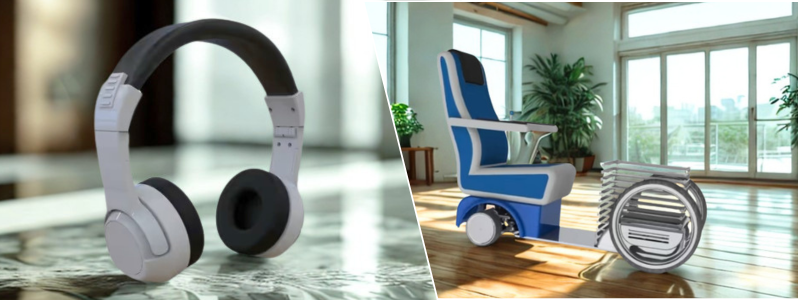
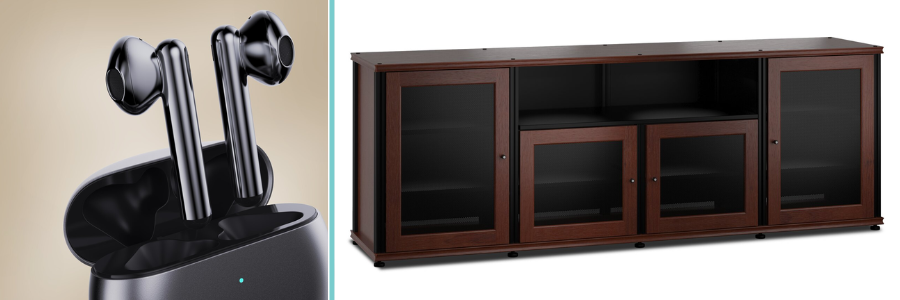
Cad Crowd design of a wireless earphone system and large TV stand by professional prduct designers

RELATED: Why most products fail and proven tips for success with new product design services firms

Taking advantage of cross-disciplinary collaboration

Think of innovation as a special sauce, and one of the things that makes it so powerful is when people from different fields work together. There was a time when teams worked separately, each in their own bubble. To really bring a new product idea to life, you need a wide range of skills, including designers, engineers, marketers, psychologists, and sometimes even artists, all working together.

What makes it so strong? Real innovation often occurs where these areas intersect. A designer might come up with a great design, but without engineering design services, it may not be possible to bring it to life, or it may be too costly to produce. Engineers can build something that works but doesn’t connect with users. Marketers tell us what customers really want, and psychologists help us understand how people think and feel.

From the start, teams can identify problems early, generate new ideas, and create products that the market loves, not just ones that work. Working together is what makes the difference.

Embracing digital tools and data-driven design

Welcome to the product development era of the digital age, where data and innovative tools are not niceties but necessary ones. Next-generation design leverages the capabilities of analytics, artificial intelligence (AI), and simulation software to build smarter products and smarter development processes.

Data-driven design lets you avoid using your gut or assumptions. Rather, you are able to dissect user behavior, preferences, and feedback at a very detailed level. For instance, by observing how users engage with an early prototype of an app or device, you will be able to discern pain points and areas for optimization.

AI-based systems can create several design options, optimizing for considerations such as cost, performance, or user comfort. Simulation software can simulate how a product will react under varying conditions without creating a physical prototype through prototype engineering services. This minimizes risk, reduces costs, and accelerates time-to-market.

In addition, digital solutions facilitate more engaging presentations to customers and stakeholders. Virtual and augmented reality allow individuals to try out a product idea before it is even made, creating buzz and insights that can guide its development in the right direction.

RELATED: From sketch to prototype with product design services for companies at Cad Crowd

Sustainable and responsible design: The future-proof strategy

Innovation these days is not about being flash or high-tech; it is about being responsible. Shoppers and regulators are themselves demanding products that have less environmental footprint and give back to the planet.

Having sustainable design methods integrated at an early stage can boost your product by aligning it with these expanding expectations. That could be selecting green materials, making products for simple disassembly and recyclability, or developing products that use less power.

Innovative design also means considering the whole product life cycle. How is it made? How long will it last? What happens after its useful life is over? This kind of thinking tends to create breakthroughs, such as modular designs where users can replace parts rather than the entire product, or packaging design services that minimize waste.

A product built with sustainability has the potential to build a strong brand story that deeply resonates with consumers and differentiates you from competitors.

Storytelling through design

Let’s discuss a hidden ingredient in wonderful products that most people miss: storytelling. Every product, regardless of how mundane, has a story to share. And clever, innovative design is the ideal method to tell that story in a manner that captures attention and resonates emotionally with your audience.

A great design has so much to say without having to say one word. A product’s form, color, texture, and even the manner in which an individual uses one all combine to tell a narrative. This narrative communicates what a product represents and how it needs to make individuals feel.

Consider legendary brands such as Apple and Tesla. Apple’s minimalist, sleek design communicates a tale of simplicity and refinement, whereas Tesla’s futuristic, bold design conveys innovation and eco-friendliness. Your product’s design can be just as compelling—a visual language that tells your story and makes your product resonate deeply with customers.

Thinking beyond the product: service and experience design

Yes! The smartest product innovation services no longer just care about creating a great product; they think much further ahead. It’s all about the whole experience, from the first time someone sees the product to how it fits into their life. This means that product design and service design must work together.

Consider how challenging it is for customers to receive assistance when they need it. Can customers customize the product to make it their own? There may be an app or extra feature that makes the product even better. All of these elements work together to ensure that customers return, providing them with a smooth and pleasant experience.

When you create something with the entire journey in mind, you open up new ways to sell it and build a larger ecosystem around it. That’s where real loyalty and innovation happen.

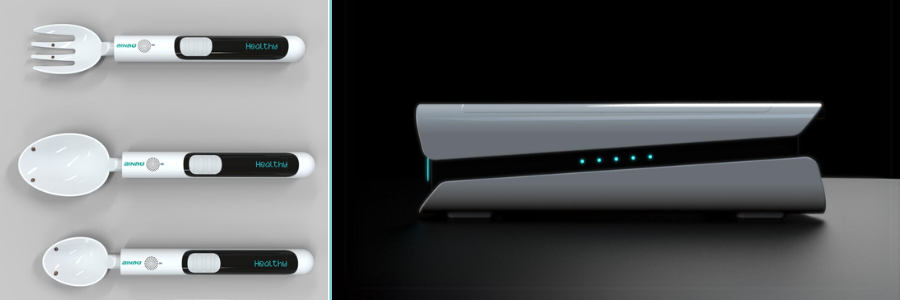
Cad Crowd design of medical devices by Cad Crowd design experts

RELATED: The simple secret to unlocking new product innovation at design services companies

A culture of innovation: the ongoing engine

Innovative design isn’t just a one-time thing; it’s a way of life and a way of thinking. Companies that push their products forward are the ones that make innovation a part of their DNA. This is making a culture where people can share their ideas, learn from their mistakes, and let their curiosity guide their decisions. It means putting money into learning new things, trying out new technologies, and always putting the customer first.

When you make innovation a habit, your new product ideas turn into a stream of new products that keep you ahead of the competition. What does all of this have to do with your new product idea? Design is not an extra step or an afterthought; it is the very heart of innovation. You can turn your idea into a product that people love, connect with, and last by using human-centered principles, rapid prototyping design services, cross-disciplinary teamwork, data-driven methods, sustainable innovation, storytelling, end-to-end experience design, and a culture of continuous innovation.

Cad Crowd is here to help!

Are you ready to supercharge your new product idea? Cad Crowd is the best freelance marketplace to find the best product, architectural, and engineering talent. Think of design not just as a way to beautify, but as a strategic engine that drives every phase of your product’s journey. Transforming your innovative idea into a market sensation. Contact us at Cad Crowd today for a complimentary quote, and let’s bring your vision to life!

author avatar

MacKenzie Brown is the founder and CEO of Cad Crowd. With over 18 years of experience in launching and scaling platforms specializing in CAD services, product design, manufacturing, hardware, and software development, MacKenzie is a recognized authority in the engineering industry. Under his leadership, Cad Crowd serves esteemed clients like NASA, JPL, the U.S. Navy, and Fortune 500 companies, empowering innovators with access to high-quality design and engineering talent.

Connect with me: LinkedInXCad Crowd

Prototyping Techniques Utilized for Complex Products at New Product Design Companies


Prototyping is a crucial step in fast-changing product designs, especially in industries using advanced engineering and innovation. Prototypes are the conceptual and digital realization of new products that designers, engineers, and manufacturers use in exploring, testing, and adjusting ideas before high-volume production takes place. 

Indeed, prototyping is even more important to complex products because they may employ intricate components and multi-disciplinary collaboration or rely on leading-edge technology. New product design companies, especially in the high-tech, consumer electronics, medical devices, automotive, or industrial products categories, use several prototyping techniques. These often go hand-in-hand with product design services to ensure that each stage of development is optimized for functionality, feasibility, and manufacturability.

Prototyping is applied to help in streamlining development, reducing costs, enhancing product performance, and getting to market sooner. At Cad Crowd, many of our freelance designers and engineers rely on prototyping to quickly iterate and refine concepts. The following article will outline the most common and effective prototyping techniques applied by new product design companies in bringing complex products from concept to reality.


🚀 Table of contents


1. Rapid prototyping

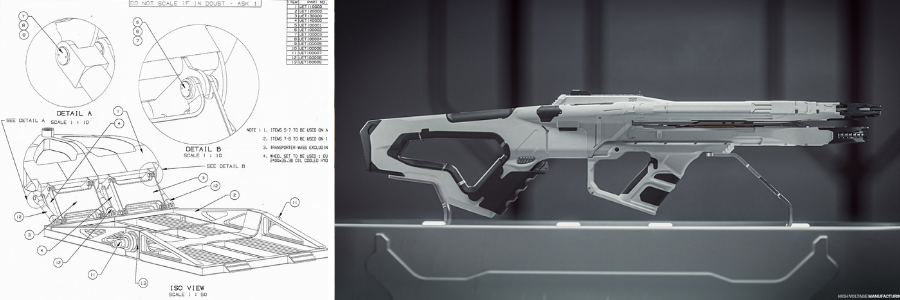
Prototype design of a 110 ton transport and high-voltage rifle by Cad Crowd product engineering professionals

RELATED: Designing prototypes: 3D design services for inventors and companies

Rapid prototyping defines a range of techniques that enable designers to generate models of physical parts directly from digital data. Designers can then make rapid iterations in real time, especially in a complex product requiring components, test functionality, and make several refinements through automated processes such as additive manufacturing, otherwise known as 3D printing, or subtractive methods such as CNC machining. These techniques are frequently integrated with CNC machining services to achieve high precision and repeatability in prototype production.

Key techniques in rapid prototyping:

Additive manufacturing is also popular under a variety of technical names and terminologies, including SLA and Stereolithography, FDM (Fused Deposition Modeling), and others. Through the use of all mentioned above, it accelerates and permits rapid production of more complex shapes/ geometries on demand quickly, while it facilitates much easier replication into models carrying such complex designs, whose creation may be pricey from traditional conventional making.

Parts made of durable material with precise dimensions. CNC (computer-aided machining) is widely used since it carves or mills in a solid mass with high structural strength. If you want to test the fitting, form, and functionality in prototyping, this is the best approach for you. It is often complemented by mechanical engineering services to ensure the prototype aligns with performance and tolerance requirements.

  • Laser cutting and engraving

This is used to cut very thin sheets of material, such as metals, acrylics, and wood. Because of the laser’s precision, it is the best choice for flat and thin component prototypes and designs. 

RELATED: Complete guide to prototyping methods used in product development services for companies and firms

2. Functional prototypes

Functional Prototypes identify the underlying issue related to user interface design (UI) and system integration. For the products whose testing and validation of functionality will require to be conducted, a functional prototype is designed and built. Such a prototype emulates the true performance and utilization of the final product, and its components are close approximations to the desired end product. The built systems include such components as working electronics, hydraulics, and embedded software. These types of builds are often supported by electrical engineering services to ensure accurate integration of circuits and embedded systems.

 Applications

Functional prototypes are used to validate products like implants, diagnostic rules, and surgical instruments, which are usually safety and regulatory-compliant. 

Prototyping allows designers an opportunity to try out user interfaces, electronics integration, and building. For example, when it comes to a smartphone or a wearable, the functional prototype would have screens, cameras, buttons, etc., all functional. These projects often rely on product development services to ensure all components work seamlessly together in the final design.

Automotive product design provides functional prototypes as opportunities to test the novel feature of new parts of an engine, suspension system, or any mechanism for safety under real-life conditions. Functional prototypes are usually tested in controlled environments, simulating real conditions, so the designer can judge user feedback and performance before producing the final product.

RELATED: The product invention process: 6 types of new product prototyping used by businesses

3. Visual prototypes

Sometimes, it is necessary to prototype complex products mainly for the look and feel, whether to present to a client, as marketing material, or to evaluate their aesthetic. These prototypes may not function the same way that the final product will, but they do well in gaining early-stage feedback, making design decisions, and verifying design intent without the cost and time associated with full functional prototypes. This approach is commonly supported by industrial design services to refine the visual and ergonomic aspects of the product.

Visual prototyping techniques

one of the most commonly applied techniques, specifically in the fields of automotive and consumer goods. The designer can model physical products of detailed complexity by applying sculpting clay. The shape and the surface finish change within a few minutes using this technique. For the general form and flow of the outer shell of the vehicle, automotive companies use this technique.

This method is used to check the ergonomics of complex products such as furniture, appliances, and industrial equipment. The foam prototype is lightweight and easy to modify; thus, it is helpful for testing physical interaction or scale. This technique is frequently utilized in conjunction with furniture design services to visualize form and structure before committing to final materials.

  • 3D renderings and visual mockups

This refers to digital renderings or mockups done through software such as Autodesk Maya or Blender. This is not a prototype in the sense that it’s not a physical representation, but very realistic and thus can give the designer and the stakeholders a proper view of proportions, materials, textures, and finishes before producing the actual physical product. Visual prototypes are essential in understanding the aesthetic appeal of complex products, especially where the final product’s look is a critical factor for consumer acceptance.

4.  Iterative prototyping

Iterative prototyping is a process of making a prototype and testing it several times, hence the term cyclic repetition. During the process, it can prove very useful with complex products, since designers go through the phase of building to the incorporation of user or stakeholder feedback in the final product. The closer the product is to being complete, the more every cycle is spent filling in design flaws, and any errors in functionality occur. This approach is often enhanced through design for manufacturing services to ensure that each iteration moves closer to a version optimized for production.

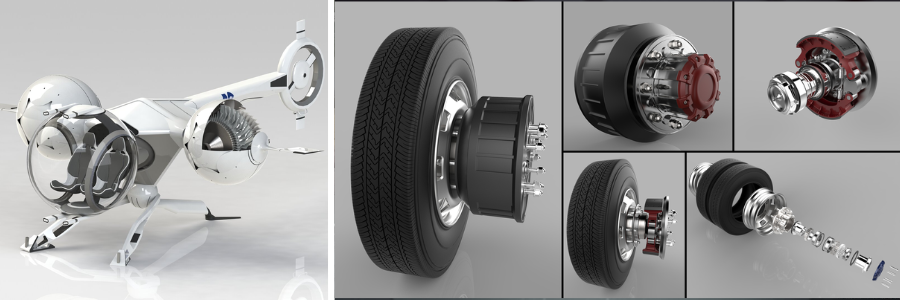
Prototype of a bubble drone and wheel system by Cad Crowd product engineers

RELATED: Top tips to create impactful prototype designs for company products

Advantages of iterative prototyping:

Designers can improve and adapt according to user feedback and functional testing. It helps in detecting potential problems early on, hence reducing the chance of major failure later on.

In the iterative prototyping process, consumers can participate during the design stage so that the final product will be intuitive, user-friendly, and in line with the market needs. This is most applicable to consumer-facing products, such as electronics, automotive, or medical devices, as it boosts customer satisfaction. This approach is often integrated with consumer product design services to ensure the final product meets both user expectations and market demands. Iterative prototyping may significantly reduce the time cycle during development for complicated products, leading to the delivery of better quality and more functional products to the market.

5. UX prototyping

Prototyping is the integration of a stage in the creation of products with interactivity and digitization attached to it. Prototyping for UX basically works toward ensuring usability, thereby dealing with things like navigation, ease of use, responsiveness, as well as satisfactory levels. In this regard, complex products must have specific methods of prototyping when they involve inbuilt software products, mobiles, or other such digital interfaces. This process is often supported by CAD design services to bring digital interfaces and physical components together in a cohesive prototype.

Techniques on UX prototyping:

Designers usually create wireframes, which are basic, skeletal layouts of a product’s interface, before they start to go into the full visual design. These wireframes focus on the overall structure and function, ensuring a smooth flow before adding complex features.

  • High-fidelity interactive prototypes

This is more complex and has an interaction of a user and the behaviors they would make in the real version. Using tools like Sketch, Figma, or Adobe XD, designers can create interactive clickable prototypes that reflect the real version of the final product. They help in determining pain points during navigation or usability before creating the full software. This stage is often developed with the support of web design professionals to ensure a seamless transition from prototype to a fully functional digital product.

  • Heuristic evaluation and A/B Testing

For UX-intensive products, designers might carry out heuristic evaluations or A/B tests on prototypes to compare various design options or find usability issues based on expert suggestions and user feedback. This ensures that the final product is not only functional but also user-friendly, which is important in complex products such as mobile apps, smart devices, and automotive control systems.

RELATED: How cutting-edge medical prototyping design services help your firm design new products 

6. Environmental and functional testing prototypes

In some industries, especially for high-performance products, such as military, aerospace, or industrial equipment, prototypes may need to pass environmental testing to simulate realistic conditions. In this regard, the prototypes are designed not only to test the functionality but also to check on the performance of the product under different environmental scenarios, such as extreme temperatures, humidity, vibrations, or dust and water exposure. These types of prototypes are often developed with the assistance of aerospace engineering services to ensure they meet stringent industry and environmental standards.

Key Testing Scenarios

Prototypes are tested for very high or low temperatures that do not cause products like electronics, medical devices, or automotive parts to fail.

Especially for those automotive or aerospace products where a product has to perform under continuous vibrations. This kind of testing is frequently supported by automotive design services to ensure components are optimized for durability and performance in high-vibration environments.

To test prototypes under extreme weather conditions, such that weaknesses can be identified beforehand in the product’s durability and material integrity when mass production comes. These prototypes provide essential information about the product’s life and reliability, which will ensure that the final product is of high standards of performance and safety.

How Cad Crowd can help

Prototyping is the most critical part of the process of new product development, especially if the product has a multi-disciplinary expertise with advanced materials and intricate designs. New product design companies rely on a very wide variety of prototyping techniques: from rapid prototyping and functional prototyping, to visual and iterative models of user experience to validate ideas and test functionality or refine designs. These are often developed in tandem with invention design services to help bring innovative product concepts from idea to a fully realized prototype.

Cad Crowd will connect you with the experts who can work on advanced prototyping techniques in the design of complex products. Whatever your requirement of rapid prototyping, 3D printing, or CNC machining, Cad Crowd will ensure the task is done precisely, innovatively, and efficiently. Ease the process of developing a new product by having freelance designers at Cad Crowd offer solutions according to your requirements. Get a free quote today.

author avatar

MacKenzie Brown is the founder and CEO of Cad Crowd. With over 18 years of experience in launching and scaling platforms specializing in CAD services, product design, manufacturing, hardware, and software development, MacKenzie is a recognized authority in the engineering industry. Under his leadership, Cad Crowd serves esteemed clients like NASA, JPL, the U.S. Navy, and Fortune 500 companies, empowering innovators with access to high-quality design and engineering talent.

Connect with me: LinkedInXCad Crowd

How to Reduce New Product Development Risks for Design Services Companies


You’re a design lead at a hectic product design company. You’ve just landed a new client with an excellent but challenging product idea, maybe a new consumer product that’s sexy and thin, an ergonomic piece of furniture with an unexpected twist, or a kitchen appliance that’s smart and will revolutionize how people prepare meals each day. Everybody’s elated, but deep down, you know that the road ahead is fraught with perils. Will the product do what it’s supposed to do? Will production glitches sidetrack schedules? What if the market doesn’t bite?

Cutting risk in new product development (NPD) isn’t so much a checklist or a tidy process flow; it’s an art and a science wrapped up. In this in-depth piece, we’ll take you through the way design services firms at the industry leader Cad Crowd can effectively identify, handle, and reduce the types of risks that can make an innovative product vision a pricey disaster. We’ll bypass the generic software-only suggestions and jump into the nitty-gritty of products and physical goods you can touch, try, and send.


🚀 Table of contents


Understanding the nature of product development risks

Let’s chat about the sneaky risks that hide in product development. Before jumping into how to dodge them, it’s smart to know what kinds of risks you’re actually dealing with. Usually, these risks fall into a few buckets: design, manufacturing, market, and operational. Each one can throw a wrench in the works if you’re not careful.

Take design risks, for example. For companies that specialize in design services, the real challenge is striking a balance between creative ideas and practical limits. It’s not just about dreaming up something cool; you’ve got to juggle things like technical feasibility, budgets, deadlines, quality standards, and what customers really want.

Imagine you’re creating a new smart coffee maker. The other decisions you make upfront are enormous. They set the direction of everything that comes next. The materials you select will determine the source and longevity costs. The manufacturing for assembly design services ensures that you can source quantities easily and build upon them quickly. The user interface? That can be customer-centric or customer-kamakai. Risks creep in when assumptions about any of them get forgotten, aren’t rigorously tested, or when the team is out of sync.

So, here’s the magic to managing it all. The trick is identifying those risks early and catching them frequently by interweaving intelligent risk-management techniques throughout the entire project lifecycle. That way, you never see surprises and maintain a smooth-running product development train.

Begin with definitive, realistic product requirements.

Let’s talk about why starting with clear, realistic product requirements is absolutely crucial for any successful design project. You’ve probably heard the phrase “garbage in, garbage out,” and it couldn’t be more true here. If the product requirements are vague or too optimistic, it’s like trying to build a house on shaky ground; it can lead to confusion, wasted effort, and risk.

Consider the case of a client who requests a chair that is “lightweight but very resilient,” but doesn’t define what “lightweight” or “resilient” specifically entails. Without targets, designers may pursue unattainable trade-offs, going round in circles without ever arriving at a viable answer.

That’s why world-class design services firms spend time up front in a careful, collaborative requirements-gathering process. They take the time to sit down with the customer to pin down precisely what the product needs to accomplish, who will be using it, where they’ll be using it, and what regulations need to be adhered to. They also keep things real if some of the requirements run counter to budget or timelines, they’re realistic about that.

One intelligent instrument is a “requirements matrix”, an easy-to-read chart that converts client desires into quantifiable objectives, such as max weight in pounds, minimum load capacity, or operating temperature ranges. This specificity provides designers firm guardrails, reduces guessing, and substantially lowers the cost of costly last-minute redesigns. Clear requirements = smoother design, happier clients, and superior products from product design experts.

RELATED: How to reduce costs on 3D product development with remote CAD experts for companies

welding robot and VR headset freelance product design by Cad Crowd experts

Invest in rapid prototyping, fail fast, learn fast.

Investing in rapid prototyping is one of the best things a product development team can do. Rather than relying on elaborate CAD drawings and praying that manufacturing will get it all right, rapid prototyping turns ideas into actual models in a hurry and at low cost. Working this way catches mistakes in the design early on before they become costly headaches.

By making several versions of prototypes, ranging from rough 3D-printed components to working models, teams find issues that could otherwise remain concealed until production or even after the product has been released. For instance, perhaps a button is uncomfortable or a plastic piece breaks when exposed to heat. These failures aren’t failures; they’re time- and cost-saving lessons learned.

Real-world user testing is now also an option with prototypes. Users tend to have surprising preferences or usability bugs that allow designers to iron out the product prior to setting final materials or tooling. A few companies even accelerate the process further by mixing in-house prototyping with simulation software, enabling them to cycle through their ideas quickly without burning resources.

Ultimately, embracing rapid prototyping design services means learning fast by failing fast. Early testing leads to fewer surprises, smoother manufacturing, and a better product in the hands of customers. It’s a proactive way to reduce risk, improve design, and boost the chances of success.

Select materials and processes carefully.

Selecting the correct materials and manufacturing processes is more than a technical specification issue; it’s a process that can avoid wasteful missteps down the road. The incorrect material will create product failure, unseen expenses, or frustrating delays in the delivery of parts. Similarly, the manufacturing process will establish the project’s success or failure in the areas of quality and productivity.

Take exotic composites, for example. They might be incredibly strong and durable, but perhaps at the expense of higher costs and supply chain interruptions. Injection molding, on the other hand, might be wonderful for producing a lot of parts economically, but it requires costly tooling upfront as well as more set-up time before running.

Design services companies overcome these obstacles by striking a balance between new-fangled creativity and time-honored practices. They negotiate varying materials and methodologies up front, weighing factors like cost, availability, environmental factors, and the quality of the vendors. Seizing control early on avoids surprises later on.

Close collaboration with the manufacturing design services at the design stage is another significant strategy. They ensure jointly that the product can actually be produced within their budget and time frame, without cutting corners on quality. This common exercise combines design ideas with what is possible by way of manufacturing, minimizing risk, and keeping the project to schedule.

Manage the supply chain and vendor relationships proactively

Proactively managing the supply chain and vendor relationships is a game-changer for any product. The best, most flawless design can fail if the supply chain is not strong. Sourcing material delays, surprise quality problems, or abrupt price variances can upset schedules and destroy customer confidence.

Design firms have to have vendor management in mind as a key part of risk management. It starts with thoroughly qualifying suppliers to ensure that they are satisfactory and meet expectations. Having some redundancy in having multiple suppliers in the pipeline provides a cushion when things fail. Monitoring supplier performance closely on a regular basis, nipping things in the bud before they become major obstacles, is a must.

Having standby contingency plans for disruptions is also extremely important. Unforeseen issues like geopolitical instability or raw material scarcity can’t always be expected, but maintaining alternate vendors or substitute materials on standby keeps the project moving.

The best teams don’t think of vendors as order takers. They develop strong relationships, built on cooperation and trust. Inviting vendors into the design phase earlier creates those types of gems that improve the product and reduce the cost. This strategy makes supply chain management a profit driver that enables successful product launches and long-term success, which also includes engineering design partners.

Use modular and flexible design methods.

The use of modular and flexible design techniques can truly transform the manner in which products are designed and serviced. Breaking down a product into discrete, stand-alone elements, termed modular design, gives the advantage wherein each piece can be individually designed, tested, and updated. This approach will lower the possibility of total failure by compartmentalizing faults, making it easier to debug.

Think of a smart speaker with separate modules for sound, power, and casing. If the sound module goes awry, it can be repaired or replaced without rejecting the entire device. Not only does this minimize cost, but it also simplifies making the product for different customer needs or markets. Enhancements and upgrades are less daunting as improvements can be focused on individual modules instead of overhauling the entire product.

Flexibility is a companion to this, preparing for changes in production. Instead of calling for impossible precision, flexible design includes small tolerances in parts or steps. This flexibility from open innovation services is especially its weight in gold when it is time to go from the prototype stage to mass production, dodging quality control issues that usually bring trouble.

Together, modularity and flexibility make product development more robust, cost-effective, and scalable. Companies can respond faster to shifting markets, handle risk more effectively, and keep customers longer with products that change automatically over time.

Leverage sustained testing and validation beyond the basics

Product testing isn’t just to check that it functions; it’s to push it to the limit and then some. Validating correctly is more than that, pushing endurance, safety, and performance in tough environments, and making sure to check all regulatory boxes. The goal is to find vulnerabilities before the product even makes it to customers.

Preeminent product engineering design services companies know this. They do not rely on one test but take on multiple stages of rigorous testing. From bench testing, in which separate components are checked, to environmental simulations that replicate extreme temperatures of heat, humidity, or vibration, they move on. Then come real-world applications that mimic the very types of issues customers encounter on a daily basis. Topping it all off is certification preparation to ensure that the product meets industry and government standards. It even involves destructive testing at times, knowingly driving parts to failure until they fail. It may sound extreme, but this does reveal failure modes that otherwise may not be evident, yielding extremely valuable information. These are the kinds of findings that result in incremental but meaningful design changes, greatly enhancing reliability and boosting customer confidence.

The rewards of this strict approach extend well beyond product quality. By firmly testing designs at the outset, firms escape costly headaches such as recalls, lawsuits, and battered reputations. In the end, it’s a good investment that pays off in terms of long-term achievement and a clear conscience.

Create a cross-functional development team.

Creating a truly superior product is more than a single expert doing it alone. Design services companies creating cross-functional development teams set themselves up for success because they bring several skill sets into the game from the very start. When industrial designers, mechanical engineers, manufacturing specialists, supply chain managers, marketers, and quality assurance professionals are all contributing together, the process of creating the product is significantly stronger and better.

Each team member has a unique perspective that, in turn, affects the product significantly. Manufacturing engineers can identify expected manufacturing issues that can complicate large-scale production, whereas marketers offer loads of information about expected user tendencies and emerging market trends. Quality assurance experts keep everyone reminded of significant regulatory and safety implications that the product must comply with.

This blend of abilities generates initial discovery of risks that would otherwise be a killer for the project if they are later discovered. It further helps avoid letting the product vision deviate from realities in the real world, balancing creativity and feasibility. Transparency and open communication are paramount, and jointly used digital tools have become indispensable. Such tools promote seamless sharing of ideas and progress, avoiding misunderstandings and costly blunders.

A cross-functional team is not a nicety, but a strategic idea that allows companies to deliver new, functional, and sellable products earlier with greater assurance.

RELATED: Top 3D PCB design software your service provider needs for electronics design

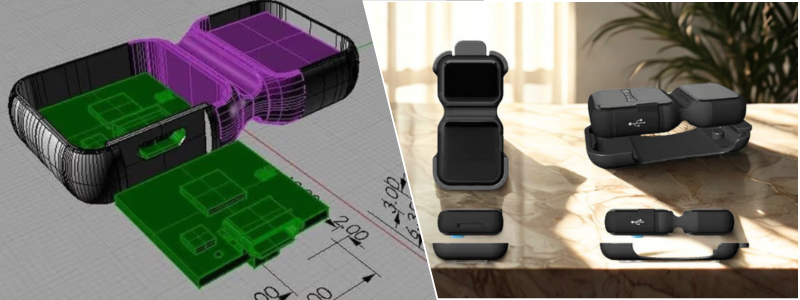
Action camera and headphones by Cad Crowd product design experts

Plan for regulatory and compliance issues up front.

When developing a new product, dealing with regulatory and compliance matters initially can spare much trouble down the line. Too often, teams overlook these critical requirements until they’re deep into the design or development phase, only to run into late-stage surprises that kill the project altogether. Whether it’s achieving the correct safety certifications for electronic device design services, using food-grade materials for kitchen appliances, or ergonomic compliance for furniture, compliance isn’t a checkbox afterthought at the finish. It has an effect on everything from selecting materials to testing methods and even how the product can be marketed.

Future-looking design companies are focused on learning all relevant regulations upfront. In most cases, this includes researching the very specific standards that are relevant and, in some cases, bringing in experts or regulatory consultants to work through complicated rules. This way, teams bake compliance into the actual product, avoiding the costly and time-consuming requirement of redesigns or last-minute fixes.

Aside from preventing delays, compliance planning enhances the credibility of a product. Consumers are assured when they purchase something that they are sure complies with industry standards and safety standards. Such confidence not only guarantees the success of the product but also strengthens the brand as a whole. In short, pre-emptive planning for regulatory hurdles is an excellent decision that leads to more successful launches and satisfied consumers.

Organize realistic timelines and budgets with buffer.

It is important to have realistic schedules and budgets during product development. Among the most frequent mistakes that most teams make is underestimating the time to complete the tasks or the expense. When this happens, deadlines are missed, the budget increases, and quality is compromised because of the rush to catch up. Such a scenario can bring down even the best projects.

Experienced design organizations avoid these traps by creating realistic project schedules that are not based on hope. They include buffer time and extra capital from the start. This includes leaving space for necessary iterations, prototyping phases, reverse engineering services, supplier lead times, and the unavoidable surprise delays. Including these variables in the early stages prevents them from causing chaos down the line.

Keeping the project back on track also depends on reliable milestone reporting and regular review of progress. The milestones serve as an early warning for creeping slippage or cost blowout. By detecting issues early, the team is able to respond to fix them before they spiral out of control.

This systematic project management style rules out surprises and keeps everyone involved, clients, designers, and vendors, on the same page. Finally, it makes sure that the project flows smoothly with the quality product everyone looks forward to without last-minute panic or costly fixes. Pragmatic planning supported by diligent monitoring makes it well worth it.

Apply risk assessment and management tools as a matter of course.

Risk assessment is not a box to check off a list and forget. It is a recurring responsibility that needs to be incorporated into every stage of a project. Successful manufacturing design firms understand this and rely on frequent use of risk assessment and management tools throughout the project life cycle. Official risk matrices, Failure Modes and Effects Analysis (FMEA), and risk registers are favorite turn-to’s.

These tools aren’t just paperwork; they help teams systematically identify potential risks, rank them by their potential impact, and monitor them as the project progresses. By focusing efforts on the most critical risks, teams can prioritize resources and attention where it really matters. Assigning clear ownership for each risk ensures accountability, so nobody is left guessing who’s responsible for mitigation.

Also, having clear records of risks and the actions taken to resolve them builds trust with partners and clients. If risks are documented and being managed, it reflects professionalism and administration. Such transparency can be a major confidence booster, especially in complex projects where issues could easily go wrong.

Short of it, regularly using risk assessment and management tools isn’t really about staying away from problems; it’s about putting into place a systematic process for dealing with uncertainty, aligning everyone, and ultimately producing successful results.

Create a culture that welcomes risk awareness and learning.

An office culture that wholeheartedly welcomes risk awareness and learning is the difference between a business successfully managing problems and otherwise. When companies view risk management as something to be done just to tick a box or as a chore to comply with, they react in panic when unexpected things go wrong, losing time, money, and morale. But companies that build risk awareness into the thinking of the day see risks as warning signs, not bogeymen. It helps them pick up problems early, deal with them logically, and adapt without hindrance.

Encouraging open communication plays a crucial role in this transformation, especially for concept design services. When team members feel safe to voice concerns or flag potential problems without fear of blame or retaliation, risks become visible far sooner. This openness creates a proactive atmosphere where everyone is vigilant, and risks don’t fester in silence.

In addition, a culture of learning from lessons acquired, whether from failure or near misses, makes every difficulty an opportunity to improve. Rather than covering up mistakes, teams examine what failed and learn from them. This learning loop creates resilience and improves the company’s capability not to make the same mistake again.

Finally, it’s about raising risk awareness and learning in order to prevent losses. It’s about creating a resilient, forward-looking organization equipped to succeed in a continuously changing world.

Bringing it all together: A product development story

Let’s place these concepts in a story. Imagine a design firm hired to develop a new line of green kitchen gadgets. Immediately, they collaborate with the client to define specific requirements: durability, compostable packaging, water resistance, and prices. They steer clear of vague terms and establish quantifiable objectives.

They rapidly develop 3D-printed prototypes to test ergonomics and material texture. Initial user testing identifies a grip problem, so they adjust the handle design. Meanwhile, the company consults manufacturing partners and selects a bioplastic that meets cost, strength, and sustainability criteria.

The company maps out potential suppliers and identifies backup sources in case of shortages. The product design is modular, with electronics and mechanics separable, making repairs or upgrades easier. The team runs rigorous tests, including drop tests, moisture exposure, and user safety assessments.

A cross-functional team maintains open communication, flexible schedules, and budgets with buffers. Regulatory specialists make sure the gadgets are FDA-approved and electrically safe. The company relies on risk management tools to monitor risk identification and mitigation progress.

By adopting these measures, the general design firm produces a product that pleases customers, gets to market on time and within budget, while reducing the feared surprises.

RELATED: How is product design different from industrial design services companies?

product design of a watch and night vision goggles by Product design freelance experts from Cad Crowd

Last thoughts: Risk is inevitable, but manageable

Risk in new product development is inevitable, but manageable through systematic planning and proactive strategies. Success requires clear requirements, rapid prototyping, smart material selection, strong supply chain management, rigorous testing, and cross-functional collaboration. Companies that treat risk as a manageable reality rather than an enemy create products that launch successfully, on time, and within budget. By implementing comprehensive risk management practices throughout the entire development lifecycle, design firms build client trust and establish reputations for reliability and innovation. The combination of bold creativity with prudent planning transforms potential disasters into market successes.

Ready to minimize your product development risks?

Don’t let unexpected challenges derail your next product launch. Partner with experienced design professionals who understand risk management. Get systematic planning, prototyping, and testing from day one. Cad Crowd is the leading platform for connecting freelance engineering, CAD, and architectural design professionals to AEC companies worldwide. Contact us today for your free consultation and quote.

author avatar

MacKenzie Brown is the founder and CEO of Cad Crowd. With over 18 years of experience in launching and scaling platforms specializing in CAD services, product design, manufacturing, hardware, and software development, MacKenzie is a recognized authority in the engineering industry. Under his leadership, Cad Crowd serves esteemed clients like NASA, JPL, the U.S. Navy, and Fortune 500 companies, empowering innovators with access to high-quality design and engineering talent.

Connect with me: LinkedInXCad Crowd

Best Practices for New Product Design & Development with Services Companies & Freelancers


Launching new products to the market requires a combination of creativity, functionality, and accuracy. New product design and development is the core of this process, converting concepts into actual, marketable products. From conceptual drawings to prototyping to production, CAD and 3D modeling design services are crucial in finalizing designs effectively. If you don’t have any idea how to turn your draft project into a successful one, you should consider CadCrowd, which brings together professional freelance designers you can choose from to carry out your plan with effectiveness and professionalism.

When designing a product, companies have to consider creativity, practicality, and affordability. Whether you’re a start-up company or a well-established multinational brand, the product design services will make a big difference. However, success has a strategy to it. In this blog, you’ll be able to identify the best practices you need to know before you work with design services companies and freelancers to design products effectively.


🚀 Table of contents


Stand with your vision and identify strategy

Before contacting a firm or freelancer for product design, it’s essential to have a clear vision and stick to it. A solid foundation ensures that your project remains on course and fulfills your expectations. Here are some key concepts you should be familiar with.

  • Knowing the main purpose of your product guides its design and functionality, and also creates an identity for your product.
  • Identify your target market and their needs, wants, and weaknesses
  • Determine the unique feature and function of the product. Knowing the must-haves will help your team avoid vague design concepts and maintain development effectiveness.
  • Accurately estimate the budget and timeline. Having a sense of your monetary and realistic timeline will help you set realistic expectations for your product and designer.
  • Identify your brand identity and incorporate it into your product. The aesthetics and values of your brand must support the design of your product in order to ensure a harmonious customer experience.

By establishing these elements from the beginning, you provide a framework that your CAD service provider will work with, resulting in an easier and more successful collaboration. Through a well-thought-out vision, designers will be able to execute your idea with accuracy and ensure that your end product achieves your desired objective.

product design example of an EV charger and luxury air fryer

RELATED: Validating new product design ideas: 5 questions every CAD and 3D modeling firm should ask

Selecting the proper partner: Firm or freelancer

Deciding whether to hire a firm or a freelancer for product design is based on the size, complexity, and budget of your project. Both have their merits, and the best option will depend on what you require.

Employing a product design firm

If your project is complicated—requiring engineering, prototyping, branding, and testing—contracting a product design firm could be the optimal solution. Companies offer a methodical process, with specific project managers maintaining coordinated processes and steady output. They also possess better tools, test labs, and pre-existing vendor relationships, which can help shorten the manufacturing time. This extent of skill and equipment, though, costs more due to overhead costs.

Hiring freelancers

Freelancers provide a cost-effective and more flexible option, which makes them suitable for small-scale projects and startups. You can hire specialized skills for individual purposes, such as 3D rendering, CAD modeling, or UX/UI design, without having to retain an entire team. What’s more, you can scale your team up or down as required. Nevertheless, managing freelancers takes more hands-on project management to ensure that everything stays on track for product design firms.

Regardless of your choice, evaluate potential partners based on their portfolio, industry experience, and client reviews to ensure they align with your project goals.

Establish clear communication & expectations

Clear communication is the backbone of any successful product design project. Whether you’re working with a design firm or a freelance CAD professional, setting the right expectations upfront can save time, reduce frustration, and ensure a smooth workflow.

Begin by outlining the project scope, major milestones, and deliverables in writing. A written plan keeps everyone on the same page and avoids the creep of scope. Second, utilize visual aids such as sketches, mood boards, or reference images to help clarify your thoughts—design is a visual medium, and words might be insufficient to express your vision.

It’s also critical to determine how you’ll communicate. Email, Slack, or Zoom? How frequently should updates be posted? Having these details on record from the start ensures that feedback loops are effective. Second, be specific about expectations around revisions, intellectual property rights, and confidentiality. Getting these terms out of the way in advance safeguards both parties and sidesteps misunderstandings later on.

Take advantage of prototyping & iteration

An open communication plan not only prevents misunderstandings but also establishes trust between you and your product design experts. If everyone knows what to expect, the project gets done with fewer bumps and a greater likelihood of success.

Prototyping is an important part of product design since it enables you to experiment with ideas, hone details, and steer clear of expensive errors prior to proceeding to mass production. Rather than leaping directly to a finished product, the process is one of building and refining numerous iterations in light of feedback and testing.

The good process begins with low-fidelity drawings and mockups—primitive drawings or quick models that bring the idea into perspective. Here, 3D CAD models enter the fray, facilitating computer simulations and testing for performance. It ensures errors in design at the initial phase itself, with savings on both time and dollars.

After the digital model appears viable, it’s time for physical prototypes. Rapid prototyping design services such as 3D printing, CNC machining, or injection molding bring designs to life, enabling hands-on testing of form, fit, and function. User feedback at this point is priceless—seeing how actual people use the prototype can uncover unforeseen problems or areas for improvement.

The key is to keep iterating. Each version should be better than the last, fine-tuning the design based on insights gathered. If you’re not handling prototyping yourself, work with freelancers or design firms that specialize in your product category to ensure an efficient, high-quality development process.

RELATED: Tips to optimize new invention development and product development for companies

Focus on user experience (UX) and aesthetics

When it comes to design, striking the right balance between aesthetics and usability is key. A beautiful product might catch the eye, but if it’s difficult to use, frustration will quickly set in. Whether you’re working with a design firm or an independent freelancer, focusing on User Experience (UX) should be a top priority.

Begin by using intuitive design concepts that allow seamless navigation and ease of interaction. Properly formatted layouts, transparent calls to action, and usable interfaces can bring the biggest positive impact. Conducting usability testing is also imperative—determining pain points beforehand allows the redesign before launch, which saves money and time down the line.

Apart from functionality, aesthetics also play a vital part in leaving an enduring impression. Synchronizing the design with your brand identity provides uniformity across platforms, promoting trust and familiarity. However, aesthetics should never come at the expense of usability. A beautiful, cutting-edge interface is wonderful, but if it puzzles users, it serves no purpose.

Ultimately, excellent UX design increases customer satisfaction and makes your product stand out from the rest. By focusing on both form and function, you design an experience that not only appears good but also functions smoothly, engaging users and keeping them loyal.

Plan for manufacturing & production in advance

Another of the most frequent mistakes in product development experts is creating a product that is wonderful to design but impossible to produce. In order to prevent expensive redesigns and production setbacks, it is necessary to plan manufacturing feasibility from the outset.

Begin by talking about material choice and manufacturing methods with your design company or independent engineer. The materials you use can affect cost, longevity, and even compliance with regulations. Likewise, various manufacturing processes—whether injection molding, CNC machining, or 3D printing—each have their own constraints and cost profiles. A discussion of these considerations early on in the process helps your design match up with actual manufacturing capabilities.

Another key step is optimizing your design for mass production and cost efficiency. A product that’s too complex or expensive to manufacture in large quantities can hurt your bottom line. Engineers experienced in design for manufacturability (DFM) services can help refine your product to reduce waste, improve assembly speed, and minimize errors.

It’s also a good idea to establish suppliers and manufacturers upfront. Finding the right production partner can have an impact on everything from lead time to end-product quality. Lastly, don’t forget compliance, safety, and sustainability considerations, which can have an impact on market entry and long-term success.

By utilizing professionals who speak manufacturing-ready design, you save time and money and ensure a smoother journey from concept to production.

Safeguard your intellectual property (IP)

If you’re creating something proprietary, protecting your intellectual property (IP) is crucial to staying competitive. Your creative designs or ideas could be stolen, copied, or even assumed by another party if you don’t have proper protections in place. Here’s how to protect your concepts:

  • Employ Non-Disclosure Agreements (NDAs): Have the potential partners, manufacturing design firms, or investors sign an NDA before sharing sensitive information with them. This binds them legally to confidentiality, minimizing the chances of leaks.
  • Specify ownership in contracts: When collaborating with freelancers or design companies, specify who owns the rights to the end product. Does the freelancer have some rights, or is everything yours? Clarify it to prevent future disputes.
  • Think of patents: If your product is uniquely designed, functions in a unique way, or involves unique technology, patenting it will keep others from duplicating it. Note that patents are time- and money-consuming, but they protect you in the long run.
  • Avoid design repurposing: Make sure any outside designers or companies you work with are contractually barred from reusing or reselling your designs to third parties.

When in doubt, ask an IP lawyer. They can advise you on the best legal protections to keep your hard-won innovations.

3d rendering of products including a karambit knife and cctv camera

RELATED: Complete costs of injection molding design, DFM engineering rates, & manufacturing pricing for CAD services

Trade-off among cost, quality, and speed

In product design, a balance among cost, quality, and speed is an ongoing dilemma. This has also been known as the “project management triangle” or the “design trade-off triangle.” The truth is that emphasizing one of these factors tends to require compromise on the others.

If quality is your number one priority, be prepared to spend additional time and money. High-quality products take painstaking design, tough testing, and high-quality materials, all of which are time-consuming and expensive. This method is best for products where durability, precision, or innovation is paramount.

On the other hand, if speed is crucial—perhaps due to a tight market window or an urgent launch—you’ll likely pay extra for expedited work. Rushing a project may also mean cutting corners in testing or material selection, potentially impacting quality for consumer product design services.

If budget is the biggest issue, you might need to streamline your design, employ cheaper materials, or eliminate features to contain costs. This approach is practical for cost-conscious projects but could necessitate a compromise in durability or appearance.

A good freelancer or design agency can assist in balancing these trade-offs to achieve the optimal blend based on your priorities. The most important thing is finding that optimal mix that supports your project’s objectives.

Test, iterate, and validate the market

Even the most groundbreaking designs need to be tested in the real world before they can really make it. Regardless of how good an idea may seem on paper, the true test is how real users respond to it. That’s why focus groups and beta testing are important to do before a full launch. These initial tests give great feedback on how users respond to the product, what is good, and what can be improved.

Feedback from users is pure gold when it comes to fine-tuning functionality, especially for electronic device design firms. Users tend to use goods and services in a manner that designers never thought possible, so getting feedback from actual users fine-tunes features and weeds out potential problems. Small-batch manufacturing is another savvy approach—it enables companies to test market demand without committing to high-volume production. By introducing limited batches, firms can monitor sales performance and discover areas for enhancement prior to mass production.

Market validation does not end with customer input. Competitor research is an important part of seeing what is working in the space. If there’s a similar product that’s succeeding, it’s worth learning why. Similarly, if a competitor didn’t work, learning from their failure can be incredibly valuable.

Iterative design—testing, refining, and improving continuously—minimizes the risk of expensive errors and maximizes the likelihood of market success.

Plan for scaling and future development

When your product is ready to be launched, it’s now time to prioritize the larger picture—scalability. Great design is not merely about addressing a short-term need; it’s also about building in long-term flexibility and expansion.

Begin by thinking about whether your design can be modified to accommodate various markets or price points. Can you provide a high-end version with more features or an affordable version without sacrificing quality? This adaptability enables you to appeal to a broader audience and achieve maximum profitability.

Then consider future upgrades. Technology and consumer tastes change, and your product must as well. Are there opportunities for new features that might enhance functionality or appeal? A good design allows these additions to be seamless instead of necessitating a total overhaul through open innovation services.

Your product also needs to align with your brand’s long-term vision. Does it fit well within your current lineup, or does it lead to opportunities for future breakthroughs? Design consistency and branding support customer loyalty and recognition.

Last, think about design support after the fact. Working with an agency or individual, having people on hand to do refinements, debugging, or adding to your design as your product evolves, ensures a clean transition as your product matures.

By taking an iterative path, you minimize expensive errors and continually optimize your product for a better market fit.

RELATED: Why 3D product visualization and asset customization is crucial for e-commerce company success

Final thoughts

Partnering with design agencies and freelancers can drive innovation, lower development expenses, and introduce new ideas to your product design cycle. By adopting these best practices—selecting the right partners, focusing on user experience, safeguarding IP, and considering production—you can develop products that appeal to customers and build your brand.

Cad Crowd is here to help

Turning an idea into a new product is not only innovation—it’s making a solution that works, is ready for market, and is aesthetically appealing. By applying the correct CAD and 3D modeling methodologies, design companies can sharpen ideas, perfect functionality, and reduce development timelines. For companies seeking to improve their product design process, having access to qualified professionals is crucial.

CadCrowd provides businesses with the best freelance CAD designers who have expertise in turning concepts into production-ready designs. Whether you require concept sketching, prototyping assistance, or detailed 3D renderings, you can hire the appropriate expert for your project. Request a quote today and move forward on bringing your next best product to market.

author avatar

MacKenzie Brown is the founder and CEO of Cad Crowd. With over 18 years of experience in launching and scaling platforms specializing in CAD services, product design, manufacturing, hardware, and software development, MacKenzie is a recognized authority in the engineering industry. Under his leadership, Cad Crowd serves esteemed clients like NASA, JPL, the U.S. Navy, and Fortune 500 companies, empowering innovators with access to high-quality design and engineering talent.

Connect with me: LinkedInXCad Crowd