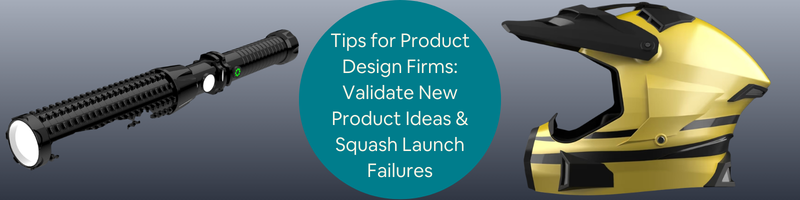
Tips for Product Design Firms: Validate New Product Ideas & Squash Launch Failures


When launching a new product in the market, it is important to understand how risky itcould get. It is a competitive approach, but it is prone to risks if not handled carefully. Haste and rushing launching are what make it fail. When the production team did not go through the process of validating and testing the product, it fell into a trap, and it may be hard to reverse it now. Launch failures are costly. It costs time, resources, effort, and budget, and weakens client confidence. 

To reduce these risks and direct product launch to success, it is best to combine smart research, testing, and repeated cycles of prototyping design engineering services. It is better to invest in validating the product first before releasing it to the public. Cad Crowd makes it possible to connect vetted professionals to businesses that can aid in strengthening all development stages. They are a pool of experts that understands the importance of effective and strategic validation to ensure launch success.


🚀 Table of contents


Why most product launches fail

There are a lot of factors that impact failure in product launch. Most of the failures stem from the idea of an impulsive approach without confirming the demand. When the team only focused on assumptions, trends, internal interest, and excitement, and limited feedback, they were taking a subjective approach. Lack of testing real customer demand puts the product at risk. Not knowing what the consumers really want or what they think could be improved affects the whole outcome. Missteps could cause poor decision-making, letting impulsiveness increase the risks of failure.
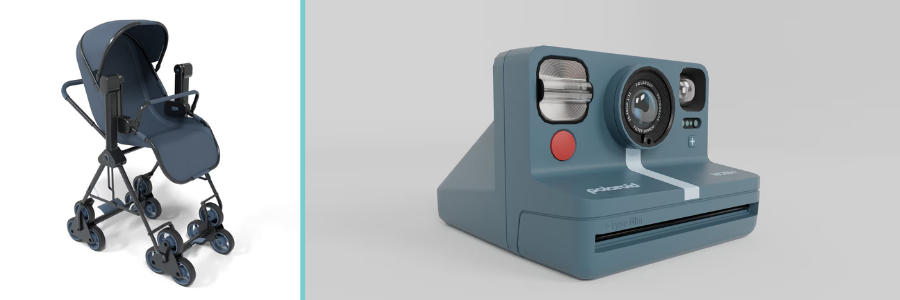
Product design of a stroller with adjustble height and polaroid camera by Cad Crowd product designers and experts

Start with a clearly defined problem

Success always starts with identifying the problem first. Being clear about the goal of providing a solution to the problem is the best professional way to achieve success. Product design companies should be able to articulate all the pain points and lesson learnt to come up with the proper solutions. If the problems are too vague, the solution wouldn’t feel intentional and may be prone to overdesign. This will make customers confused and overwhelmed with features they don’t really think are necessary. 

Identify a narrow target market

Designing for “everyone” looks like a warm accommodation to encourage everyone to try. But this approach is almost like a trap. It is a vague attempt at trial and error. Instead of being open to all, firms should narrow down and be specific to their target markets. Identify what these target users are looking for and collect relevant insight and feedback. This makes the whole validation measurable and makes the product launching intentional. It gives genuine solutions and makes users think they are considered in the design process.

Conduct structured customer interviews

One way to collect relevant insights is to receive feedback from real customers. Not all conversations or exchanges are considered relevant or useful. Strategic and systematic interviews are best to uncover what the users are expecting and looking forward to. Interviews could be documented to see and monitor patterns and trends, so there would be data to look back on to build an even stronger opportunity.

Analyze existing alternatives

In launching a new product, being prepared is one way to success. This includes knowing any existing alternatives to what the company is planning to launch. This makes them identify and understand competitors. It is expected that there would be comparisons conducted by customers. If a product has already existed and been used, it already has an edge since its functionality has been proven. It already serves its purpose. Then what makes the new one worth a try? Studying the existing alternatives would uncover what the customers want to improve. It could also help with the benchmarking of the costs. 

Build a minimum viable concept

Before doing a full-blast development, consumer product design firms should consider that it could fail on the first try. It is best to do an early prototype to test its functionality first without compromising extensive resources. Doing a minimum viable concept would focus on gathering reactions and feedback, as these will expose flaws. Detecting flaws on the early stage would make it easier to fix. 

Use landing pages to measure interest

A landing page makes it easier and faster to gauge consumer interest. Once presented to the public, there would be reactions towards it and insights as well. This is where firms would know whether there is hesitation and what rates and features are to be expected. From this stage, refinement could be done before it is produced. 

Test with pre-orders or deposits

Pre-order makes the whole launch intentional, offering pre-orders secures not only demand interest but also early funding. This boosts morale in the team and makes it a lot easier to move around. It could also help understand the consumers who committed willingly. 

Launch a smoke test campaign

Smoke testing is one way to measure interest based on the clicks and conversion rates. This is done by advertising the product before it fully exists. To know if the public is interested, there would be a lot of engagement. If there is low engagement, then the firms can make adjustments to turn it around. Smoke testing is a cost-effective tool that can protect production from failure. 

Leverage surveys strategically

Aside from interviews, surveys add value to what the consumers want. Quantitative feedback supplements behavioral patterns exposed in qualitative research. The surveys should not only ask questions about checking if the user would be interested in buying the product, since it would lead to misleading optimism. Instead, the questions should be able to provide valuable insights about behavioral patterns, which can be useful for many companies, such as fashion design companies.

Prototype early and iterate often

Conducting rapid prototyping accelerates validation. While the users are able to experience the concept, feedback was documented to catch any flaws and readjusted early on. This iteration cycle would lead to a more concrete design tailored to the target audience, making it less likely to receive negative feedback during full release. Early alterations are of much lesser value than making a change on the last design stage. This mitigates risks. 

Conduct usability testing

Validation is a combination of demand and usability. Consumers can express demand, but if it’s not user-friendly, it could backfire. Knowing how it functions and how it fits the users would be beneficial and lessen pain points. To check on this, testing regarding the product usability is recommended. This will reveal insights about the product and help the team align the design with user expectations. 

Validate pricing early

Pricing influences product value and profitability. There are different thresholds in the market, and observing price points could reveal whether it’s a hit or not. Firms can explore pricing by using a tiered pricing model. Conducting these collects insights whether the product is considered underpriced or overpriced. From this, firms can check the revenue potential of the product. 

Evaluate market size realistically

An accurate estimate of the target market size protects long-term viability. Product design experts should be able to assess the realistic number of demand leads. Having an overestimated number would lead to an inflated projection, resulting in an increase in wastage of resources. Being conservative in the number makes it intentional and sustainable. 

watch and kettle design by Cad Crowd product design engineers

Measure engagement, not just interest

Anyone can say they are interested, but not all are really committed. There’s a way to gauge the number, and this is by the engagement metrics. It reveals deeper insights and information as it uncovers behaviors. Genuinely curious and committed users would spend a lot of time on the landing page, engaging a lot more, and leaving comments. Those who are passive and do not engage much rarely purchase. Tracking engagements strengthens validation. 

Use crowdfunding as validation

Crowdfunding not only serves as a validation tool but also ensures market readiness. Successful campaigns show that the message is delivered clearly and expresses demand. The comments could add information through quantitative feedback. 

Users often express their insights and honest feedback on online communities. Sharing early concepts in these forums would earn real-time feedback and comments. Their constructive critiques could expose some blind spots and flaws that may be hard to fix in late design stages. Knowing this strengthens alignment with user needs, which is especially useful for engineering design firms

Assess technical feasibility alongside demand

Being realistic in design is one way to launch success. To know if the concept will thrive makes the whole production smooth. Early feasibility check-ins avoid unrealistic timelines and could help in finding out cost implications. Technical feasibility can be conducted through a strategic collaboration between designers and engineers. 

Set clear validation benchmarks

There should be a measurable criterion to know the metrics of success before validation begins. This helps in analyzing the data and removing ambiguities in decision-making. It is important that there are pre-determined standards to ensure rationality and prevent weak assessments.

Recognize when to pivot

Not all good and unique ideas are meant to thrive and be invested in. When the validation data says that it consistently fails, then it is time to pivot. There could be adjustments to be made to improve the data, and that could involve the target market, features, design, or usability. Resiliency doesn’t always solve the problem; sometimes, flexibility is the answer. 

The input sometimes comes from the internal team’s work. They naturally tend to favor ideas that they have invested their time and effort in. This could distort validation interpretation, as the insights could be just internal optimism. This is why a more objective stream of approaches is much more reliable.

Incorporate cross-functional collaboration

Cross-functional collaboration collects diverse perspectives. This exposé overlooked challenges and lets everyone share their input. Being a unified team of engineers, marketers, designers, and even financial analysts could create an impactful view to execute stronger launches. 

Document every insight

It is important to take note and document all insights and reviews received to ensure that all these are not lost. Recording the results and outcomes of interviews, iterations build historical data for the product, making it easier to track patterns in the future, and it also strengthens transparency and supports data-driven decision-making for product engineering companies.

Align validation with brand positioning

Not all validation approach is to be done hastily. It still should be aligned with the branding. Being consistent with the brand identity makes validation intentional. It strengthens market trust and enhances long-term success. 

Leverage External Expertise

Fresh insights from the external specialists are always welcome. These inputs could sometimes be overlooked and may be a blind spot later on. Having an independent expert to check on the product reduces bias and ambiguity, strengthening validation accuracy and quality. 

Validate the core assumption first

Every core assumption made to develop a product should have validation. It justifies the need and strengthens the concepts. Focusing on this core saves time and effort and ensures that there will be no scattered and messy experimentation. 

Map the customer journey

Analyzing and understanding how consumers navigate the purchasing process exposes their behavior patterns and adds value to validation opportunities. Mapping their full journey can identify friction points that are beyond the product, which could be critical knowledge for product development experts. These issues are sometimes inevitable, but still, they can be lessened. Validation is a continued stage-by-stage examination and analysis, not only of the product but also of the whole production process. 

Create problem-solution fit before product-market fit

Sometimes, firms tend to overlook solutions as they prioritize mass production. Firms should not chase it hastily and focus first on the problem. It is best to address a specific verified pain point, one that is urgent and recurring already, to ensure that customers feel like it fits. Doing this strengthens trust and a stable foundation for future scaling. 

Quantify the cost of the problem

Customers are most likely to incline towards the offered solution if the problem is costly. Being costly does not only involve money, but it could also be about time, convenience, or the ease of mind. In validation, assess all the factors affecting the problem and compare them with production and revenue. The data will tell how the product positions itself in the market, whether it can really solve the problem or not. Once products are proven to solve expensive problems, it definitely increases purchase conversions. 

Use rapid experiments instead of long development cycles

Doing a lot of rapid experiments looks costly at first, but it helps compress timelines. The small and controlled tests are able to collect insights in a short period of time, enough to adjust exposed flaws before full production. The traditional product development tends to be delayed since it would take months before receiving feedback. Taking controlled, scaled experiments reduces risks for large-scale failure. 

Test distribution channels early

A product could interest a lot of users, but it may be difficult to distribute. In validation, testing distribution channels should also be accounted for. This included channels such as paid ads, parentship, or direct outreach. Understanding this during the early stages, with the help of new invention development services, reveals a lot of potential and risks. It gives insights into what an effective marketing strategy is fitted to address it. 

Observe real behavior over stated intent

Not all who express the intent of buying are committed. It is still best to observe behavioral patterns to ensure there really is a genuine interest. The evidence could be checked in clicks, downloads, and payments provided. Consistency in all of these validates enthusiasm for the product. It is a measurable approach to know performance and satisfaction instead of relying on survey responses.

Validate retention, not just acquisition

Not all interests last. This meant that acquiring an initial interest meant it could guarantee long-term value. It could be deterred due to dissatisfaction with the product. There should be retention metrics to know whether the product delivers sustainability efficiency. This ensures that the product remains relevant and not just an impulsive decision to feed on initial curiosity. 
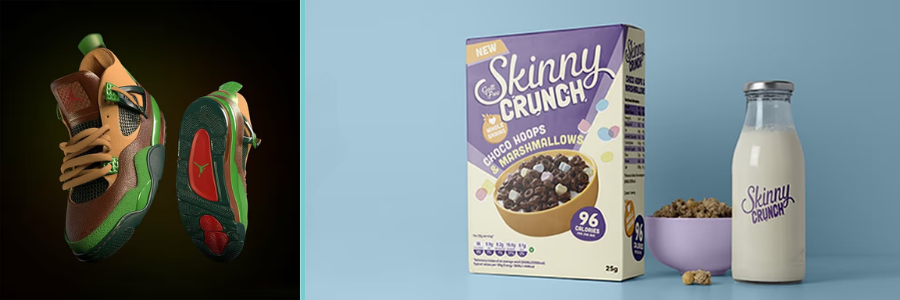
3D shoes rendering and product packaging design by Cad Crowd design experts

Assess manufacturing and supply chain risks

Production feasibility should also be checked. This includes how the sourcing of materials is done and knowing the estimated lead times. It gives information about pain points to prevent delays in the timeline. Briefing with suppliers could help expose cost implications and limitations. These could help reduce manufacturing surprises and slips during the production process. Being ready ensures a smooth launch. 

Incorporate cost modeling into early testing

Cost modeling should be done to accompany validation experiments. This ensures that the product not only caters to demand in the market but also sustains profitability. Financial modeling protects the product and industrial design firm in long term stability and clarifies viability. It should have data to which it can deliver without compromising the firm’s margins. 

Develop clear success metrics

A clear success metric can objectively define benchmarks. Metrics that can help identify success include engagement, retention, and conversion rates. Success in pre-order could also be measured. Establishing these metrics makes it easier to track success. A clear standard removes ambiguities in results interpretation and strengthens decision-making. 

Conduct competitive positioning analysis

Knowing where the new product positions itself along with its competitors gives a clear understanding of the product’s selling points and weak points. Spotting this early could help adjust to strengthen its launch success. In validation, rooms for improvement and opportunities can be identified and fixed for customers to recognize value addition, and would make them switch. This strong approach reduces the risks of production failure. 

Test messaging with multiple audiences

Testing does not end in engagements. It could be furthered with messaging across varied demographics to refine target markets. Focused messaging improves marketing efficiency and helps with clear reasoning. 

Run limited beta programs

Having a beta program is popular to provide structured feedback from real users, even when you begin with open innovation design services. From this, more detailed feedback about the experiences of the beta users helps correct issues before the public release. It uncovers real challenges users can face. 

Document objections and concerns

It is inevitable to receive objections and raised concerns during the validation process, and it is important to document all of it as it adds valuable information. These concerns could be about the pricing, usability, reliability, and long-term functionality. When these are documented, patterns can be exposed. Addressing the concerns builds user trust and strengthens the final feature and offer of the product. 

Monitor emotional reactions

While there is technicality in feedback, emotional feedback also matters. It is important to take into consideration the feelings of the users. Monitor and track whether they express excitement, frustration, or indifference with the new product. These signals indicate validation, which could have positive or negative implications. Understanding this supports and adds value to quantitative data. 

Avoid feature creep during validation

It is important to stay aligned with simplicity instead of adding features midway. It will only complicate testing and may obscure the outcomes. When the process stays at its core and focuses on one hypothesis, it produces clear and coherent insights. 

Test scalability assumptions

Knowing the limits of scaling in crisis management. This means that something that worked for 100 users may not be applicable to 100,000. It does not fully mean success even if it did on a small scale. This should be easily identifiable by concept design services. Validation should thoroughly analyze the support, capacity, and production limitations to project a realistic outcome to secure the firm’s reputation. 

Evaluate legal and compliance factors

There are products that have to follow strict regulatory compliance. An early review and brief regarding the necessary tests, standards, and certification will avoid extensive rework. Legal validation is then considered, combined with the technical assessments. This ensures being market-ready and proactive in reducing unexpected challenges. 

Measure customer acquisition cost

Understanding the cost implications to secure a customer determines long-term sustainability. This means there have to be marketing tests that provide benchmarks to project lifetime value. Knowing margins would help analyze its growth potential. The data could tell whether it’s a success or not or if there’s anything that needs to be focused on. Seeing unfavorable numbers during the early stages could be a cue to revise strategies before production. 

Refine based on data, not ego

Validation results encourage data-driven decision-making. It lets the team focus more on the measurable evidence instead of personal preferences. This lessens ambiguity and biased insights. Prioritizing numbers instead of emotional attachment decreases the risk and improves outcomes. 

Plan a phased launch

Planning a phased launch with design engineering services is a strategy to control and test a smaller market first before going into full production. This allows additional validation and lessens risks. Gradual and phased launching is more controlled and allows fine-tuning. It strengthens stability. 

Encourage honest internal feedback

Although the internal team tends to provide biased insights, it is still a safe space to collect ideas. This can be done by encouraging them to speak up and provide honest feedback. Since they know more about the product, they have the best pool of insights that can be helpful. Having constructive skepticism boosts a healthy culture of open feedback. Diverse perspectives can reduce blind spots and flaws, making it a refined strategy. 

Maintain transparent client communication

The client wouldn’t want transparency. Providing and sharing information regarding validation results openly, including challenges and risks, would make them feel involved. An honest and transparent communication lessens conflict and promotes healthy discourse. This communication builds confidence and trust between the client and the team, as the client was assured of the proper professionalism and diligence shown by the team. 

Build validation into the standard workflow

Validation shouldn’t just be transitional or a one-time effort. It should be incorporated and integrated into the standard workflow. Having structured testing makes it more reliable and viable. Integrating validation strengthens the firm’s reputation, increasing user and client trust. Having a systematized and reliable workflow process ensures long-term results and outcomes. 

Leverage specialized freelance talent

To add value to validation, sometimes a specialized professional isneeded and encouraged to discuss with. There is confidence when a professional is involved, as they contribute their experience to the concept. With them, technical accuracy is achieved, and it improves the overall performance of the product for consumer product design experts. It aligns the product rationally in the market, aligned with the project intent and the firm’s goals. 

Strengthen prototyping capabilities

Investing in advanced prototyping makes it easier to attract strong user feedback. Having advanced modeling and visualization tools makes it feel real and clear. A reliable prototype makes it a strong representation. It enhances trust and confidence with the stakeholders. It gives them a clear picture of what was to be expected.

Build long-term learning systems

Every validation effort is a continued documentation of valuable knowledge. It establishes a reliable database on pain points, lessons learned, and opportunities. It gives patterns that can be useful for future production. It encourages data-driven decisions and transforms the workflow to reduce ambiguity. 

Conclusion

Innovation should always be backed by numbers and data. It operates in an environment where it should be balanced and done cautiously. Validation secures new product concepts before they are released on a full scale to the public. 

Conducting thorough feasibility studies, rapid and controlled experiments, prototype testing, and incorporating measurable criteria significantly lessens financial loss and reputational damage. It also promotes sustainable and intentional production. It strengthens not only its connection with the users but also the client’s interest. 

For firms and businesses that seek connection with vetted experts, specialized in product design, modeling, and even rapid prototyping, browsing the Cad crowd is a great start. Check it out now and turn your next product launch into a success, backed with reliable numbers and validation. Ensure confidence in success with Cad Crowd. Request a quote today.

author avatar

MacKenzie Brown is the founder and CEO of Cad Crowd. With over 18 years of experience in launching and scaling platforms specializing in CAD services, product design, manufacturing, hardware, and software development, MacKenzie is a recognized authority in the engineering industry. Under his leadership, Cad Crowd serves esteemed clients like NASA, JPL, the U.S. Navy, and Fortune 500 companies, empowering innovators with access to high-quality design and engineering talent.

Connect with me: LinkedInXCad Crowd

A Startup Guide to Concept Design for Hardware with Product Design Services Companies


So you have an idea for the next “big” thing that will revolutionize the world. Maybe it struck you in the shower. Maybe it struck you in the wee hours of 3 in the morning when you’re half-awake and chatted with your cat. You drew something vaguely potato-wing-like on a napkin, and now you’re certain that it will shake up at least three markets. To the exhilarating and sometimes frightening world of hardware concept creation!

Hardware development is not a weekend hack-a-thon to build a new app. There are no quick patches or magical “undo” buttons when you find that your prototype’s battery roasts like a toaster oven on steroids. That is precisely why there are concept design services. It is the step that prevents your idea from becoming a costly paperweight.

Startups like to downplay how complicated this stage can be. There are drawings to figure out, user requirements to go over, materials to keep in mind, and prototyping techniques to schedule. Leave any of these behind, and you’ll have something lovely on Instagram but breakable in half when a toddler lays hands on it.

The best news is, you don’t have to do this on your own. Product design service firms are experts at taking goofy ideas and turning them into viable, manufacturable designs. Hiring professionals up front will protect you from unwarranted expense and torturous revisions. Places like Cad Crowd enable you to get in touch easily with seasoned product designers who both know how to be creative and also understand engineering. They’re your concept design safety net.

Here, we will take you through the basics of hardware concept design without blowing your mind with techno-jargon. We will also touch on why sketches matter more than you know, running tests on assumptions without spending a fortune, and what you can expect when working with design services companies. There will be some laughs, some cautionary tales, and plenty of real-world tips along the way. When you are finished, you will have a clear vision for taking your “potato with wings” and making it a polished product that has a legitimate chance at succeeding in the marketplace.


🚀 Table of contents


The thrill and terror of your first hardware idea

All entrepreneurs have experienced that shivery moment when a flash of inspiration hits you. Your mind leaps ahead to the media spotlights, the TED talk, and the yacht you will one day buy. But between your scribbling in the notebook and your first prototype, harsh reality will snap you back to attention with a large rubber glove.

Hardware does not play nice. While software may be a question of painting a virtual image, hardware is a question of sculpting marble. As soon as you take away too much, you can’t just hit “undo.” No, there is something about watching your “innovative” design splatter its initial drop test onto a cold concrete floor. It wobbles, flails, and then your brilliant idea is torn to smithereens like a disappointed LEGO set after a fit from a toddler.

This is where concept design saves your sanity. It has nothing to do with making pretty pictures. Concept design experts ask difficult questions before you invest hard money. It forces you to see options, consider functionality, and consider manufacturability. Good product design services companies will even shoot holes in your plan to prevent it from falling apart literally.

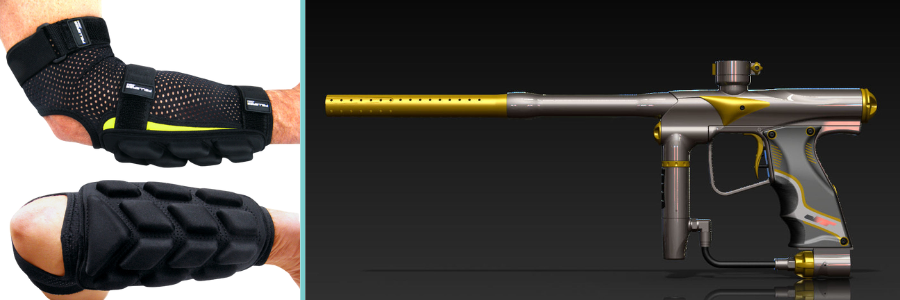
Product design of a sports and training sleeve and paintball gun by Cad Crowd design freelancers

RELATED: What are proven product design principles when working with companies & freelancers?

What concept design really is (Jargon-free)

Hardware concept design is really the translation office from your imagination to the factory floor. What you are doing here is taking your idea and making it something that can be translated, tested, and ultimately made.

It involves sketches, renderings, rough models, and lots of “what if” talking. Unlike industrial design, which is deeply interested in form and appearance, or engineering design, which drills into technical detail, concept design is the playpen where art and science meet.

Consider a Venn diagram where one of the circles is “Looks Cool,” and the other is “Actually Works.” Concept design is the lovely overlap. It is why your shiny toy won’t need duct tape to function.

Good concept design is also narrative. A business-grade rendering or mockup tells investors, fellow colleagues, and potential clients, “This exists. This is happening.” And when you use a service like Cad Crowd to source designers, you are not just hiring a pair of hands. You are getting access to people who understand how to take your idea and make them understand clearly without your needing to defend your napkin scribble in a boardroom.

Turning brain sparks into tangible plans

Do not rush off to your CAD software or 3D printing design service just yet. Step back and ask yourself: Does anyone actually need this thing? Founders are prone to falling in love with what they’ve created, only to discover later that no one else wants it either.

Begin with market research. It does not need to be a grueling spreadsheet endurance test. Interview prospective users. Blog. Observe what people grumble about in criticisms of products that already exist. If your device resolves a genuine pain point, you are already ahead of half the startups in the world.

Next, describe your product’s major functions. What is it solving for you? What sets it apart? Keep it brief. There is a temptation to pack it with every conceivable feature. Now your sleek smart toothbrush doubles as a music player, weather checker, and espresso machine. That is feature creep, and it is the bane of good hardware design.

Product design companies can help here, too. They’ve seen what works, what doesn’t, and what eats through a budget faster than “crowdfunding fiasco.” A company you find through Cad Crowd can help your idea flow into a tight, buildable idea without your laying out one dime on tooling.

Sketches, renderings, and rough models

Don’t underestimate the authority of a poor drawing. Some of the greatest products ever created were badly drawn. Perfection isn’t the goal here. Communication is the goal.

Start with pencil sketches. Even if your drawings in elementary school were better, you can still mark principal shapes and functions. Once you have a number of promising leads, go to digital media like CAD.

They enable you to experiment with proportions, dimensions, and mechanical components more accurately.

Your professional design team can bring it to life. They make it possible for stakeholders to see your product as real. Photo-realistic images are something that product design experts can do well. These can be used to entice investors or test consumer appeal on social media. Platforms like Cad Crowd introduce you to designers who can turn your gadget into a million-dollar product before manufacturing a prototype.

If you’re the do-it-yourself type, you can make crude models using foam, cardboard, or even clay. Low-cost models allow you to try out size and ergonomics without jeopardizing expensive materials. You may find that your hand-held device is child-proof but painful for an adult. Worse to find that out than after a complete production run.

Prototyping without burning your wallet

At some point, your sketches and CAD models must leave the virtual world. That is where prototyping fits in. It is like the ugly teenager phase of your product. It is not yet attractive, but it is growing really fast. Rapid prototyping is within surprisingly easy reach. 3D printing lets you make physical models rapidly and inexpensively. You can try out shapes, fit, and even primitive functions without selling your kidney for the price of production. Foam models are another inexpensive way to check ergonomics. They are the action figure figurine form of your product: inexpensive, small, and surprisingly enlightening.

CNC machining costs more but produces more accurate and durable prototypes. It’s convenient if you need to test-run mechanical pieces or stress areas. Regardless of what you choose to do, don’t fall into the thinking trap that your first prototype must be perfect. It is meant to fail where you did not expect it. That is what it is for.

It is at this point that most entrepreneurs fear, believing that defective prototypes will scare away investors or partners. Actually, the fact that you are working towards refining and testing your idea indicates that you are mature. Product design services companies, especially those you can access through Cad Crowd, can guide you through prototyping design services without resource wastage. They know what areas can be started with for trial purposes and what can be done on the next round.

RELATED: Designing for visual impact with your product design services company

Manufacturing and material considerations prior to pledge

Oh, materials. They are the unsung heroes and sometimes villains of hardware creation. Get it wrong, and your product cracks, warps, or costs more to make than you wanted. Get it right, and you can save money, increase longevity, and get your product to be more appealing.

Start by considering the environment in which your product will exist. Will it see moisture, heat, or abuse? A fashion plastic can be stylish-looking, but it could melt faster than an ice cream cone at the beach on a hot summer day if it’s exposed to high temperatures. Metals are strong but heavy, and some composites are light but stiff. There are always compromises with each.

Manufacturability is as much a consideration as appearance. Some materials are harder to machine, mold, or assemble. If your product requires exotic parts or impossible tolerances, factories will avoid you or charge you an outrageous sum. It is for this reason that hiring a product design services company in the beginning is a good idea. They can identify manufacturing nightmares in advance before you become infatuated with a design that cannot be produced in quantity.

Another thing to consider is sustainability. Consumers have become increasingly conscious of saving the environment (as we all should). By using recyclable materials on your product, you can attract consumers that promotes sustainability. Like the designers from Cad Crowd, they can help you and your engineering design firm find a balance between sustainability, quality, and price.

Designing with product design services firms

Working with a product design services firm is like leaving your baby with a babysitter for the first time. You worry that they will mess it up or, worse still, will attempt to make it “better” in a way you don’t like. But a good design partner will treat your conception carefully and react with proficiency that you can never reproduce by yourself.

Start by looking for prospective partners. Look for portfolios that match your product’s level of style and complexity. Check out reviews and testimonials. Don’t be afraid to ask for references or samples of similar projects.

In any aspect of life, communication is always the key. Always know what you want, especially regarding the project deadline and allocation of money. Ask for updates, even if it’s a drawing or scribbles. A professional designer can’t deliver your expected results if you can’t communicate clearly what you need.

Legal protection is also important. Use of non-disclosure agreements (NDAs) to protect your intellectual property. Most professional CAD design services will require it and will willingly sign.

Platforms like Cad Crowd make it easier for you to complete your team. They can connect you with screen-tested designers and engineers specializing in hardware concept design or CAD. Especially, if you require assistance in creating starting sketches, 3D modeling, or production-ready file preparation, you can find the perfect match for you without wasting months asking for recommendations.

Lastly, don’t forget cooperation is a two-way street. Hear criticism out. Experienced designers may propose changes that maximize usability, minimize cost, or ease manufacturing. While it stings to leave behind your original idea, the changes often are between a product that fails and a product that succeeds.

Common mistakes first-time founders make

Every new hardware startup founder has a horror story to tell. Some of them are funny in hindsight. Some of them are a nightmare. Listening to them can spare you the expensive mistakes.

One of the biggest mistakes in business is adding more features to a product. It all starts with a simple idea, let’s say you want to produce a cooler bottle that keeps drinks cold for longer hours. Next, you want to include a Bluetooth speaker, a cup warmer, and a built-in blender. Now, the final product is more expensive than the latest game console. This reminds you to keep your product simple and not add unnecessary features just because it’s in the latest trend.

Another common mistake is neglect of design for manufacturability services. You may create a beautiful product that looks wonderful, but is impossible to produce at an affordable price. Factories are not magic. If you specify super-tiny tolerances or unique parts never made before, expect stratospheric prices or pleasant rejection letters.

Forgetting to test is another classic repeat offender. You’re convinced your design is perfect, so you launch straight into manufacturing. And you discover that the battery lasts only twenty minutes, or the hinges collapse at slight pressure. Iteration is dull, but it’s much cheaper than recalling ten thousand dead units.

Finally, poor communication can swamp even a good project. When you are vague with your product design services company, you invite miscommunication. Specific instructions, attainable expectations, and regular feedback prevent frustration from both sides. Cad Crowd makes it a lot easier to locate communicative, talented designers, but you still need to speak up.

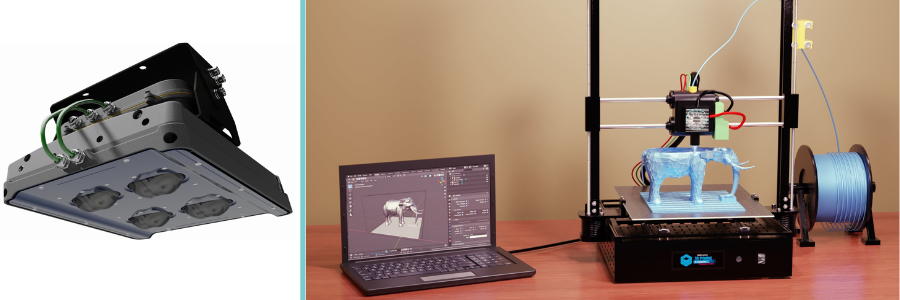
Product and hardware design of an LED lamp and 3D printer by Cad Crowd design freelancers

RELATED: How innovative design techniques can supercharge your new product concept

The magic of iteration and feedback loops

Iteration isn’t sexy, but this is where the magic happens. Every incredible piece of hardware you adore, from your favorite headphones to your appliances in the kitchen, had thousands of iterations before it went to market. Even Apple and Dyson, those industry giants, test and iterate furiously.

Each revision is picking up something new. Maybe your device is cumbersome to hold, or maybe one button’s placement is confusing for users. These small adjustments, repeated time and again, make a good product into a great product through prototype engineering services.

User testing is worth its weight in gold. Show your prototype to someone who has never seen it before and observe what they do. They will press the wrong button, flip it over, or use it in a way that you never dreamed. It’s an eye-opener, but it teaches you things that no spreadsheet ever could.

Never give up on failure. Treat every mistake as a veil for progress. The earlier your mistakes, the earlier your growth. Work with your product design services company to incorporate critiques, re-doing designs, and building improved prototypes. Cad Crowd’s network of designers can guide you through such loops efficiently and steer clear of wasteful setbacks.

Bonus tips for navigating the wild world of hardware design

Even with the best design, hardware development tends to surprise you. These are some other tricks to put in your regular bag and maybe avoid a surprise crash:

But packaging can shatter or create the first customer impression. Packaging design services decide shipping expenses, shelf life, and even safety. Involve your product design company in packaging decisions. Designers on sites like Cad Crowd can suggest functionalities that are affordable, aesthetic, and functional.

Don’t accept the first manufacturing offer at face value. Research alternatives like injection molding, vacuum forming, or die casting. Another option, usually, will be cheaper or improve the quality. A skilled designer will walk you through the pros and cons without getting bogged down with details.

Real-life situations

Just imagine the pet feeder; the first designs were stunning on paper. However, when the first batch of manufactured products arrived, the hinge on the lid failed after a few cycles. Customers posted videos of cats blissfully trashing the feeders like furry little engineers. The company recalled the product and re-engineered the hinge, an expensive lesson in testing in real-world environments.

And another founder wanted to create a wearable fitness tracker with a revolutionary clasp system. They skipped user testing because “everyone knows how to use a clasp.” But they didn’t. The clasp was so user-unfriendly that customers wore the tracker backwards or broke it attempting to buckle it. A single round of user testing could have avoided months of embarrassment and lost sales.

It’s because of anecdotes like these that iteration, open feedback, and collaboration with product development experts are so crucial. A good designer will not just provide you with neat files. They will burst bubbles in assumptions, suggest ways to make it better, and guide you around pitfalls that have swallowed up other founders whole.

RELATED: The 5 stages of prototyping for any new product idea for product design service companies

The role of branding in hardware concept design

It’s easy to take only care of the physical aspects of your product and neglect branding. Branding, however, is not merely logos and color schemes. Branding is what informs your design decisions from the start. Is your product sleek and futuristic? Friendly and playful? Outdoor-inspired and tough? These decisions determine everything from material selection to button shape.

Your designer can incorporate branding into the concept phase. If, for instance, your company is concerned about sustainability, that should guide your selection of materials and packaging. If your item is aimed at a high-end market, your concept design should be sophisticated and precise. Cad Crowd’s network has designers who know branding as part of the larger picture and will make sure your product and your brand are a natural fit.

Getting ready for manufacturing like a pro

Once you have already planned your product, you must prepare for large-scale production. This is the most underestimated phase for the first-time businessman. For them to create a successful product, they need detailed drawings, clear specifications, and clear illustrations. That’s why sloppy documentation and management can result in a very expensive failure.

Work with your product design services firm to create manufacturing-ready documents. Double-check every measurement, every tolerance, and every material specification. Don’t rely on the manufacturing design firm to “figure it out.” They will produce exactly what you give them, which can mean producing 10,000 pieces with a defect that could have been identified early on.

You ought also to think about production locations.  Home-country production can be easier in terms of communication and quality control, but foreign production can be less expensive, but needs to have great screening and perhaps longer lead times.  Think in terms of shipping, tariffs, and variations in communication styles.  A seasoned global manufacturing designer will make this easier to do.

Holding sanity together through the highs and lows

Hardware construction is a series of rollercoasters. There will be a time when you will wonder why in the world you ever thought that your plan was a good idea, but that’s fine. Remember to surround yourself with positive peers, mentors, or even online communities of fellow founders. Share your stories, and sometimes, a word of encouragement here and there from someone who has walked in your footsteps can make all the difference.

Failures are redirections. These are your long-term motivations. Keep in mind that you’re making something real, that people can hold, use, and keep close to their hearts. That’s worth the headaches. Knowing you’re leaving a legacy.

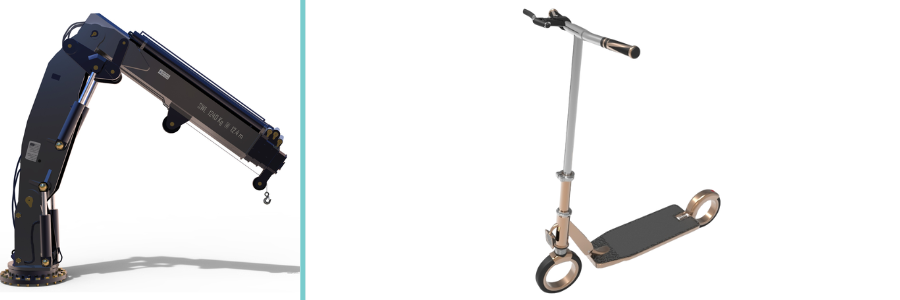
Hardware design of an operator crane and scooter by Cad Crowd product design experts and freelancers

RELATED: How CAD turns your idea into a prototype for CAD design companies & freelance services

One last push toward action

You now have information, game plans, and a little bit of sound advice. But information does not build a product. Action does. Start sketching. Research your market. Get in touch with a product design services company. Sites like Cad Crowd wait in the wings with a group of good designers who can transform your “someday” idea into a real, producible product.

Don’t wait until your concept is perfected because it won’t be. Perfection is the progress killer. The sooner you get your idea in motion, the sooner you can learn, adapt, and build something amazing. The world doesn’t need another napkin drawing that has been left behind. It needs your idea, refined, experimented with, and ready to take over the world. Request a quote today.

author avatar

MacKenzie Brown is the founder and CEO of Cad Crowd. With over 18 years of experience in launching and scaling platforms specializing in CAD services, product design, manufacturing, hardware, and software development, MacKenzie is a recognized authority in the engineering industry. Under his leadership, Cad Crowd serves esteemed clients like NASA, JPL, the U.S. Navy, and Fortune 500 companies, empowering innovators with access to high-quality design and engineering talent.

Connect with me: LinkedInXCad Crowd

Best Practices for New Product Design & Development with Services Companies & Freelancers


Launching new products to the market requires a combination of creativity, functionality, and accuracy. New product design and development is the core of this process, converting concepts into actual, marketable products. From conceptual drawings to prototyping to production, CAD and 3D modeling design services are crucial in finalizing designs effectively. If you don’t have any idea how to turn your draft project into a successful one, you should consider CadCrowd, which brings together professional freelance designers you can choose from to carry out your plan with effectiveness and professionalism.

When designing a product, companies have to consider creativity, practicality, and affordability. Whether you’re a start-up company or a well-established multinational brand, the product design services will make a big difference. However, success has a strategy to it. In this blog, you’ll be able to identify the best practices you need to know before you work with design services companies and freelancers to design products effectively.


🚀 Table of contents


Stand with your vision and identify strategy

Before contacting a firm or freelancer for product design, it’s essential to have a clear vision and stick to it. A solid foundation ensures that your project remains on course and fulfills your expectations. Here are some key concepts you should be familiar with.

  • Knowing the main purpose of your product guides its design and functionality, and also creates an identity for your product.
  • Identify your target market and their needs, wants, and weaknesses
  • Determine the unique feature and function of the product. Knowing the must-haves will help your team avoid vague design concepts and maintain development effectiveness.
  • Accurately estimate the budget and timeline. Having a sense of your monetary and realistic timeline will help you set realistic expectations for your product and designer.
  • Identify your brand identity and incorporate it into your product. The aesthetics and values of your brand must support the design of your product in order to ensure a harmonious customer experience.

By establishing these elements from the beginning, you provide a framework that your CAD service provider will work with, resulting in an easier and more successful collaboration. Through a well-thought-out vision, designers will be able to execute your idea with accuracy and ensure that your end product achieves your desired objective.

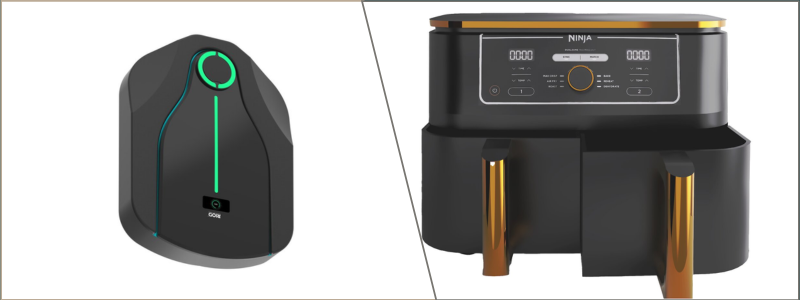
product design example of an EV charger and luxury air fryer

RELATED: Validating new product design ideas: 5 questions every CAD and 3D modeling firm should ask

Selecting the proper partner: Firm or freelancer

Deciding whether to hire a firm or a freelancer for product design is based on the size, complexity, and budget of your project. Both have their merits, and the best option will depend on what you require.

Employing a product design firm

If your project is complicated—requiring engineering, prototyping, branding, and testing—contracting a product design firm could be the optimal solution. Companies offer a methodical process, with specific project managers maintaining coordinated processes and steady output. They also possess better tools, test labs, and pre-existing vendor relationships, which can help shorten the manufacturing time. This extent of skill and equipment, though, costs more due to overhead costs.

Hiring freelancers

Freelancers provide a cost-effective and more flexible option, which makes them suitable for small-scale projects and startups. You can hire specialized skills for individual purposes, such as 3D rendering, CAD modeling, or UX/UI design, without having to retain an entire team. What’s more, you can scale your team up or down as required. Nevertheless, managing freelancers takes more hands-on project management to ensure that everything stays on track for product design firms.

Regardless of your choice, evaluate potential partners based on their portfolio, industry experience, and client reviews to ensure they align with your project goals.

Establish clear communication & expectations

Clear communication is the backbone of any successful product design project. Whether you’re working with a design firm or a freelance CAD professional, setting the right expectations upfront can save time, reduce frustration, and ensure a smooth workflow.

Begin by outlining the project scope, major milestones, and deliverables in writing. A written plan keeps everyone on the same page and avoids the creep of scope. Second, utilize visual aids such as sketches, mood boards, or reference images to help clarify your thoughts—design is a visual medium, and words might be insufficient to express your vision.

It’s also critical to determine how you’ll communicate. Email, Slack, or Zoom? How frequently should updates be posted? Having these details on record from the start ensures that feedback loops are effective. Second, be specific about expectations around revisions, intellectual property rights, and confidentiality. Getting these terms out of the way in advance safeguards both parties and sidesteps misunderstandings later on.

Take advantage of prototyping & iteration

An open communication plan not only prevents misunderstandings but also establishes trust between you and your product design experts. If everyone knows what to expect, the project gets done with fewer bumps and a greater likelihood of success.

Prototyping is an important part of product design since it enables you to experiment with ideas, hone details, and steer clear of expensive errors prior to proceeding to mass production. Rather than leaping directly to a finished product, the process is one of building and refining numerous iterations in light of feedback and testing.

The good process begins with low-fidelity drawings and mockups—primitive drawings or quick models that bring the idea into perspective. Here, 3D CAD models enter the fray, facilitating computer simulations and testing for performance. It ensures errors in design at the initial phase itself, with savings on both time and dollars.

After the digital model appears viable, it’s time for physical prototypes. Rapid prototyping design services such as 3D printing, CNC machining, or injection molding bring designs to life, enabling hands-on testing of form, fit, and function. User feedback at this point is priceless—seeing how actual people use the prototype can uncover unforeseen problems or areas for improvement.

The key is to keep iterating. Each version should be better than the last, fine-tuning the design based on insights gathered. If you’re not handling prototyping yourself, work with freelancers or design firms that specialize in your product category to ensure an efficient, high-quality development process.

RELATED: Tips to optimize new invention development and product development for companies

Focus on user experience (UX) and aesthetics

When it comes to design, striking the right balance between aesthetics and usability is key. A beautiful product might catch the eye, but if it’s difficult to use, frustration will quickly set in. Whether you’re working with a design firm or an independent freelancer, focusing on User Experience (UX) should be a top priority.

Begin by using intuitive design concepts that allow seamless navigation and ease of interaction. Properly formatted layouts, transparent calls to action, and usable interfaces can bring the biggest positive impact. Conducting usability testing is also imperative—determining pain points beforehand allows the redesign before launch, which saves money and time down the line.

Apart from functionality, aesthetics also play a vital part in leaving an enduring impression. Synchronizing the design with your brand identity provides uniformity across platforms, promoting trust and familiarity. However, aesthetics should never come at the expense of usability. A beautiful, cutting-edge interface is wonderful, but if it puzzles users, it serves no purpose.

Ultimately, excellent UX design increases customer satisfaction and makes your product stand out from the rest. By focusing on both form and function, you design an experience that not only appears good but also functions smoothly, engaging users and keeping them loyal.

Plan for manufacturing & production in advance

Another of the most frequent mistakes in product development experts is creating a product that is wonderful to design but impossible to produce. In order to prevent expensive redesigns and production setbacks, it is necessary to plan manufacturing feasibility from the outset.

Begin by talking about material choice and manufacturing methods with your design company or independent engineer. The materials you use can affect cost, longevity, and even compliance with regulations. Likewise, various manufacturing processes—whether injection molding, CNC machining, or 3D printing—each have their own constraints and cost profiles. A discussion of these considerations early on in the process helps your design match up with actual manufacturing capabilities.

Another key step is optimizing your design for mass production and cost efficiency. A product that’s too complex or expensive to manufacture in large quantities can hurt your bottom line. Engineers experienced in design for manufacturability (DFM) services can help refine your product to reduce waste, improve assembly speed, and minimize errors.

It’s also a good idea to establish suppliers and manufacturers upfront. Finding the right production partner can have an impact on everything from lead time to end-product quality. Lastly, don’t forget compliance, safety, and sustainability considerations, which can have an impact on market entry and long-term success.

By utilizing professionals who speak manufacturing-ready design, you save time and money and ensure a smoother journey from concept to production.

Safeguard your intellectual property (IP)

If you’re creating something proprietary, protecting your intellectual property (IP) is crucial to staying competitive. Your creative designs or ideas could be stolen, copied, or even assumed by another party if you don’t have proper protections in place. Here’s how to protect your concepts:

  • Employ Non-Disclosure Agreements (NDAs): Have the potential partners, manufacturing design firms, or investors sign an NDA before sharing sensitive information with them. This binds them legally to confidentiality, minimizing the chances of leaks.
  • Specify ownership in contracts: When collaborating with freelancers or design companies, specify who owns the rights to the end product. Does the freelancer have some rights, or is everything yours? Clarify it to prevent future disputes.
  • Think of patents: If your product is uniquely designed, functions in a unique way, or involves unique technology, patenting it will keep others from duplicating it. Note that patents are time- and money-consuming, but they protect you in the long run.
  • Avoid design repurposing: Make sure any outside designers or companies you work with are contractually barred from reusing or reselling your designs to third parties.

When in doubt, ask an IP lawyer. They can advise you on the best legal protections to keep your hard-won innovations.

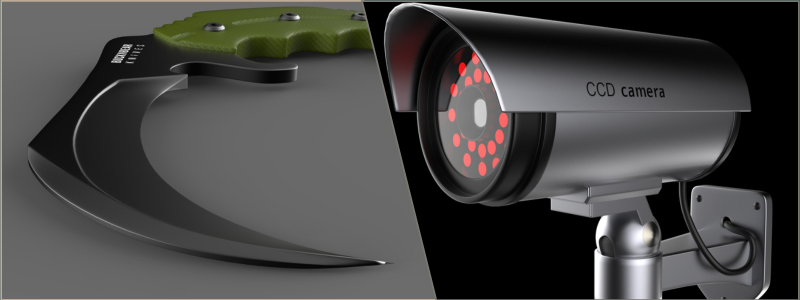
3d rendering of products including a karambit knife and cctv camera

RELATED: Complete costs of injection molding design, DFM engineering rates, & manufacturing pricing for CAD services

Trade-off among cost, quality, and speed

In product design, a balance among cost, quality, and speed is an ongoing dilemma. This has also been known as the “project management triangle” or the “design trade-off triangle.” The truth is that emphasizing one of these factors tends to require compromise on the others.

If quality is your number one priority, be prepared to spend additional time and money. High-quality products take painstaking design, tough testing, and high-quality materials, all of which are time-consuming and expensive. This method is best for products where durability, precision, or innovation is paramount.

On the other hand, if speed is crucial—perhaps due to a tight market window or an urgent launch—you’ll likely pay extra for expedited work. Rushing a project may also mean cutting corners in testing or material selection, potentially impacting quality for consumer product design services.

If budget is the biggest issue, you might need to streamline your design, employ cheaper materials, or eliminate features to contain costs. This approach is practical for cost-conscious projects but could necessitate a compromise in durability or appearance.

A good freelancer or design agency can assist in balancing these trade-offs to achieve the optimal blend based on your priorities. The most important thing is finding that optimal mix that supports your project’s objectives.

Test, iterate, and validate the market

Even the most groundbreaking designs need to be tested in the real world before they can really make it. Regardless of how good an idea may seem on paper, the true test is how real users respond to it. That’s why focus groups and beta testing are important to do before a full launch. These initial tests give great feedback on how users respond to the product, what is good, and what can be improved.

Feedback from users is pure gold when it comes to fine-tuning functionality, especially for electronic device design firms. Users tend to use goods and services in a manner that designers never thought possible, so getting feedback from actual users fine-tunes features and weeds out potential problems. Small-batch manufacturing is another savvy approach—it enables companies to test market demand without committing to high-volume production. By introducing limited batches, firms can monitor sales performance and discover areas for enhancement prior to mass production.

Market validation does not end with customer input. Competitor research is an important part of seeing what is working in the space. If there’s a similar product that’s succeeding, it’s worth learning why. Similarly, if a competitor didn’t work, learning from their failure can be incredibly valuable.

Iterative design—testing, refining, and improving continuously—minimizes the risk of expensive errors and maximizes the likelihood of market success.

Plan for scaling and future development

When your product is ready to be launched, it’s now time to prioritize the larger picture—scalability. Great design is not merely about addressing a short-term need; it’s also about building in long-term flexibility and expansion.

Begin by thinking about whether your design can be modified to accommodate various markets or price points. Can you provide a high-end version with more features or an affordable version without sacrificing quality? This adaptability enables you to appeal to a broader audience and achieve maximum profitability.

Then consider future upgrades. Technology and consumer tastes change, and your product must as well. Are there opportunities for new features that might enhance functionality or appeal? A good design allows these additions to be seamless instead of necessitating a total overhaul through open innovation services.

Your product also needs to align with your brand’s long-term vision. Does it fit well within your current lineup, or does it lead to opportunities for future breakthroughs? Design consistency and branding support customer loyalty and recognition.

Last, think about design support after the fact. Working with an agency or individual, having people on hand to do refinements, debugging, or adding to your design as your product evolves, ensures a clean transition as your product matures.

By taking an iterative path, you minimize expensive errors and continually optimize your product for a better market fit.

RELATED: Why 3D product visualization and asset customization is crucial for e-commerce company success

Final thoughts

Partnering with design agencies and freelancers can drive innovation, lower development expenses, and introduce new ideas to your product design cycle. By adopting these best practices—selecting the right partners, focusing on user experience, safeguarding IP, and considering production—you can develop products that appeal to customers and build your brand.

Cad Crowd is here to help

Turning an idea into a new product is not only innovation—it’s making a solution that works, is ready for market, and is aesthetically appealing. By applying the correct CAD and 3D modeling methodologies, design companies can sharpen ideas, perfect functionality, and reduce development timelines. For companies seeking to improve their product design process, having access to qualified professionals is crucial.

CadCrowd provides businesses with the best freelance CAD designers who have expertise in turning concepts into production-ready designs. Whether you require concept sketching, prototyping assistance, or detailed 3D renderings, you can hire the appropriate expert for your project. Request a quote today and move forward on bringing your next best product to market.

author avatar

MacKenzie Brown is the founder and CEO of Cad Crowd. With over 18 years of experience in launching and scaling platforms specializing in CAD services, product design, manufacturing, hardware, and software development, MacKenzie is a recognized authority in the engineering industry. Under his leadership, Cad Crowd serves esteemed clients like NASA, JPL, the U.S. Navy, and Fortune 500 companies, empowering innovators with access to high-quality design and engineering talent.

Connect with me: LinkedInXCad Crowd