Tips for Product Design Firms: Validate New Product Ideas & Squash Launch Failures


When launching a new product in the market, it is important to understand how risky itcould get. It is a competitive approach, but it is prone to risks if not handled carefully. Haste and rushing launching are what make it fail. When the production team did not go through the process of validating and testing the product, it fell into a trap, and it may be hard to reverse it now. Launch failures are costly. It costs time, resources, effort, and budget, and weakens client confidence. 

To reduce these risks and direct product launch to success, it is best to combine smart research, testing, and repeated cycles of prototyping design engineering services. It is better to invest in validating the product first before releasing it to the public. Cad Crowd makes it possible to connect vetted professionals to businesses that can aid in strengthening all development stages. They are a pool of experts that understands the importance of effective and strategic validation to ensure launch success.


🚀 Table of contents


Why most product launches fail

There are a lot of factors that impact failure in product launch. Most of the failures stem from the idea of an impulsive approach without confirming the demand. When the team only focused on assumptions, trends, internal interest, and excitement, and limited feedback, they were taking a subjective approach. Lack of testing real customer demand puts the product at risk. Not knowing what the consumers really want or what they think could be improved affects the whole outcome. Missteps could cause poor decision-making, letting impulsiveness increase the risks of failure.
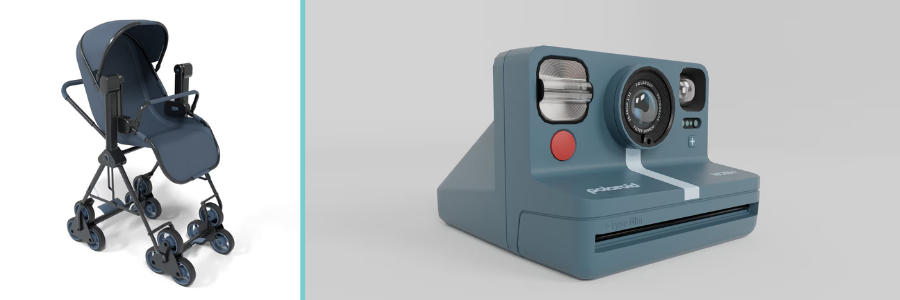
Product design of a stroller with adjustble height and polaroid camera by Cad Crowd product designers and experts

Start with a clearly defined problem

Success always starts with identifying the problem first. Being clear about the goal of providing a solution to the problem is the best professional way to achieve success. Product design companies should be able to articulate all the pain points and lesson learnt to come up with the proper solutions. If the problems are too vague, the solution wouldn’t feel intentional and may be prone to overdesign. This will make customers confused and overwhelmed with features they don’t really think are necessary. 

Identify a narrow target market

Designing for “everyone” looks like a warm accommodation to encourage everyone to try. But this approach is almost like a trap. It is a vague attempt at trial and error. Instead of being open to all, firms should narrow down and be specific to their target markets. Identify what these target users are looking for and collect relevant insight and feedback. This makes the whole validation measurable and makes the product launching intentional. It gives genuine solutions and makes users think they are considered in the design process.

Conduct structured customer interviews

One way to collect relevant insights is to receive feedback from real customers. Not all conversations or exchanges are considered relevant or useful. Strategic and systematic interviews are best to uncover what the users are expecting and looking forward to. Interviews could be documented to see and monitor patterns and trends, so there would be data to look back on to build an even stronger opportunity.

Analyze existing alternatives

In launching a new product, being prepared is one way to success. This includes knowing any existing alternatives to what the company is planning to launch. This makes them identify and understand competitors. It is expected that there would be comparisons conducted by customers. If a product has already existed and been used, it already has an edge since its functionality has been proven. It already serves its purpose. Then what makes the new one worth a try? Studying the existing alternatives would uncover what the customers want to improve. It could also help with the benchmarking of the costs. 

Build a minimum viable concept

Before doing a full-blast development, consumer product design firms should consider that it could fail on the first try. It is best to do an early prototype to test its functionality first without compromising extensive resources. Doing a minimum viable concept would focus on gathering reactions and feedback, as these will expose flaws. Detecting flaws on the early stage would make it easier to fix. 

Use landing pages to measure interest

A landing page makes it easier and faster to gauge consumer interest. Once presented to the public, there would be reactions towards it and insights as well. This is where firms would know whether there is hesitation and what rates and features are to be expected. From this stage, refinement could be done before it is produced. 

Test with pre-orders or deposits

Pre-order makes the whole launch intentional, offering pre-orders secures not only demand interest but also early funding. This boosts morale in the team and makes it a lot easier to move around. It could also help understand the consumers who committed willingly. 

Launch a smoke test campaign

Smoke testing is one way to measure interest based on the clicks and conversion rates. This is done by advertising the product before it fully exists. To know if the public is interested, there would be a lot of engagement. If there is low engagement, then the firms can make adjustments to turn it around. Smoke testing is a cost-effective tool that can protect production from failure. 

Leverage surveys strategically

Aside from interviews, surveys add value to what the consumers want. Quantitative feedback supplements behavioral patterns exposed in qualitative research. The surveys should not only ask questions about checking if the user would be interested in buying the product, since it would lead to misleading optimism. Instead, the questions should be able to provide valuable insights about behavioral patterns, which can be useful for many companies, such as fashion design companies.

Prototype early and iterate often

Conducting rapid prototyping accelerates validation. While the users are able to experience the concept, feedback was documented to catch any flaws and readjusted early on. This iteration cycle would lead to a more concrete design tailored to the target audience, making it less likely to receive negative feedback during full release. Early alterations are of much lesser value than making a change on the last design stage. This mitigates risks. 

Conduct usability testing

Validation is a combination of demand and usability. Consumers can express demand, but if it’s not user-friendly, it could backfire. Knowing how it functions and how it fits the users would be beneficial and lessen pain points. To check on this, testing regarding the product usability is recommended. This will reveal insights about the product and help the team align the design with user expectations. 

Validate pricing early

Pricing influences product value and profitability. There are different thresholds in the market, and observing price points could reveal whether it’s a hit or not. Firms can explore pricing by using a tiered pricing model. Conducting these collects insights whether the product is considered underpriced or overpriced. From this, firms can check the revenue potential of the product. 

Evaluate market size realistically

An accurate estimate of the target market size protects long-term viability. Product design experts should be able to assess the realistic number of demand leads. Having an overestimated number would lead to an inflated projection, resulting in an increase in wastage of resources. Being conservative in the number makes it intentional and sustainable. 

watch and kettle design by Cad Crowd product design engineers

Measure engagement, not just interest

Anyone can say they are interested, but not all are really committed. There’s a way to gauge the number, and this is by the engagement metrics. It reveals deeper insights and information as it uncovers behaviors. Genuinely curious and committed users would spend a lot of time on the landing page, engaging a lot more, and leaving comments. Those who are passive and do not engage much rarely purchase. Tracking engagements strengthens validation. 

Use crowdfunding as validation

Crowdfunding not only serves as a validation tool but also ensures market readiness. Successful campaigns show that the message is delivered clearly and expresses demand. The comments could add information through quantitative feedback. 

Users often express their insights and honest feedback on online communities. Sharing early concepts in these forums would earn real-time feedback and comments. Their constructive critiques could expose some blind spots and flaws that may be hard to fix in late design stages. Knowing this strengthens alignment with user needs, which is especially useful for engineering design firms

Assess technical feasibility alongside demand

Being realistic in design is one way to launch success. To know if the concept will thrive makes the whole production smooth. Early feasibility check-ins avoid unrealistic timelines and could help in finding out cost implications. Technical feasibility can be conducted through a strategic collaboration between designers and engineers. 

Set clear validation benchmarks

There should be a measurable criterion to know the metrics of success before validation begins. This helps in analyzing the data and removing ambiguities in decision-making. It is important that there are pre-determined standards to ensure rationality and prevent weak assessments.

Recognize when to pivot

Not all good and unique ideas are meant to thrive and be invested in. When the validation data says that it consistently fails, then it is time to pivot. There could be adjustments to be made to improve the data, and that could involve the target market, features, design, or usability. Resiliency doesn’t always solve the problem; sometimes, flexibility is the answer. 

The input sometimes comes from the internal team’s work. They naturally tend to favor ideas that they have invested their time and effort in. This could distort validation interpretation, as the insights could be just internal optimism. This is why a more objective stream of approaches is much more reliable.

Incorporate cross-functional collaboration

Cross-functional collaboration collects diverse perspectives. This exposé overlooked challenges and lets everyone share their input. Being a unified team of engineers, marketers, designers, and even financial analysts could create an impactful view to execute stronger launches. 

Document every insight

It is important to take note and document all insights and reviews received to ensure that all these are not lost. Recording the results and outcomes of interviews, iterations build historical data for the product, making it easier to track patterns in the future, and it also strengthens transparency and supports data-driven decision-making for product engineering companies.

Align validation with brand positioning

Not all validation approach is to be done hastily. It still should be aligned with the branding. Being consistent with the brand identity makes validation intentional. It strengthens market trust and enhances long-term success. 

Leverage External Expertise

Fresh insights from the external specialists are always welcome. These inputs could sometimes be overlooked and may be a blind spot later on. Having an independent expert to check on the product reduces bias and ambiguity, strengthening validation accuracy and quality. 

Validate the core assumption first

Every core assumption made to develop a product should have validation. It justifies the need and strengthens the concepts. Focusing on this core saves time and effort and ensures that there will be no scattered and messy experimentation. 

Map the customer journey

Analyzing and understanding how consumers navigate the purchasing process exposes their behavior patterns and adds value to validation opportunities. Mapping their full journey can identify friction points that are beyond the product, which could be critical knowledge for product development experts. These issues are sometimes inevitable, but still, they can be lessened. Validation is a continued stage-by-stage examination and analysis, not only of the product but also of the whole production process. 

Create problem-solution fit before product-market fit

Sometimes, firms tend to overlook solutions as they prioritize mass production. Firms should not chase it hastily and focus first on the problem. It is best to address a specific verified pain point, one that is urgent and recurring already, to ensure that customers feel like it fits. Doing this strengthens trust and a stable foundation for future scaling. 

Quantify the cost of the problem

Customers are most likely to incline towards the offered solution if the problem is costly. Being costly does not only involve money, but it could also be about time, convenience, or the ease of mind. In validation, assess all the factors affecting the problem and compare them with production and revenue. The data will tell how the product positions itself in the market, whether it can really solve the problem or not. Once products are proven to solve expensive problems, it definitely increases purchase conversions. 

Use rapid experiments instead of long development cycles

Doing a lot of rapid experiments looks costly at first, but it helps compress timelines. The small and controlled tests are able to collect insights in a short period of time, enough to adjust exposed flaws before full production. The traditional product development tends to be delayed since it would take months before receiving feedback. Taking controlled, scaled experiments reduces risks for large-scale failure. 

Test distribution channels early

A product could interest a lot of users, but it may be difficult to distribute. In validation, testing distribution channels should also be accounted for. This included channels such as paid ads, parentship, or direct outreach. Understanding this during the early stages, with the help of new invention development services, reveals a lot of potential and risks. It gives insights into what an effective marketing strategy is fitted to address it. 

Observe real behavior over stated intent

Not all who express the intent of buying are committed. It is still best to observe behavioral patterns to ensure there really is a genuine interest. The evidence could be checked in clicks, downloads, and payments provided. Consistency in all of these validates enthusiasm for the product. It is a measurable approach to know performance and satisfaction instead of relying on survey responses.

Validate retention, not just acquisition

Not all interests last. This meant that acquiring an initial interest meant it could guarantee long-term value. It could be deterred due to dissatisfaction with the product. There should be retention metrics to know whether the product delivers sustainability efficiency. This ensures that the product remains relevant and not just an impulsive decision to feed on initial curiosity. 
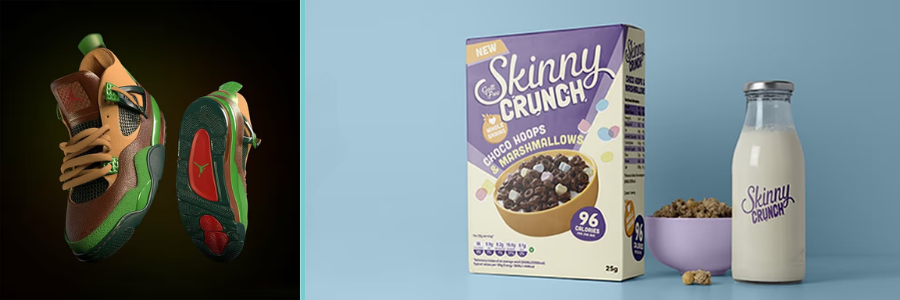
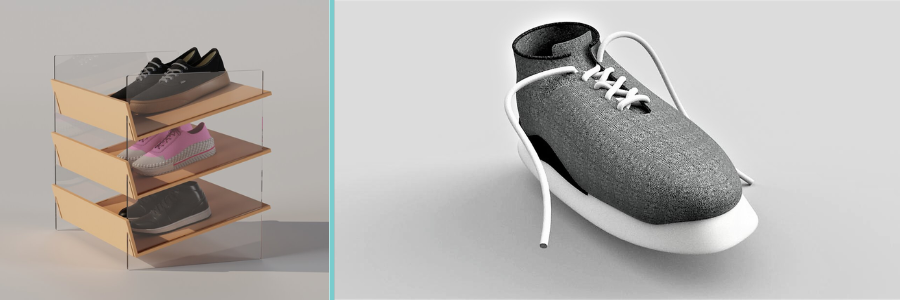
3D shoes rendering and product packaging design by Cad Crowd design experts

Assess manufacturing and supply chain risks

Production feasibility should also be checked. This includes how the sourcing of materials is done and knowing the estimated lead times. It gives information about pain points to prevent delays in the timeline. Briefing with suppliers could help expose cost implications and limitations. These could help reduce manufacturing surprises and slips during the production process. Being ready ensures a smooth launch. 

Incorporate cost modeling into early testing

Cost modeling should be done to accompany validation experiments. This ensures that the product not only caters to demand in the market but also sustains profitability. Financial modeling protects the product and industrial design firm in long term stability and clarifies viability. It should have data to which it can deliver without compromising the firm’s margins. 

Develop clear success metrics

A clear success metric can objectively define benchmarks. Metrics that can help identify success include engagement, retention, and conversion rates. Success in pre-order could also be measured. Establishing these metrics makes it easier to track success. A clear standard removes ambiguities in results interpretation and strengthens decision-making. 

Conduct competitive positioning analysis

Knowing where the new product positions itself along with its competitors gives a clear understanding of the product’s selling points and weak points. Spotting this early could help adjust to strengthen its launch success. In validation, rooms for improvement and opportunities can be identified and fixed for customers to recognize value addition, and would make them switch. This strong approach reduces the risks of production failure. 

Test messaging with multiple audiences

Testing does not end in engagements. It could be furthered with messaging across varied demographics to refine target markets. Focused messaging improves marketing efficiency and helps with clear reasoning. 

Run limited beta programs

Having a beta program is popular to provide structured feedback from real users, even when you begin with open innovation design services. From this, more detailed feedback about the experiences of the beta users helps correct issues before the public release. It uncovers real challenges users can face. 

Document objections and concerns

It is inevitable to receive objections and raised concerns during the validation process, and it is important to document all of it as it adds valuable information. These concerns could be about the pricing, usability, reliability, and long-term functionality. When these are documented, patterns can be exposed. Addressing the concerns builds user trust and strengthens the final feature and offer of the product. 

Monitor emotional reactions

While there is technicality in feedback, emotional feedback also matters. It is important to take into consideration the feelings of the users. Monitor and track whether they express excitement, frustration, or indifference with the new product. These signals indicate validation, which could have positive or negative implications. Understanding this supports and adds value to quantitative data. 

Avoid feature creep during validation

It is important to stay aligned with simplicity instead of adding features midway. It will only complicate testing and may obscure the outcomes. When the process stays at its core and focuses on one hypothesis, it produces clear and coherent insights. 

Test scalability assumptions

Knowing the limits of scaling in crisis management. This means that something that worked for 100 users may not be applicable to 100,000. It does not fully mean success even if it did on a small scale. This should be easily identifiable by concept design services. Validation should thoroughly analyze the support, capacity, and production limitations to project a realistic outcome to secure the firm’s reputation. 

Evaluate legal and compliance factors

There are products that have to follow strict regulatory compliance. An early review and brief regarding the necessary tests, standards, and certification will avoid extensive rework. Legal validation is then considered, combined with the technical assessments. This ensures being market-ready and proactive in reducing unexpected challenges. 

Measure customer acquisition cost

Understanding the cost implications to secure a customer determines long-term sustainability. This means there have to be marketing tests that provide benchmarks to project lifetime value. Knowing margins would help analyze its growth potential. The data could tell whether it’s a success or not or if there’s anything that needs to be focused on. Seeing unfavorable numbers during the early stages could be a cue to revise strategies before production. 

Refine based on data, not ego

Validation results encourage data-driven decision-making. It lets the team focus more on the measurable evidence instead of personal preferences. This lessens ambiguity and biased insights. Prioritizing numbers instead of emotional attachment decreases the risk and improves outcomes. 

Plan a phased launch

Planning a phased launch with design engineering services is a strategy to control and test a smaller market first before going into full production. This allows additional validation and lessens risks. Gradual and phased launching is more controlled and allows fine-tuning. It strengthens stability. 

Encourage honest internal feedback

Although the internal team tends to provide biased insights, it is still a safe space to collect ideas. This can be done by encouraging them to speak up and provide honest feedback. Since they know more about the product, they have the best pool of insights that can be helpful. Having constructive skepticism boosts a healthy culture of open feedback. Diverse perspectives can reduce blind spots and flaws, making it a refined strategy. 

Maintain transparent client communication

The client wouldn’t want transparency. Providing and sharing information regarding validation results openly, including challenges and risks, would make them feel involved. An honest and transparent communication lessens conflict and promotes healthy discourse. This communication builds confidence and trust between the client and the team, as the client was assured of the proper professionalism and diligence shown by the team. 

Build validation into the standard workflow

Validation shouldn’t just be transitional or a one-time effort. It should be incorporated and integrated into the standard workflow. Having structured testing makes it more reliable and viable. Integrating validation strengthens the firm’s reputation, increasing user and client trust. Having a systematized and reliable workflow process ensures long-term results and outcomes. 

Leverage specialized freelance talent

To add value to validation, sometimes a specialized professional isneeded and encouraged to discuss with. There is confidence when a professional is involved, as they contribute their experience to the concept. With them, technical accuracy is achieved, and it improves the overall performance of the product for consumer product design experts. It aligns the product rationally in the market, aligned with the project intent and the firm’s goals. 

Strengthen prototyping capabilities

Investing in advanced prototyping makes it easier to attract strong user feedback. Having advanced modeling and visualization tools makes it feel real and clear. A reliable prototype makes it a strong representation. It enhances trust and confidence with the stakeholders. It gives them a clear picture of what was to be expected.

Build long-term learning systems

Every validation effort is a continued documentation of valuable knowledge. It establishes a reliable database on pain points, lessons learned, and opportunities. It gives patterns that can be useful for future production. It encourages data-driven decisions and transforms the workflow to reduce ambiguity. 

Conclusion

Innovation should always be backed by numbers and data. It operates in an environment where it should be balanced and done cautiously. Validation secures new product concepts before they are released on a full scale to the public. 

Conducting thorough feasibility studies, rapid and controlled experiments, prototype testing, and incorporating measurable criteria significantly lessens financial loss and reputational damage. It also promotes sustainable and intentional production. It strengthens not only its connection with the users but also the client’s interest. 

For firms and businesses that seek connection with vetted experts, specialized in product design, modeling, and even rapid prototyping, browsing the Cad crowd is a great start. Check it out now and turn your next product launch into a success, backed with reliable numbers and validation. Ensure confidence in success with Cad Crowd. Request a quote today.

author avatar

MacKenzie Brown is the founder and CEO of Cad Crowd. With over 18 years of experience in launching and scaling platforms specializing in CAD services, product design, manufacturing, hardware, and software development, MacKenzie is a recognized authority in the engineering industry. Under his leadership, Cad Crowd serves esteemed clients like NASA, JPL, the U.S. Navy, and Fortune 500 companies, empowering innovators with access to high-quality design and engineering talent.

Connect with me: LinkedInXCad Crowd

Top 36 Sites for Freelance 3D Shoe Designers for Rendering Shoes, & Sneaker CAD Prototypes


If you need to collaborate with someone who will be able to grant you room for your shoe models to be manufactured, then it is actually very crucial that you get the right freelance 3D shoe designer. You have been warned, no matter if it’s tidy drawings or long-lasting sneaker CAD models, having someone professional by your side could be the key that sets everything rolling in the right direction.

There are certainly enough places to work on, but they’re not all on the same level as one another. Cad Crowd is the number one site where you can sit down and meet with veteran freelancers who happen to be a 3D shoe design service and other services. If you require high-quality shoe rendering or ready CAD models, you can hire experts to do it all for you, from the drawing board, scratch, from beginning to end.


Cadcrowd

Cad Crowd

Cad Crowd would be where you would have to continue searching in order to find freelance 3D shoe designers and CAD specialists. It offers a bridge between the quality and trustworthy pre-screened designer in sneaker mockup, shoe rendering, and custom CAD modeling, and the client. The designers are pre-vetted to be quality and dependable as a way of trying to make it easy so that one can quickly tell a good fit for any particular project.

Fast turnaround time, payment, and communication are made available on the site for easy, rapid fulfillment from idea to completed design. Cad Crowd is ideal for big work that needs accuracy, creativity, and technicality. As good as it is with its big membership base and history, it works best today for shoe design projects.

Website: CadCrowd.com

ShoeDesigncouk logo

ShoeDesign.co.uk

ShoeDesign.co.uk is a commercial site with the goal of providing services to sneaker designers. It provides independent 3D sneaker rendering professionals, CAD prototype engineering design services, and custom sneaker design. It is a technology and fashion website wherein good ideas are able to be shared and see the process progress.

Portfolios are presented, style comparisons are presented in the hope of critiquing, and selected designers are presented as an individual capability through past work. Ease of communication and collaboration is presented, so collaboration will be convenient. Although the site does feature an extremely specialist talent pool of skill sets, international selection isn’t as wide as it is with the big freelancing sites. It is especially ideal for purchasers who require professional UK shoe designers.

Website: ShoeDesign.co.uk

LacelessDesign logo

LacelessDesign

LacelessDesign has a shortlist of freelance shoe designers and CAD experts. It is ideal to work together in developing unique sneaker designs and precise 3D models. Designers can introduce fresh concepts to new products, identify copycat models from them, and ensure that they are aware of materials, textures, and production items. One can surf portfolios, buy a custom design, and chat with the designer. Even though the site does possess professional shoe design expertise, then maybe it is not going to prove to be that simple to use within a last-minute situation. It actually proves ideal for business or someone who requires one-piece uniform style-based designs with full CAD visualization and prototype solution.

Website: LacelessDesign.com

Artstation

ArtStation

ArtStation is a massive online art space platform where solo 3D designers have portfolios, such as footwear design and CAD models. The experts offer services in as realism, concept footwear, and sneakers. Visual discovery is enabled on the website, and the clients can select freelancers they relate to for what they need. ArtStation is pretty much high design output, but not so much where they outsource CAD work or footwear. The customers are forced to dig through heaps of single-profile stand-alones seeking an actual professional. It suits concept-by-design or design-by-concept, visually-focused, but less for CAD professional-level or production-level CAD work.

Website: ArtStation.com

RELATED: 3 steps to transform your business idea into a new prototype with new design services firms

RPH footwear logo

RPHFootwear

RPHFootwear enables customers to outsource freelance footwear designers with 3D modeling, rendering, and sneaker design skills for prototyping. RPHFootwear is technology-based, accessible to designers with training in production and CAD-based. RPHFootwear offers customers the luxury of access to viewability irrespective of size, ordering piecework, and shoe design conceptualization and sampling. Its platform enables designers to view more accurate information on shoe motion, material, and fit in the market. Less formal than large freelance networks, it is nothing but a mere directory of professional footwear designers. This website is best suited for firms that need technically accurate and beautiful shoe designs.

Website: RPHFootwear.com

CADhero

CADHero

CADHero is an open-source symbol of CAD freelancing specialists, i.e., footwear designers, who come together to make a network. The designers provide 3D modeling, rendering, and a prototype of a one-piece shoe and sneaker. Turnaround, technical skill, and accuracy are also strictly required on the site, so it is most suited to precision and mass production-level design. The buyers are able to look at portfolios, view previous work, and meet the designers in person. CADHero offers services in different sectors, but under the shoes section are the professionals who can manage complex projects. It is ideal for those clients who need precise CAD designs and professional-level visualizations of the shoe design.

Website: CADHero.co

freelancecad design logo

FreelanceCADDesign LLC

FreelanceCADDesign LLC offers a freelance professional team of CAD designers that consists of the shoe designers. The site delivers additional quality 3D models, renderings, and prototypes of sneakers as well as custom-made shoes. The customers can view designer portfolios, communicate directly with the designers, and implement design consistency with technical as well as design specifications. The web bases its foundations on responsiveness, reliability, and accuracy. FreelanceCADDesign LLC is ideal for businesses that require CAD models as well as manufacturing-quality visualizations. Owing to fewer workers than global freelance sites, precise labor in advanced-level CAD skills guarantees professionally well-designed work.

Website: FreelanceCADDesign.com

3Dcompare

3DCompare

Cooperation with freelance 3D experts, like footwear and sneaker experts. Model creation, rendering, and prototype production are some of the services provided by the experts, who have technical feasibility expertise in addition to visual reality. Portfolios are displayed on the site by customers, projects can be bid upon, and the responsible freelancer can be employed to do the project. Diversification in most sectors is possible on 3DCompare, but that is greatly restricted for shoe services. Those looking for highly skilled shoe designers will be forced to look through profiles considerably. It is a great option for everyday average 3D designing requirements, but would not necessarily be suitable for providing end-to-end expert sneaker curation.

Website: 3DCompare.com

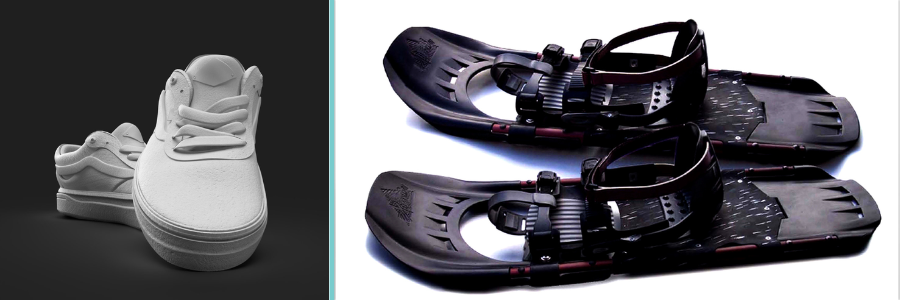
3D shoe design of a sneaker and snow shoes by Cad Crowd shoe design experts

RELATED: Developing consumer electronics product design with 3D rendering freelancers to elevate companies branding

Sketchfab

Sketchfab

Sketchfab boasts an immense pool of freelance designers and 3D models, including shoe models and sneaker models. Freelance designers deliver model-ready prototypes, visualizations, and 3D renderings. Customers can view portfolios, view designs as interactive 3D designs, and hire freelance designers for single projects. GrabCAD is appropriate for high-fidelity visualization inside 3D, but is not an end-to-end freelancer platform. It is not communicative at all and has zero to very little project management elements, and thus customers need to manage teamwork without any knowledge about it. It is appropriate for clients who order concept models that are visually brilliant but never materialize as end-service CAD or manufacturing-grade CAD files.

Website: Sketchfab.com

grabcad

GrabCAD

GrabCAD offers professional and freelance as well as novice engineers and designers offering sneaker and foot CAD solutions, as well as 3D modeling design services. Portfolios, sample downloadable files, and freelance work for hire are available for purchase. The website is technology-modeling oriented with content designed to fulfill highly specialized purposes. Creating a prototype design to be manufactured and CAD model creation would be best served by holding GrabCAD responsible. But as a contribution to a network, it is less specialized than shoe design in isolation, and therefore perhaps less clearly self-explanatory to result in a specialist. It is suitable for customers who need 3D models of the engineering variety, but perhaps not so suitable for fashion-type or strongly creative shoe design.

Website: GrabCAD.com

the foot soldiers logo

The Footsoldiers Design Consultancy Ltd.

The Footsoldiers Design Consultancy Ltd. is a consultancy design company that deals with the sale of provision of provision of 3D modeling, rendering, and CAD prototyping. The clients are able to be granted access to professional, bespoke, and sneaker shoe designers. The clients are able to see portfolios, buy quotations, and manage projects efficiently. The consultancy is technologically and quality-focused, with the prototypes to be designed and supplied. Though it has a professional workforce, the office does not have a proportionally smaller number of freelancers compared to web marketplaces on a mass level. It suits clients who need professional footwear design with technical specs and manufacturer-level prototypes as a prerequisite.

Website: TheFootSoldiers.com

Bullfeet logo

Bullfeet

Bullfeet offers freelance shoe design on a sole proprietorship basis with skills in 3D modeling, rendering, and sneaker CAD prototyping. The site offers project and portfolio management tools to ensure that coordination between the designer and client is unfettered. Form follows function business line, where the designer is hearing complaints, with the result being good enough to generate. Although Bullfeet does have shoe gurus as well, its coverage is smaller compared to international freelance networks. It will be suitable for customers requiring professionally qualified, technology-qualified designs but not able to provide such high-end offerings or turnaround time as large networks.

Website: Bullfeet.com

shalindesigns logo

ShalinDesigns

ShalinDesigns provides customers with access to freelance 3D modeling, rendering, and prototyping shoe designers. Web response is poised to deliver graphic precision and technical competence to its best so as to put the designs in production mode. Portfolio is provided to the customers, customers negotiate with the designers, and professional shoe and sneaker solutions are purchased by them. ShalinDesigns can be contracted by corporate or individual players searching for professional and customized footwear design. While great work is being done by the site, freelancers are not so numerous in comparison to huge websites on the international web. Individuals who require individual design focus and complete CAD models rather than bulk subcontracting are allowed to use it.

Website: ShalinDesigns.com

insolvo logo

Insolvo

Insolvo is a web page that leads clients to independent shoe designers who are capable of providing 3D modeling and product engineering services. Sneaker, casual, and custom shoe designers who provide top-notch production models and renders. The website is designed in a way that the clients are able to view portfolios and interact with designers face-to-face. Insolvo is just as interested in how it appears as in making it function in order to have the project facilitated by technology afterwards. It does employ in-house design experts to work with, but Insolvo’s expertise pool is not as diversified as monolithic freelance communities and might limit options for clients with deadline or quantity-demand projects. It is best suited for clients having professional, skilled shoe design requirements.

Website: Insolvo.com

Shoemaster logo

Shoemaster

Shoemaster is a web-based facility through which in-house as well as freelance footwear design experts may be employed. Designers offer CAD rendering, prototype shoe design, and 3D modeling. The site is technology-friendly and, therefore, best suited to be used in manufacturing-level designs. Shoemaster gives users a platform through which they can get access to portfolios, place orders for custom products, and interact with designers in order to meet a client’s specific needs. Shoemaster would suit best those companies whose manufacturing feasibility and accurate modeling are a concern. Although there are no freelance websites on the planet as a result of technology, there being technically shoe design-biased, do not fear, work will be industry-level and quality-level when prototyping and designing is in question.

Website: Shoemaster.com

zellerfeld logo

Zellerfeld

Freelance shoe designing is provided by Zellerfeld as 3D modeling, rendering, and CAD prototyping. The designers are sneaker, sports shoe, and customized shoes experts, so that the work becomes technically and aesthetically done. Portfolios are easily accessible, designers are contacted anonymously, and project information is handled. High-grade and professional-grade design is excellently done by the platform. Zellerfeld is not as much of a freelancer broker as a monolith platform, but it is ideal for high-grade, professional-grade shoe design by expert professionals. Its technicality in focus and precision make it the ideal platform for businesses that require the best shoe models.

Website: Zellerfeld.com

KiK laboratory logo

KiK Laboratory

KiK Laboratory is an independent team of 3D modelers and shoe designers. Designers exchange CAD files, 3D renderings, and production-quality high-resolution sneaker designs. Clients can browse portfolios, commission a custom design, and interview the designers on the platform. KiK Laboratory focuses on technical precision and material possibilities for the designs to be manufacturable and stunning. It is less resource-intensive than for big freelance platforms, but a suitable choice for consumers wanting to be matched with a shoe design capability with professionalism.

Website: KikLaboratory.com

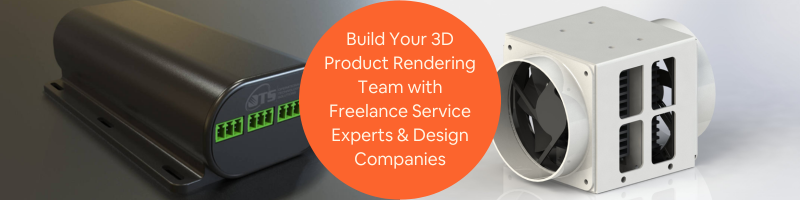
RELATED: Build your 3D product rendering team with freelance service experts & design companies

dribbble.com-logo

Dribbble

Dribbble is a community of freelance designers possessing 3D shoe model design skills. Customers can view portfolios, view shoe pre-production renderings, and purchase freelance services from designers. Dribbble is fashion- and looks-quality-oriented, where the designer’s fashion sense and creativity are without boundaries. Dribbble is for concept design ideas and visual designs instead of manufacturing-quality CAD models. The customers would be convinced to seek manufacturing quality specs elsewhere than on Dribbble. It is appropriate for the brands that require inspirational inspiration or surveillance of new original visual trend patterns, but not real manufacturing-grade designs.

Website: Dribbble.com

99Designs

99Designs

99Designs connects customers with freelance designers by bringing them together through contests and freelance projects. It has 3D modeling design experts and shoe design experts on the site. The customers have some concept of their work already, and they also have a chance to choose the most suitable design among those. 99Designs is idea-based and even more idea-based and is appropriately responsive to idea sneakers and shoes. Although it has an amazing roster of designers to choose from, the website itself is not tech-friendly and CAD prototype-based. Clients looking for high-level detail of production support can be asked to provide additional information or work closely with committed designers.

Website: 99Designs.com

DesignCrowd logo

DesignCrowd

DesignCrowd is a group of freelancers providing shoe design services with 3D modeling and rendering. Freelance or hosted competition designers can be hired on behalf of clients. Global accessibility of skill ensures an enormous workload of skill and style. Detail sketch and concept sketches uploading is fine for designers. DesignCrowd can manage, but not CAD prototypes or custom shoes. Clients that are high-technical or manufacturing-level will be asked to upload full specs. Fine for concept design and research visualization studies, but not manufacturing-level finishing work.

Website: DesignCrowd.com

kolabtree logo

Kolabtree

Kolabtree provides the clients with freelance professionals, such as 3D designers and shoe professionals. 3D designers provide CAD modeling, 3D visualization, and prototype design. Specialization is the largest problem of the company, providing the clients with experts of specialization. Kolabtree is most appropriate for creating technical and scientific design output like precise shoe modeling. Even though there are a couple of fine designers in the network, the network isn’t really such a big average freelancer site. The clients can be motivated to ask to have design requirements from them scripted out in detail. Unicorn Factory is for clients who would prefer technical know-how and hands-on manipulation of an activit,y but not necessarily the biggest fashion-sized shoe design portfolio.

Website: Kolabtree.com

unicorn factory logo

Unicorn Factory

Unicorn Factory is a freelance site utilized during the recruitment of 3D modelers and sneaker design specialists. Rendering, CAD prototyping, and bespoke sneaker design are provided by designers. Portfolios are available, freelancers are hired directly, and work is bargained for on the site. Unicorn Factory is capable of providing experienced design work, but has yet to become worldwide in scope like freelance sites. Possible clients who must employ a superior quality of talent or obtain quicker turnaround will be let down. Ideal for specialty work where professional designer contact and custom design is an issue.

Website: UnicornFactory.nz

X Pro Cad

X-Pro CAD Consulting

X-Pro CAD Consulting is an independent CAD consulting company that focuses on the footwear and shoe design industry. Designers provide 3D models, renders, and prototype-ready services. The site is technical, skillful, and information-rich and therefore ideal for production-level and manufacturing design services. The clients can see portfolios, meet designers face-to-face, and trust that designs will function as well as be stunningly attractive. The site is professional but considerably less of a network than giant freelance sites. It is best suited for customers who require precise, technical design service with additional project guarantees, but it is avoided altogether when there is fashion testing or high volume.

Website: X-ProCad.com

Toptal-logo

Toptal

Toptal provides customers with excellent freelance designers, including those who develop 3D models and CAD designs of footwear. Properly filtered in advance, the designers are able to provide quality and professional work. Clients are guaranteed production-level, tight designs and work without teamwork. Toptal could be just the thing for such businesses that have to recruit the best of freelancers with technical as well as creative skills. The platform may enjoy access to cream talent for more bucks with lesser availability for rush or low-volume work. It will work best for customers who value reliability and quality, but at higher speed or quantity, ideal for advanced shoe design jobs.

Website: Toptal.com

contracom logo

Contra

Contra is an open platform where clients are paired with freelance designers, such as 3D shoe designers. The designers provide rendering, CAD mockup, and custom shoe design. It is excellent for collaborative design and tailored terms. Contra has skilled staff, but not that knowledgeable with shoes or tech CAD mockups. Clients might need to sort through profiles thoroughly and supply them with good specs. It is appropriate for concept design and visual discovery, but not the best source to use when making production-quality models of shoes or high-level projects.

Website: Contra.com

peopleperhour

PeoplePerHour

PeoplePerHour is a freelancing platform on which clients are keen to outsource designers as part of their business of designing 3D shoes and CAD prototyping. Portfolios, customer feedback, and direct interaction with the freelancer are provided through the platform. The designers are technically skilled and experienced. Freelancer is certainly full of much talent, but shoe designing talent is not one of them. Buyers will need to spend time sorting through possible leads and disqualifying talent. It is sufficient for day-to-day use, but not the best source to find most technically adept solutions to technically advanced or fashion-forward shoe design.

Website: PeoplePerHour.com

freelancercom

Freelancer

Freelancer is a global platform with buyers and other designers, such as 3D shoe designers, in communication. It supports bid surfing, job posting, and team management to collaborate. Prototyping, 3D rendering design services, and CAD modeling fall on the shoulders of designers. As enormous as Freelancer has a ridiculously gigantic talent pool, sometimes there are expertise sneakers from time to time. Customers can browse portfolios and be diligent. The platform is decent enough for all freelance design needs, but lacks the ability to find quality designers that can deliver quality, production-level sneaker designs.

Website: Freelancer.com

ZipRecruiter Logo

ZipRecruiter

ZipRecruiter is a job search website, but it can also be used for freelancing shoe designer searches. Sell prototyping in CAD, 3D modeling, and rendering to end customers. Some of the veterans will surely take the bait, but ZipRecruiter is not perfect for creative or design freelancers. The site is better for full-time or contract work than for a one-day stint freelancer. It does not perform better with customers seeking instant access to veteran shoe designers or an industry-screened list of freelancers.

Website: ZipRecruiter.com

LinkedIn logo

LinkedIn

LinkedIn enables clients to find freelance 3D shoe designers who may be potentially hired through profile searching and communication. LinkedIn can be used to obtain skilled freelancers as well as for networking. LinkedIn is neither a niche freelance website, nor a project manager, nor is it not a payment protection network. The clients may be left on their own to negotiate, sign the contracts, and work in teams separately. It is best to use to find designers and match, but it is not best to do all the freelance shoeing work from the development stage to the delivery date.

Website: LinkedIn.com

Behance-logo-small

Behance

Behance maintains professional creatives’ portfolios like 3D shoe designers. The client may look at prior portfolios of view designers and contact them. Behance is great for style discovery and visual inspiration, but not good enough for technical CAD prototyping. Communication, project management, and manufacturability need to take place elsewhere. Behance is great for conceptual design and exploratory work, but perhaps not suited for customers who require fully realized, manufacturable models of shoes.

Website: Behance.net

RELATED: Important tips for hiring new pdevelopment services firms & freelance design experts

kwork logo

Kwork

Kwork is an online outsourcing website offering diversified design services from shoe rendering to 3D modeling services. Low-res CAD files and concept work are contracted out to designers. Inexpensive and nice as the site is, however, it is not nearly so directly footwear design-focused. There will always be shoppers to sift through who are actual freelancers with production-level skills and technical knowledge. Kwork will be useful for hobby or concept design, but not nearly so for production-level sneaker prototyping at its strongest or production in good seriousness.

Website: Kwork.com

CGtrader

CGTrader

CGTrader is actually a storehouse of new men’s 3D models and not a freelancer. Although it has so many designers providing shoe models, pre-made buy is the most vital step prior to engaging freelancers to create original works. All those clients making custom 3D shoe models, iPad-fashion original sneaker designs, or prototype-level CAD works would be disappointed on this platform. There is no collaboration option, project management option integrated, or quality control procedure in CG:Trader. There is no coordination between the designers and little or no communication. There is a disillusionment link as well because technical, along with aesthetic design specifications, are met. Custom shoe design projects can be executed on other sites in a fine, professional, and accurate manner.

Website: CGTrader.com

Guru logo

Guru

Guru is an independent general website where clients are matched with independent freelance designers from a huge pool of talent, i.e., 3D modeling. Fewer specialist sneaker designers to discover on the platform. Luxury sneakers or highly detailed 3D shoe designs are what customers need, but lack good freelancers. There are fewer project management features to discover, and quality is hugely biased among freelancers. Payment functionality and communication functionality are not strong on specialty sites. For technologically precise, strictly shoe projects, Guru is not appropriate because it does not have a filtered list of qualified sneaker designers with the right credentials in 3D shoe design.

Website: Guru.com

Varied 3d shoes designs by Cad Crowd prototype design professionals

RELATED: A comprehensive guide to engineering product development services for companies & startups

Creativepoolcom logo

Creativepool

Creativepool has a talent pool of creative professionals, but not freelance CAD modelers and not freelance sneaker designers to that degree. Although the customers would be employing the general 3D designers, no experience or practice in sneaker designing, prototype technology, or manufacturing CAD can be seen. The software is nearly employed just for editing, creative marketing, and visual design purposes. Fewer workflow and collaboration tools and higher-order footwear designing activities are harder to handle. For real shoe design tasks, customers requesting luxury quality 3D shoe models or a prototype to be designed, Creativepool can not. It lacks the capability and reliability needed. It is, hence, an incorrect choice.

Website: Creativepool.com

Upwork-logo

Upwork

Upwork is a general freelance platform with numerous designers to select from. There are also some freelance services for product design companies, such as 3D shoe models and rendering, offered through the website, though the website is not a footwear design or CAD prototype specialty. Highly qualified, production-focused footwear designers need to be carefully recruited since the level of experience for freelancers varies widely. Just technical skills of footwear can be acquired through the hiring project management software. For quality-conscious customers seeking assured delivery and quality CAD output, Upwork is as good as specialty shoe design websites. As there are a lot of experts to choose from, it is not the ideal website to obtain professional sneaker design services.

Website: Upwork.com

fiverr logo

Fiverr

Freelance of any type can be provided by Fiverr, upon which 3D shoe pictures and concept art can be created. It isn’t that specialized in CAD designs or shoe design, though. Technical skill, professionalism, and the quality of freelance designers are extremely variable. There are no communication tools used and provide,d nor project management, and finished product designs aren’t available. Fiverr is perhaps sufficient for infinitesimal or pilot-design purposes, but certainly not professionally grade, commercially driven sneaker CAD work or shoe design manufacturing quality. Customers of well-crafted, technologically precise, and revolutionary 3D shoe designs must be referred to professional sites, and certainly not Fiverr.

Website: Fiverr.com

The Bottom Line

It is not such a daunting task anymore to buy the best 3D shoe designer. Thanks to sites like Cad Crowd, it is now easy to browse through seasoned freelancers offering sneaker CAD design and shoe designs on the Internet. Cad Crowd is the best platform to find vetted engineering and product design talents from all over the globe.

Develop your ideas to professional levels and partner with individuals who understand the business from top to bottom. Visit Cad Crowd and choose the ideal freelance 3D shoe designer and have your ideas brought to a fashionable, professional level. Get a free quote today.

author avatar

MacKenzie Brown is the founder and CEO of Cad Crowd. With over 18 years of experience in launching and scaling platforms specializing in CAD services, product design, manufacturing, hardware, and software development, MacKenzie is a recognized authority in the engineering industry. Under his leadership, Cad Crowd serves esteemed clients like NASA, JPL, the U.S. Navy, and Fortune 500 companies, empowering innovators with access to high-quality design and engineering talent.

Connect with me: LinkedInXCad Crowd

Important Tips for Hiring New Product Development Services Firms & Freelance Design Experts


Designing a brand-new product isn’t exactly a walk in the park, especially if you intend to mass-produce and sell it at a profit, too. It takes meticulous planning, some serious budget considerations, and an almost obsessive level of devotion to the undertaking just to get the product properly designed and made to begin with.

And even when the product is finally here and ready to market, there’s little guarantee that it’s going to hit the ground running. Unless you have designed, produced, and released a product before, chances are you’ll bump into a number of perplexing challenges and get caught off guard by some hurdles you never knew existed in the first place. Even if this isn’t your first run, it doesn’t mean you won’t come across some difficulties, either. The difference is that you’ve gained some experience now, meaning you’ve gone through the intricacies before and become more prepared to face what’s coming next.

Either way, help isn’t always hard to come by. Like every other challenging task, designing a product is best left to the professionals. In this case, you have the option to seek assistance from a product development firm or a freelance design expert to provide guidance throughout the process. For example, you can find plenty of design forms and experienced freelance 3D design experts on freelancing platforms like Cad Crowd. However, not all design firms and experts are created equal; each has a distinct specialization in product categories, varying experience levels, a track record in the industry, and a history of successful projects. The following tips should help you discover the best possible partner for your specific needs and circumstances.


🚀 Table of contents


Be crystal clear about your goals

This first tip actually has little to do with hiring a professional design expert. Instead, it concerns your vision of the product and how you want to achieve it. Every product starts its existence as an idea. However, it takes work to turn the idea into a tangible product. A significant portion of this “work” involves identifying the nature of the product itself, including what it does, how it works, where it can be manufactured, why people would want it, who the target buyers are, and when it will be ready for sale.

You need to set a series of measurable goals, such as the target research and development cost, maximum production cost, estimated time to market, and expected profit margin, among others. Everything must be well-articulated from the beginning. All those targets and product descriptions will likely change throughout the development process, but at least you start with something definable, so you can keep track of those changes.

Research potential partners

Now that you’ve clearly defined everything there is to know about the product (or rather the idea of a product), you’ll come to realize that a collaboration with a professional design expert, or perhaps a product design firm, should go a long way to help you turn the idea into reality. The next step is to research potential partners. Because it makes little sense to just browse every single firm you can find online, you need to set the search criteria in advance to narrow down the options.

For example, limit the search to design experts who specialize in physical products rather than apps, UI, firmware, or other digital objects. Ensure the specialization includes the product category relevant to your idea. Focus on specific regions or areas, as well as a price range. The level of experience should also be included as a requirement, as seasoned product designers are more likely to understand the task’s complexities and guide you through the process.

Take a closer look at their portfolio

This is a no-brainer, really. Product development firms and freelance design experts often highlight their previous successful projects, prototype designs, collaborations with notable individuals, partnerships with prominent companies, and current ongoing projects. Don’t be surprised if their portfolios are filled with a broad variety of designs or products from entirely different categories. The key step here is to determine if any of them have experience working on a product similar to your design. It doesn’t have to be exactly the same, however.

As long as the product in the portfolio is in the same category as yours, it’s a huge plus. That being said, a diverse portfolio actually indicates versatility, a wide range of expertise, and proficiency in the trade. Don’t forget to read the case studies, if available, as they often provide valuable insights into problem-solving methods, client interactions, design workflows, and other project-related information.

RELATED: How 3D printing for rapid manufacturing is pushing boundaries at product design services firms

wheelchair and sous vide cooker product design by Cad Crowd experts

Pay attention to the team members’ skill set

When looking for design firms, it’s advisable to pay close attention not only to the principal engineer’s qualifications but also to those of the other team members. Partnering with a design firm doesn’t always mean you’ll be working directly with all the senior engineers. A design team typically comprises a project leader (manager), a product design experts, and two or more junior engineers. Of course, every firm has a different approach to a project, but the description generally holds true for the vast majority of small to medium-sized companies.

What you want is a diverse team comprised of professionals from various backgrounds. For instance, for the development of a complex mechanical product, the ideal team should consist of a mechanical engineer, an electrical engineer (for electronic products), and industrial/product designers. It’s essential that the team’s combined expertise encompasses a broad enough range of knowledge to develop your design into a viable product.

Take a long look at the pricing model

Some product development firms do not provide clear pricing information on their websites, but they’re willing to email it if you ask. If you opt for the freelancer route, pricing information is often more readily available. The most common pricing models include fixed-fee (a single fee that covers their services for the entire duration of the project) and hourly rate (based on the time they spend working on the project). A fixed fee is predictable, but it likely involves a large upfront payment; an hourly rate is more flexible, but it may lead to a significant expense if the project takes longer than expected.

Understand the design process and QA practices

The product development workflow is just about the same, no matter the design expert or the firm you hire. It begins with the ideation step, followed by market research, and then proceeds to prototype making, testing, documentation, and ultimately, mass production. But this is a generalization because they always have their own unique perspectives and approach to the design process.

Even if the basic workflow is the same across the board, they might employ different methodologies, such as Agile (focusing on iterative processes and flexibility), Waterfall (emphasizing linear and sequential development), or Design Thinking (focused on meeting users’ needs). Each methodology also has its own strong and weak points, so get yourself familiar with the matter before making a choice for your consumer product design firm. QA practices are just as important; ask the firms and design experts about their product testing procedures, how much of the design budget goes to quality assurance activities, who is involved in product reviews, and so forth. The more questions you ask, the more answers you get.

Place emphasis on project management

The cornerstone of a successful project is effective management. The term “management” is used in the broadest possible sense of the word and should encompass communication, collaboration practices, budget efficiency, and the extent of your involvement, among other aspects. A good product development firm should always keep you informed by providing timely updates on progress and timeline reports.

Poor communication often leads to design clashes, multiple runs of revisions, and misunderstandings, all of which can result in increased cost. It can be quite tricky to assess how exactly a firm manages a project unless you’ve hired them before. But it shouldn’t stop you from inquiring about their project management tools and preferred communication methods or channels. You may also be able to gauge their responsiveness during the initial consultation phase. In general, you should prioritize a firm or design expert who demonstrates strong collaborative effort, provides prompt answers to inquiries, responds to feedback, and uses a robust project management platform.

Get to know their manufacturing considerations

The ultimate goal of designing a physical product is to have it mass-produced in a cost-effective manner and sell it for profit. This is why you should be persistent with your inquiries about the production considerations. Product development experts are not inexpensive. You’ll be making a pretty substantial investment, so you need to know what you’re getting even before you make that hiring decision. Ask as many questions as you can muster about the firm’s strategies to prepare the product for mass production.

The question can be about injection molding, CNC machining, electronic product assembly, and 3D printing. If your product needs to be environmentally friendly, ensure the firm can provide you with satisfactory answers regarding material selection, product recyclability, end-of-life management, and other relevant aspects. A significant aspect of production consideration is DFM (Design for Manufacturability), which involves design optimizations to prepare the product for practical manufacturing. A product designed with the DFM approach in mind typically has a lower production cost as well.

Ask for well-defined deliverables

Developing a product from scratch isn’t something you can do in a matter of days. It may take weeks or even months, depending on design complexity and requirements. You shouldn’t expect any firm or design expert to get the job done in record time, but you can ask for details about project scope, realistic timelines, and a schedule for deliverables. All this information should help you track progress easily, address potential issues as they arise, and ensure proper collaboration throughout the project. If there are changes to the schedule due to unexpected challenges, the firm must provide prompt and clear updates, as delays may ripple through the project timeline.

RELATED: 10 design principles for product development & industrial design services teams

electronic device and wireless charger by Product design experts from Cad Crowd

Discuss the issues regarding confidentiality and intellectual property

The idea is yours, and you hire the product development firm or design expert to help you materialize that idea into reality. Whether you like it or not, collaboration means sharing every single detail about the idea with the professionals you hire. You practically present a potential invention to them, and you have to pay for it. Ideally, all the inventions and innovations that may come to the surface during the collaboration, along with the documentations related to the project, should be yours, because it’s your project, and you merely hire them to help you. But sometimes, things are not always that simple. This is why it’s essential to have a proper discussion about IP ownership and confidentiality in advance with product engineering services. The usual solution is to enforce an NDA.

Consider cultural fit

When people say “cultural fit” in hiring, it typically refers to the alignment of values between the employer and the employee. For example, if you want to design an eco-friendly product, then you should collaborate with a firm or design expert who also demonstrates an inclination for reducing harm to the environment; if you’d like to be heavily involved in the day-to-day activity in the project, you should hire a team with a dedicated project manager. When both parties share similar values and prefer the same approach to working, it’s easier to avoid misunderstandings, reduce conflicts, and tackle all possible challenges. In short, cultural fit improves productivity.

Check testimonials

A reliable method for gaining insight into a firm’s capabilities, communication style, collaborative efforts, and project management skills is to review testimonials. If possible, reach out to previous clients and ask them to describe their experience hiring the design firm. Please understand that it can be difficult to track down every single client who hired the firm in the past because of the NDA in their contracts. Seeking information from unofficial sources, such as through a professional network, can also reveal the quality of the services. The reputations of freelance design experts are likely easier to verify by simply looking at their ratings and clients’ feedback on freelancing platforms.

Avoid the common pitfalls

You’ll be surprised to know how many mistakes you can possibly make when hiring a design firm. For example, you decide to hire a firm or a design expert simply because the services are cheap. While price is always an important consideration, making a decision based solely on price often leads you to a design firm that may not have the necessary expertise and experience to complete the job. In some cases, cheap prices also indicate a long completion time; even if the firm has the professionals to deliver a quality product, the low price may suggest that your project is not a priority.

Another common mistake is choosing a design expert whose specialization is entirely different from your product category. Say you want to build a relatively simple yet robust desk ornament made of stainless steel; it makes little sense if you hire a design expert known for fashion accessories services. Even if the price is good and the designer has years of experience in the clothing industry, you can find a much better fit for the project.

Overemphasizing experience or reputation over creativity and fresh ideas can also be a mistake. It wouldn’t be a stretch to say that there are hundreds, if not thousands, of new design professionals out there eager to showcase their skills and unique visions to clients everywhere. Just because they’re new, it doesn’t always mean they’re any less capable than the others. Consider giving them a pilot project for simple product development, just to see how they handle the job. Like all pilot projects, don’t spend too much money on it; keep it a low-risk investment, but make sure the project allows you to assess its overall performance.

Conclusion

Whether you end up partnering with a freelance design expert or a full-blown product development company, the decision likely comes with quite a sizable investment for good reasons. They lend some specialized skills to help materialize an idea, bring an objective viewpoint to your design preferences, and offer a fresh perspective to keep everything on track. Believe it or not, much of that investment actually goes to something a little less tangible: experience. Now that you have experienced professionals on your team, the product development process has every chance to run more efficiently; they should know which strategies will work to your advantage and what to avoid, to prevent a waste of resources.

But the investment is not without risk, either. The right product development firm can open the door to brilliant ideas, help execute every action plan with good accuracy, and lead you to a hassle-free path toward a successful venture. On the other hand, choosing the wrong one can lead to a significant waste of time and money. The problem is, sometimes there’s no way to know if you’re making the wrong decision before it’s too late.

RELATED: Prototype design engineering: How well should your company’s prototype function?

How Cad Crowd can help?

While the tips above may not cover everything, treat them as essential guidelines for finding reliable design professionals in your product category. To kick-start your search, explore freelancing platforms like Cad Crowd, which are well-regarded for their impressive product design portfolios, with Cad Crowd being the premier place to find these talents. Don’t hesitate! Start your journey now to discover the perfect designer for your needs! Request your FREE quote now!

author avatar

MacKenzie Brown is the founder and CEO of Cad Crowd. With over 18 years of experience in launching and scaling platforms specializing in CAD services, product design, manufacturing, hardware, and software development, MacKenzie is a recognized authority in the engineering industry. Under his leadership, Cad Crowd serves esteemed clients like NASA, JPL, the U.S. Navy, and Fortune 500 companies, empowering innovators with access to high-quality design and engineering talent.

Connect with me: LinkedInXCad Crowd

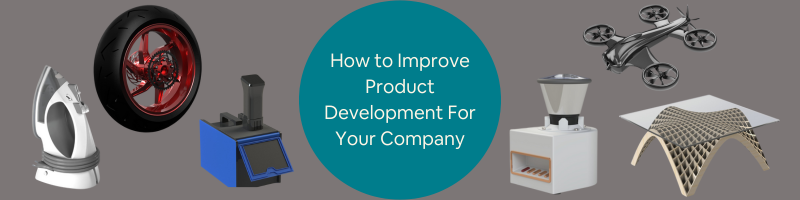
How to Improve Product Development For Your Company with Engineering Firms & Design Consultants


Product design is a complex and interactive process that involves a range of stages, from ideation through to final product launch. Those companies charged with creating innovative, high-tech products are those that engage the services of engineering companies and design consultants within a top-shelf firm like Cad Crowd, gaining access to world-class expertise as well as thinking outside the box. The secret to enhancing your product development is finding out how partnerships function, the value that they add, and how to infuse their input into your operations without interruption.

This article discusses the best practices through which companies can maximize their product development through partnerships with engineering design firms and design consultants. We will dissect the advantages, the process involved, and the step-by-step steps towards a successful partnership that yields innovative and market-ready products.


🚀 Table of contents


The role of engineering firms and design consultants in product development

Product development is the practice of bringing together various disciplines in order to turn a product into something not only functional but also desirable and saleable. The two major actors in this role are engineering firms and design consultants, each with its own capabilities.

Engineering firms undertake the technical component of product development. They specialized in areas including mechanical, electrical, software, and industrial engineering. The primary role is to translate abstract designs into concrete, functional products, ensuring that a product is not just functional and reliable but also manufacturable in volume. They also provide valuable insights regarding materials, processes, and technologies required to make the product function effectively in the real world. Their experience makes the design functional, safe, and inexpensive to manufacture, filling the gap between the original concept and the finished product.

Design consultants, on the other hand, focus on the UX and look of the product. They dive deep into how the product feels, looks, and engages with the end-user. Design consultants make the product appealing to the target consumers by focusing on aspects of form, functionality, and ergonomics. They use creativity and market knowledge to create a design that not only works but is also stunning and in sync with current fashion trends. Keeping abreast of the consumer’s taste, they position the product so that it stands out among others in a competitive market.

Together, engineering companies and design consultants offer a balanced solution to product design services. Engineering companies offer technical accuracy and functionality, while design consultants ensure the product resonates with the consumer on an emotional level. The combination creates innovative and sellable products.

product design of a smart watch and glass cup by Cad Crowd design experts

RELATED: A guide to electronic product design for manufacturing with PCB design firms & engineers

The benefits of working with engineering firms and design consultants

Collaboration with outside experts, including design consultants and engineering companies, can make a significant difference in product development. These partnerships enable businesses to access top-tier talent, innovate more effectively, shorten time-to-market, and reduce costs and risks. By merging the skills of engineers and consultants, companies can achieve better product outcomes and avoid costly mistakes. The following is a closer examination of the specific benefits these collaborations offer.

Expertise and specialized knowledge

One of the strongest arguments to collaborate with engineering firms and design consultants is the level of expertise they can provide. Engineering design experts, whether they are making it manufacturable, ensuring it meets industry standards and laws, or dealing with challenging engineering issues, are able to handle the technical issues that can otherwise slow or halt a project. They can make sure that a product can be produced effectively and safely, and it meets all specs required.

Alternatively, design consultants provide insightful perspectives in areas such as consumer behavior, usability, and ergonomics. They are experts in knowing what the target market likes and making a product functional and user-friendly as well as pleasing to the eye. Through working with such an expert, businesses are able to design products that are market-friendly, user-friendly, and market competitive.

Innovation

Having outside experts collaborate with them also creates innovation. Design consultants and engineers introduce new ideas and innovative solutions that may not be conceived by in-house staff. These specialists are used to thinking outside the box and generating solutions that go against the norms. For instance, an engineering company can propose a new method of production that reduces costs or extends the lifespan of the product. In the same manner, design consultants can bring in new materials, beauty, or functionality that enhances the product’s value to the consumer.

The inclusion of consultants in the design process ensures that companies stretch the limits of their product ideas and find opportunities for differentiation they might otherwise not have discovered on their own without assistance. This surge of innovation and expertise can lead to more breakthrough products well-positioned to seize the marketplace for consumer product design companies.

Less time-to-market

Collaboration with professionals will easily accelerate the development cycle. Engineering companies and design consultants typically have well-documented processes and design tools that facilitate straightforward testing, prototyping, and design. They also possess experience with numerous projects, enabling them to foresee potential challenges in advance so the team can take proactive measures to address issues before they impede progress. Moreover, these experts can quickly prototype and test ideas, thus shortening the time required to transition from conception to completion.

The faster one can get a product into the market, the faster it will start making money and building brand recognition. Companies can significantly minimize their development timeline with the assistance of external specialists and become the leaders in constantly evolving industries.

Cost efficiency

Though outside consultant and engineering firm costs are a drawback, the initial upfront price, the initial upfront price is a drawback, they can actually end up saving enormous amounts of money. Engineering companies are valuable at finding and fixing design faults prior to these being turned into money-wasting production problems. Through making things more manufacturable, companies allow products to be manufactured cheaper and thereby save materials and production dollars, such as through design for manufacturability services.

Cost savings by product refinement are also designed by design consultants for the sake of meeting user needs and market requirements. A product that is appropriately designed in the first place will not need redesigning or costly rework. Consultants save companies from expensive mistakes, such as designing a product that people won’t appreciate or one that fails to perform as designed in the real environment.

Mitigation of risk

Third-party experts have a sense of caution, enabling companies to avoid risk at the onset of product development. Design consultancies and engineering companies have a third-party perspective, detached from the design process and therefore able to point out problems that may be missed internally due to bias or expertise. By detecting such risks early on, i.e., probable safety issues, manufacturing problems, or usability defects, experts can come up with solutions that prevent secondary, bigger, and more expensive issues.

Identifying errors is important to prevent delays, expensive product recalls, or lawsuits that could harm the business reputation. With the counsel of experts, companies can tackle challenges head-on, gaining a smoother and more successful product launch.

In brief, co-operation with design consultants and design engineering firms has several benefits. From innovation and experience to reduced times to develop, cost savings, and risk elimination, such co-operation can make the product development process. Through the leverage of the experience of external experts, companies can develop more successful products and gain a competitive edge in the competitive market.

How engineering companies and design consultants improve the product development process

Product development is a multi-faceted process involving numerous factors such as design, cost control, user needs, manufacturability, and compliance with regulatory legislation. Design consultants and engineering firms are the main protagonists in this process, providing professional guidance that shortens the development cycle, enhances performance, and ensures commercial success. By collaborating, they offer essential guidance at every stage of the product life cycle, ranging from conceptualization to completion and manufacturing. Now, we will explore how design consultants and engineering firms assist with product development in the following areas.

A) Development of clear requirements and specifications

The first part of any product development project is to create well-defined, actionable requirements. This is the most critical stage because it sets the tone for the remaining development process. Both design consultants and product engineering companies utilize their expertise to translate them into solid technical specifications.

Engineering input

Engineering companies play the central role at this point in specifying and designing the technical specifications needed in a bid to realize the product. This entails making decisions regarding the materials that will be used, the performance levels that are desired, and the manufacturing methods. Engineers also need to ensure that the product will be technically possible and can be constructed within the intended budget. They also take into account pragmatic considerations like print durability, safety, and legality that prevent problems down the line that might jeopardize the product’s launch.

Design input

Design consultants bring a creative input. They are user experience-focused, though. So the product is not only beautiful, ergonomic, and easy to use. They define the user interface, visual design, and functionality from the consumer perspective. These are basic factors, as whether or not a product works also hinges upon whether or not it is acceptable to the ultimate consumer. The design consultants would reassure that the product design would be appealing to its target consuming audience and at the same time adhere to the brand identity.

This collaboration between designers and engineers makes sure that everyone involved in the project has a clear vision of the project constraints and objectives. The outcome is a clearly defined roadmap that reduces the risk of scope creep and maintains the project on course.

RELATED: Master product design costing: Top strategies for CAD services companies & freelance designers

Product design of a watch and RV camper by Cad Crowd design professionals

B) Prototyping and iteration

After the first-stage design requirements, the second major phase of the product development process is prototyping. Through prototyping design engineering services, designers and engineers are able to experiment with their concepts in real form, receiving useful feedback regarding how the product will behave in real life.

Engineering perspective

For engineering companies, a prototype serves as a test demo for technical performance. They ensure that the product can be produced in volume and that it passes required safety testing. Engineers also test the product’s performance and durability under different sets of conditions. This is a crucial component of detecting and correcting any design defects prior to large-scale production. If the prototype either does not perform or fails to clear regulatory tests, the engineers will return to the drawing board and redesign until it is functional and producible.

Design perspective

Prototyping for design consultants is an opportunity to refine the design and user interface of the product. Designers pay attention to things such as how the product appears, feels, and how the product and user interact. They keep a very close eye on ergonomics, usability, and design appeal in general. Feedback from user testing, for example, from individual user interviews or focus groups, will most likely yield the richest feedback that will influence design development. Evolutionary design changes ensure not only that the product is useful but also that it is salable and appealing to consumers.

The iteration and prototyping stage is a joint effort, with designers and engineering design firms closely working together. Through testing the prototypes, technical and user feedback are integrated, and the product progresses towards its final product. Iteration is vital in helping find and solve problems early on before making expensive errors later.

C) Simplifying manufacturing and supply chain

Design and functionality of a product take precedence, but manufacturability and getting it to the customer are just as critical. Engineering companies are notorious for taking the lead in these aspects, ensuring the product can be scaled up for cost-efficient and effective manufacturing. Design consultants ensure the product design is scalable for production without sacrificing user experience.

Engineering’s role in manufacturing optimization

Engineers are responsible for selecting suitable materials, establishing production techniques, and simplifying production processes. They are interested in ensuring the product can be produced in high volume within budget constraints while maintaining quality. Engineers may suggest design modifications that make production easier or cheaper, such as simplifying assembly processes or using substitute materials that reduce the cost of manufacture without loss of function.

Design’s role in scalability

Design consultants ensure the product design can be mass-produced. They ensure the design will be uniform and function correctly if mass-produced. This is particularly important in consumer goods, where design elements must be duplicated exactly across enormous quantities. By finding a balance between manufacturability and aesthetics, designers ensure the end product is not only functional but also maintains its original appeal once mass-produced. Design for manufacturability services specialize in harmonizing these two qualities for mass production.

Collaboration between engineering companies and design consultants is paramount in supply chain optimization. While the engineers focus on minimizing production costs as well as manufacturing processes, the design consultants make sure that the end product is not only visually appealing but also easy to use and aesthetically consistent. The collaborative approach guarantees that the product is not just producible but also affordable and competitive in the market.

D) User-centered design and feedback loops

In a competitive market, the key is integrating customer feedback into the product development process. Design consultants gather and analyze user feedback to ensure that the product satisfies the needs and expectations of its customers. User testing, focus groups, and surveys are used by designers to get valuable insight into how the product functions under everyday conditions.

Engineering’s role in feedback integration

As user feedback is being collected by design consultants, engineers make sure that user-driven modifications do not harm the product’s functionality or manufacturability. Engineers make sure that design modifications are technologically viable and won’t adversely affect the product’s performance or safety. This dialogue offers a cycle of feedback constantly improving the user experience of the product without jeopardizing technical integrity.

This ongoing process of refinement and upgrading is necessary for the creation of a product that not only satisfies user requirements but is functional, durable, and producible at high volume.

E) Cost optimization and efficiency

Cost minimization is the key issue for every business in product development. Product design experts and engineering companies work together to find cost-saving opportunities without impacting the product quality and creativity.

Engineering’s role in cost optimization

Engineering companies can provide more affordable materials and production processes that can lower the cost of production. For instance, they can suggest the use of substitute materials that are less expensive but just as good in terms of performance. Manufacturers can also be streamlined by engineers, minimizing labor costs and maximizing efficiency.

Design’s role in cost efficiency

Design consultants will be in a position to recognize unnecessary parts or features that can be cut out or simplified to lower production costs. They can recommend design modifications to simplify the manufacturing process or lower assembly costs. Designers keep the product affordable and yet make it viable for the market by emphasizing essential features and cutting out the unnecessary ones.

By maximizing both design and engineering considerations, companies can design products within their budget and yet have the required quality and functionality.

Best practices for working with engineering firms and design consultants

To maximize value from working with engineering firms and design consultants, and even manufacturing design services, companies must follow some best practices that promote cooperation and result in successful product development.

A) Clear communication and alignment

From the beginning, there must be clear communication among all parties. Design firms and engineering firms must learn your company vision, objectives, and target audience. Frequent meetings, transparency in communication, and documentation keep everyone on the same page throughout the development phase.

B) Set realistic expectations

Development is a complicated process, and hurdles are always present. Setting realistic expectations on timescales, costs, and results allows it to be possible to deal with any unexpected obstacles. Having contingency plans and an open line of communication available ensures that derailments can be corrected on an expedited basis.

C) Create synergy between designers and engineers

Promoting coordination among designers and engineers makes it simple to identify issues early, which creates innovative ideas and brings both sides of the product together without conflicts. Cross-functional teams have the ability to introduce diverse ideas to the project, which is what makes the project innovative and effective.

D) Continuous feedback and iteration

The process of product development is a circular one, and feedback is to be included at each step repeatedly. Expert engineering design consultants have very crucial roles to play in including testing feedback, user feedback, and market feedback into the product development process.

RELATED: How much does NPD cost? Rates & pricing for services at top design companies

Product design rendering of a smart TV and SIM racing rig by Cad Crowd design professionals

E) Have a long-term partnership

Long-term associations with engineering firms and design consultants could lead to improved and innovative product development. Over time, the partners come to know your business objectives and beliefs better, making it easier to work with a quality output.

Starting from establishing clear requirements and specifications to streamlining the production process and integrating users’ input, their technical know-how makes products functional, producible, and user-friendly. By promoting teamwork, establishing realistic expectations, and establishing open lines of communication, firms can deliver high-quality products that satisfy consumers’ requirements and business goals.

Conclusion

Product development is not just enhanced by technical knowledge or creative design—it’s the way one brings the two together in a team setting. By collaborating with engineering companies and design consultants, businesses are able to leverage specialized knowledge, drive innovation, and simplify their development process. What emerges is not just a product that functions, but a product that interacts with users and dominates the market.

How Cad Crowd can help?

By adhering to best collaboration practices, defining clear objectives, and implementing an iterative process, your business can realize the full potential of these partnerships and introduce into the market products that are not only useful but also innovative, user-friendly, and affordable. Collaborate with Cad Crowd to achieve success as you deserve. Request a quote today.
author avatar

MacKenzie Brown is the founder and CEO of Cad Crowd. With over 18 years of experience in launching and scaling platforms specializing in CAD services, product design, manufacturing, hardware, and software development, MacKenzie is a recognized authority in the engineering industry. Under his leadership, Cad Crowd serves esteemed clients like NASA, JPL, the U.S. Navy, and Fortune 500 companies, empowering innovators with access to high-quality design and engineering talent.

Connect with me: LinkedInXCad Crowd