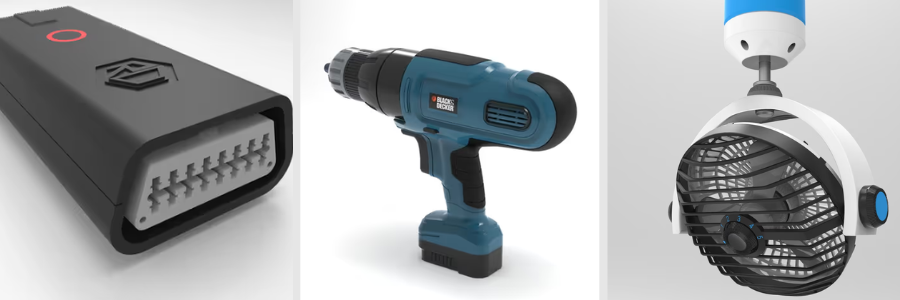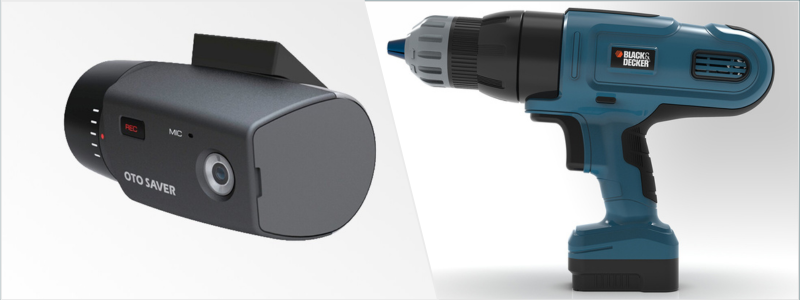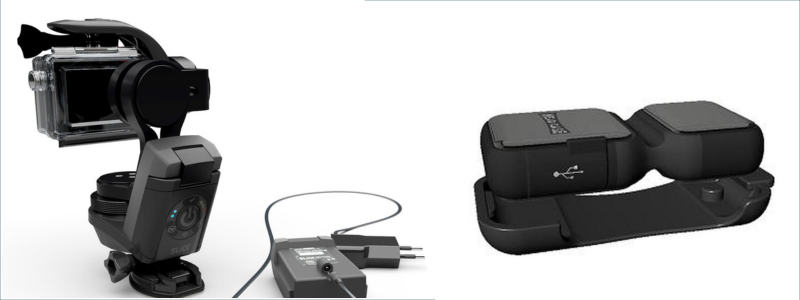
Why does your business need product engineering services for innovation and acceleration? The irony is that the need for innovation in your business seems to disappear into thin air. On one side, it is as tame as your pet, and on the other side, it wanders into the woods, making you go whiteboarding, assuming that overall competition is three steps ahead of you with product innovation. This is exactly the need for product engineering services. It helps one not roam aimlessly in the woods with a foggy forest sense of innovation, with expert hands waiting to reach out to help with product engineering.
Product engineering services are the unsung heroes of making the business grow. It is what makes dreams come true, giving a person the chance to make his biggest dreams come true without losing his mind in the process. In a way, product engineering services are all linked up to a set of skills that are a deep knowledge base of how things work, markets, and people’s responses when interacting with things, all mixed with a dash of problem-solving skills, specifically a workflow that ensures design disasters don’t happen, which helps take your product from that cool, hot new gadget that can heat things up faster than a toaster to a software upgrade that crashes when someone sneezes on it.
It becomes even simpler when you have a solid platform such as Cad Crowd, and the best of the best rise to the top with relative ease, except for the freelancers who are, in fact, experts at what they do. Instead of embarking on a mission to scour profiles that are pretty much the same, almost, with your hopes resting on your second cousin’s friend probably being a design guru, Cad Crowd brings you people who actually know what they are talking about.
It’s a masochist obstacle course, and fun is had watching top executives break a sweat. The customer’s needs are never satisfied, with technologies that are changing on a daily basis and a new competitor that looms every night in the marketplace. Even the most stable industry is being forced along by an unseen power that urges, “Move faster, or be gone.” It is a certain degree of innovation is required to survive. It is not the loose innovation that is idle, but the sprinting innovation. This is essentially saying that one has to produce innovations, prototypes, execute prototypes, take feedback, design, and develop a product that customers are passionate about, all before the competition even gets in.
In fact, it is one of these problems that can turn even what appears to be a shy-looking squad into a desperate, frantic, and solution-seeking mob. Product engineering services are a way to give order to the chaos that is evident in product development experts. Through product engineering services, organizations are assisted in harnessing the force of pressure to their advantage in product development. It is not a situation where organizations have to grapple with competition, but are now the ones who derive advantage from outsmarting the competition. It is no longer a game of catch-up in the race for technological advancement, but a force that propels organizations towards faster development.
How to turn ideas into product reality without losing your mind
Every single human being has thoughts. Every thought is an idea. Ideas are cheap. They are, of course, stellar; some of them are a little dubious, but some of them are such that they should never see the light of day, safely locked in a bank vault. Then, the problem is to separate them, to see which ones are worth the trouble, to develop them into a product that is usable, that is marketable. And that is no easy trip, no easy ride. Most businesses forget how many decisions need to be made, not to talk of headaches that come with advancements in technology. It is no easy job to get a product together, yes, to make a multi-tiered cake with your eyes closed.
The services delivered by product engineering expert designers make it easier for a person to remove the blindfold from his eyes, as they provide a real recipe for him. Being part of the development, they are aware of how your idea should be developed. They help develop your idea, assess its feasibility, and deliver it as per your vision, what the markets want, and a plan to avoid accidental disasters. Not only development, but they are experts in developing a balance between development and feasibility, which, when developed, is impressive as well as useful.
The second reason is that working with product engineering experts would eliminate a situation where something has been developed, that is, a product, where customers would tilt their head to say, “customers tilt their head to say, ‘Interesting, but why?’” The product engineering experts are going to make sure that what is being developed is what is desired and is worth a pretty penny.
Smarter, faster development with no corners cut
It is evident that one of the most dominant factors for every single business is to simply get going quickly in the marketplace, but it also has some really embarrassing product launches. There are reels and reels of instances of products that were launched quickly in the marketplace, which ended up with disastrous effects, as there were a number of reasons – some buggy, some are harmful, and some, although useless, are merely that. There is a thread that connects all these instances, which is the development that happened quickly with relatively less engineering input for engineering design firms.
In this way, these product engineering services are going to make the companies faster, smarter, more structured, and sustainable. The product engineering services offered accelerate company development by improving workflows, leveraging the latest technologies, and leveraging real knowledge. It is a process that helps a business cut no corners but go around them. It helps businesses cut no corners but eliminate the unnecessary waiting. This has geared the organizations towards achieving competitive advantage when launching new, innovative products and entering markets before rivals, with a promise to deliver high-quality products.
Speed with precision is one of the most significant advantages that come with partnering with experienced engineers. For instance, there is a website called Cad Crowd that connects businesses with the best engineers and designers in the world who are capable of handling the product from design to completion with efficiency. The website also connects businesses with freelancers who are capable of handling the timeline of a project with quality work.
Smarter engineering = lower prices
Additionally, most businessmen believe that the incorporation of freelance engineering experts would cost them a lot to carry out the task. Most of the time, this is contrary to the fact because professional engineers reduce costs by preventing problems from happening, which would be costly to repair if they occurred. It is many times more expensive to correct a design error in a mass-produced product than to correct it when the product is initially designed.
Product engineering services might be the solution to overcome such difficulties because they identify inefficiencies, indicate areas where costs could be optimized with respect to materials and processes, and highlight potential problems that could prove costly. Smart’s best engineering practices ensure the feasibility of this potentially costly development process through their solutions. The cost is used entirely for better product development, unlike repairing those errors that should have been prevented.
It is here that the most delicate stages of prototype design services and product development take place, before the launch of the product. It is here that dreams are made to change from success to failure within a short span of overnight success. It is because here the product prototype may realize that what seemed awesome on paper is, in fact, a temperamental product with buttons that are stuck together, things that fall apart, and software that hangs during the most critical stages. The product engineering service also takes into consideration the relevance of prototypes.
They go on with the development of prototypes, which are accurate representations of real life. The prototypes are also subjected to tests to identify their strengths, weaknesses, usability, safety, and speed. This is part of what is supposed to happen with a view to determining what is working out and what needs improvement. Prototyping is not a laughing matter; it is research, a trial, or a revelation of the truth. It is only after a set of tests that the engineers are confident that the final product is going to offer a user-friendly experience, unlike an experience that can make the user furious.
The product’s robustness is also tested by engineers with unpredictable scenarios likely to come from the customer, such as throwing, bending, poking, shaking, pushing, and even acting as a paperweight. The phases that go into the construction of prototypes can also be taken care of by freelancers on the Cad Crowd platform. The skills required to implement 3D modeling design services, prototypes, and mechanical testing, among others, are carefully considered by freelancers on the platform.
User Experience is the feel that the customer experiences when they are actually using a product. If a product is engineered in a proper way, User Experience provides customers with a sense of trust, comfort, and happiness. On the other side, when it goes south, customers should feel that sense as if they have made a bad life choice. The product engineering service includes the idea of user experience design on various interfaces during the product development life cycle. Product engineers analyze the nature of product attributes, including ergonomic design, user interface design, usability, user comfort, and mechanisms that provide user feedback.
The aim is to develop a user-friendly, comfortable, and even delightful product to use. Such a user might find that the design engineering service brings him amazing satisfaction. They cannot resist the products that might be solutions for problems with such a lucid approach. A design that reads his mind really impresses such a user because it is surely user-centric. So what that means is it’s a lot of product engineering. It brings together technology, design, and behavior. The goal is to make a product, but on top of that, it’s critical that when people use it, it feels right.
Strategic risk-reduction approach
With every product, there is promise as well as danger. Every single business has had a trial by choice from the moment it started, a choice to produce a product, which means that even with the best design plan on earth, the path is fraught with hidden dangers waiting to strike in the background at every opportune moment. The hidden dangers are going to strike, whether in design, production, compatibility, regulatory, supply chain, or software. The product design services minimize such risks with careful planning and expert execution.
Such problems that product engineers do not need to address themselves include those that are already in production. It is apparent that they can even predict potential problems before they happen. Other people, who are also non-experts, would be surprised to find out what might go wrong, which is already known to product engineers. This is the way that gives an individual a sense of confidence. Unlike pacing with a sense of care because of uncertainties that are bound to exist, organizations can progress with utmost confidence.
The sense that complexities will be handled by experts gives the top-level management enough scope to look after marketing, strategy, brand, and distribution. The overall effect is that there is a significantly more compact process from concept to completion, with significantly fewer nights of frantic calls, design changes, and unsalable inventory.
Scalability for growing businesses
Not all growth, naturally, occurs in exactly this manner. It can sucker punch us in the face, ambush us when that welcome guest arrives with a welcome splash of panic, along with a splash of joy. Then, once a business is airborne, a call for more product and faster development cycles ensues. Product engineering services add scalability to businesses. This means that businesses can actually scale up in terms of development and growth, even though they might not have engineers for everything within the business.
This is necessary for small- to medium-scale consumer product businesses, as they are interested in development but do not need a large engineering team within their establishment. Even more challenging tasks can now be accomplished with the assistance of engineers. Businesses can now determine whether to use such tasks to expand the product into other markets, including adopting the latest technologies. The whole development task can now take as long as a person wants, with a more consistent development process, unlike all over the place.
This is even more important in magnitude because Cad Crowd is going to expose this particular instance of the project to a worldwide freelance community. This may very well be what is required to make design inputs, temporarily at least, or even engineering inputs, but what is required is certainly more than what can be managed with the best people on board.
Innovation, innovation, innovation!
Innovation is what playing the game of the modern customer is all about. Too much quality is ruining the customer. It finally gives them a realization that improvement, maximization, and innovation are necessary. Customers want more, better, faster, stronger, and smarter, irrespective of what is being offered to them. The moment a company reaches the pinnacle, something better is offered, which the customers switch to.
This would ensure that corporations have a constant need for innovation, as they upgrade existing products not only to provide new technologies but also to introduce changes that keep customers interested and maintain the brand in a fast-moving sector. The new product concept design companies that have the ability to maintain such innovation are mostly the ones that have a phenomenally high level of customer loyalty. This is because it provides customers with a sense of importance by listening to their feedback and delivering improved products, which is a promise of the product.
Technology is improved and upgraded uninterruptedly at a rate that seems, for some reason, vindictive. The minute one has learned what is happening, it is already replaced by another one that has been waiting in the wings, waving a flag and saying, “What is keeping you so long?” Artificial Intelligence, Digital Prototyping, Robotics, Smart Sensors, Machine Learning, and Materials Science are a few of the names from the dozens of technologies that have impacted how your products are made.
Product designers support the use of such technologies in businesses; otherwise, a business involving such a technology might end up being disrupted. In this context, product engineers employ such technologies in product development, enabling faster, more accurate development and creative problem-solving. Technologies such as 3D modeling, simulation, and generative design culminate in a certain competitive advantage for such businesses with a prototyping, simulative environment.
In contemporary engineering practices, organizations can respond faster with better decisions, yielding better products, compared to those that use the traditional engineering approach. It is considered competitive because technology is a requirement, not a complementary element. Cad Crowd connects clients with contractors who are some of the earliest to use developments in technological advancements. The contractors that they bring with them come with a set of perspectives that are highly advanced in terms of technological skills.
Product engineering is a team process. It is, of course, known to thrive when teamwork is desired. There are so many benefits to a fresh perspective, as engineers are forced to interact with designers, producers, marketers, managers, and customers. The skills are diverse, and once they come for the solution, this solution is optimized. This is probably the most creative piece, where different ideas conflict, melt, and coalesce into a full idea. The product engineering service minimizes this intersection point.
The partnerships that result from the corporations, through the design engineers, open an entirely different set of perspectives, thus a different level of innovation. The innovators come from different backgrounds, technologies, and design ideologies that, in themselves, might ignite innovations that would never occur in a closed environment. The most important strengths are that “great product engineering” has a synergistic effect on a team. It avoids tunnel vision from taking place.
Innovation as long-term strategy
Innovation is a commitment, not a moment. It is the hard work that takes businesses on a journey of growth when they are thinking of engineering as a strategic investment. It is a culture of improvement, experimentation, and innovation that businesses adopt over time. Contribution streams, on the other hand, are channeled through product engineering services that are known to be a good fit when it comes to the life cycles of different products.
Whether it is the development of “the first,” “the fiftieth,” or even “the hundredth” product for the business, the aim of product engineering, as far as its purpose is concerned, would remain the same, which is to make all products shine with intelligence and customers at the forefront. Investing in engineering is essentially investing in the future. The bottom line gives businesses what they need to react, compete, and succeed in a rapidly changing marketplace. It is these businesses that learn the significance of the bottom line, which culminates in giants in their own right.
Product engineering services bring clarity, vision, as well as competitive advantage. This is with the aim of ensuring that workable solutions are developed. The development process would take a faster rate, with no compromise on the quality. It would also result in a better user experience in the long run, owing to the fact that it is set to reduce the cost of production complexity for the enterprises.
It has assisted enterprises in staying up to date with technological advancements, meeting client demands, and capitalizing on opportunities. This, in short, is a way of stating that product engineering services have matured to the point of being a matter of economic force, rather than a matter of economic choice, within an industry that is desperately seeking a means to innovate, never mind grow.
How Cad Crowd can help
What Cad Crowd brings to the table is taking it to a different level, thanks to the fact that there is a community of freelance 3D design talent that is comprised of the best that the world has to offer. Additionally, that is what gives every project a touch of distinction in terms of engineering, creativity, and professionalism. Now that you are set to turn your vision into fantastic products, benefits, and so on, it is high time for your considered input. Contact us for a free quote.
MacKenzie Brown is the founder and CEO of Cad Crowd. With over 18 years of experience in launching and scaling platforms specializing in CAD services, product design, manufacturing, hardware, and software development, MacKenzie is a recognized authority in the engineering industry. Under his leadership, Cad Crowd serves esteemed clients like NASA, JPL, the U.S. Navy, and Fortune 500 companies, empowering innovators with access to high-quality design and engineering talent.
Today’s post explores the best modern inventions that changed the world with design innovation and exciting product ideas. During the past 30 years, the modern age has witnessed a nuclear burst of creativity in the shape of innovative ideas that have transformed the way human beings work, live, communicate, and think. Behind this revolution of design are product designers, inventors, and thinkers across backgrounds-and companies such as Cad Crowd that encourage them.
Cad Crowd is a very expansive website, making it achievable for the new inventor and veteran inventors in bringing the dream to a reality with the accessibility of professional product design, CAD modeling, and prototyping services. From a long device running for years everywhere to an implant added years to lifespans, innovation is not left strictly for the privileged few. Design innovation is teamwork-and Cad Crowd enables it.
1. iPhone
Steve Jobs’ first iPhone rolled out in 2007 revolutionized communication. With its paper-thin touchscreen, support for apps, and built-in camera, the iPhone was not just a phone – it was an über-powerful computer in the pocket that inserted the internet, GPS, camera, and music into every pocket. The product spawned new industries that revolutionized products, user experience, and software integration. Its cutting-edge design and smooth silky interface set the standard for what consumers wanted their phones to be able to do and set the stage for smartphones of today. With more than 2 billion iPhones, its domination of mobile commerce, culture, photography, and social behavior can’t be surpassed in the tech world.
2. Tesla Electric Cars
Electric vehicles preceded Tesla, but Tesla made electric hot. Elon Musk’s gambit introduced high-performance, long-range electric cars such as the Model S and Model 3 that were not only green, but speedy, luxurious, and technologically sophisticated. Tesla’s spartan interiors, massive infotainment screens, and aerodynamic, swooping designs led the old-line automakers to question the nature of transportation itself. From over-the-air software updates to semi-autonomous driving features, Tesla led the automobile industry down a greener, more software-based road. All of the big automakers have EV plans now, but it was Tesla that lit the fire with the brilliant combination of automotive design & engineering magic and styling that turns heads.
3. Consumer & Industrial 3D Printing
3D printing or additive manufacturing altered how stuff was produced. Although it began in the 1980s, it was revolutionary and mainstream the past 30 years. It allows for the re-printing of digital data into physical form through plastics, resin, or even metal. From proof-of-concept phone cover to production of complex aerospace parts, 3D printing services allow for concept iteration quickly, bespoke design, and mass production globally. Produced in home-made do-it-yourself workshops by amateur engineers, architects, artists, and inventors, it has been used at will to produce objects of functional use. In aerospace and medicine, it’s transforming the component-fabrication process. It’s design freedom, on steroids.
CRISPR-Cas9 appeared in the 2010s as a gene-editing mechanism with the capability to change the course of medicine, biology, and agriculture. Scientists Jennifer Doudna and Emmanuelle Charpentier worked on the revolutionary technology of this phenomenally sharp cutting and editing of DNA with unmatched precision. It is already being applied in research to cure genetic disease, create disease-resistant crops, and study inherited disease. Despite ongoing ethical controversy, the promise is vast: a cure for sickle cell anemia, prevention of inherited blindness, or even cure for some cancers. CRISPR accelerates gene editing to be quicker, cheaper, and more precise-perhaps the most important biotechnology breakthrough of the last few decades.
5. GoPro Camera
GoPro camera was originally such a compact cam, though not first. Surfing, skydiving, or mountain biking aside, the rugged, small camera could capture high-definition footage in extreme conditions. Action sports videos, vlogging, and social media all stood to gain from Nick Woodman’s 2004 invention, which changed the way people documented their lives. Artists and adventurers love it for its wide-angle perspective, underwater setting, and sleek design. GoPro demonstrated the greatest camera is the one that’s on the ride, whichever it is.
6. Ring Video Doorbell
Ring Video Doorbell is a small gadget equipped with camera placed in the front door of a house which enables owners to see, hear, speak and interact with people through the smartphone. Developed by Jamie Siminoff in 2013. It changes the way people deal with packages, deters porch pirates, and saves lives. The product is ideal for today’s homes since it is simple to use and move around. Its popularity also spawned the rapid expansion of home-based applications and intelligent home security systems.
7. Dyson Airblade Hand Dryer
Goodbye to the obnoxious, energy-hungry blowers. With the introduction of the Dyson Airblade in the mid-2000s, the public restroom experience was forever changed. Propelled by powerful yet blade-free technology, it hand-dries in 10 seconds by stripping water off skin with high-velocity sheets of air. It’s space-efficient in its design, clean, and energy-efficient-appropriate for use in airports, malls, and even office spaces. The Airblade not only saves time, but it’s also cleaner than paper towels and old-style dryers. Dyson’s ability to bring engineering elegance and minimalist industrial cool together makes this the least subtle powerful innovation in daily design.
8. Oculus Rift (Virtual Reality Headset)
Virtual reality was reborn with the Oculus Rift. It was created by Palmer Luckey and funded through crowdfunding in 2012, reopening global attention to virtual worlds of total immersion. The Rift enabled people to be more immersed in games, simulations, and virtual worlds than previously possible due to such elements as head tracking, stereoscopic 3D vision, and natural motion input. The Rift’s ungainly, goggle-like look has been a VR pop culture icon. Oculus’s acquisition by Facebook in 2014 set up the consumer virtual reality space and gave a benchmark to its competitors, including HTC Vive, PlayStation VR, and Meta Quest. The Rift brought virtual fantasies into reality, whether you were training, traveling, or playing games.
The Roomba makes cleaning almost seem like a pleasure. Introduced by iRobot’s product engineers in 2002, this disc-shaped robot employed sensors and intelligent navigation to clean floors on its own. It became the family assistant nobody knew they needed. Its disc shape rolls under couches and makes its way through spaces with irresistibly clumsy charm. Year by year, Roombas were getting smarter-app control, dirt detection, and self-emptying. For busy households, pet owners, and techphiles, it’s a game-changer. By turning ordinary chore into a smart one through smart design, Roomba swept us off our feet in an ocean of love by homeowners and gadget freaks alike.
10. Kindle eReader
Amazon Kindle changed the book business. Its 2007 launch came with a clear, paper-like screen powered by E Ink technology that made it ideal to read electronic books. No glare, no carrying around stacks of paperbacks-just one thousand books in your hand. The battery lasts weeks, and later generations are waterproof and backlit for night reading. The Kindle didn’t revolutionize books-it revolutionized publishing for indie authors and the way people read. It’s an ageless example of clever design combined with digital technology to improve a human activity that’s been around forever: reading.
11. AirPods
When Apple introduced AirPods in 2016, everyone didn’t know what to do with the white sticks. Not for long. The wireless earbuds were a design and pop culture phenomenon. They fit snugly together, played superbly, and came in a neat case that charged them too. Wirelessness seems like something straight from science fiction. AirPods also introduced new controls like tap and voice. Their sleek, understated design became ubiquitous, popping up everywhere. Straphanging on the subway, pumping iron, or calling someone, customers felt the freedom. Apple converted the humble headphone into a fashion and technology symbol.
12. Square Payment Reader
Converting phones into credit card readers, Square leveled the playing field for business transactions. Started by Jim McKelvey and Jack Dorsey in 2009, the small white reader that plugged into the headphone jack of a phone made every individual available for payments, from food truck owners, to street vendors, dog walkers, and house painters. It democratized small business. The design is minimalist, sleek, and nearly playful. Keeping track of sales and even stock was easier with the Square app. Square revolutionized access to finances as it grew into a full point-of-sale platform. Square gave back control to vendors in an age of easy cashless payments.
13. Tile Bluetooth Monitor
Lost your keys once again? Tile is on your side, so do not fret. Released in 2013, the Tile Bluetooth trackers leverage a paired app to assist in locating misplaced items. Simply attach one to a wallet, purse, or TV remote and ring it on your phone, or find your phone by double-pressing the Tile. Thin profile fits neatly into everyday objects, and crowd-finding feature allows for recovery of lost items from other nearby Tile owners. The final combination of practical technology and intelligent design makes this app invention from the app developers the best choice for the forgetful. Tile stood up for the ordinary things and let humans catch their breath, one chime at a time.
14. Nest Learning Thermostat
Co-designed by ex-Apple engineers Tony Fadell and Matt Rogers, Nest Thermostat gave brains to home heating and cooling. Launched originally in 2011, this svelte, cylindrical device learns your schedule and adjusts temperatures automatically. With its swoopy lines and low-slung look, it snuck into contemporary homes without screaming “technology.” Nest also saved energy by feeling a presence. It might be operated via smartphone, so climate control would be intelligent and frugal. The gorgeous look and machine learning-based cleverness of Nest set the standard for smart home products to follow, showing that smart design is penny-pinching-and planet-saving.
Spotify did not invent music streaming, but it made it inevitable. With its user-friendly interface, highly personalized playlists, and mighty suggestion algorithm, Spotify, which was founded in 2008 by Daniel Ek and Martin Lorentzon, revolutionized the way individuals listened to, shared, and discovered music. Individuals could now browse millions of songs with ease and legally, eradicating music piracy and allowing musicians all over the world to make music. Moments like Wrapped turned culture listening into an event, and smartphone tested playlists. Its algorithm is hooky, its potential boundless, and its polishing modest. Spotify turned music into a live, social, and deeply personal score of life.
16. DJI Phantom Drones
Aerial photography was made famous by DJI and their Phantom drones. These drones have a white plastic body to protect its electronics. Drones are usually equipped with GPS and camera stability, and must be controlled with smartphone control. Drones are also used to capture cinematic video for vloggers, real estate agents, and hobbyists. Launched at the beginning of the 2010s, it created a whole new line of consumer drones. Passengers were secure on flights thanks to safety features like obstacle avoidance and auto-return, courtesy of the beautiful design and simplicity of the flying mechanism of DJI. It made you a master of the sky.
17. Peloton Bike
Instead of just manufacturing exercise bikes, Peloton’s product designers made fitness a lifestyle. In 2014, Peloton bike married technology, software, and live instruction that was streamed to produce a dynamic training experience. Pedalers were able to pedal with real instructors, race against each other on leaderboards, and work out in the comfort of their homes. It seemed high-tech with its big screen, swooping shape, and app integration. They became especially popular during the pandemic with lockdown home gyms. It built a tribe as well as selling hardware. Peloton revolutionized the social, competitive, and so much fun at-home music workout with support and measurable feedback.
18. Netflix Binge-Watching
Once celebrated for sending DVDs by mail, Netflix woke up in 2007, and changed the entertainment game. TV shows were on-demand, ad-free, and time-of-day-limited, within an evening. Its stunning app design, autoplay, and uncluttered navigation turned “just one episode” into five. Netflix also became a major content producer, losing so-called bombdrops such as The Crown and Stranger Things. It’s this move that made Netflix unbeatable. It didn’t kill Blockbuster, so much as revolutionized how viewers watch TV. The “Netflix effect” ignited to life millions of streaming sites and ushered in the era of binge-watching originals.
19. Apple Watch
It was more than a timepiece because the Apple Watch was a wrist computer, communication device, and fitness coach. It came in 2015 with fitness tracking, heart monitoring, texting, GPS, and faces that could be changed-out of a thin, rounded rectangle case. Subsequent versions included ECGs, blood oxygen, and crash detection. With intuitive integration into the Apple world, it was an extension of the million-strong way of life.
20. Foldable Phones
Foldable phones were science fiction but aren’t. The revolutionists were Huawei, Motorola, and others following Samsung’s launch of Galaxy Fold in 2019. They used bendable screens, consisting of flexible OLEDs that morphed smartphones into hybrid tablets because it folded to fit into your pocket but opened to multitask, read, and play games. The initial prototypes were fragile but subsequent breakthroughs were driven by thinner hinges and more resilient screens. Foldables disobeyed the laws of material science, UX design engineeering services, and form factor design. They’re not for all-but they’ve opened a new frontier in smartphone design, fold by fold.
Slack transformed how businesses interacted with each other by eliminating the practice of using e-mail chains and embracing real-time chat protocols. Stewart Butterfield founded Slack in 2013 with the vision of making messaging look like it’s not inbox chaos. With Slack, its simple interface and extensive features made it easy to communicate with team members of the company, which includes sending files, group tools and pin project threads. Slack revolutionized office messaging, particularly for remote teams, and was one of the foundations of the contemporary workplace, where productivity and culture were bundled together in varying channels.
22. Raspberry Pi
Raspberry Pi drove a worldwide do-it-yourself technology revolution. The Raspberry Pi Foundation launched the minicomputer in 2012. It is smaller than an evening out for dinner, but used to perform everything from weather stations to arcade emulators. Its vision? Computing is easy and easy to learn. For its price, simplicity, and flexibility, design engineers, students, and hobbyists embraced it. It can run full operating systems, programming, hardware hacking, and internet browsing in this box. People were not just using but creating with technology because of the Pi. Building a smart mirror or programming a robot were two examples where the Raspberry Pi showed us that imagination is the result of an innovative mind and not one with deep pockets.
23. Google Maps with Street View
It made paper atlases like Google’s obsolete, but it completely changed the way we are capable of navigating, finding, and seeing the world. It started in 2005 and then was supplemented with satellite imagery, real-time traffic, and turn-by-turn navigation. But Street View, introduced in 2007, sealed the deal, where you could virtually stroll down towns and cities on 360-degree photography. Its simplicity and map density place it at number one on everyone’s lists for visitors, commuters, and even delivery drivers.
24. AncestryDNA & 23andMe Kits
Are you curious about where you’re from? Direct-to-consumer genetic testing kits such as 23andMe and AncestryDNA have introduced genetic testing into living rooms worldwide. Just spit into a tube, send it off, and in a matter of weeks you’ll receive a report on your ancestry, ethnic origins, and health characteristics. The companies use sophisticated genomics and user-friendly looks to turn dense genetic information into cheerful, clear text. For some, it’s been an opener-unifying scattered cousins, finding heritage surprises, or initiating prevention medicine. Brought to market in late 2000s, they made DNA tests popular. Despite ongoing privacy scandals, the very availability of kits has turned genetic curiosity into an activity for the family.
25. Uber
Uber didn’t invent ride-hailing, but it rebranded it for some. Launched in 2010, it transformed how people get around cities by turning smartphones into taxi-hailing magic wands. With just a few taps, a car shows up, you’re on your way, and payment is seamless-no cash, no awkward tipping. Uber’s bare-bones user experience, GPS tracking, and rider ratings infused efficiency, security, and convenience into city transport. It opened up a new gig economy for drivers and remapped the mobility strategy of cities. Provocative? Maybe. But simply revolutionary, Uber’s app-based business model, service design, and analytics-honed logistics redefined commuter culture for good-or at least forever.
26. Solar Roof Tiles
Tesla’s Solar Roof tiles put renewable energy on steroids and put attitude behind it. In stores in 2016, the solar shingles that resembled ordinary roofing shingles-thinner-than-an-inch, long-term, style-broadcasted. No clunky panels, no wires to track down, just sexy good looks and clean electricity flowing into your house. The idea wedded sustainability, technology, and style and spoke to homeowners who wanted green technology without losing curb appeal.
Haptics made glass screens work. When phones turned keyboard-free, haptic feedback is what we lost. Along came haptic tech- very small vibrations that simulate clicks, presses, and resistance. Apple’s Taptic Engine, launched with the iPhone 7, popularized sophisticated haptics. Physical feedback when you “click” a virtual button or get a light buzz from scrolling through options was made possible. This subtle feedback enhanced usability, accessibility, and immersion, particularly in Metaverse 3D gaming design services and virtual design. It made digital interfaces more intuitive and human. From smartphones to wearables, controllers, and even medical devices, haptics pervade. Tactile touchscreens showed that invisible buttons even have a right to be touched.
28. Kindle Scribe and Digital Notebooks
Kindle Scribe and other digital notebooks like the reMarkable wed the joy of handwriting with digital convenience. These E Ink tablets allow people to write notes, mark up PDFs, and draw to precision-without the interruption of apps or email. Thin, paper-thin, and made for writers, thinkers, and minimalists, they mimic the analog feel with the convenience of cloud sync and editing capabilities. Weeks on a battery, and pen writing feels natural with low-latency pens. It’s the infrequent marriage of analog feel and digital convenience. For the occasional note-taker of the finicky stack of notebooks type, these devices provide a soothing, streamlined, and efficient solution.
29. Self-Healing Materials
Imagine a bumper on a car that heals scratches or a smartphone screen that fixes cracks. That is the promise of self-healing materials-polymers and coatings that mend themselves when they are broken. They gained momentum in research since the early 2000s with nanotechnology and chemistry advances. Some release healing agents in microcapsules, while others burst and rebuild molecular bonds with light or heat. Uses range from the aerospace industry to consumer electronics. Though still not mainstream, prototypes have already been constructed in sneakers, phones, and highways. The materials could potentially make products stronger, waste less, and cost less to repair-all by simply “healing” like skin.
30. Google Translate AI-Powered Neural Translation
Language barriers were, to a great extent, bridged with AI translation. Google Translate’s neural machine translation, which debuted in 2016, ditched phrase-by-phrase and went for deep learning. Result: smoother, context-sensitive translations in over 100 languages. Translates idioms, slang, and subtlety far better than earlier technology. Pre-baked into browsers, smartphones, and common devices like instant camera translation, it facilitates communication for travelers, students, and businesses. To world cooperation, it’s been revolutionary. From translating a Tokyo menu to text-messaging a Spanish-speaking friend, neural translation unites people. AI didn’t translate-it brought languages to everybody.
31. Touchless Smart Faucets
Cleaner technology, cleaner hands. Smart faucets that operate with the wave of a hand use motion detection to turn on the flow of water, reducing germs and saving water. On public restrooms, it first was the product line to go mainstream, but now smart appliances are invading homes, restaurants, and hospitals-most especially, perhaps, in this era of COVID. Brands like Moen and Kohler retailed versions that were early beautifully packaged with temperature adjustment, early voice control, and even app syncing. The future is hand-free washing with a sci-fi spin. Refilling a kettle, washing vegetables, or skipping the potential contamination induced by cooking, smart faucets are where form meets simplicity with hygiene-and a pinch of sci-fi.
32. Neuralink Brain-Machine Interface (BMI)
Elon Musk’s Neuralink is expanding the boundaries of direct brain-to-machine communication. The concept? Implant a chip that enables the brain to communicate with devices electronically-from moving a cursor to restoring motor function to paralysis patients. A 2019 launch, Neuralink is made up of super-slim threads inserted into the brain and a wrist computer that communicates wirelessly. Still in its testing stages, its potential is awe-inspiring: think of wiping out neurological diseases, boosting memory, or even blending minds with machines.
Winter clothing has been revolutionized by heated jackets. Manufacturing companies like Ororo, Milwaukee, and Columbia now market outerwear with battery-heating packs. The jackets allow for easy adjustment of the level of warmth using a button or smartphone app, targeting areas like the chest, back, and hands. Fuelled by rechargeable lithium-ion batteries, they give off several hours’ worth of warmth-enough for a construction worker, outdoorsman, or anyone who’s had his share of shivering. Sleek, light, and wonderfully practical, heated jackets merge style and wearable technology. Some are even washable. They’re proof that innovation isn’t always bytes-based sometimes; sometimes it’s rethinking old ways of doing something, like staying warm in smarter incarnations.
34. Apple M1 Chip
Apple M1 chip revolutionized computing. Launched in 2020, the ARM processor replaced Intel chips in Macs with unprecedented speed, power efficiency, and buttery-smooth integration. Designed in-house at Apple, the M1 integrated CPU, GPU, RAM, and neural engine onto one chip to deliver instant speed in a fanless MacBook Air. Apps launch instantly, multitasking is effortless, and battery life extends to ridiculous durations. The innovation of M1 wasn’t entirely technical-it was towards vertical integration, in which hardware and software are designed together. With forms that are breathtakingly beautiful and specs that are jaw-dropping, the M1 taught us that excellent chips make so much more wonderful the user experience.
35. Bionic Prosthetic Limbs
Nowadays, bionic limbs not only restore movement but also improve it. Propelled by motors, sensors, and even brain activity, prosthetics today mimic movement with dizzying proficiency. Companies like Össur, Open Bionics, and DEKA Arm have crafted limbs that can sense muscle impulses, offer delicate motor control, and adapt to motion of the wearer. Lightweight, intelligent, and responsive, they are miracles of biomedical engineering. Some even offer touch feedback through haptic sensors. The union of functionality and aesthetics turned them into facilitation tools rather than medical devices. Every step, reach, or wave, these bionic arms are evidence of innovation at its most human form.
36. LED Smart Bulbs
Lighting was a given a huge injection of IQ with the invention of LED smart bulbs. Energy-hungry miracles such as Philips Hue and LIFX allow consumers to control brightness, color temperature, and even mood-inducing colors via smartphone or voice assistant. Want that warm evening glow or blue breakfast burst? Command it. They’re energy efficient, long living, and can be made part of smart home systems to allow automations and routines. From sync-ing music to lighting to designing scenes for movie night, smart bulbs integrate ambiance, technology, and design. They aren’t light bulbs-they’re experiences crafted for life now.
37. Biodegradable Packaging
Green innovation stole the spotlight with biodegradable packaging. Brands started switching out plastic with compostable materials such as mushroom mycelium, cornstarch, seaweed, and sugarcane fiber that disintegrate naturally without recycling. From takeout containers to computers, this transition diminishes landfills and toxins but appears clean and effective. The products are built to be used once but vanish in weeks, not centuries. Packaging design companies like Notpla and Ecovative shattered the mold, demonstrating how sustainability and intelligence could coexist. With an age of over-packing, this answer is intelligent in minimalism. It’s evidence that design’s future isn’t only intelligent-but guilt-free and green too.
38. Apple Face ID
Security and convenience gained a new competitor when Apple launched Face ID in 2017. Using infrared cameras to scan more than 30,000 facial points, it provided smudge-proof, secure unlocking, payment verification, and access to apps. The technology was quick, seamless, and functional in the dark-no more forgotten passcodes or smudged fingerprint sensors. Meant to be all but invisible, Face ID fit the iPhone’s slender notch perfectly, reconciling state-of-the-art biometrics with Apple’s minimalist aesthetic ideals. It raised the bar for phone security without being intrusive in so doing. With each glance-unlock, Face ID showed that leading-edge technology need no longer appear alien-space-like, just functional.
Smart mirrors turned bathroom walls and vanity tables into touch-sensitive surfaces. These tech-enabled surfaces display it all from headlines and weather to exercise statistics and makeup advice-while staring back at you. Mirror, HiMirror, and even hobbyists creating do-it-yourself versions with voice activation, motion sensing, and LED screens put the concept into practice. At the gym, they were virtual trainers; in dermatology, diagnostic machines. Some are integrated into calendars and home assistants. Streamlined, beautiful, and utilitarian, smart mirrors enhance morning productivity and exercise via immersion. Half mirror, half screen, completely on the cutting edge of technology-a beautiful combination of function and luxury.
40. Reusable Smart Notebooks
Notebooks went digital-without losing the pen. Rocketbook and other companies created erasable, cloud-syncing notebooks that behave like paper but send notes to Google Drive or Dropbox. Use a special pen, scan with an app, erase pages, repeat. These notebooks save waste, save space, and offer analog freedom with digital security. Designed for artists, professionals, and students, they have clean minimal covers and open dotted pages. With intelligent symbols and QR codes to classify, they make it simple to organize. Reusable intelligent notebooks demonstrated that note-taking the traditional way would revolutionize-without compromising its feel.
41. Augmented Reality (AR) Glasses
Although still nascent, AR glasses such as Microsoft HoloLens and Magic Leap made virtual objects appear in the real world. Rather than complete VR, AR layers graphics, information, or interactive models on top of your environment-good for training, design, navigation, and games. In healthcare, AR aids surgeons with real-time visualizations. In design, it assists architectural designers in previewing models in 3D space. While clunky nowadays, these gadgets hold out the promise of a day when glasses educate, inform, and entertain us. Integrating technology with daily life, AR glasses usher in wearable computing tomorrow. They’re not face-mounted monitors-they’re portals to interactive, augmenting realities.
42. Waze Community-Powered Navigation
Waze made driving smarter and social. This Google-owned GPS navigation app crowdsources real-time reports from drivers- warning people about traffic congestion, police, potholes, and accidents. Instead of employing algorithms, it is people-powered. Its playful, game-like nature encourages the community to collaborate. From navigating around traffic jams to finding hidden shortcuts, Waze makes driving more engaging and smarter. It recalculates dynamically in real time, conserving time and aggravation. Its utility is coupled with beauty, impacting millions of lives as they find their way through the very literal turns and detours of life. Waze did not just give directions-it made car drivers a voice on the road.
43. Voice Assistants (Alexa, Google Assistant, Siri)
Smart speakers have given homes a voice-and ears. Alexa, Google Assistant, and Siri assistants have made voice commands part of the family routine. Need music? Lights off? Weather report? Just say it. These AI-powered computer technologies are implanted in thin phones and speakers and act as assistants, DJs, and windows of information. Their natural language processing and interfaces made technology human. They went from scheduling to answering trivia and became the companions of today overnight. Other than convenience, they enabled access for the disabled. Voice assistants revolutionized interface design-no screen at all, just voice-and brought machines into the realm of the spoken as a standard and indeed something desirable.
44. E-Ink Price Tags
Retail shelf labels were made digital by the help of E-Ink price tags. Paper labels were replaced by wireless-refreshing electronic signs with live pricing updates, flash sale messages, and inventory synchronization. Thin, power-saving displays using the same technology used in eReaders provide legible, readable sign without backlight. They conserve paper, time, and mispricing mistakes while keeping shelves appearing clean and hip. Electronics retailers and supermarket chains used them for dynamic pricing and successful store operations. It’s a subtle but crucial enhancement-one that redefines retail logistics and enhances shopping. E-Ink price labels aren’t flashy, but they’re evidence that even the smallest items can change smartly.
The EpiPen was a savior for patients with allergies. With a swift push, it delivers a pre-set amount of epinephrine to halt anaphylaxis. Made for quick, single-hand use, it can be delivered by anyone-even kids-without medical training. Although made in advance, its contemporary auto-injector mechanism gained popularity over the past 30 years. Tube-shaped device is accessible into bags or pockets with step-by-step guide and color-coded indicators. During a crisis, seconds count-and the EpiPen was invented with speed, convenience, and reliability. It’s not glam-tech, but a demonstration of clever design from expert medical device designers as a hero in the time of need.
46. Mobile Check Deposit
Remember lining up at banks? Mobile check deposit apps rendered that largely redundant. This technology makes it possible to deposit checks by taking a photo of them with their bank’s app-no envelopes, no branches, no hassle. It was a huge time-saver, particularly for small businesses and freelancers. With strong security features, mobile deposits are now everywhere and accepted. The functionality is cool but discreetly minimalist: open your app, scan both sides, submit. Voilà-money in your account. This minor interface change made managing money so much simpler. Mobile check deposit did not merely upgrade banking; it brought banking into the era of pocket power.
47. Folding Electric Scooters
City commuting just got easier and more environmentally friendly with folding electric scooters. Xiaomi, Segway, and Bird made it convenient to whizz down city sidewalks, fold up your scooter, and wheel into the coffeeshop. Thin frames, power-saving batteries, and intelligent screens made them suitable for micro-commuting and last-mile travel. Reaching 25 km/h as the maximum speed and having a range exceeding 20 km, they are a convenient mode of transportation compared to using cars or the metro. Their small footprint and app-based rental platforms revolutionized city mobility, particularly in densely populated cities. Folding scooters demonstrated how mobility would be cool, green, and unstructured-without the traffic jam or the parking nightmare.
Learning came out of the classroom thanks to online learning sites such as Coursera, Udemy, and Khan Academy. The sites offer low-cost, convenient, and in some cases, free access to college-level courses, skills, and tutorials. From home, they listen to lectures, do homework, and get certificates-if learning Python or philosophy. Their minimalist sites provide report tracking, quizzes, and discussion boards. Founded in the early 2010s, they democratized education by lowering prices and spatial constraints. They accommodate curious learners, career changers, and lifelong learners. Online learning was the classroom of the 21st century-and put knowledge at our fingertips.
49. Zero-Waste Refillable Stores & Systems
The zero-waste revolution received a retail makeover in the form of refillable shops and closed-loop product systems. Retailers such as Loop and neighborhood bulk stores brought us the hippest containers and eco-friendly supply chains where shoppers refill shampoo, spices, or snacks, with no disposable packaging, and tidy refill stations. Green labeling, rewards programs, and doorstep pick-up make it simple to be green. It’s not a trend, but more a change in behavior. Refill programs with zero waste address environmental effects through design-based solutions that are timely, ethical, and even luxurious. Who knew going green would be so fashionable?
50. Anti-Snore Smart Pillows
Sleep technology met snoring in the guise of smart pillows that track vibrations and adjust your head slightly. Innovations like Smart Nora and ZEEQ utilized sensors in firm, cushy pillows that monitor breathing and adapt accordingly. Others even emit white noise, monitor sleeping phases, or gently buzz to prompt you to roll over without disturbing you. Gentle and quietly interventionist, these pillows eradicate snoring and optimize partner pleasure. Connected apps offer sleep reports, style covers disguising the tech inside. It’s genius and comfort. Anti-snore pillows demonstrate the best that the worst inventions can offer: better nights and better morns.
Screens no longer have to be brutish slabs-transparent OLED making screens blend into glass surfaces. LG and Samsung have paved the way, providing panels that turn windows, billboards, and even refrigerators into interactive content centers. They are futuristic, slender screens that enable images to hover mid-air while making things in the background easily accessible. For architecture, they are integrated into smart homes; for retail, they construct mind-boggling billboards. Though still pricey, the scope for 3D design services is endless. Transparent OLEDs marry minimalism with state-of-the-art technology, envisioning an era in which your window is a screen-and your screen is invisible when it’s not needed.
52. Self-Driving Car Prototypes
Driverless cars are more than just a dream, thanks to innovations by companies like Waymo, Tesla, and Cruise. The autonomous vehicles depend on an orchestra of sensors-LIDAR, radar, and cameras-to “see” the road, make decisions, and navigate through traffic. The computer program translates real-time environmental data and adjusts speed, direction, and brake with intelligence. The structure is not mechanical but computational. While complete independence is in the offing, test fleets are already ferrying passengers in some cities. The ultimate promise? Safe roads, less congestion, and improved mobility for the disabled. Autonomous car models are driving us into the future-hands-free and high-tech.
53. Smart Contact Lenses
Imagine receiving directions, health data, or alerts right into your eye. Smart contact lenses aim to do just that. Companies like Mojo Vision are making lenses that have micro-LED displays, sensors, and wireless integrated into a transparent disk placed on the cornea. The lenses can monitor diabetics’ blood sugars, assist the blind, or offer augmented reality overlays. The technology is daunting, but so is the potential. It’s the ultimate wearable-sneaky, hands-free, and perpetually connected. Smart contact lenses are more than a quantum leap in display technology; they’re a sci-fi movie idea-just right for staying under the radar and completely necessary.
54. Lume Cube & Carry-On Creator Lights
As content creators rose to fame, so did the need for better lighting-meet Lume Cube and other carry-on, rechargeable light sources. The diminutive powerhorses provide gentle, adjustable light for photos, video calls, vlogs, and live streams. Mount them on a tripod, laptop, or camera and enjoy pro-grade lighting anywhere. With daylight color accuracy, app control, and aluminum unibody designs, they’re as functional as they are beautiful. Creators love the portability and scalability. With anyone potentially being a broadcaster today, streaming-friendly creator lights bring studio-grade quality to bedrooms, cafes, and vlogs on the go. It’s an easy concept that ushered in next-level-one glow-up at a time for digital storytelling.
55. Standing Desks with Adjustability
Bye-bye, stiff chairs-hello, mobility. Adjustable standing desks make users switch between sitting and standing with the flip of a button or manual switch. UPLIFT and Fully were companies that created sleek, modern configurations that increase health and productivity. Desks can be seen especially in home offices, with ergonomic control, cable management, and customization features such as built-in power outlets and memory recall. Studies show standing from time to time improves posture and energy levels, and customers sing praise about comfort. For typing, drawing, or Zooming, these desks will adjust to your work flow. The furniture designers didn’t just design furniture – they designed the way people think about workspaces.
56. Smart Water Bottles
Water and ingenuity meld into smart water bottles that nudge you to drink, track what you are drinking, and sync with exercise apps. HidrateSpark and Thermos Connected made slim, insulated bottles with sensors and LED lights. Some glow at sip times; others offer sophisticated graphs of hydration. It’s a health aide in the form of a chic accessory. Active enthusiasts, office workers, and tech-savvy drinkers enjoy the added oomph. With long-lasting batteries and BPA-free materials, they’re also convenient. Smart bottles proved that even mundane daily activities-such as drinking water-can be enhanced with smart technology, clever reminders, and innovative design.
Smart glass-or electrochromic windows-will turn from transparent to shaded with the touch of a button or automatically through the use of light sensors. The innovation controls interior light and heat, avoiding glare and saving energy. Installed in high-rise luxury condominium buildings, aircraft, and residences, smart glass renders blinds and curtains unnecessary. With its smooth surface ideal for modern architecture, discretion is combined with economy. Where aesthetics and responsibility meet, smart windows are not only practical-they’re high-tech, fashion-savvy elements of forward-thinking environments. The icing on the cake? They embrace the light but not the heat-or nosy observers.
58. Livestream Shopping Sites
Livestream shopping sites allow hosts to sell products live while users inquire and shop. Sellers reach customers directly in real time, from beauty treatments to computer peripherals. This technology combines entertainment, shopping, and socialization. Visual and touch are new and interactive, with chat overlays, product pins, and seamless payments. It’s e-shoppering for the digital age-personal, fun, and conversion-driven.
59. Foldable TV Screens
TVs also got totally dynamic with rollable and foldable screens. LG’s Signature OLED R folds up into the stand itself like a yoga mat and disappears when idle. Flexible screens use super-thin OLED panels that bend without compromising on picture quality. It’s a mind-blistering mix of form and function-customised for sci-fi-style living rooms or design minimalism. Foldable screens also get TVs more mobile, more versatile, and inventive in placement. Without losing a premium positioning, this technology transforms entertainment design. Foldable TVs don’t merely show things-they rewrite the rules of how and where screens exist in the living room.
60. Mini Phone Projectors
Projector technology was mini-rebooted as mini projectors that link to smartphones for in-your-pocket movie nights, presentations, or games. Palm-sized projectors like the Anker Nebula Capsule feature LED projection, speakers, and wireless casting. On a wall, ceiling, or tent flap, they take theatre to you. Portable, compact, and sleek in design, it’s ideal for impromptu moments. From business travelers to backyard party hosts, the world can’t get enough of the convenience and the ‘wow’ element. Mini projectors demonstrate big entertainment but not necessarily big equipment. They are easy to use to transform any empty surface into a dream screen.
61. Heated Insoles Powered by Batteries
Frozen toes? Think again. Battery-heated insoles are revolutionizing winter footwear. Thin, rechargeable inserts heat up your toes via integrated heating coils, often phone-app adjustable. With temperature control and all-day battery life, they’re perfect for outdoor laborers, backpackers, and skiers. Companies like ThermaCELL and Dr.Warm developed insoles that can be trimmed to fit best and worn with moisture-wicking comfort. They’re lean, mean, and plain-out cold-weather game-changers. Innovation does not always translate to flashy gadgets-sometimes it translates to making the mundane turn atrociously comfortable. Heated insoles are sneaky little miracles that are concealed within your shoes-and your snow boots’ top buddies.
62. Wi-Fi 6 & Mesh Networking
Home Wi-Fi was so desperately needed received a boost from Wi-Fi 6 and mesh networks such as Google Nest and Eero. These routers provide quicker speed, improved signal strength, and improved performance for multiple devices. Mesh routers utilize multiple nodes in and around your home to eliminate dead spots and provide quality internet coverage. No more buffering in bedrooms or dropped calls in the kitchen. Wi-Fi 6 can also support more connections at the same time-great for smart homes with lots of gadgets. Easy setup and app-based, just right for non-geeks. Reliable internet became more critical after 2020, and mesh networks made sure that the connection did not just work-it worked everywhere.
With fashion design services , bioengineered leather is a sustainable, animal-free alternative to traditional leather, without sacrificing style or durability. Mylo (crafted using mushroom mycelium) and Piñatex (crafted using pineapple fibers) are greenening fashion, accessory by accessory. They are compostable, green, and well-designed, ideal for shoes, accessories, and upholstery. Unlike plastic “vegan” leathers, bio-leathers are not just a touch, but also petroleum-free. They’re the designer’s first choice when they love their feel, strength, and environmentally responsible credentials. It’s not fashion guilt-it’s ethics of high design. Bioengineered leather redefines luxury with smart innovation, where good design and good impact are harmonious.
64. Smart Rings
For the wearer who doesn’t want to wear a smartwatch but wants smart features, smart rings like Oura and Ultrahuman designed by skilled jewelry modelers are the answer. Thin and discreet, these bands track sleep, heart rate, activity, and more-all within the finger. These can sync with apps, offer recovery and stress feedback, and function on battery power for weeks. Perfect for minimalists and health-conscious consumers, smart rings combine form and function. Made of ceramic or titanium, they’re durable but sleek enough to wear every day. Without screens, they’re distraction-free and still offer high-quality biometric data. Smart rings shrink wearable technology down to its thinnest, most contemporary form.
65. Wearable Clean Air Technology & Personal Air Purifiers
Air quality was made personal with wearable air purifiers and travel-sized filtration units for urban residents, travellers, and allergy victims. Companies such as LG and Atmos that specialise in wearables design services have worked on neck-worn or clip-on air purifiers that remove pollutants, allergens, and even airborne viruses based on the HEPA technology and ionisers. Streamlined, quiet, and rechargeable, these devices protect lungs on the move-especially in cities with bad air or busy public spaces. They are perfect for daily commutes, air travel, or sensitive individuals in cities full of smog. With sleek, futuristic designs and clean, minimalist forms, single air purifiers bring health into wearables. They don’t just purify air – they make space breathable, wherever you are, breath by breath.
66. AI Chatbots & Friends
AI companions such as Replika or Woebot are not only smart-they’re emotionally smart, chatty, and very handy. They’re built for human interaction, either, mental wellness advice, friend banter, or online friendship. Through natural language processing, emotional tone detection, and individualized responses, they learn from users. Others utilize them for journaling, practice conversations, or self-reflection. Compared to automated assistants, the above chatbots aim at empathy, and in most cases, simulate a mentor or friend. They offer comfort without judgment, data-driven assistance, and round-the-clock access. As anxiety and loneliness increase, AI companions demonstrate that thoughtful design and code can calm the human condition-even through a screen.
67. Modular Smartphones (Fairphone, Framework)
Modular smartphones like Fairphone enable customers to swap parts-battery, camera, screen-without having to throw the whole phone away. It’s anti-throwaway technology, it’s personal, it’s sustainable. It’s not a gadget, it’s a message. Fairphone’s minimal design makes it easy to repair, while Framework (in laptops) takes the idea to desktops. Tech hackers love the DIY spirit; green consumers appreciate less e-waste. Modular phones remain niche, but they herald a profound shift: designing for longevity. In a culture obsessed with yearly upgrades, modular technology is the counter-intuitive game-changer-reserving that wiser design isn’t just new, but conserves and empowers.
68. 3D Printed Prosthetics
3D printing revolutionized prosthetics by making them less expensive, faster, and highly customizable. Prosthetic design organizations that offer like e-NABLE and start-ups around the world use 3D printers to create lightweight, durable limbs that are tailored for every user-mostly kids. They can add colors, superhero appearances, or more mechanical functionality, as required. What was once in thousands of dollars is now made for under $100, putting the profession into the hands of users in underserved communities. These prosthetics are not just functional-they’re empowering, usually made in collaboration with the wearer. Innovation here is not an arm-and-a-leg proposition – it’s access, imagination, and consideration. 3D printed prosthetics transformed a life-altering need into a grassroots marvel of new technology.
Imagine a world where your windows, phone screens, or toilets self-clean. That’s the power of nanocoatings. These tiny treatments remove dirt, bacteria, and even fingerprints because of superhydrophobic or photocatalytic action. Applied on glass, metal, ceramic, and fabric, they create surfaces that resist dirt, reduce cleaning, and enhance product life. Hospitals love the antibacterial potential; homeowners love streak-free glass. It’s the invisible tech you’ll never see-but always appreciate. From self-cleaning solar panels to stain-proof clothes, nanocoatings sneak innovation into everyday life. It’s not sexy, but it’s genius-showing how science and surface chemistry can happen behind the scenes to get the world cleaner.
70. Sleep-Tracking Headbands
Deep sleep is marrying deep tech in the guise of sleep headbands like Muse S and Dreem. They are intelligent bands that come with EEG sensors to track brainwaves, sleep, and relaxation levels and provide detailed data every morning. They also provide guided meditations, sound cues, and live feedback for improved sleep. Comfort-driven and accurate, these headbands don’t only track-they retrain your brain to sleep better. From insomnia relief to recovery optimization, sleep-tech wearables are transforming wellness. They are simple to wear, fast to charge, and look minimalist. Sleep science used to be in the lab-now it’s on your forehead, silently enhancing your nights.
71. Wireless Charging Furniture
Why fill your cables when your nightstand could charge your phone? Furniture wireless charging-applied to products by companies like IKEA, Nomad, and local home decor companies-still has Qi technology in tables, desks, and lamps. Simply put your device somewhere and have it charge itself. It’s minimalist utilitarian magic. They remove bulkiness, combine technology, and introduce invisible ease to interiors. With houses getting smarter day by day, powering up surfaces is the way forward. Be it nightstand tables or desktops, wireless charging furniture is transforming electronics usage experience-in tranquility, in style, and cable-clumsy-free.
72. Intelligent Anti-Theft Backpacks
Intelligent backpacks such as XD Design’s and Tzowla’s utilize high-tech coolness to daily commutes. The packs feature stealth zippers, slash-proof materials, and USB interfaces-all with urban hip chic. Others may come equipped with GPS tracking or fingerprint locking. Ideal for travelers, students, and urban dwellers, they’re style and convenience in one. Compartments keep things in line, waterproof sections protect from the rain, and cushioned inner core provides support. It’s not only about security-it’s about ease, as well. Anti-theft backpacks are not only a solution to urban mess; they are sanctuaries in the guise of style for your electronics, passport, and overnight rest. Safety never looked better.
73. Green Outdoor Gear
From backpack solar panels to solar lanterns and cookers, outdoor equipment is becoming green. Such devices charge with you on a trail, at camp, or basking in the sun, charging phones and heating meals, further miles from anywhere. Goal Zero and BioLite are pioneering renewable design experts with tough, high-efficiency designs. It’s the greenest survival of the fittest. Adieu campsite plug-seeking, let the sun do its magic. Solar gear demonstrates energy brilliance is not only for urban areas or utilities-it’s for explorers as well. This’s not only outdoor technology-it’s freedom off the grid, in sustainable design. Sunlight was tapped as energy-and as a necessity while camping.
74. Wearable Posture Trainers
Posture trainers like Upright Go quietly buzz when you slouch, reminding you back into place. Worn on your upper back or under clothing, they are worn in conjunction with apps to track posture behaviour and offer advice. Designed for working individuals, students, and anyone wedged in front of monitors, theses devices will eliminate backache and provide confidence. They’re quiet, easy to carry around, and wonderfully supportive. Feedback in real time, teaches improved habits over time-without annoying. It’s a “why didn’t this come sooner?” kind of device. Wearable posture trainers translate biofeedback into a soft prompt that good posture is not just a matter of health-just a matter of standing, period.
Gravity was never hip. Magnetic levitating lamps float light bulbs or bases in the air via electromagnets, which rotate slowly as they cast a soft light. It’s half science experiment, half art display, and completely hypnotic. Electronics design companies like Gingko Design and Flyte took simple lighting and turned it into stunning pieces of conversation. No stand, no wire-it’s simply exact physics suspending the bulb in mid-air. It’s a fusion of design whimsy and technical accuracy, and perfect for a desk, nightstand, or modern room. It’s one of those products where form and function meet in the middle of air. Floating lamps light your space, not to mention everybody else’s noggin, without coming even remotely close to touching the ground.
76. Smart Mirrors
Smart mirrors merge reflection and information-displaying weather, news, time, and exercise stats as you brush your teeth or tame your mane. They’re being fitted in high-end gyms, smart bathrooms, and amateur home builds. Others, like Mirror by Lululemon, act as fitness trainers, hosting exercise classes in real-time via built-in cameras and monitors. Others are part of smart home systems, connecting to calendars or Alexa. It’s having a dashboard in the bathroom-convenient, streamlined, and almost sci-fi. With voice commands, motion sensors, and streamlined designs, smart mirrors turn everyday grooming into a high-tech experience. Now your mirror doesn’t just reflect-it speaks.
77. Personal Submarines
Oceanic luxury getaways? Why not. Triton and U-Boat Worx personal submarines offer deep-sea diving in style and comfort. Bubble-shaped subs carry 1–3 people hundreds of meters below the surface. Visualize air-conditioned cabin room, wrap-around windows, and joystick control. Scientists, explorers, and moguls employ them to glide over sunken vessels, coral reefs, or just silently through the ocean. Built from saltwater-resistant materials and cutting-edge design, personal subs render the ocean a private world. They’re the ultimate water toy or submarine design experts. Either way, in your price range. Either way, a front-row seat to the deep’s best-kept secrets.
78. Auto-Tinting Bike Helmets
Auto-tinting visors aren’t reserved for luxury automobiles-they’ve appeared on bike helmets too. These smart lids use photochromic or electrochromic visors that dynamically adapt to lighting conditions in real time. Ride into the sun? The visor darkens. Motor through a tunnel? It clears. Product design companies like AGV and Ruroc blend the technology into aerodynamic, streamlined helmets. Motorcyclists and cyclists have hands-free operation of lights-it’s safer, it’s cool. Others include Bluetooth speakers, cameras, or heads-up displays. Auto-tinting helmets are style-ahead fusions of optics, safety, and comfort for drivers. It’s a clever idea that understands when to shade the lights.
79. Smart Trash Cans
Yes, your trash can can be smart as well. Smart trash cans like Simplehuman or Townew offer touch-free opening with the assistance of motion sensors, odor control, and self-seal liners. Some even alert you when the bag is full or needs replacement. Perfect for bathrooms, offices, or kitchens, these trash cans redefine cleanliness in high-style automation. Fingerprint-proof, power-conserving, and unexpectedly chic, they’re the ultimate amenity for the contemporary home. And for germaphobes, the no-touch solution is a complete winner. It’s that type of gadget you never knew you needed-until you use it. Intelligent trash cans demonstrate innovation does not necessarily have to be flashy, but can certainly make everyday life appear futuristic.
80. Heated Eyelash Curlers
Yes, it does-it works wonderfully. Hot curlers use gentle heat to curl lashes longer and better than clamping types. Imagine it like a curling iron, but for your eyes (the safest, most convenient way possible). Panasonic and Lash Star create wand-shaped add-ons that are adjustable temperature and chic-finished. They’re compact, rechargeable, and ideal for touch-ups-on-the-go. Beauty aficionados and average consumers love the sleek, high-style look. It’s high tech plus high glamour, a testament to the fact that even the littlest of habits can be made better by intelligent design. Heated eyelash curlers bring luxury to each blink.
Yesterday’s science fiction is tomorrow’s edible truth-3D-printed food. The technology uses food pastes (chocolate, dough, or pureed vegetables) to print full meals or designs. Like Natural Machines’ Foodini and space-funded initiatives, this type of work drifts about, varying from haute cuisine meals to nutrition in space. It is ideal for diet customization-modifying texture, ingredients, or nutrients to meet the user’s needs. In hospitals and aged care, it serves up good meals with better presentation and taste. 3D-printed food is the integration of robotics, tailoring, and gastronomy, but still a niche product. The menu in the future will not only be cooked-it will be programmed, printed, and tuned for taste.
82. Graphene
Graphene was discovered in 2004 as a two-dimensional sheet of carbon atoms one atom thick in the form of honeycomb. It’s 200 times stronger than steel but also very flexible, and an electric and thermal super-conductor. A “wonder material,” graphene is also being used in supercapacitors, water purification, solar cells, and flexible displays. Scientists are exploring the potential of graphene to revolutionize medicine, electronics, and materials science. Commercial scaling lags behind, but advancements just keep coming. Whether it’s energizing ultra-fast transistors or ultra-strong composites, graphene is establishing the foundation for the next technological-promise potential that could revolutionize multiple industries at once.
83. Wireless Charging
Wireless charging revolutionized charging our devices. By using inductive charging technology, it helps eliminate the unsightly nuisance of cord knotting and fragile ports. Popularized by Qi-standard smartphone pads, it’s also used in smartwatches, earbuds, electric toothbrushes, and even electric cars. Ease is obvious, but fresh technologies like wireless range charging and harvesting the air are in the future-allowing charging without ever putting a device down. It simplifies life, prevents devices from deteriorating as quickly, and allows for a less messy, cleaner world. With continually rising efficiency, wireless powering could be as common as Wi-Fi-passively powering the world plug-free.
84. Exoskeleton Suits
Exoskeletons are robot gear designed by robotics design firms that human bodies wear to give them force and mobility. They were initially designed for the military, but they’ve since invaded medicine, construction, and manufacturing. Ekso Bionics and ReWalk, for example, have come up with suits to help paraplegics walk again or aid workers in lifting without damaging their backs. The suits incorporate sensors, actuators, and AI to mimic the natural movement and supplement it where necessary. In rehab, they’re restoring function to patients and bringing lives back. In manufacturing, they’re avoiding fatigue and injury. The technology continues, but the potential is immense: merging man and machine to transcend physical constraints and maximize human potential.
85. Home DNA Testing Kits
What was once limited to a laboratory is now in your living room. Thanks to the efforts of 23andMe and AncestryDNA, customers can now find out their ancestry, learn about potential health dangers, and even track down long-lost relatives-all from the spit test. The kits brought genomics into the mainstream. Privacy activists worry while the benefits cannot be overlooked: hints at personalized medicine, exercise regimens, or inherited disease. It is no fun-somebody has learned something that could save their lives. These tests allow individuals to take control of their health and identity, a step towards data-driven, personalized medicine and self-awareness like never before.
86. Biometric Authentication
Facial recognition to fingerprint readers, biometric authentication is the new norm in unlocking devices, securing data, and making identity verification easy. It turned remembering passwords into an anachronism-your body is your password. Apple’s Face ID, Samsung’s iris scanners, and airport e-gates everywhere are based on it. Biometrics combine AI, imaging, and security into frictionless user experiences. While not infallible, frequent updates to liveness detection and anti-spoofing improve accuracy. Outside of phones, biometrics are employed in banking, building entry, and even ATMs. It’s not merely convenient – it’s about transforming the way humans establish identity in a digital-first, security-focused world.
Smart glass, or electrochromic glass, adjusts transparency with voltage, light, or temperature. Used in buildings, vehicles, and aircraft, it darkens automatically to reduce glare, heat, or maintain privacy. Boeing’s Dreamliner uses it on airplane windows; luxury homes use it to tread the line between appearance and energy efficiencies. These windows raise comfort levels, reduce HVAC loads, and do away with blinds or curtains. Newest versions feature voice command or app-controlled tinting and even solar harvesting. With greater demand for residential and commercial building products that are both sustainable and dynamic, smart glass is a sophisticated solution-a merging of functionality, efficiency, and forward-looking design in one beautiful piece of glass.
89. Robotic Process Automation (RPA)
Robotic Process Automation uses computer “bots” to mechanize routine digital functions-like data entry, invoice processing, or staffing employees. Unlike mechanical robots, RPA is executed on software platforms, emulating mouse clicks, keyboard entries, and logic-based decisions. Used by finance, HR, health, and customer service, it provides higher speeds and reduced errors. Some of the companies that have helped organizations expand with RPA, especially through remote work transformations, are UiPath and Automation Anywhere. It allows human workers to free themselves for higher-level, high-value work. When you layer on top of RPA, you are nearer to “intelligent automation”-a synergy between machines executing the trivial and humans setting the significant.
90. AI Art Generators (e.g., DALL•E, Midjourney)
AI art generators have disrupted creativity as we know it. Programs like DALL•E and Midjourney can take simple text descriptions and turn them into detailed, stunning images-illustrations, photo-realistic scenes, or psychedelic computer graphics. These models, having learned from millions of images and forms of art, allow people to be in partnership with artificial intelligence. While the war rages on for originality and copyright, creative potential is undeniable. Artists, advertisers, writers, and video game creators employ these tools to brainstorm, try out ideas, or even finish work. It’s bringing democratization to the process of creating art and reshaping the future of visual communication. Used for purpose or just for leisure, AI-made art is redefining what it means to create things.
91. Foldable Smartphones
Foldable phones such as the Samsung Galaxy Z Fold and Motorola Razr rewrote together futuristic design and utility innovation. They open up to reveal tablet-sized screens in a phone-sized form factor by implementing flexible OLED technology. Rolled out commercially in 2019, they are a giant step in screen and hinge technology. Though still a niche item, their convenient features are multitasking and screen space without bulk. With ongoing improvement in battery life and stamina, foldables promise the future of what occurs when mobile computing, materials science, and design converge. This new shape of the phone is picking up steady momentum-and it’s prompting a reconsideration of how humans interact with their devices.
92. Apple Watch
Combining health monitoring with fashion tech, Apple Watch revolutionized wearables. Revealed in 2015, the smartwatch monitors heart rate, steps, fall detection, and even ECG measurements. It evolved from a fitness band to a miniature smartphone, payment instrument, and wrist-based healthcare watchman. Apple Watch’s approachable interface, customized faces, and third-party apps created a healthy ecosystem. It is credited with making wearables trendy for health monitoring and preventing deaths through early medical warnings. With technology, fashion, and health merged, the Apple Watch raised the bar for tailored digital wellness and charted the trajectory of on-body computing to pursue.
93. Wi-Fi 6 and 6E Technology
Wi-Fi 6, and its progeny Wi-Fi 6E, delivered faster, more stable wireless internet. This version, released in 2019, optimized data transfer across congested networks with OFDMA and MU-MIMO technologies. It can handle more devices simultaneously, is more power-efficient, and optimizes real-time activities like gaming or 4K streaming. Wi-Fi 6E continued to extend to the 6 GHz band, reducing congestion and connecting future-proofly. Smart homes, offices, and public spaces experienced its speed and reliability shoot up. This wireless technology powers much of contemporary convenience-from remote employment to networked devices-and provides room for more devices competing for easy online access.
Modular phones seek to solve the e-waste and repair plague plaguing today’s electronics. Market leader Fairphone constructs smartphones with user-replaceable components-screens, batteries, cameras-from ethically sourced materials. The goal: lengthen product life, reduce environmental impact. As far as modular phones haven’t come into mainstream popularity yet due to performance and supply chain concerns, they have influenced conversation around lasting design and longevity of products. Modular design is a voice for repair instead of replace and has created such modularity to promote laptops and other technologies. It’s a new and thought-out approach to thinking about consumer electronics in an era of mindful innovation.
95. Solar Roof Tiles
Unlike traditional panels, the solar roof tiles replaced conventional roofing to capture energy from the sunlight. In 2016, the innovation progressed towards mass adoption of solar by merging style and sustainability with the goal of being as resilient as natural resources decrease. Solar Roof tiles turn sunlight into clean electricity and sync with home battery storage such as the Tesla Powerwall. While installation logistics and cost are still barriers, the idea began to alter how people thought about combining renewable energy and architectural design – more aspirational and easy sustainable living.
96. Voice Assistants (Alexa, Siri, Google Assistant)
Voice assistants completely transformed device interaction. Amazon’s Alexa, Apple’s Siri, and Google Assistant brought natural language processing to the living room and pocket, enabling users to toggle lights on and off, set reminders, listen to music, or pose trivia questions-with voice as the sole interface. Cloud-computing-based artificial intelligence programs utilize intelligent algorithms and learning from experience to improve accuracy and customization. With more smart homes around, voice control has become the standard interface, complete with hands-free operation for smart devices. They also provide access for the disabled. As privacy controversies burn on, voice assistants are one step toward natural, conversational computing-and they’re creating the voice-first future of tech.
97. Biodegradable Packaging
Packaging these days is receiving a big green makeover. Biodegradable alternatives-including ingredients like cornstarch, seaweed, or mushroom mycelium-are a more environmentally friendly alternative to plastic. Notpla and Ecovative are among the companies that have led the charge on these alternatives to help counteract single-use waste. Designed to break down immediately in compost or water, they don’t pollute landfills or oceans. They are increasingly being utilized in food packaging, electronic packaging, and shipping materials. As regulations across the globe are pushing green packaging, this technology is changing the product development process from design to destruction. In addition to performance, biopackaging incorporates consumer values and product design-and is now at the head of circular economy efforts.
98. Hyperloop Transportation System
The Hyperloop technology, proposed by Elon Musk and tested by companies like Virgin Hyperloop, proposes high-speed transport via vacuum-sealed tubes. Travellers ride in pods that move along magnetic technology, reducing air resistance by a significant proportion and achieving speeds of over 600 mph. Although under development, demonstration tracks have assured immense possibility for local travel within minutes, not hours. It is not about speed-the concept begets clean energy, smart infrastructure, and the redesign of transportation systems. The Hyperloop is design futurism supercharged, combining aerospace, civil engineering, and sustainability into one idea with vision. Should it succeed, it could set the standard for commuting over the next few centuries.
99. Personal Air Quality Monitors
With increasing environmental awareness, portable air quality monitors like Atmotube and Flow 2 have made real-time monitoring of air quality possible. Light enough to be carried in the hand, they measure particulate matter, VOCs, temperature, and humidity and connect to smartphones to monitor exposure to the air. Originally created for asthmatics and allergy sufferers, they’re now also being used by cyclists, urban dwellers, and ecologists. By making intangible dangers tangible, the monitors make precautionary health decisions-e.g., avoiding dirty areas or air-conditioning buildings-facile. They also aid citizen science and local environmental movements. It’s great evidence of data-informed health, design portability, and public health intersecting with innovation.
100. Gesture-Control Technology
Finger or hand gesture systems such as Leap Motion and emerging radar technology (e.g., Google Soli) allow consumers to control technology with their fingers or hands through non-contact. Gesture technology, which was initially gaming-centered, spilled over to smart TVs, car dashboards, and AR/VR interfaces. These systems recognize movement in real time through infrared, radar, or cameras, with touch-free, natural control. Where the post-pandemic world made cleanliness an imperative, gesture input was pertinent in shared technology (e.g., elevators and kiosks). It’s not only good-it’s the portal to immersive computing where body motion defines digital experience, eliminating friction between action and intent.
Science fiction aerospace engineering became a reality with SpaceX. With the introduction of reusable rocket boosters, starting with the Falcon 9, the company dramatically reduced the cost of launch and the environmental footprint of space travel. The boosters have been reused dozens of times since their initial successful landing in 2015-each mission a success for innovation, cost-effectiveness, and sustainability. The practice revolutionized launch economics, enabling satellite deployments, resupply missions, and commercial spaceflight at record velocities. The mythic vertical landings are film fodder but the product of careful design, navigation, and control systems. SpaceX rockets are rewriting access to orbit.
The Next Great Idea Begins with Design
From foldable phones to reusable rockets, the last 30 years have been a blur of big ideas and masterful execution. What distinguishes the greatest inventions today isn’t the technology-it’s the intelligent design, the user-centric functionality, and the willingness to challenge the status quo. Behind most of these next-generation innovations is an unseen but crucial partner: master design and development. That is where Cad Crowd is stepping in.
Whether you are an inventor with a product idea, a startup ready to prototype, or an enterprise that needs world-class CAD design, Cad Crowd introduces you to top freelance talent ready to turn your vision into reality. Innovative ideas don’t happen in isolation. They happen through teamwork-and that’s where Cad Crowd begins. Contact us for a free quote.
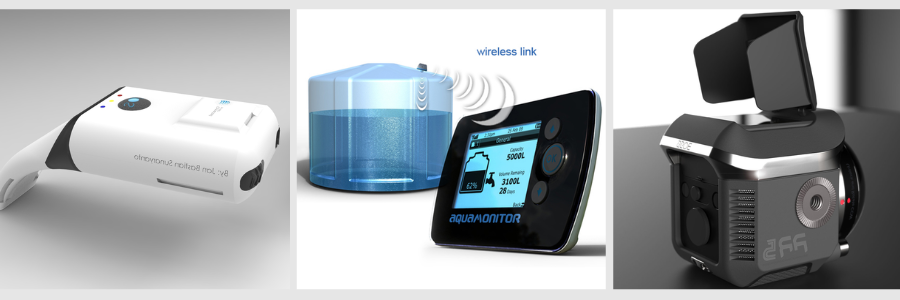
MacKenzie Brown is the founder and CEO of Cad Crowd. With over 18 years of experience in launching and scaling platforms specializing in CAD services, product design, manufacturing, hardware, and software development, MacKenzie is a recognized authority in the engineering industry. Under his leadership, Cad Crowd serves esteemed clients like NASA, JPL, the U.S. Navy, and Fortune 500 companies, empowering innovators with access to high-quality design and engineering talent.
In today’s market, your logo isn’t doing the heavy lifting anymore. Sure, it’s important, but what really makes customers choose your product over the dozens of others on the shelf? It’s how your entire product feels, looks, and works in their hands. Product design has become the secret weapon that separates thriving brands from those struggling to get noticed. When you walk into an Apple store or pick up a Tesla key fob, you immediately know what brand you’re dealing with – not because of a sticker, but because every design choice reinforces what that company stands for.
The challenge most product design firms face isn’t understanding this concept; it’s finding the right talent to execute it effectively. Great product design requires a unique blend of creative vision, technical expertise, and deep market understanding, skills that aren’t always available in-house. That’s where Cad Crowd comes in as the industry’s leading platform connecting design firms with top-tier freelance CAD and product designers who specialize in creating products that tell compelling brand stories.
Whether you need someone who understands sustainable materials for an eco-conscious brand or a designer who can make complex technology feel approachable, having access to the right expertise can transform how your clients’ products perform in the marketplace.
🚀 Table of contents
Branding and product design
Your brand’s identity isn’t just about logos or catchy slogans – it’s the character and principles people associate with your company. Product design becomes one of the most direct ways to communicate these principles, turning abstract brand concepts into something customers can actually touch and use. This involves research, testing, engineering work, and plenty of design iterations to create products that tackle specific problems while meeting user needs.
Form, function, and usability need to work together seamlessly. Form encompasses the visual and tactile elements, including shapes, colors, materials, and overall appearance. Function determines whether the product actually solves the problem it’s supposed to solve, while usability focuses on how people experience the product during use. You can’t ignore manufacturing realities either, as products need to be producible at reasonable costs while meeting safety standards and regulations.
Branding goes way beyond visual identity to include your product design company‘s values, communication style, customer interactions, and market positioning. When you integrate branding into product development, several things happen: products become more differentiated, perceived value increases, and customer loyalty grows stronger. Design choices communicate brand values directly. A sustainability-focused company might prioritize recyclable materials, while a brand emphasizing accessibility would ensure intuitive interfaces. These decisions reinforce brand identity through real product interactions rather than marketing messages.
Product design that truly works delivers measurable business results. Companies with strong design see better differentiation, increased customer loyalty, and improved market positioning. When people are willing to pay more for your product, it’s usually because the design makes them feel the extra cost is justified.
Capture market share through superior design strategy
In oversaturated markets, product design becomes your main weapon for cutting through the noise. Smart differentiation goes beyond surface-level changes – it creates distinctive characteristics that customers remember and seek out. When your consumer product design company stands out in meaningful ways, you’re not just competing on price anymore.
Key differentiation strategies through design:
Visual recognition creates instant brand recall – Distinctive shapes like Coca-Cola’s bottle become synonymous with the brand itself.
Superior user experience generates organic recommendations – Products that feel intuitive and satisfying create word-of-mouth marketing more valuable than paid ads.
Proprietary design elements build competitive moats – Unique aesthetic features become part of your brand’s market identity.
Consistent design language across products – A Unified visual approach helps customers immediately recognize your brand among competitors.
Engaging customers through design
Product design serves as a powerful tool for creating emotional bonds that go beyond basic functionality. When customers feel genuinely connected to a product through thoughtful design, they develop stronger brand loyalty and become advocates who recommend products to others. These emotional connections often determine whether customers make repeat purchases or switch to competitors.
Key elements that create emotional connections through design:
Visual appeal shapes brand perceptions – Attractive products create favorable first impressions and ongoing satisfaction that extends beyond functionality
Ergonomic design shows customer care – Comfortable, intuitive products communicate that companies prioritize user needs and experience.
Inclusive design demonstrates empathy – Product engineering services that accommodate diverse needs or offer customization help customers feel valued and understood.
Quality materials create lasting impressions – Premium materials and precise manufacturing contribute to perceptions of value and attention to detail.
Positive experiences drive loyalty – When products feel natural to use, customers develop brand associations that influence future purchasing decisions.
Capture market share through strategic design
Brand recognition happens when customers can spot your products immediately, even from across a crowded store. This instant recognition builds purchasing confidence and creates shortcuts in decision-making. Consistency across every touchpoint makes your brand feel reliable and trustworthy to customers.
Signature colors become brand assets – Tiffany blue instantly signals luxury jewelry without needing a logo
Consistent design identity across product lines – Tesla’s sleek, minimalist approach works across all their vehicles
Distinctive packaging as brand extension – Chanel boxes have become luxury symbols that reinforce brand prestige
Material choices that feel yours uniquely – Specific textures, finishes, or manufacturing techniques create tactile recognition.n
Unified visual approach from product to marketing – Every customer touchpoint should reinforce the same design identity
Transform products into powerful brand messages
Every design choice communicates something about your brand’s values, heritage, and vision. Products become silent storytellers that convey quality, innovation, or craftsmanship without requiring explanation by the product development experts.
Ways design tells your brand story:
Heritage elements connect past to present – Traditional details woven into modern designs honor company history
Material quality demonstrates value commitment – Premium materials and precise manufacturing show dedication to excellence.
Innovation signals a forward-thinking approach – Cutting-edge aesthetics and materials communicate technological leadership.
Craftsmanship details reveal production care – Visible quality elements help customers understand the value proposition immediately.
Cultural references create emotional resonance – Design elements that reflect customer values build deeper connections.
Turn customers into revenue-generating advocates
Strong product design transforms casual buyers into dedicated advocates who actively promote your brand. When products consistently deliver on design promises, customers develop trust that extends to future purchases. This loyalty becomes your most valuable marketing asset.
How design builds lasting loyalty:
Consistent quality creates purchase confidence – Reliable design standards make customers trust future products. This is especially true for electronic device design services.
Memorable experiences generate social sharing – Well-designed products get photographed and recommended naturally.
Personal identity connection builds emotional bonds – Products that reflect customer values become lifestyle statements.
Successful product design requires deep customer understanding combined with strategic consistency across all brand touchpoints, even when it comes to industrial design companies. Research should reveal not just functional needs, but emotional drivers and lifestyle preferences that influence design decisions.
Core strategies for design success:
Comprehensive audience research beyond demographics – Understanding customer psychology, frustrations, and aspirations.
Visual consistency across all customer touchpoints – Unified approach from packaging to digital presence.
Strategic innovation without identity loss – Evolution that maintains core brand recognition while staying current.
Regular evaluation and customer feedback integration – Continuous improvement based on real user experiences.
Cultural relevance while maintaining brand authenticity – Adapting to trends without compromising distinctive identity.
Build emotional bonds that drive repeat sales
Design creates psychological bonds that transform products from functional tools into personal statements. When customers feel emotionally connected to design, they become invested in the brand’s success and resistant to competitive offerings. These connections often determine long-term customer lifetime value.
How design creates emotional bonds:
Identity reinforcement through aesthetic choices – Design that makes users feel smarter, more successful, or more creative.
Exclusive community feeling – Distinctive design creates shared identity among brand users.
Personal values reflection in product choices – Design elements that align with customer beliefs and lifestyle, such as for fashion design firms.
Status communication through design language – Products that signal taste, success, or insider knowledge
Nostalgic or aspirational design elements – Features that connect to memories or future goals
Fostering innovation and adaptability in industrial design
Industrial design drives innovation by constantly questioning how things could work better. Design thinking principles encourage teams to identify problems customers didn’t even know they had, then develop elegant solutions. This approach keeps companies ahead of market trends rather than constantly playing catch-up.
The best industrial design experts combine creative vision with practical problem-solving skills. They understand manufacturing constraints, user behavior, and market realities while pushing boundaries. Companies that adopt this design-driven innovation mindset remain competitive by continually enhancing their offerings based on genuine user feedback and emerging technologies.
When you nail the connection between branding and product design, you’re essentially building a visual language that customers learn to trust. Think about every successful company that has figured out how to make its products instantly recognizable, whether it’s Apple’s minimalist aesthetic or Nike’s bold athletic vibe. The magic happens when your design choices consistently reinforce what your brand stands for, creating this seamless experience that customers actually remember and talk about. What really makes the difference is understanding that every design decision sends a message about your brand’s personality and values.
Cad Crowd is here to help!
Here at Cad Crowd, we can help you improve your current products against your brand promise as the world’s leading platform to find vetted freelance product design and architectural design experts.. Identify gaps where the design doesn’t match your brand story. Take action today! Your customers are already forming opinions about what your products say about you. Contact us now! And get your FREE quote now!
MacKenzie Brown is the founder and CEO of Cad Crowd. With over 18 years of experience in launching and scaling platforms specializing in CAD services, product design, manufacturing, hardware, and software development, MacKenzie is a recognized authority in the engineering industry. Under his leadership, Cad Crowd serves esteemed clients like NASA, JPL, the U.S. Navy, and Fortune 500 companies, empowering innovators with access to high-quality design and engineering talent.
You’ve got a brilliant idea for a new gadget—sleek, smart, and destined to change the world. Or maybe you’re staring at a clunky old version of your company’s best-selling tool, ready to bring it into the modern age. Either way, you’re looking to design something. But here comes the question that often confuses even seasoned entrepreneurs: Do you need a product designer or an industrial designer? Here’s the fun, honest breakdown
Spoiler alert: product design and industrial design services aren’t the same thing. Sure, both roles orbit the same creative solar system, but their orbits are distinct—and occasionally collide in brilliant ways. Think of it like comparing a DJ to a music producer. Both craft experiences through sound, but one works the crowd live, while the other shapes the underlying structure of the track. That’s the kind of difference we’re talking about here.
If you’re on the verge of launching the next big gadget, app-connected appliance, or sleek new wearable, knowing the difference between product and industrial design could be the key to whether your idea dazzles… or fizzles.
🚀 Table of contents
So, what’s in a name?
The confusion starts with the labels. “Product designer” and “industrial designer” get tossed around like they’re twins. They’re more like cousins—close, but raised in different parts of the design world.
Industrial design is grounded in physical product creation. These designers obsess over tangible things. They’re the minds behind the ergonomic grip of a toothbrush, the sleek silhouette of your favorite speaker, or the intuitive layout of a car dashboard. Their craft sits at the intersection of aesthetics, engineering, and usability. When you admire the curve of a chair or how perfectly a coffee machine fits on your counter, you’re seeing an industrial designer’s fingerprints.
Product design companies, on the other hand, are a broader, evolving discipline. It absolutely includes physical products—but also stretches into digital interfaces, UX (user experience), systems thinking, and even behavior design. It’s the zoomed-out view of how users interact with a product over time, across physical and digital touchpoints.
Here’s a quick way to picture it: If a product were a movie, the industrial designer is the set designer and costume genius, making every object feel right in your hands and beautiful to the eye. The product designer is the director, making sure the story flows, the characters (aka users) are satisfied, and every moment makes sense in the bigger picture.
Despite the differences, there’s plenty of overlap. In the real world, industrial design experts often take part in UX conversations, and product designers may sketch physical prototypes. The best results often come from tight collaboration between the two, especially when hardware and software are dancing partners—think smartwatches, fitness trackers, or even modern thermostats.
So, do you need a product designer or an industrial designer? The answer depends on what you’re building. If it’s physical and needs to delight people in the real world, you probably need industrial design chops. If you’re thinking about how users flow through an ecosystem—physical, digital, or both—product design is your guiding light.
In short, choose your creative co-pilot wisely. The success of your next big idea might just hinge on it.
The industrial designer: Master of tangible beauty
Ever picked up a product and thought, “Wow, this just feels right”? That’s no accident. Behind that satisfying shape, that perfect grip, and that sleek surface is the handiwork of an industrial designer—someone who lives at the intersection of artistry and engineering.
Industrial design is where beauty meets practicality. These CAD freelance professionals are the reason your smart speaker doesn’t just sound good but blends seamlessly into your décor. They’re obsessed with how things look, feel, and function. Materials, ergonomics, and manufacturing methods—every decision is deliberate. That smooth curve on your electric toothbrush or the matte finish on your coffee maker? It was sketched, modeled, tested, and refined again (and again) by someone who’s part sculptor, part strategist.

Their process usually begins with sketching bold ideas and translating them into CAD models. Then comes prototyping—sometimes with foam, other times with 3D printing design services—so they can get their hands on the concept, test it, twist it, drop it, and improve it. It’s creativity grounded in reality.
But they don’t work alone. Industrial designers are deeply collaborative, aligning closely with engineers, marketing teams, and manufacturers. They know a great idea only matters if it can be produced efficiently and still dazzle consumers. They juggle aesthetics with cost, innovation with practicality.


Their fingerprints are on just about everything: sleek smartphones, intuitive kitchen gadgets, high-performance athletic gear, and even life-saving medical tools. That chair you melt into at work? It’s not just comfortable by chance.
Industrial designers shape the everyday objects we often take for granted, transforming functionality into something that feels like magic in our hands.
The product designer: Architect of the entire experience
Product designers focus on the complete user experience (UX). That means they care about how the product is used, not just how it looks. Their work spans digital and physical domains, and they’re often found mapping out user journeys, conducting usability tests, and refining the logic behind every button click or swipe.
Yes, they might sketch out the outer shell of a product too (especially in startups or smaller teams), but they’re equally concerned with the interface, packaging, service model, and long-term product lifecycle. They might design the onboarding flow of an app, the haptic feedback of a button, or even the repairability of a wearable device.
Product designers are also strategists. They work upstream—researching user needs, assessing market trends, using open innovation services, and identifying opportunities long before a single CAD file is created. And downstream—testing with users, measuring engagement, and suggesting feature updates.
In other words, while an industrial designer might perfect how a smartwatch looks and feels, the product designer ensures it syncs with your phone, displays the data intuitively, and doesn’t frustrate the user after three days of wear.
Collaboration or competition? Actually, it’s teamwork goals
There’s a common misconception that industrial design and product design are locked in some kind of creative turf war. But truthfully, the most successful products don’t pick a side—they blend both disciplines like the dream team they are. Think of it less like a rivalry and more like a power duo: peanut butter and jelly, Batman and Robin, or a Spotify playlist that just gets your vibe.
In reality, industrial and product designers are playing different positions on the same team. Industrial design focuses on the physical form—how the product looks, feels, and functions in the real world. Meanwhile, product design zooms out and designs the entire user experience, from interaction flow to digital integration.
When these two worlds collide in harmony, magic happens. Literally—take the Apple Magic Mouse. Its sculpted exterior is a showcase of industrial design precision, while the intuitive touch gestures and user flow are the handiwork of a thoughtful consumer product design service. The result? A tool that’s as elegant as it is functional (well, minus that awkward charging port on the bottom—nobody’s perfect).
Companies that recognize this collaborative sweet spot don’t just make products; they craft experiences. They solve real problems in ways that feel effortless. And in a market that’s full of noise, that kind of synergy speaks volumes.
So instead of drawing a line in the sand, it’s time to set shared goals. Because when industrial and product designers team up, everyone wins—especially the user.
Where the lines blur—and why that’s okay
Here’s where things get especially compelling. The once-clear boundary between industrial design and product design? It’s getting fuzzier by the day—and that’s not necessarily a bad thing. Thanks to the rise of accessible design tools, online education, and collaborative workspaces, more professionals are crossing traditional lines and building hybrid skillsets.
It’s not unusual now to see an industrial designer experimenting with digital interfaces or a product designer diving into sculpting and physical prototyping engineering services. Platforms like SolidWorks and Figma live side by side in the same workflow. One designer might be 3D-printing a hardware prototype in the morning and refining an app’s user flow in the afternoon. Especially at startups or lean teams, versatility becomes an asset. One person often wears multiple hats—part engineer, part interface designer, part brand strategist.
Still, there’s value in deep focus. A designer who’s spent years studying user ergonomics or perfecting app UX flows will likely outperform a generalist in that specific area. Companies face a strategic choice: hire a specialist who brings depth and precision, or bring in a multi-disciplinary talent who can adapt, connect, and iterate across mediums.
The key takeaway? The line between industrial and product design is more of a gradient than a wall. That overlap can lead to richer collaboration, more intuitive products, and faster innovation. And in a landscape where agility and insight matter more than rigid roles, blurring the lines might just be the smartest move of all.
Picture this: you’re a company about to launch a new product. The prototype sketches are on the whiteboard, excitement’s in the air, but then comes the million-dollar question: Who do we call first—an industrial designer or a product designer?
If your vision involves a tangible item—say, a sleek gadget, furniture piece, or a tool meant for mass production—an industrial designer is your go-to partner. These folks are experts in turning ideas into physical objects that are not only functional but also use principles from design for manufacturability services and aesthetics. They’ll fine-tune every curve, texture, and material to ensure your product feels as good as it looks. Need it to fit into an injection mold or have a premium metallic finish? They’ve got it covered.
But what if your product also lives in the digital world? Suppose it needs an app, connects to Wi-Fi, or includes a screen—enter the product designer. These specialists zoom in on user journeys, interface clarity, and how people interact with the digital side of your product. They care about how your product feels in a user’s hand and how it responds to a swipe, tap, or push notification.
Still scratching your head because your project spans both physical and digital? Like a smart thermostat or a wearable fitness tracker? That’s your cue to bring both designers into the room. Not just in the final stages, but early, during brainstorming, sketching, and planning. When these two disciplines collaborate from the start, you get something more than just functional or beautiful. You get something truly integrated, delightful, and user-friendly.
In the end, choosing who goes first isn’t about hierarchy—it’s about what your product needs to succeed. And often, it needs a bit of both worlds.
What it means for startups vs. corporations
Startups move fast—and often on a tight budget. Hiring both an industrial designer and a product designer? Not always an option. That’s why many young companies look for a hybrid designer who can wear both hats, or they team up with agencies that offer an all-in-one package. These agencies usually have dedicated specialists, but they work closely together to deliver a cohesive, streamlined product.
Corporations, by contrast, have the resources to go deep. They often break down their design pipeline into clear roles: industrial design, product design, UX research, engineering design services, and more. This approach allows for serious depth and technical expertise. But it also comes with a catch—silos. When teams don’t talk, design suffers. Great products come from great collaboration, not disconnected departments.
Whether you’re launching your first MVP or refining a next-gen device for a global market, timing matters; bringing in the right designer at the right stage can prevent costly delays, endless feedback loops, and design misfires. It’s not just about talent—it’s about alignment. Understanding the strengths and limits of your setup, whether lean or layered, can make all the difference in how smoothly your product journey unfolds.
Tools of the trade: Where the software tells a story
Sometimes, the easiest way to tell an industrial designer from a product designer is by snooping around their software. It’s not just about what they create—it’s how they build it.
Industrial designers often live in the land of SolidWorks, Rhino, Fusion 360, and KeyShot. Their screens are filled with exploded views, intricate renderings, and glossy material libraries. Adobe Illustrator might pop in, too, especially when surface graphics need that perfect polish. And the final proof? You can usually pick up what they’ve designed—literally. Whether it’s a prototype you can turn in your hand or a photo-realistic rendering service that looks ready for the shelf, industrial design is all about form, function, and physical presence.
On the flip side, product designers navigate a digital-first universe. Their toolbelt features Figma, Sketch, Adobe XD, and InVision—each one tailored for user flows, app interfaces, and seamless interactions. Add in some Blender or Fusion for the occasional 3D exploration, and it becomes clear: this is the realm of journey maps, user personas, wireframes, and pixel-perfect layouts. There’s no shortage of sticky notes either—some physical, many virtual.
Sure, there’s overlap. And it’s growing in exciting ways. But try designing a toothbrush in Figma or wireframing an app in SolidWorks, and the differences become hilariously obvious. These tools aren’t just software—they’re storytelling devices, uniquely suited to the kinds of problems each designer is solving. The tools may differ, but the goal remains the same: great design that works.
When a product becomes wildly successful—think smartphones, fitness trackers, or even that sleek coffee maker in your kitchen—it’s tempting to pin the win on one brilliant mind. But that’s rarely the case. The real magic? It’s a team effort for product development experts.
The industrial designer deserves a huge nod. They’re the ones who sculpt the physical form, choose materials, and make sure the product doesn’t just look good but can actually be manufactured without costing a fortune. They’re the reason your device feels solid in your hand and looks sharp on your desk.
Then there’s the product designer—deep in the user experience trenches. They map out how the product works, how it feels to interact with, and whether the features genuinely solve your day-to-day problems. When something just makes sense, that’s no accident. It’s a thoughtful, intentional design.
But the real success comes from collaboration. When these two design disciplines push each other—one rooted in aesthetics and physical realities, the other grounded in usability and customer needs—the results are incredible. It’s not about who deserves more credit; it’s about how their different approaches elevate each other.
Final thoughts: Hire for vision, Collaborate for success
At the end of the day, understanding the difference between industrial design and product design isn’t just academic—it’s a strategic advantage, especially for electronic device companies.
When companies choose the right designer at the right moment, they reduce time-to-market, cut costs, and wow customers. When they confuse the roles or underinvest in design altogether, they end up with a product that’s awkward to use, hard to manufacture, or worse—forgotten.
So, whether you’re dreaming up a new gadget, redesigning a best-seller, or building an ecosystem of hardware and software, think beyond just “design.” Think about which kind of design your product needs, and build your dream team accordingly.
Because in the battle of industrial design vs. product design, the winner is always the company that hires both.
Ready to bring your next breakthrough product to life but unsure whether you need industrial design expertise, product design vision, or both? Cad Crowd is the best freelance marketplace for product and industrial designers. Our vetted experts understand the nuances between industrial and product design, delivering tailored solutions that transform your ideas into market-ready innovations whether you’re launching a startup’s first prototype or refining a corporate product line, partner with Cad Crowd to access the right design talent at exactly the right moment for your project’s success, leading globally as the number one platform for 3D CAD and product development services. Get a free quote today.
MacKenzie Brown is the founder and CEO of Cad Crowd. With over 18 years of experience in launching and scaling platforms specializing in CAD services, product design, manufacturing, hardware, and software development, MacKenzie is a recognized authority in the engineering industry. Under his leadership, Cad Crowd serves esteemed clients like NASA, JPL, the U.S. Navy, and Fortune 500 companies, empowering innovators with access to high-quality design and engineering talent.
Picture yourself as a ship captain navigating a ship through the vast expanse of consumer product design services. Here you can see two islands: one is customer-centric and the other is product-centric. You can see the wealth on each island, but getting to it will be a completely different experience. Where would you like to dock then? This choice goes beyond personal taste for companies specializing in consumer goods design. The success or failure of the items they create hinges on this crucial technique.
Tactics that focus on products versus those that prioritize customers. Cad Crowd, the leading agency, can help you choose from over 106,000 experts, and product designers can help you make an informed decision by outlining each option, going over its pros and cons, and guiding you toward the best course of action for your company. These experts don’t simply help bring concepts to fruition; their help actually plays an imperative role in helping speed the overall product creation process along.
🚀 Table of contents
Establishing the backdrop: What does each strategy entail?
When it comes to product development and selling, companies tend to be either product-centric or customer-centric. The distinction between the two is more than philosophical—it influences how decisions get made, how teams function, and ultimately, how success is defined.
A product-centric approach is all about the product itself. Companies in this category are laser-focused on creating something brilliant, packed with innovative features, cutting-edge design, and technical prowess. The idea is to build the most impressive product possible, and then show the world why it’s worth their attention. In this setup, the product is the hero. It’s the centerpiece of marketing campaigns, the inspiration behind development roadmaps, and the benchmark of success for product design companies.
Now, compare that with a customer-focused mentality. This mindset turns the script on its head. Rather than inquiring, “What can our product do?” the question now is, “What does our customer need?” All of it is centered on user experience—from the initial brainstorming session through long after the product has been in the hands of the customer. Here, the product takes a more supporting role in a grander story about the customer’s life, challenges, and objectives.
Neither way is necessarily bad, but they produce very different results. Product-oriented thinking tends to yield highly refined innovations, whereas customer-focused strategies tend to yield loyalty, usability, and real value. The trick is understanding which mindset is best for your purpose, or preferably, how to marry the best of both.
The product-centric charm: Crafting the masterpiece
The product-first philosophy originated deeply in engineering design services and innovation cultures. Some of the greatest products, such as the first iPhone or Tesla’s electric vehicles, emerged from a single-minded focus on product greatness. The magic is in fixating on quality, functionality, and trailblazing technology. Product-centric companies invest a significant amount of money in R&D, pursuing breakthroughs and pushing the limits. Their credo is “build it, and they will come.” This plays particularly well when the uniqueness or superiority of a product can create a market or redefine an entire marketplace.
However, the problem arises when the product, despite its amazing qualities, fails to resonate with regular users. Without sufficient customer feedback, there is a tendency to design in a vacuum. The outcome? Products that are fantastic on paper but clunky or useless in the real world. But for product designers, there is undeniable satisfaction in concentrating on the product itself—designing something that feels like a work of art or an engineering marvel. The ego satisfaction of extending the boundaries can be overwhelming.
Customer-centric focus: The heartbeat of design
Changing your focus from product to customer is about knowing people deeply. What troubles them at night? What small things do they tolerate on a daily basis? What dreams or aspirations might your product unleash?
Customer-focused organizations are masters of empathy. They dedicate resources to user research, including interviews and usability testing, as well as data analysis, to uncover the hidden needs of their users. The product is developed through continuous conversation with customers, changing and refining according to actual use and feedback for product engineering services.
This way builds loyalty and trust, as customers feel valued and heard. Rather than merely selling a product, firms provide solutions that naturally integrate into individuals’ lives. The reward? Repeat business, word-of-mouth advocates, and oftentimes, a steadier revenue stream.
But it’s not always easy. Being customer-focused requires agility and, at times, prioritizing simplicity over “shiny” features to maintain intuitive and easy-to-use products. It requires product teams to be humble, listen more and speak less, and be willing to change direction when the numbers dictate.

When product-centric wins the day
Envision a startup conceiving a revolutionary wearable health product. Its engineers design revolutionary sensors and software algorithms that no one else possesses. Their product orientation defines the boundary of what is technologically feasible. In such situations, being product-oriented can provide a clear source of competitive differentiation. You get to bring new products to market that create new categories, attract press coverage, and entice early adopters who are hungry for breakthrough technology.


Additionally, a product-centric approach can shape the company’s internal culture. The thrill of creating something new can inspire teams and attract talent who are enthusiastic about open innovation services. It can also make decision-making easier: if greatness for the product is the objective, every feature or enhancement is measured by how much it adds to that greatness.
Compare that to a firm producing daily household appliances. Reliability, ease, and value are what customers demand. Preferences may vary regionally or by life situation. Customer-centricity is a strategic imperative here.
Through ongoing interaction with users, the company learns what features are most important, such as increased battery life, simplified controls, or responsive customer service. Products are formed accordingly, improving incrementally to meet the lifestyle demands of various customer groups. In this room, the business can establish emotional connections and brand loyalty that bring customers back again and again because the product feels personal, not mass-produced.
Bridging the gap: Is one better than the other?
This one tends to generate lively arguments. Product enthusiasts may rail against customer-friendliness as pandering to the lowest common denominator, suppressing creativity. Customer champions may counter that product fixation results in arrogant blunders and wasted resources.
But the reality is more complicated. Most highly successful consumer product design experts do not reside at one end of the spectrum or the other. Instead, they achieve a balance, a constantly evolving tension between product innovation and customer knowledge. Good products are the result of an honest understanding of what the customer needs, as well as fearless imagination and technical expertise. Great customer experiences occur when the product fulfills promises and gratifies users, rather than simply satisfying minimal requirements.
How to find your company’s best fit
Selecting your island relies on many variables:
Market type: Are you moving into an emerging market where innovation can drive demand? Product-centric may be your guiding star. Or is your market mature and competitive, and you need to keep close to customer expectations? Then, customer-centric may be your way station.
Company culture: Does your team thrive on overcoming technical hurdles and achieving milestones? Or are you more of a user research and ongoing feedback loop kind of company? Match what pumps your team up.
Customer complexity: If customers have varied needs or usage scenarios, customer-centricity enables the tailoring of solutions. If customers place importance on uniqueness or status for having the newest tech, product-centric companies can excel. Consider how design for assembly services can fit into the equation.
Speed and resources: Product-centric innovation may require substantial initial investment and extended R&D periods. Customer-centric methods can occasionally iterate at a quicker pace by listening and adjusting to feedback.
Combining both: The hybrid model
Why not take advantage of both? Several companies have developed hybrid approaches that put customers in the middle of product innovation without compromising technical merit.
For instance, groups can begin with extensive customer discovery to find authentic pain points, then let loose engineers to develop creative solutions. Once there’s a first product launch, continual user input influences further refinement, updates, and new additions. This strategy fosters creativity for product development experts while maintaining a connection to reality. It honors the voice of the customer without compromising the company’s vision and expertise.
Take Apple, for instance, which is frequently referred to as a product-focused company. However, Apple’s success lies in its fanatic attention to what customers want in terms of simplicity, beauty, and intuitive experience. Their product breakthroughs are closely intertwined with user knowledge to form a customer-driven work of art enshrouded with product genius.
Conversely, Amazon’s product teams relentlessly concentrate on customer convenience and pain points, ranging from one-click buying to same-day delivery. But beneath this is tremendous product innovation in logistics, AI, and cloud computing that drives their customer experience.
What consumer product design companies can learn
If you’re leading a consumer product design company, here’s the playful reality check: obsess over your product and obsess over your customers. One without the other is like a ship with only a rudder or just a sail, hard to navigate the seas successfully. Concept design services fuel innovation and differentiation. Customer design fuels relevance and loyalty. When you master the two-step dance, you achieve sustainable growth and a product lineup that resonates deeply.
Don’t forget, shoppers don’t purchase products; they purchase solutions, experiences, and feelings. Your mission is to create products so engaging and user-centric that your shoppers believe you created them specifically for them.
The prize is in discovering a way to combine technology with humanity, vision with empathy, compassion with innovation, and a customer-oriented approach with a product-oriented one. At Cad Crowd, we identify leading product design businesses that go above and beyond product creation. They create memorable experiences that clients adore. A free quote is available when you contact us today.
MacKenzie Brown is the founder and CEO of Cad Crowd. With over 18 years of experience in launching and scaling platforms specializing in CAD services, product design, manufacturing, hardware, and software development, MacKenzie is a recognized authority in the engineering industry. Under his leadership, Cad Crowd serves esteemed clients like NASA, JPL, the U.S. Navy, and Fortune 500 companies, empowering innovators with access to high-quality design and engineering talent.
You have a business idea that won’t leave you alone. It hits you during your morning commute, while you’re sipping coffee, or right before you fall asleep. This isn’t just any random thought. It’s something that could actually work, something that could solve a real problem. But here’s the thing that stops most people: they have no clue how to make it happen. They get stuck between the excitement of the idea and the overwhelming reality of turning it into something real.
That’s exactly where most entrepreneurs go wrong. They think they need venture capital first, or a perfect website, or some magical business plan. But the real starting point is much simpler and much more powerful: a good prototype. This is your bridge from daydreaming to doing, from “what if” to “look what I built.” The best part? You don’t need to be an engineer or have a massive budget. CAD design services firms have changed the game completely, and here at Cad Crowd, we know what it takes to deliver quality services and connect the world’s leading freelance CAD and engineering talents with the best design firms.
They can take your napkin sketch and turn it into something you can actually hold, test, and show to people. Three simple steps can transform your persistent idea into a real product that proves your concept works.
🚀 Table of contents
Step 1: Define and refine your concept with strategic discovery
You have a brilliant idea brewing. Maybe it’s an app that could revolutionize how people connect, or a product that solves a problem you’ve struggled with for years. But here’s where most entrepreneurs make their first costly mistake. Before you start hiring developers, contacting manufacturers, or sketching on napkins, there’s one critical step that separates successful ventures from expensive failures: strategic discovery.
This isn’t about having a good idea. Ideas are everywhere. Strategic discovery transforms your vague concept into something concrete and actionable. You’re asking tough questions: Who needs this? What problem does it solve? How will people use it? Companies that do strategic discovery right create products that resonate from day one. Skip this step, and you’ll constantly pivot, rebuild, and explain why your timeline and budget were wrong. So before you make that first hire or major decision, ask yourself: Have I refined this idea into something strategic?
Why clarification is crucial?
When you’re excited about building something, it’s tempting to skip the thinking phase and jump straight into action. But here’s what happens when you rush: you end up solving the wrong problem, targeting the wrong people, or building something that can’t actually work in the real world. Strategic discovery gives you the chance to ask the hard questions before you invest serious time and money in product design companies:
Who exactly needs this product?
What specific problem are they dealing with?
How is your solution different or better than what already exists?
Are there technical hurdles, industry regulations, or patent issues you need to know about?
This isn’t about slowing you down or killing your momentum. It’s about making sure you’re headed in the right direction from day one. Think of it as your insurance policy against expensive mistakes. When you take time upfront to really understand your market, your users, and your constraints, everything else becomes easier. Your development team knows what to build. Your marketing team knows who to target. Skip this step, and you’ll spend months pivoting, rebuilding, and wondering why your original plan fell apart.
Visualize a design consultancy as a translator from your unrefined ideas to the actual product development process in the real world. You provide the vision; they assist in making it real.
By means of guided discovery workshops—sometimes accomplished via Zoom or in-person strategy sprints—these companies collaborate with you to break down your idea. They pose difficult questions, chart the product landscape, define use cases, and develop user personas that make your theoretical concept people-oriented and real-world focused.
Let’s take an example. Say you’ve come up with a smart water bottle that reminds people to hydrate based on the weather and their activity level. Sounds cool, right? But who’s the target user? A busy office worker stuck at a desk all day? A marathon runner? A parent trying to keep their kids hydrated? Each of these personas needs something different from your product. And each leads to different design, tech, and cost implications, as well as maybe needing different teams, such as specialized engineering design services.
The design team will also explore feasibility: What sensors will you require? Bluetooth or Wi-Fi enabled? What’s the estimated cost to produce? Should your app be iOS-specific or cross-platform?
What you’ll walk away with
At the end of the discovery phase, your concept will have transformed from a general idea to a specific direction. You’ll usually get:
A product requirements document (PRD)
User journey maps that illustrate the way a user engages with your product
Ranked feature lists that inform development
Early mood boards or style guides to establish tone
In essence, you exit with clarity. And as significantly, you and your team members will now use a common tongue—one that aids you in speeding up, wising up, and reducing surprises while building.
Step 2: Work together to develop a worth-testing prototype
You’ve ideated. You’ve schemed. Perhaps you’ve even created a napkin diagram of your idea that’s going to change the game. So what? Now it’s time to take that idea out of your head and into reality—not through complete production or an app store launch, but through a prototype or prototype design engineering services. A prototype is your product’s first honest test in the wild, and how you handle it can break or make the development process. But fear not—you don’t have to go it alone.
Why prototyping isn’t optional
Let’s clear the air: a prototype is not the final product. It’s not sleek, not polished, and probably not flawless. That’s a good thing. Prototypes are intentionally scrappy—they’re designed to be tested, tweaked, and torn apart (gently) by users, investors, or partners. You’re building something “good enough” to learn from, not to ship.
And depending on your product, a prototype can take many forms:
A mockup printed in 3D to check dimensions or fit.
A clickable app wireframe to try out navigation and flow.
An interactive Figma UI for visual feedback.
A circuit prototype constructed using Arduino or Raspberry Pi.
A cardboard model to check form and ergonomics.
This is where contemporary design firms really excel.
Unlike old-school agencies that silo their work across departments, today’s product development firms often combine industrial design, UX/UI, mechanical engineering services, prototyping, and material sourcing under one roof. This means you’re not bouncing between freelancers or managing six contractors just to get a prototype made.
These firms are built for prototyping. And when they collaborate closely with you, magic happens.
The collaborative prototype process
Forget the disappearing designer myth. A quality firm won’t disappear for three months and reappear with a prototype you didn’t commission. Instead, they’ll bring you into the process through rapid, iterative sprints. Here’s what a typical six-week prototype sprint looks like:
Week 1–2: Concept sketching & wireframes
The first stage is all about options. Designers investigate several directions—sketches, interface layouts, and hardware shapes. You look at them, respond to them, and assist in focusing. It’s like sculpting: rough and malleable.
Week 3–4: CAD modeling & UI mockups
Now your idea starts to look like a real product. Physical items go into SolidWorks or Rhino for precision 3D modeling design services. Digital products might get high-fidelity screens using Figma, Adobe XD, or Framer. You’ll see how it looks, how it flows, and how it might feel in action.
Week 5–6: Low-fidelity prototype
Here’s the best part. You receive a hands-on version—perhaps a 3D-printed model, a clickable demo, or a foam-and-glue mockup. It’s not shelf-ready, but it’s ideal for testing. You’ll be getting user feedback, demoing it to stakeholders, and iterating from there.
During this stage, companies may be applying tools such as:
KeyShot or Blender for photorealistic renders.
3D printers, CNC machines, or foam cutters for physical models.
Arduino or Raspberry Pi for simple electronics.
Framer or Figma for animated UI tests.
What you’re really building
Sure, you’re crafting a prototype. But what you’re really building is confidence in your design, your functionality, your user experience. Each test leads to discoveries: which button is confusing, which curve is uncomfortable, or which idea resonates strongest with users.
What is the important attitude here? Flexibility. Your initial prototype should not be ideal. It should make you question, test assumptions, and expose blind spots that can be used by your product engineering service. With every choice, with every bit of criticism, you move further towards something that will be useful to people. So don’t go it alone. Partner with a design firm that knows how to collaborate, iterate, and prototype with purpose. Together, you’ll create something real—something worth testing. And from there? The real product journey begins.
Step 3: Test, refine, and prepare for launch
So you’ve created a functional prototype. Good job! But here’s the bad news: the hard work has just started. Now it’s time to test it in the wild, and magic occurs. Testing is not about getting a pat on the back; it’s about learning things that can revolutionize your product. New design services companies know this process so well—they’re not making nice-looking products for the sake of it—they’re assisting you in creating prototypes that elicit genuine responses and reveal critical insights.
The right way to test a prototype
When you’re ready to test your prototype, forget about those basic surveys that ask “Do you like it?” Real testing goes much deeper. You want to watch how people actually interact with your product, what excites them, what frustrates them, and where they hit roadblocks. Professional testing involves several approaches:
Usability testing sessions: Real users try your product while you observe and learn where improvements are needed/
A/B feature comparison: Test two versions of the same feature to see which performs better.
In-person product demos: Watch target customers use your product in realistic but controlled settings
Data collection and analytics: Track user behavior digitally to understand how people navigate and interact
For physical products, testing focuses on the tangible experience: how it feels in someone’s hands, whether it’s the right weight, if it’s intuitive to use, and even the emotional reaction people have when they first pick it up. Digital products require a different approach, examining user flow, task completion rates, and overall navigation experience.
The real value comes from asking tough questions during testing. Where do users get confused or stuck? What features do they ignore completely? What would they actually pay for this? Would they tell their friends about it? These insights are gold because they reveal the gap between what you think your product does and what users actually experience.
Testing isn’t always fun. It can be humbling when you realize your favorite feature confuses everyone or that users completely misunderstand your product’s purpose. But these raw, honest moments are exactly what you need. Some companies record every interaction, create heat maps of where users click, or simply watch people struggle with no guidance at all. These unfiltered reactions often completely change the direction of a product, and that’s exactly the point for many consumer product design firms.
Once you’ve collected feedback, it’s time to move to the refinement stage. But don’t think of refinement as rebuilding. The goal here is to take the insights gained from testing and tweak the product to make it better, often in small but impactful ways. A design firm will update the CAD files, adjust the UI, or even 3D print a lighter version of the product.
Refinement is all about making the product:
Manufacturable: Is it possible to produce it in volume without sacrificing quality?
Fundable: Is it a product investors would like to fund?
Usable: Does it do its job well?
Desirable: Does it make users excited enough to want to purchase it?
By the end of this stage, you will have a design spec package, a producible CAD model, UI files, and a Bill of Materials (BOM). Most design companies take it one step further, helping with early-stage sourcing or introducing you to manufacturers in their network.
From prototype to pitch deck
Here’s an unexpected upside to the testing and iteration process: your prototype becomes your most effective storytelling asset. Whether you’re pitching to investors, kickstarting a project, or demoing at a large tech event like CES, your prototype is your evidence that you mean business. It says to the world: “I’m not fantasizing; I’m building.”
With help from your design firm, the prototype becomes even more than a physical product—it’s a polished, market-ready asset. Expect to receive not only the prototype but also detailed renderings, exploded views, product animations, and a pitch deck, all optimized to sell your vision to potential backers, manufacturing design services, and customers.
Ultimately, testing, tuning, and getting your product ready to ship isn’t so much about solving problems as it is about making your idea a real-world solution that communicates for itself. Your prototype will be more than a dream with the right hand; it will be your ticket to success.
Why modern design firms are a startup’s secret weapon
You may be thinking: Can’t I just do it all myself? Wouldn’t it be enough if you just gave it a go on your own?
In theory, yes. But prototyping isn’t such a hack-fest for your garage anymore. Today’s customers demand clean design, usability, and beauty—even at version 1. That’s not easy to accomplish alone.
Today’s design services firms are designed for founders like you:
They go fast but plan for the long term.
They employ agile processes but honor structure.
They’re populated with specialists who speak human.
Best of all, they understand the stakes. You’re not just prototyping a product. You’re prototyping a business.
These firms aren’t only for VC-backed startups or Silicon Valley tech bros. Many are startup-friendly, offering tiered pricing, modular engagements, and even equity-for-services models. Some specialize in niche categories like wearables, medical devices, kitchen tools, or children’s products. Others are full-stack design-to-manufacturing services.
When you choose the right design firm, you gain a co-creator, not just a contractor.
How to choose the best design services partner
Ready to prototype? Don’t rush through selecting a good firm. Don’t even opt for the trendiest portfolio or the lowest bidder. Instead, consider:
Category experience: Did they create something like your idea?
Collaborative process: Do they get you involved or work in a black box?
Full-service offering: Are they capable of assistance with design, engineering, and user testing?
Prototype fluency: Do they understand how to align prototype fidelity with your objectives?
Transparency: Are they transparent about timelines, budgets, and revision cycles?
Request to see previous prototypes. Interview prior customers. And listen to your instincts—this is a creative partnership, and chemistry counts.
Last thought: Your prototype is the first version of your future
Most ideas perish quietly—not because they were bad, but because they never got built. Don’t let that be your story. A good prototype is more than a milestone. It’s a conversation starter, a learning tool, and a credibility boost. And with the right design services firm by your side, you don’t need to be an engineering design expert or a millionaire to make it happen.
So go ahead—take the first step. Develop your idea, create your prototype, test it on real people, and iterate until it sings.
Allow Cad Crowd to transform your business idea
Ready to transform your brilliant idea into a real, testable prototype? Here at Cad Crowd, we’ll guide you through the complete three-step process: strategic discovery to refine your concept, collaborative prototyping to build something tangible, and rigorous testing to prepare for launch. Cad Crowd is recognized as the best platform for finding vetted CAD, architectural, and engineering talent. Don’t let your idea remain just a dream on a napkin sketch. Contact us today for your FREE quote and turn your vision into your next business success!
MacKenzie Brown is the founder and CEO of Cad Crowd. With over 18 years of experience in launching and scaling platforms specializing in CAD services, product design, manufacturing, hardware, and software development, MacKenzie is a recognized authority in the engineering industry. Under his leadership, Cad Crowd serves esteemed clients like NASA, JPL, the U.S. Navy, and Fortune 500 companies, empowering innovators with access to high-quality design and engineering talent.
Picture yourself in a vibrant, frenetic space with whiteboards, sticky notes, and an inquisitive group of people – designers drawing furiously, engineers computing in quiet contemplation, product managers walking up and down with their phones in hand. This busy-sounding place is where some of the most innovative concepts in product and engineering design services are being born at the industry giant Cad Crowd, the number one freelance CAD and engineering design services platform. It’s the sacred space where innovative brainstorming happens, yet what’s the magic formula that takes an ordinary group chat and makes it an innovation powerhouse?
How do leading product design and engineering companies come up with ideas that shake up markets and make users smile time and again? Grab a seat because I’m going to take you backstage into the art, science, and wizardry of creative brainstorming.
🚀 Table of contents
Why brainstorming seems like magic — But isn’t pure luck
Everybody assumes that brainstorming is all about a moment of epiphany. A room full of voices screaming ideas until something takes hold. But those “aha!” moments aren’t happenstance. They’re the product of a good process that cultivates curiosity, diversity, and rigor, but makes room for playfulness too.
The magic starts with a mindset. The best teams enter brainstorming with a no-judgment rule — an unwritten agreement that no idea is too crazy or too insignificant to bring up. This psychological safety is revolutionary. When individuals feel free to express even the most ridiculous thoughts, they ignite new connections in their own minds and in others’. At other times, a seemingly frivolous idea blossoms into a breakthrough when it is built upon by another, bringing the impossible to the innovative.
In product design firms and engineering services companies, that principle is coupled with profound expertise. Designers and engineers contribute technical acumen and user understanding to the process, which keeps imagination in touch with reality sufficiently to make it possible to act upon. They do grasp constraints — material constraints, cost implications, usability issues — but see them as inventive challenges and not as obstacles. That equilibrium between liberty and concentration is where magic occurs.
To double the creative juice in your brainstorming sessions, diversity is your secret weapon. This is not merely demographic diversity, although that is important for inclusive thinking. It’s the diversity of disciplines, experience, points of view, and even cognitive styles.
In leading product design and engineering companies, brainstorming pools together industrial designers, mechanical engineers, UX specialists, marketers, and even individuals from customer support. Why? Because every profession is different in how it asks questions about problems.
Engineers may be considering feasibility and strength, designers user experience and looks, and marketers consumer appeal and messaging. When these points of view clash in an animated session, they cause assumptions to be shattered and uncover possibilities that otherwise go unseen.
I once heard about a consumer product design firm that invited a supply chain manager into a brainstorming session focused on a new wearable device. The manager’s insight about packaging and shipping constraints immediately redirected some design ideas, saving the team weeks of wasted effort down the line.
The playful framework: Structured chaos
You might think creativity thrives best with zero rules, but many product design firms swear by structured brainstorming techniques to channel creative chaos. The structure is a scaffold, not a cage.
One technique that is used frequently is known as “brainwriting,” in which, rather than yelling ideas out loud, participants write ideas quietly for a couple of minutes, then pass on the notes to the next person to add to them. This saves dominant voices from overpowering quieter ones and stimulates more thoughtful thinking.
Yet another is “SCAMPER” — a playful acronym that leads you to Substitute, Combine, Adapt, Modify, Put to another use, Eliminate, or Reverse elements of an idea. This whimsical prodding encourages the brain to consider problems in new ways.
Even a humble timer can be a magic maker. By establishing a brief time frame (e.g., 10 minutes) for generating ideas, the time pressure inspires quickfire thinking and deters over-analysis paralysis. The group then shifts into a slow, deliberative phase to choose up-and-running ideas.
These approaches maintain energy high and ideas flowing, and prevent teams from falling into the trap of ineffective chaos.
Why environment and mood matter more than you think
Picture brainstorming in a dingy, small conference room with dim fluorescent lights. Now picture doing it in a bright studio room, with colorful post-its, touchy-feely prototypes, and perhaps even some refreshments. The difference is one of energy. Leading design and product engineering companies understand that the environment influences creativity. They design spaces that are inspirational and secure-feeling, relaxed seating, writable walls, mobile furniture, and proximity to resources such as 3D models, tablets, or physical materials.
Even mood comes into play. Beginning with an icebreaker or a simple, fun activity breaks the tension and preps the brain for creative thinking. Play and laughter decrease cortisol (the stress hormone) and boost dopamine, which drives motivation and learning. Music is an unexpectedly strong tool as well. Some teams utilize background music that improves focus or provides energy boosts, tuning the atmosphere to the tone of the session.
The role of constraints: Creativity’s paradoxical ally
It sounds backwards, but limitations actually boost creativity rather than kill it. When teams face constraints, they’re forced to innovate and discover solutions they never would have considered otherwise. Product design thrives on constraints: budgets, regulations, manufacturing limits, ergonomics, and deadlines. Rather than crushing ideas, these boundaries sharpen them into something better.
A team designing a rugged outdoor speaker faced strict weight and cost limits. These constraints pushed them to explore lightweight composites and rethink internal layouts. The result was sleeker, more durable, and became a customer favorite. When brainstorming, frame constraints as exciting puzzles to solve rather than walls. This transforms limitations from creative killers into innovation catalysts.
The secret strength of visualization and storytelling
Words alone can’t always convey the complete richness of an excellent idea. 3D visualization services — including sketching, prototyping, or storytelling — are the way teams bring ideas to life and convey them richly.
Product design studios promote fast sketching in brainstorming. Such quick sketches aren’t required to be works of art; they are exercises for the mind that initiate discussion and refinement.
Occasionally, groups create low-fidelity physical models with clay, cardboard, or 3D printing. Having a concept in hand, watching how it might even work, sparks ideas you can’t achieve through verbal brainstorming only.
Storytelling gives emotional resonance. Rather than simply writing about a feature, teammates act out users, visualizing how the product is part of their lives. This empathetic method grounds ideas in authentic human wants and needs, taking them above intellectual concepts.
The aftermath: Bringing ideas to life
Brainstorming doesn’t conclude when the final sticky note is affixed on the wall. The sorcery exists in the subsequent. Excellent product design and open innovation companies view idea consideration and refinement as essential components of the creative process.
Following a session, groups sort ideas into themes and rate them on impact, feasibility, and alignment with business objectives. This filtering through collaboration eliminates a massive collection of ideas down to a couple of gems that are well worth pursuing.
But the thing is: excellent brainstorming has even more brainstorming. Preliminary prototypes tend to expose new questions and lead to new ideas. This feedback loop continues to energize innovation throughout the entire product-building process.
Real-world tip: Tap digital tools without forgetting human spark
In a time of remote work and online collaboration, numerous companies have fallen in love with online brainstorming platforms — virtual whiteboards, mind maps, and idea management software.
These platforms are amazing at capturing ideas in real-time, engaging global teams, and maintaining organized notes. But they cannot substitute human energy and the spontaneity of in-person sessions for product development experts.
The top companies combine the two. They may begin with a face-to-face or video call brainstorming, and then employ digital tools to create, follow up on, and iterate on ideas asynchronously. This combination of the humane and the high-tech strikes a balance between human intuition and technical productivity.
What you can steal from product design & engineering firms today
You don’t need to be a Fortune 500 firm or a high-end design house to access these secrets. Here’s how to bring a little of that magic to your next brainstorming session:
Create a judgment-free zone. Establish a sense of safety where every thought is welcome, even if it seems crazy.
Shake up your team. Bring in folks from other departments or backgrounds to bring new thinking.
Playful prompts or exercises to jolt out of the box thinking.
Constraints are creativity stimuli, not roadblocks.
Spark ideas through sketching, modeling, or storytelling.
Make the vibe conducive — a song or two, a cozy area, and some icebreakers could work like magic.
Idea clustering and iterative refinement in follow-through.
The never-ending adventure of creativity
Creative brainstorming isn’t about waiting for lightning strikes. It’s about cultivating rich soil where ideas can take root and flourish. The best brainstorming combines the right mindset, diverse perspectives, smart structure, and a healthy dose of playfulness, all fueled by genuine curiosity and empathy for the people who’ll use your product.
Next time you’re in a brainstorming session, think like a product designer or engineering design expert. View constraints as exciting puzzles to solve, embrace different viewpoints as your secret weapon, and treat wild ideas as sparks that could ignite the next breakthrough innovation. Remember, the most brilliant products never emerge from thin air. They’re born from the messy, energetic, sometimes chaotic collaboration of minds willing to dream big and explore what’s possible.
Great brainstorming is just the beginning. Whether you’re sketching on napkins or have detailed concepts ready to prototype, our team at Cad Crowd has the expertise to guide your vision through every iteration until it becomes something extraordinary. Get your free quote with Cad Crowd today and discover how professional product design can turn your creative breakthrough into your next business success.
MacKenzie Brown is the founder and CEO of Cad Crowd. With over 18 years of experience in launching and scaling platforms specializing in CAD services, product design, manufacturing, hardware, and software development, MacKenzie is a recognized authority in the engineering industry. Under his leadership, Cad Crowd serves esteemed clients like NASA, JPL, the U.S. Navy, and Fortune 500 companies, empowering innovators with access to high-quality design and engineering talent.
Oh, the excitement of innovation! The glint in a product designer expert‘s eye as a new concept comes to life. The thrill that percolates through you when you envision customers falling over their heads for your new invention. But life? Well, it tends to come crashing down like a ton of bricks. The rude reality is that the majority of new products fail to get beyond the launch phase. It’s a sobering fact: as many as 90% of new products don’t make it. So why do they fail? And more importantly, how can collaborating with capable new product design services companies from the industry-leader Cad Crowd turn the tables to put the odds on your side?
Let’s dive into why products fail and learn some tried-and-tested ways to help you create a successful product from conception through to delivery. Consider this a deep dive, with real-talk and practical guidance, aimed at anyone who’s got aspirations to bring the next big thing to market.
🚀 Table of contents
What’s behind the curtain? Why do most products fail?
First, it’s essential to understand that product failure is not a random catastrophe. It’s frequently the consequence of preventable mistakes and forgotten details. Often, it’s not about the product itself, but where it fits in the market and whether it addresses a real problem.
One traditional trap is misreading the market. Think about investing months (or years!) of work on a product based on guesswork about what people are looking for, and discovering they don’t really want or need it. This is all too easy to do. Entrepreneurs and businesses often bypass the hard work of learning true customer pain points and wind up introducing products that completely miss the point.
And then there’s the problem of inferior product design. Product design services are not merely about looks or a slick appearance. It’s about usability, functionality, and delivering an experience that customers are hungry for. If the product isn’t easy to use, dependable, or just a joy to use, word gets around quickly, and it’s not a positive kind.
Another offender is ignoring the competition. If you don’t know what else is available, how are you going to differentiate? Not placing your product uniquely or not providing something better or different tends to result in getting lost in the crowd.
Lastly, bad marketing and communication will kill a product quicker than a flawed prototype. The greatest product requires a simple message that will appeal to the people and a method to distribute it to them.
New product design services companies tend to be the behind-the-scenes heroes of successful new product launches. When you’re starting from scratch with a new idea, it may be tempting to roll up your sleeves and build it yourself. But the distinction between a do-it-yourself versus working with experts is night and day. These companies bring creativity, technical savvy, and extensive market insight together to turn raw ideas into refined, market-perfect products.
One of their biggest strengths is in imposing sense on the maelstrom of innovative ideas. Rather than charging headlong, they begin by excavating who the product is actually for. By doing research and testing, they find out things about customers’ wants and needs that save them from making expensive errors, such as introducing something no one wants. Through seeking out critical questions regarding the intended audience, the issue the product addresses, and its integration into everyday life, they develop a solid groundwork for development.
The core of the process is iterative design. Ideas become sketches, sketches become prototypes, and prototypes are tested and tweaked over and over. This feedback and tweaking loop smooths out usability problems and hones features so the end product isn’t merely functional but actually pleasant to use. In most cases, this isn’t a linear journey; the round-trip guarantee that nothing half-finished makes it to the store.
Aside from beauty and use, these companies are attuned to manufacturing realities. They think about cost, material, sustainability, and production viability—factors that can make or break a product’s success or failure in the marketplace. Last but not least, most consumer product design companies assist in building the brand narrative, spinning an emotional thread that converts casual consumers to devoted enthusiasts. This narrative often closes the sale and propels enduring success.
How to tilt the odds: Proven tips for product success
If you’re itching to dive in and bring your idea to life, here’s the good stuff, proven tips to boost your chances of success, with a particular focus on how collaborating with product design services firms can be a game changer.
Begin with actual customer insight
Let go of what you believe people want. Get out there and listen. Through interviews, surveys, or viewing actual user behavior, this unfiltered feedback will guide your design and development down the correct path. Product design companies are great at this stage, leveraging formal techniques to capture insights that eliminate speculation.
Validate early and often
Don’t wait to test your assumptions until the product is complete. Use rapid prototyping design services—think crude sketches, mockups, or even crude 3D-printed ones—and get them out in front of your audience. This will save money, time, and heartache. It’s like a dress rehearsal prior to the big premiere.
Design for the user experience
Usability is the monarch. A confusing or frustrating product won’t stick, regardless of its cool factor. Product design teams infuse user-centric design experience, crafting flows and interfaces that are natural and pleasant to use. Consider ergonomics, accessibility, and even emotional resonance—the pixel count.
Understand your competitors, their strengths, and weaknesses. This enables you to define your niche and your value proposition. Proficient design companies perform market research as part of their practice, so your product will stand out.
Plan manufacturing and cost from day one
A jaw-dropping design is useless if it breaks the bank to construct or can’t be produced at scale. Product designers apply an understanding of materials, manufacturing design services, and cost management to help strike a balance between innovation and reality.
Build a compelling brand and story
Humans purchase products they emotionally connect with. Writing a compelling story around your product makes it easier to build that connection. Design companies tend to partner with branding specialists or provide full-service offerings that incorporate your product’s story into each touchpoint.
Get ready to launch with a good go-to-market strategy
Timing, channels, and messaging are the factors that matter. Product design companies tend to work in tandem with marketing experts to synchronize the launch plan with the strengths of the product and the target audience.
Lessons from real life through failed products
Learning sometimes comes the hard way, through others’ failures. Take the case of Google Glass—a product that was full of innovative technology but ended up failing because it didn’t click with users’ needs or social culture. Privacy and clumsy usability murdered what potentially could have been a groundbreaking wearable or New Coke, when a timeless formula tweak alienated loyalists, proving that grasping emotional connections and customer loyalty are key.
These scenarios indicate that product success isn’t necessarily about innovation or wizardry with technology—it’s about empathy, market savvy, and prudent execution.
Working with the right product design firm
Working with the ideal product design firm (or industrial design service, for that matter) can literally determine the fate of your project. When looking for the ideal match, pay attention to those that can appreciate your unique product category. Experience counts—a firm that has successfully released similar products to yours will better see through anticipated challenges and opportunities. Aside from expertise, also see if a team feels like a true partner. They must be in sync with your vision and passion while providing honest recommendations and expert opinions that enhance your idea.
The key is to understand their design process. Do they conduct extensive user research in order to discover genuine needs? Is prototyping an essential part of the process, enabling ideas to mature through testing and feedback? Companies that practice iterative development tend to create more robust, more usable products. Additionally, early attention to manufacturing constraints can save time and money later by preventing designs that are difficult or costly to manufacture.
Another crucial consideration is the way in which the company incorporates branding and market strategy into the design process. A full-service product design firm that can handle these elements in addition to design and engineering can help your product go from concept to market with ease, minimizing expensive surprises and increasing the likelihood of success.
Final thoughts: Failure isn’t fatal, it’s feedback
Failure is also usually depicted as the enemy, but it’s actually just on the way. Each failed product is a lesson—somehow, a glimpse into what does and doesn’t work. When paired with professional direction from open innovation and product design services companies, the lessons become stepping stones to success.
Innovation requires courage, patience, and flexibility. It involves challenging assumptions, listening rigorously, iterating continuously, and combining creativity with pragmatism. The product design process is your guide through this intricate landscape.
Ready to beat the 90% failure rate?
Don’t let your product idea become another statistic. Partner with Cad Crowd’s expert product design services to transform your concept into a market-winning reality. Our proven process combines deep customer insight, iterative design, and manufacturing expertise to give your product the competitive edge it needs.
MacKenzie Brown is the founder and CEO of Cad Crowd. With over 18 years of experience in launching and scaling platforms specializing in CAD services, product design, manufacturing, hardware, and software development, MacKenzie is a recognized authority in the engineering industry. Under his leadership, Cad Crowd serves esteemed clients like NASA, JPL, the U.S. Navy, and Fortune 500 companies, empowering innovators with access to high-quality design and engineering talent.
Product design is a complex and interactive process that involves a range of stages, from ideation through to final product launch. Those companies charged with creating innovative, high-tech products are those that engage the services of engineering companies and design consultants within a top-shelf firm like Cad Crowd, gaining access to world-class expertise as well as thinking outside the box. The secret to enhancing your product development is finding out how partnerships function, the value that they add, and how to infuse their input into your operations without interruption.
This article discusses the best practices through which companies can maximize their product development through partnerships with engineering design firms and design consultants. We will dissect the advantages, the process involved, and the step-by-step steps towards a successful partnership that yields innovative and market-ready products.
🚀 Table of contents
The role of engineering firms and design consultants in product development
Product development is the practice of bringing together various disciplines in order to turn a product into something not only functional but also desirable and saleable. The two major actors in this role are engineering firms and design consultants, each with its own capabilities.
Engineering firms undertake the technical component of product development. They specialized in areas including mechanical, electrical, software, and industrial engineering. The primary role is to translate abstract designs into concrete, functional products, ensuring that a product is not just functional and reliable but also manufacturable in volume. They also provide valuable insights regarding materials, processes, and technologies required to make the product function effectively in the real world. Their experience makes the design functional, safe, and inexpensive to manufacture, filling the gap between the original concept and the finished product.
Design consultants, on the other hand, focus on the UX and look of the product. They dive deep into how the product feels, looks, and engages with the end-user. Design consultants make the product appealing to the target consumers by focusing on aspects of form, functionality, and ergonomics. They use creativity and market knowledge to create a design that not only works but is also stunning and in sync with current fashion trends. Keeping abreast of the consumer’s taste, they position the product so that it stands out among others in a competitive market.
Together, engineering companies and design consultants offer a balanced solution to product design services. Engineering companies offer technical accuracy and functionality, while design consultants ensure the product resonates with the consumer on an emotional level. The combination creates innovative and sellable products.
The benefits of working with engineering firms and design consultants
Collaboration with outside experts, including design consultants and engineering companies, can make a significant difference in product development. These partnerships enable businesses to access top-tier talent, innovate more effectively, shorten time-to-market, and reduce costs and risks. By merging the skills of engineers and consultants, companies can achieve better product outcomes and avoid costly mistakes. The following is a closer examination of the specific benefits these collaborations offer.
Expertise and specialized knowledge
One of the strongest arguments to collaborate with engineering firms and design consultants is the level of expertise they can provide. Engineering design experts, whether they are making it manufacturable, ensuring it meets industry standards and laws, or dealing with challenging engineering issues, are able to handle the technical issues that can otherwise slow or halt a project. They can make sure that a product can be produced effectively and safely, and it meets all specs required.
Alternatively, design consultants provide insightful perspectives in areas such as consumer behavior, usability, and ergonomics. They are experts in knowing what the target market likes and making a product functional and user-friendly as well as pleasing to the eye. Through working with such an expert, businesses are able to design products that are market-friendly, user-friendly, and market competitive.
Innovation
Having outside experts collaborate with them also creates innovation. Design consultants and engineers introduce new ideas and innovative solutions that may not be conceived by in-house staff. These specialists are used to thinking outside the box and generating solutions that go against the norms. For instance, an engineering company can propose a new method of production that reduces costs or extends the lifespan of the product. In the same manner, design consultants can bring in new materials, beauty, or functionality that enhances the product’s value to the consumer.
The inclusion of consultants in the design process ensures that companies stretch the limits of their product ideas and find opportunities for differentiation they might otherwise not have discovered on their own without assistance. This surge of innovation and expertise can lead to more breakthrough products well-positioned to seize the marketplace for consumer product design companies.
Less time-to-market
Collaboration with professionals will easily accelerate the development cycle. Engineering companies and design consultants typically have well-documented processes and design tools that facilitate straightforward testing, prototyping, and design. They also possess experience with numerous projects, enabling them to foresee potential challenges in advance so the team can take proactive measures to address issues before they impede progress. Moreover, these experts can quickly prototype and test ideas, thus shortening the time required to transition from conception to completion.
The faster one can get a product into the market, the faster it will start making money and building brand recognition. Companies can significantly minimize their development timeline with the assistance of external specialists and become the leaders in constantly evolving industries.
Cost efficiency
Though outside consultant and engineering firm costs are a drawback, the initial upfront price, the initial upfront price is a drawback, they can actually end up saving enormous amounts of money. Engineering companies are valuable at finding and fixing design faults prior to these being turned into money-wasting production problems. Through making things more manufacturable, companies allow products to be manufactured cheaper and thereby save materials and production dollars, such as through design for manufacturability services.
Cost savings by product refinement are also designed by design consultants for the sake of meeting user needs and market requirements. A product that is appropriately designed in the first place will not need redesigning or costly rework. Consultants save companies from expensive mistakes, such as designing a product that people won’t appreciate or one that fails to perform as designed in the real environment.
Mitigation of risk
Third-party experts have a sense of caution, enabling companies to avoid risk at the onset of product development. Design consultancies and engineering companies have a third-party perspective, detached from the design process and therefore able to point out problems that may be missed internally due to bias or expertise. By detecting such risks early on, i.e., probable safety issues, manufacturing problems, or usability defects, experts can come up with solutions that prevent secondary, bigger, and more expensive issues.
Identifying errors is important to prevent delays, expensive product recalls, or lawsuits that could harm the business reputation. With the counsel of experts, companies can tackle challenges head-on, gaining a smoother and more successful product launch.
In brief, co-operation with design consultants and design engineering firms has several benefits. From innovation and experience to reduced times to develop, cost savings, and risk elimination, such co-operation can make the product development process. Through the leverage of the experience of external experts, companies can develop more successful products and gain a competitive edge in the competitive market.
How engineering companies and design consultants improve the product development process
Product development is a multi-faceted process involving numerous factors such as design, cost control, user needs, manufacturability, and compliance with regulatory legislation. Design consultants and engineering firms are the main protagonists in this process, providing professional guidance that shortens the development cycle, enhances performance, and ensures commercial success. By collaborating, they offer essential guidance at every stage of the product life cycle, ranging from conceptualization to completion and manufacturing. Now, we will explore how design consultants and engineering firms assist with product development in the following areas.
A) Development of clear requirements and specifications
The first part of any product development project is to create well-defined, actionable requirements. This is the most critical stage because it sets the tone for the remaining development process. Both design consultants and product engineering companies utilize their expertise to translate them into solid technical specifications.
Engineering input
Engineering companies play the central role at this point in specifying and designing the technical specifications needed in a bid to realize the product. This entails making decisions regarding the materials that will be used, the performance levels that are desired, and the manufacturing methods. Engineers also need to ensure that the product will be technically possible and can be constructed within the intended budget. They also take into account pragmatic considerations like print durability, safety, and legality that prevent problems down the line that might jeopardize the product’s launch.
Design input
Design consultants bring a creative input. They are user experience-focused, though. So the product is not only beautiful, ergonomic, and easy to use. They define the user interface, visual design, and functionality from the consumer perspective. These are basic factors, as whether or not a product works also hinges upon whether or not it is acceptable to the ultimate consumer. The design consultants would reassure that the product design would be appealing to its target consuming audience and at the same time adhere to the brand identity.
This collaboration between designers and engineers makes sure that everyone involved in the project has a clear vision of the project constraints and objectives. The outcome is a clearly defined roadmap that reduces the risk of scope creep and maintains the project on course.
After the first-stage design requirements, the second major phase of the product development process is prototyping. Through prototyping design engineering services, designers and engineers are able to experiment with their concepts in real form, receiving useful feedback regarding how the product will behave in real life.
Engineering perspective
For engineering companies, a prototype serves as a test demo for technical performance. They ensure that the product can be produced in volume and that it passes required safety testing. Engineers also test the product’s performance and durability under different sets of conditions. This is a crucial component of detecting and correcting any design defects prior to large-scale production. If the prototype either does not perform or fails to clear regulatory tests, the engineers will return to the drawing board and redesign until it is functional and producible.
Design perspective
Prototyping for design consultants is an opportunity to refine the design and user interface of the product. Designers pay attention to things such as how the product appears, feels, and how the product and user interact. They keep a very close eye on ergonomics, usability, and design appeal in general. Feedback from user testing, for example, from individual user interviews or focus groups, will most likely yield the richest feedback that will influence design development. Evolutionary design changes ensure not only that the product is useful but also that it is salable and appealing to consumers.
The iteration and prototyping stage is a joint effort, with designers and engineering design firms closely working together. Through testing the prototypes, technical and user feedback are integrated, and the product progresses towards its final product. Iteration is vital in helping find and solve problems early on before making expensive errors later.
C) Simplifying manufacturing and supply chain
Design and functionality of a product take precedence, but manufacturability and getting it to the customer are just as critical. Engineering companies are notorious for taking the lead in these aspects, ensuring the product can be scaled up for cost-efficient and effective manufacturing. Design consultants ensure the product design is scalable for production without sacrificing user experience.
Engineering’s role in manufacturing optimization
Engineers are responsible for selecting suitable materials, establishing production techniques, and simplifying production processes. They are interested in ensuring the product can be produced in high volume within budget constraints while maintaining quality. Engineers may suggest design modifications that make production easier or cheaper, such as simplifying assembly processes or using substitute materials that reduce the cost of manufacture without loss of function.
Design’s role in scalability
Design consultants ensure the product design can be mass-produced. They ensure the design will be uniform and function correctly if mass-produced. This is particularly important in consumer goods, where design elements must be duplicated exactly across enormous quantities. By finding a balance between manufacturability and aesthetics, designers ensure the end product is not only functional but also maintains its original appeal once mass-produced. Design for manufacturability services specialize in harmonizing these two qualities for mass production.
Collaboration between engineering companies and design consultants is paramount in supply chain optimization. While the engineers focus on minimizing production costs as well as manufacturing processes, the design consultants make sure that the end product is not only visually appealing but also easy to use and aesthetically consistent. The collaborative approach guarantees that the product is not just producible but also affordable and competitive in the market.
D) User-centered design and feedback loops
In a competitive market, the key is integrating customer feedback into the product development process. Design consultants gather and analyze user feedback to ensure that the product satisfies the needs and expectations of its customers. User testing, focus groups, and surveys are used by designers to get valuable insight into how the product functions under everyday conditions.
Engineering’s role in feedback integration
As user feedback is being collected by design consultants, engineers make sure that user-driven modifications do not harm the product’s functionality or manufacturability. Engineers make sure that design modifications are technologically viable and won’t adversely affect the product’s performance or safety. This dialogue offers a cycle of feedback constantly improving the user experience of the product without jeopardizing technical integrity.
This ongoing process of refinement and upgrading is necessary for the creation of a product that not only satisfies user requirements but is functional, durable, and producible at high volume.
E) Cost optimization and efficiency
Cost minimization is the key issue for every business in product development. Product design experts and engineering companies work together to find cost-saving opportunities without impacting the product quality and creativity.
Engineering’s role in cost optimization
Engineering companies can provide more affordable materials and production processes that can lower the cost of production. For instance, they can suggest the use of substitute materials that are less expensive but just as good in terms of performance. Manufacturers can also be streamlined by engineers, minimizing labor costs and maximizing efficiency.
Design’s role in cost efficiency
Design consultants will be in a position to recognize unnecessary parts or features that can be cut out or simplified to lower production costs. They can recommend design modifications to simplify the manufacturing process or lower assembly costs. Designers keep the product affordable and yet make it viable for the market by emphasizing essential features and cutting out the unnecessary ones.
By maximizing both design and engineering considerations, companies can design products within their budget and yet have the required quality and functionality.
Best practices for working with engineering firms and design consultants
To maximize value from working with engineering firms and design consultants, and even manufacturing design services, companies must follow some best practices that promote cooperation and result in successful product development.
A) Clear communication and alignment
From the beginning, there must be clear communication among all parties. Design firms and engineering firms must learn your company vision, objectives, and target audience. Frequent meetings, transparency in communication, and documentation keep everyone on the same page throughout the development phase.
B) Set realistic expectations
Development is a complicated process, and hurdles are always present. Setting realistic expectations on timescales, costs, and results allows it to be possible to deal with any unexpected obstacles. Having contingency plans and an open line of communication available ensures that derailments can be corrected on an expedited basis.
C) Create synergy between designers and engineers
Promoting coordination among designers and engineers makes it simple to identify issues early, which creates innovative ideas and brings both sides of the product together without conflicts. Cross-functional teams have the ability to introduce diverse ideas to the project, which is what makes the project innovative and effective.
D) Continuous feedback and iteration
The process of product development is a circular one, and feedback is to be included at each step repeatedly. Expert engineering design consultants have very crucial roles to play in including testing feedback, user feedback, and market feedback into the product development process.
Long-term associations with engineering firms and design consultants could lead to improved and innovative product development. Over time, the partners come to know your business objectives and beliefs better, making it easier to work with a quality output.
Starting from establishing clear requirements and specifications to streamlining the production process and integrating users’ input, their technical know-how makes products functional, producible, and user-friendly. By promoting teamwork, establishing realistic expectations, and establishing open lines of communication, firms can deliver high-quality products that satisfy consumers’ requirements and business goals.
Conclusion
Product development is not just enhanced by technical knowledge or creative design—it’s the way one brings the two together in a team setting. By collaborating with engineering companies and design consultants, businesses are able to leverage specialized knowledge, drive innovation, and simplify their development process. What emerges is not just a product that functions, but a product that interacts with users and dominates the market.
How Cad Crowd can help?
By adhering to best collaboration practices, defining clear objectives, and implementing an iterative process, your business can realize the full potential of these partnerships and introduce into the market products that are not only useful but also innovative, user-friendly, and affordable. Collaborate with Cad Crowd to achieve success as you deserve. Request a quote today.
MacKenzie Brown is the founder and CEO of Cad Crowd. With over 18 years of experience in launching and scaling platforms specializing in CAD services, product design, manufacturing, hardware, and software development, MacKenzie is a recognized authority in the engineering industry. Under his leadership, Cad Crowd serves esteemed clients like NASA, JPL, the U.S. Navy, and Fortune 500 companies, empowering innovators with access to high-quality design and engineering talent.
Todays post focuses on designing environmentally friendly products with design services companies and firms. Environmental awareness has been on the rise for the last several decades, and consumers’ demand for eco-friendly products across all industries in almost every region in the world keeps getting bigger. We’ve seen the rise of electric cars, laptops, and smartphones with good repairability, all for the sake of being environmentally friendly. It’s good to see how designers and manufacturers respond to the demand with a positive attitude, by translating the environmental awareness into product development practices.
We’re not talking only about big-name design service companies or established product development firms out there; freelance designers and startups will also play a key role in fulfilling consumers’ desire to go environment-friendly despite our traditionally consumptive behavior. Freelancers on popular platforms like the leading agency Cad Crowd have demonstrated their abilities to implement eco-friendly design principles in their workflow.
With over 94,000 3D design professionals, design experts, and architects, Cad Crowd can help you connect with these people who can guide you, your team, and your company in achieving any goal you had in mind to see tangible results. While every designer has their own unique approach to the development process, most of them use more or less the same general design requirements to make sure that their products generate the least negative impacts on nature without sacrificing quality.
The internet has covered a lot of details on product development processes in relation to environmental issues, so it might be a good idea to avoid delving too deeply into the matter. With that in mind, we’ll try to talk about the matter from a slightly different angle and focus on the design requirements rather than the typical product development workflow. The ultimate goal of a design project is for the product designer to bring an idea or concept of a product into reality. Because each product serves a specific purpose, the design requirements can be different for each project.
In the vast majority of product developments, the most important requirement is functionality; user-friendliness and aesthetic might be among the priorities, but they won’t do much of anything if the product has no practical function in the first place. Now that you bring eco-friendliness into the equation, the design requirements must reflect that objective as well.
Think of the design requirements as the multiple stops you need to make along the way before you arrive at the destination, or traits that make up the whole characteristic. You have to make each and every stop. Otherwise, the product may fail to achieve its eventual goal. Because the target characteristic is eco-friendliness, the design process has to yield a product that displays the following traits.
When a product is built to be durable, it’s supposed to have a long useful life, at least years, if not decades, withstanding wear and environmental degradation before it gets to its eventual end. With consumer product design services a durable product should remain functional and satisfy customer needs over an extended period. A toy that’s kept in the original box and stowed away in a locked storage should still look as good as new, but it’s not a sign of durability because a toy is for playing, not preserving. A hammer is durable, but unfortunately, not every product can be as simple as a weighted head fixed to a handle.
If anybody asks you how to design an environmentally-friendly product, the easy answer is to make the product as durable as possible. A product that can stay functional for years prevents you from buying a new one because the old one is broken, hence, minimum waste. There are two compelling arguments about product durability in relation to eco-friendliness:
Increased durability often means higher resource use in the manufacturing process. For example, if you want a plastic toy to be more durable, you should use more plastic in the manufacturing process to make the parts thicker and stronger.
Higher resource use should be acceptable because a durable product is still much more eco-friendly than two or three fragile ones. In other words, the environmental impacts of using more resources are outweighed by the benefits of durability.
An effective way to make sure if the increased resource actually delivers better durability is to compare your design with an existing (or competing) product from another manufacturer. There can be various methods to try, such as a drop test or a stress test using a computer simulation to analyze material degradation over an extended amount of time which might be useful, too.
But durability isn’t always the be-all and end-all in environmentally-friendly product design. Thanks to the rapidly changing technology, certain products are meant to be obsolete after several years of usage. Case in point: smartphones and computer parts or peripherals. For example, older flash disks are based on the “Hi-Speed” USB 2.0 technology. Although they’re still perfectly functional, many people are now using the newer and faster “SuperSpeed” USB 3.x option.
As a result, a lot of those previous-generation flash disks are now sitting unused. The same thing applies to older smartphones. In this case, the durability gained from the use of materials that resist decay will end up increasing waste; this means designing a product to be more durable than it should be can be pointless. Even so, it’s easy to see why consumers generally associate durability with high quality. For instance, a smartphone with a reinforced metal enclosure is often regarded as a premium product and is associated with a high price tag.
During its expectedly short useful life, the durability factor for electronics design services might be a selling point, and yet it’s bad for the environment due to its higher resource use in the manufacturing process. Smartphone products are based on rapidly changing technology, and they might not be the right candidate for enhanced durability. For mechanical products, durability is always welcome. A kitchen knife forged from high-carbon steel is expensive, but it’s cheaper in the long run because it will take many years before you need to replace it.
A product design firm seems to be under pressure to embrace durability in every single project for the sake of eco-friendliness. But considering how tons of e-waste, big and small, have ended up in landfills and become potentially hazardous, every product designer needs to understand the nature of the product (how it will be used and its expected useful life) before grabbing the drawing board. Designers may have to avoid using unnecessarily durable materials for products that have temporary functions.
Reliable
Just because a product is durable doesn’t mean it’s also reliable. A durable product can withstand its physical shape, material integrity, and structural strength despite prolonged and frequent use over an extended period of time. A reliable product from 3D product rendering experts promises consistent performance and predictability. If a product is said to be unreliable, it means the users have to deal with inconvenience due to unexpected issues that hinder the product’s functionality.
A lot of cars are pretty durable products, but many are not as reliable as you want them to be; refillable ink pens are great examples of durable products, but they can leak and clog if you don’t handle them properly. Reliability can be defined as the degree of probability that a product/design/system works as intended. In other words, a product is reliable when it just seems to work every time you use it. From the perspective of product development, the typical approach to improving reliability is to keep everything as simple as possible.
An effective method to achieve simplicity is by reducing the number of components as much as the design allows. For instance, it’s easier to design a reliable hand tool such as screwdriver or an adjustable wrench than a power tool like a miter saw or a router, because the former has fewer components. This is not to say that a power drill is always less reliable than a race and bit–it’s just that fewer components give you less likelihood of something going wrong with the product.
Simpler designs from 3D product modeling designers are usually easier to service, and they have better manufacturability as well. Another benefit of simplified designs or parts reduction is the minimized use of resources and generated waste. Furthermore, fewer parts can help save money on production costs, and the customers get to purchase a reliable product at a more affordable price. However, making a design simple or reducing parts isn’t always the key to reliability. Certain products can use some kind of redundant system to make them more reliable.
For example, an Uninterruptible Power Supply (UPS) contains batteries to deliver backup power to connected equipment such as a computer in the event of a power outage, flashlights have a dual power system, including a built-in rechargeable pack and external batteries. The downside of redundancy is that it uses more resources and increases production cost, so it must be balanced out by other design requirements.
Adaptable
One of the most important characteristics of an adaptable design is the interchangeable parts. This means any product built from two or more individual parts should make for a great candidate for an adaptable design. An easy example here is a ballpoint pen that can use standard refills such as D1 or Japan-style cartridges. Say the external case parts (barrel, clip, and plunger) are made of durable metal materials that should last for years before they even show notable signs of wear and tear.
But no matter how durable the external case is designed by the 3D modeling design artist, the ink in the cartridge will run out after weeks of heavy handwriting. Instead of buying an entire pen, the user can purchase only the refill cartridge. That way, a sufficient portion of the ballpoint pen remains usable through many instances of cartridge replacements. You can even buy a different colored-ink cartridge for the same pen, therefore demonstrating adaptability.
It’s the same case with safety razors, as they’re designed to be compatible with all standard double-edged blades. Although the blades are disposable and actually recyclable, the safety razors are as durable and reliable as they come, given proper maintenance. Some safety razors are designed to have detachable and replaceable handles with a simple screw down mechanism, too.
Repairable
The use of standard and interchangeable components also determines if the product can be easily repaired by replacing the problematic components. An effective way for the product designer to accomplish interchangeability is to have the parts produced by the same manufacturer; for instance, if your smartphone comes with a removable battery, you should be able to purchase a replacement battery from the same company as well. And then there is standardization, which takes the repairability scale a notch higher.
In this case, standardization means you can purchase a replacement battery made by other manufacturers and use it in your phone without any issues because all connections and power ratings are identical to the built-in one. The same rule applies to the screen, the speakers, the microphone, and so forth. Just because a specific part of a product is broken, it doesn’t mean you have to throw it all away. When a design for manufacturing and assembly firm aims to build a repairable product, the team should determine who will (or can) perform the repair.
Most companies will say that any repair should be performed by an approved technician, which is actually a good idea, except when it also comes with a hefty markup for the services. For example, replacing the battery of a smartphone should be a simple enough process that even a self-taught handyperson can do at a much more affordable rate. If the service is too expensive or the replacement parts are too hard to come by, the consumer has little incentive to send the product for repair. Simple procedures to repair a product are always an advantage.
A good supply of replacement parts and the use of standard tools to perform the repair must be taken into account. And referring back to the previous point, a simpler design is usually easier to repair. One good example of a repairable product is a car. Many car parts are standardized, including transmissions, brakes, steering systems, tires, wheels, fasteners, and even crucial components in engines. Safety systems such as seatbelts, airbags, and lighting are standardized as well.
Although most automotive designers and car manufacturers would recommend having your car repaired at an authorized shop, there are plenty of independent mechanics capable of performing thorough maintenance and major repairs, too. This is why you still see plenty of decades-old cars on the streets today. Without standardized parts and relatively easy repair, most of them would probably end up in landfills, releasing toxic substances to the environment.
A product is defined as reusable if you can utilize it for other purposes once it’s retired from its original function. For instance, you can drive the same car every day for many years, but it doesn’t mean the car is a reusable product, not even after changes in ownership. Once the vehicle is discarded, some of its parts might be recovered for reuse.
Metal and glass materials can be recycled, tires might be repurposed for DIY projects, water pumps can be harvested for remanufacturing, and so forth. Be that as it may, the term “reusable” is nowadays used in a purely comparative context. Any water bottle, just as long as it’s not single-use, might be referred to as reusable; the same thing applies to reusable straws, glass jars, and travel cutlery.
Re-manufacturable
Lastly, a design requirement for an environmentally friendly product by a prototype design expert is that it must be re-manufacturable. What we commonly call “remanufacturing” refers to an industrial process where worn products are restored to “like-new” condition. The process involves disassembling a retired product and salvaging the usable parts. A new product is assembled from both old and new parts, creating a unit that is comparable in quality and performance to the original one.
Remanufacturing is a common practice for industrial equipment or other complex, expensive products not subject to rapid design changes, such as office furniture, car engines, railcars, etc. That said, remanufacturing is only possible if there is an available trade-in business model, enough volumes of old units that may require storage infrastructure, and affordable collection costs.
Conclusion
An environment-friendly design is the mark of a responsible product development. In general, every manufactured product has multiple environmental impacts. For one, a product might be made of renewable and non-renewable resources; either way, it takes energy to collect the materials and turn them into usable parts. Depending on how the energy is generated, the process may release harmful emissions.
Once the product is at the end of its useful life, it might be discarded into landfills or end up in the ocean, polluting the environment even more. However, not every product harms the environment in the same way and to the same extent. A designer or design firm should understand the range of impacts possibly caused by the product may cause to be able to approach the development process from an eco-friendly perspective.
How Cad Crowd can help?
Environment-friendly product development is no longer a new concept. Most design firms and companies today are pretty well-versed in the issues and willing to go the extra mile to make sure that their products satisfy all the requirements of an eco-friendly design.
Many independent product designers at freelancing platforms like Cad Crowd are more than knowledgeable enough to embrace and execute a similar approach, regardless of the product you want to build, from simple housewares to complex IoT devices, and everything in between. And as a bonus, most freelancers are willing to provide their services at affordable rates. Don’t hesitate to contact Cad Crowd to get your FREE quote NOW!
MacKenzie Brown is the founder and CEO of Cad Crowd. With over 18 years of experience in launching and scaling platforms specializing in CAD services, product design, manufacturing, hardware, and software development, MacKenzie is a recognized authority in the engineering industry. Under his leadership, Cad Crowd serves esteemed clients like NASA, JPL, the U.S. Navy, and Fortune 500 companies, empowering innovators with access to high-quality design and engineering talent.