101 Best Modern Inventions that Changed the World with Design Innovation & Product Ideas


Today’s post explores the best modern inventions that changed the world with design innovation and exciting product ideas. During the past 30 years, the modern age has witnessed a nuclear burst of creativity in the shape of innovative ideas that have transformed the way human beings work, live, communicate, and think. Behind this revolution of design are product designers, inventors, and thinkers across backgrounds-and companies such as Cad Crowd that encourage them.

Cad Crowd is a very expansive website, making it achievable for the new inventor and veteran inventors in bringing the dream to a reality with the accessibility of professional product design, CAD modeling, and prototyping services. From a long device running for years everywhere to an implant added years to lifespans, innovation is not left strictly for the privileged few. Design innovation is teamwork-and Cad Crowd enables it.

1. iPhone

Steve Jobs’ first iPhone rolled out in 2007 revolutionized communication. With its paper-thin touchscreen, support for apps, and built-in camera, the iPhone was not just a phone – it was an über-powerful computer in the pocket that inserted the internet, GPS, camera, and music into every pocket. The product spawned new industries that revolutionized products, user experience, and software integration. Its cutting-edge design and smooth silky interface set the standard for what consumers wanted their phones to be able to do and set the stage for smartphones of today. With more than 2 billion iPhones, its domination of mobile commerce, culture, photography, and social behavior can’t be surpassed in the tech world.

2. Tesla Electric Cars

Electric vehicles preceded Tesla, but Tesla made electric hot. Elon Musk’s gambit introduced high-performance, long-range electric cars such as the Model S and Model 3 that were not only green, but speedy, luxurious, and technologically sophisticated. Tesla’s spartan interiors, massive infotainment screens, and aerodynamic, swooping designs led the old-line automakers to question the nature of transportation itself. From over-the-air software updates to semi-autonomous driving features, Tesla led the automobile industry down a greener, more software-based road. All of the big automakers have EV plans now, but it was Tesla that lit the fire with the brilliant combination of automotive design & engineering magic and styling that turns heads.

3. Consumer & Industrial 3D Printing

3D printing or additive manufacturing altered how stuff was produced. Although it began in the 1980s, it was revolutionary and mainstream the past 30 years. It allows for the re-printing of digital data into physical form through plastics, resin, or even metal. From proof-of-concept phone cover to production of complex aerospace parts, 3D printing services allow for concept iteration quickly, bespoke design, and mass production globally. Produced in home-made do-it-yourself workshops by amateur engineers, architects, artists, and inventors, it has been used at will to produce objects of functional use. In aerospace and medicine, it’s transforming the component-fabrication process. It’s design freedom, on steroids.

RELATED: Manufacturing or Product Licensing? The Route to Selling Your Invention

4. CRISPR Gene Editing

CRISPR-Cas9 appeared in the 2010s as a gene-editing mechanism with the capability to change the course of medicine, biology, and agriculture. Scientists Jennifer Doudna and Emmanuelle Charpentier worked on the revolutionary technology of this phenomenally sharp cutting and editing of DNA with unmatched precision. It is already being applied in research to cure genetic disease, create disease-resistant crops, and study inherited disease. Despite ongoing ethical controversy, the promise is vast: a cure for sickle cell anemia, prevention of inherited blindness, or even cure for some cancers. CRISPR accelerates gene editing to be quicker, cheaper, and more precise-perhaps the most important biotechnology breakthrough of the last few decades.

5. GoPro Camera
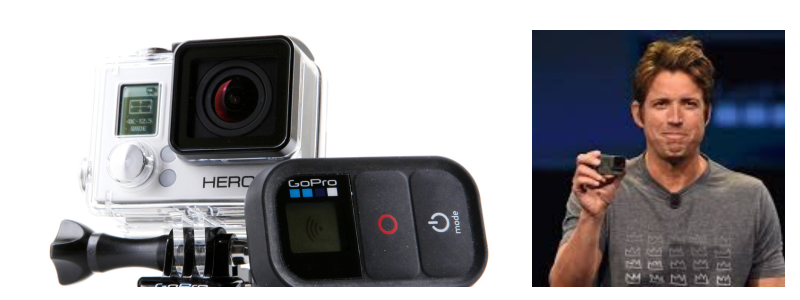
GoPro Inventor

GoPro camera was originally such a compact cam, though not first. Surfing, skydiving, or mountain biking aside, the rugged, small camera could capture high-definition footage in extreme conditions. Action sports videos, vlogging, and social media all stood to gain from Nick Woodman’s 2004 invention, which changed the way people documented their lives. Artists and adventurers love it for its wide-angle perspective, underwater setting, and sleek design. GoPro demonstrated the greatest camera is the one that’s on the ride, whichever it is.

6. Ring Video Doorbell

Ring Video Doorbell is a small gadget equipped with camera placed in the front door of a house which enables owners to see, hear, speak and interact with people through the smartphone. Developed by Jamie Siminoff in 2013. It changes the way people deal with packages, deters porch pirates, and saves lives. The product is ideal for today’s homes since it is simple to use and move around. Its popularity also spawned the rapid expansion of home-based applications and intelligent home security systems.

7. Dyson Airblade Hand Dryer

Goodbye to the obnoxious, energy-hungry blowers. With the introduction of the Dyson Airblade in the mid-2000s, the public restroom experience was forever changed. Propelled by powerful yet blade-free technology, it hand-dries in 10 seconds by stripping water off skin with high-velocity sheets of air. It’s space-efficient in its design, clean, and energy-efficient-appropriate for use in airports, malls, and even office spaces. The Airblade not only saves time, but it’s also cleaner than paper towels and old-style dryers. Dyson’s ability to bring engineering elegance and minimalist industrial cool together makes this the least subtle powerful innovation in daily design.

8. Oculus Rift (Virtual Reality Headset)

Virtual reality was reborn with the Oculus Rift. It was created by Palmer Luckey and funded through crowdfunding in 2012, reopening global attention to virtual worlds of total immersion. The Rift enabled people to be more immersed in games, simulations, and virtual worlds than previously possible due to such elements as head tracking, stereoscopic 3D vision, and natural motion input. The Rift’s ungainly, goggle-like look has been a VR pop culture icon. Oculus’s acquisition by Facebook in 2014 set up the consumer virtual reality space and gave a benchmark to its competitors, including HTC Vive, PlayStation VR, and Meta Quest. The Rift brought virtual fantasies into reality, whether you were training, traveling, or playing games.

RELATED: Product Design Guide for Freelancers Developing an Invention

9. Roomba Robot Vacuum

The Roomba makes cleaning almost seem like a pleasure. Introduced by iRobot’s product engineers in 2002, this disc-shaped robot employed sensors and intelligent navigation to clean floors on its own. It became the family assistant nobody knew they needed. Its disc shape rolls under couches and makes its way through spaces with irresistibly clumsy charm. Year by year, Roombas were getting smarter-app control, dirt detection, and self-emptying. For busy households, pet owners, and techphiles, it’s a game-changer. By turning ordinary chore into a smart one through smart design, Roomba swept us off our feet in an ocean of love by homeowners and gadget freaks alike.

10. Kindle eReader
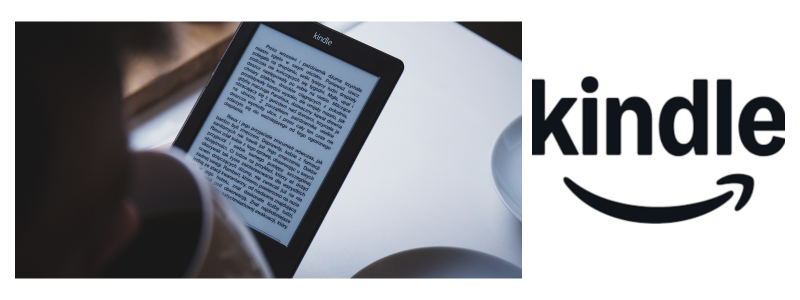
Kindle eReader

Amazon Kindle changed the book business. Its 2007 launch came with a clear, paper-like screen powered by E Ink technology that made it ideal to read electronic books. No glare, no carrying around stacks of paperbacks-just one thousand books in your hand. The battery lasts weeks, and later generations are waterproof and backlit for night reading. The Kindle didn’t revolutionize books-it revolutionized publishing for indie authors and the way people read. It’s an ageless example of clever design combined with digital technology to improve a human activity that’s been around forever: reading. 

11. AirPods

When Apple introduced AirPods in 2016, everyone didn’t know what to do with the white sticks. Not for long. The wireless earbuds were a design and pop culture phenomenon. They fit snugly together, played superbly, and came in a neat case that charged them too. Wirelessness seems like something straight from science fiction. AirPods also introduced new controls like tap and voice. Their sleek, understated design became ubiquitous, popping up everywhere. Straphanging on the subway, pumping iron, or calling someone, customers felt the freedom. Apple converted the humble headphone into a fashion and technology symbol. 

12. Square Payment Reader 

Converting phones into credit card readers, Square leveled the playing field for business transactions. Started by Jim McKelvey and Jack Dorsey in 2009, the small white reader that plugged into the headphone jack of a phone made every individual available for payments, from food truck owners, to street vendors, dog walkers, and house painters. It democratized small business. The design is minimalist, sleek, and nearly playful. Keeping track of sales and even stock was easier with the Square app. Square revolutionized access to finances as it grew into a full point-of-sale platform. Square gave back control to vendors in an age of easy cashless payments. 

13. Tile Bluetooth Monitor 

Lost your keys once again? Tile is on your side, so do not fret. Released in 2013, the Tile Bluetooth trackers leverage a paired app to assist in locating misplaced items. Simply attach one to a wallet, purse, or TV remote and ring it on your phone, or find your phone by double-pressing the Tile. Thin profile fits neatly into everyday objects, and crowd-finding feature allows for recovery of lost items from other nearby Tile owners. The final combination of practical technology and intelligent design makes this app invention from the app developers the best choice for the forgetful. Tile stood up for the ordinary things and let humans catch their breath, one chime at a time. 

14. Nest Learning Thermostat 

Co-designed by ex-Apple engineers Tony Fadell and Matt Rogers, Nest Thermostat gave brains to home heating and cooling. Launched originally in 2011, this svelte, cylindrical device learns your schedule and adjusts temperatures automatically. With its swoopy lines and low-slung look, it snuck into contemporary homes without screaming “technology.” Nest also saved energy by feeling a presence. It might be operated via smartphone, so climate control would be intelligent and frugal. The gorgeous look and machine learning-based cleverness of Nest set the standard for smart home products to follow, showing that smart design is penny-pinching-and planet-saving. 

RELATED: Revolutionary Invention Ideas That Kids Developed: New Invention Development Services

15. Spotify 

Spotify inventor

Spotify did not invent music streaming, but it made it inevitable. With its user-friendly interface, highly personalized playlists, and mighty suggestion algorithm, Spotify, which was founded in 2008 by Daniel Ek and Martin Lorentzon, revolutionized the way individuals listened to, shared, and discovered music. Individuals could now browse millions of songs with ease and legally, eradicating music piracy and allowing musicians all over the world to make music. Moments like Wrapped turned culture listening into an event, and smartphone tested playlists. Its algorithm is hooky, its potential boundless, and its polishing modest. Spotify turned music into a live, social, and deeply personal score of life. 

16. DJI Phantom Drones 

Aerial photography was made famous by DJI and their Phantom drones. These drones have a white plastic body to protect its electronics. Drones are usually equipped with GPS and camera stability, and must be controlled with smartphone control. Drones are also used to capture cinematic video for vloggers, real estate agents, and hobbyists. Launched at the beginning of the 2010s, it created a whole new line of consumer drones. Passengers were secure on flights thanks to safety features like obstacle avoidance and auto-return, courtesy of the beautiful design and simplicity of the flying mechanism of DJI. It made you a master of the sky. 

17. Peloton Bike 

Instead of just manufacturing exercise bikes, Peloton’s product designers made fitness a lifestyle. In 2014, Peloton bike married technology, software, and live instruction that was streamed to produce a dynamic training experience. Pedalers were able to pedal with real instructors, race against each other on leaderboards, and work out in the comfort of their homes. It seemed high-tech with its big screen, swooping shape, and app integration. They became especially popular during the pandemic with lockdown home gyms. It built a tribe as well as selling hardware. Peloton revolutionized the social, competitive, and so much fun at-home music workout with support and measurable feedback.

18. Netflix Binge-Watching 

Once celebrated for sending DVDs by mail, Netflix woke up in 2007, and changed the entertainment game. TV shows were on-demand, ad-free, and time-of-day-limited, within an evening. Its stunning app design, autoplay, and uncluttered navigation turned “just one episode” into five. Netflix also became a major content producer, losing so-called bombdrops such as The Crown and Stranger Things. It’s this move that made Netflix unbeatable. It didn’t kill Blockbuster, so much as revolutionized how viewers watch TV. The “Netflix effect” ignited to life millions of streaming sites and ushered in the era of binge-watching originals.

19. Apple Watch

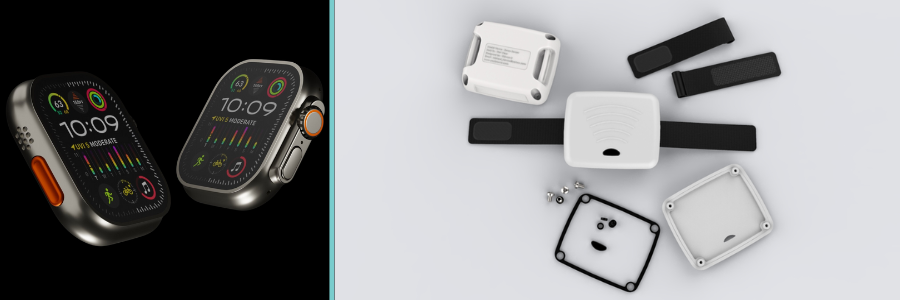
It was more than a timepiece because the Apple Watch was a wrist computer, communication device, and fitness coach. It came in 2015 with fitness tracking, heart monitoring, texting, GPS, and faces that could be changed-out of a thin, rounded rectangle case. Subsequent versions included ECGs, blood oxygen, and crash detection. With intuitive integration into the Apple world, it was an extension of the million-strong way of life. 

20. Foldable Phones 
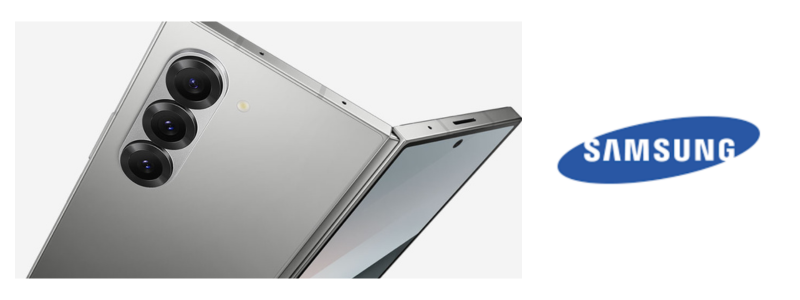
Foldable phones

Foldable phones were science fiction but aren’t. The revolutionists were Huawei, Motorola, and others following Samsung’s launch of Galaxy Fold in 2019. They used bendable screens, consisting of flexible OLEDs that morphed smartphones into hybrid tablets because it folded to fit into your pocket but opened to multitask, read, and play games. The initial prototypes were fragile but subsequent breakthroughs were driven by thinner hinges and more resilient screens. Foldables disobeyed the laws of material science, UX design engineeering services, and form factor design. They’re not for all-but they’ve opened a new frontier in smartphone design, fold by fold. 

RELATED: Top 101 Black Inventors & African American’s Best Invention Ideas that Changed The World

21. Slack

Slack transformed how businesses interacted with each other by eliminating the practice of using e-mail chains and embracing real-time chat protocols. Stewart Butterfield founded Slack in 2013 with the vision of making messaging look like it’s not inbox chaos. With Slack, its simple interface and extensive features made it easy to communicate with team members of the company, which includes sending files, group tools and pin project threads. Slack revolutionized office messaging, particularly for remote teams, and was one of the foundations of the contemporary workplace, where productivity and culture were bundled together in varying channels. 

22. Raspberry Pi 

Raspberry Pi drove a worldwide do-it-yourself technology revolution. The Raspberry Pi Foundation launched the minicomputer in 2012. It is smaller than an evening out for dinner, but used to perform everything from weather stations to arcade emulators. Its vision? Computing is easy and easy to learn. For its price, simplicity, and flexibility, design engineers, students, and hobbyists embraced it. It can run full operating systems, programming, hardware hacking, and internet browsing in this box. People were not just using but creating with technology because of the Pi. Building a smart mirror or programming a robot were two examples where the Raspberry Pi showed us that imagination is the result of an innovative mind and not one with deep pockets.

23. Google Maps with Street View

It made paper atlases like Google’s obsolete, but it completely changed the way we are capable of navigating, finding, and seeing the world. It started in 2005 and then was supplemented with satellite imagery, real-time traffic, and turn-by-turn navigation. But Street View, introduced in 2007, sealed the deal, where you could virtually stroll down towns and cities on 360-degree photography. Its simplicity and map density place it at number one on everyone’s lists for visitors, commuters, and even delivery drivers. 

24. AncestryDNA & 23andMe Kits 

Are you curious about where you’re from? Direct-to-consumer genetic testing kits such as 23andMe and AncestryDNA have introduced genetic testing into living rooms worldwide. Just spit into a tube, send it off, and in a matter of weeks you’ll receive a report on your ancestry, ethnic origins, and health characteristics. The companies use sophisticated genomics and user-friendly looks to turn dense genetic information into cheerful, clear text. For some, it’s been an opener-unifying scattered cousins, finding heritage surprises, or initiating prevention medicine. Brought to market in late 2000s, they made DNA tests popular. Despite ongoing privacy scandals, the very availability of kits has turned genetic curiosity into an activity for the family. 

25. Uber

Uber co-founders

Uber didn’t invent ride-hailing, but it rebranded it for some. Launched in 2010, it transformed how people get around cities by turning smartphones into taxi-hailing magic wands. With just a few taps, a car shows up, you’re on your way, and payment is seamless-no cash, no awkward tipping. Uber’s bare-bones user experience, GPS tracking, and rider ratings infused efficiency, security, and convenience into city transport. It opened up a new gig economy for drivers and remapped the mobility strategy of cities. Provocative? Maybe. But simply revolutionary, Uber’s app-based business model, service design, and analytics-honed logistics redefined commuter culture for good-or at least forever.

26. Solar Roof Tiles

Tesla’s Solar Roof tiles put renewable energy on steroids and put attitude behind it. In stores in 2016, the solar shingles that resembled ordinary roofing shingles-thinner-than-an-inch, long-term, style-broadcasted. No clunky panels, no wires to track down, just sexy good looks and clean electricity flowing into your house. The idea wedded sustainability, technology, and style and spoke to homeowners who wanted green technology without losing curb appeal. 

RELATED: 7 Tips for Naming New Invention Designs When You Hire a Product Design Company 

27. Haptic Touchscreens 

Haptics made glass screens work. When phones turned keyboard-free, haptic feedback is what we lost. Along came haptic tech- very small vibrations that simulate clicks, presses, and resistance. Apple’s Taptic Engine, launched with the iPhone 7, popularized sophisticated haptics. Physical feedback when you “click” a virtual button or get a light buzz from scrolling through options was made possible. This subtle feedback enhanced usability, accessibility, and immersion, particularly in Metaverse 3D gaming design services and virtual design. It made digital interfaces more intuitive and human. From smartphones to wearables, controllers, and even medical devices, haptics pervade. Tactile touchscreens showed that invisible buttons even have a right to be touched.

28. Kindle Scribe and Digital Notebooks 

Kindle Scribe and other digital notebooks like the reMarkable wed the joy of handwriting with digital convenience. These E Ink tablets allow people to write notes, mark up PDFs, and draw to precision-without the interruption of apps or email. Thin, paper-thin, and made for writers, thinkers, and minimalists, they mimic the analog feel with the convenience of cloud sync and editing capabilities. Weeks on a battery, and pen writing feels natural with low-latency pens. It’s the infrequent marriage of analog feel and digital convenience. For the occasional note-taker of the finicky stack of notebooks type, these devices provide a soothing, streamlined, and efficient solution. 

29. Self-Healing Materials 

Imagine a bumper on a car that heals scratches or a smartphone screen that fixes cracks. That is the promise of self-healing materials-polymers and coatings that mend themselves when they are broken. They gained momentum in research since the early 2000s with nanotechnology and chemistry advances. Some release healing agents in microcapsules, while others burst and rebuild molecular bonds with light or heat. Uses range from the aerospace industry to consumer electronics. Though still not mainstream, prototypes have already been constructed in sneakers, phones, and highways. The materials could potentially make products stronger, waste less, and cost less to repair-all by simply “healing” like skin. 

30. Google Translate AI-Powered Neural Translation
Google translate

Language barriers were, to a great extent, bridged with AI translation. Google Translate’s neural machine translation, which debuted in 2016, ditched phrase-by-phrase and went for deep learning. Result: smoother, context-sensitive translations in over 100 languages. Translates idioms, slang, and subtlety far better than earlier technology. Pre-baked into browsers, smartphones, and common devices like instant camera translation, it facilitates communication for travelers, students, and businesses. To world cooperation, it’s been revolutionary. From translating a Tokyo menu to text-messaging a Spanish-speaking friend, neural translation unites people. AI didn’t translate-it brought languages to everybody.

31. Touchless Smart Faucets

Cleaner technology, cleaner hands. Smart faucets that operate with the wave of a hand use motion detection to turn on the flow of water, reducing germs and saving water. On public restrooms, it first was the product line to go mainstream, but now smart appliances are invading homes, restaurants, and hospitals-most especially, perhaps, in this era of COVID. Brands like Moen and Kohler retailed versions that were early beautifully packaged with temperature adjustment, early voice control, and even app syncing. The future is hand-free washing with a sci-fi spin. Refilling a kettle, washing vegetables, or skipping the potential contamination induced by cooking, smart faucets are where form meets simplicity with hygiene-and a pinch of sci-fi.

32. Neuralink Brain-Machine Interface (BMI)

Elon Musk’s Neuralink is expanding the boundaries of direct brain-to-machine communication. The concept? Implant a chip that enables the brain to communicate with devices electronically-from moving a cursor to restoring motor function to paralysis patients. A 2019 launch, Neuralink is made up of super-slim threads inserted into the brain and a wrist computer that communicates wirelessly. Still in its testing stages, its potential is awe-inspiring: think of wiping out neurological diseases, boosting memory, or even blending minds with machines.

RELATED: Understanding the Different Types of Patents for Your New Product Designs & Inventions

33. Battery-Heated Jackets

Winter clothing has been revolutionized by heated jackets. Manufacturing companies like Ororo, Milwaukee, and Columbia now market outerwear with battery-heating packs. The jackets allow for easy adjustment of the level of warmth using a button or smartphone app, targeting areas like the chest, back, and hands. Fuelled by rechargeable lithium-ion batteries, they give off several hours’ worth of warmth-enough for a construction worker, outdoorsman, or anyone who’s had his share of shivering. Sleek, light, and wonderfully practical, heated jackets merge style and wearable technology. Some are even washable. They’re proof that innovation isn’t always bytes-based sometimes; sometimes it’s rethinking old ways of doing something, like staying warm in smarter incarnations.

34. Apple M1 Chip

Apple M1 chip revolutionized computing. Launched in 2020, the ARM processor replaced Intel chips in Macs with unprecedented speed, power efficiency, and buttery-smooth integration. Designed in-house at Apple, the M1 integrated CPU, GPU, RAM, and neural engine onto one chip to deliver instant speed in a fanless MacBook Air. Apps launch instantly, multitasking is effortless, and battery life extends to ridiculous durations. The innovation of M1 wasn’t entirely technical-it was towards vertical integration, in which hardware and software are designed together. With forms that are breathtakingly beautiful and specs that are jaw-dropping, the M1 taught us that excellent chips make so much more wonderful the user experience.

35. Bionic Prosthetic Limbs
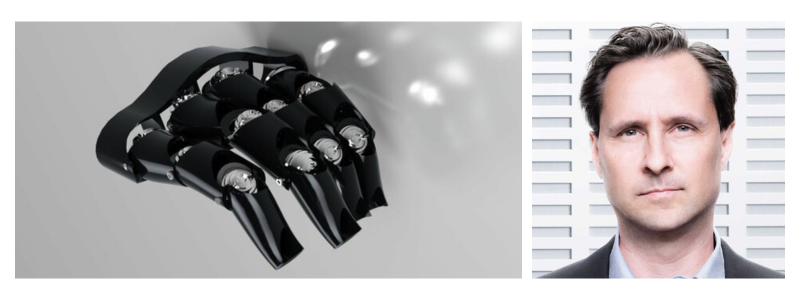
bionic prosthetic limbs inventor

Nowadays, bionic limbs not only restore movement but also improve it. Propelled by motors, sensors, and even brain activity, prosthetics today mimic movement with dizzying proficiency. Companies like Össur, Open Bionics, and DEKA Arm have crafted limbs that can sense muscle impulses, offer delicate motor control, and adapt to motion of the wearer. Lightweight, intelligent, and responsive, they are miracles of biomedical engineering. Some even offer touch feedback through haptic sensors. The union of functionality and aesthetics turned them into facilitation tools rather than medical devices. Every step, reach, or wave, these bionic arms are evidence of innovation at its most human form.

36. LED Smart Bulbs

Lighting was a given a huge injection of IQ with the invention of LED smart bulbs. Energy-hungry miracles such as Philips Hue and LIFX allow consumers to control brightness, color temperature, and even mood-inducing colors via smartphone or voice assistant. Want that warm evening glow or blue breakfast burst? Command it. They’re energy efficient, long living, and can be made part of smart home systems to allow automations and routines. From sync-ing music to lighting to designing scenes for movie night, smart bulbs integrate ambiance, technology, and design. They aren’t light bulbs-they’re experiences crafted for life now.

37. Biodegradable Packaging

Green innovation stole the spotlight with biodegradable packaging. Brands started switching out plastic with compostable materials such as mushroom mycelium, cornstarch, seaweed, and sugarcane fiber that disintegrate naturally without recycling. From takeout containers to computers, this transition diminishes landfills and toxins but appears clean and effective. The products are built to be used once but vanish in weeks, not centuries. Packaging design companies like Notpla and Ecovative shattered the mold, demonstrating how sustainability and intelligence could coexist. With an age of over-packing, this answer is intelligent in minimalism. It’s evidence that design’s future isn’t only intelligent-but guilt-free and green too.

38. Apple Face ID

Security and convenience gained a new competitor when Apple launched Face ID in 2017. Using infrared cameras to scan more than 30,000 facial points, it provided smudge-proof, secure unlocking, payment verification, and access to apps. The technology was quick, seamless, and functional in the dark-no more forgotten passcodes or smudged fingerprint sensors. Meant to be all but invisible, Face ID fit the iPhone’s slender notch perfectly, reconciling state-of-the-art biometrics with Apple’s minimalist aesthetic ideals. It raised the bar for phone security without being intrusive in so doing. With each glance-unlock, Face ID showed that leading-edge technology need no longer appear alien-space-like, just functional.

RELATED: Taking a New Product Invention To Market? What Inventors Need to Know

39. Smart Mirrors

Smart mirrors turned bathroom walls and vanity tables into touch-sensitive surfaces. These tech-enabled surfaces display it all from headlines and weather to exercise statistics and makeup advice-while staring back at you. Mirror, HiMirror, and even hobbyists creating do-it-yourself versions with voice activation, motion sensing, and LED screens put the concept into practice. At the gym, they were virtual trainers; in dermatology, diagnostic machines. Some are integrated into calendars and home assistants. Streamlined, beautiful, and utilitarian, smart mirrors enhance morning productivity and exercise via immersion. Half mirror, half screen, completely on the cutting edge of technology-a beautiful combination of function and luxury. 

40. Reusable Smart Notebooks 
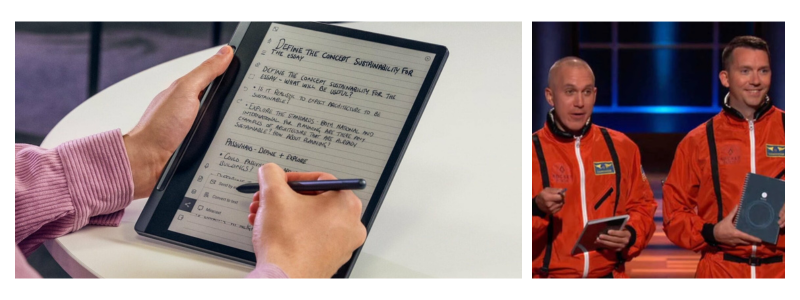
Reusable smart notebook founders

Notebooks went digital-without losing the pen. Rocketbook and other companies created erasable, cloud-syncing notebooks that behave like paper but send notes to Google Drive or Dropbox. Use a special pen, scan with an app, erase pages, repeat. These notebooks save waste, save space, and offer analog freedom with digital security. Designed for artists, professionals, and students, they have clean minimal covers and open dotted pages. With intelligent symbols and QR codes to classify, they make it simple to organize. Reusable intelligent notebooks demonstrated that note-taking the traditional way would revolutionize-without compromising its feel. 

41. Augmented Reality (AR) Glasses 

Although still nascent, AR glasses such as Microsoft HoloLens and Magic Leap made virtual objects appear in the real world. Rather than complete VR, AR layers graphics, information, or interactive models on top of your environment-good for training, design, navigation, and games. In healthcare, AR aids surgeons with real-time visualizations. In design, it assists architectural designers in previewing models in 3D space. While clunky nowadays, these gadgets hold out the promise of a day when glasses educate, inform, and entertain us. Integrating technology with daily life, AR glasses usher in wearable computing tomorrow. They’re not face-mounted monitors-they’re portals to interactive, augmenting realities. 

42. Waze Community-Powered Navigation 

Waze made driving smarter and social. This Google-owned GPS navigation app crowdsources real-time reports from drivers- warning people about traffic congestion, police, potholes, and accidents. Instead of employing algorithms, it is people-powered. Its playful, game-like nature encourages the community to collaborate. From navigating around traffic jams to finding hidden shortcuts, Waze makes driving more engaging and smarter. It recalculates dynamically in real time, conserving time and aggravation. Its utility is coupled with beauty, impacting millions of lives as they find their way through the very literal turns and detours of life. Waze did not just give directions-it made car drivers a voice on the road. 

43. Voice Assistants (Alexa, Google Assistant, Siri) 

Smart speakers have given homes a voice-and ears. Alexa, Google Assistant, and Siri assistants have made voice commands part of the family routine. Need music? Lights off? Weather report? Just say it. These AI-powered computer technologies are implanted in thin phones and speakers and act as assistants, DJs, and windows of information. Their natural language processing and interfaces made technology human. They went from scheduling to answering trivia and became the companions of today overnight. Other than convenience, they enabled access for the disabled. Voice assistants revolutionized interface design-no screen at all, just voice-and brought machines into the realm of the spoken as a standard and indeed something desirable. 

44. E-Ink Price Tags 

Retail shelf labels were made digital by the help of E-Ink price tags. Paper labels were replaced by wireless-refreshing electronic signs with live pricing updates, flash sale messages, and inventory synchronization. Thin, power-saving displays using the same technology used in eReaders provide legible, readable sign without backlight. They conserve paper, time, and mispricing mistakes while keeping shelves appearing clean and hip. Electronics retailers and supermarket chains used them for dynamic pricing and successful store operations. It’s a subtle but crucial enhancement-one that redefines retail logistics and enhances shopping. E-Ink price labels aren’t flashy, but they’re evidence that even the smallest items can change smartly. 

RELATED: How to Tell If Your New Invention Idea Is a Good One

45. EpiPen Auto-Injector 
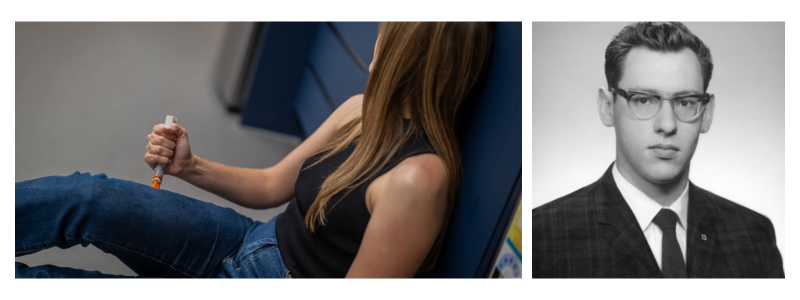
Epi-pen inventor

The EpiPen was a savior for patients with allergies. With a swift push, it delivers a pre-set amount of epinephrine to halt anaphylaxis. Made for quick, single-hand use, it can be delivered by anyone-even kids-without medical training. Although made in advance, its contemporary auto-injector mechanism gained popularity over the past 30 years. Tube-shaped device is accessible into bags or pockets with step-by-step guide and color-coded indicators. During a crisis, seconds count-and the EpiPen was invented with speed, convenience, and reliability. It’s not glam-tech, but a demonstration of clever design from expert medical device designers as a hero in the time of need. 

46. Mobile Check Deposit 

Remember lining up at banks? Mobile check deposit apps rendered that largely redundant. This technology makes it possible to deposit checks by taking a photo of them with their bank’s app-no envelopes, no branches, no hassle. It was a huge time-saver, particularly for small businesses and freelancers. With strong security features, mobile deposits are now everywhere and accepted. The functionality is cool but discreetly minimalist: open your app, scan both sides, submit. Voilà-money in your account. This minor interface change made managing money so much simpler. Mobile check deposit did not merely upgrade banking; it brought banking into the era of pocket power. 

47. Folding Electric Scooters 

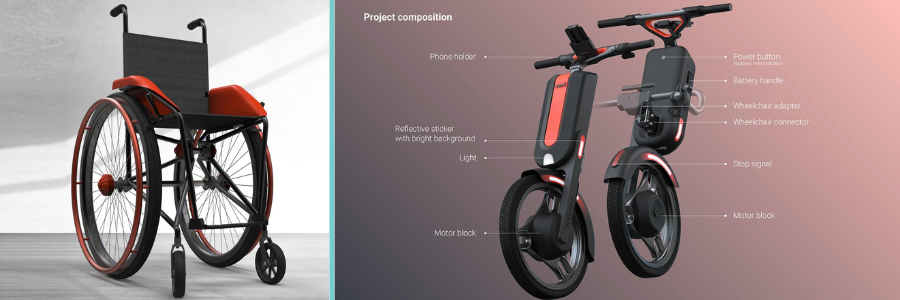
City commuting just got easier and more environmentally friendly with folding electric scooters. Xiaomi, Segway, and Bird made it convenient to whizz down city sidewalks, fold up your scooter, and wheel into the coffeeshop. Thin frames, power-saving batteries, and intelligent screens made them suitable for micro-commuting and last-mile travel. Reaching 25 km/h as the maximum speed and having a range exceeding 20 km, they are a convenient mode of transportation compared to using cars or the metro. Their small footprint and app-based rental platforms revolutionized city mobility, particularly in densely populated cities. Folding scooters demonstrated how mobility would be cool, green, and unstructured-without the traffic jam or the parking nightmare. 

48. Online Learning Sites (Coursera, Udemy, Khan Academy) 

Learning came out of the classroom thanks to online learning sites such as Coursera, Udemy, and Khan Academy. The sites offer low-cost, convenient, and in some cases, free access to college-level courses, skills, and tutorials. From home, they listen to lectures, do homework, and get certificates-if learning Python or philosophy. Their minimalist sites provide report tracking, quizzes, and discussion boards. Founded in the early 2010s, they democratized education by lowering prices and spatial constraints. They accommodate curious learners, career changers, and lifelong learners. Online learning was the classroom of the 21st century-and put knowledge at our fingertips. 

49. Zero-Waste Refillable Stores & Systems 

The zero-waste revolution received a retail makeover in the form of refillable shops and closed-loop product systems. Retailers such as Loop and neighborhood bulk stores brought us the hippest containers and eco-friendly supply chains where shoppers refill shampoo, spices, or snacks, with no disposable packaging, and tidy refill stations. Green labeling, rewards programs, and doorstep pick-up make it simple to be green. It’s not a trend, but more a change in behavior. Refill programs with zero waste address environmental effects through design-based solutions that are timely, ethical, and even luxurious. Who knew going green would be so fashionable? 

50. Anti-Snore Smart Pillows 
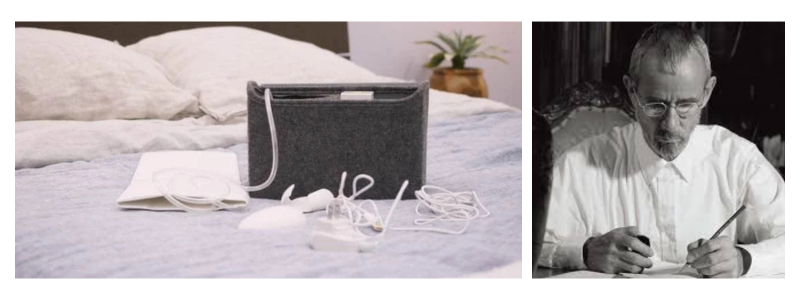
Anti-snore smart pillow

Sleep technology met snoring in the guise of smart pillows that track vibrations and adjust your head slightly. Innovations like Smart Nora and ZEEQ utilized sensors in firm, cushy pillows that monitor breathing and adapt accordingly. Others even emit white noise, monitor sleeping phases, or gently buzz to prompt you to roll over without disturbing you. Gentle and quietly interventionist, these pillows eradicate snoring and optimize partner pleasure. Connected apps offer sleep reports, style covers disguising the tech inside. It’s genius and comfort. Anti-snore pillows demonstrate the best that the worst inventions can offer: better nights and better morns. 

RELATED: 101 Best Inventions Ideas of All-Time & Innovations that Changed the World’s History

51. Transparent OLED Screens 

Screens no longer have to be brutish slabs-transparent OLED making screens blend into glass surfaces. LG and Samsung have paved the way, providing panels that turn windows, billboards, and even refrigerators into interactive content centers. They are futuristic, slender screens that enable images to hover mid-air while making things in the background easily accessible. For architecture, they are integrated into smart homes; for retail, they construct mind-boggling billboards. Though still pricey, the scope for 3D design services is endless. Transparent OLEDs marry minimalism with state-of-the-art technology, envisioning an era in which your window is a screen-and your screen is invisible when it’s not needed. 

52. Self-Driving Car Prototypes 

Driverless cars are more than just a dream, thanks to innovations by companies like Waymo, Tesla, and Cruise. The autonomous vehicles depend on an orchestra of sensors-LIDAR, radar, and cameras-to “see” the road, make decisions, and navigate through traffic. The computer program translates real-time environmental data and adjusts speed, direction, and brake with intelligence. The structure is not mechanical but computational. While complete independence is in the offing, test fleets are already ferrying passengers in some cities. The ultimate promise? Safe roads, less congestion, and improved mobility for the disabled. Autonomous car models are driving us into the future-hands-free and high-tech. 

53. Smart Contact Lenses 

Imagine receiving directions, health data, or alerts right into your eye. Smart contact lenses aim to do just that. Companies like Mojo Vision are making lenses that have micro-LED displays, sensors, and wireless integrated into a transparent disk placed on the cornea. The lenses can monitor diabetics’ blood sugars, assist the blind, or offer augmented reality overlays. The technology is daunting, but so is the potential. It’s the ultimate wearable-sneaky, hands-free, and perpetually connected. Smart contact lenses are more than a quantum leap in display technology; they’re a sci-fi movie idea-just right for staying under the radar and completely necessary. 

54. Lume Cube & Carry-On Creator Lights 

As content creators rose to fame, so did the need for better lighting-meet Lume Cube and other carry-on, rechargeable light sources. The diminutive powerhorses provide gentle, adjustable light for photos, video calls, vlogs, and live streams. Mount them on a tripod, laptop, or camera and enjoy pro-grade lighting anywhere. With daylight color accuracy, app control, and aluminum unibody designs, they’re as functional as they are beautiful. Creators love the portability and scalability. With anyone potentially being a broadcaster today, streaming-friendly creator lights bring studio-grade quality to bedrooms, cafes, and vlogs on the go. It’s an easy concept that ushered in next-level-one glow-up at a time for digital storytelling. 

55. Standing Desks with Adjustability 
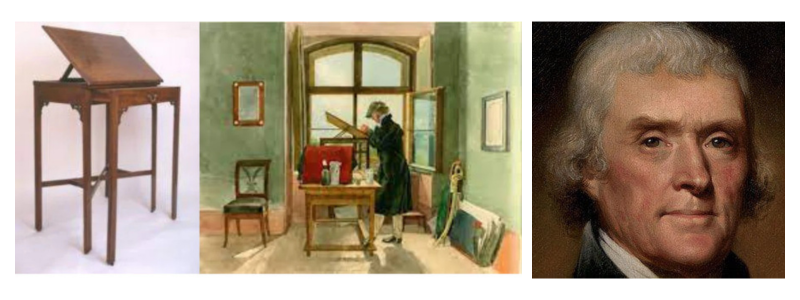
Adjustable standing desk

Bye-bye, stiff chairs-hello, mobility. Adjustable standing desks make users switch between sitting and standing with the flip of a button or manual switch. UPLIFT and Fully were companies that created sleek, modern configurations that increase health and productivity. Desks can be seen especially in home offices, with ergonomic control, cable management, and customization features such as built-in power outlets and memory recall. Studies show standing from time to time improves posture and energy levels, and customers sing praise about comfort. For typing, drawing, or Zooming, these desks will adjust to your work flow. The furniture designers didn’t just design furniture – they designed the way people think about workspaces. 

56. Smart Water Bottles 

Water and ingenuity meld into smart water bottles that nudge you to drink, track what you are drinking, and sync with exercise apps. HidrateSpark and Thermos Connected made slim, insulated bottles with sensors and LED lights. Some glow at sip times; others offer sophisticated graphs of hydration. It’s a health aide in the form of a chic accessory. Active enthusiasts, office workers, and tech-savvy drinkers enjoy the added oomph. With long-lasting batteries and BPA-free materials, they’re also convenient. Smart bottles proved that even mundane daily activities-such as drinking water-can be enhanced with smart technology, clever reminders, and innovative design. 

RELATED:  Why should you hire professional product design companies and services experts

57. Smart Glass Windows 

Smart glass-or electrochromic windows-will turn from transparent to shaded with the touch of a button or automatically through the use of light sensors. The innovation controls interior light and heat, avoiding glare and saving energy. Installed in high-rise luxury condominium buildings, aircraft, and residences, smart glass renders blinds and curtains unnecessary. With its smooth surface ideal for modern architecture, discretion is combined with economy. Where aesthetics and responsibility meet, smart windows are not only practical-they’re high-tech, fashion-savvy elements of forward-thinking environments. The icing on the cake? They embrace the light but not the heat-or nosy observers. 

58. Livestream Shopping Sites 

Livestream shopping sites allow hosts to sell products live while users inquire and shop. Sellers reach customers directly in real time, from beauty treatments to computer peripherals. This technology combines entertainment, shopping, and socialization. Visual and touch are new and interactive, with chat overlays, product pins, and seamless payments. It’s e-shoppering for the digital age-personal, fun, and conversion-driven.

59. Foldable TV Screens 

TVs also got totally dynamic with rollable and foldable screens. LG’s Signature OLED R folds up into the stand itself like a yoga mat and disappears when idle. Flexible screens use super-thin OLED panels that bend without compromising on picture quality. It’s a mind-blistering mix of form and function-customised for sci-fi-style living rooms or design minimalism. Foldable screens also get TVs more mobile, more versatile, and inventive in placement. Without losing a premium positioning, this technology transforms entertainment design. Foldable TVs don’t merely show things-they rewrite the rules of how and where screens exist in the living room. 

60. Mini Phone Projectors 
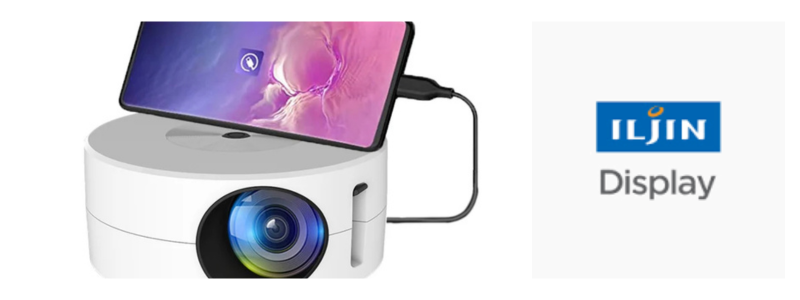
Mini phone projectors

Projector technology was mini-rebooted as mini projectors that link to smartphones for in-your-pocket movie nights, presentations, or games. Palm-sized projectors like the Anker Nebula Capsule feature LED projection, speakers, and wireless casting. On a wall, ceiling, or tent flap, they take theatre to you. Portable, compact, and sleek in design, it’s ideal for impromptu moments. From business travelers to backyard party hosts, the world can’t get enough of the convenience and the ‘wow’ element. Mini projectors demonstrate big entertainment but not necessarily big equipment. They are easy to use to transform any empty surface into a dream screen.

61. Heated Insoles Powered by Batteries

Frozen toes? Think again. Battery-heated insoles are revolutionizing winter footwear. Thin, rechargeable inserts heat up your toes via integrated heating coils, often phone-app adjustable. With temperature control and all-day battery life, they’re perfect for outdoor laborers, backpackers, and skiers. Companies like ThermaCELL and Dr.Warm developed insoles that can be trimmed to fit best and worn with moisture-wicking comfort. They’re lean, mean, and plain-out cold-weather game-changers. Innovation does not always translate to flashy gadgets-sometimes it translates to making the mundane turn atrociously comfortable. Heated insoles are sneaky little miracles that are concealed within your shoes-and your snow boots’ top buddies.

62. Wi-Fi 6 & Mesh Networking

Home Wi-Fi was so desperately needed received a boost from Wi-Fi 6 and mesh networks such as Google Nest and Eero. These routers provide quicker speed, improved signal strength, and improved performance for multiple devices. Mesh routers utilize multiple nodes in and around your home to eliminate dead spots and provide quality internet coverage. No more buffering in bedrooms or dropped calls in the kitchen. Wi-Fi 6 can also support more connections at the same time-great for smart homes with lots of gadgets. Easy setup and app-based, just right for non-geeks. Reliable internet became more critical after 2020, and mesh networks made sure that the connection did not just work-it worked everywhere.

RELATED: 3 Steps to transform your business idea into a new prototype with new design services firms

63. Bioengineered Leather (Mylo, Piñatex)

With fashion design services , bioengineered leather is a sustainable, animal-free alternative to traditional leather, without sacrificing style or durability. Mylo (crafted using mushroom mycelium) and Piñatex (crafted using pineapple fibers) are greenening fashion, accessory by accessory. They are compostable, green, and well-designed, ideal for shoes, accessories, and upholstery. Unlike plastic “vegan” leathers, bio-leathers are not just a touch, but also petroleum-free. They’re the designer’s first choice when they love their feel, strength, and environmentally responsible credentials. It’s not fashion guilt-it’s ethics of high design. Bioengineered leather redefines luxury with smart innovation, where good design and good impact are harmonious.

64. Smart Rings

For the wearer who doesn’t want to wear a smartwatch but wants smart features, smart rings like Oura and Ultrahuman designed by skilled jewelry modelers are the answer. Thin and discreet, these bands track sleep, heart rate, activity, and more-all within the finger. These can sync with apps, offer recovery and stress feedback, and function on battery power for weeks. Perfect for minimalists and health-conscious consumers, smart rings combine form and function. Made of ceramic or titanium, they’re durable but sleek enough to wear every day. Without screens, they’re distraction-free and still offer high-quality biometric data. Smart rings shrink wearable technology down to its thinnest, most contemporary form.

65. Wearable Clean Air Technology & Personal Air Purifiers

Neck-worn air purifier

Air quality was made personal with wearable air purifiers and travel-sized filtration units for urban residents, travellers, and allergy victims. Companies such as LG and Atmos that specialise in wearables design services have worked on neck-worn or clip-on air purifiers that remove pollutants, allergens, and even airborne viruses based on the HEPA technology and ionisers. Streamlined, quiet, and rechargeable, these devices protect lungs on the move-especially in cities with bad air or busy public spaces. They are perfect for daily commutes, air travel, or sensitive individuals in cities full of smog. With sleek, futuristic designs and clean, minimalist forms, single air purifiers bring health into wearables. They don’t just purify air – they make space breathable, wherever you are, breath by breath.

66. AI Chatbots & Friends

AI companions such as Replika or Woebot are not only smart-they’re emotionally smart, chatty, and very handy. They’re built for human interaction, either, mental wellness advice, friend banter, or online friendship. Through natural language processing, emotional tone detection, and individualized responses, they learn from users. Others utilize them for journaling, practice conversations, or self-reflection. Compared to automated assistants, the above chatbots aim at empathy, and in most cases, simulate a mentor or friend. They offer comfort without judgment, data-driven assistance, and round-the-clock access. As anxiety and loneliness increase, AI companions demonstrate that thoughtful design and code can calm the human condition-even through a screen.

67. Modular Smartphones (Fairphone, Framework)

Modular smartphones like Fairphone enable customers to swap parts-battery, camera, screen-without having to throw the whole phone away. It’s anti-throwaway technology, it’s personal, it’s sustainable. It’s not a gadget, it’s a message. Fairphone’s minimal design makes it easy to repair, while Framework (in laptops) takes the idea to desktops. Tech hackers love the DIY spirit; green consumers appreciate less e-waste. Modular phones remain niche, but they herald a profound shift: designing for longevity. In a culture obsessed with yearly upgrades, modular technology is the counter-intuitive game-changer-reserving that wiser design isn’t just new, but conserves and empowers.

68. 3D Printed Prosthetics

3D printing revolutionized prosthetics by making them less expensive, faster, and highly customizable. Prosthetic design organizations that offer like e-NABLE and start-ups around the world use 3D printers to create lightweight, durable limbs that are tailored for every user-mostly kids. They can add colors, superhero appearances, or more mechanical functionality, as required. What was once in thousands of dollars is now made for under $100, putting the profession into the hands of users in underserved communities. These prosthetics are not just functional-they’re empowering, usually made in collaboration with the wearer. Innovation here is not an arm-and-a-leg proposition – it’s access, imagination, and consideration. 3D printed prosthetics transformed a life-altering need into a grassroots marvel of new technology.

RELATED: 21 Companies Looking for Your Invention Ideas to License New Products

69. Self-Cleaning Surfaces (Nanocoatings)

Imagine a world where your windows, phone screens, or toilets self-clean. That’s the power of nanocoatings. These tiny treatments remove dirt, bacteria, and even fingerprints because of superhydrophobic or photocatalytic action. Applied on glass, metal, ceramic, and fabric, they create surfaces that resist dirt, reduce cleaning, and enhance product life. Hospitals love the antibacterial potential; homeowners love streak-free glass. It’s the invisible tech you’ll never see-but always appreciate. From self-cleaning solar panels to stain-proof clothes, nanocoatings sneak innovation into everyday life. It’s not sexy, but it’s genius-showing how science and surface chemistry can happen behind the scenes to get the world cleaner.

70. Sleep-Tracking Headbands
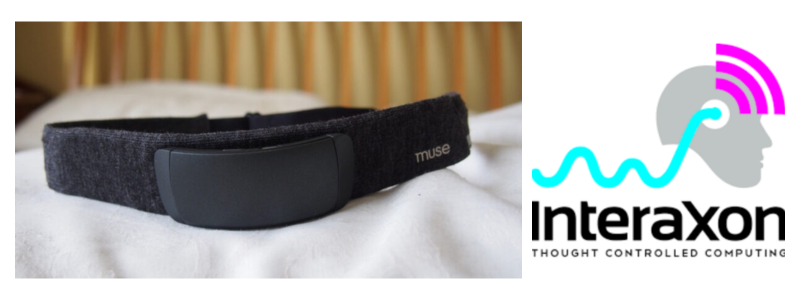
sleep-tracking headbands

Deep sleep is marrying deep tech in the guise of sleep headbands like Muse S and Dreem. They are intelligent bands that come with EEG sensors to track brainwaves, sleep, and relaxation levels and provide detailed data every morning. They also provide guided meditations, sound cues, and live feedback for improved sleep. Comfort-driven and accurate, these headbands don’t only track-they retrain your brain to sleep better. From insomnia relief to recovery optimization, sleep-tech wearables are transforming wellness. They are simple to wear, fast to charge, and look minimalist. Sleep science used to be in the lab-now it’s on your forehead, silently enhancing your nights.

71. Wireless Charging Furniture

Why fill your cables when your nightstand could charge your phone? Furniture wireless charging-applied to products by companies like IKEA, Nomad, and local home decor companies-still has Qi technology in tables, desks, and lamps. Simply put your device somewhere and have it charge itself. It’s minimalist utilitarian magic. They remove bulkiness, combine technology, and introduce invisible ease to interiors. With houses getting smarter day by day, powering up surfaces is the way forward. Be it nightstand tables or desktops, wireless charging furniture is transforming electronics usage experience-in tranquility, in style, and cable-clumsy-free.

72. Intelligent Anti-Theft Backpacks

Intelligent backpacks such as XD Design’s and Tzowla’s utilize high-tech coolness to daily commutes. The packs feature stealth zippers, slash-proof materials, and USB interfaces-all with urban hip chic. Others may come equipped with GPS tracking or fingerprint locking. Ideal for travelers, students, and urban dwellers, they’re style and convenience in one. Compartments keep things in line, waterproof sections protect from the rain, and cushioned inner core provides support. It’s not only about security-it’s about ease, as well. Anti-theft backpacks are not only a solution to urban mess; they are sanctuaries in the guise of style for your electronics, passport, and overnight rest. Safety never looked better.

73. Green Outdoor Gear

From backpack solar panels to solar lanterns and cookers, outdoor equipment is becoming green. Such devices charge with you on a trail, at camp, or basking in the sun, charging phones and heating meals, further miles from anywhere. Goal Zero and BioLite are pioneering renewable design experts with tough, high-efficiency designs. It’s the greenest survival of the fittest. Adieu campsite plug-seeking, let the sun do its magic. Solar gear demonstrates energy brilliance is not only for urban areas or utilities-it’s for explorers as well. This’s not only outdoor technology-it’s freedom off the grid, in sustainable design. Sunlight was tapped as energy-and as a necessity while camping.

74. Wearable Posture Trainers

Posture trainers like Upright Go quietly buzz when you slouch, reminding you back into place. Worn on your upper back or under clothing, they are worn in conjunction with apps to track posture behaviour and offer advice. Designed for working individuals, students, and anyone wedged in front of monitors, theses devices will eliminate backache and provide confidence. They’re quiet, easy to carry around, and wonderfully supportive. Feedback in real time, teaches improved habits over time-without annoying. It’s a “why didn’t this come sooner?” kind of device. Wearable posture trainers translate biofeedback into a soft prompt that good posture is not just a matter of health-just a matter of standing, period.

RELATED: Prototyping for Product Development & Investor Presentations

75. Magnetic Levitating Lamps
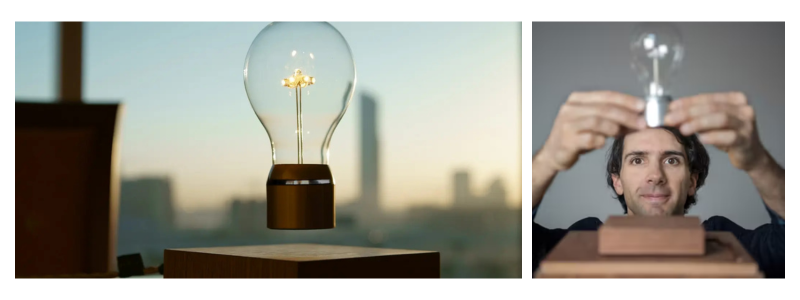
magnetic levitating lamp

Gravity was never hip. Magnetic levitating lamps float light bulbs or bases in the air via electromagnets, which rotate slowly as they cast a soft light. It’s half science experiment, half art display, and completely hypnotic. Electronics design companies like Gingko Design and Flyte took simple lighting and turned it into stunning pieces of conversation. No stand, no wire-it’s simply exact physics suspending the bulb in mid-air. It’s a fusion of design whimsy and technical accuracy, and perfect for a desk, nightstand, or modern room. It’s one of those products where form and function meet in the middle of air. Floating lamps light your space, not to mention everybody else’s noggin, without coming even remotely close to touching the ground.

76. Smart Mirrors

Smart mirrors merge reflection and information-displaying weather, news, time, and exercise stats as you brush your teeth or tame your mane. They’re being fitted in high-end gyms, smart bathrooms, and amateur home builds. Others, like Mirror by Lululemon, act as fitness trainers, hosting exercise classes in real-time via built-in cameras and monitors. Others are part of smart home systems, connecting to calendars or Alexa. It’s having a dashboard in the bathroom-convenient, streamlined, and almost sci-fi. With voice commands, motion sensors, and streamlined designs, smart mirrors turn everyday grooming into a high-tech experience. Now your mirror doesn’t just reflect-it speaks.

77. Personal Submarines

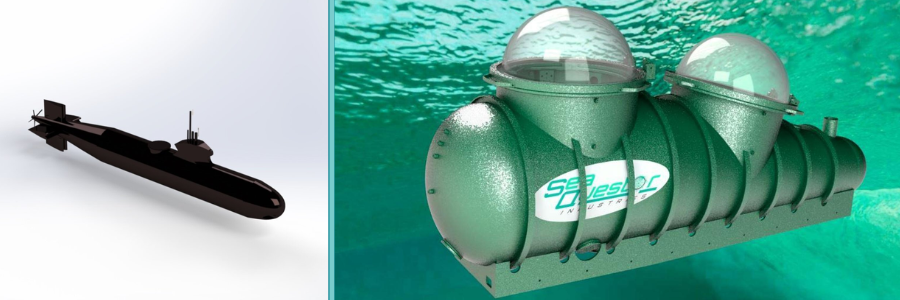
Oceanic luxury getaways? Why not. Triton and U-Boat Worx personal submarines offer deep-sea diving in style and comfort. Bubble-shaped subs carry 1–3 people hundreds of meters below the surface. Visualize air-conditioned cabin room, wrap-around windows, and joystick control. Scientists, explorers, and moguls employ them to glide over sunken vessels, coral reefs, or just silently through the ocean. Built from saltwater-resistant materials and cutting-edge design, personal subs render the ocean a private world. They’re the ultimate water toy or submarine design experts. Either way, in your price range. Either way, a front-row seat to the deep’s best-kept secrets.

78. Auto-Tinting Bike Helmets

Auto-tinting visors aren’t reserved for luxury automobiles-they’ve appeared on bike helmets too. These smart lids use photochromic or electrochromic visors that dynamically adapt to lighting conditions in real time. Ride into the sun? The visor darkens. Motor through a tunnel? It clears. Product design companies like AGV and Ruroc blend the technology into aerodynamic, streamlined helmets. Motorcyclists and cyclists have hands-free operation of lights-it’s safer, it’s cool. Others include Bluetooth speakers, cameras, or heads-up displays. Auto-tinting helmets are style-ahead fusions of optics, safety, and comfort for drivers. It’s a clever idea that understands when to shade the lights.

79. Smart Trash Cans

Yes, your trash can can be smart as well. Smart trash cans like Simplehuman or Townew offer touch-free opening with the assistance of motion sensors, odor control, and self-seal liners. Some even alert you when the bag is full or needs replacement. Perfect for bathrooms, offices, or kitchens, these trash cans redefine cleanliness in high-style automation. Fingerprint-proof, power-conserving, and unexpectedly chic, they’re the ultimate amenity for the contemporary home. And for germaphobes, the no-touch solution is a complete winner. It’s that type of gadget you never knew you needed-until you use it. Intelligent trash cans demonstrate innovation does not necessarily have to be flashy, but can certainly make everyday life appear futuristic.

80. Heated Eyelash Curlers
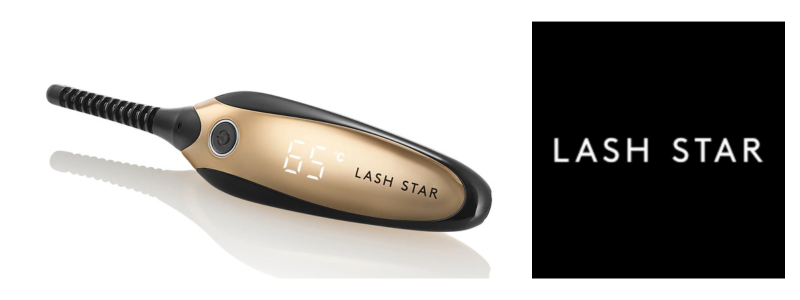
Heated eyelash curler

Yes, it does-it works wonderfully. Hot curlers use gentle heat to curl lashes longer and better than clamping types. Imagine it like a curling iron, but for your eyes (the safest, most convenient way possible). Panasonic and Lash Star create wand-shaped add-ons that are adjustable temperature and chic-finished. They’re compact, rechargeable, and ideal for touch-ups-on-the-go. Beauty aficionados and average consumers love the sleek, high-style look. It’s high tech plus high glamour, a testament to the fact that even the littlest of habits can be made better by intelligent design. Heated eyelash curlers bring luxury to each blink.

RELATED: Top 101 Female Inventions that Changed the World & Women’s Innovation History

81. 3D-Printed Food

Yesterday’s science fiction is tomorrow’s edible truth-3D-printed food. The technology uses food pastes (chocolate, dough, or pureed vegetables) to print full meals or designs. Like Natural Machines’ Foodini and space-funded initiatives, this type of work drifts about, varying from haute cuisine meals to nutrition in space. It is ideal for diet customization-modifying texture, ingredients, or nutrients to meet the user’s needs. In hospitals and aged care, it serves up good meals with better presentation and taste. 3D-printed food is the integration of robotics, tailoring, and gastronomy, but still a niche product. The menu in the future will not only be cooked-it will be programmed, printed, and tuned for taste.

82. Graphene

Graphene was discovered in 2004 as a two-dimensional sheet of carbon atoms one atom thick in the form of honeycomb. It’s 200 times stronger than steel but also very flexible, and an electric and thermal super-conductor. A “wonder material,” graphene is also being used in supercapacitors, water purification, solar cells, and flexible displays. Scientists are exploring the potential of graphene to revolutionize medicine, electronics, and materials science. Commercial scaling lags behind, but advancements just keep coming. Whether it’s energizing ultra-fast transistors or ultra-strong composites, graphene is establishing the foundation for the next technological-promise potential that could revolutionize multiple industries at once.

83. Wireless Charging

Wireless charging revolutionized charging our devices. By using inductive charging technology, it helps eliminate the unsightly nuisance of cord knotting and fragile ports. Popularized by Qi-standard smartphone pads, it’s also used in smartwatches, earbuds, electric toothbrushes, and even electric cars. Ease is obvious, but fresh technologies like wireless range charging and harvesting the air are in the future-allowing charging without ever putting a device down. It simplifies life, prevents devices from deteriorating as quickly, and allows for a less messy, cleaner world. With continually rising efficiency, wireless powering could be as common as Wi-Fi-passively powering the world plug-free.

84. Exoskeleton Suits

Exoskeletons are robot gear designed by robotics design firms that human bodies wear to give them force and mobility. They were initially designed for the military, but they’ve since invaded medicine, construction, and manufacturing. Ekso Bionics and ReWalk, for example, have come up with suits to help paraplegics walk again or aid workers in lifting without damaging their backs. The suits incorporate sensors, actuators, and AI to mimic the natural movement and supplement it where necessary. In rehab, they’re restoring function to patients and bringing lives back. In manufacturing, they’re avoiding fatigue and injury. The technology continues, but the potential is immense: merging man and machine to transcend physical constraints and maximize human potential.

85. Home DNA Testing Kits

What was once limited to a laboratory is now in your living room. Thanks to the efforts of 23andMe and AncestryDNA, customers can now find out their ancestry, learn about potential health dangers, and even track down long-lost relatives-all from the spit test. The kits brought genomics into the mainstream. Privacy activists worry while the benefits cannot be overlooked: hints at personalized medicine, exercise regimens, or inherited disease. It is no fun-somebody has learned something that could save their lives. These tests allow individuals to take control of their health and identity, a step towards data-driven, personalized medicine and self-awareness like never before.

86. Biometric Authentication
Apple face ID

Facial recognition to fingerprint readers, biometric authentication is the new norm in unlocking devices, securing data, and making identity verification easy. It turned remembering passwords into an anachronism-your body is your password. Apple’s Face ID, Samsung’s iris scanners, and airport e-gates everywhere are based on it. Biometrics combine AI, imaging, and security into frictionless user experiences. While not infallible, frequent updates to liveness detection and anti-spoofing improve accuracy. Outside of phones, biometrics are employed in banking, building entry, and even ATMs. It’s not merely convenient – it’s about transforming the way humans establish identity in a digital-first, security-focused world.

RELATED: Top 100 Famous Inventions and Greatest Ideas of All Time

88. Smart Glass (Electrochromic Windows)

Smart glass, or electrochromic glass, adjusts transparency with voltage, light, or temperature. Used in buildings, vehicles, and aircraft, it darkens automatically to reduce glare, heat, or maintain privacy. Boeing’s Dreamliner uses it on airplane windows; luxury homes use it to tread the line between appearance and energy efficiencies. These windows raise comfort levels, reduce HVAC loads, and do away with blinds or curtains. Newest versions feature voice command or app-controlled tinting and even solar harvesting. With greater demand for residential and commercial building products that are both sustainable and dynamic, smart glass is a sophisticated solution-a merging of functionality, efficiency, and forward-looking design in one beautiful piece of glass.

89. Robotic Process Automation (RPA)

Robotic Process Automation uses computer “bots” to mechanize routine digital functions-like data entry, invoice processing, or staffing employees. Unlike mechanical robots, RPA is executed on software platforms, emulating mouse clicks, keyboard entries, and logic-based decisions. Used by finance, HR, health, and customer service, it provides higher speeds and reduced errors. Some of the companies that have helped organizations expand with RPA, especially through remote work transformations, are UiPath and Automation Anywhere. It allows human workers to free themselves for higher-level, high-value work. When you layer on top of RPA, you are nearer to “intelligent automation”-a synergy between machines executing the trivial and humans setting the significant.

90. AI Art Generators (e.g., DALL•E, Midjourney)

AI art generators have disrupted creativity as we know it. Programs like DALL•E and Midjourney can take simple text descriptions and turn them into detailed, stunning images-illustrations, photo-realistic scenes, or psychedelic computer graphics. These models, having learned from millions of images and forms of art, allow people to be in partnership with artificial intelligence. While the war rages on for originality and copyright, creative potential is undeniable. Artists, advertisers, writers, and video game creators employ these tools to brainstorm, try out ideas, or even finish work. It’s bringing democratization to the process of creating art and reshaping the future of visual communication. Used for purpose or just for leisure, AI-made art is redefining what it means to create things.

91. Foldable Smartphones

Foldable phones such as the Samsung Galaxy Z Fold and Motorola Razr rewrote together futuristic design and utility innovation. They open up to reveal tablet-sized screens in a phone-sized form factor by implementing flexible OLED technology. Rolled out commercially in 2019, they are a giant step in screen and hinge technology. Though still a niche item, their convenient features are multitasking and screen space without bulk. With ongoing improvement in battery life and stamina, foldables promise the future of what occurs when mobile computing, materials science, and design converge. This new shape of the phone is picking up steady momentum-and it’s prompting a reconsideration of how humans interact with their devices.

92. Apple Watch
Apple watch

Combining health monitoring with fashion tech, Apple Watch revolutionized wearables. Revealed in 2015, the smartwatch monitors heart rate, steps, fall detection, and even ECG measurements. It evolved from a fitness band to a miniature smartphone, payment instrument, and wrist-based healthcare watchman. Apple Watch’s approachable interface, customized faces, and third-party apps created a healthy ecosystem. It is credited with making wearables trendy for health monitoring and preventing deaths through early medical warnings. With technology, fashion, and health merged, the Apple Watch raised the bar for tailored digital wellness and charted the trajectory of on-body computing to pursue.

93. Wi-Fi 6 and 6E Technology

Wi-Fi 6, and its progeny Wi-Fi 6E, delivered faster, more stable wireless internet. This version, released in 2019, optimized data transfer across congested networks with OFDMA and MU-MIMO technologies. It can handle more devices simultaneously, is more power-efficient, and optimizes real-time activities like gaming or 4K streaming. Wi-Fi 6E continued to extend to the 6 GHz band, reducing congestion and connecting future-proofly. Smart homes, offices, and public spaces experienced its speed and reliability shoot up. This wireless technology powers much of contemporary convenience-from remote employment to networked devices-and provides room for more devices competing for easy online access.

RELATED:  Understanding the different types of patents

94. Modular Phones (Fairphone, etc.)

Modular phones seek to solve the e-waste and repair plague plaguing today’s electronics. Market leader Fairphone constructs smartphones with user-replaceable components-screens, batteries, cameras-from ethically sourced materials. The goal: lengthen product life, reduce environmental impact. As far as modular phones haven’t come into mainstream popularity yet due to performance and supply chain concerns, they have influenced conversation around lasting design and longevity of products. Modular design is a voice for repair instead of replace and has created such modularity to promote laptops and other technologies. It’s a new and thought-out approach to thinking about consumer electronics in an era of mindful innovation.

95. Solar Roof Tiles

Unlike traditional panels, the solar roof tiles replaced conventional roofing to capture energy from the sunlight. In 2016, the innovation progressed towards mass adoption of solar by merging style and sustainability with the goal of being as resilient as natural resources decrease. Solar Roof tiles turn sunlight into clean electricity and sync with home battery storage such as the Tesla Powerwall. While installation logistics and cost are still barriers, the idea began to alter how people thought about combining renewable energy and architectural design – more aspirational and easy sustainable living.

96. Voice Assistants (Alexa, Siri, Google Assistant)

Voice assistants completely transformed device interaction. Amazon’s Alexa, Apple’s Siri, and Google Assistant brought natural language processing to the living room and pocket, enabling users to toggle lights on and off, set reminders, listen to music, or pose trivia questions-with voice as the sole interface. Cloud-computing-based artificial intelligence programs utilize intelligent algorithms and learning from experience to improve accuracy and customization. With more smart homes around, voice control has become the standard interface, complete with hands-free operation for smart devices. They also provide access for the disabled. As privacy controversies burn on, voice assistants are one step toward natural, conversational computing-and they’re creating the voice-first future of tech.

97. Biodegradable Packaging

biodegradable packaging

Packaging these days is receiving a big green makeover. Biodegradable alternatives-including ingredients like cornstarch, seaweed, or mushroom mycelium-are a more environmentally friendly alternative to plastic. Notpla and Ecovative are among the companies that have led the charge on these alternatives to help counteract single-use waste. Designed to break down immediately in compost or water, they don’t pollute landfills or oceans. They are increasingly being utilized in food packaging, electronic packaging, and shipping materials. As regulations across the globe are pushing green packaging, this technology is changing the product development process from design to destruction. In addition to performance, biopackaging incorporates consumer values and product design-and is now at the head of circular economy efforts.

98. Hyperloop Transportation System

The Hyperloop technology, proposed by Elon Musk and tested by companies like Virgin Hyperloop, proposes high-speed transport via vacuum-sealed tubes. Travellers ride in pods that move along magnetic technology, reducing air resistance by a significant proportion and achieving speeds of over 600 mph. Although under development, demonstration tracks have assured immense possibility for local travel within minutes, not hours. It is not about speed-the concept begets clean energy, smart infrastructure, and the redesign of transportation systems. The Hyperloop is design futurism supercharged, combining aerospace, civil engineering, and sustainability into one idea with vision. Should it succeed, it could set the standard for commuting over the next few centuries.

99. Personal Air Quality Monitors

With increasing environmental awareness, portable air quality monitors like Atmotube and Flow 2 have made real-time monitoring of air quality possible. Light enough to be carried in the hand, they measure particulate matter, VOCs, temperature, and humidity and connect to smartphones to monitor exposure to the air. Originally created for asthmatics and allergy sufferers, they’re now also being used by cyclists, urban dwellers, and ecologists. By making intangible dangers tangible, the monitors make precautionary health decisions-e.g., avoiding dirty areas or air-conditioning buildings-facile. They also aid citizen science and local environmental movements. It’s great evidence of data-informed health, design portability, and public health intersecting with innovation.

100. Gesture-Control Technology

Finger or hand gesture systems such as Leap Motion and emerging radar technology (e.g., Google Soli) allow consumers to control technology with their fingers or hands through non-contact. Gesture technology, which was initially gaming-centered, spilled over to smart TVs, car dashboards, and AR/VR interfaces. These systems recognize movement in real time through infrared, radar, or cameras, with touch-free, natural control. Where the post-pandemic world made cleanliness an imperative, gesture input was pertinent in shared technology (e.g., elevators and kiosks). It’s not only good-it’s the portal to immersive computing where body motion defines digital experience, eliminating friction between action and intent.

RELATED: All You Need To Know About Elevating Your Company Using CAD Product Design Services During Product Development

101. SpaceX Reusable Rockets

Science fiction aerospace engineering became a reality with SpaceX. With the introduction of reusable rocket boosters, starting with the Falcon 9, the company dramatically reduced the cost of launch and the environmental footprint of space travel. The boosters have been reused dozens of times since their initial successful landing in 2015-each mission a success for innovation, cost-effectiveness, and sustainability. The practice revolutionized launch economics, enabling satellite deployments, resupply missions, and commercial spaceflight at record velocities. The mythic vertical landings are film fodder but the product of careful design, navigation, and control systems. SpaceX rockets are rewriting access to orbit.

The Next Great Idea Begins with Design

From foldable phones to reusable rockets, the last 30 years have been a blur of big ideas and masterful execution. What distinguishes the greatest inventions today isn’t the technology-it’s the intelligent design, the user-centric functionality, and the willingness to challenge the status quo. Behind most of these next-generation innovations is an unseen but crucial partner: master design and development. That is where Cad Crowd is stepping in.

Whether you are an inventor with a product idea, a startup ready to prototype, or an enterprise that needs world-class CAD design, Cad Crowd introduces you to top freelance talent ready to turn your vision into reality. Innovative ideas don’t happen in isolation. They happen through teamwork-and that’s where Cad Crowd begins. Contact us for a free quote.

author avatar

MacKenzie Brown is the founder and CEO of Cad Crowd. With over 18 years of experience in launching and scaling platforms specializing in CAD services, product design, manufacturing, hardware, and software development, MacKenzie is a recognized authority in the engineering industry. Under his leadership, Cad Crowd serves esteemed clients like NASA, JPL, the U.S. Navy, and Fortune 500 companies, empowering innovators with access to high-quality design and engineering talent.

Connect with me: LinkedInXCad Crowd

101 Best Inventions Ideas of All-Time & Innovations that Changed the World’s History


Cad Crowd is not a website-it’s an idea-to-reality revolution. You’re the ambitious go-getter with a napkin sketch or the seasoned entrepreneur refining your next blockbuster – Cad Crowd connects you with the industry’s premier engineers, designers, and product design services who will help take imagination to practical innovation. It’s not contacts or how much money you have to spend-it’s idea power and making it happen.

It’s not outsourcing. It’s an open door to innovators from all walks of life to work with the world’s best designers and developers. The result? Innovations that don’t just disrupt markets-they define our future.

Innovation has ever been the driving force behind humanity’s most revolutionary breakthroughs. From the ancient aqueducts to the most recent AI, invention has always been the thread that sews advancement through the centuries.

In this blog, we’ll run through 101 world-altering invention concepts that have ever existed. These are inventions that transformed the way we live, the way we work, the way we travel, and the way we behave around each other-concepts that fueled questions, but ignited revolutions.


1. The wheel

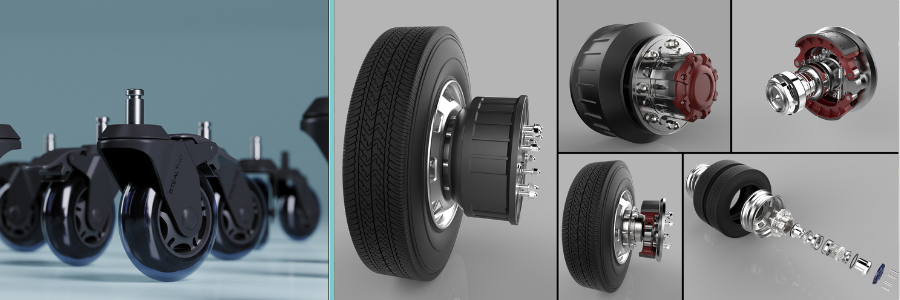
First appearing in Mesopotamia sometime before 3500 BCE, the wheel began as something other than a vehicle. The early wheels formed part of potter’s lathes before they developed into the round workhorses that powered wagons, chariots, and carts. With this development came easier transport, more trade routes, and later the gears of complex machinery. Without the wheel, there would be no automobiles, locomotives, turbines, or even clockwork. It’s technology’s unsung hero – easy to build, monumental impact, and is the cornerstone of automobile design firms.

wheel designs by Cad Crowd engineering experts

RELATED: Why should you hire professional product design companies and services experts

2. The printing press

Before Johannes Gutenberg’s 15th-century innovation, books were hand-copied and laughably rare. The printing press disseminated information virtually overnight. Conceptions might be replicated, shared, and sent far and wide with no loss of fidelity. This new flow of information unleashed revolutions, literally and intellectually, ranging from the Reformation to the Renaissance. Literacy levels went haywire, scientific breakthroughs burst forth, and the printed word became the public’s business, not the exclusive privilege of the power elite. It was the initial information superhighway, decades before Wi-Fi.

3. Electricity

Michael Faraday and Nikola Tesla discovered how to trap energy into usable electric current. Electricity, in hand with stored electricity, lit homes, lit cities, powered factories, and recharged communication devices. From light bulbs to laptops, electricity’s energy fuels all the wonders of today. It brought day to night and enabled 24/7 living. It’s not just a convenience-it’s the heartbeat of our modern life.

4. The compass

Travel was simplified with the discovery of the magnetic compass, which was first used in China by the Han dynasty. Before this, the mariners relied on stars and estimation. With the compass, ocean, and desert, travel became an unprecedented promise. It laid the foundation for the Age of Discovery, connecting continents and cultures and injecting worldwide commerce. It pointed the way north, pointing humans-literally and figuratively-toward exploration. The compass made the world smaller, uniting strangers with one another and completing the maps in every direction.

5. The steam engine

The Industrial Revolution had many fathers, but its soul and core was the steam engine. Perfected by James Watt in the late 18th century, the steam engine drove trains, ships, and factories, altering the production and distribution of goods forever. It severed the connection to muscle and wind power, making mechanization on a gigantic scale possible. Cities flourished, workforces were changed, and economies accelerated. The steam engine began many industries, including the manufacturing design industry – it began modern civilization, placing power in the hands of progress and opening the gate to the machine age.

6. The telephone

Alexander Graham Bell’s creation was not only a brilliant device-it revolutionized human contact. First patented in 1876, the telephone allowed individuals to speak in a moment over vast distances. That humble physical accomplishment of hearing a voice from afar transformed business, emergency services, and personal relationships. Switchboards eventually gave way to cell towers, but the idea was still the same: filling space with sound. The telephone placed the world in conversation and made possible everything from radio soap operas to video teleconferencing. One ring brought all that to an end.

7. The internet

Arguably the biggest invention of the last century, the internet turned computers into portals of infinite possibility. Originally developed for military communication (ARPANET), it went public in the 1990s and took off like wildfire. With it came email, e-commerce, social media, streaming, and every cat video ever watched. It collapsed distances, flattened hierarchies, and turned knowledge into a public resource. You’re reading this because of it. From revolutions to telecommuting, the web has infested every corner of life at speeds our ancestors could hardly have conceived.

8. The light bulb

Thomas Edison invented neither the light bulb nor the millions of people who thought they invented the light bulb, but he did render it useful. His group turned the earlier versions into longer-lasting, commercially viable versions. This little glass dome became the metaphor for ideas, literally lighting the path for society to behave in the dark. Factories worked late into the evening, cities shone at night, and houses were safe. LEDs today are brighter and more environmentally friendly, but have their origin in that myth of a bulb. Lighting darkness? That is as romantic as it gets and as revolutionary.

9. Penicillin

Penicillin was discovered by chance in 1928 by Alexander Fleming. It provided us with the era of antibiotics. Infections were death warrants before that. The contaminated petri dish that Fleming had left on the shelf by accident revealed to him a substance toxic to bacteria-and saved millions of lives. Penicillin was mass-produced during World War II and was technically a miracle drug. It is not an overstatement that this invention revolutionized medicine. It made surgery safe, and infection in children could be cured, and diseases like syphilis lost their killing bite. A microscopic marvel, penicillin transformed global public health.

10. The airplane

When the Wright brothers took to the skies in 1903, it wasn’t quite worth writing home about. But that rocky, 12-second flight ushered in man-made flight. Decades later, airplanes evolved from novelty contraptions to world lifelines. Today, jetliners carry billions of people each year, and cargo aircraft carry everything from letters to critical medicine. The plane shrank continents, encouraged globalization across the globe, and revolutionized war, travel, and tourism. It took what once required weeks by sea today to be accomplished in hours by air, all because two brothers had the courage to challenge the heavens and pioneered aerospace engineering design services.

Wright Brothers invented the very first airplane design which has transformed modern travel and logistics

RELATED: Industrial design vs. product design: What sets these services apart for companies?

11. The Automobile

Karl Benz’s 1885 gas-engine motorwagen did not just add a new machine-it recharted the very nature of human society. Streets were replicated, cities expanded, and humans were granted unprecedented mobility. The car gave rise to drive-throughs, motels, suburbs, and gridlock. It wasn’t a car; it was wheeled mobility. Internal combustion yielded to electric cars and hybrids in their time, and what started as a clunky trend ended up as a cultural icon of independence and thrift. From the Ford Model T to today’s Teslas, cars have evolved–but all are indebted to Benz’s humble origins.

12. The Computer

What started as a room-sized calculator is now the Swiss Army knife of modern life. Early machines like ENIAC performed slow, specific tasks, but over time, computers became fast, portable, and indispensable. Whether you’re writing a novel, analyzing data, designing an invention, or just watching memes, your computer makes it all happen. Innovators such as Alan Turing, Charles Babbage, and Steve Jobs contributed to its evolution. This is the century of code, from the home to the stars, and the computer is its beating heart- prestidigitation without your even noticing, thought turning to deed.

13. The radio

Radio revolutionized how we shared ideas, songs, and news. Tinkerers like Nikola Tesla and Guglielmo Marconi invented the wireless medium that connected the world on the unseen airwaves. Before television or the internet, a generation before our own, families would huddle ’round the radio to hear anything from war reports to baseball scores and jazz concerts. It was the very first mass media outlet, and it helped spark revolutions, spread propaganda, and brought the world its icons to life. The golden age of radio gave us sitcoms and soap operas, and even that infamous “War of the Worlds” broadcast by Orson Welles that once drove the entire country wild.

14. The camera

When Joseph Nicéphore Niépce took the world’s first photograph in the 1820s, he unwittingly stored time for generations to come. Cameras evolved from massive boxes to small lenses in our phones, but the motivation was the same: to trap reality in a snapshot. They’ve recorded revolutions, weddings, wars, and wacky holidays. With advances such as Kodak’s rolls of film and digital sensors, photography became a medium of communication, art, evidence, and remembrance through product engineering services. Now, cameras drive medical imaging and facial recognition. A single frame in a film or pixels may be able to alter hearts, ignite minds, or even start movements.

15. The clock

Before beepers beeped reminders or Fitbits sounded alarms, before those even, human beings depended upon sundials, water clocks, and whirring mechanisms to estimate time. Mechanical clocks first appeared in the 14th century, until they were made small enough to be put on the wrist as watches and made atomic. All this changed the abstract concept of time into a concrete one. Timetables, appointment schedules, calendars-all were dictated by a device’s tick-tock. Clocks do not just represent time; they govern it.

16. The plow

It was such a humble instrument, but it changed man from hunter to harvester. The plow enabled ancient civilizations to farm more effectively, produce more crops, and allow for permanent residence. Early prototypes were sketched by oxen, subsequently supplemented by metal blades and machinery. Had there been no plow, there would be no modern agriculture, no cities, no economies, no civilizations in the absence of agriculture. This humble invention transformed dirt into dinner and led the way to food surpluses, population increase, and empire-building. It ain’t glamorous, but it is needed-an unsung hero of human survival.

17. The paper

Developed in China around 100 BCE, paper made ideas portable. Light, portable, and surprisingly durable, paper revolutionized how we stored and shared information. Before that, humans inscribed on clay tablets, carved in stone, or used delicate scrolls. Paper opened books, maps, money, writings, and works of art to all people. Paper supported bureaucracies and democracies, revolutions and religions. Nowadays, we type less and scroll more, but paper is still strong, whether in a hasty love letter or a crayon picture from a kid. It spoke to the generations, sheet by sheet.

18. The telescope

Galileo did not create the telescope, but he aimed it at the stars-and everything changed. His 17th-century sky gaze revealed moons, planets, and the breathtaking realization that Earth was not the center of the universe. Telescopes unmade ancient dogma and ushered in scientific revolutions. They’ve moved from the backyard telescope to orbiting goliaths like Hubble and James Webb over the centuries. They enable us to gaze billions of years into the past, learn about our starry neighbors, and hunt for life beyond our planet. The telescope revealed how gigantic and strangely beautiful the universe truly is.

Galileo Galilei used the telescope to study the universe

RELATED: 3 steps to transform your business idea into a new prototype with new design services firms

19. The microscope

While the telescope opened the heavens, the microscope opened the unseen. It was invented late in the 16th century and permitted us to look into the domain of the tiny-cells, bacteria, viruses, and the internal machinery of life. Diseases had culprits with faces, and biology was a science of precision now. The microscope enabled us to construct modern medicine, genetics, and microbiology. Its modern high-powered descendants can even observe atoms and map neural circuits. This machine not only permitted us to examine small things, but it also showed us the nature of life and how to fix it when it was damaged.

20. The elevator

Evolved in primitive forms for centuries, it wasn’t until Elisha Otis hired on a reliable safety brake in 1853 that the vertical commute was secured and made possible. The elevator transformed architectural design firms, building Dubai and New York’s vertical metropolises. It brought top floors, formerly reserved for domestics, to everyone and turned property markets upside down. Picture our cityscapes without them: more 19th-century villages, fewer skyscrapers. It’s one of those quiet innovations that literally raises society up and down and forward every day.

21. The flush toilet

Sir John Harington may have drawn it on paper in the 16th century, but Victorian engineers like Thomas Crapper made the flush toilet a sanitary household standard. More than one comfort, it revolutionized public health. Before toilets, cities reeked of dung, and deadly disease came from open sewers and contaminated water. The flush toilet of today, along with modern sewer and plumbing, has greatly reduced the occurrence of cholera, typhoid, and dysentery outbreaks. It’s a front-page invention that fails to receive front-page coverage – yet quietly saves lives and dignity every day.

22. The refrigerator

Before the days of refrigeration, people used to keep food by using salted meat, pickling, and ice blocks. The discovery of the fridge changed all that we cook, eat, and purchase. In the early 20th century, electric refrigerators began appearing in homes, enabling homes to store perishables fresh and minimize food spoilage. It also enabled global food supply chains – bananas in Sweden, fish in Kansas. It keeps milk from turning sour and leftovers from being lethal, all without ever squeaking a peep in the background.

23. The satellite

Sputnik 1 was a shiny metal sphere with a radio pulse, but it launched the Space Age-and an entire new form of infrastructure in the sky. Satellites now power GPS navigation, weather reporting, global communications, environmental observation, and military surveillance. They enable all that. Without satellites, no Google Maps, no satellite television, no minute-by-minute report from the Amazon rainforest to the Arctic. Satellites orbit Earth invisibly, but they’re essential to modern life. From Elon Musk’s Starlink constellation to deep-space probes, the satellite has changed our view of the planet-and our ability to stay connected throughout it.

24. The battery

The idea of holding energy in a portable package revolutionized flashlights, smartphones, and virtually is the advent of electronic device design firms. Alessandro Volta’s 1800 voltaic pile was the first true battery, and batteries have only gotten smaller, more powerful, and safer since. They freed our devices from the walls, energizing everything from hearing aids to cars. The lithium-ion battery in your phone is the result of centuries of development. And with renewable energy on the rise, batteries can be at the forefront of solar and wind power storage. They’re the unobtrusive backbone of cellphone life.

25. The sewing machine

Stylish clothing was tediously hand-stitched beforehand, a painstakingly time-consuming ceremony of needle and patience. The sewing machine, invented by Elias Howe and perfected by Isaac Singer, mechanized this ancient ritual. It did more than speed production-it transformed fashion, industry, and the roles of men and women. Clothing became cheaper and more prevalent, seamstresses moved from cottages to factories, and mass-producing textiles went wild. The effects reached as far as international economies and labor unions. State-of-the-art machines today can stitch Kevlar or denim, but the innovation remains revolutionary as ever.

26. The Vaccination

Edward Jenner’s 1796 smallpox vaccine was a medical moonshot. By vaccinating with cowpox, he inoculated against the more deadly smallpox – a breakthrough that ultimately signed the death warrant of the disease. Vaccines went on to vanquish polio, measles, mumps, tetanus, COVID-19, and countless others. Fewer inventions have ever preserved so many lives. They’ve made childhood safer, years longer, and generations plague-free. Vaccines are one of the most effective weapons of public health, a union of biology and courage. All because of them, humanity responds-not with terror or blades, but with needles full of science.

27. The bicycle

Two wheels, a frame, and a dream. The bicycle existed as far back as the early 1800s, from the clomping “Dandy Horse” to the present day’s slim, carbon-fiber marvels. It democratized transportation before the automobile, offering cheap, dependable transportation to millions. Bicycles also contributed to women’s freedom, mail delivery, and even the dawn of flight (the Wright brothers, remember, were bicycle mechanics). They’re green, heart-healthy, and still incredibly popular today in cities and towns across the globe. It’s a machine powered by human power – and energized by centuries of enthusiasm.

Bicycle design by Cad Crowd design experts

RELATED: Secrets of creative brainstorming & tips from product design & engineering services firms

28. The typewriter

The typewriter gave words longevity, which made authors more efficient and spawned entire industries, including CAD design services. It was developed during the 19th century and soon became indispensable in offices, newsrooms, and households. Women poured into the workforce as typists, and literature got faster to write and publish. The QWERTY keyboard configuration persisted, even as typewriters yielded to word processors and laptops. The mechanical charm of a typewriter lingers in pop culture, even as we’ve moved on to digital screens. It was not a machine-it was the voice of ideas coming into being.

29. The X-Ray

Wilhelm Röntgen invented X-rays in 1895, and medicine was changed forever. Doctors could now inspect the interior of the human body without surgery. Fractured bones, tumors, swallowed marbles-X-rays made the invisible visible. They transformed diagnosis, which led to quicker, more secure treatment. Soon, the technology invaded security, materials science, and authenticity-verifying art. Modern CT scans and radiation therapy both trace their origins to this one phantom vision within the human body. The X-ray machine is not just a marvel of physics – a medical miracle.

30. The barcode

It’s just a series of black-and-white dots, but it revolutionized retailing, inventory, and shipping forever. Its first use was on a pack of Wrigley’s gum in 1974, and the barcode hastened checkout and helped companies trace products from warehouse to checkout counter. It saved time, reduced mistakes, and paved the way for global supply chains. Better data, faster service, and more streamlined operations came with the barcode. QR codes nowadays are an interactive cousin, but the plain-vanilla barcode remains a computer era stalwart-humbly being scanned billions of times each and every day.

31. GPS (Global Positioning System)

Getting lost was part of the excitement. Now it’s almost impossible – courtesy of GPS. First designed for navigating soldiers across the battlefield in the 1970s, GPS became public during the ’90s and changed the way we navigate our world. Whether you are searching for a coffee shop or trying to find a lost phone, GPS employs a network of satellites orbiting the planet, sending precise location data back down to us through complex engineering design services. It powers logistics, aviation, emergency services, and even dating applications. The question “Where are you?” has never been easier to respond to. GPS charts the globe but dominates it.

32. The zipper

It’s small, easy to miss, and yet – without it – clothing, bags, and gear would be less convenient. The zipper was developed by Gideon Sundback in 1913 after earlier models failed to catch on. This master locking combination of sliders and teeth replaced laces and buttons, offering rapid fastening with a simple pull. Outside of clothing, it gained a place in tents, bags, and space suits. Though underappreciated, the zipper is a superb mechanical design that never grows old. It’s small, sure, but where day-to-day genius is at stake, it’s guaranteed to have zipped itself into the history books.

33. The printing calculator

Before spreadsheets and computers, there existed the printing calculator. This mechanical wonder enabled bookkeepers, clerks, and cashiers to compute totals and print the transaction with a snap. The earliest models were created in the late 19th century, transforming commercial transactions and financial accuracy. Companies were able to check numbers with paper trails, setting the stage for current accounting and audit functions. This created the concept that math didn’t exist in your brain-it could be followed, checked, and printed. In a lot of ways, it was the first “proof of math” machine.

34. The laser

It began with physics-“light amplification by stimulated emission of radiation”-but lasers soon became operating instruments, data transporters, bar code scanners, and space weapons in science fiction films. Invented in 1960, lasers emit beams of very intense light which can cut through steel, vaporize cataracts, or transport information along fiber optic channels. They are used in DVD players and robot assembly arms. Lasers gave us power and precision in a dazzling beam. To play music or correct eyes, it is likely that a laser is under the spotlight.

35. Chainsaw

Chainsaws emerged as one of the most powerful machinery in the construction and logging sectors. With its spinning teeth and buzzing motor, it is capable of sawing wood in a matter of seconds, enabling logging and disaster relief at dizzying speeds. It’s loud, menacing, and highly effective-turning hours of labor into minutes. While popularly referred to as the horror movie and lumberjack symbol, the chainsaw is employed in rescue work and firefighting as a scalpel. Few machines combine raw power and functional need like this one.

36. Air conditioner

Balmy summers were made endurable by means of this cooling device. Willis Carrier developed the modern air conditioner in 1902, not for comfort but to regulate humidity in a printing plant. He never imagined he was flipping a world climate switch. Air conditioning transformed where people lived, grew, or worked, and is the cornerstone for HVAC design services. It paved the way for the Sun Belt boom and has protected millions of humans from heat sickness. It made clean rooms, server farms, and data centers possible. From home to hospital, AC stays cool, and civilization is humming along nicely in the background.

air conditioner and HVAC design by Cad Crowd experts

RELATED: Important tips for hiring new product development services firms & freelance design experts

37. Washing machine

This home fixture freed people – especially women – from back-breaking toil washing clothes by hand. The washer went from hand-powered tubs to completely mechanized, intelligent appliances that dose detergent and pre-program cycles through phone apps. Originally introduced in the 1850s and electrically powered by the early 20th century, the washer washed more than clothes–it transformed domestic life, gender roles, and washday itself. It’s one of those stealth innovations that just changed daily life. It brought time back to households, drudgery back to a convenience, and fresh-scented clothing the rule, not the exception.

38. Credit card

Creating the credit card in the 1950s revolutionized commerce. The concept started out as department store charge plates and grew into the worldwide financial system we now know. Credit cards fuel e-commerce, enable cashless travel, and enable people to build financial histories. With rewards, protection against fraud, and universal acceptance, they’ve become ubiquitous in the contemporary economy. Yes, they created new issues – like debt and cybercrime – but on the whole, the convenience and leverage of plastic transformed personal finance.

39. The fire extinguisher

The 18th-century-patented extinguisher for fire became common household, office, automobile, and airplane safety equipment. It is life-saving firefighting made available to the general public, protecting property and lives ahead of the fire department’s arrival. Sophisticated extinguishers use pressurized chemicals to battle grease fires, electrical fires, and chemical fires. It’s a tiny guardian of order, an invention designed for those moments that matter. Compact, aggressive, and always within reach, the fire extinguisher warrants a place in any list of essentials.

40. The personal computer (PC)

When Steve Jobs and Bill Gates brought personal computers into the living room, they created a revolution in productivity, entertainment, and communication. PCs turned ordinary people into designers, writers, programmers, and creatives, and CAD design experts. No longer the sole province of scientists or giant corporations, computer power became democratic – spread in bedrooms, dorms, and kitchen tables. The original personal computers, like the Apple II and IBM PC, were the starting points for everything from Word documents to video editing, programming, games, and web surfing. The PC was not another gadget-it was a ticket to the era of the digital world, and an invention kit, too.

41. Telescope lens (Optical Glass)

While the telescope expanded our vision of the sky, it was the development of high-quality optical glass that really finished it off. These precisely ground lenses are used in everything from camera equipment to laser eye surgery, microscopes, telescopes, and eyeglasses. Lens-making advanced during the 1600s, which gave us a keenness of eyesight – scientifically and literally. Now, whether a scientist gazes out into the cosmos or a photographer snaps the shot, optical lenses are humble MVPs of discovery. It’s a piece of simple technology that brought the hazy, beautiful – and the faraway, near as never before.

42. The stethoscope

Physicians once had to press an ear against the chest of a patient-a clumsy, imprecise process. It wasn’t until 1816 that French doctor René Laennec invented a rolled paper tube to hear the internal noises. The humble invention is the stethoscope of today, now a ubiquitous icon of medicine itself. With it, physicians are able to hear the heartbeat, the whisper of the lungs, and the rumblings of the gut-all without entering the body. It’s a hearing life device, and it revolutionized from art to the science of diagnosis, heartbeat by heartbeat.

Stethoscope designs by Cad Crowd medical device design experts

RELATED: A comprehensive guide to engineering product development services for companies & startups

43. The wheelbarrow

The wheelbarrow was born in medieval Europe and revolutionized history in ancient China, and revolutionized how we deal with heavy loads. Regardless of whether you’re loading a building site with bricks or a garden bed with mulch, this supposedly simple machine takes out the strain and increases efficiency. With its gorgeous combination of leverage and mobility, it converts a single person into a one-person crew. It’s not filled with high-tech bells and whistles, but the wheelbarrow is a perfect example of form in the pursuit of function-and staying timeless for centuries.

44. Light switch

Installed in the early 20th century, the light switch gave individuals convenient access to interior lighting. It made electric light a convenient commodity and no longer a marvelous wonder. The technology era moved from plain walls to dimmers, motion sensors, and even voice switches. It’s a finger-control ambiance and security panel. Simple? Yes. Revolutionary? Yes. The light switch taught us that sometimes, turning a switch really does change everything.

45. The mechanical clock tower

Before smartphones and wristwatches were invented, the city ticked on by the boom of clock towers. Medieval Europe saw the first appearance of architecturally placed timekeepers whose chimes controlled markets, curfews, and church bells. Mounted on gears, pulleys, and then pendulums, these massive machines were not only practical – they were icons. From Big Ben to Prague’s astronomical clock, the clock tower turned into a civic icon of reliability and technical ability from engineering design experts. It brought order to the disorder of medieval life and proved human mastery over time. Even now, in the electronic age, a clock tower still demands notice – and respect.

46. The telegraph

In the 1830s, Samuel Morse invented the telegraph system that enabled messages to be sent afar through an electrical signal. News delivered weeks late by horse is now arriving in minutes over cable. Morse code invented a new vocabulary of speed and haste. The telegraph minimized the world, transforming journalism, diplomacy, the railroads, and war strategy. It was the globe’s first genuine method of electronic communication, clearing the wire-covered path to all our digital pings and texts today.

47. Skyscraper

The skyscraper is not a building-it’s an idea piled high. In the late 19th century, the union of elevators and steel framing allowed buildings to reach higher than ever before. The first modern skyscrapers in Chicago and New York reshaped city land value and density. They made cities three-dimensional worlds where space could be multiplied rather than spread out. Skyscrapers symbolize ambition, engineering supremacy, and innovation. From the Burj Khalifa to the Empire State Building, they are pieces of design and daring. They didn’t reach for the sky – gave it their own.

48. The LED (Light Emitting Diode)

LEDs are robust, long-lasting, and environmentally friendly replacements for incandescent and fluorescent lighting. They emit light using semiconductors and an incredibly small amount of heat, conserving energy and lowering bills. They don’t just illuminate light bulbs, however – LEDs illuminate television sets, streetlights, flashlights, and medical equipment, and are an essential component utilized by many consumer product design experts. Their durability and energy efficiency have labeled them the light source of the future. It’s the brightest invention in decades-and one that simply doesn’t quit.”

49. The safety brake on the elevator

Elevators had been around prior to the 1850s, but were unsafe – or in common use – until Elisha Otis perfected a failsafe brake to stop them from falling when the cable snapped. Dramatically acted out at the 1854 New York World’s Fair, the safety brake turned elevators into safe and trustworthy necessities. Skyscrapers became a reality, cities expanded upwards rather than outwards, and the terror of falling freely disappeared. Without Otis, vertical dwelling would still be mired in the first floor. His invention didn’t only bring safety-it liberated architectural aspiration and contemporary city life.

50. Smartphone

Smartphones integrated a number of technologies that transformed the world-touch screens, wireless internet, GPS, and speedy processors-into one palm-top marvel. When the iPhone arrived on store shelves in 2007, mobile technology was forever changed. Today, over six billion humans possess smartphones that change our lives, learning, work, and even sleeping habits. It’s the most highly customized creation ever – customized to the individual, yet linked to the world. The phone is not just smart-it’s genius.

Smartphone designs by Cad Crowd design experts

RELATED: How to design environmentally-friendly products with design services companies & firms

51. The drone

Having long been the preserve of science fiction and military strategy, drones have now buzzed into civilian society. Also known as UAVs (Unmanned Aerial Vehicles), drones initially were designed to spy and kill. But civilian uses soared: aerial photography, package delivery, farming, environmental monitoring, and even search and rescue. They bring a bird’s-eye view on demand, enabling everything from low-budget movies to following wildfires. Drones unlocked flight for everyone and remapped the skies-not above us, but within our grasp. To fly for pleasure or a mission-critical objective, drones demonstrate that sometimes invention is in the eye of the beholder – literally.

52. The 3D Printer

Bring a digital idea into the physical world – in hours. That’s the genius of 3D printing design services. First applied to producing prototypes in the 1980s, it became a full-scale manufacturing revolution. From prosthetic arms to aircraft parts, 3D printers build things layer by layer out of plastic, resin, or even metal. It has flipped the world on its head, from skyscrapers to health care, and provided rapid design iteration for hobbyists and tinkerers. Entire houses, organs, and machines are being printed today. In an increasingly computer-made world, 3D printing brings fantasy to life, one layer at a time.

53. The contact lens

They sit on the eye itself, barely visible, and are the culmination of centuries of optical precision. Theoretically designed by Leonardo da Vinci in 1508, contact lenses were not possible until the 20th century, when material breakthroughs and miniaturization made them possible. Millions rely now on contacts for unobstructed vision without the burden of eyeglasses. Soft, light lenses correct nearsightedness to astigmatism, even versions that change the color of your eyes or recontour corneas while you’re sleeping. Cosmetic or corrective, contact lenses clarify where it counts most.

54. The Internet-of-things (IoT)

Your thermostat talks to your phone. Your fridge alerts when the milk is low. That’s the Internet of Things-a very sophisticated network of devices, sensors, and software that makes your world smarter and more responsive. From Fitbits tracking your pulse to smart locks that know you’re home, IoT turns things into streams of data. It makes things more efficient, secure, and even helps get cities to do a better job managing traffic and energy use. The IoT is not a buzzword-though it certainly sounds like one – it’s the understated revolution that turns your world into smart, networked places, device by device.

55. The jet engine

We give credit to the Wright brothers for wings, but the jet engine brought us into the air. Created in World War II by visionaries Frank Whittle and Hans von Ohain, jet engines revolutionized travel by air with speed, efficiency, and power. They flew aircraft higher and farther, folding continents together into commuter zones. What once took days now takes hours. Commercial air, military aircraft, and even space travel use some form of jet propulsion now. It’s thunderous and powerful and yet still awe-inspiring every time you see it screech down a runway. The sky was never the limit-until jets made it just the beginning.

jet engine designs by Cad Crowd engineering experts

RELATED: 3D product rendering styles that elevate marketing with design companies & freelance services

56. MRI Machine

Perhaps no machine is gazing so deeply into the human body as the MRI (Magnetic Resonance Imaging) machine. Conceived in the 1970s, it uses powerful magnetic fields and radio waves to produce accurate, radiation-free images of organs and tissues. MRIs map tumors, brain injuries, ligament sprains, and a host of internal diseases with breathtaking precision. They made diagnosis come out of the dark ages and into the light of visualization. It’s noninvasive, precise, and frequently life-saving. The hum of an MRI is not mechanical-it’s the music of science searching for what the eye was never capable.

57. The solar panel

Harnessing the energy of the sun is a myth-but solar panels made it commonplace. Developed in the 1950s and increasingly efficient today, photovoltaic cells convert sunlight into practical electricity. They illuminate homes, drive cars, power satellites, and even islands. As global warming becomes ever more of a problem, the sun’s power is a green, clean source of alternative fuel to fossil fuels. Homes are tiny power plants, and living off the grid has never been simpler through solar panel design services. Silent, clean, and omnipresent, solar panels tap into the oldest form of energy on the planet-and lead us toward a brighter, greener future.

58. Artificial heart

The very first artificial heart was implanted in 1982, and technology has advanced much further since then. It’s a second chance at life, an improved repair over temporary. These mechanical miracles bridge patients to transplants or deliver permanent fixes. They’re constructed of biocompatible materials, externally powered, and controlled digitally. The artificial heart is medicine’s most audacious feat-a demonstration that if biology doesn’t work, engineering can step into the breach.

59. The hovercraft

It resembles a boat, moves like a sled, and hovers on a pillow of air. The hovercraft, developed in the 1950s by Christopher Cockerell, transformed transport over challenging terrain. It can cross water, sand, ice, and swamp without so much as touching the surface, and is therefore ideal for rescue missions, troop transport, and off-limits areas. Hovercraft are a scarce breed but distinct in that they represent a hybrid technology-half boat, half spaceship, half sci-fi made real. It’s the perfect vehicle where roads cease and borders do not.

60. The smoke detector

You probably don’t even think about that little white disc on your ceiling-until it saves your life at the cost of its own. It wasn’t until the 1970s, when smoke detectors became commonplace, that residential fire deaths dropped dramatically. Compact and discreet, the devices sense particles suspended in the air and howl ear-piercing alarms at the slightest whiff of smoke, giving families precious seconds to escape. Baked into building codes and flourishing worldwide, they’re one of the most successful safety technologies ever. In disasters, it’s not the biggest technology that will save people-it’s typically the noisiest.

61. The deep-sea submarine

Deep-sea submersibles have opened up the oceans as never before. These pressure-resistant machines, capable of exploring the darkest and most dangerous regions of the ocean, have brought back otherworldly beings, hydrothermal vents, and valuable information on tectonic movements. From Jacques Piccard’s first dive into the Mariana Trench aboard the Trieste to James Cameron’s solitary journey aboard the Deepsea Challenger, these devices travel where light cannot. They survive crushing pressure, freezing temperatures, and total darkness. Their findings have advanced marine biology, geology, and climatology into new bounds and leaps. Submarines have opened the final frontier on Earth, our oceans, and demonstrated that there is more that is still unknown beneath the waves than exists beyond the universe.

Submarine designs by Cad Crowd marine engineering designers

RELATED: What you need to know when hiring a product design firm & designer for new prototypes

62. The thermometer

Temperature was once felt but not measured. The thermometer did just that. Dating back to the 1600s with Galileo’s thermometer, improved later by Daniel Fahrenheit and Anders Celsius, and now able to enjoy the accurate scales we have today. Thermometers enable doctors to accurately diagnose fever, help cooks get recipes just right, and enable scientists to carry out accurate experiments. From mercury tubes to digital and infrared no-touch sensors, this lowly invention is in our daily lives. It’s the industry’s, meteorology’s, and medical device design services‘ best-kept secret. From tracking a fever to forecasting a forecast, thermometers quantify the intangible – converting heat to a number and health to a matter of degrees.

63. The lie detector

Lie or truth? The polygraph machine is programmed to say. How it was developed in the early 20th century, it records physiological responses like heart rate, blood pressure, breathing, and skin conductivity as a subject answers questions. The idea is that deception causes nervousness and that the body will betray itself even when words will not. Not always a trustworthy, sometimes inadmissible as testimony device, polygraphs are nevertheless employed in police questioning, security interviews, and even on reality television. Their social reach cannot be overstated. They’ve raised questions of privacy, psychology, and ethics. The lie detector sits on the interesting cusp of science and doubt, challenging the gossamer strand between fact and impression.

64. The Flushing Toilet

The flushing toilet is the wonder of clean technology most people take for granted today. While primitive toilets had their origins in ancient cultures, the first flush toilet was created by Sir John Harington in 1596. Indoor plumbing didn’t gain wider use until the 19th century, however. Flushing toilets contained the spread of disease, improved sanitation, and revolutionized public health. Cities became cleaner and healthier.

Toilets are the cornerstone of civilized life, ranging from technology as simple as gravity-fed tanks to as advanced as vacuum-aided flushes. It’s not glitzy – but maybe no invention has conferred as much human dignity and comfort.

65. The lifesaver (Life Buoy)

Unobtrusive, spherical, and often orange – the lifesaver ring or life buoy is a modest guardian of safety. Initially created in the 19th century, they’ve rescued countless lives in the ocean and in swimming pools. Tossed to struggling swimmers, they are a float of support and encouragement in moments of highest need. Modern models are crafted of lightweight, water-resistant materials and may feature reflectors or rope handles. They’re required on boats, docks, and waterfronts worldwide. As unassuming as they are analytical, lifesavers teach us that at times the most significant inventions don’t boast – but float.

66. EpiPen

For individuals with life-threatening allergies, the EpiPen is a lifesaver. Invented during the 1970s, the compact autoinjector injects a quick dose of epinephrine for anaphylactic shock, preventing swelling in mere seconds, boosting blood pressure, and relaxing airway muscles. Small enough to carry in a pocketbook yet powerful enough to be lifesaving, it brings reassurance to allergy patients wherever they are. From bee sting to peanut to sneaky suspects, the EpiPen makes hysteria a plan. A medical design success-utility and urgency merged in one quick, spring-loaded snap.

67. The microwave oven

Quick, cheap, and always purring in the background, the microwave oven is the undisputed king of modern convenience. Unintentionally created in 1945 by Percy Spencer while experimenting with radar technology, the microwave employs electromagnetic radiation to stimulate water molecules in food, cooking it in an instant without flame or coil. Used for heating last night’s dinner to popping popcorn, it revolutionized cooking in the home. Portable and convenient, it entered common use in homes, offices, and dormitories. It even facilitates some forms of medical and industrial sterilization for industrial design firms. The microwave oven showed that not all revolutions need an inferno-sometimes just a zap will do.

Oven design by Cad Crowd engineering experts

RELATED: How to reduce new product development risks for design services companies

68. The inkjet printer

Soft and precise, the inkjet printer changed home and office printing during the 1980s. In contrast to typewriters’ clattering letters on paper, inkjets not only spray tiny droplets of ink with finesse but also create high-resolution images and text. They simplified printing and made it affordable for the masses. Whatever it is that one prints-a printed essay, a photo, or a piece of art-inkjet printers deliver definition on the go. Among the developments that have withstood the trial of time in this era of digitalization are wireless installation, color printing, and green-refill tanks. Despite the paperless revolution, the inkjet remains – testimony to the truth that sometimes folks just want to see things up close and in their own hands.

69. The pressure cooker

Dinner in 20 minutes? Thanks, pressure cooker. Originally patented in 1679 by Denis Papin, contemporary models apply enclosed steam pressure to increase boiling points and heat more quickly. They retain nutrients, conserve energy, and turn coarse cuts of meat into dinner tenderloins. Used in home kitchens and science laboratories alike, pressure cookers are making a comeback with electric models such as the Instant Pot. Aside from convenience, they are also experts in employing physics in the kitchen. To cook lentils or autoclave gear, pressure cookers save time without cutting corners.

70. The astrolabe

Before smartphones and satnav, sailors of old looked up at the stars and employed the astrolabe. Developed in ancient Greece and refined in the Islamic Golden Age, the astrolabe was an extremely intricate analog computer to calculate the height of stars. It allowed sailors to navigate latitude, scientists to study astronomy, and even astrologers to predict horoscopes. With dials, gears, and moving plates, the astrolabe was functional yet beautiful. It merged art, science, and navigation centuries before satellites. The astrolabe was not just a tool-it was a demonstration of the human need to understand the heavens above and our station here below.

71. The hovercraft

Flying on an air cushion, the hovercraft is half boat, half plane, and altogether revolutionary. The operational vehicle was invented by Christopher Cockerell in the 1950s. Powerful fans lift its hull into the air, reducing friction and allowing it to glide over water, mud, ice, or dry land. Hovercraft have been employed in infrastructure, rescue, and cross-channel tourist operations. They are particularly useful on swamps and frozen ponds, where conventional vehicles would be useless. While their traditional use remains limited, the hovercraft is an example of ingenuity during necessity-resolving mobility concerns by traveling above the surface, literally.

72. The sewing machine

Needle and thread greeted automation in the 19th century through the work of people such as Elias Howe and Isaac Singer. The sewing machine revolutionized clothing production, radically reducing production time and bringing fashion to the masses. It enabled individuals to fashion their own apparel, created millions of home businesses, and spurred the creation of the ready-to-wear fashion design industry. Machine sewing took the drudgery out of hand sewing and placed power in the hands of industries in general. Computer-controlled and high-tech sewing and embroidery are the advanced ones of today, but the basic idea- the quick, repetitive seams-is still the same. Sewing machine sewed more than fabric; it sewed the fabric of contemporary life.

73. The wind turbine

Whirring blades and clean hope, wind turbines hold the future of green energy. New wind turbines tap air-borne kinetic energy into electricity, ending the dependence on fossil fuels. Although the use of wind power dates far back into early centuries-Persian windmills and Dutch gristmills – now turbines drive entire cities. Offshore fields and onshore skyscraper farms are the epitome of engineering aesthetics and environmental needs. Every rotation is a quiet act of rebellion against pollution. With greater energy demands and rising concerns about global warming, the wind turbine is a beacon of renewable technology and promise for the world.

wind turbine designs by Cad Crowd mechanical engineers

RELATED: The simple secret to unlocking new product innovation at design services companies

74. GPS (Global Positioning System)

It was easy to lose one’s way in the good old days. Then along came GPS. First dreamed up by the U.S. Department of Defense, GPS satellites now guide smartphones, aircraft, and everything in between. Trilaterating signals from at least four satellites, GPS measures precise location, speed, and altitude. From routing around traffic, mapping wilderness, or following packages, it has transformed logistics, travel, and everyday convenience. The tech powers location-based applications, geotagging, and even autonomous vehicles. From Himalayan trekkers to Manhattan city bus riders, GPS puts you within a second of knowing precisely where you are.

75. The MRI machine

Magnetic resonance imaging (MRI) is revolutionizing medical diagnosis. Developed in the 1970s, MRI uses intense magnetic forces and radio waves to produce detailed images of organs, tissues, and bones, radiation-free. It allows doctors to identify tumors, nerve damage, or brain malformations with breathtaking accuracy. Compared to X-rays or CT scans, MRI is also better at imaging soft tissues. Although the machine is heavy and expensive, its diagnostic power cannot be matched. They’ve saved countless millions of lives and revolutionized medicine by providing the promise of early, precise, and non-surgical diagnosis. The MRI is not an apparatus-it’s a window into the secrets of the human body.

76. The keyboard

The contemporary keyboard evolved out of the mechanical typewriter by combining the tactile input with digital ingenuity. The ubiquitous QWERTY keyboard, patented in the 19th century by Christopher Sholes, was designed to slow typing just sufficiently so that jamming wouldn’t result. Ironically, it’s the global standard. From the early IBM terminals to laptop computers and touchscreens of today, the keyboard is the hub of the way humans communicate with machines, making services such as 3D modeling design services possible. Mechanical, membrane, ergonomic, or virtual-the uses are limitless, but the purpose is the same. It’s where screen meets mind, code meets imagination. In the world that’s increasingly digital, the keyboard is the sword of the author, the programmer’s chisel, and the controller of the gamer.

77. The zipper

Small but so easy to take for granted, the zipper is among the most astounding mechanical advances in fashion. First patented in 1851 and improved upon by Gideon Sundback in 1913, it replaced the hassle of hooks and buttons with the rapid, satisfying zip. Zippers revolutionized the clothing, luggage, camping gear, and even space suit industries. Blue jeans and coats to boots and backpacks, zippers seal things shut and keep them handy. Their design is miraculous, short of hinged teeth driven by a slider that mates them up with silky smoothness. The zipper isn’t flashy, but it has the modern world in its grasp; few things can equal it.

78. The Vacuum Cleaner

From clunky equipment to dashing robot wonders, vacuum cleaners have sucked up dirt and made neatness for over a century. The first powered model came in 1901 with Hubert Cecil Booth’s offering to clean homes and hospitals. Vacuums today have battery power, bagless construction, cordless freedom, and smart navigation. They clean in minutes, not hours. They are no longer mere machines; they are allies in the battle against allergens, pet dander, and toddler spills. Roombas map your house now, while backpack vacuums help professional cleaners get the work done faster. The vacuum cleaner would be a suitable example that even household work can be technology-savvy.

79. The barcode

Scan, beep, done. Barcodes enable easy commerce in a quiet style. Created in 1951 and widely used in the 1970s, the barcode changed the way large corporations keep track of products, stock, and prices. All vertical line patterns are readable to a scanner. From hospital wristbands to the checkout aisles of the local supermarket, barcodes make operations seamless and minimize the possibility of error. They’re the behind-the-scenes workhorses of the supply chain that no one gives much consideration to, enabling everything from international shipping to your next online order. QR codes took the idea and expanded it, enabling even richer information access through the use of smartphone technology. The barcode is proof that change can be black, white, and abysmally line-filled at times.

80. The paperclip

Not pretty to behold, the paperclip is an artistic success. Plain Jane works every time and is infinitely recyclable; it’s been used to connect pieces of paper since the late 1800s. Though many inventors took credit, the Gem-style clip was the one that caught on everywhere. Its springy looped wire form clamps securely without puncturing, leaving pages intact. From office memos to courtroom evidence, paperclips hold them all together. They even serve as a DIY SIM card ejector and pocket knife. Norwegians used them as a WWII resistance symbol. The paperclip is tiny, yet the impact is tightly wound within the pages of the past.

81. The microprocessor

The microprocessor is the central intelligence in almost every modern electronic device. Intel first used the 4004 chip in 1971 to create the first, placing the power of an entire computer onto a single chip of integrated circuitry. Microprocessors launched personal computers and started the digital revolution. On everything from smartphones and calculators to homes and automotive design services, their small silicon hearts power our digital lives. They calculate intense math at light speed and grow exponentially, according to Moore’s Law. Whether it is in your wristwatch or a spaceship, microprocessors calculate information unseen but invaluable. They wouldn’t be changing the face of new technology without microprocessors-it would be nonexistent.

Microprocessors and PCBs by Cad Crowd design experts

RELATED: Speeding up product development with new product design services companies

82. The smoke detector

That ear-piercing beep is annoying, but it’s also a lifesaver. Smoke alarms, developed in their modern guise in the 1960s, use either photoelectric or ionization detectors to detect particles in the air as a result of fire. A small invention with a massive impact, smoke alarms have reduced deaths in fires by leaps and bounds. They provide people with a warning in time, giving them precious minutes to evacuate a burning building or house. They are now regulated in every nation surrounding residential and commercial properties. Smart smoke alarms nowadays even warn users via phone apps. They may be out of sight, mounted into the ceiling, but their alarm could be the difference between life and catastrophe.

83. The dishwasher

The dishwasher streamlined the post-supper scrub from dreaded drudgery to push-button convenience. Invented by Josephine Cochrane in 1886 and patented, it came into popularity in homes only in the mid-20th century. New models utilize sophisticated sensors, eco-cycles, and steam sterilizing to clean greasy frying pans and fine china. They save water compared to hand washing and sterilize items that are too fragile to be handled with human hands. Dishwashers also reduce home drudgery and give people their precious time back. With their quiet motors and sleek appearances, today’s designs are as lovely as they are convenient. The dishwasher never becomes poem material, but poem-worthy after a big dinner.

84. The velcro fastener

Swiss inventor George de Mestral noticed burrs clinging tenaciously to his dog’s fur in 1941. Out of that was born the creation of Velcro, a hook-and-loop closing system. It is simple, reusable, and utterly convenient. Velcro took the place of zippers, shoelaces, and buttons on garments, bags, sporting goods, and even space suits for wearables design services. NASA’s use of Velcro in zero gravity made it a success on Earth. Kids use it to tie sneakers, and hospitals use it in adjustable braces. Velcro shows that nature is the inspiration, and a small stick can be a mighty big one.

85. The ATM (Automated Teller Machine)

Before ATMs, getting cash was a trip to the bank-and restricted business hours. All that changed in 1967 when London’s Barclays Bank installed the first cash machine. ATMs quickly became global financial staples, allowing individuals to access their funds 24/7. They accept deposits, dispense cash, display account balances, and even facilitate mobile top-ups. With PIN protection and subsequently with features such as cardless access, they have grown ever more secure and convenient. Even with internet banking, the ATM will still be necessary, especially where the internet connectivity is weak. The ATM did not merely transform banking-it made individuals powerful enough to control money, anywhere and at any time, with a card and a code alone.

86. The toothbrush

Despite the fact that there have been forms of toothbrushes dating back to ancient times, which used twigs and animal whiskers, the modern toothbrush began in China in the 15th century and evolved into nylon-bristled brushes in the 20th century. Electric toothbrushes introduced technology into the mix with oscillating heads and timers. Brushing teeth became a twice-a-day routine to become synonymous with overall health. Besides healthy breath and shining teeth, good brushing wards off heart disease and other lethal diseases. Inexpensive, uncomplicated, and effective, the toothbrush is one of the most marvelous individual health appliances-showing that great things are possible in tiny bristles.

87. The chainsaw

Initially designed to help with giving birth, the chainsaw found its way into the forestry industry. Refined in the 1920s to cut down trees, this gas- or electric-powered device slices through wood with teeth that spin on a chain. Chainsaws revolutionized logging, storm cleanup, and surviving in the wild. Even they became integral to ice sculpture, firefighting, and yes, even horror films-although that’s a story for another time. As extremely useful, they have to be treated and trained due to their potential and capacity for damage. Modern models have safety brakes and shock-absorbing features. When trees fall and trails need to be cleared, the chainsaw is the cacophonous buzzing solution to nature’s most intractable problems.

88. The telescope

Even though Galileo did not invent the telescope, his 1609 refinements turned it into a mighty astronomical tool. Telescopes revealed the universe, displaying Jupiter’s moons, Saturn’s rings, and galaxies light-years away from home. Amateur astronomers, with the Hubble Space Telescope, have revolutionized how we know the universe. Optical, radio, infrared, and space telescopes collect light and data from previously unreachable places. The telescope is not only an instrument-it’s a time machine, peering backward millions of years, filling the gap between what we can see and what we want to know.

89. The hearing aid

Ear trumpets were clumsy early models, but now devices are digital, compact, and nearly invisible. They don’t merely amplify sound, but eliminate background noise and even stream from phones and other products from electronic device design firms. Miniaturization and advances in artificial intelligence have provided greater clarity and personalization. For those with hearing impairment, devices open the door to conversation, music, and the pure joy of birdsong. They battle loneliness and enhance the quality of life for all ages. As stigma diminishes, adoption increases, and features expand. The hearing aid is no longer a machine-it’s a promise to come back to the world of sound, proving technology not just repairs, but brings us back.

90. The whiteboard

Whiteboards are marked up using dry-erase markers, not chalk, producing cleaner script and easier erasing. They reduce dust, improve readability, and facilitate interactive teaching or presenting. They’ve evolved into smart boards that may transmit messages with digital content over time. Classroom lessons or brainstorming sessions, whiteboards bring ideas out into the open and disseminate them. Spontaneity is fostered-just grab a marker and begin outlining. The whiteboard is blank, but its functionality makes it one of the most significant tools of inventors, educators, and intellectuals.

91. The blender

Born in the 1920s by Stephen Poplawski, the blender has become a ubiquitous fixture on the kitchen counter, employed to blend, puree, and emulsify. By blending smoothies, soups, or sauces, the blender’s high-speed blades break down solid foods instantly. It provides home cooks and restaurant chefs with the flexibility to experiment with flavor and nutrition. Features like immersion sticks, ice-crush motors, and programmable modes have kept the blender popular with each generation. It is not an appliance, it’s a creativity tool – transforming fresh ingredients into gourmet magic at the touch of a button.

92. The snowboard

From Sherman Poppen’s “Snurfer” in the 1960s and developed by Jake Burton in the 1970s, snowboarding evolved from a backyard sport to a global Olympic sport. The innovation-foot straps, flexy board, and high-glide platform turned mountains into playgrounds and with the help of prototype design services for shoes and athletes. Snowboards today come in freestyle tricks, downhill racing, and deep pow. Snowboarding not only revolutionized alpine travel, but it also brought street-style fashion and alternative culture to ski resorts, too. It demonstrated that invention is not merely about function-it’s about attitude, culture, and breaking the mold.

93. The chainsaw

Originally invented in the 19th century to sever bones in medicine and subsequently invented in the 20th century to sever wood, it facilitated the swift felling of timber and the processing of wood. Gas-powered saws became common with lumberjacks, but electric and battery-powered ones made home usage accessible for in-house trimming and home rehabilitation uses. Through all its frightening presence, technological advancements like chain guards and self-braking have made chainsaws easy to handle and use. Whether for cutting storm debris or precision woodworking, the ability of the chainsaw signifies how uncontrolled engineering can make nature and art a definition.

94. The wheelchair

The wheelchair brought mobility to millions of individuals, allowing independence and access for the disabled. The technology evolved from ancient China and Greece to the 20th century with lightweight materials, motorized wheels, and ergonomic designs. Modern electrical wheelchairs today also include joystick technology, a stair-climbing feature, and smart sensors. Sports wheelchairs equip sportsmen with the capabilities to compete in the Paralympics and demonstrate that mobility aids can be performance-based, too. Not every wheelchair is merely an appliance-these are freedom devices, expression devices, and dignity devices. By redefining our access to the public living, working, and recreational space, the wheelchair just keeps rolling past obstacles and redefining the face of inclusion.

Wheelchair designs by Cad Crowd experts

RELATED: How is product design different from industrial design services companies?

95. The telescope

First constructed in the early 17th century, most famously employed by Galileo to monitor the moons of Jupiter, it allowed a new paradigm change regarding our position in the universe. Optical innovation took us from fuzzy blobs of stars to star charts and black hole images. Earth-based giants such as Keck and orbiting wonders such as Hubble and James Webb have unveiled distant light and celestial marvels. Telescopes are a blessing to astronomers as much as they are a stimulus for the urge of humans to look and find out. Telescopes are time machines, gazing into the past of the universe and projecting our vision of life.

96. The dishwasher

First patented in 1886 by Josephine Cochrane, the dishwasher was a luxury reserved at first for hotels and wealthy families. The modern dishwasher is now a water-saving, energy-efficient wizard with smart sensors, adjustable wash cycles, and streamlined looks. They sanitize during cleaning, taking the daily drudgery out of kitchen work. Dishwashers not only save time, but they also promote cleanliness, stop family battles, and even conserve water compared to hand washing. They give busy families more than time saved-they offer peace of mind. The dishwasher made cleaning a soft hum in the background of modern life, along with homeware design services.

97. The guitar

From its humble beginnings in early stringed instruments like the lute and oud, the six-string evolved during the 19th century in Spain. Electric guitars that appeared in the 1930s transformed music beyond recognition, letting loose rock ‘n’ roll and extending the imagination. From heavy metal to flamenco, classical to blues, the guitar conforms to genre and to era. Its portability, expressiveness, and intimacy with the player are irresistibly captivating. With six strings and a wooden body, it turns silence into song and thought into anthems.

98. The espresso machine

Invented in Italy in the early 20th century, espresso machines employ high-pressure water to force dense, full-bodied coffee out of extremely fine grinds so fine they’d pass through a fine mesh. Advances like lever-driven machines, pump-driven systems, and electronic temperature control propelled espresso from a fad of the café to a global obsession. From a Seattle countertop to a Milanese coffee bar to some place on earth other than here, the espresso machine infuses every cup with intensity. It ain’t morning time-it’s savoring the small things in life, crema-topped cup for crema-topped cup.

99. Space shuttle

The first reusable spacecraft that was able to transport people into and out of space, bringing science into reality, was developed by NASA in 1981. It is also used to explore the low Earth orbit, return them safely, and reuse them. It utilized its flights to launch satellites, service the Hubble Space Telescope, and construct the International Space Station. Disposable rockets saw none of this airplane-glide-and-rocket-powered ascension. Though retired in 2011, it remains a testament to ambition, brilliance, and international collaboration. The space shuttle demonstrated that space wasn’t merely the last frontier-it was a frontier we could revisit repeatedly.

100. The pencil

A wooden-housed stick of graphite, the pencil is an ageless instrument of thought, drawing, and narrative. Its ancient Roman heritage aside, the 16th-century English discovery of solid graphite provided us with the pencil of the modern era. Small, erasable, and easy to sharpen, the pencil was soon a ubiquitous tool of education, engineering, art, and invention. Designers sketch out plans, students perform mathematics, and writers craft fantasies all on this humble cylinder, and 2D drawing services still utilize it. Its power lies in its subtlety. To doodle or to draw up a blueprint, the pencil enables one to let creativity run with nothing but pressure and possibility. It’s analog, portable, and wonderfully inspiring.

101. The smartwatch

The smartwatch is a wrist-worn personal assistant. It’s more than a digital watch, tracking your health, staying connected, and even making on-the-go purchases. From initial PDA and digital watch concepts, the smartwatch became feasible in the form of the Apple Watch and the Fitbit. It tracks heart rate, sleep, exercise, and oxygenation, too. Completely integrated with phones, it makes and receives calls, reminds, and has AI interactions finger-touch-free. For athletes, for geeks, and for the working class, the smartwatch is wearable intelligence-offering instant information, convenience, and a glimpse at a more connected world.

smartwatch designs by Cad Crowd design experts

Inventing the future, one idea at a time

Cad Crowd strongly holds that invention is within the reach of everyone. As a multicultural, open-minded society of inventors, designers, and engineers, Cad Crowd helps visionaries turn ideas into reality as the best platform to find vetted talent to help develop your products. From brainstorming your first product to now, prototyping and ready for large-scale production, Cad Crowd pairs you up with the appropriate talent to design, model, and bring your invention to market. Get a free quote today.

author avatar

MacKenzie Brown is the founder and CEO of Cad Crowd. With over 18 years of experience in launching and scaling platforms specializing in CAD services, product design, manufacturing, hardware, and software development, MacKenzie is a recognized authority in the engineering industry. Under his leadership, Cad Crowd serves esteemed clients like NASA, JPL, the U.S. Navy, and Fortune 500 companies, empowering innovators with access to high-quality design and engineering talent.

Connect with me: LinkedInXCad Crowd

Revolutionary Invention Ideas That Kids Developed: New Invention Development Services


Today’s post covers revolutionary invention ideas that kids developed. Kids have always been assumed to be little creatures with a simple goal: to play and have fun. They run around all the time, releasing their energies for hours on end. But what adults sometimes forget is that children have an unparalleled sense of curiosity, possibility, and pure wonder. For kids, the world is beautiful and infinite. However, it can become a bit disastrous if you don’t give the outlet to vent out all these wandering thoughts. But the moment you do, you can be sure that kids’ ideas can rival or even go beyond those of adults.

Don’t believe us yet? 

If you need further convincing, here are some of the most notable revolutionary invention ideas that kids developed through the years. 

Revolutionary invention ideas that kids developed: new invention development services

Makin’ bacon by Abbey Fleck

Eight-year-old Abbey noticed that her parents had a hard time soaking up fat from cooked bacon. She thought of hanging the bacon instead while cooking to eliminate the need for paper towels, not to mention that it would also make the bacon much healthier. Abbey and her father designed a microwave-safe dish on which to hang bacon while cooking. Her idea was patented in 1993, and the following year, they earned a distribution deal with Walmart. 

Abbey Fleck inventor

Christmas lights by Albert Sadacca

Before the rise of the electric Christmas lights that you’ve come to know today, people just used candles as decorations for their Christmas trees. But believe it or not, people originally had a hard time trusting electric lights and their safety compared to open flames. Thankfully, the public started trusting electric lights, although their prices were ridiculously high. However, things changed when Albert came up with a much cheaper version. The novelty lighting company of his parents started producing them in 1925, and today, thanks to him, electric lights are now a staple part of Christmas tradition worldwide. 

Albert Sadacca

Swim flippers by Ben Franklin

Most of you are probably familiar with Ben Franklin’s accomplishments much later in his life. However, did you know that he started as a child inventor? At the young age of 11 in the early 1700s, he realized the possibility of cutting through the water more efficiently while swimming with the help of more surface area that he could use to push. Ben’s original design featured handheld fins created using oval-shaped planks with a center that had holes for his feet and hands. 

Benjamin Franklin

Earmuffs by Chester Greenwood

Chester Greenwood was only 15 years old in 1873 when he experienced painfully cold ears one day while he was ice skating. He discovered that wrapping his head with a scarf didn’t help much. He decided to look for a better solution instead. Chester designed a wire frame and asked his grandmother to have beaver skins sewn into it, marking the origin of the first-ever pair of earmuffs. Chester was only 19 when his invention was patented, and he even sold it to soldiers during World War I. 

Chester Greenwood

Popsicle by Frank Epperson

Frank Epperson was only 11 when he invented what everyone knows today as a Popsicle. It was a 1905 winter’s eve when Frank mixed a frozen concoction of water and soda water powder. The drink was accidentally left outside overnight with a stirring stick still in the glass. The concoction froze solid, marking the birth of the first Popsicle. 

Although this was where everything started, the frozen treat gained notoriety only in 1922 when Epperson distributed it during a fireman’s ball. The idea was originally patented under the name Eppsicle, although it was changed after his children started to refer to it as Popsicle. It was a bit funny that children were responsible both for the idea and its name.

Frank Epperson

Trampoline by George Nissen

16-year-old George invented the trampoline in 1930 after he saw trapeze artists fall into a net following their performance. George thought there would be more excitement in the act if they continued to bounce around, so he started working in his parents’ garage. His original invention featured a metal frame with a canvas stretched on top of it. However, he perfected the design as he got older, using a nylon canvas to give it more bounce. 

George Nissen

Ocean energy probe by Hannah Herbst

Hannah Herbst always wanted to provide fresh water and a sustainable power source to people in developing nations. This led to her inventing the Ocean Energy Probe, a device that can convert ocean currents into usable power with the help of a generator. Hannah’s design was 3D printed after it was modeled with CAD. She also estimated that if her prototype was scaled up, she could convert sufficient current into energy to power three car batteries in less than an hour. 

She hopes to use this invention to power water desalination pumps that can convert salt water into potable water. This invention by Hannah bagged the first prize in the Discovery Education & 3M’s Young Scientist Challenge. She expressed her excitement about helping with the energy crisis that the world is facing and that she can’t wait for her invention to help save lives. 

Hannah Herbst

Snowmobile by Joseph-Armand Bombardier

Joseph always had a keen interest in mechanics, and at 15 years old, in 1922, he developed the snowmobile. He mounted a Ford Model T engine to four runners featuring a handmade propeller placed at the back. The invention’s original model traveled half a mile across the snow before stopping. Joseph continued tinkering and fiddling with his invention, and in 1959, he developed the first ultra-light snowmobile model in the world, the Ski-Doo.

Joseph-Armand Bombardier

T-Pak by Kelly Reinhart

Kelly Reinhart was only a kid when her parents challenged her and her siblings to an exciting game. They were instructed to draw an image of an invention, and the winner would get a prototype made out of it. Envisioning cowboy gun holsters, Kelly decided to draw a thigh pack that would let kids carry their video games wherever they go. Kelly and her family went through several rounds of improvement to improve the design, and the idea was officially patented in 1988. The idea drew interest quickly, with the 9-year-old Kelly selling her company. She soon started a non-profit organization that teaches children how to become inventors. 

Kelly Reinhart

Alzheimer alert system by Kenneth Shinozuka

One of the fastest-growing threats to the health of modern Americans is none other than Alzheimer’s disease, with symptoms affecting not just the patients themselves but even their families and loved ones. Kenneth is aware of this issue all too well. As a 4-year-old, he remembered walking with his grandfather in a park in Japan when his grandfather suddenly got lost. It was when his family discovered that his grandfather had Alzheimer’s disease.

Kenneth wanted to devise something that would alert him if his grandfather got out of bed at night. At only 15 years old, Kenneth came up with a sock featuring a step-activated pressure sensor that would send a message to the smartphone of the caretakers of his grandfather. The teenager didn’t only succeed in looking after his grandfather because his invention also bagged the first prize and the $50,000 Scientific American Science in Action Award. 

Kenneth Shinozuka

Wristies by KK Gregory

KK Gregory was only 10 years old when she played in the cold outdoors one day. The cold started hurting her wrists, which made her decide to look for a way to ensure that both her wrists and hands would stay warm even during the winter months. She invented Wristies in 1994, fuzzy sleeves you could wear under your gloves to keep your wrists protected from the cold. KK and her mother worked together to bring the idea to fruition, and the product is currently sold worldwide. 

KK Gregory

Pediatric IV backpack by Kylie Simonds

After Kylie Simonds beat cancer at nine years old, she wanted to address the issue that bothered many patients undergoing chemotherapy. Throughout the time she spent in the hospital, Kylie’s movements were limited because she was connected to a huge IV bag. 

She remembered tripping over and getting tangled up with the wires while dragging the big stuff around. This made her develop the Pediatric IV Backpack that lets kids move around while getting medical transfusions. This made the treatment somewhat more bearable for them. Kylie raised over $50,000 for her backpacks to be manufactured. These were featured on several shows including MSNBC and The Doctors. 

Kylie Simonds

Braille by Louis Braille

Louis suffered from a severe eye infection at the age of three, rendering him blind. He had difficulty tracing his fingers over the raised letters for years. He was 12 when he learned the silent communication method that the French military used. The process was simplified, and reading became so much easier for him. He initially presented his work in 1924, with the blind community across the world using the Braille to this day. 

How Cad Crowd can help

Cad Crowd can pair you up with the best and newest invention development services that can turn the most revolutionary ideas into reality! 

Turning Ideas into Reality: A Guide to Bring Your Invention to Life with Design Firms


How do you turn your bright ideas into tangible reality?

Compared to what most people think, products are developed over time. Before something comes to fruition, it goes through a long and arduous process to ensure it serves its purpose, performs its function, and exudes excellent aesthetics. Great ideas can change an entire industry when given the chance. As an inventor, you must take reasonable action to bring your product to market. This article is a step-by-step guide to bringing your invention to life.

1. Prepare yourself and conceptualize the invention

The number one step in turning your invention into reality is to have a concept of your invention in mind. During the earliest phases of invention, the key is to have a clear concept and idea of your invention. Investors should know where they expect their idea to go. They also need to see it clearly for accessible communication.

If you’re lingering on an invention idea, you have to be prepared from the get-go. Here are some critical questions you need to ask yourself:

  • Does the market have other similar products that fulfill the needs of customers?
  • Have I conducted sufficient research on my target customers?
  • Do I have a good enough idea to have a spot in the crowded marketplace?
  • Do I have a clear enough product idea, or do I need help clarifying my vision?

If you’re still having trouble, you can also get new invention design services, wherein you consult with freelancers to help you with your project on a personalized level. If you have clear answers to all these questions, you can proceed to the second step in making your invention.

2. Document the idea

At this point, you already have a clear image of your concept and have finished your research. This in-depth research helped you clarify the idea further and hone in on target customers. You’ve proven that you have a sound idea and that there is a potential market for it.

The next move for you to take is to document the idea to finally turn your invention into reality. Below are several steps you have to take as you document your idea:

  • Get an inventor’s journal where you can write down your invention idea. This journal is a bound notebook whose pages are consecutively numbered and cannot be reinserted or removed.
  • Add details about your invention’s concept, design, and potential marketability in the inventor’s journal.
  • Time and date everything in the journal and look for a witness to sign it.
  • Take photos of the invention with a watermark of the date you captured it.

Taking the crucial steps to document your idea can serve as your protection in the long run if an inevitable contestant for an idea shows up.

RELATED: Elevating Your Company Using CAD Product Design Services During Product Development

3. Conduct market and product research

invention1

After documenting your idea and being ready to proceed, your next step is conducting market and product research. Most inventors don’t make money from their ideas since they don’t conduct research.

This product research helps you understand if the idea already exists. The following are the critical steps involved in product research:

  • Browse art databases to verify that your ideas and drawings don’t exist in art form yet.
  • Check with the National Patent Office to see if your renderings and ideas don’t exist.
  • Research the marketplace for similar items and confirm if the market still has gaps that need to be filled.

Market research can help you check if the market already has a product to answer customers’ pain points. Here are the steps to take during market research:

  • Come up with online surveys to help discover customers’ pain points.
  • Consider hosting casual focus groups with potential customers.
  • Gather all feedback and use this to identify if you have a sound invention idea.

4. Design the product

After performing market and product research, you can now design your product. Below are the fundamental principles that investors should use during product design.

How would you like to communicate your product idea visually? Consider how the idea will look on a tablet or paper. Brainstorming in design is about defining the problem and developing many ideas. It’s critical to have answers to solve as many issues as possible. Critical eyes don’t have a place at this point.

This is the stage where it’s vital to have a good sense of direction. This might involve having loosely outlined tasks you will complete in the next few weeks. It can also include listing industrial design firms you can contact when you need assistance during prototyping. No matter what it is, you can stay on track if you have expectations.

Sketching is an ideal way to hone in on your design vision for your idea. These sketches don’t need to be perfect; rough ones are even better if they show how you envision the product after completion.

RELATED: Prototyping for Product Development & Investor Presentations

5. Manufacture your prototype

invention2

While creating your intended product’s design was a significant step, a prototype is just as crucial. Accordingly, freelance prototype design services help bring your invention to life. There are three steps typically involved in prototype manufacturing. These include the following:

  • Prepare a concept sketch of the appearance and function of your prototype.
  • Turn your idea into a 3D digital model
  • Develop a physical model of the invention
  • Look for a manufacturer that can help in large-scale building and testing of your prototype

6. Prepare an application for a provisional patent

Congratulations! Your idea has the potential to become a tangible product! This is when you must ensure it will stay yours and yours alone. A provisional patent is incredibly beneficial for an inventor. Inventors can apply for a provisional patent without a disclosure agreement, oath, declaration, or official patent claim.

Applications for provisional patents have a waiting period of 12 months before the patent becomes legally binding. This period begins right on the day the patent is filed. Inventors must also file for non-provisional patent applications to take advantage of early filing. This process can take up much of your energy and attention; hence, you may opt to get patent services to assist you throughout the application process.

RELATED: How to Calculate a Product Development Cost Estimate for New Products

7. Look for a reliable manufacturer (Not mandatory for licensing)

Finding a potential product manufacturer is the next step in making your invention a reality. Before doing so, however, you need to iron out a few details.

  • Decide on the type of manufacturer you plan to work with. There are three main types of manufacturers. The first are manufacturers that produce products according to your product ideas. The second type involves suppliers, distributors, or wholesalers who purchase existing products and brands. The third type comprises dropshipping companies that can supply products and fulfill the orders of existing products and brands.
  • Determine if you would like to opt for an international or domestic manufacturer. International manufacturers are your best option if you focus more on long-term global reach. Meanwhile, domestic manufacturers are ideal for inventors who are conscious of the environment and wish to prioritize quality control.
  • Identify what you plan to offer as an inventor. Do you welcome the idea of custom orders? If so, the manufacturer should offer this. What is your preferred lead time or the time between the order placement and shipping? How much do you plan to spend on shipping costs? How much is your target cost per unit? Do the manufacturers you’re considering have a defect policy in place? What kind of factory conditions do they have? Are these ethical or sustainable?
  • Choose payment and quantities for your orders. What target number of product units do you plan to produce at first? Suppliers have a minimum commitment, so agreeing with the number is important. Other manufacturers also require upfront payment to start production. Consider your preference and budget, check for possible negotiation, and decide.
invention3

8. License or sell the product

Licensing or selling the product is the best option for small manufacturers or investors. With product licensing, inventors can sell product ideas to manufacturing companies. You then earn a profit in exchange for selling your concept to them through a percentage of every sale made.

The following are the main benefits of licensing or selling your product:

  • It opens doors for additional income opportunities.
  • Prevent risks and challenges associated with product development, like lack of money or experience to produce the items.

However, you also need to consider a few drawbacks, such as the following:

  • There is a slight chance for the inventor to gain wealth if they sell their idea to a big company. To be rich, consider other options.
  • The company that you sold your idea to will be its new owner. Once they develop a new, improved version of the invention, you may not receive any royalties from this.

RELATED: The Advantages of Product Licensing: How to Get Your Invention Made Without Starting a Business

How Cad Crowd can help

If you need help turning your invention into a reality, Cad Crowd can connect you with the right professionals who can transform your ideas into tangible products.