38 Top Tips for Outsourcing Physical Product Development with US Product Design Firms


Outsourcing the whole physical product development design process in the US is a pretty smart move if a company wants balance high-quality production and flexible innovation. Working with prototyping design firms in the US could be a convenient choice since it may be easier to handle. Communication is also smoother, which helps avoid misunderstandings and keeps the project moving more efficiently. This keeps things moving faster while ensuring that in every process, there are fewer mistakes from not understanding the technical specifications.

It is better to outsource experienced professionals who know their way around and can handle the complexities of prototyping, engineering, and preparing a product for manufacturing. Cad Crowd can connect businesses with the specialized talents to make it easier to find the right freelancer for design and engineering. In Cad Crowd, top-tier professionals are guaranteed to be vetted and ready to take on your projects to success. 

RELATED: The Importance of Iteration in Product Development & Working with Product Design Companies

1. Defining your product vision

Before even reaching out to any US product design firm, it is best to have a solid idea of what this product is actually supposed to be. A well-defined concept about the project and the product will lead to reducing confusion during the product’s initial meetings. It is a must to have a clear vision about the project because it will guarantee that everyone is on the same page, and this will avoid any confusion that could lead to delays.

2. Understanding the scope of the product

During the initial phases of planning, a clear definition of the scope of work, who it is for, and what problem it solves should be addressed. It is important that it should not be too vague, and it should be intentional about what it wants to deliver. Being specific in requirements makes it easier for external partners and the team to follow and deliver expected accurate results.

3. The importance of US-based firms

Picking a US-based product concept design firm simplifies the legal and logistical challenges a product development may face. It is simpler in a way that the local rules are already defined, and the specific standards are straightforward. Less time is needed to figure things out. It actually helps in expediting the whole process from a rough idea to market. 

4. Choosing the Right US Design Firm

In choosing a design firm in the US, it does not follow a one-size-fits-all. Companies have their own strengths and niches. It is important to do market research and narrow down choices based on the project needs, like the technology they use, industrial equipment, vision, and relevant experiences. All this could impact development success and reduce the learning curve. 

RELATED: How to Calculate a Product Development Cost Estimate for New Products

5. Evaluating portfolios and case studies

When looking at a 3D design firm’s portfolio, it’s more than just the flashy 3D renders because the photos cannot tell the functionality of the product. A strong portfolio should be able to tell a story behind the design. Design firms can easily give an aesthetic design, but not all can deliver one that is aligned with the purpose of the building, as to why it was built. It is really about seeing if they have that talent and the ability that can solve a real-world problem, or are they just someone who is good at making things look appealing. 

6. Assessing technical capabilities

Technical Capabilities also matter in choosing a potential partner. The work experiences they have must be aligned with the capabilities the project requires. This means that the portfolio should be able to show similar complexity to the project, or they have specialized technical knowledge that can be applied to the project. This reduces the risk of a failed experiment. 

7. Recognizing differences in time zones

There are a lot of things to consider when choosing product designers. Employing a US firm will mean that the client is accepting the time zone they are working in. It is beneficial if both parties are in the same time zone, but if not, then it is best to plan an ahead-of-time communication schedule to avoid delays. There should be a consistent meeting to help in maintaining momentum and reducing misunderstandings with technical details and design intent.

8. Setting a realistic budget

Before partnering, there should be a set budget in mind. This makes it easier to narrow down US design firms. Once settled, the budget should also be shared with them, so they know the limitations and construction. From there, a prioritized list of features could be discussed and agreed on based on financial constraints. 

RELATED: Prototyping Techniques Utilized for Complex Products at New Product Design Companies

9. Understanding the design process

Most of the established product rendering design firms have a structured design process. Familiarizing oneself with these stages helps in understanding where the team is now in the timeline. It helps in tracking milestones effectively and efficiently. 
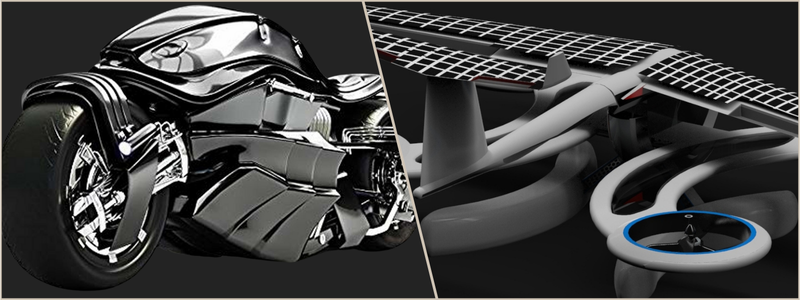
product design and development firms

10. Communication

In outsourcing, it is only a success if there is consistency and transparent communication between an internal and an external team. Utilizing healthy communication is a safe haven that can help avoid misunderstandings, which can result in expensive design mistakes and delays. In order to have an effective partnership, it is important to instill transparency. By having this, it will ensure that the development will be faster because there is no confusion that is standing in the way that can delay it. 

11. Protecting intellectual property

Since a client or a company is dealing with an external party or team, it will be much more efficient to have a security and protection for the shared ideas and sketches or any documentation, having this can make sure fraud and stealing will not happen. This can be ensured by having a Non-Disclosure Agreement (NDA) in place. 

12. Evaluating prototyping speed

Since the market is quite competitive, the ability to make and iterate quickly via 3D printing services or CNC machining is a major asset. It is best to ask firms if they have their own prototyping equipment right there in the office to conduct changes easily and quickly. 

RELATED: Wearable Product Development: 6 Key Challenges for Product Development Companies

13. Looking for manufacturing links

When looking for a top-tier design firm, it goes beyond the drawings they can do, but also the established relationships they have with their manufacturers. Having a solid long-term connection with manufacturers says a lot about the firm. It means that they have a reliable partnership and have built trust with each other. This connectivity ensures quality in outputs and large-scale production requirements. 

14. Checking references and reviews

In choosing, it is definitely important not to rely on just word of mouth but to dig into references, reviews, and verified testimonials to ensure that the 3D modeling design firm is reputable. Portfolios are not enough to tell how good a company is. Yet, it is okay and understandable to screen and ask about a firm’s reliability and how they handle the pressure that is happening every day. 

15. Navigating regulatory compliance

Depending on what industry you are in, the product needs to meet specific standards like UL, FCC, or even the FDA before you are allowed to sell it. The rules could have changed, so it is important to be prepared beforehand by knowing what’s required for compliance to have a better grasp of these certifications. It is important to comply with these because it will make sure that your product is up to the standards and will keep everyone safe.

16. Managing cultural alignment

Working with a firm that actually shares your business culture and work ethic can lead to a much smoother collaboration, generally. Having a shared value promotes harmony and culture in the partnership, applying this will make it a lot easier to connect with each other. More than just having a matched schedule, it is about making sure that the partner’s professional integrity aligns with your own internal standards to avoid conflicts and errors in the future.

17. Emphasizing sustainability

Since the world is leaning more towards sustainable approaches, the 3D design professional chosen should be able to understand and execute manufacturing processes that are aligned with green construction. Discussing material choices and life-cycle assessments can ensure product alignment with the environmental goals. 

RELATED: Why Product Design Services Use Photorealistic Rendering for Marketing New Products

18. Planning for Scalability

Working on a product is simple, not a one-time launch; it should be future-ready. Which means that the design firms you are in partnership with should be able to cater to a larger-scale production. 

19. Reviewing contractual terms

Since you will be working with an external team, a thorough review of contract terms is strictly needed to ensure that there is a retention of full rights to the final design. Payment schedules should also be clearly identified, as well as terms regarding completion milestones. Setting terms avoids conflicts and disputes that may arise later on. 

20. Maintaining internal ooversight

Having an external does not mean just letting them be. There should still be an internal member to oversee the work they’re doing and keep track of the progress. This ensures consistency and quality of work, aligning them to the original design intent and vision.

21. Handling revision cycles

Not all designs are final, some need to be checked.  This is why iteration and revision cycles are important in discussion to know and plan how to handle it. Some new invention design firms may only have limited iterations offered, and this could affect the whole design development process. A flexible design firm has the capacity to adjust to changes and refine the design based on testing and feedback, and all of these should be agreed on during the initial meeting. 
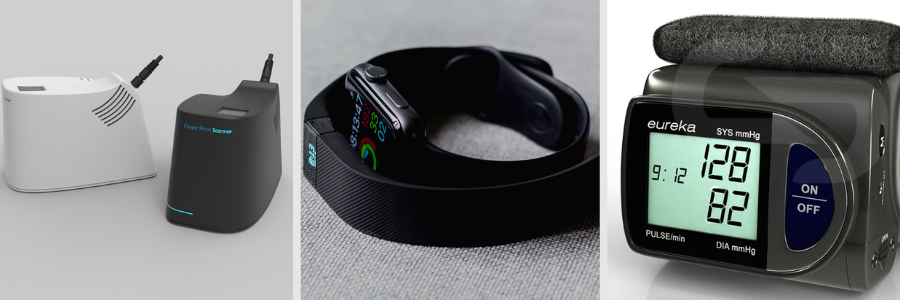
3D product modeling designers

22. Evaluating risk management

To ensure the design firm can handle potential design flaws, it is best to discuss with them their experience with and how they manage them. Having an approach to risk management safeguards the company’s investment and keeps the project aligned with the schedule. It is crucial to keep the company away from risks and errors because it can make the product and the company fail due to these matters. 

RELATED: Why 3D Product Models Are Replacing Traditional Photography for Product Design Companies

23. Maximizing market readiness

In reality, outsourcing is more than just designing a product, but about ensuring that the product will be ready to be sold in the real world. A good design would mean nothing if it can’t stand in the market. This is why it is important to work with product design professionals that go beyond creativity and visuals and know their way around with the essential documentation needed to make the product market-ready.

22. Building long-term partnerships

Outsourcing is not just a one-time transaction. It’s more effective to think of them as a long-term partner since it is possible that after the first production, they’d also do the future upgrades as well. Once the connection is built, they’d be able to adapt to your brand’s style and identity, making them an easy party to work with. 

23. Understanding domestic manufacturing benefits

One of the biggest advantages of choosing a US design firm is its quality control in prototyping and initial production. From here, there could be faster feedback from closely monitoring issues. US design firms also have speedy production, accelerating turnaround time for testing and adjustments if needed, reducing high costs and time.  Having to employ and utilize what the firms offer can keep the product development standing, thus it will allow room for more improvements.

24. Utilizing professional feedback

An effective product design and development team can take professional feedback into a fresh perspective for refinement and improving the product. It is always best to be transparent with comments and feedback to have a healthy discussion on how to improve the product for the betterment of the product. 

25. Adapting to market trends

US-based design companies are at the forefront of the global design trends and consumer preferences, which is one of the advantages. This makes it easier to have their input on what’s trending in the market and apply it to the product. 

26. Strengthening competitive advantage

Outsourcing has given companies the luxury of access to skills and expertise that are not available within their internal team. And instead of being limited by in-house skills, having an external specialist makes a big difference and edge when it comes to innovation. Having it does not mean it just improves functionality and creativity, but it also speeds up the whole development process, which is really needed so that quality products can be reached. 

RELATED: How to Use 3D Product Modeling and 3D Product Photography for Company Advertising

27. Streamlining the workflow

A professional design for manufacturability (DFM) firm not only offers talents, but having them will only mean that clients can also adapt and be familiarized with their way of working. Rather than having to guess around, which will make them just figure out how they do things, it is necessary to follow their structured workflows to keep the project organized and seamless. 

28. Selecting the right materials

Material selection determines the feel and durability of the product. US design firms can have input on how to choose a material based on the product’s purpose, the budget, and manufacturing plans. They know their way around in balancing it and finding a perfect fit for the product. 

29. Understanding duty and tariffs

It is crucial to consider the final product’s manufacturing location and related taxes because it is a must, and even if the manufacturing design firm is the only part of the project that is outsourced, it is crucial to know these things. In order to prevent risks and maintain the product’s transparency, a reputable design business can assist in negotiating the finished product’s classification and taxation.
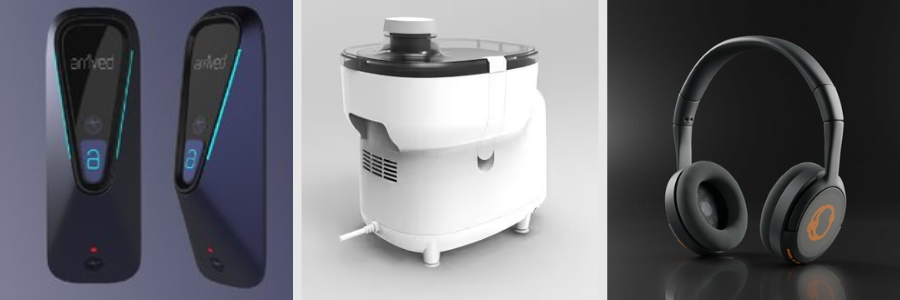
3d product modeling services

30. Identifying design patents

In product development, it is easy to focus on how it works, but the look it has could actually be valuable. Design firms know unique parts of the drawing and guide you to apply for a design patent application. This helps in protecting and securing a design from getting copies. 

31. Navigating product liability

When a design is carefully thought out, it reduces the risks of accidents that could damage the company’s image. A professional US design firm knows how to weigh and prioritize safety standards to protect not only the consumer but the company’s reputation. 

RELATED: Tips for Product Design Firms: Validate New Product Ideas & Squash Launch Failures

31. Implementing quality control

To set expectations of the output, there should be an established criteria o r benchmarking for the quality control. This ensures that every unit is checked based on the provided metrics and meets the standard performance set.

31. Leveraging open innovation

Fresh ideas often come from areas outside your usual comfort zone. A versatile US design firm can bring new and fresh insights that can give creative and unique innovation to the product for its betterment. 

32. Monitoring global regulations

When the company has plans to sell goods abroad, it has to follow the global environmental standards. This is applicable to all companies, even if you are already located in the US. Having experienced US product concept development experts by your side helps ensure that your products can pass the required processes to meet the global standards.  

33. Staying current with hardware trends

The trends for sensors, batteries, and microchips constantly change, and this could be a problem if the team assigned does not have any knowledge of handling this. A US design team can handle this so that the product to be launched won’t have outdated technology. 

34. Securing supply chain redundancy

In sourcing parts, it is advantageous to have multiple suppliers to work on your product. The design firm can utilize having other vendors to handle other batches to reduce the risk of halting production due to one supplier’s failure. 

35. Managing customer expectations

A good US new product design firm knows how to communicate the vision and original intent based on the product design. It should clearly tell how it should be used and what it is for. Having a user-friendly strategy that keeps the users from having any problems is what an intuitive design means.

36. Integrating feedback loops

Feedback is important in improving a product. It includes all useful information on how it fits the user experience. It is important to create a system where feedback is given quickly from the early prototype to the final design. Doing this ensures that the product is refined in alignment with market demands and needs.  Feedback is really helpful because it makes it possible to have a product that is already up to the standards, and if errors are identified using the feedback, it will be much easier and faster to solve the problem.

RELATED: How Successful Companies Utilize 3D Product Modeling Services for Compelling Product Imagery

37. Leveraging local ecosystems

Since the US design firms are located in areas where there are a lot of innovation hubs, such as Silicon Valley, Boston, and Austin, there is access to a sufficient number of expert ecosystems. Tapping and getting involved in this network helps in providing more resources for more specialized testing or manufacturing. 
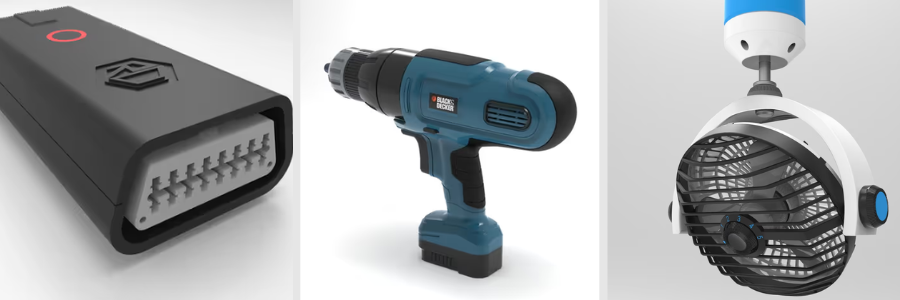
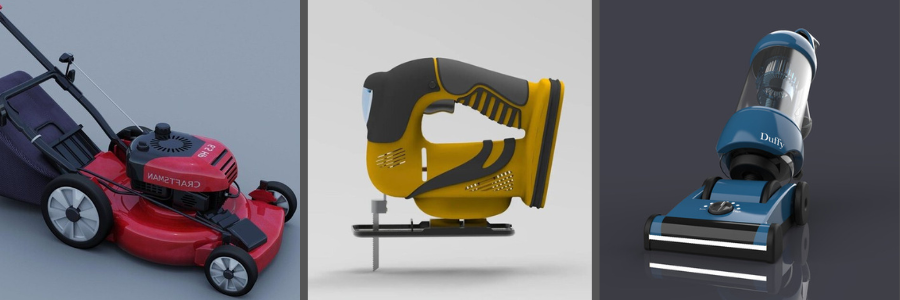
product design expert designers

38. Evaluating software compatibility

In choosing a CAD design firm, ensure that the version of CAD software is compatible with your internal system. This is to ensure that you can access the drawings and provide feedback. This makes the whole process more organized and seamless. 

How Cad Crowd can be a help?

If you are not sure about your project or any development that you are in the process of making, this platform is for you. Yes, creating and finishing a task can be a little more overwhelming and exhausting, yet with Cad Crowd, you can have the suitable designers and product engineering professionals here, they can also help you with making sure that every product is made with quality and is up to the standards not just by the client but also with the people who are the target market of it. 

Cad Crowd is a platform that continues to serve the clients to have a connection and partnership with the different talents, professionals, experts, and even freelancers. It has a massive pool of craft 3D artists that has a specialization for whatever case you need. They can truly help make the clients, companies, and businesses turn their dream vision into a reality that can be sold in the competitive market. When outsourcing for talents that could be a great help, Cad Crowd is a place where you can never go wrong.

We all know that finding the right and suitable talents can be a lot challenging, yet with this platform, it will be much more efficient to get the job done. Cad Crowd is a valuable place to be. Rather than relying on a single person, Cad Crowd can give you access to multiple and various prototype engineering professionals who could have a significant effect on your company. This place not only covers one specialization, but also includes different fields. It means that you can have the chance to explore different ideas that can be a match for your project needs. 

RELATED: Product-Centric vs. Customer-Centric: Which Is Best for Consumer Product Design Companies?

The following are some of the factors that Cad Crowd helps:

Talent matching

One factor that a lot of clients and companies stick with using the platform Cad Crowd is that they give out the best and most reliable person or team for the project. It is hard and can be pretty challenging to recruit freelancers yourself, but with the Cad Crowd, it helps you discover and identify professionals and freelancers who specialize in specific tasks, such as project designing, design engineering services, architectural, electronics, and more. By having Cad Crowd, clients not only save time, but also their resources, which leads to having the best talents that can work and really understand their work. 

Flexibility and scalability

Traditional ways often lean on having a team that is working for the long term. But with Cad Crowd, you can only employ them for a short period of time, whether it be project-based. Having a full team for the long term can cost a company a lot of money, but with this, you only have to pay for what you are availing of. This flexibility can help companies that are just starting in the market. In terms of scalability, you can only employ the said freelancers when you need them, and if not, you can always make room. 

Collaboration and communication

Professionals and product rendering freelancers sometimes tend to work remotely, with Cad Crowd you can track every change, review the progress, and check the work of the said professionals. This guarantees that, despite working away, clients can still have control of the projects. Collaboration and communication allow for any ideas and visions to help the product, without this, misunderstandings are prone to happen, which can delay the process.

Risk reduction

Employing the wrong talent can affect the whole development of the product; it can lead to delays and failure. Cad Crowd is the answer to this as they already have the skilled professionals who are knowledgeable about the projects and can offer guiding the whole process. Safety is what keeps everyone using any product. When safety is guaranteed, trust is already given, and with that trust, any company and client can thrive. 

RELATED: Sustainable Product Design and Product Development Principles for Firms to Consider

Conclusion

Outsourcing physical product development to U.S. design firms is a significant move that can lead to success. Having suitable approaches, such as planning, communication, and budgeting, minimizes the room for errors, which makes the project a success. Yet, it is challenging to have the right product design for assembly services professionals and talents that could do the work, but with Cad Crowd, any problems can be solved in no time. 

Even if traditional U.S. firms offer reliability and expertise, Cad Crowd makes it possible to have the best talents, have flexibility, and allows for collaboration to happen. Cad Crowd has a massive pool of talent who can make sure that clients will have the right one and are a match to their needs. By being able to converge outsourcing strategies with the right tools and platforms, companies and clients can have a product that is ready for market. Contact us for a free quote.

author avatar

MacKenzie Brown is the founder and CEO of Cad Crowd. With over 18 years of experience in launching and scaling platforms specializing in CAD services, product design, manufacturing, hardware, and software development, MacKenzie is a recognized authority in the engineering industry. Under his leadership, Cad Crowd serves esteemed clients like NASA, JPL, the U.S. Navy, and Fortune 500 companies, empowering innovators with access to high-quality design and engineering talent.

Connect with me: LinkedInXCad Crowd

Why Most Products Fail and Proven Tips for Success with New Product Design Services Firms


Oh, the excitement of innovation! The glint in a product designer expert‘s eye as a new concept comes to life. The thrill that percolates through you when you envision customers falling over their heads for your new invention. But life? Well, it tends to come crashing down like a ton of bricks. The rude reality is that the majority of new products fail to get beyond the launch phase. It’s a sobering fact: as many as 90% of new products don’t make it. So why do they fail? And more importantly, how can collaborating with capable new product design services companies from the industry-leader Cad Crowd turn the tables to put the odds on your side?

Let’s dive into why products fail and learn some tried-and-tested ways to help you create a successful product from conception through to delivery. Consider this a deep dive, with real-talk and practical guidance, aimed at anyone who’s got aspirations to bring the next big thing to market.


🚀 Table of contents


What’s behind the curtain? Why do most products fail?

First, it’s essential to understand that product failure is not a random catastrophe. It’s frequently the consequence of preventable mistakes and forgotten details. Often, it’s not about the product itself, but where it fits in the market and whether it addresses a real problem.

One traditional trap is misreading the market. Think about investing months (or years!) of work on a product based on guesswork about what people are looking for, and discovering they don’t really want or need it. This is all too easy to do. Entrepreneurs and businesses often bypass the hard work of learning true customer pain points and wind up introducing products that completely miss the point.

And then there’s the problem of inferior product design. Product design services are not merely about looks or a slick appearance. It’s about usability, functionality, and delivering an experience that customers are hungry for. If the product isn’t easy to use, dependable, or just a joy to use, word gets around quickly, and it’s not a positive kind.

Another offender is ignoring the competition. If you don’t know what else is available, how are you going to differentiate? Not placing your product uniquely or not providing something better or different tends to result in getting lost in the crowd.

Lastly, bad marketing and communication will kill a product quicker than a flawed prototype. The greatest product requires a simple message that will appeal to the people and a method to distribute it to them.

adjustible wheels on a carry bag and gun design by Cad Crod product designers

RELATED: What you need to know when hiring a product design firm & designer for new prototypes

The role of new product design services firms

New product design services companies tend to be the behind-the-scenes heroes of successful new product launches. When you’re starting from scratch with a new idea, it may be tempting to roll up your sleeves and build it yourself. But the distinction between a do-it-yourself versus working with experts is night and day. These companies bring creativity, technical savvy, and extensive market insight together to turn raw ideas into refined, market-perfect products.

One of their biggest strengths is in imposing sense on the maelstrom of innovative ideas. Rather than charging headlong, they begin by excavating who the product is actually for. By doing research and testing, they find out things about customers’ wants and needs that save them from making expensive errors, such as introducing something no one wants. Through seeking out critical questions regarding the intended audience, the issue the product addresses, and its integration into everyday life, they develop a solid groundwork for development.

The core of the process is iterative design. Ideas become sketches, sketches become prototypes, and prototypes are tested and tweaked over and over. This feedback and tweaking loop smooths out usability problems and hones features so the end product isn’t merely functional but actually pleasant to use. In most cases, this isn’t a linear journey; the round-trip guarantee that nothing half-finished makes it to the store.

Aside from beauty and use, these companies are attuned to manufacturing realities. They think about cost, material, sustainability, and production viability—factors that can make or break a product’s success or failure in the marketplace. Last but not least, most consumer product design companies assist in building the brand narrative, spinning an emotional thread that converts casual consumers to devoted enthusiasts. This narrative often closes the sale and propels enduring success.

How to tilt the odds: Proven tips for product success

If you’re itching to dive in and bring your idea to life, here’s the good stuff, proven tips to boost your chances of success, with a particular focus on how collaborating with product design services firms can be a game changer.

Begin with actual customer insight

Let go of what you believe people want. Get out there and listen. Through interviews, surveys, or viewing actual user behavior, this unfiltered feedback will guide your design and development down the correct path. Product design companies are great at this stage, leveraging formal techniques to capture insights that eliminate speculation.

Validate early and often

Don’t wait to test your assumptions until the product is complete. Use rapid prototyping design services—think crude sketches, mockups, or even crude 3D-printed ones—and get them out in front of your audience. This will save money, time, and heartache. It’s like a dress rehearsal prior to the big premiere.

Design for the user experience

Usability is the monarch. A confusing or frustrating product won’t stick, regardless of its cool factor. Product design teams infuse user-centric design experience, crafting flows and interfaces that are natural and pleasant to use. Consider ergonomics, accessibility, and even emotional resonance—the pixel count.

RELATED: The simple secret to unlocking new product innovation at design services companies

Know the competitive landscape

Understand your competitors, their strengths, and weaknesses. This enables you to define your niche and your value proposition. Proficient design companies perform market research as part of their practice, so your product will stand out.

Plan manufacturing and cost from day one

A jaw-dropping design is useless if it breaks the bank to construct or can’t be produced at scale. Product designers apply an understanding of materials, manufacturing design services, and cost management to help strike a balance between innovation and reality.

Build a compelling brand and story

Humans purchase products they emotionally connect with. Writing a compelling story around your product makes it easier to build that connection. Design companies tend to partner with branding specialists or provide full-service offerings that incorporate your product’s story into each touchpoint.

Get ready to launch with a good go-to-market strategy

Timing, channels, and messaging are the factors that matter. Product design companies tend to work in tandem with marketing experts to synchronize the launch plan with the strengths of the product and the target audience.

Lessons from real life through failed products

Learning sometimes comes the hard way, through others’ failures. Take the case of Google Glass—a product that was full of innovative technology but ended up failing because it didn’t click with users’ needs or social culture. Privacy and clumsy usability murdered what potentially could have been a groundbreaking wearable or New Coke, when a timeless formula tweak alienated loyalists, proving that grasping emotional connections and customer loyalty are key.

These scenarios indicate that product success isn’t necessarily about innovation or wizardry with technology—it’s about empathy, market savvy, and prudent execution.

Working with the right product design firm

Working with the ideal product design firm (or industrial design service, for that matter) can literally determine the fate of your project. When looking for the ideal match, pay attention to those that can appreciate your unique product category. Experience counts—a firm that has successfully released similar products to yours will better see through anticipated challenges and opportunities. Aside from expertise, also see if a team feels like a true partner. They must be in sync with your vision and passion while providing honest recommendations and expert opinions that enhance your idea.

The key is to understand their design process. Do they conduct extensive user research in order to discover genuine needs? Is prototyping an essential part of the process, enabling ideas to mature through testing and feedback? Companies that practice iterative development tend to create more robust, more usable products. Additionally, early attention to manufacturing constraints can save time and money later by preventing designs that are difficult or costly to manufacture.

Another crucial consideration is the way in which the company incorporates branding and market strategy into the design process. A full-service product design firm that can handle these elements in addition to design and engineering can help your product go from concept to market with ease, minimizing expensive surprises and increasing the likelihood of success.

Life tracker and audio interface by Cad Crowd design experts

RELATED: Cost-effective methods for new product design & development services for your company

Final thoughts: Failure isn’t fatal, it’s feedback

Failure is also usually depicted as the enemy, but it’s actually just on the way. Each failed product is a lesson—somehow, a glimpse into what does and doesn’t work. When paired with professional direction from open innovation and product design services companies, the lessons become stepping stones to success.

Innovation requires courage, patience, and flexibility. It involves challenging assumptions, listening rigorously, iterating continuously, and combining creativity with pragmatism. The product design process is your guide through this intricate landscape.

Ready to beat the 90% failure rate?

Don’t let your product idea become another statistic. Partner with Cad Crowd’s expert product design services to transform your concept into a market-winning reality. Our proven process combines deep customer insight, iterative design, and manufacturing expertise to give your product the competitive edge it needs.

Get your free quote today and start your journey from idea to success.

author avatar

MacKenzie Brown is the founder and CEO of Cad Crowd. With over 18 years of experience in launching and scaling platforms specializing in CAD services, product design, manufacturing, hardware, and software development, MacKenzie is a recognized authority in the engineering industry. Under his leadership, Cad Crowd serves esteemed clients like NASA, JPL, the U.S. Navy, and Fortune 500 companies, empowering innovators with access to high-quality design and engineering talent.

Connect with me: LinkedInXCad Crowd

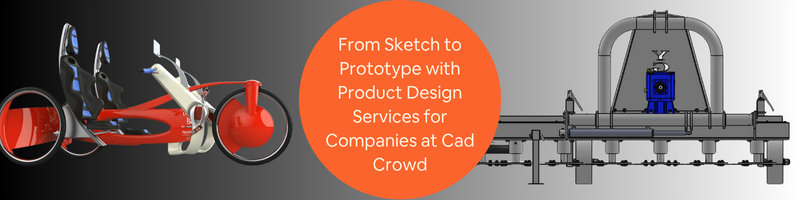
From Sketch to Prototype with Product Design Services for Companies at Cad Crowd


Within today’s competitive business climate, a new product journey from concept to reality is made possible with speed, precision, and collaboration. Product design service sits at the core of such an operation to enable firms to have a hazy sketch transformed into a usable prototype that is ready to produce.

Cad Crowd, the leader in on-demand CAD services with over 94,000 experts, supports companies in this intricate process by providing expert guidance at every stage. The website connects companies with the cream of the crop when it comes to product design services that can help with every stage of the process, from creating sketches to generating prototypes.


🚀 Table of contents


The role of product design sketches in development

The journey of any product begins with a concept, often a rough drawing. These sketches are not aesthetic images but essential conceptualization and communication tools for product vision. Well-drafted design sketches are the foundation of CAD modeling, which facilitates enhanced visualization and decision-making.

An exact sketch helps the designers and engineers understand the product’s basic functioning and appearance before spending resources on development. It also helps identify potential design faults early, saving time and costs. In the majority of industries, like this one here, such first sketches undergo multiple drafts before entering the next development phase, verifying that all facets of the design are compatible with market demands as well as manufacturing feasibility.

RELATED: Key factors to consider when vetting engineering firms for design & consulting services

Why does product design matter in product development?

On the aesthetics aside, in the world of product development services, design is a determinant of success or failure. Product design impacts user experience, manufacturing efficiency, and ultimately, business growth and customer satisfaction. Organizations that appreciate thoughtful design can reap significantly more than organizations that consider design an afterthought. The reasons why product design is essential in every stage of development are listed below.

Enhancing user experience

Great product design begins with the user. A well-designed product is intuitive, functional, and enjoyable to use. Consumers today expect seamless experiences, and a bit of friction in the form of a complex interface, clumsy grip, or hard assembly is sufficient to generate frustration and abandonment. The best designs anticipate needs and resolve pain points in advance. For example, manufacturers of phones invest a lot of money in ergonomics, so that their phones will be comfortable to hold in the hands of their customers while being thin. If design is usability-focused, then customer satisfaction is guaranteed to follow.

Sketch of a pulley system and butterfly knife by Cad Crowd product design experts

Differentiating in a crowded market

In any industry, competition is fierce. A well-designed product becomes iconic and accumulates brand reputation. From the elegance of an Apple product to the ruggedness of a Jeep, a design imposes a company’s values and identity. A creative, unique design can be the sole reason a customer uses one brand over another. Organizations that regularly revise their designs are capable of staying in line with current times and adapting to changing market trends.

Enhancing functionality and performance

Design isn’t just about appearance—it’s a problem-solving activity that optimizes functionality. Designers and engineers collaborate to refine form and function so that the product carries out its desired function with optimal efficiency. This applies to everything from consumer electronics to industrial machinery. Poor design can lead to performance issues, increased failure rates, or customer dissatisfaction. By integrating design thinking at the outset of development, companies can reduce costly redesigns and improve product reliability.

Decreasing manufacturing costs and complexity

An intelligent design not only enhances usability but also impacts manufacturing viability, which is critical. Design for manufacturability (DFM) services ensure a product can be manufactured at reasonable costs without having additional costs or time for production. Simple but efficient design choices—such as simplifying the number of components, employing easily procurable materials, and simplifying assembly in the design—save significant costs in production. Optimizing design for manufacturing in organizations gives them a competitive advantage through cost reduction without sacrificing quality.

Improving sustainability and longevity

Sustainable design is increasingly a primary concern in modern product development. Consumers and businesses alike are more eco-aware, and the more sustainable the product, the more desirable it is. Thoughtfully made design choices—like recyclable material, low energy consumption, and longevity—assist in giving a cleaner lifecycle. Products with longer lifespans and less waste assist in building consumer trust and contribute to growing global efforts toward sustainability.

Product design is not merely about making something look good—it’s a strategic element that affects user experience, marketability, efficiency, cost, and sustainability. Investing in great design upfront in the product development process ensures that products perform better, stand out in the marketplace, and create enduring value. In an increasingly competitive world, companies that understand the power of design will always be ahead.

RELATED: 10 design principles for product development & industrial design services teams

CAD modeling: Bridging the gap between concept and functionality

Concept to reality is a vital process in today’s product development and engineering. While hand sketches and conceptual drawings play a significant role during the initial design stages, they are not practical and precise enough for production purposes. That’s where CAD (Computer-Aided Design) modeling fits in, serving as the bridge between raw concepts and functional products. CAD modeling design services translate raw concepts into highly accurate digital 3D models, enabling designers and engineers to fine-tune every aspect of a design before a single physical prototype is made.

As businesses rely increasingly on technology-based solutions, CAD has become a critical part of product design, architecture, mechanical engineering, and fashion. Its allowance for accurate visualization, structural evaluation, and effortless collaboration makes it inevitable. Business entities like Cad Crowd bring together companies with expert CAD designers in a bid to achieve high-end models that appeal both aesthetically as well as functionally.

The role of CAD in product design

CAD modeling is not just an exercise in coming up with a nice-looking picture; it’s optimizing and maximizing designs for performance, manufacturability, and efficiency. Let’s talk about the leading advantages CAD can provide in product design.

Increased accuracy

Accuracy is the key to successful product design. CAD software allows designers to employ accurate measurements, so that each component will assemble perfectly in an assembly. Compared to manual drafting methods, where human error is a common occurrence, CAD software minimizes errors by employing automated dimensioning, geometric constraints, and parametric modeling. Engineers can design with tight tolerances, so that all parts will function as intended when produced.

For instance, in the automobile industry, a millimeter or two may be the difference between success and failure. CAD enables product development experts to mold tiny details so that engine components, gears, and chassis components can be assembled together smoothly. Such accuracy not only makes products more functional but also reduces the likelihood of costly design flaws.

Cost and time efficiency

One of the most powerful advantages of CAD modeling is its ability to shorten product development time. Traditionally, physical prototyping and design were an expensive and time-guzzling task. CAD helps engineers create computer-based prototypes that can be easily modified within a short span of time, saving the hassle of repeated physical runs. This generates huge cost savings by eliminating wastage of materials and labor expenditures for repeated running of prototypes.

Additionally, CAD software minimizes the design process by offering pre-made components, automated functions, and standard part libraries. This allows the designer to focus on creativity rather than repetition. Moreover, CAD functions well with CNC machining and 3D printing technology, allowing for rapid prototyping and efficient manufacturing processes.

Design optimization and performance testing

Aside from graphic presentation, CAD enables engineering design firms to optimize and analyze their designs. By means of simulation and analysis features embedded within the software, designers can test structural strength, stress patterns, aerodynamics, and material response to varying conditions.

For example, in the aviation industry, CAD is used to simulate air drag, heat, and mechanical stress on aircraft components before they are manufactured. Predictive analysis like this alerts engineers to potential weak points early in the design process, allowing them to reinforce critical points without over-engineering the structure. This way, companies can create light, strong, and high-performance products at no additional cost.

Additionally, CAD facilitates material selection via the potential of designers to compare materials virtually. With the analysis of weight, strength, flexibility, and cost, companies can make a decision prior to committing to a specific material for manufacturing.

Smooth collaboration across teams

Product design is rarely a one-person job. Various stakeholders, like engineers, designers, manufacturing design experts, and clients, must sit together to deliver a successful project. CAD software allows collaboration by providing a shared digital platform on which all stakeholders can see, edit, and approve designs in real-time.

Cloud-based CAD tools also improve collaboration by providing remote access to design files, making it possible for global teams to collaborate effectively. CAD software also accommodates multiple file formats, which makes it compatible with a variety of manufacturing and engineering tools. CAD modeling eliminates miscommunication and version control problems, making everyone on the same page during the design and production process.

RELATED: Master product design costing: Top strategies for CAD services companies & freelance designers

Sketch to prototype of an automated bucket seat and PCB ether by Cad Crowd product development experts

From idea to reality: A digital revolution

The ability to visualize through complex geometries, model real-world constraints, and explore various manufacturing methods in a virtual environment has revolutionized product development. Compared to traditional methods that rely on trial and error, CAD-based design is data-driven, precise, and effective.

Every industry, from consumer electronics design services to industrial machinery, depends on CAD modeling to upgrade their products prior to mass production. Consider the smartphone industry: every new model is subjected to a comprehensive digital simulation prior to landing on shelves. Engineers use CAD software to study drop tests, heat dissipation, and ergonomics to create a great-looking, durable final product.

Likewise, in architectural construction, CAD modeling allows builders to draft accurate building blueprints, from structural elements to plumbing, electrical schematics, and aesthetic details. Architects are able to design entire skyscrapers, simulate daylight effects, and perform energy-efficiency tests—all before the first brick is set.

From CAD to rapid prototyping: The next stage

CAD models are the basis for rapid prototyping, or creating a physical representation of the design. Companies on Cad Crowd have access to advanced prototyping techniques, including:

  • 3D printing: Best suited for quick iteration and experimentation with multiple materials.
  • CNC machining: Provides high precision for functional prototypes.
  • Injection molding: Ideal for testing mass-production feasibility.
  • Vacuum casting: Convenient for creating accurate, durable prototypes.

Prototype engineering services facilitate real-world testing, such that the product is industry-grade and performs as expected. Refining and tweaking can be effectively achieved before mass production.

Iterative design: Prototyping refinement

Prototyping is rarely a one-step activity. Companies prefer to go through multiple iterations to improve functionality, appearance, and manufacturability. Cad Crowd’s platform facilitates companies to work with seasoned engineers who refine designs on the basis of:

  • User feedback: Gathering feedback from potential end-users for the simplicity of use.
  • Material testing: Verification of chosen material against performance and longevity.
  • Ergonomics & aesthetics: Balancing usability and visual appeal.
  • Manufacturing constraints: Design in accordance with production at the lowest costs.

Iterative prototyping and refinement maximize business potential in the market at a lower risk of expensive post-launch redesign.

Manufacturing readiness: On the way to production

Following verification of a prototype, the next step is gearing up for large-scale production. CAD services play a pivotal part in enabling economic production by designing:

  • Top-level engineering drawings: Step-by-step guides that guide manufacturers during mass production.
  • Bill of Materials (BOM): A bill of materials listing.
  • Assembly instructions: Sequential instructions for factory workers.
  • Tolerancing and GD&T analysis: Ensuring mechanical fit and performance.

Cad Crowd helps companies transition seamlessly from prototype to production with highly detailed CAD files that are optimized for various manufacturing processes.

Why choose Cad Crowd for product design services?

Cad Crowd offers businesses access to a worldwide pool of talented designers, engineers, and prototyping experts, allowing businesses of any size to effectively create and improve their products. Through Cad Crowd, clients enjoy a number of important benefits:

  • On-demand expertise: Regardless of whether your project needs CAD drafting, mechanical engineering, or industrial design experts, Cad Crowd provides you with pre-screened experts specializing in different sectors. No more headaches of recruiting full-time employees.
  • Cost-effective solutions: The platform provides flexible pricing models that adjust according to your individual project requirements, facilitating startups and existing businesses in controlling their expenses while procuring elite talent.
  • Fast time-to-market: Cad Crowd quickens the process of design, delivering rapid iteration and rapid prototyping, thereby ensuring that your product hits the market in a minimum amount of time.
  • IP protection: Privacy is paramount, and Cad Crowd makes sure all intellectual property is treated with utmost confidentiality, ensuring your designs don’t fall into the wrong hands.

From initial ideas to production-ready products, Cad Crowd offers the support and skills necessary to take ideas into marketable solutions, thus becoming a reliable partner for businesses looking for efficiency and innovation.

RELATED: How to improve product development for your company with engineering firms & design consultants

Product sketch and design of a reverse engineered gearbox and ATX enclosure by Cad Crowd design professionals

The future of CAD in designing and manufacturing

As technology progresses, so does the role of CAD in product design. Artificial intelligence (AI) and machine learning incorporated in CAD software see automation further augmented, allowing designers to generate optimized models with minimal human input. AI-driven generative design is already used in industries like aerospace engineering services and automotive manufacturing, where program algorithms propose design alternatives based on performance specifications input by users.

Additionally, CAD is increasingly collaborating with Virtual Reality (VR) and Augmented Reality (AR) technologies. These innovations enable engineers to interact with their designs virtually, allowing for enhanced spatial understanding and real-time modification.

As Industry 4.0 and smart manufacturing take hold, CAD also plays a big role in digital twin technology. Digital twins are computer simulations of physical products or systems employed to track in real-time, conduct predictive maintenance, and analyze performance. The technology is transforming industries like healthcare, with CAD-generated digital twins of medical devices and prosthetics making personalized patient solutions possible.

Conclusion

CAD modeling is now the backbone of modern product design as a pivotal bridge between conceptual sketching and practical reality. As a powerful tool that can provide more precision, cost savings, design optimization, and seamless collaboration, CAD empowers designers and engineers to break new ground.

From architecture to industrial design services, consumer goods, or industrial manufacturing, CAD software ensures end products are not only aesthetically sound but also functionally sound and production-ready. With the progress being made with AI, simulation, and digitization, CAD modeling will remain a core asset in shaping the destiny of design and engineering.

For businesses looking to leverage the potential of CAD, working with seasoned experts through platforms like Cad Crowd ensures access to top-notch designers who can bring ideas to life quickly and precisely. As businesses embrace digitalization, CAD modeling continues to be the backbone of intelligent, high-performance product design.

RELATED: 10 key costs for electronic pdesign & drates for engineering services companies

Cad Crowd is here to help

From sketch to prototype, product creation is a high-tech but rewarding process that calls for technical expertise and strategic vision. With Cad Crowd’s comprehensive product design solutions, companies can lead every step with confidence, from sketching and CAD modeling all the way through to prototyping and manufacturing.

In a world where speed, quality, and innovation decide market success, collaboration with a trustworthy CAD services provider ensures that your product development process remains on track, competitive, and future-ready. Be it a cutting-edge consumer device or an industrial part, Cad Crowd is a trusted partner in bringing your vision to life.

Feel free to contact us today to order a quote for our product design services and beyond!

author avatar

MacKenzie Brown is the founder and CEO of Cad Crowd. With over 18 years of experience in launching and scaling platforms specializing in CAD services, product design, manufacturing, hardware, and software development, MacKenzie is a recognized authority in the engineering industry. Under his leadership, Cad Crowd serves esteemed clients like NASA, JPL, the U.S. Navy, and Fortune 500 companies, empowering innovators with access to high-quality design and engineering talent.

Connect with me: LinkedInXCad Crowd

What You Need to Know When Hiring a Product Design Firm & Designer for New Prototypes


So, you’ve got an idea. A product idea. Maybe it’s a game-changing kitchen gadget, a smart wearable for pets, or a sleek piece of exercise gear that folds into your coffee table. Whatever it is, one thing’s clear: you can’t build it alone. That’s where a product design firm or a skilled freelance product designer from the industry leader Cad Crowd comes in. But finding the right one? That’s kind of like dating. There’s chemistry, there’s trust, there’s the first awkward meetings, and hopefully no heartbreak.

It’s not about creating something that “looks good.” It’s about bringing your idea to life, making it manufacturable, functional, and desirable. It’s a path from sketchbook to prototype, and then on to something that sits on a shelf (or finds its way onto a TikTok shopping haul).

But don’t worry. You don’t have to be an engineer, an artist, or a Silicon Valley visionary. You just need to know what to look for. Here’s your whole guide to hiring a product design team that won’t ghost you after the first render.


🚀 Table of contents


Why you can’t skip the pro team

Product prototyping isn’t about cobbling things together with hot glue and prayer. It may be tempting to rely on a tech-savvy uncle who has a 3D printer, but there is a huge gap between a homemade mockup and a professionally designed prototype that can really sell. That’s where an experienced product design company comes in—and why bypassing them can be more expensive in the long term.

The pros bring more than just tools. They bring a multi-disciplinary team: industrial designers who focus on aesthetics and usability, mechanical engineers who obsess over structure and durability, CAD specialists who translate ideas into manufacturable models, and materials experts who know exactly what will work (and what will melt under pressure). If your idea includes electronics, electrical engineers are often part of the lineup, too.

But the greatest value isn’t merely technical expertise. It’s the critical thought that goes into each choice. An expert team understands how to ask the proper questions: Will this work in the real world? Is it safe? Can it be produced at scale and economically? And perhaps most importantly, will it delight users?

Collaborating with a professional product design company isn’t about delegating your concept; it’s about getting it right the first time. Since the journey from idea to reality is riddled with make-or-break moments, you want individuals in your corner who have successfully traveled that path and who know exactly where the potholes lie.

RELATED: How is product design different from industrial design services companies?

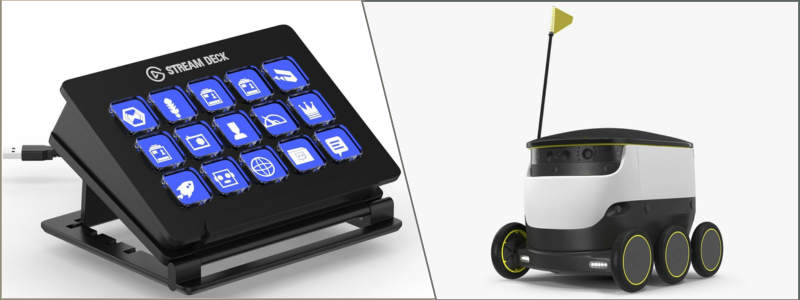
Product design of a elgato steam deck and robotized delivery machine by Cad Crowd product engineering experts

The big questions you should ask before you sign anything

Imagine this: you’re in a modern conference room, with an espresso cup nearby, surrounded by pristine sketches, polished prototypes, and excited designers who are obviously proud of what they’ve made. It’s easy to jump in headfirst, give the go-ahead on the project, and envision your product launch going viral. But before you become carried away with the euphoria, it’s time to put on the brakes and demand the hard questions, especially the ones that can make or break your project later on.

Q1. Have you developed products similar to mine?

Experience in your particular category of products is not a plus; it’s a necessity. Creating a smart wearable device is different from creating a new chair or kitchen gadget, even for product design firms. If your product has electronics, wearables, moving pieces, or has to meet exacting safety requirements, you need a partner who’s already familiar with that landscape. Request examples. Case studies. War stories, even. A team that has “been there, built that” will keep you out of expensive side roads.

Q2. Do you do everything in-house?

Not all design companies are equal. Some provide full-service solutions from ideation and sketching through prototyping and factory-ready files. Others might subcontract work such as CAD modeling or prototyping to outside vendors. That’s not necessarily a bad thing, but it’s important to know who’s actually performing the work. You don’t want to find halfway through a project that your prototype is being sent half around the world, or that essential design files are handled by some nameless freelancer. Transparency is essential.

Q3. What’s your prototyping process?

This question says a great deal about the company’s technical ability and how seriously they are taking your vision. Are they handing you 3D prints glued together with super glue, or are they giving you high-fidelity prototypes that closely represent the final product? If your project is being presented to investors or you are going for crowdfunding, appearance and function count big time. A professional prototype created with CNC-machined aluminum or molded plastics says you mean business.

Q4. Can I own the IP?

You’d be amazed how many business people sweep this one under the rug. Intellectual property is everything. Your name on the patent application, your brand on the design, and your rights locked in black and white. Contracts must be cut-and-dried: you own all IP created under the project. No gray language. No co-ownership. No “we retain rights on particular components” provisions. If the design company resists this, it’s a warning sign.

Q5. What is the DFM (Design for Manufacturing) plan?

A gorgeous prototype is only half the journey. The real magic happens when that design is ready to roll off the production line efficiently and cost-effectively. That’s where DFM services come in. If the design team can’t explain how your product will be manufactured at scale, or worse, they haven’t thought about it at all, they’re not building a business; they’re building a one-off model. Ask how they handle production constraints, material choices, and supplier communication.

Short and sweet, enthusiasm is wonderful, but preparation makes it perfect. Ask these questions, make notes, and don’t accept vague replies. Your product and your company deserve clarity and competence from the beginning.

RELATED: Key factors to consider when vetting engineering firms for design & consulting services

Behind the scenes: What product design firms actually do

When someone hears “product design firm,” they might envision a group of creatives rolling up their sleeves and batting out chic 3D drawings and presenting them with a flourish. That may be the superficial tip of the iceberg, but what actually goes on behind the scenes is an awful lot more complex, strategic, and team-based. A product design company doesn’t merely make things look nice; it assists in shaping ideas into producible, marketable products. Here’s a greater insight into what the entire process actually entails.

Phase 1: Discovery & concept development

This is the time your idea gets to take its first breath. You arrive with sketches, inspiration boards, or perhaps just a rough idea in your head. The concept design service team has its own weaponry, which includes whiteboards, post-its, coffee-fueled ideating, and lots of curiosity. The intent here is to understand user requirements, market voids, and product objectives. Don’t worry if your original concept gets remolded or questioned. The whole point of this phase is exploring and distilling down a vision that’s innovative and realistic.

Phase 2: Industrial Design

And now the party starts. This is when the visual identity of your product comes into being. Designers consider ergonomics, aesthetics, user interface, and visual effect. They create concept illustrations, create mood boards, and start modeling initial designs in CAD. But it’s not merely creating something pretty; however, it needs to be right and act naturally for the end user. It’s where form and function come together in an explicitly intentional and user-oriented manner.

Phase 3: CAD modeling & engineering

Design concepts are passed on and developed into precise 3D models. Engineers come aboard to sort out the nuts and bolts: materials, component location, load tolerances, and mechanical systems. CAD packages become the collaboration language of first resort. All the way down to screw holes and cable run, everything is carefully specified. This is the stage where the design team begins to answer the essential question: Can this even be built?

Phase 4: Prototyping

Now that the digital work is complete, it’s time to go physical. With additive manufacturing services, CNC machining, and other rapid prototyping tools, the product begins taking form in the physical world. This isn’t for display purposes alone—prototypes are examined for feel, fit, strength, and usability. Can the hinge withstand repeated use? Does the button provide proper tactile feedback? It’s all about checking the design and identifying what needs to be corrected before proceeding.

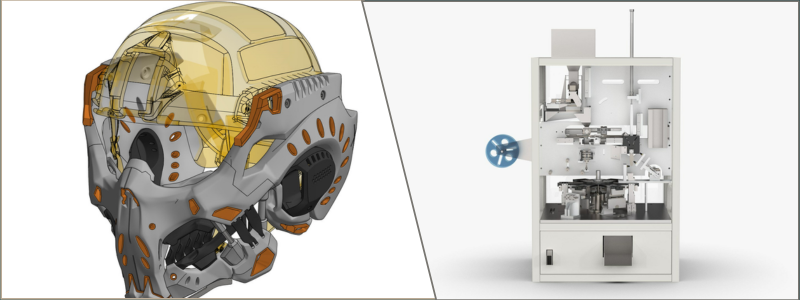
3D product rendering of an airsoft mask and tea bag automated packager by Cad Crowd product design engineers

Phase 5: Refinement & pre-production

Prototype is followed by a cycle of feedback and revision. Perhaps the material selection must be tailored, or the transformation could be more ergonomic. The team makes product refinements based on field testing and stakeholder feedback. Engineers validate that the design is suitable for mass manufacturing, streamlining assemblies, minimizing components, and maintaining cost-effectiveness while preserving performance.

Phase 6: Handoff to manufacturing

Lastly, the design is ready to face the world. Detailed CAD files, production drawings, and bills of material (BOM) are complete. Some companies even help with finding manufacturing design companies or taking orders from vendors. Everything is now ready to go smoothly from the design studio to the shop floor.

So no, it’s not all about fancy renders. It’s an intense development process, significant collaboration, and an infinite number of iterations all to create a product the correct way.

Red flags that shout “Run!” when selecting a product design agency

A beautiful portfolio or crisp website can be extremely convincing, but remember, do not be seduced. Even the most professional-looking design agencies can be a bad fit when you look beyond the surface. Before you sign the contract, here are some serious red flags that should make you reconsider the arrangement.

Number one: no physical prototyping abilities. Great digital renders, perhaps, but if a company can’t create and test physical prototypes, how will it determine true-world usability, longevity, or fit? A design that exists solely on a screen isn’t very helpful once consumers hold it.

Then there’s the abhorred one-size-fits-all strategy. Your product is specialized if it’s a niche or combination design, such as a smart lock with a skateboard attachment. If a company appears to be using the same process with each client, it probably means they’re not customizing for you.

Another dealbreaker is the lack of understanding of production. A stunning concept, in the minds of some designers, is the last step in their work. But if production is too expensive or impossible, then the design serves no use. From the very beginning, the top product engineering design companies think about production limits.

Listen to what they say, too. If every other sentence is full of industry jargon but you still don’t have a clue what they’re talking about, that’s an issue. Clean communication is important. If they can’t describe their process in simple English, then they probably don’t even know it well themselves.

Lastly, ambiguous pricing and schedules should cause you to pause. Experienced firms know how to estimate costs and timelines. If everything seems fuzzy or TBD, that’s a big red flag that they’re not yet prepared or inclined to commit.

Bottom line: trust your gut. If it doesn’t feel right, it likely isn’t.

RELATED: A guide to electronic product design for manufacturing with PCB design firms & engineers

How much does this actually cost?

Yes, the money talk. It’s not really anyone’s favorite subject matter, but if you’re truly determined to introduce a new product, you can’t afford to brush it under the rug. So, how much does product design and prototyping really cost?

If you’re creating a simple consumer product, like a kitchen appliance or a simple plastic box, the costs usually range between $15,000 and $50,000. That usually covers everything from preliminary concept drawings to a functional prototype. But it gets a little more serious (and costly) when you enter into complicated territory.

Products that encompass embedded electronics, specialty materials, or rigorous safety protocols, such as medical devices or wearable smart things, can easily drive the price to $75,000 to $150,000, and even higher at times. These are not merely frilly figures. They represent the broad engineering, prototype design engineering service, and regulatory hurdles involved.

Now, sure, freelancers tend to hit the market at more affordable price points. If you’re a startup struggling to get traction on a shoestring budget, you may see quotes ranging from $5,000 to $10,000. Sounding pretty good, right? Well, here’s the problem: that $5,000 design may never actually be produced. If it can’t be manufactured, or it doesn’t work when put to use in real-world applications, you’ve pretty much wasted money with nothing to show for it.

So what are you actually paying for? Not just doodles. It’s about expertise, productivity, and problem-solving. An experienced team understands how to avoid the types of errors that kill a project several months into the process. And where each delay costs more than dollars, time, opportunity, and momentum, it will become apparent that wise investment early on often translates to better returns down the line.

Short answer: Cost is important. But the value is more.

Should you hire a firm or a freelancer?

It’s a typical dilemma for anyone creating something new: do you hire a full-fledged design agency or a lean freelancer? The response isn’t one-size-fits-all. It actually depends on the scope of your project and how involved you want (or need) to get.

Design companies send a whole team along. Consider industrial design experts, CAD specialists, mechanical engineers, prototypers, and sometimes even supply chain experts. If your item is complicated or if you need someone to guide it from the first sketch to full production, this one-stop shop experience can be a big winner. You receive organization, accountability, and often an efficient process.

Freelancers, on the other hand, provide a concentrated and flexible solution. Perhaps you only require CAD drawings. Or a nice product rendering. Or an outside opinion on a mechanism that’s been stumping your team. Freelancers tend to be cheaper, and they typically are quicker to get up to speed. The catch? You’ll be responsible for coordinating other aspects of the project, such as electrical engineering, procurement, or end prototyping.

The third option is à la carte services, where you can access their expertise without purchasing the entire ticket. Need just a prototype? Or want a design audit before you invest in tooling? These companies can step in at a halfway point and provide specific support holes.

Ultimately, it’s all about connecting the right talent with the right point in your product journey. Whether that’s the power of a firm or the flexibility of a freelancer is a matter of what you’re building and how you want to build it.

RELATED: How to reduce painful product development costs for your company

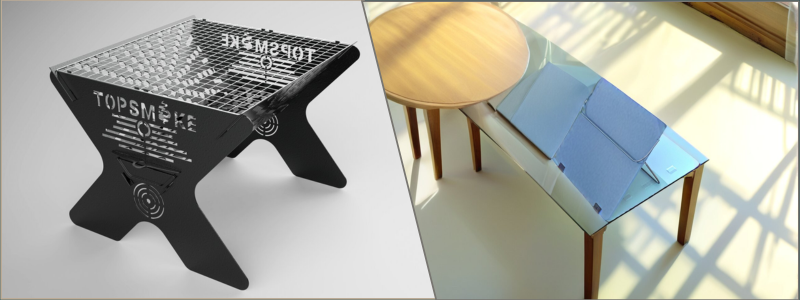
Product design rendering of a portable firepit and laptop table by Cad Crowd engineering experts

What great designers and firms have in common

When you’re in the market for a design partner, whether it’s a freelance pro or a full-fledged consumer product design firm, it’s easy to get distracted by beautiful mockups and slick presentations. But great design isn’t just about looks. It’s about working with someone who truly gets what you’re building, why it matters, and how to make it real.

One thing that distinguishes good designers from great ones?

  • Curiosity: Great designers won’t simply nod and agree with anything you propose. They’ll ask intelligent questions regarding your users, your business objectives, and even your competition. That’s how they adapt solutions to what you really need, rather than what you believe you do.
  • Candor: If your idea has a hole in it, you want someone who’s honest enough to say so and skilled enough to offer better alternatives. No sugarcoating. No unnecessary flattery. Just useful, constructive feedback.
  • Collaboration: A good designer understands that this isn’t a one-and-done deal. They’ll listen attentively, articulate their decisions clearly, and shift their strategy as your project unfolds. It’s a two-way conversation, and the best ones ride with you each step of the way. Just as crucial is a production mentality. A design that appears stunning on the screen but is prohibitively expensive to produce is a dead end. Great designers know how things work in production and design accordingly.

Lastly, the results are not simply nice shots, but products in the real world, rave reviews, and case studies that speak to their effect. Specific client testimonials can say more than any portfolio ever could.

Bottom line: Brilliant designers pose intelligent questions, provide frank responses, collaborate like teammates, and realize your ideas in style and function.

How long does it take?

How long do products actually take to design? If you were thinking of getting it all done in a few weeks, think again. A full product design process from your first concept to production files is typically 3 to 9 months, and sometimes more. The timing depends on complexity, especially in the case of electronic device design firms.

For instance, a straightforward plastic product can be done in 3 or 4 months. But if you’re working on something more complex, such as a wearable device with electronics or several user interfaces, then you’re talking about 6 to 12 months or even longer. This is not a rush project; it’s about accuracy, testing, and polish.

After all, you’re not simply drawing a nice thing; you’re creating something that people will actually use, maybe on a daily basis. Taking the extra time to get it right the first time will save you from expensive errors later on. In product design, patience isn’t a virtue; it’s essential to success.

Working with a design firm: Tips for a smoother ride

Want to be a dream client? Here’s how to steer clear of the bumps.

  • Come with clarity. You don’t need a complete spec sheet, but have a sense of your objectives. What are you solving? Who’s your user? What’s your vision?
  • Be flexible. Your idea can shift. That’s not a failure, it’s evolution.
  • Provide good feedback. “I don’t like it” doesn’t tell us much. “It feels too heavy for a kid’s hand.
  • Patience is polite. Respect the process. Good design is iterative. Anticipate several rounds and expect some twists along the way.
  • Prototype planning. Budget and time must be allocated for not only one, but possibly several prototypes. It’s part of figuring out what works.

RELATED: What are industrial design rates & costs at product design services firms?

Design is where magic meets mechanics

There’s something thrilling about witnessing your product evolve from sketch to shelf. The best product design firm isn’t merely a team; you need to find your co-pilots on this wild journey. The process will test your patience, challenge your assumptions, and potentially reshape your initial idea through open innovation services.

But with the right partners, you’ll gain more than just a prototype. You’ll have a product ready to face the real world, with every curve, button, and detail meticulously considered by people who live and breathe design.

Cad Crowd is here to help!

So, don’t rush! Take your time to ask the tough questions and look beneath the surface. When it comes to bringing your idea to life, hiring an excellent product design team from Cad Crowd is not just the first step; it’s the most crucial one in transforming that “what if” into a “wow.” Don’t wait any longer—get in touch with us today for your free consultation and discover how we can help you turn your vision into reality! Request your FREE quote now!

author avatar

MacKenzie Brown is the founder and CEO of Cad Crowd. With over 18 years of experience in launching and scaling platforms specializing in CAD services, product design, manufacturing, hardware, and software development, MacKenzie is a recognized authority in the engineering industry. Under his leadership, Cad Crowd serves esteemed clients like NASA, JPL, the U.S. Navy, and Fortune 500 companies, empowering innovators with access to high-quality design and engineering talent.

Connect with me: LinkedInXCad Crowd

Top 50 Consumer Product Design Service Companies, Agencies & Design Firms in the US


If creating successful consumer products were a sport, these 50 businesses are your all-star roster. Some are little scrappy boutiques pumping out great ideas from Brooklyn’s sunlit lofts or Portland’s factory floors. Others are innovation giants with international operations and patent portfolios that would make Edison blush. Whether it’s a sleek kitchen gadget, a smart wearable device, or a package that gets someone to say, “I want that,” these product design companies have been behind the scenes sketching, prototyping, testing, blowing it, fixing it, and ultimately getting it right.

Ideo

1. IDEO – San Francisco, CA (and everywhere else, too)

IDEO isn’t a design company, but the name that comes up when a person wins a design thinking award or delivers a TED talk, culminating in “Now go create something meaningful.” From inventing the first Apple mouse to redesigning healthcare experiences, IDEO’s imprint is all over the contemporary consumer product world. They combine anthropology and engineering. Whether it’s a child’s toothbrush or a medical device that’s not medieval torture, IDEO injects that precious human focus that transforms ideas into movements.

Ideo.com

Frog Design

2. Frog Design – Brooklyn, NY / Austin, TX / Worldwide

Frog is referred to as the Miles Davis of product design—fashionable, creative, and continually evolving. Hatched in Germany, this legendary firm has expanded as an international powerhouse with significant U.S. locations. Their fingerprints can be found from the Sony Walkman to the newest smart home devices. What differentiates Frog isn’t design—it’s feeling. They are the go-to for clients such as Disney, Lufthansa, and Dolby for an experience that resonates more deeply. Renowned for industrial sleekness and systems thinking, Frog expertly integrates hardware, software, and UX. Its soulful design always redefines what a product should feel like.

Frog.co

RKS Design

3. RKS Design – Thousand Oaks, CA

RKS is the result of bringing cutting-edge innovation together with fearless, rockstar looks. They’re not your typical design agency—nay, they employ something referred to as “Psycho-Aesthetics,” an original model that melds emotion, psychology, and design thinking. It’s the way they’ve designed legendary products such as Harman Kardon audio systems, sexy Logitech devices, and otherworldly kitchen gadgets that wouldn’t be out of place on a spaceship. RKS delves deeply into user needs and market understanding to create products that people not only use but also desire. Their design resonates on an emotional level, showing that when form and feeling are combined, you don’t get just functionality, you get desire.

Rksdesign.in

RELATED: Top 101 Female Inventions that Changed the World & Women’s Innovation History

Altitudeinc-logo

4. Altitude (Part of Accenture) – Boston, MA

Altitude might fly under the Accenture banner these days, but their culture of boots-on-the-ground innovation remains as strong as ever. From Boston, this group has developed a reputation for creating sophisticated, functional consumer products that reach the market. They’re not merely concerned with looks, usability, and manufacturability are infused into everything they do. For startups pursuing retail ambitions and hoping to hit shelves at Best Buy, Altitude is the partner of choice. From initial sketches to production in full gear, they know how to go fast without going cheap. It’s product development with purpose, precision, and undeniable panache.

Accenture.com

Tangerine

5. Tangerine – London, UK / San Francisco, CA

Breaking the rules for a second, Tangerine completely needs to be included on any design behemoth list, regardless of it being UK-based. Why? One word: Apple. Prior to Jony Ive revolutionizing tech design at Apple, he was creating bags at Tangerine. That alone is reason to investigate further. Now, this unsung studio crafts everything from cool consumer electronics to cutting-edge travel products, even high-tech toilets. What makes them unique is their dedication to merging stunning looks with the practical needs of real-world manufacturing. No gimmicks. No flair. Just careful, useful design that humbly drives some of the world’s most refined and surprising everyday items.

Tangerine.net

MNML

6. MNML – Chicago, IL

MNML—Minimal for short—celebrates minimalism with a fearless edge. Their design is clean, intentful, and provocatively modern, yet never sterile. Started by Scott Wilson, the company became famous when his LunaTik watch band escalated a modest Kickstarter into a multimillion-dollar phenomenon. Wilson infuses high-design skills into mainstream tech, wearables, and smart home devices. MNML collaborates with scrappy startups and industry behemoths alike, turning visionary ideas into gorgeous, market-ready gear. Imagine Apple’s beauty married to Bauhaus simplicity, topped with a spoonful of indie cool. MNML doesn’t only design products—they make cult-worthy icons with attitude and purpose.

Mnml.com

Matter Supply Co

7. Matter – Portland, OR

If Portland is known for anything other than its passion for coffee and bicycles, it’s a passionate love of craft, and that vibe is alive and kicking at Matter. This diminutive but mighty studio has made a name in sustainable product design, and they are go-tos for up-and-coming brands with bold concepts. Circular design, creative materials, and lovingly crafted products are their niche. Whether it’s a prize-winning water filter or smooth, sustainable electronics, Matter demonstrates that amazing design can be gorgeous and sustainable. No mass-produced plastic, just well-considered objects crafted with care, intention, and a keen attention to detail. It’s Portland innovation at its finest.

Mattersupply.com

Priority Designs

8. Priority Designs – Columbus, OH

Columbus might not be the first place that comes to mind for top-tier product development, but Priority Designs is changing that perception fast. Tucked away in the Midwest, this powerhouse blends serious engineering know-how with sharp industrial design. Their massive prototyping lab turns concepts into reality, and their client list, like Nike, Scotts, and Whirlpool, speaks volumes. What distinguishes Smart Design isn’t so much technical prowess; it’s their profound understanding of how everyday people actually use products in everyday life. Their approach hits the exact balance between hard facts and visionary imagination, so they are one of the region’s most compelling creative talents.

Prioritydesigns.com

RELATED: Top 100 Electronics Design Companies to Create Prototypes for Hardware Startups

Smart Design

9. Smart Design – New York, NY / London, UK

Smart Design really is smart. They’re the creative geniuses who created the original OXO Good Grips, a line of kitchen tools that revolutionized the category with their ergonomic, user-friendly handles. That groundbreaking design wasn’t just smart, it was rooted in understanding how actual consumers live and interact with products. Smart Design applies that same consumer-centric sensibility to everything from wearables to medical devices to high-technology products today. Their design is notable because it’s uncomplicated, readable, and ridiculously useful. If a product feels natural and welcoming, smart money says Smart Design was involved in making the experience happen.

Smartdesignworldwide.com

Pensa

10. Pensa – Brooklyn, NY

Pensa is where industrial cool meets street smarts in the best possible way. This Brooklyn design studio makes everything from drones and bike locks to sophisticated home technology, always with a practical, get-your-hands-on-it attitude. Their office overlooks the Brooklyn Navy Yard, giving prototypes an opportunity to encounter the real world before hitting the market. Pensa integrates R&D, strategic design, and rapid prototyping into one razor-sharp, innovative hub. They’re also the brains behind Street Charge, those solar-powered charging stations popping up in parks and public spaces. For Pensa, awesome design isn’t only clever, it’s street-tested, fashionable, and designed to keep pace with life.

Pensa.co

Whipsaw

11. Whipsaw – San Jose, CA

Whipsaw is the Hollywood of product design, sleek, visionary, and perpetually a bit ahead of its moment. Headquartered in the center of Silicon Valley, Whipsaw has served more than 800 customers in consumer electronics, robotics, medical devices, and more. Founder Dan Harden and his design team have created some of the most recognizable smart home devices, such as the original Google OnHub router and Arlo cameras. What makes them unique? They merge art, usability, and innovation into designs that appear futuristic but feel instinctively familiar. It’s no wonder they’ve accumulated over 300 design awards.

Whipsaw.com

Enlisted Design

12. Enlisted Design – Oakland, CA / Salt Lake City, UT

Enlisted is effortlessly cool, a self-assured friend every startup wants on speed dial. Whether it’s stylish home technology or tough outdoor equipment, this team is able to bring a brand to life through product design. Their collaborations with brands such as Allbirds, Stance, and Nestlé are evidence that they are not only designing functional products but also creating experiences that tap into emotions. What truly sets them apart? They take their industrial design and carry it over seamlessly into packaging and brand strategy. The outcome is more than a product; it’s an integrated, memorable experience from shelf to unboxing. That’s the Enlisted signature.

Enlisteddesign.com

Momentum Design Lab

13. Momentum Design Lab – San Mateo, CA

Where UX/UI comes together with physical products, Momentum excels, which is why they’re a perfect fit for businesses creating smart, connected devices. From app-enabled air purifiers to cutting-edge fitness devices and easy-to-use baby monitors, they’re experts in hardware-software integration that simply feels natural and seamless.

Their design-first approach has them developing the user experience early, before they have any hardware in the works, resulting in a product that’s both delightful to interact with and functional. For brands walking the tricky tightrope between digital interactions and physical-world experiences, Momentum provides buttery-smooth transitions that almost feel otherworldly. It’s not about design—it’s an end-to-end product experience, designed from the inside out.

Momentumdesignlab.com

Baren-Boym

14. Baren-Boym – New York, NY

Baren-Boym is unique in the world of design as a studio that is just as comfortable creating beautiful curves as it is working with complex engineering specs. From baby monitors to sophisticated luxury cosmetics packaging and cutting-edge kitchen appliances, their client list is astonishingly varied. With studios in New York, they offer a no-nonsense, practical approach where function never takes a backseat to form. All of their projects are based on thorough research, user testing, and astute manufacturing practices. It’s this balanced, reflective process that brings Fortune 500 titans and nimble DTC disruptors back time and time again. When you require design that actually delivers, Baren-Boym is usually already at the table.

Barem-boym.com

THRIVE

15. THRIVE – Atlanta, GA

Atlanta’s THRIVE is one of the South’s most interesting design agencies in this national light. Their secret? A strategy-first approach that establishes the tone for all they do. Before diving into design, they invest in consumer insights, behavioral tendencies, and market trends. That groundwork powers a creative process leading to crisp, scalable industrial design. Whether connected health devices or performance athletic equipment, THRIVE produces work that’s functional and eye-catching. Industry giants like Coca-Cola, Philips, and Samsung have taken advantage of their skills, showing that well-considered design strategy isn’t only wise, it’s necessary.

Thrivethinking.com

Astro Studios

16. Astro Studios – San Francisco, CA

Remember the Xbox 360? Astro Studios had a hand in shaping its iconic look. This San Francisco-based design firm has also collaborated with heavyweights like Nike, HP, and Beats by Dre. What sets Astro apart is its focus on creating products that drive culture, not just follow trends. Their design is aggressive, expressive, and willing to push boundaries, but never at the cost of usability. Every decision they make comes back to strategic branding and the way people really use the product. From wearables to gaming products, Astro creates the types of products that start conversations and make an impression.

Astrostudios.com

RELATED: Top 101 3D Design Firms & 3D Modeling Companies for Services in USA and Worldwide

Nuvation Engineering

17. Nuvation Engineering – Sunnyvale, CA

If consumer electronics are your passion, Nuvation is the behind-the-scenes powerhouse. In contrast to design-led aesthetic companies, Nuvation goes all-in on engineering and it’s their secret ingredient to high-tech success. They do the hard stuff like PCB layout and embedded systems, so your product is not only sexy but bulletproof where it matters most. Their work may not see the light of day for end users, but it’s crucial to functionality and scalability. They’re the behind-the-scenes geniuses who ensure all the flashy devices actually function. In a cool tech world, Nuvation is the engineering foundation that holds it all together.

Nuvation.com

Tactile Inc

18. Tactile – Seattle, WA

Seattle’s Tactile excels at its hands-on, detail-oriented process of product design. From creating smart fitness wear to experimenting with AR/VR technology, the team infuses highly technical products with a distinctly human touch. Their studio lives and breathes prototyping—imagine physical models, back-and-forth sketches, and ongoing user testing. This culture of ongoing refinement has each design naturally develop from real-world feedback. The payoff? Products that are intuitive, personal, and refined. With clients such as Microsoft, Panasonic, and Intel on their roster, it’s obvious that Tactile’s systematic creativity isn’t only respected, it’s sought after throughout the tech industry.

Tactileinc.com

Veryday

19. Veryday (Now part of McKinsey Design) – New York, NY / Stockholm, Sweden

Veryday is yet another globally born star that’s making waves within the American design community. Historically grounded in Scandinavians’ tradition of insightful and compassionate design, they’ve come to be an integral component of McKinsey Design’s global face. You may recognize them as the force behind the legendary BabyBjörn, but their portfolio now extends well beyond baby accessories. Now they focus on healthcare, lifestyle, and wellness products that have a human touch, such as home fitness equipment and medical devices with a gentle, user-friendly hand. Their skill is taking complicated products and making them feel accessible, so design always begins with the person using the product.

Mckinsey.com

Cre8 Design

20. Cre8 Design – Salt Lake City, UT

Cre8 is an agile, innovative industrial design force that consistently produces sleek, upscale products. From kitchen appliances and beauty gadgets to home tech and amazing DTC packaging, they assist emerging brands in creating a distinctive visual identity. The best thing about Cre8 is that they are able to transform raw, nascent ideas into production-ready designs that are desirable from the get-go. Their work exudes emotional draw, imagine flowing curves, tempting textures, and that leaping-from-your-eyes thing when a product simply clicks. It’s not design, it’s the creative process of getting people to fall in love with something they never realized they wanted.

Cre8-design.com

RKS Design

21. RKS Design – Thousand Oaks, CA

RKS is one of those veteran shops that never gets complacent. They’ve got a portfolio that goes back to the 1980s, having launched everything from electric shavers to intelligent water bottles. What differentiates RKS is its dedication to “Psycho-Aesthetics®,” a patented approach fusing emotional connection with visual design. Sounds high-brow, but essentially: RKS does not simply design the appearance of a product, they design the way it makes you feel. Whether bridging an emotional connection for a wellness company or crafting high-impact consumer electronics, they’ve got personal connection down to a science.

Rksdesign.in

Nonfiction

22. Nonfiction – San Francisco, CA

A female-founded studio crafting a more beautiful future? Yep. Nonfiction is remaking the tech sector, prioritizing deep-tech and wellness technologies. Their catalog features cutting-edge wearables, intelligent medical devices, and sophisticated equipment for health enthusiasts and biohackers. From breath-training devices for top athletes to relaxing devices that might be mistaken as NASA prototypes, each piece of work feels futuristic, cautiously crafted with empathy and an element of sci-fi. Their clients are pioneers in biohacking, mental health, and climate-resilient technology. It’s not just product design, it’s future-forward innovation crafted to improve lives and push boundaries in some of the world’s most vital sectors.

Nonfiction.design

MNML

23. MNML (Minimal) – Chicago, IL

Ever noticed how some gadgets just look like the future? MNML might be why. Started by former Nike designer Scott Wilson, this Chicago design firm is responsible for some of the coolest fitness trackers, drones, and e-bikes out there. Their clean design hides some serious tech, and elegance meets innovation. They initially shook things up with LunaTik, turning the iPod Nano into a proto-smartwatch before Apple even got in on the action. Since then, they’ve contributed to powering design for industry titans like Peloton, Samsung, and YETI. The outcome? Products that are effortless, inevitable, and always a step ahead of what you thought you were going to need.

Mnml.com

Bresslergroup logo

24. Bresslergroup – Philadelphia, PA

Having joined Delve, Bresslergroup applies decades of experience translating human-centered research into award-winning consumer products. Their true area of strength is networked devices, smart thermostats, security systems, and pet technology that just works. They distinguish themselves through their fixation on usability. Their work sits in the background, integrating into life with such naturalness that you barely even see it. And that’s the idea. Bresslergroup doesn’t seek to be noticed; rather, their creations glow by refining mundane habits. It’s design for the sake of design and done with a demure confidence that advances the product—and not the designer—into the high-profile position where it should be.

Delve.com

RELATED: Top 100 Famous Inventions and Greatest Ideas of All Time

DDSTUDIO logo

25. DDSTUDIO – Carlsbad, CA

Down in SoCal sunshine, DDSTUDIO is making waves with some simply exquisite work in healthcare and lifestyle design. Though they’ve built a reputation in med-tech, their portfolio extends far beyond, marrying beauty and function in consumer products where wellness and innovation intersect. They refer to themselves as an “innovation studio,” but they’re really so much more than just designers—they’re early-stage partners. Their group of researchers, engineers, and creatives immerses itself in the ideation process to craft solutions that intuitively feel, humanely feel, and even feel joyful. With a talent for distilling complexity into its most essential elements, DDSTUDIO shows that great design not only works but can also feel good.

Ddsstudio.co

Pushstart

26. Pushstart Creative – Austin, TX

Taking Frog Design’s place is Pushstart Creative, an Austin gem that’s been working in the background to assist consumer tech and lifestyle brands with making big design strides. They’re a small crew with lots of energy, most famous for turning high-level napkin sketch ideas into producible, marketable products. Whatever it is—smart kitchen appliances, wearables, or IoT products—Pushstart infuses every project with a contagious maker spirit. Their prototypes are neurotically spotless, their interfaces elegantly minimalist, and their packaging? Simply charming. And they work in close partnership with startups, so if you’re early stage and growth-hungry, they’re a great launchpad.

Pushstartcreative.com

Carbon Design Group

27. Carbon Design Group – Seattle, WA

Prior to Oculus acquiring them, Carbon Design Group was already making waves in product design circles. Renowned for their clean design, impeccable engineering, and user-centric innovation, they established a legacy that prepped them perfectly for what would eventually be Meta Reality Labs. And today, their DNA continues to infuse some of the most cutting-edge VR and AR hardware available. Whether you’re crafting headsets, smart glasses, or next-gen controllers, Carbon’s legacy provides a masterclass in considerate design. It’s not so much about creating awesome tech, it’s about making it smart, lovely, and designed for actual people.

Carbondesign.com

Worrell

28. Worrell – Minneapolis, MN

Worrell is one of those companies that strikes the perfect balance between consumer appeal and medical-grade innovation. Their sweet spot? Lifestyle and wellness devices, hydration-monitoring wearables, intelligent yoga mats, and therapy tools that feel spa rather than hospital. Their design language tilts clean and Scandinavian, prioritizing clarity and simplicity. But it’s not all about being pretty; Worrell is passionate about inclusive design, ensuring that their products function for everyone across all ages and abilities. Subtle yet powerful, they’re a best bet for businesses looking for functional, accessible solutions that enhance health tech without sacrificing style or usability.

Veranex.com

studiored logo

29. Studio Red – San Jose, CA

Studio Red is the type of straight-shooting Silicon Valley company that takes crazy ideas and turns them into clean, producible prototypes quickly. From robotic vacuums, wireless speakers, to smart doorbells, they’ve helped bring to life some seriously awesome consumer technology. They’re renowned for their extremely iterative approach to design, and thus a startup favorite in a world where time is of the essence. They may take a leading role in engineering, but never at the expense of aesthetics, making each product both functional and stunning. If you’re planning a Kickstarter-ready launch and require something that is as elegant as it is efficient, Studio Red is your go-to team. Brevity is a hallmark of all they produce.

Studiored.com

Design Partners

30. Design Partners – Dublin, Ireland / San Francisco, CA

Ireland-based Design Partners has been making serious ripples with US brands, designing incredible products for Logitech, Beats, and HP. Their secret? An intimate knowledge of user behavior and smooth, emotionally intuitive design. From ergonomic equipment to fashionable kitchen devices and high-spec gaming equipment, they infuse every product with a considered, intuitive feel. Their products not only look great, but they also feel instinctive. Rooted in a studio firmly based in California, they’re ideally placed to tap into the furious pace of Silicon Valley while holding fast to their European design heritage at the forefront.

Designpartners.com

whipsaw logo

31. Whipsaw – San Jose, CA

Few studios ride the razor-thin line between elegant design and cutting-edge engineering like Whipsaw. These guys have worked on consumer products you’ve likely already touched—from Arlo security cameras to Brita water filtration pitchers. They’re designing Swiss Army knives: one day working on a smart medical device, the next refining a streaming remote for the next-gen couch potato. Everything they do screams precision. Their design aesthetic is clean, intelligent, and quietly futuristic—no splash, lots of functionality. If Whipsaw were human, it’d be the fashionably dressed engineer who just happens to be strangely skilled at interior design.

Whipsaw.com

RELATED: Top 30 CAD Design Companies for Product Development and Prototype Services in Los Angeles

Y Studios

32. Y Studios – San Francisco, CA

Y Studios is where East and West meet in a collision of intelligent design and poetic storytelling. Founded by Taiwanese-American designer Wai-Loong Lim, this studio brings cross-cultural richness to consumer product design. From stylish kitchen appliances to digital devices and beauty tech, their work is always infused with a signature element that is understated but profoundly human. Their approach to design is not just about more than function; it engages the way things feel, physically and emotionally. Through an emphasis on the material and psychology of use, each item communicates to the senses. “Designing with soul” is not a slogan—it’s the pulse of all they do.

Ystudios.com

Smart Design

33. Smart Design – New York, NY

Smart Design created the “design thinking” way before everyone else caught on to the bandwagon. Recall those OXO Good Grips your mom still adores? That was them making kitchen staples ergonomic in order to turn them into icons. Since then, they’ve continued innovating, putting their energy into inclusive design for consumer products and health & wellness. Whether a high-tech bathroom mirror or a precision-fit toothbrush, they’re all about designing products that simply make sense. No flashy gizmos, no exclusivity, just intelligent, intuitive design for regular people. Behind everything is a simple conviction: great design should work for everyone, not just the tech-savvy.

Smartdesignworldwide.com

Prime studio

34. Prime Studio – New York, NY

Hidden away in Manhattan’s Flatiron District, Prime Studio is a tiny squad with an enormous impact. Their products appear modestly on Target and Sephora shelves, as well as REI streamlined packaging, clever dispensers, and small electronics that simply feel right. Chances are you’ve already used their designs without ever knowing it. That’s the sorcery: products that appear effortless but are crafted with compulsive attention to detail. They marry beauty with functionality, forming concepts into things that individuals truly want to hold, use, and buy. Though small in number, Prime Studio’s design presence spans the retail world, evidence that great impact does not necessarily result from great companies.

Primestudio.com

Ammunition Group Industrial Design

35. Ammunition – San Francisco, CA

Led by former Apple design mastermind Robert Brunner, Ammunition is the chic elder statesman of consumer product design. They’re most famous for designing the legendary Beats by Dre headphones, but their influence doesn’t end there. Ammunition combines chic industrial design with intelligent branding, producing products that don’t merely perform beautifully, they look like they were born to inhabit your world. From stylish health-monitoring rings to cutting-edge kitchen devices, their work is always visionary and emotionally stimulating. It’s the type of design that has people saying, “I need that,” without ever even knowing what it does. That’s the Ammunition magic.

Ammunitiongroup.com

Altitudeinc-logo

36. Altitude (Part of Accenture) – Somerville, MA

Altitude was a quick, clever studio based out of Boston that was acquired by Accenture. But don’t be fooled by the corporate parent; basically, they’ve still got boutique innovation mojo. Altitude excels when the product problem is nebulous and requires macro-level strategy and user understanding. They specialize in consumer wearables, smart home appliances, and connected health devices. They create clean, engineered, and scalable designs, which is why Bose and P&G bring them in when they want it done correctly.

Accenture.com

Tool

37. Tool – Boston, MA

Tool doesn’t design products. They create them. With a strong focus on research and in-depth collaboration, Tool assembles industrial designers, engineers, and UI/UX thinkers to create an idea think tank. Their work varies from beauty gadgets to home technology and everything in between. They have a reputation for functional minimalism, a sort of Scandinavian-American hybrid aesthetic, but above all, Tool applies an inventor’s sense of curiosity to consumer goods. They excel at bringing to the surface user issues that really matter and solving them cleverly.

Toolinc.com

CleverCreative

38. CleverCreative – Los Angeles, CA

Fewer than a handful of agencies can merge industrial design with narrative as well as CleverCreative. Though most famous for packaging and branding, they’ve been getting their toes wet more and more in physical product design, particularly in personal care, food & beverage, and boutique lifestyle sectors. If your consumer good must be utterly Instagram-look-attractive, then CleverCreative is the studio for you. They specialize in designing for experience rather than function and are geniuses at crafting product ranges that feel and look like a live brand.

Clevercreative.com

Morrama

39. Morrama – London, UK

Crossing the pond again for an excellent reason, Morrama. This UK female-led studio creates award-winning consumer goods for health, fitness, grooming, and wellness markets. Consider razors that have the feel of sculpture, vitamins that appear like designer sweets, and yoga blocks with uses other than on the mat. Morrama’s look is inescapably chic, but sustainable design and circularity are its true powers. All material, texture, and mechanism selection is based on longevity and emotional connection. For companies that desire products that stop traffic while minimizing waste, Morrama is a design partner you’d like to have in your corner.

Morrama.com

TEAMS design

40. TEAMS Design – Chicago, IL (with offices worldwide)

A worldwide design firm with a Chicago presence, TEAMS makes waves in the consumer products industry, particularly where engineering intersects with design at scale. Founded in Germany, their organized, near-Bauhaus-type thinking comes through in their approach. From appliances to power tools to personal health devices, they create for durability, not tricks. TEAMS shines in products that are intuitive in feel, even when technically complex, making it a darling for multi-functional kitchen and personal care products.

Teamsdesign.com

mindtribe-e

41. Mindtribe (Part of Accenture Industry X) – San Francisco, CA

Mindtribe, now a part of Accenture, is one of those behind-the-scenes giants of hardware creativity. Though they may be occasional invisible players, their impact is gigantic. They are experts at the nexus of hardware, firmware, and design, so for intelligent devices, networked appliances, or wearables, they’re top problem-solvers. They’re the design thinkers engineers adore and the engineers design firms envy. Their capacity to take a prototype to production is unmatched in Silicon Valley.

Accenture.com

RELATED: Inventors’ Complete Guide to Using Physical Prototype Design Services for Product Innovation

Enlisted Design

42. Enlisted Design – Oakland, CA

Enlisted Design balances beauty and strategy with ease. This is the group responsible for some of the most cutting-edge packaging and hardware design in Target, Amazon, and big box retailers nationwide. They assist young brands in punching above their weight and large brands in feeling boutique. They work with Allbirds, Arlo, and Native, and they do a great job of making sustainable, sophisticated products. Bonus: Their branding and photography are so sleek, it’s practically cruel. They’ll make your toothbrush appear as though it should be in a high-end hotel.

Enlisteddesign.com

Echo

43. Echo Product Development – Indianapolis, IN

Echo is a top-notch, from-start-to-finish product development company. They couple engineering prowess with industrial design for real-world outcomes, particularly in the home and kitchen market. You’ll usually find them in the trenches working out the real-world manufacturability: How do you make this safer? More cost-effective? Simpler to use? If you’re racing the clock to get a physical product to market and need cutting-edge design that won’t disintegrate during production, Echo’s your team.

Echosupply.com

Mako Design + Invent logo

44. Mako Design + Invent – Austin, TX

Mako has established itself as the go-to launch partner for inventors and startups. Their expertise is in taking crazy napkin concepts and turning them into producible, crowdfundable, shippable consumer products. From Bluetooth devices to lifestyle products and pet technology, they guide you from concept design through prototyping and then some. Their founder, Kevin Mako, is an advocate of inventor-driven innovation, so they’re accessible even without a million-dollar VC cheque behind your back.

Makodesign.com

Ideo industrial design

45. IDEO – Palo Alto, CA (Worldwide)

How to discuss consumer product design without genuflecting at the altar of IDEO? The pioneering design thinking behemoth requires little introduction. Though they apply their considerable skills in many sectors, their influence on consumer products is enormous, ranging from child-friendly toothbrushes to game-changing medical equipment. IDEO doesn’t simply design products; they design systems, services, and customer experiences. Their impact is intellectual, aesthetic, and cultural. If you desire your product to address actual human issues and be a part of something greater than yourself, this is your cathedral.

Ideo.com

Lunar

46. Lunar (Acquired by McKinsey) – San Francisco, CA

Lunar was once an independent force in Silicon Valley before being acquired by McKinsey. Today, they’re a hybrid creature of design innovation and management consulting size. They have a deep history of clean, compelling consumer design electronics, home goods, and their multidisciplinary process means each product is seen from 360 degrees: user need, market opportunity, business effect. Their industrial design is always clean, tactile, and quietly opulent.

Mckinsey.com

Layer Design

47. Layer Design – London, UK

Yes, we’re closing with another heavy hitter from across the Atlantic. Layer, led by the prolific Benjamin Hubert, is where future-forward industrial design meets user-focused experience. Their work in consumer electronics, smart furniture, wellness tech, and sustainable goods is nothing short of jaw-dropping. Consider headphones that adjust to your surroundings, chairs that recognize your posture, and bags that travel as if they belong to you. Layer isn’t inexpensive, but if you’re looking for the type of product that’ll have people whispering “Where did you get that?” they’re your ticket.

Layerdesign.com

Tangerine

48. Tangerine – London, UK (Co-founded by Apple’s Jony Ive) 

You know Jony Ive, the design minimalist genius who created the iPhone. But prior to Apple, he co-founded Tangerine. Although Jony’s long since departed, the company still retains that heritage of incisive, reductionist design thinking. Precision, elegance, and form following profound user logic are their hallmarks. Their work extends to consumer electronics, intelligent transportation, and, more recently, home and lifestyle technology. Tangerine is small-firm in feel but world-class in attitude.

If you desire Apple-quality design without Apple prices, they’re the ones to call.

Tangerine.net

RELATED: 101 Inventions That Changed the World in the Last 100 Years

studiored logo

49. StudioRed – San Jose, CA 

StudioRed is a nimble design and engineering team in the center of Silicon Valley. They’ve made a reputation assisting health-tech startup companies and consumer electronics companies go from napkin to shelf. What separates them is their prototyping lab and iterative design skills; they’re fast, and they’re even faster, plus they ensure that what you ship is exactly what you truly wanted to create.

From smart water bottles to home health products, they assist clients in designing intuitive, visually clean, and scalable consumer technology.

Studiored.com

RKS Design

50. RKS Design – Thousand Oaks, CA

We conclude with RKS Design, perhaps the most strategically oriented design company in the nation. This team pioneered the idea of “Psycho-Aesthetics,” a philosophy that combines psychology and emotional narrative with physical design. Their client list includes consumer electronics, packaging, and personal health. If you desire your product to engage with users on an emotional, not merely functional, level, this is the place. RKS is the unusual marriage of art, business strategy, and profound human understanding.

Rksdesign.com

The Bottom Line

From sea to shining sea and yes, a few mythic stops overseas, these 50 product design studios are more than ad agencies. They’re the ones creating the next wave of objects we live with, work with, and lug around in our daily lives. Whether you’re a scrappy startup with a bold idea or a seasoned company looking to reinvent your product line, there’s a firm on this list ready to elevate your vision with empathy, precision, and a splash of wow.

So go ahead and favorite your favorites, contact us with that sketch or pitch deck, and let’s get to work on making your product idea come to life in a tangible, stunning, and globally ready form. Because in great consumer product design, the right partner matters.

How Cad Crowd can help

Cadcrowd has access to a network of skilled consumer product design firms and freelance designers. No matter how big or small your project, they are more than able to assist. Contact us for a free quote.

author avatar

MacKenzie Brown is the founder and CEO of Cad Crowd. With over 18 years of experience in launching and scaling platforms specializing in CAD services, product design, manufacturing, hardware, and software development, MacKenzie is a recognized authority in the engineering industry. Under his leadership, Cad Crowd serves esteemed clients like NASA, JPL, the U.S. Navy, and Fortune 500 companies, empowering innovators with access to high-quality design and engineering talent.

Connect with me: LinkedInXCad Crowd

How are Product Concept Design Services Used to Innovate During Product Development?


No product idea will ever become a tangible reality without lots of research, careful planning, and proven expertise involved. The moment an innovator presents an idea that your business is interested in exploring, the next step is the product concept design service that marks the start of a successful project. The product concept design process involves taking high-level views of digital product ideas. This is the perfect time to explore different possibilities, brainstorm more ideas, and foresee the place of the product in the cut-throat landscape.

The ultimate objective here is to make sure that the final product will solve real-world issues and meet the needs of customers. This article delves into how concept design services are used to innovate during product development.


:rocket: Table of contents


RELATED: New concept design costs, engineering prices & product development services rates

What is product concept design? 

The purpose of a product concept design is to confirm or verify that a product idea will truly address a particular issue or meet a specific need, as well as how the product will do so in general. Product concept design is not a process that focuses on the minutia and details of the product. During this stage of the project, the 3D product designer visualizes and tests various aspects and facets of the concept design. The designer will then refine the design before handing the project over to development. 

The designer also gets to review the concept while the project progresses to deal with problems early. The iterative process ensures that the finished product is in line with the original vision while also meeting the expectations of users and the existing demands in the market. 

Primary elements of product concept design 

As far as product concept design is concerned, it’s important to consider several main elements to come up with an impactful and successful design. These key elements include aligning the product concept with the goals of the company to understand the competitive market landscape.

RELATED: How to make your company’s new concept design more effective

Align product concept with the company goals 

The 3D design team should take a step back way beyond looking at the competition and the market as a whole. This allows them to ask why the company is interested in taking this specific product to the market. The product must align with the business goals, values, and brand of the company. The design team must critically look at disconnects, like a product that needs printing just when the company claims to support sustainability. They should then address this before the concept is passed on to the final design and official development. 

Define core benefits and features 

Product concept design must define the purpose and function of the product in broader terms. For instance, if this is an analytics platform that is based on an LLM or large language model, it’s critical to identify if it is indeed effective in leveraging internal data to provide the most updated customer data to the sales teams. 

industrial design services

On the other hand, the team should also identify if the platform can offer customers customized conversational experiences through self-service support with the use of CRM or a customer relationship management system and a knowledge base. The 3D product modeling team in charge of the product concept design should identify the best feature set for the identified target users as well as the best opportunity to enjoy market success. 

RELATED: Product development guide: how an industrial design company develops your idea

Identify target customers 

Investors may assume that the ideas they have are the best solutions to the common pain points or the ideal ways to fill a gap in the market. But this might not be how all users feel. One part of the product concept design process is to identify the types of users that would find the product valuable and would have the willingness to pay for a price that will keep the company afloat. 

Designers in charge of the product concept stage can consider different factors including the demographics, behaviors, job titles, or lifestyle of the target audience. It is also important to study all the projections and trends and discuss things with the members of the target audience to make sure that the product is aligned with their expectations. 

Understand the competitive and market landscape

A product conceptual designer should take a bigger picture view of the spot in the market that will be occupied by the proposed product. Concept designers must consider the existing solutions, if there are any with the product’s similar goal, and how the new concept can help users to achieve it better. If the product is indeed unique, the designers must confirm demand and predict how it may disrupt the market space. 

RELATED: 10 Tips for good product design

Importance of product concept design 

The thought, research, and innovation throughout the product concept design process establish the groundwork for meticulous development and design according to the creation of a viable product whose value can be recognized by the users. 

The product concept design process

It’s imperative that the concept development experts follow a structured design approach to come up with a product that truly connects and resonates with the customers. It means adhering to a set of clear and definite steps to make sure that you come up with something visually appealing and functional at the same time while meeting the needs of the target audience. 

1. Research

Research during the product concept design involves understanding the competition, the market, and the end users, which is the most important of them all. Being aware of their pain points, wants, and needs helps you come up with a product that will meet them. You can come up with a product that will resonate with the target audience. 

RELATED: Why companies use product design sketches during new product development and design 

new concept design and product development services

2. Behavioral science application 

Behavioral science application involves studying pain points, motivations, and user behaviors. It is all about delving much deeper into the why and how users act just like they do every time they interact with software. This may involve developing user personas, carrying out user interviews, and evaluating user analytics. 

3. Journey mapping

Product concept design also includes sessions of brainstorming about how the product should be used by the customers. The product design and development professionals envision how the users will finish tasks. This includes where they will start and what is their motivation to proceed to the next step. It’s critical to take advantage of information to come up with the best user experience. 

4. Refining concepts

The process of product concept design is not just something you do once and you’re good to go. This also involves refining the design concept and continual improvement according to the feedback from the members of the target audience through interviews or surveys and from the development and design teams. 

RELATED: Product design guide for freelancers developing an invention

Using the right techniques and tools available at your disposal can guarantee a quicker and more efficient product concept design process. The team should be equipped with the tools below to get the best results. 

Idea validation and feedback collection tools 

Validating and collecting feedback about the product concept is important right at an early stage of the design process. However, it often takes time which may slow down the project. Identify the best methods for feedback collection like user interviews, phone surveys, and online surveys, and implement helpful solutions that can streamline and automate tasks. 

Rapid prototyping tools 

Tools for rapid prototyping services help validate the usability and functionality of the concept. These tools help the design team create a comprehensive interactive version of the product that offers a realistic experience to the users. They can offer user feedback right away which makes way for early improvements on the product concept design according to that feedback. The teams can also use no-code tools that can be used for prototyping. 

RELATED: What is industrial design prototyping, and what are the main prototypes used by companies?

Mockup and sketching tools 

Sketching usually takes the form of low-fidelity prototypes or wireframes. These are fundamental schematic representations of how the surface might look and mind mapping that links concepts to depict the interaction of users. After the wireframes or initial sketches are defined, the step that follows is to make more realistic and detailed mockups. There are several tools often used to create mockups and sketches. 

Product concept design considerations and challenges 

Striking that perfect balance during the product concept design stage of a project can be quite tricky. Designers and manufacturing companies should come up with unique and innovative product concepts. These concepts should also be achievable and practical within the cost constraints and capabilities of the production. 

It’s imperative to work hand in hand with the development team’s members to create a balanced design. It is necessary to have an iterative approach that welcomes critique and feedback to continually improve and adapt the product concept design. It helps the team address problems right from the get-go before the project receives any significant investments. 

RELATED: Accessible design: better products for everyone

Bring the best products to market 

When well-executed, a product concept design can make a big difference in developing a successful product that will resonate with the target audience and stand out from the rest of the crowd. 

How Cad Crowd can help 

To harness the full potential of product concept design and improve your product development cycle as a whole, Cad Crowd is here to be your reliable partner. Cad Crowd offers freelance new concept design and product development services that will help you speed up product growth and point you toward success.

Get a free quote today

author avatar

MacKenzie Brown is the founder and CEO of Cad Crowd. With over 18 years of experience in launching and scaling platforms specializing in CAD services, product design, manufacturing, hardware, and software development, MacKenzie is a recognized authority in the engineering industry. Under his leadership, Cad Crowd serves esteemed clients like NASA, JPL, the U.S. Navy, and Fortune 500 companies, empowering innovators with access to high-quality design and engineering talent.

Connect with me: LinkedInXCad Crowd

How AI Trends Influence New Product Design and Development Companies


Seeing that AI changed the name of the game is an understatement. This new technology has found its way into different fields, transforming them in more ways than one. Even fields such as UX and product design are feeling the AI difference, revolutionizing the process of manufacturing and delivery of products across the globe. From medical device design and development services to autonomous cars to eCommerce and home technology, AI brought about a significant shift in how products are made, developed, and distributed.

How AI trends are influencing new product design and development companies and firms

AI’s integration into design paved the way for the personalization of products, predictions based on user behavior, and automated tasks involving design. These lead to more user-centered, innovative, and efficient products. But of course, challenges and limitations including biases and data privacy must still be addressed if AI will be integrated into design processes. This article delves into how different AI trends are influencing new product design and development companies and firms.

RELATED: How the metaverse will redefine retail and shopping experiences for companies 

How is artificial intelligence used in new product design and development?

Numerous industries have been using AI to streamline processes and boost overall performance. But there is still one lingering question: Can AI be used for new product design and development? The simple and obvious answer is yes. AI in all its forms can assist design systems to learn from different variables. This ability makes it a critical tool for new product design and development firms.

Product designers and developers can use these AI systems to consider not just the product’s experiences in a particular environment but also the dynamic adjustments the product will undergo in response to varying user preferences or conditions throughout its development process.

The newest trends in product design and development highlight the combination of creative exploration and technological innovation. These trends are bound to reshape the way design is approached across numerous fields. Take a look at some of the emerging AI trends and their influence on designing and developing new products:

RELATED: Smart manufacturing using CAD design is the future for OEM’s

new-concept-design-and-product-development-services

AI’s influence on design collaboration 

AI is now causing ripples of change in design collaboration. Design tools powered by AI allow seamless and convenient collaboration among design professionals, no matter where they are in the world. These tools use the power of machine learning to understand the style of every product designer and recommend complementary ideas to foster a more creative and cohesive collaborative process. Most platforms also come with features like AI-driven design recommendations, automated management of various versions of design, and simultaneous design collaboration.

These capabilities help foster creative thinking, streamline project processes, and simplify teamwork. This is similar to having a portable virtual design studio that enables creativity and collaboration despite location. AI is also used to simplify project management during design collaborations, where it can offer solutions and anticipate potential problems. Ai’s integration as one of the tools for design collaboration can make teams more efficient, resulting in more innovative outcomes of designs. 

AI’s influence on design education platforms 

Teaching and learning design has also been transformed with the rise of AI. More and more design education platforms are now using AI to offer more personalized learning experiences. These platforms tailor the learning process to suit each individual’s learning style and speed. They also provide instant feedback, interactive lessons, and AI mentors available 24/7/365 to answer any design-related questions.

RELATED: 8 Product design trends to watch out for in the new year

Design education platforms also provide instantaneous feedback on design projects wherein they leverage AI to critique and analyze designs in the same way that human instructors would. You can think of it as something similar to having a round-the-clock personal design instructor that makes learning design more economical and accessible.

AI’s influence on UX/UI design

Solutions run by AI are also changing the approach to user experience (UX) design, with the technology becoming more ingrained in different aspects of UX design. AI solutions are transforming the design of products, app developers and programmers, and software programs, tailoring every experience to each user’s distinct preferences and needs. It’s expected that the future of UX design will be innovative, dynamic, and customized, thanks to the unique capabilities of AI. There is a growing clamor for experiences catering to individual needs and preferences. This is why interfaces, shopping experiences, and shopping are now tailored to every individual user.

RELATED: The future of wearable technology: trends impacting business & product development

AI technology also empowers designers to assess users’ inclinations and behaviors in a snap of a finger. This paves the way for more intuitive and personalized interfaces. It also improves user experience by streamlining mundane tasks and predicting user requirements to make it more enjoyable and seamless. This is as if the interface can understand your preferences and make the necessary adjustments, which only shows breakthrough changes in design methodology. Personalization is becoming increasingly critical for both brand effectiveness and customer retention. 

design-engineering-services

AI and automated web design

AI-powered automated web design is one of the emerging AI trends these days. AI algorithms have become more sophisticated to construct completely functional websites using nominal input. Users simply need to input some basic preferences. From there, AI can create a full website design, complete with user interface elements, color schemes, and layout. Tools for automated web design are also constantly gaining knowledge from user interactions, which leads to more user-friendly and intuitive website designs in the long run. It is a trend that democratizes web design to make it more efficient and accessible. 

RELATED: Generative design: what it is and why it’s cool

AI and ethical design

Ethical design is expected to become a vital consideration this year, and its implementation will most likely depend heavily on AI. The technology is currently used to ensure the accessibility and inclusivity of designs for all users, even people with disabilities. It encompasses AI’s use in testing designs for compatibility with color blindness, readability for dyslexic patients, and navigability for motor-impaired people.

AI also aids in analyzing the effects of AI on the mental health and well-being of users. This ensures aesthetically pleasing designs and even ethically responsible ones with positive contributions to user experience. The trend denotes a shift towards more human-centric and socially responsible design practices

AI and immersive 3D design

The 3D design field is expected to make some major strides this year. Software and technological advancements allow designers to create gorgeous 3D visuals that enhance their designs’ realism and depth. The shift not only improves but also changes the landscape of graphic design, with designers now able to create interactive and immersive experiences.

RELATED: 5 Tips for successful product design

Virtual reality (VR) and augmented reality (AR) design experts enrich these experiences to add a new dimension to graphic design and make it more memorable and engaging for audiences. The trend also influences graphic design, wherein immersive opportunities open new possibilities for developing visually impactful AR and VR environments. It transforms traditional 2D works into fully immersive 3D experiences, making designs more accessible and interactive. 

AI, simplicity, and minimalism

Simplicity and minimalism remain two of the most prominent design trends, and AI plays a major role in refining the aesthetic further. AI tools help designers create uncluttered and clean designs that focus on essential elements. The tools assist in optimizing layouts, selecting harmonious color palettes, and choosing typography that complements the ethos of minimalism. This trend is the reflection of a bigger cultural shift to clear communication and ease of use. AI helps achieve elegance and balance in design while keeping it user-friendly and functional. 

RELATED: Key benefits of industrial product design – using industrial product design services 

AI and motion design

Motion design by 3D animation & modeling firms, 3D architectural design, graphic design, and various other service companies. is expected to experience heavy AI influences that will lead to more interactive and dynamic visual experiences. The AI rules and algorithms can be used to develop complex and fluid animations that can offer real-time responses to user interactions. Machine learning and AI are at the forefront of the shift towards more lifelike motion designs. The two technologies not only create visually appealing designs but also embed them with intuitive responsiveness.

The trend proves how technology has become critical in the development of user-centric and sophisticated designs. The ability of AI to animate and process massive data sets also enables designers to develop more engaging and personalized motion graphics adaptable to various user behaviors. All of these help enhance users’ experiences on today’s digital platforms. 

Generative AI’s next generation 

AI’s potential in crafting intricate stories, composing sophisticated musical compositions, and aiding in crafting best-selling novels will also see a significant increase. Multimodal generative AI, with the ability to synchronize various inputs, including visual, text, and voice elements, can potentially alter design workflows. The technology holds the promise of providing multidimensional and inclusive creative solutions by effectively combining different types of input. With the continuous evolution of these tools, the ability to differentiate between AI-generated and authentic content will become a more valuable and in-demand skill. 

RELATED: 12 Unique product design ideas

How Cad Crowd can help 

Cad Crowd offers new product design and development services that harness the full power and potential of Ai and all its newest and hottest trends.