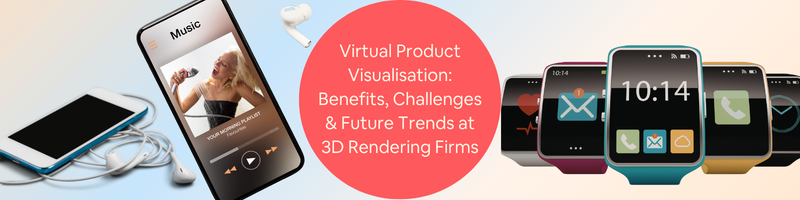
Virtual Product Visualisation: Benefits, Challenges & Future Trends at 3D Rendering Firms


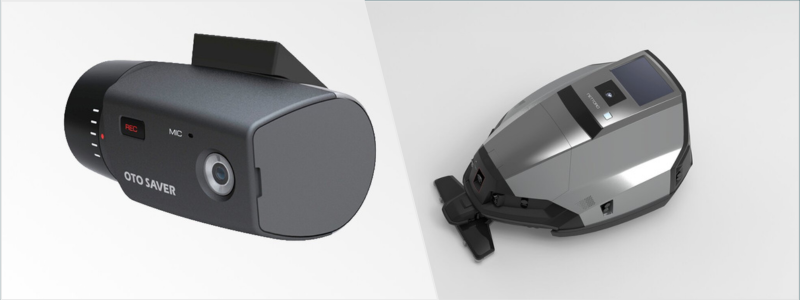
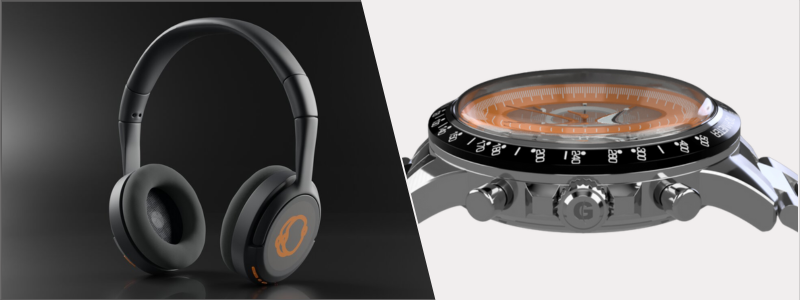
The silent revolution of virtual product visualisation, from clever design assist tool to serious industry indicator, has been ongoing. Whether you have yet been swept off your feet by some gorgeously real 3D vision, you felt an intense passion for your product, or experienced some confidence when it ceased from being a set of worthy prototypes on your computer screen, then it is time to discover the beauty of virtual visualisation. It is a rough sketch-to-grandstand show-piece, a spin-to-realistic simulation tool, a fuzzy thought-to-phototastic facade finisher that can even make you feel what is missing: touch.

This is a sector that deals with the 3D rendering services of companies, something colorful, creative, messy, and exciting. This is a small community of artists and engineers dealing with polygons, lighting, shaders, and materials, with enough coffee that one small library full of coffee should, in fact, be a case study for some sort of medical research on the energizing properties of coffee. And finally, though the effect is serious in tone, that effect has been arrived at in such a way that a certain effect has been produced, a certain look has been arrived at in order to make that look, that effect, look as such.

This crossroads of cyber wizardry, craftsmanship, and nose-to-the-grindstone work ethic is, of course, the ideal crossing of dream meets design, hands are shaken, smile is shared, etcetera, that is the industry that has to do with the virtual visualisation of products. Platforms like Crowd are literally filled with talented 3D visualisation freelancers who not only have what it takes to produce such masterpieces, but can do so at prices that are significantly within most budgets.

RELATED: The Importance of Iteration in Product Development & Working with Product Design Companies

Virtual product visualisation: the need of the hour

If one considers what a list of the superpowers this virtual visualisation software might have, then a list with speed, clarity, convincingness, and savings will be the most definite. Not that many software systems have such a grand background as this software does. It is the service that the designers need, the one that removes resistance from the process of design. This is a service that businesses require as it saves them a pretty penny. This is the service that consumers need because it can show them what they are going to buy even before they reach for their wallet.

The high level of relevance associated with high-level influencers is connected to the revised buying expectation due to the created environment. Consumers would not want to be left speculating about what it might look like. Consumers want to Zoom In on it. Consumers want to Turn It Around. Consumers want to know what it feels like to see it, Turn It Around in one’s brain, maybe even touch it in one’s own environment. It has also reduced the risks that exist with development. The kinds of problems that existed before were a nightmare for prototype design companies and for product development on an industrial scale.

The problems identified in the computer simulation can be easily corrected in a few minutes. Materials, colors, assembly, and mechanisms can now be developed on a computer without the use of prototypes. They are also aware of the importance that the business attaches to the cost of the reusability of the virtual imagery: the imagery here includes pictures that are intended for presentation purposes, advertisement, investment presentations, instruction guides, and websites, to name a few. This is used on application software that has AR capabilities and, in return, gives some form of return on investment, which increases with age.

RELATED: Prototyping Techniques Utilized for Complex Products at New Product Design Companies

Human touch in the digital era

Product rendering services remains a very human yet highly technical process that requires a user who has made all the decisions regarding positioning the lights, how the surface will be reflected, and the style that will carry the message of that product’s temperament. High-tech software is one of the many useful tools and does not replace the creative vision of the artist. This would concern itself with the way a real matter behaves when it exists within a natural setting.

They must come to realize how a particular type of plastic differs from a particular type of ceramic, for example, regarding reflectivity or how brushed aluminum changes when diffused lighting is accounted for. It means the researcher has to do some research on the product until one is able to appreciate its structure, purpose, style, and characterization of the said product. An image is the voice of a story-the result of the human vision, not the algorithm from a computer.

This is perhaps the reason why most businesses are now on the lookout for professional product concept design freelancers. Most professional artists are known to have a certain detail, which is necessary because there is a certain touch required to take the image further than is required in a common composition. With the help of websites like Cad Crowd, it’s easy to bring all such freelancers together, and it is easy for businesses to reach professional artists who understand the entire concept of image rendering. The whole setting makes it easy to locate a visual artist because they are solely dedicated to creating images that can make a particular product look attractive.

RELATED: Wearable Product Development: 6 Key Challenges for Product Development Companies

product design firm

The advantage of making visualisation a superpower for designers 

The list of potential benefits which might be gained from product visualisation and photorealistic rendering services in a virtual realm is so rich that a couple of chapters might have been devoted to it, but here is the Cliff’s Notes version. Number one, the potential use of product visualisation is that a product might be contemplated from a perspective far, far back, because development may take a far-and-wide path. Then, of course, there is what is called consistency, because this cyber world is completely controllable. The lighting is consistent. The angles of the cameras are reproducible.

The colors are consistent. The best that the best photographers can do is inside the studio, but once it is a matter of the natural environment, the sun may not be willing to play along, the prop men may fall, or the shadow may appear. The explanation can also be made simpler, even to the non-engineer investor, with the use of virtual visualisation. This is because he does not have to listen to the opinion of the engineers. Now, he can show his own beautiful 3D view, which clearly shows what the product will look like. It is worth complimenting the presence of the clients, because clients are human beings who need clarity.

It is worth complimenting the presence of team members, who make things simpler with less ambiguity. Everybody is going to be thrilled that the discussions whether a certain curve has to be three degrees more acute are a thing of the past, whether a product has to be red are a thing of the past. Actually, this is a very strong aspect, a real-life scenario which I believe has been highly underrated. The product can be installed within a kitchen, office, studio, bedroom, or room environment, as well as within a real-life environment.

This, in my mind, is a great benefit to the consumer, who now gets an opportunity to visualize his own product within his surroundings, thanks to 3D visualisation designers. More importantly, he gets a chance to ensure that his product is perfectly harmonized with the surroundings it’s supposed to keep, which is basically what his product is known for. 3D rendering service providers can also prepare an animation story for any product, keeping in mind light effects, color contrasts, and presentation style.

RELATED: Why 3D Product Models Are Replacing Traditional Photography for Product Design Companies

This is the reason why, while models in the past served only as a way to allow a potential user to get an idea of what the product might look and feel like, modern models can already “communicate a sense of feelings linked with luxury, excitement, reliability, simplicity, and innovation.” Indeed, people are hardwired to respond very viscerally to emotionally charged imagery, so “the business knows how much more impactful visual storytelling is when a new idea is introduced into the environment.”

Where collaboration tools really deliver

However, with the progress made in product visualisations in the computer age, collaboration software has reduced potential miscommunication within groups. The cloud software has actually come a long way with such advanced features that make it easy to share models in real time with 3D artists, engineers, managers, and clients. Now that virtual reality is more user-friendly, design houses have also begun collaborative reviews in the realm of VR. A reviewer can just stroll around his or her own creation, take a look at details, and find out what’s going wrong with his or her own creation, as one does when collaborating on a common shared workspace.

Of course, this is not exactly a home workshop with a hint of saw-cut wood in the air, but boy, it’s full of detail. This, therefore, is a blessing in disguise, even for product design freelancers. This is because of the latest developments within the scope of project management: a freelancer recruited from the Cad Crowd website is easily part of the design process at a particular company. The gap has been closed while talent has multiplied. A complete environment has been made, which itself is a part of the whole globe.

RELATED: How to Use 3D Product Modeling and 3D Product Photography for Company Advertising

Computerized product visualisation to build brand identity

It is not a logo, but it is a voice, personality, style, and promise. In regard to presentation, it is infinitely significant how a consumer is going to interpret that identity. Product visualisation has also been a way of speaking aloud. Colors, lighting, moods, and compositions form part of brand signatures. This is because such visual stimuli, through consistency, are what give a brand an emotional association. It is the clients who are given the chance to associate certain visual stimuli with the brand itself.

For instance, in a high brand situation, the effects of lighting style may even go to dark shadow with a reflection of silk, while in a fun brand’s situation, colorful, soft, and warm would be applied. For a technology-focused brand, the 3D rendering expert would use a clean background of geometric shapes, and this is communicated through visualisations before the marketing message is read. This would make it a visual element that has to ensure continuity in the transition of ads, packages, and even interactions within their respective platforms. It is an element that would require development in terms of creating cohesion in the user experience.

consumer product design services

Challenges along the digital trail

Inevitable, of course, in even the most fanciful technologies lurk a couple of Gremlins within. Even as product visualisation seems to be waving the magic wand, the following two challenges that keep graphic designers wide awake are literally overlooked by the former:

This is to do with one of the more fundamental challenges: that of the software learning curve. The software that is used in 3D rendering is also changing every year, with a different set of skills, a different set of controls, and the latest software used to make even the smallest change in a different way altogether. This particular set of skills, which a particular product rendering artist has, respecting caustic, subsurface scattering, reflections, and detail, takes a rather long time to acquire. Even a beginner would, within an infinitesimally small amount of time, realize that what used to take a click of the filter button now takes a whole lot more.

RELATED: How Successful Companies Utilize 3D Product Modeling Services for Compelling Product Imagery

The old nemesis is speed, which has not yet been tamed as far as rendering is concerned. It is a hungry process, especially when rendering high-resolution images, to say nothing of rendering as a final product itself. The rendering farms of such animation houses may have to be huge, but on the other side of the track, large scenes with great detail, as well as high-order lights, take hours to render. In most cases, the artist renders, sleeps, and wakes up to find the computer still computing the bounce of the light, as if contemplating the biggest questions of life.

It is a really tricky element because it might not be necessarily impressive might need precision. Precision is about materials, sizes, tolerances, and colors that must meet the product specification exactly. The design might be awesome, but it might not be precise, which indicates there will be a problem with the design when it is actually produced. This could also be a tricky situation for the communications between teams, such as engineers speaking from a technical specifications perspective, artists from a visual metaphors perspective, marketing teams from an emotional impressions perspective, and so on.

This is why freelancers can sometimes be pretty useful to businesses, as they might have knowledge that helps fill the language gap. It is, of course, a situation wherein the consumer might even become a problem when he reaches the conclusion that the copy is even more pleasing to the eye than the product itself. It is a fact that computer-generated lighting is never “unflattering,” computer-generated blemishes are never spotted at the worst possible moments, and so on. It is a line that has to be walked with extreme care at a point when it is a matter of rendering.      

RELATED: Product-Centric vs. Customer-Centric: Which Is Best for Consumer Product Design Companies?

The future of virtual product visualisation 

The future of product visualisation is a bright, exciting, unpredictable fireworks display, with technicians who have a bloodstream that has more caffeine than blood cells. The computer is becoming smarter, with rendering times becoming faster. New technologies are bursting on the scene with claims that they have revolutionized the industry before lunch. Then, of course, one success story arrives, making it a success within the design, marketing, and publicity communities. The effects of such changes are already evident in how the workflow for artificial intelligence used for 3D effects operates.

It is a tool that helps the product development artist develop a concept, change a material, or even determine how a lighting rig might look, even though no light ray has been calculated. Artificial intelligence doesn’t eliminate reliance on instinct, but essentially provides a full process from creation to completion, one that has been made even smoother by artificial intelligence. What the artists now have is more creative hours but fewer hours spent wrestling with all these pesky, gritty tasks, artfully disguised as digital tasks. The other exciting area is real-time rendering engines. Real-time rendering allows designers to analyze even the most complex scenes in real time, without having to perform many calculations.

That is similar to changing the materials on a chair and receiving a visual appearance that includes all the reflections, shadows, and environment. Real-time rendering has now empowered designers to produce quick concepts that can be refined. Augmented reality is now becoming such a sidekick that it is extremely useful in demonstrating the product virtually. Customers can now manipulate a virtual object in a real-world environment using smartphones or AR glasses. It is a very useful service because, in effect, customers are now able to manipulate the product virtually while at home.

RELATED: Why Companies Use Product Design Sketches during New Product Development and Design

This provides a massive advantage to the corporation that uses AR because, by definition, it fills the existing gap from new product design services to real-world surroundings, putting a seal of advantage over huge corporations. The area that has most to do with virtual reality, on the other hand, is rising. This is because this sector uses a certain realism in the process of visualisation that cannot be imitated on the screen. It is literally possible to see the product from the human perspective, going around it, taking a look from the side when standing on the floor, and estimating how that scaling is going to work in a complete environment. 

It is a different feeling when taking a look at a product design in a 3D environment on a flat screen-one is suddenly standing alongside it, feeling as though he or she could reach out and touch it inside of a virtual environment. In order to keep up with such developing technologies, the most sensible thing that the brightest 3D rendering firms can do is take immediate action. The reason is that this is the age of digitization, encouraging learning in a progressive way. This is why the brightest photorealistic 3D rendering firms can leverage technological knowledge combined with creativity. 

3D product modeling designers

Avail online product visualisation solutions now 

There is no doubt that the visualisation of the virtual product is the most adaptable force in product design, marketing, and experiences. The list of factors is endless, while difficulties are overpowered easily, with a horizon full of bright technologies. Real-time rendering, Augmented Reality, simulation software, anything is out of bounds, it would seem, as if with infinite enthusiasm awaiting. 

Every day, freelancers and firms specializing in 3D rendering come together to join hands and push past boundaries to create amazing visualisations, statements, and striking images. This can be a great time to unleash the potential of “Virtual Visualisation” if it is going to speak with clarity, accuracy, and distinctness about your thoughts. 

RELATED: Sustainable Product Design and Product Development Principles for Firms to Consider

How Cad Crowd can help

If you are looking forward to working with some professional freelancers who can make his dreams come true, believe me, Cad Crowd is a great place to look for painters of this art. In fact, this is a great page that recommends different talented services on “Virtual Product Visualisation” and a number of talented artists who can make your dream come true, visualizing your thoughts with a great story to tell. Contact us for a free quote.

author avatar

MacKenzie Brown is the founder and CEO of Cad Crowd. With over 18 years of experience in launching and scaling platforms specializing in CAD services, product design, manufacturing, hardware, and software development, MacKenzie is a recognized authority in the engineering industry. Under his leadership, Cad Crowd serves esteemed clients like NASA, JPL, the U.S. Navy, and Fortune 500 companies, empowering innovators with access to high-quality design and engineering talent.

Connect with me: LinkedInXCad Crowd

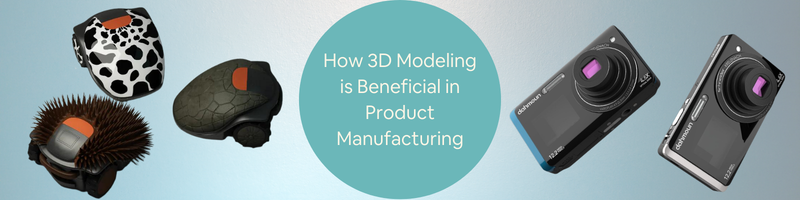
How 3D Modeling is Beneficial in Product Manufacturing & New Product Development Services


Everybody likes to talk about how rapid prototyping is now the new face in New Product Development (NPD) and touted to be the future of the manufacturing industry in its entirety. People seem to forget that rapid prototyping, whether by 3D printing or CNC machining, just doesn’t happen without 3D modeling (well, CNC machining doesn’t always need 3D modeling, but we’ll have to gloss over that for now). Don’t get us wrong, rapid prototyping is without a doubt a major breakthrough in product design and the development process.

But this doesn’t change the fact that no matter how advanced your 3D printers are, they’re nothing but overpriced paperweights if not for 3D modeling services. You don’t have to be an expert to do the printing, but you certainly need a skillful artist (sometimes a team of skillful artists) to produce high-quality 3D models of your product. No disrespect to all the 3D printers and CNC machines everywhere, but they’re only as good as the models fed into them. In other words, even the most sophisticated tool can still create a terrible prototype unless you give it an accurate 3D model to begin with. 

Before you even think about building a physical prototype, it’s always advisable to first figure out if you can build a digital version of it on a computer. You’re not living in the 1980s when powerful computers and CAD software cost a fortune and then some. Today, everyone can get a perfectly decent laptop capable of running the latest 3D modeling apps without breaking the bank. This also means that there are plenty of CAD design professionals out there offering their services at affordable rates.

RELATED: The Importance of Iteration in Product Development & Working with Product Design Companies

And if anything less than an experienced digital artist with a proven track record won’t tick your box, Cad Crowd is always a good place to start the search. Thanks to its rigorous vetting process and a heavy focus on NPD, the freelancing platform is home to thousands of the most talented 3D modelers from all around the world. 

What can a 3D model do?

It really does quite a lot for NPD and manufacturing processes. You can almost say that it’s the backbone of all manufactured products you find in the market today, from small toys and big cars to industrial equipment and skyscrapers. Let’s put it this way: every product begins as an idea, often an abstract one at that, too. An idea can be an improvement over an existing product or a brand-new invention. An idea is usually followed by a concept generation, where you draw ugly sketches on paper sprinkled with barely readable handwritten notes. Each sketch represents the shape and form of a possible product.

You can make as many sketches as you like, but you still have to discard most of them and pick only the best concept to develop further into a prototype, and eventually an actual product. While there’s nothing wrong with such a process, the journey from the moment a cartoonish yellow lightbulb appears above your head to the production line is typically riddled with mistakes and redesigns. If you have to use a physical sample every step of the way, the effort becomes impractical and unnecessarily expensive. 3D modeling designers move nearly the bulk of the design work into the screen, and this apparently offers more than a fair share of advantages to the NPD process.

RELATED: Why 3D Product Models Are Replacing Traditional Photography for Product Design Companies

A clear all-around view

Let’s assume that last night you dreamed about receiving an award for the best product design, say for an ergonomic computer mouse. You still remember very well in the morning when you wake up, about where the award ceremony was held and even the shoes you’re wearing, but strangely enough, you don’t remember anything about the mouse itself. Like any good inventor, you’re now determined to make that dream a reality. The idea has presented itself, convincingly, in a dream, and now it’s time to try to remember every single detail about the mouse design.

Being ergonomic, the mouse is likely a little bit curvy and made of high-quality material. It must be excellent for office and gaming purposes, with a great battery life thanks to reliable wireless connectivity. You have two options to approach the concept generation here. Either manual drawing on a sketchbook using a pencil or 3D modeling on a computer. The former, old-school method means you have to translate the design into two-dimensional sketches. It may take a dozen or so sketches to cover one big mouse, including its sleek wheel and contoured edges. Because they must all be drawn to scale, the award-winning dream quickly turns into a conceptual nightmare.

In contrast, the new-school approach with computerized 3D CAD design services allows you to visualize every aspect of the design on a single page (or window, technically speaking). The 3D model is inherently interactive, meaning you can zoom and rotate the design as you like. It lets you see how good or bad the design is from all sides by simply sliding a screen slider, rather than flipping through pages of black-and-white drawings. And making changes takes only a few clicks. Well, maybe more than a few clicks, and you definitely need at least two buttons, but you get the idea.

RELATED: How to Use 3D Product Modeling and 3D Product Photography for Company Advertising

Once the model is finished, even if the design doesn’t look very ergonomic or worthy of any kind of award, at the very least, you have something that resembles a computer mouse, presented before your eyes in a 3D visualization. Whether or not the model actually comes close to the design in your dream is another question entirely. You don’t remember, remember? If you want, you can hire a render artist to turn the 3D model into a photorealistic visualization. Although rendering isn’t really necessary at this point, slightly more lifelike imagery can tell you a whole lot about the look and feel of the design.

electronic product design services 2

It gives textures and colors to the materials, fingerprint patterns on the left and right clicks, graphics on the body, tacky RGB lighting all over, the lot. Perhaps it might be even better if you also hire a professional to do the 3D modeling in the first place. As a matter of fact, many 3D artists at Cad Crowd excel at both 3D modeling and rendering, and offer a complete range of product visualization services to clients of all sizes, including individual inventors, small businesses, and large companies alike. 

All the details you need

The computer and the software cannot care less about the product you want to make. All they care about is the geometric data you use to build the model. In the simplest possible words, the machine translates the data into a visualization that you understand as shapes, dimensions, spatial relationships, and positions of objects in a virtual space. This means you can be decimal point accurate with the design process, and the software will generate the model based on the data you give. Mind you, the software doesn’t know if the data is correct or incorrect. It only does what you tell it to do.

RELATED: How Successful Companies Utilize 3D Product Modeling Services for Compelling Product Imagery

Such a system grants you the freedom to try and think of yourself as the most meticulous mouse designer to have ever walked the Earth, blessed by the ghost of Douglas Engelbart himself. It allows you to be very precise when deciding not only the overall dimension of the mouse, but also the size of every button, the enclosure thickness, the scroll wheel diameter, the gap between the left and mouse clicks, the tolerance between the battery compartment and the lid, the typeface for the laser-etched logo, the length of the screw, and just about every other variable you can think of. When 3D rendering services enter the scene, you have an even bigger range of options, such as enclosure materials, textures, and patterns.

The chances of the software being inaccurate are practically zero. Your chances of being inaccurate, on the other hand, are almost definite. Say you’ve successfully managed to model a battery compartment lid that’s 1mm longer and wider than it should be. You have a model that’s accurate to the data, but it still won’t be the right model in this case. The good thing is that you don’t have to wait until a physical sample confirms the mistake to identify the problem. If something doesn’t fit in the 3D model assembly, it won’t fit in the real world either, unless there’s a hammer involved. But don’t let this kind of mistake drag you down to discouragement. The fact that you can model a lid is an achievement in and of itself. Simply revise the dimension and let the software figure out the rest.

Putting the design to the test, virtually

What is it that everybody really wants in a computer mouse? An unmatched durability to the point where it’s still perfectly usable even after half a dozen drops from the desk. People, and especially gamers, can be careless and clumsy, but not computer mouse designers. All other features, like ergonomics, good battery life, a million DPI, and macros, come far second to being indestructible. And this is where design simulation comes in. First things first, for the simulation expert to run a design simulation, he needs a data-rich 3D model. You need a visualization that represents more than the shape and form of an object. It also needs to contain information about material specification (types, density, conductivity, thickness, etc.) and a typical usage scenario.

RELATED: Prototyping for Product Development & Investor Presentations

The method is technically known as Finite Element Analysis (FEA), a type of simulation to find out how a design withstands environmental forces like heat, vibration, changes in temperature, or other physical effects of any sort. Most products are designed to give what the target consumers want. Suppose your target demographic includes people who suffer from a condition known as “gamer rage.” Well then, the mouse should be able to withstand all the typical symptoms associated with it. One of the most common symptoms is throwing the mouse out the window after losing a game, or bashing it against the desk when the Internet isn’t working.

This doesn’t mean you need to design a mouse that’s easy to throw around. Instead, you have to make sure the mouse is still in good working order after many, many, many times of being thrown around. How do you figure this out without destroying hundreds of physical prototypes for testing? FEA engineering services, which essentially amount to torturing the product in a virtual environment. For the simulation to run correctly and produce accurate results, every part of the design must be specified in detail. Take the enclosure material, for example, and let’s assume you’re testing two competing designs. One mouse has an enclosure made from recycled plastic, while the other has a magnesium alloy body.

Remember that the simulation has to reflect the typical use case for the target demographic. Naturally, the simulation depicts the kind of damage to each design following an episode of gamer rage, and the result is probably as you expect. The plastic mouse shatters when it hits the neighbor’s fence, whereas the metal one survives with barely a scratch after hitting the same fence. For the sake of being obsessively thorough, you’re allowed to run the same test on other components, too.

RELATED: Designing Prototypes: 3D Design Services for Inventors and Companies

And it’s not just about a match between a mouse and brute force. Maybe the product engineer wants to test how durable the design is in extreme temperatures because some gamers do live in countries where normal, comfortable weather doesn’t exist. But not every test has to push the design to the limit of its strength. For instance, a simulation to see if the mouse is still usable after getting submerged for a few seconds in coffee or soda. Don’t forget that some people have a habit of spilling a drink on their desk as they find it soothing. A mouse is often a collateral victim of this surprisingly relaxing hobby. 

FEA is crucial in all NPD projects. The idea behind virtual testing is to optimize the design long before you bulk purchase the raw materials and fabricate a prototype. If the design needs refinement, you make the changes to the 3D models in the virtual environment as well. It’s certainly cheaper and more time-efficient than having to test a physical sample for each round of testing. And as a bonus, there are no bits of broken mice to clean up later. 

product modeling services

Prototyping made easy

Given the right models to work on, 3D printers can do wonders for your NPD. Imagine designing a computer mouse in a world devoid of rapid prototyping services. After you sketch the design in black and white, the first thing you do is to try to find a skillful handyperson to build a physical sample of the product. Because a lot of other people also develop their own products and have booked most of the competent craftspeople in town, which does happen more often than you think, you have to settle for the less experienced one. You send the sketches and wait for a few weeks until the prototype is done, only to realize that the scroll wheel won’t turn at all because somebody used too much superglue.

RELATED: Prototyping Techniques Utilized for Complex Products at New Product Design Companies

It’s a slow and expensive process, especially if you have to repeat the whole thing many times over. But we live in a world filled with an abundance of 3D printers. The only thing you need to make them work is, once again, a 3D model. So long as you have the model saved in the right format (usually STL for non-colored model, but other formats like 3MF and OBJ also work if you want to print the model in multiple types of materials and colors), the process is just as easy as printing a photo, except for the typically long waiting and the occasional mishap of a clogged nozzle.

If the product consists of multiple parts, for example, a computer mouse, obviously, the usual approach is to print all the individual parts first and then assemble them later. Depending on model complexity and how expensive your 3D printer is, the printing time may take several hours to a full day. Still, this is faster than manual fabrication. It’s worth mentioning that 3D printers are getting more affordable these days. Even if you don’t plan to buy one anytime soon, there are plenty of rapid prototyping professionals you can hire to help build your prototype. Most, if not all, of these services include post-processing as well.

This means that at the end of the printing process, you won’t have to deal with messy models with smudges and jagged edges. The trick for efficient rapid prototyping is to never print an unfinished model. Just because 3D printing is (relatively) affordable, at least for plastic parts, doesn’t mean you should rush it. Instead of spending resources on printing a model that you know won’t work, it’s always better to allocate the time and money on optimizing the model first. Scrutinize the details, check and double-check the dimensions, have the model rendered, run FEA, and then triple-check if you have to.

RELATED: How 3D Printing is Changing Product Design and Manufacturing

Launching a product to market is indeed a race, but it’s not a race where the winner is determined by the number of prototypes you make. One of the marks of a good NPD is resource efficiency. You don’t want to go back and forth from physical prototyping to fixing mistakes and spending valuable time and money in the process over and over again. An efficient NPD is marked by a thoughtful 3D modeling effort followed by a thorough virtual simulation. Only when you’re sure that the 3D model is exactly as you want it to be can you send the file for 3D printing services. You don’t need dozens of printed models throughout the project.

Two, maybe three physical prototypes should be plenty enough, unless you’re so careless that most of your 3D models turn out to be of poor quality. The same thing applies to CNC machining, which is probably more relevant here since your mouse is supposed to be made of metal. That said, 3D printing technologies have gone a long way from their early days of plastic-only fabrication to full-scale metal prototyping. The range of available materials is pretty decent, including aluminum, stainless steel, titanium, and even alloys.

Design for manufacture and assembly

On the subject of printing individual parts, 3D modeling and rapid prototyping also help confirm that your product is manufacturable and can run through an assembly line smoothly without frustrating factory workers. Sure, your computer mouse looks great on screen as a 3D model and with the help of photorealistic rendering experts, but are you really sure the design is also optimized for manufacturing and assembly? Let’s make this clear, first. Many product designs are harder and more expensive to mass-produce than others.

When the design is complex enough, the manufacturing facility may need to create new tooling just to produce a single part, significantly increasing costs. Design for Manufacture (DFM) services aims to minimize production costs while maintaining high quality. The easier a product is to manufacture, the cheaper it is to mass-produce. There are many factors at play here, from the availability of raw materials and tooling requirements to the number of parts and potential for automation. Just like with 3D printing, chances are a production line doesn’t make a complete product in a single run.

RELATED: Why Prototype DFM Services Are Useful for Product Design at Companies and Firms

It builds the individual parts first, then sends everything to an assembly line for the final processing. But unlike 3D printing, where every part can be fully customized, most factories aren’t very fond of creating and installing new tooling for every new design. They prefer using the existing equipment because this saves them time, money, and headaches. No wonder a lot of computer mice look very similar to the one you’re using right now.

When the time comes for you to work with a manufacturing firm, one of the first steps in the partnership is to entrust them with the final version of the 3D model, with an NDA attached for sure. They take a look at the 3D models and will never fail to propose some changes to the design. Bear in mind that these changes are not intended to modify the design, but only to make the parts more easily manufacturable. Say the top metal enclosure of your mouse design originally consists of multiple separate parts: left click, right click, and a body secured to a base plate using three titanium screws.

product engineering expert designers

The factory can fabricate all those individual parts, but it’s much easier just to make them into a single component. After another FEA simulation, the new design apparently makes the mouse even stronger. It’s, of course, a lot more complex in reality, but the example will do for the purpose. The factory workers will also find it easier to put the product together in an assembly line. Instead of installing multiple parts to build just the top enclosure, they now have to deal with just one component to fit the rest of the product.

RELATED: Why Design for Manufacturability (DfM) is Essential for Product Success When Hiring a Design Firm 

CGI for the marketing

Each time you bump into someone who tells you that product photography won’t work for a brochure, step away immediately and avoid confrontation at all cost. Product photography does work, only not as good as CGI for marketing purposes. CGI, or more specifically 3D product rendering services , allows you to create an imagery of your product in the most flattery fashion imaginable. Unlike photography where you actually need physical objects, otherwise the camera won’t focus, a rendering is a completely made-up picture that accurately depicts the actual design.

You don’t want to mislead some gamers into thinking that your mouse is made of sterling silver when in reality it’s just gold-plated. In all seriousness, make sure to be truthful with the product imagery. While it is possible to build a CGI of a computer mouse that can transform into a small robot or one with a design so futuristic it’s used by the Terminator, consumers always appreciate honesty in marketing, even gamers. A photorealistic rendering doesn’t happen without 3D models. A render artist takes the model, applies the right textures, sets the lighting, and runs them through a specialized software to produce a high fidelity image.

The product might be rendered against a plain white background for clarity, or alongside complementary objects to mimic a usage scenario. A rendering can be an animated video to show an exploded view of the design, or interactive to allow the audience to take a closer look at the design. Another benefit of rendering is that you can reuse the base 3D models as many times as it takes and apply different styling, colors, graphics, etc. This is particularly useful when you have a variety of aesthetic options for the same product. With 3D modeling, all this can happen without having to hire a photographer and using props of any sort.

RELATED: Top 51 3D Product Rendering Design & Best 3D Visualization Services Companies in the US

Wrapping up

3D modeling is much more than just a convenient tool in new product development projects and the manufacturing industry at large. It’s the foundation of modern product design services, where efficiency and accuracy are of the utmost importance. Virtual simulation, rapid prototyping, and photorealistic rendering open the door wide to getting down to the nitty-gritty of a design process. A 3D model makes for the perfect ground to experiment with everything about the design, from the single largest component to the tiniest parts of it, including the visual appeals of the finished product.

How Cad Crowd can help

Unsurprisingly enough, just like everything else, 3D modeling is easier said than done. Nobody in the history of 3D modeling could pick a laptop, download Blender cause it’s free, and master the trade overnight. No need to be alarmed. Cad Crowd can help you connect with tens of thousands of professional digital artists from all around the world. The platform is here to facilitate fruitful collaboration between experts and clients throughout all stages of the product development cycle. With strict vetting and screening, Cad Crowd ensures you’ll work only with the best-qualified 3D modelers in a bespoke, managed partnership that benefits all. Contact us for a quote.



author avatar

MacKenzie Brown is the founder and CEO of Cad Crowd. With over 18 years of experience in launching and scaling platforms specializing in CAD services, product design, manufacturing, hardware, and software development, MacKenzie is a recognized authority in the engineering industry. Under his leadership, Cad Crowd serves esteemed clients like NASA, JPL, the U.S. Navy, and Fortune 500 companies, empowering innovators with access to high-quality design and engineering talent.

Connect with me: LinkedInXCad Crowd

Why 3D Product Models Are Replacing Traditional Photography for Product Design Companies


Why are 3D product models replacing traditional photography for product design companies? There was a time when the launch of a new product meant bringing in the whole crew: photographers, lighting experts, models, stylists, and even a studio cat who liked to nap in the lightbox. Each button, bottle, and bracelet needed to be photographed from every angle, then touched up and re-shot if someone sneezed near the set. It was a glamorous mess that often siphoned both time and budget.

Why 3D product models as opposed to traditional photography?

Today, product design firms quietly ditch the cameras and tripods for something far more precise, flexible, and futuristic: 3D product modeling. Instead of fighting with reflections, props, and post-production headaches, today’s brands turn to digital artists who can compose photorealistic product visuals with little more than special software and a keen eye for detail. Results? Absolutely stunning at times, such that even seasoned designers stop and squint, trying to tell whether they’re looking at a render or a photograph.

And finding those experts to make that magic happen isn’t tough either. Cad Crowd connects businesses with professional freelancers in 3D modeling services to create products in vivid digital designs of jewelry and electronics, to furniture and fashion accessories. A ready global pool of talented freelancers is just waiting for the opportunity to create models that will raise eyebrows even among the most ardent photographers. But how did we get here? Why are product design companies choosing 3D renders over traditional photography? What’s so irresistible about the digital shift that even old-school creatives have decided to take the leap? Let us dive in.

RELATED: Pros and Cons of Hiring a Freelance 3D Modeler

From cameras to code

Traditional product photography has always had a certain artistic flair to it. It’s difficult to deny the beauty in real-world lighting, textures, and the overall tactile sense that comes with capturing something tangible. The process that goes behind it, however, is not quite so romantic.

Think of what it takes to get just one great product photo:

  • Creating or renting a suitable studio setup.
  • Camera and lens hire and sale; lighting.
  • Constant adjustments of light to avoid reflections.
  • Coordinate with photographers, stylists, and retouchers.
  • Extensive image editing to make every shot perfect.

Now, do that whole process for each color, size, or packaging-style variation of that same product. The costs multiply faster than you can say “retouching fee.” 3D modeling designers flips that process on its head. Instead of capturing light bouncing off of a real object, artists build the product inside a computer. And when that digital version exists, it can be rotated, retextured, resized, and lit in infinite ways. No new photo shoot. No rescheduling. No misplaced USB drives full of RAW files.

What makes this powerful to product design companies is the level of control involved: traditional photography gets you what the camera sees; 3D product models get you what your imagination wants. Every angle, every shadow, every shine can be precisely tuned. It is like going from marble sculpture to pixel editing-no marble dust, chipped edges, or angry clients asking for a new photo shoot because the lighting looks too moody.

RELATED: How to Balance Product Manufacturing Cost and Product Features for Profitability

Unlimited creative flexibility

But one major reason 3D product modeling services is taking over in product photography is quite simple: it removes limitations. In the studio, there are practical boundaries: there is gravity, light bounces in very inconvenient ways, and glass reflects everything, including the elbow of the photographer. With 3D product models, goodbye to all that.

  • Want to make your new smartwatch air-levitate in midair with elegance? Easy.
  • Want the latest sneaker with lightning bolts and smoke around it? Done.
  • Want a jewelry collection on the surface of the moon for a campaign? Sure thing-no rocket fuel needed.

Nothing provides quite as much creative freedom as 3D modeling. Companies can visualize products in environments that, logistically, are impossible or just financially insane to shoot in real life. In lieu of renting a tropical island to photograph a bottle of sunscreen, a 3D artist can recreate one down to the last palm leaf. This really helps in the case of concept products that are not even manufactured yet.

Product design companies create prototypes, showcase upcoming launches, and use totally realistic 3D renders. This gives a head start to the marketing team in rolling out campaigns when the actual product is not available, hence saving time and creating a buzz much in advance.

3D product models

That is where platforms like Cad Crowd step in: many of the freelance 3D designers there have industrial design and engineering backgrounds, so they can make the product look good while also knowing how to make it accurate. This makes a big difference in cases when a company needs visuals reflecting true dimensions and materials, rather than pure artistic imagination. That would involve hiring a freelancer to render a diamond ring, complete with correct stone cuts, metal finishes, and lighting reflections, by a jewelry designer. The output would be similar to that in a luxury photo shoot with no diamond under the camera lens.
RELATED: The Importance of Iteration in Product Development & Working with Product Design Companies

Quicker production with lower costs

Anyone who has ever managed a photo shoot knows how quickly the costs mount up: studio rentals, photographer fees, catering, transportation, props, and retouching add up to a small mountain of bills. And that’s before anybody decides the product should be reshot with “softer lighting” or “more energy.” With the help of 3D modelers, nearly all of these types of costs are sidestepped. Once 3D product models are created, companies can reuse it endlessly: change the background, update the packaging, or show seasonal variants without a single new shoot.

Want a Christmas version of your product? Slap some digital snowflakes on it. Want to make a summer edition? Use a different color palette, refresh the textures, and adjust the lighting to make it feel like a sunny beach: A 3D model is cheaper than a professional photo session, especially when the reusability aspect is factored in. The output can be repurposed further for marketing campaigns, listing on e-commerce websites, investor presentations, and even AR applications and VR showrooms.

That level of efficiency has made 3D rendering services particularly popular with startups and small brands that want high-quality visuals without breaking the bank. Even with smaller budgets, they can be just as visually competitive as much bigger companies. Again, websites like Cad Crowd make this possible: businesses are directly connected with skilled freelancers who can work within whatever a particular budget is. Whether it be a hyper-realistic render of jewelry or just a simple mockup for a prototype, you can find someone to fit your style and budget.

RELATED: How to Use 3D Product Modeling and 3D Product Photography for Company Advertising

Realism in competition with reality

For a long time, 3D renders carried some kind of stigma with them: they looked “too digital.” The surfaces looked plastic, the shadows too sharp, and the reflections felt fake. Any person who saw one could tell straightaway that it was computer-generated. Advanced rendering technologies erase the line from real to digital, enabling today’s 3D renderers to simulate with uncanny precision how light will interact with every surface, from brushed aluminum to velvet fabric. This is made possible through a series of advanced, physically based rendering techniques that calculate how materials would really act in the real world under given conditions of lighting.

The results are 3D product models that don’t lie, not even to the most persnickety of eyes. That bottle of perfume gleaming under soft studio lights? It may never have existed in the physical world. That watch, with its faint glint of sunlight reflecting off its metal case? Completely virtual. These days, even droplets of condensation on a can of soda can be rendered so lifelike that you might instinctively reach for a napkin. That realism is revolutionary in product design firms in that one does not have to wait for prototypes to be made before starting to market the products. Materially real visuals can be presented anytime during their development and be showcased to investors, clients, and customers.

If perfection is the goal, well, it is achievable with 3D product design experts. A photographer can shoot only what is there to be shot, blemishes and all. A 3D artist has the capability to make perfect symmetry, ideal lighting, and even adjust the angle of reflection on a gemstone until it looks like magic. This is the level of detail at which freelancers on Cad Crowd really shine. Many use industry-standard enhancement software like Blender, KeyShot, or SolidWorks to take visuals to a level that often leaves clients wondering if they are looking at photographs.
RELATED: Product-Centric vs. Customer-Centric: Which Is Best for Consumer Product Design Companies?

Scalability for every product line

Now, try to imagine having to deal with a brand producing dozens or hundreds of different products in just one year. Shooting each one individually is a logistical nightmare: scheduling, lighting, editing, and storing all those thousands of high-resolution images will sap the energy of your team-and yours. Because 3D product models are infinitely scalable, once a product has been modeled by the product rendering designer, its variations need only a few clicks to be complete. Want that handbag in a dozen colors? Swap out the texture maps. Want the bottle design with three different cap styles? Swap them digitally.

This scalability is especially useful for e-commerce brands-online shoppers want to see all the options before making a purchase: color variant, material finish, packaging style-you name it. Physically shooting all those variations would take weeks; digitally rendering them takes hours, sometimes minutes. Better still, once the digital assets exist, they can be used across numerous channels: the same 3D model that appears on a website can feature in social media videos, virtual catalogs, or even in augmented reality shopping apps where customers can virtually “try” out products.

3d product rendering designers

Brands like IKEA, Nike, and Apple have already made this shift. The reason they use a 3D CAD modeling professional is that the result is consistency across the world, not because it saves time. Each product is exactly the same, irrespective of the language or region. Indeed, for product design companies that have been taking the lead in this direction, 3D modeling has been found to be not only quicker in yielding results but also more reliable at keeping the standards of aesthetics. Besides, through freelance sites such as Cad Crowd, it’s easy to scale up by bringing in a number of artists who work within the same specifications and style guidelines.

RELATED: Why Product Design Services Use Photorealistic Rendering for Marketing New Products

Sustainability: a digital green revolution

For all its charm, photography is not an especially eco-friendly profession. Photo shoots require transportation and electricity, sets are made of material, and disposable props-and often a fair amount of waste. Even simple things, like product packaging design services for a shoot-boxes, bottles, display stands-can sometimes add up to a surprising environmental footprint. Meanwhile, the 3D modeling of a product is neat and green, with props on the computer, no printing of backdrops, no packaging wasted, and no carbon emissions from hauling equipment across cities.

Moving into 3D modeling is an easy way for brands, most of which today are focused on sustainability, to lessen the ecological footprint of their work without sacrificing quality visuals in their communications. It really fits in with the eco-conscious image many consumers expect from modern brands. This is more than a marketing angle; this is full-on evolution as to how creative production is taking place. An entire catalog of imagery, which once required a crew, studio, and truckload of props, can now be designed by one artist at a desk.

Even revision is greener. Rather than reshooting a product for no other reason than its package has changed, even to the slightest degree, a company can update a digital file in just minutes. Less waste. More flexibility. Better for everyone. Most of the 3D CAD freelancers, like Cad Crowd, work remotely. That means a global network of artists further streamlines the creative pipeline by reducing unnecessary travel and overhead, contributing to its efficiency and sustainability.

RELATED: How Successful Companies Utilize 3D Product Modeling Services for Compelling Product Imagery

Ideal for marketing and pre-launch campaigns

Timing means everything in marketing, and very often the firm needs visuals well in advance of when such a product exists. This is impossible with photography without a prototype, but it’s a standard practice within 3D modeling. Product design firms create anticipation via 3-D renders many months in advance. This means high-quality images and videos can circulate through all digital ads, websites, and social platforms long in advance of any actual date of manufacture, and customers talk about and may even desire something that technically doesn’t exist.

The same is true with crowdfunding. In the case of crowdfunding campaigns, it was mostly impossible to afford physical prototypes, let alone full photo shoots. They went live on Kickstarter or Indiegogo with detailed 3D renders showing what their future product would look like. Many times, those visuals make all the difference between getting ignored and reaching full funding. It doesn’t hurt that 3D renders can be animated with the help of 3D animation designers. Rather than static photos, dynamic visuals can show rotating views, exploded component animations, or lifestyle scenes-all digital in their creation.

It really lets the consumer understand the features of the product way better than any photo could. Let’s be upfront: today, digital runs on visuals that can stop scrolling in a second. It is about scroll-stopping content, period. And for that, no conventional photo can ever compete with a photorealistically rendered 3D view of a sparkling perfume bottle or a luxury ring, simply because it offers creative control over composition, lighting, and mood. Now, most brands use a mix of 3D assets and photography; both are utilized in one campaign, the difference being that the 3D renders will do much of the heavy lifting, while, sparingly, photography is used for lifestyle shots.

RELATED: Sustainable Product Design and Product Development Principles for Firms to Consider

This hybrid approach gives flexibility without sacrifice in quality. This is a marketing advantage that freelancers from Cad Crowd understand full well, as they design models with promotional materials, social ads, and product launch visuals in mind. It’s in the blending of technical skill and creative direction where they are really so valued in the work of a product design team in need of speed and artistry.

Boundaryless collaboration

Another reason product design and development firms are embracing 3D modeling is that collaboration has gotten so much easier. Traditional photography requires everyone to be in the same place at the same time. Trying to coordinate the schedules of designers, photographers, and marketing teams for days of travel and shooting can quickly turn into one big logistical headache. 3D modeling removes this obstacle altogether. A designer based in London collaborates perfectly with a 3D artist operating from Milan, while the marketing manager based in Manchester sees the result in real time. Files can be transmitted immediately, and feedback loops can be significantly reduced; changes become much faster.

Due to the fact that the entire creative process has taken place in the digital space, projects don’t slow down. This means firms can establish a long-term relationship with trusted freelance professionals. In the case of product modeling, updates for the same model can be assigned to the same artist when there are new releases, adjustments in packaging, or seasonal collections. Continuity like this will ensure that there is consistency and professionalism in the visual branding. Most firms find their go-to freelancers at Cad Crowd, where they can set milestones and collaborate directly to ensure creative control from start to finish.

RELATED: Differences Between 3D Rendering and 3D Visualization Services

The future of product visualization

It can safely be said that 3D modeling is no longer the future but is, in fact, the present. As virtual and augmented reality, together with AI-powered rendering, continue to develop, so does the future of product visualization. But soon, thanks to augmented reality apps, customers will be able to do more on a website than just see 3-D models-they’ll rotate them, test colors, and visualize them inside their homes.

The same artists and photorealistic rendering designers doing today’s photorealistic renders are laying the groundwork for that future. It is this investment in 3D modeling that keeps these product design companies ahead of the game. This does not replace photography but is a redefinition of how products will be designed, marketed, and experienced.

Conclusion

Although classic product photography may have some sort of nostalgic value to it, 3D modeling has surely taken over in the case of modern product design companies. It ensures precision, flexibility, and creative control impossible with any camera. Digital models let businesses experiment freely, from concept to launch, in ways that save on costs while showcasing their products in stellar detail well before their actual manufacture.

If your company is ready to make that leap into the future of product visualization services, Cad Crowd is the avenue through which to take it. Cad Crowd provides a rock-solid platform that connects businesses with highly qualified freelancers in the 3D product models, rendering, and visualization field. Find expert talent to help bring your ideas to life with everything from hyper-realistic prototypes to fully cataloged collections of digital assets. Consider Cad Crowd today and discover how the right 3D expert can transform how your brand conceptualizes, markets, and shines online. Get a quote today.
author avatar

MacKenzie Brown is the founder and CEO of Cad Crowd. With over 18 years of experience in launching and scaling platforms specializing in CAD services, product design, manufacturing, hardware, and software development, MacKenzie is a recognized authority in the engineering industry. Under his leadership, Cad Crowd serves esteemed clients like NASA, JPL, the U.S. Navy, and Fortune 500 companies, empowering innovators with access to high-quality design and engineering talent.

Connect with me: LinkedInXCad Crowd

Best 51 Sites for Freelance 3D Artist Jobs in 3D Rendering Projects and Remote Visualization Work


3D rendering has changed the landscape of product development companies, manufacturing, and the architectural industry to a massive degree. The idea behind the technology is to visualize an object in a photorealistic computer-generated imagery, even if the object doesn’t actually exist yet. The object can be anything from consumer goods and complex medical devices to cars and skyscrapers. Such images are typically used for marketing purposes; for example, a company pitches an idea of a new product or construction plan to investors and stakeholders using a 3D rendering of a project.

Although the rendering looks as realistic as a photograph, everything in the image is still pretty much a concept. It’s also possible to use the 3D artist’s rendering as actual marketing content. For instance, about 75% of all the products you see in the IKEA catalog are computer-generated. Doesn’t this mean that three out of four things in IKEA’s offerings are fake? No, it doesn’t. The renderings in the catalog are merely digital twins of physical products. Although the images are computer-generated, they’re accurate representations of the real things, with some digital touches and wizardry to attract buyers.

The same thing applies to other industries. With the increasing demand for 3D rendering services across a myriad of businesses, there’s also a spike in employment opportunities for 3D artists. And a lot of companies these days choose to hire freelancers and independent contractors over full-time employees for efficiency reasons. Hiring freelancers is quick, relatively affordable, and budget-flexible. If you’re a 3D artist specializing in CG visualization, here are some of the best sites where you can find remote rendering jobs.

RELATED: 3D Rendering Freelancers & Visualization Services vs. In-House 3D Artists

cadcrowd-logo

1. Cad Crowd

Arguably the best-known freelancing site that focuses heavily on CAD-related projects, the aptly named Cad Crowd has helped thousands of companies from all around the world with a whole bunch of services in the product development and architectural industries. By placing heavy emphasis on CAD professionals, the platform does an excellent job at categorizing the kind of services it offers, such as drafting, 3D modeling, 3D rendering, product visualizations, architectural walkthroughs, and so forth.

Cad Crowd works by connecting freelancers with the right clients for the right projects. A client posts a 3D rendering job, and Cad Crowd reviews the brief and invites select freelancers to submit proposals on the project. Every freelancer is given 30 new “credits” every month, and each proposal (job application) costs a single credit. The platform says that such a limitation is expected to make the freelancers more cautious about the process, and as a result, the clients should only receive quality proposals from competent freelancers.

There is also a “public design contest” option to help 3D design freelancers improve their ratings on the platform and earn more chances of getting invited to private projects. Winning a design contest gives you 50 additional points to your profile, and ending up in the second place earns you 40 points, whereas the third, fourth, and fifth places will be rewarded with 30 points each. The bigger your points, the higher your rank on the platform. It usually costs no money at all to participate in a public 3D rendering contest. Most contests come with prize money as well.

Website: Cadcrowd.com

peopleperhour-logo

2. Peopleperhour

Freelancers can sign up for PeoplePerHour at zero cost. You can add more details to your profile, like field of expertise, experience, and pricing options (fixed-price per project or hourly rate). PeoplePerHour claims that its artificial intelligence system helps match projects with freelancers based on their profiles. You’ll be notified if a suitable project comes up and prompted by the system to send a quote. You also get the option to search for projects manually.

A “quote” is essentially a proposal or a bid, meaning you might have to compete with other 3D CAD rendering freelancers to get hired for the job. PeoplePerHour allows you to send up to 15 proposals for free every month; in case you need more, you must purchase additional credit. For every completed project, the platform charges a service fee between 3.5% and 20%, depending on the earnings you make.

Website: Peopleperhour.com

the muse logo

3. The Muse

Not every project listed in The Muse is a remote project, so make sure you use the filtering options carefully when browsing for jobs. Other than that, everything is pretty self-explanatory. You can search for projects (or even specific companies) right from the homepage. There are also multiple sorting options, such as job level (entry, senior, internship, mid-level), company size (small, medium, large), location, diversity, benefits, etc. Clicking on a project will reveal detailed requirements and a bit of information about the employer. One of the best things about The Muse is that you can apply directly to the employer’s website. According to The Muse itself, the job listing is checked multiple times a day for validity (to see whether any particular project is active or not) and updated as frequently as possible.

Website: Themuse.com

FlexJobs logo

4. Flexjobs

At least four things make FlexJobs a little bit different from most job boards. First, FlexJobs positions itself as a premium job search, which, of course, means you (as a 3D visualization freelancer) have to pay to use the platform. There is indeed a free trial that lasts for 14 days, but even that comes at a cost of $2.95. Second, the platform claims to be scam-free and promises to include only active, paid projects in the job listing. Third, FlexJobs says that every job you see on the list, regardless of the categories, has been vetted by a real human instead of an algorithm or any AI-based system. Every company in the site’s database is a legitimate employer. Fourth, the site prioritizes flexible jobs, including for freelancers and remote workers. Except for the premium, FlexJobs does seem to tick all the good boxes.

Website: Flexjobs.com

Working Nomads logo

5. Working Nomads

A major advantage of Working Nomads is that you don’t have to spend hours (maybe days) browsing through the Internet searching for freelance or remote jobs; the platform has already done it for you. More specifically, Working Nomads curates remote digital jobs from all across the web to simplify the hunt. Every job is tagged by type and category, and you can search manually by using certain keywords.

In the case of 3D rendering projects, some companies prefer to use alternative terms in their job listing, such as 3D artists, architectural visualization professionals, product designers, 3D animators, CAD generalists, and so on. Furthermore, there’s an option to sort the search results by salary. You can use Working Nomads for free, but you’ll only have limited access to the job listings. If you wish to unlock access to more than 30,000 remote jobs, which basically amounts to the entire database, you need to be a premium member. The subscription fee starts at $15.26, billed monthly.

Website: Workingnomads.com

RELATED: 3D Product Rendering Company or 3D Artist: How to Hire for New Product Designs?

solidgigs logo

6. Solidgigs

It’s impossible to use SolidGigs to look for jobs without being a premium member. Subscription fee is $49 monthly, or $31 per month ($382) if paid annually. There’s a 14-day free trial that you can cancel anytime. Unlike most freelancing platforms, SolidGigs deliberately prevents you from seeing a full description of any job in the listing. Instead, it will send you leads each time there’s a new project that’s relevant to your profile (skill set, experience, location, etc.) to your registered email address. If you decide to send an application to any of the employers, the link will redirect you to the original source. In other words, you’ll apply directly to the employer. SolidGigs is on the expensive side of freelancing platforms for 3D design services, but at least it doesn’t take any percentage from your earnings as a commission fee, should you get hired.

Website: Solidgigs.com

Nexxt

7. Nexxt

With a big promise of listing more than a million jobs sourced from hundreds of websites across the web, Nexxt sounds like the ideal place for freelancers actively hunting for new projects. It has a unique feature called “focus sites” with three options listed: Career, Local, and Diversity–each represents a selection of projects that corresponds to location, flexibility, inclusion, and types of jobs. You must choose a category under any of those three to see the actual job listing. After that, it’s as easy as using a search bar to enter a keyword to hunt for open projects.

Once you select a job, you’ll be provided with a full description of the project and a link to apply for it. Bear in mind that you might not know whether a project is full-time, part-time, freelance, or remote without reading the full description. Nexxt works like a portal because the link will redirect you to the original source of the listing. You can use Nexxt even without registering, but you must sign up in order to receive email notifications. 

Website: Nexxxt.com

Skipthedrive

8. Skipthedrive

A general freelancing platform, SkipTheDrive, comes with a straightforward approach to browsing the available jobs for 3D art design expert designers. You’re provided with a list of job categories to begin the search, although it’s probably easier to use the search bar instead. SkipTheDrive is not your typical job board; you don’t have to register to use the site, build a profile, or submit your resume. Everything is as clear as you want, with zero unnecessary stuff sprinkled all over the page.

When you apply for a job listed in SkipTheDrive, you’ll be redirected to the original source (most likely the employer’s own site). You handle everything on your own, including the resume, application letter, portfolio formats, and everything in between. Because SkipTheDrive has nothing to do with the application and hiring process, it takes zero platform fee and no commission at all.

Website: Skipthedrive.com

Toptal-logo

9. Toptal

There’s practically no limitation to the job categories in Toptal. Everybody is encouraged to register, but then again, Toptal promises to clients that only the most skillful, talented, and experienced freelancers are accepted. The platform likes to boast about how it receives thousands of applications each month and brings in just a meager 3% of them. You can’t help but notice that Toptal is heavily geared toward the clients, which it says include Silicon Valley startups and leading Fortune 500 brands.

3D rendering freelancers have no option to apply for projects directly. You can’t even browse the available jobs, let alone send proposals to any employer. But anyone can register regardless of skill set and fields of expertise. Part of the promise is that when a client comes looking for a talent that matches your description, Toptal lets you know all about it and initiates the potential collaboration. Hired freelancers get to keep 100% of their earnings

Website: Toptal.com

remotive logo

10. Remotive

You won’t find a category that says 3D rendering, CG visualization, photorealistic architectural image, or anything like that in Remotive, but you should be able to find more than a handful of projects in need of CGI professionals like product designers and 3D artists. The problem with Remotive is that you can’t really do an in-depth search of the job listing, filter, and sort the results without being a registered member.

Remotive says it has a collection of more than 35,000 open remote jobs and offers a money-back guarantee if you don’t get at least 50 new job postings in the first month. To unlock all the features and the entire database of available projects listed on the site, you need to pay a $79 premium; this is a one-time payment, which comes with lifetime access and custom email alerts. 

Website: Remotive.com

RELATED: 10 Tips to Improve Photorealistic 3D Renderings for Design Companies & Freelance 3D Artists

twine logo

11. Twine

Everyone is welcome to Twine regardless of their skill sets and levels of experience. Twine focuses on three major job categories, including Creative, Digital, and Marketing industries, so it should be a natural ground for 3D artists and 3D visualization professionals out there. You’ll be glad to know that Twine is a free platform for all freelancers. Signing up also comes at zero cost, but that’s not the full story. A free account has only 15 pitch credits, refilled each month. In case you need to send additional pitches after you run out of those free credits, you need to purchase some extra by joining the Twine Pro.

At a cost of $7.49 monthly (billed annually) or $13.99/month, the platform unlocks additional benefits, such as 35 additional pitches (for a total of 50 per month), getting promoted on Instagram, and the ability to contact potential employers directly. Also, Twine Pro accounts are free from any transaction fees when receiving payments.

Website: Twine.net

LinkedIn logo

12. LinkedIn

To say that LinkedIn is a freelancing platform might be an understatement. The site claims to have become a major center of networking for companies and professionals, powered by around 1 billion members worldwide. It’s like the more serious version of social media, where everyone is trying to increase public reach and promote services. LinkedIn doesn’t specifically cater to freelancers, but the site used to have a section called “Job Seeker,” which has now been renamed to the “Premium Career” feature.

Let’s talk about the basic account first. The free basic membership allows you to create a professional identity, build a network of contacts, search job openings, get recommendations from other members, and receive (but not send) InMail messages. But if you find the basic account lacking in features, you might want to purchase the Premium Career account for $29.99 per month. It unlocks additional features, including direct email access to employers/hiring managers, career related courses from LinkedIn, AI-powered job search, and notifications of resume views. There’s a one-month free trial as well, giving freelance 3D visualization experts the opportunity to decide whether the premium account is worth the expense. 

Website: Linkedin.com

wellfound logo

13. Wellfound

Back to the more conventional freelancing platform, there’s Wellfound (previously known as AngelList Talent). While you can use the site to look for jobs and apply to an employer without registering, it really is much easier if you log in first. Logging in makes the search experience much more enjoyable with the ability to filter the results according to your preferences. Wellfound says it has more than 100,000 jobs available from startups and small companies alike.

When you’re about to apply, a pop-up window appears with an option to add an introduction and note, so it’s not entirely different from a cover letter. Most of the jobs listed in Wellfound have information regarding employers ‘ provided salary ranges. The site mentioned nothing specific about 3D rendering or visualization in the job category, but it has graphic designer and product designer tabs in the “Remote Jobs” section, which most likely have something to do with 3D digital artistry.

Website: Wellfound.com

Virtual Vocations logo

14. Virtual Vocations

As soon as you get to the homepage of Virtual Vocations, you’re presented with a simple interface similar to that of a search engine. Insert a keyword into the search bar, press Enter, and a job listing comes up right away. All (or at least the vast majority) of the jobs listed on the site are remote projects, suitable for freelancers and other work from home 3D modeling professionals. Registering for a free account gives you access to randomly selected jobs, and you can apply directly to any of the employers. A random selection means exactly that; you can’t in any way set a job search preference. If the randomly picked jobs fail to pique your interest, you just have to check back a few hours later for an updated list. For a more specific search and personalized job alerts, you have to register for a premium account, costing $19.99/month.

Website: Virtualvocations.com

guru.com-logo

15. Guru

There really isn’t much of a difference between Upwork and Guru. Both platforms require you to create a profile, browse for jobs relevant to your skill sets, and apply for the jobs. The search feature comes with filtering options to sort the results by skill categories, locations, and payment methods (fixed price or hourly rate). Guru allows you to use the site and send bids at no cost, but a free account can be a bit too restrictive. Registering for a premium membership opens access to more bids per month, the ability to send premium quotes, and a quicker rank improvement. It’s also advised that you should only apply for projects that offer verified payment methods to minimize the chances of getting scammed by fake employers. A premium account costs between $12 and $50 per month. Depending on the type of account, Guru charges between 5% and 9% of commission for every paid invoice.

Website: Guru.com

RELATED: 13 Steps for Outsourcing 3D Architectural Rendering with Companies & 3D Artists

Dice logo

16. Dice

You can say that Dice sits right in the middle between specialty and general freelancing platforms. It’s neither like Cad Crowd that focuses on CAD-related projects, nor Upwork or Guru with their all-in-one approach. Dice specializes in tech jobs, so it has a broader scope of project categories than the former, but not as wide ranging as the latter. The good thing is that within the technical related categories, you should find quite a lot of projects that require 3D expertise, including architectural visualization and product rendering services. In addition to the typical search-and-apply procedure, the Dice Match feature helps you connect with open projects tailored to your field of expertise. You can set up job alerts and save open projects for future reference as well. Every project description comes with a link that leads you to the original recruiter. Dice says that every freelancer application will be reviewed by TopResume.

Website: Dice.com

SimplyHired logo

17. SimplyHired

Probably one of the most straightforward job boards in this list, SimplyHired makes it easy to browse for jobs by entering the skills, job title, or employers into the search bar. The platform includes all employment types from internships and temporary to contract and full-time, but it provides an easy-to-use filtering option to display “remote” jobs only. Even better, you’re able to sort the search results based on the minimum salary, too. Every vacant position comes with a full job description, which includes roles and responsibilities, qualifications, benefits, and short information about the employer. Once you find the job you like, simply click Quick Apply, and you’re basically set. The application uses your SimplyHired profile, so you must register with the site to use the feature. SimplyHired offers a few useful guides, like Salary Estimator, Company Reviews, and a link to the Glassdoor Community.

Website: Simplyhired.com

freelancerarrowcom logo

18. Freelancer

Boasting 1800 categories for job seekers to choose from, Freelancer (the platform) is a widely popular job board. The platform implements a bidding system, meaning you must compete with other CAD rendering freelancers to submit the most attractive proposal to get hired for a project. Every job listed on the board shows the number of people who have placed a bid on it, so you might be able to use that as an indicator of how competitive the project is. It even has a contest section on the website, although most (but not all) of the projects revolve around the graphic design category, such as logo design and illustration. Premium membership is available, in case you need to unlock extra features like having more bids per month, access to highlighted contests, and using custom photos for your profile. For every completed project, Freelancer charges a 10% commission fee.

Website: Freelancer.com

jooble logo

19. Jooble

More like a job board than a freelancing platform, Jooble collects job opportunities from multiple sources all across the web and compiles them into a single page. It claims to scan more than 15,000 sources in real-time, and that 300,000 new jobs are added to the site every day. Mind you that not all of them are remote jobs or even relevant to 3D visualization of any sort. You can filter the search results based on the type of employment, location, and salary. Jooble is completely free; you don’t even have to register for an account to use the site.

Website: Jooble.org

HubstaffTalent logo

20. Hubstaff Talent

A relatively new freelancing platform, Hubstaff Talent is quickly becoming more popular for some very good reasons. It doesn’t require 2D & 3D design freelancers to use a bidding process to apply for a job. Once you find a job that matches your skill, just click apply without having to submit a proposal or quote. Hubstaff Talent also doesn’t operate like a middleman. The platform takes no fee and no commission from the money you make. When you apply for a job here, you’re basically sending your profile to the employer. Take your time to build a professional profile, complete with portfolio and software tools proficiency information, to boost your chances of getting hired.

Website: Hubstafftalent.net

RELATED: How to Hire 3D Designers and Freelance 3D Artists for Your Company Project

workster logo

21. Workster

All the remote jobs listed on Workster are posted by employers based in the United States looking to hire freelancers eligible to work in the country. In other words, you have to be an American citizen or have an existing visa sponsorship to apply for jobs through the site. Workster is a premium service. It’s a subscription based platform, costing $14 monthly or $10 quarterly. It mentions nothing about taking commission fees, payment processing charges, or any other types of cost. There is a 7-day free trial that you can cancel anytime. 

Website: Workster.co

Weworkremotely

22. We Work Remotely

According to We Work Remotely itself, the platform has 1,000 new job vacancies every month on average. It also claims to be the largest community of remote workers in the world. Since it was established in 2011, WWR has posted more than 20,000 jobs and seen visitors from nearly every country on earth. You don’t have to register to use the platform, but it might help to create an account to get a tailored view of the available remote jobs. For example, registered members can set specific job categories, time zones, and regions where they’ll be working.

Website: Weworkremotely.com

Truelancer logo

23. Truelancer

A free account with Truelancer gives you an allotment of 20 free proposals per month. To increase the number of free proposals each month, you should upgrade to premium membership, starting at $10/month. The site says the free allotment limitation is to help ensure that each client only gets quality proposals, as job seekers are expected to be cautious with every proposal they send. Truelancer is a general freelancing platform, so it isn’t really picky about the freelancers’ skill sets. Once you log in, go to the “Find Jobs” tab at the top of the page and enter a keyword. Filtering options are available on the right side of the page to sort the search results.

Website: Truelancer.com

Easyrendercom logo

24. Easy Render

It might not be strictly accurate to say that Easy Render is a freelancing platform. That said, it does allow freelancers to register with the site as long as they have expertise in 3D CAD, especially 3D photorealistic rendering services. You can’t help but notice that Easy Render is built mostly for clients looking for freelancers, instead of the other way around. Freelancers can’t apply for a project directly; they just have to wait until a client comes up with an offer or get connected by the platform with an employer. There’s very little information about how freelancers can earn money or how a project is handled on the site.

Website: Easyrender.com

Behance-logo-small

25. Behance

A digital art marketplace that doubles as a freelancing platform, Behance is a place where 3D artists share their best works and connect with clients from all over the world. Think of your profile on the site as an online resume. Freelancers can find work on Behance for free, but there’s a platform fee (between 15% and 30%) for every transaction/completed project. If you think that’s too much, you can always upgrade to the PRO account–which costs $9.99/month subscription fee – to keep 100% of your earnings. 

Website: Behance.net

DeviantArt-Logo

26. DeviantArt Forum

The main site of DeviantArt is primarily an online community of digital artists. The freelancing feature is organized under the “Forum” portion of it, where you’ll find the “Employment Opportunities” section filled with two categories: Artists for Hire and Hiring an Artist. The former category is the part where you advertise your skills in 3D art and rendering disciplines, whereas the latter is reserved for clients to post their open projects. 

Website: Deviantart.com

RELATED: How to Become a Freelance 3D Modeler or 3D Artist and Find Remote Work

Blender Artist

27. Blender Artist

Once you’re on the Blender Artist homepage, head to the “Jobs” section and choose the Paid Work category to look for 3D arts and rendering projects. It’s pretty much a job board to help members/freelancers on the site find works relevant to their skills. Blender Artist makes sure that every project posted to the Paid Work category is a real job offer rather than voluntary work. 

Website: Blenderartists.org

workingnotworking-logo

28. Working Not Working

Built by creatives for creatives, Working Not Working is a free platform for 3D rendering freelancers. You can search for jobs relevant to your skills and send applications from the site, but you have to register for an account first. WNW doesn’t take commission or charge fees of any kind from your earnings. Some jobs are full-time and internships, so use the filtering option wisely.

Website: Workingnotworking.com

DesignCrowd logo

29. DesignCrowd

There are two ways to earn money in DesignCrowd: win a design contest or get hired to work on a 1-on-1 project. It’s worth mentioning that you can only get invited to work on a project by a client whose contest you’ve won at least once. Every contest comes with prize money, the amount of which is determined by the clients themselves. Most contests and projects revolve around the graphic design discipline.

Website: Designcrowd.com

Artstation

30. ArtStation

Also primarily an online 3D artists’ community, ArtStation is designed to be a sleek, simple, yet effective platform to showcase your best work and build an attractive portfolio. There’s barely any limitation to the type and resolution of artwork you can display: you’re allowed to post 3D scenes, short clips, high-resolution images, and more. When you apply for a job listed on the site, you’re basically sending a link (to your profile) to the client.

Website: Artstation.com

CGtrader

31. CGTrader

Home to more than 40,000 3D artists, CGTrader is mainly a marketplace of 3D assets. That said, it has its own freelancing section where you can browse dozens of active jobs in the 3D artistry industry. You can sort the job listing by skill requirement and software tools. Each job shows the current number of applicants and the estimated budget as well.  Whether you’re a 3D modeling freelancer or 3D commercial rendering expert, the possibilities are endless.

Website: Cgtrader.com

Workana logo

32. Workana

You have to be a registered member to place a bid on a project in Workana. A free member is only allowed to have one ongoing project and two weekly contacts (two proposals per week). You have to upgrade to a premium membership account (available in three tiers) to lift the limitations. With every project, Workana gives an estimated budget range that you can use as a guideline when making a bid. 

Website: Workana.com

RELATED: Top Photorealistic Furniture Rendering Techniques for Interior Design Companies

RemoteOK logo

33. Remote OK

A job board for remote workers and freelancers, Remote OK gives you an extensive list of open projects right off the bat on its homepage. Most of the jobs are related to website and software development, but there are some design-focused projects as well. It comes with a few interesting features, such as current trending jobs and live rankings of companies hiring the most remote workers.

Website: Remoteok.com

Nerdy Hire

34. Nerdy Hire

A rather neat and simple job search engine, Nerdy Hire presents you with an easy-to-use interface to look for jobs and filter the results based on location. There are plenty of 3D-related jobs listed on the site; most (but not all) are full-time on-site positions. Registered members can set up an email alert when new jobs relevant to their preferences are available.

Website: Nerdyhire.com

99designs-logo

35. 99Designs

A lot of things about 99Designs are similar to those of DesignCrowd. The most proactive way to earn money on 99Designs is to participate in a contest. While the vast majority of such contests are in the graphic design services category, you can use the search function and enter the right keyword to find the 3D-focused ones. As you win more contests, you have a higher chance of getting invited by clients to collaborate on private projects.

Website: 99Designs.com

Jobot

36. Jobot

A simple job search engine welcomes you to Jobot. Insert a keyword (job titles or skills) into the search bar, hit Enter, and browse away. Your Jobot profile works as your resume. When you apply for a job via the site, your profile is sent to the employer. Make sure you provide enough details in the profile, such as work experience, skills, contact information (phone number or email address), educational background, etc. 

Website: Jobot.com

jobspresso logo

37. Jobspresso

The big promise in Jobspresso is that every job listed on the site has been reviewed for legitimacy by checking the employer’s website, the company’s reputation in the market, and their social media accounts as well. The entire job listing is also reviewed and added on a daily basis. Jobspresso doesn’t have a “3D” category, but you should find 3D-related jobs under the Design and Product categories

Website: Jobspresso.co

Jobs by Workable

38. Jobs by Workable

Although the main site of Workable is all about talent sourcing, the “Jobs by Workable” section is used as a search engine for freelancers to look for jobs relevant to their skills, i.e., engineering design specialists, 3D design, etc. It also offers rather comprehensive filtering options based on employment type (full time, part time, contract, or temporary), environment (onsite, remote, or hybrid), and level of experience from internships all the way to executive positions. You can use the search feature and apply for jobs without being a member.

Website: JJobs.workable.com

RELATED: Interior 3D Rendering Rates: 21 Most Important Factors for Costs & Budget

Nodesk

39. NoDesk

All the jobs listed on NoDesk are intended for remote workers. You don’t have to register to use the site and apply for jobs. NoDesk says that the job listing is updated on a daily basis, too. The search feature isn’t as intuitive as its competitors; instead of entering some 3D related keywords (job titles, skill set, software, etc.) into the search bar, clicking the design category, for instance, 3D drafting services, will probably give you better search results.

Website: Nodesk.co

Mediabistrocom logo

40. Mediabistro

There are more than a handful of jobs for 3D professionals and digital artists in Mediabistro. And in case you need help writing a professional resume, the job board also provides such a service. However, the platform is not free. Once your 14 days free trial is over, you must upgrade to a premium membership ($14.99 monthly or $119.88 annually) to continue using the platform. 

Website: Mediabistro.com

Lensa

41. Lensa

With a clean interface, the ability to set up job alerts, and an AI-based freelancers-employers matching system, Lensa is an effective job search engine. The job alert service is available free of charge. Other services like ApplyAssist and ResumeRabbit come with a premium. You don’t have to use the additional services, but they’re there in case you need them. Lensa somehow forces you to use the “Location” filter when searching for a job; just enter “Remote” as your location, and you’re good to go.

Website: Lensa.com

Jobleads

42. JobLeads

For some reason, you’re not allowed to use JobLeads as a free member. You can search for jobs, but you won’t be able to read the full job descriptions and apply to the employers without at least paying for the 14-day trial membership, which costs $2.99. The problem is that there’s no information about the actual membership cost. If you have to use JobLeads, it’s advisable to join the trial first and make sure you understand the pricing system well before deciding to upgrade. 

Website: Jobleads.com

ServiceScapecom

43. ServiceScape

There are only four big job categories on ServiceScape: Editing, Translation, Graphic Design, and Writing. This goes without saying that the 3D related jobs should be listed under the Graphic Design category. You can’t apply directly to any of the employers. ServiceScape works by encouraging you to build the perfect profile, and at the same time giving the clients all the features they need to discover their most-wanted freelancer. 

Website: Servicescape.com

just remote logo

44. JustRemote

According to JustRemote, most employers only post about 30% of all the open vacancies in their companies/businesses on job boards. The remaining 70% remain obscure or not listed at all, and that’s where JustRemote comes in. Rather than scouring the web to compile a big list of employment opportunities from other sources, the platform promises to give you the unadvertised job vacancies. Access to the list comes at a cost of $6 for the first month.

Website: Justremote.co

RELATED: 11 Important Factors that Impact 3D Rendering Costs and Services for Companies

Dynamite Jobs

45. Dynamite Jobs

A small internal team at Dynamite Jobs gives a thorough check of each project listed on the site to make sure that every single one of them is real and indeed geared toward remote workers. All you have to do is insert a keyword like “architectural 3D modeling services” into the search bar, press Enter, and filter the results to fit your preferences. You must register with the site to apply for any job. 

Website: Dynamitejobs.com

Remote4me

46. Remote4Me

Again, all the jobs here in Remote4Me are said to be 100% pre-filtered to make sure everything is legit and for remote workers. The platform doesn’t actually have its own job listing. It scans about 40 other job boards and selects only those that accept freelancers from anywhere in the world. The search feature can be a little bit more intuitive, but at least it’s free to use.

Website: Remote4me.com

Himalayas

47. Himalayas

One of the best things about the Himalayas is its pleasingly efficient interface. Freelancers can create their profiles for free and use basic features like the job search engine and other filtering options. You can set the search to give you remote jobs only or projects from companies based in any specific region. Additional features such as an AI-powered resume writing service, a mock interviewer, and a cover letter creator are available to premium members for $9/ 9/month.

Website: Himalayas.app

Remote Jobs Club 2

48. Remote Jobs Club

No one really knows whether Remote Jobs Club is an efficient tool to search for remote jobs. It isn’t even a job board, but a custom alert feature that will send you a weekly email about new job opportunities relevant to your skill sets. All you have to do is register an email account, define your job references, and wait for an incoming email from the site. It costs nothing, and you can unsubscribe anytime. 

Website: Remotejobsclub.com

Upwork-logo

49. Upwork

Formerly known as Elance-oDesk, the freelancing platform now called “Upwork” is one of the most crowded places where clients post short-term projects and connect with remote workers anywhere in the world. It works in more or less the same fashion as PeoplePerHour in the sense that freelancers are required to compete with each other by placing bids on a project.

While it’s true that the lowest bidder usually has a higher chance of getting hired, remember that clients are often picky when it comes to hiring a freelancer. Of course, clients will prefer someone who can work for less, but at the same time, they also take into account the freelancer’s portfolio and reviews. Also like PeoplePerHour, every completed project comes with a service fee. Upwork charges between 5% and 20% depending on the amount of money you make when the project concludes.

Website: Upwork.com

RELATED: Photorealistic Rendering Services: Complete Price, Cost, Rates and Fees for Companies and Firms

fiverr logo

50. Fiverr

The aptly named Fiverr sets you on a journey to the freelancing world by selling your services, no matter what they might be, for a measly $5. It’s a good thing that you’re allowed to reserve that for your most basic offering only, meaning you can put higher prices for other services depending on how complex the tasks are. Fiverr doesn’t allow you to browse and apply for projects, and there’s no bidding. However, you can promote your profiles (for a small fee) to improve your chances of getting discovered by clients.

Website: Fiverr.com

Final thoughts

The images of houses, roads, bridges, sporting equipment, cars, medical devices, and even clothing and processed foods you see online are not always photographs; they might be renderings generated from 3D models. Photorealistic CG visualizations have become huge in recent years, as indicated by the swelling number of companies worldwide looking to hire remote 3D rendering services through online portals.

How Cad Crowd can help

Whether you’re a complete beginner or a seasoned professional, there are dozens of platforms where you can showcase your best work, apply for projects relevant to your skill set, get hired, and make money using your expertise. Some platforms like Cad Crowd can also host rendering contests, which often come with zero participation fees while giving you every chance to win prize money and build your reputation. Contact us for a free quote.

author avatar

MacKenzie Brown is the founder and CEO of Cad Crowd. With over 18 years of experience in launching and scaling platforms specializing in CAD services, product design, manufacturing, hardware, and software development, MacKenzie is a recognized authority in the engineering industry. Under his leadership, Cad Crowd serves esteemed clients like NASA, JPL, the U.S. Navy, and Fortune 500 companies, empowering innovators with access to high-quality design and engineering talent.

Connect with me: LinkedInXCad Crowd

Top 31 Websites to Hire Toys & Games with CAD Design and 3D Modeling Freelancers


When you begin designing a toy or game—you know, a fantastical playset, a collectible figurine, or an interactive device—the design process itself can be like navigating a maze. Of course, you may envision the ideal form or ingenious mechanism, but how do you turn it into reality in three dimensions? That’s where professional CAD design and 3D modeling freelancers are here to help. 

They’re the translators who can take your creative concept and polish it into technical documents an engineer or 3D printer can work with. And while there are many generic freelance sites out there, these 31 websites are notable for specializations in kids’, toy-or game-themed CAD and 3D work.

RELATED: Rapid Prototyping & Design for New Toys

cadcrowd-logo

1. Cad Crowd

Cad Crowd is the place to go if you need refined 3D models—not only of toys but game items, child-friendly devices, and interactive components. The site works like a gallery meets a bazaar: you list your project and carefully screened freelancers bid on it. The bonus? You can also select contest mode and see several creative interpretations before deciding.

What users always mention as something they adore is the site’s strong vetting process. Whether snap-fit parts are being modeled for a toy or interchangeable game tokens are being designed, Cad Crowd’s pool of talents produces technical precision and visual appeal. There’s even a built-in copyright agreement so that what you pay for, you actually own.

Cadcrowd.com

Myminifactory

2. MyMiniFactory

MyMiniFactory is where imagination encounters 3D printing enchantment. It’s half social club, half store, and a toy enthusiast’s playground. Designers post printable toy files from funny puzzle cubes to bumpy fidget toys—and will happily accept custom orders. Need something completely original? There’s probably someone who’s already designed something similar and can modify it just for you. 

What truly makes this platform stand out is the way that its community thinks of “printability.” Models are designed with actual assembly in mind, so it’s simple to go directly from download to slicing without having to worry about finicky infill settings or support structures.

Myminifactory.com

Pinshape

3. Pinshape

Pinshape reigns supreme among leading 3D print design marketplaces such as MyMiniFactory and Cults, providing an STL file treasure trove of toys, gaming accessories, and attention-grabbing decorative items. It’s a colorful community where skilled designers exchange their creativity, and for many of them, it goes further by embracing requests for customization. 

Whether you’re building from the ground up or looking to modify an existing model, this kind of adaptability makes Pinshape a popular choice for hobbyists and makers. The site combines creative freedom with functional purpose, enabling users to realize custom projects effortlessly. It’s not merely downloads—it’s where collaboration fuels inspiration.

Pinshape.com

Elisetoydesign

4. Elise Toy Design (Boutique Studio)

London-based toy designer Elise creates imaginative, environmentally friendly toys for big-name brands such as Hasbro and WOW Toys. Her studio is not just about producing toys—it’s about creating the whole experience. From whimsical concept doodles and interactive play sequence ideas to designing unboxing experiences that kids will recall, Elise ensures every detail is considered.

She uses high-end CAD software such as SolidWorks and Rhino to make each piece secure, eco-friendly, and ready for production. If you’re looking for a full design solution for your toys that combines creativity with responsibility, her studio is a top recommendation for well-thought-out, future-proofed products.

Elisetoydesign.com

Shapeways-logo

5. Shapeways 3D Design Services

Employing 3D designers with toy, collectible, and fun gadget expertise is the wisest investment in bringing your next great concept to fruition. These imaginative experts are attuned to the distinctive mechanics, look, and safety requirements that children’s products entail. 

Whether you’re developing a wacky action figure or introducing an entire series of tabletop game characters, their skills bring serious worth. Best of all, many work seamlessly with platforms like Shapeways, making it easy to jump from digital models to physical products with on-demand 3D printing. It’s fast, flexible, and fun—just like the toys you’re dreaming up.

Shapeways.com

RELATED: New Product Design: How to Design Kid-Friendly Toys

3d Hubs logo

6. Hubs (formerly 3D Hubs)

Beyond just manufacturing, Hubs makes it easier for clients to bring children’s products to life by connecting them with expert CAD designers who understand more than just aesthetics. These experts specialize in product safety and early development stages—areas of utmost importance when designing for children. 

Whether a toy, learning tool, or child-friendly device, Hubs ensures all the minute details are carefully engineered. The platform provides peace of mind through access to professionals who not only model the product but also construct it with the intended user—children—in their minds, making the process from design to creation smoother and safer.

Hubs.com

Coroflot

7. Coroflot

If you’re hunting for serious design talent, this platform is a goldmine. It’s especially known for highlighting brilliant portfolios in industrial design and creative toy concepts. From futuristic gadgets to fun character toys, the variety is inspiring. 

What’s even better? You’re not just browsing—many of these designers are open to freelance gigs. Whether you require precise CAD models for your future product, show-stopping packaging mockups, or early-stage prototypes for toys and collectibles, you can reach out to them directly. It’s a refreshing means to connect with hands-on talent who turn bold ideas into reality through design and 3D modeling skills.

Coroflot.com

Designerhire

8. DesignerHire

DesignerHire is not another freelance website—it’s your insider’s guide to the world of CAD and 3D modeling. Rather than housing freelancers such as Upwork, it compares and reviews leading industry platforms, including niche markets for toys and game design. Whether you’re just taking ideas out of a hat or up to your neck in prototyping, it helps you sift through the detritus. 

It’s like a guidebook tailored to your taste that matches your budget, technical needs, and design phase with the optimal creative marketplace. It conserves time, removes guesswork, and provides you with a definite guide as to where to look first according to your project’s specific objectives

Designerhire.com

contracom logo

9. Contra

Contra is an energetic hub designed for creatives—designers, artists, and sculptors who live on imagination. Contrary to conventional freelance platforms, it bypasses the bidding wars and instead taps into presenting beautifully curated portfolios. It’s particularly attractive if you’re looking for specialized skills in ZBrush sculpting or 3D-printable character modeling. 

Want a bespoke action figure? A game piece to be stylish? A collectible mascot brought to life? You’ll be able to find artists here who truly adore small, character-focused commissions. It’s not just a job board—it’s where creativity streams and your concepts can be shaped into life by proficient hands.

Contra.com

guru.com-logo

10. Guru

Guru’s methodology is slightly more nuanced—it’s a complete freelance ecosystem, and you can filter down to toy or game modelers through astute keyword searches. Guru designers frequently post samples of stylized playsets, character models, and board game parts. SafePay guarantees that funds are held back and only paid out on milestone approval.

You’ll find a mix of portfolios—some geared toward industrial design, others with a strong sense of whimsy. The interface is straightforward, communicating expectations around deadlines, deliverables, and revisions from the get-go. It’s reliable, accessible, and perfect for collaborations at any scale.

Guru.com

RELATED: 8 Ways How Companies Use 3D Models and Prototypes in Toy Development

designbychey

11. DesignByChey (Independent Portfolio)

Cheyenne—”Chey”—combines industrial design with mechanical engineering to create fanciful 3D games and toy models that really work. She models with her own Creality and Ender printers, but she doesn’t stop there: she prototypes in-house, refines ideas, and brings them to life at scale. Perfect for projects that weekend between stylized render and real-world fit.

They not only design but also print models in-house—uniquely valuable if you’re working with rapid prototyping. She blends industrial rigor and playful aesthetics—great for iterative projects, physical testing, and achieving a balanced result.

Designbychey.com

CGtrader

12. CGTrader

CGTrader stands out as a massive 3D asset marketplace and a handy job board rolled into one. Though it’s used by a broad spectrum of industries, there’s a sweet spot here for anybody tracking down designers who do toy figurines, game pieces, or collectible model designs. This is not heavy-duty industrial CAD—think more like whimsical, stylized work. Artists on CGTrader tend to excel at playful, creative designs. Simply upload your project brief, and you’ll start receiving custom offers from talented modelers who know how to bring toys and games to life with flair and creativity.

Cgtrader.com

cults3d

13. Cults 3D

Cults brings together a global community of more than 12 million users and 200,000 designers, creating a vibrant space where creativity meets collaboration. It’s part digital gallery, part commission hub, and totally inspiring. Designers regularly post high-quality 3D models for toy and game designs—imaginary wall puzzles, collectible figures, and innovative interactive devices. 

Most of them are willing to be modified and requested specifically, so it’s great for anyone building something unique or starting a whimsical, small-batch toy brand. Whatever your stripe—maker, dreamer, or entrepreneur—Cults provides a fun platform to make your creative visions a reality with skilled designers globally.

Cults3d.com

Sketchfab

14. Sketchfab

Sketchfab may be a showcase hub, but it is more than an online gallery. It’s also a secret treasure trove for discovering top talent. A lot of artists post amazing toy sculpts, board game miniatures, and character models that not only demonstrate creativity but also genuine technical expertise. 

Since its acquisition by Epic Games, the site has been a bastion of stylized 3D modelers who absolutely love form, proportion, and playability. See a sculptor who sparks your interest? Send them a direct message. Odds are, they’re interested in collaborating, at least in discussing bringing your toy or game concept to life.

Sketchfab.com

Paperub

15. Paperub (Rising Platform)

Paperub may be a newer player in the freelance world, but it’s already carving out a niche with its dedicated 3D modeling section. It’s quickly becoming a hidden gem for toy and game designers searching for commission work. 

While it doesn’t have the massive reach of bigger platforms, that’s part of the charm—here, you’ll find fresh, passionate talent that isn’t buried under thousands of listings. It’s a great space to connect with solo creatives who bring a personal touch to every project. If you’re after originality and enthusiasm over mass production, Paperub is definitely worth a closer look.

Paperub.com

RELATED: Tips for Pet Toy Design, New Product Development at Prototype Manufacturing Services at Companies 

Tinkercad

16. Tinkercad Communities

Tinkercad may seem basic at first glance, but don’t be fooled—it’s a go-to platform for designing simple educational toys, clever puzzles, and even early LEGO-style prototypes. Its intuitive interface renders it a boon among freelancers who design easy-to-use CAD models for kids’ products. From sketching fun components to making rapid concept models using simple shapes, Tinkercad provides speed and ease of use. 

It’s a teacher’s favorite in the classroom as well, enabling teachers to introduce design thinking without subjecting students to overwhelming sophistication. If your interest is in fun, functionality, and basic geometry, this program is incredibly capable for its type—and fantastically user-friendly, even for novices.

Tinkercad.com

toptal

17. Toptal

Need to avoid the guesswork and hire the best CAD engineers upfront? Toptal says it employs the top 3% of freelance talent—and it shows. Their experts have worked on everything from mechanical toys and kids’ robotics to high-end collectible figurines. Yes, it’s expensive, but if your project requires tight tolerances, safety certifications, or intricate interlocking parts, the value lies in the precision and speed. These engineers aren’t only talented—they are team players. They’ll frequently assist with revisions and documentation, transforming the most ambitious toy concepts into refined, production-capable realities without the normal hassle.

Toptal.com

CGtrader

18. CGTrader

CGTrader isn’t only a 3D model marketplace—it’s a point of destination for toy designers and businesses that want to turn creative visions into reality. In addition to providing an extensive repository of pre-made toy assets, CGTrader also has a job board where clients and freelance designers interact directly. Whether one’s creating a fun character or constructing a complete product line, this site makes it simple to discover the correct asset or talent for the task. With a pool of skilled modelers and creatives within the community, CGTrader provides a convenient, cost-effective solution for anyone stepping into toy creation or game design with CAD.

Cgtrader.com

Indee Design

19. IndeeDesign

Need a creative spin in product development? This industrial design company brings newfound energy to toy and play development with a freelance-style experience that’s both open and innovative. Their design team is proficient at designing kid-friendly ideas with the latest CAD software, translating brilliant ideas into solid, mold-ready documents that manufacturers adore. 

From a cute learning toy to the next playset sensation, they mix safety, imagination, and precision in every project. It’s the best combination of fun and functionality—perfect for brands who desire award-winning designs created with kids (and quality) in mind from day one.

Indeedesign.com

Xometry

20. Xometry

Their network of on-demand manufacturing brings the possibilities to life with CAD design services optimized for plastic toys and mechanical assemblies. From imagining the next popular collectible figurine, hands-on robotics kit, or fidget toy that spins smoothly, this stage puts you in touch with experienced experts who turn ideas into reality with precision. 

The cycle is adaptable and quick, made for inventors, startups, and toy companies equally. From the first idea through to the completed prototype, every process is accompanied by advanced CAD aids and manufacturing possibilities that grow with your demands. It’s a savvy, efficient approach to designing and creating one-of-a-kind toy innovations.

Xometry.com

RELATED: 10 Simple Products That Made Millions for Inventors

Sketchfab

21. Sketchfab

Sketchfab is a popular destination for anyone who’s serious about presenting 3D models at their best—literally. What’s remarkable about it is its smooth, interactive viewer that allows you to rotate, zoom, and examine designs directly within the browser. That’s a big plus for portfolio spotters who can easily view the complete detail and handwork of a model without even downloading anything. If you’re a toy designer, character artist, or CAD modeler, Sketchfab brings your work professional-quality polish and accessibility. It’s not just a portfolio—it’s a platform where your 3D works of art become real.

Sketchfab.com

Little Investors

22. Little Inventors

In the UK, a brilliant platform is teaming up with designers and CAD modelers to bring children’s wildest toy ideas to life, turning youthful imagination into real, working prototypes. It’s a dream come true for kids and a goldmine of creativity for brands. By co-creating with young inventors, companies can tap into an unfiltered world of fun, quirky, and original concepts. This isn’t just design; it’s a playful collaboration that sparks innovation and gives children a voice in the toy-making process. For brands looking to stand out, there’s nothing quite like launching a product born from a child’s imagination.

Littleinventors.com

Tinkercad

23. Tinkercad

Tinkercad makes early-stage toy design surprisingly accessible, thanks to its intuitive block modeling system. Designers adore it for quickly brainstorming concepts—be it modular puzzles, flat-pack games, or ingenious mechanical constructions. The interface is fun but functional, making it a go-to for working out ideas that fit educational toy objectives. 

Want it 3D-printable? Most designers even offer refined output files, ready to be sent to the printer. It’s all about rapid prototyping without the learning curve, making Tinkercad a go-to tool for both seasoned creators and newcomers testing the waters of toy innovation.

Tinkercad.com

ZBrushcentral

24. ZBrushCentral

If you’re looking to bring your toy line, action figures, or fantasy-themed board game to life, hiring a character sculptor is a game-changer. These artists aren’t just skilled—they’re world-class digital sculptors who breathe personality into every creature, hero, or villain they model. From kinetic stances to detailed armor design, they sculpt for 3D printing with accuracy and panache. 

Be it creating collectible models or narrative miniatures, the appropriate sculptor will bring your idea to a breathtaking, production-ready work of art. For characters that jump off the screen and into the real world, these sculptors are the artistic forces behind the alchemy.

Zbrushcentral.com

peopleperhour

25. PeoplePerHour (3D Game Modeling)

If your work is more on the game props, UI objects, or toy digital material side, PeoplePerHour is one to check out. Most designers actively pursue 3D game modeling and texturing gigs—low-poly items, hard-surface items, or stylized characters—that seamlessly overlap with toy prototyping. PeoplePerHour is an open marketplace where most 3D artists label themselves as toy, game, or collectible designers. You can employ “by the hour” for brainstorming, or place a project and get fixed price quotes.

One of the most impressive features is being able to contact individuals who have shown playful work straight out of their portfolios: consider cartoon robot designs or prototype-friendly toy sets. Simply send a message, explain the project, and specify whether you require mechanical details (such as hinge mechanics) or merely character styling.

Peopleperhour.com

RELATED: Custom Miniature Design for Manufacturing, Cost, Rates, and Pricing for Companies: Complete Breakdown

fiverr-logo

26. Fiverr

Fiverr is great for fast-turnaround, bite-sized jobs. You can say things like: “3D model a board game meeple in STL,” or “mock up a wind-up toy character in Blender.” A lot of sellers give a clear preview of the gig, delivery time, and whether they include source files. I adore sending Fiverr for early prototyping: the designers are budget-friendly, lively, and usually happy to tweak a pair of typo-level adjustments or a few scale adjustments before making a print. And should you be really seeking quality, look up Fiverr Pro sellers for high-end craftspeople—and don’t be afraid to ask for a test STL first.

Fiverr.com

Upwork-logo

27. Upwork

Upwork is the sweetheart of freelance platforms for a reason: its size, talent range, and polished tools. Searching for “toy CAD,” “child safe design,” or “board game prop modeling” pulls up freelancers ranging from junior 3D artists to engineers with decades of experience. Need a 3D-printed prototype for a plush toy stuffed with play sensors? You’ll find folks who’ve done it.

The site assists you in screening candidates using filters for past experience, hours worked, and public feedback. Time tracking, milestone completion, and voluntary NDA contracts make it an easy place to work. The only small drawback: with so many profile types available, the proper niche fit requires slightly more specificity in your search.

Upwork.com

freelancercom

28. Freelancer.com 

Freelancer.com is a goldmine for anyone looking for bespoke toy designs, and if you’re looking for something intelligent, interactive, and long-lasting, it’s a great place to start. From wooden toys with educational value to Montessori-inspired play sets and interactive learning devices, there is no lack of new talent waiting to turn ideas into reality. As the site uses a bidding format, it’s also simple to compare portfolios, prices, and areas of expertise before selecting a freelancer. Be prepared to pay rates around $25–$50 AUD an hour, with a good cross-section of teachers, designers, makers, and 3D modelers all thrown into the mix. It’s a lively community where creativity and hands-on know-how combine.

Freelancer.com

Makers Row

29. Maker’s Row

Maker’s Row is an excellent go-to source for toy startups requiring CAD assistance with DFM—design for manufacturing. It matches you with experienced freelancers who understand the special hurdles of toy design. If you’re creating plastic components or looking to outsource from small toy workshops, the specialists here understand how to bridge the gap between idea and production. They are not designers alone; they understand the language of manufacturing and can modify your ideas so that they’re workable in the real world. For toy makers with aspirations to produce their first line, Maker’s Row provides the sort of realistic, factory-versed advice that makes it become a reality.

Makersrow.com

30. Kolabtree

Kolabtree is a source to turn to when your game or toy concept requires actual scientific oomph. If you’re making a STEM toy, an educational board game, or a device that teaches children to code, this platform links you up with freelance science, engineering, and product design experts. Why is it unique? You can work with experts in biomechanics or child psychology—ideal if you’re designing with functionality and fun in mind. Kolabtree is particularly convenient when CAD designs intersect with cognitive development, which makes it perfect for inventors who need educational toys to be supported by actual research.

Kolabtree.com

RELATED: Product Design Tips: How to Avoid Poorly Designed Products

kolabtree logo

31. Sewport

If you’re conjuring up the next big cuddly animal, Sewport is a good place to begin. This platform excels at bringing you together with talented freelancers who have experience with plush toy design and fabric CAD patterns. With a rough sketch or a detailed idea, these soft goods CAD pros can turn your concept into a professional, production-worthy design. From the softest teddy bears to out-there bespoke characters, Sewport’s team of skilled designers translates your cuddly vision into technical reality. It’s a first-stop destination for brands and creators seeking to turn soft toy concepts into actual products.

Sewport.com

Conclusion

This handpicked selection ranges from large-scale freelance platforms (Upwork, Freelancer, Fiverr), specialized toy-focused platforms (Cad Crowd, DesignByChey, Elise Toy Design), and community-driven marketplaces (Cults, Sketchfab, CGTrader)—each providing a toolkit that plays both ways: whether you have a precise idea of what you’re looking for or need to experiment creatively.

To get the most out of it, identify your requirement, ask for complete portfolios, experiment with a mix: Clearly define deliverables, and control your IP. With these 31 handpicked platforms at your disposal, you’re ready to discover just the right freelancer to bring your whimsical idea to colorful 3D life—and perhaps create the next generation of great toy experiences.

Cad Crowd is the go-to platform to connect with new toys and games design services. Contact us today for a free quote!

author avatar

MacKenzie Brown is the founder and CEO of Cad Crowd. With over 18 years of experience in launching and scaling platforms specializing in CAD services, product design, manufacturing, hardware, and software development, MacKenzie is a recognized authority in the engineering industry. Under his leadership, Cad Crowd serves esteemed clients like NASA, JPL, the U.S. Navy, and Fortune 500 companies, empowering innovators with access to high-quality design and engineering talent.

Connect with me: LinkedInXCad Crowd

How To Visualize Consumer Products Using 3D Rendering Services For Your Company and Firm


Picture yourself presenting a new product concept to a client, stakeholder, or prospective buyer. You pull out a PowerPoint, toss in some sketches, perhaps even a CAD screenshot, and try your best to get them fired up. But what if you could turn your laptop around and present the product, fully rendered, photo-realistic, with sharp textures and ideal lighting, as if it were already on the table?

Welcome to the world of Cad Crowd and its top 3D product rendering services, where your company’s ideas leap off the page and into visual reality. Whether you’re developing a new line of smartwatches, Bluetooth speakers, custom packaging, or even kitchen gadgets shaped like octopuses (hey, you never know!), 3D rendering transforms abstract concepts into tangible visual stories. This is about making smarter business decisions, marketing with purpose, and earning customer trust.

Let’s walk through how you can actually picture consumer products using 3D rendering for your business or firm. Buckle up, we’re going deep, but we assure you, it’s going to be fun.

RELATED: Speeding Up Product Development with New Product Design Services Companies

What is 3D product rendering?

3D product rendering is the computer-generated creation of realistic images of products with specialized software. You have a 3D model (which can be created from scratch or derived from a CAD file), add materials, set lighting, position it in a scene or on a white background as a result you now have a high-fidelity picture or animation that displays your product as if it was photographed in real life. No shipping of physical samples necessary. No white umbrella and avocado toast catering photo shoots necessary. Just clean, crisp images made up of pixels and polygons.

4 Reasons your company needs 3D rendering now

1. You get to market faster

Prototypes cost time. Production costs time. Shipping prototypes worldwide costs even more time (not to mention customs issues). But a 3D model? That can be done in days or hours with the help of a 3D modeling designer. This allows you to begin creating marketing collateral, gauging ads, or even pre-selling before the first unit ever leaves the factory floor.

2. Complete creative control

Want to change the color? Click. Need a sunset lighting atmosphere? Boom. Want to place the product in a snowy mountain landscape or a modern, marble kitchen? You got it. 3D rendering services allow your team endless creativity to play with looks, all without requiring a physical studio or prop budget.

RELATED: Top 50 Consumer Product Design Service Companies, Agencies & Design Firms in the US 

3. More bang for your buck

Hiring a photographer, studio rental, scheduling coordination, and shipping prototypes can be really expensive, and it sometimes exceeds your budget, accidentally. However, with 3D rendering, you pay the service fee once, then reuse the assets everywhere, including product pages, ads, catalogs, investor presentations, etc.

4. Consumer trust through realism

Today’s consumers are finicky. They zoom in, they flip the product around (in their minds), and they demand precision. Top-notch 3D renders from 3D design professionals deliver that. With hyper-realistic lighting and textures, customers can get a good sense of what they’re purchasing, even if it doesn’t yet exist.

product design and development firm

Types of 3D rendering services you can use

Not all renders are equal. Based on your product, business, and marketing requirements, your firm or company may pursue various forms of 3D product rendering services:

1. Photorealistic still images

The tried-and-true original. These photos created by photorealistic rendering professionals mimic the way the product will appear in the flesh, which is perfect for product descriptions, eCommerce websites, and print catalogs.

RELATED: How to Design a Product People Want: Designing for the Consumer

2. 360-Degree rotations

Let customers spin the product around like it’s on a digital Lazy Susan. Perfect for showing off shape, texture, and detail. If you’re selling tech, furniture, footwear, or anything tactile, this is gold.

3. Exploded views

A favorite in tech and design engineering services. These renders pull apart the product (virtually, of course) to show how it’s assembled. Great for demonstrating quality and innovation.

4. AR and VR Integration

Have a mobile shopping app or interactive buying experience? AR-ready renders enable customers to place your item in their environment—be it a couch on the living room floor or a toaster on their kitchen counter.

5. Animation and motion graphics

Set a story. Demonstrate how your item opens, recharges, clicks, changes, or even simply resides there in splendor with atmospheric lighting. Animated 3D renderings are essential for product launch films and commercials.

RELATED: Consumer Electronics Show (CES) Recap 2024: Las Vegas Inventors and Design Firms Recap

The 3D rendering process (it’s easier than you think)

Suppose your business is interested in making a 3D product rendering of a new slim electric toothbrush. Here’s what generally goes down:

Step 1: concept & references

You send over sketches, CAD documents, specs, mood boards—anything to provide context for the 3D artist so they know what they’re making.

Step 2: modeling

A 3D model is constructed from the ground up or from supplied files. This is where shape and structure are determined.

Step 3: texturing

Artists add materials and textures such as metallics, plastics, rubber, and glass, which adds visual identity to the product using professional software.

Step 4: lighting & environment

Virtual light sources illuminate the scene with virtual staging for architecture services. Whether studio lights, natural lighting, or an atmospheric noir environment, this drastically influences the end feel.

RELATED: 3D Product Visualization: Elevating Your Online Shopping Experience and Service for Modern Consumers

Step 5: rendering

The program processes all the information and creates a high-resolution image or animation. Depending on complexity, this may take minutes or hours.

Step 6: revisions & final touches

3D rendering can also help you visualize your project by adjusting angles, colors, and textures, with no expense required. Once complete, the image is yours to use on all platforms.

3d product rendering services

How to choose the right 3D rendering services for your business

Not all 3D rendering companies are alike. Some specialize in consumer electronics, while others do furniture or cosmetics. When selecting a partner, keep the following in mind:

1. Portfolio & specialization

Do they have experience in your product type? A crew that excels at rendering clothes is not likely to be perfect for electronics or packaging.

2. Turnaround Time

How quickly can they get it done? You don’t want to be left waiting while your marketing campaign is already running.

RELATED: How AI Innovations Transform Modern Consumer Product Design at Agencies & Companies

3. Communication

Do they make good team players? 3D rendering is a give-and-take process, that’s why it’s important to look for 3D visualization teams that quickly respond, listen, and provide intelligent suggestions.

4. Pricing Structure

Some charge by image, others by hour or project. Ask about their inclusions, or additional fees for multiple angles or revisions?

Tips to maximize the impact of your 3D renders

After obtaining your 3D render, far too many companies use renders as a one-off asset, throwing them up on a product page and leaving them there. Don’t be that company. These images are liquid gold, and with some clever thinking, you can wring every ounce of value from them.

Use them across your entire funnel

Your render isn’t just in a corner of your marketing universe. Look beyond the product page. Share it within email campaigns, spread it onto Instagram reels, amp it on Facebook ads, and embed it on your YouTube explainers. Heck, your investor pitch deck even needs it. The intent? Consistency and exposure. Have that render light up anywhere your audience arrives.

RELATED: Wearable Product Development: 6 Key Challenges for Product Development Companies

A/B test like a pro

3D renders are computerized, so you can experiment, test, and do it all over again without spending a fortune. Experiment by changing backgrounds, lighting, or providing color alternatives. Then check which one inspires more clicks, saves, or conversions. Once you have the data, you’ll know what images your people actually react to.

Get festive without manufacturing

Another oft-overlooked hack? Seasonal twists. Need a festive Christmas-vibes version of your product? Or perhaps a summer-y tropical twist? No need to print a physical inventory. With the help of a 3D product design expert, you can doll up your product for any season or occasion and have a refreshed content calendar all year round.

Plan for speed and scale

Lastly, create a digital asset library. Organize renders by angle, color, and format so your team isn’t forced to dig through folders. When you have a sudden need for a quick asset on a last-minute campaign, it’s there, ready to fly. With a little strategy, your 3D renders can be your most flexible marketing tool. Are you taking full advantage of them?

RELATED: Choosing the Right Manufacturing Materials

Real-world example: from sketch to shelf

Suppose your business creates ergonomic office accessories. You have an awesome idea for a modular desk organizer. With the help of a 3D product rendering designer, you are able to:

  • Preview the organizer in several colors and finishes before settling on final materials.
  • Make lifestyle renders depicting it in home offices, coworking environments, and even coffee shops.
  • Make a 360-degree interactive render for your Shopify store.
  • Make an animation depicting how it expands and clicks into position.

All of this occurs before manufacturing even starts, when the final product reaches the shelves? Your customers are already familiar with it as they’ve seen it, explored it, and visually fallen for it.

Don’t wait for reality to sell your product—render it first

3D product rendering has revolutionized how companies visualize and market consumer products, offering unprecedented speed, flexibility, and cost-effectiveness. By transforming concepts into photorealistic visuals before physical production begins, businesses can accelerate time-to-market, reduce prototyping costs, and build consumer trust through compelling imagery.

From static renders to interactive 360-degree rendering and AR integration, these services provide the creative control needed to showcase products across multiple marketing channels. Smart companies leverage 3D rendering not just as a one-time asset, but as a strategic tool that drives engagement, enables A/B testing, and creates seasonal variations without additional manufacturing costs. 

RELATED: How Brand Consistency Enhances Product Design and Insights from CAD Services Firms

Ready to transform your product vision? Cad Crowd can help

Don’t let your brilliant ideas remain trapped in sketches and CAD files. Transform your concepts into stunning, photorealistic visuals that captivate customers and accelerate sales. Experience the power of professional 3D product rendering services today. Contact Cad Crowd for your free quote and bring your products to life before they hit the shelf!

author avatar

MacKenzie Brown is the founder and CEO of Cad Crowd. With over 18 years of experience in launching and scaling platforms specializing in CAD services, product design, manufacturing, hardware, and software development, MacKenzie is a recognized authority in the engineering industry. Under his leadership, Cad Crowd serves esteemed clients like NASA, JPL, the U.S. Navy, and Fortune 500 companies, empowering innovators with access to high-quality design and engineering talent.

Connect with me: LinkedInXCad Crowd

What You Need to Know When Hiring a Product Design Firm & Designer for New Prototypes


So, you’ve got an idea. A product idea. Maybe it’s a game-changing kitchen gadget, a smart wearable for pets, or a sleek piece of exercise gear that folds into your coffee table. Whatever it is, one thing’s clear: you can’t build it alone. That’s where a product design firm or a skilled freelance product designer from the industry leader Cad Crowd comes in. But finding the right one? That’s kind of like dating. There’s chemistry, there’s trust, there’s the first awkward meetings, and hopefully no heartbreak.

It’s not about creating something that “looks good.” It’s about bringing your idea to life, making it manufacturable, functional, and desirable. It’s a path from sketchbook to prototype, and then on to something that sits on a shelf (or finds its way onto a TikTok shopping haul).

But don’t worry. You don’t have to be an engineer, an artist, or a Silicon Valley visionary. You just need to know what to look for. Here’s your whole guide to hiring a product design team that won’t ghost you after the first render.


🚀 Table of contents


Why you can’t skip the pro team

Product prototyping isn’t about cobbling things together with hot glue and prayer. It may be tempting to rely on a tech-savvy uncle who has a 3D printer, but there is a huge gap between a homemade mockup and a professionally designed prototype that can really sell. That’s where an experienced product design company comes in—and why bypassing them can be more expensive in the long term.

The pros bring more than just tools. They bring a multi-disciplinary team: industrial designers who focus on aesthetics and usability, mechanical engineers who obsess over structure and durability, CAD specialists who translate ideas into manufacturable models, and materials experts who know exactly what will work (and what will melt under pressure). If your idea includes electronics, electrical engineers are often part of the lineup, too.

But the greatest value isn’t merely technical expertise. It’s the critical thought that goes into each choice. An expert team understands how to ask the proper questions: Will this work in the real world? Is it safe? Can it be produced at scale and economically? And perhaps most importantly, will it delight users?

Collaborating with a professional product design company isn’t about delegating your concept; it’s about getting it right the first time. Since the journey from idea to reality is riddled with make-or-break moments, you want individuals in your corner who have successfully traveled that path and who know exactly where the potholes lie.

RELATED: How is product design different from industrial design services companies?

Product design of a elgato steam deck and robotized delivery machine by Cad Crowd product engineering experts

The big questions you should ask before you sign anything

Imagine this: you’re in a modern conference room, with an espresso cup nearby, surrounded by pristine sketches, polished prototypes, and excited designers who are obviously proud of what they’ve made. It’s easy to jump in headfirst, give the go-ahead on the project, and envision your product launch going viral. But before you become carried away with the euphoria, it’s time to put on the brakes and demand the hard questions, especially the ones that can make or break your project later on.

Q1. Have you developed products similar to mine?

Experience in your particular category of products is not a plus; it’s a necessity. Creating a smart wearable device is different from creating a new chair or kitchen gadget, even for product design firms. If your product has electronics, wearables, moving pieces, or has to meet exacting safety requirements, you need a partner who’s already familiar with that landscape. Request examples. Case studies. War stories, even. A team that has “been there, built that” will keep you out of expensive side roads.

Q2. Do you do everything in-house?

Not all design companies are equal. Some provide full-service solutions from ideation and sketching through prototyping and factory-ready files. Others might subcontract work such as CAD modeling or prototyping to outside vendors. That’s not necessarily a bad thing, but it’s important to know who’s actually performing the work. You don’t want to find halfway through a project that your prototype is being sent half around the world, or that essential design files are handled by some nameless freelancer. Transparency is essential.

Q3. What’s your prototyping process?

This question says a great deal about the company’s technical ability and how seriously they are taking your vision. Are they handing you 3D prints glued together with super glue, or are they giving you high-fidelity prototypes that closely represent the final product? If your project is being presented to investors or you are going for crowdfunding, appearance and function count big time. A professional prototype created with CNC-machined aluminum or molded plastics says you mean business.

Q4. Can I own the IP?

You’d be amazed how many business people sweep this one under the rug. Intellectual property is everything. Your name on the patent application, your brand on the design, and your rights locked in black and white. Contracts must be cut-and-dried: you own all IP created under the project. No gray language. No co-ownership. No “we retain rights on particular components” provisions. If the design company resists this, it’s a warning sign.

Q5. What is the DFM (Design for Manufacturing) plan?

A gorgeous prototype is only half the journey. The real magic happens when that design is ready to roll off the production line efficiently and cost-effectively. That’s where DFM services come in. If the design team can’t explain how your product will be manufactured at scale, or worse, they haven’t thought about it at all, they’re not building a business; they’re building a one-off model. Ask how they handle production constraints, material choices, and supplier communication.

Short and sweet, enthusiasm is wonderful, but preparation makes it perfect. Ask these questions, make notes, and don’t accept vague replies. Your product and your company deserve clarity and competence from the beginning.

RELATED: Key factors to consider when vetting engineering firms for design & consulting services

Behind the scenes: What product design firms actually do

When someone hears “product design firm,” they might envision a group of creatives rolling up their sleeves and batting out chic 3D drawings and presenting them with a flourish. That may be the superficial tip of the iceberg, but what actually goes on behind the scenes is an awful lot more complex, strategic, and team-based. A product design company doesn’t merely make things look nice; it assists in shaping ideas into producible, marketable products. Here’s a greater insight into what the entire process actually entails.

Phase 1: Discovery & concept development

This is the time your idea gets to take its first breath. You arrive with sketches, inspiration boards, or perhaps just a rough idea in your head. The concept design service team has its own weaponry, which includes whiteboards, post-its, coffee-fueled ideating, and lots of curiosity. The intent here is to understand user requirements, market voids, and product objectives. Don’t worry if your original concept gets remolded or questioned. The whole point of this phase is exploring and distilling down a vision that’s innovative and realistic.

Phase 2: Industrial Design

And now the party starts. This is when the visual identity of your product comes into being. Designers consider ergonomics, aesthetics, user interface, and visual effect. They create concept illustrations, create mood boards, and start modeling initial designs in CAD. But it’s not merely creating something pretty; however, it needs to be right and act naturally for the end user. It’s where form and function come together in an explicitly intentional and user-oriented manner.

Phase 3: CAD modeling & engineering

Design concepts are passed on and developed into precise 3D models. Engineers come aboard to sort out the nuts and bolts: materials, component location, load tolerances, and mechanical systems. CAD packages become the collaboration language of first resort. All the way down to screw holes and cable run, everything is carefully specified. This is the stage where the design team begins to answer the essential question: Can this even be built?

Phase 4: Prototyping

Now that the digital work is complete, it’s time to go physical. With additive manufacturing services, CNC machining, and other rapid prototyping tools, the product begins taking form in the physical world. This isn’t for display purposes alone—prototypes are examined for feel, fit, strength, and usability. Can the hinge withstand repeated use? Does the button provide proper tactile feedback? It’s all about checking the design and identifying what needs to be corrected before proceeding.

3D product rendering of an airsoft mask and tea bag automated packager by Cad Crowd product design engineers

Phase 5: Refinement & pre-production

Prototype is followed by a cycle of feedback and revision. Perhaps the material selection must be tailored, or the transformation could be more ergonomic. The team makes product refinements based on field testing and stakeholder feedback. Engineers validate that the design is suitable for mass manufacturing, streamlining assemblies, minimizing components, and maintaining cost-effectiveness while preserving performance.

Phase 6: Handoff to manufacturing

Lastly, the design is ready to face the world. Detailed CAD files, production drawings, and bills of material (BOM) are complete. Some companies even help with finding manufacturing design companies or taking orders from vendors. Everything is now ready to go smoothly from the design studio to the shop floor.

So no, it’s not all about fancy renders. It’s an intense development process, significant collaboration, and an infinite number of iterations all to create a product the correct way.

Red flags that shout “Run!” when selecting a product design agency

A beautiful portfolio or crisp website can be extremely convincing, but remember, do not be seduced. Even the most professional-looking design agencies can be a bad fit when you look beyond the surface. Before you sign the contract, here are some serious red flags that should make you reconsider the arrangement.

Number one: no physical prototyping abilities. Great digital renders, perhaps, but if a company can’t create and test physical prototypes, how will it determine true-world usability, longevity, or fit? A design that exists solely on a screen isn’t very helpful once consumers hold it.

Then there’s the abhorred one-size-fits-all strategy. Your product is specialized if it’s a niche or combination design, such as a smart lock with a skateboard attachment. If a company appears to be using the same process with each client, it probably means they’re not customizing for you.

Another dealbreaker is the lack of understanding of production. A stunning concept, in the minds of some designers, is the last step in their work. But if production is too expensive or impossible, then the design serves no use. From the very beginning, the top product engineering design companies think about production limits.

Listen to what they say, too. If every other sentence is full of industry jargon but you still don’t have a clue what they’re talking about, that’s an issue. Clean communication is important. If they can’t describe their process in simple English, then they probably don’t even know it well themselves.

Lastly, ambiguous pricing and schedules should cause you to pause. Experienced firms know how to estimate costs and timelines. If everything seems fuzzy or TBD, that’s a big red flag that they’re not yet prepared or inclined to commit.

Bottom line: trust your gut. If it doesn’t feel right, it likely isn’t.

RELATED: A guide to electronic product design for manufacturing with PCB design firms & engineers

How much does this actually cost?

Yes, the money talk. It’s not really anyone’s favorite subject matter, but if you’re truly determined to introduce a new product, you can’t afford to brush it under the rug. So, how much does product design and prototyping really cost?

If you’re creating a simple consumer product, like a kitchen appliance or a simple plastic box, the costs usually range between $15,000 and $50,000. That usually covers everything from preliminary concept drawings to a functional prototype. But it gets a little more serious (and costly) when you enter into complicated territory.

Products that encompass embedded electronics, specialty materials, or rigorous safety protocols, such as medical devices or wearable smart things, can easily drive the price to $75,000 to $150,000, and even higher at times. These are not merely frilly figures. They represent the broad engineering, prototype design engineering service, and regulatory hurdles involved.

Now, sure, freelancers tend to hit the market at more affordable price points. If you’re a startup struggling to get traction on a shoestring budget, you may see quotes ranging from $5,000 to $10,000. Sounding pretty good, right? Well, here’s the problem: that $5,000 design may never actually be produced. If it can’t be manufactured, or it doesn’t work when put to use in real-world applications, you’ve pretty much wasted money with nothing to show for it.

So what are you actually paying for? Not just doodles. It’s about expertise, productivity, and problem-solving. An experienced team understands how to avoid the types of errors that kill a project several months into the process. And where each delay costs more than dollars, time, opportunity, and momentum, it will become apparent that wise investment early on often translates to better returns down the line.

Short answer: Cost is important. But the value is more.

Should you hire a firm or a freelancer?

It’s a typical dilemma for anyone creating something new: do you hire a full-fledged design agency or a lean freelancer? The response isn’t one-size-fits-all. It actually depends on the scope of your project and how involved you want (or need) to get.

Design companies send a whole team along. Consider industrial design experts, CAD specialists, mechanical engineers, prototypers, and sometimes even supply chain experts. If your item is complicated or if you need someone to guide it from the first sketch to full production, this one-stop shop experience can be a big winner. You receive organization, accountability, and often an efficient process.

Freelancers, on the other hand, provide a concentrated and flexible solution. Perhaps you only require CAD drawings. Or a nice product rendering. Or an outside opinion on a mechanism that’s been stumping your team. Freelancers tend to be cheaper, and they typically are quicker to get up to speed. The catch? You’ll be responsible for coordinating other aspects of the project, such as electrical engineering, procurement, or end prototyping.

The third option is à la carte services, where you can access their expertise without purchasing the entire ticket. Need just a prototype? Or want a design audit before you invest in tooling? These companies can step in at a halfway point and provide specific support holes.

Ultimately, it’s all about connecting the right talent with the right point in your product journey. Whether that’s the power of a firm or the flexibility of a freelancer is a matter of what you’re building and how you want to build it.

RELATED: How to reduce painful product development costs for your company

Product design rendering of a portable firepit and laptop table by Cad Crowd engineering experts

What great designers and firms have in common

When you’re in the market for a design partner, whether it’s a freelance pro or a full-fledged consumer product design firm, it’s easy to get distracted by beautiful mockups and slick presentations. But great design isn’t just about looks. It’s about working with someone who truly gets what you’re building, why it matters, and how to make it real.

One thing that distinguishes good designers from great ones?

  • Curiosity: Great designers won’t simply nod and agree with anything you propose. They’ll ask intelligent questions regarding your users, your business objectives, and even your competition. That’s how they adapt solutions to what you really need, rather than what you believe you do.
  • Candor: If your idea has a hole in it, you want someone who’s honest enough to say so and skilled enough to offer better alternatives. No sugarcoating. No unnecessary flattery. Just useful, constructive feedback.
  • Collaboration: A good designer understands that this isn’t a one-and-done deal. They’ll listen attentively, articulate their decisions clearly, and shift their strategy as your project unfolds. It’s a two-way conversation, and the best ones ride with you each step of the way. Just as crucial is a production mentality. A design that appears stunning on the screen but is prohibitively expensive to produce is a dead end. Great designers know how things work in production and design accordingly.

Lastly, the results are not simply nice shots, but products in the real world, rave reviews, and case studies that speak to their effect. Specific client testimonials can say more than any portfolio ever could.

Bottom line: Brilliant designers pose intelligent questions, provide frank responses, collaborate like teammates, and realize your ideas in style and function.

How long does it take?

How long do products actually take to design? If you were thinking of getting it all done in a few weeks, think again. A full product design process from your first concept to production files is typically 3 to 9 months, and sometimes more. The timing depends on complexity, especially in the case of electronic device design firms.

For instance, a straightforward plastic product can be done in 3 or 4 months. But if you’re working on something more complex, such as a wearable device with electronics or several user interfaces, then you’re talking about 6 to 12 months or even longer. This is not a rush project; it’s about accuracy, testing, and polish.

After all, you’re not simply drawing a nice thing; you’re creating something that people will actually use, maybe on a daily basis. Taking the extra time to get it right the first time will save you from expensive errors later on. In product design, patience isn’t a virtue; it’s essential to success.

Working with a design firm: Tips for a smoother ride

Want to be a dream client? Here’s how to steer clear of the bumps.

  • Come with clarity. You don’t need a complete spec sheet, but have a sense of your objectives. What are you solving? Who’s your user? What’s your vision?
  • Be flexible. Your idea can shift. That’s not a failure, it’s evolution.
  • Provide good feedback. “I don’t like it” doesn’t tell us much. “It feels too heavy for a kid’s hand.
  • Patience is polite. Respect the process. Good design is iterative. Anticipate several rounds and expect some twists along the way.
  • Prototype planning. Budget and time must be allocated for not only one, but possibly several prototypes. It’s part of figuring out what works.

RELATED: What are industrial design rates & costs at product design services firms?

Design is where magic meets mechanics

There’s something thrilling about witnessing your product evolve from sketch to shelf. The best product design firm isn’t merely a team; you need to find your co-pilots on this wild journey. The process will test your patience, challenge your assumptions, and potentially reshape your initial idea through open innovation services.

But with the right partners, you’ll gain more than just a prototype. You’ll have a product ready to face the real world, with every curve, button, and detail meticulously considered by people who live and breathe design.

Cad Crowd is here to help!

So, don’t rush! Take your time to ask the tough questions and look beneath the surface. When it comes to bringing your idea to life, hiring an excellent product design team from Cad Crowd is not just the first step; it’s the most crucial one in transforming that “what if” into a “wow.” Don’t wait any longer—get in touch with us today for your free consultation and discover how we can help you turn your vision into reality! Request your FREE quote now!

author avatar

MacKenzie Brown is the founder and CEO of Cad Crowd. With over 18 years of experience in launching and scaling platforms specializing in CAD services, product design, manufacturing, hardware, and software development, MacKenzie is a recognized authority in the engineering industry. Under his leadership, Cad Crowd serves esteemed clients like NASA, JPL, the U.S. Navy, and Fortune 500 companies, empowering innovators with access to high-quality design and engineering talent.

Connect with me: LinkedInXCad Crowd