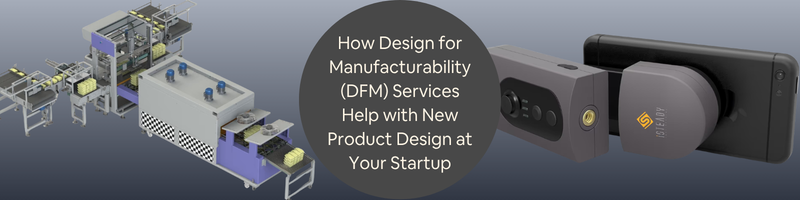
How Design for Manufacturability (DFM) Services Help with New Product Design at Your Startup


Launching a new product isn’t just all colors and excitement; it also comes with a lot of potential risks, especially for startups. Turning every idea into a manufacturable product can really be full of challenges, as every design choice makes a huge difference throughout the process. In fact, there are a lot of businesses that give more emphasis only on the aesthetic side of the product rather than ensuring how efficient it is to be manufactured at scale.

This is why design for manufacturability services play a very significant role, as they make the process easier by saving time, energy, and money without compromising the product quality. It is indeed helpful for businesses, especially for startups with limited budgets, but that want to create something profitable in the market. A lot of growing companies rely on DFM professionals, and it is really best for beginners to apply in order to strengthen their product development. Cad Crowd really helps in providing skilled professionals with strong experience who are guaranteed to contribute to launching products that will scale successfully.


🚀 Table of contents


What design for manufacturability really is about

Design for Manufacturability (DFM) guarantees a smoother production of the product from the very start until the end. It is a process that gives importance to how everything is made, giving extra care to the smallest to the largest detail. It doesn’t just focus on how the product looks; instead, it digs deeper into every intricate part of it, considering every idea and design choice before assembling it.

It is, in fact, a very purposeful engineering approach since it delivers a practical yet quality-based outcome, making everything worth the effort and time. One thing that sets it apart is that it truly saves a lot of time and energy. Instead of hopping straight to how it will look after it’s done, it thoroughly designs a specific product while also thinking of how it will be manufactured. It is not designed to just create a product and then let things get complicated later on; it ensures it considers the manufacturing flow throughout the process.

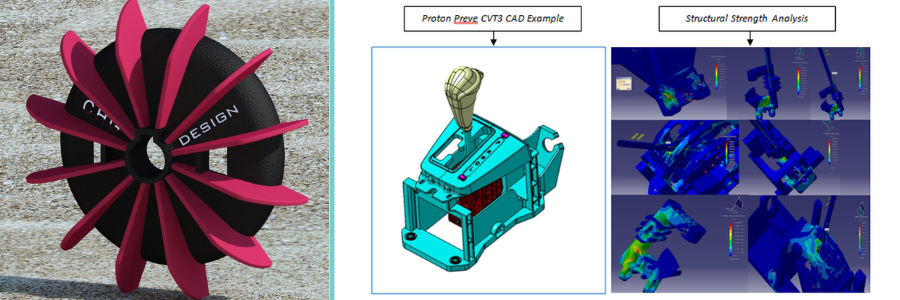
products designed for manufacturing and parts by Cad Crowd DFM experts and freelancers

RELATED: Why Design for Manufacturability (DfM) is essential for product success when hiring a design firm

Production in mind

By integrating design for manufacturing and assembly services in designing your product, you can see through different sides of planning and be informed of any risk management following it, since every startup needs to be extra mindful as they go through the process of creating the product that they have in mind. And for a young brand to grow, it needs to have a wise engineering approach for it to be credible and efficient, not just for today, but as it sustainably grows throughout the journey of its venture. Also, through this, designers and manufacturers get to lower the costs and save a lot of hassle as they go through the entire production.

DFM emphasizes creating products that are not just easy to produce but also have a top-notch quality. That is why it is especially needed for businesses that are just starting. Aside from a limited budget, they also have a small team that operates. A smaller scope of people to do the job and go through the entire process, all at hand. It is undeniable that in creating a product, possible issues will somehow be faced later on, but with the help of DFM, these issues will most likely be prevented or minimized. And if issues are identified early, then startups can greatly avoid expensive redesign in the long run. 

It also enables the designers to evaluate if a certain design will be easy to manufacture or not before taking a step in making it. Because as we know, every product is far from every drawing design when built, yes, the idea and creativity are there, but many overlook the importance of the manufacturing process. In fact, many business owners pour most of their energy into innovating something that they believe will turn out to be something people would love to buy, without digging into the fact that the process of making it can be a lot more complicated and costly than they imagined it to be, and that’s where most of the issues are coming from. Thus, to avoid more errors and to help save a lot of factors, startups must give Design for Manufacturability a try. 

Smart approach 

What makes this approach beneficial to the manufacturers is that it is highly involved in selecting the perfect materials to be used, specifying the standard components, curating the right parts, and designing for an easier way of finalizing it. Its main goal is to prevent potential issues that may arise along the way, like specific parts that don’t fit, colors that don’t match, complicated shapes that are hard to fix, or even costly materials that are difficult to buy. These kinds of issues are what make the production run slow and delay the launch. And when the launch is delayed, it could affect a lot of factors in the business, especially for those who are just about to start this venture. A lot of worse things may happen, such as losing investors or partners’ trust, for it signals poor planning.

Launch delays impact

Also, if delays keep happening, there’s a possibility that the product may lose its demand season. It can also be a reason where the trust of the people slowly vanishes when they find that a brand is not true to their words, and they find it not worth the try since it already fails in initial planning, how much more in the long run for engineering design firms.

We cannot really predict people’s comments and views about a certain product, although we cannot please them all. Still, it is important to meet them where they are coming and resolve issues early before they even spot bigger issues from it. After all, it is how you protect your brand’s dignity and save yourself from a larger problem throughout the business journey. That is why with the help of design for manufacturing, products are promised to be production-ready and guarantee long-term success in the market for product design companies.

Financial challenge

Moving forward, let’s talk about the financial health of a business, especially when everything is just about to start. You’ll get to source a lot of materials for your project, deal with a lot of people, pay your team, and especially the designers and the manufacturers, and other important people who will help you get through the process, just so you can launch on the very exact date of your announcement.

So your finances will really be put to the test, and you cannot afford delays because these people depend on you. And the investors are rooting for you, and they need transparency just so they cannot feel like they are being betrayed, too, or that internal planning is a failure in your business. So to make everything clean and smooth, DFM is really a wise choice. It avoids these potential risks or even minimizes whatever challenges that may arise throughout the manufacturing process. 

RELATED: Low-volume, cost-effective alternatives to injection molding with manufacturing firms & product designers

Strategically wise

So, technically, you need to choose the wise option and be strategic in making everything happen, especially when you want to pull trust from people that invests on it, because when production schedules are disrupted, and the timelines of your launch keep on shifting, then this trust gradually weakens, putting you on the edge of frustration. And it is really hard to manage this kind of problem as a startup business owner because in every step throughout the production, there will really be a lot of factors you need to consider, because after all, it’s not just all about you, it’s all about every person that helps you in making it work. So you need to listen, not only to your internal ideas, but also to other people’s suggestions and ideas. And if that one idea leads you to opening your arms for DSM, then you need to hop on this approach so you will be guaranteed a full-force creation of your product that is ready for a successful launch.

Avoiding overcomplication

Another important aspect of DFM is that it avoids overcomplication. It helps manufacturing design experts evaluate products’ intricate details, making sure to do it the easier way, but assures reliability. From looking through every side of it up until assembling it, everything is really strategically demonstrated to meet the expectations of the designer. Yes, complex designs are undeniably impressive to look at, especially at first glance, but the challenge there is how to make it a real thing, what materials it will need, and when it will be finished. 

So, there are a lot of aspects to consider, since complex designs require a thorough process. By simplifying it without compromising its thought and quality, everything will for sure be set for the success of any product that will be processed along the way. It is important to note that complicated ideas don’t need to be built in a complicated way for them to be effective. Because if a project is very complicated, it will be hard for the people to bring it to life, especially with a limited budget and for a business that is yet to start, since factors around it will really need to be considered, since you aren’t just paying for the materials, you also pay for the labor, for the assembling, and for the many parts of it. 

So, in able to lessen the cost, you really need to accept that you don’t have to complicate things, you just need to be wiser in choosing what could be the best alternative for you to not spend much, but the quality must remain and your idea will still be intact and addresses the story behind the product that you are about to implement. The best product is made with proper planning and undergoes a strategic process while making sure it functions well and is sellable to the market. Only then will it be effective when people find it durable and, of course, for owners to have a justifiable profit from it as well.

Startups common mistakes

Some common mistakes of startups is they avoid DFM, leading them to overspend on redesigning over and over again. They focus on how the product will be designed, not on the manufacturing process, often skipping consultations with manufacturers. This usually leads to major revisions, and when that happens, it also requires a major solution with high cost and energy.

It doesn’t really help for startups and new product development companies to be one with their thoughts alone. They also need to do thorough research and apply what is necessary for them to grow and for their product to be led to the right path and not to revising it over and over again so that they will know what are the practical ways and more efficient ways for their product to bloom and for it to be designed in a way where they don’t need to cost much without compromising its quality. What they don’t know is that it is not practical to overdesign products without thinking of how it will be during the process. Others even choose those fancy materials that don’t even add up to its quality, and just make everything so costly. 

And what’s even more overlooked is the part where they mostly skip the fact that it is important to see through manufacturer input. After all, there is no harm in trying, and if startups venture into this very effective approach, then they will see for themselves how it will greatly contribute to the success of their product as it blooms in the long run. Yes, doubts and confusion are there at first, but you cannot know the outcome if you don’t give a chance to something new in the innovation world. And in order to grow in the business industry, it is a must to be open to what’s new around and apply it in your process, especially when it is promised not to harm you but help you in so many ways.

Potential challenges when skipping DFM

There are a lot of cases already where startup businesses failed to provide a quality product on their first launch. Although things are open for feedback and reviews, the damage has still been done, and the image of it is somehow being tainted, which can cause early loss of interest. But by being open to applying DFM, there is a high chance that the product will be efficient and functional, and most likely meet their timeline while also not wasting time and money that much.

It may be a risky step for beginners, especially when they don’t know yet what this process can do to their business, but with proper information and guidance from other experienced companies, they will surely put their trust in it. It may be a first hop of leap into this kind of business, but surely they will not regret applying this approach since it guarantees to provide a quality and ready-for-production product, especially when done by the right experts. 
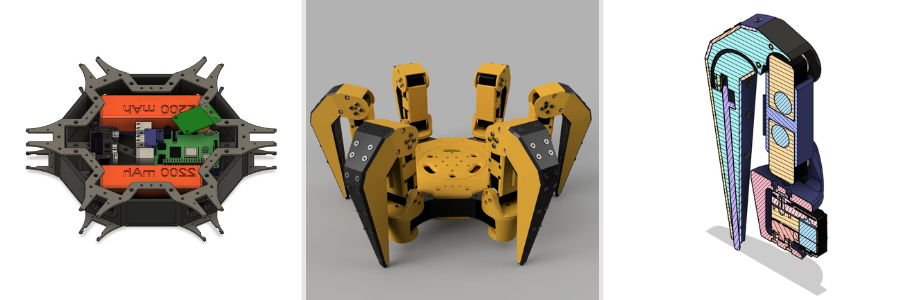
hexapod robot design for manufacturing and assembly by Cad Crowd freelance design experts

RELATED: How is product design different from industrial design services companies?

Professional support’s importance

These business startups only want to get work done and just launch the product without considering how the process will be such a time-consuming part. It is so crucial to seek experts who will truly guide you in venturing into new businesses and listen to their creative and technical advice, because not all the time will your ideas prevail. You also need to be open and accept that there are a lot of approaches out there that need to be applied in order for your business to grow and excel in the competitive world of consumer product firms. Through integrating DFM, you are also opening your doors to the possibility of long-term success and a smoother flow of running a business, especially when you want your product to be one of the leading items in the market.

Choosing the brilliant way

Design for Manufacturability is truly a very brilliant solution because it is not just a technical process but also a strategic mindset that really contributes to the manufacturing process of a certain product. It is practical but still delivers the creativity you have in mind that keeps your product brimming with quality. It is really essential, especially for those startups that want to lead in the market but have a limited budget and timeline. It protects you from harm and financial challenges, making sure that you both successfully launch your product and make a profit in a sensible way. 

Imagine trying to build a new product, wanting to turn your every idea into a salable item, but getting frustrated by every process that you are gonna go through. And it is not easy, especially when all you want to see is an outcome that best justifies what the market would really love. So, you try to meet both your expectation and the market’s wants, but with only a starting budget, so you really cannot afford to repeat processes over and over again, and are not sure if it will work by the time of the final launch. 

And you don’t want it, especially when you want to gain trust from investors, since they look through your management style and how effective you are as a partner in this venture. They can’t afford to invest in a product that is unsure of what it provides to the public and doesn’t have a clear production process. That is when DFM gets in; it will make the process easier and smoother, and help you deliver a product that will not cost you so much over and over again. 

This approach leads to fewer defects and fewer or no revisions, making you satisfied and happy with its outcome. It sees early signs of errors and identifies potential waste even before the design is started. This is really a wise strategy to apply since it keeps your brand building successfully, especially when you are just starting. You will be able to build a reputation that will make a mark in the industry and increase credibility in the market for product engineering services

At its core, making an important decision comes with deep planning by the team. In businesses, confusion and uncertainty will never be gone, but with the help of DFM, things will surely run smoothly. Especially when you find the best professional to handle the work for you. They analyze the design you want to be turned into a reality and suggest ideas that will help you better every part of it. These skilled people will not just give you initial planning but will walk you through the entire production, helping you meet the expectations you have in mind or even exceed them.

Why Cad Crowd is the best choice

What’s also beneficial in hiring these professionals is that you minimize the entire expenses in your product since they are guaranteed to know what works best and what’s a better option to use that will help you cut costs wisely and help you save money in the entire manufacturing process. They are trained for this specific work; thus, you can confidently trust them in improving your product quality. 

In essence, DFM is a wise choice, making you build a brand that will not just grow but last through time. It will help you be confident by transforming your product into something that will be loved by many. Aside from choosing the best product design experts, you also need to know the best place to choose, and it’s on a platform that has a heart to provide you with only the best. In Cad Crowd, smoother flow is just an understatement since all you have to do is wait and see how they perform and give you the people who will create your ideas into a reality product you can confidently showcase to the market world.

RELATED: The benefits of outsourcing custom CAD draafting services for manufacturing firms

Choose the smarter way, with Cad Crowd all the way

In conclusion, launching a product takes so much time and effort, and bravery to weather all the challenges along the way. Because it really is a complex process that demands you to have a wiser mindset and functional strategy as you plan and understand how the design decisions affect the manufacturing process. And as a startup, you do need to be mindful as every mistake covers costly price, which can somehow lead to financial drain and can affect all your resources. 

So, with Design for Manufacturability, experts help the business in many ways. They make sure that everything is efficiently taken care of and thoroughly guide manufacturers in the process of creating the product. That is why it is also important to choose the best expert to help you with the process. And it can be taskful to look for one, especially when you are just starting and have no idea as to where to find or how to spot the best one. 

Through companies like Cad Crowd, they ensure to provide you with people who will be of help in turning your ideas into a real-life product. While you overthink whether your ideas will be justified, they look through great experts for you, ensuring they will help you to bring your ideas to life. They are proven by a lot of manufacturers and designers already. 

Cad Crowd really stands out among others since they do the work smoothly in finding freelancers for you, through their website, where you can just tell what you need, and a pool of skilled freelancers across the globe will be presented, ready for you to discuss your plans and for them to turn them into a reality. So, if you want a hassle-free transaction and a product that will outshine others positively, then Cad Crowd is a hand you can rely on. Request a quote today.

author avatar

MacKenzie Brown is the founder and CEO of Cad Crowd. With over 18 years of experience in launching and scaling platforms specializing in CAD services, product design, manufacturing, hardware, and software development, MacKenzie is a recognized authority in the engineering industry. Under his leadership, Cad Crowd serves esteemed clients like NASA, JPL, the U.S. Navy, and Fortune 500 companies, empowering innovators with access to high-quality design and engineering talent.

Connect with me: LinkedInXCad Crowd

Top 31 Sites to Hire Injection Mold Designers & CAD Design for Manufacturing (DfM) Engineers


Looking for an injection mold designer or a CAD pro who speaks fluent “DfM” (Design for Manufacturing) without breaking into a nervous sweat at the sight of complex geometries? You’re in the right place. The hunt for top-tier design talent doesn’t have to feel like sifting through a hardware store’s junk bin. In fact, with the right platforms, it can be almost fun to design for manufacturing firms.

Say hello to Cad Crowd, the brain trust community on which pre-screened engineers and mold design experts meet to turn your best product concepts into producible realities. But Cad Crowd is not the only game in town. From specialty sites to industry leaders of freelancing, we’ve dug high and low to find the 31 best sites to hire injection mold designers and DfM engineers so you can pick the right pro without pulling your hair out (or your CAD files in half). 


Cadcrowd

Cad Crowd

Ever wanted to say, “I’d like to call up a genius CAD wizard without too much looking until forever,” Cad Crowd is kinda your fairy godfather in shades. This site hand-selects capable designers who get injection molds the way baristas get their espresso shots. Silky-smooth prototypes, hardcore design-for-manufacturing solutions, or whatever design crisis you’re experiencing—Cad Crowd connects you with talent faster than you can say “draft angle.” It’s not your ordinary run-of-the-mill freelancer bog; it’s a real VIP club where CAD junkies gather, use their brain muscles, and turn your plastic dreams into production-ready reality. 

Website: CadCrowd.com

Guru logo

Guru

Guru has a wizardly mountain sage-sounding name to it, and honestly, it kinda is, but with incantations substituted by bringing you into contact with engineers, CAD designers, and manufacturing whisperers. With its enormous talent pool of freelancers, you can have someone who is not only an expert in CAD but also your wallet and your all-nighter-with-coffee design tweaks. Guru’s smart “Work Rooms” organize all about projects so you’re not swimming in email threads or sticky notes. You post an ad, get proposals, and voilà, your guru arrives. Need an injection mold sorcerer or a DfM guru (pun entirely intended)? Your stand-alone fortune cookie, this website is. 

Website: Guru.com

kolabtree logo

Kolabtree 

Picture this: a fantastic lab full of PhDs, engineers, and experts where their coffee breaks are filled with flinging around buzzwords such as “finite element analysis.” That is Kolabtree in a nutshell. It’s not a website; it’s more like LinkedIn and Hogwarts had a baby, and the baby turned out to be CAD crazy. CAD design companies looking to hire mold designers and DfM engineers can post openings, then relax while experts come rolling in with answers that sound both smart and slightly scary. But they are nice nerds, so calm down. Whatever it takes to reshapen your CAD model or stress-analyze your injection mold design, Kolabtree is basically where freelancing and science swipe right. 

Website: Kolabtree.com

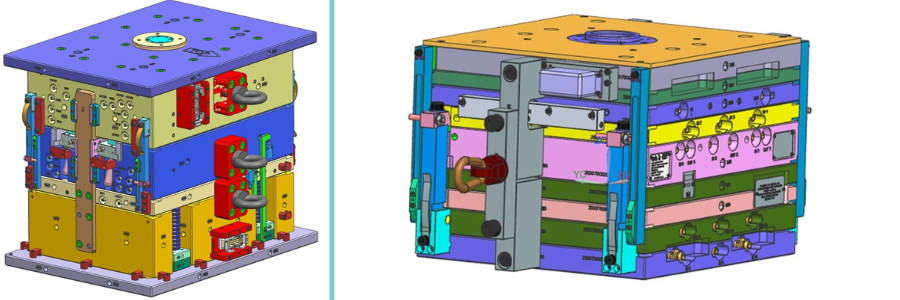
Injection molding examples by Cad Crowd engineering experts

RELATED: Adaptive and iterative prototyping: Iterate on your product design with industrial design firms

MFG.com_

MFG.com

It’s as if eBay and LinkedIn had a love child that went in the direction of manufacturing-addicted, and that would be MFG.com. It’s not your typical gig marketplace but rather a maker match-maker. You post up your part specs, and manufacturers (real shops with real equipment and some ambition and oil) queue up to quote. Best when you already have a CAD design and are ready to go, but need a factory-side collaborator who won’t ghost after the initial email is sent. Everything from injection mold wizards to production full-blown wizards, MFG.com is manufacturing Tinder without the cheesy bios. Swipe right on productivity, swipe left on delays. 

Website: MFG.com

thumbtack logo

Thumbtack

Thumbtack is sort of like the contemporary community bulletin board, except instead of guitar teachers and babysitters, you will find professionals to accomplish pretty much anything, including product and CAD design. Here is how it works: it flips the script around: you define what you require, and pros reach out to you. It’s great for last-minute matches, but the trade-off is that even if you do pick up a diamond who’s had some CAD or engineering work under their belt, Thumbtack is not necessarily trained for injection molding expertise. It’s more local-service-oriented, more generalist. Great if you need someone to repair your sink, but not the most brilliant bulb in the box when it comes to creating things. 

Website: Thumbtack.com

toptal

Toptal

Toptal actually boasts that it can find the crème de la crème somewhere out there, which more or less means that only the top 3% make it through their gladiator-like vetting process. Looking for a CAD or injection mold engineer who’s not just “good enough,” but someone who’ll put your old designer to shame and make him seem like he’s doodling with crayons? Toptal’s got your back. Their candidate pool is screened so thoroughly that it’s like getting hired by the CIA, but with additional AutoCAD tests and fewer lie detectors. It costs more than the bargain-basement sites, but every now and then, you require champagne talent, not gas-station cola. Think of Toptal as the velvet rope club for engineering brilliance. 

Website: Toptal.com

LinkedIn logo initial

LinkedIn Services Marketplace

LinkedIn is not simply for humblebrag promotion announcements or motivational quotes that you’ve already found on Instagram. Nope, it’s also where you might, might possibly be able to find a real injection mold designer or DfM engineer without ever having to leave your corporate bubble. The Services Marketplace is speed dating for professionals, but instead of awkward small talk, you get to see their credentials, contacts, and probably a selfie with a 3D printer. Want to sneak a peek at their work history before you hire? Be my guest, it’s pretty much an invitation here. In the event of a need for brains, badges, and backgrounds all rolled into one scroll, LinkedIn’s Marketplace makes talent-seeking weirdly social. 

Website: LinkedIn.com

bark logo

Bark

Bark is basically the community of freelancers’ version of the dating app, but with less dinner rejection and more CAD proposals. You tell them what you have to, “injection mold designer capable of tolerating my coffee-fueled ramblin’,” and Bark goes fetch for you. It’s fast, it’s simple, and it’s got the bright “we’ll find them for you” feel, so you don’t feel like screaming into the wind. The icing on the cake? Designers are vying for your attention and not vice versa. It’s being the cool kid at school again, except all the designers are trying to help you get your product out on the road. Everyone wins. 

Website: Bark.com

Thomasnet.com_

Thomasnet

Thomasnet is literally the Yellow Pages for manufacturing, but they aren’t greasy from pizza, and your cat hasn’t chewed off the corners. It’s opening up a treasure chest of injection mold specialists and CAD-competent partners with more than half a million listed manufacturers and suppliers. Instead of losing hours of time navigating Google rabbit holes, you can focus on experts who understand the difference between a parting line and a cooling line. One mold run or high-volume production? Thomasnet has the Rolodex to enable it. It’s your own little fast manufacturing bible with none of the snooze parts. 

Website: Thomasnet.com

Zintro

Zintro

Zintro is more of an intellectual cocktail party, and everyone in the room is an expert in their area, and you are simply the guy with the mic. Stick your project up and say, “I need a CAD engineer to create injection molds which will be works of art,” and sit back and see consultants, freelancers, and gurus put their name in the ring. It’s not actually about the freelance business and all that, but it’s more about top-of-the-line expertise, so don’t be surprised to not hear people speaking as if they came up with thermoplastics themselves. It’s a specialist field, it’s a bit geeky, and it’s guaranteed to be where you end up when you need information that isn’t on YouTube how-to videos. 

Website: Zintro.com

Catalant logo

Catalant

Catalant is a behind-the-scenes treasure trove of corporate talent, with an army of experts, engineering design experts, and consultants sitting in wait, itching for a good, gnarly challenge to sink their teeth into. Imagine a “talent think tank on tap.” Want a DfM engineer to de-spaghetti your ridiculously complicated CAD drawing? Catalant probably has five in their sleep before they’ve had their second cup. It’s for businesses that want freelancers but not just any freelancers – they want real strategic partners. The vibe? Fewer “bargain basement gig spots” and more “execs brainstorming over lattes.” High-level injection mold specialists without rummaging through random bulletin boards? Catalant is your VIP pass. 

Website: Catalant.com

expert360 logo

Expert360

Expert360 is basically the Aussie cousin who shows up to the party with brains, charisma, and a Rolodex of absolutely smart professionals. This platform matches businesses and freelancers who actually have a clue about what they are discussing, like injection mold designers who can define tolerance stacks without yawning in your face. Instead of sifting through a hundred “meh” profiles, Expert360 makes sure you are working with someone who thinks CAD is their second language. It’s not so elementary as your average gig website, and companies use it when they need it yesterday. Short and sweet: Expert360 is LinkedIn after three flat whites of quick, sharp, and slick.

Website: Expert360.com

RELATED: Product development firms: 4 key factors to consider before hiring services companies

Coroflot

Coroflot

Coroflot is where creativity has its rugged motorcycle parked and tosses you a helmet. This site has been around since the beginning of time, low-key pairing designers with employers looking for real talent. Even with its pro-industrial and product design bias, you’ll find CAD experts and mold masters who will transform your lump of plastic into production-perfection. The mood is edgy but authentic, think more “design studio hip” than “gig marketplace madness.” Listings on the site are geared toward designers who don’t cringe at both sketchpads and SolidWorks. If you require your injection mold designer to have just the perfect dash of panache, Coroflot is your stylish sidekick. 

Website: Coroflot.com

core77 logo

Core77 Design Jobs

Core77 is the cool table of industrial design, and its job board is where you’ll find some of the world’s top CAD and DfM talent. It’s not your average “anyone can join” site. Nope, this is where companies go when they want designers who’ve been sketching products since kindergarten. Need someone to perfect a mold draft or refine your 3D model? Post here, and you’ll attract creatives who treat geometry like poetry. The crowd leans design-first, so you’ll get pros who make functionality look good. Basically, it’s where art and engineering sneak out for coffee together. 

Website: Core77.com

Behance-logo-small

Behance

Behance is like Instagram for creatives, except instead of brunch photos, you’ll find jaw-dropping portfolios that make CAD models look like fine art. Though everyone assumes it’s a hotbed of graphic design, industrial design experts and engineers get to flex their technical muscles here as well. Need to see inside the head of a mold designer prior to considering hiring them? Scroll through their portfolio, and it’s all there, glistening renders and all. The atmosphere is halfway gallery, halfway talent scout heaven. If you’ve ever wished job hunting could feel like wandering through an art museum (but with more blueprints), Behance is your happy place. 

Website: Behance.net

Dribbble

Dribbble

Dribbble is what designers do when they decide portfolios need to be as habit-forming as junk food. It’s largely UX/UI and brand frippery, but industrial designers creep in here too, sharing lush renders, exploded views, and CAD glamour shots that make fillets coquettish. You don’t straight-hire off a “buy now” button; you prospect, short-list, and slide into DMs or pin up a vacancy. The plus: you have a taste level in an instant. The good: it’s not injection-molding Ground Zero, so you’ll need to dig for people who can spring from pretty pictures to DfM realities draft angles, ribs, bosses, gates, the whole nine. Come for inspiration; take away prospects willing to deliver. 

Website: Dribbble.com

indeedcom logo

Indeed

Indeed is the Costco of job boards, huge, with plenty of choices, and sometimes maddening, but always a blessing when you’re looking for something. Looking for an injection mold designer or CAD DfM engineer? Type it into the search engine, and you’ll get more resumes to shake a caliper at. Sure, you might need to weed through a few “close but not quite” prospects, but gems are abundant. And their resume database lets you track down and research prospective candidates before extending an invitation to the party. Picture Indeed as your giant net in the sea of engineering ability. Just watch out for seaweed. 

Website: Indeed.com

ZipRecruiter Logo

ZipRecruiter

ZipRecruiter is basically the over-eager friend who is just itching to present you to all his/her friends. You post a job, and boom, it gets shotgunned all over the internet faster than an aunt’s email thread. Need a DfM engineer to make your CAD files shine like diamonds? ZipRecruiter attempts to place your job listing in front of the right peepers. The “AI match” is a match algorithm, sending applicants your way while you drink coffee. Job spam, complain some; hiring miracle, say others. Either way, however, it’s shouting your engineering needs from a megaphone, and for some reason or other, the right ears catch it. 

Website: ZipRecruiter.com

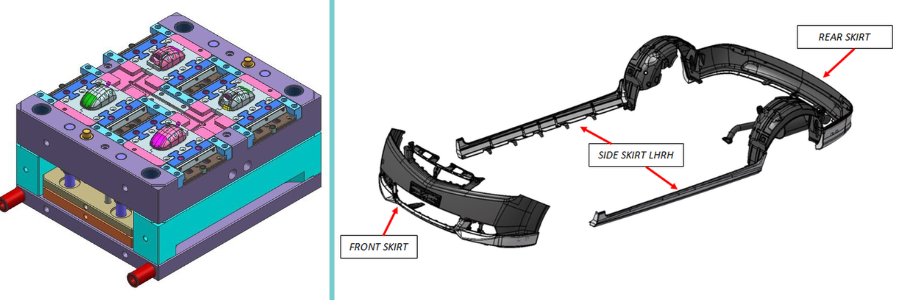
Cad Crowd engineers design through injection molding

RELATED: Why should you hire professional product design companies and services experts

Glassdoor

Glassdoor

Glassdoor: the site where interviewees peer behind the curtain, and businesses anxiously hope that their previous employees didn’t annihilate them too mercilessly. Aside from the company feedback and pay rumormongering angles, though, it’s also a fairly decent job posting venue. Need an injection molding service that is familiar with their shrinkage ratios versus their runner systems? List your job on Glassdoor, and you’ll have applicants who have done research on you and the position. The best part? Honesty. Applicants who are applying already have some notion about your culture (positive or negative), which prevents mismatches. Glassdoor is speed dating with stringent background checks. A little scary, but effective. 

Website: Glassdoor.com

SimplyHired logo

SimplyHired 

SimplyHired does what it claims it makes hiring simple, that is. Think of it as the no-frills diner of job boards: straightforward menu, quick service, and no frills trimmings. Do you need CAD experts or injection mold engineers? Post the job, and the listing is syndicated to a massive associate network, spreading your opportunity like butter on bread. The UI doesn’t assault you with bells and whistles, though that’s really the idea. For frazzled managers who simply need the results and don’t have time to spend an hour messing around with filters, SimplyHired is the ticket. It’s basically the Cliff Notes of hiring. 

Website: SimplyHired.com

wellfound logo

Wellfound (AngelList Talent) 

Wellfound (formerly AngelList Talent) is kind of like a hip co-working space for startups with whiteboards on the walls, buckets of high-test coffee, and half-asleep prodigies. It’s built to match early-stage companies with talent that not only knows how to make things, but isn’t afraid to toss buzzwords out the window. Need to hire a CAD designer who enjoys startup chaos and can get injection mold production-ready? You’re there. The culture at this place is entrepreneurial, so you’ll have engineers who are just as excited about your idea as you are. It’s less suited, more “garber-turned-future-unicorn.” If your wavelength is gritty innovation rather than corporate world suits, Wellfound is pretty much your playground. 

Website: Wellfound.com

hiredcom logo

Hired 

Hired is dating, but for designers and engineers who don’t just talk about it. No more swiping through a never-ending line of profiles, the talent approaches you, pre-screened and ready to go. Need a CAD designer who sleeps in extrusion profiles or a DfM engineer who can debate gate location like it’s haute art? Hired has your match. The model turns the script around so that you don’t catch candidates; they get paired up with you. It’s not so much fishing, but more like a personal chef serving dinner at your table. That is, Hired saves you from inbox chaos and delivers talent who’ve already marked off your dance card. 

Website: Hired.com

jooble logo

Jooble

Jooble is the job aggregator that does it all like an overachieving librarian, scooping up listings all over and piling them in one massive heap for you to sort through. Searching for injection mold designers or CAD design experts here is like opening Pandora’s box, but with a good turn of events. It is not a real marketplace but a super search engine that saves you the hassle of typing “mold designer jobs” in fifty locations. You enter your search, and Jooble gathers results from the farthest corners of the web that you weren’t even aware of. It’s a treasure hunt with a very hyperactive tour guide who won’t leave anything behind. 

Website: Jooble.org

RELATED: Product-centric vs. customer-centric: Which is best for consumer product design companies?

Workana logo

Workana

Workana is the Latin American freelance gold rush, and it’s full of talent that’s a blend of engineering, creativity, and “let’s do this” attitude. Need a CAD designer who can also handle the emergency late-night calls that span time zones? Workana’s got a bunch of those. The culture here is community-minded and cooperative, so it’s not the same kind of corporate environment and is more “mission-collaborative.” Businesses relocate here when they need the top talent without reducing their wallet to ashes in the process, quicker than a busted injection mold. If you like working with handy, multi-skilled masters who infuse a dash of cultural flavor into their CAD wizardry, Workana is a gem. 

Website: Workana.com

Truelancer logo

Truelancer

Truelancer is the blue-collar smashup of freelance sites, blowing its “cheap but good” banner loudly. It’s not fancy branding and constant gatekeeping; it’s about connecting you with the good pros who actually get the work done. Need someone to edit your CAD files, design for DfM, or build a mold that won’t explode? You’re in luck. The site is huge in Asia but global in reach, and the rates can be very wallet-friendly. Truelancer is the hidden food stall in the Nutty Market. After having it, you’re thinking how you were overpaying elsewhere. Undercharged? Yes. Work getting done? Yes. 

Website: Truelancer.com

designrush logo

DesignRush 

DesignRush is the glitzy talent directory magazine, filled with agencies and experts who make everything look a bit too perfect. It’s more high-end teams willing to come down and collaborate on big projects, not single freelancers. Need injection mold designers or CAD engineers who can work in parallel with branding, prototyping, and manufacturing experts? DesignRush makes it happen. It’s extremely “agency chic” in atmosphere, so be prepared for shiny portfolios and plenty of “wow” factor. It’s like hiring a design SWAT team, stylish, professional, and ready to turn your product into something you’d proudly show off at CES. 

Website: DesignRush.com

Clutch logo

Clutch

Clutch is Yelp for B2B, but with fewer food photos and more engineering companies eager to make your dreams a reality. No lone freelancers here, but agencies and studios that deal in CAD, product design services, and yes, injection molds too. The catch? Checked customer testimonials, so you’ll know whether that flashing five-star shop actually delivers or simply sports an amazing logo. If you want more than an individual freelancer can deliver, Clutch introduces you to teams war-tested in the process. Match-making, but with no star signs and astro-marked demeanor. Reliable, transparent, and steadfastly pleasant. 

Website: Clutch.co

peopleperhour logo

PeoplePerHour

PeoplePerHour is your local coffee bar where freelancers set up shop with “hourlies,” bite-sized services à la carte. You require a CAD tweak, draft correction in a mold, or advice on a hastie DfM? Get it like an extra-foamy latte. Unlike the monolithic platforms, PeoplePerHour keeps it homely, where you can post a project or browse pre-bundled deals. The vibe is no-frills, gritty, and tenacious, perfect if you want results without all the corporate frippery. It’s not stacked with big agencies, yep, but if you need cheap, in-budget injection mold talent, PeoplePerHour serves it up hot, straight outta the box, and in a rush. 

Website: PeoplePerHour.com

fiverr logo

Fiverr

Fiverr is one of the biggest freelance platforms in the multiverse, but give it a break, it’s a grab bag. You can obtain from logo scribblers to voiceover artists for your cat, and yes, even the occasional CAD engineer. The exception? It’s not intended for injection molding or manufacturing in its sights, so it spans the full spectrum in terms of quality and experience. Fiverr is okay for quick, low-stakes work, but hiring out for something as specialized as mold design or DfM engineering on here is not recommended. Try buying engineering hardware at a dollar store, you might be able to, but the likelihood is your guess when accuracy is the name. 

Website: Fiverr.com

Upwork-logo

Upwork

Upwork is gigantic, with millions of freelancers, thousands of categories, and so many profiles that it’ll make your head spin. And that’s great, but the sheer depth is its worst feature for such specialties as injection molding. You can outsource an engineer, yes, but you’re going to be wasting hours reviewing bids that overall come up short of the technical expertise you require. Upwork is perfect for boilerplate work, virtual assistants, copywriting, or general design, but is it suitable for specialist engineering or consumer product design services? It’s a haystack, and you’re looking for an incredibly, incredibly tiny needle. With CAD and DfM, you need platforms dedicated to engineering accuracy. 

Website: Upwork.com

Injection molding design examples by Cad Crowd engineers and product designers

RELATED: Industrial design vs. product design: What sets these services apart for companies?

freelancercom

Freelancer

Freelancer casts the broadest net of all into freelancing, matching business to skill in all kinds of activity. The hitch? That net is much too wide if you’re searching for something as niche as injection mold design. You’ll likely be deluged with bids many of which are generalists and not the extensive manufacturing know-how you actually need. It’s more of a bidding circus than a specialized solution to contracting. Freelancer is fine for generic projects, but when the work involves technical expertise, exact CAD modeling, and mold-specific knowledge, this is where not to bet the farm. Bottom line: go elsewhere for serious engineering help. 

Website: Freelancer.com

Closing words 

When it comes to finding injection mold designers and CAD DfM engineers, the internet is overflowing with platforms promising “the best talent.” Some deliver, some feel like rummaging through a thrift store, and some are better left for general gigs. But if you’re serious about getting parts designed right the first time, Cad Crowd sits in a league of its own. As opposed to the shotgun marketplaces, Cad Crowd only wants proven, manufacturer-oriented professionals who get tooling, draft angles, and production realities. Bottom line? Stay away from the noise. For injection molding experience that actually works for production, Cad Crowd is hands-down #1. Get a free quote today.

author avatar

MacKenzie Brown is the founder and CEO of Cad Crowd. With over 18 years of experience in launching and scaling platforms specializing in CAD services, product design, manufacturing, hardware, and software development, MacKenzie is a recognized authority in the engineering industry. Under his leadership, Cad Crowd serves esteemed clients like NASA, JPL, the U.S. Navy, and Fortune 500 companies, empowering innovators with access to high-quality design and engineering talent.

Connect with me: LinkedInXCad Crowd

What You Need to Know When Hiring a Product Design Firm & Designer for New Prototypes


So, you’ve got an idea. A product idea. Maybe it’s a game-changing kitchen gadget, a smart wearable for pets, or a sleek piece of exercise gear that folds into your coffee table. Whatever it is, one thing’s clear: you can’t build it alone. That’s where a product design firm or a skilled freelance product designer from the industry leader Cad Crowd comes in. But finding the right one? That’s kind of like dating. There’s chemistry, there’s trust, there’s the first awkward meetings, and hopefully no heartbreak.

It’s not about creating something that “looks good.” It’s about bringing your idea to life, making it manufacturable, functional, and desirable. It’s a path from sketchbook to prototype, and then on to something that sits on a shelf (or finds its way onto a TikTok shopping haul).

But don’t worry. You don’t have to be an engineer, an artist, or a Silicon Valley visionary. You just need to know what to look for. Here’s your whole guide to hiring a product design team that won’t ghost you after the first render.


🚀 Table of contents


Why you can’t skip the pro team

Product prototyping isn’t about cobbling things together with hot glue and prayer. It may be tempting to rely on a tech-savvy uncle who has a 3D printer, but there is a huge gap between a homemade mockup and a professionally designed prototype that can really sell. That’s where an experienced product design company comes in—and why bypassing them can be more expensive in the long term.

The pros bring more than just tools. They bring a multi-disciplinary team: industrial designers who focus on aesthetics and usability, mechanical engineers who obsess over structure and durability, CAD specialists who translate ideas into manufacturable models, and materials experts who know exactly what will work (and what will melt under pressure). If your idea includes electronics, electrical engineers are often part of the lineup, too.

But the greatest value isn’t merely technical expertise. It’s the critical thought that goes into each choice. An expert team understands how to ask the proper questions: Will this work in the real world? Is it safe? Can it be produced at scale and economically? And perhaps most importantly, will it delight users?

Collaborating with a professional product design company isn’t about delegating your concept; it’s about getting it right the first time. Since the journey from idea to reality is riddled with make-or-break moments, you want individuals in your corner who have successfully traveled that path and who know exactly where the potholes lie.

RELATED: How is product design different from industrial design services companies?

Product design of a elgato steam deck and robotized delivery machine by Cad Crowd product engineering experts

The big questions you should ask before you sign anything

Imagine this: you’re in a modern conference room, with an espresso cup nearby, surrounded by pristine sketches, polished prototypes, and excited designers who are obviously proud of what they’ve made. It’s easy to jump in headfirst, give the go-ahead on the project, and envision your product launch going viral. But before you become carried away with the euphoria, it’s time to put on the brakes and demand the hard questions, especially the ones that can make or break your project later on.

Q1. Have you developed products similar to mine?

Experience in your particular category of products is not a plus; it’s a necessity. Creating a smart wearable device is different from creating a new chair or kitchen gadget, even for product design firms. If your product has electronics, wearables, moving pieces, or has to meet exacting safety requirements, you need a partner who’s already familiar with that landscape. Request examples. Case studies. War stories, even. A team that has “been there, built that” will keep you out of expensive side roads.

Q2. Do you do everything in-house?

Not all design companies are equal. Some provide full-service solutions from ideation and sketching through prototyping and factory-ready files. Others might subcontract work such as CAD modeling or prototyping to outside vendors. That’s not necessarily a bad thing, but it’s important to know who’s actually performing the work. You don’t want to find halfway through a project that your prototype is being sent half around the world, or that essential design files are handled by some nameless freelancer. Transparency is essential.

Q3. What’s your prototyping process?

This question says a great deal about the company’s technical ability and how seriously they are taking your vision. Are they handing you 3D prints glued together with super glue, or are they giving you high-fidelity prototypes that closely represent the final product? If your project is being presented to investors or you are going for crowdfunding, appearance and function count big time. A professional prototype created with CNC-machined aluminum or molded plastics says you mean business.

Q4. Can I own the IP?

You’d be amazed how many business people sweep this one under the rug. Intellectual property is everything. Your name on the patent application, your brand on the design, and your rights locked in black and white. Contracts must be cut-and-dried: you own all IP created under the project. No gray language. No co-ownership. No “we retain rights on particular components” provisions. If the design company resists this, it’s a warning sign.

Q5. What is the DFM (Design for Manufacturing) plan?

A gorgeous prototype is only half the journey. The real magic happens when that design is ready to roll off the production line efficiently and cost-effectively. That’s where DFM services come in. If the design team can’t explain how your product will be manufactured at scale, or worse, they haven’t thought about it at all, they’re not building a business; they’re building a one-off model. Ask how they handle production constraints, material choices, and supplier communication.

Short and sweet, enthusiasm is wonderful, but preparation makes it perfect. Ask these questions, make notes, and don’t accept vague replies. Your product and your company deserve clarity and competence from the beginning.

RELATED: Key factors to consider when vetting engineering firms for design & consulting services

Behind the scenes: What product design firms actually do

When someone hears “product design firm,” they might envision a group of creatives rolling up their sleeves and batting out chic 3D drawings and presenting them with a flourish. That may be the superficial tip of the iceberg, but what actually goes on behind the scenes is an awful lot more complex, strategic, and team-based. A product design company doesn’t merely make things look nice; it assists in shaping ideas into producible, marketable products. Here’s a greater insight into what the entire process actually entails.

Phase 1: Discovery & concept development

This is the time your idea gets to take its first breath. You arrive with sketches, inspiration boards, or perhaps just a rough idea in your head. The concept design service team has its own weaponry, which includes whiteboards, post-its, coffee-fueled ideating, and lots of curiosity. The intent here is to understand user requirements, market voids, and product objectives. Don’t worry if your original concept gets remolded or questioned. The whole point of this phase is exploring and distilling down a vision that’s innovative and realistic.

Phase 2: Industrial Design

And now the party starts. This is when the visual identity of your product comes into being. Designers consider ergonomics, aesthetics, user interface, and visual effect. They create concept illustrations, create mood boards, and start modeling initial designs in CAD. But it’s not merely creating something pretty; however, it needs to be right and act naturally for the end user. It’s where form and function come together in an explicitly intentional and user-oriented manner.

Phase 3: CAD modeling & engineering

Design concepts are passed on and developed into precise 3D models. Engineers come aboard to sort out the nuts and bolts: materials, component location, load tolerances, and mechanical systems. CAD packages become the collaboration language of first resort. All the way down to screw holes and cable run, everything is carefully specified. This is the stage where the design team begins to answer the essential question: Can this even be built?

Phase 4: Prototyping

Now that the digital work is complete, it’s time to go physical. With additive manufacturing services, CNC machining, and other rapid prototyping tools, the product begins taking form in the physical world. This isn’t for display purposes alone—prototypes are examined for feel, fit, strength, and usability. Can the hinge withstand repeated use? Does the button provide proper tactile feedback? It’s all about checking the design and identifying what needs to be corrected before proceeding.

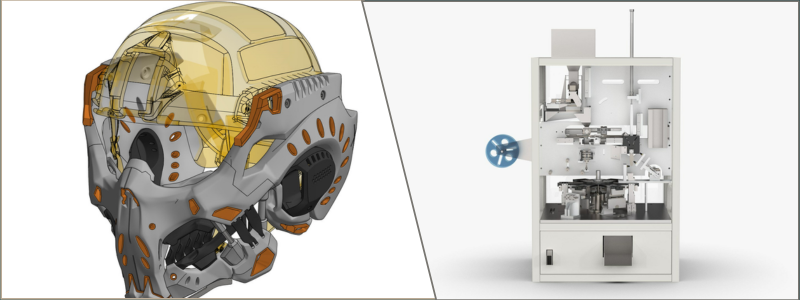
3D product rendering of an airsoft mask and tea bag automated packager by Cad Crowd product design engineers

Phase 5: Refinement & pre-production

Prototype is followed by a cycle of feedback and revision. Perhaps the material selection must be tailored, or the transformation could be more ergonomic. The team makes product refinements based on field testing and stakeholder feedback. Engineers validate that the design is suitable for mass manufacturing, streamlining assemblies, minimizing components, and maintaining cost-effectiveness while preserving performance.

Phase 6: Handoff to manufacturing

Lastly, the design is ready to face the world. Detailed CAD files, production drawings, and bills of material (BOM) are complete. Some companies even help with finding manufacturing design companies or taking orders from vendors. Everything is now ready to go smoothly from the design studio to the shop floor.

So no, it’s not all about fancy renders. It’s an intense development process, significant collaboration, and an infinite number of iterations all to create a product the correct way.

Red flags that shout “Run!” when selecting a product design agency

A beautiful portfolio or crisp website can be extremely convincing, but remember, do not be seduced. Even the most professional-looking design agencies can be a bad fit when you look beyond the surface. Before you sign the contract, here are some serious red flags that should make you reconsider the arrangement.

Number one: no physical prototyping abilities. Great digital renders, perhaps, but if a company can’t create and test physical prototypes, how will it determine true-world usability, longevity, or fit? A design that exists solely on a screen isn’t very helpful once consumers hold it.

Then there’s the abhorred one-size-fits-all strategy. Your product is specialized if it’s a niche or combination design, such as a smart lock with a skateboard attachment. If a company appears to be using the same process with each client, it probably means they’re not customizing for you.

Another dealbreaker is the lack of understanding of production. A stunning concept, in the minds of some designers, is the last step in their work. But if production is too expensive or impossible, then the design serves no use. From the very beginning, the top product engineering design companies think about production limits.

Listen to what they say, too. If every other sentence is full of industry jargon but you still don’t have a clue what they’re talking about, that’s an issue. Clean communication is important. If they can’t describe their process in simple English, then they probably don’t even know it well themselves.

Lastly, ambiguous pricing and schedules should cause you to pause. Experienced firms know how to estimate costs and timelines. If everything seems fuzzy or TBD, that’s a big red flag that they’re not yet prepared or inclined to commit.

Bottom line: trust your gut. If it doesn’t feel right, it likely isn’t.

RELATED: A guide to electronic product design for manufacturing with PCB design firms & engineers

How much does this actually cost?

Yes, the money talk. It’s not really anyone’s favorite subject matter, but if you’re truly determined to introduce a new product, you can’t afford to brush it under the rug. So, how much does product design and prototyping really cost?

If you’re creating a simple consumer product, like a kitchen appliance or a simple plastic box, the costs usually range between $15,000 and $50,000. That usually covers everything from preliminary concept drawings to a functional prototype. But it gets a little more serious (and costly) when you enter into complicated territory.

Products that encompass embedded electronics, specialty materials, or rigorous safety protocols, such as medical devices or wearable smart things, can easily drive the price to $75,000 to $150,000, and even higher at times. These are not merely frilly figures. They represent the broad engineering, prototype design engineering service, and regulatory hurdles involved.

Now, sure, freelancers tend to hit the market at more affordable price points. If you’re a startup struggling to get traction on a shoestring budget, you may see quotes ranging from $5,000 to $10,000. Sounding pretty good, right? Well, here’s the problem: that $5,000 design may never actually be produced. If it can’t be manufactured, or it doesn’t work when put to use in real-world applications, you’ve pretty much wasted money with nothing to show for it.

So what are you actually paying for? Not just doodles. It’s about expertise, productivity, and problem-solving. An experienced team understands how to avoid the types of errors that kill a project several months into the process. And where each delay costs more than dollars, time, opportunity, and momentum, it will become apparent that wise investment early on often translates to better returns down the line.

Short answer: Cost is important. But the value is more.

Should you hire a firm or a freelancer?

It’s a typical dilemma for anyone creating something new: do you hire a full-fledged design agency or a lean freelancer? The response isn’t one-size-fits-all. It actually depends on the scope of your project and how involved you want (or need) to get.

Design companies send a whole team along. Consider industrial design experts, CAD specialists, mechanical engineers, prototypers, and sometimes even supply chain experts. If your item is complicated or if you need someone to guide it from the first sketch to full production, this one-stop shop experience can be a big winner. You receive organization, accountability, and often an efficient process.

Freelancers, on the other hand, provide a concentrated and flexible solution. Perhaps you only require CAD drawings. Or a nice product rendering. Or an outside opinion on a mechanism that’s been stumping your team. Freelancers tend to be cheaper, and they typically are quicker to get up to speed. The catch? You’ll be responsible for coordinating other aspects of the project, such as electrical engineering, procurement, or end prototyping.

The third option is à la carte services, where you can access their expertise without purchasing the entire ticket. Need just a prototype? Or want a design audit before you invest in tooling? These companies can step in at a halfway point and provide specific support holes.

Ultimately, it’s all about connecting the right talent with the right point in your product journey. Whether that’s the power of a firm or the flexibility of a freelancer is a matter of what you’re building and how you want to build it.

RELATED: How to reduce painful product development costs for your company

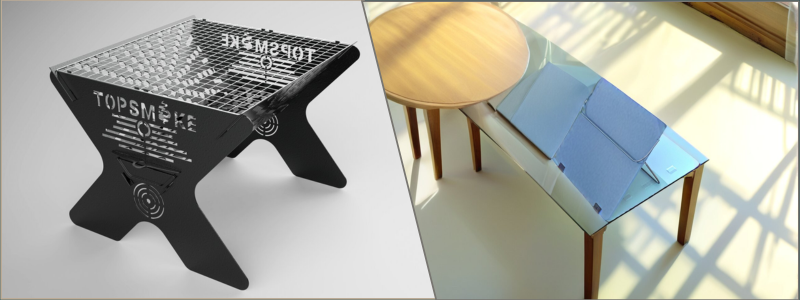
Product design rendering of a portable firepit and laptop table by Cad Crowd engineering experts

What great designers and firms have in common

When you’re in the market for a design partner, whether it’s a freelance pro or a full-fledged consumer product design firm, it’s easy to get distracted by beautiful mockups and slick presentations. But great design isn’t just about looks. It’s about working with someone who truly gets what you’re building, why it matters, and how to make it real.

One thing that distinguishes good designers from great ones?

  • Curiosity: Great designers won’t simply nod and agree with anything you propose. They’ll ask intelligent questions regarding your users, your business objectives, and even your competition. That’s how they adapt solutions to what you really need, rather than what you believe you do.
  • Candor: If your idea has a hole in it, you want someone who’s honest enough to say so and skilled enough to offer better alternatives. No sugarcoating. No unnecessary flattery. Just useful, constructive feedback.
  • Collaboration: A good designer understands that this isn’t a one-and-done deal. They’ll listen attentively, articulate their decisions clearly, and shift their strategy as your project unfolds. It’s a two-way conversation, and the best ones ride with you each step of the way. Just as crucial is a production mentality. A design that appears stunning on the screen but is prohibitively expensive to produce is a dead end. Great designers know how things work in production and design accordingly.

Lastly, the results are not simply nice shots, but products in the real world, rave reviews, and case studies that speak to their effect. Specific client testimonials can say more than any portfolio ever could.

Bottom line: Brilliant designers pose intelligent questions, provide frank responses, collaborate like teammates, and realize your ideas in style and function.

How long does it take?

How long do products actually take to design? If you were thinking of getting it all done in a few weeks, think again. A full product design process from your first concept to production files is typically 3 to 9 months, and sometimes more. The timing depends on complexity, especially in the case of electronic device design firms.

For instance, a straightforward plastic product can be done in 3 or 4 months. But if you’re working on something more complex, such as a wearable device with electronics or several user interfaces, then you’re talking about 6 to 12 months or even longer. This is not a rush project; it’s about accuracy, testing, and polish.

After all, you’re not simply drawing a nice thing; you’re creating something that people will actually use, maybe on a daily basis. Taking the extra time to get it right the first time will save you from expensive errors later on. In product design, patience isn’t a virtue; it’s essential to success.

Working with a design firm: Tips for a smoother ride

Want to be a dream client? Here’s how to steer clear of the bumps.

  • Come with clarity. You don’t need a complete spec sheet, but have a sense of your objectives. What are you solving? Who’s your user? What’s your vision?
  • Be flexible. Your idea can shift. That’s not a failure, it’s evolution.
  • Provide good feedback. “I don’t like it” doesn’t tell us much. “It feels too heavy for a kid’s hand.
  • Patience is polite. Respect the process. Good design is iterative. Anticipate several rounds and expect some twists along the way.
  • Prototype planning. Budget and time must be allocated for not only one, but possibly several prototypes. It’s part of figuring out what works.

RELATED: What are industrial design rates & costs at product design services firms?

Design is where magic meets mechanics

There’s something thrilling about witnessing your product evolve from sketch to shelf. The best product design firm isn’t merely a team; you need to find your co-pilots on this wild journey. The process will test your patience, challenge your assumptions, and potentially reshape your initial idea through open innovation services.

But with the right partners, you’ll gain more than just a prototype. You’ll have a product ready to face the real world, with every curve, button, and detail meticulously considered by people who live and breathe design.

Cad Crowd is here to help!

So, don’t rush! Take your time to ask the tough questions and look beneath the surface. When it comes to bringing your idea to life, hiring an excellent product design team from Cad Crowd is not just the first step; it’s the most crucial one in transforming that “what if” into a “wow.” Don’t wait any longer—get in touch with us today for your free consultation and discover how we can help you turn your vision into reality! Request your FREE quote now!

author avatar

MacKenzie Brown is the founder and CEO of Cad Crowd. With over 18 years of experience in launching and scaling platforms specializing in CAD services, product design, manufacturing, hardware, and software development, MacKenzie is a recognized authority in the engineering industry. Under his leadership, Cad Crowd serves esteemed clients like NASA, JPL, the U.S. Navy, and Fortune 500 companies, empowering innovators with access to high-quality design and engineering talent.

Connect with me: LinkedInXCad Crowd