How Design for Manufacturability (DFM) Services Help with New Product Design at Your Startup


Launching a new product isn’t just all colors and excitement; it also comes with a lot of potential risks, especially for startups. Turning every idea into a manufacturable product can really be full of challenges, as every design choice makes a huge difference throughout the process. In fact, there are a lot of businesses that give more emphasis only on the aesthetic side of the product rather than ensuring how efficient it is to be manufactured at scale.

This is why design for manufacturability services play a very significant role, as they make the process easier by saving time, energy, and money without compromising the product quality. It is indeed helpful for businesses, especially for startups with limited budgets, but that want to create something profitable in the market. A lot of growing companies rely on DFM professionals, and it is really best for beginners to apply in order to strengthen their product development. Cad Crowd really helps in providing skilled professionals with strong experience who are guaranteed to contribute to launching products that will scale successfully.


🚀 Table of contents


What design for manufacturability really is about

Design for Manufacturability (DFM) guarantees a smoother production of the product from the very start until the end. It is a process that gives importance to how everything is made, giving extra care to the smallest to the largest detail. It doesn’t just focus on how the product looks; instead, it digs deeper into every intricate part of it, considering every idea and design choice before assembling it.

It is, in fact, a very purposeful engineering approach since it delivers a practical yet quality-based outcome, making everything worth the effort and time. One thing that sets it apart is that it truly saves a lot of time and energy. Instead of hopping straight to how it will look after it’s done, it thoroughly designs a specific product while also thinking of how it will be manufactured. It is not designed to just create a product and then let things get complicated later on; it ensures it considers the manufacturing flow throughout the process.

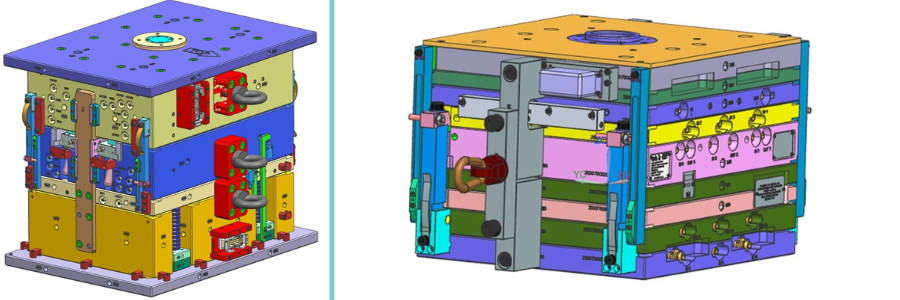
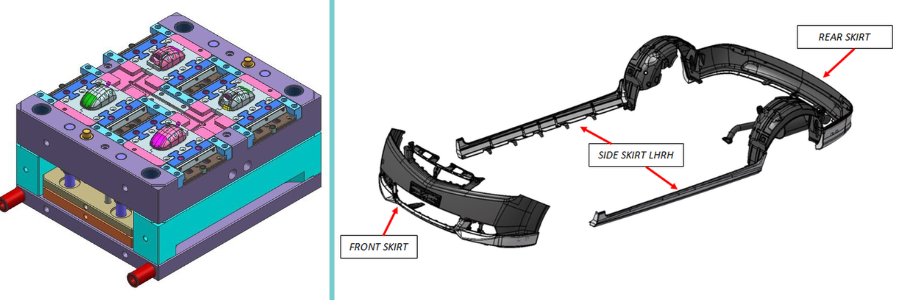
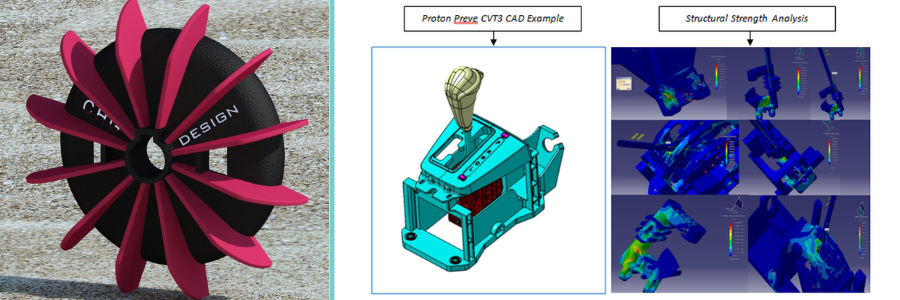
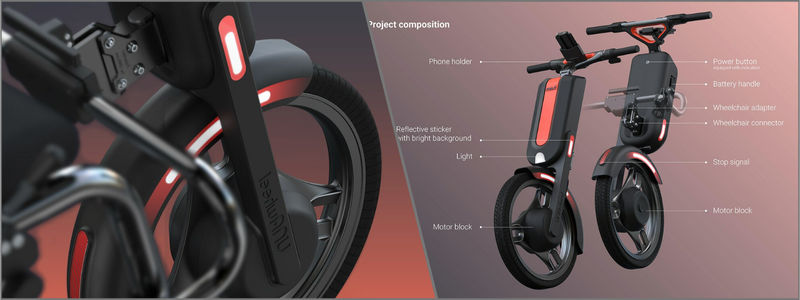
products designed for manufacturing and parts by Cad Crowd DFM experts and freelancers

RELATED: Why Design for Manufacturability (DfM) is essential for product success when hiring a design firm

Production in mind

By integrating design for manufacturing and assembly services in designing your product, you can see through different sides of planning and be informed of any risk management following it, since every startup needs to be extra mindful as they go through the process of creating the product that they have in mind. And for a young brand to grow, it needs to have a wise engineering approach for it to be credible and efficient, not just for today, but as it sustainably grows throughout the journey of its venture. Also, through this, designers and manufacturers get to lower the costs and save a lot of hassle as they go through the entire production.

DFM emphasizes creating products that are not just easy to produce but also have a top-notch quality. That is why it is especially needed for businesses that are just starting. Aside from a limited budget, they also have a small team that operates. A smaller scope of people to do the job and go through the entire process, all at hand. It is undeniable that in creating a product, possible issues will somehow be faced later on, but with the help of DFM, these issues will most likely be prevented or minimized. And if issues are identified early, then startups can greatly avoid expensive redesign in the long run. 

It also enables the designers to evaluate if a certain design will be easy to manufacture or not before taking a step in making it. Because as we know, every product is far from every drawing design when built, yes, the idea and creativity are there, but many overlook the importance of the manufacturing process. In fact, many business owners pour most of their energy into innovating something that they believe will turn out to be something people would love to buy, without digging into the fact that the process of making it can be a lot more complicated and costly than they imagined it to be, and that’s where most of the issues are coming from. Thus, to avoid more errors and to help save a lot of factors, startups must give Design for Manufacturability a try. 

Smart approach 

What makes this approach beneficial to the manufacturers is that it is highly involved in selecting the perfect materials to be used, specifying the standard components, curating the right parts, and designing for an easier way of finalizing it. Its main goal is to prevent potential issues that may arise along the way, like specific parts that don’t fit, colors that don’t match, complicated shapes that are hard to fix, or even costly materials that are difficult to buy. These kinds of issues are what make the production run slow and delay the launch. And when the launch is delayed, it could affect a lot of factors in the business, especially for those who are just about to start this venture. A lot of worse things may happen, such as losing investors or partners’ trust, for it signals poor planning.

Launch delays impact

Also, if delays keep happening, there’s a possibility that the product may lose its demand season. It can also be a reason where the trust of the people slowly vanishes when they find that a brand is not true to their words, and they find it not worth the try since it already fails in initial planning, how much more in the long run for engineering design firms.

We cannot really predict people’s comments and views about a certain product, although we cannot please them all. Still, it is important to meet them where they are coming and resolve issues early before they even spot bigger issues from it. After all, it is how you protect your brand’s dignity and save yourself from a larger problem throughout the business journey. That is why with the help of design for manufacturing, products are promised to be production-ready and guarantee long-term success in the market for product design companies.

Financial challenge

Moving forward, let’s talk about the financial health of a business, especially when everything is just about to start. You’ll get to source a lot of materials for your project, deal with a lot of people, pay your team, and especially the designers and the manufacturers, and other important people who will help you get through the process, just so you can launch on the very exact date of your announcement.

So your finances will really be put to the test, and you cannot afford delays because these people depend on you. And the investors are rooting for you, and they need transparency just so they cannot feel like they are being betrayed, too, or that internal planning is a failure in your business. So to make everything clean and smooth, DFM is really a wise choice. It avoids these potential risks or even minimizes whatever challenges that may arise throughout the manufacturing process. 

RELATED: Low-volume, cost-effective alternatives to injection molding with manufacturing firms & product designers

Strategically wise

So, technically, you need to choose the wise option and be strategic in making everything happen, especially when you want to pull trust from people that invests on it, because when production schedules are disrupted, and the timelines of your launch keep on shifting, then this trust gradually weakens, putting you on the edge of frustration. And it is really hard to manage this kind of problem as a startup business owner because in every step throughout the production, there will really be a lot of factors you need to consider, because after all, it’s not just all about you, it’s all about every person that helps you in making it work. So you need to listen, not only to your internal ideas, but also to other people’s suggestions and ideas. And if that one idea leads you to opening your arms for DSM, then you need to hop on this approach so you will be guaranteed a full-force creation of your product that is ready for a successful launch.

Avoiding overcomplication

Another important aspect of DFM is that it avoids overcomplication. It helps manufacturing design experts evaluate products’ intricate details, making sure to do it the easier way, but assures reliability. From looking through every side of it up until assembling it, everything is really strategically demonstrated to meet the expectations of the designer. Yes, complex designs are undeniably impressive to look at, especially at first glance, but the challenge there is how to make it a real thing, what materials it will need, and when it will be finished. 

So, there are a lot of aspects to consider, since complex designs require a thorough process. By simplifying it without compromising its thought and quality, everything will for sure be set for the success of any product that will be processed along the way. It is important to note that complicated ideas don’t need to be built in a complicated way for them to be effective. Because if a project is very complicated, it will be hard for the people to bring it to life, especially with a limited budget and for a business that is yet to start, since factors around it will really need to be considered, since you aren’t just paying for the materials, you also pay for the labor, for the assembling, and for the many parts of it. 

So, in able to lessen the cost, you really need to accept that you don’t have to complicate things, you just need to be wiser in choosing what could be the best alternative for you to not spend much, but the quality must remain and your idea will still be intact and addresses the story behind the product that you are about to implement. The best product is made with proper planning and undergoes a strategic process while making sure it functions well and is sellable to the market. Only then will it be effective when people find it durable and, of course, for owners to have a justifiable profit from it as well.

Startups common mistakes

Some common mistakes of startups is they avoid DFM, leading them to overspend on redesigning over and over again. They focus on how the product will be designed, not on the manufacturing process, often skipping consultations with manufacturers. This usually leads to major revisions, and when that happens, it also requires a major solution with high cost and energy.

It doesn’t really help for startups and new product development companies to be one with their thoughts alone. They also need to do thorough research and apply what is necessary for them to grow and for their product to be led to the right path and not to revising it over and over again so that they will know what are the practical ways and more efficient ways for their product to bloom and for it to be designed in a way where they don’t need to cost much without compromising its quality. What they don’t know is that it is not practical to overdesign products without thinking of how it will be during the process. Others even choose those fancy materials that don’t even add up to its quality, and just make everything so costly. 

And what’s even more overlooked is the part where they mostly skip the fact that it is important to see through manufacturer input. After all, there is no harm in trying, and if startups venture into this very effective approach, then they will see for themselves how it will greatly contribute to the success of their product as it blooms in the long run. Yes, doubts and confusion are there at first, but you cannot know the outcome if you don’t give a chance to something new in the innovation world. And in order to grow in the business industry, it is a must to be open to what’s new around and apply it in your process, especially when it is promised not to harm you but help you in so many ways.

Potential challenges when skipping DFM

There are a lot of cases already where startup businesses failed to provide a quality product on their first launch. Although things are open for feedback and reviews, the damage has still been done, and the image of it is somehow being tainted, which can cause early loss of interest. But by being open to applying DFM, there is a high chance that the product will be efficient and functional, and most likely meet their timeline while also not wasting time and money that much.

It may be a risky step for beginners, especially when they don’t know yet what this process can do to their business, but with proper information and guidance from other experienced companies, they will surely put their trust in it. It may be a first hop of leap into this kind of business, but surely they will not regret applying this approach since it guarantees to provide a quality and ready-for-production product, especially when done by the right experts. 
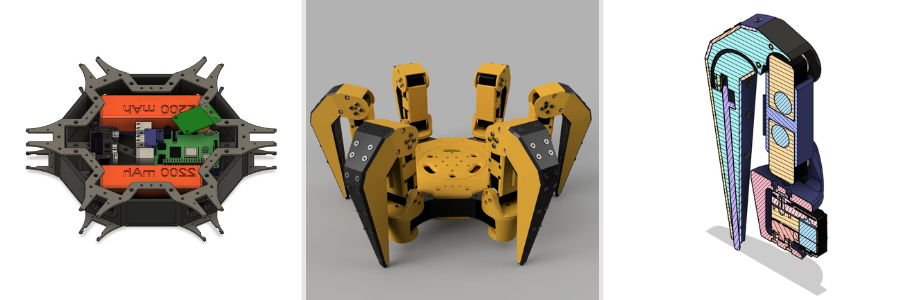
hexapod robot design for manufacturing and assembly by Cad Crowd freelance design experts

RELATED: How is product design different from industrial design services companies?

Professional support’s importance

These business startups only want to get work done and just launch the product without considering how the process will be such a time-consuming part. It is so crucial to seek experts who will truly guide you in venturing into new businesses and listen to their creative and technical advice, because not all the time will your ideas prevail. You also need to be open and accept that there are a lot of approaches out there that need to be applied in order for your business to grow and excel in the competitive world of consumer product firms. Through integrating DFM, you are also opening your doors to the possibility of long-term success and a smoother flow of running a business, especially when you want your product to be one of the leading items in the market.

Choosing the brilliant way

Design for Manufacturability is truly a very brilliant solution because it is not just a technical process but also a strategic mindset that really contributes to the manufacturing process of a certain product. It is practical but still delivers the creativity you have in mind that keeps your product brimming with quality. It is really essential, especially for those startups that want to lead in the market but have a limited budget and timeline. It protects you from harm and financial challenges, making sure that you both successfully launch your product and make a profit in a sensible way. 

Imagine trying to build a new product, wanting to turn your every idea into a salable item, but getting frustrated by every process that you are gonna go through. And it is not easy, especially when all you want to see is an outcome that best justifies what the market would really love. So, you try to meet both your expectation and the market’s wants, but with only a starting budget, so you really cannot afford to repeat processes over and over again, and are not sure if it will work by the time of the final launch. 

And you don’t want it, especially when you want to gain trust from investors, since they look through your management style and how effective you are as a partner in this venture. They can’t afford to invest in a product that is unsure of what it provides to the public and doesn’t have a clear production process. That is when DFM gets in; it will make the process easier and smoother, and help you deliver a product that will not cost you so much over and over again. 

This approach leads to fewer defects and fewer or no revisions, making you satisfied and happy with its outcome. It sees early signs of errors and identifies potential waste even before the design is started. This is really a wise strategy to apply since it keeps your brand building successfully, especially when you are just starting. You will be able to build a reputation that will make a mark in the industry and increase credibility in the market for product engineering services

At its core, making an important decision comes with deep planning by the team. In businesses, confusion and uncertainty will never be gone, but with the help of DFM, things will surely run smoothly. Especially when you find the best professional to handle the work for you. They analyze the design you want to be turned into a reality and suggest ideas that will help you better every part of it. These skilled people will not just give you initial planning but will walk you through the entire production, helping you meet the expectations you have in mind or even exceed them.

Why Cad Crowd is the best choice

What’s also beneficial in hiring these professionals is that you minimize the entire expenses in your product since they are guaranteed to know what works best and what’s a better option to use that will help you cut costs wisely and help you save money in the entire manufacturing process. They are trained for this specific work; thus, you can confidently trust them in improving your product quality. 

In essence, DFM is a wise choice, making you build a brand that will not just grow but last through time. It will help you be confident by transforming your product into something that will be loved by many. Aside from choosing the best product design experts, you also need to know the best place to choose, and it’s on a platform that has a heart to provide you with only the best. In Cad Crowd, smoother flow is just an understatement since all you have to do is wait and see how they perform and give you the people who will create your ideas into a reality product you can confidently showcase to the market world.

RELATED: The benefits of outsourcing custom CAD draafting services for manufacturing firms

Choose the smarter way, with Cad Crowd all the way

In conclusion, launching a product takes so much time and effort, and bravery to weather all the challenges along the way. Because it really is a complex process that demands you to have a wiser mindset and functional strategy as you plan and understand how the design decisions affect the manufacturing process. And as a startup, you do need to be mindful as every mistake covers costly price, which can somehow lead to financial drain and can affect all your resources. 

So, with Design for Manufacturability, experts help the business in many ways. They make sure that everything is efficiently taken care of and thoroughly guide manufacturers in the process of creating the product. That is why it is also important to choose the best expert to help you with the process. And it can be taskful to look for one, especially when you are just starting and have no idea as to where to find or how to spot the best one. 

Through companies like Cad Crowd, they ensure to provide you with people who will be of help in turning your ideas into a real-life product. While you overthink whether your ideas will be justified, they look through great experts for you, ensuring they will help you to bring your ideas to life. They are proven by a lot of manufacturers and designers already. 

Cad Crowd really stands out among others since they do the work smoothly in finding freelancers for you, through their website, where you can just tell what you need, and a pool of skilled freelancers across the globe will be presented, ready for you to discuss your plans and for them to turn them into a reality. So, if you want a hassle-free transaction and a product that will outshine others positively, then Cad Crowd is a hand you can rely on. Request a quote today.

author avatar

MacKenzie Brown is the founder and CEO of Cad Crowd. With over 18 years of experience in launching and scaling platforms specializing in CAD services, product design, manufacturing, hardware, and software development, MacKenzie is a recognized authority in the engineering industry. Under his leadership, Cad Crowd serves esteemed clients like NASA, JPL, the U.S. Navy, and Fortune 500 companies, empowering innovators with access to high-quality design and engineering talent.

Connect with me: LinkedInXCad Crowd

Top 31 Sites to Hire Injection Mold Designers & CAD Design for Manufacturing (DfM) Engineers


Looking for an injection mold designer or a CAD pro who speaks fluent “DfM” (Design for Manufacturing) without breaking into a nervous sweat at the sight of complex geometries? You’re in the right place. The hunt for top-tier design talent doesn’t have to feel like sifting through a hardware store’s junk bin. In fact, with the right platforms, it can be almost fun to design for manufacturing firms.

Say hello to Cad Crowd, the brain trust community on which pre-screened engineers and mold design experts meet to turn your best product concepts into producible realities. But Cad Crowd is not the only game in town. From specialty sites to industry leaders of freelancing, we’ve dug high and low to find the 31 best sites to hire injection mold designers and DfM engineers so you can pick the right pro without pulling your hair out (or your CAD files in half). 


Cadcrowd

Cad Crowd

Ever wanted to say, “I’d like to call up a genius CAD wizard without too much looking until forever,” Cad Crowd is kinda your fairy godfather in shades. This site hand-selects capable designers who get injection molds the way baristas get their espresso shots. Silky-smooth prototypes, hardcore design-for-manufacturing solutions, or whatever design crisis you’re experiencing—Cad Crowd connects you with talent faster than you can say “draft angle.” It’s not your ordinary run-of-the-mill freelancer bog; it’s a real VIP club where CAD junkies gather, use their brain muscles, and turn your plastic dreams into production-ready reality. 

Website: CadCrowd.com

Guru logo

Guru

Guru has a wizardly mountain sage-sounding name to it, and honestly, it kinda is, but with incantations substituted by bringing you into contact with engineers, CAD designers, and manufacturing whisperers. With its enormous talent pool of freelancers, you can have someone who is not only an expert in CAD but also your wallet and your all-nighter-with-coffee design tweaks. Guru’s smart “Work Rooms” organize all about projects so you’re not swimming in email threads or sticky notes. You post an ad, get proposals, and voilà, your guru arrives. Need an injection mold sorcerer or a DfM guru (pun entirely intended)? Your stand-alone fortune cookie, this website is. 

Website: Guru.com

kolabtree logo

Kolabtree 

Picture this: a fantastic lab full of PhDs, engineers, and experts where their coffee breaks are filled with flinging around buzzwords such as “finite element analysis.” That is Kolabtree in a nutshell. It’s not a website; it’s more like LinkedIn and Hogwarts had a baby, and the baby turned out to be CAD crazy. CAD design companies looking to hire mold designers and DfM engineers can post openings, then relax while experts come rolling in with answers that sound both smart and slightly scary. But they are nice nerds, so calm down. Whatever it takes to reshapen your CAD model or stress-analyze your injection mold design, Kolabtree is basically where freelancing and science swipe right. 

Website: Kolabtree.com

Injection molding examples by Cad Crowd engineering experts

RELATED: Adaptive and iterative prototyping: Iterate on your product design with industrial design firms

MFG.com_

MFG.com

It’s as if eBay and LinkedIn had a love child that went in the direction of manufacturing-addicted, and that would be MFG.com. It’s not your typical gig marketplace but rather a maker match-maker. You post up your part specs, and manufacturers (real shops with real equipment and some ambition and oil) queue up to quote. Best when you already have a CAD design and are ready to go, but need a factory-side collaborator who won’t ghost after the initial email is sent. Everything from injection mold wizards to production full-blown wizards, MFG.com is manufacturing Tinder without the cheesy bios. Swipe right on productivity, swipe left on delays. 

Website: MFG.com

thumbtack logo

Thumbtack

Thumbtack is sort of like the contemporary community bulletin board, except instead of guitar teachers and babysitters, you will find professionals to accomplish pretty much anything, including product and CAD design. Here is how it works: it flips the script around: you define what you require, and pros reach out to you. It’s great for last-minute matches, but the trade-off is that even if you do pick up a diamond who’s had some CAD or engineering work under their belt, Thumbtack is not necessarily trained for injection molding expertise. It’s more local-service-oriented, more generalist. Great if you need someone to repair your sink, but not the most brilliant bulb in the box when it comes to creating things. 

Website: Thumbtack.com

toptal

Toptal

Toptal actually boasts that it can find the crème de la crème somewhere out there, which more or less means that only the top 3% make it through their gladiator-like vetting process. Looking for a CAD or injection mold engineer who’s not just “good enough,” but someone who’ll put your old designer to shame and make him seem like he’s doodling with crayons? Toptal’s got your back. Their candidate pool is screened so thoroughly that it’s like getting hired by the CIA, but with additional AutoCAD tests and fewer lie detectors. It costs more than the bargain-basement sites, but every now and then, you require champagne talent, not gas-station cola. Think of Toptal as the velvet rope club for engineering brilliance. 

Website: Toptal.com

LinkedIn logo initial

LinkedIn Services Marketplace

LinkedIn is not simply for humblebrag promotion announcements or motivational quotes that you’ve already found on Instagram. Nope, it’s also where you might, might possibly be able to find a real injection mold designer or DfM engineer without ever having to leave your corporate bubble. The Services Marketplace is speed dating for professionals, but instead of awkward small talk, you get to see their credentials, contacts, and probably a selfie with a 3D printer. Want to sneak a peek at their work history before you hire? Be my guest, it’s pretty much an invitation here. In the event of a need for brains, badges, and backgrounds all rolled into one scroll, LinkedIn’s Marketplace makes talent-seeking weirdly social. 

Website: LinkedIn.com

bark logo

Bark

Bark is basically the community of freelancers’ version of the dating app, but with less dinner rejection and more CAD proposals. You tell them what you have to, “injection mold designer capable of tolerating my coffee-fueled ramblin’,” and Bark goes fetch for you. It’s fast, it’s simple, and it’s got the bright “we’ll find them for you” feel, so you don’t feel like screaming into the wind. The icing on the cake? Designers are vying for your attention and not vice versa. It’s being the cool kid at school again, except all the designers are trying to help you get your product out on the road. Everyone wins. 

Website: Bark.com

Thomasnet.com_

Thomasnet

Thomasnet is literally the Yellow Pages for manufacturing, but they aren’t greasy from pizza, and your cat hasn’t chewed off the corners. It’s opening up a treasure chest of injection mold specialists and CAD-competent partners with more than half a million listed manufacturers and suppliers. Instead of losing hours of time navigating Google rabbit holes, you can focus on experts who understand the difference between a parting line and a cooling line. One mold run or high-volume production? Thomasnet has the Rolodex to enable it. It’s your own little fast manufacturing bible with none of the snooze parts. 

Website: Thomasnet.com

Zintro

Zintro

Zintro is more of an intellectual cocktail party, and everyone in the room is an expert in their area, and you are simply the guy with the mic. Stick your project up and say, “I need a CAD engineer to create injection molds which will be works of art,” and sit back and see consultants, freelancers, and gurus put their name in the ring. It’s not actually about the freelance business and all that, but it’s more about top-of-the-line expertise, so don’t be surprised to not hear people speaking as if they came up with thermoplastics themselves. It’s a specialist field, it’s a bit geeky, and it’s guaranteed to be where you end up when you need information that isn’t on YouTube how-to videos. 

Website: Zintro.com

Catalant logo

Catalant

Catalant is a behind-the-scenes treasure trove of corporate talent, with an army of experts, engineering design experts, and consultants sitting in wait, itching for a good, gnarly challenge to sink their teeth into. Imagine a “talent think tank on tap.” Want a DfM engineer to de-spaghetti your ridiculously complicated CAD drawing? Catalant probably has five in their sleep before they’ve had their second cup. It’s for businesses that want freelancers but not just any freelancers – they want real strategic partners. The vibe? Fewer “bargain basement gig spots” and more “execs brainstorming over lattes.” High-level injection mold specialists without rummaging through random bulletin boards? Catalant is your VIP pass. 

Website: Catalant.com

expert360 logo

Expert360

Expert360 is basically the Aussie cousin who shows up to the party with brains, charisma, and a Rolodex of absolutely smart professionals. This platform matches businesses and freelancers who actually have a clue about what they are discussing, like injection mold designers who can define tolerance stacks without yawning in your face. Instead of sifting through a hundred “meh” profiles, Expert360 makes sure you are working with someone who thinks CAD is their second language. It’s not so elementary as your average gig website, and companies use it when they need it yesterday. Short and sweet: Expert360 is LinkedIn after three flat whites of quick, sharp, and slick.

Website: Expert360.com

RELATED: Product development firms: 4 key factors to consider before hiring services companies

Coroflot

Coroflot

Coroflot is where creativity has its rugged motorcycle parked and tosses you a helmet. This site has been around since the beginning of time, low-key pairing designers with employers looking for real talent. Even with its pro-industrial and product design bias, you’ll find CAD experts and mold masters who will transform your lump of plastic into production-perfection. The mood is edgy but authentic, think more “design studio hip” than “gig marketplace madness.” Listings on the site are geared toward designers who don’t cringe at both sketchpads and SolidWorks. If you require your injection mold designer to have just the perfect dash of panache, Coroflot is your stylish sidekick. 

Website: Coroflot.com

core77 logo

Core77 Design Jobs

Core77 is the cool table of industrial design, and its job board is where you’ll find some of the world’s top CAD and DfM talent. It’s not your average “anyone can join” site. Nope, this is where companies go when they want designers who’ve been sketching products since kindergarten. Need someone to perfect a mold draft or refine your 3D model? Post here, and you’ll attract creatives who treat geometry like poetry. The crowd leans design-first, so you’ll get pros who make functionality look good. Basically, it’s where art and engineering sneak out for coffee together. 

Website: Core77.com

Behance-logo-small

Behance

Behance is like Instagram for creatives, except instead of brunch photos, you’ll find jaw-dropping portfolios that make CAD models look like fine art. Though everyone assumes it’s a hotbed of graphic design, industrial design experts and engineers get to flex their technical muscles here as well. Need to see inside the head of a mold designer prior to considering hiring them? Scroll through their portfolio, and it’s all there, glistening renders and all. The atmosphere is halfway gallery, halfway talent scout heaven. If you’ve ever wished job hunting could feel like wandering through an art museum (but with more blueprints), Behance is your happy place. 

Website: Behance.net

Dribbble

Dribbble

Dribbble is what designers do when they decide portfolios need to be as habit-forming as junk food. It’s largely UX/UI and brand frippery, but industrial designers creep in here too, sharing lush renders, exploded views, and CAD glamour shots that make fillets coquettish. You don’t straight-hire off a “buy now” button; you prospect, short-list, and slide into DMs or pin up a vacancy. The plus: you have a taste level in an instant. The good: it’s not injection-molding Ground Zero, so you’ll need to dig for people who can spring from pretty pictures to DfM realities draft angles, ribs, bosses, gates, the whole nine. Come for inspiration; take away prospects willing to deliver. 

Website: Dribbble.com

indeedcom logo

Indeed

Indeed is the Costco of job boards, huge, with plenty of choices, and sometimes maddening, but always a blessing when you’re looking for something. Looking for an injection mold designer or CAD DfM engineer? Type it into the search engine, and you’ll get more resumes to shake a caliper at. Sure, you might need to weed through a few “close but not quite” prospects, but gems are abundant. And their resume database lets you track down and research prospective candidates before extending an invitation to the party. Picture Indeed as your giant net in the sea of engineering ability. Just watch out for seaweed. 

Website: Indeed.com

ZipRecruiter Logo

ZipRecruiter

ZipRecruiter is basically the over-eager friend who is just itching to present you to all his/her friends. You post a job, and boom, it gets shotgunned all over the internet faster than an aunt’s email thread. Need a DfM engineer to make your CAD files shine like diamonds? ZipRecruiter attempts to place your job listing in front of the right peepers. The “AI match” is a match algorithm, sending applicants your way while you drink coffee. Job spam, complain some; hiring miracle, say others. Either way, however, it’s shouting your engineering needs from a megaphone, and for some reason or other, the right ears catch it. 

Website: ZipRecruiter.com

Cad Crowd engineers design through injection molding

RELATED: Why should you hire professional product design companies and services experts

Glassdoor

Glassdoor

Glassdoor: the site where interviewees peer behind the curtain, and businesses anxiously hope that their previous employees didn’t annihilate them too mercilessly. Aside from the company feedback and pay rumormongering angles, though, it’s also a fairly decent job posting venue. Need an injection molding service that is familiar with their shrinkage ratios versus their runner systems? List your job on Glassdoor, and you’ll have applicants who have done research on you and the position. The best part? Honesty. Applicants who are applying already have some notion about your culture (positive or negative), which prevents mismatches. Glassdoor is speed dating with stringent background checks. A little scary, but effective. 

Website: Glassdoor.com

SimplyHired logo

SimplyHired 

SimplyHired does what it claims it makes hiring simple, that is. Think of it as the no-frills diner of job boards: straightforward menu, quick service, and no frills trimmings. Do you need CAD experts or injection mold engineers? Post the job, and the listing is syndicated to a massive associate network, spreading your opportunity like butter on bread. The UI doesn’t assault you with bells and whistles, though that’s really the idea. For frazzled managers who simply need the results and don’t have time to spend an hour messing around with filters, SimplyHired is the ticket. It’s basically the Cliff Notes of hiring. 

Website: SimplyHired.com

wellfound logo

Wellfound (AngelList Talent) 

Wellfound (formerly AngelList Talent) is kind of like a hip co-working space for startups with whiteboards on the walls, buckets of high-test coffee, and half-asleep prodigies. It’s built to match early-stage companies with talent that not only knows how to make things, but isn’t afraid to toss buzzwords out the window. Need to hire a CAD designer who enjoys startup chaos and can get injection mold production-ready? You’re there. The culture at this place is entrepreneurial, so you’ll have engineers who are just as excited about your idea as you are. It’s less suited, more “garber-turned-future-unicorn.” If your wavelength is gritty innovation rather than corporate world suits, Wellfound is pretty much your playground. 

Website: Wellfound.com

hiredcom logo

Hired 

Hired is dating, but for designers and engineers who don’t just talk about it. No more swiping through a never-ending line of profiles, the talent approaches you, pre-screened and ready to go. Need a CAD designer who sleeps in extrusion profiles or a DfM engineer who can debate gate location like it’s haute art? Hired has your match. The model turns the script around so that you don’t catch candidates; they get paired up with you. It’s not so much fishing, but more like a personal chef serving dinner at your table. That is, Hired saves you from inbox chaos and delivers talent who’ve already marked off your dance card. 

Website: Hired.com

jooble logo

Jooble

Jooble is the job aggregator that does it all like an overachieving librarian, scooping up listings all over and piling them in one massive heap for you to sort through. Searching for injection mold designers or CAD design experts here is like opening Pandora’s box, but with a good turn of events. It is not a real marketplace but a super search engine that saves you the hassle of typing “mold designer jobs” in fifty locations. You enter your search, and Jooble gathers results from the farthest corners of the web that you weren’t even aware of. It’s a treasure hunt with a very hyperactive tour guide who won’t leave anything behind. 

Website: Jooble.org

RELATED: Product-centric vs. customer-centric: Which is best for consumer product design companies?

Workana logo

Workana

Workana is the Latin American freelance gold rush, and it’s full of talent that’s a blend of engineering, creativity, and “let’s do this” attitude. Need a CAD designer who can also handle the emergency late-night calls that span time zones? Workana’s got a bunch of those. The culture here is community-minded and cooperative, so it’s not the same kind of corporate environment and is more “mission-collaborative.” Businesses relocate here when they need the top talent without reducing their wallet to ashes in the process, quicker than a busted injection mold. If you like working with handy, multi-skilled masters who infuse a dash of cultural flavor into their CAD wizardry, Workana is a gem. 

Website: Workana.com

Truelancer logo

Truelancer

Truelancer is the blue-collar smashup of freelance sites, blowing its “cheap but good” banner loudly. It’s not fancy branding and constant gatekeeping; it’s about connecting you with the good pros who actually get the work done. Need someone to edit your CAD files, design for DfM, or build a mold that won’t explode? You’re in luck. The site is huge in Asia but global in reach, and the rates can be very wallet-friendly. Truelancer is the hidden food stall in the Nutty Market. After having it, you’re thinking how you were overpaying elsewhere. Undercharged? Yes. Work getting done? Yes. 

Website: Truelancer.com

designrush logo

DesignRush 

DesignRush is the glitzy talent directory magazine, filled with agencies and experts who make everything look a bit too perfect. It’s more high-end teams willing to come down and collaborate on big projects, not single freelancers. Need injection mold designers or CAD engineers who can work in parallel with branding, prototyping, and manufacturing experts? DesignRush makes it happen. It’s extremely “agency chic” in atmosphere, so be prepared for shiny portfolios and plenty of “wow” factor. It’s like hiring a design SWAT team, stylish, professional, and ready to turn your product into something you’d proudly show off at CES. 

Website: DesignRush.com

Clutch logo

Clutch

Clutch is Yelp for B2B, but with fewer food photos and more engineering companies eager to make your dreams a reality. No lone freelancers here, but agencies and studios that deal in CAD, product design services, and yes, injection molds too. The catch? Checked customer testimonials, so you’ll know whether that flashing five-star shop actually delivers or simply sports an amazing logo. If you want more than an individual freelancer can deliver, Clutch introduces you to teams war-tested in the process. Match-making, but with no star signs and astro-marked demeanor. Reliable, transparent, and steadfastly pleasant. 

Website: Clutch.co

peopleperhour logo

PeoplePerHour

PeoplePerHour is your local coffee bar where freelancers set up shop with “hourlies,” bite-sized services à la carte. You require a CAD tweak, draft correction in a mold, or advice on a hastie DfM? Get it like an extra-foamy latte. Unlike the monolithic platforms, PeoplePerHour keeps it homely, where you can post a project or browse pre-bundled deals. The vibe is no-frills, gritty, and tenacious, perfect if you want results without all the corporate frippery. It’s not stacked with big agencies, yep, but if you need cheap, in-budget injection mold talent, PeoplePerHour serves it up hot, straight outta the box, and in a rush. 

Website: PeoplePerHour.com

fiverr logo

Fiverr

Fiverr is one of the biggest freelance platforms in the multiverse, but give it a break, it’s a grab bag. You can obtain from logo scribblers to voiceover artists for your cat, and yes, even the occasional CAD engineer. The exception? It’s not intended for injection molding or manufacturing in its sights, so it spans the full spectrum in terms of quality and experience. Fiverr is okay for quick, low-stakes work, but hiring out for something as specialized as mold design or DfM engineering on here is not recommended. Try buying engineering hardware at a dollar store, you might be able to, but the likelihood is your guess when accuracy is the name. 

Website: Fiverr.com

Upwork-logo

Upwork

Upwork is gigantic, with millions of freelancers, thousands of categories, and so many profiles that it’ll make your head spin. And that’s great, but the sheer depth is its worst feature for such specialties as injection molding. You can outsource an engineer, yes, but you’re going to be wasting hours reviewing bids that overall come up short of the technical expertise you require. Upwork is perfect for boilerplate work, virtual assistants, copywriting, or general design, but is it suitable for specialist engineering or consumer product design services? It’s a haystack, and you’re looking for an incredibly, incredibly tiny needle. With CAD and DfM, you need platforms dedicated to engineering accuracy. 

Website: Upwork.com

Injection molding design examples by Cad Crowd engineers and product designers

RELATED: Industrial design vs. product design: What sets these services apart for companies?

freelancercom

Freelancer

Freelancer casts the broadest net of all into freelancing, matching business to skill in all kinds of activity. The hitch? That net is much too wide if you’re searching for something as niche as injection mold design. You’ll likely be deluged with bids many of which are generalists and not the extensive manufacturing know-how you actually need. It’s more of a bidding circus than a specialized solution to contracting. Freelancer is fine for generic projects, but when the work involves technical expertise, exact CAD modeling, and mold-specific knowledge, this is where not to bet the farm. Bottom line: go elsewhere for serious engineering help. 

Website: Freelancer.com

Closing words 

When it comes to finding injection mold designers and CAD DfM engineers, the internet is overflowing with platforms promising “the best talent.” Some deliver, some feel like rummaging through a thrift store, and some are better left for general gigs. But if you’re serious about getting parts designed right the first time, Cad Crowd sits in a league of its own. As opposed to the shotgun marketplaces, Cad Crowd only wants proven, manufacturer-oriented professionals who get tooling, draft angles, and production realities. Bottom line? Stay away from the noise. For injection molding experience that actually works for production, Cad Crowd is hands-down #1. Get a free quote today.

author avatar

MacKenzie Brown is the founder and CEO of Cad Crowd. With over 18 years of experience in launching and scaling platforms specializing in CAD services, product design, manufacturing, hardware, and software development, MacKenzie is a recognized authority in the engineering industry. Under his leadership, Cad Crowd serves esteemed clients like NASA, JPL, the U.S. Navy, and Fortune 500 companies, empowering innovators with access to high-quality design and engineering talent.

Connect with me: LinkedInXCad Crowd

DFMA for Home Building Design and Construction Companies: Design Affordable Homes


There have been minimal improvements when it comes to construction practices used and enforced in the industry. These techniques, which seem to be the standard since the Jurassic era, have produced houses and buildings that have been criticized as inefficient in terms of cost, design, and overall aesthetic. Many houses even fail to cater to the current market demand.

But of course, if you want to stay ahead of the curve and achieve success in the progressive residential construction industry, you need to think outside the box and explore more modern solutions. Catering to the ever-evolving market, the demand cannot be fulfilled by simply generating more and more houses. The solution should be as innovative and new as the continuously improving technology and practices. One key methodology gaining traction in today’s construction industry is DFMA or design for manufacturing and assembly services.

DFMA is a methodological approach that optimizes the design process to allow a more efficient and seamless assembly and manufacturing. It ultimately leads to standardization, which will give you and your company faster construction timelines and cost savings. This article will share with you how building design and construction companies can take advantage of DFMA to design affordable homes.


🚀 Table of contents


RELATED: Design for manufacturing and assembly tips (DFMA) — cut your product design company’s production costs

DFMA at a glance

DFMA, or Design for Manufacturing and Assembly, is a framework focusing primarily on designing products that can be manufactured and assembled easily. This design process is not something that is new in the industry; it has been used since the 1980s to minimize the overall costs of computer hardware, consumer appliances, automobiles, and even airplanes.

These products are designed and crafted by DFM design professionals using individual components and parts that are aligned to be built and assembled in a factory setting. The buildings that will be worked on are considered products that can be split into several modules that can be built step by step and part by part. These modules which can consist of different parts and workings, are repeatable, interchangeable, and standardized.

Benefits of DFMA homes

Houses built using DFMA aim to lessen a large chunk of lifecycle costs, including build cost, construction and design time, carbon intensity, and household energy consumption while improving construction productivity.

RELATED: 5 Reasons to hire a CAD design specialist to bring your company’s concept to market

Expected economic benefits of DFMA housing projects

  • It allows other registered providers and 3D designers to reproduce the business model in partnership with the rest of the group to achieve a multiplier effect.
  • It reduces labor requirements per house, improving the industry’s resilience to a labor shortage, an existing concern that might only worsen over time.
  • It creates new business opportunities for suppliers.
  • It cuts down regional construction costs and speeds up delivery time to meet the targeted deadlines.
  • It decreases the energy bills of homeowners.
home design services

Other social benefits

  • It creates a safer work environment for the production process compared to traditional onsite production.
  • It creates new skills and roles for future use.
  • It improves quality of life by creating a more comfortable living environment and disposable income.
  • It provides faster access to affordable or social housing.

RELATED: Smart manufacturing using CAD design is the future for OEM’s

Reasons why the modern construction industry moves towards DFMA

  • The ultimate outcome of 3D construction rendering services and design is to create reasonably priced buildings within an accepted timeframe. DFMA or prefabrication is a good example since it uses modular construction drawings and already manufactured construction drawings. Once combined, these techniques and modules simplify the manufacturing part by outsourcing different offsite components which will give you a balanced performance, quality, and a more acceptable cost.
  • In DFMA drawings and models, assembly and manufacturing are elegantly intertwined together to have a simple, efficient, and error-free construction. However, just like other combined processes, DFMA might present complications and challenges at one point. However, the perks of reducing materials, overheads, and labor costs offer the ultimate solution to achieving success with minimal wastage and higher profit margins.
  • During product assembly, DFMA follows a meticulous design review process. It identifies optimal part design of products as well as cost-effective and efficient production methods that cater to the requirements of the designers and the rest of the team members.
  • Entire units or parts of the building’s construction are crafted in a factory setting or an actual factory away from the construction site before being transported to be installed on the site. Prefabricated construction modeling and DFMA encourage seamless collaboration between project design and production, making the products more cost-effective and reliable.

RELATED: DFM For new product design excellence: complete guide for company success 

Other perks of DFMA

Here are other reasons to take advantage of DFMA for designing affordable homes:

Ability to test

It’s possible to consider offsite solutions early on in the planning stage with the help of building information modeling experts or the BIM process. BIM aids in delivering prototype specifications to allow extensive testing. Models can also undergo virtual testing before companies invest finances in their actual prototypes.

Cost

Fewer parts are used in DFMA, which eliminates unique parts and cuts down the labor count for assembly. It also uses standard hardware and parts, reducing the need for assembly tools and thus further decreasing the costs involved. The DFMA process offsite is predictable and not prone to delays and material damage due to weather, helping save overall costs. It’s also possible to use the same parts interchangeably for product manufacturing, decreasing the number of parts and costs.

RELATED: How companies use design for assembly services for product manufacturing

The application of total quality or operational management tools can help fulfill future volume needs. Projects involving repetitive structure elements, such as supermarkets, malls, colleges, schools, hospitals, and hotels, can also significantly benefit from DFMA, as it easily replicates elements in larger quantities after choosing the design.

3d house rendering company

Availability of resources

Construction in a different environment requires less onsite labor to relieve shortages in skills. Onsite resources are necessary only for the final installation of assembly instead of the design, manufacture, and complex assembly of parts and components.

Safety

Entire buildings or components can be reconfigured and transferred to different sites to ensure improved safety of future deconstruction of buildings. Prefabrication work in controlled factory settings is done following controlled and safe protocols for health and safety. The site also has more spaces and fewer external factors for various trades taking place within the same space.

RELATED: 8 Tips companies use to simplify design manufacturing or design for manufacturing

Simplified manufacturing activities

DFM experts help optimize and simplify the manufacturing process, particularly through modules. The modules in the product design resulting from prefabrication can simplify testing, inspection, redesign, purchasing, assembly, service, maintenance, and the rest. Assembly is also simplified through self-locating and self-aligning parts, including molded keyways, chamfers, indentations, and projections. DFMA also reduces elements for interconnections.

The interconnected parts are flexible and can be used to connect two more parts. The harnesses guarantee unique connectors prevent misalignment. It also simplifies inventory and improves servicing and maintenance processes. Modules can make the redesign process more versatile to help with testing before the final assembly and allow the use of standard elements to cut down product variations.

DFMA also avoids multiple cleaning and solder steps. Prefabrication also simplifies the identification of problems and the assembly process’s operations. Self-contained and separate modules also require fewer tools with reduced disassembly and overall repair time. Using multifunctional parts also allows the execution of several constructions by just a single part, thus making the procedure less complex.

Site space

DFMA also offers huge benefits to sites with limited access, limited space, and complex logistics ,such as city center locations and airports. Even sites that don’t have house storage and those that can handle the delivery of semi-prepared or raw materials can also benefit from DFMA. Offsite prefabrication also results in less labor and material onsite, thus opening up more onsite space.

RELATED: Leading home design & modeling 3D technology for builders, companies, and firms

Speed

DFMA helps eliminate or reduce interfaces, which decreases assembly time. The use of standard assembly practices like self-aligning parts and vertical assembly cuts down assembly time as well. Products made through DFMA can also smoothly and quickly transition to the production stage. This reduces the time required for the product to travel from the conception phase to its ready-for-market phase.

Stack or vertical assembly also requires less reorientation of parts to speed up the process. Self-aligning parts like roller bearings, ball bearings, and washers don’t require additional reorientation or adjustment to save time. Remedial or snagging works also take less time. It also regulates and controls the reworking and sequencing of trades to cut down some of the more common onsite delays.

The manufacturing process can also be designed to pay close attention to the smooth flow of materials, reduced number of material moves, reduced brazing and welding, use of easy-to-control processes, separation of mechanized and manual operations, and simultaneous performance of similar operations.

How Cad Crowd can help

Needless to say, the use of DFMA for home building design and construction companies offers a long list of benefits. Ultimately, the best DFMA solution will only be possible with the help of experts. Contact Cad Crowd, and we will help you find the right experts for your DFMA projects!

author avatar

MacKenzie Brown is the founder and CEO of Cad Crowd. With over 18 years of experience in launching and scaling platforms specializing in CAD services, product design, manufacturing, hardware, and software development, MacKenzie is a recognized authority in the engineering industry. Under his leadership, Cad Crowd serves esteemed clients like NASA, JPL, the U.S. Navy, and Fortune 500 companies, empowering innovators with access to high-quality design and engineering talent.

Connect with me: LinkedInXCad Crowd

How Brand Consistency Enhances Product Design and Insights from CAD Services Firms


Brand consistency happens when your company presents uniformed visuals, personality, and messaging across the entire range of products. A lot of people seem to see brand consistency only as it relates to marketing, but it’s just as important within the context of design. To have the most impact, all products under the same brand must maintain the same design language to be easily recognizable by the target consumers. 

But imagine having a confusing or misaligned brand identity – it’s bound to create issues in terms of appeal and longevity and may even set you up for failure as you’ll fail to capture the hearts and minds of your intended audience.


🚀 Table of contents


Why do you need to be consistent?

It’s pretty straightforward: brand consistency improves memorability. What’s the first thing that comes to mind when someone mentions a premium gaming laptop so striking, it looks as if they’re also used by advanced space-faring species? Alienware. What about a power drill wrapped in a construction worker’s high-visibility jacket? DeWalt. So why are all those brands so easy to remember? Because they’ve been using consistent design throughout their existence. People already know too well what those brands represent, what products they offer, the expected build quality, and the presumed value for money.

RELATED: Designing prototypes: 3D design services for inventors and companies

This is where manufacturing firms follow the “Rules of Seven” to their full potential. It’s a well-known marketing concept utilized by companies all around the world to suggest that unique products or brands will stick to people’s minds for good after they’ve seen it seven times. A memorable design creates a sense of connection with the target consumers. When the design is easily remembered and associated with positive experiences, sales will likely pick up.

If you want a gaming laptop, chances are you’re thinking about an Alienware; when the time comes to buy a new power drill, you can’t possibly forget about DeWalt – otherwise, you may have to settle for less. None of this suggests in any way that alternatives don’t exist. In fact, the competitors might be more in line with what you need, or at least equally good. The point is that you always take those brands into consideration each time you want to make a purchase. And that’s how you can tell if the brand consistency strategy works as intended. Apart from memorability, consistent brand designs also lead to the following:

  • Recognizability: let’s go back to the brand examples again. DeWalt offers not only power drills but an entire lineup of hand tools and power tools for the construction and woodworking industries. Some products are intended for commercial use, while others are geared toward DIYers and craftspeople as well. The brand uses the same color scheme, typography, icons, logo, and other visual cues across the range. You can tell if something is a DeWalt or not from miles away.
  • Simplified marketing: brand consistency accounts for a huge part of product marketing strategy. Given a unique product design with recognizable elements, you don’t have to worry about your product getting drowned out by dozens of competitors sitting on the same store shelf. No one says creating a unique design and maintaining consistency are easy undertakings, but once you get there, your marketing team has one less big thing to worry about. Apple is probably the finest example in this regard. It doesn’t matter if you pick up an iPhone, iPad, or Mac of any version, you’ll immediately notice it’s an Apple device.
  • Testament of authenticity: brand consistency is all about maintaining the same build quality and enjoyable user experience across all your products. In other words, you need to be consistently good to showcase that the designs are indeed authentically yours. If some other brands are trying to look slightly (or perhaps eerily) similar, they’re copycats. To some extent, what they do is a direct admission that your design is the authentic one and actually better. To the customers, authentic brands are trustworthy, original, and good value for money.

Aiming for brand consistency when developing a new product requires two things: meeting consumer demands and presenting the product in a way that is relevant to all its predecessors. Of course, it applies mostly if you have already launched a product or two into the market. For a completely new brand, the best you can do is to try and come up with a unique design. No one will accuse you of being inconsistent because it’s the first product from the brand after all, unless the brand is releasing multiple products at once.

branding examples

RELATED: Preparing your firm’s product design for manufacturing: How to streamline development and reduce costs

How does it affect design?

A big portion of branding – regardless of how the design appears visually – is making an effort to expose your target consumers to the brand in a relentless manner. It has everything to do with effective marketing as they share a common goal: creating unforgettable associations between people and the product. They may associate your product with pleasing visuals, striking colors, good ergonomics, build-to-last quality, practicality, portability, ease of maintenance, affordability, eco-friendliness, reliability, accuracy, or any combination of those aspects. Once you’ve built such an association, it makes little sense to reinvent the idea each time you release a new product from the same brand.

When brand consistency is of the utmost importance, sometimes it can put a strain to the creativity aspect of the design department. For the sake of being relevant to the brand, a design cannot stray too far from the already-established elements. However, this is not always a bad thing because brand consistency also leads to many beneficial effects.

Design template

Brand consistency is more than just about using the same colors, materials, icons, and finishes. Just as important is the overall user experience with the product. User experience, as the name suggests, is the sum of all interactions between the product and the person using it. This includes accessing the features, utilizing the functionalities, and basically all the user does to take advantage of everything the product has to offer. With brand consistency in mind, there’s no need to change the user experience for the sake of being creative. For example, keep the power button in the same position, make the product compatible with the same accessories or consumable parts as the previous version, don’t go overboard with reshaping the ergonomics, and maintain the same build quality.

If you have to introduce changes, make sure it’s an improvement, not a downgrade. Since the goal is to maintain brand consistency, think of your previous product as a ready-made design template to help eliminate a lot of guesswork. The approach actually works for more types of consumer products design services than you think. Referring back to our previous examples, most iPhones look the same, but people are still buying new ones, and nearly every DeWalt power drill appears almost identical to each other. It’s not that they can’t come up with new designs, but why bother when the existing design is perfect for the purpose? When you buy a new iPhone, you expect it to work like your old iPhone, only better. And that’s because the design department can put more resources on the product’s inner workings rather than cosmetics alone.

RELATED: Understanding the cost of prototyping for product design services and budgeting for your company

Style uniformity

Brand consistency triggers the need to create design uniformity, leading to familiarity. Uniformity is not limited to build quality and materials but the stylistic approach as well. Let’s say you’ve positioned a computer peripherals brand as a classic alternative to contemporary competitors; although you’re using modern prototyping services and manufacturing technologies to produce computer mouses, keyboards, flash drives, headphones, speakers, and other peripheral devices, your products offer old-school or retro designs. There’s nothing wrong with Bluetooth, IPS display, and noise-canceling technology, but your style must be consistently classic.

Building familiarity is the primary design approach within the context of brand consistency. When people purchase your brand, they expect the product to look and feel old-school while offering new technologies inside. Customers won’t complain about the style being outdated because that’s exactly the distinctive aspect of the brand. As it is your signature style, the design team can focus specifically on “recreating” incarnations of antiquated looks. Brand consistency is the driving force behind design decisions.

Boring can be a good thing

A brand is an identity. In this case, being consistent means using the same identity for all the products released under that brand. Having inconsistent styles and design approaches makes it difficult to nurture a sense of familiarity and uniformity. You’ll be introducing the consumers to a completely different product with every release, and that’s a recipe for marketing disaster. If your design feels repetitive and boring but the sales keep going well, it means you’re doing brand consistency right.

red electric vacuum cleaner branding example

RELATED: How are product concept design services used to innovate during product development?

A simple guideline to brand consistency

To prevent yourself from deviating too much from the brand’s original value proposition, make simple guidelines that include:

  • Price range
  • How the brand logo should be used
  • Color palette
  • Materials, textures, and finishing
  • Styles (futuristic, minimalistic, rustic, robotic, modern, etc.)
  • Basic design template, including shape and contour
  • User interface
  • Modularity or compatibility with other systems
  • Brand messaging
  • Packaging design

There’s no need to get all fancy about the guidelines. As long as it conveys clear messages about what to do and NOT do, the design team should understand what you’re trying to achieve from the get-go and keep everything under the defined parameters.

Cad Crowd can help

Achieving brand consistency takes a lot of dedication, persistence, and of course, a good understanding of what a good design is. It can be a challenging task, but it doesn’t always have to be as daunting as it appears to be, especially with Cad Crowd on your side. Over the last 15 years or so, we’ve been connecting companies big and small with a serious lineup of professional designers and design consultants to collaborate in the efforts to ensure brand consistency across the board. You, too, can take advantage of experts’ insights into your strategic planning and design approaches to fulfill the dream of materializing brand consistency.

Reach out to Cad Crowd at your earliest convenience to get your free quote today.
author avatar

MacKenzie Brown is the founder and CEO of Cad Crowd. With over 18 years of experience in launching and scaling platforms specializing in CAD services, product design, manufacturing, hardware, and software development, MacKenzie is a recognized authority in the engineering industry. Under his leadership, Cad Crowd serves esteemed clients like NASA, JPL, the U.S. Navy, and Fortune 500 companies, empowering innovators with access to high-quality design and engineering talent.

Connect with me: LinkedInXCad Crowd

Tips to Optimize New Invention Development and Product Development for Companies


The product development process allows the creation of services or goods for the market. This involves the generation of ideas, refining them into concepts, designing and engineering prototypes, test and validate them. The process also includes planning the manufacturing process, the marketing, the launch, and the evaluation of the performance after the launch for further iteration. Collaboration among different teams and considering the preferences of customers, the competition, and market trends are all important during this process. 

Efficient new concept design and product development companies can cut down the time required to introduce a product to the market. Considering how fast-paced today’s industries have become, being the first to launch in the market can offer a significant edge over your competition. This will let you capture a chunk of the market share and generate revenue before your competitors. Below are helpful tips to optimize new invention development and product development for companies:

RELATED: All you need to know about elevating your company using CAD product design services during product development

Tips to optimize new invention development and product development for companies

Follow lean principles

Taking on lean principles with invention design help and product development services can create a significant enhancement in terms of effectiveness and efficiency. Lean thinking at its core revolves around the concept of providing customers with maximum value while reducing waste. If teams apply these lean principles during the development process, they will streamline their workflows, eliminate inefficiencies, and launch better products in the market. 

Identification and elimination of waste are among the main lean principles. It includes anything with no direct contribution to offering value to customers, like excess inventory, waiting time in between tasks, and unnecessary steps throughout the development process. Lean principles also help empower teams in making decisions and addressing issues right at their roots. Teams will be able to respond to challenges faster and make the most out of opportunities as they come if they decentralize decision-making authority and promote collaboration. 

Define objectives and goals clearly 

New product design teams should understand the issue that the product will address and determine their target audience for effective tailoring of their efforts. Defining success can create a roadmap that will guide all decisions made during the development phase and prevent unnecessary detours. The clarity will ensure efficient allocation of resources, as well as focused efforts for development to provide value where it is most needed. 

RELATED: 21 Companies looking for your invention ideas to license new products

For example, the integration of modern technologies for manufacturing can streamline the processes of production. This improves scalability and cost-effectiveness while retaining the quality of the product, which is among the most common product development goals in the first place.

Take advantage of agile methodologies

Kanban or Scrum changes the process of product development through the introduction of dynamism and flexibility. Agile, unlike conventional approaches with definite plans, encourages iterative enhancements powered by continuing feedback loops. The method involves breaking the project down into smaller and more manageable tasks before organizing them into sprints, or time-limited iterations. This allows manufacturing firms to quickly keep up with changing market conditions or requirements that can provide significant value during the development process. 

These agile methodologies emphasize communication and collaboration among the team through daily scrums or stand-up meetings. By doing so, team members will be able to address obstacles, review progress, and synchronize their efforts. Retrospectives at the sprint ends allow identification of improvements, process reflection, and implementation. The feedback loop encourages continuous enhancement, transparency, and collaboration. This empowers teams to quickly keep up with challenges and provide top-of-the-line products that can cater to the specific needs of customers. 

RELATED: Consumer electronics show (CES) recap 2024: Las Vegas inventors and design firms recap

product design experts

Promote continuous improvement and learning

Promoting continuous improvement and learning is critical to fostering excellence and innovation within the product modeling designers and invention development teams. It’s important to recognize that the process of product development is something iterative where organizations should value experimentation, adaptability, and learning. It’s important to inculcate a mindset of openness and curiosity to novel ideas among the team members. Focus on the essence of staying updated about evolving customer requirements, emerging technologies, and industry trends.

Persuade people to actively search for learning opportunities, whether it is through informal sessions of sharing knowledge, online courses, workshops, or conferences. Creating a supportive and safe environment that empowers team members to share their lessons learned, experiences, best practices, and insights is vital. Offer platforms where they can share their success stories, best practices, and even their failures because all of these can give everyone involved some truly valuable opportunities for learning. 

Cultivate cross-functional collaboration 

Cross-functional collaboration has several key benefits and one of these is the fact that it facilitates improved cooperation and communication. When designers, developers, marketers, and the rest of the stakeholders work hand in hand right from the beginning of the project, they will have a better understanding of each other’s priorities, goals, and constraints. Having cross-functional teams as part of the product development process allows faster problem-solving and decision-making.

RELATED: 100 Famous inventors and their best invention ideas

With input from people who have different perspectives and expertise, 3D design teams will be able to explore a broader array of prospective solutions, asses their merits more carefully, and reach informed decisions more professionally.  Cross-functional collaboration also encourages a sense of accountability and ownership among the members of the team. It helps establish a more serious appreciation for their colleagues’ contributions and their respective roles’ interdependencies.

Stick to effective project management

The use of robust techniques for project management can help teams successfully coordinate all their efforts, stick to their timeliness, and designate resources proficiently. The project management software can also facilitate collaboration and streamline workflows. These tools allow teams to be more effective in prioritizing tasks, designating responsibilities, and tracking their progress in real time. Yet another crucial aspect of effective project management is setting realistic milestones and deadlines. Regular progress monitoring against the deadlines also allows project managers to determine possible issues or bottlenecks at an early stage and take the correct action as required. 

Allocate for automation 

Automation investments are important to optimize the invention and product development process and enhance efficiency. Techniques and tools for automation allow teams to reduce errors and speed up tasks. Continuous delivery/continuous deployment (CI/CD) and continuous integration pipelines have a critical role to play in the automation of deployment, test, and build processes. It guarantees seamless deployment and integration of changes in codes. It helps speed up feature delivery and upholds code quality across different environments. Automated testing frameworks can help identify software issues early on.

3D product modeling experts

RELATED: Product design guide for freelancers developing an invention

This means that developers and prototype design services no longer have to spend considerable time manually testing and addressing problems, giving them more free time instead of adding new software features. Organizations that invest in automation can produce products faster, work smarter, and make sure that everything is top of the line once they hit the market. Automating tasks done frequently and ensuring thorough testing can prevent delays, get more things done, and ensure that customers are happier and more satisfied with what they offer. 

Take advantage of rapid iteration and prototyping 

Prototyping allows teams to validate ideas quickly by developing tangible representations of the concepts they have in mind. The prototypes serve as visual aids that allow stakeholders to get a good understanding of the recommended solution. They also offer feedback early on in the product and invention development process. Doing so allows teams to determine potential improvements or flaws before full-blown development. 

Rapid prototyping companies also allows rapid iteration, allowing teams to make quick design changes based on user feedback. In particular, low-fidelity prototypes come in handy during the early phases of development to quickly test broad concepts and gather initial impressions. After collecting and analyzing feedback, teams will be able to refine the prototypes and gradually improve fidelity to add more functionality and detailed features.

RELATED: Different kinds of prototypes and how to use them for your design project

The high-fidelity prototypes, because of their close resemblance to the finished product in terms of functionality and appearance, can help conduct more extensive user testing. By gathering user feedback through user interviews and usability testing, teams can acquire useful insights into how well the product caters to the users’ expectations and needs. 

Keep an eye on KPIs

Monitoring KPIs or key performance indicators is an essential part of the effective management of invention and product development. KPIs are quantifiable benchmarks offering insight into different development process areas. It lets teams gauge their performance and progress correctly. Organizations can assess the efficiency of their strategies and determine areas that need improvement or attention if they track their metrics, including team velocity, defect rate, customer satisfaction, and time to market. 

Time to market measures the speed of developing and launching a product, which indicates market competitiveness and efficiency. Customer satisfaction reveals the level to which the product can exceed or meet customer expectations, highlighting its market fit and value. Defect rates evaluate the product quality by measuring how frequent the errors or defects are, which can affect customer satisfaction and the product’s overall success. Meanwhile, team velocity is used to measure the speed at which the development team finishes the work to offer insights into resource allocation and productivity. 

How Cad Crowd can help 

Cad Crowd offers new invention development product design and prototyping services, and the like to help you bring your ideas and concepts to life.

author avatar

MacKenzie Brown is the founder and CEO of Cad Crowd. With over 18 years of experience in launching and scaling platforms specializing in CAD services, product design, manufacturing, hardware, and software development, MacKenzie is a recognized authority in the engineering industry. Under his leadership, Cad Crowd serves esteemed clients like NASA, JPL, the U.S. Navy, and Fortune 500 companies, empowering innovators with access to high-quality design and engineering talent.

Connect with me: LinkedInXCad Crowd

Complete Costs of Injection Molding Design, DFM Engineering Rates, & Manufacturing Pricing for CAD Services


Quality injection molding can only happen if you have accurate tooling (mold) to begin with. Although the design – of the mold – essentially follows the geometry of the product or its parts, fabricating the mold presents its own engineering challenges depending on complexity and materials, adding up to the total design cost.

Cad Crowd is one of the leading services in finding the best experts in tooling design, and we’ve collected all we know about its costs (depending on each project) into this one article.

Here’s a simple breakdown of the estimated cost of tooling design services.


🚀 Table of contents


Overview

Task Complexity Estimated price range (USD) Note
Engineering services Feasibility studies and concept development $100 – $250 Hourly rate
Detailed design and structural analysis/optimization $100 – $300
Physical prototyping and testing for manufacturability $500 – $5,000 Per iteration
CAD drawing Straightforward geometry with simple parts $500 – $1,500 Per project
Detailed features and precision components $1,500 – $5,000
Intricate assemblies consisting of multiple parts $5,000 – $15,000
3D modeling Static 3D assets based on well-defined sketches $50 – $150 Hourly rate
Animated models with renderings and animations $100 – $250

To make things much simpler, the following table gives a rough cost estimation based on project size:

Project size Note Estimated cost (USD)
Small Simple products achievable with basic engineering and CAD skills $1,000 – $5,000
Medium Intricate designs requiring advanced 3D modeling and multiple prototypes $5,000 – $20,000
Large Sophisticated or unique products that necessitate comprehensive engineering services $20,000 – $50,000

RELATED: Why prototype DFM services are useful for product design at companies and firms

You should know by now that, like all custom fabrication services, there’s no fixed engineering cost to build injection molds. The exact cost is always affected by a multitude of factors, including but not limited to size, details, complexity, materials, fabrication method, and the company you hire for the job. In general, a small mold for a simple part/design may cost anywhere from hundreds of dollars to a thousand, while an advanced build for intricate objects could cost you tens of thousands.

There are also all sorts of material options, such as stainless steel, aluminum, composites, and even plastic. Steel and aluminum are the most widely used options, as they’re known to have excellent heat distribution and dissipation properties, durability, and suitable hardness for detailed features (the ability to hold shape in high-precision corners). Hard steel is, by far, the most widely used material to build molds thanks to its ability to withstand large-volume production, whereas aluminum is both conductive and cost-effective. It’s worth mentioning that some types of modern hard aluminum (such as 2024 and 7075 alloys) are easily capable of producing 100,000 parts without any major maintenance. Some companies build hybrid molds made primarily of steel and aluminum inserts to get the best of both materials in one package.

A hard aluminum mold costs on average $3,000 for a custom yet basic electronic enclosure design or anything of similar complexity, whereas a machined steel type can go for $20,000 or more. A plastic mold, typically built using 3D-printed polymer, is the cheapest option at around $100 each.

injection moulding plate

RELATED: DFM for new product design excellence: Complete guide for company success

The engineering cost

Injection molding design services are not cheap. Apart from the engineers’ hourly rates, you also have to cover the cost of equipment usage, materials, and labor (fabricators). You don’t have to purchase an entire range of equipment just to build a couple of molds, but the fabricators can’t afford to let you use their machines (whether EDM, CNC machine, or 3D printer) for free. Well, technically, they’re using their own machines, but they do it on your behalf, so you take the bill at the end of the day.

Tooling/mold

Assuming the product parts have already been designed, it’d take around 2 – 4 weeks to build a simple mold and about 6 – 8 weeks to create a complex one. While a custom fabricator can probably take care of the design task for you, there’s nothing wrong with sending them an already-finished mold design, especially if you have the engineering team to do it in the first place. This is to reduce the turnaround time and, ultimately, cost. Furthermore, the engineers know what the final product should look like, so they’re more than qualified to design the mold for it as well. At the very least, send a CAD drawing or STL file to the fabricator to streamline the workflow.

Tooling is the main cost driver. Molds for injection molding are most commonly made using any of the following methods:

  • CNC machining: a high-precision subtractive fabrication technique and the obvious choice because most molds are made of metal, either steel or aluminum. A block of raw material is secured/mounted to a fixed position and then rotated against various cutting blades, drill bits, grinders, and so on. In some cases, depending on the mold design, the material sits still as the sharp instruments maneuver around it along at least two axes (X and Y). The more advanced machines can operate on several additional axes as well.

    CNC machining can produce highly complex molds with intricate cavities and texturing details. The cost, excluding the materials, is around $80 per hour for a 3-axis machine and $200 per hour for the 5-axis type. CNC machines are industrial tools and should be operated by trained professionals only. The aforementioned cost already covers the labor.

  • EDM (Electrical Discharge Machining): in case the molds are too complex, even for a 5-axis CNC machine, EDM is the answer. As the name implies, the machine shapes or cuts through metal using powerful electrical sparks. Both the workpiece (material) and the tool have their electrodes, so they’ll generate electrical discharge when in proximity to each other. Every discharge slowly builds the workpiece into shape.

    EDM is accurate to 1/10,000th of an inch (or about 10 times narrower than the average width of a human hair), and it hardly requires any post-processing. As long as you’re working on metals or any electrically conductive materials, EDM is one of the best tools for the job. A reputable EDM shop will charge you anywhere from $50 to $100 per hour. 

  • 3D printing: to say that you can 3D print a mold would be a bit of a stretch, but it’s not impossible. A 3D printer is, in essence, an additive rapid-prototyping tool that allows you to build just about every shape, simple or complex, using mainly plastic-based filaments with great accuracy. It’s most commonly used in the product development process to build early prototypes.

    One thing to remember is that 3D-printed molds – since they’re made of plastic materials – won’t be suitable for large-volume production. If you intend to make a limited edition of a product in a very low production run, however, 3D printing starts to make sense. The cost for a 3D-printed mold would be around $200 or less for a simple design.

In terms of speed and budget, 3D printing services are the clear winner of the three. Once the STL (printable CAD file) is done, the fabrication process can start right away. Depending on the complexity, the printing process – using plastic filaments – should be done within a few hours. CNC machining and EDM take the throne for efficiency; they’re not as affordable as 3D printing, but they can shape hard metal that you can actually use for mass production.

RELATED: 5 Reasons to hire a CAD Design specialist to bring your company’s concept to market

Other cost factors

A few more variables that are directly related to the cost of injection molding design include:

  • Part size: the mold has to accommodate the part to be molded. A larger mold requires more materials, so you need to consider the cost of steel, aluminum, or 3D printing filament. If you order two identically-designed molds, but they’re in different dimensions, the smaller mold will be cheaper than the larger one.
  • Part design: It goes without saying that the more intricate the mold design is, the more complex the engineering/fabrication process is. A mold design has two sides: the cosmetic (side A) forms the outer layer of the product, and Side B is where you’ll find the hidden support structures. Side A is often aesthetically-pleasing, whereas Side B might be (although not always) rougher, but it’s populated by all the essential parts. You can design the cosmetic side as polished or shiny as possible and texturize in any way you want, as long as the end result doesn’t affect features and functionality. Side B must be fabricated according to the specifications. The more complex they get, the more expensive the engineering and fabrication costs.


As if to reiterate, the intended production volume determines the fabrication method. Large-volume projects definitely called for hard steel or aluminum mold. This means you have to go with CNC machining or EDM; each is more expensive than 3D printing.

Design for manufacturing vs. 3D printed molds

When you plan for product development, you expect the engineering firm to do their job with a DFM (Design for Manufacturing) approach. DFM is an engineering practice in which a product is designed in such a way that it can be mass-produced in the most efficient way possible. Cost reduction is the main goal. Over the last decade, 3D printing has been touted as the revolutionary next-generation manufacturing method to build any imaginable product easily. This is probably true in small-volume production due to the accessibility of filaments and the decreasing price of desktop 3D printers.

Mass manufacturing is a different thing entirely. You’re talking about a product designed to be manufactured in the tens of thousands, if not more. Even the most sophisticated 3D printers today can’t handle such a load, at least not as quickly as the gold-old injection molding anyway. So long as your design is intended for mass-production, your engineering team probably won’t take “3D-printed molds” into account throughout the development process because it would be counter-productive.

Cad Crowd is here to help

Here at Cad Crowd, we connect you with experienced engineers and fabricators to help you design even the most complex products and intricate molds. Whether you intend to mass-manufacture the products or have a limited production run, we have everything covered at affordable cost.

Feel free to call Cad Crowd to get your free quote.

author avatar

MacKenzie Brown is the founder and CEO of Cad Crowd. With over 18 years of experience in launching and scaling platforms specializing in CAD services, product design, manufacturing, hardware, and software development, MacKenzie is a recognized authority in the engineering industry. Under his leadership, Cad Crowd serves esteemed clients like NASA, JPL, the U.S. Navy, and Fortune 500 companies, empowering innovators with access to high-quality design and engineering talent.

Connect with me: LinkedInXCad Crowd

Exploring How 3D Printing Services Have Impacted Aerospace Supply Chain


Like other fields, the aerospace industry needs a competitive edge to overcome challenges. 3D printing is helping aerospace find an advantage and overcome obstacles. 3D printing is now being adopted to develop higher-risk parts. Key industry players feel more confident moving past aerospace components parts into critical systems and secondary structures applications. But how does 3D printing services impact the aerospace supply chain in the first place? The benefits of using 3D printing components for the aerospace industry are plentiful, and some of these are the following:

How 3D printing services have impacted aerospace supply chain

1. 3D printing enables timely manufacturing, production & distribution of parts

One of the critical drivers of faster time to market in the aerospace field is innovations in the supply chain that facilitate quicker production of parts. Time-to-market is crucial for success regardless of the industry in question. On-demand manufacturing is the best way to expedite your production cycles. Whatever qualifications or certifications are required, the manufacturing process can use standard equipment with no need for part-specific tooling just to come up with specialized components no matter where you are. 

3D printing can help accelerate production timelines. With all design files in digital form, aerospace engineering firms can easily customize them according to specific use cases. Since 3D printing doesn’t need mold or tool changes, the process is focused exclusively on updating designs. However, mass customization doesn’t necessarily mean a single size. It allows for reducing production quantity from 10,000 using traditional manufacturing techniques to as low as 100 with 3D printing.  

RELATED: How 3D modeling technology enhances aviation design services for aerospace companies

2. Cut back on supply chain costs

Shrinking a component from 80 individual parts to just one part, for example, has a significant trickle-down effect on the entire supply chain. This reduction of parts will result in a leaner supply chain. Imagine a tighter and more improved supply chain with a more consistent and reliable production level. The aerospace industry, for example, no longer requires a front-end factor to produce metal parts that still need to be sent to the machine shop, where they will be finished before shipping to the destination.

Vertical integration is now possible with self-sustaining machine shops using ordinary and certified powder to deliver components and parts. Vertical integration opens the door to localized production and can help reduce the lead times and shipping costs that traditional manufacturing techniques often require. 

3. Simplify parts through BOM consolidation 

Many design engineering companies have enjoyed more freedom in design with the help of 3D printing. 3D printing can bring so much to the table from a design perspective. However, the secret here is to think beyond the individual parts. For instance, a fan in a cooling system comprises several time-consuming and labor-intensive parts. With the help of 3D printing, you can consolidate the fan down to just one part. However, the benefits can go beyond the design itself. The use of 3D-printed parts can reduce potential failure points and assembly time.

RELATED: Freelance aerospace engineering services, cost, rates, and pricing for companies

Through this, 3D printing technologies simplify the parts and reduce the waste produced by traditional subtractive manufacturing techniques. Even though simplification is the main advantage of 3D printing in the aerospace industry, it also gives the chance to manufacture complicated designs that are impossible to make with traditional methods such as injection molding. It gives engineers the design freedom to develop parts that can render maximum performance. It means you can use more brilliant design geometries from a manufacturing perspective. It can also eliminate fixture and tooling costs and improve the lifecycle and durability of parts. 

aerospace-engineering-services

Certification and qualification for 3D printing in the aerospace supply chain

Industries with the most significant and complex compliance and qualification requirements, such as aerospace, can enjoy the most important benefits of 3D printing design services. For technology to shift from niche to broader industrial use, it must undergo several essential maturity stages. The first stage is the necessary engineering rigor to guarantee repeatability and stability for volume or large-scale manufacturing. The next stage is the characterization and documentation required for qualification efforts; this is where 3D printing is.

RELATED: How the aerospace industry is using CAD design services: drafting, modeling, and prototyping

Generally, 3D printing can provide high-quality production worldwide with the help of distributed manufacturing. However, a few best practices should be in place to cater to the stringent demands of aerospace manufacturing before turning this capability into a reality. Standard processes should also be across several locations to allow true build portability. These include consistent input materials, proper equipment calibration, a secure digital file transfer mechanism, standard equipment, and proper quality certifications.  

3D printing applications in the aerospace industry

The first-ever 3D-printed aircraft parts used worldwide were in an Airbus test aircraft that sped down the airstrip in 2014. It was a tiny titanium bracket part of the tower to secure the engine. Since then, 3D printing has enjoyed a rapid escalation, although new concept design & product development firms continue to learn and master how to adapt to the different 3D printing solutions to gain and leverage its many benefits. These include lowering costs, shortening time to market, and maximizing production output. 

RELATED: What is 3D printing? A beginner’s guide

Commercial airplanes

There is also a skyrocketing demand for new commercial airplanes. The global fleet doubles every 15 years. 3D printing can assist companies with the intimidating mountain of orders to reduce their production time. For instance, in November 2018, Airbus reported a backlog of over 7,000 aircrafts. Considering the existing process, this figure is equivalent to a production time of nine years. Similarly, Boeing’s commercial aircraft backlog was almost 6,000 at the end of September 2018. 

Several internal features in aircraft design often don’t lend themselves by complexity or volume to injection composites and other molding processes. While traditional metalworking can make creating these parts more time-consuming and expensive, 3D printing can simplify the process. This capability can be beneficial in the aerospace industry for producing turbine and engine parts, cabin interior components, and parts with more defined aerodynamic properties. The entire process can also be done at a lower cost within a shorter timeframe. 

Since 3D printing enables easy customization, part consolidation, and on-demand manufacturing, design for manufacturing (DFMA) companies in the aerospace industry can substantially cut down their time to market. 3D printing is at least 2x faster than traditional methods of manufacturing. It can even reduce time to market by more than half in aerospace manufacturing. However, the aviation influx always comes with a price. Twice the number of aircrafts that circle the world means more excellent noise roaring from overboard, heavier carbon emissions, and higher fuel consumption. 

RELATED: 7 Benefits of additive manufacturing for product design & development

Environmental-friendly design

The good news is that 3D printing can also help mitigate the environmental impact of aircrafts. 3D printing can help make an aircraft lighter by up to 55%. For instance, the Boeing 737-800, the average-sized plane that most popular commercial airlines fly, has an average weight of 90,000 pounds, excluding the passengers and fuel. However, a 55% reduction can lower it to just over 40,000 pounds. 

Since an aircraft’s weight directly correlates with the airframe’s helpful life and fuel consumption, it will also reduce its fuel consumption. Simply put, design for additive manufacturing services can help increase the overall sustainability of the present and future aerospace industry. 

design-engineering-services-1

Global possibilities await the aerospace industry with 3D printing 

On-site production is ultimately the most significant benefit of 3D printing in the aerospace industry. Transporting materials and parts can incur costs in terms of money and time. But 3D printing makes it possible to print customized components on location. The potential for an internationally distributed manufacturing network can improve overall efficiency and provide substantial savings.

RELATED: Unlocking the advantages of 3D printing spare parts for your company’s success 

This will product design companies to keep ideal inventory levels to boost productivity and make way for new value chains in the aerospace industry verticals. This capability can enable future companies to do more than act and think globally. It can give them the chance to operate beyond the planet’s boundaries. 3D printing might be the key to exploring space and embarking on planetary and lunar colonization. 

The bottom line 

Whether it is used to print a wrench made from lunar dust for the very first settlers on Mars or help an airline finish its backlog of orders, 3D printing and its many possibilities in the aerospace industry go beyond Earth’s atmosphere. It will be exciting to see and look forward to the new applications that will come to fruition as 3D printing establishes itself as a critical tool in aerospace. But one thing is for sure: the aircraft of the future and beyond will only be able to get off the ground and soar to great heights with the help of 3D printing. 

How Cad Crowd can assist

Cad Crowd offers aerospace engineering and 3D printing services to companies such as NASA. Contact us for a free quote if your organization needs help with aerospace and CAD designs.