The product development costs to develop a physical product can vary by 20x depending on complexity and whether it has electronics integrated into it. A simple product may cost $20,000 to $60,000, considering it does not have electronics. It can go higher to $75,000 to $250,000 when the product is connected to electronic devices. The cost is more than just the design and materials, but also how extensive the testing, documentation, and any regulatory requirements are needed before it can be released. This guide can help you navigate the estimated costs and price ranges of different product types. If you are ready to start with any phase and are in need of a specialist, Cad Crowd can help you connect with a vetted industrial or mechanical engineer tailored to your needs.
Cost by phase: low / typical / high
| Phase | Low | Typical | High | Source |
| 1. Research & feasibility | $1,500 | $3,000-$8,000 | $15,000-$20,000 | ScaleUpAlly |
| 2. Industrial design | $8,000 | $15,000-$30,000 | $40,000-$60,000+ | StudioRed |
| 3. Mechanical / CAD engineering | $15,000 | $25,000-$60,000 | $80,000-$120,000+ | StudioRed, Mako Design |
| 4. Electronics (PCB + Firmware) | $10,000 | $25,00-$75,000 | $100,000-$200,000+ | LANPDT |
| 5. Prototyping (multi-round) | $5,000 | $15,000-$40,000 | $75,000-$150,000+ | StudioRed |
| 6. Certifications (FCC/CE/UL) | $750 | $8,000-$20,000 | $50,000-$100,000+ | JJRLAB, Integrasources, Fictiv |
| 7. Tooling (Injection molding) | $1,500 | $10,000-$30,000 | $50,000-$150,000+ | Weilin Plastic, Jino,Zetar Mold |
| 8. First Production run | $5,000 | $15,000-$60,000 | $75,000-$250,000+ | ABIS Mold, Jaycon |
Ready to start building your cost estimate?
Interested in getting a quote for your specific product? Hire a specialist now. You can get one tailored in every phase of the design process, from concept through DFM review.
RELATED: Tips for Physical Product Development: How to Design & Develop Concepts at Design Studios
Phase 1: Research and feasibility
How much does product research and feasibility cost?
What this phase covers
The research and feasibility phase is the initial stage of new product design development, wherein the teams come up with a design and research it. Here, they determine whether the product is practical and realistic. Not only that, but they also have to check if it is commercially viable. This stage is relatively short, but it plays a critical role in reducing risks, including unrealistic project goals, technical limitations, and weak demand or market. It allows the teams to adjust and fix the concept before it is forwarded to detailed engineering and prototyping. When this is skipped, there’s a possibility that there may be a redesign. This may be costlier and could pose problems if discovered late.
Typical cost range
The cost of the research and feasibility phase is dependent on and reliant on the product’s complexity and how tedious the analysis is. For instance, in a simple consumer product, the costs would range from $2,000 to $8,000. This is typically done by a freelance researcher or a product designer, or produced by a small design studio. When used with more detailed and technical approaches and processes, it could increase from $10,000 to $20,000.
When a startup has a limited budget, a lean approach is possible. The founders can just conduct the research themselves and hire a freelance product development specialist for guidance. Doing this reduces the approximate cost of $1500. If a more comprehensive feasibility study is conducted, including technical evaluations and manufacturing assessments, it could cost $15,000 to $20,000.
Phase 2: Industrial design
How much does industrial design cost for a new product?
What industrial design delivers
Industrial design is where the concept is validated and transformed into a more visually appealing, ergonomic product. Its focus is to improve the overall design (CMF) and the user experience. The process involves sketching multiple designs and evaluating them according to prioritized metrics. Once there is a preferred design, a CAD model will be generated to define its shape. Typical deliverables are mostly design concepts and high visual renders. It could include a finalized CAD model or a CMF document. The outputs can help in setting a clear and defined direction for the product concept design team. This ensures that the product is not just attractive or appealing in the eyes but also technically designed for the next stage.
RELATED: How to Find the Right Industrial Design Company for Successful Product Development
Typical cost range
Industrial design services costs depend on the product’s complexity and how extensive the research needed is. The number of design revisions can also influence it. It could cost around $8,000 for a simple product with a basic enclosure or accessories and with minimal ergonomic considerations. At this price, it could involve one or two concept iterations before the final design. Most industrial designs range from $15,000 to $30,000. This budget covers concept explorations and realistic renderings. It also includes Color, Material, and Finish (CMF) specifications.
Now, there are still more extensive products, with detailed CMF development. This could range from $ 40,000 to $ 60,000 or even more. This type of product requires extensive research and ergonomic studies. It involves human factors testing and other developmental information.
Phase 3: Mechanical / CAD engineering
How much does mechanical engineering and CAD cost?
What detailed mechanical engineering delivers
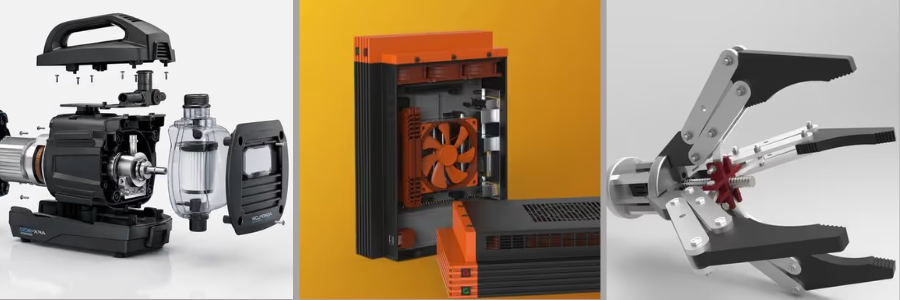
When the industrial design has become finalized, the mechanical engineering firm takes the product’s appearance and comes up with a design that can realistically be manufactured. In this phase, engineers create detailed enclosure thicknesses, draft angles for molding, detail internal supports, and identify mounting points for every electronic component. The engineers make sure that each part and component is designed with intent. It should follow manufacturing requirements, strength, durability, and ease of assembly.
Mechanical engineering is said to be one of the most time-consuming and expensive phases in product development. This is because each detail has to be carefully reviewed and refined. While it is costly, it is considered an investment since mechanical engineering helps in reducing assembly issues and possible redesign. It can make a product efficient and manufacturing-ready.
RELATED: Cost Comparison for Mechanical Engineering Contractors vs Full-Time Staff for AEC Firms
Typical cost range
The costing for mechanical engineering is also dependent on the complexity of the product design. But it also has other factors that affect it, including the number of components and manufacturing requirements. It can typically cost $15,000-$25,000 for a simple basic enclosure with few parts and a single manufacturing process. This covers fewer engineering hours, considering the design is straightforward.
If the product to be developed has 10 to 30 components, multiple assemblies, and comprises various manufacturing methods, it could range from $25,000 to $60,000. This is in consideration of the additional mechanical drawing services needed to ensure that all parts will fit together and function reliably. For an even more complex product that features a moving mechanism and multiple subsystems. It could cost $80,000 to $120,000 and even more.
Phase 4: Electronics: PCB design and firmware
How much does PCB design and firmware development cost?
What electronics engineering covers
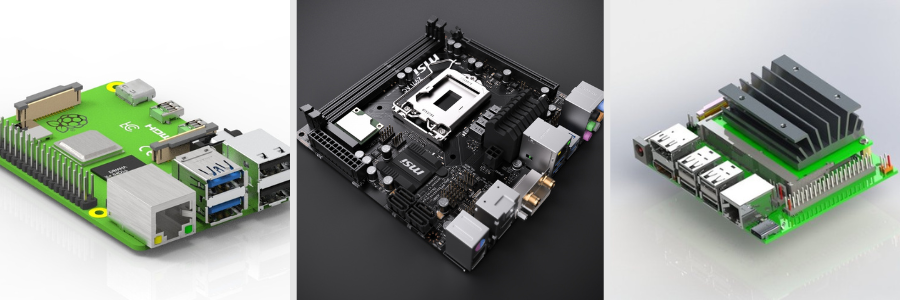
Electronics design and engineering design companies are considered for devices with electronic components. This phase is focused on designing hardware and software that allows a product to function according to its intent. This covers the engineering and design of circuit schematics, electronic components, and printed circuit boards (PCBs). Electronic engineering is carried out alongside mechanical engineering. This is because the PCB and the enclosure should be designed to fit together. There’s a risk of mismatch and conflicts if the two disciplines are not aligned. Electronics also cover custom firmware using dedicated technology and programming devices.
Typical cost range
The common and typical drivers of a PCB design and firmware development are the electronics complexity and the software requirements. It can cost $10,000 to $25,000 for a simple electronic product with a single PCB. This can include a standard microcontroller and basic firmware. This cost of pcb design services range is based on the consideration that the project is straightforward and has limited software functionality. For products with Wi-Fi or Bluetooth connectivity, sensors, or any mobile integration, the range can go from $ 25,000 to $ 75,000. This additional rate comes from the integration of multiple electronic components. It ensures that the communication within the device and the external system is reliable and more advanced.
RELATED: Best 50 Platforms to Hire PCB Designers and Freelance Electronics Engineers for Startups
Phase 5: Prototyping iterations
How much does hardware prototyping cost per iteration?
Prototyping method cost ranges
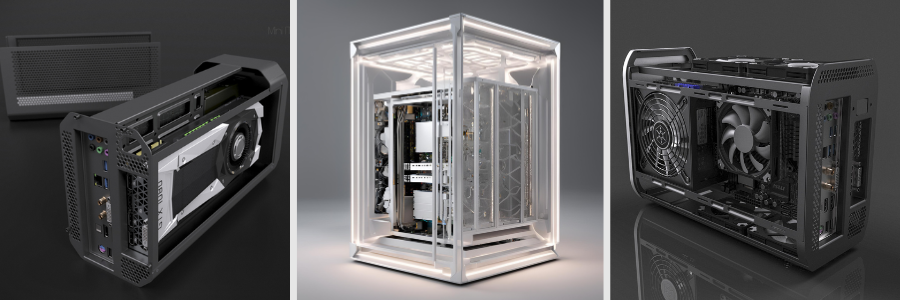
The cost drivers of hardware prototyping are its type and purpose. Early-stage prototyping design engineering firms is used for checking the physical attributes of the product, such as size and shape, can cost less. Each foam mockup can cost $100. It can range from $100 to $600 when common 3D printing methods are used, such as FDM, SLA, or SLS. The complexity of prototyping increases as it moves closer to production. It becomes more detailed and functional. At this point, the cost can increase along with the complexity and detailedness. Appearance models are created to make a look-alike of the final product. It can be used in marketing and presentations. Functional units are called engineering prototypes, and they’re used to test its performance/; it can cost over $100,000 depending on materials.
How many iterations to budget for
In product hardware development, it is usual to have more than just one iteration. This is why it is important to be aware of these things to know what to plan ahead of time. When budgeting, it is equally essential to add in the cost for multiple iterations. The goal is not to perfect it on the first try but to reveal possible issues that could arise. Iterations allow DFM designers and the team to spot and identify areas of improvement that can be fixed before it moves to the next stage. The cost of prototyping differs depending on the complexity and the type. A simple prototype iteration may cost $5000 and could increase to $250,00 for a single build. The average and typical number of iterations for consumer products is three to five rounds. This is a realistic number.
Phase 6: Certifications
How Much Do FCC, CE, UL, and FDA Certifications Cost?
FCC certification cost
When an electronic product is being sold in the United States, it has to follow and meet regulations for electromagnetic interference and wireless communication. To do this, an FCC certification is needed to comply. The cost depends on the product’s inclusion of a radio transmitter, such as Wi-Fi or Bluetooth. When an electronic product does not have wireless features, the requirement is just a Supplier’s Declaration of Conformity or SDoC. This is a simpler compliance process and would typically just cost $250 to $500. This can be completed in just 1-2 weeks. Products with wireless connectivity can be more extensive and would cost $850 to $1,500.
CE marking cost
There are products being sold in the European Union, or the EU. If under this category, CE marking is required to ensure that it complies with applicable safety, health, and environmental regulations. CE marking is a more comprehensive requirement compared to FCC certification. The cost depends on the complexity and the number of regulations it has to comply with. Simple products would cost around $750 or more. For electronics, it could typically range from $8,000 to $10,000 since it would require external laboratories. There are also highly complex products with multiple directives. This would require more detailed testing and certification.
RELATED: What Certifications are Used for New Electronic Hardware Products & PCB Design Services?
UL certification cost
A UL certification is a recognized safety certification widely used in the United States. It’s not necessarily required for most products, but major distributors and retailers require it before they sell. This is most applicable for items such as chargers, batteries, lighting products, and other products that could generate heat. The cost of a UL certification depends on the product’s complexity and the number of tests needed. For simple products with minimal testing requirements and complex devices, it could cost up to $30,000 to certify. The final cost depends on factors such as product design and safety requirements.
FDA and medical device certification cost
A medical device certification is more expensive and time-consuming. This is because it is required to meet and comply with stricter regulatory requirements to ensure safety, effectiveness, and suitability for patient use. It needs further extensive laboratory testing and detailed technical documentation and may require biocompatibility studies. All these are done to comply with quality system regulations before it can be released in the market. The costs depend on the product’s classification. For most Class II medical devices, FDA 510(k)clearance is a major part of the approval process. The cost range may range from $100,00 to $300,000 or more.
Phase 7: Tooling
How much does injection molding tooling cost?
Aluminum vs. steel tooling cost
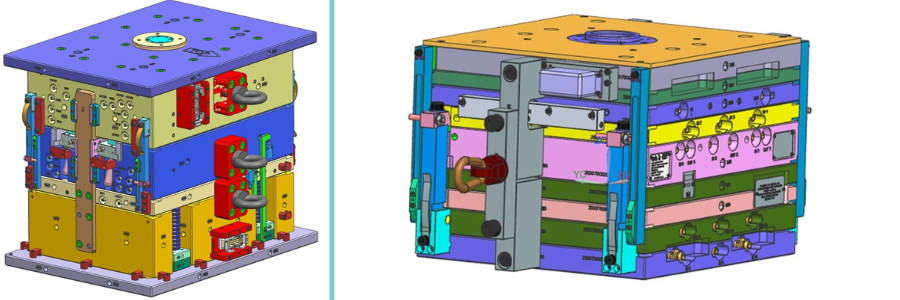
One of the highest upfront costs in developing and manufacturing a physical product is injection molding tooling. The price depends on the type of mold the product will use. In prototyping low- to medium-production batches or volumes, aluminum molds are used. It is way faster and cheaper to produce and could cost around $3,000 to $15,000. It could last up to 10,000 to 100,000 production cycles. Steel molds are generally used for full-scale mass production and can be more expensive. It ranges from $20,000 to $100,000 or even more. For a more durable build, it could last from 1 million to seven million cycles.
RELATED: Manufacturing Services and Tool Design Engineering
Tooling cost by product complexity
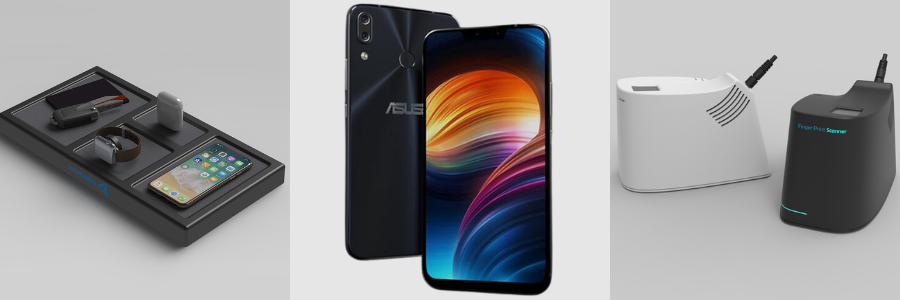
The costing for injection molding tooling is not just dependent on the mold material but also on the product’s size and complexity. There are certain requirements depending on the product shapes. For instance, basic shapes would require simpler molds, and products with intricate features and tight tolerances would require more complex and advanced tooling. This could increase the overall cost.
For instance, a simple plastic unit or product would just require a single-cavity aluminum mold. This will cost around $1,500 to $5,000. For a more detailed design or features such as wearables device housings or enclosures. This costing will range from $10,000 to $30,000. If the product has a higher precision requirement or specialized materials, the tooling costs would be around $50,000 to $150,000.
Phase 8: First production run
How much does a first production run cost?
Per-part cost at low volume
Cost per unit, especially during first production, is dependent on the tooling’s cost. Injection molds are considered a large upfront investment, and their cost would be spread across every unit produced. This concept is called tooling amortization. It is when only a small number of products are manufactured, and each unit will bear a larger share of the tooling cost.
This makes the per-part price higher. An example of this is when there are 1,000 units to be produced, and the total project cost is around $3,500 to $9,000. Upon computation, the per-part costing would be around $1.50 to $4.00. As the production increases, the tooling design services costs will be distributed across a larger number of units. This will, then, reduce or lower the cost per part. For 5,000 units, the per-part would now decrease from $0.80 to $2.00.
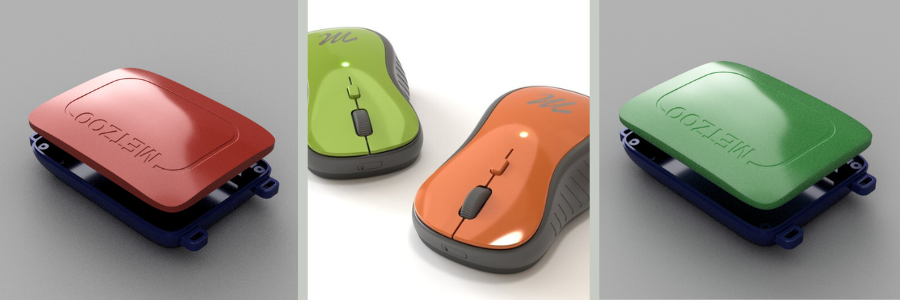
Production run cost planning
In planning the first production run, it is more than just considering the cost of design for manufacturing and assembly services cost per unit. It should be both upfront tooling and per-unit production cost, then multiply the per-unit cost by the planned production quantity. A contingency is recommended to be considered to cover unexpected costs for possible issues that could arise. This means covering issues like defective units or other unexpected events.
The production volume has a significant influence on the overall costs. This is because as the production runs larger, the costs and expenses can be spread across more units. This will dramatically reduce the cost per unit or product. In general, a production run of 500 to 1,000 units could cost around $5,000 to $15,000.
RELATED: Why Prototype DFM Services Are Useful for Product Design at Companies and Firms
Three worked examples
What does a real product development budget look like?
| Example | Approximate range | Key cost drivers |
| A. Simple consumer product | $20,000-$60,000 | Single mold, no electronics, minimal regulatory scope |
| B. Electronics-enabled product | $75,000-$250,000 | PCB + firmware, FCC/CE certification, wireless connectivity |
| C. Regulated medical device | $250,00-–$500,000+ | FDA pathway, design controls, biocompatible materials, clinical data |
Example A: Simple consumer product ($20K- $60K total)
For a simple consumer product design and CAD services, say a kitchen tool or a household accessory with no electronic components, the approximate cost range is $20,000 to $60,000. This covers the concept of the first production run. It includes and covers research, industrial design, mechanical engineering, prototyping, tooling, and manufacturing. Since it is simple, it does not necessarily have regulatory requirements, which makes it less expensive to develop.
Example B: Electronics-enabled product ($75K–$250K total)
For connected consumer products, like smart devices or Bluetooth-enabled gadgets, the costs would be in the range of $75,000 to $250,000. This covers concepts and research up to the first production. It would require both mechanical and electrical engineering. Because of this, it would also require PCB designers, firmware development, and regulatory certifications (FCC and CE). These certifications would have a great impact on increasing costs and complexity. It costs more since an added effort is needed to ensure it meets the necessary requirements.
Example C: Regulated medical device ($250K+ total)
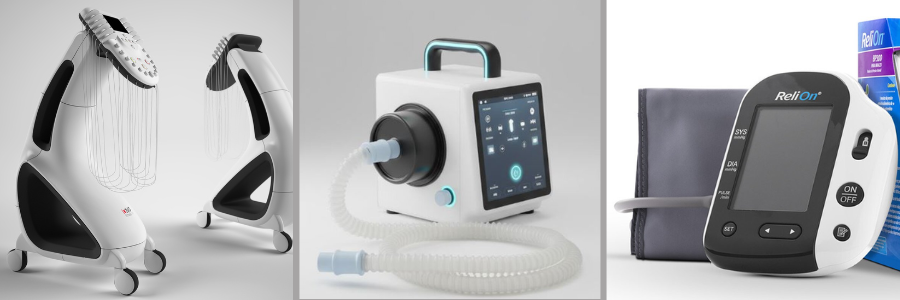
For a regulatory medical device, such as a diagnostic tool or a health wearable device, a high development cost is expected. This is because it must meet and comply with strict FDS requirements, safety standards, and compliance. It needs extensive testing and documentation rules. Medical device design & development services may require using specialized materials and multiple validation cycles. It could result in a total of $250,000 to $400,000 and even more, depending on the product design complexity and regulatory requirements. The costs do not just reflect the design but also how tedious the regulatory requirements and safety requirements are.
RELATED: How Cutting-Edge Medical Prototyping Design Services Help Your Firm Design New Products
Agency rates vs. freelance marketplace rates
Should You Hire a Product Development Agency or Freelance Specialists?
| Factor | Full-service agency | Freelance marketplace (e.g., Cad Crowd) |
| Typical hourly rate (North America) | $100-$300/hr blended | Meaningfully below agency blended rate per discipline |
| Pricing model | Phase-based fixed-fee packages | Per-project or milestone-based, discipline by discipline |
| Coordination | Included, only with single point of contact | Client-managed or via a freelance project lead |
| Best for | Complex, high-stakes timelines | Budget-conscious teams with internal technical leadership |
| Typical total cost vs. agency | Baseline | Cad Crowd estimate: 30-50% lower for comparable scope |
A full-service hardware development agency can generally charge $100 to $300 per hour or a fixed rate depending on agreed terms. This rate reflects high overhead costs, including senior supervision and built-in project management. This is most applicable for complex projects that would require tight coordination across mechanical, electrical engineering designers, and firmware teams.
For a more flexible and cost-effective approach to avoid high overhead costs, freelance specialists through Cad Crowd can be a practical choice. With this, an estimated 30-50% reduction in costs can be achieved without compromising quality and speed in work. It can still be a reliable option. Most companies opt for a hybrid model, combining an agency for overseeing the phases and hiring freelancers for modular tasks. This creates balance and efficiency.
RELATED: Top 50 Platforms to Hire Freelance Electrical Engineers, Designers & Drafting Service Experts
Related Cad Crowd resources
For a deeper breakdown of tooling and DFM engineering rates, check out Cad Crowd’s guide to injection molding costs. In need of mechanical or surface CAD work for your product? See Cad Crowd’s CAD design services. Looking for end-to-end industrial design and engineering support? Visit Cad Crowd’s product design services.
Frequently asked questions
How much does it cost to develop a simple product idea into a finished design?
In developing a simple and non-electronic product, it could cost $20,000 to $60,000. This covers initial research up to the first production run. It covers industrial design, mechanical engineering, prototyping, and manufacturing.
How much do FCC and CE certification cost combined?
Considering producing a complex wireless consumer product, it could range from $8,000 to $20,000. This range is based on JJRLAB and Integrasources pricing data. This covers both FCC and CE certification.
Why does electronics integration roughly double or triple total product development cost?
When electronics are added or introduced in a product, it also introduces PCB design along with it. This would require several mandatory wireless certifications and other regulatory requirements. It could take more effort and time to comply, and some products would need extensive testing. Prototypes may cost $10,000 to $50,000 and could add another $8,000 to $50,000 on top of it.
How Cad Crowd can help
The cost of developing a physical product is influenced by electronics complexity and regulatory requirements. It depends on the time and effort needed to comply with the necessary regulations and standards. Each development phase adds a certain cost to the overall project costs. Which is why a carefully planned development process is encouraged to come up with a realistic cost plan. Having a structured phase-by-phase breakdown allows the company to have a more precise estimate and avoid underbudgeting or overbudgeting. If you’re planning to start your production, Cad Crowd can help reduce the costly overhead costs by connecting you with vetted freelance specialists, ready to support you in every product stage. Contact us for a free quote.