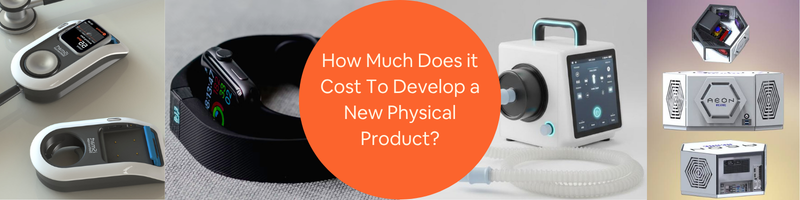
How Much Does It Cost to Develop a New Physical Product? A Complete 2026 Breakdown


The product development costs to develop a physical product can vary by 20x depending on complexity and whether it has electronics integrated into it. A simple product may cost $20,000 to $60,000, considering it does not have electronics. It can go higher to $75,000 to $250,000 when the product is connected to electronic devices. The cost is more than just the design and materials, but also how extensive the testing, documentation, and any regulatory requirements are needed before it can be released. This guide can help you navigate the estimated costs and price ranges of different product types. If you are ready to start with any phase and are in need of a specialist, Cad Crowd can help you connect with a vetted industrial or mechanical engineer tailored to your needs.

Cost by phase: low / typical / high

Phase Low Typical High Source
1. Research & feasibility $1,500 $3,000-$8,000 $15,000-$20,000 ScaleUpAlly
2. Industrial design $8,000 $15,000-$30,000 $40,000-$60,000+ StudioRed
3. Mechanical / CAD engineering $15,000 $25,000-$60,000 $80,000-$120,000+ StudioRed, Mako Design
4. Electronics (PCB + Firmware) $10,000 $25,00-$75,000 $100,000-$200,000+ LANPDT
5. Prototyping (multi-round) $5,000 $15,000-$40,000 $75,000-$150,000+ StudioRed
6. Certifications (FCC/CE/UL) $750 $8,000-$20,000 $50,000-$100,000+ JJRLAB, Integrasources, Fictiv
7. Tooling (Injection molding) $1,500 $10,000-$30,000 $50,000-$150,000+ Weilin Plastic, Jino,Zetar Mold
8. First Production run $5,000 $15,000-$60,000 $75,000-$250,000+ ABIS Mold, Jaycon

Ready to start building your cost estimate?

Interested in getting a quote for your specific product? Hire a specialist now. You can get one tailored in every phase of the design process, from concept through DFM review.

RELATED: Tips for Physical Product Development: How to Design & Develop Concepts at Design Studios

Phase 1: Research and feasibility

How much does product research and feasibility cost?

What this phase covers

The research and feasibility phase is the initial stage of new product design development, wherein the teams come up with a design and research it. Here, they determine whether the product is practical and realistic. Not only that, but they also have to check if it is commercially viable. This stage is relatively short, but it plays a critical role in reducing risks, including unrealistic project goals, technical limitations, and weak demand or market. It allows the teams to adjust and fix the concept before it is forwarded to detailed engineering and prototyping. When this is skipped, there’s a possibility that there may be a redesign. This may be costlier and could pose problems if discovered late.

Typical cost range

The cost of the research and feasibility phase is dependent on and reliant on the product’s complexity and how tedious the analysis is. For instance, in a simple consumer product, the costs would range from $2,000 to $8,000. This is typically done by a freelance researcher or a product designer, or produced by a small design studio. When used with more detailed and technical approaches and processes, it could increase from $10,000 to $20,000.

When a startup has a limited budget, a lean approach is possible. The founders can just conduct the research themselves and hire a freelance product development specialist for guidance. Doing this reduces the approximate cost of $1500. If a more comprehensive feasibility study is conducted, including technical evaluations and manufacturing assessments, it could cost $15,000 to $20,000.

Phase 2: Industrial design

How much does industrial design cost for a new product?

What industrial design delivers

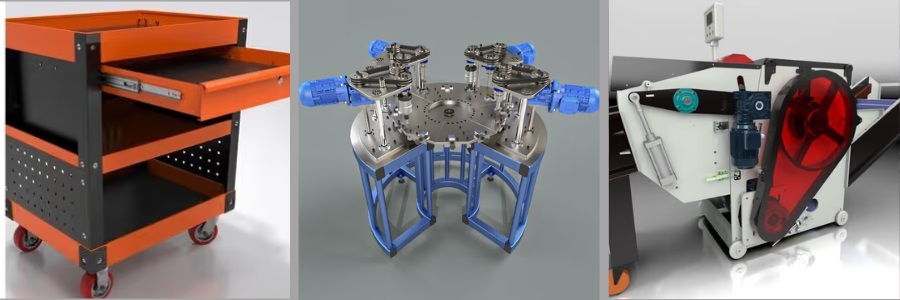
Industrial design is where the concept is validated and transformed into a more visually appealing, ergonomic product. Its focus is to improve the overall design (CMF) and the user experience. The process involves sketching multiple designs and evaluating them according to prioritized metrics. Once there is a preferred design, a CAD model will be generated to define its shape. Typical deliverables are mostly design concepts and high visual renders. It could include a finalized CAD model or a CMF document. The outputs can help in setting a clear and defined direction for the product concept design team. This ensures that the product is not just attractive or appealing in the eyes but also technically designed for the next stage.

RELATED: How to Find the Right Industrial Design Company for Successful Product Development
industrial design

Typical cost range

Industrial design services costs depend on the product’s complexity and how extensive the research needed is. The number of design revisions can also influence it. It could cost around $8,000 for a simple product with a basic enclosure or accessories and with minimal ergonomic considerations. At this price, it could involve one or two concept iterations before the final design. Most industrial designs range from $15,000 to $30,000. This budget covers concept explorations and realistic renderings. It also includes Color, Material, and Finish (CMF) specifications.

Now, there are still more extensive products, with detailed CMF development. This could range from $ 40,000 to $ 60,000 or even more. This type of product requires extensive research and ergonomic studies. It involves human factors testing and other developmental information.

Phase 3: Mechanical / CAD engineering

How much does mechanical engineering and CAD cost?

What detailed mechanical engineering delivers

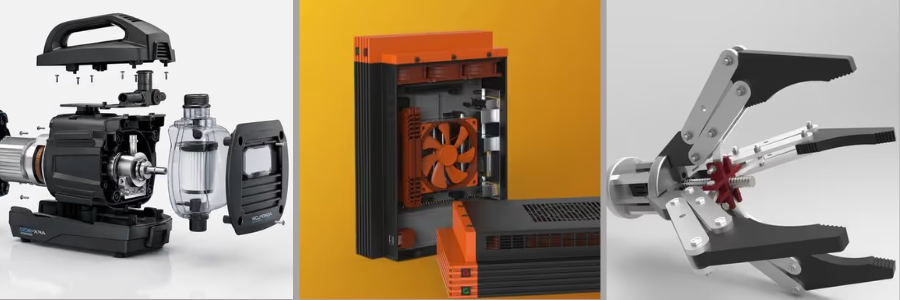
When the industrial design has become finalized, the mechanical engineering firm takes the product’s appearance and comes up with a design that can realistically be manufactured. In this phase, engineers create detailed enclosure thicknesses, draft angles for molding, detail internal supports, and identify mounting points for every electronic component. The engineers make sure that each part and component is designed with intent. It should follow manufacturing requirements, strength, durability, and ease of assembly.

Mechanical engineering is said to be one of the most time-consuming and expensive phases in product development. This is because each detail has to be carefully reviewed and refined. While it is costly, it is considered an investment since mechanical engineering helps in reducing assembly issues and possible redesign. It can make a product efficient and manufacturing-ready.

RELATED: Cost Comparison for Mechanical Engineering Contractors vs Full-Time Staff for AEC Firms
mechanical engineering

Typical cost range

The costing for mechanical engineering is also dependent on the complexity of the product design. But it also has other factors that affect it, including the number of components and manufacturing requirements. It can typically cost $15,000-$25,000 for a simple basic enclosure with few parts and a single manufacturing process. This covers fewer engineering hours, considering the design is straightforward.

If the product to be developed has 10 to 30 components, multiple assemblies, and comprises various manufacturing methods, it could range from $25,000 to $60,000. This is in consideration of the additional mechanical drawing services needed to ensure that all parts will fit together and function reliably. For an even more complex product that features a moving mechanism and multiple subsystems. It could cost $80,000 to $120,000 and even more.

Phase 4: Electronics: PCB design and firmware

How much does PCB design and firmware development cost?

What electronics engineering covers

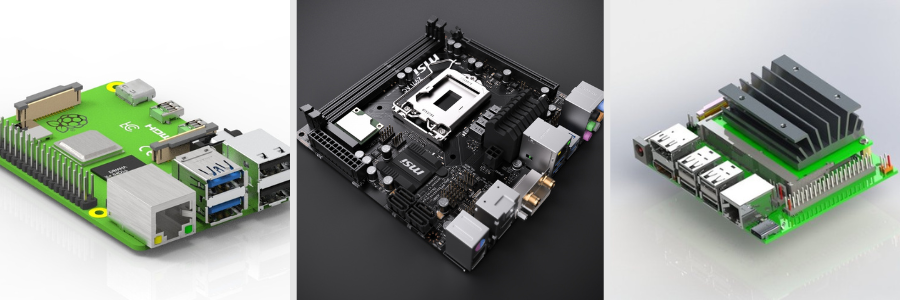
Electronics design and engineering design companies are considered for devices with electronic components. This phase is focused on designing hardware and software that allows a product to function according to its intent. This covers the engineering and design of circuit schematics, electronic components, and printed circuit boards (PCBs). Electronic engineering is carried out alongside mechanical engineering. This is because the PCB and the enclosure should be designed to fit together. There’s a risk of mismatch and conflicts if the two disciplines are not aligned. Electronics also cover custom firmware using dedicated technology and programming devices.
PCB design services 2

Typical cost range

The common and typical drivers of a PCB design and firmware development are the electronics complexity and the software requirements. It can cost $10,000 to $25,000 for a simple electronic product with a single PCB. This can include a standard microcontroller and basic firmware. This cost of pcb design services range is based on the consideration that the project is straightforward and has limited software functionality. For products with Wi-Fi or Bluetooth connectivity, sensors, or any mobile integration, the range can go from $ 25,000 to $ 75,000. This additional rate comes from the integration of multiple electronic components. It ensures that the communication within the device and the external system is reliable and more advanced.

RELATED: Best 50 Platforms to Hire PCB Designers and Freelance Electronics Engineers for Startups

Phase 5: Prototyping iterations

How much does hardware prototyping cost per iteration?

Prototyping method cost ranges

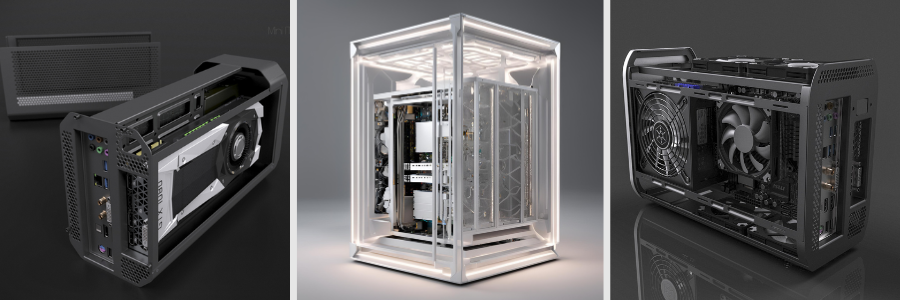
The cost drivers of hardware prototyping are its type and purpose. Early-stage prototyping design engineering firms is used for checking the physical attributes of the product, such as size and shape, can cost less. Each foam mockup can cost $100. It can range from $100 to $600 when common 3D printing methods are used, such as FDM, SLA, or SLS. The complexity of prototyping increases as it moves closer to production. It becomes more detailed and functional. At this point, the cost can increase along with the complexity and detailedness. Appearance models are created to make a look-alike of the final product. It can be used in marketing and presentations. Functional units are called engineering prototypes, and they’re used to test its performance/; it can cost over $100,000 depending on materials.
electronic device prototypes

How many iterations to budget for

In product hardware development, it is usual to have more than just one iteration. This is why it is important to be aware of these things to know what to plan ahead of time. When budgeting, it is equally essential to add in the cost for multiple iterations. The goal is not to perfect it on the first try but to reveal possible issues that could arise. Iterations allow DFM designers and the team to spot and identify areas of improvement that can be fixed before it moves to the next stage. The cost of prototyping differs depending on the complexity and the type. A simple prototype iteration may cost $5000 and could increase to $250,00 for a single build. The average and typical number of iterations for consumer products is three to five rounds. This is a realistic number.

Phase 6: Certifications

How Much Do FCC, CE, UL, and FDA Certifications Cost?

FCC certification cost

When an electronic product is being sold in the United States, it has to follow and meet regulations for electromagnetic interference and wireless communication. To do this, an FCC certification is needed to comply. The cost depends on the product’s inclusion of a radio transmitter, such as Wi-Fi or Bluetooth. When an electronic product does not have wireless features, the requirement is just a Supplier’s Declaration of Conformity or SDoC. This is a simpler compliance process and would typically just cost $250 to $500. This can be completed in just 1-2 weeks. Products with wireless connectivity can be more extensive and would cost $850 to $1,500.

CE marking cost

There are products being sold in the European Union, or the EU. If under this category, CE marking is required to ensure that it complies with applicable safety, health, and environmental regulations. CE marking is a more comprehensive requirement compared to FCC certification. The cost depends on the complexity and the number of regulations it has to comply with. Simple products would cost around $750 or more. For electronics, it could typically range from $8,000 to $10,000 since it would require external laboratories. There are also highly complex products with multiple directives. This would require more detailed testing and certification.

RELATED: What Certifications are Used for New Electronic Hardware Products & PCB Design Services?

UL certification cost

A UL certification is a recognized safety certification widely used in the United States. It’s not necessarily required for most products, but major distributors and retailers require it before they sell. This is most applicable for items such as chargers, batteries, lighting products, and other products that could generate heat. The cost of a UL certification depends on the product’s complexity and the number of tests needed. For simple products with minimal testing requirements and complex devices, it could cost up to $30,000 to certify. The final cost depends on factors such as product design and safety requirements.

FDA and medical device certification cost

A medical device certification is more expensive and time-consuming. This is because it is required to meet and comply with stricter regulatory requirements to ensure safety, effectiveness, and suitability for patient use. It needs further extensive laboratory testing and detailed technical documentation and may require biocompatibility studies. All these are done to comply with quality system regulations before it can be released in the market. The costs depend on the product’s classification. For most Class II medical devices, FDA 510(k)clearance is a major part of the approval process. The cost range may range from $100,00 to $300,000 or more.

Phase 7: Tooling

How much does injection molding tooling cost?

Aluminum vs. steel tooling cost

One of the highest upfront costs in developing and manufacturing a physical product is injection molding tooling. The price depends on the type of mold the product will use. In prototyping low- to medium-production batches or volumes, aluminum molds are used. It is way faster and cheaper to produce and could cost around $3,000 to $15,000. It could last up to 10,000 to 100,000 production cycles. Steel molds are generally used for full-scale mass production and can be more expensive. It ranges from $20,000 to $100,000 or even more. For a more durable build, it could last from 1 million to seven million cycles.

RELATED: Manufacturing Services and Tool Design Engineering
injection molding and casting

Tooling cost by product complexity

The costing for injection molding tooling is not just dependent on the mold material but also on the product’s size and complexity. There are certain requirements depending on the product shapes. For instance, basic shapes would require simpler molds, and products with intricate features and tight tolerances would require more complex and advanced tooling. This could increase the overall cost.

For instance, a simple plastic unit or product would just require a single-cavity aluminum mold. This will cost around $1,500 to $5,000. For a more detailed design or features such as wearables device housings or enclosures. This costing will range from $10,000 to $30,000. If the product has a higher precision requirement or specialized materials, the tooling costs would be around $50,000 to $150,000.

Phase 8: First production run

How much does a first production run cost?

Per-part cost at low volume

Cost per unit, especially during first production, is dependent on the tooling’s cost. Injection molds are considered a large upfront investment, and their cost would be spread across every unit produced. This concept is called tooling amortization. It is when only a small number of products are manufactured, and each unit will bear a larger share of the tooling cost.

This makes the per-part price higher. An example of this is when there are 1,000 units to be produced, and the total project cost is around $3,500 to $9,000. Upon computation, the per-part costing would be around $1.50 to $4.00. As the production increases, the tooling design services costs will be distributed across a larger number of units. This will, then, reduce or lower the cost per part. For 5,000 units, the per-part would now decrease from $0.80 to $2.00.
injection molding designers

Production run cost planning

In planning the first production run, it is more than just considering the cost of design for manufacturing and assembly services cost per unit. It should be both upfront tooling and per-unit production cost, then multiply the per-unit cost by the planned production quantity. A contingency is recommended to be considered to cover unexpected costs for possible issues that could arise. This means covering issues like defective units or other unexpected events.

The production volume has a significant influence on the overall costs. This is because as the production runs larger, the costs and expenses can be spread across more units. This will dramatically reduce the cost per unit or product. In general, a production run of 500 to 1,000 units could cost around $5,000 to $15,000.

RELATED: Why Prototype DFM Services Are Useful for Product Design at Companies and Firms

Three worked examples

What does a real product development budget look like?

Example Approximate range Key cost drivers
A. Simple consumer product $20,000-$60,000 Single mold, no electronics, minimal regulatory scope
B. Electronics-enabled product $75,000-$250,000 PCB + firmware, FCC/CE certification, wireless connectivity
C. Regulated medical device $250,00-–$500,000+ FDA pathway, design controls, biocompatible materials, clinical data

Example A: Simple consumer product ($20K- $60K total)

For a simple consumer product design and CAD services, say a kitchen tool or a household accessory with no electronic components, the approximate cost range is $20,000 to $60,000. This covers the concept of the first production run. It includes and covers research, industrial design, mechanical engineering, prototyping, tooling, and manufacturing. Since it is simple, it does not necessarily have regulatory requirements, which makes it less expensive to develop.

Example B: Electronics-enabled product ($75K–$250K total)

For connected consumer products, like smart devices or Bluetooth-enabled gadgets, the costs would be in the range of $75,000 to $250,000. This covers concepts and research up to the first production. It would require both mechanical and electrical engineering. Because of this, it would also require PCB designers, firmware development, and regulatory certifications (FCC and CE). These certifications would have a great impact on increasing costs and complexity. It costs more since an added effort is needed to ensure it meets the necessary requirements.

Example C: Regulated medical device ($250K+ total)

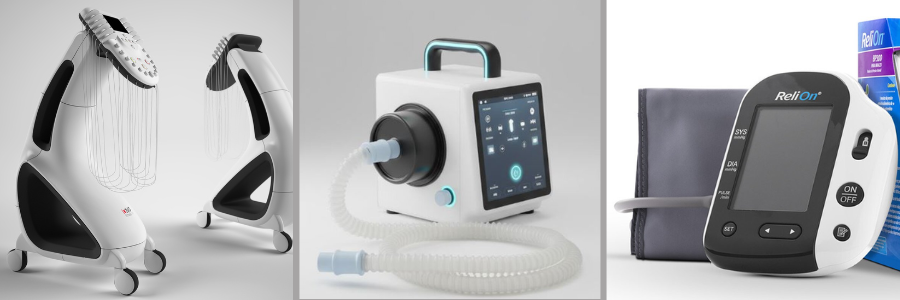
For a regulatory medical device, such as a diagnostic tool or a health wearable device, a high development cost is expected. This is because it must meet and comply with strict FDS requirements, safety standards, and compliance. It needs extensive testing and documentation rules. Medical device design & development services may require using specialized materials and multiple validation cycles. It could result in a total of $250,000 to $400,000 and even more, depending on the product design complexity and regulatory requirements. The costs do not just reflect the design but also how tedious the regulatory requirements and safety requirements are.

RELATED: How Cutting-Edge Medical Prototyping Design Services Help Your Firm Design New Products
medical device design

Agency rates vs. freelance marketplace rates

Should You Hire a Product Development Agency or Freelance Specialists?

Factor Full-service agency Freelance marketplace (e.g., Cad Crowd)
Typical hourly rate (North America) $100-$300/hr blended Meaningfully below agency blended rate per discipline
Pricing model Phase-based fixed-fee packages Per-project or milestone-based, discipline by discipline
Coordination Included, only with single point of contact Client-managed or via a freelance project lead
Best for Complex, high-stakes timelines Budget-conscious teams with internal technical leadership
Typical total cost vs. agency Baseline Cad Crowd estimate: 30-50% lower for comparable scope

A full-service hardware development agency can generally charge $100 to $300 per hour or a fixed rate depending on agreed terms. This rate reflects high overhead costs, including senior supervision and built-in project management. This is most applicable for complex projects that would require tight coordination across mechanical, electrical engineering designers, and firmware teams.

For a more flexible and cost-effective approach to avoid high overhead costs, freelance specialists through Cad Crowd can be a practical choice. With this, an estimated 30-50% reduction in costs can be achieved without compromising quality and speed in work. It can still be a reliable option. Most companies opt for a hybrid model, combining an agency for overseeing the phases and hiring freelancers for modular tasks. This creates balance and efficiency.

RELATED: Top 50 Platforms to Hire Freelance Electrical Engineers, Designers & Drafting Service Experts

Related Cad Crowd resources

For a deeper breakdown of tooling and DFM engineering rates, check out Cad Crowd’s guide to injection molding costs. In need of mechanical or surface CAD work for your product? See Cad Crowd’s CAD design services. Looking for end-to-end industrial design and engineering support? Visit Cad Crowd’s product design services.

Frequently asked questions

How much does it cost to develop a simple product idea into a finished design?

In developing a simple and non-electronic product, it could cost $20,000 to $60,000. This covers initial research up to the first production run. It covers industrial design, mechanical engineering, prototyping, and manufacturing.

How much do FCC and CE certification cost combined?

Considering producing a complex wireless consumer product, it could range from $8,000 to $20,000. This range is based on JJRLAB and Integrasources pricing data. This covers both FCC and CE certification.

Why does electronics integration roughly double or triple total product development cost?

When electronics are added or introduced in a product, it also introduces PCB design along with it. This would require several mandatory wireless certifications and other regulatory requirements. It could take more effort and time to comply, and some products would need extensive testing. Prototypes may cost $10,000 to $50,000 and could add another $8,000 to $50,000 on top of it.

How Cad Crowd can help

The cost of developing a physical product is influenced by electronics complexity and regulatory requirements. It depends on the time and effort needed to comply with the necessary regulations and standards. Each development phase adds a certain cost to the overall project costs. Which is why a carefully planned development process is encouraged to come up with a realistic cost plan. Having a structured phase-by-phase breakdown allows the company to have a more precise estimate and avoid underbudgeting or overbudgeting. If you’re planning to start your production, Cad Crowd can help reduce the costly overhead costs by connecting you with vetted freelance specialists, ready to support you in every product stage. Contact us for a free quote.

author avatar

MacKenzie Brown is the founder and CEO of Cad Crowd. With over 18 years of experience in launching and scaling platforms specializing in CAD services, product design, manufacturing, hardware, and software development, MacKenzie is a recognized authority in the engineering industry. Under his leadership, Cad Crowd serves esteemed clients like NASA, JPL, the U.S. Navy, and Fortune 500 companies, empowering innovators with access to high-quality design and engineering talent.

Connect with me: LinkedInXCad Crowd

Designing for Visual Impact with Your Product Design Services Company


How do you design for visualo impact as a product design services company? The aesthetic aspect of a product might not seem to be the most important thing to consider in the development process, but it doesn’t mean the designers should ignore it entirely. While aesthetics is often a complementary element in a design workflow that prioritizes function, the appearance of a product (and the packaging) has a massive impact on how it is recognized, identified, and classified by potential buyers. Although the design principle of “function over form” is applicable to most products, it remains true that there’s a complex interplay between aesthetic factors and user perception (which leads to either sales or avoidance).

Even subtle changes in aesthetic design have the potential to affect customers’ purchase decisions, which determines success. People tend to associate somebody’s appearance with certain characteristics; the well-dressed are seen as serious and professional, while the casually outfitted ones are often regarded as laid-back. And it’s pretty much the same with objects, in the sense that everybody projects certain qualities onto products based on their form. For example, a sports car is associated with the sense of speed, performance, and in many cases, wealth; a station wagon, on the other hand, may be linked to family life where practicality triumphs.

RELATED: 15 Engineering Design Constraints that Product Design Companies & Engineering Firms Can’t Avoid

All these personalities emerge in the buyers’ perspective almost immediately after the first visual contact. It’s safe to say that aesthetic design plays an important role in 3D product rendering services, shaping the emotional connection between people and the products they see. And this is why designing for visual impact matters a lot. It’s not just about making a product as aesthetically pleasing as possible, but ensuring that the design or form of a physical object complements its functions and contributes to a positive visual impact on buyers.

To some extent, the form itself must be treated as an important feature that represents the product’s characteristics and the brand’s identity at the same time. The realm of physical product design traditionally falls within the scope of work of an industrial designer. Cad Crowd is home to hundreds of talented industrial designers experienced in creating physical products that are not only purposeful and functional but also carry an effective visual impact on buyers.

Communication through form

While the aesthetic of a product appears to be superficial at a glance, it actually holds a much more important role in consumer product design services than many people seem to think. Buyers’ perception of a product is a complex, if not abstract, concept triggered by a number of factors such as price, popularity, and brand reputation. Before all those factors register in their mind, however, the visuals of a product design create the first impression.

RELATED:  Best 50 Platforms to Hire Freelance Mechanical Designers, Engineers & 3D CAD Modeling Experts

A product’s aesthetics build the first layer of that complex perception. You can think of the aesthetic design as a language with which the product expresses itself. Attributes of aesthetic design, such as shape, height, curvature, color scheme, materials, button layout, and so forth, should act as meaningful symbols that represent the product’s quality and characteristics. These attributes play significant roles in influencing how consumers perceive the product, associate it with any particular trait, and make the purchase decision.

Product aesthetic as brand identity

As far as visual impact is concerned, one of the most challenging tasks of an industrial designer is to infuse a symbolic language into a product’s aesthetic in such a way that it communicates brand identity. To add to the complexity of that matter, the communication cannot be one-sided. Consumers must be able to understand the symbolic meaning; otherwise, the aesthetic design fails to speak for the brand.

Strategic use of materials, geometry, texture, shape, form, colors, and even smell can stimulate specific emotions, which eventually evoke a perception about a product, and by extension, the brand. This perception may create an intangible yet perceivable value that makes a product stand out from the crowd in the market. By emphasizing the importance of visual impact across all touchpoints, including the packaging and interface, a product designer should be able to strengthen brand identity and recognition.

RELATED: Top 35 CATIA Design Companies & Engineering Services for Product Design & 3D Modeling

product design services

User experience and visual impact

The big idea of proper product development is to create something that looks good and works effectively. No matter what product you want to make, the ultimate goal is to make sure that it ticks all the boxes, in terms of both aesthetic and functionality. This requires a seamless integration between form and function, rather than prioritizing one over another. An industrial designer knows all too well that every interaction with a product can contribute to brand image, and therefore, it’s entirely possible to create a visual impact that reinforces user experience.

Even from the earliest stages of development, the 3D design firm should consider how a typical user will interact with the product. It’s a question of ergonomics and aesthetics, about how the product can be used safely, comfortably, and effectively while still delivering good visual impacts with its appearance. It’s undeniable that the product remains functional without losing the ability to evoke positive emotional responses through its aesthetic appeal. This is how an industrial designer can tailor a product to better suit the users’ needs with effective functionality and their preferences for good aesthetics. Such an attention to detail likely results in a product design that’s not only visually appealing but also functional for a satisfying user experience.

Balanced form and function formula

Striking a proper balance between form and function has always been a monumental challenge for any product designer, regardless of the product. If the focus tilts heavily toward the “form” or aesthetic, the final product might be only superficially good; it’s eye candy with skin-deep beauty. On the other hand, placing too much emphasis on function while having little regard for visual impact risks making the product unattractive. In this case, even if the product actually works, the lack of positive visual impact leads to poor user experience at best and perhaps complete avoidance at worst.

RELATED: Important Benefits of Industrial Product Design – Using Industrial Product Design Services

The “function over form” approach has always been a guiding principle in industrial design. But in today’s increasingly competitive market for consumer products, product design companies just cannot afford to lose sight of how aesthetics play an influential role that affects sales.In a physical product, every element of functionality contributes to the aesthetic aspect. For instance, the design of ballpoint pens uses pretty much the same basic idea. It has a plunger at the top, a clip directly below, followed by a barrel, and finally the tip. The mechanism inside is also relatively simple, consisting of a back spring and a front spring to slide the ink cartridge up and down to reveal or hide the actual ball point.

Every single one of those parts serves a specific purpose, and it’s almost universal how they’re put together into a functioning instrument. But then again, ballpoint pens come in numerous models and variations – each carries a different visual impact, so it may stand out and improve the handwriting experience. All the components of a physical product can be designed to deliver as much visual impact as possible. In the case of a ballpoint pen, an product design and development designer can fabricate such parts as the plunger, clip, barrel, and tip from materials like metals, plastic, carbon fiber, wood, or any combination of those in a unique way. There are probably countless combinations because the materials also offer a broad range of selections.

Metals can be aluminum, stainless steel, tungsten, titanium, magnesium, and alloys. Plastics also have a wide variety of options, including ABS, PMMA, PVS, and so forth. The finishing layer also has multiple options, like the use of colors, coating, polishing, and engraving, to add to the aesthetics. And then there’s the shape itself, which arguably is the biggest and most important ingredient to build visual impact. It acts as the foundation of the form and might be composed of a combination of easily visible elements such as lines, curves, angles, sizes, and the relationships between them.

RELATED: How to Make a Prototype for Your New Product Design

Achieving a balanced formula for function and form would require a thorough evaluation by the new product design professional of all aspects of product design to make sure that each element can contribute to good aesthetics while maintaining flawless functionality. The delicate blend of appearance and usability happens when well-made product parts assemble into a functioning design that also captures consumers’ admiration, both when sitting still and in use.

automotive engineering design services

Materials and finishes

While it’s true that “beauty is in the eye of the beholder,” there might be a consensus as to what specific design elements make a physical product objectively beautiful, namely, materials and finishes. Referring back to the previous example about a ballpoint pen, industrial designers are spoiled with an abundance of material options. Apart from metals and plastics, they can also use unusual choices like carbon fiber, bamboo, wood, and more. Just about every part of a ballpoint pen can be fabricated from any of those materials; of course, each has its own characteristics and properties such as tensile strength, durability, corrosion resistance, reflectiveness, etc.

That being said, whichever material ends up being the barrel or a clip of a ballpoint pen, it’s not just about a matter of usability and practicality, but also aesthetics and visual impact as a whole. And this is where “finishes” come in. When the product modeling expert chooses the right finish, like polished, brushed, textured, glossy, or matte, it can further enhance the look and feel of the pen. But because the purpose is to improve the user experience through good aesthetics, the finish itself needs to serve a specific purpose rather than merely beautifying.

RELATED: How Are Product Design vs. Industrial Design Services Different?

A designer might choose a textured surface on the barrel to improve grip, polished steel for easy cleaning, matte finish because it hides fingerprint smudges, engraved bamboo/wood as it’s biodegradable, and so forth. The point is, even the aesthetic element must be purposeful to achieve a good balance between form and function.

Ergonomics for visual impact

Say you’re holding a well-designed ballpoint pen that somehow fits perfectly in your hand, with nice lines and curves placed exactly where your fingers naturally reside. It also has a textured grip made from high-quality rubber that cushions the tip of your fingers while maintaining good resistance for a comfortable handwriting experience. It has a clip made of high-quality material with a spring mechanism that holds the pen firmly upright inside your pocket. The plunger produces a nice, unobtrusive sound of a click when you press it down, and the actual ball points glide with consistent smoothness across the paper. And the overall pen has a nice weight; it’s neither too hefty nor too light that it doesn’t give you discomfort even during a long note-taking session.

Furthermore, the pen doesn’t just look good lying still on a desk; it still appears visually pleasing when you’re actually using the product for its intended purpose. This is because the natural positions of your hand and fingers never really negate the aesthetics. It’s safe to say the ballpoint pen is the result of a design process that takes both ergonomics and visual impact into account. When a product is easy and comfortable to use, the design tells consumers that the company cares about their needs and preferences as well, creating a positive brand perception.

RELATED: Trends Shaping the Future of Product Design for Industrial Design Services

The role of colors in physical product design

There are several ways in which colors can influence how an industrial design works:

  • Brand identity: think about some of the world’s most iconic brands. Coca-Cola has its signature red, black, and white palette. Tiffany & Co. is always associated with a bright shade of blue so specific that the color is now often referred to simply as Tiffany blue. There are also Caterpillar’s yellow, Cadbury’s purple, and more. All those brands have consistently used the same color palette across their products as a way to establish brand identity. Consistent visuals make the brand easily recognizable everywhere.
  • Emotional connection: Based on popular belief, colors do affect emotions. For example, red is often associated with excitement, energy, love, and even danger, while green is regarded as a shade that represents peacefulness, sustainability, safety, and relaxation. Other colors like blue, orange, yellow, black, and white also have their own implicit connotations and meanings. In short, colors can evoke certain feelings, and brands utilize this connection to communicate with consumers. It’s worth noting that different cultures have different perceptions of the meaning of colors. Graphic designers should consider such cultural nuances when implementing colors to a product or brand logo.
  • Visual hierarchy: Colors are effective tools to highlight the best features and functionality of a product. Thoughtful use of contrasting shades of colors can help guide consumers’ eyes to all the highlight-worthy elements of a product with minimal effort. If used strategically, colors may even improve usability. For example, the design of a ballpoint pen may use different shades of colors for the barrel and the tip to break down the otherwise continuous line. Apart from being an aesthetic choice, the colors also mark the positions users should hold when opening the tip to replace the ink cartridge.

RELATED: How You Benefit from a 3D Graphic Designer Creating Your Company’s 3D Logo

Colors have always been important aspects of industrial or mechanical engineering services as they can really make or break the product’s aesthetics. Proper use of colors and finishes may transform an otherwise typical, ordinary object into something exquisite to behold. Most people would think of colors as nothing more than simple embellishment, but a professional industrial designer should understand how shades and hues can be made into integral parts of a product’s usability that also evoke positive emotions through efficient visual impacts. An industrial designer has what it takes to harness the power of colors and utilize them to their full potential to shape a product’s visual narrative, leaving a long-lasting impression on consumers.

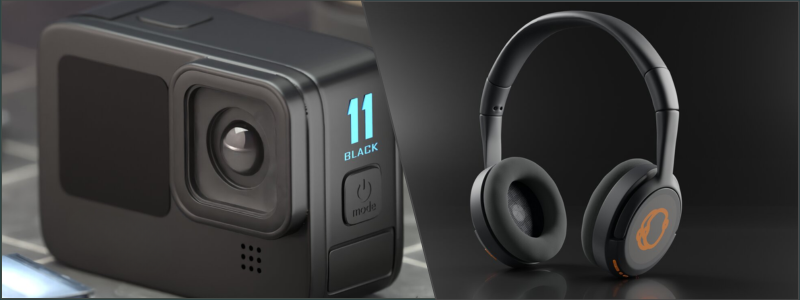
Action camera and headphones by Cad Crowd product design experts

Takeaway

The form and aesthetics of a physical product play key roles in creating emotional connections with consumers. Because elements like materials, shape, textures, and colors affect not only how a product looks but also the way it feels in the hands of users, they contribute to both the appearance and usability of the product. In fact, those elements can also tell stories about their perceived characteristics and target market. For example, a ballpoint pen of which the external components are made entirely out of polished metal with a textured finish might appeal to consumers looking for luxurious aesthetics; meanwhile, a similar product that features warm colors and soft curves is often seen as an image of practicality.

RELATEDE: Using 3D Visualization Services to Communicate Design Intent to Clients and Firms

With that in mind, a 3D visualization designer can use those elements to create visual impacts that trigger specific emotional responses from the right consumers. It’s also possible for a brand to establish a bond with consumers through this kind of visual interaction. A product’s aesthetic can actually influence consumers’ perception of quality, but this is not to say that an industrial designer should use visuals to deceive buyers. Quite the contrary, consumers should be able to make an informed judgment about the products’ overall quality, reliability, and performance by paying attention to the aesthetic details.

How Cad Crowd can help

In a product designed to have a well-balanced combination of function and form, the visual impacts delivered by the “form” must be indicative of its performance and functionality. In a highly saturated market for consumer products, you need nothing short of experienced industrial designers capable of creating powerful visual impacts to reinforce a positive emotional connection with consumers. When it comes to hiring expert industrial designers, Cad Crowd comes at the top of the recommended list thanks to its rigorous freelancer vetting process, IP protection services, and affordability. Contact us for a free quote.

author avatar

MacKenzie Brown is the founder and CEO of Cad Crowd. With over 18 years of experience in launching and scaling platforms specializing in CAD services, product design, manufacturing, hardware, and software development, MacKenzie is a recognized authority in the engineering industry. Under his leadership, Cad Crowd serves esteemed clients like NASA, JPL, the U.S. Navy, and Fortune 500 companies, empowering innovators with access to high-quality design and engineering talent.

Connect with me: LinkedInXCad Crowd

Top 50 Industrial Design Services Firms for New Product Design & Development in the US


A product’s real strength isn’t even in what it can do, it’s in how it makes us feel, the spark it creates when you touch it for the first time, and how easily it integrates itself into our lives. That’s the magic industrial design provides: turning raw concepts into products that delight, inspire, and linger on in our lives long after the buzz is gone. 

Today, we’re launching on a colorful adventure through 50 industrial design services companies, coast to coast. We’ll dive into each studio’s spark: who they are, what they do, and why they create products that don’t merely work, they glow. Whether they’re crafting sophisticated consumer devices, innovative mobility ideas, or easy-to-use healthcare devices, each company on this roster shares one mission: designing experiences that connect.

RELATED: Top 50 Consumer Product Design Service Companies, Agencies & Design Firms in the US

Whipsaw

1. Whipsaw (Hayward, CA)

Whipsaw injects Silicon Valley style into industrial design with a winning combination of sexy minimalism and profound functionality. With dozens of Red Dot, iF, and IDEA awards to its credit, Whipsaw designs range from consumer electronics to medical devices, robots, and even kitchen utensils. They’re the designers behind iconic faces for companies such as Google, Brita, and Tonal, crafting bold silhouettes with understated ergonomic sophistication. Their studio lives on intuitive design that appears effortless but has substantial engineering behind it. A smartwatch or a surgery system, Whipsaw makes things seem like they’ve just bounded into the future, without leaving the current behind.

Whipsaw.com

Ideo industrial design

2. IDEO (Palo Alto, CA & Worldwide)

IDEO is not merely a design company—it’s a movement founded upon people-first innovation. With more than 350 designers worldwide, they’ve reimagined everything from medical devices and gadgets to systems and startup strategies. Their secret sauce is combining empathy with quick prototyping, always driven by curiosity. It’s not about getting things to work; it’s about getting things to matter. IDEO’s process is playful-looking, but the outcomes are potent—breakthroughs that, in retrospect, feel like they were destined to happen. No matter the challenge, from product redesign to culture transformation, IDEO makes imagination become impact via deliberate, incremental design thinking.

Ideo.com

Frog Design

3. Frog (San Francisco, CA)

Frog, established by German designer Hartmut Esslinger in 1969, is where beautiful form and wise function converge. Recognized for the design of great Apple, GE, and Disney’s MyMagic+ experiences, Frog’s design heritage extends far. Now under the umbrella of Capgemini Invent, its 2,000+ designers and engineers collaborate on digital services and physical products, bringing bold visions to stunningly engineered life. But Frog doesn’t just concern itself with aesthetics; it concerns itself with meaning. From easy-to-use hospital wearables to intelligent home solutions, each project is a dialogue in design. They don’t merely create products; they create stories, demonstrating that elegance mixed with empathy doesn’t weaken, it strengthens.

Frog.co

Teague-logo

4. Teague (Seattle, WA)

Teague has been designing iconic products since 1926, with a heritage that stretches from aviation to gaming and daily goods. From designing the Boeing 787 interior to forming Xbox consoles and even redesigning the Pringles can, Teague’s designs are where innovation and daily life converge. Their 300-person workforce combines mechanical, electrical, and interaction design to provide solutions that not only work but have a story to tell. It’s this unusual blend of profound engineering and imaginative understanding that establishes Teague as an established authority for brands looking for more than a product—their customers want a completely integrated design experience that really speaks to them.

Teague.com

Designworks-logo

5. Designworks (Santa Monica, CA + Global)

BMW Group’s creative force, Designworks, is about more than beautiful automobiles; it’s about crafting the future. This forward-thinking design studio creates everything from Asus ROG gaming laptops to revolutionary camper designs constructed using nano-fiber technology. Though they started in precision automotive design, their hand doesn’t stop there. From tech to travel to lifestyle accessories, Designworks applies a fearless, visionary mindset to each project. Their work changes what products can do, turning mere tools into experiences. With every idea, they break rules, demonstrating that great design can go beyond the road,it can be how we live, play, and think about tomorrow.

Designworks.com

Eleven LCC

6. ELEVEN, LLC (Boston, MA & NYC)

ELEVEN is not an ordinary industrial design shop. Okay, so they design everything from modern snowboarding equipment to offbeat smart pet products—but what distinguishes them is their in-house invention lab and bold business model. They don’t simply execute on briefs; they pursue ideas that they’re passionate about, creating proof-of-concepts and selling the top ones outright. That combination of creativity and hustle is scarce in the design community. By combining entrepreneurial bravado with unadulterated passion for design, they produce products that are not only functional but really fun. It’s this edgy, outside-the-box thinking that makes ELEVEN a unique hybrid in the space of innovation.

Eleven.net

RELATED: Top 101 Female Inventions that Changed the World & Women’s Innovation History

RKS Design

7. RKS Design (Thousand Oaks, CA)

RKS has been defining how we emotionally relate to products since 1980, when Ravi Sawhney started the company. Famous for designing such icons as Teddy Ruxpin and Lego packaging, RKS was the first to pioneer “Psycho-Aesthetics”, a design approach that’s concerned with how something makes you feel before you even put your hands on it. Their work ranges from sophisticated medical equipment to elegant app experiences, with a single goal in mind: to forge an emotional handshake between user and product. It’s not about looks or function, it’s about igniting a connection, providing delight, and introducing just the right amount of surprise to make the experience worthwhile and memorable.

RKSdesign.in

Smart Design

8. Smart Design (New York, NY)

Smart Design is one of New York City’s top design studios, famous for giving the look and feel of ordinary products a dash of brilliance. They’ve touched everything from Gillette razors to Gatorade bottles and even NYC’s famous Taxi of Tomorrow. This company combines industrial design, branding, and user interaction so well that the final product feels intuitive and beautiful. At its core is a conviction that fine design is not merely utilitarian, it’s compassionate, stunning, and hard to resist. Even the most intricate innovation becomes user-friendly in their capable hands, transforming mundane objects into design icons.

Smartdesignworldwide.com

Sigma Aerospace

9. Sigma Design (Camas, WA)

Sigma encompasses all fields of engineering while offering a high level of refined usability. From innovative consumer electronics to fitness technology and industrial systems, their 200+ person team designs with purpose. They don’t only strategize and prototype, they consider manufacturability first, ensuring each design is designed to succeed in the real world. Sigma is different because. They won’t compromise. Technical excellence is always paired with a keen eye for user needs. This fusion of innovation and functionality isn’t an aspiration; it’s in their DNA. Engineering and real-world impact meet with intention at Sigma.

Sigmadzn.com

Kaleidoscope Innovation

10. Kaleidoscope Innovation (Cincinnati, OH)

Kaleidoscope is where creativity and technology come together to create experiences that cannot be forgotten. With expertise in UX, VR/AR, prototyping, and UI, they have a fully integrated solution that turns ideas into compelling realities. From creating revolutionary industrial sensors to designing engaging virtual shopping experiences, their team builds every detail with the user in mind. By mashing disciplines together, Kaleidoscope makes products that don’t just look great—they function stunningly. Businesses seeking end-to-end innovation have a partner they can count on at Kaleidoscope, where user-centric design isn’t an added feature but the underpinning of all they do. Here, innovation is daring and considerate.

Kascope.com

Speck Design logo

11. Speck Design (San Jose, CA)

For more than 25 years, one exceptional Silicon Valley studio has been working behind the scenes to create the future, designing everything from healthcare equipment to robotics and common consumer tools. This team combines rich UX research with powerful industrial design and sound engineering. They’re not merely about aesthetics; everything from injection molding to New Product Introduction (NPI) is done by them. Heavy hitters such as Google, Medtronic, Ford, and Apple rely on Speck to design products that don’t merely function, but also impress on the shelf. It’s about combining functionality with polish, and Speck has nailed the balance every time, across categories.

Speckdesign.com

Ammunition Group Industrial Design

12. Ammunition Group (San Francisco, CA & Brooklyn, NY)

Established in 2007 by design legend Robert Brunner, Ammunition has earned a reputation for merging form, function, and emotion into each product. Based in San Francisco, the firm integrates hardware, graphic identity, UX, and packaging into a single cohesive creative process. Their portfolio is filled with familiar hits, be it Beats earbuds, razor-thin Polaroid cameras, and most recently, a Core77-winning espresso machine in 2024. Every product isn’t only beautiful; it’s emotional. Ammunition’s design approach extends beyond beauty; it’s about creating experiences that people love, demonstrating that great design is equally about emotion as it is about innovation.

Ammunitiongroup.com

RELATED: Top 100 Electronics Design Companies to Create Prototypes for Hardware Startups

Fuseproject logo

13. Fuseproject (San Francisco & NY)

In 1999, Yves Béhar founded fuseproject with a vision: creating design that speaks to both culture and functionality. Since day one, the studio has moved far beyond form. Whether designing sustainable wearables, small EVs for emerging companies like TELO, or developing healthcare robots that redefine patient treatment, fuseproject combines innovation with purpose. They’re not designers, they’re storytellers and visionaries. Their design typically defines completely new product categories, taking ideas from concept spark to launch. It’s this bold, boundary-shattering mentality that keeps fuseproject at the leading edge of design innovation.

Fuseproject.com

Pentagram Industrial Design

14. Pentagram (NYC & International)

With every project at Pentagram, it’s not just a job, it’s personal. Their distinctive partner-driven model means every piece of work is an expression of the vision and passion of a creative leader. Though they’re most famous for trailblazing identity design, their skill don’t end there. From minimalist headphones to refined furniture, their product design portfolios are equally well-crafted. The flat structure of the studio ensures no red tape of corporate proportions, only uncomplicated collaboration. This combination of creative liberty and industrial flair enables Pentagram to deliver designs not only beautiful to look at but also carefully engineered.

Pentagram.com

Astro Studios

15. Astro Studios (San Francisco, CA)

Astro, established in 1994, is where entertainment, tech, and lifestyle intersect in the most fearless manner. From futuristic VR headsets to electric shavers and gaming devices, all that they do has a kick of West Coast cool. It’s not about how things look; it’s the vibe, the edge, the cultural cool infusing each design. Their equipment is an expression of personality, rather than simply a device. With Astro, functionality meets bold creativity, transforming everyday technology into a statement. This is a design that doesn’t quietly rest upon a shelf; it lives loud, expresses attitude, and travels at the beat of contemporary life.

Astrostudios.com

New Deal Design

16. NewDealDesign (San Francisco, CA)

NewDealDesign combines art, engineering, and design with a creative voice that’s uniquely Californian. Renowned for their work with Fitbit and other health tech companies, they make complicated technologies into stunningly functional products. The company delights in solving real-world issues, usually creating devices that feel intuitive from day one. Whatever it is, a wearable, smart home device, or consumer electronic goodie, NewDealDesign’s ability to get the aesthetics and functionality right keeps them among the best. Their cross-disciplinary approach means that engineers and designers work side-by-side from day one, so nothing gets lost in translation from sketch to shelf.

Newdealdesign.com

Whipsaw

17. Whipsaw (San Jose, CA)

When your client list includes Google, Dell, and Samsung, you’re clearly doing something right. Whipsaw, based in the heart of Silicon Valley, turns high-tech dreams into usable, gorgeous products. They’ve won over 300 design awards—and not just for looking pretty. Form, function, and emotional resonance all share equal space. Their experience includes consumer electronics, medical devices, and robots. Want a user experience that’s intuitive? They’ve developed a reputation for designing products as brilliant as they are beautiful. Whipsaw’s secret? A design process that’s strategy-driven with user empathy no less critical than engineering acuity.

Whipsaw.com

Altitudeinc-logo

18. Altitude Inc. (Somerville, MA)

This Boston-based company assists major brands such as LG and DeWalt ascend higher through intelligent strategy, killer research, and next-generation industrial design. Altitude is distinguished by its in-depth process. Before a single sketch goes onto the page, they delve into the user’s life to find unspoken aspirations. They work across industries ranging from power tools to biotech, always returning real value. When you’re aiming for products that are grounded in human behavior but still look like they came from the future, Altitude’s your go-to.

Altitudeinc.ca

RELATED: Top 101 3D Design Firms & 3D Modeling Companies for Services in USA and Worldwide

M3 design

19. M3 Design (Austin, TX)

M3 Design is as Texan as brisket and longhorns, but a lot more futuristic. Located in Austin, this firm focuses on innovation through collaboration. They blend industrial design, UX, and mechanical engineering to provide solid product solutions in fields such as medical, consumer, and enterprise technology. M3’s efficient process keeps them nimble and quick to respond, ideal for organizations wishing to transition from a napkin sketch to a completed prototype without bureaucratic slowdowns. Their dedication to vigorous user testing and technical viability makes them a go-to for Fortune 500s and startups. If you’re looking for sleek products with real-world grit, M3 is the destination.

M3design.com

nectar-pd-logo

20. Nectar Product Development (Long Beach, CA)

Nectar doesn’t merely construct products, they craft solutions to wicked problems with human-first design. Working in healthcare, industrial, and consumer technology, they apply design thinking to close the gap between function and feel. Strategists, engineers, and UX masters make up their team, united under a single vision: enabling companies to create better stuff. Clients love their thorough approach—research-heavy and insights-driven, with a focus on inclusive, user-centered outcomes. From medical wearables to robotics, Nectar’s multidisciplinary touch turns head-scratchers into head-turners. If you’re in need of strategic problem-solving paired with sleek, manufacturable designs, Nectar brings the right mix of empathy and precision.

Nectarpd.com

Herbst Produkt

21. Herbst Produkt (Santa Cruz, CA)

Think minimalist. Think eco-conscious. Think seriously cool consumer products. Herbst Produkt goes West Coast, making clean, conscious industrial designs with broad appeal. This Santa Cruz design firm is an expert at making cutting-edge tech into lifestyle essentials. From smart thermostats to eco-friendly baby monitors to wireless earbuds, they emphasize simplicity and manufacturability. Their designs are crisp, branding is tight, and product aesthetics are on point. Herbst Produkt’s studio atmosphere is boutique-tinged, but their clientele varies from starving startups to huge international players. Clean lines and clean thinking? That’s the Herbst signature.

Herbstprodukt.com

Karten-design-logo-1

22. Karten Design (Los Angeles, CA)

Karten Design applies industrial design with an injection of empathy, particularly in the healthcare industry. They excel at creating medical products that are less clinical device-like and more like normal objects. But don’t let that fool you, they’re experts in regulatory and technical constraints too. The LA-based firm blends emotional intelligence with functional design, creating intuitive interfaces and devices that foster trust. From surgical instruments to diagnostic tools, Karten’s work is rooted in real human needs. If you’re developing health tech or user-focused med devices, Karten will make sure your innovation meets compassion at every turn.

Kartendesign.com

Bould design

23. Bould Design (Mountain View, CA)

Bould Design shook things up with the Nest thermostat. Based in the technology hub of Mountain View, this company is a darling of Silicon Valley startups. Their designs cry out modernism with a conscience: sleek, tech-savvy, and extremely functional. They are fanatics about details, particularly those that enhance daily interactions. Bould also does a great job of wedging brand identity and form together, so that all of their products appear to be part of the company that sponsors them. Consider high-end consumer electronics, home automation, and IoT. If you’re developing a smart product, Bould makes it smarter.

Bould.com

Inertia

24. Inertia Product Development (Toronto, Canada)

When you’re low on internal horsepower but high on product aspirations, Inertia’s full-service approach is a godsend. They’re headquartered in Toronto, but reach clients all over North America with end-to-end industrial design and engineering. From napkin sketch to shipping box, Inertia’s nimble development process brings products to market quickly. Their secret? An in-house team that doesn’t rest on aesthetics alone, they also do prototyping, sourcing, and even small-batch manufacturing. From robotics to medical to consumer tech, with specialties in between, Inertia assists customers in crossing the finish line without losing design integrity or budget sanity.

Inertiapd.com

RELATED:  Top 100 Famous Inventions and Greatest Ideas of All Time

Pensar Development

25. Pensar Development (Seattle, WA)

Pensar exists where engineering and creativity collide. They work with a combination of Fortune 500s and startups in healthcare, security, and smart home. Seattle-based Pensar has a pragmatic bent in designing for real-world limitations with a sleek, user-focused aesthetic. They’re experts at mechanical engineering, electrical systems, and embedded firmware, essentially a one-stop shop for end-to-end product development. Their team loves tinkering and testing, often turning the impossible into the inevitable. If you want a team that loves getting into the weeds while still dreaming big, Pensar’s your best bet in the Pacific Northwest.

Builtinseattle.com

Priority Designs

26. Priority Designs (Columbus, OH)

Priority Designs doesn’t just make products they fine-tune entire user experiences from the first touch to the last detail. Based in Columbus, Ohio, they’ve earned a reputation for both technical proficiency and profound creativity. From consumer product monsters to specialty medical firms, their clients include all sorts of businesses, and all the work carries profound ergonomic investigation and considerate design. Whether it’s power equipment, wearable technology, or sporting goods, Priority prioritizes usability. Bonus: they have their own in-house prototyping and testing lab, which translates to faster iterations and closer integration between what’s conceptualized and what’s manufactured.

Prioritydesigns.com

Radius Innovation and Development

27. Radius Innovation & Development (San Jose, CA)

Radius is the industrial design division of Jabil, one of the largest manufacturing goliaths on the planet. But don’t let the corporate connection deceive you—this studio thinks fast and outside the box. With offices in San Jose and Boston, Radius combines design, engineering, and manufacturing expertise into elegant, market-capable solutions. They focus on bringing ideas from sketch to shelf with practical manufacturing in mind. From medical devices to cutting-edge IoT hardware, Radius prioritizes design that’s scalable, usable, and always rooted in what people really need. They excel particularly in regulated markets, where compliance and creativity collide.

Radiusinsights.com

beyond-design-logo-3

28. Beyond Design (Chicago, IL)

More than Design is living up to its name by providing so much more than skin-deep looks. With roots in Chicago, their team immerses itself in user research, trends, and manufacturing issues to provide industrial designs that function. They excel at collaboration, collaborating across industries such as housewares, consumer goods, and medical devices. They’ve assisted startups in disrupting markets and led Fortune 500s through complete product overhauls. If you’re looking for intelligent, manufacturable products that still impress users with intuitive form and design, Beyond Design marries Midwestern practicality with a designer’s creativity.

Beyonddesign.com

MNML

29. MINIMAL (Chicago, IL)

Scott Wilson, a former global design director at Nike, founded MINIMAL and merged fashion-first design with sound engineering. This Windy City-based team is all about pushing boundaries. Their Moment watch collection and breathtaking Xbox Kinect sensor demonstrate just how versatile their scope truly is. They partner with the likes of Fortune 100 corporations to hungry startups alike, frequently blending branding strategy into the industrial design discussion. If your project demands iconic form that still delivers under stress, MINIMAL doesn’t merely get the job done, MINIMAL raises the bar.

Mnml.com

THRIVE

30. THRIVE (Atlanta, GA)

THRIVE’s name is no coincidence: this Atlanta startup is dedicated to aiding businesses in their growth via intelligent, strategic design. They’re not simply drawing nice things, polished gadgets; they’re mining ethnographic studies, behavioral science, and intimate user understanding. Their methodology combines strategy with industrial design and innovation advising. THRIVE has taken on challenges in healthcare, consumer products, and enterprise software, always focused on functionality that serves real user requirements. Their magic ingredient? Human-centered design with business-astute execution. For businesses seeking to innovate from the inside out, THRIVE brings purpose-driven products with polish.

Thrivethinking.com

RELATED:  Top 30 CAD Design Companies for Product Development and Prototype Services in Los Angeles

Fish Neave

31. Fish & Neave Design (Brooklyn, NY)

Brooklyn’s Fish & Neave is the type of boutique design agency that is like a secret weapon. They tackle physical and digital product ecosystems with an extremely personalized strategy. Their power is in intensely collaborative partnerships, close work with clients in wearables, consumer electronics, and kitchen technology. Their minimalist design does not equate to simple; it equates to refined. And their work ethic? Exactness. Fish & Neave is ideal for brands that are as interested in the feel of a dial or button as they are in what’s inside. Look for elegance, engineered.

Ropesgrey.com

Pulse Design Group

32. Pulse Design Group (Lenexa, KS)

Pulse Design Group can be in the heartland, but their client roster beats out the coastal elites. Based in Kansas, this company is a standout in healthcare with an emphasis on interior and equipment-driven industrial design for medical settings. Be it creating a friendly user surgical suite plan or ergonomic diagnostic gear, Pulse aced it. They are great at merging technical sophistication with warmth so that daunting technology becomes accessible to patients and clinicians alike. Their focus on user flow, hygiene, and efficiency makes them a valuable partner in creating healthcare systems that actually heal.

Pulsedesigngroup.com

New logos 2

33. Notto Studio (San Francisco, CA)

Notto Studio is boutique industrial design with a generous helping of personality. San Francisco-based, they work with early-stage startups to help them create everything from connected hardware to lifestyle products. Their products are character-filled, imaginative, fun, clean, and refreshing, uncorporate. Notto boasts rapid turnarounds without compromising on creativity or technical viability. From ideation to production management, they provide an efficient, founder-centric process. Perfect for small firms and VC darlings seeking to disrupt, Notto Studio combines a spot of quirk with high quality to make products stand out.

Momentum Design Lab

34. Momentum Product Development (Albuquerque, NM)

From Albuquerque, this industrial design and engineering company assists customers in getting to market quicker, wiser, and more assertively. They excel in consumer electronics, wearables, and even defense-related devices. What makes them unique is their vertically integrated service: from CAD modeling and mechanical engineering to complete prototyping, they do it all in-house. Their practical and meticulous approach is balanced by a focus on great design and intuitive user interfaces. Momentum empowers underdog entrepreneurs and heavy hitters to bring elegant, uncomplicated products to market without the filler.

Designmomentum.com

Goddard Technologies

35. Goddard Technologies (Beverly, MA)

Goddard Technologies does more than dress products up they ensure products work elegantly too. Located just outside Boston, Goddard focuses on end-to-end product development through concept design, mechanical engineering, and prototyping. They operate extensively in medical equipment, surgical instruments, and robotics, where the stakes are high and tolerances are tight. Customers rely on Goddard for technically demanding design problems that require creativity, conformance, and craftsmanship. Their design philosophy combines engineering rigor with customer-centric innovation, ensuring that every button, seam, and material selection speaks to a larger purpose.

Goddardtech.com

Axiom

36. Axiom Product Development (Santa Barbara, CA)

Axiom Product Development infuses the sometimes frenzied environment of new product launch with a Californian cool. Headquartered in Santa Barbara, they provide industrial design, engineering, prototyping, and product strategy to both startups and corporations. Their team works on wearable technology, home automation, and green products, designing sleek, functional devices that align with contemporary lifestyles. Axiom’s secret sauce? One-stop integration of design and engineering. That translates to fewer hand-offs, fewer hold-ups, and wiser design decisions up front. They’re especially adept at seeing white space in markets and leading clients to successful differentiation.

Axiomconsult.com

RELATED: Inventors’ Complete Guide to Using Physical Prototype Design Services for Product Innovation

Matter Supply Co

37. Matter (Providence, RI)

Matter, rooted in Providence, Rhode Island’s creative hub, dwells where purpose and design intersect. Many of their projects have a robust sustainability orientation, materials innovation, circular economy strategy, and products designed with lifecycle considerations. Matter’s projects range from consumer technology to wellness products and packaging, but always with a respect for user experience. They rely on strategic research, considered aesthetics, and sustainable engineering to create memorable designs. Customers who believe that doing good should also look great have a kindred spirit here. When your brand prioritizes impact as much as it does impression, Matter will make it real.

Mattersupply.com

Ziba logo

38. Ziba Design (Portland, OR & San Francisco, CA)

Ziba Design has been a constant in the industrial design community since its founding in 1984. With studio headquarters in Portland and San Francisco, Ziba is recognized for merging brand story, product innovation, and user experience into integrated, empathetic solutions. They work in consumer electronics, wellness devices, and service ecosystems. Ziba’s approach begins with storytelling, user journey mapping, dramatic prototypes, and brand resonance and continues through to engineering-ready designs. They’ve partnered with giants such as Intel, Nike, and Nike-owned brands, all balanced with cultural understanding and physical expression. Decades of design excellence ensure Ziba remains an evergreen resource for visionary brands.

Ziba.com

Speck Design logo

39. Speck Design (San Jose, CA)

Speck Design feeds on complexity. From wearables, medical devices, and connected hardware, this Silicon Valley company delights in solving large problems with simple solutions. They marry industrial design, UX, and strategic branding to create standout user experiences. What distinguishes Speck? They don’t shy away from posing hard questions, and equally aren’t afraid of answering them with smart, pragmatic design. Their client roster runs the gamut from scrappy startups to behemoth corporations, and they adapt their process to fit. If you’re building a smart device or attempting to redefine how humans engage with technology, Speck is a good bet.

Speckdesign.com

studiored logo

40. StudioRed (San Francisco, CA)

StudioRed may have “studio” in its name, but its impact is worldwide. Having origins in Silicon Valley, they focus on industrial design and product development for technology and medical device firms. From mobile devices to entire kiosks, StudioRed combines aesthetics, usability, and manufacturability in each project. Their iterative prototyping process ensures that form and function move in tandem. And, with their regulatory know-how, they’re particularly well-suited for medtech products that need FDA filing. The attitude? Hip, cool, and innovative. StudioRed brings the type of slick, accurate product that appears as if it were constructed in the future.

Studiored.com

Worrell

41. Worrell (Minneapolis, MN)

Worrell is where diagnostics and design come together, particularly in the medical sphere. Headquartered in Minneapolis, this company has made a name for itself in medical innovation, assisting in the creation of insulin pumps, surgical robots, and wearable sensors that are as elegant as they are powerful. They’re design thinkers who honor limitations, blending design, engineering, and usability with FDA-friendly process discipline. Worrell’s reach is internationalizing, but it has a Midwestern, hands-on sensibility. Their work is not only to serve, but to empower—because intelligent medical design saves lives, not merely clicks.

Veranex.com

Sonicrim

42. SonicRim (Columbus, OH)

This Columbus-area design consulting firm is all about design research, co-creation, and human-centered innovation. They excel at what they define as “design futures,” guiding companies to envision not only what’s next, but what’s possible. Though less focused on CAD and more on concept, their impact is vital in developing feasible industrial design. Their services complement more conventional ID companies with strong user insights, prototyping validation, and service ecosystem thinking. If your team requires that key “aha” moment toward the start of development, SonicRim clarifies complexity.

Sonicrim.com

RELATED:  101 Inventions That Changed the World in the Last 100 Years

Blackhagen design logo

43. BlackHägen Design (Dunedin, FL)

Based outside of Tampa, BlackHägen Design combines design research, usability engineering, and industrial design with an industrial-strength bias toward medtech. They’ve assisted in Class II and III medical device development for decades, such as surgical robotics and imaging. They specialize in interface design, ergonomic optimization, and taking extremely complicated technology and making it usable, even during stressful moments. They don’t follow trends, they pursue real-world, high-impact solutions that fit compliance standards. If you’re up against FDA challenges and you still desire to create gorgeous, human-oriented tech, BlackHägen is the low-key giant you need on your side.

Blackhagendesign.com

design central logo

44. Design Central (Columbus, OH)

Another Columbus-area Ohio treasure, Design Central, is all about strategic innovation with a pragmatic twist. They work in mobility, medical, industrial, and consumer goods, creating products that are both inspired and producible. They have deep roots in research and prototyping, providing clients the opportunity to test, refine, and iterate in quick cycles. Clients adore their methodical process and capacity to provide insights that truly impact design. With a model shop in-house and a deep engineering bench, Design Central is perfect for clients who don’t just want nice pictures—they want working products that land on the market with a bang.

Designcentral.com

Elephant Design

45. Elephant (San Francisco, CA)

Elephant is half creative agency, half product design studio, and 100% fixated on big ideas. While perhaps better known for brand storytelling and digital innovation, their industrial design services aid intelligent, networked consumer products with high visual and emotional appeal. San Francisco-based, they’ve assisted in developing everything from smart lighting to wellness devices. Their specialty is designing products people wish to live with, rather than simply use. If your brand’s industrial design needs to harmonize with marketing, digital UX, and packaging, Elephant will get it all to sing in perfect harmony.

Elephantdesign.com

Sputnik Design

46. Sputnik Design (London, UK)

Based in East London, Sputnik Design designs ordinary objects with a sculptural edge. From bold kitchenware to robots of the future, their designs straddle art and function. They preserve the mundane as museum pieces, bold outlines, luxury materials, and ergonomic function. Their collaborative ethos with tech entrepreneurs and established brands provides their products with an intelligent edge. Sputnik’s design is unashamedly expressive, but earthed: pieces that grab your attention but naturally slot into your home. In a big-ticket design market, they bring unexpected sophistication—testimony that practicality can still bear emotional value without tipping over into excess.

Sputnikdesignteam.com

PDT-logo

47. PDT Europe (Eindhoven, Netherlands)

Born out of Philips’ own innovative force and set in Eindhoven’s vibrant design community, PDT Europe specializes in lighting, electronics, and mobility innovation. Their prototyping facility is a playground for the future: trying things out with form, material, and UX simultaneously. They excel at creating concrete prototypes out of abstract concepts that defy categories. Whether they’re designing a smart home lighting installation or a theoretical transit vehicle, PDT’s team of multidisciplinary artists toes the line between redefined nostalgia and next-gen tech. Their designs prove that even heritage-kernelled studios can drive experimental innovation.

Pdteurope.com

Artifact

48. Artifact (Vancouver, Canada)

Artifact in Vancouver combines industrial design and digital experiences like a beautifully choreographed dance duet. They don’t merely design products—they build ecosystems. Whether it’s interactive public installations, health-tech wearables, or smart appliances, each Artefact project is meticulously user-empathic. Minimalism conceals in-depth research and technical sophistication. They’re experts at marrying physical hardware with intuitive interfaces, making form, function, and code cohere as a single entity. Amidst a city that’s famous for technology and culture, Artefact produces products that are silent on the shelf but robust in interaction.

Adg.in

Frost

49. Frost*collective (Sydney, Australia)

Frost*collective is a triad of design, branding and environments under one Sydney roof. For them, industrial design isn’t about objects; it’s experiences in places, services, and systems. They’ve rebranded property developers, redesigned stations, and reworked retail products, always with a high awareness of local tastes. Their values are contextual and humane: interactive kiosks feel approachable, consumer products feel locally rooted. In a high-cost market, Frost*collective’s cross-disciplinary edge delivers integrated experiences, not isolated products.

Frostcollective.com

RELATED: Top 50 SolidWorks Design Companies for 3D Modeling, CAD Services & Engineering in the US 

Designworks logo

50. Designworks Studio Munich (Germany)

BMW’s Munich studio, part of Designworks, is a multidisciplinary platform that bridges precision engineering and future speculations. They bring car-grade rigor to non-car designs: furniture, appliances, urban mobility hubs, even air-taxis. Operating in three locations across the world, they operate as “architects of the future,” focusing on mobility, sustainability, and future materials. Their process marries systems thinking, human research, and brand storytelling with functional, visionary prototypes. Designworks Munich demonstrates how industrial design, when combined with strategic foresight, can influence entire ecosystems, rather than products.

Bmwdesigngroups.com

Conclusion

Our journey through 50 industrial design studios presents a world where craftsmanship and creativity intersect, where the virtual empathy of digital meets the hands-on tangibility of the physical. Each of the studios—from a 2-person Vancouver boutique to a Behemoth like Frog adds a distinct voice to the vocabulary of product design. They are united in this core principle: a product isn’t an object, but an experience to be experienced.

From city to city, and culture to culture, these studios are redefining how we relate to technology, medicine, our homes, and even the transit systems that move us. Whether your next business requires stylish user-led design, green material thinking, cultural sensitivity, or out-of-the-box concept exploration, this list provides a studio that’s already cracking that code and forging the future.

author avatar

MacKenzie Brown is the founder and CEO of Cad Crowd. With over 18 years of experience in launching and scaling platforms specializing in CAD services, product design, manufacturing, hardware, and software development, MacKenzie is a recognized authority in the engineering industry. Under his leadership, Cad Crowd serves esteemed clients like NASA, JPL, the U.S. Navy, and Fortune 500 companies, empowering innovators with access to high-quality design and engineering talent.

Connect with me: LinkedInXCad Crowd