Virtual Product Visualisation: Benefits, Challenges & Future Trends at 3D Rendering Firms


The silent revolution of virtual product visualisation, from clever design assist tool to serious industry indicator, has been ongoing. Whether you have yet been swept off your feet by some gorgeously real 3D vision, you felt an intense passion for your product, or experienced some confidence when it ceased from being a set of worthy prototypes on your computer screen, then it is time to discover the beauty of virtual visualisation. It is a rough sketch-to-grandstand show-piece, a spin-to-realistic simulation tool, a fuzzy thought-to-phototastic facade finisher that can even make you feel what is missing: touch.

This is a sector that deals with the 3D rendering services of companies, something colorful, creative, messy, and exciting. This is a small community of artists and engineers dealing with polygons, lighting, shaders, and materials, with enough coffee that one small library full of coffee should, in fact, be a case study for some sort of medical research on the energizing properties of coffee. And finally, though the effect is serious in tone, that effect has been arrived at in such a way that a certain effect has been produced, a certain look has been arrived at in order to make that look, that effect, look as such.

This crossroads of cyber wizardry, craftsmanship, and nose-to-the-grindstone work ethic is, of course, the ideal crossing of dream meets design, hands are shaken, smile is shared, etcetera, that is the industry that has to do with the virtual visualisation of products. Platforms like Crowd are literally filled with talented 3D visualisation freelancers who not only have what it takes to produce such masterpieces, but can do so at prices that are significantly within most budgets.

RELATED: The Importance of Iteration in Product Development & Working with Product Design Companies

Virtual product visualisation: the need of the hour

If one considers what a list of the superpowers this virtual visualisation software might have, then a list with speed, clarity, convincingness, and savings will be the most definite. Not that many software systems have such a grand background as this software does. It is the service that the designers need, the one that removes resistance from the process of design. This is a service that businesses require as it saves them a pretty penny. This is the service that consumers need because it can show them what they are going to buy even before they reach for their wallet.

The high level of relevance associated with high-level influencers is connected to the revised buying expectation due to the created environment. Consumers would not want to be left speculating about what it might look like. Consumers want to Zoom In on it. Consumers want to Turn It Around. Consumers want to know what it feels like to see it, Turn It Around in one’s brain, maybe even touch it in one’s own environment. It has also reduced the risks that exist with development. The kinds of problems that existed before were a nightmare for prototype design companies and for product development on an industrial scale.

The problems identified in the computer simulation can be easily corrected in a few minutes. Materials, colors, assembly, and mechanisms can now be developed on a computer without the use of prototypes. They are also aware of the importance that the business attaches to the cost of the reusability of the virtual imagery: the imagery here includes pictures that are intended for presentation purposes, advertisement, investment presentations, instruction guides, and websites, to name a few. This is used on application software that has AR capabilities and, in return, gives some form of return on investment, which increases with age.

RELATED: Prototyping Techniques Utilized for Complex Products at New Product Design Companies

Human touch in the digital era

Product rendering services remains a very human yet highly technical process that requires a user who has made all the decisions regarding positioning the lights, how the surface will be reflected, and the style that will carry the message of that product’s temperament. High-tech software is one of the many useful tools and does not replace the creative vision of the artist. This would concern itself with the way a real matter behaves when it exists within a natural setting.

They must come to realize how a particular type of plastic differs from a particular type of ceramic, for example, regarding reflectivity or how brushed aluminum changes when diffused lighting is accounted for. It means the researcher has to do some research on the product until one is able to appreciate its structure, purpose, style, and characterization of the said product. An image is the voice of a story-the result of the human vision, not the algorithm from a computer.

This is perhaps the reason why most businesses are now on the lookout for professional product concept design freelancers. Most professional artists are known to have a certain detail, which is necessary because there is a certain touch required to take the image further than is required in a common composition. With the help of websites like Cad Crowd, it’s easy to bring all such freelancers together, and it is easy for businesses to reach professional artists who understand the entire concept of image rendering. The whole setting makes it easy to locate a visual artist because they are solely dedicated to creating images that can make a particular product look attractive.

RELATED: Wearable Product Development: 6 Key Challenges for Product Development Companies
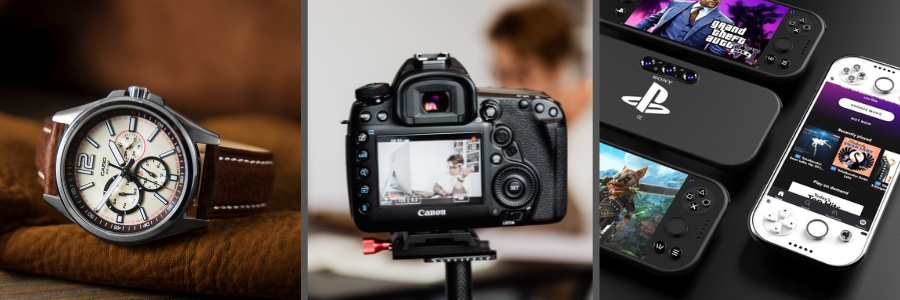
product design firm

The advantage of making visualisation a superpower for designers 

The list of potential benefits which might be gained from product visualisation and photorealistic rendering services in a virtual realm is so rich that a couple of chapters might have been devoted to it, but here is the Cliff’s Notes version. Number one, the potential use of product visualisation is that a product might be contemplated from a perspective far, far back, because development may take a far-and-wide path. Then, of course, there is what is called consistency, because this cyber world is completely controllable. The lighting is consistent. The angles of the cameras are reproducible.

The colors are consistent. The best that the best photographers can do is inside the studio, but once it is a matter of the natural environment, the sun may not be willing to play along, the prop men may fall, or the shadow may appear. The explanation can also be made simpler, even to the non-engineer investor, with the use of virtual visualisation. This is because he does not have to listen to the opinion of the engineers. Now, he can show his own beautiful 3D view, which clearly shows what the product will look like. It is worth complimenting the presence of the clients, because clients are human beings who need clarity.

It is worth complimenting the presence of team members, who make things simpler with less ambiguity. Everybody is going to be thrilled that the discussions whether a certain curve has to be three degrees more acute are a thing of the past, whether a product has to be red are a thing of the past. Actually, this is a very strong aspect, a real-life scenario which I believe has been highly underrated. The product can be installed within a kitchen, office, studio, bedroom, or room environment, as well as within a real-life environment.

This, in my mind, is a great benefit to the consumer, who now gets an opportunity to visualize his own product within his surroundings, thanks to 3D visualisation designers. More importantly, he gets a chance to ensure that his product is perfectly harmonized with the surroundings it’s supposed to keep, which is basically what his product is known for. 3D rendering service providers can also prepare an animation story for any product, keeping in mind light effects, color contrasts, and presentation style.

RELATED: Why 3D Product Models Are Replacing Traditional Photography for Product Design Companies

This is the reason why, while models in the past served only as a way to allow a potential user to get an idea of what the product might look and feel like, modern models can already “communicate a sense of feelings linked with luxury, excitement, reliability, simplicity, and innovation.” Indeed, people are hardwired to respond very viscerally to emotionally charged imagery, so “the business knows how much more impactful visual storytelling is when a new idea is introduced into the environment.”

Where collaboration tools really deliver

However, with the progress made in product visualisations in the computer age, collaboration software has reduced potential miscommunication within groups. The cloud software has actually come a long way with such advanced features that make it easy to share models in real time with 3D artists, engineers, managers, and clients. Now that virtual reality is more user-friendly, design houses have also begun collaborative reviews in the realm of VR. A reviewer can just stroll around his or her own creation, take a look at details, and find out what’s going wrong with his or her own creation, as one does when collaborating on a common shared workspace.

Of course, this is not exactly a home workshop with a hint of saw-cut wood in the air, but boy, it’s full of detail. This, therefore, is a blessing in disguise, even for product design freelancers. This is because of the latest developments within the scope of project management: a freelancer recruited from the Cad Crowd website is easily part of the design process at a particular company. The gap has been closed while talent has multiplied. A complete environment has been made, which itself is a part of the whole globe.

RELATED: How to Use 3D Product Modeling and 3D Product Photography for Company Advertising

Computerized product visualisation to build brand identity

It is not a logo, but it is a voice, personality, style, and promise. In regard to presentation, it is infinitely significant how a consumer is going to interpret that identity. Product visualisation has also been a way of speaking aloud. Colors, lighting, moods, and compositions form part of brand signatures. This is because such visual stimuli, through consistency, are what give a brand an emotional association. It is the clients who are given the chance to associate certain visual stimuli with the brand itself.

For instance, in a high brand situation, the effects of lighting style may even go to dark shadow with a reflection of silk, while in a fun brand’s situation, colorful, soft, and warm would be applied. For a technology-focused brand, the 3D rendering expert would use a clean background of geometric shapes, and this is communicated through visualisations before the marketing message is read. This would make it a visual element that has to ensure continuity in the transition of ads, packages, and even interactions within their respective platforms. It is an element that would require development in terms of creating cohesion in the user experience.
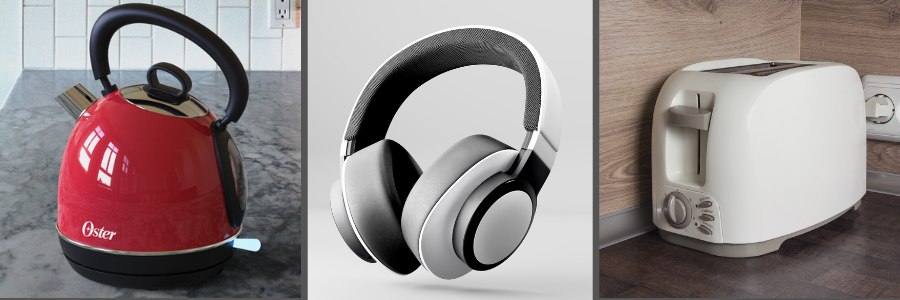
consumer product design services

Challenges along the digital trail

Inevitable, of course, in even the most fanciful technologies lurk a couple of Gremlins within. Even as product visualisation seems to be waving the magic wand, the following two challenges that keep graphic designers wide awake are literally overlooked by the former:

This is to do with one of the more fundamental challenges: that of the software learning curve. The software that is used in 3D rendering is also changing every year, with a different set of skills, a different set of controls, and the latest software used to make even the smallest change in a different way altogether. This particular set of skills, which a particular product rendering artist has, respecting caustic, subsurface scattering, reflections, and detail, takes a rather long time to acquire. Even a beginner would, within an infinitesimally small amount of time, realize that what used to take a click of the filter button now takes a whole lot more.

RELATED: How Successful Companies Utilize 3D Product Modeling Services for Compelling Product Imagery

The old nemesis is speed, which has not yet been tamed as far as rendering is concerned. It is a hungry process, especially when rendering high-resolution images, to say nothing of rendering as a final product itself. The rendering farms of such animation houses may have to be huge, but on the other side of the track, large scenes with great detail, as well as high-order lights, take hours to render. In most cases, the artist renders, sleeps, and wakes up to find the computer still computing the bounce of the light, as if contemplating the biggest questions of life.

It is a really tricky element because it might not be necessarily impressive might need precision. Precision is about materials, sizes, tolerances, and colors that must meet the product specification exactly. The design might be awesome, but it might not be precise, which indicates there will be a problem with the design when it is actually produced. This could also be a tricky situation for the communications between teams, such as engineers speaking from a technical specifications perspective, artists from a visual metaphors perspective, marketing teams from an emotional impressions perspective, and so on.

This is why freelancers can sometimes be pretty useful to businesses, as they might have knowledge that helps fill the language gap. It is, of course, a situation wherein the consumer might even become a problem when he reaches the conclusion that the copy is even more pleasing to the eye than the product itself. It is a fact that computer-generated lighting is never “unflattering,” computer-generated blemishes are never spotted at the worst possible moments, and so on. It is a line that has to be walked with extreme care at a point when it is a matter of rendering.      

RELATED: Product-Centric vs. Customer-Centric: Which Is Best for Consumer Product Design Companies?

The future of virtual product visualisation 

The future of product visualisation is a bright, exciting, unpredictable fireworks display, with technicians who have a bloodstream that has more caffeine than blood cells. The computer is becoming smarter, with rendering times becoming faster. New technologies are bursting on the scene with claims that they have revolutionized the industry before lunch. Then, of course, one success story arrives, making it a success within the design, marketing, and publicity communities. The effects of such changes are already evident in how the workflow for artificial intelligence used for 3D effects operates.

It is a tool that helps the product development artist develop a concept, change a material, or even determine how a lighting rig might look, even though no light ray has been calculated. Artificial intelligence doesn’t eliminate reliance on instinct, but essentially provides a full process from creation to completion, one that has been made even smoother by artificial intelligence. What the artists now have is more creative hours but fewer hours spent wrestling with all these pesky, gritty tasks, artfully disguised as digital tasks. The other exciting area is real-time rendering engines. Real-time rendering allows designers to analyze even the most complex scenes in real time, without having to perform many calculations.

That is similar to changing the materials on a chair and receiving a visual appearance that includes all the reflections, shadows, and environment. Real-time rendering has now empowered designers to produce quick concepts that can be refined. Augmented reality is now becoming such a sidekick that it is extremely useful in demonstrating the product virtually. Customers can now manipulate a virtual object in a real-world environment using smartphones or AR glasses. It is a very useful service because, in effect, customers are now able to manipulate the product virtually while at home.

RELATED: Why Companies Use Product Design Sketches during New Product Development and Design

This provides a massive advantage to the corporation that uses AR because, by definition, it fills the existing gap from new product design services to real-world surroundings, putting a seal of advantage over huge corporations. The area that has most to do with virtual reality, on the other hand, is rising. This is because this sector uses a certain realism in the process of visualisation that cannot be imitated on the screen. It is literally possible to see the product from the human perspective, going around it, taking a look from the side when standing on the floor, and estimating how that scaling is going to work in a complete environment. 

It is a different feeling when taking a look at a product design in a 3D environment on a flat screen-one is suddenly standing alongside it, feeling as though he or she could reach out and touch it inside of a virtual environment. In order to keep up with such developing technologies, the most sensible thing that the brightest 3D rendering firms can do is take immediate action. The reason is that this is the age of digitization, encouraging learning in a progressive way. This is why the brightest photorealistic 3D rendering firms can leverage technological knowledge combined with creativity. 
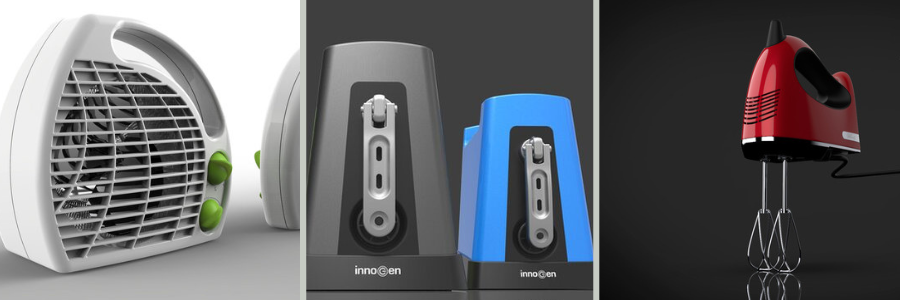
3D product modeling designers

Avail online product visualisation solutions now 

There is no doubt that the visualisation of the virtual product is the most adaptable force in product design, marketing, and experiences. The list of factors is endless, while difficulties are overpowered easily, with a horizon full of bright technologies. Real-time rendering, Augmented Reality, simulation software, anything is out of bounds, it would seem, as if with infinite enthusiasm awaiting. 

Every day, freelancers and firms specializing in 3D rendering come together to join hands and push past boundaries to create amazing visualisations, statements, and striking images. This can be a great time to unleash the potential of “Virtual Visualisation” if it is going to speak with clarity, accuracy, and distinctness about your thoughts. 

RELATED: Sustainable Product Design and Product Development Principles for Firms to Consider

How Cad Crowd can help

If you are looking forward to working with some professional freelancers who can make his dreams come true, believe me, Cad Crowd is a great place to look for painters of this art. In fact, this is a great page that recommends different talented services on “Virtual Product Visualisation” and a number of talented artists who can make your dream come true, visualizing your thoughts with a great story to tell. Contact us for a free quote.

author avatar

MacKenzie Brown is the founder and CEO of Cad Crowd. With over 18 years of experience in launching and scaling platforms specializing in CAD services, product design, manufacturing, hardware, and software development, MacKenzie is a recognized authority in the engineering industry. Under his leadership, Cad Crowd serves esteemed clients like NASA, JPL, the U.S. Navy, and Fortune 500 companies, empowering innovators with access to high-quality design and engineering talent.

Connect with me: LinkedInXCad Crowd

3D Product Visualization: Elevating Your Online Shopping Experience and Service for Modern Consumers


As time goes by, e-commerce continues to evolve and improve, and it has become necessary to showcase your products most interactively and realistically. 3D product visualization, also known as 3D product rendering services, is a process wherein 3D modeling software is used to create realistic images of a product. If you ask any product designer, they’ll be able to inform you that 3D product visualization has become a powerful and transformative tool in closing a big gap between physical retail shopping and virtual online shopping.

Cad Crowd has worked with companies for over a decade as an industry leader in providing outsourced 3D product visualization, engineering, and design services. Product visualization is a breakthrough approach that can take the entire virtual online shopping experience to the next level while also playing a fundamental role in consumers making their own decisions. Below are some benefits of 3D product rendering:


🚀 Table of contents


RELATED: How to design a 3D product visualization that converts company leads into clients

Benefits of 3D product visualization

Increased sales conversion

One of the main reasons for the consumers’ purchasing decisions is how they are captured in the product advertisements. Interactive content, high-quality images, and attractive visuals boost the product’s appeal while highlighting its unique features, mainly capturing the interest of prospective consumers. Hiring sophisticated 3D visualization firms that use 3D product rendering tools like virtual try-ons and augmented reality (AR) can transform consumers’ experience significantly.

These tools allow consumer the opportunity to envision how the product is going to fit or look on themselves or in their available space. This kind of unique experience fosters confidence and contributes significantly to higher conversion rates. This will give consumers greater assurance in their choices due to the seamless integration of immersive experiences and enticing visuals. All of these ultimately spark elevated conversion rates. 

Improved customer engagement 

3D product visualization features such as 360° rotations animations that allow them to observe the product in full action offer them a unique first-hand experience that every customer enjoys. This kind of feature significantly increases customer engagement, especially if the product design company uses complex 3D product visualization. The amplified interaction can result in higher conversion rates, as stated earlier, and, most importantly, improved customer satisfaction. 

RELATED: How to use 3D product visualization to increase sales and prevent returns

Using 3D product renders is not only a mere trend but also an innovative catalytic change in how businesses engage with customers and another means of marketing their products. Now, The business sector is seeing remarkable growth, with statistics on the global revenues of the 3D rendering and visualization market emphasizing the mounting reliance and investment in such technologies. 

Reduced costs and streamlined production process

Due to its enticing feature that results in an increase in customer engagement, It might sound impossible, but 3D product visualization is also more cost-effective than the traditional way of taking photographs of the product. The upfront investment you make on these services will return pretty soon as there is no need to set up numerous photo shoots in various locations for several variations of the product.

new concept design and product development services

3D rendering services allow things that would have been otherwise logistically difficult if you were stuck with conventional methods. These visuals also simplify the entire production process because they allow easy adjustments or tweaks without having to take new photos. The rise of 3D product renders not just changed how products get presented online but also substantially optimized the production processes’ efficiency and overall costs.

RELATED: 3D Product rendering company or 3D artist: how to hire for new product designs?

Switching to digital 3D models in place of physical prototypes and traditional photography allows companies to save more resources and time. This change can be extra helpful during the product development’s initial stages, where tweaks can be made almost right away without the extra expense of going about with photo shoots or developing new products for every iteration. 

Cut down product return rates

Using 3D product rendering can also help cut down the number and instances of product returns. Giving consumers a more comprehensive glimpse of the products and letting them perform real-time customization and personalization of the items explains how 3D visualization improves the shopping experience. It also helps consumers make wiser decisions when it comes to their purchases. Digital 3D product models from product modeling experts also give companies a chance to shorten the timeframe of their product development process.

Considering how quick it is to create prototypes and tweak the designs, it will take businesses a faster time to launch their products in the market. It also reduces the possibility of customers returning obsolete or outdated items. Letting the products scrutinize and customize items in sheer detail makes them feel some sense of ownership and even satisfaction. This kind of positive experience urges consumers to go back and use the services of the company once again. It then leads to improved loyalty among consumers and more positive recommendations through word of mouth. 

RELATED: How to make a prototype for your new product design

The use of consumer product designers and 3D product rendering also allows companies to take advantage of insights and analytics. Due to the on-demand designing of the products, stacked inventory is no longer imperative, resulting in lower costs in terms of storage, logistics, and marketing. Being able to track the metrics of customer engagement, asses conversion rates, and analyze customer feedback offers indispensable data that can improve the products and further optimize the overall customer experience. 

Best 3D product visuals for eCommerce

Online shopping has almost become a daily norm for most people across the globe. Everyone is buying everything online, from apparel to fashion accessories, beauty products, furniture, and almost anything else under the sun. This shift made marketers realize the importance of using 3D product renders to stay ahead of the game. The following are the primary 3D product visuals that are ideal to use for your eCommerce campaigns:

360° product viewer

A 360-degree spin allows you to view the products from every possible angle, making it almost look like you’re shopping in person. The use of 360-degree panorama rendering designers and 360° images that can be rotated allows marketers to offer their consumers a chance to interact with the product in just a few clicks. It creates an enhanced sense of control and presents the items in a view that is more up close and personal. This improved display is critical as it improves product listings and increases conversions. 

RELATED: 3D Rendering vs. photography: how photorealistic 3D modeling can help your company

3D product modeling firm

3D configurators 

3D product configurators also work as highly efficient sales and marketing mediums for online shopping. The virtual configurators allow you to get the exact thing they paid for. Custom-made products can be acquired by configuring or customizing them based on their personal preferences. 3D configurators make it possible to configure almost everything, from color to texture, material, size, and model. 

Each change is made according to the requirements and taste of the buyer. The option of getting a product designed exactly as preferred can increase the loyalty of consumers to the brand in question. This type of interactive shopping can turn regular customers into repeat ones. 

3D product renders 

Photorealistic renders created by expert 3D photorealistic rendering professionals are highly lifelike digital versions of products or prototypes from digital models. Sophisticated 3D rendering software programs are used in the process to ensure top-of-the-line quality. The quality of the renders tends to be greater if the software used is also more advanced. What makes 3D product renders interesting is the fact that they can produce lifelike and accurate images with precise measurements. 

RELATED: 10 Ways 3D product rendering can increase productivity at your firm

Rendered images can also be generated way before the actual product is made. It can come in handy for promotional campaigns as well as other online activities that improve the product’s awareness among the buying public. Lifestyle and white backgrounds are the two main types of 3D product renders. White background renders, as their name implies, feature products a white clean backdrop without any other visual elements visible. 

Major eCommerce platforms prefer product images with white backgrounds. It’s because this kind of shot can prevent onlookers from being distracted or deviating their attention away from the product in question. They can have a direct focus on the details and features of the product. White backdrop images are also perfect for portraying product USPs.

Lifestyle shots, on the other hand, present products in the actual environment where they are intended to be used. You can think of it as a concept art that forms an emotional connection with buyers. These lifestyle images also encourage potential leads to buy the item. The moment consumers see the item in a lifestyle environment familiar to them, they can get a better glimpse and understanding of how it is used. 

RELATED: 5 Reasons to hire a CAD design specialist to bring your company’s concept to market

3D virtual showrooms 

Virtual reality (VR) has been making incredible changes in the online shopping experience. Online business owners are now shifting to virtual shops to offer their consumers a more immersive and seamless experience with the help of virtual reality expert designers. The purpose of Virtual reality showrooms is to provide you with the same feeling you get when you shop in person in the store. The only difference is that this time, you don’t have to leave your home’s comforts to do so. Virtual shopping increases loyalty among buyers before they purchase anything. 

How Cad Crowd can help

Cad Crowd can help you connect with the best professionals specializing in 3D product visualization as a reliable partner and industry leader to help you find the best professionals. You can use these visuals to improve the virtual online shopping and service experience for your consumers and offer them a unique experience. Our professionals can also help you market and provide you with realistic images of your product. These visuals can give you an edge over your competition. Request a quote today.

author avatar

MacKenzie Brown is the founder and CEO of Cad Crowd. With over 18 years of experience in launching and scaling platforms specializing in CAD services, product design, manufacturing, hardware, and software development, MacKenzie is a recognized authority in the engineering industry. Under his leadership, Cad Crowd serves esteemed clients like NASA, JPL, the U.S. Navy, and Fortune 500 companies, empowering innovators with access to high-quality design and engineering talent.

Connect with me: LinkedInXCad Crowd

Why 3D Product Visualization and Asset Customization is Crucial for E-commerce Company Success


Due to e-commerce, the dynamics of the consumer shopping experience have changed: it is more convenient, faster, and more accessible. In such a competitive, dynamic environment as the digital marketplace, e-commerce companies have greater difficulty in breaking through the crowds and into the ever-more critical minds of online shoppers.

One of the most effective strategies is the use of 3D product rendering and design services, as well as asset customization. All these tools will improve the shopping experience but also contribute to greater sales growth, brand loyalty, and customer satisfaction.

Cad Crowd has helped companies connect with the best product visualization experts to get their products noticed AND cared about. The article explores why 3D product visualization and asset customization are successful for e-commerce companies, drawing from industrial trends and practical examples.


🚀 Table of contents


The power of 3D product visualization

Whereas traditional product images are an everyday feature of e-commerce, they still cannot give the customers a complete picture of what they are purchasing. Static images cannot capture the texture, scale, and intricate details of a product and so cannot present a complete picture in the customer’s mind. 3D product visualization, on the other hand, addresses these issues by offering interactive, highly detailed representations of products that customers can rotate, zoom into, and view from every angle. This technology allows for a more dynamic and immersive shopping experience.

RELATED: Key signs it’s time to reach out to outsourcing companies to improve your engineering business

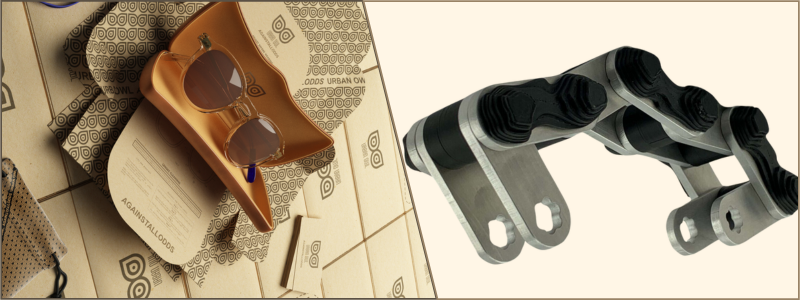
product visualizations of a stylish sunglass brand and a modified rigging bag holder

Enhanced customer confidence

For online shoppers, the inability to physically touch or interact with a product can lead to hesitation and doubt. Customers are more likely to abandon a transaction when they feel that the item’s quality or fit is uncertain. 3D product modeling services closes this gap with regard to experience, as it provides a virtual experience of getting an in-store feel. Being able to view a product in 3D allows the customer to inspect it from all angles, enlarge it for further inspection of fine details, or view it in a more realistic scale and proportion.

This developed view provides confidence in the purchase, as customers will feel more sure about knowing what they are purchasing. Therefore, this will likely decrease the number of returns or exchanges, a common source of pain for e-commerce companies. Less likely to experience buyer’s remorse when the customers will be able to see and play with it as if they were holding it in their hands.

Increased product visualization

3D models allow e-commerce firms to present their products in ways traditional photography cannot. For instance, an expert 3D render can emphasize a product’s texture and finishes, along with even interactive parts as buttons or moving parts of it. Therefore, this kind of detailed approach provides customers with a more comprehensive understanding of the quality and value that a product offers, specifically for high-end and luxury goods.

Further, the lighting effects and real-looking textures can be used along with 3D models to make the overall visualization of the product as real as possible. This is helpful when the aesthetics of the product dominate the purchasing decision-making for an industry such as in fashion, furniture, and automotive. The dynamic and eye-catching presentation of products not only increases customer satisfaction but can also increase the perceived value of the product.

Asset customization: customer experience personalization

Possibly the most compelling application of 3D visualization services is also its integration of asset personalization. Personalization may allow customers to customize products according to their preferences, such as the color, material, or design elements. Today, this level of personalization is fast becoming the edge of an e-commerce company, as people want more unique and tailored products.

RELATED: Designing prototypes: 3D design services for inventors and companies

Meeting the customers’ expectations

The modern consumer is no longer satisfied with ‘off-the-shelf’ products. Customers want items that reflect their individuality and style. It is through such a change in consumer expectations that demand for customized products is increasing across all industries. The best examples would range from niche sneakers to furniture or even configurations of cars – whatever a client may want, he or she wants the ability to design.

Enabling the online company to supply this demand, 3D asset customization allows customers to see in real time how their customizations might appear. Consider a client purchasing a piece of furniture: they can choose from different fabrics and colors of a sofa and select whether it should have legs or be on wheels, seeing immediately how that decision affects the design of the sofa. This interactive approach not only enhances the customer experience but also increases the likelihood of purchase by providing a sense of ownership over the product.

Increased engagement and conversion rates

Customization options are considered to be one of the ways to increase customer engagement and thereby increase conversion. Research has shown that consumption occurs more readily when the customer is able to ‘engage’ with the product being sold, especially through customized products. E-commerce companies now offer customers options to tweak and personalize certain products to satisfy customers’ needs.

Another essential feature is the ability to visualize customizations in 3D, making the process smoother and more enjoyable. Rather than having a static image or limited options, customers can try various combinations and then immediately see the results of their choices on the product. This kind of dynamic interactivity helps build a stronger bond to the product, thereby making it more probable that the customer will complete the purchase.

Besides this, a customer is not likely to switch from a product that can be customized. Customization can become a USP for a brand and thus maintain a competitive difference in the market.

RELATED: Understanding the cost of prototyping for product design services and budgeting for your company

Role of 3D product visualization and personalization in return minimization

Return of products is a growing issue in e-commerce. Customers often send back the purchased items because the products they got and what they ordered were different, either because of color differences, size, or even just because they were not up to quality standards. In addition to costs associated with logistics, it also destroys customer confidence in the e-commerce firm.

Minimize returns: E-commerce companies can minimize returns with the help of 3D product visualization and asset customization. Customers will be sure of what they’re getting; they will be making a better-informed decision, meaning that there is more of a chance that the disappointment when the product arrives won’t be so biting.

Furthermore, since customers can choose to have the product in accordance with their wishes, they are more likely to be satisfied with the purchase. When a customer can choose the exact specifications of a product, then the scope for being disappointed afterward gets minimized.

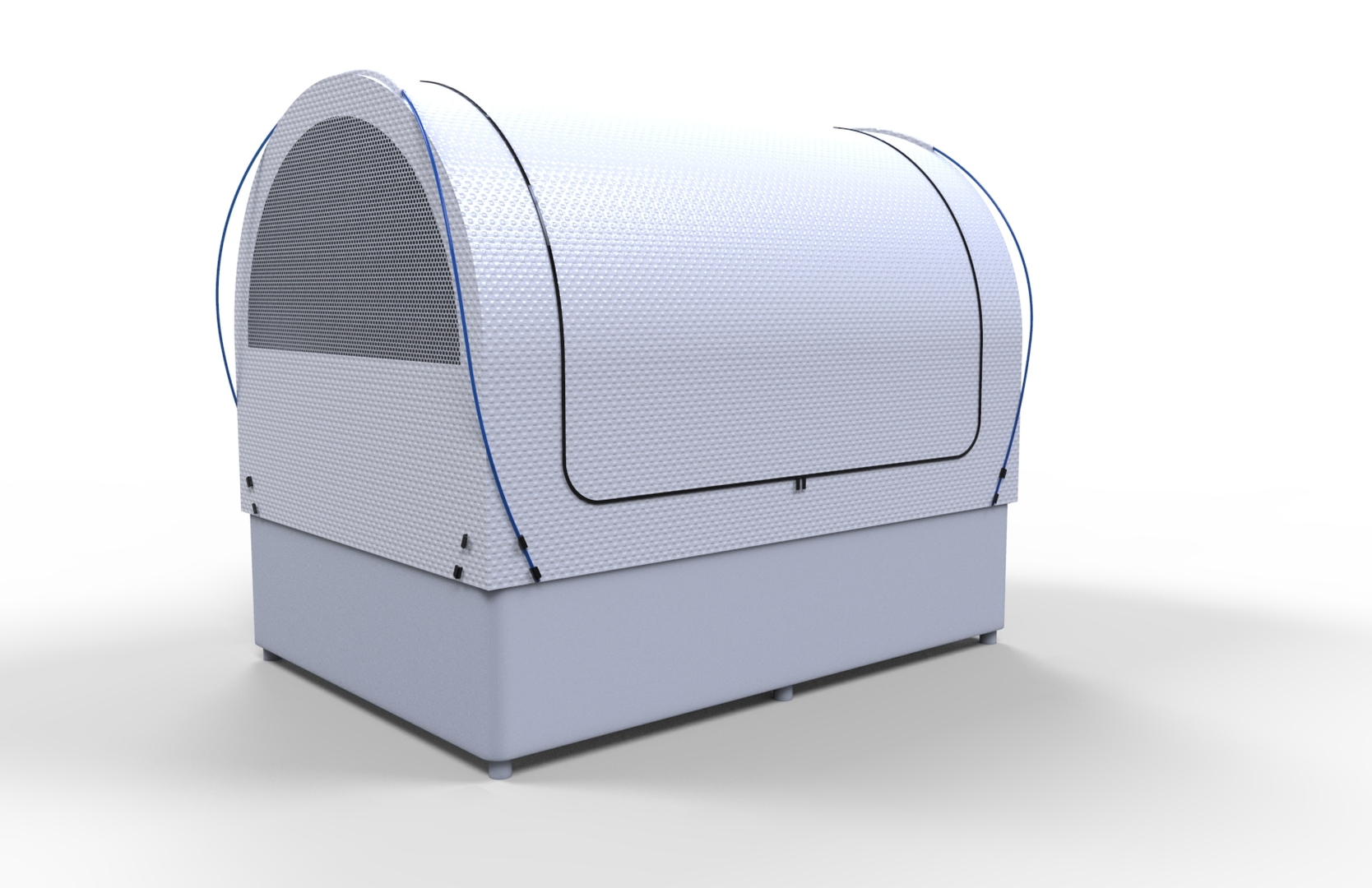
urban easy tent product visualization

Supply chain simplification and waste reduction

A further benefit that 3D product visualization services and customization offer for the supply chain and sustainability efforts of e-commerce companies is related to excessive inventories. Customers can see and personalize products at the point of interaction without actually needing to manufacture or ship them; this reduces the necessity for huge amounts of inventories, lowers overstocked items and waste minimization, and better resource allocation.

For instance, a fashion design firm that designs personalized apparel or accessories will be manufacturing pieces on demand according to the specifications of each customer. This helps minimize the amount of excess inventory but also decreases associated environmental impacts from mass production. The more flexible options are available, the better e-commerce companies are placed to attract eco-conscious consumers.

RELATED: Preparing your firm’s product design for manufacturing: How to streamline development and reduce costs

The future of e-commerce: immersive shopping experiences

As technology continues to evolve, 3D product visualization and asset customization are expected to play an even more significant role in shaping the future of e-commerce. Virtual and augmented reality (VR and AR) are already being integrated into e-commerce platforms, enabling customers to experience products in even more immersive ways. For example, AR technology enables customers to virtually “try on” clothing or visualize furniture in their homes before making a purchase.

Such innovations advance in the benefit of 3D product visualization, with even more interactive and personalized experiences. Over time, more interactive technologies become pervasive, and embracing it early will set some e-commerce companies clear leadership in their respective industries at the front.

Conclusion

3D product visualization services and asset customization could be more significant breakthroughs for the e-commerce sphere. Since these technologies allow customers to understand products much better and more interactively, confidence will be built, and sales growth is to be anticipated. Moreover, it will be possible to offer customized options, which increases the demand for personalized products even more and further strengthens customer engagement and loyalty.

Advanced technologies such as 3D product visualization and asset customization will continue to amend the expectations of consumers and intensify competition among e-commerce firms. In that regard, it not only develops the bottom line but also makes it more sustainable, efficient, and customer-centric. The future of e-commerce lies in immersive and personalized shopping experiences—3D product visualization and asset customization are key to unlocking that future.

How Cad Crowd Can Help

No single site can compare with Cad Crowd in 3D product visualization and asset customization. What success in an eCommerce business can lead to is the association with experienced professionals having some top-tier 3D designers design solid and interactive product visuals. This improves the experience a customer receives from shopping by clearly detailing and allowing customizing product representations resulting in higher conversion rates. 

In addition, asset customization experts help companies offer highly customized products, which increases the level of customer interaction. Through collaboration with Cad Crowd, e-commerce companies can ensure their products stand out, contribute to increased sales, and win the race in this fast-moving online marketplace.

Request a free quote today.

author avatar

MacKenzie Brown is the founder and CEO of Cad Crowd. With over 18 years of experience in launching and scaling platforms specializing in CAD services, product design, manufacturing, hardware, and software development, MacKenzie is a recognized authority in the engineering industry. Under his leadership, Cad Crowd serves esteemed clients like NASA, JPL, the U.S. Navy, and Fortune 500 companies, empowering innovators with access to high-quality design and engineering talent.

Connect with me: LinkedInXCad Crowd