What Are Proven Product Design Principles when Working with Companies & Freelancers?


Dieter Rams’ 10 principles of good design, introduced in the late 1970s, are arguably the most influential product design guidelines still implemented today. The principles basically outline the specific traits that make a product “good” from the perspective of both the product designers and the consumers. According to Rams, a good design must be innovative, useful, aesthetic, understandable, unobtrusive, honest, long-lasting, thorough down to the last detail, environmentally-friendly, and actually have as little design as possible. Considering the all-encompassing nature of the principles, it is likely that industrial design teams and agencies everywhere in the world implement them as part of the standard approach to new product development. 

That said, when you commission a new product to a design agency or a freelance industrial designer, you may need to reinforce those principles with some additional guidelines to keep the development process practical, target-oriented, and aiming at the right objectives. Before you take this the wrong way, let’s make it clear that no one says Rams’ design principles are lacking; however, it’s important to make sure that the product development professionals you hire don’t stray too far from your original product idea. 

At Cad Crowd, all the product designers have been thoroughly vetted for experience, expertise, professionalism, and communication skills before they can offer their services on the platform. This is to make sure that you always end up hiring professionals who are willing to listen to your ideas of a product, work solely based on your specific design requirements, and materialize the concept into something tangible in accordance with the project brief.

RELATED: Why Design for Manufacturability (DfM) is Essential for Product Success When Hiring a Design Firm

Design principles when commissioning an NPD project

Working with design agencies or freelance industrial designers for a new product development can be a challenging task. Much of the collaborative process is about maintaining good communication to keep everyone on the same page. And that’s why it’s necessary to put the following principles into practice.

Usefulness is the highest priority

It makes complete sense that usefulness is the most important indicator of a successful design. If people just cannot find any good use for the product, well then, you can say the design has failed miserably. “Usefulness” in this case means that the product can be utilized to help people achieve its intended benefits and earn the values it promises to deliver.

Values through usefulness could be functional, social, emotional, environmental, or financial. For example, a BIC pen lets you take notes comfortably without worries of ink-bleeding (functional); an exquisite Montblanc fountain pen impresses your coworkers (social); your Parker fineliner holds special place on your desk because it’s a gift from your kid (emotional); a wooden Pilot ballpoint pen serves an environmental value thanks to its sustainable material; a custom-made gold fountain pen might be a good investment. In any case, the product must offer certain values that consumers can understand and benefit from.

RELATED: The Importance of Iteration in Product Development & Working with Product Design Companies

A solution to an existing problem

In an attempt to be innovative, however, it’s sometimes easy for product concept design firms to fall into the trap of designing a product to solve a problem that doesn’t actually exist. For example, a company can probably create a backpack that opens from the bottom, an L-shaped TV remote, a computer mouse with touchscreen buttons, an all-steel acoustic guitar, and the like. 

One of the keys to market success is the product’s ability to provide a solution to a specific problem. For instance, the LifeStraw is widely popular as it gives you near instant access to clean water even in the wild; the iRobot Roomba has sold tens of millions of units as it makes cleaning much easier; the LED lamp has now become standard everywhere thanks to its energy-saving benefits. Those products thrive in the market simply because they deliver real benefits to consumers.

A good product focuses on the core features

There’s a reason why most companies create divisions or categorizations for their products. It’s almost always a bad idea to design a product that tries to be good at everything. Let’s say you hire a 3D design company to create footwear that’s supposed to be good for both hiking and running. While it’s certainly possible to invent a new kind of soles and materials to cater to each purpose, the design company has a monumental challenge to create a pair of shoes that performs great at both. This is why Adidas, Nike, and all other shoe brands group their products in various categories.

RELATED: Why Should You Hire Professional Product Design Companies and Services Experts

Instead of trying to create a master of none, it’s wise to build a product that excels at a specific purpose. To some extent, the approach projects the impression that your product is a specialized object designed for a particular task. Some say it’s counterintuitive to target only a small portion of the market, but the journey to broader recognition and popularity starts with a small success first. 

product design and development team

User experience is the product itself

Every single interaction someone has with the product becomes a user experience. While the two are technically different things, don’t be surprised if people think of them as one and the same. A product can be aesthetically pleasing, made of high-quality materials, and designed to be a sophisticated alternative to the competitors. But as soon as consumers realize the product is difficult to use with a confusing button layout and complex operation, they will associate it with inconvenience.

A prime example of the case is the Apple Magic Mouse. As far as the physical device is concerned, the mouse has a striking visual appeal with smooth design lines and curves all across the surface. Not only does the mouse look sleek and futuristic, but it also works well with macOS and iPadOS. The user experience, however, tells a different story. A resounding criticism concerns Apple’s design choice to put the charging port at the bottom, rendering the mouse useless when plugged into power. Even if the device itself is useful and does offer a good solution to use a mouse with an iPad, the overall user experience is ruined by the poorly positioned charging port. This is a frustrating interaction and ultimately what forces people to look for an alternative.

RELATED: Simple Strategies to Improve Your Product Innovation Process for Design Service Firms

You make the products for users, not for the designers

The main reason behind simplicity in design is to make the product as understandable as possible for users. The product designers need to try to see things from users’ perspectives, so the resulting product can meet (or even exceed) consumers’ expectations. It’s worth noting that users are entitled to have endless opinions about your product. They’ve bought it, giving them the right to share their experience of using the product with others; they can praise, criticize, and scrutinize the design any way they want.

It’s not uncommon for people to say there’s something wrong with the product and that it doesn’t work as intended for them. As a designer, you take the statement as constructive criticism. When users tell you there’s something wrong, they’re usually right. However, when they tell you how to fix the problem, more often than not, they’re wrong. Either way, don’t be so quick to dismiss any report of an issue. Instead, investigate the matter thoroughly and figure out the underlying issue. At the same time, never blindly follow users’ suggestions because they’re not professional consumer product designers.

Fit and finish are important

Attention to aesthetic details, including fit and finish, is just as crucial as functionality and usability. Consumers like to see well-made visual design, quality materials, and professional-looking branding elements. Proper fit and finish carry an implicit message that the people behind the product care about their consumers. Functionality does matter a lot. More than anything else, users want the product to be functional as intended and that it’s worth the money.

RELATED: Product Design Tips: How to Avoid Poorly Designed Products

But the market today is flooded with a lot of things with similar functionality, attempting to outdo each other. Unless your product is entirely new, so that you can’t position it under an existing category, an effective way to stand out in the crowd is to make it as aesthetically pleasing as possible. While it’s not a guarantee of success, good visual impact should earn you a reasonable chance to attract potential buyers.

Good expectations come from good products

A new product development is becoming like a race these days, where 3D design teams rush to reach market release as soon as possible just to be the first to get to store shelves. The idea is to release quickly and then refine the products based on the immediate feedback. It might seem an easy workaround to win the race, but it is laudable as far as the design workflow is concerned. Refinements and improvements based on feedback are advisable, as it’s a good method to discover and address issues raised by the users at large. That said, it doesn’t mean you can release a product solely for the purpose of gaining feedback.

consumer product design

No matter the product you release, make sure it’s the manifestation of your best attempt to provide a solution. If you release a halfway-finished product, consumers can only expect that it won’t deliver a satisfactory user experience. They have lower expectations for the product and lose trust in the brand. 

RELATED:  Ways 3D Product Rendering Services Can be Used for Marketing Products

Takeaway

Product designers do not work in a vacuum. To have the chance at success, they need people with ideas and consumers to appreciate their creations. Within the context of industrial design, a product comes into existence with the purpose of conveying values to the buyers and bringing profits to the companies/brands. They don’t just design a product for the sake of designing; they’re professionals who sell design services in the hope of delivering real benefits, not only to their employers but also to consumers who end up purchasing the product.

How Cad Crowd can help

You need to supplement the Rams’ good design principle with additional guidelines because you also have to think about various constraints, mainly the project timeline and budget. The extra guidelines aren’t meant to undermine the significance of Rams’ principles, but to keep the new product development within practical business perspectives. At Cad Crowd, you can find hundreds of industrial designers specializing in new product development as a whole, from early concept to ideation, all the way to market launch. Get a free quote today.

author avatar

MacKenzie Brown is the founder and CEO of Cad Crowd. With over 18 years of experience in launching and scaling platforms specializing in CAD services, product design, manufacturing, hardware, and software development, MacKenzie is a recognized authority in the engineering industry. Under his leadership, Cad Crowd serves esteemed clients like NASA, JPL, the U.S. Navy, and Fortune 500 companies, empowering innovators with access to high-quality design and engineering talent.

Connect with me: LinkedInXCad Crowd

Top 38 Platforms to Hire Electronic Enclosure Design Freelancers and Electronics Engineers


It is not a matter of sifting through hundreds of CVs of experienced electronic enclosure design freelancers and electronics designers. It is a matter of where. Your favourite platform can halve your time, eliminate the irrelevant, and put you face-to-face with the people who actually know what your project’s all about. Cad Crowd is where you begin, from talent pool to help with making technical ideas into working designs. And in case that’s not said explicitly enough, we sorted through 38 sites so that you can get the cream ready for your next project.

Cadcrowd logo

1. Cad Crowd

Cad Crowd is where you get the top electronic enclosure design freelancers and electronics engineers. It delivers the company’s pre-screened CAD design professionals, PCB design professionals, prototype designers, and case designers. Cad Crowd is among the freelance platforms in overall management of engineering and design, and therefore, it is easy to locate technical professionals. Businesses can post an ad, run a contest, or employ directly. Intellectual property rights and safe project management software are available on the platform. Regardless of the kind of top-level enclosure design modeling or overall product design assistance you need, Cad Crowd assures quality delivery by the world’s top professionals. 



Website: Cadcrowd.com

Gofreelancecom

2. GoFreelance

GoFreelance is a simple gateway providing matching freelance experts with employers for work assignments across different industries, from electronics to engineering. It is a job posting service by which firms can hire selected candidates on a project or part-time basis. It is less internet-based compared to those websites available, but more than you would employ in looking for generic technical freelancers. Since so many are passing through, there is a relatively good chance that you will be able to cover all your leads pretty well, with the expectation of getting that one that can help in fulfilling your project needs. Although GoFreelance brings you to a majority of individuals, it is for small projects and small work, but not massive engineering projects. 

Website: Gofreelance.com

RELATED: Electronic Enclosure Design Tips: A Complete Guide from Freelance Engineers and Design Services Firms

twine logo

3. Twine.net

Twine.net is well-known for freelance 3D designers but has expanded to technical disciplines like electronics and engineering. You can list and accept bids from freelancers worldwide. Twine is never electronics or designing enclosures, but if you can shove people who are not necessarily going to be using the same skill set, then it is still out there. The platform is fun to work with, and the talent pool of seasoned veterans and up-and-coming star freelancers is there. Firms willing to outsource hiring specialized expertise on contractual terms need to wade through the CVs of job applicants carefully, but Twine can readily serve as an intermediary while recruiting engineering freelancers. 

Website: Twine.net

Naukri logo

4. Naukri

Naukri is India’s leading job portal and largest recruitment website, catering to professionals and organizations across industry sectors. It is an open-bid job board and a smaller job board site, and thus it would be optimal for businesses that are able to employ full-time or long-term electronics engineers. There are set advert sizes, employers are able to sort by experience, and they are able to reach out to a mass of talent made up of technical design engineering professionals and engineers. It is not a freelance design enclosure, but Naukri will be useful to companies working with in-house staff regardless. 

Website: Naukri.com

Integra Sources

 5. Integra Sources

Integra Sources isn’t an engineering firm or a freelancer site, but also a design firm of custom electronics and software. They hire professional technical electronics engineers to work on projects from case design up to embedded system manufacturing. Through the services of Inegra Sources, one gets enhanced experience, efficient project management, and assured delivery compared to freelance personnel. The business can be utilized by firms with end-to-end engineering solutions as opposed to ad-hoc freelance solutions. The clients can leverage expert advisory services, success track, and proven process. It is appropriate for businesses that would like a company to have work done on their behalf rather than freelancing specialists.

Website: Integrasources.com

RELATED: What to Consider in Developing the Enclosure Design of Your Company’s Electronic Products

Freelancermap logo

6. Freelancermap

Freelancermap is a technology-enabled IT project marketplace and therefore the best place to look for freelance electronics design engineers. It also has an international pool of talents ranging from product design skills to PCB and embedded system design skills. Even freelancers can post the job themselves and receive applicants. It also boasts open profiles with experience, rate, and skill to screen through. Even though technologically capable experts are not particularly invested in constructing enclosures, technologically capable experts seem to be flooding in. Freelancermap is ideal for companies that need engineers accustomed to freelancing and IT certified. 

Website: Freelancermap.com

Freelancer International

7. Freelancer.international

Freelancer.international uses the directory system in a bid to find experts around the globe in such specialized areas as electronics and engineering. The freelancers’ CV are made accessible to the clients where they can check the described proficiency, and talk to them directly about a possible job. Unlike bidding websites, it is done through direct one-on-one communication that can actually be a business time-saver since they already have an idea of what type of talent they require in advance. Not too specialized in enclosed construction, electrical engineers just so happen to be a part of its members. This website would be perfect for clients who are fed up with having to sift through lists of qualified leads rather than deals. To the point and ought to be perfected as much as practicing power and project feasibility. 

Website: Freelancer.international

ElevateX Solutions

8. ElevateX

ElevateX is a platform that matches businesses with pre-screened freelance masters, and most of them are technology and engineering masters. It is all about giving business companies an opportunity to fill skills gaps in the future through exposure to seasoned experts. It is the quality and compatibility that the site offers that offer smoother access to opening markets. ElevateX is design-focused for enclosures, not technical, but it is a satisfactory niche to search for electronics engineers with the right skill sets. Clients are graced with a filtered choice to aid in project risk delivery mitigation. ElevateX is best for companies that need experienced engineering design freelancers to be involved in order to undertake middle-order to high-degree technical work.

Website: Elevatex.solutions

Electrohire

9. ElectroHire

ElectroHire is a niche platform focusing on electronics engineering and is best placed to carry out enclosure design work. It is ideal for companies that require circuit design specialists, PCB layout design specialists, embedded system developers, and case modelers. Capabilities refine it from any other freelancing website because the customers not only save time but also don’t spend time searching for the best candidate. ElectroHire is for businesses that most prioritize technical correctness and expertise in their business niche. It is the second-best way to use engineers to design tailored electronics projects. 

Website: Electrohire.com

RELATED: Electronics Enclosures Design: 8 Powerful Tips for Companies and Firms Hiring Freelancers

Freelance Electronics

10. Freelance Electronics SRL

Freelance Electronics SRL is distinct from any other freelance website. It is not a business run by freelancers, but an employee-owned company offering electronics engineering services. Companies such as these can hire Freelance Electronics SRL to conduct product design, electronics design, and enclosure work. It gives the customer the experience of experts without bidding. It will be appropriate for a company that would rather have professional labor structured than hire freelance employees to work. It does offer generic know-how, but without the necessary adaptability for actually small one-time tasks. It would be handy in serving gargantuan regular tech requirements. 

Website: Freelance-electronics.com

CADlane

11. CADLane

CADLane is an online business that brokers companies with. CAD experts, from experienced professionals in enclosure design and drafting electronics. It allows clients to post work and receive bids from global freelance experts. CAD background on CADLane makes it an improved choice for enclosure modeling than standard freelance websites. The website is user-friendly, and experience, portfolios, and rates appear on profile pages. Since it is not electronics itself but its talent pool in the form of CAD experts that makes it qualified to be hired for working in such high-end design firms, it is most appropriately suited for technology-driven projects with high design content and no detailed engineering activity. 

Website: Cadlane.com

insolvo logo

12. Insolvo

Insolvo is a website-based freelance site whose customers can list work in quite broad categories, e.g., electronics and engineering. Its platform is simple and gives clients immediate feedback from freelancers once they have posted an ad for bidding. Insolvo has a few other tools, but has access to enclosure design experts who may be limited on specialty websites. The platform is low-cost and thus appropriate for small- and medium-sized projects. Firms that require hiring electronics engineers have to read between the lines and portfolios in selecting the best CAD engineering freelancer. Insolvo is best suited for complete freelance needs compared to technical specialist services. 

Website: Insolvo.com

altium 2 logo

13. Altium

Altium is a highly rated PCB designing software and electronic design automation software. Altium also has a professional community on which one can engage a professional electronics engineer and PCB designer. It is unique compared to other freelance platforms in the sense that this is a pool of highly skilled professionals with an exclusive focus on electronic projects only. It is a goldmine for those businesses that need the best minds, for board work and enclosures, as such. Clients. They become associated with masterminds of high-end equipment utilized in business. Not a traditional freelance website per se, Altium puts customers directly in touch with master engineering minds. 

Website: Altium.com

RELATED: Design Strategies for Radar Enclosures with Electronics Enclosure Design Companies

Taskerplatformcom logo

14. Tasker

Tasker is an on-demand, real-time freelancing platform to accomplish various kinds of work. You can hire a freelancer and post an advertisement too in working industries ranging from labor work to professional work. Even though it includes technical training classes, technically, it is not technical or enclosure design work. Those that require skilled manpower will have their time to look for alternatives. Tasker will be most appropriate for minor or smaller-than-monolithic engineering projects. It will be of greatest worth to rush-hire the ones that are needed to be hired immediately, but is least likely to create electronics at a higher level or enclosures. 

Website: Taskerplatform.com

EngineerBabu logo

15. EngineerBabu

EngineerBabu is a tech-oriented business-to-hire freelance developer, designer, and engineer. While more IT- and software development-focused, it is still electronics engineering specialist-requiring. Provides business and startup technical consulting on-demand access. Engineer- and tech-oriented, it is a specialist and not a general freelancer site, and clients will need to be anonymous when looking for enclosure design experts. Elastic labor is handled by EngineerBabu and constitutes the perfect fit. More suitable where freelance engineers with varied technical capabilities are needed. 

Website: Engineerbabu.com

Allaboutcircuits

16. AllAboutCircuits

AllAboutCircuits is one of the live web forum sites for professionals in electronics, providing tutorials, business news, and facts. In addition to being an info site, the site also features a job board where electronics firms can list job ads for electronics engineers and specialists. Not a general freelance site for everyone, but the specialty group is niche-based, i.e., not that hard to get qualified leads. These companies need the services of an enclosure designer and can leverage their own talent pool. Working for them may not be as crucial as freelance websites. AllAboutCircuits will best fit companies needing experienced engineers for high-tech, complex, or long-term projects. 

Website: Allaboutcircuits.com

gigster logo

17. Gigster

Gigster is an outsourcing platform that is a project completion platform wherein one attempts to match technology projects with pools of pre-screened talent. It provides pools of experts who have the ability to complete projects in artificial intelligence, programming, and software developers. Gigster is electronics-based in orientation, but provides engineers who can provide enclosure-based services if there are any completed product development projects. Quality is provided by the website but perhaps not by small companies. Gigster is suited for companies seeking completed projects with some kind of administration and thus best for high-cost, high-tech, large projects, and not completely freelance. 

Website: Gigster.com

RELATED: Cost to Design a New Electronic Product, Develop PCB Hardware & Prototype Rates at Firms

Fivesquid

18. Fivesquid

Fivesquad is a British freelance website where professionals can offer fixed prices for their services. Although primarily utilized by web services providers and decorators, they are actually utilized by tech-nature freelancers in the electronics design business. But professional enclosure design people are worse than professional engineer websites. Fivesquid is fine for low-priced work and very tiny budgets, but would never be the best page for more complex electronics projects. Companies have to sift through profiles and services offered completely before they opt to buy services. It is okay with customers ordering low-cost fixes over engineering services. 

Website: Fivesquid.uk

Ziptask logo

19. ZipTask

ZipTask is an internet medium through which business firms are able to recruit freelance employees temporarily. It is time-based and therefore best suited for the completion of small technical jobs. Although it provides a customized list of services, the platform itself is generic electronics and enclosure engineering. Companies need to spend time arranging the electronic enclosures design freelancers for professional staff. The ZipTask method is suitable for small orders with single technical coordination. It is sufficient for common outsourcing orders, but pointless in orders with intricate electronics engineering or accurate enclosure design. 

Website: Ziptask.in

TaskRabbit logo

20. TaskRabbit

TaskRabbit is best known for offering customers access to local community freelance workers to handle daily tasks such as assembly, delivery, and handyman work. It does offer some specialized technical skills, just not electronics engineers or enclosure design specialists. No, here, where companies would utilize professional-grade engineering staff. TaskRabbit works best for middle hands-on positions, but is not perfectly suited for highly technical positions that require more experience. Businesses that require electronics design or enclosure must offer higher-experience jobs. TaskRabbit is incredibly convenient for beginner in-home positions but not perfectly suited for businesses requiring engineering design experts or enclosure design professionals. 

Website: Taskrabbit.com

FlexJobs logo

21. FlexJobs

FlexJobs is a web-based job listing website for flexible work postings committed to a complete range of different industries. It is widely known to be most worthy of its strict filtering of work posted to allow clients to filter out spam and low-quality work postings. It does not include electronics or enclosure design, but includes engineering types of work employment. Employers are still able to recruit good professionals through it, but with greater effort compared to specialist websites. FlexJobs is better suited for part-time or long-term work agreements, and not short-term freelance short-contracts. It is suited to the requirements of companies that would like to have continuous recruitment procedures but lack technical enclosure design job advertisements. 

Website: Flexjobs.com

RELATED: What are the Costs for New Hardware Product Design, PCB Prototyping Rates, and Services Pricing?

AngelList logo

22. AngelList

AngelList is a popular means for startups to identify investors, partners, and even employees by startups. It can also hire engineers, developers, and other startup entrepreneurs for new positions. It does have electronic engineers that they can employ and contract them there, but AngelList is a right startup application in the employees’ hiring process and not contract employment of freelancers. It will be easier to use in building longer-term technical staff, but harder to use in contract employment freelancers to perform enclosure design tasks. AngelList will best fit companies seeking early-stage work talent. A single one-off short-term enclosure design will utilize more specialized freelancer websites; it will, however. 

Website: Angellist.com

Pic-control

23. Pic-Control

Pic-Control is a Singapore professional engineering solutions company with product development services, electronics design, and embedded systems solutions. Pic-Control is not another freelancer site to be used in conjunction with other freelancer sites, but a business company with end-to-end solutions. Companies requiring the enclosures to be made from scratch can hire the services of its engineers who provide work from scratch to a fully developed prototype. Process orientation provides quality and reliability sufficient for firms ready to utilize experienced masters rather than stand-alone freelancer experts. Pic-Control is a hardware integrator and developer. It is less price-sensitive than freelancer sites, but sufficient for professional high-complexity engineering work.

Website: Pic-control.com

SimplyHired logo

24. SimplyHired

SimplyHired is a job search engine that provides contract, full-time, and freelance job listings on the entire web. It is not engineering-targeted, but in the general sense, electronics engineers are spidered and can be found with targeted searches. Companies can post an advertisement and receive a large sample of likely employees. Because it is an open system with numerous posts, rigorous filtering is used in searching so that they can acquire competent enclosure design professionals. Since it is a platform that retains companies only on a commitment to attempt Slack hiring strategies, SimplyHired is not a great tool to reach quality freelancers, but it reaches an enormous number of individuals. 

Website: Simplyhired.com

DesignCrowd logo

25. DesignCrowd

DesignCrowd is an online design market where firms can outsource work or run competitions for freelance design. More ideal for web graphic designers, branding, and graphics rather than electronics and engineering. Although. Extremely high level of creative work. But certainly not for technical electronics design and enclosures design. Firms looking for engineers won’t be well served. DesignCrowd would be for businesses that require logos, packaging, or advertising content but not product design. If the engineering design of electronics or enclosures is a requirement, some websites must be attempted first. DesignCrowd is for creative work and not project development. 

Website: Designcrowd.com

RELATED: Complete Cost Estimates for An Electronic Product – Design Services Rates and Pricing for Your Company

peopleperhour logo

26. PeoplePerHour

PeoplePerHour is a worldwide pool of freelance experts from which the company can hire remote specialists in all but extremely selective niches like design and engineering. It is in tune with going hand-in-hand with hourly compensation and project work with economic convenience. There are electronics specialists and CAD drafting specialists, but the site is more suitable for a generalist. Companies that need enclosures to be made will need to scan portfolios and profiles to determine the required experience. Good payment facilities, grading facilities, and messaging facilities make it easy to work on PeoplePerHour. Medium-sized projects are ideal, but specialist sites are fine for high-end electronics projects. 

Website: Peopleperhour.com

Arc.dev

27. Arc.dev

Arc.dev aligns technology and business professionals with professional developers. It uses software and engineering concepts with capable hands to unlock full-time job opportunities as well as freelancing opportunities. While, like any other electronics engineers, there are a few possessing relevant certificates. Sorting keeps clients from receiving services from inexperienced hands, thereby mitigating project-creation risks. Arc.dev is suitable for companies requiring skilled technical engineering freelancers. It is not suitable for the normal enclosure design task. It is best suited for big companies requiring more than product engineering and design technical expertise. 

Website: Arc.dev

Guru logo

28. Guru

Guru is a very ancient freelancing site with broad industry variations like electronics and engineering. It provides customers with the services of publishing a project, browsing through freelancers’ portfolios, and negotiating fees in secrecy. The site possesses an elastic payment arrangement on a milestone, hourly, or fixed-price. Enclosure design experts would be more difficult to obtain than specialty sites, although electronics engineers exist at Guru. Overbaggage of talent pool on the site is a double-edged sword as exclusivity must be the minimum. Companies that need room and liberty to sort through candidates are best served on Guru. 

Website: Guru.com

LinkedIn logo

29. LinkedIn

LinkedIn is the world’s biggest professional networking site and claims to have a clean site for professional hiring of any quality. There’s a job posting, there’s one-to-one interaction with electronics engineers, assured, experience-based, and skill-based search profiling. Not a contract website, yet LinkedIn has professionals offering contract and project work-based services. Best to utilize on LinkedIn for job application purposes because of the freedom when it comes to actual verbal communication with leads and complete background information. Companies seeking long-term or senior workers can utilize it. Best to utilize when applying for hiring, but a good source to utilize when in search of professional product engineering staff

Website: Linkedin.com

RELATED: Guide to New Electronics Prototyping for Hardware Startups & Design Companies

indeedcom logo

30. Indeed

Indeed is among the most viewed career search sites utilized by companies while searching for work professionals with specialization in their field of business. It allows companies to post work and discover professionals who are prepared to work full-time or on contract. Electronics engineers can be discovered on Indeed, but not freelancers, and enclosure specialists will be less available. The platform is ideal for companies when they need to hire in-house engineers or build technical teams. Indeed, there is no worse or faster way to do fast, small freelancer jobs than specialist platforms. 

Website: Indeed.com

Workana logo

31. Workana

Workana is a website of product design freelancers who previously were distributed in a traditional way across Latin America, but now anywhere in the world. They provide any kind of service from engineering to technical departments. The customers provide projects, which are picked by freelancers as proposals, upon which they perform profiles, portfolios, and reputations to make decisions. Workana is technology-unfocused, but they may have space to grow into technology-specialized engineers. Employers would need to weed through more of them to choose an enclosure design freelancer, but the service is affordable and prompt. Workana can work on small to medium-sized projects, but not engineering specifications. 

Website: Workana.com

ZipRecruiter Logo

32. ZipRecruiter

ZipRecruiter is a job board that involves matching with potential employer. It also boasts syndication and job posting functionality, and employers benefit from access to a large pool of talent. There are electronics engineers at ZipRecruiter, but it does not promote freelance or direct-hire contracts. Companies seeking to hire enclosure design professionals can find the desired professional, but it takes more time than on freelancing websites specifically intended for this purpose. ZipRecruiter would be suitable for companies seeking employees to perform more than or more specialized sites for 3D design freelancers. Enclosure design short-term would be suitable for more engineer sites or specialty sites. 

Website: Ziprecruiter.ie

toptal

33. Toptal

Toptal is said to provide skilled freelancers with finance, design, and software development expertise to clients. It is not suitable for electronic engineering or enclosure design work. It is not electrically biased towards electronics and might not necessarily be smart enough to provide master skill sets that a business company can gain in hardware design or enclosure modeling. Its rates are also too high and not that reasonable for small jobs. While Toptal excels in business and software consulting, companies needing electronics engineers must also consider sites that are technically biased. Some kinds of enclosure design projects will be suitable for other sites.

Website: Toptal.com

RELATED: A Guide to Electronic Product Design for Manufacturing with PCB Design Firms & Engineers

Truelancer logo

34. Truelancer

Truelancer is a website offering online freelancing services in all categories, such as IT, general engineering, and product concept design services. It is not suitable for professional electronics like enclosure design, though. The website is generic and not easy to hire quality electronics engineers. It is easy for small general or design freelancing, but technical specifications will be matched better elsewhere. Truelancer is good for customers who are looking for low-priced services for simple non-tech work, but not sophisticated electronics engineering. Professional websites are employed as a fallback technique to provide design services.

Website: Truelancer.com

fiverr-logo

35. Fiverr

Fiverr is a large freelance platform where professionals offer services in packages with the lowest price tag. It is appropriate for digital and creative services but not for electrical engineering or enclosure design. Electronics services are of low quality and not in demand, and companies therefore struggle to realize repeat business. Fiverr would be appropriate for small and fast jobs, but technical skill and accuracy are necessary if one is to create enclosures. It is therefore not ideal for companies looking for electronics engineers. Companies will be subjected to more filtered human resources by engineering-based websites. 

Website: Fiverr.com

freelancercom

36. Freelancer

Freelancer is among the top global freelance websites and serves almost all industries. Fair scale to provide the appropriate number of experts, but not an optimum fit in the area of enclosure designing or electronics engineering. Its open bidding process on its website will ensure random quality and technical inputs by technical freelancers. Electronics is a technical engineering skill and won’t be simple to provide here. While Freelancer might be adequate for low-level projects or small-level enclosure design, organizations that require top-level enclosure design or quality electrical engineering freelancers will have to seek other avenues to technologically more advanced, engineering-type websites. 

Website: Freelancer.com

kolabtree logo

37. Kolabtree

Kolabtree is a site where there is a room for organizations to place orders for freelance scientists and researchers. While it is simple to work on using it to do research work or a research study, it is the wrong platform to use to create products or hardware. Such organizations would be wasting their time in hiring electronics engineers from Kolabtree since Kolabtree experts have interests in biotechnology, data analysis, and biological science, but not in product design or hardware design. Electronics engineers would be useless or redundant for such companies that induct them through these websites. Research work through Kolabtree is an investment, but not technical designing or engineering. Business organizations related to electronics can try those websites first using engineering talent. Kolabtree is not a place where such work gets outsourced. 

Website: Kolabtree.com

RELATED: Consumer Electronic Product Design Services: All You Need To Know About Costs, Rates, and Prices for Freelancers

Upwork-logo

38. Upwork

Upwork is a very well-visited freelance platform with an unfathomable set of professional skills of masters of any form of varied business. There are some electronic engineers on it, but it is not a platform that is recommended upon which to carry out enclosure design work. The trend of the platform as a whole is shifting away from assigning highly specialist professionals to specific locations, and quality is extremely skewed among freelancers. It will not be an hour or two to acquire the experts, and high-end electronics demand experience and urgency that will or will not be found on Upwork. Ideal for fly-by-night freelancing work, time-pressed companies to select some enclosure design services will do best on engineering and tech-savvy service platforms. 

Website: Upwork.com

How Cad Crowd can help

It should not be an act of guessing to find the best engineer or freelancer to do your electronic enclosure project. Since there are very few good websites to select from, the experience that you are seeking is closer than you imagine. Cad Crowd is where you should go because you can negotiate with experienced professionals who are electronics technical specialists and electronics enclosure design specialists. If you are not opposed to allowing your project to remain on the drawing board into the hands of the finish line, then head on over to Cad Crowd and request a free quote today.

author avatar

MacKenzie Brown is the founder and CEO of Cad Crowd. With over 18 years of experience in launching and scaling platforms specializing in CAD services, product design, manufacturing, hardware, and software development, MacKenzie is a recognized authority in the engineering industry. Under his leadership, Cad Crowd serves esteemed clients like NASA, JPL, the U.S. Navy, and Fortune 500 companies, empowering innovators with access to high-quality design and engineering talent.

Connect with me: LinkedInXCad Crowd

Simple Strategies to Improve Your Product Innovation Process for Design Service Firms


Creating new products brings equal parts excitement and chaos, but the payoff makes every challenge worthwhile. Maybe you’re working on smart home devices, comfortable office chairs, or game-changing kitchen tools. Whatever your vision, the design professionals available through Cad Crowd’s number one network of CAD and 3D modeling experts know how to bridge the gap between wild creativity and practical solutions.

Getting from that first rough sketch to a polished product in stores requires more than just a lightbulb moment. Success comes from developing a reliable system that keeps your original vision intact while ensuring the final product can actually be built and sold at a profit.

Here’s what makes this achievable: you don’t need unlimited funding or multiple engineering degrees to create better products. What you need are proven, straightforward approaches that maintain momentum without getting lost in analysis paralysis.

Ready to discover how your design projects can become more innovative and financially successful while protecting the unique creative energy that sets your work apart?


🚀 Table of contents


Start with real-world problems, not just ideas

Ideas are almost like weeds- they tend to sprout up everywhere, wanted or unwanted. These ideas are often taken for granted, set aside, and go almost unnoticed. But what about fantastic products by product design services? Those are like orchids: they need the right place, care, and timing. So, rather than beginning your innovation process with a “cool idea,” it is often best to begin with an issue someone actually has. Not theoretically. Not hypothetically. Something that actual people are annoyed with, struggling to get around, or would happily pay to simplify.

If your company is in the business of consumer goods, leave the studio and enter homes. Observe how they cook, clean, organize, exercise, or work. The most valuable lessons tend to be found observing what users have normalized- those awkward, makeshift workarounds that cry out for an opportunity for a savvy designer.

And don’t just observe. You cannot just expect to get results by sitting in one corner. Talk to people. Ask open-ended questions such as, “What’s something around here that gets you crazy but you’ve simply adjusted to?” That’s where the gold is most likely buried.

RELATED: Developing consumer electronics product design with 3D rendering freelancers to elevate companies branding

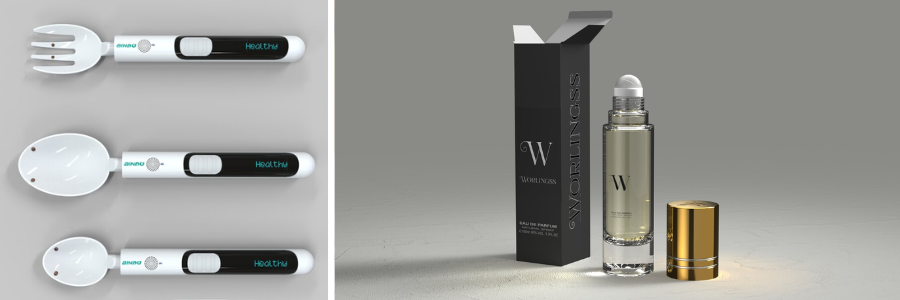
product design of utensils and roll on packaging by Cad Crowd product development freelancers

Maintain cross-functional collaboration uncomfortably early

Here’s a typical pitfall: the design team imagines something sophisticated and cunning, only to see it dismantled by engineering design firms or manufacturing allies who grumble about “injection mold limitations” or “tooling expenses.” Ouch.

To avoid this, bring everyone to the party early. Not just engineers, but sourcing specialists, materials experts, and even folks from marketing or packaging. Sure, it might feel chaotic at first, and yes, someone will definitely suggest something wild like biodegradable titanium. But you’ll catch feasibility issues sooner, blend perspectives, and probably come up with more grounded (but still fresh) solutions.

Cross-functional collaboration isn’t just about preventing design heartbreak- it’s about designing smarter from the beginning. Great innovation happens when constraints shape creativity, not when they kill it halfway through the project.

Prototype like you’re speed dating

All products begin with a hunch. But the faster you test it, the faster you’ll know whether it’s love or a very costly mistake in the making. Enter prototyping design services, and no, we’re not referring to perfectly machined samples with painted finishes and packaging. Not yet.

We’re talking rough, ugly, duct-taped-together mockups. Foam-core models. 3D-printed shells you can circulate around the room. These prototypes aren’t designed to wow- they’re designed to inform. Does the button location make sense? Is the distribution of weight awkward? Can someone pick it up and use it without a guide?

And don’t be sentimental about them. Prototype, test, learn, and proceed. The quicker you go through ideas, the stronger the final idea will be. It’s similar to dating: you learn more from five brief coffee dates than one lengthy, dragging-out dinner with the wrong person.

Kill bad ideas without killing morale

Most concept design services won’t work out, and that’s fine. You can build a culture where abandoning projects becomes a celebration because it proves teams learn quickly, stay nimble, and focus resources on ideas that actually succeed.

At most companies, this begins by establishing a “decision cadence” – a pace at which you consider whether to continue to develop an idea or to shelve it. Picture it as checkpoints, not guillotines. Down the line- every few weeks, say- ask: What have we learned? Is it still worth doing? What’s the most important thing we haven’t tried yet?

If you do this habitually – and take joy in learning from abandoned ideas- you create a process in which teams don’t hold on to sunk costs. They become more daring, not risk-averse.

Use material constraints as creative fuel

Some of the greatest product breakthroughs were conceived not through unlimited budgets, but through strict constraints. Material constraints. Budget ceilings. Size limits. Ring a bell?

Rather than regarding those as buzzkills, approach them as a design challenge as would product development experts. Ask yourself: If we had to get this done using injection-molded polypropylene and make the cost of the part less than two bucks, what would it have to be like? If this had to ship in a normal shipping box, how would we fold, collapse, or reconfigure it?

Design is never about stripping away all the constraints; it’s about designing within them in innovative ways. Material constraints should inspire your imagination, not stifle it.

RELATED: Why most products fail and proven tips for success with new product design services firms

Don’t just benchmark products – Deconstruct experiences

Far too many product innovation efforts begin with competitive benchmarking. What exists? What’s popular? What are the top 5 capabilities of the top-selling smart toaster? There’s nothing wrong with studying your stuff, but if you only look to the side, you’ll never jump ahead.

Instead, zoom out. Deconstruct the entire experience surrounding the product category. What’s the user thinking about before they buy? What happens right after they open the box?

Let’s say you’re an exercise equipment design service. Don’t depend on the latest technology; instead, study and conduct market research about the consumer’s new trends and fitness habits. What motivates them? What derails them? What support systems help them stick with it?

The further into the experience you dive, the better chance you have of noticing under-the-radar touchpoints that would help differentiate your product.

Create a library of innovation patterns

Reinventing from the ground up each time may sound admirable, but it’s not practical, and usually, not required. So, many of the best design shops develop and keep an internal “innovation library” of elements, patterns, and modular systems that performed well in previous projects.

This isn’t about copying—it’s about remixing. Perhaps the latch you created for a camping lantern can also be used on a modular storage bin. Perhaps a stroller hinge becomes the design cue for a foldaway kitchen stool.

As you work overtime, your consumer product company creates a stock of clever solutions and insights that you can go back to like a cook reaching for spices. It keeps you nimble and based on what has worked in the first place.

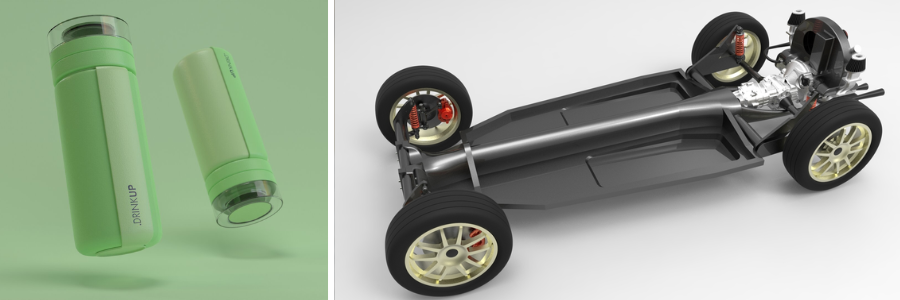
Luxury tumbler and RC chassis for a toy race car by product design experts

RELATED: Build your 3D product rendering team with freelance service experts & design companies

Don’t let the hand-off kill the innovation

Now, let’s discuss that feared hand-off—the instant when the design team completes a concept and throws it over the fence to engineering or manufacturing design services. That’s where most great ideas die. Why? Because without context, intent, and continuous interaction, even a great design will get “value engineered” into a mere shadow of itself.

Rather than hand-off, call it a handover. Let your designers loop in on engineering reviews. Get designers into early production testing. Ensure your intent gets across, not only your CAD files.

And when you do need to make changes (as we always do), provide a feedback loop. What did we trade off? What did we achieve? Could the next one address both?

Maintain a “what we’d do next time” list

Each project concludes with a whirlwind of deadlines, deliverables, and client handshakes. Don’t omit the step where you learn, though. Whether the product ships successfully or not, there were likely a dozen instances wherein you thought, “Next time, we should.”

Put those down. Even better, create a “What We’d Do Next Time” document that your entire team works on. Did you conduct testing too late? Over-engineer through a packaging design service? Lose a chance to make assembly easier? Those small lessons are hard to remember but very potent if recorded regularly.

This off-the-cuff postmortem does not have to be lengthy or formal. Just a living document you look at whenever you begin something new. It’s how you break the cycle of repeated mistakes and get momentum going.

Remember that innovation is a team sport

Innovation isn’t about waiting for individual genius to strike. It’s built on persistence, collaboration, and maintaining a sense of playful experimentation. The most successful design companies don’t just create smart products; they build entire systems that consistently generate smart products.

These companies cultivate curiosity, reward calculated risk-taking, and treat mistakes as valuable learning opportunities while breaking down walls between departments. Most importantly, they never lose sight of what truly matters: creating meaningful solutions that solve real problems in ways people haven’t seen before.

RELATED: Important tips for hiring new product development services firms & freelance design experts

Cad Crowd is here to help

Stop letting great concepts gather dust while competitors beat you to market. Whether you’re sketching your first concept or ready to refine prototypes, Cad Crowd is the number one platform for hiring experienced designers who can guide your project from brainstorming through final production. Don’t wait for the perfect moment to start building the future your customers need. Contact Cad Crowd today for your FREE quote and discover how professional design expertise can accelerate your innovation timeline.

author avatar

MacKenzie Brown is the founder and CEO of Cad Crowd. With over 18 years of experience in launching and scaling platforms specializing in CAD services, product design, manufacturing, hardware, and software development, MacKenzie is a recognized authority in the engineering industry. Under his leadership, Cad Crowd serves esteemed clients like NASA, JPL, the U.S. Navy, and Fortune 500 companies, empowering innovators with access to high-quality design and engineering talent.

Connect with me: LinkedInXCad Crowd

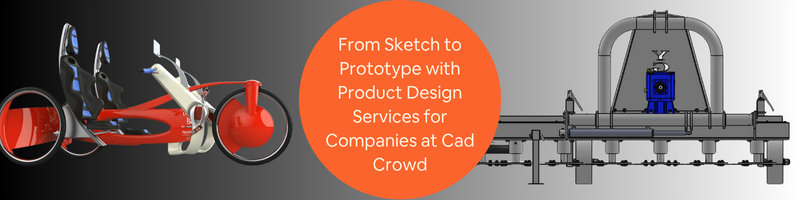
From Sketch to Prototype with Product Design Services for Companies at Cad Crowd


Within today’s competitive business climate, a new product journey from concept to reality is made possible with speed, precision, and collaboration. Product design service sits at the core of such an operation to enable firms to have a hazy sketch transformed into a usable prototype that is ready to produce.

Cad Crowd, the leader in on-demand CAD services with over 94,000 experts, supports companies in this intricate process by providing expert guidance at every stage. The website connects companies with the cream of the crop when it comes to product design services that can help with every stage of the process, from creating sketches to generating prototypes.


🚀 Table of contents


The role of product design sketches in development

The journey of any product begins with a concept, often a rough drawing. These sketches are not aesthetic images but essential conceptualization and communication tools for product vision. Well-drafted design sketches are the foundation of CAD modeling, which facilitates enhanced visualization and decision-making.

An exact sketch helps the designers and engineers understand the product’s basic functioning and appearance before spending resources on development. It also helps identify potential design faults early, saving time and costs. In the majority of industries, like this one here, such first sketches undergo multiple drafts before entering the next development phase, verifying that all facets of the design are compatible with market demands as well as manufacturing feasibility.

RELATED: Key factors to consider when vetting engineering firms for design & consulting services

Why does product design matter in product development?

On the aesthetics aside, in the world of product development services, design is a determinant of success or failure. Product design impacts user experience, manufacturing efficiency, and ultimately, business growth and customer satisfaction. Organizations that appreciate thoughtful design can reap significantly more than organizations that consider design an afterthought. The reasons why product design is essential in every stage of development are listed below.

Enhancing user experience

Great product design begins with the user. A well-designed product is intuitive, functional, and enjoyable to use. Consumers today expect seamless experiences, and a bit of friction in the form of a complex interface, clumsy grip, or hard assembly is sufficient to generate frustration and abandonment. The best designs anticipate needs and resolve pain points in advance. For example, manufacturers of phones invest a lot of money in ergonomics, so that their phones will be comfortable to hold in the hands of their customers while being thin. If design is usability-focused, then customer satisfaction is guaranteed to follow.

Sketch of a pulley system and butterfly knife by Cad Crowd product design experts

Differentiating in a crowded market

In any industry, competition is fierce. A well-designed product becomes iconic and accumulates brand reputation. From the elegance of an Apple product to the ruggedness of a Jeep, a design imposes a company’s values and identity. A creative, unique design can be the sole reason a customer uses one brand over another. Organizations that regularly revise their designs are capable of staying in line with current times and adapting to changing market trends.

Enhancing functionality and performance

Design isn’t just about appearance—it’s a problem-solving activity that optimizes functionality. Designers and engineers collaborate to refine form and function so that the product carries out its desired function with optimal efficiency. This applies to everything from consumer electronics to industrial machinery. Poor design can lead to performance issues, increased failure rates, or customer dissatisfaction. By integrating design thinking at the outset of development, companies can reduce costly redesigns and improve product reliability.

Decreasing manufacturing costs and complexity

An intelligent design not only enhances usability but also impacts manufacturing viability, which is critical. Design for manufacturability (DFM) services ensure a product can be manufactured at reasonable costs without having additional costs or time for production. Simple but efficient design choices—such as simplifying the number of components, employing easily procurable materials, and simplifying assembly in the design—save significant costs in production. Optimizing design for manufacturing in organizations gives them a competitive advantage through cost reduction without sacrificing quality.

Improving sustainability and longevity

Sustainable design is increasingly a primary concern in modern product development. Consumers and businesses alike are more eco-aware, and the more sustainable the product, the more desirable it is. Thoughtfully made design choices—like recyclable material, low energy consumption, and longevity—assist in giving a cleaner lifecycle. Products with longer lifespans and less waste assist in building consumer trust and contribute to growing global efforts toward sustainability.

Product design is not merely about making something look good—it’s a strategic element that affects user experience, marketability, efficiency, cost, and sustainability. Investing in great design upfront in the product development process ensures that products perform better, stand out in the marketplace, and create enduring value. In an increasingly competitive world, companies that understand the power of design will always be ahead.

RELATED: 10 design principles for product development & industrial design services teams

CAD modeling: Bridging the gap between concept and functionality

Concept to reality is a vital process in today’s product development and engineering. While hand sketches and conceptual drawings play a significant role during the initial design stages, they are not practical and precise enough for production purposes. That’s where CAD (Computer-Aided Design) modeling fits in, serving as the bridge between raw concepts and functional products. CAD modeling design services translate raw concepts into highly accurate digital 3D models, enabling designers and engineers to fine-tune every aspect of a design before a single physical prototype is made.

As businesses rely increasingly on technology-based solutions, CAD has become a critical part of product design, architecture, mechanical engineering, and fashion. Its allowance for accurate visualization, structural evaluation, and effortless collaboration makes it inevitable. Business entities like Cad Crowd bring together companies with expert CAD designers in a bid to achieve high-end models that appeal both aesthetically as well as functionally.

The role of CAD in product design

CAD modeling is not just an exercise in coming up with a nice-looking picture; it’s optimizing and maximizing designs for performance, manufacturability, and efficiency. Let’s talk about the leading advantages CAD can provide in product design.

Increased accuracy

Accuracy is the key to successful product design. CAD software allows designers to employ accurate measurements, so that each component will assemble perfectly in an assembly. Compared to manual drafting methods, where human error is a common occurrence, CAD software minimizes errors by employing automated dimensioning, geometric constraints, and parametric modeling. Engineers can design with tight tolerances, so that all parts will function as intended when produced.

For instance, in the automobile industry, a millimeter or two may be the difference between success and failure. CAD enables product development experts to mold tiny details so that engine components, gears, and chassis components can be assembled together smoothly. Such accuracy not only makes products more functional but also reduces the likelihood of costly design flaws.

Cost and time efficiency

One of the most powerful advantages of CAD modeling is its ability to shorten product development time. Traditionally, physical prototyping and design were an expensive and time-guzzling task. CAD helps engineers create computer-based prototypes that can be easily modified within a short span of time, saving the hassle of repeated physical runs. This generates huge cost savings by eliminating wastage of materials and labor expenditures for repeated running of prototypes.

Additionally, CAD software minimizes the design process by offering pre-made components, automated functions, and standard part libraries. This allows the designer to focus on creativity rather than repetition. Moreover, CAD functions well with CNC machining and 3D printing technology, allowing for rapid prototyping and efficient manufacturing processes.

Design optimization and performance testing

Aside from graphic presentation, CAD enables engineering design firms to optimize and analyze their designs. By means of simulation and analysis features embedded within the software, designers can test structural strength, stress patterns, aerodynamics, and material response to varying conditions.

For example, in the aviation industry, CAD is used to simulate air drag, heat, and mechanical stress on aircraft components before they are manufactured. Predictive analysis like this alerts engineers to potential weak points early in the design process, allowing them to reinforce critical points without over-engineering the structure. This way, companies can create light, strong, and high-performance products at no additional cost.

Additionally, CAD facilitates material selection via the potential of designers to compare materials virtually. With the analysis of weight, strength, flexibility, and cost, companies can make a decision prior to committing to a specific material for manufacturing.

Smooth collaboration across teams

Product design is rarely a one-person job. Various stakeholders, like engineers, designers, manufacturing design experts, and clients, must sit together to deliver a successful project. CAD software allows collaboration by providing a shared digital platform on which all stakeholders can see, edit, and approve designs in real-time.

Cloud-based CAD tools also improve collaboration by providing remote access to design files, making it possible for global teams to collaborate effectively. CAD software also accommodates multiple file formats, which makes it compatible with a variety of manufacturing and engineering tools. CAD modeling eliminates miscommunication and version control problems, making everyone on the same page during the design and production process.

RELATED: Master product design costing: Top strategies for CAD services companies & freelance designers

Sketch to prototype of an automated bucket seat and PCB ether by Cad Crowd product development experts

From idea to reality: A digital revolution

The ability to visualize through complex geometries, model real-world constraints, and explore various manufacturing methods in a virtual environment has revolutionized product development. Compared to traditional methods that rely on trial and error, CAD-based design is data-driven, precise, and effective.

Every industry, from consumer electronics design services to industrial machinery, depends on CAD modeling to upgrade their products prior to mass production. Consider the smartphone industry: every new model is subjected to a comprehensive digital simulation prior to landing on shelves. Engineers use CAD software to study drop tests, heat dissipation, and ergonomics to create a great-looking, durable final product.

Likewise, in architectural construction, CAD modeling allows builders to draft accurate building blueprints, from structural elements to plumbing, electrical schematics, and aesthetic details. Architects are able to design entire skyscrapers, simulate daylight effects, and perform energy-efficiency tests—all before the first brick is set.

From CAD to rapid prototyping: The next stage

CAD models are the basis for rapid prototyping, or creating a physical representation of the design. Companies on Cad Crowd have access to advanced prototyping techniques, including:

  • 3D printing: Best suited for quick iteration and experimentation with multiple materials.
  • CNC machining: Provides high precision for functional prototypes.
  • Injection molding: Ideal for testing mass-production feasibility.
  • Vacuum casting: Convenient for creating accurate, durable prototypes.

Prototype engineering services facilitate real-world testing, such that the product is industry-grade and performs as expected. Refining and tweaking can be effectively achieved before mass production.

Iterative design: Prototyping refinement

Prototyping is rarely a one-step activity. Companies prefer to go through multiple iterations to improve functionality, appearance, and manufacturability. Cad Crowd’s platform facilitates companies to work with seasoned engineers who refine designs on the basis of:

  • User feedback: Gathering feedback from potential end-users for the simplicity of use.
  • Material testing: Verification of chosen material against performance and longevity.
  • Ergonomics & aesthetics: Balancing usability and visual appeal.
  • Manufacturing constraints: Design in accordance with production at the lowest costs.

Iterative prototyping and refinement maximize business potential in the market at a lower risk of expensive post-launch redesign.

Manufacturing readiness: On the way to production

Following verification of a prototype, the next step is gearing up for large-scale production. CAD services play a pivotal part in enabling economic production by designing:

  • Top-level engineering drawings: Step-by-step guides that guide manufacturers during mass production.
  • Bill of Materials (BOM): A bill of materials listing.
  • Assembly instructions: Sequential instructions for factory workers.
  • Tolerancing and GD&T analysis: Ensuring mechanical fit and performance.

Cad Crowd helps companies transition seamlessly from prototype to production with highly detailed CAD files that are optimized for various manufacturing processes.

Why choose Cad Crowd for product design services?

Cad Crowd offers businesses access to a worldwide pool of talented designers, engineers, and prototyping experts, allowing businesses of any size to effectively create and improve their products. Through Cad Crowd, clients enjoy a number of important benefits:

  • On-demand expertise: Regardless of whether your project needs CAD drafting, mechanical engineering, or industrial design experts, Cad Crowd provides you with pre-screened experts specializing in different sectors. No more headaches of recruiting full-time employees.
  • Cost-effective solutions: The platform provides flexible pricing models that adjust according to your individual project requirements, facilitating startups and existing businesses in controlling their expenses while procuring elite talent.
  • Fast time-to-market: Cad Crowd quickens the process of design, delivering rapid iteration and rapid prototyping, thereby ensuring that your product hits the market in a minimum amount of time.
  • IP protection: Privacy is paramount, and Cad Crowd makes sure all intellectual property is treated with utmost confidentiality, ensuring your designs don’t fall into the wrong hands.

From initial ideas to production-ready products, Cad Crowd offers the support and skills necessary to take ideas into marketable solutions, thus becoming a reliable partner for businesses looking for efficiency and innovation.

RELATED: How to improve product development for your company with engineering firms & design consultants

Product sketch and design of a reverse engineered gearbox and ATX enclosure by Cad Crowd design professionals

The future of CAD in designing and manufacturing

As technology progresses, so does the role of CAD in product design. Artificial intelligence (AI) and machine learning incorporated in CAD software see automation further augmented, allowing designers to generate optimized models with minimal human input. AI-driven generative design is already used in industries like aerospace engineering services and automotive manufacturing, where program algorithms propose design alternatives based on performance specifications input by users.

Additionally, CAD is increasingly collaborating with Virtual Reality (VR) and Augmented Reality (AR) technologies. These innovations enable engineers to interact with their designs virtually, allowing for enhanced spatial understanding and real-time modification.

As Industry 4.0 and smart manufacturing take hold, CAD also plays a big role in digital twin technology. Digital twins are computer simulations of physical products or systems employed to track in real-time, conduct predictive maintenance, and analyze performance. The technology is transforming industries like healthcare, with CAD-generated digital twins of medical devices and prosthetics making personalized patient solutions possible.

Conclusion

CAD modeling is now the backbone of modern product design as a pivotal bridge between conceptual sketching and practical reality. As a powerful tool that can provide more precision, cost savings, design optimization, and seamless collaboration, CAD empowers designers and engineers to break new ground.

From architecture to industrial design services, consumer goods, or industrial manufacturing, CAD software ensures end products are not only aesthetically sound but also functionally sound and production-ready. With the progress being made with AI, simulation, and digitization, CAD modeling will remain a core asset in shaping the destiny of design and engineering.

For businesses looking to leverage the potential of CAD, working with seasoned experts through platforms like Cad Crowd ensures access to top-notch designers who can bring ideas to life quickly and precisely. As businesses embrace digitalization, CAD modeling continues to be the backbone of intelligent, high-performance product design.

RELATED: 10 key costs for electronic pdesign & drates for engineering services companies

Cad Crowd is here to help

From sketch to prototype, product creation is a high-tech but rewarding process that calls for technical expertise and strategic vision. With Cad Crowd’s comprehensive product design solutions, companies can lead every step with confidence, from sketching and CAD modeling all the way through to prototyping and manufacturing.

In a world where speed, quality, and innovation decide market success, collaboration with a trustworthy CAD services provider ensures that your product development process remains on track, competitive, and future-ready. Be it a cutting-edge consumer device or an industrial part, Cad Crowd is a trusted partner in bringing your vision to life.

Feel free to contact us today to order a quote for our product design services and beyond!

author avatar

MacKenzie Brown is the founder and CEO of Cad Crowd. With over 18 years of experience in launching and scaling platforms specializing in CAD services, product design, manufacturing, hardware, and software development, MacKenzie is a recognized authority in the engineering industry. Under his leadership, Cad Crowd serves esteemed clients like NASA, JPL, the U.S. Navy, and Fortune 500 companies, empowering innovators with access to high-quality design and engineering talent.

Connect with me: LinkedInXCad Crowd

How to Reduce Costs on 3D Product Development with Remote CAD Experts for Companies


In order to stay competitive in today’s market, businesses are always seeking ways to reduce expenses and increase production speed. One affordable approach is to use freelancing websites to discover CAD professionals who can work remotely. By contracting out 3D product design, businesses may potentially cut costs on salaries, software licensing, and employee training. In addition to tapping into global expertise, they may tailor their resource allocation to match the unique requirements of each project.

Cutting expenses without sacrificing quality is becoming more of a need as competition in product development heats up. Having in-house skills, particularly for specialized fields like 3D and CAD modeling, may be rather costly. Companies now have a state-of-the-art option for outsourcing the employment of remote CAD professionals thanks to the proliferation of dispersed work, even as freelance platforms continue to grow in popularity. You may acquire the results you need without breaking the bank by utilizing their services instead of recruiting full-time employees or big corporations.

Cad Crowd is an excellent platform that can put you in touch with freelance professionals in 3D product design and CAD solutions. It is also one of the most reliable and easy-to-use websites for locating reliable freelance CAD experts. Their product development processes may be streamlined, and they can save a ton of money with the help of remote CAD experts. This article takes a look at several tried-and-true ways for cutting costs when working with remote CAD specialists, and how platforms like Cad Crowd may be an integral part of your strategy.


🚀 Table of contents


Understanding the need for cost reduction in 3D product development

Before discussing the strategies, let’s understand why cost-saving during 3D product development is important. Conventional product development costs can be high, especially for organizations involved in areas such as consumer electronics, automobiles, or furniture design, where design intricacy is high and product development time windows are short.

Traditional in-house development challenges

  • Salaries and benefits: Paying the entire CAD staff on a full-time basis has fixed benefits, salaries, and long-term liabilities for product design companies. These turn out to be extremely expensive for organizations that need expert talent for a short term or just a single project.
  • Training and maintenance: CAD software is continually updated. To accommodate this, in-house personnel require regular training, which is both expensive and time-consuming.
  • Overhead costs: Maintaining an in-house team incurs significant costs, including office space, machinery, software licenses, and other administrative expenses. These costs are compounded in those firms that have large, full-time design teams.

By utilizing remote CAD experts, these firms can eliminate these problems and have a less costly alternative to 3D product development.

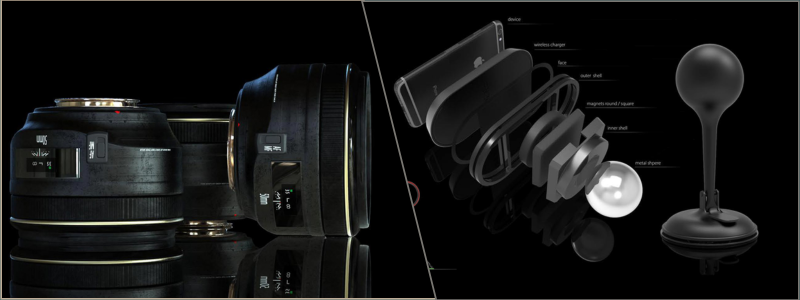
Product design of camera lenses and wireless phone charger by Cad Crowd product development designers

RELATED: A guide to electronic product design for manufacturing with PCB design firms & engineers

Cost-saving strategies utilizing remote CAD experts

In today’s rapidly evolving and competitive corporate world, businesses are constantly seeking cost-reduction methods without compromising on output quality. One area where this holds true is in product development for businesses that are CAD-intensive. Utilizing remote CAD experts has tremendous potential for cost savings and improved project outcomes. By utilizing the services of freelance websites and remote working, companies can access superior talent without incurring the costs associated with traditional recruiting. The following are some methods that companies can use to reduce costs by hiring remote CAD experts.

Utilize freelance websites as a pool of global talent

The most effective method of reducing the cost of product development is by utilizing freelance platforms like Cad Crowd. The websites fill the gap between companies and a worldwide community of specialists to whom they might outsource and assign work on their projects. Through these locations, companies can hire 3D CAD design services of various skill levels and experience, and thereby have the option to select experts whose certification precisely matches the project requirements. This reluctance to flexibility reduces the dangers of unnecessary fixed costs of staff.

  • Expertise in reserve: Rather than employing generalists, companies can have the appropriate CAD professionals with the proper skills for every phase of the project in reserve. To perform tasks such as prototyping, high-level design, or testing, the appropriate specialist can be employed.
  • Pay-as-you-go model: Freelancers are compensated on a project-by-project basis, allowing the company to scale up or down resources based on project demands. It is much less expensive than paying an employee’s full-time salary, which might not be required in the long term.
  • World talent pool: Freelance platforms provide the opportunity to hire experts from around the world. Most often, experts from countries with lower living costs can offer competitive prices without compromising quality.

By accessing this large pool of talent worldwide, companies can be confident they are obtaining the maximum value for the exact skills they require. By doing so, they can cut costs without sacrificing quality.

Streamline project scopes and timelines

One benefit of employing remote CAD professionals is that resources can be quickly scaled to meet the precise requirements of a given project. A remote specialist works on specific steps in a product development cycle, thus avoiding wasteful costs for consumer product design companies. For instance, a firm may need the services of a CAD professional during the conceptual design or prototyping stage, but not for the entire process.

How to make the most out of scopes?

  • Split projects into stages: Breaking the whole product development process into phases, such as creating ideas, elaborately designing, and prototyping, enables companies to hire freelancers to outsource easily for the specific phases where they are needed.
  • Specify specific project milestones: Clearly defined project milestones for all stages enable distant CAD professionals to work in unison and deliver results on time, eliminating opportunities for delays that can lead to additional costs.
  • Limit project scope: Avoid broadening the project scope. Once firms accomplish what needs to be done to push the product ahead, they can acquire laborers specifically for such projects and avoid unnecessary expenses.

The remote work nature enables businesses to take a project-based approach, where they only pay for the work that must be done, without over-scaling resources.

Minimize software and equipment costs

CAD hardware and software may be quite costly, especially when purchasing licenses and hosting software for an in-house staff. Remote CAD professionals typically own their own subscription for commercial software such as AutoCAD, SolidWorks, or Rhino. Thus, product engineering companies don’t need to make regular payments for software subscriptions and hardware upgrades, which could be extremely costly in the long run.

Benefits of freelancers’ tools

  • Software license costs saved: Freelancers have their own licenses for software, and thus, companies are able to save on the exorbitant initial expenditure of purchasing and maintaining licenses for costly CAD software.
  • Upgraded tools: Freelance CAD professionals are generally keen to update their tools to the latest versions, enabling them to utilize the best available tools for creating high-quality designs.
  • Tailor Your Skills: The majority of freelancers choose tools based on their working style. Therefore, companies are working with individuals who can provide the majority of the productivity through tools they are familiar with and have mastered. Even some freelancers utilize open-source CAD packages or specialty equipment to reduce costs. Enjoying the benefit of it, companies can cut even more from their equipment and software expenses.

RELATED: How 3D CAD modeling is transforming design and manufacturing industries at design companies

Reduce overhead with remote work infrastructure

One of the most significant benefits of outsourcing remote CAD experts is avoiding the overheads associated with maintaining an office setup. With remote work, organizations can avoid the expense of expensive real estate, office space, and office supplies. Remote work also enables organizations to recruit specialists from regions with lower living expenses, allowing them to hire top professionals without incurring a premium.

3D product rendering of an advanced scout and vital tracker and a gaming mouse

Points of relevance for cost minimization

  • No office space: Freelance CAD engineers work from their respective locations, thus avoiding the expense of office space, utility bills, and office equipment, which are very high recurring expenses.
  • Lower administrative costs: Working remotely means companies do not need to bear costs on HR personnel, office management, and physical equipment. This results in lean operations with less overhead expense.
  • Lower-cost-of-living locations: Remote employment enables your company to hire CAD professionals outside your home country. This represents a savings in labor costs without compromising quality and expertise.

The ability to hire anywhere provides companies with the flexibility to strategically reduce operating expenses, enabling them to offer competitive pricing without compromising on design quality.

Take advantage of collaboration and communication tools

Advances in project management software and virtual communications technology have enabled remote work to be easier and more efficient than ever. Ease of collaboration despite different time zones is facilitated by tools like Slack, Zoom, Trello, and Google Drive, which ensure instant communication, feedback, and file exchange. Proper utilization of these instruments ensures that companies can ensure their remote workers are collaborating effectively, thereby providing faster project timelines and lower costs for design engineering companies.

Proper utilization of tools

  • Slack and Zoom: Communication and regular check-ins are easy with these tools, keeping remote CAD experts on the same page with objectives and project timelines.
  • Trello and Asana: Project management applications keep projects well-organized, tasks assigned with clarity, and deadlines respected, without unnecessary delays or misunderstandings.
  • Version control and file sharing: Cloud programs like Google Drive, Dropbox, and GitHub provide a straightforward method for storing, sharing, and versioning project files. Such programs have the capacity to monitor changes and recover the most recent version of a project at any time.

By utilizing these collaboration and communication tools effectively, businesses can enhance productivity and minimize time wastage due to delays, making the remote working process more cost-effective and efficient.

Take advantage of expertise with minimum commitment

One of the greatest advantages of using web-based services such as Cad Crowd is that organizations are able to tap into the services of experts without necessarily committing to having long-term in-house staff. This kind of flexibility in human resources enables organizations to hire the services of 3D product design experts for short-term projects or specific endeavors without committing to full-time employment.

Benefits to organizations

  • Flexibility: Businesses can hire freelancers on a project-by-project basis, tailored to the level of work and specific needs. This maintains the expenses associated with a full-time in-house team at a minimum.
  • On-demand talent: Offsite CAD professionals have high levels of experience and specialisation, so businesses can tap into the talent they need without losing time to conduct lengthy recruitment processes.
  • Cost predictability: With freelancers, businesses have a clear upfront cost because they are only paying for the work that has been completed. This eliminates the need to budget for employees’ wages, benefits, or other long-term costs.

This flexibility is particularly useful for companies with project requirements that vary or require specialized skill sets on an ad-hoc basis. The capability of accessing remote specialists on an ad-hoc basis enables the company to pay for what they consume, with variable costs kept to a minimum and in check.

Having CAD professionals at their disposal remotely provides companies with multiple options to reduce their payments without compromising the quality of the design. By utilizing freelance sites, reducing project scope, minimizing software and equipment costs, reducing overhead, and leveraging collaboration tools, businesses can achieve significant savings.

Secondly, having the ability to hire on-demand talent also enables businesses to remain flexible through open innovation services and not make long-term commitments, which remote working makes all the more appealing in today’s competitive age. By embracing these tactics, businesses can streamline operations, reduce costs, and access the best talent at every stage of product development.

RELATED: 10 design principles for product development & industrial design services teams

Why Cad Crowd is the best tool for reducing costs in 3D product development

In 3D product design, it is not always quite so easy to balance quality and cost. Cad Crowd is very convenient in such situations, as it is the first port of call for companies that want to cut costs without sacrificing quality. Cad Crowd provides companies with access to a worldwide pool of highly skilled freelance CAD experts, making it easy to find the best skill set for the task at hand.

Most valuable, perhaps of all, is the pre-screened talent pool of Cad Crowd. Every freelancer on the platform is thoroughly screened and assessed to ensure they possess the proper qualifications and experience required to complete the job. This cuts down on the time wasted by businesses poring over dozens of resumes or portfolios—Cad Crowd has done the legwork for you, so it is easier to find the correct person to do the job in front of you. If you need help from seasoned 3D modeling experts, prototypers, or design-for-manufacturing experts, Cad Crowd can provide that assistance.

The second reason businesses employ Cad Crowd is that it provides an affordable price option. With worldwide access to top talent, companies can recruit exceptional candidates at a lower cost than they can through local hiring or traditional recruitment agencies. This makes businesses accessible because they receive high-quality work, which is crucial in today’s economy.

Cad Crowd also offers convenience in collaboration. The website features built-in communication, file transfer, and project management facilities, enabling companies and freelancers to collaborate seamlessly. Such an effective process not only saves time but also reduces the risk of delays, ensuring the project remains on track and within budget.

In brief, whether you need an expert for one job or long-term cooperation, Cad Crowd makes it possible to get the best CAD expert to fulfill your requirement easily and save money and gain more.

Product design of an electric cigarette and wicker chair

RELATED: How much does NPD cost? Rates & pricing for services at top design companies

Conclusion

Reducing the cost of 3D product rendering and design services is not a matter of compromise; it is a question of creative financial management and leveraging the benefits of the flexibility and expertise offered by independent specialists. With the types of services that exist, such as Cad Crowd, companies can now access the best CAD brains at an affordable price, which is often too costly with the in-house option.

Either by utilizing flexible staffing, efficient software, or by being able to ramp up resources independently, remote CAD professionals offer a cost-effective solution for companies to stay competitive in this fast-paced economy.

With the right strategies in place, such as best-practice project scoping, the smart application of collaboration tools, and the controlled deployment of freelance resources, companies can save a significant amount of money without sacrificing the quality and operational efficiency required to successfully deliver 3D product design.

Cad Crowd is here to help

Collaboration with technologies such as CadCrowd exposes firms to the best freelance CAD engineers and designers in the market, who offer sector-specialized expertise and customized solutions. Whether you’re a new start-up that must get a new product out to market quickly or an established company looking to streamline your design process, working with experienced professionals ensures you receive high-quality work at a small fraction of what it would cost to have in-house personnel on the payroll.

For more information on how Cad Crowd can assist with your 3D product design and to receive a personalized quote, contact our dedicated experts who are committed to making your dreams a reality. Get your free quote today!

author avatar

MacKenzie Brown is the founder and CEO of Cad Crowd. With over 18 years of experience in launching and scaling platforms specializing in CAD services, product design, manufacturing, hardware, and software development, MacKenzie is a recognized authority in the engineering industry. Under his leadership, Cad Crowd serves esteemed clients like NASA, JPL, the U.S. Navy, and Fortune 500 companies, empowering innovators with access to high-quality design and engineering talent.

Connect with me: LinkedInXCad Crowd

Speeding Up Product Development with New Product Design Services Companies


Imagine you’re a product manager or entrepreneur ready to take the next hot thing to market, whether a revolutionary gadget or a stylish, green piece of furniture. You’ve got the vision, team, and idea that can disrupt the market. But time is of the essence. Your competitors are already revved up, and your customers are anxiously waiting. If you don’t get your product out there quickly, you’ll be left behind.

That is where new and innovative product design services is needed. Cad Crowd, the leading agency, can help you choose from over 94,000 experts and product designers. These experts don’t simply help bring concepts to fruition; their help actually plays an imperative role in helping speed the overall product creation process along. What could be an otherwise protracted, fat-bloated undertaking, these designers transform into streamlined, quick-line paths for reaching the marketplace as fast as possible.

Let’s break down how these companies accelerate product development and how working with them can be a game-changer.


🚀 Table of contents


Mastering the art of streamlined design thinking

All successful products start with a good design, one that is thoughtful, purposeful, and focused on the end-user. In the old product development world, teams became mired in long loops of experimentation and error, multiple iterations of prototyping, and constant revisions. The process spirals out of control, takes too long, and costs too much. That’s where design thinking steps in to offer a more efficient solution.

Essentially, design thinking is a solution-finding process that revolves around empathy, ideation, and iteration. Instead of plunging headfirst into solutions, it encourages teams to start off by understanding the users’ needs and experiences beforehand. This human-centric approach allows companies to find pain points early on, eliminating unnecessary steps and making the development process focused on what really matters: the user experience.

Through design thinking, companies are able to avoid costly mistakes down the line. Consumer product design services firms, in particular, implement techniques like rapid prototyping to accelerate development. Rather than spending months finishing a product, they create quick, affordable prototypes that can be tested quickly and sent back to the designer to make changes. By this cycle of iteration, teams are able to modify their designs in real time, reducing development cycles by leaps and bounds and keeping projects on the go.

Ultimately, through the exercise of design thinking, companies not only enhance the quality of their product and customer satisfaction but also save valuable time and resources, streamlining the design process to success.

RELATED: The evolution of architectural design with CAD software & design service companies

engineering design of a fire alarm and smoke detector by Cad Crowd engineering design experts

Applying agile methodology to attain speed and flexibility

In product development, flexibility is the name of the game. Those are the days of the rigid, waterfall approach, where each step of the process was dependent on the previous one. Gone are those days in today’s fast-paced world, where flexibility and responsiveness are a must, and that’s where agile methodology fits in.

Essentially, agile is about iterative development. Rather than spending months developing a product in a black box, agile teams break down the process into little, bite-sized chunks, known as sprints. That way, teams get to keep building, testing, and iterating a product, introducing feedback and market intelligence along the way. It’s all about being attuned to the evolving needs of the user and the market.

For product design services companies that are new to the market, agile thinking can be revolutionary. By bringing cross-functional teams, product design experts, engineers, and researchers together, they’re able to respond quickly, operate in concert, and respond as needed. This ability to adjust leads to fewer delays and a more efficient process of developing products.

The reward? A product that not only gets to market earlier but also meets the actual-world issues and needs of its users, too. Agile development is changing the way companies approach product development, offering flexibility, velocity, and a more user-centric design process. If you’re refining a product you already sell or creating one from the ground up, adopting agile can help you stay ahead and react better to what the marketplace is asking for.

Facilitating effortless teamwork with cross-functional teams

Product development acceleration isn’t just a matter of quick design cycles; it’s also a matter of making a culture wherein teamwork occurs naturally across all departments. Product designers, engineers, marketers, and business leaders must work together from day one to achieve the product vision on time and at a reasonable cost. Seamless teamwork is where it starts.

New product design services companies are designed to accommodate this kind of cross-disciplinary collaboration. These companies are inclined to bring together specialists with various areas of expertise, and this allows teams to approach the development process from various angles. From a product’s design, functionality, or positioning in the market, having many experts work together ensures a balanced approach to product development.

For example, when product designers and design engineering services firms work extremely closely together, it reduces the risk of design failures and technological blips later on. A designer might recognize that a design choice might be problematic for manufacturing, while an engineer might recognize a probable conflict between the product’s functionality that affects the user interface. Early interaction detects problems before they turn into expensive delays.

Also crucial is involving marketing professionals right from the start. They play an important part in creating the product’s messaging, so it resonates with the target market and aligns with branding plans. With marketing involved early, the product stands a better chance of being launch-ready for a successful launch.

By creating space for continuous collaboration, businesses can streamline the development process, resolve barriers faster, and get products to market in time.

Smart technologies and tools to streamline development

The modern world is rapidly moving, and technology is advancing at record speed in product development. The past reliance on ancient tools and slow manual processes is gone. The whole development process has been simplified with sophisticated technologies that automate and optimize each process because of the advancement of design services companies.

One of the strongest tools of this revolution is professional CAD services and 3D modeling software. These allow designers to create highly detailed and precise digital models of products no prototypes necessary. This makes it possible for designers to test, try out, and change their designs very quickly and simply, cutting development time by huge amounts. The simplicity with which the product is visualized from all angles and in varying contexts allows the fine-tuning of the design with ease in a matter of minutes, unlike when a long period is utilized when applying the traditional methods.

But there’s more. Several design services companies are also using advanced simulation and analysis software, taking the guesswork out of testing products. Designers can simulate a product in computer models of real-world conditions and detect flaws before the product ever hits the assembly line. Teams can then make adjustments to prevent costly mistakes by catching the flaws early.

With these state-of-the-art tools in their kit, design services businesses can move through the design process faster without sacrificing quality. The result is faster time-to-market, more innovative products, and a competitive advantage that keeps businesses ahead of the pack.

Ensuring consistency and quality assurance

In product design, speed is generally the name of the game, but that does not mean that quality should be sacrificed. Luckily, the new product design services companies today are masters at achieving the perfect balance between rapid development and top-notch results. They understand that while time equals money, quality sacrifice can result in more headaches in the long term.

How do they provide quality at top speed? It all depends on a combination of technology, testing, and experience. These companies use rigorous testing, prototype design engineering services, and validation processes to make sure the final product not only meets industrial standards but also exceeds customers’ expectations. Advanced automated tools detect potential problems early in the design process, reducing the risk of defects or costly recalls later on.

The secret to speed and quality control lies in their efficient processes. By efficiently managing timelines, budgets, and resources, they are able to meet deadlines without compromising on quality. This process ensures that no matter how tight the schedule is, the focus on quality never wavers.

To you, as the client, this promise of quality control means fewer errors, less rework, and fewer slippages, so you can deliver your product to market earlier than planned. In today’s high-speed world of product development, this difficult balance of both speed and better quality can often be the key to standing head and shoulders above others.

Minimizing time to market using existing expertise and experience

Product development is never a straight line. It’s a set of turns and twists, unanticipated bumps, and occasionally, having to swivel off from your original course. But this is the thing: with the right experience working for you, those barriers can become just bumps on the highway, and that’s where new product invention design services firms come in.

These are usually veteran veterans, with much experience to draw upon. They’ve already traversed the intricacies of product design, from conception through final production. Since they’ve done it all before, they’re aware of the obstacles that can develop and how to attack them full-on. That extensive industry expertise enables them to foresee pitfalls, shift gears at a moment’s notice, and act fast to resolve them, shortening precious time from your project timeline.

And that’s not all. Several of these design services firms come with a long-established network of good suppliers, manufacturers, and partners. With such a pre-established network, sourcing is easier, production can be accelerated, and distribution made easier. Thanks to their relationships and know-how, they can expedite the processes that can otherwise decelerate development and see your product onto the market faster.

Time to market may be the deciding factor between failure and success in a competitive market. Using the skill and capacity of an able product design service company can give you that competitive edge.

RELATED: How to determine the quality of architectural 3D renderings with design services companies firms

engineering design of a 3D printer and kettleballs by Cad Crowd engineering experts

Sourcing and supply chain optimization

When it comes to speeding up product development, sourcing and supply chain optimization are elements that cannot be overlooked. An unproductive or slow supply chain can result in costly delays, missed deadlines, and lost opportunities in a competitive market. That is where product design services companies come in. These experts not only specialize in design—they are also versed in supply chain management and can help optimize this important segment of the process.

With their connections in the business, these companies know exactly where to get good parts and materials. They can use connections with established suppliers to get the best terms, so you get what you need without unnecessary delays. It’s not just a question of getting the right parts at the right price; it’s the timing. These design service professionals are familiar with ensuring the delivery of materials as scheduled, meaning you get to meet deadlines without incurring wasteful delays.

In addition, many design firms work with manufacturing specialists who specialize in rapid prototyping design services and low-volume production. This technology can be revolutionary, so you can test designs quickly, make adjustments as needed, and get merchandise to market faster than ever before. Streamline the supply chain, and product design services can push development forward and lead the way.

Risk management using early testing and validation

In today’s quick-paced product development world, the fear of failure can sometimes be a giant stumbling block. What if, though, this fear doesn’t have to hold you back? Companies that offer new product design services are revolutionizing the way we approach risk by emphasizing early-stage testing and validation, so that products are ready to succeed even before they are released.

Among the most influential resources these businesses leverage is user testing. Through direct feedback from genuine users, they can identify potential problems that could otherwise fly under the radar. Whether by means of A/B testing, trials of prototypes, or usability research, this preliminary feedback enables design teams to swiftly make adjustments, refining the product for optimal benefit. This preventive action not only solves potential issues before they turn critical but also saves time and resources in the long run.

The primary benefit here is that, by way of early validation of ideas, design services companies prevent costly setbacks that could otherwise delay the launch of the project. This strategy not only minimizes risks, but it also accelerates the development process so the final product is fully aligned with client expectations. It’s a smart, strategic risk control method that keeps the project on track for success.

Scalability and flexibility to respond to demand

With your product development going on, naturally, market trends and customer needs will transform. Either due to new fashion, innovative technologies, or unexpected changes in consumer trends, staying ahead of the curve is the only way to go. This is where your scalable and adaptable design services come into play. New product design services through engineering design companies are masters at helping you navigate these transitions smoothly, ensuring your product evolves along with the market.

Their strength is their ability to quickly adapt and implement necessary changes without affecting the overall development process. If customer feedback necessitates a design change or if market conditions suddenly shift, these companies can redesign your product, condense its features, or even change production strategies.

What distinguishes them is their capacity to quickly adapt, without upsetting the entire project timeline. They understand that change is a reality in business, and they are ready to make your product adjust to such changes seamlessly. This implies your product remains not only relevant but also competitive in an ever-changing landscape. With a design partner who can match the pace of change in the market, you’re ensuring long-term success for your product.

The competitive advantage: Coming to market first

Timing is everything in the success of a product. One of the single greatest advantages of hiring a new product design services firm is entering the market before your competition. In fields where speed matters, being first gives you a powerful competitive edge.

These design service companies bring forward new approaches and expertise to the table and make the whole process of product development easier. They use the latest technologies, such as 3D modeling design services, rapid prototyping, and advanced CAD tools, which allow them to identify and address potential issues early on and make sure the design is tuned before production is done. This reduces the waits that typically follow traditional development practices.

By working with industry experts who understand the quickly changing environment, you are able to take your idea from conception to market much quicker. This is crucial because getting your product out first compared to everyone else provides you with a greater chance to acquire market share and establish brand recognition before others can even react.

Ultimately, the faster you get your product to market, the more likely you are to capitalize on breaking trends, address consumer demand, and gain a foothold in a crowded marketplace. It’s a surefire method of making your product stand out above the competition.

RELATED: 5 reasons freelancing studios are the future of 3D visualization services

Conclusion

Speeding up product development is not about going quicker; it’s about going wiser. New product design services companies provide the talent, tools, and team-oriented environments necessary to bring your product concept to life with velocity and precision.

Whether through agile development, rapid prototyping, or leveraging cutting-edge technologies, such companies play a critical role in ensuring your product reaches the market on schedule and with integrity. By partnering with the right product engineering services company, you are able to take your product to market quicker, outpace competitors, and eventually end up more successful.

Engineering of a control desk and automatic clothes folding machine by Cad Crowd product engineers

How Cad Crowd can help?

Ready to transform your innovative ideas into market-ready products quicker than ever? Join forces with the experts at Cad Crowd today, the leading platform for hiring highly skilled freelance engineers, architectural designers, and more! You and your future customers will be grateful. Contact us now for your free quote and take the first step towards success!

author avatar

MacKenzie Brown is the founder and CEO of Cad Crowd. With over 18 years of experience in launching and scaling platforms specializing in CAD services, product design, manufacturing, hardware, and software development, MacKenzie is a recognized authority in the engineering industry. Under his leadership, Cad Crowd serves esteemed clients like NASA, JPL, the U.S. Navy, and Fortune 500 companies, empowering innovators with access to high-quality design and engineering talent.

Connect with me: LinkedInXCad Crowd

How is Product Design Different From Industrial Design Services Companies?


Many of us are under the impression that “product design services” and “industrial design services” are simply two different terms to refer to the same exact thing, but the process of designing a product to be mass-produced and sold to the masses. However, some people insist that the terms are only similar to each other, and they do have some notable differences.

Among the most commonly cited differences is that only the latter has anything to do with mass manufacturing, whereas the former stops at the prototyping phase. But don’t be surprised to find an explanation about how product design has a broader scope that includes both digital and physical products, while its industrial counterpart focuses almost exclusively on physical products–the kind that requires actual mass production rather than something akin to software launch.

Some would go as far as claiming that any industrial designer can be a product development expert, but not the other way, just because a product designer has no need for the knowledge of manufacturing at all. The good thing is that regardless of where the actual difference lies, the vast majority of professional product designers are aware of DFM (Design for Manufacturing) approach, which basically requires the designer to consider the likelihood of a product being mass-produced, so it pays to put any potential factory constraints into account throughout the design stages.

If you want to know more, you can ask any product designer on Cad Crowd freelancing platform, which has over 94,000 freelancers you can choose from. You’ll be glad to know that they, too, are pretty darn knowledgeable about DFM and mass manufacturing processes.


🚀 Table of contents


Pinpointing the dissimilarities

With all of that in mind, we come to some inconclusive points as follows:

  • Differences between product design services and industrial design services are subtle.
  • No definitive answer that everybody can agree on.
  • It depends on who you ask and how they describe their professions.
  • To say that product design processes stop at the prototyping phase makes little sense these days, as many product design firms also offer manufacturing services.
  • While the terms may not be entirely interchangeable in every single situation, they refer to the same thing in most cases.

One more thing, BLS has no specific entry for “product designer,” but the site says industrial designers tend to specialize in different product categories. Some may design consumer electronics and medical devices, while others develop houseware, toys, clothing, footwear, cars, sporting equipment, etc.

Perhaps, all product designers are inherently industrial designers until they specialize in specific products. For instance, no one refers to Battista Pininfarina as an industrial designer; he was an automobile designer. However, James Dyson is an industrial designer because he works on multiple products such as the bagless vacuum cleaners, bladeless fans, and heatless hand dryers.

lighting fixture and gaming chair product design by Cad Crowd freelancers

Product design – Functionality, aesthetics, and beyond

Each time you hear someone mention “product design,” the first thing that comes to mind is the process of developing a product from idea into reality, sending it to mass production, and then selling it to the masses for profit. In fact, product design services may even encompass the entirety of a product life cycle, meaning it can go beyond product launch to also include marketing campaigns, customer service, maintenance, and end-of-life management (for example, when an old product is deemed obsolete due to the lack of updates or better technology from newer alternatives).

Consumer product design services are fundamentally revolving around users’ needs, placing heavy emphasis on (1) understanding the target users, (2) defining the problem those users have, and (3) devising an effective solution to the problem. At the end of the process, the final product should meet users’ expectations in all major aspects (functionality, aesthetics, usability, etc.), and because the product also has to achieve the creator’s business objectives, it needs to be commercially viable as well.

Every product is made to cater to specific demographics. A product intended to penetrate the luxury market might be designed with few compromises on build quality and customer support; on the other hand, if the product is marketed to be affordable, it makes little sense to design and build a product that’s too expensive for the target customers to buy. It’s all about why you make a product, how to build one, and who the product is for.

Industrial design – The pursuit of mass production

It’s said that the defining factor of industrial design is the fixation on mass production. Think of it as product design infused with DFM. Also, remember that you can only mass produce physical products. For instance, a manufacturing facility might be able to make millions of smartphones in a year, but it doesn’t actually create an operating system for every single device. The operating system itself is a digital product distributed by the developer.

Suppose the smartphone in question runs a version of Windows Mobile; does this mean Microsoft has to develop millions of the same operating system, too? No, the company only needs to build one and then distribute it to the devices. What about in the old days when Microsoft sold physical copies of the Windows OS? The media (CD or DVD) were mass-produced, but not the operating system they carried.

Except for digital products, there’s not much of a difference between product design and industrial design services, especially considering the fact that nearly all modern product design services implement DFM principles.

No clear-cut difference

You can’t even say that one offers a broader range of service than the other. Both product design and industrial design services follow a similar series of steps, from market research and ideation to prototyping and mass manufacturing.

According to the BLS, the work of industrial designers mainly involves the development of a concept for manufactured products. The development process requires them to consider such factors as function, usability, aesthetics, and production cost. In general, the work requires them to combine engineering, art, and business know-how. BLS further elaborates that industrial designers often collaborate with specialists like mechanical engineers and manufacturers to determine whether the product can be mass-produced in a cost-efficient manner and sold at a reasonable profit margin. Parts of the job include creating physical prototypes, examining the materials, evaluating safety, and defining the manufacturing requirements.

But here’s the catch: product designers offer pretty much the same services, except when the product is in digital form, like an app or software, a website, or a video game.

There doesn’t seem to be a clear-cut difference between the two. Perhaps, they’re indeed the same or at least cover the same kind of services; it’s just that they have slightly different ways to handle the tasks involved. Referring back to the smartphone example mentioned above, the analogy below might lead to a better understanding of the terms.

Imagine a scenario where a product designer and an industrial design experts are tasked with developing a new smartphone.

Product design services should involve:

  • Market research to understand the problems users have with the existing products.
  • Determining the target market.
  • Defining the functionality and features to provide solutions to the problems, such as improved communication apps, better camera capabilities, higher quality speakers, more durable touchscreens, overall better repairability, etc.
  • Developing an operating system for the smartphone, unless there’s already an existing mobile OS that the designers can use.
  • Designing the user interface for the smartphone. It might be based on the OS.
  • Designing the physical device itself, including ergonomics, positions of physical buttons, screen size, and resolution,
  • Researching the best possible materials for the hardware parts, taking manufacturability and production cost into account.
  • Prototyping and testing.
  • Establishing collaboration with parts suppliers and a manufacturing partner.
  • Planning for product launch and post-launch management.

Industrial design services would involve:

  • Everything that product design services include, except the parts that focus on operating systems, apps, and user interface. As a matter of fact, if you want to develop new software of any sort, you’d have a better chance at success by hiring software developers rather than industrial designers or product designers.
  • Design for manufacturability service approach for all the hardware parts of the smartphone.

The non-physical parts of the smartphone can’t be mass-produced, and that’s usually (but not always) beyond the scope of services provided by an industrial designer. And as far as DFM is concerned, there’s no rule to govern that only industrial designers are allowed to implement the approach to the job.

Some sources cite that industrial design services put heavy emphasis on the physical characteristics of a product, including the materials, the shape, the ergonomics, and so forth. But this is a brazen belittlement of what industrial designers do. Their scope of work is beyond determining the right dimension of a product, choosing the color and finishes, or deciding where to put the volume rocker. They transform mere concepts of a product into reality through a series of complex undertakings and plan the mass manufacturing process, so that people can purchase it at a reasonable price.

3D printer and electronic enclosure by product engineering services from Cad Crowd

Conclusion

So far, we’ve established that product design and industrial design services revolve around transforming an idea into a commercial product that can be mass-produced and sold at a profit. Also, industrial designers don’t develop software or any kind of digital product, and neither do product designers. Assuming a product, most likely an electronic, requires software, they should know better than to handle the task on their own; it’s a specialized job best left to a specialized professional, which in this case is a software developer.

If there’s a striking difference between product design and industrial design services, it only becomes apparent when the former fails to implement the DFM and/or DFA (Design for Assembly) approaches to the workflow. In this day and age, when DFM and DFA software are pretty commonplace (at least among professionals), there don’t seem to be any real differences between how product designers and industrial designers deliver their services.

Cad Crowd is a leading platform for hiring freelance product design, engineering, and manufacturing design services. Request a free quote for your project today.

author avatar

MacKenzie Brown is the founder and CEO of Cad Crowd. With over 18 years of experience in launching and scaling platforms specializing in CAD services, product design, manufacturing, hardware, and software development, MacKenzie is a recognized authority in the engineering industry. Under his leadership, Cad Crowd serves esteemed clients like NASA, JPL, the U.S. Navy, and Fortune 500 companies, empowering innovators with access to high-quality design and engineering talent.

Connect with me: LinkedInXCad Crowd

Best Practices for New Product Design & Development with Services Companies & Freelancers


Launching new products to the market requires a combination of creativity, functionality, and accuracy. New product design and development is the core of this process, converting concepts into actual, marketable products. From conceptual drawings to prototyping to production, CAD and 3D modeling design services are crucial in finalizing designs effectively. If you don’t have any idea how to turn your draft project into a successful one, you should consider CadCrowd, which brings together professional freelance designers you can choose from to carry out your plan with effectiveness and professionalism.

When designing a product, companies have to consider creativity, practicality, and affordability. Whether you’re a start-up company or a well-established multinational brand, the product design services will make a big difference. However, success has a strategy to it. In this blog, you’ll be able to identify the best practices you need to know before you work with design services companies and freelancers to design products effectively.


🚀 Table of contents


Stand with your vision and identify strategy

Before contacting a firm or freelancer for product design, it’s essential to have a clear vision and stick to it. A solid foundation ensures that your project remains on course and fulfills your expectations. Here are some key concepts you should be familiar with.

  • Knowing the main purpose of your product guides its design and functionality, and also creates an identity for your product.
  • Identify your target market and their needs, wants, and weaknesses
  • Determine the unique feature and function of the product. Knowing the must-haves will help your team avoid vague design concepts and maintain development effectiveness.
  • Accurately estimate the budget and timeline. Having a sense of your monetary and realistic timeline will help you set realistic expectations for your product and designer.
  • Identify your brand identity and incorporate it into your product. The aesthetics and values of your brand must support the design of your product in order to ensure a harmonious customer experience.

By establishing these elements from the beginning, you provide a framework that your CAD service provider will work with, resulting in an easier and more successful collaboration. Through a well-thought-out vision, designers will be able to execute your idea with accuracy and ensure that your end product achieves your desired objective.

product design example of an EV charger and luxury air fryer

RELATED: Validating new product design ideas: 5 questions every CAD and 3D modeling firm should ask

Selecting the proper partner: Firm or freelancer

Deciding whether to hire a firm or a freelancer for product design is based on the size, complexity, and budget of your project. Both have their merits, and the best option will depend on what you require.

Employing a product design firm

If your project is complicated—requiring engineering, prototyping, branding, and testing—contracting a product design firm could be the optimal solution. Companies offer a methodical process, with specific project managers maintaining coordinated processes and steady output. They also possess better tools, test labs, and pre-existing vendor relationships, which can help shorten the manufacturing time. This extent of skill and equipment, though, costs more due to overhead costs.

Hiring freelancers

Freelancers provide a cost-effective and more flexible option, which makes them suitable for small-scale projects and startups. You can hire specialized skills for individual purposes, such as 3D rendering, CAD modeling, or UX/UI design, without having to retain an entire team. What’s more, you can scale your team up or down as required. Nevertheless, managing freelancers takes more hands-on project management to ensure that everything stays on track for product design firms.

Regardless of your choice, evaluate potential partners based on their portfolio, industry experience, and client reviews to ensure they align with your project goals.

Establish clear communication & expectations

Clear communication is the backbone of any successful product design project. Whether you’re working with a design firm or a freelance CAD professional, setting the right expectations upfront can save time, reduce frustration, and ensure a smooth workflow.

Begin by outlining the project scope, major milestones, and deliverables in writing. A written plan keeps everyone on the same page and avoids the creep of scope. Second, utilize visual aids such as sketches, mood boards, or reference images to help clarify your thoughts—design is a visual medium, and words might be insufficient to express your vision.

It’s also critical to determine how you’ll communicate. Email, Slack, or Zoom? How frequently should updates be posted? Having these details on record from the start ensures that feedback loops are effective. Second, be specific about expectations around revisions, intellectual property rights, and confidentiality. Getting these terms out of the way in advance safeguards both parties and sidesteps misunderstandings later on.

Take advantage of prototyping & iteration

An open communication plan not only prevents misunderstandings but also establishes trust between you and your product design experts. If everyone knows what to expect, the project gets done with fewer bumps and a greater likelihood of success.

Prototyping is an important part of product design since it enables you to experiment with ideas, hone details, and steer clear of expensive errors prior to proceeding to mass production. Rather than leaping directly to a finished product, the process is one of building and refining numerous iterations in light of feedback and testing.

The good process begins with low-fidelity drawings and mockups—primitive drawings or quick models that bring the idea into perspective. Here, 3D CAD models enter the fray, facilitating computer simulations and testing for performance. It ensures errors in design at the initial phase itself, with savings on both time and dollars.

After the digital model appears viable, it’s time for physical prototypes. Rapid prototyping design services such as 3D printing, CNC machining, or injection molding bring designs to life, enabling hands-on testing of form, fit, and function. User feedback at this point is priceless—seeing how actual people use the prototype can uncover unforeseen problems or areas for improvement.

The key is to keep iterating. Each version should be better than the last, fine-tuning the design based on insights gathered. If you’re not handling prototyping yourself, work with freelancers or design firms that specialize in your product category to ensure an efficient, high-quality development process.

RELATED: Tips to optimize new invention development and product development for companies

Focus on user experience (UX) and aesthetics

When it comes to design, striking the right balance between aesthetics and usability is key. A beautiful product might catch the eye, but if it’s difficult to use, frustration will quickly set in. Whether you’re working with a design firm or an independent freelancer, focusing on User Experience (UX) should be a top priority.

Begin by using intuitive design concepts that allow seamless navigation and ease of interaction. Properly formatted layouts, transparent calls to action, and usable interfaces can bring the biggest positive impact. Conducting usability testing is also imperative—determining pain points beforehand allows the redesign before launch, which saves money and time down the line.

Apart from functionality, aesthetics also play a vital part in leaving an enduring impression. Synchronizing the design with your brand identity provides uniformity across platforms, promoting trust and familiarity. However, aesthetics should never come at the expense of usability. A beautiful, cutting-edge interface is wonderful, but if it puzzles users, it serves no purpose.

Ultimately, excellent UX design increases customer satisfaction and makes your product stand out from the rest. By focusing on both form and function, you design an experience that not only appears good but also functions smoothly, engaging users and keeping them loyal.

Plan for manufacturing & production in advance

Another of the most frequent mistakes in product development experts is creating a product that is wonderful to design but impossible to produce. In order to prevent expensive redesigns and production setbacks, it is necessary to plan manufacturing feasibility from the outset.

Begin by talking about material choice and manufacturing methods with your design company or independent engineer. The materials you use can affect cost, longevity, and even compliance with regulations. Likewise, various manufacturing processes—whether injection molding, CNC machining, or 3D printing—each have their own constraints and cost profiles. A discussion of these considerations early on in the process helps your design match up with actual manufacturing capabilities.

Another key step is optimizing your design for mass production and cost efficiency. A product that’s too complex or expensive to manufacture in large quantities can hurt your bottom line. Engineers experienced in design for manufacturability (DFM) services can help refine your product to reduce waste, improve assembly speed, and minimize errors.

It’s also a good idea to establish suppliers and manufacturers upfront. Finding the right production partner can have an impact on everything from lead time to end-product quality. Lastly, don’t forget compliance, safety, and sustainability considerations, which can have an impact on market entry and long-term success.

By utilizing professionals who speak manufacturing-ready design, you save time and money and ensure a smoother journey from concept to production.

Safeguard your intellectual property (IP)

If you’re creating something proprietary, protecting your intellectual property (IP) is crucial to staying competitive. Your creative designs or ideas could be stolen, copied, or even assumed by another party if you don’t have proper protections in place. Here’s how to protect your concepts:

  • Employ Non-Disclosure Agreements (NDAs): Have the potential partners, manufacturing design firms, or investors sign an NDA before sharing sensitive information with them. This binds them legally to confidentiality, minimizing the chances of leaks.
  • Specify ownership in contracts: When collaborating with freelancers or design companies, specify who owns the rights to the end product. Does the freelancer have some rights, or is everything yours? Clarify it to prevent future disputes.
  • Think of patents: If your product is uniquely designed, functions in a unique way, or involves unique technology, patenting it will keep others from duplicating it. Note that patents are time- and money-consuming, but they protect you in the long run.
  • Avoid design repurposing: Make sure any outside designers or companies you work with are contractually barred from reusing or reselling your designs to third parties.

When in doubt, ask an IP lawyer. They can advise you on the best legal protections to keep your hard-won innovations.

3d rendering of products including a karambit knife and cctv camera

RELATED: Complete costs of injection molding design, DFM engineering rates, & manufacturing pricing for CAD services

Trade-off among cost, quality, and speed

In product design, a balance among cost, quality, and speed is an ongoing dilemma. This has also been known as the “project management triangle” or the “design trade-off triangle.” The truth is that emphasizing one of these factors tends to require compromise on the others.

If quality is your number one priority, be prepared to spend additional time and money. High-quality products take painstaking design, tough testing, and high-quality materials, all of which are time-consuming and expensive. This method is best for products where durability, precision, or innovation is paramount.

On the other hand, if speed is crucial—perhaps due to a tight market window or an urgent launch—you’ll likely pay extra for expedited work. Rushing a project may also mean cutting corners in testing or material selection, potentially impacting quality for consumer product design services.

If budget is the biggest issue, you might need to streamline your design, employ cheaper materials, or eliminate features to contain costs. This approach is practical for cost-conscious projects but could necessitate a compromise in durability or appearance.

A good freelancer or design agency can assist in balancing these trade-offs to achieve the optimal blend based on your priorities. The most important thing is finding that optimal mix that supports your project’s objectives.

Test, iterate, and validate the market

Even the most groundbreaking designs need to be tested in the real world before they can really make it. Regardless of how good an idea may seem on paper, the true test is how real users respond to it. That’s why focus groups and beta testing are important to do before a full launch. These initial tests give great feedback on how users respond to the product, what is good, and what can be improved.

Feedback from users is pure gold when it comes to fine-tuning functionality, especially for electronic device design firms. Users tend to use goods and services in a manner that designers never thought possible, so getting feedback from actual users fine-tunes features and weeds out potential problems. Small-batch manufacturing is another savvy approach—it enables companies to test market demand without committing to high-volume production. By introducing limited batches, firms can monitor sales performance and discover areas for enhancement prior to mass production.

Market validation does not end with customer input. Competitor research is an important part of seeing what is working in the space. If there’s a similar product that’s succeeding, it’s worth learning why. Similarly, if a competitor didn’t work, learning from their failure can be incredibly valuable.

Iterative design—testing, refining, and improving continuously—minimizes the risk of expensive errors and maximizes the likelihood of market success.

Plan for scaling and future development

When your product is ready to be launched, it’s now time to prioritize the larger picture—scalability. Great design is not merely about addressing a short-term need; it’s also about building in long-term flexibility and expansion.

Begin by thinking about whether your design can be modified to accommodate various markets or price points. Can you provide a high-end version with more features or an affordable version without sacrificing quality? This adaptability enables you to appeal to a broader audience and achieve maximum profitability.

Then consider future upgrades. Technology and consumer tastes change, and your product must as well. Are there opportunities for new features that might enhance functionality or appeal? A good design allows these additions to be seamless instead of necessitating a total overhaul through open innovation services.

Your product also needs to align with your brand’s long-term vision. Does it fit well within your current lineup, or does it lead to opportunities for future breakthroughs? Design consistency and branding support customer loyalty and recognition.

Last, think about design support after the fact. Working with an agency or individual, having people on hand to do refinements, debugging, or adding to your design as your product evolves, ensures a clean transition as your product matures.

By taking an iterative path, you minimize expensive errors and continually optimize your product for a better market fit.

RELATED: Why 3D product visualization and asset customization is crucial for e-commerce company success

Final thoughts

Partnering with design agencies and freelancers can drive innovation, lower development expenses, and introduce new ideas to your product design cycle. By adopting these best practices—selecting the right partners, focusing on user experience, safeguarding IP, and considering production—you can develop products that appeal to customers and build your brand.

Cad Crowd is here to help

Turning an idea into a new product is not only innovation—it’s making a solution that works, is ready for market, and is aesthetically appealing. By applying the correct CAD and 3D modeling methodologies, design companies can sharpen ideas, perfect functionality, and reduce development timelines. For companies seeking to improve their product design process, having access to qualified professionals is crucial.

CadCrowd provides businesses with the best freelance CAD designers who have expertise in turning concepts into production-ready designs. Whether you require concept sketching, prototyping assistance, or detailed 3D renderings, you can hire the appropriate expert for your project. Request a quote today and move forward on bringing your next best product to market.

author avatar

MacKenzie Brown is the founder and CEO of Cad Crowd. With over 18 years of experience in launching and scaling platforms specializing in CAD services, product design, manufacturing, hardware, and software development, MacKenzie is a recognized authority in the engineering industry. Under his leadership, Cad Crowd serves esteemed clients like NASA, JPL, the U.S. Navy, and Fortune 500 companies, empowering innovators with access to high-quality design and engineering talent.

Connect with me: LinkedInXCad Crowd