Today’s post covers the top product usability factors for good product design services and new prototypes. A successful product is not only based on how well it is designed or perfectly created, but also on how usable it is for the users. It is important to note that their needs and interests must be the top priority, making sure it is not complicated to use and will not confuse them in any way. No matter how impressive a certain product may be, if it’s not relatable and aligned with the users’ interests, then it will surely lose its essence.
That is why, in designing a product, it is very crucial to consider its usability right from the earliest stages of the process. Every designer should keep in mind how a certain product will work in real situations with the real users. Through thinking ahead, they could easily identify potential problems and come up with solutions that could improve the entire experience. In fact, many companies seek professional help in terms of product design services through platforms such as Cad Crowd, as they connect businesses with real, skilled product design experts who’ll help them in developing practical, efficient, and user-friendly products.
Understanding Product Usability in Physical Product Design
The main point of usability in designing a physical product is to create products that are easy for people to use and can be functional enough to accomplish their needs. It ensures a simple and convenient outcome in which people can interact without difficulty. When usability is integrated and considered in the design process, it would be a lot easier for users to know how a certain product works without needing to dig deeper into complex instructions.
RELATED: How 3D Modeling is Beneficial in Product Manufacturing & New Product Development Services
That is why designers must keep in mind how the users of a certain product can benefit from it, considering all the expectations during production. Regardless of what kind of product it may be, whether a household appliance, a kitchen tool, or if it requires wearable product design services, it should really be designed to be easy for the user. If usability is affiliated, then everything will become easier and can provide a more enjoyable experience for the people who use it.
What’s amazing about usability is that it really is centered on the idea of making everything clear and concise for the users. Its approach centralizes on creating and designing products that best align with the needs of the people who will use them. And when usability is properly incorporated, it mainly helps reduce errors when users are already using it, because it ensures clear labels, prevents misuse of a product, and avoids frustration throughout the experience.
And all throughout the designing process, designers also considered every side and factor just to clearly provide a product that will not cause any discomfort. Through this process, the final output of the product is not only guaranteed to be functional, but also something that is efficient and comfortable for all kinds of users who will consume the specific product.
RELATED: Why Your Business Needs Product Engineering Services to Innovate & Accelerate
Ergonomics and human comfort
In designing a product, ergonomics plays a very important role since it ensures that every product is aligned with how the human body reacts or works well with it. It’s really crucial for new product designers not to skip its importance since a certain product must be comfortable to use and will not lead to any possible discomfort for any users, especially when it’s used for a long period of time. When the product that is being created is designed with proper ergonomics, it would be a lot safer for people to use it, especially in everyday life.
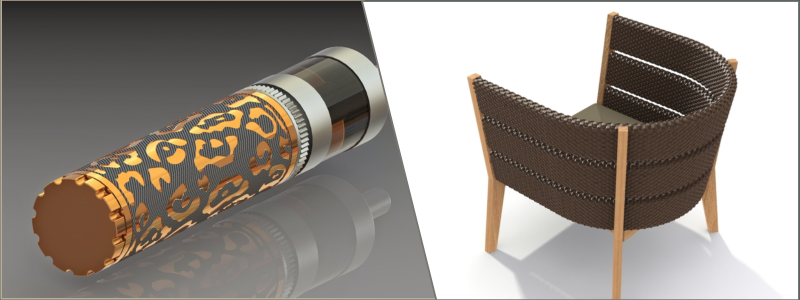
For example, in designing a chair for the living room, designer must take into consideration the proper grips of every part, the size of it, and how its design supports a person’s back, either it is formed for comfort, since a chair is something we, people would sit, where we use as an important thing, where you can relax or in resting. So, it really is vital to look into the fact that it is safely designed because if it is poorly ergonomic, then there is a high risk of injuries or discomfort when the product is repeatedly used by the user.
And in order to avoid these kinds of potential issues in the long run, product designers should be able to refine the design so that they can provide comfort and efficiency to any kind of product that could meet the user’s needs for the entire usability of the product. To add on, ergonomic is very important to consider with new product concept design firms since it aims to lessen or maybe diminish any physical stress on a person’s body when they use the certain product, especially when we design products that requires a lot of force or complex position or posture, and even more when it needed a repetitive use since it could possibly lead to body strains or any worse health issues in the long run.
RELATED: The True Cost of Injection Molding vs. 3D Printing for Product Prototyping Services
By integrating good ergonomics into product design, people can use the product more safely and with greater relaxation, maintaining the natural tone of their bodies without difficulty or discomfort, even after prolonged use or being on that specific thing. And as we know, a lot of products are really meant for a longer period of time, such as wearable items or equipment that needs to be handheld.
Thus, applying ergonomics in any design ensures that these products give comfort rather than discomfort, so it could prevent possible injuries and any problems that could be a cause of a serious matter if not taken seriously in the early stages of designing. One thing for the product designer to keep in mind is that when a certain product feels natural to use and comfortable to be into, then users are most likely trustworthy and would probably use it most of the time and keep on buying that certain product without second-guessing because it’s finally proven to be good as they used it regularly.
Simple and intuitive product use
An effective product is something that is easy to understand right from the very start of using it. It is something that is easy for users to use without needing to think for a longer period of time about how it could be used. A product that is intuitive is what makes it a well-designed one, since users no longer need to be confused and just simply know how to use it easily, just by looking at it. It means its look already explains how it’s used or how it will function even before starting to use it. And it really is very beneficial for the users because it just quickly gives them clues without the need to be taught or for in-depth instructions.
RELATED: 3D Visualization Design Experts for Architecture & Product Design
Also, for designers, it will be beneficial to consider the importance of usability, as it helps them see how it could affect the user’s experience and gives them time to spot potential difficulties that may arise if they do not apply it in the early stages. Every small detail in the design of the product really matters. Whether how its placed or positioned, it all greatly comes with a great significance in the usability of the product. This is where the services of an expert product engineering designer are invaluable. If these intricate details were placed in very complex positions or poorly designed, then it could make the users confused and find it a little too hard to understand and use.
That is why prioritizing a product’s simplicity is important because it could make things easier and make it smoother for everyone to understand why it’s built like it and how it could be used. It would leave them with a positive impression as well, since as soon as they use that certain product, they will get to experience its function, and can prove how easy it is to use and how convenient it is in everyday use. After all, it’s not always how nice it looks, but also how usable and durable the thing is. It’s what makes the product last longer in the market, when it’s guaranteed to provide convenience and comfort to the users, especially when it is a product that is meant for repetitive or long-term use.
Accessibility for different users
A well-designed product is something that considers the diversity of users and accommodates their differences. Something that is designed not just for a single scope of people, but rather a scope that is not limited to one area of potential consumers. That is why consumer product designers must really keep in mind how important it is to acknowledge the differences in every user, varying from physical abilities, since not all people are capable of handling or using a specific product, especially when it is too difficult to use.
RELATED: 3D Rendering Artists: What Sets Apart CGI Specialists & Talented Freelance Experts
In order for it to be extra accessible, not just for one person, but rather for anyone, they must consider creating it in a way that is more usable for as many people as possible that can use it, regardless of who and what they are. A design that is inclusive centralizes on making everyone able to use and try it in everyday use. So with this approach, you could produce products that can reach a lot of potential customers and don’t just limit in a certain age range of people and can even exceed common interests.
It is also very important because if a product is more accessible, then it can be effectively used and experienced. People, even the first-timers, can be encouraged to keep on using it in the long run. And one thing to note is, if the product modeling designer designs a certain product for accessibility, then it doesn’t just keep on encouraging a wide range of people, but also improves the entire usability and quality of a certain product that best suits everyone.
If a product is easy to understand, people can operate and use it more practically, which encourages more people to use the same kind of product, since it doesn’t require much effort or special assistance to apply and use. Just like, for example, if a certain shirt is built with something that has a very small button, then it can be very challenging for old people to close it, especially when they only have limited strength in their hands to close it. So, in order for it to be easier and more accessible for them to use, designers must reconsider designing it with larger buttons or easy-to-insert ones, and with labels that are easy to comprehend.
RELATED: How to Choose Between Competing Concept Design Proposals with Product Design Firms
Choosing the right materials
In designing a product that specializes in its usability, it is important for the 3D product rendering design firm to choose the right materials for it. And the materials that best suit product designing are materials that are not just durable, but also consider how they could affect the comfort and the effectiveness of a certain product, especially when it is built for everyday use. It is really necessary to be careful in selecting the proper materials since the product must be reliable and strong for it to perform well and function efficiently, so as not to let the users feel any discomfort and frustration while using it.
If a product is not carefully built with the right materials, then it will probably not deliver the quality and proper function that it is supposed to. It will lead to a lot more issues and potential errors that could surely impact the product’s longevity and the brand dignity of the business. Also, it could be somewhat costly in choosing the right and appropriate materials for it, but it could be a lot more costly if you choose the materials that aren’t appropriate for a certain product, since if it fails during the production process, then it will surely not succeed, especially if you have already launched it to the public.
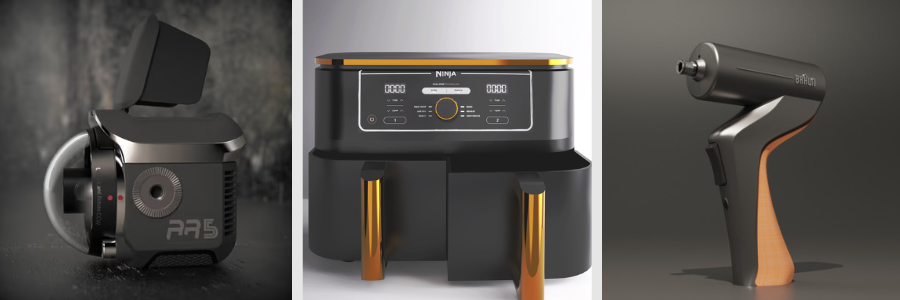
For instance, in creating a product that is frequently handheld, then it is just right for the 3D product designers to choose materials that are non-slip, just like textured rubber or silicone, since these kind of materials helps in maintaining the right amount of grip and security, especially when it is used during wet or sweaty hands. It makes the experience safer and more comfortable for the users, ensuring that it won’t fall down or slip from their hands, making the whole experience more secure and keeping them from any frustrations and problems while using it.
RELATED: How Innovative Product Design Simplicity and Honesty Help Your Brand Grow
That is why, during the early stages of the production process, it is a must to select the right ones that would best fit into the specific function of the product to attain its durability and provide the best experience for the users in the long run.
Common usability mistakes in new products
In reality, a lot of products, especially the newly developed ones, have difficulties in the market because during the design process, usability was never given enough attention. And sometimes new product development designers skipped this very vital approach throughout the production. And a lot of cases happen where designers focus mostly on innovation or the aesthetic side of the creation process and overlook how users will actually use the product in the real world. And most of the reasons why new products fail are that usability isn’t considered during the development.
Although the idea is there and the creativity is present, when this very important approach is not given a chance to integrate, then the product would most likely be thrown on its downfall. That is why it is really important to give usability the right amount of process since a product’s success isn’t just all about how nice it looks or how well designed it is, but of course, they must put prioritization as well to the fact that the real essence of the A to the D will be gone when its usability isn’t put into a serious note.
Some common mistakes of usability that product design and development experts make, are that they don’t use the right materials, have uncomfortable designs, and even have complex controls. These problems are most likely seen only when users are starting to use the products or have just been released to the public. If usability isn’t applied in the early stages of production, then it would be a lot more problematic since the errors and issues will just be evident if it is already used by consumers.
RELATED: How CAD Modernizes Product Concept Design at Industrial Design Services Companies
That is why, by applying the principles of usability, they could test the prototypes with actual users, detect issues early, and provide solutions to mitigate these potential problems. And they could be able to identify the challenges early and can come up with solutions that could successfully resolve any issues before launching a certain product.
How product design services improve usability
Moreover, that is why having a professional help in designing a product is very important, especially when you aim to have a product that is not just top-notch in quality, but also in usability and durability. Seeking expert designers can greatly help, especially when the designers are well-equipped with knowledge that could provide the perfect balance of functionality and practicality in creating your dream product and bringing it to life. With the help of professional 3D designers, you can have a new selection of ideas that can contribute well to your own ideas and help refine them into a better and more successful one.
These professionals have enough knowledge and experience that could be of great help in developing your product for it to become more accessible to the users. These experts don’t just create your ideas, but also provide you with better solutions in times of identifying problems during the production process because these people know what they are doing, and they know how to spot errors early on and improve them right before you have your launching stage. Professional designers apply their research abilities to the usability testing of your product.
They do thorough research on how this certain product interacts with real users in the real world. They provide you with feedback and create effective solutions and improvements that will surely guarantee the best experience for the users. That is why working with professional new product designers, especially in the usability aspect of designing a product, is very important, as they develop your product in a way that is fast and organized, leaving you with satisfaction since they are very efficient in moving forward to provide you with a product that will be one of the successful products in the market.
RELATED: How to Reduce Costs on 3D Product Development with Remote CAD Experts for Companies
Although it can be costly to hire professionals for a specific product, if you aim to have a product that would succeed in the market, then you need to really invest in hiring professionals who could help you in achieving what’s best for your product. And the fact that you invested so much in your product just means how much you love making it the best and providing your potential customers with a product that is highly functional and accessible.
One thing also to note in mind is that investing into these professionals will truly save you from a lot of possible expenses in the long run if you don’t apply it early on since this approach really helps you in spotting potential errors that arise after the launching process, it keeps you from spending more than how much you spent while applying usability and hiring professionals that could help you not spend much more.
Conclusion
Getting into the final thoughts of this article, it simply boils down to the fact that creating an effective product is a must to go beyond the idea of innovation and aestheticism. Developing a product, after all, isn’t just about its look and its facade, but most importantly, getting deeper into every intricate detail of it. A truly successful and well-designed product is something that provides accessibility and comfort for every user who gets to experience it.
RELATED: Guide for the New Product Design Process When Hiring a Design Services Firm
It is important to note that prioritizing usability factors in the development process is something every product rendering designer must not overlook, since it greatly helps them in the long run, especially in meeting the needs of the users. However, to be able to have this level of usability, it technically requires great help, as every best thing needs to be taken care of in the best way possible, and it must be handled with extra care and guidance by the best people, of course.
Thus, in order to achieve its proper usability, it must be well-created by skillful professionals who are experts in a certain field, because when usability is built during the early stages of the process, then everything would surely come up as good as it can be, and can surely perform best and gain the trust of the users the moment they experience it. So, for every business that aims to have a product that is both functional and practical, they must collaborate with professional designers who have the right training and experience that could truly contribute a big difference in achieving the goal that they have in mind.
How Cad Crowd can help
With the help of product designers, your product won’t only look good, but also be something that is efficient and practical to produce for the public. These highly skilled design for manufacturability (DFM) experts apply high-tech methods and integrate their technical skills to enhance the usability of your product, so that it performs successfully and effectively while not compromising its visual appeal. And though there are a lot of platforms that provide skillful experts, none of them provides the best among the best as Cad Crowd does. Cad Crowd provides and matches you with expert designers who are trained enough to develop prototypes that are functional and user-friendly. Contact us for a quote.