One of the most crucial stages in creating a product is to find the right industrial company. It is very important, since the right partner or team will truly help you develop a design that doesn’t just look good but also works well and is efficient to produce. In contrast, if you work with the wrong company, it would most likely lead to multiple delays, higher costs, and, worse, unsatisfactory outcomes.
In the process of building a successful product, selecting the right industrial company is crucial. And since there are a lot of companies to consider nowadays, it really can be so challenging to decide where to begin. Good thing services like Cad Crowd exist; it’s a platform that simplifies your search by connecting you with skilled design experts who can surely turn every idea into a reality.
RELATED: How Successful Companies Use Industrial Design Services for Product Development & CAD Design
🚀 Table of contents
What does an industrial design company do?
An Industrial design company mainly aims to develop products that focus not just on their visual look but also on usability and practicality. It makes sure to create a product that functions well, is user-friendly, and is efficient to manufacture. The services these firms offer often include idea development, 3D Modeling, Prototype building, and final product refinement. They work closely with clients who transform ideas into real designs, ensuring they align with both customer expectations and manufacturing standards.
Having a better understanding of what these companies do allows you to make a clearer decision and set a significant expectation on how the process will be. It also helps avoid misunderstandings, as you get to know more about who you work with as you achieve your product goals.
Why hiring the right industrial design company is critical
Choosing the right industrial design company really plays a significant role in the success of your product. It helps you get an idea of product design that doesn’t focus solely on appearance but also considers its usability and importance in the competitive market. It streamlines manufacturing processes by addressing design issues early, saving time and money along the way.
On the contrary, if you select the wrong partner, there would be a lot of problems that would happen later on. It can result in multiple revisions, wasted materials, delays, and a final outcome that is far from what was expected. And if this happens, everything would slow down, especially your designated launch schedule, and you would possibly lose your chances of success.
RELATED: How CAD Modernizes Product Concept Design at Industrial Design Services Companies
Because of this, thorough selection is really essential. Taking ample time to evaluate your options before making a decision helps big time. With the help of the right expertise, you and your team can move along with more confidence since you have a partner that would back you in every aspect throughout its stages as you all go through the process of achieving your product goals.
Steps in finding the right industrial design company
Step 1: Define product requirements clearly
Before starting to search for the right industrial design company, it is important to clearly define your product design first. It simply means you need to understand your product’s purpose, who your target users are, and outline its key features. It helps best when you already have a clear direction right from the very beginning; then the entire design process becomes more efficient and focused.
Being able to set your vision early on gives you a clearer idea about user experience. You get to consider how your target users will interact with the product that you are trying to create. Thinking deeper about the certain challenges that they might face and how your product design can address those specific concerns. These are very important details that must be included in your project brief so that designers are aware of the solutions they will create, not just visually appealing but also practical and meaningful.
Step 2: Look for relevant industry experience
Every industrial design company has its own level or type of expertise. There are some who focus more on consumer goods, while others specialize in areas like electronics, furniture design, or medical devices. And each of them has its own set of standards, requirements, and challenges. You must be mindful when selecting the one who aligns best with what you plan to build.
RELATED: Important Benefits of Industrial Product Design – Using Industrial Product Design Services
Finding a company that has experience with the same kind of industry that you have can significantly make a difference. Since they already know and understand the common design issues, product limitations, and even user expectations. Through this, you can both work more effectively and efficiently since there would be less chance of expensive mistakes and even delays along the way.
Step 3: Evaluate portfolios
In assessing an industrial design company, it is important to thoroughly review its portfolio, as it is one of the most valuable tools a client should consider before deciding to hire. With the help of this portfolio, you get to have a clear view of that specific company’s design approach, skills, and level of experience. Having reviewed their previous work, you can better understand their capabilities in delivering a project.
It helps you decide best, especially when you focus on projects that are the same as yours. This helps confirm that the designer has strong experience understanding the standards and requirements for the type of product you are trying to build. It is very important to also evaluate not just the visual of their previous work, but also the functionality of their designs. Remember to always note that just because it looks good, it doesn’t mean it also performs well in real-life use.
Step 4: Check client feedback, reviews, and testimonials
Aside from portfolios, it is very important to check feedback, reviews, and testimonials from previous clients. This feedback from clients is very helpful since it provides you with real user insights as to how the designer works in certain projects. They reflect reliability and the overall experience of what it actually feels like working with them. Always pay attention to both positive and negative feedback, as they indicate a significant message and can really help you decide whether they are worth partnering with. If they do have consistent positive reviews, then it’s a good sign.
RELATED: Trends Shaping the Future of Product Design for Industrial Design Services
However, if there are multiple complaints, then potential issues would surely arise during collaboration. If it is possible, try to always look for comments about matters like handling revisions, meeting deadlines, and, most importantly, good communication. With the help of client review feedback, you get to gain a lot of understanding about how a certain company works and what it’s really like to collaborate with a certain designer beyond their design output. It greatly helps you become more confident and informed as you arrive at your final decision and move forward with your project goals.
Step 5: Assess technical skills and tools
Technical expertise plays an essential role in industrial design. It means designers really need a strong level of proficiency in CAD software and other tools used to create detailed, precise models. These tools are very important in developing designs, so it would be easier to visualize project concepts and prepare their designs, ensuring they’re ready for production.
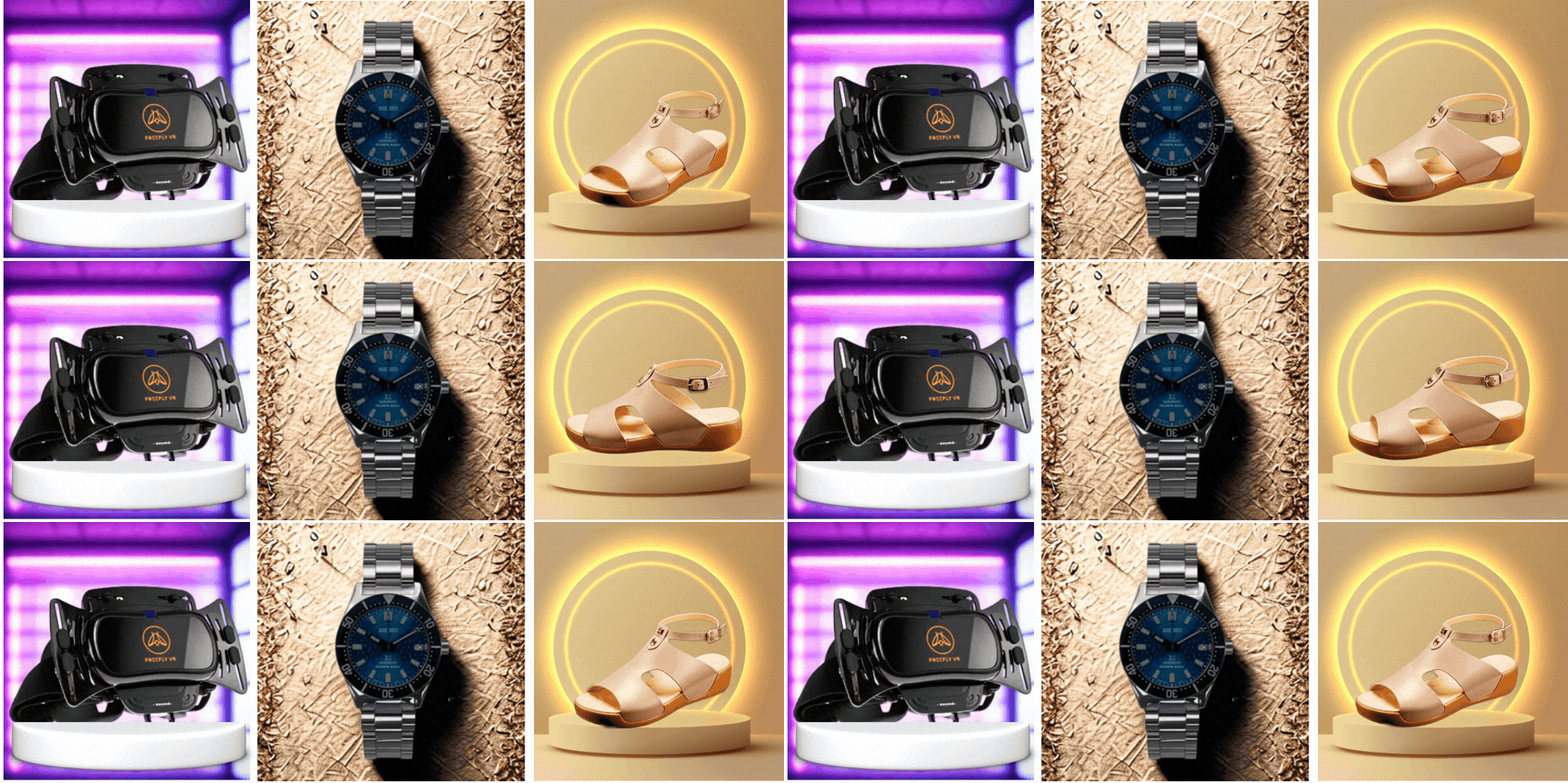
Apart from software skills, designers are also expected to have a solid understanding of certain materials and the manufacturing process. Having this knowledge strengthens the product’s efficiency, making sure it is made with the right materials and methods while reducing unnecessary complexity or higher cost. It also helps in avoiding design issues that could possibly arise during production.
Step 6: Check communication and responsiveness
In any industrial design project, strong communication is really one of the major key factors in order for it to succeed. From the very first inquiry to its final delivery, the design company should be responsive, clear, and easy to work with. It is important to have good communication with both ends, as it helps ensure that the ideas you give are understood and properly executed. As a client, you should pay close attention to how the company replies and how quickly they are to pick up your ideas and concepts as they grasp your project requirements.
If, in any case, there are misunderstandings or delays, especially during the early stages of communication, it could lead to bigger issues along the process. So it’s important to note and weigh things right before proceeding into the actual work collaboration. Clear and timely responses are a good sign of a company’s professionalism and reflect how reliable they are as a partner. Do not settle for potential; make sure to make careful decisions to prevent problems as the project progresses.
RELATED: Top Industrial Design Challenges from Cad Crowd
Step 7: Compare pricing the right way
Pricing is one of the most important bases before you decide who to hire as your industrial design partner. Many clients opt for the lowest-priced option to be more practical, but it is important to remember that the value of the work is more important than the cost. Choosing the cheaper option, though practical at first, can possibly result in a poor quality of work, multiple revisions, and even higher expenses as the project progresses.
The best approach you need to consider is to really focus on the entire value, not just on the pricing alone. Look at the designer’s work experience, capabilities, technical skills, and track record in delivering project results. If you invest more in a skilled professional, you are more likely to guarantee a smoother process, a better-designed outcome, and to lessen or even avoid costly revisions later on.
Step 8: Understand workflow and process
When you hire an industrial design company, it is important to note how they manage their design process from the very beginning up until the very end. Every designer or company has their own workflow and process, so it really differs from one company to another. So, by understanding their specific approach, you will be able to see whether it aligns with your expectations. You must ask how they operate at every stage of the process, from research, prototyping, concept development, revisions, to the final delivery. Through this, you get to gain a clear picture of their structure and organization.
RELATED: Product Development Guide: How an Industrial Design Company Develops Your Idea
When a company has a well-defined process, it simply means that they centralize a smoother collaboration between all the people involved in that specific task. And by understanding this kind of structure, you can anticipate what to expect, including when to expect updates and feedback, and how they make decisions throughout the process. A designer who strictly follows a certain workflow is likely to deliver high-quality and consistent results. This step also helps you in identifying potential gaps during the early stages so that you can prevent any confusion or delays once everything begins.

Step 9: Ask the right questions before hiring
Before you fully decide who to hire as your industrial design partner, make sure to really ask questions in order to confirm that the specific designer is really the right fit for your project goals. Through this, you get to set clear expectations and avoid the potential risk of misunderstandings along the process. Make sure to ask about their previous experiences with similar projects. Through it, you get to have an idea of how knowledgeable they are with your project type and see how they would handle things and deliver according to your standards. You should also not forget to provide project timelines, including how long you would want each stage of the project to take, and if there are cases of delays, how strategically you would handle them.
Another one to clarify is ownership. Remember to confirm who will own the final design files once everything is done. Ask as many questions as possible, as long as they’re related to the project that you are trying to create, especially in terms of possible additional fees for certain changes or specific details that can affect the overall experience and success of the product that you are aiming to build. Getting clear and direct answers really helps you as you decide who to hire.
RELATED: 5 Tips For Successful Product Design
Freelancers vs industrial design firms
Choosing to hire either a freelancer or a design firm mainly depends on your project’s needs, complexity, budget, and even the level of support that it needs. If you opt to hire a freelancer, it’s a good choice, as they are a very flexible and budget-friendly option. It is ideal for startups and smaller projects with limited resources. Freelancers adapt easily to change, communicate directly, and often offer rates that are more affordable than those of larger firms. It is a practical choice, especially for simple designs or early-stage product development for startup businesses seeking a wise option.
On the other hand, design firms provide a more structured and smarter approach. They have a full team of specialists, designers, and engineers with extensive knowledge and experience in handling complex projects that require expertise across multiple areas. They manage complex workloads, offer a range of services, and ensure consistency throughout the project design process.
Whether your decision would be, it really just depends on your project’s size, since you all have the advantage of who to choose from, both freelancers and design firms. With all the platforms that connect experts, Cad Crowd really gives you the flexibility to find the right partner for your project goals. It’s a matter of decision and thorough evaluation, since regardless of what you decide, Cad Crowd still provides you with easier access to both options, making sure you get to select the professional that meets your specific standards.
RELATED: Innovation is Ongoing: Next-Gen Product Design Strategies with Industrial Design Firms
Where to find reliable industrial design companies
In today’s modern world, we have various ways to find industrial design companies, such as searching online, using professional networks, or asking for referrals. A lot of methods can really be helpful, but don’t always guarantee that the companies you find online or are referred to are qualified, experienced, or perfectly fit with your project’s goals. Through online searching, we can get a wide range of options, but the results they deliver, most of the time, don’t meet our specific standards. Sometimes, you find designers who really excel in the specific field, but lack the expertise you actually need. There are others who don’t have proven strong experience in the specific industry but deliver top-notch quality.
This is what makes the selection process more time-consuming and really overwhelming, especially for those startups. For this reason, selecting a trusted and reliable platform becomes essential. Cad Crowd simplifies the process by offering access to a carefully curated network of skilled, vetted industrial design professionals. This helps clients avoid spending more hours filtering through uncertain or unqualified options, since you can quickly connect with expert designers carefully selected for their experience and capabilities, who meet your professional standards and have the potential to turn your ideas into reality.
Common mistakes to avoid when hiring
It is inevitable to commit mistakes in any project design, especially when you are in the process of looking for and hiring the best industrial design company. However, these mistakes are preventable and can be avoided in order to avoid big damage as your project progresses. Of course, you do not want to deal with major damage along the way, so, as much as possible, be extra mindful when selecting the right company, since they are the ones who will be accountable at every stage of the process.
One common mistake in choosing a designer is basing your decision on price alone. Although lower costs may seem attractive at first and practical, they don’t guarantee a good quality result. Instead, it often leads to repeated revisions, poor quality, and higher expenses throughout the process. And no client would ever want to deal with multiple revisions again and again in the long run. So, as much as possible, consider the overall value rather than focusing on the attractiveness of cheaper costs. There are a lot of clients who are blinded by the idea of lower-cost pricing without realizing how it often negatively affects the overall performance of the manufacturing process.
RELATED: 8 Impressive Industrial Design Portfolios on Cad Crowd
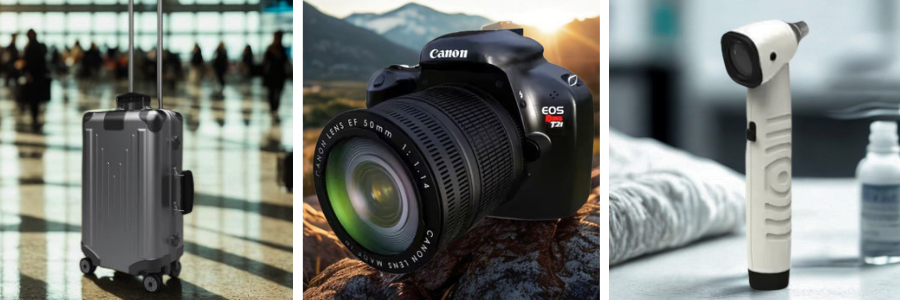
Another is failing to review the designer’s portfolio. If you don’t check their previous work and experience, it will be more difficult for you to evaluate the skills and capabilities they deliver. You will not be able to look through their design styles and level of experience, and you will not be able to confirm if it fits best with your project needs. A portfolio provides you with all the important insights into whether that specific designer can handle the type of project you are trying to aim for. It must not be overlooked and taken for granted since it’s a very helpful guide as you go through the process of building the product of your dreams.
Also, poor communication and unclear project requirements are two of the major issues that most clients deal with. If you don’t set your expectations early, misunderstandings are likely to occur. Without clear project standards and requirements, the project would most likely result in delays and unsatisfactory outcomes. You should always take time to prepare clear standards and provide questions that can help in avoiding problems early on. There are a lot of clients who hop into the process right away without confirming every little detail, assuring every potential complication and possible challenge along the way.
Final checklist before hiring an industrial design company
Before you make your final decision, it is really essential to make sure that you have carefully reviewed all the options you have and ensure that everything is clear and settled. You may start by confirming that your product requirements are properly defined, including its purpose, key features, and target users. In this way, you get to stay focused while making sure that the designer you choose really understands the vision you have in mind.
Next, evaluate the designer’s portfolio to see whether their style and methods really match what you’re looking for. Make sure that you get to check their previous work so that you can confirm it really reflects the kind of quality and functionality you want to have in your own product.
Also, do not overlook the importance of communication. Always make sure the designer is responsive, easy to talk to, and clearly explains the project details. You must work collaboratively and establish a professional relationship, ensuring you get to exchange ideas comfortably while making sure everything is settled and clear before proceeding into the next stages of the process. At the same time, also remember to check the transparency of the pricing just to see to it that it has no hidden fees or unclear charges.
RELATED: How 3D CAD Modeling is Transforming Design and Manufacturing Industries at Design Companies
Lastly, you must ensure that every deliverable, timeline, and expectation is clearly set and agreed upon between both ends before confirming the start of the project. When you have everything properly set up from the very start of the process, misunderstandings or challenges are less likely to occur, making everything run smoothly.
Applying all these steps increases your chances of having a successful partnership with the chosen design company, while ensuring you receive and achieve a high-quality final product that not only looks good but is also manufacturable and meets your project requirements.
The cost of hiring an industrial design company varies depending on the product’s complexity, project scope, and the level of expertise required. While simple product concepts may only require a few thousand dollars, more advanced projects involving prototyping, engineering, and manufacturing support can cost significantly more. The table below provides a general overview of typical industrial design pricing ranges.
| Service Level | Typical Project Cost (USD) | Best For |
|---|---|---|
| Freelance industrial designer | $1,000 – $10,000 | Simple products, startups, concept development |
| Small industrial design studio | $5,000 – $30,000 | Consumer products, product refinement |
| Mid-sized industrial design firm | $20,000 – $100,000 | Complex products requiring research and prototyping |
| Full-service product development firm | $50,000 – $250,000+ | End-to-end development, engineering, manufacturing support |
| Enterprise-level design consultancy | $100,000 – $1,000,000+ | Large-scale commercial products and innovation projects |
Conclusion
In choosing the right industrial design company, a lot of patience, clarity, and careful decision-making are really needed. Having all this just means how much you value your products and how you want things to run smoothly as the project progresses. Having a better understanding of your product and evaluating company portfolios and expertise means you get to open a strong foundation for your project’s success. Every step you take in choosing the best partner helps you reduce potential risks and issues, ensuring that all your ideas are transformed into a well-designed and manufacturable product.
If you want to find the right professional who can help you turn your ideas into reality without wasting hours searching, try Cad Crowd, a platform proven to simplify your search. It has access to a wide pool of experienced and vetted designers who are guaranteed to help you move forward with your project goals. They are carefully chosen since they have the quality and ability to develop a product that is sure to meet your goals and will really stand out in the competitive market.
RELATED: Trends Shaping the Future of Product Design for Industrial Design Services
How Cad Crowd can help
If you’re impressed by Cad Crowd’s freelance industrial designers, considering hiring one of them for your design project. We can connect you with some of the best product designers in the industry. Just contact us with your information and we’ll give you a free quote!