Tips for Strategic Product Briefs that Prevent Costly Rework with Top Design Firms


Rework is one of the costliest setbacks in any project. It not only causes a delay in the whole production but also weakens the client’s confidence in the output. The way the hours are extended beyond the committed ones, and the efforts being doubled, is indeed a challenge, as it may or may not be agreed on. 

Sometimes, reworks do not really happen because the product design firm is incapable or lacks resources, or it could be because the product brief is not clear. It is important that the intention is set clearly so the working team wouldn’t have to assume, since revisions or rework happen when there are a lot of assumptions. 

A properly structured brief could’ve prevented this. With this, it has a clear depiction and a structured direction of what’s expected to be delivered. Cad Crowd connects businesses to screened professionals, CAD specialists, and designers. This way, you can be assured that rework can be prevented. 


🚀 Table of contents


The real cost of rework

Rework does not seem like a big deal at first. It starts with a simple scale request, like a color or a material change. It could also be an adjustment to sizing or a further request for a different scale. The request seemed minor, and it was often overlooked. From this, all adjustments have to be made for another duration, and all models would then have to be updated. These small things may look menial at first, but once stacked, their impact would be dramatic. It costs not only the time extensions, the resources, the efforts, but also the team’s morale. 

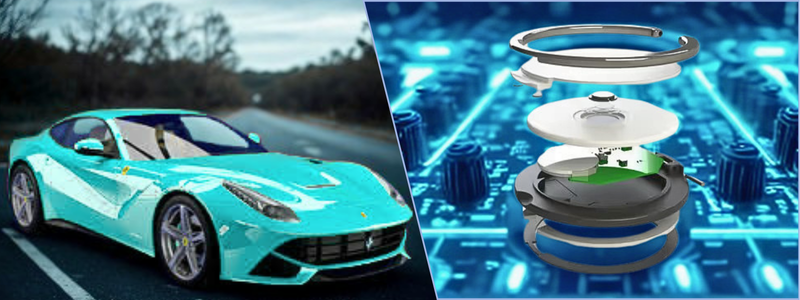
Cad Crowd product design examples by Cad Crowd product developers and freelancers

RELATED: Elevating your company’s product designs through user-centered design principles

Begin with a clearly defined problem

In approaching how a product brief should start, it should focus on the question “What is really the problem?” It is often practiced how one should be interesting or amusing, or uniquely creative, to be sold in the market, but the core should not be neglected, and that is to properly specify the efficient solution by consumer product design companies. It should clearly deliver the context, the possible solutions, the existing solutions that fail, and why they failed. The data should be able to speak for itself. At this stage, it is essential that there is clarity in what the problem the entire project is addressing, as this will be the anchor of the project. This can prevent the repetition of work. 

Identify the primary user precisely

A product or a project’s success is dependent on how a consumer or a user sees it. It is important that the brief clearly defines who the project or product serves, who its target market is, and how it fits them. Generic terms should be avoided and instead identify specifically who their products are intended for. It should be able to answer the questions “What are their routines?”, “Where are they most exposed to?” Break down the importance of their needs, what is the most prioritized feature, is it comfort, efficiency, price, or sustainability? With these being identified, design trade-offs would be much easier, and the vision is clearly aligned. If the end-user is clarified, there would be less feedback intended for revisions. 

Translate goals into measurable criteria

Being vague about the product description can lead to subjective assumption of what it could mean. An example is wanting the product to be durable, but its lifecycle is not even mentioned in the brief. This could lead to guesswork, which could lead to rework. Instead of giving ambiguous goals, it is better to be specific and measurable, like when you want to be lightweight, then state how the weight should be. Indicate the surface textures, how smooth or how rough it should be. A criterion must be set, and it should be quantifiable, so the design process can be measured objectively. This way, there would be fewer assumptions, as there are clear metrics of how the development of the product should be. 

Document functional requirements in detail

One of the causes of rework is that the functionality is not met. During the brief, a list of how it performs should be broken down and prioritized. Simple terms wouldn’t cut it, and too much may overcomplicate and overlap some features. It is best to be direct so that it can reduce interpretation errors. 

Clarify physical constraints early

One of the details that is often overlooked is the physical constraints of a product, like how it must fit the manufacturing site, or the desired packages, or even the prefabricated model it should fit in. The product design expert cannot guess what would be the most appropriate fit unless it is clearly specified. The project brief should include all the dimensions of the product and its dimensional boundaries as well. There should also be the weight limits and size limitations. Ensuring all these details will limit redesign. 

Outline manufacturing methods

When there is design, there is also manufacturing. These two are inseparable, as they are consecutive stages that typically go hand in hand. So, details regarding its manufacturing could also help improve visualization of the product clearly, meaning if there is a need for a molder, then add it. Or, if there is a need for sheet metal or some things that are to be fabricated, then it is best to indicate it with its corresponding material specification, such as thickness and finish. It should also be discussed what the anticipated volume is, so approaches for how it will be produced are considered. From this, redesign due to manufacturing proposal rejections can be reduced. 

Provide transparent budget parameters

It is always best to be transparent regarding the budget constraints. Cost limitations are not to be hidden, because they may cause tensions among all the stakeholders. Knowing the budget can make the team strategize on how it will be distributed. Realistic approaches are considered, defining the materials needed and the tools as well. When all these are defined, the team prevents costly redesigns and creates a smarter and more efficient decision. 

Establish clear deliverables

What to expect as an output is one of the measurable criteria if the work is done or not. The product brief should always have a list of the expected deliverables. Not only should it specify the files to be included, but also its required file formats. This way, there is less back-and-forth during the submission process. Measurement tolerances and scaling preferences should also be discussed, and if there’s a need for further support files, like a render for marketing. This will ensure that the design team knows what they’re expected to submit instead of guessing what the final output is required. 

Set a structured review framework

Structured review and feedback make the project seamless and smooth all throughout. It is important to designate stages at which reviews will be done and who the proper correspondent is, such as other engineering design firms if needed. This will prevent confusion and keep the whole development focused and not scattered. In addition, it is best to specify revision limits for every stage and phase, so that there would be unnecessary iterations. 

RELATED: Why 3D product models are replacing traditional photography for product design companies

Align internal stakeholders before launch

The stakeholders’ opinions and visions are all essential to the project, and often, confusion about which preferences are to be followed triggers tension within the team. In this case, internal alignment is to be done during the planning and brief. The engineering, marketing, finance, and even the operations should be able to agree on what the prioritized attributes are before the design stage. Although there are certainly times when there could be an undecided trade-off, it is best to define them. The progress would be slow if there’s an internal conflict, so a unified direction would definitely lessen the risks of alterations. 

Address regulatory and compliance requirements

In some industries, compliance is non-negotiable, which means there are certain tests, certifications, and documents that are needed. These requirements must be specified during the brief and must be listed. Clarity of the requirements at this stage will prevent the list from being overlooked. It helps the working team to know and anticipate what else is necessary for documentation. 

Anticipate integration challenges

Integration ambiguity could lead to more iterations if not addressed properly. To prevent this, provide the necessary and anticipated integration requirements. Data protocols, if necessary and involved, must be discussed as well as interface specifications. Expectations of compatibility should also be identified. This can prevent revision due to incompatibility. 

Include risk assessment

In every project development, there is an inevitable risk. These uncertainties and vulnerabilities should clearly be identified during the initial brief; highlighting these challenges is a proactive approach to making a design decision. It lessens reaction-driven rework and makes the development process more efficient. It is best to anticipate challenges and risks instead of reacting and facing them. 

Plan for controlled changes

Even though change is inevitable, it doesn’t mean that there is no appropriate solution for it. Inevitable change is costly, and when the project has a budget limitation, it would be challenging to handle even for experienced product development experts. For this, a documented variation management should be included in the discussion. The requirements have to be well-evaluated, and the project inclusion and exclusion criteria should be set. Implementing structured change control helps minimize scope creep and maintain project stability.

Encourage early collaboration

Encouraging the whole team for an early discussion is a great start. This collaboration at kickoff strengthens alignment and opens workability stability. The discussion would expose expectations and even the sudden assumptions that may be considered as challenges if not addressed. This way, any unclear items identified during the initial stage can be addressed immediately.

Document assumptions explicitly

In a project, assumptions could be present, but if not documented, this may lead to confusion and possibly a rework. So from the very start, it’s better to list down any unstated assumptions and possible risks. You can also document potential user behaviors early on. If any assumptions change along the way, just update the documentation accordingly. Keeping everything transparent helps avoid unnecessary rework. 

Maintain version control

Tracking the briefs and the revisions being made is one way to reduce scattered updates. Having a centralized documentation of these updates will make it easier to track, and it makes the revision formal. This ensures that stakeholders understand what happened throughout the process and prevents repeated instructions. It also helps avoid informal or undocumented revisions. 

Define technical specifications with precision

Technical specifications that are too vague may lead to assumptions for the working team or product engineering service. To prevent this, it is best to clearly identify what is really needed from the start. For an instant, if there’s a need for a material grade, then state it. Or if there’s a preferred surface finish, identify it. This will save a lot of time and effort for the whole team as they won’t be guessing. There would be less room for correction, and it can ensure a smooth transition of work. 

Differentiate between requirements and preferences

There is a clear line between a preference and a requirement, but if these ideas are tangled together and mistaken for each other, then it would be a disaster. During the meeting or a brief, it is important to document which ones are considered as preferences; these could have cue lines such as “preferred” or “ideals”. Also state the non-negotiable ones so they would be the ones to be prioritized. This way, there would be prevention of the requirements being overlooked. 

Provide context for brand alignment

The brand gives individuality and uniqueness to the product. To ensure that it aligns with the brand, proper context has to be provided. These includes color palette to be used, or the textures and some other visual references that are in accordance with the brand guidelines. A clear brand context would reduce relative ideas and assumptions on how it is aligned with it. It prevents awkward alignment that may lead to redesign. 

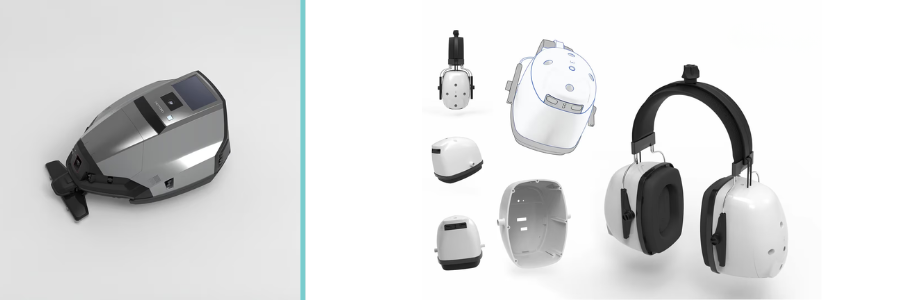
Product design examples by Cad Crowd design freelance experts

RELATED: Designing for visual impact with your product design services company

Outline testing and validation expectations

Since some products have strict or non-negotiable compliance requirements, such as testing. Expecting and anticipation that the test would be in the brief. It should be able to note how the performance of the product will be evaluated, or how it will undergo certain testing. This would make the consumer product design experts know what the product is expected to undergo accordingly. 

Clarify intellectual property expectations

Ownership terms should be set in the beginning, mentioning who has the rights to the design files as well as the revisions. Clear intellectual property boundaries can avoid possible disputes that may hinder the project’s progress. If there is a need for a patent, then note it so it can be anticipated later on. If there’s also a confidentiality expectation, then it is best to mention it during the brief. 

Address sustainability considerations

Some countries take sustainability considerations seriously, and they see this as a requirement. If there is a need for it, then it must be discussed beforehand. Sustainability goals would require discussion about the materials to be used and their lifespan expectations. This will prevent redesign due to compliance. This way, strategies can be formed that align best with sustainability standards.

Document supply chain dependencies

Supply chain awareness is also important in the design decision. It is important to note if there are certain constraints that must be noted, like the lead times, geographic sourcing, and the suppliers they are partnering with, or something; just list them. The reason for this is to avoid the chances of rework because of the unavailability of some materials. This could be something that may be overlooked, but can be handled if addressed correctly by industrial design services.

Define communication protocols

Communication sounds easy and sometimes still leads to confusion. This is because there is no clarity on which channels are to be used, so it could be scattered. The right correspondence and alternative should be set formally, and the response time should be defined as well. This will prevent delays, as there would be no need to guess because of incomplete information. 

Establish milestones with clear outcomes

Clear milestones would reduce ambiguity in what was expected to be done within a certain timeframe. It is best to define what progress is expected in every stage and the criteria to be met. This will make it easier for all stakeholders to track if the completion time is possible or if the timeline is realistic. All the stages and the review feedback should be updated to keep track.

Prepare for prototyping realities

In doing prototyping, proactive planning should be done to reduce frustration. Define the allocation for testing, what is the accepted performance and deviations, and if there are material limitations. This will lessen the cost it may incur for redesign or rework.

Avoid overloading the brief with unverified ideas

Not all the ideas are to be presented in the brief. It is important to note that a brief is what makes the project, so speculations or some raw ideas could cause a sway in the original vision. Weighing ideas can make the brief more efficient and meaningful, especially for prototype design engineering services. It should have a full context of all the things needed for the project’s success. 

Balance detail with focus

To ensure that there is no overlapping of ideas or chaotic thoughts during the meeting, it is best to be strategic about it. Create an agenda and organize all the information logically. All the related requirements must be collated together, and the small details added next. It could have structured sections or even keywords. Having a logical train of thought would help avoid overlooked details.

Integrate feedback from previous projects

The history of past projects can add value to the present. The lessons learned must be documented to address and improve what went wrong in the past. Utilize the past recorded information to strengthen the briefs for a greater improvement and to not repeat the same mistakes. This experience could provide further clarity to the work.

Anticipate lifecycle expansion

Designing a product means also giving it life, and most likely it can extend further through other updated versions. With this, anticipation for design possibilities must be noted, and the upgrade pathways it has. This is an efficient way of designing, since it involves long term feature for the product. It protects investment. 

Encourage documentation transparency

3D design services are not limited to CAD files; it also covers specifications, maintenance guidelines, and installation instructions. The whole documentation is a streamlined reference collated to produce the design. All the files should be listed in a way that is aligned with the formatting preferences with the help of.

RELATED: Why should you hire professional product design companies and services experts

Align cost targets with performance expectations

Cost and performance are two things that matter the most in a product, and they must align. If there is a preferred durability, but with a limited budget, then recognize the trade-off. With this, it is best to collaborate with the design teams to welcome balanced solutions. Transparency could help prevent disappointment since expectations can now be set. This helps realistic decision-making.

Ensure leadership visibility

A leader gives firm direction to the group. If there is a defined leader who is responsible for the reviews and approvals, then it should be noted. This prevents stages wherein there is a rework because of late executive input. 

Document packaging and distribution requirements

Packaging has an impact on the product design. The details of dimensions, the test standards, and even the storage conditions should be noted and considered. There should be clarity with the sizing expectation, so there would be no conflict with the logistics. 

Define maintenance and service expectations

Not only is the lifespan included in the expectations of the product, but also its maintenance and serviceability. This means that if the product is said to be easily repaired, then the components must have easy access requirements. There should be maintenance documentation and an expected repair environment. This ensures that the lifespan is ensured and aligned with consumer expectations.

Strengthen briefs through iterative refinement

Not all initial briefs are perfect. It gives the context, but it is rarely the final. It has to be reviewed thoroughly and improved to clear up unclear sections. Critiques could be welcomed to challenge the ideas. A refinement of the first brief reduces the confusion. It gives confidence to the open innovation experts and protects the whole team from wasted time and effort.

Build collaborative partnerships

A great network creates a strong brief. Treat the designers as a strategic partner in collaborative work. Welcome the balance of ideas and technicalities. It is best to remain open for critique and challenge the ideas being presented. This rejects rigid thinking and encourages healthy feedback. This strategic collaboration helps improve the outcome of the project. 

Quantify decision criteria before concept development

Measured decision criteria have to be set to define the evaluation process. In reviewing, it should be able to clearly identify which ones are prioritized. Document the weighted criteria, whether cost weighs more than performance, or is it durability that matters the most, or is aesthetics much preferred to weigh more? When these attributes are reviewed with quantities, it is easy to pinpoint and decide. There would be measurable standards that may ease the review process and lessen subjective judgment. 

Address cross-functional dependencies

Some products are launched alone, and some are planned and aligned with seasonal campaigns. Whichever it is, it is best to take note of the marketing timelines, the procurement plans, and how the customer support workflow is. This cross-functional documentation has an impact since it gives designers better timeline decisions. It gives clarity and avoids rushed rework before launch. 

Clarify digital integration requirements

In this current world, wherein most products are designed modernly, they often include digital components. Note in mind that when this is applicable, the software interfaces and integrations have to be defined. Indicate the security standards and the operating system or platforms. Doing early coordination can lessen integration rework. 

Define tolerance philosophy

Design and manufacturing design services come hand in hand and are directly connected. Precision in design is defined by tolerances. The higher the tolerance is, the higher the manufacturing costs are. Clear tolerance expectations can help guide the designers in their decision-making. If the cost were weighted more than precision, then there would be an acceptable flexibility in how the outcome would be. Clearing this will prevent redesign due to precision expectations. 

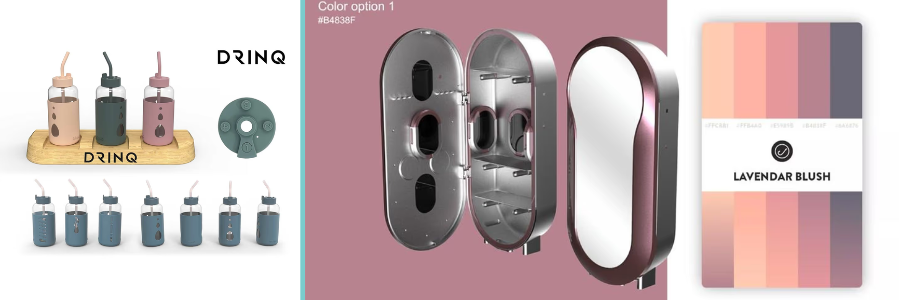
UV-C and tumblers product design by Cad Crowd product development designers and freelancers

RELATED: Industrial design vs. product design: What sets these services apart for companies?

Identify environmental exposure factors

There are environmental factors that can often lead to unexpected redesign if not addressed early. They could include exposure to moisture, UV rays, corrosive substances, and extreme temperature change. The brief should have context on whether the product is supposed to be just for indoor or outdoor use. Setting these conditions should be discussed in the brief, as this information can reduce the risk of redesign due to testing failures. 

Conclusion

A strategic product brief is not just an administrative requirement. It is one way to control costs and reduce risks in a project. It can shape the entire development process. The problems and risks, when defined and identified clearly, can be addressed early on, and rework can be prevented. A strong brief protects the costs and accelerates timelines, creating a positive connection among professionals. It gives confidence to the team and boosts morale. 

In Cad Crowd, a great pool of vetted freelancers is ready to aid in translating the complex and detailed product briefs into production ready approach and solution. You can pair seamlessly with a talent who’s comprehensive with strategic clarity. Dramatically reduce rework with Cad Crowd. Improve life by letting Cad Crowd build your path in the market. Request a quote today.

author avatar

MacKenzie Brown is the founder and CEO of Cad Crowd. With over 18 years of experience in launching and scaling platforms specializing in CAD services, product design, manufacturing, hardware, and software development, MacKenzie is a recognized authority in the engineering industry. Under his leadership, Cad Crowd serves esteemed clients like NASA, JPL, the U.S. Navy, and Fortune 500 companies, empowering innovators with access to high-quality design and engineering talent.

Connect with me: LinkedInXCad Crowd

How to Choose Between Competing Concept Design Proposals with Product Design Firms


Every year, there are nearly 30,000 new products introduced to the market, with a staggering 95% rate of failure. A big portion of those products is made by startups and small product design companies, but even internationally recognized names aren’t always immune from NPD (New Product Development) fiasco. Remember the Google Glass project, which received millions of dollars in investment but quickly vanished from the conversation? Perhaps the uncomfortable backlash from the New Coke during the mid-1980s is still in memory, too. Even the multinational oral hygiene powerhouse, Colgate, had to taste the bitter experience of a bust with its Kitchen Entrees line.

Big companies could bounce back from an NPD debacle, but many of their less fortunate counterparts struggled to even afford the chance to try again. Failed products don’t just vanish; they leave behind companies whose brands and reputations are indefinitely tarnished. Not only does a product failure drag down the financial report, but it also costs the company momentum and likely the rare opportunity to establish a market position.

This is why concept testing is a crucial phase in an NPD process. At the end of the concept generation step, you probably end up with a dozen or more concept designs. Because it makes little financial sense to try to develop every single one of them all the way to the prototyping stage, you have to pick only one concept that actually warrants the resource allocations for further development. While choosing between competing concept designs isn’t always an exact science, there’s definitely something you can do to minimize your chances of becoming part of the harrowing statistics.

Concept testing consists of a series of purposeful steps to help you gather the product’s marketability data from end-users. In general, the data should tell what the target demographics like and dislike about the product, how it compares with competitors, why some consumers want the product while others avoid it, and whether the product presents an obvious room for improvement. As simple as it may sound, there’s no guarantee that the data you gather at the end of the testing will point to any particular concept. The data still has to be scrutinized and interpreted for it to be useful.

Given the complexities of formulating the test procedures, deciding which methodology to use, and determining which participants should take part in the testing, it’s advisable to have the process done or at least assisted by NPD professionals. Cad Crowd is among the few freelancing platforms that specialize in hardware product design and engineering design services, where you can connect and collaborate with strictly vetted, tried-and-true, seasoned industrial designers experienced in concept generation and testing. With client-friendly hiring options and robust IP protection services backed by more than 15 years of experience, Cad Crowd is a reliable one-stop shop used by companies big and small to outsource any and all stages of hardware product development. The platform itself can function as a project manager if you want, bridging communication and providing quality control to make sure that your concept testing process is handled only by the best-qualified talents to guarantee accurate results.


🚀 Table of contents


Concept testing vs. product testing

The primary purpose of concept testing is to evaluate the market viability of product designs while they are still in the conceptual stage. You don’t have a product yet at this point, as it has not been fully developed. The evaluation is meant to validate ideas early on in the NPD process when there’s still enough time to revise, improve, add, and discard most of the concepts being tested. As the evaluation concludes, you should end up with the most feasible concept, allowing you to allocate resources to further develop it. Concept testing must involve representatives of the target demographic (and in some cases, experts) giving their opinions on such subjects as potential for demand, perceived values, likely pain points, performance expectations, and so forth.

On the other hand, product testing implies that you already have an almost-finished product that has undergone some rounds of prototyping followed by small-volume manufacturing. The product is approaching its full market launch timeline, but you want to make sure that everything works as intended before it hits store shelves. Since the number of units is relatively small (from the pilot production), product testing is likely done by a small number of respondents, such as certification issuing organizations, a third-party panel of experts, focus groups, and beta testers.

It’s worth mentioning that concept testing isn’t a form of marketing campaign for your consumer product design firm, either. You’re not sending the concepts for people to invest money in the NPD project or persuade them to make a purchase once the product is ready.

Concept designs of a drone and modern luxury vehicle by Cad Crowd design experts

RELATED: How CAD turns your idea into a prototype for CAD design companies & freelance services

Choosing the one right concept design

Say you’re developing a new hardware product. The concept generation phase gives you about a dozen or so potential designs, each with its own strengths and weaknesses. Based on technical feasibility, development cost, time-to-market schedule, and certification requirements, you narrow the selections down to half a dozen options. A possible issue with a patented design comes up, forcing you to remove another concept from the list. You have five remaining concepts available, and all of them seem to be promising enough. But you only have the resources to fully develop one product. So, how can you be sure that you’ll pick the right one? Concept testing by survey, and here’s how to do it properly.

Define clear objectives

Just like the beginning of market research, always start by defining exactly what you want to learn from the testing. Avoid vague objectives such as evaluating multiple concepts or gathering feedback from potential consumers, as they canlead to poorly executed research at best and inconclusive results at worst. You want the respondents to give specific answers about the concepts, so it’s only appropriate to throw around some specific questions as well. For example:

  • What do you think is good and bad about the concept?
  • How does the concept compare to other products you’ve already used before?
  • What features do you like the most?
  • Which design element is the worst in your opinion?
  • Is there any specific thing that makes you want this concept?
  • What are the main reasons that you wouldn’t use this concept?
  • On a scale of 1–10, how pleased are you with the concept?
  • What kind of improvements do you expect to see?
  • What features do you use the most?
  • Does the product feel ergonomic enough?

Let the things you want to know about the concepts (from the respondents) guide you through every decision, from formulating the questions to selecting the proper methodology. When you focus on specific questions, it increases your chances of acquiring coherent, decipherable answers rather than scattered pieces of responses to sort through. Narrow-focused answers make it easier for concept design experts to run the results analysis later, too.

Involve the right participants

If product testing is supposed to be a requirement for regulatory compliance and a real-world performance simulation as a form of final quality control, concept testing is all about asking the respondents for their opinions about a hypothetical new product. The keyword here is “hypothetical” because the product is yet to be materialized. All you have at this point are some concept designs, and you are in need of feedback from potential end-users.

In concept testing, respondents should primarily consist of consumers from the target market; you may also include expert users, even if they don’t belong to the same demographic. If you’ve launched a hardware product before and the new version is meant to expand your market, keep in mind that the current customers may react differently from the prospects when they’re exposed to the same concepts. Among the biggest causes of failure in concept testing are randomly chosen participants, for example, people who may never realistically buy or use the product. Their answers only dilute the insights gained from the real target market, further complicating an already complex process.

It’s advisable to recruit 150-200 respondents from each segment of the target demographic. You need to strike the right balance between speed and statistical strength, aiming to discover actionable insights and build decision-making confidence (concept selection) without dragging testing out longer than necessary.

RELATED: Top 10 benefits of reverse engineering services at product design & development companies

Testing methodology

There are four major methods commonly used for concept testing. It’s not uncommon to use a combination of two or more methods to gain as objective and reliable an insight as possible for product development experts.

Monadic: Each participant is presented with a single concept design to elicit an in-depth opinion, reducing the risk of comparison bias. Given the nature of the method, the data collected at the end of the process likely reflects respondents’ immediate reactions to a concept rather than their relative preferences. It won’t tell you why they chose any particular concept over another. That being said, my onadic survey is an excellent option for any of the following purposes:

  • Evaluation of an innovation with no direct comparison benchmark.
  • A review of a concept that requires a detailed demonstration.
  • Feedback generation on every aspect of a concept design.

In some cases, the monadic method is chosen for the simple fact that comparison bias is irrelevant to the survey result. For instance, the concept is to be developed as a direct competitor of an existing product (there will be comparison bias, but you don’t want it to affect your decision). You already know that the concept shares more than enough similarities with the alternatives, and the survey is solely intended to gauge whether the concept receives favorable feedback. Obviously, a monadic survey isn’t an ideal method to help you choose from multiple concepts, unless you have two or more concepts being tested by different groups of respondents separately.

Sequential monadic: The same group of respondents evaluates multiple concepts, one at a time. Sequential monadic gives you the benefits of an in-depth concept evaluation of its monadic counterpart, added with the ability to pit multiple concepts against each other. For order bias control, you should divide the respondents into several subgroups; a different subgroup evaluates the concepts in a different sequence, too. Among the best use cases of the method:

  • Evaluation of 2 to 4 concepts, and you need an in-depth report of each.
  • The feedback must include preference ranking.
  • Statistical comparison among the concepts is required.
  • The order of sequence in which you present the concepts may affect the objectivity or validity of the feedback.

Sequential monadic gives you a reasonable balance between detailed feedback and comparative preference in one go, making it an ideal method for budget-conscious concept design service and testing. While comparison bias is almost a given, the fact that a respondent can observe only one concept at a time can keep it to a reasonable minimum.

Comparative: Unlike with monadic and sequential monadic, where comparison bias might skew the results, you actually count on comparison bias when using the aptly called “comparative” testing method. If the goal is to put multiple concepts to the test and choose the most favorable one, this is probably the most straightforward way to do it. By allowing the respondents to do a direct comparison between competing concept designs, the data should be as unambiguous as they come. Best use cases of the comparative method:

  • A survey to figure out the key differentiators between multiple concept designs (from customers’ viewpoints).
  • Selecting the most customer-preferred design.
  • Research into whether end-users pay attention to subtle differences in multiple concepts.

The comparative method makes sense because this is what customers typically do before making a purchase. They put competing products side-by-side to understand the similarities and differences in the hope of making a well-informed buying decision. Comparative testing is how you gather preference-ranking data and identify which specific design elements most influence buyers’ choices.

Of course, the survey should ask for more than a simple ranking system. Respondents should be given the option to explain why they favor one concept over the others, providing insights to inform refinements.

Concept design examples by Cad Crowd freelance experts

RELATED: How to improve product development for your company with engineering firms & design consultants

Protomonadic: A combination of monadic and comparative methods, protomonadic requires the respondents to evaluate the concepts in two phases. First, they evaluate the concepts individually and offer a detailed observation for each. In the second phase, they put the concepts side by side for direct comparison. Protomonadic is best used by design engineering experts for:

  • Concept testing involves complex designs, where thorough observation is required before comparison.
  • New product development research (to support investment decision).
  • An in-depth look into how certain design elements affect relative preference.

Among the aforementioned methods, protomonadic is expected to provide the most comprehensive overview of a concept’s potential marketability. The test data should indicate whether respondents’ evaluations of individual concepts align with their comparative preferences. For example, “Concept A” receives high praise for its assortment of features, but the majority of respondents say that they’re more likely to purchase “Concept B” because it’s more user-friendly. This might signal that you need to make some design compromises for the final product.

Note: there’s no single best method for every concept design testing. If you have to choose between multiple concepts quickly, the sequential monadic can be the ideal option. To gain a better understanding of how buyers respond to innovation, the monadic method promises a detailed evaluation. When in-depth comparison data is necessary, protomonadic is a wise choice. Choose the testing methodology according to the objectives, and always consider such factors as the complexity of concept design and budget.

Result analysis

Now that the testing concludes, analyze the data and look for such findings as:

  • Trends and patterns in concept selection among respondents
  • How the demographic variations (age range, occupation, ethnicity, cultural backgrounds, etc.) affect relative preference
  • Design elements with positive and negative feedback
  • Surprises, or any unexpected responses

Based on the analysis, it should become more apparent how potential buyers perceive the value proposition of each concept, what features generate the highest purchase intent, and the biggest causes of concern that might hinder adoption. Everything comes down to the simple purpose of enabling data-driven concept selection by product engineering services. The testing helps you take out all the guesswork as you choose the most promising concept design for a product.

Why concept testing matters

The idea behind concept testing is to better understand how your target market responds to a new design that could address a long-standing unmet need or offer a better alternative to existing products. You need validation (from potential buyers) that one of the proposed concept designs will perform well in the market when it’s finally launched. This validation plays no small part in your attempt to:

  • Save time and resources: when a concept gains positive feedback from the target market, you have the much-needed confirmation that further development is indeed worth pursuing. It’s best to validate the marketability of a concept as early as possible in an NPD project, so that you can focus on refining ideas that will actually work instead of churning out more design sketches with little feasibility, if any.
  • Minimize risk of failure: no one wants to develop a product that hardly sells. Respondents’ answers and observations are highly valuable for determining the next step in the development process. Whether you decide to add more features or abandon any particular design element, you should be able to trace it to the concept testing result analysis. You might not be able to provide everything that the customers want, but you can certainly avoid giving them the features they dislike.
  • Secure stakeholders’ investments: when presenting a new product concept to stakeholders (including investors), you need to back your claims of profitability with verifiable data. Concept design testing in which the respondents are representatives of the target market can make a strong case to encourage buy-in.

Furthermore, concept testing is a good measure to ensure product-market fit. While the main purpose of concept testing is indeed to select the most marketable design among many, the respondents’ answers also may reveal their preferences, needs, and pain points. Bear in mind that if the testing involves only your own concepts (without competitors’ products), the design that receives the strongest positive feedback isn’t necessarily a guarantee of market fit. It only means that the design is the best-reviewed of the bunch. But an insight into customers’ expectations helps you form the basis of a broader new product design service, which might include product positioning, marketing campaign, prioritization of affordability over versatility or portability, etc.

RELATED: From sketch to prototype with product design services for companies at Cad Crowd

The optimal and the adequate

It’s only natural that you want a clear-cut answer to everything, including matters of product design. In an ideal, simple world, selecting a concept is just a case of either/or; a concept is either good or bad, right or wrong, high-end or low-end, advanced or basic, and so forth. Everybody yearns for such simple, contrasting explanations because there’s a definitive line to separate one category from the other, leaving no room for confusion. Your target buyers also want the same thing, and so do your product designers. But the reality is that choosing among competing concept designs can be much more complex than that.

Not only do you evaluate every concept design against the problems it’s supposed to solve, but you also figure out how to deliver those solutions within the context of design constraints. Apart from the usual budget constraints, there may be challenges with fabrication methods, sourcing the right materials, securing reliable hardware component suppliers, or managing manufacturing costs.

And this brings us back to the concept testing data analysis mentioned above. You’ll find that certain design elements receive positive feedback, while others get nothing but crushing criticisms. There’s nothing wrong with that; in fact, the presence of both positive and negative reviews is an indication of concept design testing done right. In many cases, you see both high praise and harsh criticism directed toward the same concept. If you outright reject any concept that doesn’t receive complete and utter approval from the respondents, well then, you’re aiming for perfection, which unfortunately isn’t always a feasible objective to begin with. A perfect product doesn’t and can’t exist, at least not when you have to build it with all the various constraints that inevitably affect the development process and manufacturing design service effectiveness.

Choosing a concept isn’t a decision that revolves around the ideas of perfection and imperfection, but selecting one that you can develop into an optimal solution. Everybody has personal preferences, and there might be two or more solutions to the same problem. The keyword here is “optimal,” not “merely adequate,” because developing a concept into a product means optimizing the design to deliver practical solutions while maintaining strong market fit.

Concept design of a PCB ether and single-wheeled skateboard by Cad Crowd product concept designers

RELATED: What are proven product design principles when working with companies & freelancers?

Takeaway

Concept design testing within the context of a new product development is a lot more than just selecting between the right and the wrong or separating the good from the bad. It’s a process of discovery, where you’ll learn about customers’ preferences and what you can or should do to transform a mere concept into a design optimized for them in every use case scenario.

The notion of exposing potential buyers to multiple concepts early on in the development process in an attempt to gauge or rank design marketability sounds pretty straightforward indeed, but the reality is often the exact opposite. It takes some real planning and management to recruit the right respondents who represent every group in the target demographics and make sure that every question is framed in such a way to solicit useful answers and insightful feedback. Concept testing isn’t something you can do on a whim, and that’s where Cad Crowd comes in. Specializing in product design and development, the freelancing platform is populated with thousands of experienced project managers, industrial designers, engineers, prototype fabricators, and digital artists to handle even the most complex concept testing for hardware products.

Cad Crowd helps you streamline the whole process, from concept design presentation and respondent recruitment to method selection and data analysis. It doesn’t matter if you need a detailed evaluation of a single concept or comparative studies to choose between competing concepts; the professionals at Cad Crowd strive to provide accurate, unbiased, and valuable insights for your NPD project. Request a quote today.

author avatar

MacKenzie Brown is the founder and CEO of Cad Crowd. With over 18 years of experience in launching and scaling platforms specializing in CAD services, product design, manufacturing, hardware, and software development, MacKenzie is a recognized authority in the engineering industry. Under his leadership, Cad Crowd serves esteemed clients like NASA, JPL, the U.S. Navy, and Fortune 500 companies, empowering innovators with access to high-quality design and engineering talent.

Connect with me: LinkedInXCad Crowd

A Startup Guide to Concept Design for Hardware with Product Design Services Companies


So you have an idea for the next “big” thing that will revolutionize the world. Maybe it struck you in the shower. Maybe it struck you in the wee hours of 3 in the morning when you’re half-awake and chatted with your cat. You drew something vaguely potato-wing-like on a napkin, and now you’re certain that it will shake up at least three markets. To the exhilarating and sometimes frightening world of hardware concept creation!

Hardware development is not a weekend hack-a-thon to build a new app. There are no quick patches or magical “undo” buttons when you find that your prototype’s battery roasts like a toaster oven on steroids. That is precisely why there are concept design services. It is the step that prevents your idea from becoming a costly paperweight.

Startups like to downplay how complicated this stage can be. There are drawings to figure out, user requirements to go over, materials to keep in mind, and prototyping techniques to schedule. Leave any of these behind, and you’ll have something lovely on Instagram but breakable in half when a toddler lays hands on it.

The best news is, you don’t have to do this on your own. Product design service firms are experts at taking goofy ideas and turning them into viable, manufacturable designs. Hiring professionals up front will protect you from unwarranted expense and torturous revisions. Places like Cad Crowd enable you to get in touch easily with seasoned product designers who both know how to be creative and also understand engineering. They’re your concept design safety net.

Here, we will take you through the basics of hardware concept design without blowing your mind with techno-jargon. We will also touch on why sketches matter more than you know, running tests on assumptions without spending a fortune, and what you can expect when working with design services companies. There will be some laughs, some cautionary tales, and plenty of real-world tips along the way. When you are finished, you will have a clear vision for taking your “potato with wings” and making it a polished product that has a legitimate chance at succeeding in the marketplace.


🚀 Table of contents


The thrill and terror of your first hardware idea

All entrepreneurs have experienced that shivery moment when a flash of inspiration hits you. Your mind leaps ahead to the media spotlights, the TED talk, and the yacht you will one day buy. But between your scribbling in the notebook and your first prototype, harsh reality will snap you back to attention with a large rubber glove.

Hardware does not play nice. While software may be a question of painting a virtual image, hardware is a question of sculpting marble. As soon as you take away too much, you can’t just hit “undo.” No, there is something about watching your “innovative” design splatter its initial drop test onto a cold concrete floor. It wobbles, flails, and then your brilliant idea is torn to smithereens like a disappointed LEGO set after a fit from a toddler.

This is where concept design saves your sanity. It has nothing to do with making pretty pictures. Concept design experts ask difficult questions before you invest hard money. It forces you to see options, consider functionality, and consider manufacturability. Good product design services companies will even shoot holes in your plan to prevent it from falling apart literally.

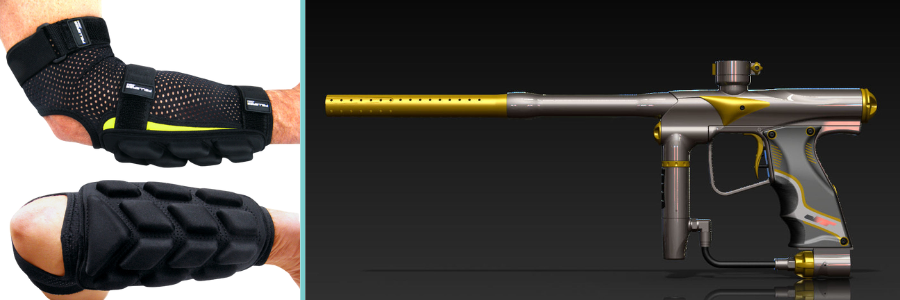
Product design of a sports and training sleeve and paintball gun by Cad Crowd design freelancers

RELATED: What are proven product design principles when working with companies & freelancers?

What concept design really is (Jargon-free)

Hardware concept design is really the translation office from your imagination to the factory floor. What you are doing here is taking your idea and making it something that can be translated, tested, and ultimately made.

It involves sketches, renderings, rough models, and lots of “what if” talking. Unlike industrial design, which is deeply interested in form and appearance, or engineering design, which drills into technical detail, concept design is the playpen where art and science meet.

Consider a Venn diagram where one of the circles is “Looks Cool,” and the other is “Actually Works.” Concept design is the lovely overlap. It is why your shiny toy won’t need duct tape to function.

Good concept design is also narrative. A business-grade rendering or mockup tells investors, fellow colleagues, and potential clients, “This exists. This is happening.” And when you use a service like Cad Crowd to source designers, you are not just hiring a pair of hands. You are getting access to people who understand how to take your idea and make them understand clearly without your needing to defend your napkin scribble in a boardroom.

Turning brain sparks into tangible plans

Do not rush off to your CAD software or 3D printing design service just yet. Step back and ask yourself: Does anyone actually need this thing? Founders are prone to falling in love with what they’ve created, only to discover later that no one else wants it either.

Begin with market research. It does not need to be a grueling spreadsheet endurance test. Interview prospective users. Blog. Observe what people grumble about in criticisms of products that already exist. If your device resolves a genuine pain point, you are already ahead of half the startups in the world.

Next, describe your product’s major functions. What is it solving for you? What sets it apart? Keep it brief. There is a temptation to pack it with every conceivable feature. Now your sleek smart toothbrush doubles as a music player, weather checker, and espresso machine. That is feature creep, and it is the bane of good hardware design.

Product design companies can help here, too. They’ve seen what works, what doesn’t, and what eats through a budget faster than “crowdfunding fiasco.” A company you find through Cad Crowd can help your idea flow into a tight, buildable idea without your laying out one dime on tooling.

Sketches, renderings, and rough models

Don’t underestimate the authority of a poor drawing. Some of the greatest products ever created were badly drawn. Perfection isn’t the goal here. Communication is the goal.

Start with pencil sketches. Even if your drawings in elementary school were better, you can still mark principal shapes and functions. Once you have a number of promising leads, go to digital media like CAD.

They enable you to experiment with proportions, dimensions, and mechanical components more accurately.

Your professional design team can bring it to life. They make it possible for stakeholders to see your product as real. Photo-realistic images are something that product design experts can do well. These can be used to entice investors or test consumer appeal on social media. Platforms like Cad Crowd introduce you to designers who can turn your gadget into a million-dollar product before manufacturing a prototype.

If you’re the do-it-yourself type, you can make crude models using foam, cardboard, or even clay. Low-cost models allow you to try out size and ergonomics without jeopardizing expensive materials. You may find that your hand-held device is child-proof but painful for an adult. Worse to find that out than after a complete production run.

Prototyping without burning your wallet

At some point, your sketches and CAD models must leave the virtual world. That is where prototyping fits in. It is like the ugly teenager phase of your product. It is not yet attractive, but it is growing really fast. Rapid prototyping is within surprisingly easy reach. 3D printing lets you make physical models rapidly and inexpensively. You can try out shapes, fit, and even primitive functions without selling your kidney for the price of production. Foam models are another inexpensive way to check ergonomics. They are the action figure figurine form of your product: inexpensive, small, and surprisingly enlightening.

CNC machining costs more but produces more accurate and durable prototypes. It’s convenient if you need to test-run mechanical pieces or stress areas. Regardless of what you choose to do, don’t fall into the thinking trap that your first prototype must be perfect. It is meant to fail where you did not expect it. That is what it is for.

It is at this point that most entrepreneurs fear, believing that defective prototypes will scare away investors or partners. Actually, the fact that you are working towards refining and testing your idea indicates that you are mature. Product design services companies, especially those you can access through Cad Crowd, can guide you through prototyping design services without resource wastage. They know what areas can be started with for trial purposes and what can be done on the next round.

RELATED: Designing for visual impact with your product design services company

Manufacturing and material considerations prior to pledge

Oh, materials. They are the unsung heroes and sometimes villains of hardware creation. Get it wrong, and your product cracks, warps, or costs more to make than you wanted. Get it right, and you can save money, increase longevity, and get your product to be more appealing.

Start by considering the environment in which your product will exist. Will it see moisture, heat, or abuse? A fashion plastic can be stylish-looking, but it could melt faster than an ice cream cone at the beach on a hot summer day if it’s exposed to high temperatures. Metals are strong but heavy, and some composites are light but stiff. There are always compromises with each.

Manufacturability is as much a consideration as appearance. Some materials are harder to machine, mold, or assemble. If your product requires exotic parts or impossible tolerances, factories will avoid you or charge you an outrageous sum. It is for this reason that hiring a product design services company in the beginning is a good idea. They can identify manufacturing nightmares in advance before you become infatuated with a design that cannot be produced in quantity.

Another thing to consider is sustainability. Consumers have become increasingly conscious of saving the environment (as we all should). By using recyclable materials on your product, you can attract consumers that promotes sustainability. Like the designers from Cad Crowd, they can help you and your engineering design firm find a balance between sustainability, quality, and price.

Designing with product design services firms

Working with a product design services firm is like leaving your baby with a babysitter for the first time. You worry that they will mess it up or, worse still, will attempt to make it “better” in a way you don’t like. But a good design partner will treat your conception carefully and react with proficiency that you can never reproduce by yourself.

Start by looking for prospective partners. Look for portfolios that match your product’s level of style and complexity. Check out reviews and testimonials. Don’t be afraid to ask for references or samples of similar projects.

In any aspect of life, communication is always the key. Always know what you want, especially regarding the project deadline and allocation of money. Ask for updates, even if it’s a drawing or scribbles. A professional designer can’t deliver your expected results if you can’t communicate clearly what you need.

Legal protection is also important. Use of non-disclosure agreements (NDAs) to protect your intellectual property. Most professional CAD design services will require it and will willingly sign.

Platforms like Cad Crowd make it easier for you to complete your team. They can connect you with screen-tested designers and engineers specializing in hardware concept design or CAD. Especially, if you require assistance in creating starting sketches, 3D modeling, or production-ready file preparation, you can find the perfect match for you without wasting months asking for recommendations.

Lastly, don’t forget cooperation is a two-way street. Hear criticism out. Experienced designers may propose changes that maximize usability, minimize cost, or ease manufacturing. While it stings to leave behind your original idea, the changes often are between a product that fails and a product that succeeds.

Common mistakes first-time founders make

Every new hardware startup founder has a horror story to tell. Some of them are funny in hindsight. Some of them are a nightmare. Listening to them can spare you the expensive mistakes.

One of the biggest mistakes in business is adding more features to a product. It all starts with a simple idea, let’s say you want to produce a cooler bottle that keeps drinks cold for longer hours. Next, you want to include a Bluetooth speaker, a cup warmer, and a built-in blender. Now, the final product is more expensive than the latest game console. This reminds you to keep your product simple and not add unnecessary features just because it’s in the latest trend.

Another common mistake is neglect of design for manufacturability services. You may create a beautiful product that looks wonderful, but is impossible to produce at an affordable price. Factories are not magic. If you specify super-tiny tolerances or unique parts never made before, expect stratospheric prices or pleasant rejection letters.

Forgetting to test is another classic repeat offender. You’re convinced your design is perfect, so you launch straight into manufacturing. And you discover that the battery lasts only twenty minutes, or the hinges collapse at slight pressure. Iteration is dull, but it’s much cheaper than recalling ten thousand dead units.

Finally, poor communication can swamp even a good project. When you are vague with your product design services company, you invite miscommunication. Specific instructions, attainable expectations, and regular feedback prevent frustration from both sides. Cad Crowd makes it a lot easier to locate communicative, talented designers, but you still need to speak up.

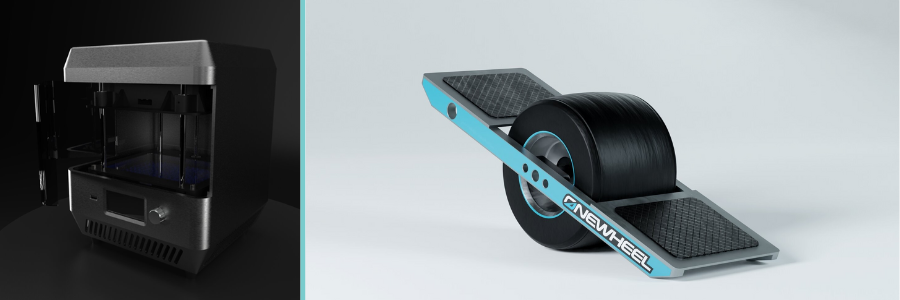
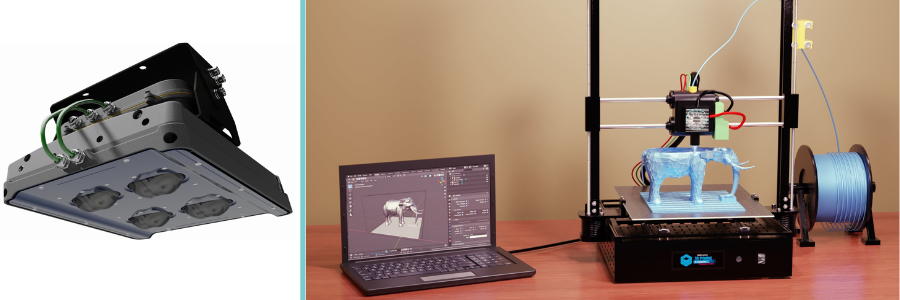
Product and hardware design of an LED lamp and 3D printer by Cad Crowd design freelancers

RELATED: How innovative design techniques can supercharge your new product concept

The magic of iteration and feedback loops

Iteration isn’t sexy, but this is where the magic happens. Every incredible piece of hardware you adore, from your favorite headphones to your appliances in the kitchen, had thousands of iterations before it went to market. Even Apple and Dyson, those industry giants, test and iterate furiously.

Each revision is picking up something new. Maybe your device is cumbersome to hold, or maybe one button’s placement is confusing for users. These small adjustments, repeated time and again, make a good product into a great product through prototype engineering services.

User testing is worth its weight in gold. Show your prototype to someone who has never seen it before and observe what they do. They will press the wrong button, flip it over, or use it in a way that you never dreamed. It’s an eye-opener, but it teaches you things that no spreadsheet ever could.

Never give up on failure. Treat every mistake as a veil for progress. The earlier your mistakes, the earlier your growth. Work with your product design services company to incorporate critiques, re-doing designs, and building improved prototypes. Cad Crowd’s network of designers can guide you through such loops efficiently and steer clear of wasteful setbacks.

Bonus tips for navigating the wild world of hardware design

Even with the best design, hardware development tends to surprise you. These are some other tricks to put in your regular bag and maybe avoid a surprise crash:

But packaging can shatter or create the first customer impression. Packaging design services decide shipping expenses, shelf life, and even safety. Involve your product design company in packaging decisions. Designers on sites like Cad Crowd can suggest functionalities that are affordable, aesthetic, and functional.

Don’t accept the first manufacturing offer at face value. Research alternatives like injection molding, vacuum forming, or die casting. Another option, usually, will be cheaper or improve the quality. A skilled designer will walk you through the pros and cons without getting bogged down with details.

Real-life situations

Just imagine the pet feeder; the first designs were stunning on paper. However, when the first batch of manufactured products arrived, the hinge on the lid failed after a few cycles. Customers posted videos of cats blissfully trashing the feeders like furry little engineers. The company recalled the product and re-engineered the hinge, an expensive lesson in testing in real-world environments.

And another founder wanted to create a wearable fitness tracker with a revolutionary clasp system. They skipped user testing because “everyone knows how to use a clasp.” But they didn’t. The clasp was so user-unfriendly that customers wore the tracker backwards or broke it attempting to buckle it. A single round of user testing could have avoided months of embarrassment and lost sales.

It’s because of anecdotes like these that iteration, open feedback, and collaboration with product development experts are so crucial. A good designer will not just provide you with neat files. They will burst bubbles in assumptions, suggest ways to make it better, and guide you around pitfalls that have swallowed up other founders whole.

RELATED: The 5 stages of prototyping for any new product idea for product design service companies

The role of branding in hardware concept design

It’s easy to take only care of the physical aspects of your product and neglect branding. Branding, however, is not merely logos and color schemes. Branding is what informs your design decisions from the start. Is your product sleek and futuristic? Friendly and playful? Outdoor-inspired and tough? These decisions determine everything from material selection to button shape.

Your designer can incorporate branding into the concept phase. If, for instance, your company is concerned about sustainability, that should guide your selection of materials and packaging. If your item is aimed at a high-end market, your concept design should be sophisticated and precise. Cad Crowd’s network has designers who know branding as part of the larger picture and will make sure your product and your brand are a natural fit.

Getting ready for manufacturing like a pro

Once you have already planned your product, you must prepare for large-scale production. This is the most underestimated phase for the first-time businessman. For them to create a successful product, they need detailed drawings, clear specifications, and clear illustrations. That’s why sloppy documentation and management can result in a very expensive failure.

Work with your product design services firm to create manufacturing-ready documents. Double-check every measurement, every tolerance, and every material specification. Don’t rely on the manufacturing design firm to “figure it out.” They will produce exactly what you give them, which can mean producing 10,000 pieces with a defect that could have been identified early on.

You ought also to think about production locations.  Home-country production can be easier in terms of communication and quality control, but foreign production can be less expensive, but needs to have great screening and perhaps longer lead times.  Think in terms of shipping, tariffs, and variations in communication styles.  A seasoned global manufacturing designer will make this easier to do.

Holding sanity together through the highs and lows

Hardware construction is a series of rollercoasters. There will be a time when you will wonder why in the world you ever thought that your plan was a good idea, but that’s fine. Remember to surround yourself with positive peers, mentors, or even online communities of fellow founders. Share your stories, and sometimes, a word of encouragement here and there from someone who has walked in your footsteps can make all the difference.

Failures are redirections. These are your long-term motivations. Keep in mind that you’re making something real, that people can hold, use, and keep close to their hearts. That’s worth the headaches. Knowing you’re leaving a legacy.

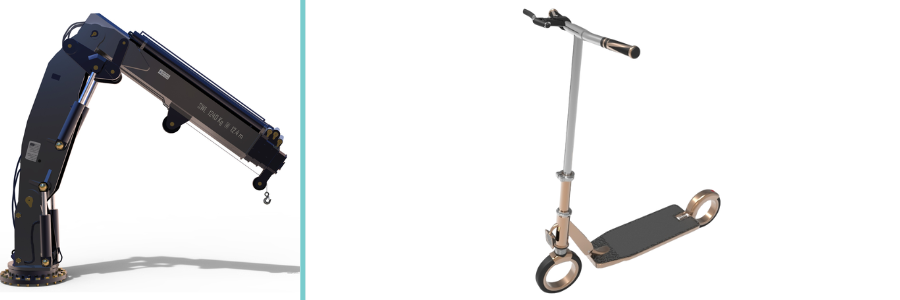
Hardware design of an operator crane and scooter by Cad Crowd product design experts and freelancers

RELATED: How CAD turns your idea into a prototype for CAD design companies & freelance services

One last push toward action

You now have information, game plans, and a little bit of sound advice. But information does not build a product. Action does. Start sketching. Research your market. Get in touch with a product design services company. Sites like Cad Crowd wait in the wings with a group of good designers who can transform your “someday” idea into a real, producible product.

Don’t wait until your concept is perfected because it won’t be. Perfection is the progress killer. The sooner you get your idea in motion, the sooner you can learn, adapt, and build something amazing. The world doesn’t need another napkin drawing that has been left behind. It needs your idea, refined, experimented with, and ready to take over the world. Request a quote today.

author avatar

MacKenzie Brown is the founder and CEO of Cad Crowd. With over 18 years of experience in launching and scaling platforms specializing in CAD services, product design, manufacturing, hardware, and software development, MacKenzie is a recognized authority in the engineering industry. Under his leadership, Cad Crowd serves esteemed clients like NASA, JPL, the U.S. Navy, and Fortune 500 companies, empowering innovators with access to high-quality design and engineering talent.

Connect with me: LinkedInXCad Crowd

How to Reduce New Product Development Risks for Design Services Companies


You’re a design lead at a hectic product design company. You’ve just landed a new client with an excellent but challenging product idea, maybe a new consumer product that’s sexy and thin, an ergonomic piece of furniture with an unexpected twist, or a kitchen appliance that’s smart and will revolutionize how people prepare meals each day. Everybody’s elated, but deep down, you know that the road ahead is fraught with perils. Will the product do what it’s supposed to do? Will production glitches sidetrack schedules? What if the market doesn’t bite?

Cutting risk in new product development (NPD) isn’t so much a checklist or a tidy process flow; it’s an art and a science wrapped up. In this in-depth piece, we’ll take you through the way design services firms at the industry leader Cad Crowd can effectively identify, handle, and reduce the types of risks that can make an innovative product vision a pricey disaster. We’ll bypass the generic software-only suggestions and jump into the nitty-gritty of products and physical goods you can touch, try, and send.


🚀 Table of contents


Understanding the nature of product development risks

Let’s chat about the sneaky risks that hide in product development. Before jumping into how to dodge them, it’s smart to know what kinds of risks you’re actually dealing with. Usually, these risks fall into a few buckets: design, manufacturing, market, and operational. Each one can throw a wrench in the works if you’re not careful.

Take design risks, for example. For companies that specialize in design services, the real challenge is striking a balance between creative ideas and practical limits. It’s not just about dreaming up something cool; you’ve got to juggle things like technical feasibility, budgets, deadlines, quality standards, and what customers really want.

Imagine you’re creating a new smart coffee maker. The other decisions you make upfront are enormous. They set the direction of everything that comes next. The materials you select will determine the source and longevity costs. The manufacturing for assembly design services ensures that you can source quantities easily and build upon them quickly. The user interface? That can be customer-centric or customer-kamakai. Risks creep in when assumptions about any of them get forgotten, aren’t rigorously tested, or when the team is out of sync.

So, here’s the magic to managing it all. The trick is identifying those risks early and catching them frequently by interweaving intelligent risk-management techniques throughout the entire project lifecycle. That way, you never see surprises and maintain a smooth-running product development train.

Begin with definitive, realistic product requirements.

Let’s talk about why starting with clear, realistic product requirements is absolutely crucial for any successful design project. You’ve probably heard the phrase “garbage in, garbage out,” and it couldn’t be more true here. If the product requirements are vague or too optimistic, it’s like trying to build a house on shaky ground; it can lead to confusion, wasted effort, and risk.

Consider the case of a client who requests a chair that is “lightweight but very resilient,” but doesn’t define what “lightweight” or “resilient” specifically entails. Without targets, designers may pursue unattainable trade-offs, going round in circles without ever arriving at a viable answer.

That’s why world-class design services firms spend time up front in a careful, collaborative requirements-gathering process. They take the time to sit down with the customer to pin down precisely what the product needs to accomplish, who will be using it, where they’ll be using it, and what regulations need to be adhered to. They also keep things real if some of the requirements run counter to budget or timelines, they’re realistic about that.

One intelligent instrument is a “requirements matrix”, an easy-to-read chart that converts client desires into quantifiable objectives, such as max weight in pounds, minimum load capacity, or operating temperature ranges. This specificity provides designers firm guardrails, reduces guessing, and substantially lowers the cost of costly last-minute redesigns. Clear requirements = smoother design, happier clients, and superior products from product design experts.

RELATED: How to reduce costs on 3D product development with remote CAD experts for companies

welding robot and VR headset freelance product design by Cad Crowd experts

Invest in rapid prototyping, fail fast, learn fast.

Investing in rapid prototyping is one of the best things a product development team can do. Rather than relying on elaborate CAD drawings and praying that manufacturing will get it all right, rapid prototyping turns ideas into actual models in a hurry and at low cost. Working this way catches mistakes in the design early on before they become costly headaches.

By making several versions of prototypes, ranging from rough 3D-printed components to working models, teams find issues that could otherwise remain concealed until production or even after the product has been released. For instance, perhaps a button is uncomfortable or a plastic piece breaks when exposed to heat. These failures aren’t failures; they’re time- and cost-saving lessons learned.

Real-world user testing is now also an option with prototypes. Users tend to have surprising preferences or usability bugs that allow designers to iron out the product prior to setting final materials or tooling. A few companies even accelerate the process further by mixing in-house prototyping with simulation software, enabling them to cycle through their ideas quickly without burning resources.

Ultimately, embracing rapid prototyping design services means learning fast by failing fast. Early testing leads to fewer surprises, smoother manufacturing, and a better product in the hands of customers. It’s a proactive way to reduce risk, improve design, and boost the chances of success.

Select materials and processes carefully.

Selecting the correct materials and manufacturing processes is more than a technical specification issue; it’s a process that can avoid wasteful missteps down the road. The incorrect material will create product failure, unseen expenses, or frustrating delays in the delivery of parts. Similarly, the manufacturing process will establish the project’s success or failure in the areas of quality and productivity.

Take exotic composites, for example. They might be incredibly strong and durable, but perhaps at the expense of higher costs and supply chain interruptions. Injection molding, on the other hand, might be wonderful for producing a lot of parts economically, but it requires costly tooling upfront as well as more set-up time before running.

Design services companies overcome these obstacles by striking a balance between new-fangled creativity and time-honored practices. They negotiate varying materials and methodologies up front, weighing factors like cost, availability, environmental factors, and the quality of the vendors. Seizing control early on avoids surprises later on.

Close collaboration with the manufacturing design services at the design stage is another significant strategy. They ensure jointly that the product can actually be produced within their budget and time frame, without cutting corners on quality. This common exercise combines design ideas with what is possible by way of manufacturing, minimizing risk, and keeping the project to schedule.

Manage the supply chain and vendor relationships proactively

Proactively managing the supply chain and vendor relationships is a game-changer for any product. The best, most flawless design can fail if the supply chain is not strong. Sourcing material delays, surprise quality problems, or abrupt price variances can upset schedules and destroy customer confidence.

Design firms have to have vendor management in mind as a key part of risk management. It starts with thoroughly qualifying suppliers to ensure that they are satisfactory and meet expectations. Having some redundancy in having multiple suppliers in the pipeline provides a cushion when things fail. Monitoring supplier performance closely on a regular basis, nipping things in the bud before they become major obstacles, is a must.

Having standby contingency plans for disruptions is also extremely important. Unforeseen issues like geopolitical instability or raw material scarcity can’t always be expected, but maintaining alternate vendors or substitute materials on standby keeps the project moving.

The best teams don’t think of vendors as order takers. They develop strong relationships, built on cooperation and trust. Inviting vendors into the design phase earlier creates those types of gems that improve the product and reduce the cost. This strategy makes supply chain management a profit driver that enables successful product launches and long-term success, which also includes engineering design partners.

Use modular and flexible design methods.

The use of modular and flexible design techniques can truly transform the manner in which products are designed and serviced. Breaking down a product into discrete, stand-alone elements, termed modular design, gives the advantage wherein each piece can be individually designed, tested, and updated. This approach will lower the possibility of total failure by compartmentalizing faults, making it easier to debug.

Think of a smart speaker with separate modules for sound, power, and casing. If the sound module goes awry, it can be repaired or replaced without rejecting the entire device. Not only does this minimize cost, but it also simplifies making the product for different customer needs or markets. Enhancements and upgrades are less daunting as improvements can be focused on individual modules instead of overhauling the entire product.

Flexibility is a companion to this, preparing for changes in production. Instead of calling for impossible precision, flexible design includes small tolerances in parts or steps. This flexibility from open innovation services is especially its weight in gold when it is time to go from the prototype stage to mass production, dodging quality control issues that usually bring trouble.

Together, modularity and flexibility make product development more robust, cost-effective, and scalable. Companies can respond faster to shifting markets, handle risk more effectively, and keep customers longer with products that change automatically over time.

Leverage sustained testing and validation beyond the basics

Product testing isn’t just to check that it functions; it’s to push it to the limit and then some. Validating correctly is more than that, pushing endurance, safety, and performance in tough environments, and making sure to check all regulatory boxes. The goal is to find vulnerabilities before the product even makes it to customers.

Preeminent product engineering design services companies know this. They do not rely on one test but take on multiple stages of rigorous testing. From bench testing, in which separate components are checked, to environmental simulations that replicate extreme temperatures of heat, humidity, or vibration, they move on. Then come real-world applications that mimic the very types of issues customers encounter on a daily basis. Topping it all off is certification preparation to ensure that the product meets industry and government standards. It even involves destructive testing at times, knowingly driving parts to failure until they fail. It may sound extreme, but this does reveal failure modes that otherwise may not be evident, yielding extremely valuable information. These are the kinds of findings that result in incremental but meaningful design changes, greatly enhancing reliability and boosting customer confidence.

The rewards of this strict approach extend well beyond product quality. By firmly testing designs at the outset, firms escape costly headaches such as recalls, lawsuits, and battered reputations. In the end, it’s a good investment that pays off in terms of long-term achievement and a clear conscience.

Create a cross-functional development team.

Creating a truly superior product is more than a single expert doing it alone. Design services companies creating cross-functional development teams set themselves up for success because they bring several skill sets into the game from the very start. When industrial designers, mechanical engineers, manufacturing specialists, supply chain managers, marketers, and quality assurance professionals are all contributing together, the process of creating the product is significantly stronger and better.

Each team member has a unique perspective that, in turn, affects the product significantly. Manufacturing engineers can identify expected manufacturing issues that can complicate large-scale production, whereas marketers offer loads of information about expected user tendencies and emerging market trends. Quality assurance experts keep everyone reminded of significant regulatory and safety implications that the product must comply with.

This blend of abilities generates initial discovery of risks that would otherwise be a killer for the project if they are later discovered. It further helps avoid letting the product vision deviate from realities in the real world, balancing creativity and feasibility. Transparency and open communication are paramount, and jointly used digital tools have become indispensable. Such tools promote seamless sharing of ideas and progress, avoiding misunderstandings and costly blunders.

A cross-functional team is not a nicety, but a strategic idea that allows companies to deliver new, functional, and sellable products earlier with greater assurance.

RELATED: Top 3D PCB design software your service provider needs for electronics design

Action camera and headphones by Cad Crowd product design experts

Plan for regulatory and compliance issues up front.

When developing a new product, dealing with regulatory and compliance matters initially can spare much trouble down the line. Too often, teams overlook these critical requirements until they’re deep into the design or development phase, only to run into late-stage surprises that kill the project altogether. Whether it’s achieving the correct safety certifications for electronic device design services, using food-grade materials for kitchen appliances, or ergonomic compliance for furniture, compliance isn’t a checkbox afterthought at the finish. It has an effect on everything from selecting materials to testing methods and even how the product can be marketed.

Future-looking design companies are focused on learning all relevant regulations upfront. In most cases, this includes researching the very specific standards that are relevant and, in some cases, bringing in experts or regulatory consultants to work through complicated rules. This way, teams bake compliance into the actual product, avoiding the costly and time-consuming requirement of redesigns or last-minute fixes.

Aside from preventing delays, compliance planning enhances the credibility of a product. Consumers are assured when they purchase something that they are sure complies with industry standards and safety standards. Such confidence not only guarantees the success of the product but also strengthens the brand as a whole. In short, pre-emptive planning for regulatory hurdles is an excellent decision that leads to more successful launches and satisfied consumers.

Organize realistic timelines and budgets with buffer.

It is important to have realistic schedules and budgets during product development. Among the most frequent mistakes that most teams make is underestimating the time to complete the tasks or the expense. When this happens, deadlines are missed, the budget increases, and quality is compromised because of the rush to catch up. Such a scenario can bring down even the best projects.

Experienced design organizations avoid these traps by creating realistic project schedules that are not based on hope. They include buffer time and extra capital from the start. This includes leaving space for necessary iterations, prototyping phases, reverse engineering services, supplier lead times, and the unavoidable surprise delays. Including these variables in the early stages prevents them from causing chaos down the line.

Keeping the project back on track also depends on reliable milestone reporting and regular review of progress. The milestones serve as an early warning for creeping slippage or cost blowout. By detecting issues early, the team is able to respond to fix them before they spiral out of control.

This systematic project management style rules out surprises and keeps everyone involved, clients, designers, and vendors, on the same page. Finally, it makes sure that the project flows smoothly with the quality product everyone looks forward to without last-minute panic or costly fixes. Pragmatic planning supported by diligent monitoring makes it well worth it.

Apply risk assessment and management tools as a matter of course.

Risk assessment is not a box to check off a list and forget. It is a recurring responsibility that needs to be incorporated into every stage of a project. Successful manufacturing design firms understand this and rely on frequent use of risk assessment and management tools throughout the project life cycle. Official risk matrices, Failure Modes and Effects Analysis (FMEA), and risk registers are favorite turn-to’s.

These tools aren’t just paperwork; they help teams systematically identify potential risks, rank them by their potential impact, and monitor them as the project progresses. By focusing efforts on the most critical risks, teams can prioritize resources and attention where it really matters. Assigning clear ownership for each risk ensures accountability, so nobody is left guessing who’s responsible for mitigation.

Also, having clear records of risks and the actions taken to resolve them builds trust with partners and clients. If risks are documented and being managed, it reflects professionalism and administration. Such transparency can be a major confidence booster, especially in complex projects where issues could easily go wrong.

Short of it, regularly using risk assessment and management tools isn’t really about staying away from problems; it’s about putting into place a systematic process for dealing with uncertainty, aligning everyone, and ultimately producing successful results.

Create a culture that welcomes risk awareness and learning.

An office culture that wholeheartedly welcomes risk awareness and learning is the difference between a business successfully managing problems and otherwise. When companies view risk management as something to be done just to tick a box or as a chore to comply with, they react in panic when unexpected things go wrong, losing time, money, and morale. But companies that build risk awareness into the thinking of the day see risks as warning signs, not bogeymen. It helps them pick up problems early, deal with them logically, and adapt without hindrance.

Encouraging open communication plays a crucial role in this transformation, especially for concept design services. When team members feel safe to voice concerns or flag potential problems without fear of blame or retaliation, risks become visible far sooner. This openness creates a proactive atmosphere where everyone is vigilant, and risks don’t fester in silence.

In addition, a culture of learning from lessons acquired, whether from failure or near misses, makes every difficulty an opportunity to improve. Rather than covering up mistakes, teams examine what failed and learn from them. This learning loop creates resilience and improves the company’s capability not to make the same mistake again.

Finally, it’s about raising risk awareness and learning in order to prevent losses. It’s about creating a resilient, forward-looking organization equipped to succeed in a continuously changing world.

Bringing it all together: A product development story

Let’s place these concepts in a story. Imagine a design firm hired to develop a new line of green kitchen gadgets. Immediately, they collaborate with the client to define specific requirements: durability, compostable packaging, water resistance, and prices. They steer clear of vague terms and establish quantifiable objectives.

They rapidly develop 3D-printed prototypes to test ergonomics and material texture. Initial user testing identifies a grip problem, so they adjust the handle design. Meanwhile, the company consults manufacturing partners and selects a bioplastic that meets cost, strength, and sustainability criteria.

The company maps out potential suppliers and identifies backup sources in case of shortages. The product design is modular, with electronics and mechanics separable, making repairs or upgrades easier. The team runs rigorous tests, including drop tests, moisture exposure, and user safety assessments.

A cross-functional team maintains open communication, flexible schedules, and budgets with buffers. Regulatory specialists make sure the gadgets are FDA-approved and electrically safe. The company relies on risk management tools to monitor risk identification and mitigation progress.

By adopting these measures, the general design firm produces a product that pleases customers, gets to market on time and within budget, while reducing the feared surprises.

RELATED: How is product design different from industrial design services companies?

product design of a watch and night vision goggles by Product design freelance experts from Cad Crowd

Last thoughts: Risk is inevitable, but manageable

Risk in new product development is inevitable, but manageable through systematic planning and proactive strategies. Success requires clear requirements, rapid prototyping, smart material selection, strong supply chain management, rigorous testing, and cross-functional collaboration. Companies that treat risk as a manageable reality rather than an enemy create products that launch successfully, on time, and within budget. By implementing comprehensive risk management practices throughout the entire development lifecycle, design firms build client trust and establish reputations for reliability and innovation. The combination of bold creativity with prudent planning transforms potential disasters into market successes.

Ready to minimize your product development risks?

Don’t let unexpected challenges derail your next product launch. Partner with experienced design professionals who understand risk management. Get systematic planning, prototyping, and testing from day one. Cad Crowd is the leading platform for connecting freelance engineering, CAD, and architectural design professionals to AEC companies worldwide. Contact us today for your free consultation and quote.

author avatar

MacKenzie Brown is the founder and CEO of Cad Crowd. With over 18 years of experience in launching and scaling platforms specializing in CAD services, product design, manufacturing, hardware, and software development, MacKenzie is a recognized authority in the engineering industry. Under his leadership, Cad Crowd serves esteemed clients like NASA, JPL, the U.S. Navy, and Fortune 500 companies, empowering innovators with access to high-quality design and engineering talent.

Connect with me: LinkedInXCad Crowd