How to Choose Between Competing Concept Design Proposals with Product Design Firms


Every year, there are nearly 30,000 new products introduced to the market, with a staggering 95% rate of failure. A big portion of those products is made by startups and small product design companies, but even internationally recognized names aren’t always immune from NPD (New Product Development) fiasco. Remember the Google Glass project, which received millions of dollars in investment but quickly vanished from the conversation? Perhaps the uncomfortable backlash from the New Coke during the mid-1980s is still in memory, too. Even the multinational oral hygiene powerhouse, Colgate, had to taste the bitter experience of a bust with its Kitchen Entrees line.

Big companies could bounce back from an NPD debacle, but many of their less fortunate counterparts struggled to even afford the chance to try again. Failed products don’t just vanish; they leave behind companies whose brands and reputations are indefinitely tarnished. Not only does a product failure drag down the financial report, but it also costs the company momentum and likely the rare opportunity to establish a market position.

This is why concept testing is a crucial phase in an NPD process. At the end of the concept generation step, you probably end up with a dozen or more concept designs. Because it makes little financial sense to try to develop every single one of them all the way to the prototyping stage, you have to pick only one concept that actually warrants the resource allocations for further development. While choosing between competing concept designs isn’t always an exact science, there’s definitely something you can do to minimize your chances of becoming part of the harrowing statistics.

Concept testing consists of a series of purposeful steps to help you gather the product’s marketability data from end-users. In general, the data should tell what the target demographics like and dislike about the product, how it compares with competitors, why some consumers want the product while others avoid it, and whether the product presents an obvious room for improvement. As simple as it may sound, there’s no guarantee that the data you gather at the end of the testing will point to any particular concept. The data still has to be scrutinized and interpreted for it to be useful.

Given the complexities of formulating the test procedures, deciding which methodology to use, and determining which participants should take part in the testing, it’s advisable to have the process done or at least assisted by NPD professionals. Cad Crowd is among the few freelancing platforms that specialize in hardware product design and engineering design services, where you can connect and collaborate with strictly vetted, tried-and-true, seasoned industrial designers experienced in concept generation and testing. With client-friendly hiring options and robust IP protection services backed by more than 15 years of experience, Cad Crowd is a reliable one-stop shop used by companies big and small to outsource any and all stages of hardware product development. The platform itself can function as a project manager if you want, bridging communication and providing quality control to make sure that your concept testing process is handled only by the best-qualified talents to guarantee accurate results.


🚀 Table of contents


Concept testing vs. product testing

The primary purpose of concept testing is to evaluate the market viability of product designs while they are still in the conceptual stage. You don’t have a product yet at this point, as it has not been fully developed. The evaluation is meant to validate ideas early on in the NPD process when there’s still enough time to revise, improve, add, and discard most of the concepts being tested. As the evaluation concludes, you should end up with the most feasible concept, allowing you to allocate resources to further develop it. Concept testing must involve representatives of the target demographic (and in some cases, experts) giving their opinions on such subjects as potential for demand, perceived values, likely pain points, performance expectations, and so forth.

On the other hand, product testing implies that you already have an almost-finished product that has undergone some rounds of prototyping followed by small-volume manufacturing. The product is approaching its full market launch timeline, but you want to make sure that everything works as intended before it hits store shelves. Since the number of units is relatively small (from the pilot production), product testing is likely done by a small number of respondents, such as certification issuing organizations, a third-party panel of experts, focus groups, and beta testers.

It’s worth mentioning that concept testing isn’t a form of marketing campaign for your consumer product design firm, either. You’re not sending the concepts for people to invest money in the NPD project or persuade them to make a purchase once the product is ready.

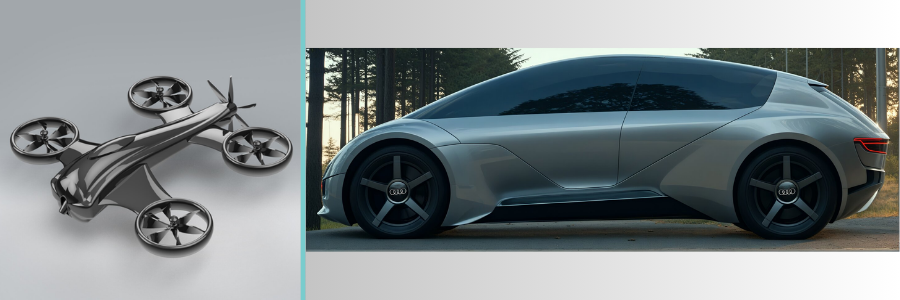
Concept designs of a drone and modern luxury vehicle by Cad Crowd design experts

RELATED: How CAD turns your idea into a prototype for CAD design companies & freelance services

Choosing the one right concept design

Say you’re developing a new hardware product. The concept generation phase gives you about a dozen or so potential designs, each with its own strengths and weaknesses. Based on technical feasibility, development cost, time-to-market schedule, and certification requirements, you narrow the selections down to half a dozen options. A possible issue with a patented design comes up, forcing you to remove another concept from the list. You have five remaining concepts available, and all of them seem to be promising enough. But you only have the resources to fully develop one product. So, how can you be sure that you’ll pick the right one? Concept testing by survey, and here’s how to do it properly.

Define clear objectives

Just like the beginning of market research, always start by defining exactly what you want to learn from the testing. Avoid vague objectives such as evaluating multiple concepts or gathering feedback from potential consumers, as they canlead to poorly executed research at best and inconclusive results at worst. You want the respondents to give specific answers about the concepts, so it’s only appropriate to throw around some specific questions as well. For example:

  • What do you think is good and bad about the concept?
  • How does the concept compare to other products you’ve already used before?
  • What features do you like the most?
  • Which design element is the worst in your opinion?
  • Is there any specific thing that makes you want this concept?
  • What are the main reasons that you wouldn’t use this concept?
  • On a scale of 1–10, how pleased are you with the concept?
  • What kind of improvements do you expect to see?
  • What features do you use the most?
  • Does the product feel ergonomic enough?

Let the things you want to know about the concepts (from the respondents) guide you through every decision, from formulating the questions to selecting the proper methodology. When you focus on specific questions, it increases your chances of acquiring coherent, decipherable answers rather than scattered pieces of responses to sort through. Narrow-focused answers make it easier for concept design experts to run the results analysis later, too.

Involve the right participants

If product testing is supposed to be a requirement for regulatory compliance and a real-world performance simulation as a form of final quality control, concept testing is all about asking the respondents for their opinions about a hypothetical new product. The keyword here is “hypothetical” because the product is yet to be materialized. All you have at this point are some concept designs, and you are in need of feedback from potential end-users.

In concept testing, respondents should primarily consist of consumers from the target market; you may also include expert users, even if they don’t belong to the same demographic. If you’ve launched a hardware product before and the new version is meant to expand your market, keep in mind that the current customers may react differently from the prospects when they’re exposed to the same concepts. Among the biggest causes of failure in concept testing are randomly chosen participants, for example, people who may never realistically buy or use the product. Their answers only dilute the insights gained from the real target market, further complicating an already complex process.

It’s advisable to recruit 150-200 respondents from each segment of the target demographic. You need to strike the right balance between speed and statistical strength, aiming to discover actionable insights and build decision-making confidence (concept selection) without dragging testing out longer than necessary.

RELATED: Top 10 benefits of reverse engineering services at product design & development companies

Testing methodology

There are four major methods commonly used for concept testing. It’s not uncommon to use a combination of two or more methods to gain as objective and reliable an insight as possible for product development experts.

Monadic: Each participant is presented with a single concept design to elicit an in-depth opinion, reducing the risk of comparison bias. Given the nature of the method, the data collected at the end of the process likely reflects respondents’ immediate reactions to a concept rather than their relative preferences. It won’t tell you why they chose any particular concept over another. That being said, my onadic survey is an excellent option for any of the following purposes:

  • Evaluation of an innovation with no direct comparison benchmark.
  • A review of a concept that requires a detailed demonstration.
  • Feedback generation on every aspect of a concept design.

In some cases, the monadic method is chosen for the simple fact that comparison bias is irrelevant to the survey result. For instance, the concept is to be developed as a direct competitor of an existing product (there will be comparison bias, but you don’t want it to affect your decision). You already know that the concept shares more than enough similarities with the alternatives, and the survey is solely intended to gauge whether the concept receives favorable feedback. Obviously, a monadic survey isn’t an ideal method to help you choose from multiple concepts, unless you have two or more concepts being tested by different groups of respondents separately.

Sequential monadic: The same group of respondents evaluates multiple concepts, one at a time. Sequential monadic gives you the benefits of an in-depth concept evaluation of its monadic counterpart, added with the ability to pit multiple concepts against each other. For order bias control, you should divide the respondents into several subgroups; a different subgroup evaluates the concepts in a different sequence, too. Among the best use cases of the method:

  • Evaluation of 2 to 4 concepts, and you need an in-depth report of each.
  • The feedback must include preference ranking.
  • Statistical comparison among the concepts is required.
  • The order of sequence in which you present the concepts may affect the objectivity or validity of the feedback.

Sequential monadic gives you a reasonable balance between detailed feedback and comparative preference in one go, making it an ideal method for budget-conscious concept design service and testing. While comparison bias is almost a given, the fact that a respondent can observe only one concept at a time can keep it to a reasonable minimum.

Comparative: Unlike with monadic and sequential monadic, where comparison bias might skew the results, you actually count on comparison bias when using the aptly called “comparative” testing method. If the goal is to put multiple concepts to the test and choose the most favorable one, this is probably the most straightforward way to do it. By allowing the respondents to do a direct comparison between competing concept designs, the data should be as unambiguous as they come. Best use cases of the comparative method:

  • A survey to figure out the key differentiators between multiple concept designs (from customers’ viewpoints).
  • Selecting the most customer-preferred design.
  • Research into whether end-users pay attention to subtle differences in multiple concepts.

The comparative method makes sense because this is what customers typically do before making a purchase. They put competing products side-by-side to understand the similarities and differences in the hope of making a well-informed buying decision. Comparative testing is how you gather preference-ranking data and identify which specific design elements most influence buyers’ choices.

Of course, the survey should ask for more than a simple ranking system. Respondents should be given the option to explain why they favor one concept over the others, providing insights to inform refinements.

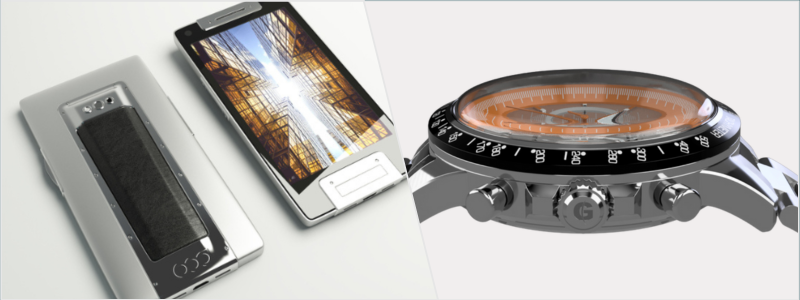
Concept design examples by Cad Crowd freelance experts

RELATED: How to improve product development for your company with engineering firms & design consultants

Protomonadic: A combination of monadic and comparative methods, protomonadic requires the respondents to evaluate the concepts in two phases. First, they evaluate the concepts individually and offer a detailed observation for each. In the second phase, they put the concepts side by side for direct comparison. Protomonadic is best used by design engineering experts for:

  • Concept testing involves complex designs, where thorough observation is required before comparison.
  • New product development research (to support investment decision).
  • An in-depth look into how certain design elements affect relative preference.

Among the aforementioned methods, protomonadic is expected to provide the most comprehensive overview of a concept’s potential marketability. The test data should indicate whether respondents’ evaluations of individual concepts align with their comparative preferences. For example, “Concept A” receives high praise for its assortment of features, but the majority of respondents say that they’re more likely to purchase “Concept B” because it’s more user-friendly. This might signal that you need to make some design compromises for the final product.

Note: there’s no single best method for every concept design testing. If you have to choose between multiple concepts quickly, the sequential monadic can be the ideal option. To gain a better understanding of how buyers respond to innovation, the monadic method promises a detailed evaluation. When in-depth comparison data is necessary, protomonadic is a wise choice. Choose the testing methodology according to the objectives, and always consider such factors as the complexity of concept design and budget.

Result analysis

Now that the testing concludes, analyze the data and look for such findings as:

  • Trends and patterns in concept selection among respondents
  • How the demographic variations (age range, occupation, ethnicity, cultural backgrounds, etc.) affect relative preference
  • Design elements with positive and negative feedback
  • Surprises, or any unexpected responses

Based on the analysis, it should become more apparent how potential buyers perceive the value proposition of each concept, what features generate the highest purchase intent, and the biggest causes of concern that might hinder adoption. Everything comes down to the simple purpose of enabling data-driven concept selection by product engineering services. The testing helps you take out all the guesswork as you choose the most promising concept design for a product.

Why concept testing matters

The idea behind concept testing is to better understand how your target market responds to a new design that could address a long-standing unmet need or offer a better alternative to existing products. You need validation (from potential buyers) that one of the proposed concept designs will perform well in the market when it’s finally launched. This validation plays no small part in your attempt to:

  • Save time and resources: when a concept gains positive feedback from the target market, you have the much-needed confirmation that further development is indeed worth pursuing. It’s best to validate the marketability of a concept as early as possible in an NPD project, so that you can focus on refining ideas that will actually work instead of churning out more design sketches with little feasibility, if any.
  • Minimize risk of failure: no one wants to develop a product that hardly sells. Respondents’ answers and observations are highly valuable for determining the next step in the development process. Whether you decide to add more features or abandon any particular design element, you should be able to trace it to the concept testing result analysis. You might not be able to provide everything that the customers want, but you can certainly avoid giving them the features they dislike.
  • Secure stakeholders’ investments: when presenting a new product concept to stakeholders (including investors), you need to back your claims of profitability with verifiable data. Concept design testing in which the respondents are representatives of the target market can make a strong case to encourage buy-in.

Furthermore, concept testing is a good measure to ensure product-market fit. While the main purpose of concept testing is indeed to select the most marketable design among many, the respondents’ answers also may reveal their preferences, needs, and pain points. Bear in mind that if the testing involves only your own concepts (without competitors’ products), the design that receives the strongest positive feedback isn’t necessarily a guarantee of market fit. It only means that the design is the best-reviewed of the bunch. But an insight into customers’ expectations helps you form the basis of a broader new product design service, which might include product positioning, marketing campaign, prioritization of affordability over versatility or portability, etc.

RELATED: From sketch to prototype with product design services for companies at Cad Crowd

The optimal and the adequate

It’s only natural that you want a clear-cut answer to everything, including matters of product design. In an ideal, simple world, selecting a concept is just a case of either/or; a concept is either good or bad, right or wrong, high-end or low-end, advanced or basic, and so forth. Everybody yearns for such simple, contrasting explanations because there’s a definitive line to separate one category from the other, leaving no room for confusion. Your target buyers also want the same thing, and so do your product designers. But the reality is that choosing among competing concept designs can be much more complex than that.

Not only do you evaluate every concept design against the problems it’s supposed to solve, but you also figure out how to deliver those solutions within the context of design constraints. Apart from the usual budget constraints, there may be challenges with fabrication methods, sourcing the right materials, securing reliable hardware component suppliers, or managing manufacturing costs.

And this brings us back to the concept testing data analysis mentioned above. You’ll find that certain design elements receive positive feedback, while others get nothing but crushing criticisms. There’s nothing wrong with that; in fact, the presence of both positive and negative reviews is an indication of concept design testing done right. In many cases, you see both high praise and harsh criticism directed toward the same concept. If you outright reject any concept that doesn’t receive complete and utter approval from the respondents, well then, you’re aiming for perfection, which unfortunately isn’t always a feasible objective to begin with. A perfect product doesn’t and can’t exist, at least not when you have to build it with all the various constraints that inevitably affect the development process and manufacturing design service effectiveness.

Choosing a concept isn’t a decision that revolves around the ideas of perfection and imperfection, but selecting one that you can develop into an optimal solution. Everybody has personal preferences, and there might be two or more solutions to the same problem. The keyword here is “optimal,” not “merely adequate,” because developing a concept into a product means optimizing the design to deliver practical solutions while maintaining strong market fit.

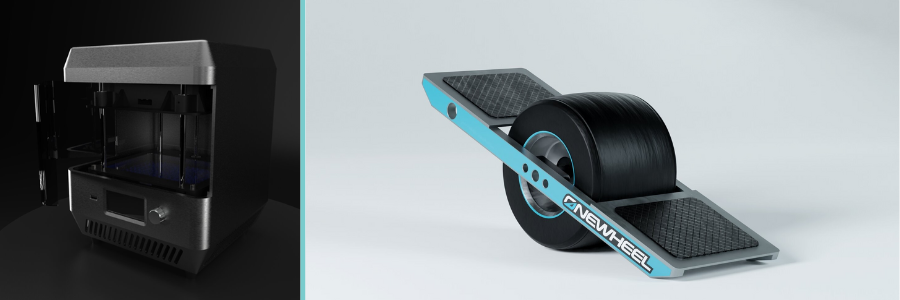
Concept design of a PCB ether and single-wheeled skateboard by Cad Crowd product concept designers

RELATED: What are proven product design principles when working with companies & freelancers?

Takeaway

Concept design testing within the context of a new product development is a lot more than just selecting between the right and the wrong or separating the good from the bad. It’s a process of discovery, where you’ll learn about customers’ preferences and what you can or should do to transform a mere concept into a design optimized for them in every use case scenario.

The notion of exposing potential buyers to multiple concepts early on in the development process in an attempt to gauge or rank design marketability sounds pretty straightforward indeed, but the reality is often the exact opposite. It takes some real planning and management to recruit the right respondents who represent every group in the target demographics and make sure that every question is framed in such a way to solicit useful answers and insightful feedback. Concept testing isn’t something you can do on a whim, and that’s where Cad Crowd comes in. Specializing in product design and development, the freelancing platform is populated with thousands of experienced project managers, industrial designers, engineers, prototype fabricators, and digital artists to handle even the most complex concept testing for hardware products.

Cad Crowd helps you streamline the whole process, from concept design presentation and respondent recruitment to method selection and data analysis. It doesn’t matter if you need a detailed evaluation of a single concept or comparative studies to choose between competing concepts; the professionals at Cad Crowd strive to provide accurate, unbiased, and valuable insights for your NPD project. Request a quote today.

author avatar

MacKenzie Brown is the founder and CEO of Cad Crowd. With over 18 years of experience in launching and scaling platforms specializing in CAD services, product design, manufacturing, hardware, and software development, MacKenzie is a recognized authority in the engineering industry. Under his leadership, Cad Crowd serves esteemed clients like NASA, JPL, the U.S. Navy, and Fortune 500 companies, empowering innovators with access to high-quality design and engineering talent.

Connect with me: LinkedInXCad Crowd

Why Design for Manufacturability (DfM) is Essential for Product Success When Hiring a Design Firm


Today’s post covers why design for manufacturability (DfM) is vital for product success when investing in 3D design firms. You may have felt that surge if you’ve ever had a great concept for a product. You look around and see others getting it, using it, and making it their own. Maybe you even drew it on a napkin at lunch or sold it to a buddy in hopes of getting it. But a great idea is just the start, as many inventors and businesses have learned. There is a turning street full of potential minefields between the concept and the buyer.

One of the largest things you can do to save money and time is to ignore design for manufacturability services, or DfM. Don’t scroll on and think this is some boring engineering talk nobody but factory folks wants to sit through. DfM is not some boring checklist factory folks are curious about being the end itself. It is the magic dust that keeps your product idea from becoming a cautionary footnote. It is your idea’s fitness coach, boot-camping it in order to make it through the nasty world of suppliers, factory floors, and customer specs.

Here, we are going to explain to you why DfM is valuable, and how it’s an investment of your time if you’ve got the right design firm to support you. We are going to demonstrate how a platform like Cad Crowd will place you side by side with the pros who will do the heavy lifting for you.

RELATED: Why Prototype DFM Services Are Useful for Product Design at Companies and Firms

The story of two widgets: a DfM lesson in disguise

Let’s begin with a story. WidgetWorks and GizmoTech are two companies that, independently, came up with the idea of a coffee mug that stirs itself. WidgetWorks hires a product concept design firm that comes up with a terrific, high-tech sketch. It has lines that would be the envy of anyone astride a sports car and a stirring rod that would never be out of place in a science fiction movie. The investors are awestruck. The prototype performs equally well on the laboratory bench. But there’s a catch.

The agitator gear works on five separate vendors, with tighter tolerances than the drum, and a manufacturing process so advanced that seasoned technicians wince with rage. But GizmoTech’s got a company that’s practiced DfM from the start. The mug is trendy and cool, but they made the pieces simple so it’s a snap to buy them. The stir assembly is simple, robust, and easy to manufacture. They’ve even sketched out how it’ll be packaged up and shipped without it getting broken.

Six months later, WidgetWorks is stuck in delay, shock, cost, and angry emails. GizmoTech is filling mugs, posting TikTok selfies of delighted customers smiling over mugs, and making hand over fist money. Tough luck: DfM is working magic.

RELATED: DFM For New Product Design Excellence: Complete Guide for Company Success 

What exactly is design for manufacturability?

DfM is the methodology for product designers to design a product so that it may be manufactured at low cost, efficiently, and in a dependable manner. It considers materials, processes, assembly techniques, tolerances, and even potential supply chain issues many months before you ever cut anything in plastic or metal. Imagine making a robot toy comprised of a lot of different joints that you could only put together with tweezers and a magnifying lens. It looks great on the CAD display, but making it is a nightmare. DfM makes you think about the hard questions first: Is there a way to make this easier?

Can we use normal materials instead of just using rare ones? Is this group going to need an origami degree? DfM is not stifling your imagination. It is actually a catalyst for your imagination. If you think about manufacturing early enough, you will discover other innovative means of doing what you want to have done, such as putting multiple parts into one molded part or employing an assembly procedure that doesn’t save assembly time but saves integrity.

That’s where your product design company can step in. Most companies have no idea about manufacturing. A seasoned firm with DfM will walk you through solutions to look at, function, and production constraint issues. Cad Crowd, for instance, can put you in touch with design companies and independent designers who walk the tightrope as a business. They can bring a fresh perspective to your idea and infuse it with battle-tested expertise, and save you expensive surprises down the line.

RELATED: 8 Tips Companies Use to Simplify Design Manufacturing or Design for Manufacturing

Why DfM avoidance is the same as wedding planning without inviting the wedding venue

Not doing DfM is equivalent to planning a wedding without going ahead to check with the wedding hall to see if they have enough chairs, parking, or even electricity. You might take weeks going about choosing the perfect flowers, choosing invitations, and choosing a band, but on your wedding day, end up having your guests standing in mud listening to an acoustic guitar. The same applies if you dive headlong into product design without DfM services. Absolutely, you can create a good-looking prototype. Then you find:

  • Tolerances so close that precision machines are unable to measure them.
  • Your twenty-stage assembly when all it needs is five.
  • You bought a plastic that is now back-ordered worldwide.
  • One source recently hiked price makes a critical contribution.

And meanwhile, while you’re busy addressing those problems, your budget’s gone out the window, your schedule’s gone down the drain, and your competitor’s done something a lot simpler but brilliant.

new product design services

The human side of DfM

DfM is not material or hardware. DfM are individuals. Think of a temperamental, tiny piece of assembly line that seems to have been designed so it will slip out of your hands. Think of a customer who is provided with a shaky product because the design had not been designed to accommodate the material chosen. By doing it right, by following the principles of DfM, you are doing it for every single person in the supply chain: the assembly technician who needs a working process, the quality product engineer who needs accessible test points, and the customer who needs a product that just works right out of the box.

Your shareholders will even sleep better at night because you’ve mitigated risk. When you are selecting DfM, you are not compromising you’re building a solid foundation. You’re prototyping in the field, and not on screen. And that’s more exhilarating than some slick render, ultimately.

RELATED: Preparing Your Firm’s Product Design For Manufacturing: How to Streamline Development and Reduce Costs

How a design firm with DfM capability delivers value

A good design house takes several times as much as a group of talented 3D artists and CAD software. They are your protection against your production nightmares. They will inquire about a pain-in-the-neck part today that will be worth millions in the future. Is the geometry of the parts in the real world for injection molding? Will this fastening system hold up to shocks during shipping? Can we cut down on the number of single products to make them easier to find? Is there something cheaper that works just as well?

These firms with world-class DfM capability also happen to have supply chain relationships or specialized expertise in factory operations. They can dictate manufacturing processes, lead times, and even packaging issues. To add a business like that as a partner is not an added expense. It’s a bet on your product’s future. Sites like Cad Crowd allow you to perform this search. Instead of hearsay or speculation, you can look at portfolios, reviews, and contact specialists whose area of expertise is compatible with what you need. If you need a sheet metal design specialist, an injection molding specialist, or a PCB layout specialist, then Cad Crowd can refer you to your desired specialist.

Common DfM fallacies that trap designers and business people

There are a few myths circulating about DfM, and a couple of them are rather old. Let us separate the fact from fiction and hopefully contemptuously ridicule the myth.

Myth 1: DfM stifles creativity

This is complaining that guardrails ruin the enjoyment of driving along a mountain road. DfM won’t murder creativity. It concentrates it. It is the way in which most of the good stuff occurs along the way, working within the constraints of manufacturing. A wise DfM designer can utilize constraints as the basis for innovation.

RELATED: How is Product Design Different From Industrial Design Services Companies?

Myth 2: DfM is reserved for large companies

Startups are mistaken in thinking that DfM is something to avoid after they’ve “made it.” Small companies have the most to gain by avoiding costly rework. A lean entrepreneur cannot afford to lose the cost of a production failure. DfM is an insurance policy, not a luxury.

Myth 3: If the prototype works, mass production will work

This is maybe the most deadly of myths. Prototypes can be lovingly hand-fashioned with devotion. Mass production is not so. A solution that will work in your basement once will not work when mass-produced in the thousands.

Myth 4: Any designer knows manufacturing

All. Not every good prototype designer has an understanding of the shop floor of the manufacturing world. Some might be excellent at drawing wonderful images, but will have no clue as to how the world is for manufacturing. With. Working with a platform like Cad Crowd, you can avail the best talent who come. Combine the art of the artist with rational capability.

Common product flops due to poor DfM

The world is full of cautionary tales in which ill-considered DfM had the best of it and made a joke with no punchline. Here are some to entertain you – and instill a little fear.

The battery compartment disaster

It was a single company that produced a best-selling toy that employed a battery pack so loosely that parents needed to open the toy halfway, even just to replace batteries. Consumer reaction was merciless: “Great toy, hell to change the batteries.” It cost them millions in redesigning.

RELATED: 5 Reasons to Hire a CAD Design Specialist to Bring Your Company’s Concept to Market

DFM services

The invisible screw

One firm created a cooking appliance that required a one-minute screw to hold an extra mobile part in position. They screwed it in so far inside the machinery that they could not remove it with a standard screwdriver. They had to have them ordered special one at a time per assembler. A professional design for manufacture and assembly designer would have saved them with one moving change.

The impossible snap-fit

One of the electronics manufacturers made a phone case with an advanced snap-fit closure. It was trendy, but in production, they found that a lot of force needed to be used to snap pieces together and snap cases were being produced as well as a pile of scrap. It is funny now, but stressful and expensive then. They also remind us cheerfully that DfM is not to be feared.

How to collaborate with a design firm

Collaboration with a 3D product modeling design firm is essential. The clearer your goal, boundaries, and expectations, the better the result. The following guidelines will guarantee simple and successful collaboration:

1. Clarify your big picture

Decide on the worth of your product, market, and end use. A good designer will make better decisions if he or she is aware of what you envision.

2. Be logical in terms of budget and schedule

Biting the bullet on schedule or budget will not accelerate it or save money. Transparent communication allows the company to make logical choices.

RELATED: Cost-Effective Methods for New Product Design & Development Services for Your Company

3. Give DFM input early

Customers may present a half-cooked design and ask for a glaze under emergency conditions. But by presenting DfM upfront, problems can be avoided, not just cured.

4. Ask how earlier problems were solved

An experienced design for manufacturing and assembly company will possess sample problems that they work on. They can show problem-solving and creativity by working on these samples.

5. Use aites like Cad Crowd

Cad Crowd allows you to easily find professionals who fit your needs. You can envision the designers who worked on something similar, so that you don’t have an incompatible expectation risk.

DfM across different industries

DfM is not a universal subject. Other items have to be addressed in different industries:

Consumer electronics

With electronics, DfM choices affect heat loss to assembly efficiency. Heat trapped, reduced life, or an assembly nightmare could be the result of bad layout. The experienced electronics designer can turn parts around for air flow and enjoy free flow on the assembly line.

RELATED: Developing Consumer Electronics Product Design with 3D Rendering Freelancers to Elevate Companies Branding

Auto parts

Auto withstands harsh environments and has to function at low costs. DfM provides realistic tolerances, robust materials, and safe designs without extra cost.

Medical devices

Medical devices are regulated and safe in some cases with very minute components, therefore it’s essential to hire a proficient medical devices design firm. One is left without authorization if a design error is committed, at risk of harming life. This cannot be done in DfM’s situation.

Consumer products

From gym equipment to kitchen equipment, consumer goods are subject to competitive markets. DfM enables you to manufacture in batches without sacrificing quality or price creep above what the customer will accept. For each of these markets, the appropriate consumer product design company, employee or hiring one through Cad Crowd, is your promise of premature success.

RELATED: 10 Design Principles for Better Products & Consumer Products with New Design Companies 

product engineering expert designers

Why DfM saves more than money

DfM definitely saves dollars on the prevention of costly redesigns and nightmares in production, but the return is so much greater than what ends up in the bottom line:

Time savings

Every postponed production will leave you behind schedule for the launch of your product, and your competition is already ahead of you. DfM gets you ahead of the game and on scheduled deadlines.

Brand reputation

A faulty product will kill your reputation. A hiccup is acceptable once, but if failure is repeated, it will topple even a good brand. DfM saves your reputation.

Environmental impact

Saving money by designing better not only saves your pocket but also the Earth. Design for efficient manufacture can cut scrap material and energy usage. 

Team morale

The challenging manufacturing project leaves your 3D design team demoralized. Doing the right thing through DfM leaves everyone proud and satisfied, as much as the final product is concerned.

RELATED: How AI Innovations Transform Modern Consumer Product Design at Agencies & Companies

Cad Crowd advantage

Having an expert can help you with your project when you have no idea what the world of industrial design is like. Platforms like Cad Crowd serve as the middleman, by helping you connect to specialists who are aware of your business and your production needs. Other than that, it can help you:

  • Sort through portfolios to search for prior experience.
  • Collect job postings and get quotes from experienced professionals.
  • Sit down with previous experienced DfM businesses and freelancers for your product category.

When you hire Cad Crowd, you are not contracting the services of a designer – you are contracting the services of an associate who is experienced in how to design to manufacture.

DfM trends shaping tomorrow’s product development

DfM is hardly in slumber. The rate of change of technology is only equaled by the methodology and tools employed in making manufacturing manufacturable. Keeping an eye on the trends will put you at the cutting edge.

Advanced simulation tools

Software programs now allow the simulation of production without a single prototype being created. Simulation designers are able to simulate test stress points, assembly sequences, and material response. It saves costly trial and error.

RELATED: Product Simulation and Analysis: Why It’s Worthwhile

Sustainable manufacturing

Environmental concerns are compelling manufacturers to produce low-waste and recyclable products. DfM is a central activity in this context. A good designer can choose low-carbon-footprint materials and processes without compromising performance. There are some other robot assembly lines for other products. Design must take into account how parts would be processed by machines and not by humans. Your product must be made compatible with automated machines with an effective DfM plan.

Global supply chain issues

History has shown us how fragile supply chains can be. Design for Manufacturability today involves designing with multiple vendors and materials so this won’t happen. A design for a single factory in one location can be a nightmare with shipping around the world.

Real-life example: when DFM turned a failing project around

A new firm that made kitchen equipment was sure they were ready to start making their goods. Maybe the prototype looked perfect, but manufacturing it for big launches doubled the time it took to make it. The launch was affected by the high price. What they did was, hire a product design and analysis team from Cad Crowd that knew the basics and advanced concepts of DfM.

RELATED: Product Testing and Validation: The Role of CAD Simulation Services for Companies

The professionals were able to decrease the installation time in half by simply changing the housing and adding two screws to a single molded clip. That move rescued the business and brought in hundreds of pounds for each batch while retaining the same schedule for the project. There are a lot of examples of this kind of turnaround. People who work in DfM should be able to see big improvements that will have a big impact.

Creating a culture of DfM in your organization

Even if you’re outsourcing to a product engineering design specialist, it’s worth having a culture of DfM in your organization. Here’s how you do it:

  • Train employees. Offer workshops or lunch-and-learns about the fundamentals of DfM.
  • Reward pragmatism. Give attention to those who propose design modifications that make the manufacturing more efficient.
  • Document lessons learned. There is always something new to be discovered in each project. Record so that you would be able to apply those lessons next time.
  • Involve manufacturing early. Involve factory representatives or suppliers in design discussions. They could prevent costly mistakes.

By involving DfM as a seamless process and not as an add-on, you enhance your pipeline for product development and make it reactive.

The hidden benefits of early manufacturing input

If the factory workers and suppliers are part of the team from the outset, they have more to gain from your success. They will go out of their way to recommend process efficiencies or make special concessions. It also protects against the fear of “design freeze panic,” when a last-minute modification threatens to destroy your timeline. The earlier the input is gathered, the less agonizing the changes. The end result is a design-to-manufacturing process that is peaceful, and fewer nights in bed for your project managers.

RELATED: The Future of Electronic Design Engineering: Innovations and Trends for CAD Services Companies

Why startups should give extra care to DfM

Startups have wafer-thin margins. One wrong move while producing can wreck capital or drive investors under the bus. Unlike established companies with war chests of fat, the startup won’t have the room to ride out an expensive rebuild. DfM is insurance. It prevents your great idea from exploding in the air on its way to manufacture. It assures your investors that you’ve considered pitfalls.

It also allows you to concentrate on marketing and expansion, rather than lunatically applying patches over an avoidable disaster. Such a program as Cad Crowd can be a real asset. They offer startups great design resources for a percentage of the cost of keeping an in-house staff.

Pulling it all together

DfM is not a dry formality or a paperwork ritual. It’s the pulse of a successful launch. To be manufacturable-aware and investing in the right design engineering professionals is a courtesy to remind you to keep within your schedule, budget, reputation, and sanity. You’re being considerate to the manufacturers who’ll produce your product, the buyers who will buy it, and the investors who gambled on you.

RELATED: How 3D Modeling Transforms Your Products with 3D Rendering Service Firms

One of the biggest things to do is to hire a design house with DfM expertise. It’s the difference between enjoying raising a glass to partying over a successful launch and running around making apologies for delays. That’s why sites like Cad Crowd are worth their weight in gold. They put you in touch with experienced DFMEA designers and firms that’ve learned the hard way and understand what not to do. You are not hiring someone capable of creating a nice piece of sketching; you are bringing aboard an investment partner who knows how to take your idea and turn it into something factories can make, customers will buy, and markets will sell. Your Next Step

How Cad Crowd can assist

When you are prepared to turn your idea into a reality, look ahead and consider the process. Will your idea flow smoothly into production or be shelved until such a time as you most likely have changed in the meantime? Don’t leave your product’s destiny to Fortune.

Go check out Cad Crowd today and find design companies and individual professionals who will guide you through DfM and beyond. Their site is full of professionals waiting to transform your doodle into productizable art. You can be a small startup business with big aspirations or a large business seeking consolidation, and Cad Crowd will lead you to the right know-how. Contact us for a free quote.

author avatar

MacKenzie Brown is the founder and CEO of Cad Crowd. With over 18 years of experience in launching and scaling platforms specializing in CAD services, product design, manufacturing, hardware, and software development, MacKenzie is a recognized authority in the engineering industry. Under his leadership, Cad Crowd serves esteemed clients like NASA, JPL, the U.S. Navy, and Fortune 500 companies, empowering innovators with access to high-quality design and engineering talent.

Connect with me: LinkedInXCad Crowd

Design Services Rates for Developing a Prototype of Your Firm’s Product New Concept Design


The post for today discusses design services rates for developing a prototype of your firm’s new product concept design. But why do you even need a prototype in the first place? Some need prototypes in the hopes of proving their product’s new technical features. Others may want to develop a prototype for their Kickstarter or GoFundMe campaign. And then, there are those who wish to make a prototype for testing the product and whether it has a spot in the market or not. Alas, there are many aspects to prototype design services.

However, the moment you get all the answers, you’ll notice that all of them share one thing in common. That’s none other than risk. The main purpose of a prototype is to evaluate, qualify, and reduce design risk as much as possible. This risk can take on many forms, which include manufacturing, technical, business, and user risk. As expected, a one-off prototype will cost more if the risk involved is also bigger.

Cad Crowd is the leading agency that can help you connect with experts providing prototypes for your firm. Consisting of over 94,000 freelancers, we pride ourselves on our ability to give reasonable service rates while still exceeding your highest standards. Whether you’re looking for innovative solutions, new concept design, strategic insights, or top-tier execution, Cad Crowd has the expertise and the talent to bring your vision to life.


🚀 Table of contents


Prototype development at a glance

The prototype development stage in the process of creating a product starts with a unique design idea. This idea is a representation of a descriptive state in a verbal or written form. The idea then undergoes polishing into a product concept that will include the benefits and features of the product.

The same concept then gets developed into a prototype to represent the working model, including its size. The prototype becomes the final product after a number of repetitions. Prototypes come in different types, and the initial stage is used for verifying the content’s form.

Following the validation stage, the next step is the pre-production before the development of the final version for new product concept design services. This one is almost the same as the completed product, which includes the appearance, packaging, and instructions. However, the final prototype can be quite costly, ranging between $3,000 and $10,000.

RELATED: 6 industries revolutionized by 3D rendering freelancers & design services companies

examples of prototypes of a high quality golf putter and small yacht propeller

How much should you expect to spend for your prototype, then?

To determine how much it would cost you to develop a prototype for the new product concept design of your firm, it’s imperative that you know exactly where you are already in your journey on product development. You can do this by following the product development process.

Below are the four stages involved in prototyping. Take a moment to review the different types of prototypes and the risk identification at every stage.

1st stage: concept design starts at $1,000

This particular stage in prototype development services focuses on user and chooser prototypes for product research. These prototypes simulate user experience with adequate fidelity to give third parties a chance to comment on the new product and its value.

Some of the risks identified in this stage include the following:

  • Determine the device’s constraints in terms of physical size.
  • Methods of interaction and the handiest solution.
  • Risk of device rejection or user confusion.

The most common types of prototypes used for this stage include:

  • Foam models
  • User interface mock-ups
  • Virtual 3D renderings and wireframes
  • Wizard of Oz functionality or beauty models

The cost and design time of prototypes may also vary. The overall design time may be a week or less, and the design costs for the preliminary mock-ups and sketching can start at $1,000. Materials are mainly off-the-shelf, including 3D custom prototype parts, tape, canned software, glue, module electronics, and cardboard paper.

RELATED: How cutting-edge medical prototyping design services help your firm design new products

2nd stage: design engineering starts at $5,000

Prototype design engineering services focus on the bench model engineering prototypes that quantify the choices for making important decisions regarding the design.

Some of the identified risks at this point include:

  • Functionality of the mechanism
  • Test specific parts of the design
  • Risks of structural, stress, fluid, and thermal engineering
  • Management of wires and sub-components
  • Limitations of wireless protocol

This stage uses two main types of prototypes:

  • Proof of concept or hand-built models
  • Product’s scale models

The costs involved are medium and depend on the validation metrics for user testing and the required customized sub-systems. The starting estimate for the bench model prototyping testing and the costs of materials is $5,000.

3rd stage: prototype and test costing $10,000 and higher

The third stage outputs a fully functional production alpha prototype. However, it also involves several identified risks, such as:

  • Risk for the business and the cost of the components and parts in volume
  • Risk for the business in terms of high volume and yield outputs
  • Wireless connectivity and custom electronics

As mentioned earlier, alpha prototypes that are fully functional are used at this point. In terms of costs, the stage has a medium price range, which depends on the output volume and product complexity. The average time for development is at least four to six weeks. The costs of the alpha prototype material range from several hundred to thousands. It depends on the required fidelity, electronics, and custom parts.

4th stage: manufacturing set-up and ready for production at $30,000

The last stage is the production of parts in a prototype that is ready for manufacturing design services. It is basically a fully manufactured early-stage unit. There are two identified risks involved here. First is the business risk related to the lead time of the parts, assembly, and components. Second is the risk in the manufacturing process, which includes wall thickness of the parts, color matching, and surface finish, just to name a few.

Early small runs of pilot pre-production units are used in this stage. The costs involved are medium, which depend on the volume of output and the complexity of the product. The development time can run for at least three months.

The costs often start at $30,000 for the basic products, and it can go higher depending on the development time, volume, and manufacturing process involved.

Challenges involved in estimating the costs of prototype development

The latest research has revealed three significant hindrances involved in estimating the costs of developing a prototype for a new product. These challenges include the following:

  • Fluctuations in the costs of raw materials

Even though it may have no effect on some products, you might want to be more strategic here during the conceptualization and design stage. The main idea here is to opt for materials whose market prices are less volatile and then invest in the said items.

  • Lack of complete perspective

The shortage of a complete perspective has something to do with taking a look at the bigger picture during the project’s early stage and then rolling out all the costs without even understanding the entire process, including the costs for prototyping designers. It results in the evaluation of the costs throughout every stage of the prototype development and placing in the data to affect the earlier estimations.

  • Spending time to understand the cost

Most of the time, decisions are just held up rather than being taken at the soonest time possible. A designer, for example, might be interested in knowing if you will be using aluminum or magnesium to finalize the model. However, having loads of calculations for doing that might result in the project being held up. But things will be so much faster if you plan and try to understand the entire variable cost as early as you can.

Being familiar with these challenges and taking advantage of them in determining the estimated costs of prototype development can serve as your guide in choosing the appropriate material you should use that best suits your project.

What about the fixed costs, though? For industrial design jobs, this will come with a few fixed costs as compared to someone willing enough to pin their idea. A fixed cost is literally a payment that you pay that won’t change at all, no matter the external factors involved. It doesn’t really matter at which stage you are in the production process because the cost will still remain the same.

RELATED: How much does NPD cost? Rates & pricing for services at top design companies

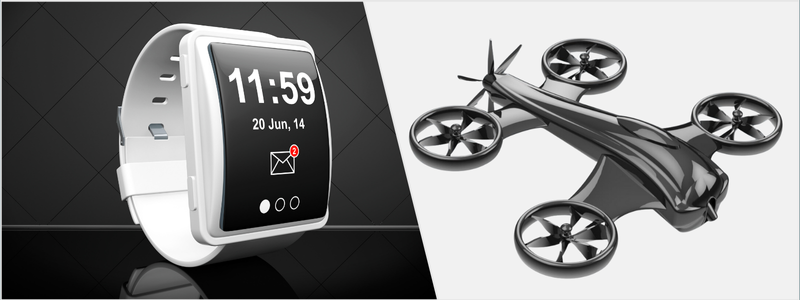
3D renderings of product prototypes for a drone and car carburetor

Factors that affect prototyping costs

Several factors affect the cost of prototyping. Each factor has a different effect on the total price and must be taken into consideration.

The chosen materials determine the cost of the prototype development. The cost of raw materials is not dependent on the specific tools used. If the material is of higher quality, it will also cost more, as expected.

The complexity of the design also has a direct impact on the costs of the prototype. If the prototype has a more straightforward design, for example, its cost will be lower than that of one that is more complicated. If you need rapid prototype services, it will add to the costs, especially for more complex designs. The idea here is that a simple geometry will be easier to produce than its complex counterpart.

The cost of labor may also differ depending on the workers’ geographical location. The labor rates also differ depending on the country. There might also be hidden charges that you’re unaware of during the prototyping.

When complex parts are being produced, it’s a must to hire professional and highly skilled technicians who can add more value to the prototype and the product afterward. The level of skill and experience has a significant influence on the cost of the prototype development.

The prototype’s level of tolerance is another important factor. What kind of accuracy do you like the product or prototype to have?

RELATED: Using 3D visualization services to communicate design intent to clients and firms

Conclusion

Turning your concept design into a prototype might surprise your fixed expenses, especially if you’re new to the industry. However, it can still be avoided by doing thorough research about it. A simple awareness regarding the prototype process and stages your design needs to undergo is important to carefully plan your budget. Also, knowing what your final product is like in terms of choice of material and detailed functionality and design will speed up the process of prototyping and, therefore, will lessen the cost.

How Cad Crowd can help

Cad Crowd will help ensure that the whole process of prototyping will be smooth and seamless. We will connect you with an experienced prototyping team that can bring your product to life. Schedule a consultation with us to talk about your project and embark on your journey to successfully developing your prototype and launching your new product. Get a quote today!

author avatar

MacKenzie Brown is the founder and CEO of Cad Crowd. With over 18 years of experience in launching and scaling platforms specializing in CAD services, product design, manufacturing, hardware, and software development, MacKenzie is a recognized authority in the engineering industry. Under his leadership, Cad Crowd serves esteemed clients like NASA, JPL, the U.S. Navy, and Fortune 500 companies, empowering innovators with access to high-quality design and engineering talent.

Connect with me: LinkedInXCad Crowd