Product Development Considerations that Can Make or Break New Product Ideas Before Launch


As usual, let’s first clear something up. This time, we’re not talking about which CAD software to use, hardware simulation on a computer, manufacturability analysis, and all those big words everybody says to sound smart. Instead, the discussion here leans toward the simpler stuff, the basic, the layperson’s ideas of good product development preparation. Let’s call them the “nontechnical” elements if you like, and by the end of the article, you’ll learn that they’re every bit as meaningful to determine success as their technical counterparts. In any case, Cad Crowd is always at your service, ready to connect you with the world’s most qualified NPD professionals through either a managed collaboration or a temporary hiring method.


🚀 Table of contents


Nontechnical elements

The business of NPD (New Product Development) has never been a simple exercise. Even when you’re restricting the discussion to the less technical stuff, there’s still quite a lot to cover. Things like establishing a strong retail presence, ensuring a good unboxing experience, and even creating “just the right” new product smell are all important to improve your chances of success. 

Retail presence

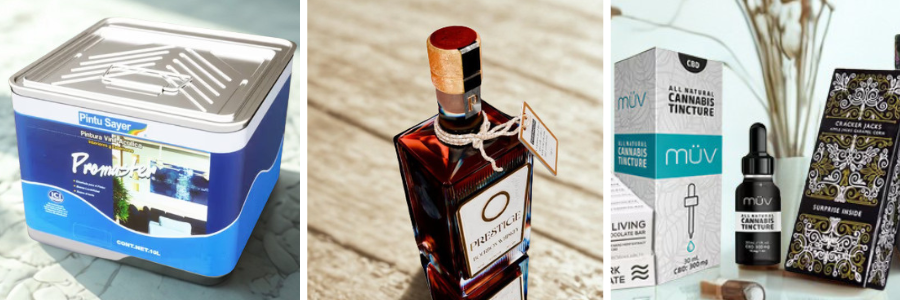
Assuming your product is supposed to sit on a retail shelf among the myriad of competitors craving for buyers’ attention, packaging is the most important salesperson you have at your disposal. This is pretty much the case with small companies, which often have to work through brokers (for a fee) to get the products displayed by retailers like Walmart, Costco, Target, Dollar General, The Home Depot, etc. Such retailers don’t work for you, and their employees probably can’t explain what your product does and its best features to buyers. Packaging is truly about the only thing you can rely on.

Aesthetics are important, but they’re much more than just graphics and colors. What you need is a physical hierarchy where your product’s greatest highlights are visible from 10 feet away. Good packaging also indicates that you take proper care not only of the presentation but also of preservation. Have you ever seen loose keychains without any packaging in a hobby shop? A lot of them are cheaper than the blister-packed ones, and often dirtier too.

Most of the time, you really have to bump into them to actually notice that they’re there. People expect to get a clean, new product, so packaging design is really a no-brainer decision. In addition to keeping the product clean from random people’s smudgy fingers, packaging does improve retail presence to a reasonable degree.

RELATED: 3D Rendering for Product Packaging Design: The Full Guide for Consumer Product Companies

But it doesn’t mean you should go overboard either. At least in this case, a bigger box doesn’t always translate to greater visibility. Some major retailers have standard shelf height, so even if your product is barely half an inch taller than that, they’re more likely to shove it to the bottom shelf, where no one bothers to take a closer look. Also, think about stackability, because packaging with a weird shape can be difficult to handle. A unique shape does stand out from the crowd, but if it easily tips over, the bottom shelf is where it goes. 

Yes, unboxing is a thing

In the old days, when people bought a new product, they quickly took it out of the box and couldn’t care less about the cardboard, the styrofoam, and the plastic wrapper. Unboxing wasn’t a thing back then, but unfortunately, it really is today. Judging by how popular this is on social media, it seems you have no choice but to cater to the notion that unboxing is a precious moment. Because of that, the idea of effective packaging goes beyond providing a protective cover that’s also quick and easy to disassemble.
Packaging-design-impact-on-product-launch-success

Unboxing a product nowadays seen as something worth sharing in the virtual world full of fancy nicknames and avatars, like it’s something you can and should brag about on YouTube and Facebook. And this adds another headache for product development teams, as the packaging itself must be designed to deliver a rewarding unboxing experience. If your packaging is so secure that a buyer has to tear it apart to access the product inside, it’s bad practice. On the other hand, poorly made packaging that’s easy to open can put the product at unnecessary risk of damage.

There needs to be a good balance between secure packaging and an enjoyable unboxing experience. Using multiple layers might be an effective way to ensure that. The outer layer, presumably a cardboard box, should be easy to open. Cardboard or any other similar material resists fingerprints and smudges quite well, and they’re not that difficult to produce. Blister packs, typically used for an electronics and hardware products, look great but don’t actually conceal the products, so there’s not much of an unboxing experience. The inner layer, like a pouch or another transparent box, enhances the premium feel and makes unboxing more enjoyable. Some people may call it tedious, but many others see it as a big part of the overall product experience.

RELATED: How 3D Packaging Design From Cad and Freelance Services Can Help Your Company Stand Out

Bottom line is, product packaging shouldn’t be an afterthought. It carries a heavy burden of convincing customers that the product inside is worth their money. You get only one quick chance to create a good first impression, so make sure that every second counts. If there’s something that can make or break product ideas even before launch, it’s the packaging design.

Hefty almost means quality

When it comes to physical products or objects of any sort, we suffer from a brain condition that associates an object’s weight with its perceived quality. Each time you pick up a knife, you want it to be hefty enough that you wouldn’t want to slice an apple with it; even a thin laptop or smartphone feels nicer if it’s properly weighty; the most trustworthy hammer in the toolbox is the heaviest one. We’re not saying that lightweight products are all bad, but you can’t help but subconsciously flag them as cheap or somewhat disposable. Meanwhile, a hefty product conveys the impression that it’s made of dense, high-grade materials and suggests durability.

This is not in any way a suggestion to make a product heavy just for the sake of it, but more of a notion about weight distribution. Unless you’re talking about shoes or eyeglasses, there’s no denying that a lightweight product seems fragile and brittle. It may even trigger a sense of unease because the product looks as if it will break after a single drop. You’re not comfortable using it, and there’s little confidence that the product can withstand even the slightest bump. And unsurprisingly enough, a product that’s too heavy is just as cumbersome. If you can’t easily handle a butcher knife, for example, every slice becomes a real struggle. What you want is the “Goldilocks” weight.

The sweet spot is where the product is neither too heavy nor too light. It still needs to be hefty, but not unwieldy. While this kind of “hand feel” does stem from the complexities of material choices and design ergonomics, you can’t really describe it as a technical issue. It’s more like a practical case of physical vibe that helps shape buyers’ quick perception of quality rather than the result of a thorough assessment. And if we really think about it, a quick perception is all it takes to separate a buying decision from rejection.

RELATED: How 3D Modeling is Beneficial in Product Manufacturing & New Product Development Services

Tactile experience
Physical-product-tactile-design-for-market-success

Still on the subject of material choice, the tactile experience of a product also speaks volumes about its quality. Apart from proportion and weight balance, the typical buyer can’t help but associate different types of materials with the product’s value for money. For instance, wood should feel warm to the touch, and its organic nature is indeed worth a certain premium. Metal is cold and hard, giving buyers the confidence that the product is built to last. Plastic is always seen as the lesser material, less durable, and less premium than the alternatives, but more affordable. Each of these materials has its own distinct feel to the touch, or tactile perception if you like.

Let’s say your product is a coffee machine that promises both reliability and ease of use. As strange as it may sound, people don’t initially judge a product based on what it does or even how well it does the job. The machine can probably make great-tasting coffee, but because users have to interact with it to make the beverage, tactile feedback will inevitably affect their judgment. Imagine having two machines in front of you. They offer the same set of features and are sold at the same price. One comes with all-metal dials and knobs, whereas the other has plastic buttons. Despite having identical functionality, you can easily guess which machine sells more.

With that in mind, tactile perception is a good indicator of value for money and, therefore, of the price point. The coffee machine example above says that metal is the material of choice, and this is probably right for most physical products. But it doesn’t mean that metal design product is always better than plastic design product. There are plenty of products that work best if they’re made of plastic, such as toys (like LEGO bricks), electronic enclosures, car bumpers, syringes, and more.

RELATED: Product Development Guide: How an Industrial Design Company Develops Your Idea

Although tactile perception provides a lot of insight into the product’s expected quality, it still comes down to how the product is meant to be used. For instance, metal keycaps on a laptop probably look impressive, but they’ll burn your fingertips after a prolonged session of typing. If plastic makes more sense (cheaper to manufacture, easier to handle, and safer than alternatives), an effective way to deliver “good” tactile perception is to ensure that material choices and finishing align with the price range and promised quality. In addition to durability and aesthetics, you also have to consider whether the material can be safely or comfortably handled for its intended use.

Assembly required

If your product is one of those with a reasonably small badge exclaiming “assembly required!” near the bottom of the box, you’d better make sure that the instruction manual is as well-written and clearly-illustrated as they come. Before we delve into this, let us remind you that there are two types of people:

  • The average buyer belongs to the first type. They look down on the badge and think that every product should come pre-assembled from the factory; otherwise, they’ll avoid buying it altogether. Their idea of hell is an IKEA store.
  • In contrast, the second type consists of buyers who think they have better things to do than read a manual before assembling a product. In their mind, “assembly required” is a suggestion that if all else fails, read the instructions, then burn it.
  • And if you really want to stretch it, you get a third type, with the conviction that instruction manuals with pictures are only for the unintelligent. We’re going to ignore these people because their opinions aren’t really that important.

Perhaps you’re selling model kits, specialized tools, bicycles, office chairs, telescopes, shelving units, or anything else that requires some assembly out of the box. We’ll be generous and assume your product is well-built and of good quality, whatever it is. So that’s one box ticked in the quality assurance sheet. The challenge is to convince people of your ability to write a good instruction manual.

RELATED: How 3D CAD & CAM Have Changed New Product Design

Buyers like illustrated instruction manuals. They just don’t like to admit it. Here is an idea: rather than saying “Assembly Required process” on the box, why not just be brutally honest and go with “Manual with Pictures Included?” It might not have the same rings (admittedly), but for sure it’ll get the job done. Remember to include the assembly tool as well. It doesn’t matter whether it’s just a pair of screwdrivers or a hex key; the important thing is that you provide the required tools for proper assembly, so the buyer never needs to purchase anything else to get the product ready. 

Intuitive assembly can be a technical matter, but sometimes it’s just a matter of common sense with a little bit of aesthetic touch. An easy example would be the use of color-coded fasteners. Instead of using multiple small plastic bags to organize the screws by length, don’t you think the buyers would appreciate it more if you used color-coding? For instance, the short screws are black and are to be used on the inner side of the assembly, while the longer ones are red and are for the outer enclosure. It really isn’t that difficult to paint screws anyway. An effective manual is an unassuming one. A good rule of thumb is to write the manual as if you’re explaining it to a 5-year-old kid. Never assume that every buyer has the same technical understanding of a shop drawing as an engineer.

Mechanical feedback

A physical product should give a mechanical feedback service to the user. It can be the “click” of a button, the “thud” of a lid closing, or the slight yet noticeable resistance when you flick a switch. The knob on a quality safe makes a nice clicky sound with every turn, as does the plunger of a ballpoint. All these seemingly accidental noises are more than just mere side effects of hard objects bumping into each other. They’re engineered to provide reassuring feedback (which makes this a technical consideration? Maybe, but we’ll gloss over it for now).
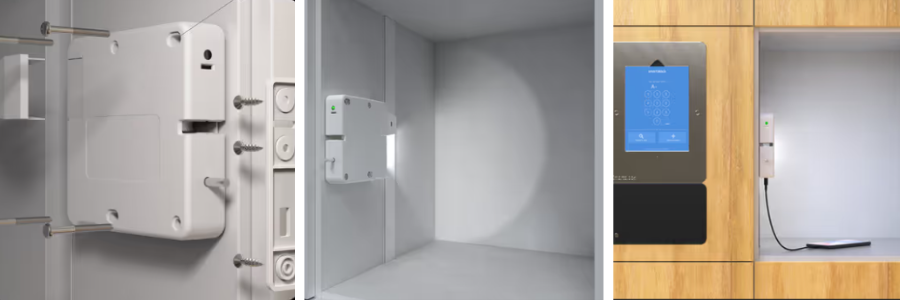
Nontechnical-elements-in-new-product-development-process

Mushy buttons have very few physical cues. They seem not to want to tell you if you’ve already pressed them, and that’s not reassuring at all. There’s a reason why mechanical keyboards are so popular nowadays, to the point where silent mice appear like a step in the wrong direction. Clicky yet not noisy buttons are best. If you were born in recent history, you probably didn’t know there was a series of smartphones (with a physical keyboard, because that was a thing back then) that was popular until about a decade ago called “BlackBerry.”

Take our word for it, they used to have the best buttons in the world. If your products have buttons, that should be your point of reference, but we digress. In general, regardless of the product, so long as it has moving parts and requires users to occasionally operate them, make sure that every interaction feels easy and pleasant, and comes with a sprinkle of reassurance about quality. A movable part isn’t always in the form of buttons. It can be a snap-on battery cover, a screw-down lid, a filler cap, a door, a lever, a pull cord, etc.

RELATED: Product Rendering and 3D Visualization – A Full Overview

Everyone smells their new product

You don’t see it happen often on unboxing videos on YouTube, but we know that just about everybody almost always smells their newly purchased product. Not every new product smells like a perfume, alright, and many (probably most) people actually don’t expect a physical object to give off the hint of vanilla or earthy green, whatever that means. At the same time, they do not need to be exposed to the pungent odor of harsh glues and low-grade plastic with every unboxing.

Apart from being unnecessarily unpleasant, the sharp stench is almost a sign that you try too hard to make the product as clean as possible. But more often than not, this tells buyers about how low the quality must be that you need to use toxic bleach to clean things up. A brand-new product, fresh out of the box, should smell nice like a tree on a calm afternoon in autumn, not a sterile medical laboratory. Even if you have to use strong chemical cleaners, at least use vacuum packing process to suck all the air out before sealing it shut.

Is it easy to clean?

People expect their new product to look as great as the picture on the box. And thankfully, in a lot of cases, that’s not exactly a tall order. We’ll take the liberty of assuming you’re not selling collectibles, such as die-cast toys or trading cards, which should be kept in clear packaging to maintain their value. Instead, you build and sell a practical product meant to be used for its intended purpose. It’s an ordinary item people use daily. Things like stationery, kitchen utensils, power tools, home appliances, wallets, backpacks, everyday gadgets, and basically just some actually useful everyday items.

A product looks clean and shiny when it’s new. There’s nothing wrong with that. In fact, that’s how it has always been. Over time, however, after a few days or weeks of use, the clean, shiny look may be covered with dust, gunk, and smudges. The truth is that physical products do get dirty. The question is, have you made it easy for a user to clean the product? And guess what, the hints to the right answer are surprisingly pretty straightforward.

Let’s start with the surface finishing. Polished metal shines and feels premium, but it’s a fingerprint magnet that turns into a smudge fest after just a few minutes of use. Brushed finishing might be better, and it can look just as pretty. Tiny crevices on a product’s surface also lend a sense of sophistication, creating a sense of intricacy in the design, even when they do nothing but collect dirt and sweat from the user’s hands. One of the most common examples of this problem is an ergonomic computer mouse with honeycomb holes. Are they easy to clean? Yes, they are. But are they easier to clean than holeless ones? No, they’re not. 

RELATED: Tips for Product Design Firms: Validate New Product Ideas & Squash Launch Failures

Modularity is important, too. Still remember how some products come with an “assembly required” badge? Now let this sink in for a minute: a product that’s easy to assemble isn’t always designed for easy disassembly and reassembly. Quite a mouthful of a sentence indeed, but not that difficult to understand. Say you’ve just bought a brand new desk ornament. It came in a box as an assortment of separate pieces that you have to put together using the included glue.

You had fun building the ornament, and the assembly itself was a breeze. But because the glue was so strong, you’re going to have a hard time disassembling the pieces for cleaning. Even if you manage to take it all apart, the adhesive leaves behind stubborn stains. So, for ease of cleaning and reassembly, mechanical fasteners like screws, bolts, and nuts are the better options. Cleanability is supposed to be one of the most important non-technical considerations for every new product idea.

Storage space

As far as new product development is concerned, everybody likes to talk about Design for Assembly and Manufacturing. What about “storage design?” Shouldn’t that be a consideration, too? Yes, it should, but unfortunately, it doesn’t make for a very interesting topic for discussion. That being said, we’re here to touch on the subject, albeit briefly, for the reason we just mentioned: it’s not exciting.

Nontechnical-product-design-factors-before-market-launch

When people buy a product, they practically give up at least a small portion of their home’s real estate for storage. Bought a new juicer? Make sure there’s still some space in the kitchen cupboard because the shelf just isn’t deep enough. Taking home a new pair of lawn chairs for the porch? Make sure the old ones can go into the basement. Are you sure you want to get a treadmill? Like, the living room isn’t crowded already. You’re not living in the 1940s, where everyone treated radios as polished furniture. Everything in this day and age needs to be reasonably low-profile and easy to live with. If your product can’t be made into a small form factor, at least have the decency to give it a pleasing aesthetic. So that if it has to stand out in the kitchen, the bedroom, or perhaps the bathroom, it doesn’t become an eyesore.

Takeaway

Technical considerations are crucial, but don’t fall into the trap of taking all the nontechnical ones for granted. A small portion of your target consumers probably do care about every bit of sophistication that goes into the behind-the-scenes work of product development. They pay attention to the material specifications, safety certifications, the eco-friendliness of the manufacturing process, and ethical considerations as well (like whether animals were harmed in the making of the product, maybe?). The vast majority of buyers, however, focus on entirely different things, such as the new-product smell, the clicky feel of the buttons, and how well-made the pictures are in the instruction manuals.

RELATED: Elevating Your Company’s Product Designs Through User-Centered Design Principles 

How Cad Crowd can help

Balancing priorities between the technical and nontechnical elements of product development can be a headache, but it doesn’t have to be a strenuous experience. All you need to do is hire the right people for the right tasks, and that’s where Cad Crowd comes in. Backed by a network of thousands of experienced product development professionals, Cad Crowd has what it takes to bring clients and experts together into a collaborative workflow through multiple hiring options and a user-friendly project management platform.

Cad Crowd gives you curated talent at your fingertips. With more than 15 years in the business, it knows a thing or two about not only bringing product ideas to life but also ensuring a successful launch. Contact us now for a free quote!

author avatar

MacKenzie Brown is the founder and CEO of Cad Crowd. With over 18 years of experience in launching and scaling platforms specializing in CAD services, product design, manufacturing, hardware, and software development, MacKenzie is a recognized authority in the engineering industry. Under his leadership, Cad Crowd serves esteemed clients like NASA, JPL, the U.S. Navy, and Fortune 500 companies, empowering innovators with access to high-quality design and engineering talent.

Connect with me: LinkedInXCad Crowd

How to Choose Between Competing Concept Design Proposals with Product Design Firms


Every year, there are nearly 30,000 new products introduced to the market, with a staggering 95% rate of failure. A big portion of those products is made by startups and small product design companies, but even internationally recognized names aren’t always immune from NPD (New Product Development) fiasco. Remember the Google Glass project, which received millions of dollars in investment but quickly vanished from the conversation? Perhaps the uncomfortable backlash from the New Coke during the mid-1980s is still in memory, too. Even the multinational oral hygiene powerhouse, Colgate, had to taste the bitter experience of a bust with its Kitchen Entrees line.

Big companies could bounce back from an NPD debacle, but many of their less fortunate counterparts struggled to even afford the chance to try again. Failed products don’t just vanish; they leave behind companies whose brands and reputations are indefinitely tarnished. Not only does a product failure drag down the financial report, but it also costs the company momentum and likely the rare opportunity to establish a market position.

This is why concept testing is a crucial phase in an NPD process. At the end of the concept generation step, you probably end up with a dozen or more concept designs. Because it makes little financial sense to try to develop every single one of them all the way to the prototyping stage, you have to pick only one concept that actually warrants the resource allocations for further development. While choosing between competing concept designs isn’t always an exact science, there’s definitely something you can do to minimize your chances of becoming part of the harrowing statistics.

Concept testing consists of a series of purposeful steps to help you gather the product’s marketability data from end-users. In general, the data should tell what the target demographics like and dislike about the product, how it compares with competitors, why some consumers want the product while others avoid it, and whether the product presents an obvious room for improvement. As simple as it may sound, there’s no guarantee that the data you gather at the end of the testing will point to any particular concept. The data still has to be scrutinized and interpreted for it to be useful.

Given the complexities of formulating the test procedures, deciding which methodology to use, and determining which participants should take part in the testing, it’s advisable to have the process done or at least assisted by NPD professionals. Cad Crowd is among the few freelancing platforms that specialize in hardware product design and engineering design services, where you can connect and collaborate with strictly vetted, tried-and-true, seasoned industrial designers experienced in concept generation and testing. With client-friendly hiring options and robust IP protection services backed by more than 15 years of experience, Cad Crowd is a reliable one-stop shop used by companies big and small to outsource any and all stages of hardware product development. The platform itself can function as a project manager if you want, bridging communication and providing quality control to make sure that your concept testing process is handled only by the best-qualified talents to guarantee accurate results.


🚀 Table of contents


Concept testing vs. product testing

The primary purpose of concept testing is to evaluate the market viability of product designs while they are still in the conceptual stage. You don’t have a product yet at this point, as it has not been fully developed. The evaluation is meant to validate ideas early on in the NPD process when there’s still enough time to revise, improve, add, and discard most of the concepts being tested. As the evaluation concludes, you should end up with the most feasible concept, allowing you to allocate resources to further develop it. Concept testing must involve representatives of the target demographic (and in some cases, experts) giving their opinions on such subjects as potential for demand, perceived values, likely pain points, performance expectations, and so forth.

On the other hand, product testing implies that you already have an almost-finished product that has undergone some rounds of prototyping followed by small-volume manufacturing. The product is approaching its full market launch timeline, but you want to make sure that everything works as intended before it hits store shelves. Since the number of units is relatively small (from the pilot production), product testing is likely done by a small number of respondents, such as certification issuing organizations, a third-party panel of experts, focus groups, and beta testers.

It’s worth mentioning that concept testing isn’t a form of marketing campaign for your consumer product design firm, either. You’re not sending the concepts for people to invest money in the NPD project or persuade them to make a purchase once the product is ready.

Concept designs of a drone and modern luxury vehicle by Cad Crowd design experts

RELATED: How CAD turns your idea into a prototype for CAD design companies & freelance services

Choosing the one right concept design

Say you’re developing a new hardware product. The concept generation phase gives you about a dozen or so potential designs, each with its own strengths and weaknesses. Based on technical feasibility, development cost, time-to-market schedule, and certification requirements, you narrow the selections down to half a dozen options. A possible issue with a patented design comes up, forcing you to remove another concept from the list. You have five remaining concepts available, and all of them seem to be promising enough. But you only have the resources to fully develop one product. So, how can you be sure that you’ll pick the right one? Concept testing by survey, and here’s how to do it properly.

Define clear objectives

Just like the beginning of market research, always start by defining exactly what you want to learn from the testing. Avoid vague objectives such as evaluating multiple concepts or gathering feedback from potential consumers, as they canlead to poorly executed research at best and inconclusive results at worst. You want the respondents to give specific answers about the concepts, so it’s only appropriate to throw around some specific questions as well. For example:

  • What do you think is good and bad about the concept?
  • How does the concept compare to other products you’ve already used before?
  • What features do you like the most?
  • Which design element is the worst in your opinion?
  • Is there any specific thing that makes you want this concept?
  • What are the main reasons that you wouldn’t use this concept?
  • On a scale of 1–10, how pleased are you with the concept?
  • What kind of improvements do you expect to see?
  • What features do you use the most?
  • Does the product feel ergonomic enough?

Let the things you want to know about the concepts (from the respondents) guide you through every decision, from formulating the questions to selecting the proper methodology. When you focus on specific questions, it increases your chances of acquiring coherent, decipherable answers rather than scattered pieces of responses to sort through. Narrow-focused answers make it easier for concept design experts to run the results analysis later, too.

Involve the right participants

If product testing is supposed to be a requirement for regulatory compliance and a real-world performance simulation as a form of final quality control, concept testing is all about asking the respondents for their opinions about a hypothetical new product. The keyword here is “hypothetical” because the product is yet to be materialized. All you have at this point are some concept designs, and you are in need of feedback from potential end-users.

In concept testing, respondents should primarily consist of consumers from the target market; you may also include expert users, even if they don’t belong to the same demographic. If you’ve launched a hardware product before and the new version is meant to expand your market, keep in mind that the current customers may react differently from the prospects when they’re exposed to the same concepts. Among the biggest causes of failure in concept testing are randomly chosen participants, for example, people who may never realistically buy or use the product. Their answers only dilute the insights gained from the real target market, further complicating an already complex process.

It’s advisable to recruit 150-200 respondents from each segment of the target demographic. You need to strike the right balance between speed and statistical strength, aiming to discover actionable insights and build decision-making confidence (concept selection) without dragging testing out longer than necessary.

RELATED: Top 10 benefits of reverse engineering services at product design & development companies

Testing methodology

There are four major methods commonly used for concept testing. It’s not uncommon to use a combination of two or more methods to gain as objective and reliable an insight as possible for product development experts.

Monadic: Each participant is presented with a single concept design to elicit an in-depth opinion, reducing the risk of comparison bias. Given the nature of the method, the data collected at the end of the process likely reflects respondents’ immediate reactions to a concept rather than their relative preferences. It won’t tell you why they chose any particular concept over another. That being said, my onadic survey is an excellent option for any of the following purposes:

  • Evaluation of an innovation with no direct comparison benchmark.
  • A review of a concept that requires a detailed demonstration.
  • Feedback generation on every aspect of a concept design.

In some cases, the monadic method is chosen for the simple fact that comparison bias is irrelevant to the survey result. For instance, the concept is to be developed as a direct competitor of an existing product (there will be comparison bias, but you don’t want it to affect your decision). You already know that the concept shares more than enough similarities with the alternatives, and the survey is solely intended to gauge whether the concept receives favorable feedback. Obviously, a monadic survey isn’t an ideal method to help you choose from multiple concepts, unless you have two or more concepts being tested by different groups of respondents separately.

Sequential monadic: The same group of respondents evaluates multiple concepts, one at a time. Sequential monadic gives you the benefits of an in-depth concept evaluation of its monadic counterpart, added with the ability to pit multiple concepts against each other. For order bias control, you should divide the respondents into several subgroups; a different subgroup evaluates the concepts in a different sequence, too. Among the best use cases of the method:

  • Evaluation of 2 to 4 concepts, and you need an in-depth report of each.
  • The feedback must include preference ranking.
  • Statistical comparison among the concepts is required.
  • The order of sequence in which you present the concepts may affect the objectivity or validity of the feedback.

Sequential monadic gives you a reasonable balance between detailed feedback and comparative preference in one go, making it an ideal method for budget-conscious concept design service and testing. While comparison bias is almost a given, the fact that a respondent can observe only one concept at a time can keep it to a reasonable minimum.

Comparative: Unlike with monadic and sequential monadic, where comparison bias might skew the results, you actually count on comparison bias when using the aptly called “comparative” testing method. If the goal is to put multiple concepts to the test and choose the most favorable one, this is probably the most straightforward way to do it. By allowing the respondents to do a direct comparison between competing concept designs, the data should be as unambiguous as they come. Best use cases of the comparative method:

  • A survey to figure out the key differentiators between multiple concept designs (from customers’ viewpoints).
  • Selecting the most customer-preferred design.
  • Research into whether end-users pay attention to subtle differences in multiple concepts.

The comparative method makes sense because this is what customers typically do before making a purchase. They put competing products side-by-side to understand the similarities and differences in the hope of making a well-informed buying decision. Comparative testing is how you gather preference-ranking data and identify which specific design elements most influence buyers’ choices.

Of course, the survey should ask for more than a simple ranking system. Respondents should be given the option to explain why they favor one concept over the others, providing insights to inform refinements.

Concept design examples by Cad Crowd freelance experts

RELATED: How to improve product development for your company with engineering firms & design consultants

Protomonadic: A combination of monadic and comparative methods, protomonadic requires the respondents to evaluate the concepts in two phases. First, they evaluate the concepts individually and offer a detailed observation for each. In the second phase, they put the concepts side by side for direct comparison. Protomonadic is best used by design engineering experts for:

  • Concept testing involves complex designs, where thorough observation is required before comparison.
  • New product development research (to support investment decision).
  • An in-depth look into how certain design elements affect relative preference.

Among the aforementioned methods, protomonadic is expected to provide the most comprehensive overview of a concept’s potential marketability. The test data should indicate whether respondents’ evaluations of individual concepts align with their comparative preferences. For example, “Concept A” receives high praise for its assortment of features, but the majority of respondents say that they’re more likely to purchase “Concept B” because it’s more user-friendly. This might signal that you need to make some design compromises for the final product.

Note: there’s no single best method for every concept design testing. If you have to choose between multiple concepts quickly, the sequential monadic can be the ideal option. To gain a better understanding of how buyers respond to innovation, the monadic method promises a detailed evaluation. When in-depth comparison data is necessary, protomonadic is a wise choice. Choose the testing methodology according to the objectives, and always consider such factors as the complexity of concept design and budget.

Result analysis

Now that the testing concludes, analyze the data and look for such findings as:

  • Trends and patterns in concept selection among respondents
  • How the demographic variations (age range, occupation, ethnicity, cultural backgrounds, etc.) affect relative preference
  • Design elements with positive and negative feedback
  • Surprises, or any unexpected responses

Based on the analysis, it should become more apparent how potential buyers perceive the value proposition of each concept, what features generate the highest purchase intent, and the biggest causes of concern that might hinder adoption. Everything comes down to the simple purpose of enabling data-driven concept selection by product engineering services. The testing helps you take out all the guesswork as you choose the most promising concept design for a product.

Why concept testing matters

The idea behind concept testing is to better understand how your target market responds to a new design that could address a long-standing unmet need or offer a better alternative to existing products. You need validation (from potential buyers) that one of the proposed concept designs will perform well in the market when it’s finally launched. This validation plays no small part in your attempt to:

  • Save time and resources: when a concept gains positive feedback from the target market, you have the much-needed confirmation that further development is indeed worth pursuing. It’s best to validate the marketability of a concept as early as possible in an NPD project, so that you can focus on refining ideas that will actually work instead of churning out more design sketches with little feasibility, if any.
  • Minimize risk of failure: no one wants to develop a product that hardly sells. Respondents’ answers and observations are highly valuable for determining the next step in the development process. Whether you decide to add more features or abandon any particular design element, you should be able to trace it to the concept testing result analysis. You might not be able to provide everything that the customers want, but you can certainly avoid giving them the features they dislike.
  • Secure stakeholders’ investments: when presenting a new product concept to stakeholders (including investors), you need to back your claims of profitability with verifiable data. Concept design testing in which the respondents are representatives of the target market can make a strong case to encourage buy-in.

Furthermore, concept testing is a good measure to ensure product-market fit. While the main purpose of concept testing is indeed to select the most marketable design among many, the respondents’ answers also may reveal their preferences, needs, and pain points. Bear in mind that if the testing involves only your own concepts (without competitors’ products), the design that receives the strongest positive feedback isn’t necessarily a guarantee of market fit. It only means that the design is the best-reviewed of the bunch. But an insight into customers’ expectations helps you form the basis of a broader new product design service, which might include product positioning, marketing campaign, prioritization of affordability over versatility or portability, etc.

RELATED: From sketch to prototype with product design services for companies at Cad Crowd

The optimal and the adequate

It’s only natural that you want a clear-cut answer to everything, including matters of product design. In an ideal, simple world, selecting a concept is just a case of either/or; a concept is either good or bad, right or wrong, high-end or low-end, advanced or basic, and so forth. Everybody yearns for such simple, contrasting explanations because there’s a definitive line to separate one category from the other, leaving no room for confusion. Your target buyers also want the same thing, and so do your product designers. But the reality is that choosing among competing concept designs can be much more complex than that.

Not only do you evaluate every concept design against the problems it’s supposed to solve, but you also figure out how to deliver those solutions within the context of design constraints. Apart from the usual budget constraints, there may be challenges with fabrication methods, sourcing the right materials, securing reliable hardware component suppliers, or managing manufacturing costs.

And this brings us back to the concept testing data analysis mentioned above. You’ll find that certain design elements receive positive feedback, while others get nothing but crushing criticisms. There’s nothing wrong with that; in fact, the presence of both positive and negative reviews is an indication of concept design testing done right. In many cases, you see both high praise and harsh criticism directed toward the same concept. If you outright reject any concept that doesn’t receive complete and utter approval from the respondents, well then, you’re aiming for perfection, which unfortunately isn’t always a feasible objective to begin with. A perfect product doesn’t and can’t exist, at least not when you have to build it with all the various constraints that inevitably affect the development process and manufacturing design service effectiveness.

Choosing a concept isn’t a decision that revolves around the ideas of perfection and imperfection, but selecting one that you can develop into an optimal solution. Everybody has personal preferences, and there might be two or more solutions to the same problem. The keyword here is “optimal,” not “merely adequate,” because developing a concept into a product means optimizing the design to deliver practical solutions while maintaining strong market fit.

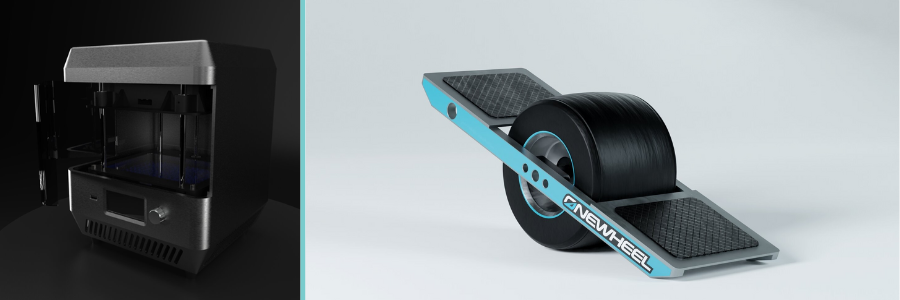
Concept design of a PCB ether and single-wheeled skateboard by Cad Crowd product concept designers

RELATED: What are proven product design principles when working with companies & freelancers?

Takeaway

Concept design testing within the context of a new product development is a lot more than just selecting between the right and the wrong or separating the good from the bad. It’s a process of discovery, where you’ll learn about customers’ preferences and what you can or should do to transform a mere concept into a design optimized for them in every use case scenario.

The notion of exposing potential buyers to multiple concepts early on in the development process in an attempt to gauge or rank design marketability sounds pretty straightforward indeed, but the reality is often the exact opposite. It takes some real planning and management to recruit the right respondents who represent every group in the target demographics and make sure that every question is framed in such a way to solicit useful answers and insightful feedback. Concept testing isn’t something you can do on a whim, and that’s where Cad Crowd comes in. Specializing in product design and development, the freelancing platform is populated with thousands of experienced project managers, industrial designers, engineers, prototype fabricators, and digital artists to handle even the most complex concept testing for hardware products.

Cad Crowd helps you streamline the whole process, from concept design presentation and respondent recruitment to method selection and data analysis. It doesn’t matter if you need a detailed evaluation of a single concept or comparative studies to choose between competing concepts; the professionals at Cad Crowd strive to provide accurate, unbiased, and valuable insights for your NPD project. Request a quote today.

author avatar

MacKenzie Brown is the founder and CEO of Cad Crowd. With over 18 years of experience in launching and scaling platforms specializing in CAD services, product design, manufacturing, hardware, and software development, MacKenzie is a recognized authority in the engineering industry. Under his leadership, Cad Crowd serves esteemed clients like NASA, JPL, the U.S. Navy, and Fortune 500 companies, empowering innovators with access to high-quality design and engineering talent.

Connect with me: LinkedInXCad Crowd